News related to
Indian

Union Minister Gajendra Singh Shekhawat is set to represent India at the BRICS Culture Ministers’ Meeting in Brasília on 26 May 2025. The gathering, hosted by Brazil under its current BRICS presidency, aims to bolster cultural cooperation among member nations—Brazil, Russia, India, China, and South Africa.

Shekhawat, who has held the portfolios of Culture and Tourism since June 2024, is expected to underscore India’s commitment to cultural diplomacy, heritage conservation, and fostering people-to-people exchanges. His participation aligns with India’s broader strategy to enhance multilateral cultural ties and promote its rich artistic heritage on the global stage.

The agenda for the meeting includes discussions on collaborative initiatives in performing arts, visual arts, literature, and the creative industries. Member countries will explore avenues for joint cultural projects that celebrate and preserve the diverse cultural identities within the BRICS bloc. India plans to advocate for inclusive cultural growth and enhanced multilateral cooperation within this framework.

In addition to the formal ministerial dialogue, the Indian delegation is scheduled to engage in bilateral meetings with counterparts from other BRICS nations. These discussions aim to expand cultural exchange programs, co-host festivals, and strengthen intergovernmental partnerships in the cultural sphere.

The BRICS Culture Ministers’ Meeting serves as a vital platform for fostering mutual understanding and cultural exchange among the five member countries. This year’s gathering emphasizes strengthening cultural cooperation, boosting institutional ties, and launching joint cultural projects that celebrate and preserve the diverse cultural identities within the BRICS bloc.

Chelsea Football Club has unveiled plans for a groundbreaking real estate venture in Dubai, marking its first foray into branded residential developments. In collaboration with Dubai-based developer DAMAC Properties, the project, named Chelsea Residences by DAMAC, will comprise six 130-metre-high towers situated in Dubai Maritime City. Scheduled for completion by December 2029, the development will offer over 1,400 sea-facing apartments, each infused with Chelsea’s distinctive branding and […]

India’s Competition Commission has uncovered evidence suggesting that major global advertising agencies, including WPP-owned GroupM, Interpublic’s IPG Mediabrands, Publicis, and Dentsu, colluded to fix commission fees charged to advertisers. This revelation follows surprise raids conducted in March at the Indian offices of these agencies, as well as at the Indian Society of Advertisers , the Advertising Agencies Association of India , and the Indian Broadcasting and Digital Foundation .

A confidential CCI document dated February 7 indicates that these agencies engaged in unlawful coordination through WhatsApp groups and virtual meetings, agreeing on fee structures and pressuring non-compliant members. The investigation revealed three cartels across different industry groups, with agencies and broadcasters also accused of collectively avoiding discounts to clients. The case was initiated under a whistleblower program, with Dentsu reportedly providing internal findings of price-fixing along with a controversial 2023 IBDF-AAAI document that discouraged undercutting and required agencies to provide a “no objection” certificate if clients switched firms.

The CCI’s raids, which began early on March 18, targeted around 10 locations across Mumbai, New Delhi, and Gurugram. Officials scrutinized emails and cloned evidence from mobile phones at GroupM’s Indian office, among others. These actions come amid significant changes in India’s advertising market, following an $8.5 billion merger between Walt Disney and Reliance’s media assets, capturing a substantial market share. The investigation, which dates back to last year, focuses on alleged collusion on ad pricing and discounts. If found guilty, the agencies could face hefty penalties. The CCI does not disclose details of ongoing investigations, which could take months to resolve.

Following the raids, the AAAI issued an advisory on March 26, urging members to avoid discussions over pricing or other commercially sensitive information during meetings, and to exit existing WhatsApp groups to prevent further scrutiny. The advisory emphasized compliance with India’s competition laws to avoid further scrutiny.

The CCI’s investigation has significant implications for India’s $18.5 billion advertising market—ranked eighth globally—particularly amid ongoing consolidation such as Disney and Reliance’s $8.5 billion media merger. The outcome of the probe could redefine how advertising agencies, broadcasters, and advertisers interact in India’s rapidly evolving media landscape, at a time the industry is navigating challenges from digital disruptions and shifting consumer behavior.

Uganda has formalised an $800 million financing agreement with the Islamic Development Bank to support a suite of infrastructure projects aimed at bolstering the country’s trade capabilities and economic integration within East Africa. The agreement, signed during the IsDB’s annual meeting in Algiers, encompasses investments in railway development, health, transport, and energy sectors. A significant portion of the funding is earmarked for the development of a railway […]

Greenlogue/AP Alt Carbon, a climate-tech startup based in Bengaluru, has raised $12 million in seed funding to expand its carbon dioxide removal operations across South Asia. The funding round was led by Lachy Groom, co-founder of robotics AI firm Physical Intelligence, with participation from existing investors including Shastra VC and ACT Capital Foundation. Founded by siblings Shrey and Sparsh Agarwal, Alt Carbon employs enhanced rock weathering to […]

By Sushil Kutty Nobody can beat the Prime Minister in breathing fire at adversaries. Especially, when his ire is directed at Pakistan. The Pakistanis, they can be irritating, damn! But Pakistani newspapers would have spent much of May 22 reworking their scripts after Prime Minister Modi went all out against the Pak Army and the […]
By Nitya Chakraborty The four day visit of the Pakistan Deputy Prime Minister Mohammad Ishaq Dar to China ended on Wednesday May 21 with top Chinese leaders assuring Dar that ‘as an ironclad friend, China, as always, firmly support Pakistan in safeguarding its national sovereignty and territorial integrity, support Pakistan in exploring a development path […]
Advertisements

Mauritius is intensifying efforts to attract travellers from Gulf countries, with the tourism sector positioning itself to tap into a high-spending demographic amid growing global competition. The island’s tourism authority has highlighted the Gulf region as a key source market, aiming to capitalise on increased air connectivity, rising disposable incomes, and evolving travel preferences.

Officials from the Mauritius Tourism Authority emphasise a strategy focused on delivering a high-quality, product-driven experience tailored to Gulf travellers’ expectations. Luxury accommodations, personalised services, and exclusive experiences form the cornerstone of this approach. The island’s appeal is strengthened by its reputation for safety, pristine beaches, and cultural diversity, factors that resonate well with Gulf visitors seeking both relaxation and immersive travel.

Mauritius benefits from its geographic proximity and enhanced flight options, including direct and one-stop routes operated by regional and international airlines. These improved connections make the destination more accessible, facilitating a smoother travel experience that Gulf tourists increasingly prioritise. The airline partnerships and new routes also reflect broader industry trends where connectivity drives tourism inflows and regional collaboration plays a key role in market expansion.

The tourism authority’s promotional campaigns have adapted to digital trends, leveraging social media influencers and targeted marketing to engage Gulf travellers effectively. Content emphasises Mauritius as an exclusive yet accessible luxury getaway, blending natural beauty with upscale amenities. This digital outreach complements traditional marketing channels, aiming to build sustained interest and brand loyalty.

Luxury resorts and hotels on the island have upgraded their offerings, aligning with Gulf travellers’ preferences for privacy, fine dining, wellness, and bespoke excursions. Several properties have introduced Arabic-speaking staff, tailored menus, and prayer facilities to better serve the Gulf clientele. This cultural sensitivity enhances comfort and inclusivity, strengthening the destination’s competitive edge.

Economic data shows that Gulf tourists typically spend more per visit than visitors from many other regions, making them highly desirable for the island’s tourism revenue. With tourism contributing significantly to Mauritius’s GDP, targeting high-value markets is essential for sustaining economic growth, especially in the post-pandemic environment where recovery efforts remain critical.

The broader Indian Ocean region faces intense competition from other luxury beach destinations, including the Maldives, Seychelles, and Zanzibar. Mauritius’s tourism leadership acknowledges the need for continuous innovation and investment to maintain its standing. This includes diversifying experiences beyond beaches, promoting eco-tourism, cultural tours, and sporting events to appeal to diverse traveller interests.

Environmental sustainability is becoming a priority within Mauritius’s tourism development plans, as the island seeks to balance growth with conservation. Several resorts have adopted green certifications and community engagement programmes, which appeal to environmentally conscious Gulf travellers increasingly interested in responsible tourism. This trend aligns with global shifts toward sustainable travel, reinforcing Mauritius’s positioning as a forward-thinking destination.

Authorities are also working with Gulf travel agencies and tour operators to create customised travel packages that simplify booking and enhance the overall journey. Collaborative partnerships extend to the luxury retail and entertainment sectors, integrating shopping and leisure activities into holiday experiences. Such integrated offerings respond to Gulf tourists’ demand for comprehensive, seamless trips combining relaxation, adventure, and lifestyle.

Mauritius’s appeal to Gulf visitors is further strengthened by the island’s multilingual population and historical links to the region through trade and diaspora communities. These ties foster a sense of familiarity and hospitality, factors that influence travel decisions positively. The tourism sector recognises that maintaining and deepening these connections is crucial for long-term market development.

Global travel trends show an increasing preference among Gulf nationals for destinations that offer exclusivity and privacy, particularly amid ongoing health concerns and evolving safety expectations. Mauritius has implemented stringent health protocols and flexible cancellation policies to reassure travellers, factors that contribute to its attractiveness as a safe and dependable destination.

Despite the promising outlook, challenges remain. The volatility of international travel regulations, fluctuating fuel prices, and economic uncertainties in key Gulf states could affect visitor numbers. Moreover, competition for tourists’ attention and spending power requires Mauritius to continually enhance value propositions and innovate its offerings.

Investment in infrastructure improvements, including airports, road networks, and hospitality facilities, supports the island’s ambition to elevate the visitor experience. Public and private sector collaboration is essential in this regard, with government incentives encouraging tourism-related investments and innovation. These efforts underscore a commitment to sustainable and inclusive tourism growth.

Mauritius’s strategy reflects a broader shift in global tourism towards targeting affluent travellers with discerning tastes. By focusing on personalised, culturally aware, and environmentally responsible tourism products, the island is positioning itself as a top-tier destination for Gulf nationals. This aligns with global luxury travel market trends, which prioritise authenticity, comfort, and unique experiences.

Efforts to attract Gulf travellers are expected to have a multiplier effect, benefiting ancillary industries such as retail, transportation, and local crafts. The integration of tourism with local economic development highlights Mauritius’s holistic approach to growth, emphasising the social and economic benefits of a vibrant travel sector.


Matein Khalid The fallout from the Moody’s downgrade is unfolding exactly as I guesstimated it would in my Sunday afternoon post. The 10 Year US Treasury note yield is now 4.54% and 30 year money is now 5.02%. So my 2/10 and 2/30 US Treasury note bear steepener strategy is oozing green – so far. Gold is also a classic haven from the fiscal Frankenstein that is […]

By Nantoo Banerjee It may be good that the latest armed conflict between India and Pakistan ended quickly before it could blow up into a full-scale war leading to massive destruction of life and property and economic disaster in both the countries – maybe more so in Pakistan than in India. However, the abrupt end […]
By P Sudhir People on both sides of the border were relieved. The four-day-long military engagement between India and Pakistan came to a close on the late afternoon of May 10. Despite this, gunshots were heard late in the night. But later, the DGMOs of both countries confirmed that the ceasefire has held and war […]

Matein Khalid I was neurologically programmed to disbelieve every communique issued by the Indian or Pakistani military in the wartime and thus missed the spectacular 50% rise in the shares of A​VIC Chengdu Aircraft, a Shenzhen listed vendor of the $39 million J-10 fighter jet that downed three Indian ​$250 million Rafales, a MiG-29 and Sukhoi-30 while Frenc​h, British and US intelligence told sources in Reuters, Bloomberg, […]

Lakshmi Mittal, the steel magnate and one of Britain’s wealthiest individuals, has secured ownership of a lavish mansion in Dubai’s Emirates Hills, a neighbourhood often referred to as the “Beverly Hills of Dubai.” The transaction, completed earlier this year, underscores the growing trend of affluent individuals investing in the city’s luxury real estate market. Emirates Hills, developed by Emaar Properties, is renowned for its exclusivity and opulence. […]

Mukesh Ambani, chairman of Reliance Industries and Asia’s wealthiest individual, is set to attend a high-profile state dinner in Doha on Wednesday evening alongside U.S. President Donald Trump and Qatar’s Emir Sheikh Tamim bin Hamad Al-Thani, according to individuals familiar with the matter. The gathering is part of President Trump’s Middle East tour, which has centred on investment and economic diplomacy.

While no formal business discussions are scheduled, Ambani’s presence underscores his growing influence in global business and diplomacy. His conglomerate, Reliance Industries, has longstanding ties with the Qatar Investment Authority , which has invested in various Reliance ventures over the years. Additionally, Ambani maintains strategic partnerships with U.S. technology giants such as Google and Meta.

The state dinner is being hosted at Lusail Palace, the official residence of the Qatari Emir. Another prominent business figure, based in London and known for close ties to both the Trump administration and Qatari leadership, is also expected to attend the event. Further details of Ambani’s itinerary have not been disclosed, and Reliance Industries has not responded to queries regarding his visit.

This meeting follows the Qatari Emir’s visit to India in February, during which Qatar committed to investing $10 billion across various Indian industries. The commitment reflects the strengthening economic ties between the two nations.

President Trump’s visit to Qatar is part of a broader Middle East tour focused on fostering investment opportunities. Following his engagements in Doha, Trump is scheduled to travel to the United Arab Emirates on Thursday.

By Sushil Kutty The western Press is egging United States President Donald Trump to press India for third-party mediation in the Kashmir imbroglio roiling India-Pakistan relations, while at the same time asserting that Trump has put India, led by Prime Minister Narendra Modi, in a “tight spot”. Prime Minister Modi wasn’t asked for his opinion […]

Matein Khalid The smoke signals from Geneva came even faster than the one in the Vatican that announced the arrival of Pope Leo XIV on the world stage. If the US-China trade marathon was a Bollywood movie, Scott Bessant would be​ ​dancing wet and wild with the Chinese Vice Premier Lifeng in their Jet d’Eau or kowt​owing on those little abraas that criss-cross the Rhône river​ since […]

By Saifur Rahman The governments and the private sector in the GCC are investing heavily in infrastructure and creating world-class race tracks for the development of motorsports that, coupled with strong interest among the local youth are spearheading the motorsports in the region. Home to two global Formula 1 race tracks, the region is yet to become a global hotspot for motorsports. Although a lot of youngsters […]

By Nitya Chakraborty Prime Minister Narendra Modi has placed India in a very advantageous position vis a vis Pakistan in the limited war that lasted for four days beginning early hours of May 7. The ceasefire that took effect from 5 PM of May 10 was more engineered by desperate Pakistan which hoodwinked the US […]

Liberia’s Ministry of Foreign Affairs has confirmed that Liberian students residing in India are not currently facing any immediate threats to their safety, despite escalating military tensions between India and Pakistan.

This assurance follows bilateral discussions between the Liberian Ministry and the Embassy of India in Monrovia. The Indian authorities have conveyed that no Liberian nationals are located in the regions affected by the recent conflict, particularly the Kashmir area, which has been the focal point of the hostilities.

The Ministry has also been in direct contact with the President of the Association of Liberian Students in India, who corroborated the Indian Embassy’s statement, affirming that Liberian students are not in harm’s way. Nonetheless, to ensure the well-being of its citizens, the Ministry plans to dispatch a delegation to India to conduct a firsthand assessment of the security and living conditions of Liberian students.

Concerns had been mounting among the Liberian student community in India, with reports indicating that over 2,000 Liberian students are enrolled in various academic and technical programs across the country. The students had expressed apprehension over the potential spillover effects of the India-Pakistan conflict on their safety and had called for immediate intervention from the Liberian government.

In response to these concerns, the Ministry reiterated its commitment to the safety and welfare of Liberians abroad. It highlighted ongoing consultations initiated in 2024 regarding the establishment of a Liberian diplomatic mission in New Delhi, aimed at providing consular services and support to Liberian nationals in India.

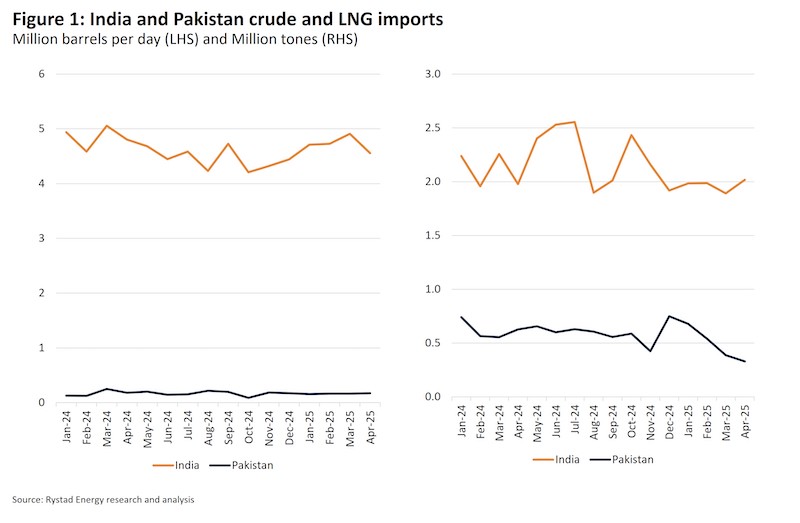
By K Raveendran Reports from across the border suggest that Pakistan is already suffering a fuel crisis, with petrol pumps having been ordered closed for the time being. An analysis of the emerging energy scenario in the wake of the ongoing conflict suggests the beginning of a serious crisis for Pakistan, while India is relatively […]

Matein Khalid ​I spent a wonderful afternoon with an​ old friend​, a Persian prince in his cousin’s Jumeirah villa to heal from the trauma of multiple Hindutva chick​en hawks keyboard warriors berating me for​ pointing out the fact that Dassault Aviation shares have fallen 3% in Paris while the Chinese J-10CE fighter jet (Vigorous Dragon) soared 20% in Shenzhen. Only a moron with a Stone Age IQ […]

Tensions between India and Pakistan have prompted the closure of 24 airports in India, severely impacting civil aviation operations. The Ministry of Civil Aviation confirmed the development late on Thursday, citing security concerns due to the heightened situation. The airports, which include both major and smaller regional facilities, will be closed for an indefinite period, severely disrupting domestic and international flight schedules.

Airlines have also issued travel advisories, urging passengers to verify their flight status before heading to the airports. With the closures affecting airports in multiple states, airline operators have scrambled to adjust their operations. Several flights have been rerouted, while others have been delayed or cancelled entirely.

The decision to temporarily halt civil aviation activities was taken in light of the worsening security situation, as both nations engage in a war of words, following escalating border tensions and military skirmishes. Experts suggest that these disruptions could have significant economic consequences, especially for air traffic and tourism in India.

The airports affected include some of the busiest in the country, which serve as key hubs for both international and domestic flights. Among those closed are airports in major cities such as Mumbai, Delhi, and Bangalore, although smaller regional airports, especially those located closer to the western border, have also been impacted.

Authorities have not specified the exact nature of the threat leading to the closures but have made it clear that national security remains the top priority. Government sources indicate that security agencies are on high alert, monitoring the situation closely. The closure of these airports is seen as a precautionary measure to prevent any potential threats to civil aviation.

Airlines, including domestic carriers such as Air India and IndiGo, have been proactive in reaching out to passengers with updated flight details. The carriers have also advised those planning to travel to check with their respective airlines for any changes to their flight schedules. The uncertainty surrounding travel dates has caused frustration among passengers, many of whom are now scrambling to rebook their tickets.

The aviation industry, which has been recovering from the significant impacts of the COVID-19 pandemic, faces yet another setback. The temporary airport shutdowns come at a time when air travel demand has been rising in India, fuelled by a growing middle class eager to travel both domestically and internationally.

Travel experts caution that the ongoing closures could strain both the logistics and the tourism sector, which had been seeing an uptick in activity after a prolonged period of restrictions. Regional tourism hotspots, especially those relying heavily on air traffic, could feel the economic ramifications of these disruptions.

The closures are not the first instance of aviation disruptions tied to geopolitical tensions between India and Pakistan. Both nations have historically imposed airspace restrictions during periods of heightened conflict, particularly along their shared border. However, the scale of this shutdown, involving 24 airports, represents a significant disruption to India’s aviation infrastructure.

The government has yet to provide a timeline for when normal operations will resume at the affected airports. Aviation authorities have urged the public to remain patient and adhere to updated guidelines. Security forces have been deployed around the airports that remain operational, and extra measures are in place to handle the surge of passengers affected by the closures.

Meanwhile, businesses in sectors reliant on air cargo are also facing disruptions, with certain freight shipments delayed due to the grounding of flights. India’s growing logistics and e-commerce industries, which depend on efficient air freight services, could experience a ripple effect from the ongoing crisis.

As the situation continues to evolve, the Indian government has promised to keep the public informed of any further developments. The Ministry of Civil Aviation has set up a helpline for affected passengers and continues to collaborate with security agencies to monitor any emerging threats.

The Indian Rupee has plummeted to its lowest value against the UAE Dirham in over a month, marking a significant drop to 23.36 per dirham. This decline, the steepest since mid-April, follows escalating border tensions between India and Pakistan, which have triggered volatile market reactions. Traders are closely monitoring the situation, with fears of further instability driving the currency’s slide.

As the conflict intensifies, the Rupee’s depreciation is attributed to growing uncertainties surrounding the geopolitical standoff. India and Pakistan, both nuclear-armed neighbours, have long been at odds over the Kashmir region. The latest developments have exacerbated market fears of prolonged instability, pushing investors to seek safer assets, which has further weighed on the Rupee.

Currency markets, traditionally sensitive to geopolitical risks, have seen a surge in demand for the US Dollar, which remains a global safe-haven. Analysts point to the Dollar’s strengthening as a direct response to mounting tensions in South Asia, compounded by global inflationary pressures. With foreign investors retreating from riskier assets, the Rupee has been further pressured, intensifying the currency’s downtrend.

The Indian government’s response to the situation, alongside Pakistan’s military actions, has added to investor uncertainty. The military exchanges along the Line of Control between the two countries have led to heightened concerns not only about regional security but also about the broader economic repercussions of prolonged instability. Economists suggest that the markets will continue to reflect these risks until diplomatic measures are taken to de-escalate tensions.

The ongoing conflict is expected to affect trade relations, particularly in sectors reliant on cross-border commerce. Import and export activities between India and Pakistan, already hindered by past disputes, are likely to experience further disruptions. This could lead to an uptick in inflation, especially in critical sectors like oil, where price fluctuations are particularly sensitive to regional tensions.

Central banks in both nations, as well as the International Monetary Fund , have called for restraint, urging both sides to avoid further military escalation and seek peaceful resolutions. However, the risk of military confrontations spilling over into broader regional instability remains a concern that is factoring heavily into currency movements.

The financial impact on India is also underscored by the continued inflationary pressures faced by the country. While India has a relatively strong domestic economy, analysts warn that the ongoing uncertainty over the border conflict could undermine investor confidence, further destabilising the currency. This would place more pressure on the Reserve Bank of India , which may be forced to intervene in the markets to prevent excessive depreciation.

For businesses and consumers, the weakening Rupee has meant higher costs for imported goods, particularly fuel and electronic products, which are crucial to India’s economy. The cost of living for many Indian citizens is expected to rise, further intensifying socio-economic concerns. The rise in fuel prices has already led to protests in certain parts of India, with many calling on the government to address the economic fallout from the ongoing tensions.

The Indian government, however, remains optimistic about the long-term outlook for the Rupee. According to finance ministry officials, the country’s economic fundamentals remain robust despite the external geopolitical risks. They argue that the current currency depreciation is part of a broader, global trend, and that India is well-positioned to weather the storm with its growing foreign reserves and strong trade relationships beyond the subcontinent.

Despite these assurances, many analysts argue that India’s growing fiscal deficits and inflationary pressures could further complicate the Rupee’s recovery. A sharp depreciation could potentially lead to an erosion of investor confidence, compounding the country’s financial challenges.

By Nitya Chakraborty More than forty hours have passed since the missile strikes by Indian military on the nine terror camp sites in Pakistan. The situation in both New Delhi and Islamabad is witnessing the same type of preparations indicating that Pakistan is getting ready for another military confrontation with India after the Kargil war […]
VISHNU RAJA
RYO YAMADA
HITORI GOTOH
IKUYO KITA