News related to
Indian

Arabian Post Staff Adani Group is implementing a significant overhaul of its family office structure in a move aimed at enhancing transparency and governance. The conglomerate is set to appoint a chief executive officer for its family offices and bring in auditors from a leading global firm. This initiative follows increased scrutiny of the group’s accounting practices and is part of broader efforts to align its governance […]

India’s Minister of Commerce and Industry, Piyush Goyal, has leveled serious accusations against major e-commerce companies, including Amazon, alleging that they are engaging in predatory pricing practices that undermine local businesses. Goyal criticized these firms for using their financial clout to dominate the market, disregarding the rules, and harming small retailers. He emphasized that such practices are not only unfair but also illegal under Indian law.

Goyal’s comments reflect growing concerns within the government about the impact of global e-commerce giants on the domestic retail sector. The minister argued that these companies exploit their vast resources to offer deep discounts, effectively driving smaller competitors out of business. This, he noted, disrupts the level playing field that is essential for a healthy market economy.

The minister also took issue with the aggressive tactics employed by these firms, suggesting that their behavior is detrimental to the broader economy. He warned that the government would take strong action to ensure that all businesses operate fairly and within the bounds of the law. This includes strict enforcement of the regulations governing e-commerce, which are designed to protect consumers and ensure that small and medium enterprises can compete on an equal footing.

The controversy comes amid increasing scrutiny of e-commerce companies in India, with several regulatory bodies investigating their business practices. The Competition Commission of India (CCI) has already launched probes into the alleged anti-competitive behavior of some of these firms, focusing on their pricing strategies and the preferential treatment of certain sellers.

This development underscores the growing tension between the Indian government and large multinational corporations operating in the country. Goyal’s remarks are seen as a clear signal that the government is prepared to take a tougher stance against any perceived market abuses. The minister’s statements are likely to have significant implications for the future of e-commerce in India, as the government seeks to balance the benefits of foreign investment with the need to protect domestic industries.

The e-commerce giants have not yet responded to Goyal’s accusations, but they are expected to defend their business practices, arguing that they comply with all applicable laws and regulations. However, the minister’s comments suggest that the government may push for more stringent oversight and regulation of the sector in the coming months.

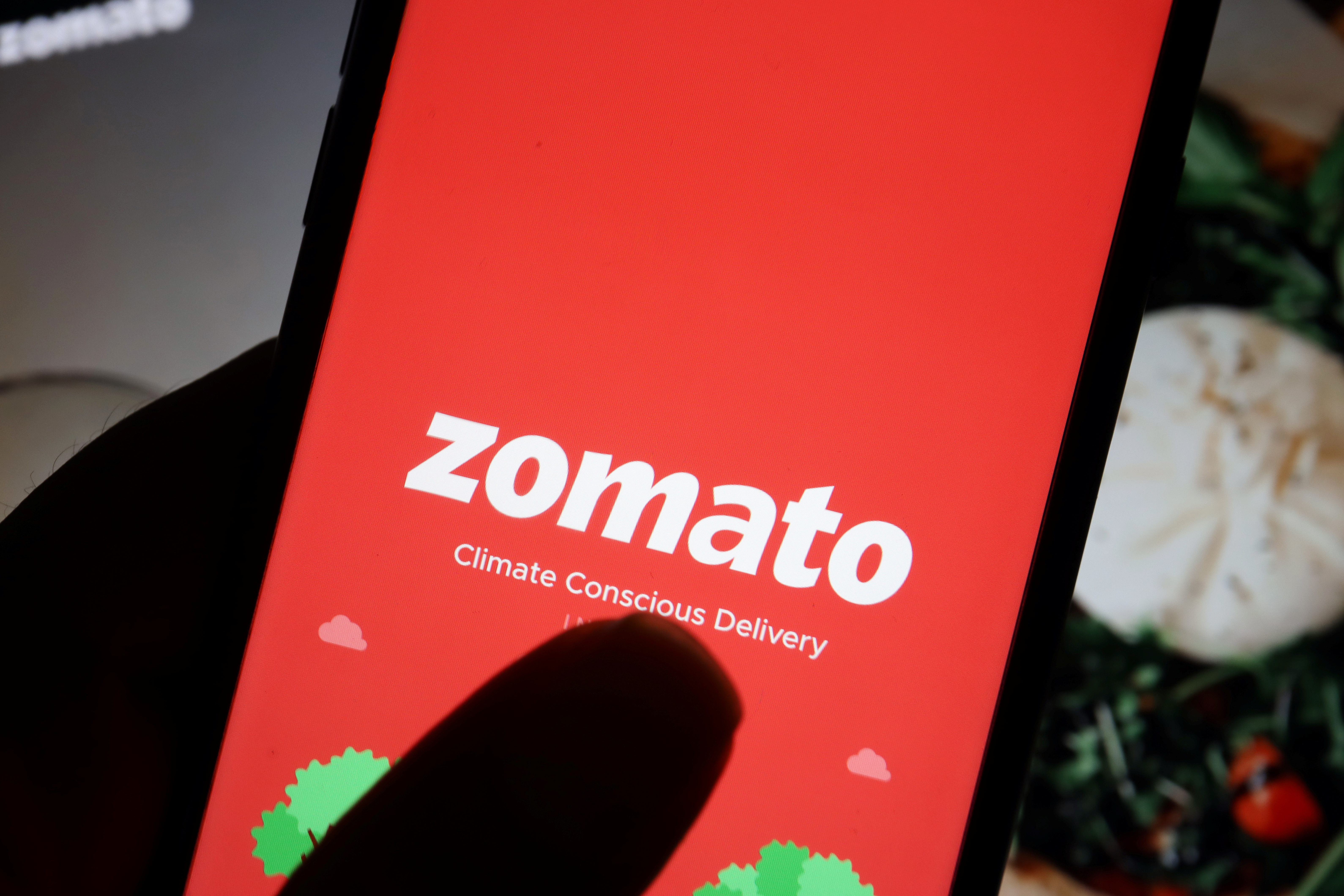
Zomato, the food delivery giant, is set to expand its portfolio beyond food and grocery delivery by acquiring Paytm’s movie and event ticketing business for ₹2,048 crore ($244 million). This strategic acquisition is aimed at bolstering Zomato’s presence in the “going-out” sector, which includes movie and event ticketing, a market segment that has seen substantial growth in India.

The deal was approved by the boards of both companies, with the transaction expected to close within 90 days. Under the agreement, Paytm’s movie ticketing platform, OTPL, and its sports and events ticketing arm, WEPL, will become wholly-owned subsidiaries of Zomato. The acquisition will include a primary infusion into both subsidiaries, enabling them to settle the amount payable for the transfer.

Paytm, which has been a key player in the ticketing space since acquiring the TicketNew and Insider platforms in 2017 and 2018 respectively, is divesting these assets to focus on its core financial services. Zomato’s move into this sector is seen as a strategic expansion, aiming to capture a larger share of the entertainment market in India, where it will directly compete with established players like BookMyShow.

The acquisition marks a significant shift in Zomato’s business strategy as it seeks to diversify its offerings. As of March 2024, OTPL and WEPL had reported turnovers of ₹13.14 crore and ₹236.03 crore respectively, reflecting their robust presence in the ticketing market. The deal underscores Zomato’s intent to leverage these platforms to enhance its market position and revenue streams beyond its traditional food delivery service.

Zomato’s entry into the ticketing business also aligns with the broader trend of tech companies diversifying their services to capture more value from their user bases. By integrating Paytm’s ticketing services, Zomato aims to create a more comprehensive lifestyle platform for its users, capitalizing on the growing demand for online ticketing in India.

This acquisition is part of a broader consolidation in the Indian tech sector, where companies are increasingly looking to acquire complementary businesses to drive growth and profitability. As Zomato ventures into this new domain, industry observers will be watching closely to see how the company integrates and scales its new ticketing business.

  By K Raveendran The Centre’s abrupt reversal on its proposal to permit lateral entry into senior government and public sector positions can be traced back to a complex interplay of political dynamics,  strategic manoeuvring and to a large extent pragmatism. The change is widely attributed to the formidable pressure applied by Chirag Paswan’s Lok […]

Arabian Post Staff Prime Minister Narendra Modi has begun a significant three-day visit to Poland and Ukraine, starting today. The trip marks a notable moment in diplomatic relations, with Modi scheduled to meet Polish President Andrzej Sebastian Duda and engage in key bilateral discussions. This visit, the first of its kind for an Indian Prime Minister, aims to bolster ties between India and the two European nations. […]

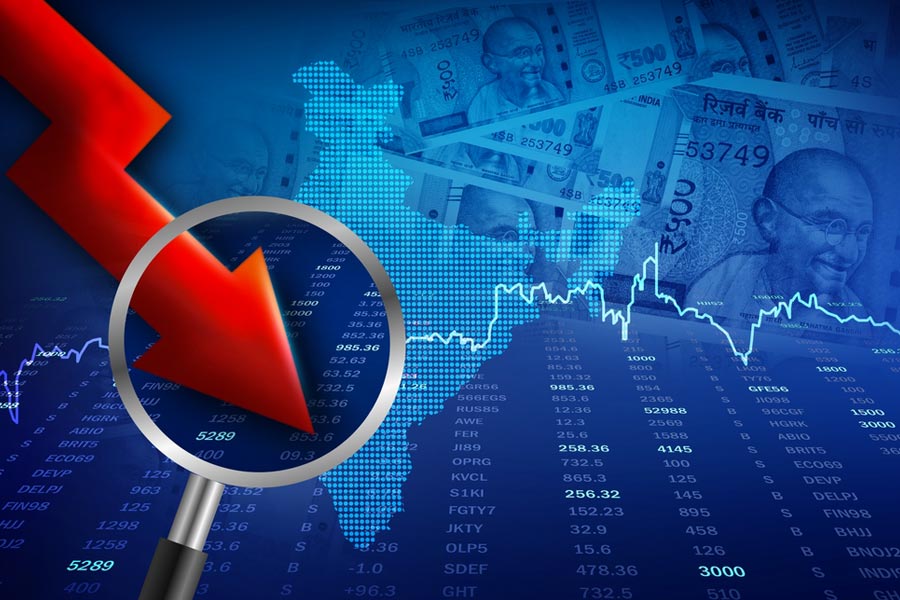
The Indian rupee fell by 7 paise to 83.84 against the US dollar in early trading, driven by a combination of weak domestic equities and foreign capital outflows. The depreciation of the rupee comes amid ongoing concerns over global economic conditions and their impact on emerging market currencies.

Weakness in the Indian stock market has contributed to the rupee’s decline. Domestic equities have faced pressure due to fluctuations in global markets, compounded by concerns over inflation and interest rate policies. These factors have led to reduced investor confidence, resulting in a sell-off in Indian stocks, which has further exerted pressure on the rupee.

Foreign capital outflows have also played a significant role in the rupee’s depreciation. Investors have been withdrawing investments from Indian markets, seeking safer assets amid global economic uncertainty. This trend has been exacerbated by a stronger US dollar, which has attracted investment flows away from emerging markets.

The Reserve Bank of India (RBI) has been actively intervening in the foreign exchange market to stabilize the rupee. However, persistent economic challenges and market volatility have posed significant hurdles for the central bank’s efforts. The RBI’s interventions have included measures to support the rupee and manage volatility, but these steps have so far been insufficient to counteract the overall downward trend.

Analysts suggest that the rupee’s performance is closely linked to broader economic indicators, including inflation rates and geopolitical developments. The outlook for the rupee remains uncertain, with potential fluctuations depending on both domestic and international economic conditions. Continued vigilance and strategic measures by the RBI will be crucial in addressing the challenges facing the rupee.

Overall, the depreciation of the rupee highlights ongoing economic challenges and the complex interplay of factors affecting currency movements. As global and domestic conditions evolve, the impact on the rupee and broader financial markets will continue to be closely monitored by investors and policymakers alike.

The Indian aviation sector is on a transformative path that positions it as a major global hub by 2030. According to CAPA Advisory, Indian airlines are expected to significantly expand their fleets, with projections indicating the addition of 150 widebody aircraft by 2035. This expansion is set to be complemented by the integration of Airbus A321XLRs, designed for medium-haul routes, thereby enhancing connectivity and operational efficiency.

The rapid growth of the Indian aviation industry is driven by several factors, including a burgeoning middle class, increasing urbanization, and heightened economic activity. The country’s strategic geographic location between major global markets further reinforces its potential as a key aviation hub. With the government’s supportive policies and investments in infrastructure, including the development of new airports and the expansion of existing ones, India’s role in global air travel is set to become more prominent.

Indian airlines are focusing on modernizing their fleets to accommodate the rising passenger demand. The introduction of widebody aircraft will enable them to serve long-haul international routes more effectively. At the same time, the A321XLRs will address the need for efficient, medium-haul connectivity, making regional and international destinations more accessible.

Airline operators are also investing in technology and innovation to improve operational efficiency and enhance passenger experience. This includes advancements in aircraft maintenance, fuel efficiency, and customer service. As the aviation sector evolves, Indian carriers are positioning themselves to compete on a global scale, with a focus on delivering high-quality service and expanding their network reach.

The anticipated growth in passenger traffic is expected to double over the next decade, driven by the increasing affordability of air travel and the expansion of low-cost carriers. This surge in demand will necessitate significant investments in airport infrastructure, including terminal expansions and modernization of air traffic control systems, to accommodate the higher volume of passengers and flights.

The Indian government has been proactive in supporting this growth trajectory through various initiatives, including policies aimed at improving the regulatory environment and fostering private sector investment in the aviation sector. The development of new airports in underserved regions and the enhancement of existing facilities are central to this strategy, aimed at ensuring that infrastructure keeps pace with the expanding demand.

Industry experts highlight that the rise of Indian aviation as a global hub will have far-reaching economic implications, creating job opportunities, stimulating regional development, and fostering international trade and tourism. The increased connectivity will not only benefit passengers but also enhance cargo capacity, facilitating smoother global trade flows.

Overall, the Indian aviation sector’s expansion aligns with broader economic trends and demographic shifts, positioning the country as a key player in the global air travel market. As Indian airlines continue to expand their fleets and improve their services, they are set to play a significant role in shaping the future of global aviation.

Advertisements

KUALA LUMPUR, MALAYSIA – Media OutReach Newswire – 19 August 2024 – Celebrated on 19 August, World Humanitarian Day honours humanitarians around the world who strive to meet ever-growing global needs. On its part, an international financial broker Octa continues with its commitment to contributing to humanitarian endeavours worldwide, implementing various charity initiatives that target some of the most pressing issues local communities face. Malaysia To celebrate […]

BluSmart, the prominent Indian electric vehicle (EV) startup, is making strides in the United Arab Emirates (UAE) as it aims to transform the region’s transportation sector. The company is set to introduce a comprehensive fleet of electric taxis, leveraging its experience in sustainable mobility to address the UAE’s growing environmental concerns. BluSmart’s entry into the UAE market aligns with the country’s strategic vision to diversify its energy […]

Leaders from the Southern African Development Community (SADC) gathered for their 44th Ordinary Summit in Maputo, Mozambique, with Seychelles making a significant appearance. The summit, which took place on August 16-17, 2024, focused on critical regional issues including economic integration, climate change, and security.

President Wavel Ramkalawan of Seychelles led the nation’s delegation, emphasizing the country’s commitment to regional collaboration and sustainable development. Seychelles, an island nation with a strategic position in the Indian Ocean, has been an active participant in SADC’s efforts to foster economic growth and political stability in Southern Africa.

During the summit, discussions centered on enhancing economic partnerships within the SADC region. Leaders debated strategies to boost intra-regional trade and investment, aiming to reduce economic vulnerabilities and improve resilience against global economic uncertainties. Seychelles has expressed strong support for initiatives aimed at promoting trade and investment, recognizing the potential benefits for its own economy and the broader region.

Climate change emerged as a key topic, with the region’s vulnerability to environmental changes underscored. The summit addressed the need for collective action to mitigate the impacts of climate change, including strategies for disaster preparedness and sustainable resource management. Seychelles, with its unique geographic challenges, has been vocal about the importance of robust climate action and shared resources among member states.

Security concerns also featured prominently in the discussions, reflecting ongoing issues such as maritime security and regional conflicts. The summit reaffirmed the commitment of SADC members to collaborate on security matters, aiming to enhance peace and stability across the region. Seychelles, with its strategic location and maritime interests, has been an active participant in regional security initiatives and cooperative efforts.

The summit provided a platform for the exchange of views and experiences among member states. It highlighted Seychelles’ role in advocating for policies that align with its national interests while contributing to the collective goals of the SADC. The island nation’s engagement in the summit underscores its dedication to fostering regional cooperation and addressing shared challenges.

In addition to these key areas, the summit also included discussions on enhancing institutional frameworks within SADC. Leaders reviewed the effectiveness of existing structures and explored opportunities for strengthening organizational capacities. Seychelles’ participation in these deliberations reflects its ongoing commitment to improving the operational efficiency of the SADC and ensuring that it effectively addresses the needs of its member states.

The outcomes of the summit are expected to shape the future direction of the SADC and influence regional policies. Seychelles’ contributions and active involvement are likely to play a significant role in the implementation of the summit’s resolutions, particularly in areas related to economic development, climate resilience, and regional security.

The 44th Ordinary Summit of SADC Heads of State and Government marks a continued effort towards enhancing regional integration and cooperation. Seychelles’ engagement highlights its strategic role within the organization and its dedication to advancing shared goals and addressing collective challenges in Southern Africa.


  CONGRESS IS HOPEFUL OF UNSEATING THE RULING BJP IN THE STATE   By Dr. Gyan Pathak With announcement of Vidhan Sabha Election in Haryana by the Election Commission of India on August 16, the political parties in the state are now coming to their specifics after theirs being in election mode for weeks, especially […]

Arabian Post Staff Medical facilities across India halted services on Saturday, with only emergency care remaining operational, following a 24-hour strike by healthcare professionals. The protest was ignited by the shocking rape and murder of a doctor in Kolkata, which has stirred deep outrage within the medical community. The tragic incident, involving Dr. Priyanka Singh, a respected physician at a Kolkata hospital, has galvanized medical workers nationwide. […]

   AFFORDABILITY ISSUES FORCE CHANGE IN CUSTOMER BEHAVIOUR, DESIGN TRENDS   K Raveendran Gold has touched $2,500 an ounce for the first time ever, marking a historic milestone in the precious metals market, a development with profound implications both globally and particularly for India, where gold holds significant cultural and economic importance. The unprecedented surge […]
  STRONG MEASURES SUGGESTED FOR ROOTING OUT CORRUPTION IN INDIA     By Tirthankar Mitra   Corrupt politicians and officials have been the bane of India for decades. Even as this breed embed themselves in different political outfits stashing their ill-gotten gains at home and abroad, the recent recommendations by the Financial Action Task Force […]

UAE retailers are increasingly adopting India’s Unified Payments Interface (UPI), marking a significant shift in the region’s payment landscape. This development reflects a broader trend of integrating advanced financial technologies to enhance consumer convenience and streamline transactions. The integration of UPI into the UAE market aims to attract the large Indian expatriate community and cater to the growing preference for digital payments. Leading UAE retail chains and […]

India’s central bank, the Reserve Bank of India (RBI), is encouraging domestic banks to accelerate efforts to facilitate direct trade settlements between the Indian rupee and the UAE dirham. This initiative is part of a broader strategy aimed at reducing dependence on the U.S. dollar in international trade, particularly with key trading partners like the United Arab Emirates.

The move is seen as a significant step toward strengthening economic ties between India and the UAE, which has become India’s third-largest trading partner, with bilateral trade volumes reaching approximately $83 billion in the last fiscal year. By promoting direct rupee-dirham settlements, the RBI aims to make transactions more efficient and cost-effective for businesses, reducing currency exchange risks and transaction costs.

This push by the RBI aligns with the Indian government’s ongoing efforts to internationalize the rupee and promote its use in global trade. The initiative is also expected to enhance liquidity in the rupee-dirham market and support the growth of trade between the two nations. While the concept of direct currency settlements is not new, the RBI’s renewed focus on this mechanism indicates a strategic shift towards diversifying currency usage in international trade, particularly in the face of global economic uncertainties.

Banks operating in the UAE and India are expected to play a crucial role in this transition by developing the necessary infrastructure and systems to support direct rupee-dirham trade. The RBI’s initiative is likely to encourage more businesses to adopt this settlement mechanism, potentially increasing the volume of trade conducted in local currencies rather than through the U.S. dollar.

This development comes amid a broader trend of countries exploring alternatives to dollar-dominated trade, particularly in the context of geopolitical shifts and the desire to reduce exposure to exchange rate fluctuations. As India continues to position itself as a global economic power, the success of the rupee-dirham settlement mechanism could pave the way for similar arrangements with other key trading partners.

The RBI’s push for direct currency settlement with the UAE is part of a larger strategy to promote the rupee’s role in international markets, reflecting India’s growing economic clout and its ambition to play a more prominent role in the global financial system. This initiative, if successful, could lead to a more significant reduction in India’s reliance on the U.S. dollar for international trade, contributing to the overall stability and resilience of the country’s economy.

As this initiative unfolds, market participants and analysts will closely monitor its impact on trade volumes, currency markets, and the broader economic relationship between India and the UAE. The success of this strategy could set a precedent for similar efforts in other regions, furthering India’s goal of internationalizing its currency and enhancing its economic influence on the global stage.

By P Sudhir The latest revelations by the US based firm Hindenburg Research have raised serious questions about the role of SEBI chief Madhabi Puri Buch as chief of the regulatory body investigating the Adani group’s various contraventions of the law and manipulation of stock prices. According to the Hindenburg report, the SEBI chairperson Buch […]
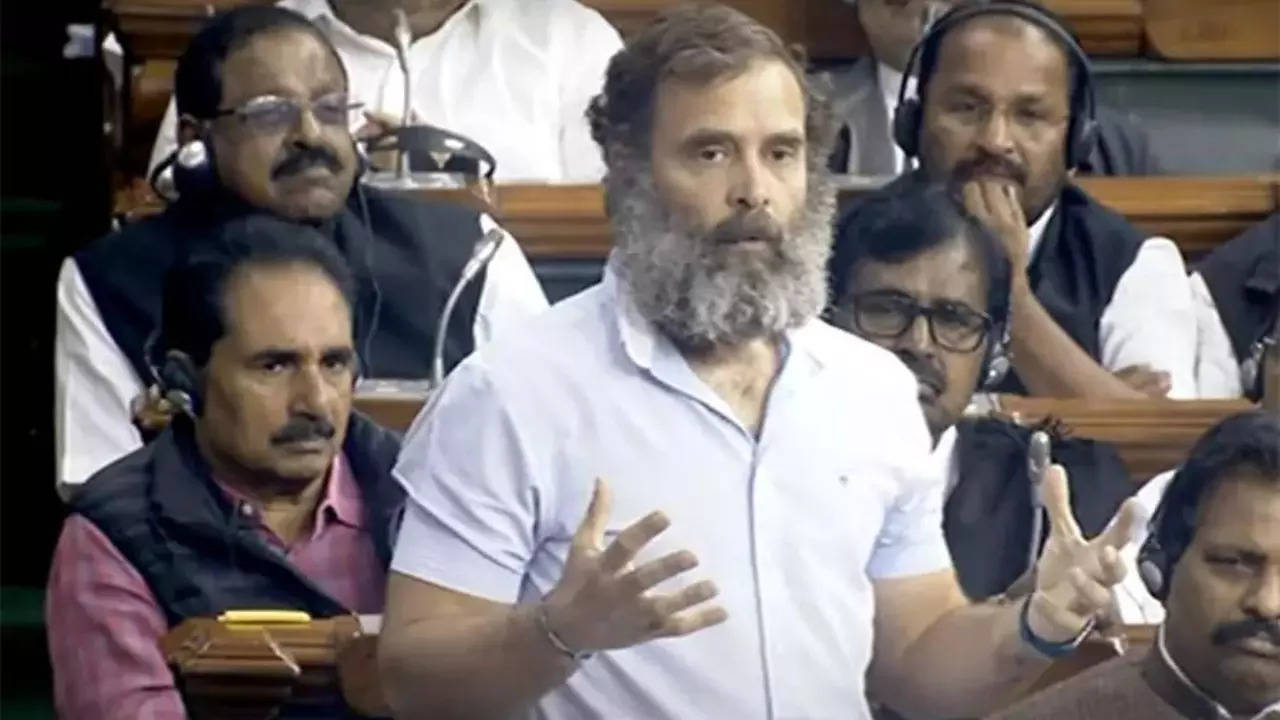
By K Raveendran By suggesting that the alleged Hindenburg offensive against the Adani group is an attack against India, the ruling party is, though inadvertently, acknowledging the sway the group has on the Modi government. This assertion not only underscores the influence wielded by Adani but also serves to validate Rahul Gandhi’s persistent criticism that […]

The central banks of India and Russia are engaged in discussions to establish a robust mechanism that will expand bilateral trade using local currencies. These negotiations are seen as a strategic move to address the ongoing payment challenges that have emerged due to the significant increase in trade between the two nations following the conflict in Ukraine. Efforts to shift from traditional trade currencies to local currencies […]

Singapore National Stadium Venue Operations Team wins the ‘Unsung Hero’ Award at TheStadiumBusiness Awards 2024. It bested six international contenders and stands as the only venue in Asia to receive an award. SINGAPORE – Media OutReach Newswire – 14 August 2024 – The Singapore Sports Hub Venue Operations Team flew the Singapore flag high internationally by winning in the ‘Unsung Hero’ category at TheStadiumBusiness Awards 2024 for […]

By Nitya Chakraborty Eight days have passed since the ouster of   from power in Bangladesh on August 5 following the mass upsurge led by the students and other opposition parties against the 15 year rule of the Awami League Government led by her. Much has been written about the developments that led to her fall […]

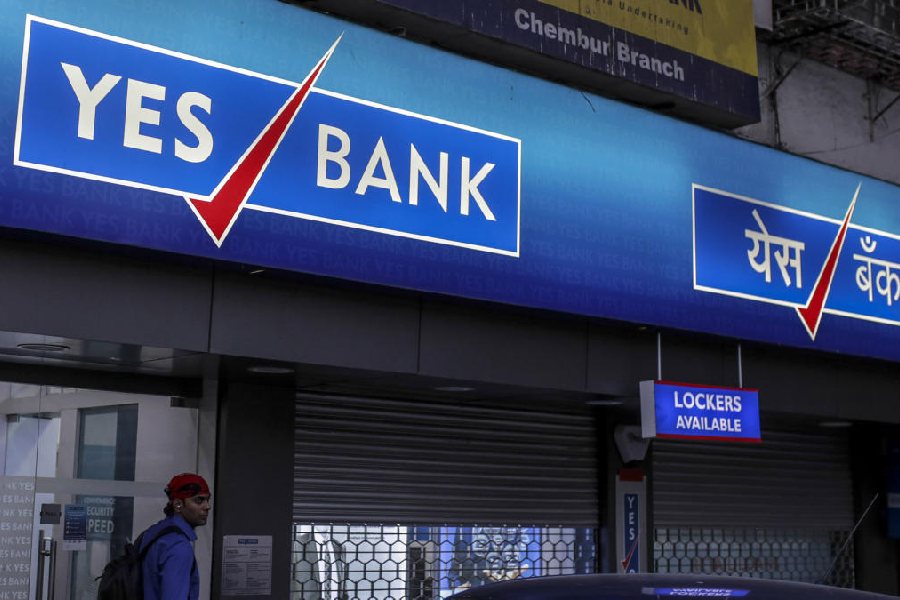
Negotiations are underway between Emirates NBD and a major Japanese bank to secure a substantial stake in India’s Yes Bank, according to industry sources. This potential acquisition could significantly alter the dynamics of the Indian banking sector.

Emirates NBD, a leading UAE-based financial institution, is reportedly collaborating with one of Japan’s top banks in this high-stakes transaction. The deal, if finalized, would involve the acquisition of a majority stake in Yes Bank, a prominent player in India’s financial landscape. The discussions highlight the increasing interest of foreign investors in Indian banking, driven by the country’s economic growth and expanding financial sector.

Yes Bank, which has been recovering from a period of financial instability, has attracted international attention due to its potential for growth and strategic value. The bank has been working on stabilizing its operations and improving its financial health, making it an appealing target for major global financial institutions seeking to enter or expand their presence in the Indian market.

The potential acquisition underscores a broader trend of increased foreign investment in Indian financial institutions. Analysts suggest that the involvement of Emirates NBD and the Japanese bank could bring significant benefits to Yes Bank, including enhanced financial stability and access to a broader range of financial services and expertise.

Emirates NBD’s interest in Yes Bank aligns with its strategy to expand its footprint in emerging markets. As one of the largest banking groups in the Middle East, Emirates NBD’s participation could provide Yes Bank with a robust platform for growth and innovation. Similarly, the Japanese bank, known for its extensive experience in international banking, could offer valuable insights and resources to bolster Yes Bank’s operations and competitive edge.

The negotiations reflect a growing trend among global investors to explore opportunities in India’s financial sector, driven by the country’s promising economic outlook and the ongoing reforms aimed at strengthening the banking industry. This development comes amid a broader wave of consolidation and strategic partnerships within the global banking industry, as institutions seek to leverage synergies and enhance their market positions.

If the deal progresses, it will mark a significant milestone for Yes Bank and could set a precedent for future foreign investments in the Indian banking sector. The outcome of these discussions is eagerly anticipated by industry stakeholders and investors alike, who are closely monitoring the potential impact on the Indian financial landscape.

As the talks continue, the focus remains on the strategic implications for all parties involved and the potential benefits to Yes Bank’s customers and shareholders. The deal represents a pivotal moment for Yes Bank and highlights the growing global interest in India’s burgeoning financial market.

Binance, the global cryptocurrency exchange, has resumed its operations in India after resolving a significant legal issue with the Financial Intelligence Unit-India (FIU-IND). The company recently secured its registration by paying a hefty fine of ₹18.82 crore (approximately $2.25 million), paving the way for the unblocking of its website in the country. This development marks a critical step for Binance in re-establishing its foothold in the Indian […]

K Raveendran It was clear to everyone that SEBI was stonewalling a proper investigation into the charges levelled by the Hindenburg report, except those who had other reasons to pretend otherwise. But there was no clarity as to why SEBI was doing so. Now that Hindenburg has disclosed SEBI chairperson’s and her husband’s investment in […]

VISHNU RAJA
RYO YAMADA
HITORI GOTOH
IKUYO KITA