News related to
Investment

Ras Al Khaimah’s residential property market cooled in deal activity during 2025, but rising prices, higher rents and a strong development pipeline signalled that demand remained intact despite a more selective investment climate. The emirate recorded about 6,600 residential sales transactions during the year, down 17.4 per cent from roughly 8,000 deals in 2024. Total sales value fell 24.7 per cent to Dhs12.4 billion, with the slowdown […]

Arabian Post Staff -Dubai   UAE authorities have launched an ambitious public-sector transformation programme to move half of government sectors, services and operations onto agentic artificial intelligence within two years, marking a major shift from digital service delivery towards autonomous government systems. The initiative was announced by Sheikh Mohammed bin Rashid Al Maktoum, Vice President and Prime Minister of the UAE and Ruler of Dubai, under the […]

SHANGHAI, CHINA – Media OutReach Newswire – 24 April 2026 – SIBUR, Russia’s largest polymer producer, plans to increase its supplies to Asian countries fivefold by 2030, driven by capacity growth supported primarily by the launch of a major new polymer production facility, the Amur Gas Chemical Complex (AGCC), in Russia’s Far East.

With an annual capacity of 2.7 million tonnes of basic polymers, the AGCC is set to become the most efficient polymer production facility in Russia and one of the largest globally. Polyethylene production is scheduled to begin in 2026, followed by polypropylene in 2027. The launch will enable SIBUR to greatly expand its presence in key markets in South and Southeast Asia.

“Emerging Asian markets are demonstrating strong growth in polymer demand, driven primarily by the packaging, healthcare and hygiene industries, as well as sizeable infrastructure and construction investments. The majority of demand in the region is met through imports. The commissioning of the AGCC will enable SIBUR to increase supplies to South and Southeast Asian markets fivefold by 2030 compared with current levels,” said Natalia Burlina, Head of SIBUR’s New Projects Go-to-Market Division, speaking at the ChinaPlas SIBUR Conference in Shanghai for South and Southeast Asian customers.

“In recent years, we have strengthened our position in South and Southeast Asian markets. We continue to grow and improve our customer service through local sales and technical support.”

Various logistics options for delivering AGCC polymers to Asian markets were discussed at the conference, including transshipment via Chinese ports and direct shipments from Russian seaports to destination ports.

The AGCC portfolio includes more than 20 in-demand solutions, such as linear low-density polyethylene (LLDPE) for packaging films; high-density polyethylene (HDPE) for blow moulding, injection moulding, films, monofilament and pressure pipes; polypropylene (PP) yarn for raffia and nonwoven materials; as well as BOPP for packaging applications. In addition, SIBUR, thanks to its well-established R&D infrastructure and innovation practices, is ready to develop tailor-made solutions to meet customers’ needs.

SIBUR’s reliable supply of AGCC polymer solutions to Asian markets will create a shared value for its customers.

Hashtag: #SIBUR

The issuer is solely responsible for the content of this announcement.

I remain strongly positive on AI. The pace of development, the scale of capital flowing into the sector, and the productivity upside it promises are all significant. Equity markets have responded accordingly, with leadership concentrated in semiconductors, cloud platforms, and software. The concentration reflects real earnings power and strong visibility. At the same time, the investment landscape around AI is broadening. The next phase is taking shape, […]

HONG KONG SAR – Media OutReach Newswire – 24 April 2026 – AS Watson Group has been ranked No. 14 globally in the 2026 NRF Top 50 Global Retailers List1. The recognition places AS Watson among the world’s top 15 retailers and reinforces its position as one of the leading international retail groups and the highest-ranked global health and beauty retailer on the list.

1 Superdrug

“Retail today demands more than scale, it requires agility, digital precision and deep customer trust,” said Dr. Malina Ngai, Group CEO of AS Watson. “Being ranked among the world’s top 15 retailers is a timely affirmation that we are focusing on the right priorities: disciplined allocation of capital, an unwavering focus on customers, empowered by technology and executed with discipline.”

“As we celebrate our 185th anniversary this year, this recognition is especially meaningful. Since 1841, AS Watson has evolved through generations of change – economic cycles, technological revolutions and shifting consumer expectations. Our presence across Asia and Europe has strengthened our ability to combine the speed and digital dynamism of Asia with the operational excellence and retail heritage of Europe.”

“In an increasingly digital retail world, we believe our true differentiation lies in combining advanced data, AI and seamless O+O (Offline plus Online) integrated capabilities with something far more enduring – the human touch. That combination of digital precision and human service drives stronger conversion, deeper loyalty and long-term trust. It is this balance that has sustained us for 185 years, and will continue to define our leadership in the years ahead.”

2 Watsons

Scaling AI and Personalisation at Global Reach

AS Watson has accelerated investments in AI-powered personalisation, advanced analytics and digital ecosystems across its brands. By integrating loyalty data, online platforms and in-store engagement, the Group continues to enhance customer relevance while improving operational efficiency.

This data-driven approach enables:
– A strengthened focus on customer needs
– More precise assortment and pricing strategies
– Enhanced loyalty engagement
– Faster supply chain responsiveness

Resilient Growth in a Volatile Environment

Amid ongoing supply chain volatility, cost pressures and shifting consumer behaviour, AS Watson has demonstrated resilience through diversified geographic exposure, strong local market execution and disciplined cost management.

The Group’s scale, combined with agile regional operations, positions it to respond swiftly to market dynamics while sustaining long-term growth.


Hashtag: #ASWatson


The issuer is solely responsible for the content of this announcement.

About AS Watson Group

Established in 1841, AS Watson Group is one of the world’s longest-standing and most recognised retail companies with roots in Asia. Today, the company operates over 17,000 stores across 12 retail brands in 31 markets, employing 130,000 people globally. This makes AS Watson Group the largest international health and beauty retailer in the world.

In the fiscal year 2025, AS Watson Group reported revenue of over US$26 billion. The company’s technology-enabled O+O (Offline plus Online) platforms serve over 6 billion shoppers annually, seamlessly integrating physical and digital retail experiences.

AS Watson Group supported over 180 charitable and non-profit organisations every year, dedicating over 40,000 hours of volunteer work to serve over 370,000 people in need in our operating markets.

AS Watson Group is also a member of the world-renowned multinational conglomerate CK Hutchison Holdings Limited, which has four core businesses ‐ ports and related services, retail, infrastructure and telecommunications in over 50 countries.

Please visit for more information.

Arabian Post Staff -Dubai Global gas markets face a deeper supply squeeze after the International Energy Agency estimated that conflict in the Middle East could remove about 120 billion cubic metres of liquefied natural gas from world supply between 2026 and 2030, a loss equal to roughly 15% of expected LNG availability over the period. The warning marks a sharp reversal for a market that had been […]

Arabian Post Staff -Dubai   Abu Dhabi’s Aldar has sold 80 per cent of the homes released at Yas Park Place, generating more than AED800 million in sales and underscoring sustained investor appetite for lifestyle-led residential communities on Yas Island. The sales result places the project among the developer’s stronger launches of 2026, at a time when Abu Dhabi’s property market is drawing deeper interest from both […]

Advertisements
HONG KONG SAR – Media OutReach Newswire – 23 April 2026 – Hong Kong’s small businesses delivered their strongest performance in a decade in 2025, while confidence in the year ahead has climbed to a record high, according to CPA Australia’s latest Asia‑Pacific Small Business Survey 2025–26.

Stable economy and digital transformation power Hong Kong SMEs to decade high performance, CPA Australia survey

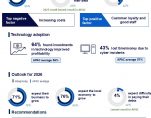
The survey shows that 68 per cent of Hong Kong SMEs recorded growth in 2025, up from 65 per cent in 2024 and marking the highest result on record. This positive momentum is expected to continue this year, with 71 per cent of SMEs expecting their businesses to grow and 76 per cent anticipating growth in the local economy — both at record highs. Customer loyalty and a strong workforce were identified as key drivers behind SMEs’ solid performance last year.

Mr Cliff Ip, Councillor of CPA Australia’s Greater China Divisional Council, said Hong Kong’s improving business environment played a critical role in supporting SME growth. “Hong Kong’s business confidence and economic growth strengthened last year, supported by robust capital markets, a recovery in tourism and consumption, and signs of stabilisation in the property market,” said Mr Ip. “Against this stable and supportive backdrop, small businesses not only benefited from increased business activity, but were also able to expand in a healthy and sustainable manner.”

Looking ahead, Mr Ip noted that while global geopolitical tensions and external uncertainties pose rising challenges, Hong Kong’s underlying strengths remain a key advantage for SMEs. “Rising geopolitical risks are likely to create headwinds for many sectors such as trade and logistics through higher fuel costs and supply chain disruptions. However, I remain confident about Hong Kong’s overall business outlook this year,” he said. “As many regions become more unpredictable or less secure, Hong Kong’s stable and consistent business environment, together with supportive policy settings including the city’s low and simple tax regime stand out as important advantages in attracting international companies and investors.”

Mr Ip added that these developments also present new opportunities for local SMEs, particularly as increased international interest creates scope to build partnerships, expand networks and tap into new markets. “This environment also creates favourable conditions for younger entrepreneurs to explore emerging markets and pursue new business opportunities,” he said.

Improved business performance has strengthened the solvency of many local SMEs. The share of businesses reporting difficulty paying debts fell sharply from 22 per cent in 2024 to just 3 per cent in 2025, while only 4 per cent expect to face difficulties this year, down markedly from 26 per cent previously. As a result, Hong Kong small businesses are now the least likely among the surveyed businesses to report solvency concerns.

Mr Ip said, “The solvency of many SMEs has notably improved, driven by stronger cash flow from improved business growth, a robust capital market and a recovering property market over the past year. This healthier cashflow has both supported easier access to external finance and reduced the need for such finance.”

Hong Kong SMEs have also strengthened their capability to invest in technology that delivers rapid improvements in profitability. In 2025, 64 per cent of SMEs reported that their technology investment in that year helped improve profitability, up from 59 per cent in 2024. Two in five Hong Kong SMEs invested in artificial intelligence (AI) last year, making it the leading technology investment among local SMEs, followed by customer relationship management (CRM) software.

At the same time, cyber protection has improved, with the share of Hong Kong businesses reporting losses from cyber incidents falling sharply from 72 per cent in 2024 to 43 per cent in 2025. However, as digitalisation accelerates, cyber risks remain elevated, with nearly three in five SMEs expecting to face cyber threats this year, above the survey average 42 per cent.

Mr Davy Leung, Deputy Chairperson of CPA Australia’s SME and Entrepreneurship Committee of Greater China, said the growing maturity and availability of AI tools is helping SMEs enhance productivity, reduce operating costs and improve customer experience.

(Left) Mr Davy Leung, Deputy Chairperson of SME and Entrepreneurship Committee 2026 from CPA Australia (Right) Mr Cliff Ip Greater China Divisional Councillor 2025 from CPA Australia

“However, rising digital fraud, wider AI adoption and SMEs’ increasing reliance on digital banking have prompted the Hong Kong Government to significantly strengthen banking security and cybersecurity resilience over the past year. This includes the rollout of low-cost and practical initiatives such as the Cybersec One Programme and the continued implementation of the ‘9+5’ SME support measures. The decline of cyberattack-related losses reported in the survey in part reflects the effectiveness of these measures.

“As cybersecurity threats and digital fraud risks continue to escalate, SMEs should make better use of these available resources, including free website risk assessments and vulnerability identification services, to strengthen their defence capabilities and safeguard business operations.”

Mr Leung also suggested that the Government consider revamping the Technology Voucher Programme to support broader digitalisation efforts, including the adoption of both AI and non-AI technologies. He added that enhanced training support would help SMEs identify and implement modern tools to drive innovation, improve efficiency and strengthen long-term competitiveness.

Rising costs remain a key challenge for Hong Kong SMEs in 2025, with 29 per cent reporting it having a negative impact on their business. However, this was the second‑lowest level among all surveyed markets, underscoring Hong Kong’s relatively low inflationary environment last year. Notably, the share of SMEs citing staff costs as a negative factor rose from 35 per cent to 42 per cent, making it the most significant cost pressure for Hong Kong businesses in 2025. This increase may help explain why the proportion of SMEs hiring additional staff declined from 42 per cent to 38 per cent last year.

Mr Leung said, “Increasing costs remain a significant barrier for many SMEs across Asia‑Pacific region, but Hong Kong’s relatively low inflation has helped cushion the impact on local small businesses,” Mr Leung said.

Mr Leung added that while headcount growth has moderated, overall staff costs have continued to rise as businesses invest in higher‑value talent. “Greater digitalisation and automation have helped ease labour constraints in Hong Kong. When SMEs do add staff, they are increasingly recruiting employees with digital and AI capabilities, or creating new roles to support business transformation. These positions typically command higher salaries, which has contributed to higher overall staff costs despite slower hiring growth.”

The annual survey collected the views of 4,166 small businesses across 11 Asia-Pacific markets, including Singapore, the Chinese Mainland, and Australia, with 305 respondents from Hong Kong.
Hashtag: #CPAAustralia

The issuer is solely responsible for the content of this announcement.

About CPA Australia

CPA Australia is Australia’s leading professional accounting body and one of the largest in the world. We have more than 176,000 members in over 100 countries and regions. Our core services include education, training, technical support and advocacy. CPA Australia provides thought leadership on local, national and international issues affecting the accounting profession and public interest. We engage with governments, regulators and industries to advocate policies that stimulate sustainable economic growth and have positive business and public outcomes. A CPA is a Certified Practising Accountant. More at

Dubai has set out the biggest public-transport expansion in its history with approval of the Metro Gold Line, a Dh34 billion underground corridor designed to bind older neighbourhoods to newer growth districts and give the emirate a fresh rail spine by 9 September 2032. The scheme covers 42 kilometres and 18 stations, will run as Dubai’s first fully underground metro line, and is intended to serve 1.5 […]

  Investcorp Capital has deployed $200 million into a three-asset US residential real estate portfolio, betting that demand for senior living and rental housing in supply-constrained metropolitan markets will stay firm as demographic pressure builds. The Abu Dhabi-listed alternative investment company said the portfolio spans nearly 500 units and includes two senior housing properties in the Los Angeles and New York metropolitan areas, alongside a multifamily community […]

Arabian Post Staff -Dubai   Masdar and Montenegro’s state power utility Elektroprivreda Crne Gore have agreed to create a 50-50 joint venture to develop large-scale renewable energy projects, giving the Adriatic country a fresh route to expand domestic generation, strengthen energy security and position itself as a supplier of cleaner electricity to neighbouring markets in the Balkans and southern Europe. The agreement was signed on 22 April […]

GamesIndustry. biz is set to return to Brazil next week to cover Gamescom Latam in São Paulo, as the event prepares for a five-day run from April 29 to May 3 at the Anhembi District, with April 29 reserved as a VIP day before the main public programme opens. The trip places the publication back at one of the gaming sector’s fastest-expanding regional gatherings, at a time […]

Allianz Trade and DBS Hong Kong brief businesses on evolving geopolitical trade risks and the critical need for granular liquidity visibility.

HONG KONG SAR – Media OutReach Newswire – 23 April 2026 – One year after the US Liberation Day, tariffs continue to disrupt global trade and supply chains while many economies and corporates still struggle to find their footing. The broke out of the Middle East conflict has compounded on the effect by driving lower global GDP growth (+2.6% in 2026), higher global inflation (4.3% in 2026) and stronger fiscal pressure. Amid such highly uncertain times, Allianz Trade in Hong Kong partnered with DBS for an exclusive session where industry experts and thought leaders dissected into today’s shifting geopolitical landscape and heightened credit risks, and offered their views on trade opportunities in an increasingly fragmented world.

Management teams of Allianz Trade and DBS Hong Kong pose for a picture.

“The Middle East conflict has added a new layer of shocks to an already fragile environment shaped by tariffs, weakening demand and declining consumer confidence. The good news is that firms have taken operational steps to adapt since the trade war began, with the most common strategies including inventory building, market diversification, sourcing from new suppliers and rerouting through third markets. Asia Pacific has emerged as the clear structural beneficiary of supply chain realignment. Hong Kong, as a major trading and financing hub in the region, continues to play a pivotal role in facilitating trade and investment flows. Together with DBS, we are here to offer our combined intelligence and support to help companies achieve customer and market diversification, better risk selection, and providing them with confidence to trade and grow safely,” states Hassan Omaish, CEO for Hong Kong, South Korea and Taiwan at Allianz Trade.

Jolynn Wong, Managing Director and Head of Global Transaction Services, DBS Hong Kong, says, “We are witnessing a lengthening of cash collection cycles across sectors impacted by trade route and inventory disruptions, leading to a growing proportion of receivables held at extended tenors. In this climate of heightened volatility, the role of trade finance extends beyond mere credit extension; it must now assure corporates of timely critical cash flow realisation and enable strategic suppliers to maintain production amidst disruptions. Leveraging DBS Hong Kong’s robust capital and liquidity, we provide clients with the necessary extended tenors and contingent liquidity to navigate prolonged inventory and shipping cycles, thereby fortifying their resilience. By integrating guarantees, letters of credit, credit insurance, and treasury hedging into a unified architecture through our digital platforms, we empower clients to transform volatile receivables into reliable cash flows and turn disruptions into investable growth opportunities.”

Notes to editors:
To gauge how global exporters fared through tariffs and the Middle East conflict, Allianz Trade recently published its flagship Global Survey, where 6,000 exporters across 13 countries were polled on their export performances over the past year, as well as outlook and coping strategies for the short- to medium-term. The Survey revealed that 75% of exporters expect positive export growth in 2026, which was much more optimistic than the 2025 tariff shock where expectations dropped by -40pp.

Allianz Trade Head of Economic Research Ana Boata.

“For now, the impact of the Middle East conflict seems moderate, but such level of optimism remains fragile and could quickly fade if the conflict drags on. Allianz Trade’s Global Survey revealed that geopolitical and political risks are the leading threat globally for corporates (65%), while supply-related issues, such as bankruptcy of suppliers and shortage of inputs, came at second place (57%). The Middle East conflict has also tightened trade finance conditions. Not only payment cycles are lengthening, 43% of companies expect payment terms to deteriorate further. Pharmaceuticals, construction and computers/telecom are the most exposed sectors, while larger companies face disproportionately longer payment cycles,” says Ana Boata, Head of Economic Research at Allianz Trade.

Hashtag: #allianztrade #dbshongkong


The issuer is solely responsible for the content of this announcement.

About Allianz Trade

Allianz Trade is the global leader in trade credit insurance and a recognized specialist in the areas of surety, collections, structured trade credit and political risk. Our proprietary intelligence network is based on instant access to data of 289 million corporates. We give companies the confidence to trade by securing their payments. We compensate your company in the event of a bad debt, but more importantly, we help you avoid bad debt in the first place. Whenever we provide trade credit insurance or other finance solutions, our priority is predictive protection. But, when the unexpected arrives, our AA credit rating means we have the resources, backed by Allianz to provide compensation to maintain your business. Headquartered in Paris, Allianz Trade is present in over 40 countries with 5,900 employees. In 2025, our consolidated turnover was EUR4 billion and insured global business transactions represented EUR1,400 billion in exposure. For more information, please visit .

About DBS

DBS is a leading financial services group in Asia with a presence in 19 markets. Headquartered and listed in Singapore, DBS is in the three key Asian axes of growth: Greater China, Southeast Asia and South Asia. The bank’s “AA-” and “Aa1” credit ratings are among the highest in the world.

Recognised for its global leadership, DBS has been named by Global Finance, by Euromoney and by The Banker. The bank is at the forefront of leveraging digital technology to shape the future of banking, having been named by Euromoney and the world’s by The Banker. In addition, DBS has been accorded the award by Global Finance for 17 consecutive years from 2009 to 2025.

DBS provides a full range of services in consumer, SME and corporate banking. As a bank born and bred in Asia, DBS understands the intricacies of doing business in the region’s most dynamic markets.

DBS is committed to building lasting relationships with customers, as it banks the Asian way. Through the DBS Foundation, the bank creates impact beyond banking by uplifting lives and livelihoods of those in need. It provides essential needs to the underprivileged, and fosters inclusion by equipping the underserved with financial and digital literacy skills. It also nurtures innovative social enterprises that create positive impact.

With its extensive network of operations in Asia and emphasis on engaging and empowering its staff, DBS presents exciting career opportunities. For more information, please visit .

Amid ongoing regional uncertainty, demand for U.S. residency options continues to grow across the GCC, prompting The American Legal Center, a Dubai-based firm, to host an open house aimed at helping investors better understand the evolving EB-5 landscape.  The event comes at a time when interest in EB-5 has been steadily increasing, particularly among expatriate communities in the UAE. For many, the program is viewed as a […]

HONG KONG SAR – Media OutReach Newswire – 22 April 2026 – Cushman & Wakefield, a leading global real estate services firm, today released its annual Beyond the Carbon Blind Spot – Embodied Carbon and Scope 3 Emissions in the Commercial Property Sector on the Chinese Mainland, a landmark report highlighting the growing importance of whole-life carbon in shaping the future of real estate investment, development, and asset performance.

What is Embodied Carbon?Scope 1, 2 and 3 Emissions in Commercial Real EstateShanghai – The Average Green Grade A Office Rental Compared to the Average Non-Green Grade A Office Rental (Q4 2015-Q1 2026)Source: Cushman & Wakefield Research

  • What is Embodied Carbon?
  • Scope 1, 2 and 3 Emissions in Commercial Real Estate
  • Shanghai – The Average Green Grade A Office Rental Compared to the Average Non-Green Grade A Office Rental (Q4 2015-Q1 2026)

Source: Cushman & Wakefield Research

The report finds that while operational energy efficiency has improved significantly across the sector, embodied carbon and Scope 3 emissions now represent the majority of total lifecycle emissions in many commercial buildings.

A Shift to Whole-Life Carbon Thinking

As building efficiency improves and electricity grids decarbonise, the relative importance of embodied carbon is increasing. The report highlights the “redevelopment paradox”: while new buildings are more energy efficient, demolition and reconstruction can generate such high upfront carbon that total lifecycle emissions may exceed those of retained and refurbished assets.

This shift is particularly relevant in rapidly evolving urban markets such as Shanghai, Beijing, Shenzhen, and Guangzhou, where redevelopment cycles are frequent and asset repositioning is common.

Scope 3 Becomes a Core Market Driver

Scope 3 emissions – covering embodied carbon, tenant energy use, and supply chain activities – are now the largest emissions category for most real estate portfolios.

The report shows that leased office space is increasingly a key Scope 3 exposure point for occupiers, especially multinational companies operating under global net-zero commitments. As a result, Scope 3 performance is now influencing:

  • Leasing decisions and tenant demand
  • Capital allocation and ESG investment screening
  • Access to green finance
  • Corporate disclosure and benchmarking frameworks

Carbon as a Financial Factor

Embodied carbon and Scope 3 emissions are no longer just sustainability metrics – they are collectively a financially material driver of asset value. The report demonstrates that differences in whole-life carbon performance can create meaningful divergence in asset outcomes through:

  • Rental performance and occupancy resilience
  • Operating costs and capital expenditure requirements
  • Exit yields and investor demand

A comparative analysis shows that carbon performance alone can drive a value differential of approximately 37% between otherwise identical assets.

From Risk to Opportunity

While regulatory frameworks continue to evolve, global capital and leading occupiers are already embedding whole-life carbon considerations into decision-making. The report highlights a clear opportunity for market participants who act early through:

  • Adaptive reuse and retrofit-first strategies
  • Low-carbon materials and construction innovation
  • Supply chain engagement and procurement reform
  • Green leasing and tenant collaboration
  • Improved carbon data and governance frameworks

Beyond the Carbon Blind Spot concludes that the Chinese mainland commercial real estate sector is entering a decisive new phase where whole-life carbon performance is becoming central to competitiveness, asset value, and investment strategy. Stakeholders who integrate embodied carbon and Scope 3 considerations into core decision-making today will be best positioned to enhance resilience, unlock capital, and deliver long-term value in a rapidly evolving market.

Alton Wong, Executive Director, Head of Sustainability Advisory Services, Head of Advisory Services, Valuation and Advisory Services, Greater China, said, “Embodied carbon and Scope 3 emissions are now firmly at the centre of the decarbonisation agenda for commercial real estate. As operational performance improves, the industry is being forced to confront the much larger, and more complex, emissions embedded across the full asset lifecycle. This is driving a fundamental shift in how buildings are designed, constructed and managed, with increasing emphasis on material choices, retrofit strategies, and supply chain engagement. What was once considered a technical sustainability issue is now a core strategic priority for investors and occupiers alike.”

Shaun Brodie, Head of Research Content, Greater China, said, “Our research shows that carbon is rapidly becoming a defining factor in commercial real estate performance on the Chinese mainland. The transition to whole-life carbon thinking is not just about reducing emissions – it is about understanding how sustainability directly impacts asset value, leasing dynamics, and investment outcomes. As occupiers and capital providers place greater weight on embodied carbon and Scope 3 emissions, assets that fail to adapt risk accelerated obsolescence, while those that lead on carbon performance stand to capture a clear competitive advantage.”

Please click here to download the full report

Hashtag: #Cushman&Wakefield

The issuer is solely responsible for the content of this announcement.

About Cushman & Wakefield

Cushman & Wakefield (NYSE: CWK) is a leading global commercial real estate services firm for property owners and occupiers with approximately 53,000 employees in nearly 350 offices and 60 countries. In Greater China, a network of 23 offices serves local markets across the region. In 2025, the firm reported revenue of $10.3 billion across its core services of Valuation, Consulting, Project & Development Services, Capital Markets, Project & Occupier Services, Industrial & Logistics, Retail, and others. Built around the belief that Better never settles, the firm receives numerous industry and business accolades for its award-winning culture. For additional information, visit or follow us on LinkedIn ().

Oman’s pavilion drew brisk business traffic at Seafood Expo Global in Barcelona this week as the sultanate used one of the industry’s biggest international marketplaces to deepen export links, court investment and showcase the scale of its fisheries and seafood processing sector. The 32nd edition of the event, running from 21 to 23 April at Fira de Barcelona’s Gran Via venue, is the largest in the expo’s […]

OmniOps has joined Grafana Labs’ partner programme, a move that gives the Riyadh-based infrastructure company a stronger route into Saudi Arabia’s fast-growing market for cloud monitoring, telemetry and data-sovereign digital operations. The step positions OmniOps to sell and implement Grafana-backed observability services for enterprises that want tighter control over metrics, logs, traces and performance data inside the Kingdom’s regulatory and strategic framework. The partnership matters because observability […]

Arabian Post Staff -Dubai Stake has teamed up with ACE & Company to build a secondary transfer facility for fractional real estate investments in the UAE, a move aimed at tackling one of the biggest weak points in digital property ownership: liquidity. The Dubai-based platform said the arrangement is designed to give investors clearer routes to sell holdings before the eventual disposal of an underlying asset, while […]

Arabian Post Staff -Dubai Abu Dhabi has stepped up its push to place more Emiratis in banking, finance and insurance, with the Central Bank of the UAE saying the sector’s Emiratisation programme outperformed its 2025 target and moved beyond entry-level hiring towards strategic and specialised roles. The latest official update said the “Ethraa” programme reached 160% of its 2025 goal, building on a strong 2024 performance and […]

Arabian Post Staff -Dubai   Al-Futtaim has launched a nationwide initiative called “One Family”, positioning the programme as a year-long effort to create more opportunities for families across the UAE to spend time together through shared experiences, practical support and community-focused activities aligned with the country’s Year of Family 2026. The group said the initiative will run across its retail, automotive, real estate, health, financial services and […]

The AI Compute Continuum: from intelligent endpoints to advanced AI workloads

SINGAPORE – Media OutReach Newswire – 22 April 2026 – Dell Technologies (NYSE: DELL) today outlined how enterprise AI adoption across Asia Pacific (APAC) is moving from experimentation to implementation, with 48% of organisations with more than 500 employees in the region already deploying AI PCs and 95% expecting workstations to play a critical or important role in AI initiatives over the next two years. Together, these trends point to a more distributed AI environment – one that brings intelligence closer to users while supporting increasingly complex and compute-intensive workloads.

Two IDC InfoBriefs, commissioned by Dell Technologies and Intel reinforce this shift – Future-Ready Workforce: The Strategic Case for AI PC Adoption and Powering Future-Ready Computing with Workstations: Built for AI. Built for You. The research highlights growing enterprise momentum behind both intelligent endpoints and higher-performance systems as organisations shape the next phase of AI adoption.

For Dell, this shift reflects a broader industry trend toward aligning the right compute resources with specific workload requirements, as organisations balance intelligent endpoints for everyday productivity with high-performance systems designed for advanced AI and professional use cases. Enterprise AI deployments are increasingly spanning client devices, edge environments and the data centre, reflecting a more distributed approach across the IT environment.

AI PCs: Bringing intelligence closer to everyday work

AI PCs are becoming a core component of the modern workplace, enabling AI workloads to run directly on the device to deliver faster, more responsive user experiences while reducing reliance on continuous cloud connectivity. This approach also supports enhanced data privacy and security, provides IT teams with greater control over deployment and management across device fleets, and enables more consistent scaling of AI capabilities across the workforce.

The IDC research commissioned by Dell Technologies and Intel underscores this momentum. As AI becomes embedded in day-to-day work, device strategy is shifting accordingly. 89% of APAC organisations now consider AI capabilities a very important factor in future PC purchasing decisions.

In Singapore, 54% of organisations have already deployed AI PCs – 12% higher than the regional average – highlighting strong early adoption momentum. Southeast Asia’s AI PC adoption is outpacing the regional average by 6%, driven by the ability to adopt new technologies without legacy constraints, strong infrastructure in markets like Singapore, favourable market conditions and supportive government initiatives.

APAC Organisations with over 50% AI PCs in their fleet report saving 2.17 hours per employee per day, a 30% productivity increase compared to using AI on traditional PCs. AI PCs are enabling a new class of enterprise use cases – from real-time collaboration and report generation to natural language search and content creation – delivering tangible productivity gains.

In practical terms, this can translate into faster proposal turnaround for sales teams, quicker analysis cycles for finance and operations, streamlined drafting for HR, faster document review for engineering teams, and more responsive support for customer-facing employees. As organisations prepare for more autonomous and agentic AI in hybrid work environments, AI PCs are increasingly becoming the governed way to scale intelligent experiences across the workforce – safely, consistently, and with clearer business impact.

Four out of five APAC organisations expect AI PCs to drive adoption of agentic AI, with the same proportion agreeing they enhance control and security for these applications. The broader momentum is clear: within APAC, 84% of organisations expect AI PCs to increase employee productivity, while 78% cite security benefits and 77% highlight cost advantages of running AI locally.

This shift is leading to a tangible investment. Across APAC, 65% of organisations are willing to pay a premium of 10% or more for AI PCs, reflecting their role as core infrastructure for enterprise AI.

Workstations: Powering advanced AI and specialised workloads

While AI PCs distribute intelligence across the workforce, workstations continue to serve as the performance backbone for more demanding workloads – particularly as organisations shift more AI development on-premise. Developers, engineers, designers, and data teams rely on workstation-class systems for AI model development, simulation, rendering, data preparation, and other compute-intensive activities that require reliability, low latency, and sustained performance.

The IDC research on workstations reflects this reality. 95% of organisations across APAC expect workstations to play a critical or important role in AI initiatives over the next two years, while 50% would choose a workstation as their preferred device for AI development, and 97% of organisations agree workstations are high-performance devices that fuel innovation for the organisation by empowering teams to explore cutting-edge technology like AI and Machine Learning models.

Across Southeast Asia, 92% of organisations surveyed reported higher productivity among workstation users, while 52% expect the share of workstations in their fleet to grow over the next five years. Organisations in this part of the region also reported workstation use for data preparation (66%), model fine-tuning (62%), and foundational model training (55%), underscoring the role of high-performance systems in advanced AI and professional workloads.

Use cases vary by sector – from engineering and architecture workflows in manufacturing, to content rendering in media, software development in technology, and risk modelling in financial services. AI has become the top technical computing use case for workstations, supporting the full lifecycle from data preparation (62%) and model training (60%) to fine-tuning (59%), deployment (44%) and inference (29%).

This also shifts the conversation from upfront device price to total cost of ownership – including lifecycle longevity, scalability, performance consistency, and risk reduction. As AI initiatives move closer to production, workstations are increasingly seen as long-term platforms that can scale with evolving workloads, rather than short-term tools for experimentation.

Toward an AI compute continuum that supports the next phase of enterprise AI

Together, AI PCs and workstations form an AI compute continuum, supporting everything from everyday productivity to advanced AI development and professional workloads across the enterprise.

For organisations across Asia Pacific, the next phase of AI will not be defined by a single environment or device category, but by the ability to place the right workload on the right compute. AI PCs are extending AI into everyday workflows, while workstations are helping organisations industrialise more advanced, compute-intensive, and specialised AI use cases. Combined, they give leaders a more practical foundation for scaling AI with greater speed, control, and long-term value.

Perspectives:

“AI is changing where work happens and where intelligence needs to live,” said Jacinta Quah, vice president, client solutions group, Asia Pacific, Japan and Greater China (APJC), Dell Technologies. “AI PCs and workstations are not simply device categories in a refresh cycle – they are foundational platforms built for the next phase of enterprise AI era. AI PCs bring intelligence to everyday workflows, at the fingertips of employees where data is generated. Meanwhile, workstations provide the performance and control needed for more specialised, compute-intensive workloads. Together, they enable organisations to scale AI more effectively, strengthen security and privacy, and drive meaningful business outcomes.”

“AI is placing new demands on compute, requiring both local intelligence and high-performance processing to work seamlessly together,” said Jack Huang, regional sales director, PC client commercial and channel, Asia Pacific and Japan, Intel. “As AI workloads become more diverse, organisations need silicon innovations and platforms that can support both efficient on-device experiences and more demanding workstation use cases. Together with Dell, we are helping to enable the next phase of enterprise AI with technologies built for responsiveness, efficiency and scale.”

“The speed at which AI models are being compressed to run on-device has been remarkably fast,” said Bryan Ma, vice president, client devices, IDC. “In the next year or two, very robust models will run on PCs that far exceed today’s capabilities. At the same time, organisations continue to depend on high-performance workstations for advanced AI development and specialised workloads, reinforcing a more distributed AI environment across the enterprise.”

Research Methodology:
The findings are based on two IDC InfoBriefs:

  • IDC InfoBrief, sponsored by Dell Technologies and Intel, Future-ready Workforce: The Strategic Case for AI PC Adoption, Doc. #AP242547IB, January 2026
  • IDC InfoBrief, sponsored by Dell Technologies and Intel, Powering Future-Ready Computing with Workstations: Built for AI. Built for You, Doc. #AP242550IB, February 2026

Future-ready Workforce: The Strategic Case for AI PC Adoption is based on a survey of 720 IT and business decision-makers across Asia Pacific organisations with more than 500 employees. Powering Future-Ready Computing with Workstations: Built for AI. Built for You surveyed 960 IT and business decision-makers in the region to assess workstation adoption, usage, and their role in enterprise AI strategies.
Hashtag: #DellTechnologies

The issuer is solely responsible for the content of this announcement.

About Dell Technologies

(NYSE: DELL) helps organisations and individuals build their digital future and transform how they work, live and play. The company provides customers with the industry’s broadest and most innovative technology and services portfolio for the AI era.


Blackstone-owned AirTrunk is preparing what could become a landmark financing for Asia-Pacific digital infrastructure, with the data-centre operator seeking to raise at least A$500 million through asset-backed bonds backed by its facilities, according to market reports and company disclosures on its broader funding platform. The move would mark a notable step in bringing securitised debt structures, long familiar in other asset classes, into the region’s fast-growing data-centre […]

Arabian Post Staff -Dubai Washington’s suggestion that the United Arab Emirates might need outside financial support has drawn a swift rebuttal from Abu Dhabi, with the country’s envoy in the United States saying such claims misread the strength of the federation’s economy and balance sheet. The response followed remarks by President Donald Trump that a currency swap arrangement with the UAE was under consideration and that he […]

Arabian Post Staff -Dubai Donald Trump has said Washington is considering a currency swap arrangement with the United Arab Emirates, opening the door to an extraordinary financial support mechanism as Gulf states assess the economic risks created by the war involving Iran and the disruption around the Strait of Hormuz. The remark has thrust an arcane central-banking tool into a fast-moving geopolitical crisis and underlined how quickly […]

VISHNU RAJA
RYO YAMADA
HITORI GOTOH
IKUYO KITA