The UAE Cyber Security Council and Fortinet have launched a cybersecurity internship programme aimed at developing Emirati talent through structured training, practical experience and industry mentorship. The programme is the first project of its kind under the council’s Cyberani Practical Training Initiative, which was created with the Ministry of Higher Education and Scientific Research to prepare university students for cybersecurity careers. Fortinet is participating as a technology […]
MUNICH, GERMANY – Media OutReach Newswire – 17 September 2026 – Recently, BDStar successfully hosted its 2026 Ecosystem Partner Conference in Munich, Germany. The event aimed to strengthen communication and collaboration and build a more robust industry ecosystem. Customers, distributors, and partners from multiple countries attended the conference.
Under the theme “Ecosystem Synergy for Intelligent Evolution,” the event introduced BDStar’s iLDB® strategy and shared the applications and development roadmap of GNSS Services. Training sessions were also organized for distributors. BDStar and attendees engaged in in-depth discussions on strengthening cooperation and fostering ecosystem synergy.
BDStar Founder and Chairman Zhou Ruxin stated that internationalization is a key strategy currently being implemented by BDStar. The company will continue to increase investment in global markets and build localized teams to provide customers worldwide with not only better products, but also enhanced services and support.
Meanwhile, BDStar also participated in INTERGEO 2026 in Munich, showcasing its GNSS chips, modules, antennas, services, and Chip-Cloud GNSS Solutions for a wide range of applications.
Hashtag: #BDStar
The issuer is solely responsible for the content of this announcement.
The Africa Women Innovation and Entrepreneurship Forum has named Rania Al-Mashat, Magda Wierzycka and Judy Dlamini as keynote speakers for its 2026 conference in Cape Town, setting the headline line-up for the annual gathering focused on women-led enterprise and economic participation. The two-day Conference, Expo and Awards will take place on November 10 and 11 at the Cape Town International Convention Centre, with organisers expecting more than […]
Dubai has approved an 80-kilometre road corridor linking Abu Dhabi and Sharjah through the emirate, a two-phase project intended to divert through traffic, strengthen freight movement and sharply reduce journey times on key sections of the network. Sheikh Hamdan bin Mohammed bin Rashid Al Maktoum, Crown Prince of Dubai, Deputy Prime Minister and Minister of Defence, approved implementation of the New Fourth Corridor, which will run from […]
The model supports multimodal inputs including text, images and video, and generates high-fidelity 1080p videos of 5 to 20 seconds with natively synchronized audio
BEIJING, CHINA – Media OutReach Newswire – 17 September 2026 – HiDream.ai, an AI company specializing in foundation models and generative AI, announced the launch of HiDream-O1-Video-1.0, or HiDream V1, its native omnimodal video generation model.
Designed around a deeper understanding of creative intent and real-world physics, HiDream V1 supports multimodal inputs including text, images and video. It can generate high-fidelity 1080p videos ranging from 5 to 20 seconds, with enhanced narrative planning, character consistency, physical plausibility and audiovisual synchronization.
In its debut on two independent international benchmarks, HiDream V1 ranked No. 4 globally on the Artificial Analysis Image to Video Leaderboard (With Audio) and No. 8 on the Arena.ai Image-to-Video leaderboard, placing it among the world’s leading video generation models.
A Strong Debut on Two International AI Benchmarks
Artificial Analysis independently evaluates leading AI models through standardized and reproducible benchmark testing. Arena.ai uses anonymous head-to-head comparisons and user voting to assess model outputs. Together, the two platforms provide third-party perspectives on model performance based on both standardized testing and real-world user preferences.
HiDream V1’s results demonstrate its competitiveness across key dimensions including visual quality, prompt adherence, motion quality, narrative coherence and audiovisual coordination.
The global AI video generation market has become increasingly competitive, with models developed by Chinese teams—including Seedance and MiniMax H3—maintaining strong positions on international leaderboards. HiDream V1’s top-tier debut further expands China’s presence among the world’s leading video generation models.
“The next generation of video models will not be defined solely by higher resolution or longer duration,” said Yao Ting, Chief Technology Officer of HiDream.ai. “What matters is whether a model can genuinely understand a creator’s intent and how objects, actions and sounds interact in the real world. HiDream V1 was designed from the outset to represent text, video and audio within a unified framework. Our goal is to move video generation beyond simply looking sharp and moving smoothly toward understanding instructions, sustaining coherent performances and keeping sound aligned with visuals. Its performance on two independent international benchmarks provides encouraging validation of our native omnimodal approach.”
Upgrades in Visual Fidelity, Narrative Coherence and Character Consistency HiDream V1 introduces broad improvements in high-fidelity rendering, narrative continuity and character consistency. Rather than optimizing only for the quality of individual frames, the model is designed to maintain coherence across an entire video sequence.
Once characters, emotions, motivations and physical rules are placed within a continuous sequence, each element can affect the others. HiDream therefore uses a technical framework built around three stages: planning first, followed by joint generation, and then alignment through multimodal reward signals.
Under this approach, the model first plans the narrative and character states at a global level. It then jointly constrains visuals, movement and semantics during generation, before using multimodal reward signals to align visual quality, continuity and physical plausibility.
Native Omnimodal Architecture for Better Intent and Physics Understanding The central challenge in AI video generation is shifting from the quality of individual frames to a broader understanding of complex instructions, continuous motion and the rules governing the physical world.
User prompts often contain multiple layers of information, including characters, actions, settings, camera directions, dialogue and sound. To handle these requirements more effectively, HiDream V1 incorporates multimodal intent understanding and planning. Before generation begins, the model structures the user’s request across elements such as shot duration, setting, character state, movement, facial expression, composition, camera motion, dialogue and ambient sound.
Through this “understand, plan and generate” workflow, HiDream V1 plans narrative development and character states at a global level, while coordinating visuals, motion, semantics and audio during generation. This is designed to improve content completeness, character consistency and continuity between shots.
Physical reasoning is another core capability of HiDream V1. The model incorporates factors such as gravity, inertia, collisions, deformation, materials, lighting and spatial continuity into the generation process. As a result, object movement, character actions and environmental responses can more closely reflect the behavior of the real world.
This approach moves video generation beyond reproducing visual appearances and toward modeling how a dynamic world operates over time.
Content-Adaptive Video Duration Most current video generation models require users to specify a fixed duration in advance, forcing the content to fit within a predetermined time window. This can lead to unnecessary pauses after an action has ended or the use of slow motion to fill the remaining time.
HiDream V1 instead incorporates duration into its narrative planning process. Within a range of 5 to 20 seconds, the model can determine an appropriate video length based on how an event unfolds, how long an action takes to complete and the pacing required by the content.
The capability is not simply a matter of adding or removing frames. It is designed to make duration serve the narrative, producing more natural pacing and more complete sequences. Users can focus on describing the event and intended outcome, while the model plans the corresponding temporal structure.
Joint Modeling of Text, Video and Audio
Conventional AI video generation systems often follow a staged workflow in which visuals are generated first and sound is added afterward. This can lead to mismatches between lip movements, physical actions, ambient sound and sound effects.
HiDream V1 uses a native omnimodal architecture to jointly model text, video and audio signals. The three modalities constrain and inform one another within a single generation process. Visual motion influences sound timing, dialogue and sound effects contribute to the emotional tone of a scene, and text conditions guide the generation process throughout.
This unified approach is designed to improve synchronization across character performance, environmental changes and physical actions.
During post-training, HiDream uses Diffusion Reinforcement Learning and a multimodal reward model aligned with human perception and aesthetic preferences. Generated content is evaluated across multiple dimensions, including visual quality, semantics, motion, physical plausibility and sound, helping improve overall consistency and realism.
Completing HiDream’s Native Omnimodal World Model Portfolio HiDream V1 is not a standalone model. It is a core component of HiDream’s native omnimodal world model strategy.
Built on a unified UiT, or Unified Transformer, foundation, the company’s portfolio now comprises four major model families:
HiDream-O1-Image, for image understanding and generation;
HiDream-O1-Video, for dynamic content generation and temporal storytelling;
HiDream-O1-World, for 3D environment simulation and real-time interaction; and
HiDream-O1-Embodied, for spatial reasoning, action planning and feedback in embodied AI.
Rather than operating as four separate technology stacks, the models are designed to evolve from the same unified architecture. Together, they cover spatial understanding, temporal modeling, 3D interaction and embodied action, creating an integrated system for perceiving, understanding, generating, interacting with and acting upon the physical world.
HiDream’s models have previously achieved leading results on several independent benchmarks. HiDream-O1-Image 1.5, the commercial version of the company’s image model, ranked No. 2 globally and No. 1 among Chinese models on the Artificial Analysis text-to-image leaderboard, while its open-source edition also reached No. 2. HiDream-O1-World ranked No. 1 overall on WBench, a benchmark for interactive world models. HiDream-O1-Embodied achieved first-place results in the disturbance adaptation and spatial reasoning categories of RoboColiseum.
“We are not building four isolated model product lines,” said Dr. Mei Tao, founder and CEO of HiDream.ai. “We are building a native omnimodal system that shares a unified technical foundation and continues to evolve toward a deeper understanding of the real world. Competition among the next generation of foundation models will depend not only on improvements in individual capabilities, but also on whether different modalities can understand, generate and interact within a unified architecture.”
From understanding and generating the world to simulating and acting within it, the launch of HiDream V1 completes a key part of HiDream’s native omnimodal world model portfolio.
HiDream Completes Series C+ Financing
Alongside the launch of HiDream V1, HiDream announced the completion of a Series C+ financing round backed by New Micro Capital, Jiaozi Capital and ICBC Capital. The proceeds will support native omnimodal model research and development, product iteration, AI computing infrastructure and the expansion of industry applications.
New Micro Capital was jointly established by Shanghai New Micro Technology Group, Shanghai Science and Technology Venture Capital Group and its management team. The firm manages nearly RMB 10 billion in assets.
As the corporate venture capital arm of New Micro Technology Group, New Micro Capital is expanding its investments in artificial intelligence. Drawing on the group’s industrial capabilities in specialty integrated-circuit manufacturing, it seeks to advance collaboration across AI infrastructure, model technologies and end-user applications.
Jiaozi Capital is a wholly owned state-backed equity investment platform under Chengdu Jiaozi Financial Holding Group. The firm focuses on artificial intelligence and other strategic technology sectors, using long-term capital and industrial resources to accelerate technology commercialization and ecosystem development.
With the launch of HiDream V1, HiDream’s native omnimodal world model strategy is moving from a technical roadmap toward an integrated system supported by a unified foundation, a coordinated model portfolio and deployable product capabilities.
Availability
HiDream V1 is currently in internal testing and is expected to become available in the near future. Users can learn more at: https://hiharness.ai/
Hashtag: #HiDreamAI
The issuer is solely responsible for the content of this announcement.
About HiDream.ai
HiDream.ai is an artificial intelligence company focused on generative AI and native omnimodal world models. Built on its unified UiT architecture, the company’s model portfolio spans image generation, video generation, interactive world simulation and embodied intelligence. HiDream aims to develop AI systems capable of understanding, generating, simulating and acting upon the real world.
Leaderboard disclaimer: Rankings cited in this release reflect publicly available results at the time of publication and may change as participating models, evaluation data or platform methodologies are updated.
Arabian Post Staff -Dubai International visitor spending in the Middle East is forecast to rise by US$116 billion, or 57%, between 2025 and 2030, signalling a sharp expansion in tourism revenues despite near-term geopolitical disruption. The projection comes from the ATM Travel Trends Report 2026, produced by Arabian Travel Market with Tourism Economics, an Oxford Economics company, and presented at Arabian Travel Market in Dubai. The report […]
Arabian Post Staff -Dubai Ajman Real Estate Investment Exhibition 2026 recorded 344 property transactions worth AED226 million on its third day, as visitor numbers reached 6,936 at Emirates Hospitality Hall. The figures were announced as the fourth edition of the exhibition continued in Ajman on Wednesday, with the Ajman Land and Real Estate Regulation Department citing strong participation from investors, developers and property specialists. The event had […]
Arabian Post Staff -Dubai The UAE has ranked first in a new global tax optimisation index assessing 48 jurisdictions for internationally mobile individuals, driven by its lack of personal income, wealth and inheritance taxes and a 5 per cent value-added tax. The study by Global Citizen Solutions’ Global Intelligence Unit gave the UAE a composite score of 82.7 out of 100, narrowly ahead of Antigua and Barbuda […]
Nigeria’s fixed-income market appears to be crossing an important threshold. For much of the past two years, yields were principally shaped by a familiar combination of aggressive government borrowing, restrictive monetary policy and investors demanding substantial compensation for inflation and currency risk. That hierarchy is changing. AAG Capital argues that liquidity is becoming the more powerful force behind pricing, potentially pushing government yields lower even while fiscal […]
Greenlogue/AP Aldar Properties and Mubadala Investment Company have jointly acquired Masdar City Square for Dh918 million, expanding their income-generating real estate portfolio in Abu Dhabi’s Masdar City to Dh4.7 billion. The acquisition was completed through the real estate joint venture established by the two Abu Dhabi groups in 2024. Masdar City Square comprises more than 47,000 square metres of net leasable space across seven office buildings and […]
Publicly listed Bitcoin miners fell below cash breakeven as a group in the second quarter, with their weighted average pre-tax production cost reaching about $75,500 per coin against Bitcoin’s quarter-end price of $58,400. The gap of roughly $17,100, or 29%, marked a sharp deterioration in industry economics during the three months to June, according to a new sector review by digital-asset investment group CoinShares. The report said […]
HONG KONG SAR – Media OutReach Newswire – 16 September 2026 – Hong Kong’s Chief Executive, John Lee, today (September 16) announced his fifth Policy Address, putting forward a series of measures to create development opportunities and enhance the well-being of the people.
“This year marks the opening year of the National 15th Five-Year Plan. In the thick of accelerating global changes not seen in a century, the vibrant momentum driven by our country’s robust strength, enormous market and high-quality development presents Hong Kong with boundless opportunities. We will better develop our economy and boost social well-being, starting a bright new chapter for Hong Kong,” Mr Lee said.
Entitled “A Strategic Vision for a Bright New Era, Driving Reform and Boosting Development, Unleashing Opportunities and Enhancing Livelihood”, the Policy Address takes the First Five-Year Plan for Economic and Social Development of the Hong Kong Special Administrative Region (2026-2030) (Hong Kong’s First Five-Year Plan) as its blueprint, and proposes numerous key measures focusing on five major development opportunities to advance high-quality development.
To attract and retain high-calibre talent, the Hong Kong Special Administrative Region (HKSAR) Government will expedite the development of the Northern Metropolis University Town to strengthen the city’s position as an international education hub. The HKSAR Government will also increase the research postgraduate places by around 30 per cent and the quota for government scholarships by 200, and establish five new major academies for training international talent: the International Clinical Trial Academy, Maritime Academy, Hong Kong International Legal Talents Training Academy, Hong Kong Intellectual Property Academy and Hong Kong International Academy of Policing.
To promote industry development, the Policy Address proposes to accelerate development of an international gold trading market and to explore a proposal to provide tax concessions for qualifying activities within the gold and commodity trading ecosystem. The HKSAR Government will also announce details of the new Renminbi-denominated and physically settled gold futures contracts; explore the possibility of increasing the Exchange Fund’s gold holdings, and gradually transfer its physical gold holdings to designated vaults appointed by the Hong Kong Precious Metals Central Clearing Company Limited.
A number of policies are proposed to promote industry development, including introducing specialty insurance (e.g. commodity, commercial aerospace, etc.); injecting funding into the Artificial Intelligence Subsidy Scheme to support the development of the intelligent computing industry; accelerating the adoption of medical innovation and industry chain development to enable the public to benefit from better and newer drugs; and fostering a new economic landscape for the low-altitude and emerging industries, such as commercial aerospace.
The Government is developing six special industry parks, including the Loop Hong Kong Park, San Tin Technopole, Hung Shui Kiu Industry Park, Sandy Ridge Data Facility Cluster and Hung Shui Kiu/Ha Tsuen modern logistics cluster. Land is also earmarked for building an advanced construction industry park to increase investment opportunities for enterprises.
To attract enterprises to establish a foothold in Hong Kong, tax concessions will be granted on the basis of the value brought by enterprises, instead of solely considering the industry sector. The Government will introduce an amendment bill this year, providing preferential tax rates of 5 per cent, or half-rate, for selected enterprises operating in key sectors such as finance, advanced manufacturing, innovation and technology, as well as research and development, headquarters activities and logistics and supply chain management.
The HKSAR Government will fully support the work of the International Organization for Mediation headquartered in Hong Kong, and build a global capital of mediation. It will also drive the establishment of the International Institute for the Unification of Private Law in Hong Kong, support the Judiciary to advance the development of the International Commercial Court, and establish the “Strategy Committee on Intellectual Property Trading Development” to assist the Government in formulating strategies and support measures for the promotion of intellectual property trading.
Regarding international co-operation, two United Nations (UN) organisations, the centre of excellence on global advanced manufacturing and the Office on Drugs and Crime’s GlobE Network Asia Pacific Regional Bureau, will establish their presence in Hong Kong respectively. Elsewhere, the new WestK Performing Arts Centre, scheduled to open next year, will feature four performance venues built to the highest international theatre standards, while Asian and international sports associations will be encouraged to establish a presence in Hong Kong.
“Today, Hong Kong is at a critical juncture in advancing from stability to prosperity. We are fully aware that formulating a comprehensive, strategic roadmap is integral to our long-term development. The Government has been persistent in mapping our way by driving development through reform. The primary goal of our policies is to enable economic development that can benefit the people of Hong Kong, and meet their aspirations for a better life,” Mr Lee said.
South Korea will not slow its artificial intelligence drive, Deputy Prime Minister and Science and ICT Minister Bae Kyung-hoon said on Wednesday, arguing that the country must pair rapid development with stronger safeguards rather than curb the technology’s advance.
Bae said South Korea was still trying to close the gap with leading AI powers while creating new markets, making its position different from countries or companies at the technological frontier. “We cannot afford to slow down AI right now,” he wrote on social media, describing the government’s approach as one of “speed responsibility” rather than speed control.
His remarks place Seoul firmly on the acceleration side of a widening debate over whether developers should moderate the pace of capable AI systems. Anthropic chief executive Dario Amodei has called for a slowdown in frontier model development to allow more time for safety work, while OpenAI chief executive Sam Altman and other technology leaders have voiced support for stronger precautions as capabilities advance.
Bae said South Korea should continue expanding research, industrial adoption and home-grown model development while strengthening protections against deepfakes, cyber threats and privacy violations. Faster progress, he said, required safety and trust measures to move at the same pace rather than follow after deployment.
The minister pointed to a broader technology agenda that includes sovereign foundation models, systems capable of processing vision and language, and models able to interact with physical environments. He said the country also needed to prepare for AI becoming deeply embedded across industries and everyday life.
The government has made domestic foundation-model development a central part of its ambition to place South Korea among the world’s top three AI powers. The Ministry of Science and ICT has been running a sovereign AI foundation model programme intended to improve domestic capabilities and reduce dependence on foreign technology.
Three teams led by Upstage, SK Telecom and LG AI Research advanced after the programme’s second-stage evaluation this year. The ministry has said models developed under the initiative were built with comparatively limited resources but were released as open source as part of an effort to expand the domestic AI ecosystem.
Bae indicated that further details on the next phase of the foundation-model programme would be announced after ongoing reviews. His comments also referenced government work on security-focused AI models and frontier systems, alongside an “AI for All” initiative intended to spread adoption across the economy.
The policy push is being developed alongside South Korea’s AI Basic Act, which establishes rules covering both the development of artificial intelligence and the creation of a framework for trust. The law’s stated purpose includes protecting rights and human dignity while supporting quality of life and national competitiveness.
That legal structure gives Seoul a basis for pursuing faster adoption without presenting safety as a separate objective. Bae said competitiveness and sustainability were linked, arguing that development speed and safeguards should advance together.
The global dispute has intensified as leading executives and policymakers weigh the economic benefits of faster AI deployment against concerns over misuse and loss of control. Amodei has proposed independent safety evaluators, coordination among major laboratories and greater international cooperation, while Nvidia chief executive Jensen Huang has argued against slowing technological progress and favours advancing safety alongside innovation.
European Commission President Ursula von der Leyen on Wednesday backed calls for greater caution and said frontier AI laboratories would be invited for talks on managing risks. Meta chief executive Mark Zuckerberg, by contrast, said AI companies already had strong incentives to build systems safely and did not require an industry-wide slowdown.
Bae’s intervention highlights the competitive pressures facing countries outside the United States and China, where most frontier AI investment and model development remains concentrated. South Korea has strong semiconductor and technology industries, but its government has acknowledged the need to strengthen domestic models, computing capacity and commercial adoption to narrow the gap.
US midterm elections are emerging as a fresh policy risk for artificial intelligence-linked stocks as President Donald Trump defends rapid AI development while candidates from both parties respond to widening voter resistance to data centres and calls for tighter safeguards. The political pressure intensified this week after Trump rejected demands for a slowdown in advanced AI development and argued that existing laws and enforcement powers were sufficient […]
Germany’s hospitals are accelerating preparations for a potential wartime surge of wounded patients, with military planners warning that a NATO conflict could send hundreds of casualties into the health system each day. The Bundeswehr has built scenarios involving 300 to 1,000 wounded service personnel arriving daily, a scale that would rapidly overwhelm Germany’s five military hospitals and require extensive use of civilian facilities. Military medical planners say […]
Middle East supply disruptions are accelerating Africa’s drive to expand domestic refining and production as governments and companies seek to reduce exposure to volatile fuel costs and vulnerable shipping routes. Disruption around the Strait of Hormuz and Red Sea has pushed energy markets higher, raising import bills across a continent where most countries remain net buyers of crude or refined petroleum products. The African Development Bank says […]
Hong Kong has placed a global gold trading hub at the centre of its first five-year economic plan, using the market as an entry point to expand commodity trading and broaden international use of the renminbi.
The 2026-2030 plan, released on Wednesday, calls for an integrated gold ecosystem covering storage, trading, clearing, refining and related financial services, while encouraging more renminbi-denominated commodity products. The government said it would strengthen links with mainland exchanges and attract international investors as it develops the city’s role as a global offshore renminbi centre.
It describes gold as an asset and envisages a one-stop storage, trading and clearing centre.
The strategy gives formal five-year backing to a gold-market expansion already under way. Hong Kong began trial operations of a central clearing and settlement system for gold in July and plans to launch the system formally in the first quarter of 2027. The administration is also seeking to expand storage capacity, improve refining capability and support more gold dealers and financial institutions in establishing operations in the city.
The plan says Hong Kong will explore renminbi-denominated gold and commodity markets and deepen co-operation with the Shanghai Gold Exchange and Shanghai Futures Exchange. It also aims to increase the range of products priced in the Chinese currency and encourage the use of renminbi for pricing and settlement in spot commodity transactions.
Chief Executive John Lee’s administration has framed the programme as part of a broader effort to strengthen Hong Kong’s position as an international financial centre while aligning more closely with China’s national development priorities. The five-year plan also seeks to enlarge the city’s offshore renminbi business, improve liquidity support and expand the range of renminbi bonds and other financial products.
Hong Kong remains the world’s largest offshore renminbi market. The government said offshore renminbi lending reached a record 935 billion yuan in 2025, while renminbi bond issuance reached 1 trillion yuan for a second consecutive year. The new plan proposes a dedicated offshore renminbi liquidity provision mechanism and wider use of the currency in trade, investment, financing and government expenditure.
Gold is intended to provide the first platform for a wider commodities push. The government said Hong Kong would use its status as an approved delivery point in the London Metal Exchange’s global warehousing network to develop trading, risk-management and financing services across additional commodities.
Since Hong Kong joined the LME warehousing network in 2025, approved storage space has exceeded 60,000 square metres and metal inventories have risen above 20,000 tonnes, according to the government. Authorities plan to facilitate more LME-approved warehouses in the Northern Metropolis and introduce a half-rate tax concession for physical commodity trading to attract additional market participants.
The Hong Kong Exchanges and Clearing group also plans to announce details this year for new renminbi-denominated, physically settled gold futures contracts. The government said the contracts are intended to strengthen the currency’s role in precious-metal pricing and provide another channel for international investors to gain renminbi exposure.
Other measures include possible tax concessions for qualifying gold and commodity activities, additional insurance capacity for gold storage and trading, and support for an industry-led trade association. Officials are also examining tokenised warehouse-receipt financing and blockchain-based systems that would allow commodity inventories to be used more flexibly as collateral.
The administration has set a target of lifting Hong Kong’s gold storage capacity to more than 2,000 tonnes within three years. It is also encouraging internationally qualified refiners to establish or expand local operations, with government agencies assisting interested companies in identifying sites and navigating regulatory requirements.
Closer integration with mainland markets is another element of the strategy. The plan calls for wider market access between Hong Kong and mainland gold markets and further collaboration with the Qianhai Mercantile Exchange, including development of renminbi-settled commodity futures, options and spot products.
Arabian Post Staff -Dubai Fasset will become the first platform worldwide to list DDSC, the UAE dirham-backed stablecoin, under a new collaboration that will also allow users to swap the token with major dollar-backed stablecoins including USDC and USDT. The arrangement expands DDSC’s distribution beyond its initial institutional use and follows regulatory approvals that opened the way for the token to appear on selected platforms overseen by […]
China has pushed back against calls from leading US technology figures to slow frontier artificial intelligence development, sharpening differences over safety, access to advanced chips and technological competition before President Donald Trump and President Xi Jinping meet in Washington next week.
Foreign Ministry spokesman Guo Jiakun said on Monday that artificial intelligence was a consequential technology for humanity and should be developed openly and inclusively. Asked about calls from Dario Amodei, Sam Altman and Elon Musk for companies to slow frontier development, Guo warned that “fear-mongering, confrontation and vicious competition” would hinder sound global AI governance.
The response came as Washington’s debate over AI safety widened into a strategic argument about China. Anthropic chief executive Amodei has urged tougher safeguards for advanced systems and has argued that a Chinese lead in frontier AI could create national security risks for the United States. OpenAI chief executive Altman and Musk have also called for stronger precautions as systems become more capable.
Trump, however, has resisted proposals that could materially slow US development. He said this week that America already had tools to police the industry and stressed the importance of maintaining leadership over China. House Speaker Mike Johnson similarly rejected a moratorium, saying any pause could hand Beijing a competitive advantage and create national security risks.
The dispute places AI governance among the issues likely to shadow the Trump-Xi meeting scheduled for September 24 in Washington. The leaders are also expected to confront trade disputes, semiconductor restrictions and China’s controls on rare-earth exports, all of which affect the broader contest over computing capacity and advanced manufacturing.
Treasury Secretary Scott Bessent is due to meet Vice-Premier He Lifeng before the summit.
China has presented a different framework for AI governance, emphasising access, development and multilateral rules while opposing measures it regards as technological containment. At the BRICS summit this month, Xi proposed an open-source and inclusive AI initiative and said China would help establish a BRICS AI open-source community and digital ecosystem platform.
Beijing has nevertheless acknowledged the risks posed by increasingly powerful systems. Chinese officials have called for stronger global governance and risk awareness, while arguing that safety should not become a justification for blocking technological diffusion. The government has also supported the establishment of the World Artificial Intelligence Cooperation Organization, whose founding agreement was signed in Shanghai in July by 29 countries.
The argument over safety is closely linked to semiconductor controls. Washington has maintained restrictions on the export of advanced computing technology to China, although the Commerce Department in January shifted applications for Nvidia H200, AMD MI325X and comparable chips to case-by-case review under specified security conditions. Beijing has repeatedly criticised US technology restrictions as discriminatory and has threatened countermeasures when Chinese companies are targeted.
China’s Commerce Ministry last week also challenged a US cybersecurity advisory accusing China-based AI companies of using distillation campaigns against American models. The ministry said China was prepared for an intergovernmental AI dialogue with the United States but would respond if Washington used such allegations to suppress Chinese firms.
That exchange underscored the difficulty of separating AI safety from the strategic rivalry. US officials and technology executives increasingly frame advanced models as both commercial assets and national security capabilities, while China portrays broad restrictions as attempts to preserve US dominance.
There are areas of overlap. Both governments have said advanced AI presents risks requiring governance, and the two sides have agreed to launch an intergovernmental dialogue on the technology. Informal discussions among researchers and policy specialists have also continued, though official positions remain far apart on access to chips, model controls and the balance between safety and development.
The September 24 summit follows Trump’s May visit to China, when the two leaders agreed to pursue what the White House described as strategic stability and set up new bilateral trade and investment mechanisms. Artificial intelligence was not the centrepiece of those agreements, but it has since moved higher on the bilateral agenda as concerns over model capabilities, export controls and industrial competition have intensified.
SOCAR plans to take a final investment decision by the end of 2026 on a petrochemical expansion in Türkiye valued at up to $7 billion, placing higher-value manufacturing at the centre of Azerbaijan’s effort to broaden its energy economy beyond crude oil and gas sales. The State Oil Company of the Republic of Azerbaijan is assessing new production units and upgrades to existing facilities at Petkim, its […]
Launched in H1 2026, Heavy Weight Express service saw a 16% increase in Weight per Day growth for the region (excluding China)
High-value, technology-related cargo, engineering & manufacturing, and automotive are the biggest drivers, making up two-thirds of the total weight of heavyweight segment
SINGAPORE – Media OutReach Newswire – 16 September 2026 – Following DHL Express’s introduction of Heavy Weight Express (HWX) this year, DHL Express recorded a 16% growth in its Time Definite International Weight per Day in Asia Pacific (excluding China) between January and July2026. This reflects how DHL’s Smart Industrial Growth Strategy is yielding positive outcomes as businesses are moving heavier, critical components, machinery, and industrial equipment across borders.
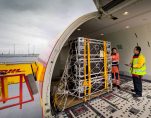
DHL Express heavy weight cargo
The heavyweight market has been gaining traction in recent years. Industry research shows that an estimated 10.2 million tons of heavyweight shipments¹ are being moved in Asia Pacific (excluding China) each year. Many companies have spent years reducing inventory and improving efficiency across their supply chains. However, companies today operate in a far less predictable environment marked by trade disruptions, manufacturing bottlenecks, and fluctuating demand. The rise in heavyweight shipment volumes mirrors a shift in how businesses are managing supply chain risks, as they increasingly turn to express logistics not only to handle sudden shifts in demand but also to have greater agility, certainty and control over timelines.
“Behind the numbers is a simple reality: Businesses are shipping heavy when timing matters and when it’s critical,” said Ken Lee, CEO for Asia Pacific, DHL Express. “As companies continue to navigate a complex landscape where uncertainty has become the norm, speed and reliability have also become part of the business decision. Customers are making deliberate decisions on what they ship through our network. Our Heavy Weight Express solution helps companies avoid downtime, protect working capital and keep operations moving when supply chains don’t go exactly as planned.”
Technology, Engineering & Manufacturing, and Automotive top Asia Pacific’s heavyweight contributors
Across the region, high-value, technology-related cargo, such as computer chips and semiconductors, accounts for the largest share of DHL Express’s heavyweight segment at over 34%, driven by rapid investment in data centers to support the growing demandfor computing capacity, data storage, cloud services, as well as artificial intelligence. This has fueled demand for technology-related shipments, from semiconductors and servers to cooling systems and electrical infrastructure. However, a data center crunch is creating supply chain bottlenecks as demand for semiconductor manufacturing outpaces infrastructure supply. As a result, express logistics services are urgently activated to move critical components quickly and efficiently, helping to keep projects on schedule.
The other main contributors to the heavyweight segment are businesses in engineering & manufacturing as well as the automotive industry.
Automotive is the fastest growing sector
HWX service is also gaining strong momentum in the automotive sector, with its shipment weight increasing at a rate of nearly 20%. As the leading export region for this sector, Asia Pacific is also seeing a surge in Asian automotive brands, particularly Electric Vehicle (EV) manufacturers from China and Southeast Asia. As these brands expand into new markets, they are also moving vehicle parts sourced from different suppliers and manufacturers across borders. This has created the appetite for expedited shipments to keep production running. In this sector, a single late or failed shipment could instantly cost automotive manufacturers millions of dollars.
Asia affirms role as a vital trading hub
In Asia Pacific (excluding China), the fastest growth in heavyweight shipments for the first seven months of the year came from India, the Philippines, Vietnam, Japan and Hong Kong. These markets reflect two of the region’s strongest trade corridors – Southeast Asia’s firm role as a manufacturing and sourcing base, and North Asia’s strategic position as a hub for high-value technology, industrial and automotive supply chains. Additionally, India, the Philippines, and Vietnam are also recognized as key markets of the geographic tailwinds initiative.
“As companies continue to manufacture out of Asia, balancing project timelines and building more resilient and agile supply chains become a priority. To maintain production continuity and ensure certainty, they are consolidating goods into heavier shipments. These non-negotiable conditions are also “urgency drivers” that put us at an advantage to help deliver our customers’ shipments at a definite time,” said Ken Lee, CEO for Asia Pacific, DHL Express.
In recent years, DHL Express has added several new infrastructures across the region, including an expanded global hub in Hong Kong, facilities near Cebu and Manila airports, gateway at Christchurch airport, Hanoi gateway near Noi Bai airport, as well as Delhi gateway, culminating in approximately 1,000 facilities in the Asia Pacific region. This is further supported by a robust aviation network of around 810 flights per day.
The issuer is solely responsible for the content of this announcement.
DHL – The logistics company for the world
DHL is the leading global brand in the logistics industry. Our DHL divisions offer an unrivaled portfolio of logistics services ranging from national and international parcel delivery, e-commerce shipping and fulfillment solutions, international express, road, air and ocean transport to industrial supply chain management. With approximately 389,000 employees in more than 220 countries and territories worldwide, DHL connects people and businesses securely and reliably, enabling global sustainable trade flows. With specialized solutions for growth markets and industries including technology, life sciences and healthcare, engineering, manufacturing & energy, auto-mobility and retail, DHL is decisively positioned as “The logistics company for the world”.
DHL is part of DHL Group. The Group generated revenues of approximately 82.9 billion euros in 2025. With sustainable business practices and a commitment to society and the environment, the Group makes a positive contribution to the world. DHL Group aims to achieve net-zero emissions logistics by 2050.
SINGAPORE – Media OutReach Newswire – 16 September 2026 – VX Logistics Development Group Co., Ltd. (“VX Logistics” or the “Company”), Asia’s leading cold chain logistics network operator, transforms the supply chain operation of fresh fruit and vegetables industry through applying AI technology and sophisticated automation and leveraging the world-first robot for metro delivery self-developed by the Company.
Emma Wu (Wu Beiwen) Chairperson, VX Logistics Emma Wu currently serves as the chairperson of VX Logistics. As an active practitioner of China’s supply chain globalisation, she focuses on cold chain, fresh produce supply chain, logistics infrastructure, and industrial synergy. Under her leadership, VX Logistics has become an industry-leading integrated multi-temperature logistics service provider, with its cold chain capacity firmly leading in Asia and among the top tier globally.
The world-first robot designed for deliveries to metro-station retailers is self-developed by VX Logistics. The robot functions as an actual “on-duty” employee in VX Logistics’ day-to-day operations. It has been rolled out at 61 Shenzhen metro stations, handling replenishment and delivery tasks for on-site retailers.
Within VX Logistics’ business operations, these intelligent devices are working in tandem with the Company’s proprietary OTWB end-to-end management system and digital platforms such as IoT-based cold-chain temperature control. VX Logistics’ smart operation offers an efficient solution to every link of the supply chain.
“Each of these technologies is powerful on its own, but their true value emerges when they work together — data flows from the point of origin to end customer, and quality becomes predictable and controllable,” said Emma Wu (Wu Beiwen), chairperson of VX Logistics, adding that this is not merely an enhancement at any single stage of logistics services, but it represents a transformation in the very way the industry functions.
The value of technology goes beyond efficiency. Emma Wu noticed that a large number of overseas fresh fruit brands are stepping up their presence in China, while many domestic brands are showing a strong desire to go global. Emma Wu remarked: “A growing number of international brands are now registering Chinese brand names, setting up dedicated consumer brand teams, and increasing their investment at the retail end. The essence of branding lies in brand owners extending their quality commitment to the end consumer. This, in turn, requires them to maintain effective control of product condition at every link of the domestic supply chain. The same applies to Chinese brands going global.”
In the past, once imported fruit arrived at port, quality essentially entered a “black box” — brand owners had no visibility over key metrics like arrival temperature, handling status, or outbound records across the supply chain.
Emma Wu added that AI is transforming the fresh fruit and vegetables industry from one that “runs on experience” to one that “makes decisions with data.” In sorting and quality inspection, AI vision technology can assess coloration, size, and defects within a second — with greater accuracy and consistency than the human eye. In warehousing, automated equipment is taking over repetitive tasks such as material handling and palletizing. In transportation, IoT sensors track the temperature and location of every load in real time, and could raise the alarm before any issue arises.
Built around the unique characteristics of berry products, VX Logistics has customized a comprehensive end-to-end solution encompassing precision temperature and humidity management as well as rapid in-warehouse throughput — supporting the annual market launch of close to 200 million boxes of berries for Driscoll’s.
Zespri has been a partner of VX Logistics for over a decade. VX Logistics has built a full end-to-end system for Zespri in China – covering warehousing, quality inspection, ripening, automated sorting, and packaging.
“Cold-chain logistics is not a cost center — it is a value center.” She further pointed out that cold-chain logistics today is no longer merely a cost item for warehousing and transportation. It is a provider of supply chain solutions for brand clients. Both expanding overseas and deepening presence in China demand stable temperature and humidity control and quality assurance. The technological nature and professional reliability of cold-chain operations make cold-chain logistics an “added value” that safeguards product quality and reduces loss.
After 13 years of dedicated development, VX Logistics’ cold-chain scale now ranks first in Asia and stands firmly among the global top tier. As the supply chain service provider behind renowned fruit brands such as Zespri, Driscoll’s, Envy Apples, and Rockit, VX Logistics’ core competitive edge lies in its technology-driven supply chain services. Hashtag: #VXLogistics
The issuer is solely responsible for the content of this announcement.
Foreign capital has just delivered its verdict on the United States, and the verdict is not what Washington wants to hear. A record $600 billion flowed into US equities over the past year, outpacing foreign purchases of Treasuries for the first time since the 2008 financial crisis. For decades, buying America meant buying its government debt alongside its companies as though they were one investment. This assumption […]
As the Macau Grand Prix weekend revs up, on 20 and 21 November, Galaxy Macau gathers a standout line-up of 15 of Asia’s most awarded chefs and mixologists for the anticipated return of its eponymous dining festival – early bird tickets on sale now
MACAU SAR – Media OutReach Newswire – 15 September 2026 – On 20 & 21 November, Galaxy Macau elevates its gastronomic offering with the standout eponymous edition of Galaxy Stars of Gastronomy 2026. The fourth presentation of Galaxy Macau’s large-scale immersive outdoor culinary event will showcase an elite line-up of 12 of the region’s most sought-after culinary masters, deliveringa cumulative 24 Michelin stars. In addition, featuring three prominent mixologists, including this year’s Asia’s 50 Best Bar’s champions. GalaxyStars of Gastronomy cements its place as Asia’s leading dining destination, and home to some of the region’s most awarded restaurants, chefs and culinary experiences, all under one roof., under one roof.
Galaxy Stars of Gastronomy 2026, the next chapter of Macau’s and Galaxy Macau’s immersive elite dining festival, will be held from 20 to 21 November for three consecutive sessions, celebrating the best in culinary artistry presented by a constellation of award-winning Michelin-starred chefs and mixologists.
The city’s most elevated sensory gastronomy festival takes place across three sittings from Friday 20 November, to Saturday 21 November, spanning two dazzling nights and one thrilling day-time session. Following the standout success of the festival’s first three years at Galaxy Macau, this cornerstone event during Macau Grand Prix weekend has cemented the city’s undisputed status as a UNESCO City of Gastronomy and the home of Formula 3 racing on the global stage.
Galaxy Stars of Gastronomy celebrates the elemental exchange of cultures, craftsmanship and creativity through a series of extraordinary dining experiences curated exclusively for Galaxy Macau. Tickets from MOP1,988 per person (min. 2 persons) are now on sale at www.galaxymacau.com with an incredible 20% early bird discount offer which includes a complimentary free-flow wine package, on or before 4 October, while tickets last.
Drawing inspiration from the nourishing philosophy of the Five Elements, Galaxy Stars of Gastronomy 2026 invites Asia’s top chefs to interpret Metal, Wood, Water, Fire and Earth through their own creative culinary lens. Set against a vibrant al fresco backdrop of live performances at the Cabana, guests will be immersed in a celebration of flavour, creativity and craftsmanship led by Asia’s foremost culinary masters.
An All-Star Line-up of Culinary Visionaries
Working in small groups, 12 talented masters will showcase their distinct culinary philosophies through diverse ingredients and techniques, transforming nature’s bounty into dishes inspired by the Five Elements. Guests will enjoy an up-close and personal opportunity to engage with Asia’s leading celebrity chefs, as each dish is meticulously prepared in front of them.
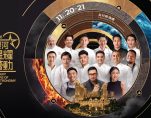
Asia’s most sought-after Michelin-starred chefs united at Galaxy Stars of Gastronomy 2026 include (from left): *Chef Eom Taejin *Chef Hiroyasu Kawate *Chef Jimmy Lim *Chef Vianney Massot *Chef Julien Royer *Chef Darren Teoh
Gathered at Galaxy Macau will be a standout, award-winning team of Asia’s elite culinary talents, representing the pinnacle of excellence region-wide:
Chef Julien Royer: Three-Michelin-Starred Odette, Singapore
Chef Jimmy Lim: Three-Michelin-Starred JL Studio, Taichung
Chef Darren Teoh: Two-Michelin-Starred Dewakan, Kuala Lumpur
Chef Hiroyasu Kawate: Two-Michelin-Starred Florilège, Tokyo
Chef Vianney Massot: Two-Michelin-Starred BLACKSWAN, Beijing
Chef Eom Taejun: One-Michelin-Starred Solbam, Seoul
Galaxy Macau and StarWorld Hotel’s elite team of highly-acclaimed chefs include (from left): *Chef Umberto Bombana *Chef Chan Chek Keong *Chef Vicky ChengChef Masaaki Miyakawa *Chef Xu Jingye *Chef Yam Lok Hin
Galaxy Macau and StarWorld Hotel’s elite culinary team is set to include:
Chef Masaaki Miyakawa, Three-Michelin-Starred Sushi Miyakawa & One-Michelin-Starred Sushi Kissho by Miyakawa
Chef Umberto Bombana: Three-Michelin-Starred 8½ Otto e Mezzo BOMBANAHong Kong& One-Michelin-Starred 8½ Otto e Mezzo BOMBANA Macau
Chef Xu Jingye: Two-Michelin-Starred 102 House, Shanghai & House of Origin at Galaxy Macau
Chef Vicky Cheng: One-Michelin-Starred VEA Hong Kong, and Estuary by Vicky Cheng
Chef Chan Chek Keong: Two-Michelin-Starred Feng Wei Ju at StarWorld Hotel
Chef Yam Lok Hin, Assistant Vice President and Chef Creator – Pastry and Bakery, Galaxy Macau, StarWorld Hotel and Broadway Macau
Exceptional Pairings Beyond the Plate
Building on Galaxy Macau’s reputation as a bars innovator, the event brings together some of Asia’s most respected names in cutting-edge mixology.
Asia’s leading mixology innovators (from left): *Nokoy Mak *Andrew Ho *Shelley Tai
Leading the line-up is Andrew Ho of Guangzhou’s Hope & Sesame, recognised as “Asia’s Best Bar” this year by Asia’s 50 Best Bars; alongside Shelley Tai, founder-mixologist of Hong Kong’s celebrated Mius, ranked No. 36 on this year’s list and recipient of the “Altos Bartenders’ Bartender Award” at Asia’s 50 Best Bars 2026. Representing Galaxy Macau is award-winning mixology innovator Nokoy Mak, Bar Manager at Long Bar, Raffles at Galaxy Macau and “Tatler Best 20 Bars 2026” in Macau.
Together, they will present an innovative collection of cocktails and non-alcoholic creations designed to complement the event’s culinary offerings with thrilling pairings.
A Culinary Journey Inspired by the Five Elements
With the elite assembly of 15 of Asia-Pacific’s most celebrated culinary and mixology masters, Galaxy Stars of Gastronomy 2026 presents a unique exchange of knowledge and skills. Guided by the Five Elements, each chef curates with their own distinctive approach, creating an immersive dining experience that reflects the diversity and dynamism of the region’s gastronomic landscape.
Each element embodies a distinctive flavour expression: Wood celebrates freshness and vitality; Metal highlights precision and purity; Water explores depth, texture and umami; Fire showcases transformation through grilling, roasting and seasoning; while Earth brings richness and grounding through nutty, root-driven and comforting flavours.
From 20-21 November, 2026, Galaxy Macau cements its place one of Asia’s most compelling dining destinations, offering a wide array of pristine dining options from Michelin-starred restaurants and celebrated chefs to acclaimed local delicacies. Galaxy Stars of Gastronomy 2026 further reinforces this constellation of inspirational dining, offering guests a thrilling one-stop experience of Asia’s most acclaimed culinary artists – all within one destination, for one weekend only.
At Galaxy Stars of Gastronomy 2026, guests will be sampling refined culinary creations by a line-up of star-studded chefs and award-winning mixologists, elevated by an immersive al-fresco atmosphere.
For more information about Galaxy Macau and Galaxy Stars of Gastronomy 2026, please visit www.galaxymacau.com.
Tickets purchased on or before 4 October enjoy 20% off and complimentary wine package
Credit Card Privilege:
Tickets purchased with designated HSBC HK Credit Cards on or before 4 October enjoy 20% off and complimentary wine package
Tickets purchased with ICBC Visa Cards (issued in Macau) on or before 19 November enjoy 20% off, complimentary wine package, and exclusive dining gift certificates up to MOP1,800
Table Experience for 2 pax – MOP3,976 (Early Bird: MOP3,181)
Table Experience for 4 pax – MOP7,952 (Early Bird: MOP6,362)
Table Experience for 6 pax – MOP11,928 (Early Bird: MOP9,542)
Inclusive of:
Admission and seating on the pool deck*
Elemental signature delicacies prepared by acclaimed award-winning chefs
Choice of 3 welcome cocktails or mocktails per person, prepared by award-winning mixologists
Inclusive of a 10% service charge
*Seating will be assigned on site
Cabana VIP Experience for 8
8 pax – MOP18,888 (Early Bird: MOP 15,110)
Inclusive of:
Exclusive use of a private Cabana on the pool deck
Elemental signature delicacies prepared by acclaimed award-winning chefs
Choice of 3 welcome cocktails or mocktails per person, prepared by award-winning mixologists
*Bulk ticketing offers are exempt from the Early-bird Discount
Hashtag: #GalaxyMacau
The issuer is solely responsible for the content of this announcement.
GALAXY MACAU INTEGRATED RESORT
Galaxy Macau, world-class luxury integrated resort, delivers the “Most Spectacular Entertainment and Leisure Destination in the World”. Developed at an investment of HK$43 billion, the property covers 1.1 million-square-meter of unique entertainment and leisure attractions that are unlike anything else in Macau. Nine award-winning world-class luxury hotels provide close to 5,000 rooms, suites and villas. They include Banyan Tree Macau, Galaxy Hotel™, Hotel Okura Macau, JW Marriott Hotel Macau, The Ritz-Carlton, Macau, Broadway Hotel, Raffles at Galaxy Macau, Andaz Macau, and Capella at Galaxy Macau. Unique to Galaxy Macau, the 75,000-square-meter Grand Resort Deck features the world’s longest Skytop Adventure Rapids at 575 metres, the largest Skytop Wave Pool with waves up to 1.5-metre high and 150-metre pristine white sand beach. Two five-star spas from Banyan Tree Spa Macau and The Ritz- Carlton Spa, Macau help guests relax and rejuvenate.
As the dining destination in Asia, Galaxy Macau offers a wide variety of gastronomic delights, exquisite experiences and ingredients of the finest quality with over 120 dining options from Michelin dining to authentic delicacies; Galaxy Promenade is the hottest shopping destination featuring the latest in fashion and curated experiences in Macau. Spanning over 100,000-square-meter, luxury flagship stores, lifestyle boutiques and our selection of labels are among the more than 200 world-renowned brands for a world-class shopping journey; Galaxy Cinemas, immersive thrills and luxurious comfort go hand in hand at Galaxy Cinemas. All 10 theatres are equipped with the latest audio-visual technology; CHINA ROUGE, one-of-a-kind deluxe lounge that evokes the glitz and glamor of Shanghai’s golden era with entertainment in luxury and style; and Foot Hub presents the traditional art of reflexology to make you feel more relaxed and revitalized. For Authentic Macau Flavours & Vibrant Asian Experiences, Broadway Macau – just a 90-second walk via a bridge from Galaxy Macau, has over 35 Authentic Macau & Asian Flavours at its Broadway Food Street. The 2,500-seat Broadway Theatre plays host to world-class entertainers and a diverse array of cultural events. Meeting, incentive and banquet groups are also well looked after with a portfolio of unique venues in Galaxy Macau and a professional service staff.
Galaxy International Convention Center (GICC) is the latest addition to the Group’s ever-expanding integrated resort precinct and will usher in a new era for the MICE industry in Macau. GICC is a world- class event venue featuring 40,000-square-meter of total flexible MICE, and a 16,000-seat Galaxy Arena – the largest indoor arena in Macau.







 https://www.brandhk.gov.hk/
 https://www.linkedin.com/company/brand-hong-kong/
 https://x.com/Brand_HK/
 https://www.facebook.com/brandhk.isd
 https://www.instagram.com/brandhongkong