Just in:
Yicura BioMed Advances Dual Capital and Industrial Strategy: Completes First Closing of Series B Financing Led by Gobi Partners // IEA forecasts fourth-quarter oil surplus as Gulf shipments rebound // Saudi fund assets forecast to cross $400 billion // 11 Boutique Xinjiang Wineries to Debut in Singapore // Microsoft restores services gradually but gives no recovery deadline // L’OCCITANE Celebrates 50 Years Of Provençal Craftsmanship With Holiday 2026 Collection // Salik posts Dhs1.045bn profit despite lower toll traffic // Sun World Ba Den Mountain marks Vietnam Culture Day, welcoming Cambodian visitors over Bon Om Touk // China Reconciled To U.S. Curbs On Chips Exports, Woos South Korea For Supply // The Honey Trap Is The Headline, The Chip Pipeline Is The Story // TORRAS Launches Two New iPhone Duo Cases from Its Popular Ostand Series, Addressing Foldable Phone Users’ Concerns About Difficult Stand Positioning and Scratches // Microsoft apologises as Outlook services recover after outage // UAE crews sustain coastal oil removal as beaches reopen // US resumes flights after nationwide air traffic shutdown // Crescent Enterprises venture arm funds Oyster Therapeutics development // From Dubai to the EU: how UAE-based crypto firms can expand under MiCA // Inpex reaffirms Gulf oil strategy despite shipping constraints // Hackers falsify NVIDIA GPU readings to mask cryptomining // Woman found dead as bank moves to repossess home // Rooftop solar planning gaps behind power shortages //

News related to
Program

HO CHI MINH CITY, VIETNAM – Media OutReach Newswire – 19 September 2024 – The Ho Chi Minh City Development Joint Stock Commercial Bank (HDBank – HOSE: HDB) and Proparco, the private sector financing arm of Agence Française de Développement Group (AFD Group), have signed a credit facility worth US$50 million. HDBank and Proparco’s leaders at the signing ceremony for a credit facility worth US$50 million in […]

Cloud Leader Unveils 100 Open-sourced Qwen 2.5 Multimodal Models and New Text-to-Video AI Model to Bring Visual Creations to a Higher Level Revamped Cloud Infrastructure is Introduced to Maximize Values for Customers HANGZHOU, CHINA – Media OutReach Newswire – 19 September 2024 – Alibaba Cloud, the digital technology and intelligence backbone of Alibaba Group, today announced it has released over 100 of its newly-launched large language models, […]

The United Arab Emirates has introduced a groundbreaking regulation requiring private joint-stock companies to include women on their boards of directors. This mandate, unveiled this week, marks a significant step in the country’s ongoing efforts to enhance gender diversity within the corporate sector.

The new rule stipulates that at least one woman must occupy a position on the board of directors in every private joint-stock company operating within the UAE. This initiative is part of a broader strategy to foster inclusive leadership and align with international standards on gender equality in the workplace.

UAE Minister of State for Advanced Sciences Sarah bint Yousif Al Amiri emphasized that this move reflects the country’s commitment to advancing gender parity across all sectors. The regulation is expected to encourage companies to recognize the value of diverse perspectives in decision-making processes, which could drive innovation and improve overall business performance.

The introduction of this regulation is not an isolated measure but part of a comprehensive agenda aimed at achieving gender balance in leadership roles. Over the past few years, the UAE has implemented various policies to promote women’s participation in the workforce, including initiatives to support women entrepreneurs and enhance their representation in governmental and private sector positions.

Several prominent business leaders and industry experts have welcomed the new mandate. They argue that including women on boards is crucial for bringing diverse viewpoints to strategic discussions, which can lead to more balanced and effective decision-making. This move aligns with global trends where companies are increasingly recognizing the importance of gender diversity for better governance and financial outcomes.

While the UAE has made considerable progress in promoting women’s rights and opportunities, some critics suggest that the effectiveness of such regulations will depend on their implementation and the commitment of companies to truly embrace gender diversity. There are concerns about the potential for tokenism if the roles are not accompanied by meaningful influence in decision-making processes.

Nevertheless, the regulation is expected to have a positive impact on the corporate landscape. Studies have shown that gender-diverse boards are associated with improved financial performance, enhanced corporate reputation, and greater innovation. By setting clear requirements for board composition, the UAE aims to set a precedent for other countries in the region and beyond.

The government’s strategy includes not only regulatory measures but also supportive initiatives to help companies comply with the new requirements. Training programs and resources will be made available to assist firms in identifying and appointing qualified female candidates for board positions. This support is intended to ensure that the mandate does not merely become a symbolic gesture but leads to tangible improvements in gender diversity.

As the UAE continues to position itself as a leader in business and economic development, this regulation underscores its commitment to creating an inclusive and equitable business environment. The emphasis on gender diversity reflects a broader understanding that economic growth and social progress are intertwined, and that diverse leadership teams are better equipped to address complex challenges and drive sustainable success.

Dubai’s strategic focus on medical tourism has intensified, driven by a new Memorandum of Understanding (MoU) signed between the Dubai Health Authority (DHA) and the Dubai Department of Economy and Tourism (DET). The MoU is set to bolster the city’s already formidable reputation in healthcare by expanding its role as a premier destination for medical tourists. This collaboration aligns with Dubai’s broader economic agenda, particularly the D33 strategy, aimed at enhancing the emirate’s position across key sectors.

One of the most significant objectives of this agreement is to attract investments into Dubai’s healthcare sector. Authorities are targeting a global audience of medical tourists by leveraging advanced healthcare facilities and promoting top-quality services. Dubai’s existing infrastructure, along with its geographic advantage at the crossroads of Europe, Asia, and Africa, plays a critical role in enhancing its attractiveness to international patients seeking high-quality medical care. The DHA’s Director General, Awadh Seghayer Al Ketbi, emphasized that this MoU is part of a broader vision to solidify Dubai’s position as a global leader in medical tourism, attracting investments and showcasing the emirate’s medical capabilities.

Dubai has already witnessed a strong surge in medical tourism over the past year, drawing 691,478 medical tourists in 2023, with expenditures on healthcare services exceeding AED 1.034 billion. This marks an increase from the previous year, demonstrating the emirate’s growing appeal in the global healthcare landscape. Dubai has positioned itself as a prime destination for advanced treatments across specialties, including orthopedics, cardiology, oncology, and cosmetic surgery. Hospitals in the city are also seeing a rise in demand for wellness programs, preventive care, and medical check-ups, catering to international patients looking for comprehensive healthcare solutions.

The impact of this surge in medical tourism extends far beyond healthcare. The influx of international visitors has fueled revenue across sectors such as aviation, hospitality, and retail, with indirect revenues surpassing AED 2.305 billion. The city’s medical tourism infrastructure is further strengthened by initiatives like the Al Safeer Congress Ambassador Programme, which works to attract major medical conferences and meetings to Dubai, solidifying its position as a medical knowledge hub. This combination of world-class facilities and strategic networking places Dubai at the forefront of the medical tourism industry globally.

As part of the DHA and DET’s collaboration, the two entities plan to establish networks of international partnerships, further driving innovation and knowledge sharing within the medical field. The collaboration also seeks to streamline investment opportunities for foreign and local stakeholders, ensuring that the healthcare sector remains a robust engine of economic growth. These efforts will likely lead to the introduction of more state-of-the-art hospitals and specialized medical centers, enhancing the overall quality of life for residents and international visitors alike.

Dubai’s continued investment in smart healthcare solutions and digital health is another critical factor contributing to its success in attracting medical tourists. By adopting advanced technology, the city is setting a benchmark for medical innovation, from AI-driven diagnostics to telemedicine and remote care services. These technological advancements offer convenience and enhanced patient care, which is a significant draw for medical tourists from around the world.

Additionally, the DHA has implemented several regulatory reforms aimed at simplifying business registration for investors and ensuring compliance with local laws, thus encouraging further growth in the medical tourism sector. These reforms are part of a broader effort to make Dubai a more attractive environment for medical professionals and investors, allowing the healthcare industry to expand rapidly and meet the demands of a growing international patient base.

In this increasingly competitive global medical tourism market, Dubai’s ability to offer a unique blend of cutting-edge medical care, luxury hospitality, and tourism experiences sets it apart. The city offers patients not only access to world-class medical treatment but also the opportunity to recover in a luxurious environment, with easy access to Dubai’s numerous leisure and cultural attractions.

A new study underscores the benefits of regular walking in preventing the recurrence of lower back pain. According to recent research, individuals who engaged in walking five times a week experienced a 28 percent lower risk of lower back pain returning. The study, conducted by a team of researchers from leading medical institutions, highlights walking as an effective, low-impact exercise for maintaining spinal health and reducing pain.

The study’s findings are based on a longitudinal analysis of participants who reported chronic lower back pain. Researchers tracked their physical activity levels over several months, focusing on those who adopted a routine of walking five days a week. Participants were assessed on their pain levels, frequency of episodes, and overall spinal health throughout the study period. The results revealed a notable decrease in pain recurrence among those who consistently followed the walking regimen.

Walking, as a moderate exercise, has long been associated with various health benefits, including improved cardiovascular fitness and enhanced mood. The current study builds on this foundation, emphasizing its role in spinal health. The low-impact nature of walking makes it an accessible option for many individuals who may not be able to engage in more strenuous exercises due to pain or physical limitations.

Experts attribute the positive impact of walking on lower back pain to several factors. First, walking helps strengthen the muscles that support the spine, including the lower back and abdominal muscles. This increased strength can provide better support and reduce strain on the spine. Additionally, walking promotes better posture, which can alleviate the pressure on the lower back that often contributes to pain.

Furthermore, walking encourages the release of endorphins, which are natural pain relievers produced by the body. These endorphins can help mitigate pain and improve overall well-being. The rhythmic motion of walking also improves circulation, which aids in the delivery of nutrients to spinal structures and the removal of metabolic waste products, contributing to better spinal health.

While the study highlights the effectiveness of walking, researchers also note the importance of combining this activity with other forms of exercise and proper ergonomics. Core-strengthening exercises, stretching routines, and maintaining good posture are also crucial components of a comprehensive approach to managing and preventing lower back pain. The study suggests that walking should be integrated into a broader lifestyle approach that includes these elements for optimal results.

The implications of this study are significant for both individuals suffering from lower back pain and healthcare professionals. For those affected by chronic pain, incorporating regular walking into their routine offers a simple, yet effective strategy for reducing the likelihood of pain recurrence. Healthcare providers can also use these findings to advocate for walking as a preventive measure and incorporate it into treatment plans for patients with lower back issues.

Healthcare systems and practitioners may consider developing programs or recommendations that encourage patients to adopt walking routines as part of their recovery and maintenance strategies. This could involve integrating walking into physical therapy regimens or providing resources and support for individuals looking to start and maintain a walking routine.

The study’s findings contribute to the growing body of evidence supporting physical activity as a key factor in managing and preventing chronic conditions. As more research explores the relationship between exercise and pain management, walking’s role in reducing lower back pain recurrence could become a cornerstone of effective treatment and prevention strategies.

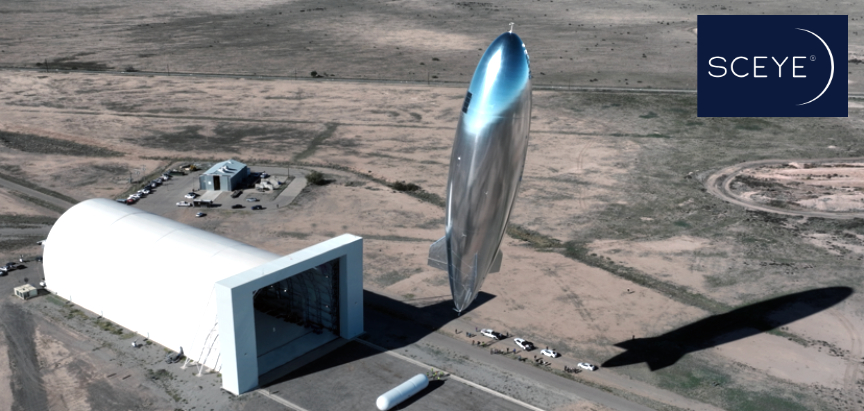
Mawarid Holding, a prominent Saudi investment firm, has spearheaded a Series C funding round for Sceye, an American company specializing in high-altitude platform systems (HAPS). The funding, announced Tuesday, values Sceye at $525 million before the latest capital influx. Although the exact amount of the investment was not disclosed, it is set to significantly advance Sceye’s capabilities in research, development, and commercial operations.

Sceye, headquartered in the United States, focuses on developing cutting-edge HAPS technology designed to operate in the stratosphere. This technology is intended to provide a range of applications, from improving communications and data collection to enhancing environmental monitoring. With this investment, Sceye plans to accelerate its flight programs and push forward with the commercial rollout of its innovative systems.

The funding from Mawarid Holding will primarily support Sceye’s R&D efforts and operational expansion. This includes advancing their ongoing projects and launching new initiatives that leverage the HAPS technology’s potential. Sceye’s CEO has highlighted that this capital injection will enable the company to refine its systems and bring its solutions to market more rapidly by 2025.

Mawarid Holding’s involvement underscores a growing trend of cross-border investment in the aerospace sector. The Saudi firm’s investment aligns with its broader strategy to diversify its portfolio and engage in high-tech industries with global impact. This move is part of Saudi Arabia’s Vision 2030, which aims to foster innovation and technological advancements within the kingdom and beyond.

The partnership is expected to enhance Sceye’s position in the aerospace industry, especially as the demand for advanced high-altitude platforms continues to rise. The firm’s high-altitude systems are poised to play a crucial role in various sectors, including telecommunications and environmental monitoring, by providing persistent, high-resolution data from the stratosphere.

The global market for HAPS technology is growing, driven by increasing interest from governments and private entities seeking to expand their data collection and communication capabilities. Sceye’s technology stands out due to its ability to offer sustained, high-altitude coverage, which is a significant advancement over traditional satellite and aerial systems.

Mawarid Holding’s strategic investment in Sceye represents a significant endorsement of the American company’s potential. It reflects a broader trend of strategic partnerships and investments in the aerospace sector, aimed at driving technological innovation and meeting the evolving demands of global markets.

As Sceye moves forward with its expanded capabilities, it is likely to attract further interest from investors and partners looking to capitalize on the growing opportunities within the high-altitude platform market. The firm’s progress will be closely watched by industry stakeholders as it continues to develop and commercialize its technology.

A celestial phenomenon combining a lunar eclipse and a supermoon lit up skies across the globe, enchanting stargazers with a rare spectacle. The lunar eclipse occurred as the Earth positioned itself directly between the Sun and the Moon, casting a shadow over the lunar surface, while the supermoon, appearing unusually large and bright, added an extra layer of fascination. This unique alignment captured the attention of millions of observers, from seasoned astronomers to casual sky watchers, as it became a global talking point.

The event took place in the early morning hours, with regions around the world experiencing different phases of the eclipse. In the Emirates, a penumbral lunar eclipse was observed at around 5 a.m., where a subtle shadow was cast by the Earth onto the Moon’s surface. This particular type of eclipse is less dramatic than its total counterpart, with only a faint dimming of the Moon’s brightness noticeable to keen observers. Despite its subtlety, the event drew significant interest from astronomy enthusiasts who gathered to witness the natural wonder.

The supermoon, occurring when the Moon is at its closest point to Earth in its elliptical orbit, known as perigee, added to the allure. Appearing around 14% larger and 30% brighter than a typical full moon, the supermoon illuminated the sky, creating a striking visual display. This rare combination of a supermoon and a lunar eclipse created a significant buzz across social media platforms, with many sharing images and experiences of the event.

The spectacle wasn’t confined to the Emirates, as different regions of the world experienced varying views of the lunar eclipse. In parts of the Americas, Europe, and Africa, the lunar eclipse occurred during the night or early morning, offering a mesmerizing show. In Asia and Australia, viewers were treated to a similar display, although weather conditions played a crucial role in visibility. Clear skies offered the best conditions for observation, allowing the supermoon’s enhanced brilliance to shine through.

Astronomers and space agencies had been preparing for the event for weeks, providing detailed guidelines and timelines for optimal viewing. The Dubai Astronomy Group, for instance, organized live viewing sessions, helping enthusiasts follow the eclipse’s progression. Across the world, amateur astronomers set up telescopes and cameras to capture every phase, while public observatories offered special events and viewing parties to celebrate the occasion.

This particular lunar eclipse fell under the category of a penumbral eclipse, where only the outer shadow of the Earth, or penumbra, falls on the Moon’s surface. Unlike a total or partial lunar eclipse, where the Earth’s shadow directly blocks sunlight from reaching the Moon, the penumbral eclipse creates a more muted effect. It is often difficult for the untrained eye to detect the subtle shading that occurs during such an eclipse, making it a more specialized observation for seasoned enthusiasts.

Nevertheless, the accompanying supermoon drew wide public interest, as its large and bright appearance is far more noticeable to casual sky gazers. Supermoons have long fascinated humans due to their rarity and visual impact, with many cultures attaching spiritual or mythological significance to the phenomenon. For scientists, supermoons provide a valuable opportunity to study the Moon’s characteristics more closely, as the increased proximity allows for clearer observation through telescopes and other instruments.

The lunar eclipse and supermoon coincided at a time when global interest in astronomy and space exploration has been on the rise. The event also coincided with the launch of several lunar exploration missions by space agencies worldwide, further heightening public interest in the Moon. NASA, for instance, has been actively promoting its Artemis program, aimed at returning humans to the lunar surface by the end of this decade. Similarly, China has made significant strides in its lunar exploration efforts, sending several missions to the Moon in recent years.

In addition to scientific pursuits, public fascination with lunar events has been boosted by the ease of access to high-quality telescopes and photography equipment. Amateur astronomers are now able to capture stunning images of celestial events like this one, sharing them widely on social media platforms and fostering a growing community of space enthusiasts. This accessibility has transformed the way people engage with astronomical phenomena, making them more widely observed and celebrated than ever before.

As with all celestial events, the lunar eclipse and supermoon served as a reminder of the delicate balance and movement of celestial bodies within our solar system. For many, these events offer a sense of wonder and curiosity about the universe, inspiring questions about the nature of space and humanity’s place within it. The awe-inspiring sight of the Moon passing through Earth’s shadow while shining brightly as a supermoon has left an indelible mark on those fortunate enough to witness it.

Advertisements

Corporate Group, a prominent financial advisory firm based in Dubai, has entered into a strategic collaboration with PwC Academy Middle East through a newly signed Memorandum of Understanding (MoU). This partnership is designed to equip aspiring professionals with the skills needed to bridge the gap between academic studies and practical business environments.

The MoU formalizes a comprehensive framework for integrating academic knowledge with hands-on experience. This initiative targets university students and recent graduates, offering them tailored training programs, mentorship opportunities, and real-world project engagements. By aligning educational outcomes with industry requirements, the collaboration aims to address the skills mismatch often seen in the job market.

Corporate Group and PwC Academy Middle East will jointly develop a series of specialized workshops and training sessions. These will cover various aspects of financial advisory, including risk management, financial planning, and corporate governance. The program is structured to provide participants with both theoretical knowledge and practical skills that are immediately applicable in the professional sphere.

The collaboration also includes the creation of internship and job placement opportunities within Corporate Group. This will allow participants to gain direct experience in the financial sector, applying their skills in a real-world context. Additionally, PwC Academy will offer certification programs that recognize the skills and knowledge acquired through the partnership.

The initiative reflects a broader trend in the UAE’s education sector, where there is a growing emphasis on enhancing the employability of graduates. By connecting academic institutions with industry leaders, the partnership aims to create a more dynamic and responsive workforce. This move is expected to support the UAE’s vision of becoming a global hub for business and innovation by developing a highly skilled talent pool.

Industry experts view this collaboration as a significant step towards addressing the challenges of talent development in the region. The partnership not only benefits students by providing them with valuable experience but also helps companies like Corporate Group access a pool of well-trained candidates ready to contribute effectively to the industry.

Abu Dhabi has introduced an advanced taxi booking system aimed at streamlining public transport across the emirate. This initiative, led by the Integrated Transport Centre (Abu Dhabi Mobility), marks a significant leap in the modernization of urban transport services.

The newly launched system integrates state-of-the-art technology to enhance user experience and operational efficiency. Through a user-friendly mobile application, residents and visitors can now book taxis with greater ease. The app offers real-time tracking, automated fare calculations, and various payment options, ensuring a seamless and transparent experience for users.

Key features of the system include a sophisticated algorithm designed to optimize routes and reduce wait times. This is expected to improve overall efficiency and reliability of taxi services in Abu Dhabi. Additionally, the integration of GPS technology allows for more accurate and timely pickups, addressing one of the common issues faced by passengers.

The new system also prioritizes safety and convenience. Enhanced safety measures include real-time monitoring of taxi locations and driver details, which are accessible to both passengers and regulatory authorities. This move aims to address concerns related to passenger security and ensure a safe travel experience.

From an operational perspective, the initiative is set to benefit both taxi operators and the broader transport infrastructure. By leveraging data analytics, the system helps in optimizing fleet management and operational planning. Taxi operators can gain insights into demand patterns, allowing for better allocation of resources and improved service levels.

This move aligns with Abu Dhabi’s broader vision of leveraging technology to enhance urban mobility. It reflects a commitment to creating a more connected and efficient transport network within the emirate. The system is also expected to play a role in reducing traffic congestion by encouraging the use of public transport over private vehicles.

The introduction of this system follows a series of pilot programs and extensive testing phases designed to ensure its reliability and effectiveness. The feedback from initial users has been largely positive, highlighting the system’s efficiency and ease of use. As the system becomes fully operational, it is anticipated to further integrate with other transport services in the emirate, contributing to a more cohesive public transport network.

In today’s fast-paced world, the desire to reconnect with nature is stronger than ever. Vinpearl, Vietnam’s premier hospitality brand, recognizes this need and has curated a collection of luxurious resorts that seamlessly blend biophilic design with world-class amenities. HANOI, VIETNAM – Media OutReach Newswire – 18 September 2024 – In an increasingly developed world, where experiences are often neatly packaged for convenience, it can feel like a […]

SINGAPORE – Media OutReach Newswire – 17 September 2024 – The Wealth Management Institute (WMI) announced the launch of the Dalio Market Principles Program in Strategic Investing for Family Offices on the second day of the annual Global-Asia Family Office (GFO) Summit. This new Program draws on the pioneering research and insights of Ray Dalio, Founder and CIO Mentor, Bridgewater Associates, to help family offices build capabilities […]

The United Arab Emirates is advancing a new solar energy initiative aimed at reducing electricity bills for homes in the Northern Emirates. This initiative, introduced by the UAE’s Energy and Infrastructure Ministry, focuses on leveraging solar power to enhance energy efficiency and decrease dependence on conventional electricity sources. Under this initiative, homeowners in the Northern Emirates will be encouraged to install solar panels on their properties. The […]

Etihad Water and Electricity (EtihadWE) has launched a new initiative in collaboration with the Ministry of Energy and Infrastructure (MoEI) to significantly advance the adoption of renewable energy across the Northern Emirates. This partnership underscores a strategic push to integrate sustainable energy solutions in the region, aligning with broader national goals of reducing carbon emissions and fostering environmental stewardship.

The initiative marks a significant step in EtihadWE’s ongoing efforts to diversify the energy mix and promote clean energy solutions in the UAE. By focusing on the Northern Emirates, the project aims to address regional energy needs and support the UAE’s broader commitment to sustainability. This move is expected to bolster the adoption of renewable technologies and provide a model for other regions within the country.

EtihadWE has been at the forefront of the UAE’s energy transformation, emphasizing a shift from conventional energy sources to renewable alternatives. The collaboration with MoEI is poised to accelerate this transition by facilitating the implementation of renewable energy projects, including solar and wind energy installations. This partnership aligns with the UAE’s Vision 2021 and the broader sustainability goals outlined in the UAE Energy Strategy 2050, which aims to increase the share of clean energy in the national energy mix to 50% by 2050.

The Northern Emirates, which include regions such as Ras Al Khaimah, Fujairah, Sharjah, Ajman, and Umm Al-Quwain, are set to benefit from this initiative through enhanced infrastructure and technology deployment. The focus on these areas is driven by their potential for renewable energy generation and the need to support local economic and environmental development.

The initiative will involve several key components, including the installation of solar photovoltaic panels on government buildings, schools, and other public facilities. Additionally, the project will explore the potential for wind energy, leveraging the natural wind resources available in these regions. These efforts are expected to contribute significantly to the reduction of the UAE’s carbon footprint while also providing economic benefits through job creation and energy savings.

One of the primary objectives of this partnership is to improve energy efficiency and promote sustainable practices within the local communities. Educational programs and workshops will be conducted to raise awareness about the benefits of renewable energy and encourage public participation in sustainability efforts. This approach aims to create a more informed and engaged populace, ultimately driving greater acceptance and implementation of green technologies.

The MoEI’s involvement in this initiative highlights its role in shaping the country’s energy landscape and ensuring that strategic objectives are met. The ministry will provide regulatory support and guidance throughout the project, ensuring that all renewable energy projects comply with national standards and best practices. This collaboration represents a significant alignment between government and industry efforts to achieve the UAE’s environmental and energy goals.

In addition to the direct benefits of increased renewable energy capacity, the project is expected to stimulate further investment in the region. By demonstrating the viability and advantages of renewable energy, it is anticipated that other private sector entities and investors will be encouraged to explore similar opportunities. This could lead to a broader expansion of green energy projects and innovations within the Northern Emirates and beyond.

The focus on renewable energy is part of a global trend toward more sustainable energy practices, driven by the need to address climate change and reduce reliance on fossil fuels. The UAE’s commitment to these goals reflects its position as a leader in the Middle East and a proactive participant in global environmental initiatives.

EtihadWE’s initiative, in partnership with the MoEI, exemplifies how collaborative efforts between government and industry can lead to substantial advancements in renewable energy. As the project progresses, it will be closely monitored to assess its impact and effectiveness, providing valuable insights for future energy initiatives.

The International Atomic Energy Agency (IAEA) has entered a strategic partnership with the Women in Energy Association (WIEA) through a newly signed memorandum of understanding (MoU), aiming to strengthen the role of women in the fields of science, technology, engineering, and mathematics (STEM). This collaboration is designed to support capacity building in these sectors and foster greater female participation in nuclear science and other STEM-related industries.

Signed in the presence of high-profile dignitaries including Prince Abdulaziz bin Salman, Saudi Arabia’s Minister of Energy, the agreement reflects an ongoing global movement to promote gender equality in fields traditionally dominated by men. Princess Mishaal bint Saud AlShalan, the Chairwoman of WIEA, and Rafael Mariano Grossi, Director General of the IAEA, both played key roles in securing this alliance, which places a clear focus on creating new opportunities for women to engage in STEM, particularly in nuclear energy.

The partnership will emphasize enhancing educational opportunities, mentorship programs, and creating a more inclusive work environment across various energy sectors. These efforts align with the broader goals of international organizations, which increasingly recognize that achieving gender balance in industries such as nuclear science is critical for innovation and sustainability.

This initiative also comes at a time when energy demands are rapidly changing, and countries are turning toward cleaner energy solutions, including nuclear energy, as a way to mitigate climate change. The IAEA has been active in promoting peaceful nuclear technologies and sees this collaboration as an essential step in driving inclusive progress in this field.

As global initiatives gain momentum for diversity in STEM, both organizations are optimistic about the prospects of their collaboration. It is anticipated that the joint efforts of IAEA and WIEA will inspire more women to pursue careers in science, particularly in regions where female representation in these fields remains limited. The move aims to empower women, contributing to a stronger, more diverse workforce capable of addressing global energy challenges.

Sources from credible outlets detail how the newly formed alliance builds on years of work by WIEA to advance gender equality within the energy sector. Similarly, the IAEA has consistently promoted programs focused on the peaceful use of nuclear energy, advocating for a balanced and skilled workforce to meet future energy demands. The MoU marks a significant milestone in combining the strengths of both organizations to push for educational reforms, networking opportunities, and policy initiatives aimed at increasing the participation of women in high-tech industries.

The Gaza Strip has become the center of a devastating humanitarian crisis over the past 11 months, with the ongoing conflict laying bare the deep-seated issues of occupation and colonization that have long fueled geopolitical tensions. Families have been decimated, while homes, schools, and hospitals lie in ruins, creating a dire need for immediate relief. Amid this turmoil, the call for urgent humanitarian aid has resonated far beyond the borders of the Arab region, drawing global attention.

Arab philanthropies, particularly members of the Arab Foundations Forum (AFF) and other regional foundations, have been swift to respond. These organizations have mobilized resources to provide essential aid, while also working to address the broader question of philanthropy’s role in long-term rebuilding efforts. However, despite the immediate response, a more substantial conversation has emerged around the need for sustainable, impact-driven funding for Gaza and Palestine. Comparisons have been drawn between the outpouring of global support for Ukraine since the start of the war and the comparatively limited funds allocated to Gaza, a disparity that has not gone unnoticed.

A significant aspect of the Arab response has come from private individuals who have contributed millions through crowdfunding and personally funded initiatives. This grassroots mobilization has proven critical for Gazans seeking to flee to Egypt or other safe havens, as formal mechanisms for their escape remain scarce. Families and communities have largely taken on the responsibility for the lives of those in immediate danger, showcasing the deep tradition of community-driven aid that defines the region’s philanthropic spirit.

While the initial focus has been on emergency relief, many foundations have also begun to address the need for long-term development and reconstruction. These efforts aim to create a sustainable future for the region, with a focus on social justice and equity. By partnering with international organizations and fostering collaborations, Arab philanthropy is laying the groundwork for rebuilding Gaza once the violence subsides, with hopes of supporting a more equitable and just future for Palestinians.

Among the notable initiatives, Saudi Arabia has played a prominent role. The Kingdom has allocated over $158 million in humanitarian aid to Gaza, largely through the Sahem platform, which is managed by the King Salman Humanitarian Aid and Relief Center (KSRelief). This funding has been directed toward food, medical supplies, and other essential relief efforts, helping to alleviate some of the immediate suffering of the population.

The United Arab Emirates has also made significant contributions, committing over $62 million to Gaza relief. Of this, $20 million has been allocated to support the United Nations Relief and Works Agency for Palestine Refugees in the Near East (UNRWA). These funds have been used to provide food, medicine, and emergency shelter to those affected by the conflict. Other countries in the region, such as Qatar, Jordan, Morocco, Oman, and Egypt, have also played their part, offering financial support, in-kind donations, and facilitating the movement of aid to Gaza.

Despite these efforts, the magnitude of the crisis demands more. The long-term costs of rebuilding entire communities, infrastructures, and lives in Gaza are overwhelming. The eventual goal is not only to restore what has been lost but also to build a free and sovereign state for the Palestinian people. However, achieving this will require far more than the short-term emergency funds currently being allocated.

The unique nature of the Arab region’s philanthropic response lies in the overlap between official government assistance and private donations. In many Gulf countries, philanthropic efforts must be channeled through government-approved mechanisms, which complicates the ability to quantify the full scale of the sector’s contributions. Nonetheless, several Arab foundations have shown that independent philanthropy remains a vital force.

The Abdulla Al Ghurair Foundation’s Education Relief Fund is one such example of targeted intervention. This initiative supports 900 students from Gaza and the West Bank whose studies have been disrupted by the war. With a focus on students in medicine, health sciences, and STEM fields, the program offers grants to cover tuition and living expenses for those studying abroad. The goal is to ensure these students can complete their education and eventually contribute to rebuilding their communities, particularly in healthcare and scientific fields. The foundation is collaborating with the Unite Lebanon Youth Project to implement the program.

Dubai Cares has also been a key player in the Gaza relief efforts. Through its ‘Gaza In Our Hearts’ campaign, launched during Ramadan in 2024, the organization has provided emergency relief in the form of food baskets, hot meals, and shelter tents. By April 2024, the campaign had raised over AED 10.75 million, enabling the distribution of more than 20 million meals and hundreds of thousands of food baskets. This initiative forms part of the broader UAE-wide ‘Tarahum for Gaza’ response, which involves multiple charitable organizations and volunteer centers across the country.

The collective response from the Arab region was further amplified by the Arab Foundations Forum, which launched a Donor Appeal for Gaza in partnership with several prominent organizations. The appeal, which includes the Asfari Foundation, Taawon, and Life for Relief and Development, bypassed the typical bureaucratic processes to quickly channel funding to community-based organizations in Gaza. The AFF’s Pooled Fund was established to allow individuals and smaller donors to contribute to efforts on the ground, although the funds raised so far still fall far short of the estimated needs for long-term recovery.


Imtiaz Developments has teamed up with the Emirates Environmental Group (EEG) to launch an ambitious sustainability project aimed at enhancing environmental conservation in the UAE. The collaboration, dubbed “One Tree, One Apartment,” focuses on integrating green practices into residential development projects, with each new apartment contributing to the planting of a tree. The initiative represents a significant step in Imtiaz Developments’ commitment to environmental responsibility. For every […]

Middle Eastern countries are poised to become pivotal players in the global artificial intelligence (AI) landscape, thanks to their abundant energy resources. This potential was underscored by a recent statement from a World Economic Forum (WEF) official, who highlighted how the region’s energy assets could significantly boost AI advancements.

The Middle East’s vast reserves of oil and natural gas have long been a cornerstone of its economic strategy. However, their role in supporting emerging technologies is gaining increasing attention. The WEF’s insights suggest that the region’s energy surplus offers a unique advantage for AI development, especially as the technology demands substantial computing power.

The substantial energy resources in the Gulf states, including Saudi Arabia and the United Arab Emirates, present an opportunity to power AI infrastructure that requires extensive data centers and high-performance computing capabilities. The WEF official emphasized that this energy surplus not only supports the operational needs of AI systems but also underpins investments in AI research and development.

Saudi Arabia, with its Vision 2030 initiative, is actively investing in AI and related technologies. The kingdom’s strategic investments aim to diversify its economy away from oil dependency, placing a strong emphasis on technology and innovation. Recent developments in the Saudi AI sector include partnerships with global tech giants and the establishment of research hubs focused on AI advancements.

Similarly, the UAE has launched ambitious projects to enhance its technological landscape. The country’s national AI strategy outlines plans to integrate AI into various sectors, from healthcare to transportation. Dubai’s role as a technology and innovation hub in the region is complemented by its energy resources, which support the infrastructure required for these technological advancements.

The growing synergy between the Middle East’s energy sector and AI research is evident in the region’s increasing investment in data centers and supercomputing facilities. These investments are crucial for developing and deploying AI technologies, as they provide the necessary computational power and storage capabilities.

Moreover, the WEF official pointed out that the Middle East’s focus on AI aligns with global trends where technology plays a central role in economic growth. The region’s ability to leverage its energy resources for technological progress reflects a broader strategy to enhance its global economic standing.

The rise of AI-driven industries in the Middle East also presents opportunities for job creation and economic diversification. As AI technologies advance, there is a growing need for skilled professionals in data science, machine learning, and related fields. The region’s investments in AI are likely to stimulate growth in these areas, contributing to its economic resilience and technological leadership.

In addition to these developments, the Middle East’s strategic geographic location enhances its role in the global AI ecosystem. The region’s connectivity between Europe, Asia, and Africa positions it as a crucial player in the international technology arena. The energy advantage, combined with strategic investments, enables the Middle East to act as a bridge between various global markets and technological advancements.

However, the shift towards AI and technology also presents challenges. Ensuring that the workforce is equipped with the necessary skills to thrive in an AI-driven economy is critical. Educational and training programs must evolve to meet the demands of this new technological landscape.

Furthermore, while energy resources provide a significant advantage, the transition to a technology-driven economy requires careful management of environmental impacts. Balancing energy use with sustainability goals is essential to maintain the region’s environmental and economic health.

MongoDB has taken a significant step to bridge the gap in technical education across India by partnering with the All India Council for Technical Education (AICTE). This collaboration aims to provide 500,000 students with advanced skills in cutting-edge technologies, including full-stack development and artificial intelligence (AI). As part of this initiative, MongoDB has launched virtual internships to equip students with the expertise needed to succeed in India’s […]

Bank Muscat has conducted its second educational camp aimed at teaching children the fundamentals of entrepreneurship. The initiative, designed to equip young minds with practical financial skills, took place recently and focused on a variety of essential topics, including earning money, managing savings, budgeting, and goal setting.

The workshop attracted numerous participants, all eager to learn about the principles of financial literacy and entrepreneurship. The camp’s curriculum was carefully crafted to provide a comprehensive introduction to these subjects, ensuring that the children gained valuable insights into money management and entrepreneurial thinking.

Key areas of the camp included the basics of earning money. Participants were introduced to the concept of generating income through various means, including simple entrepreneurial ventures and small-scale business ideas. This segment aimed to instill in the children an understanding of the effort and creativity required to make money, fostering a sense of initiative and self-reliance.

Another crucial aspect of the camp was teaching children about savings and budgeting. Through interactive activities and practical examples, attendees learned the importance of setting aside a portion of their earnings and planning their expenditures wisely. This part of the program emphasized the significance of financial discipline and long-term planning, equipping the children with skills that are vital for personal financial success.

The workshop also covered the concept of setting SMART goals—specific, measurable, achievable, relevant, and time-bound. By setting these types of goals, participants were encouraged to think strategically about their aspirations and the steps needed to achieve them. This approach not only helps in organizing their efforts but also provides a clear pathway to realizing their objectives.

Furthermore, the camp incorporated a segment on the importance of giving back to society. The children were engaged in discussions about social responsibility and the impact of contributing to their communities. This focus aimed to foster a sense of empathy and a commitment to using their entrepreneurial skills for the greater good.

Feedback from the participants and their families was overwhelmingly positive, with many highlighting the practical and engaging nature of the camp. Parents appreciated the camp’s ability to teach valuable life skills in a fun and interactive manner, while children expressed enthusiasm about the knowledge gained and its applicability to their future endeavors.

The success of this initiative underscores Bank Muscat’s commitment to fostering financial literacy and entrepreneurial skills among the younger generation. By providing these educational opportunities, the bank aims to build a foundation for future business leaders and financially savvy individuals.

Dubai is set to host the inaugural Aviation Future Week, a landmark event organized by Emirates and the Museum of the Future. Scheduled to take place from September 23 to 27, 2024, the week-long conference will spotlight transformative technologies and operational strategies that promise to shape the future of aviation. This groundbreaking event aims to bridge the gap between emerging technologies and practical applications in aviation, offering a comprehensive platform for discussions on advancements in cargo, logistics, maintenance, repair, and overhaul (MRO) services, workforce development, and sustainability.

The event will bring together industry leaders, technology innovators, and key stakeholders to explore a broad spectrum of topics. Central to the conference will be discussions on the integration of artificial intelligence (AI) and machine learning in aviation operations. These technologies are expected to enhance efficiencies, reduce operational costs, and improve safety protocols. The focus will be on showcasing how AI-driven systems can revolutionize flight operations, predictive maintenance, and cargo handling.

A significant highlight of the Aviation Future Week will be the sessions dedicated to operational synergies across various segments of the aviation industry. Experts will delve into how cargo and logistics operations can be streamlined through innovative technologies, aiming to boost efficiency and reliability. The role of digital twins and simulation technologies in optimizing logistical processes will also be a key topic of discussion. These technologies offer the potential to create virtual models of physical assets, providing real-time data that can significantly enhance decision-making processes.

Workforce development will also feature prominently in the event’s agenda. As the aviation sector evolves, there is a pressing need to cultivate a new generation of skilled professionals who are adept at handling cutting-edge technologies. Workshops and panels will focus on strategies for upskilling and reskilling the workforce, ensuring that future employees are equipped to meet the demands of a rapidly changing industry. Emphasis will be placed on educational partnerships, training programs, and the integration of advanced simulation tools into educational curriculums.

Sustainability remains a crucial aspect of the event, reflecting the global shift towards greener aviation practices. Discussions will cover advancements in sustainable aviation fuels (SAFs), electrification of aircraft, and the development of more efficient propulsion systems. The goal is to identify actionable strategies for reducing the aviation industry’s carbon footprint and achieving long-term environmental goals.

One of the key components of Aviation Future Week will be the exhibit showcasing the latest innovations in aviation technology. Participants will have the opportunity to interact with pioneering solutions, ranging from next-generation aircraft designs to cutting-edge air traffic management systems. This hands-on experience is designed to provide a tangible understanding of how these technologies can be implemented in real-world scenarios.

The event will also feature keynote speeches from prominent figures in the aviation sector. These leaders will share their insights on the future of aviation, highlighting emerging trends and outlining their vision for the industry’s evolution. Their contributions are expected to offer valuable perspectives on how the industry can navigate the challenges and opportunities presented by technological advancements.

Networking opportunities will be a key aspect of the conference, enabling participants to forge connections with peers, potential collaborators, and industry influencers. These interactions are anticipated to facilitate knowledge exchange and foster collaborations that can drive innovation and growth within the aviation sector.

Data4 Group, a European data center provider, announced plans to invest over €300 million in a new data center campus in Paiania, Greece. This major development, revealed at the Platform Global 2024 event in France, is part of a broader €7 billion investment program aimed at expanding the company’s footprint across Europe by 2030.

Supported by the Singapore Tourism Board (STB) as part of the Grand Prix™ Season Singapore (GPSS) 2024 JAM OFF 2024 will feature top regional and local artistes and performers in celebration of the race season SINGAPORE – Media OutReach Newswire – 9 September 2024 – From 11-15 September 2024, JAM OFF, an ultimate cross-culture festival will make its international debut in Singapore as part of the Grand […]

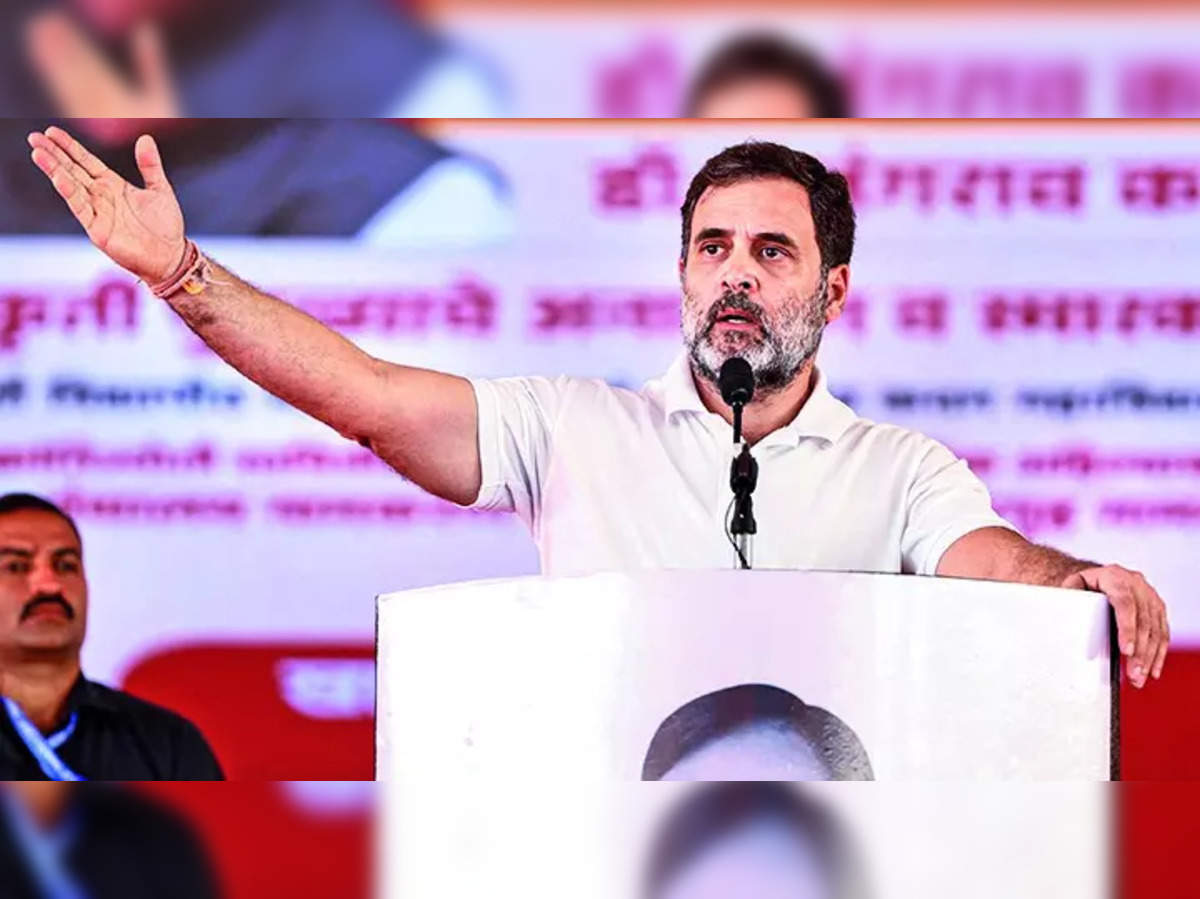
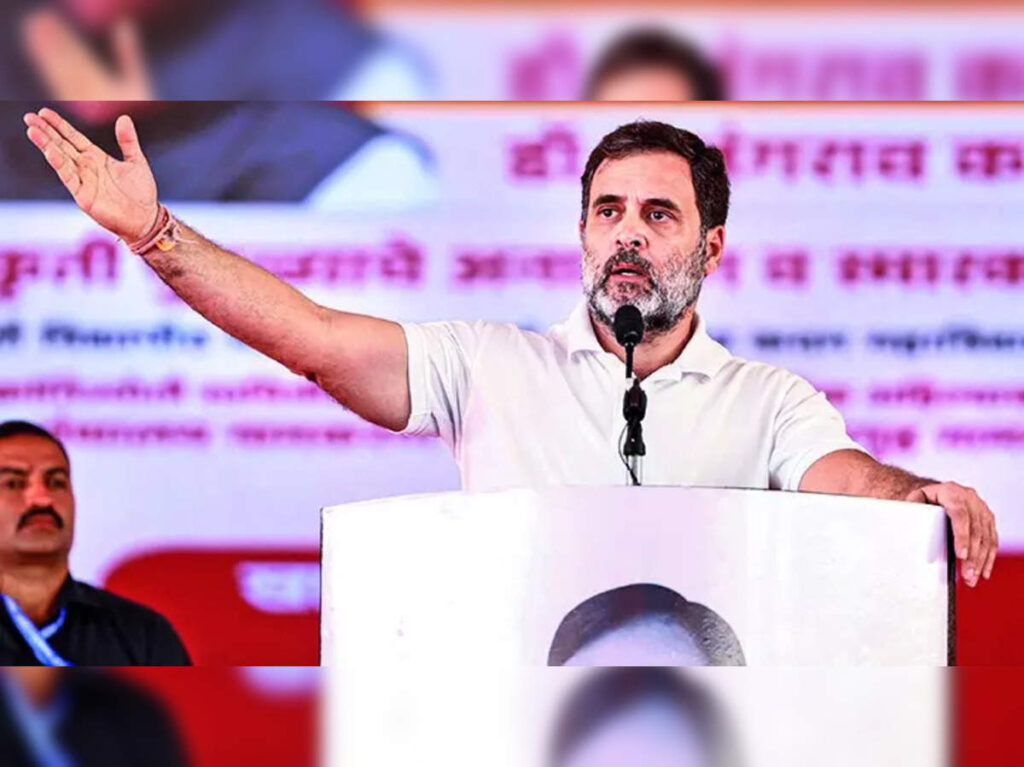
By Kalyani Shankar Congress leader Rahul Gandhi’s recent trip to the United States has provoked a war of words between the ruling BJP and the main opposition Congress in India. Should the Indian leaders refrain from badmouthing the ruling BJP while abroad? Is there a red line, and has Rahul crossed it while he was […]


Four students from the Rochester Institute of Technology (RIT) Dubai have embarked on a prestigious internship program with General Motors (GM), gaining hands-on experience in the global automotive industry. This collaboration aims to bridge the gap between academia and industry, providing students with invaluable exposure and skills development while pursuing their degrees. The students, hailing from diverse academic backgrounds, are leveraging this opportunity to enhance both their technical and soft skills in real-world projects across various GM departments.

The students—Abdullah Adawi, Anas Nazzal, Tala Hassouna, and Shahd Salahat—represent different fields of study, each bringing a unique perspective to their roles. These internships are part of RIT Dubai’s Cooperative Education initiative, which ensures that students complete at least six months of practical work experience as part of their academic journey. This program is designed to prepare students for the competitive global job market by merging theoretical knowledge with practical application.

Abdullah Adawi, a senior industrial engineering student, has taken on a role in GM’s service operations team. His focus on optimizing the parts delivery process to dealerships is giving him critical insight into logistics and operational efficiency, allowing him to deepen his understanding of industrial engineering concepts while mastering new data software tools. Similarly, fellow industrial engineering student Anas Nazzal is working within the product development team. He expressed excitement about the opportunity to contribute to GM’s vehicle portfolio expansion while also gaining exposure to new analytical tools that will assist him in pursuing future studies in data analytics.

Tala Hassouna, another senior at RIT Dubai, opted to expand her horizons by joining GM’s business development team after initially exploring marketing. Her internship has involved conducting in-depth analyses that have honed her analytical and presentation skills, positioning her for a broader career in business beyond her initial interests. Shahd Salahat, a psychology major, is applying her understanding of consumer behavior in GM’s marketing department. By working on digital user journeys, she is utilizing her academic background in psychology to influence corporate strategy, a role she hadn’t considered before.

General Motors Africa and Middle East has been instrumental in offering these students a platform to apply their academic knowledge to professional environments. Jack Uppal, President and Managing Director of GM Africa and Middle East, expressed optimism about the talent coming from RIT Dubai, praising the students for their dynamic ideas and commitment. He emphasized that such partnerships are crucial for shoring up the STEM talent pool in the region, and believes this collaboration is vital for the growth of future leaders in the automotive and tech sectors.

The leadership at RIT Dubai also highlighted the value of such industry collaborations. Dr. Yousef Al-Assaf, President of RIT Dubai, noted that the cooperative education experience provides students with a distinct advantage in the job market. He lauded the partnership with GM as a reflection of the high caliber of RIT Dubai students and the meaningful contributions they are poised to make in the UAE’s rapidly evolving business landscape.

This collaboration between academia and industry serves as a model for how educational institutions and corporations can work together to develop future talent. RIT Dubai’s emphasis on integrating practical work experience into its academic curriculum ensures that students are well-prepared for the challenges of the professional world, making them competitive candidates in a global workforce.

The internships undertaken by these students underscore the importance of interdisciplinary learning and real-world application. While each intern has come from a different academic background, they are united in their desire to push the boundaries of their education and contribute meaningfully to a world-leading company like GM. Their experience not only reinforces the value of cooperative education programs but also highlights the increasing demand for versatile skill sets in today’s fast-changing job market.

As the automotive industry undergoes rapid transformation, driven by new technologies and sustainability goals, the involvement of these students in key areas such as product development, marketing, and service operations reflects broader industry trends. Their participation in such projects equips them with a holistic understanding of the automotive business, from technical innovations to consumer behavior, preparing them to lead in the future of the industry.

General Motors’ dedication to fostering young talent aligns with its broader goals of driving innovation and sustainability in the automotive sector. By investing in the next generation of leaders and equipping them with practical, hands-on experience, the company is positioning itself at the forefront of industry advancements, while also contributing to the growth of skilled professionals in the UAE.

VISHNU RAJA
RYO YAMADA
HITORI GOTOH
IKUYO KITA
Just in:
Saudi fund assets forecast to cross $400 billion // Fujairah highway pile-up leaves 14 dead and 30 injured // TORRAS Launches Two New iPhone Duo Cases from Its Popular Ostand Series, Addressing Foldable Phone Users’ Concerns About Difficult Stand Positioning and Scratches // Sun World Ba Den Mountain marks Vietnam Culture Day, welcoming Cambodian visitors over Bon Om Touk // Hackers falsify NVIDIA GPU readings to mask cryptomining // From Dubai to the EU: how UAE-based crypto firms can expand under MiCA // L’OCCITANE Celebrates 50 Years Of Provençal Craftsmanship With Holiday 2026 Collection // Inpex reaffirms Gulf oil strategy despite shipping constraints // IEA forecasts fourth-quarter oil surplus as Gulf shipments rebound // The Honey Trap Is The Headline, The Chip Pipeline Is The Story // 11 Boutique Xinjiang Wineries to Debut in Singapore // Microsoft outage leaves Outlook and Teams users disconnected // UAE crews sustain coastal oil removal as beaches reopen // Crescent Enterprises venture arm funds Oyster Therapeutics development // Microsoft apologises as Outlook services recover after outage // US resumes flights after nationwide air traffic shutdown // China Reconciled To U.S. Curbs On Chips Exports, Woos South Korea For Supply // Lego restores BrickLink marketplace after security investigation // October Food Price Shock Has Far Reaching Consequences // Yicura BioMed Advances Dual Capital and Industrial Strategy: Completes First Closing of Series B Financing Led by Gobi Partners //