News related to
Program

By Tajul Islam On January 20, 2025, US President Donald Trump issued an executive order suspending all USAID and State Department-funded projects, totaling $60 billion, for 90 days. This decision was framed as a reassessment of foreign aid effectiveness and its alignment with the administration’s strategic priorities. The abrupt termination of nearly 10,000 foreign aid grants and contracts has sent economic and humanitarian shockwaves through countries in […]

HANOI, VIETNAM – Media OutReach Newswire – 14 March 2025 – KVB emerged as the ultimate winner of the prestigious Most Popular Broker 2024 award presented by Followme, after breaking through fierce competition among 371 participating brokers. Following a rigorous evaluation process, the final selection was based on a comprehensive assessment of key factors, including customer base and activity levels, service quality, user reputation, and overall engagement […]

Aldar Investment Properties , a subsidiary of Aldar Properties, has successfully issued a $500 million 10-year green sukuk, significantly enhancing its financial standing. The issuance witnessed remarkable investor interest, with the order book surpassing $3.6 billion, indicating an oversubscription rate of 7.2 times. Regional investors accounted for 61% of the allocations, while international investors took up the remaining 39%. The sukuk was competitively priced at a spread […]

The United States has escalated its economic pressure on Iran by imposing sanctions on Iranian Oil Minister Mohsen Paknejad and a network of vessels, commonly referred to as the “shadow fleet,” accused of facilitating Tehran’s evasion of existing sanctions. This move is part of President Donald Trump’s “maximum pressure” campaign aimed at curtailing Iran’s oil exports and hindering its alleged nuclear ambitions.

The U.S. Treasury Department’s Office of Foreign Assets Control announced the sanctions, highlighting Paknejad’s role in overseeing the export of oil valued at tens of billions of dollars, with significant portions allocated to Iran’s armed forces. Treasury Secretary Scott Bessent emphasized that the Iranian regime exploits its oil wealth for its own interests rather than for the benefit of its people.

The sanctions also target a fleet of vessels accused of disguising Iranian oil shipments. Among them are the Hong Kong-flagged Peace Hill and the Iran-flagged Polaris 1, as well as others registered in Seychelles and Liberia. These ships are allegedly part of a sophisticated network designed to circumvent international sanctions by obscuring the origin of Iranian oil.

The concept of a “shadow fleet” refers to a collection of aging tankers that operate under various flags and ownership structures to evade detection. These vessels often engage in deceptive practices such as turning off their Automatic Identification Systems , conducting ship-to-ship transfers in international waters, and falsifying documentation to mask the origin of their cargo. Such tactics have been employed to maintain the flow of Iranian oil to international markets despite stringent sanctions.

The U.S. administration’s strategy includes not only sanctioning individuals and entities directly involved in Iran’s oil exports but also those facilitating these clandestine operations. By targeting the maritime infrastructure that supports Iran’s oil trade, the U.S. aims to disrupt the financial networks that fund Iran’s nuclear program and its support for militant groups.

In addition to these measures, the U.S. is considering more aggressive tactics to impede Iran’s oil exports. One proposal under review involves stopping and inspecting Iranian oil tankers at sea. This approach aims to delay crude deliveries and create uncertainty in the supply chains that are vital for Iran’s revenue. Such actions would further tighten the economic noose around Tehran, limiting its ability to generate income from oil sales.

The U.S. State Department has also announced a comprehensive review of all sanctions waivers that provide Iran with economic relief. This includes scrutinizing waivers that allow countries like Iraq to pay Iran for electricity, as well as those permitting other nations to import Iranian oil. The objective is to close any loopholes that might enable Iran to sustain its economy despite the sanctions.

Iran has sharply criticized the U.S. for its “hypocrisy” following the new sanctions on its oil minister, further straining U.S.-Iran relations. The Iranian government argues that these measures are part of a broader strategy to destabilize the country and undermine its sovereignty.

The international community remains divided over the U.S.’s approach. While some allies support the hardline stance against Iran’s nuclear program and regional activities, others express concern that escalating sanctions could lead to increased tensions in the Middle East. There are fears that such measures might provoke retaliatory actions from Iran, potentially disrupting global oil markets and leading to broader geopolitical instability.

The effectiveness of the “maximum pressure” campaign is a subject of ongoing debate. Proponents argue that the economic strain forces Iran to reconsider its nuclear ambitions and regional policies. Critics, however, contend that the sanctions disproportionately affect ordinary Iranians and may strengthen hardline factions within the country, reducing the prospects for diplomatic engagement.

As the U.S. continues to tighten its sanctions regime, the resilience of Iran’s strategies to circumvent these measures will be tested. The international community will closely monitor the situation to assess the impact on global oil markets, regional stability, and the broader geopolitical landscape.

Recognized for “go-to-market innovation and consistent partner engagement” HONG KONG SAR – Media OutReach Newswire – 14 March 2025 – Cybersecurity giant Trend Micro Incorporated (TYO: 4704; TSE: 4704) has been named a Champion in the Canalys Global Cybersecurity Leadership Matrix 2025. This marks Trend’s third consecutive placement as #1 among the 32 cybersecurity vendors appraised by Canalys. Trend and its partners serve the industry’s most geographically […]

President Donald Trump has expressed a desire to negotiate a new nuclear agreement with Iran, aiming to address escalating concerns over Tehran’s advancing uranium enrichment activities. In a move to initiate dialogue, Trump dispatched a letter to Iran’s Supreme Leader, Ayatollah Ali Khamenei, proposing direct talks to forge a revised pact. The letter, facilitated by a senior adviser to the President of the United Arab Emirates, underscores […]

Janus Marine and Defense, a U.S.-based marine autonomy specialist, in collaboration with Nexus Remote Solutions, has announced plans to establish the United Arab Emirates’ inaugural center dedicated to the testing, hiring, and maintenance of unmanned vessels. The Remote Operations Center , aptly named ‘The Quarterdeck,’ is set to be located at Addax Tower on Al Reem Island in Abu Dhabi, marking a significant milestone in the region’s maritime industry.

This initiative represents a pioneering effort to provide industry and small to medium-sized enterprises with access to advanced facilities for unmanned surface vessels and unmanned underwater vessels . The Quarterdeck aims to serve both commercial offshore and defense sectors, fostering innovation and development in marine autonomy technologies.

Jack Dougherty, owner of Janus Marine and Defense and a former U.S. Navy seafarer with extensive experience in naval and commercial marine autonomy, highlighted the strategic advantages of operating in the UAE. He noted that the country’s open policy towards USV operations in its territorial waters offers favorable conditions, free from the bureaucratic hurdles and regulations encountered in other parts of the world.

The Quarterdeck is scheduled to officially open in June, positioning itself as a unique facility in the Gulf region. Currently, the UAE hosts three ROCs spanning the offshore, commercial, and defense markets; however, all three are privately owned and inaccessible to external contractors. The establishment of the Quarterdeck aims to bridge this gap by providing private companies with access to state-of-the-art technology and facilities typically reserved for private ROCs.

This development is poised to significantly enhance the capabilities of startups and scale-ups in the region, enabling them to innovate and advance USV and UUV technologies. By offering a dedicated space for testing and maintenance, the Quarterdeck is expected to accelerate the growth of the unmanned vessel industry within the UAE and beyond.

The collaboration between Janus Marine and Defense and Nexus Remote Solutions underscores a shared vision for industry standardization and practical cooperation. In May 2024, the two companies unveiled the Nexus-Janus Portal, a groundbreaking USV payload management system designed for universal compatibility. The NJ Portal aims to standardize payload integration across various vessel builders, payload providers, and autonomous control manufacturers, thereby enhancing the modularity and operational flexibility of USVs.

The NJ Portal is a scalable, versatile server solution that simplifies the integration and management of payload systems on USVs. It adapts to diverse data processing requirements and power needs, ranging from single-board computers to powerful 8U GPU servers. This ensures easy management of payload integrations and rapid deployment or modification of configurations across different vessels. Jack Dougherty, CEO of Janus Marine and Defense, emphasized the portal’s versatility, stating, “Whether it’s a tow-behind side scan sonar performing a hydro survey or a .50 caliber machine gun in a remote weapon system, the principle is the same. We take a manned or wired system and make it work on an autonomous platform where it wasn’t designed to be.”

John Woroniuk, Director of Nexus and Portal Development Engineer, highlighted the portal’s potential, noting, “With version 3 of our system, we offer nearly unlimited integration possibilities. This enhances payload efficiency and allows preprogrammed accommodation for additional payloads yet to be installed. Whether your fleet consists of 11-meter USVs equipped for varied missions, our system delivers the seamless integration needed.”

The establishment of the Quarterdeck aligns with the UAE’s broader strategic objectives to position itself as a leader in maritime innovation and technology. By providing a dedicated facility for the development and maintenance of unmanned vessels, the UAE is set to attract global attention and investment in the marine autonomy sector.

The Quarterdeck’s location at Addax Tower on Al Reem Island offers strategic advantages, providing easy access to key maritime routes and infrastructure. This prime location is expected to facilitate seamless operations and collaborations with local and international partners.

The launch of the Quarterdeck is anticipated to have a ripple effect across the maritime industry in the region. By offering accessible facilities for testing and maintaining unmanned vessels, the center is likely to encourage more companies to explore and invest in marine autonomy technologies. This could lead to increased innovation, job creation, and economic growth within the sector.

The Quarterdeck is expected to serve as a hub for knowledge exchange and collaboration. By bringing together industry experts, researchers, and companies, the center aims to foster a community dedicated to advancing unmanned vessel technologies. This collaborative environment is likely to spur new ideas, partnerships, and solutions to existing challenges in the maritime industry.

The initiative also reflects a growing global trend towards the adoption of unmanned systems in various sectors, including defense, oil and gas, and environmental monitoring. The ability to operate vessels remotely offers numerous advantages, such as increased safety, reduced operational costs, and the capability to perform tasks in hazardous environments.

As the maritime industry continues to evolve, the establishment of facilities like the Quarterdeck will play a crucial role in shaping the future of marine operations. By providing the necessary infrastructure and support, such centers enable the development and deployment of advanced technologies that can transform traditional practices.


Advertisements

Ripple, a prominent blockchain payments provider, has secured full regulatory approval from the Dubai Financial Services Authority to offer cross-border cryptocurrency payment services within the United Arab Emirates . This landmark authorization enables Ripple to operate in the Dubai International Financial Centre , a special economic zone with its own legal and regulatory framework.

The DFSA’s approval positions Ripple as the first blockchain-enabled payments provider licensed by the authority, underscoring the company’s commitment to regulatory compliance and its strategic focus on the Middle East. Brad Garlinghouse, Ripple’s Chief Executive Officer, remarked that the global crypto industry is experiencing unprecedented growth, driven by enhanced regulatory clarity and increasing institutional adoption. He highlighted the UAE’s supportive environment for technological and crypto innovation, suggesting that the nation is exceptionally well-placed to benefit from these developments.

Ripple’s journey to this full license began on October 1, 2024, when it received in-principle approval from the DFSA. Over the subsequent months, the company worked diligently to meet all regulatory requirements, culminating in the current full authorization. This progression reflects both Ripple’s dedication to compliance and the DFSA’s rigorous standards for financial service providers operating within its jurisdiction.

With the DFSA license, Ripple is now authorized to provide its global blockchain-based payment solutions to businesses across the UAE. This development is particularly significant for financial institutions seeking to integrate digital assets into their operations, offering a regulated and secure pathway for such integration. The license also allows Ripple to cater to the growing demand for efficient cross-border payment solutions in the region, a need that has been increasingly pronounced among both traditional financial institutions and crypto-native firms.

The UAE’s strategic positioning as a global hub for international trade and finance further amplifies the importance of this approval. According to data from the World Bank, the UAE facilitates nearly $40 billion in cross-border transactions annually, underscoring the substantial market potential for Ripple’s services. By leveraging its blockchain technology, Ripple aims to address existing challenges in cross-border payments, such as high fees, prolonged settlement times, and transparency issues, thereby enhancing the overall efficiency of international transactions.

Ripple’s establishment of its regional headquarters in Dubai in 2020 marked the beginning of its deepening engagement with the Middle East. Since then, the company has actively collaborated with regional stakeholders to promote the adoption of blockchain technology. Notably, Ripple has partnered with the DIFC Innovation Hub, supporting blockchain development through initiatives like its 1 billion XRP Fund Program. These efforts align with the UAE’s broader vision to position itself as a leader in digital finance and blockchain innovation.

The DFSA’s approval of Ripple’s license is a testament to the UAE’s progressive regulatory approach toward digital assets. By fostering a supportive environment for tech and crypto innovation, the UAE has attracted numerous global fintech companies, reinforcing its status as a forward-thinking financial center. Arif Amiri, CEO of the DIFC, noted that Ripple’s licensing represents a significant milestone, as it is the first time the DFSA has granted such approval to a blockchain payments provider. This move is expected to encourage further innovation and adoption of blockchain solutions within the region.

Looking ahead, Ripple’s fully regulated status in the UAE is anticipated to enhance its ability to serve a diverse clientele, ranging from payment service providers and exchange houses to financial institutions and large corporations. Reece Merrick, Ripple’s Managing Director for the Middle East and Africa, emphasized that the company is poised to meet the increasing demand for efficient cross-border payment solutions in the region. He highlighted that Ripple’s services are designed to cater to institutional clients, reflecting the company’s focus on providing enterprise-grade solutions.

A significant cyberattack has struck Tata Technologies, a subsidiary of Tata Motors, resulting in the exposure of 1.4 terabytes of sensitive data on the dark web. The breach, orchestrated by the ransomware group Hunters International, has compromised a vast array of confidential information, including employee records, corporate documents, and client contracts. This incident underscores the escalating threat posed by sophisticated cybercriminal organizations targeting multinational corporations. The leaked […]

Garuda Linux, an Arch-based distribution renowned for its performance and user-centric design, has introduced a new edition featuring the COSMIC desktop environment. This development marks a significant expansion of Garuda’s offerings, incorporating the innovative COSMIC interface developed by System76. The COSMIC desktop environment is currently in its alpha stage, with the Garuda team integrating COSMIC alpha 6 into their distribution. This integration provides users with an opportunity […]

The recent visit of Lebanese President Joseph Aoun to Saudi Arabia has offered a rare glimmer of optimism for Lebanon’s economic recovery and political stability. As the country grapples with an extended financial crisis, exacerbated by governance challenges, this visit—Aoun’s first official trip abroad since taking office in January—signals a potential turning point. Saudi Arabia remains a key regional ally, and Lebanon is in urgent need of […]

Cybersecurity researchers have identified a novel malware strain, dubbed ‘nullifAI’, embedded within machine learning models hosted on Hugging Face, a leading platform for sharing AI models and datasets. This discovery underscores a growing threat vector in the AI community, highlighting vulnerabilities in platforms that facilitate the sharing and deployment of ML models. The ‘nullifAI’ malware employs a sophisticated technique involving corrupted Pickle files—a Python-specific method for serializing […]

HONG KONG SAR – Media OutReach Newswire – 12 March 2025 – The James Dyson Award, an international student design and engineering competition, opens for submissions today to its 2025 programme in 28 countries and regions. From everyday challenges to the world’s most pressing issues, the Award calls for current or recent students to submit problem-solving ideas that could make a real difference to people’s lives. Since […]

HONG KONG SAR – Media OutReach Newswire – 12 March 2025 – Since its establishment in 1963, The Chinese University of Hong Kong’s Faculty of Science (CUHK Science) has emerged as a global powerhouse in scientific research and innovation. Over merely six decades, it has built an unparalleled reputation for groundbreaking discoveries and academic distinction, positioning itself at the forefront of scientific advancement in Asia and beyond. […]

NVIDIA’s open-source NOVA driver, developed using the Rust programming language, has been submitted for inclusion in the upcoming Linux 6.15 kernel. This marks a significant advancement in the integration of Rust within the Linux ecosystem, aiming to enhance memory safety and system stability. Danilo Krummrich of Red Hat recently submitted the initial pull request for the NOVA driver, encompassing the core skeleton driver and foundational project documentation. […]

KUALA LUMPUR, MALAYSIA – Media OutReach Newswire – 11 March 2025 – Tenchijin Inc. (Chuo-ku, Tokyo; CEO: Yasuto Sakuraba) is pleased to announce that on Tuesday, February 25, 2025, the company will sign a Memorandum of Understanding (MOU) with Universiti Sains Malaysia (USM), Malaysia’s national science university. The MOU aims to facilitate joint research on infrastructure assessment and renewable energy site selection utilizing AI technology and satellite […]

UAE-based healthcare payment solutions provider Klaim has successfully secured $10 million in Series A equity funding, supplemented by an additional $16 million financing fund, to drive its regional expansion and transform the healthcare financial landscape in the Middle East and North Africa region. Founded in 2019, Klaim has rapidly positioned itself as an innovative force in the fintech sector, offering a cutting-edge payment platform that leverages artificial […]

Spain’s second-largest bank, Banco Bilbao Vizcaya Argentaria , has officially received regulatory approval to offer Bitcoin and Ethereum trading services. This approval comes as the European Union’s Markets in Crypto-Assets regulation fully takes effect, marking a significant step forward for both the banking sector and cryptocurrency adoption within the region.

The move represents a landmark shift for BBVA, as it expands its portfolio of services to include cryptocurrencies. This decision aligns with the bank’s ongoing strategy to adapt to digital finance, meeting growing consumer demand for digital assets. With the MiCA regulation now operational, BBVA is positioning itself to take advantage of new opportunities in an increasingly digital economy.

The MiCA regulation, a major component of the EU’s broader digital finance strategy, aims to create a comprehensive framework for cryptocurrency markets across member states. The regulation provides clarity on legal aspects such as licensing, consumer protection, and financial stability, establishing a uniform approach to crypto assets across the EU. Its implementation signals a major regulatory shift that is set to influence financial institutions throughout the region.

BBVA’s approval is part of a broader trend in Europe where traditional banks are gradually integrating cryptocurrencies into their services. This comes at a time when the European crypto market is maturing, with increased institutional involvement and more regulatory oversight. The move not only represents an opportunity for the bank but also signals increasing mainstream acceptance of digital currencies.

BBVA’s entry into cryptocurrency trading follows a series of pilot programs that tested various blockchain-based solutions. The bank had already ventured into the crypto space in 2021, offering a limited range of services for clients in Switzerland, where cryptocurrency regulation is more permissive. Now, with MiCA regulation fully in place across the EU, BBVA’s decision to expand its crypto offerings into Spain is seen as a natural progression.

The decision by BBVA also highlights the growing importance of regulatory frameworks for the cryptocurrency sector. MiCA aims to ensure that the crypto market operates in a transparent, secure, and consumer-friendly manner, which has been a concern for both regulators and market participants. By adhering to these regulations, BBVA is positioning itself as a leader in responsibly integrating cryptocurrency trading into its offerings.

Other financial institutions in Europe are also taking steps to integrate digital assets into their portfolios. For instance, major banks like Deutsche Bank and Barclays are experimenting with blockchain technologies and exploring potential cryptocurrency-related services. However, BBVA stands out due to its proactive approach in securing regulatory approval and expanding its services at a time when cryptocurrency markets are still evolving.

The move comes as institutional interest in cryptocurrencies continues to rise. More investors, from hedge funds to family offices, are seeking exposure to digital assets, and this trend is expected to continue in the coming years. With its new offering, BBVA aims to cater to both retail and institutional clients, providing them with a secure and regulated platform to trade popular cryptocurrencies like Bitcoin and Ethereum.

As part of its offering, BBVA plans to integrate crypto trading into its existing digital banking services, allowing customers to manage their cryptocurrency investments alongside traditional assets. This seamless integration could offer a competitive advantage, as more banks are starting to see the benefit of combining traditional financial services with digital assets.

While some European banks are cautious about entering the cryptocurrency market, BBVA’s strategy reflects a more optimistic outlook on the long-term potential of digital currencies. The bank’s leadership has signalled that its move into the cryptocurrency sector is part of its broader strategy to embrace innovation and meet the evolving needs of its customers.

The success of BBVA’s crypto offering will depend not only on its ability to navigate regulatory frameworks but also on how well it can address concerns related to security, volatility, and customer education. As cryptocurrency markets continue to evolve, banks like BBVA will need to remain agile, adapting to both regulatory changes and shifting customer expectations.

The impact of BBVA’s decision could also ripple through the broader financial industry, pushing other institutions to consider their own approaches to cryptocurrency and blockchain technology. As more banks integrate digital currencies into their offerings, the financial services landscape could become increasingly intertwined with the cryptocurrency sector, challenging traditional business models and introducing new opportunities for growth and innovation.

Despite the promise, challenges remain. Cryptocurrency markets are still highly volatile, and many investors view digital assets as speculative. While the MiCA regulation aims to address some of these concerns, there are still risks associated with investing in crypto. BBVA’s ability to mitigate these risks through effective risk management strategies will be closely watched by both regulators and investors.

SINGAPORE – Media OutReach Newswire – 10 March 2025 – Temus, a Singapore-based digital transformation consultancy, has become the first OutSystems Premier Partner in Singapore. This milestone underscores Temus’ deep expertise in AI-powered low-code development and commitment to accelerating digital transformation for businesses, even more so as low-code platforms gain momentum in Singapore’s digital ecosystem. From left: Wong Seok Ling, Managing Director, Cloud, Applications & Platform (Low-Code), […]

Ras Al Khaimah has successfully issued a $1 billion sukuk, marking its return to the international debt capital markets after a decade. The 10-year senior unsecured sukuk, priced at a profit rate of 5.038%, attracted substantial global investor interest, with orders exceeding the offering by 4.4 times. This significant demand underscores the emirate’s strong creditworthiness and economic stability.

The sukuk was issued under Ras Al Khaimah’s $2 billion Trust Certificate Issuance Programme through RAK Capital, a special purpose vehicle affiliated with the government. The transaction launched with an initial pricing guidance of 10-year US Treasury plus 120 basis points . Robust investor appetite allowed the government to tighten the final pricing by 40 bps to 10-year US Treasury plus 80 bps.

The issuance garnered interest from a geographically diverse investor base. Approximately 57.8% of subscriptions originated from the MENA region, 35% from the UK and continental Europe, and 7.2% from Asia and other regions. This widespread participation reflects global confidence in Ras Al Khaimah’s fiscal management and economic prospects.

Prior to the issuance, both S&P Global Ratings and Fitch affirmed their ratings for RAK Capital’s sukuk programme at ‘A’ and ‘A+’, respectively, each with a stable outlook. These affirmations align with the credit agencies’ ratings for the Government of Ras Al Khaimah, further bolstering investor confidence.

The sukuk structure aligns with recent Shari’a developments set by the UAE Central Bank Higher Shari’a Authority, including a government decree ensuring the enforceability of real estate ijara assets. This adherence to Shari’a-compliant structures highlights the emirate’s commitment to ethical financing practices.

The government expressed satisfaction with the overwhelming response from global investors. A spokesperson highlighted that the high oversubscription and the negative new issue concession of -10 bps underscore Ras Al Khaimah’s strong credit standing and the investor community’s confidence in the emirate’s growth trajectory.

Citi and Emirates NBD Capital acted as structuring advisors for the issuance. Joint global coordinators included Abu Dhabi Commercial Bank, Citi, Emirates NBD Capital, First Abu Dhabi Bank, RAKBANK, and Standard Chartered Bank. Their collaboration played a pivotal role in the successful execution of the sukuk offering.

Ras Al Khaimah has maintained credit ratings in the ‘A’ range from Fitch and S&P for 15 years. Known for its diversified economy and strategic location, the emirate continues to attract investment across multiple sectors. This sukuk issuance not only reinforces Ras Al Khaimah’s presence in the international debt markets but also showcases its commitment to sustainable economic development.

The successful sukuk issuance is expected to have positive implications for the emirate’s future projects and initiatives. The raised capital will likely be allocated to infrastructure development, public services, and other strategic sectors, further enhancing Ras Al Khaimah’s economic landscape. Investors’ strong interest indicates a robust appetite for Shari’a-compliant financial instruments and confidence in the emirate’s fiscal policies.

The global investor community’s response to Ras Al Khaimah’s sukuk issuance reflects a broader trend of increasing interest in Middle Eastern debt instruments. The region’s economic resilience and strategic initiatives have positioned it as an attractive destination for international investors seeking diversification and stable returns.

Ras Al Khaimah’s return to the international debt capital markets after a decade signifies its strategic approach to leveraging global financial platforms. The successful sukuk issuance not only provides the emirate with the necessary capital for its developmental projects but also enhances its reputation in the global financial community.

The emirate’s adherence to Shari’a-compliant structures and alignment with international best practices demonstrate its commitment to ethical and sustainable financing. This approach not only attracts a broader investor base but also reinforces Ras Al Khaimah’s position as a forward-thinking and responsible issuer in the global financial markets.

The collaboration with leading financial institutions as structuring advisors and joint global coordinators underscores the emirate’s dedication to ensuring the sukuk issuance’s success. Such partnerships are crucial in navigating the complexities of international debt markets and achieving favorable outcomes for all stakeholders involved.

Ras Al Khaimah’s strategic initiatives and prudent fiscal management have positioned it favorably in the eyes of international investors. The successful sukuk issuance serves as a testament to the emirate’s robust economic fundamentals and its commitment to fostering a conducive environment for investment and growth.

The emirate’s diversified economy, encompassing sectors such as tourism, manufacturing, and services, continues to thrive. The capital raised through the sukuk issuance is expected to further bolster these sectors, driving sustainable economic growth and enhancing the quality of life for its residents.

The positive reception of Ras Al Khaimah’s sukuk issuance by the global investor community highlights the emirate’s strong credit profile and the effectiveness of its economic policies. As Ras Al Khaimah continues to implement strategic initiatives and invest in key sectors, it is well-positioned to maintain its upward trajectory in the global economic landscape.

The successful execution of the sukuk issuance also reflects the emirate’s ability to adapt to evolving market conditions and investor preferences. By aligning its financial instruments with Shari’a principles and international standards, Ras Al Khaimah demonstrates its commitment to meeting the diverse needs of investors while ensuring compliance with ethical financing practices.

Antarctica, a vast expanse of ice and mystery, has long been governed by the Antarctic Treaty System , a framework established in 1959 to ensure peaceful scientific collaboration and environmental preservation. However, the continent’s unique status is facing unprecedented challenges as geopolitical tensions escalate and nations jostle for strategic and resource-driven advantages. The ATS, signed by 12 countries initially and now encompassing 58 signatories, prohibits military activity […]

Apple has unveiled a monumental plan to invest $500 billion in the United States over the next four years, underscoring its commitment to domestic manufacturing, artificial intelligence development, and job creation. This initiative represents one of the largest single investments by a technology company in U.S. history. The investment encompasses several key components aimed at bolstering Apple’s infrastructure and technological capabilities. A significant portion is allocated to […]

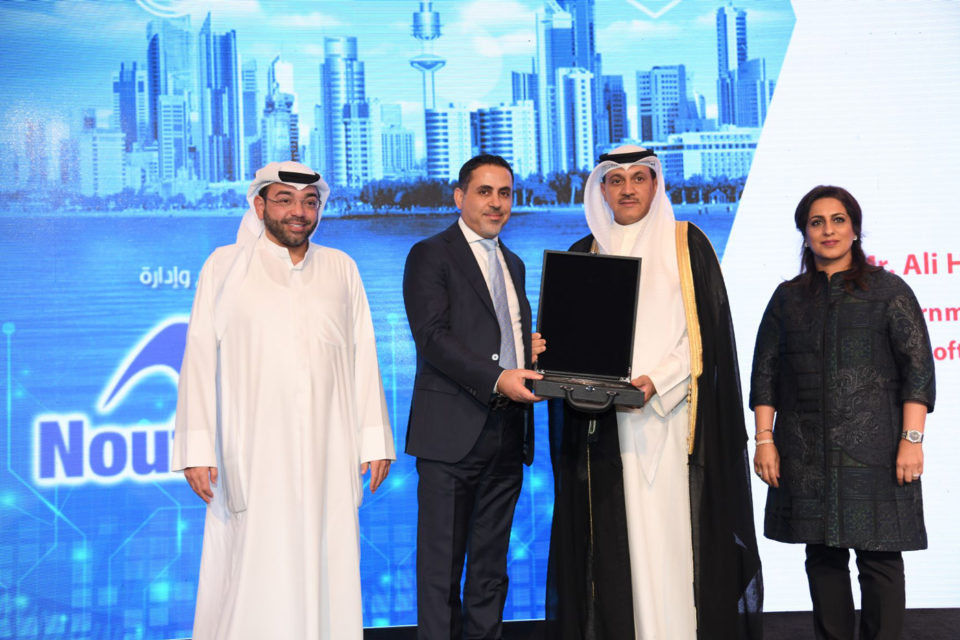
Microsoft has entered into a strategic collaboration with the Government of Kuwait to establish an Azure cloud region within the country, aiming to accelerate Kuwait’s digital transformation and bolster its position as a regional technology hub. This initiative is set to provide advanced cloud services, enhance data residency, and stimulate the development of smart infrastructure across various sectors.

The partnership aligns with Kuwait’s Vision 2035, a national development plan that seeks to diversify the economy and reduce dependence on oil revenues by fostering a knowledge-based economy. By integrating Microsoft’s AI capabilities into the Azure cloud platform, the collaboration aims to drive innovation in key industries, including finance, healthcare, and education.

Kuwait has been proactive in adopting cutting-edge technologies to modernize its infrastructure and services. Notably, the country was the first in the region to implement 5G technology and currently boasts one of the highest 5G penetration rates globally. This existing technological foundation positions Kuwait favorably for the integration of advanced cloud services and AI solutions.

The establishment of a local Azure cloud region is expected to address critical concerns regarding data residency and security. By ensuring that data remains within national borders, the initiative aims to comply with local regulatory requirements and build trust among businesses and consumers. This move is anticipated to encourage more organizations to migrate to cloud platforms, thereby enhancing operational efficiency and scalability.

In the financial sector, the collaboration is poised to introduce AI-driven analytics and automation, enabling institutions to offer personalized services and improve risk management. The healthcare industry stands to benefit from enhanced data management systems, telemedicine capabilities, and predictive analytics for patient care. Educational institutions are expected to leverage cloud-based tools to facilitate remote learning and collaboration, aligning with global trends in digital education.

Microsoft’s investment in Kuwait extends beyond infrastructure development; the company plans to launch initiatives aimed at enhancing digital literacy and skills among the Kuwaiti workforce. These programs are designed to equip professionals with the competencies required to thrive in an AI-driven economy, thereby supporting the nation’s broader employment and economic diversification goals.

The Kuwaiti government has demonstrated a commitment to fostering innovation through various initiatives. For instance, the Insurance Regulatory Unit established IruSoft, an insurance regulatory platform designed for licensing, supervision, and inspection of the insurance sector. This platform introduced unique supervision-technology , insurance-technology , and regulatory-technology automated modules, reducing the resources required to ensure fairness, transparency, and competition in the sector. The implementation of such platforms reflects Kuwait’s dedication to integrating technology into governance and regulatory frameworks.

The collaboration with Microsoft also underscores Kuwait’s active participation in international digital initiatives. As a member of the Digital Cooperation Organization , Kuwait engages with other nations to promote digital prosperity and inclusive growth of the digital economy. The DCO focuses on fostering cooperation in areas such as digital innovation and governance, aligning with Kuwait’s objectives of leveraging technology for sustainable development.

The anticipated launch of the Azure cloud region is expected to attract global technology companies and startups to Kuwait, creating a vibrant ecosystem for innovation. This influx of technology enterprises is likely to generate employment opportunities, stimulate local entrepreneurship, and position Kuwait as a competitive player in the global digital economy.

The collaboration is set to enhance public sector services by enabling the development of smart city initiatives, improving urban planning, and delivering citizen-centric services. The integration of AI and cloud technologies can lead to more efficient public transportation systems, energy management, and public safety measures, thereby improving the quality of life for residents.

The educational sector is poised to undergo significant transformation through this partnership. By integrating cloud services into curricula and administrative operations, educational institutions can offer personalized learning experiences, streamline management processes, and facilitate research collaborations. This technological integration is expected to produce a generation of digitally adept graduates, ready to contribute to various sectors of the economy.

In the realm of healthcare, the Azure cloud region is anticipated to support the development of telemedicine services, electronic health records, and AI-driven diagnostic tools. These advancements can lead to improved patient outcomes, increased access to healthcare services, and optimized operational efficiencies within medical institutions.

The financial industry is also set to benefit from enhanced security measures, compliance solutions, and data analytics capabilities provided by the Azure platform. Financial institutions can leverage these tools to detect and prevent fraud, assess credit risks more accurately, and offer tailored financial products to customers.

Microsoft’s collaboration with Kuwait signifies a pivotal step in the nation’s journey towards digital transformation. By harnessing the power of AI and cloud computing, Kuwait aims to diversify its economy, enhance public services, and improve the overall standard of living for its citizens. This initiative reflects a broader trend in the region, where countries are increasingly investing in technology to drive sustainable development and global competitiveness.

Saudi National Bank has successfully issued a $750 million five-year Formosa bond, attracting an order book totaling $1.1 billion, including $121 million from joint lead managers. The bond, priced at the Secured Overnight Financing Rate plus 120 basis points, is scheduled to be listed on the Taipei Exchange on 17th March. Crédit Agricole CIB and KGI Securities Co Ltd served as joint managers, with HSBC acting as the lead manager.

Formosa bonds are debt instruments issued in Taiwan but denominated in foreign currencies, typically targeting international investors seeking exposure to foreign issuers. This issuance marks SNB’s second foray into the Formosa market, following its inaugural $500 million five-year senior unsecured floating-rate note bond in July 2024. That initial issuance was part of SNB’s $5 billion Euro Medium Term Note Programme and was notable for being the first by a Saudi bank in the Taiwanese market.

The latest bond issuance underscores SNB’s strategic efforts to diversify its funding sources and strengthen its presence in international capital markets. The oversubscription by $350 million indicates robust investor confidence in SNB’s creditworthiness and the economic stability of Saudi Arabia. This confidence is further bolstered by the bank’s proactive engagement with a broad set of top-tier international investors, reflecting the strong appeal of SNB’s credit profile to the global investor community.

In the broader context, Gulf Cooperation Council banks have been increasingly tapping into the Formosa bond market to diversify their funding bases and access competitive pricing. For instance, Qatar National Bank Group, the region’s largest bank, completed a $1 billion five-year Formosa bond issuance under its Euro Medium Term Note Programme in the first half of 2024. This trend highlights the growing significance of the Formosa market as an attractive platform for Middle Eastern banks seeking to broaden their investor base and secure favorable funding terms.

SNB’s successful bond issuance aligns with Saudi Arabia’s Vision 2030 initiatives, which aim to diversify the Kingdom’s economy and reduce its dependence on oil revenues. By accessing international capital markets and engaging with a diverse range of investors, SNB is contributing to the development of a more resilient and diversified financial sector in Saudi Arabia.

The choice of SOFR as the benchmark rate for the bond pricing reflects a broader shift in global financial markets toward alternative reference rates, following the phase-out of the London Interbank Offered Rate . SOFR, based on overnight transactions in the U.S. Treasury repurchase market, is considered a more robust and reliable benchmark, aligning with international best practices.

VISHNU RAJA
RYO YAMADA
HITORI GOTOH
IKUYO KITA