News related to
Program

The PiEEG kit, an open-source Raspberry Pi shield, is revolutionizing access to neuroscience research by enabling users to measure electroencephalography , electromyography , and electrocardiography biosignals. Developed to democratize neuroscience, PiEEG offers an affordable and user-friendly platform for both researchers and hobbyists. Designed to be compatible with Raspberry Pi models 3, 4, and 5, PiEEG features eight channels for connecting wet or dry electrodes. It facilitates data […]

New global thought leadership series spotlighting the HKSTP I&T powerhouse, uniting its soft power of visionaries to rally the world to keep up with Hong Kong’s innovation HONG KONG SAR – Media OutReach Newswire – 7 April 2025 – HKSTP’s Keep Up global brand campaign has taken the world by storm, reaching over 19 million people across 240+ destinations worldwide since its launch in July 2024—a testament […]

Grade A office rents remained under pressure in Q1, while a tourist inflow recovery is yet to boost retail market confidence Smaller-sized residential units have been more sought-after following the relaxation of the maximum property value chargeable at a HK$100 stamp duty level as announced in the latest government budget speech, supporting first-hand residential sales. The total residential unit transaction number for Q1 climbed 24% y-o-y to […]

By Nitya Chakraborty 71 year old CPI(M) politburo member Mariam Alexander Baby has taken over as the sixth general secretary of the Communist Party of India (Marxist) following his nomination at the 24th congress of the Party which concluded at Madurai on April 6. Baby is a veteran leader of the CPI(M) from Kerala with […]

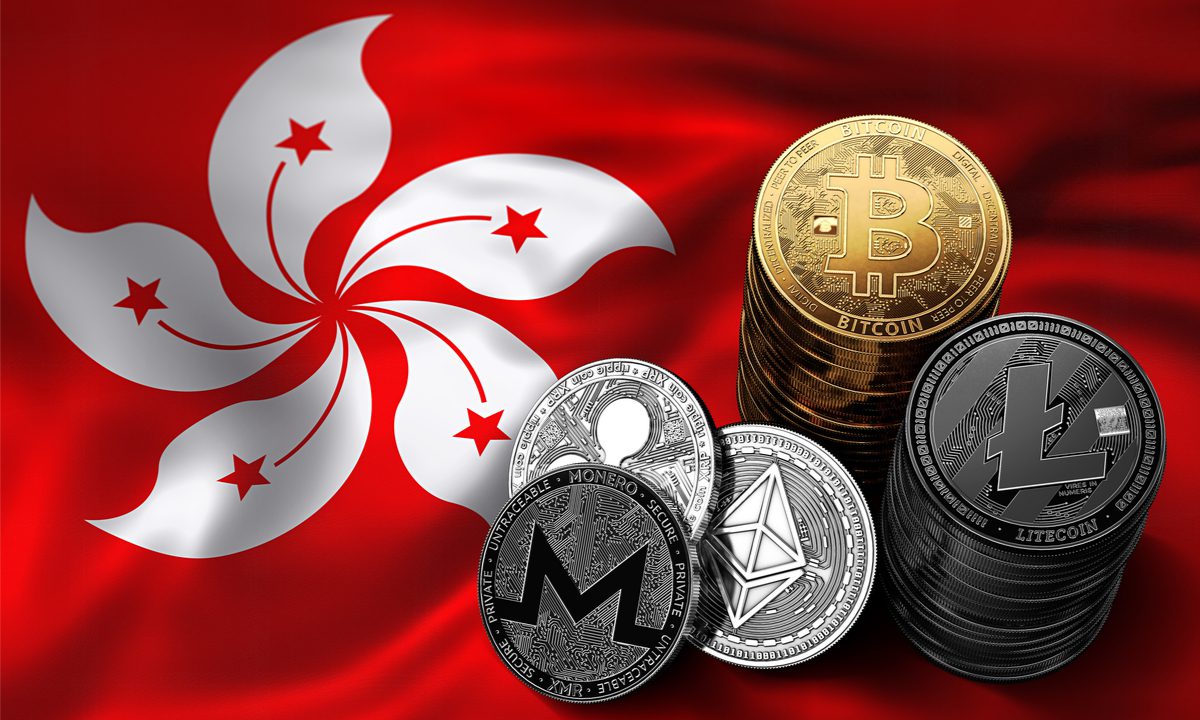
Hong Kong’s Securities and Futures Commission has intensified its scrutiny of virtual asset platforms offering staking services, emphasizing the associated risks and potential legal ramifications. The regulatory body has observed a surge in platforms promoting high-yield returns through staking, prompting a public advisory on the matter.

Staking, a process where cryptocurrency holders delegate their assets to support blockchain network operations, has gained popularity as a means to earn passive income. However, the SFC warns that many of these staking arrangements are not regulated, leaving investors vulnerable to significant risks, including the total loss of their investments. The commission highlighted that some platforms offer returns by on-lending deposited virtual assets or engaging in other investment activities without adequate transparency.

In a statement, the SFC underscored that certain staking programs might constitute unauthorized collective investment schemes . Under Hong Kong law, promoting or operating such schemes without proper authorization is a criminal offense, potentially leading to substantial fines and imprisonment.

The regulatory focus on staking services aligns with Hong Kong’s broader efforts to establish a comprehensive framework for virtual assets. The SFC has been actively exploring the introduction of new token listings, derivatives, and margin trading to enhance the city’s position as a digital asset hub. Julia Leung, the SFC’s Chief Executive, announced plans to potentially expand the regulatory framework to facilitate the listing of new tokens exclusively for professional investors and to review existing safeguards for retail offerings.

The SFC is considering the regulation of crypto derivative trading for professional investors, aiming to facilitate efficient risk transfer within the market. Staking is another area under review, with the commission planning to establish requirements governing the custody of client assets and mitigating risks associated with staking activities.

In addition to these initiatives, the SFC has been in discussions with crypto exchange-traded fund issuers about the possibility of including Ether staking options. This move could allow ETF issuers to stake ETH and generate passive income, providing investors with additional avenues for returns. However, these discussions are ongoing, and no definitive timeline has been established for implementation.

Emirates Airline has intensified its sustainability initiatives by implementing a closed-loop recycling programme aimed at reducing plastic waste. This initiative involves recycling millions of onboard items, including plastic trays, bowls, snack dishes, and casserole dishes, at a local facility in Dubai. These items are remanufactured into new meal service products for use on flights, aligning with the principles of a circular economy where materials are reduced, reused, and recycled.

The recycling process entails collecting used and damaged meal service items from Economy and Premium Economy Class after flights. These items are then washed, inspected for damage, and transported to a Dubai facility where they are ground down, reprocessed, and remoulded into new dishes, bowls, and trays. The remanufactured products are subsequently returned to Emirates Flight Catering for use in future in-flight services.

Emirates has partnered with deSter FZE UAE, a leading provider of serviceware concepts to the aviation industry and an expert in closed-loop manufacturing, for this initiative. The new meal service items contain at least 25% reused material, with plans to increase this proportion over time. The deSter facility in UAE was chosen to minimize the carbon footprint associated with recycling processes, as it eliminates the need to send products to other countries for recycling. The factory also incorporates sustainable design principles, focusing on solar power, efficient water use, and waste minimization.

Saudi Arabia’s Capital Market Authority has announced that foreign investors are now permitted to invest in listed companies owning real estate in Mecca and Medina. This policy change, effective immediately, allows non-Saudis to acquire up to 49% of shares in these firms, aiming to attract foreign capital and enhance market liquidity in alignment with the Kingdom’s Vision 2030 economic diversification plan. Historically, non-Muslims have faced restrictions on […]

Advertisements

SINGAPORE – Media OutReach Newswire – 4 April 2025 – MyRepublic, one of Asia-Pacific’s leading digital-first telcos, announced the launch of Pocket Rocket Adventures, an industry-first initiative that introduces unique gamification mechanics into the customer experience journey for their broadband and mobile subscribers. The game, accessible via the MyRepublic mobile app available from April, marks a significant step in the company’s broader strategy to drive engagement, loyalty, […]

HO CHI MINH, VIETNAM – Media OutReach Newswire – 4 April 2025 – On April 4, 2025, OH!SOME officially enters the Vietnam market, with its very first store opening at Crescent Mall in Ho Chi Minh City. OH!SOME OH!SOME, as a one-stop trendy retail brand, benefits from primary business focus on fashion retail, IP, advanced technology and expanding into diverse family entertainment centers, powered by and efficient […]

Corporate events have long gone beyond simple team building activities. They address a wide range of tasks today: helping to accelerate onboarding, improving internal communications, increasing employee engagement and strengthening corporate culture. This is especially important for employees of remote teams who risk losing contact with each other and the company due to remote working formats. In recent years, online tools have made communication easier and virtual […]

Dubai’s Roads and Transport Authority has entered into a strategic partnership with Uber Technologies Inc. and autonomous driving technology firm WeRide to introduce self-driving taxis to the city’s transportation network. This collaboration aligns with Dubai’s ambition to transform 25% of all journeys into autonomous trips by 2030, as part of its Self-Driving Transport Strategy.

His Excellency Mattar Al Tayer, Director General and Chairman of the Board of Executive Directors of RTA, emphasized the significance of this initiative, stating that the partnership represents a crucial step in advancing Dubai’s autonomous transportation goals. Noah Zych, Uber’s Global Head of Autonomous Mobility and Delivery Operations, expressed enthusiasm about the collaboration, highlighting the company’s commitment to integrating autonomous vehicles onto the Uber platform in Dubai, with WeRide as the initial technology partner.

WeRide, a Guangzhou-based autonomous driving company, has been expanding its global footprint. The firm previously launched a commercial robotaxi service in Abu Dhabi in December 2024, marking Uber’s first deployment of autonomous vehicles outside the United States. The expansion into Dubai signifies the second Middle Eastern city to feature WeRide and Uber’s autonomous ride-hailing service, further solidifying their presence in the region.

The collaboration will commence with pilot programs utilizing Uber’s technology to connect riders with WeRide’s autonomous vehicles, ensuring a seamless user experience. Details regarding the pilot program and subsequent phases are expected to be disclosed in the coming months. The initiative aims to enhance urban mobility by providing reliable and forward-thinking transportation solutions that align with Dubai’s vision for smart cities and future transport.

In addition to this partnership, RTA has been actively expanding its global collaborations with leading autonomous driving technology providers. The authority recently announced a partnership with Baidu’s Apollo Go to deploy autonomous taxis in Dubai, further advancing the city’s autonomous transportation objectives.

The introduction of self-driving taxis is anticipated to transform Dubai’s transport landscape by improving connectivity and reducing accidents. Trials for the autonomous vehicles are scheduled to commence this year, with a safety driver present during the initial phase. Commercial operations are projected to launch in 2026, contributing to the city’s goal of achieving 25% autonomous trips by 2030.

WeRide’s involvement in Dubai builds upon its global expertise in autonomous driving and complements Uber’s leadership in ride-hailing and mobility solutions. The partnership positions Dubai as a pioneering hub for smart transportation, leveraging advanced technology to enhance the city’s public transit system.

A significant proportion of Chief Information Officers are exceeding their allocated budgets for cloud infrastructure and applications, according to a recent survey conducted by Azul, a company specialising in Java platforms. The study, which gathered insights from 300 CIOs across the United States, found that 83% reported spending an average of 30% more than initially anticipated, while a mere 2% managed to stay under budget. Despite these […]

President Donald Trump has indicated that his first international trip in his second term will likely include visits to key countries in the Middle East, namely Saudi Arabia, the United Arab Emirates , and Qatar. While speaking to the press in the Oval Office, Trump suggested the visit could occur next month, though he noted it might be slightly delayed depending on diplomatic and scheduling considerations.

This trip is expected to be a crucial moment in Trump’s foreign policy, as it will focus on reinforcing the United States’ strategic relationships in the region, particularly in the wake of his administration’s efforts to reshape the dynamics of the Middle East through initiatives such as the Abraham Accords and military partnerships. The planned visit underscores the ongoing importance of these Gulf nations as key players in both regional and global geopolitical matters, including security, energy, and economic cooperation.

The president’s statement reflects the evolving nature of U.S. foreign policy in the Middle East, where traditional alliances have been reinforced while new partnerships, especially with the UAE and Bahrain, have emerged over the past few years. The Abraham Accords, signed in 2020, have opened new avenues for diplomatic engagement in the region, with several Arab countries normalising ties with Israel, a move that has significantly altered the political landscape.

Saudi Arabia, as a longstanding ally of the United States, remains at the heart of the Middle East’s geopolitics, particularly in relation to energy markets and security concerns regarding Iran’s growing influence. Trump’s administration was marked by its staunch support for the kingdom, including a controversial stance on the murder of journalist Jamal Khashoggi and its military cooperation in the region. A visit to Riyadh would likely reaffirm these strategic ties, especially as the U.S. continues to grapple with Iran’s nuclear ambitions and its role in regional instability.

The UAE has also become an increasingly influential partner, not only in terms of energy and security but also in fostering technological innovation and investment. In addition to hosting Israeli diplomatic missions following the Abraham Accords, the UAE has positioned itself as a hub for economic development, hosting major events like Expo 2020 Dubai and advancing its space exploration programme. Trump’s engagement with the UAE signals an ongoing commitment to strengthen ties with nations that have emerged as leaders in the Middle East’s economic diversification efforts.

Qatar, a key player in regional diplomacy and a host to the massive U.S. military base at Al Udeid, will also play a central role in Trump’s plans. As a small but influential country, Qatar has positioned itself as a mediator in various regional conflicts, often serving as an intermediary between conflicting parties in the region. Trump’s relationship with Qatar has been critical, particularly in relation to military cooperation and counter-terrorism efforts, and his visit would likely reaffirm the importance of these ongoing collaborations.

While the specifics of the trip remain unclear, the White House has made it known that the president’s travels will reflect the continued prioritisation of U.S. interests in the Middle East. Following years of tension over issues such as the U.S. withdrawal from Afghanistan and its approach to Iran, the Middle East remains a focal point of U.S. foreign policy. This visit could signal a shift towards a more engaged and active approach, particularly as the region faces new challenges ranging from economic instability to security threats from non-state actors.

Experts suggest that Trump’s trip will also serve as a signal to other global powers, particularly China and Russia, of the U.S.’s commitment to maintaining its influence in the Middle East. The region’s role in global energy production, combined with its strategic location at the crossroads of Europe, Africa, and Asia, makes it a critical area for U.S. interests. Trump’s visit is expected to focus on advancing energy partnerships, countering the growing influence of China in the region, and ensuring that U.S. military presence continues to be a stabilising factor in the face of Iranian provocations and broader geopolitical shifts.

Trump’s visit comes at a time when the Middle East is witnessing significant shifts in its diplomatic and economic alignments. Saudi Arabia, for example, has begun to recalibrate its foreign policy, striking deals with China and Russia, and there are signs that the kingdom is exploring new relationships outside its traditional Western alliances. Trump’s visit could also serve to counter these new trends, reinforcing U.S. leadership in the region.

The trip could be particularly significant for the future of U.S. relations with Israel. Although Israel’s peace agreements with several Arab states have altered the region’s political landscape, U.S. support for Israel remains a cornerstone of its Middle East policy. Trump’s visit will likely address how the U.S. plans to build on these agreements while navigating the evolving dynamics between Israel and its Arab neighbours.

As Trump prepares for his visit, discussions will also revolve around the broader implications of his foreign policy agenda. The Middle East is not only a region of military importance but also a key player in the global fight against terrorism, as well as in shaping energy markets and technological innovations. Trump’s emphasis on strengthening partnerships with countries like Saudi Arabia, the UAE, and Qatar will be crucial in setting the tone for the next phase of U.S. involvement in the region.


Audi has initiated the deployment of virtual programmable logic controllers at its Böllinger Höfe facility in Germany, marking a significant advancement in automotive manufacturing. This initiative, part of Audi’s Edge Cloud 4 Production strategy, aims to enhance production efficiency and flexibility. The EC4P platform enables the virtualization of control systems, replacing traditional hardware-based programmable logic controllers with software-driven solutions. This transition allows for centralized management and real-time […]

Foxconn, Apple’s primary manufacturing partner, plans to produce 25 to 30 million iPhones in India this year, more than doubling its output from the previous year. This move underscores Apple’s strategy to strengthen its manufacturing footprint in India and diversify its supply chain amid global uncertainties.

The Taiwanese contract manufacturer has been conducting trial runs at its facility in Bengaluru, Karnataka, aiming to meet Apple’s stringent quality standards and production targets. This initiative aligns with Apple’s broader objective to reduce reliance on Chinese manufacturing and mitigate risks associated with geopolitical tensions and supply chain disruptions.

Foxconn’s expansion in India is part of a larger trend of global tech companies seeking alternative manufacturing hubs. India’s Production-Linked Incentive scheme has been instrumental in attracting such investments by offering financial incentives to boost domestic manufacturing. In the fiscal year ending March 2023, Foxconn produced approximately ₹300 billion worth of iPhones, surpassing the PLI scheme’s cap of ₹200 billion, indicating the program’s success in scaling up production.

In addition to iPhone assembly, Apple is broadening its product manufacturing in India. A unit of Foxconn is set to commence the assembly of AirPods at a new factory near Hyderabad, Telangana, by early 2025, following successful trial productions. This diversification reflects Apple’s commitment to expanding its product assembly capabilities within the country.

However, the expansion has encountered challenges. Reports suggest that China is imposing restrictions on the movement of employees and specialized equipment essential for high-tech manufacturing to India and Southeast Asia. These measures appear aimed at limiting technology transfers and mitigating potential job losses, posing obstacles to Apple’s efforts to diversify its production bases.

Despite these hurdles, Apple’s manufacturing partners in India are making significant strides. Tata Electronics has acquired a 60% stake in Pegatron Technology India, which manages an iPhone plant near Chennai. This acquisition positions Tata as a formidable competitor to established players like Foxconn in the Indian iPhone manufacturing landscape.

The Indian government’s support has been pivotal in this expansion. Foxconn is establishing a mobile phone manufacturing plant in the Devanahalli Industrial Area, Bengaluru, with an investment of ₹21,911 crore. The company will receive incentives amounting to ₹6,970 crore under the Electronics System Design and Manufacturing policy, as announced by Karnataka’s Chief Minister.

Iran has officially declined direct negotiations with the United States concerning its nuclear programme, marking a significant development in the ongoing diplomatic standoff between the two nations. President Masoud Pezeshkian announced that Tehran communicated its decision through Oman, rejecting the prospect of face-to-face discussions with the administration of President Donald Trump. This response follows a letter from President Trump to Iran’s Supreme Leader Ayatollah Ali Khamenei, proposing […]

Global Footprint and B2C-B2B Synergies Drive Long-term Development Results Highlights Revenue surged by 71.7% to historical high of US$345.78 million. Net profit hit historical high and grew by 151.5% to US$19.04 million, net profit margin improved by 1.7 percentage points to 5.5%. The Board of Directors has recommended a final dividend of HK7.5 cents per share. The Business-to-Customer (B2C) YesStyle Platforms recorded revenue of US$265.64 million, up […]

India is significantly enhancing the operational capabilities of its special forces by integrating advanced technologies such as nano drones, loitering munitions, and sophisticated communication systems. This strategic initiative aims to bolster covert operations and counter-terrorism efforts, enabling deep penetration into hostile territories with heightened efficiency and precision.

The Indian Army’s Para , the Navy’s Marine Commandos , and the Air Force’s Garud Commando Force are at the forefront of this modernization drive. These elite units are being equipped with state-of-the-art surveillance tools and specialized weaponry designed to meet the demands of contemporary warfare. The incorporation of nano drones facilitates real-time intelligence gathering, allowing operatives to assess situations and execute missions with unprecedented accuracy.

Loitering munitions, often referred to as “kamikaze drones,” have emerged as a pivotal asset in this technological upgrade. These unmanned aerial vehicles can hover over target areas, identify high-value threats, and execute precision strikes, effectively neutralizing adversaries while minimizing collateral damage. The Indian Army has been actively integrating these systems into its arsenal, recognizing their potential to revolutionize battlefield tactics. Indigenous development efforts have led to the creation of loitering munitions tailored to the specific needs of India’s defense forces, reflecting a commitment to self-reliance in military technology.

In addition to aerial advancements, the deployment of midget submarines is being considered to enhance maritime special operations. These compact vessels offer stealth capabilities, enabling covert insertion and extraction of forces in littoral zones. Such assets are particularly valuable for the Navy’s MARCOS unit, which specializes in amphibious warfare and maritime counter-terrorism operations.

The Armed Forces Special Operations Division , established to foster jointness among the three services, plays a crucial role in this modernization effort. Headquartered in Bengaluru, AFSOD serves as a hub for coordinating special operations training and missions, ensuring seamless integration of new technologies across all branches. The division’s formation marks a significant step toward creating a unified command structure akin to those found in other major military powers.

Despite these advancements, the absence of a full-fledged Special Operations Command presents challenges in achieving optimal synergy among the various special forces units. The current structure relies on collaborative efforts facilitated by AFSOD, but experts argue that a dedicated command could further streamline operations and command-and-control mechanisms. Addressing this structural gap remains a subject of ongoing discussion within defense circles.

The push for technological enhancement extends beyond hardware acquisition. Comprehensive training programs are being implemented to ensure that personnel can effectively operate and integrate these advanced systems into their missions. Exercises such as “Poorvi Prahar” have been conducted along the eastern borders, where troops honed their skills with swarm drones, first-person view drones, and loitering munitions. These drills not only test the efficacy of new equipment but also refine tactics and strategies for future engagements.

India’s focus on indigenous development of defense technologies aligns with the broader “Atmanirbhar Bharat” initiative. By investing in domestic research and production capabilities, the country aims to reduce dependency on foreign suppliers and cultivate a robust defense industrial base. Companies like Kadet Defence Systems have been instrumental in this endeavor, delivering loitering aerial munitions designed and manufactured within India.

The integration of artificial intelligence and satellite communications further augments the operational effectiveness of special forces. These technologies enhance situational awareness, enable secure and rapid information exchange, and support decision-making processes in dynamic combat environments. As warfare becomes increasingly network-centric, such capabilities are indispensable for maintaining a strategic edge.

In a city like Dubai, it is very important not to forget about achieving personal goals, given how fast life rushes in the vastness of such a metropolis. For many people, this seems impossible, because there are too many distractions that do not even allow you to exercise normally. The solution is very simple and effective, which has already been tested in practice many times – contacting […]

In an effort to achieve a target of 80% of patients controlling the three highs and protecting kidney health within eight years, Taiwan leads the international trend of precise prevention with public-private collaboration in response to the new health goals of Healthy Taiwan. TAIPEI, TAIWAN – Media OutReach Newswire – 28 March 2025 – As the global aging process accelerates, the prevention and care of chronic diseases […]

BLOCK71 Tokyo, its second office in Japan, opens at TAKANAWA GATEWAY CITY, the country’s latest global innovation hub. NUS collaborates with Japanese partners, who will invest about ¥1 billion to spur global venture creation. SINGAPORE – Media OutReach Newswire – 28 March 2025 – NUS Enterprise, the entrepreneurial arm of the National University of Singapore (NUS), is expanding its presence in Japan with the launch of its […]

The Linux distribution formerly known as Serpent OS has officially rebranded to AerynOS, marking a significant transformation for the project. This change was announced on February 14, 2025, by project lead Ikey Doherty, who cited the need for a more inviting and representative name. The rebranding culminated with the release of AerynOS 2025.03 on March 25, 2025, introducing several updates and enhancements. Doherty explained that the original […]

Ethereum is currently trading at approximately $2,001.24, reflecting a decrease of $34.67 from the previous close. The day’s trading saw a high of $2,038.00 and a low of $1,985.14.

In contrast to Ethereum’s market challenges, Coldware is actively expanding its blockchain ecosystem. A notable addition is the introduction of Freeze.Mint, a Layer-2 service that enables users to create and launch their own tokens on the Coldware blockchain. This tool is designed to simplify token creation, offering a cost-effective solution for businesses and developers aiming to engage with customers, manage loyalty programs, raise funds, and foster community growth. By facilitating the minting of custom tokens, Coldware positions itself as a versatile platform for diverse blockchain applications.

Ethereum’s recent price decline has been attributed to several factors, including increased competition from alternative blockchains like Solana and Cardano, which offer faster and more cost-effective transactions. Additionally, the rise of memecoins has diverted investor attention, and internal challenges within Ethereum’s development community have contributed to market uncertainty. These dynamics have led to a 40% drop in Ether’s value over the past three months, with the cryptocurrency underperforming compared to major tokens such as Bitcoin.

Rumble Inc., the video-sharing platform and cloud services provider, has reported a 48% increase in fourth-quarter 2024 revenue, reaching $30.2 million. This growth coincides with a $775 million strategic investment from Tether, a prominent entity in the digital assets industry. The platform’s average global Monthly Active Users maintained a steady presence at 68 million during this period, marking the twelfth consecutive quarter surpassing 40 million MAUs. Notably, […]

VISHNU RAJA
RYO YAMADA
HITORI GOTOH
IKUYO KITA