News related to
Program

Greenlogue/AP Suqia, the UAE’s national water charity, continues to solidify its global humanitarian efforts, reaching nearly one million people in Tanzania with clean drinking water. In partnership with the Emirates Red Crescent and backed by a grant from HH Sheikh Mohammed bin Rashid Al Maktoum, this initiative aims to address water scarcity, one of the most pressing issues facing communities in East Africa. The project, a part […]

  LibreOffice now supports AI-driven image generation via a new extension that bridges the office suite with the Stable Diffusion system, enabling users to create visuals directly from textual descriptions without leaving the application. A compact, purpose-built introduction prompts users to describe a scene, then uses Stable Horde, a collaborative network of volunteer-run Stable Diffusion servers, to generate an image. This functionality allows immediate integration of visuals […]

SINGAPORE – Media OutReach Newswire – 18 August 2025 – Macaron AI, the world’s first Personal Agent, has officially launched, a category-defining AI product that reimagines how artificial intelligence fits into daily life, not just work faster. Macaron AI marks a pivotal shift from productivity AI to what experts now call Experience AI—It is a companion that understands your personality, preferences, and habits to support daily life. […]

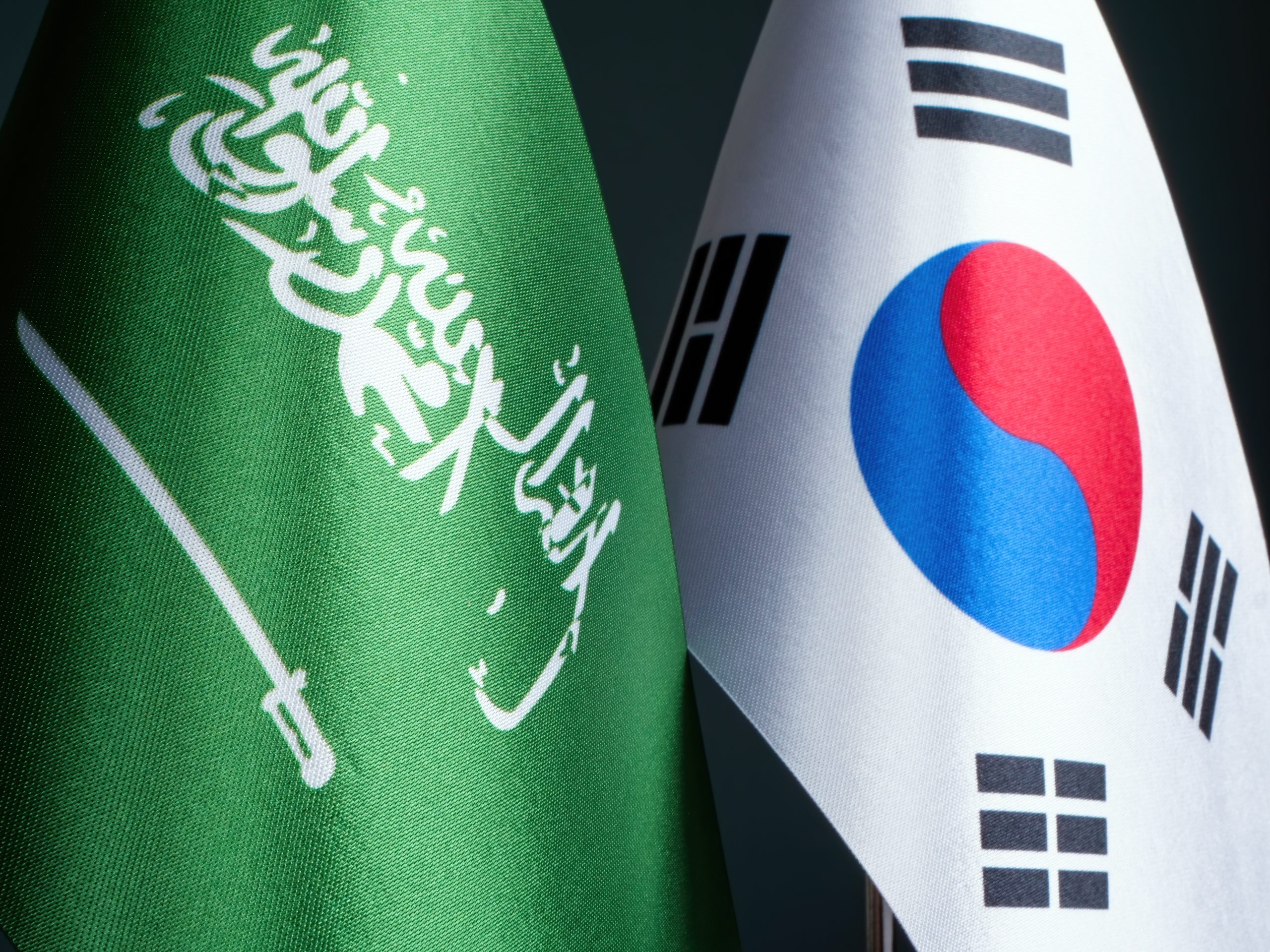
Saudi Arabia is solidifying its role as a key player in the global content industry, with a focus on the rapidly growing demand for Korean entertainment. The country’s recent partnership with South Korea highlights a strategic effort to bolster its creative sector and position itself as the leading creative hub in the Middle East.

The K-Content Expo held in Riyadh from July 22 to 24, 2025, served as a significant milestone in this collaboration. Organised by Korea’s Ministry of Culture, Sports and Tourism in conjunction with the Korea Creative Content Agency, the event attracted over 30 Korean content companies, who engaged in over 400 one-on-one business consultations with representatives from more than 80 regional partners across 12 Middle Eastern nations.

The expo, which showcased the best of Korean pop culture, including K-pop, K-dramas, and variety shows, offered Saudi Arabia an opportunity to deepen its ties with the thriving Korean entertainment industry. This partnership comes amid the growing influence of Korean content, especially among younger audiences in the Middle East, who have increasingly become avid consumers of K-pop and related media.

Saudi Arabia’s Vision 2030, which seeks to diversify the country’s economy and reduce its dependence on oil revenues, has increasingly focused on sectors such as entertainment, culture, and tourism. The Kingdom’s investment in the creative industries aligns with this long-term strategy and is positioning Riyadh as the region’s entertainment capital.

Notably, the Kingdom has already made strides to integrate the cultural aspects of South Korean entertainment into its media landscape. Recent collaborations between Saudi broadcasters and Korean content producers have resulted in the airing of popular K-dramas, with plans for further integration of Korean programming into Saudi television channels.

The role of Saudi Arabia’s state-backed media companies has also been pivotal in driving this initiative forward. These companies are facilitating the import of Korean content while simultaneously promoting local talent. Saudi Arabia’s growing production facilities and investments in digital media technologies are creating an ecosystem ripe for the exchange of ideas, talent, and content.

The government’s investment in the creative sector is not just limited to entertainment. It has also ventured into areas such as gaming, animation, and digital arts, all sectors in which South Korea has a global reputation. Through these joint ventures, Saudi Arabia hopes to create a self-sustaining creative economy that can compete on a global scale.

One of the primary objectives of the K-Content Expo was to open new opportunities for collaboration in areas such as co-productions, distribution, and marketing of content. The event saw numerous partnerships solidified between Saudi and Korean businesses, facilitating the exchange of not just media content but also expertise in areas such as production, distribution networks, and digital platforms.

With over 100 million people in the region under the age of 30, the Middle East has become a crucial market for content creators. According to recent reports, the demand for digital entertainment in the region has surged, with younger viewers flocking to streaming platforms to watch content from South Korea and beyond. As the digital space continues to grow, Saudi Arabia is positioning itself to capture a significant portion of this expanding market.

One of the standout agreements at the K-Content Expo was the joint initiative between Saudi Arabian streaming platforms and Korean entertainment giants to launch localised K-drama series tailored to the Middle Eastern audience. These series, while maintaining the core characteristics of Korean entertainment, will also incorporate local cultural elements, creating content that resonates with regional tastes and sensibilities.

Saudi Arabian officials have been vocal about their ambition to become a creative powerhouse, with plans to further develop infrastructure and offer financial incentives for foreign productions. This push is part of a broader strategy to not only cater to the domestic audience but also to attract international content producers who may see the region as a gateway for entry into the broader Middle Eastern and North African markets.

Experts have highlighted the role of such events in expanding bilateral relations and fostering cultural exchange between the two nations. The ongoing collaboration between Saudi Arabia and South Korea is poised to offer new business opportunities, particularly in light of the Kingdom’s efforts to develop its entertainment and cultural sectors.


The UAE has unveiled the third edition of the Samsung Innovation Campus, a collaborative initiative between the UAE’s Artificial Intelligence, Digital Economy, and Remote Work Applications Office and Samsung Gulf Electronics. This new chapter is part of the broader UAE Artificial Intelligence Camp 2025, aiming to nurture a new generation of talent in artificial intelligence and related fields. The event marks another significant step in the UAE’s […]

PUTRAJAYA, MALAYSIA – Media OutReach Newswire – 18 August 2025 – Islamic Tourism Month (ITM) 2025 returns for its fourth and most exciting edition yet, inviting Malaysians and global travelers to embark on a journey of rediscovery through the rich lens of Muslim-Friendly Tourism and Hospitality (MFTH). Organised by the Islamic Tourism Centre (ITC), ITM 2025 takes place from 18 August to 30 September, showcasing the beauty, […]

Many SMEs start by asking how to make customers choose their brand. But the real question is—if customers don’t like a brand, there’s no reason for them to choose it. KUALA LUMPUR, MALAYSIA – Media OutReach Newswire – 18 August 2025 – To break through this challenge, it all comes down to one thing: building an emotional connection that wins hearts. Brand positioning means that when customers […]

Advertisements

Bullish bets on rising US oil prices plunged to a 16-year low as mounting expectations of an oversupplied market and cooling fears of sanctions on Russian crude prompted a sharp pullback by traders.

Net-long positions in West Texas Intermediate futures dropped by nearly 30,000 contracts in a single week, reaching just over 49,000—a level not seen since 2009. The shift came amid forecasts from the International Energy Agency and the US government signalling that global oil supplies will outstrip demand well into 2026, tipping sentiment decisively bearish.

Analysts have noted that expectations of Russian sanctions are beginning to fade. While geopolitical risks had earlier supported price premiums, markets now reckon that even if sanctions are imposed, ample spare capacity among OPEC+ producers and resilient non-OPEC output would cushion any disruptions. Compounding the downward pressure, the US Energy Information Administration reported an unexpected build of 3 million barrels in crude inventories, further weighing on prices.

The retreat in bullish positions is consistent with a broader narrative of abundant supply. In late July, hedge funds slashed their net-long WTI positions to their lowest since mid-April, driven by OPEC+ ramping up production and a surge in US crude stockpiles—a rise of 7.7 million barrels recorded at the end of July. Earlier in the year, speculators trimmed net-long holdings by half over a five-week span amid deteriorating technical outlooks, trade-war concerns and expectations that OPEC+ would taper production cuts.

Despite these bearish trends, forecasters caution that demand could provide occasional counter-currents. Wildfires in Canada have temporarily removed around 350,000 barrels per day of oil from production, supporting prices in the short term. Meanwhile, geopolitical flashpoints—including tensions around Iran’s nuclear programme and Russian export vulnerability—could intermittently bolster outlooks. But with OPEC+ intent on increasing output—for example, by 411,000 barrels per day in July—and projections indicating a supply surplus growing to over a million barrels per day by year-end, the dominant trend remains one of oversupply.

This convergence of factors—ample supplies, fading sanctions risk, swelling US inventories and rising OPEC+ output—has catalysed a reappraisal of market dynamics by speculators. The resulting collapse in bullish positioning reflects a recalibration of expectations amid shifting fundamentals.

Narratives of tight supply have lost momentum, leading to a revaluation of oil’s near-term trajectory across trading desks worldwide.

TAIPEI, TAIWAN – Media OutReach Newswire – 16 August 2025 – Lung cancer continues to be the leading cause of cancer-related deaths worldwide. Yet, progress is within reach. In Taiwan, thanks to the National Lung Cancer Early Detection Program, the proportion of early-stage lung cancer cases continues to rise. Against this backdrop, HOPE Foundation for Cancer Care, one of the largest cancer-focused patient advocacy groups in Taiwan, […]

The United Arab Emirates’s cloud-seeding programme continues to play a pivotal role in enhancing water resources, generating between 168 million and 838 million cubic metres of extra rainfall annually, of which 84 million to 419 million cubic metres is usable water—significant volumes in a country where the total annual rainfall stands at approximately 6.7 billion cubic metres.

Efforts are particularly intensive in 2025, with 185 cloud-seeding missions already carried out to date, including 39 operations in July alone. These missions, executed using advanced tools such as hygroscopic flares, nanomaterials and electric-charge emitters, aim to raise rainfall by 10 to 25 per cent under favourable conditions.

The programme is backed by a technologically advanced infrastructure. The UAE employs a fleet of four dedicated aircraft, 12 trained pilots, and utilises more than 60 weather stations, an integrated radar network, and the Emirates Weather Enhancement Factory, which produces high-quality seeding flares. With over 900 flight hours each year, the initiative represents a significant operational commitment.

New investments have further enhanced the programme’s precision and effectiveness. The integration of artificial intelligence and machine-learning tools enables real-time analysis of meteorological data, optimising cloud-seeding timing and target areas. Additionally, nano-enhanced flares, with superior rain-inducing capabilities, are being developed and deployed.

Scientific assessment supports the programme’s efficacy. A statistical study comparing historical rainfall data found that cloud seeding has contributed to a 22.8 per cent average increase in annual surface rainfall over seeded zones between 2010 and 2019. Other estimates suggest enhancements of up to 30–35 per cent in clear atmospheres and 10–15 per cent in more humid environments.

On the cost front, cloud seeding remains economical. Harvestable water produced through cloud seeding costs just $0.01 to $0.04 per cubic metre, compared with approximately $0.31 per cubic metre from advanced desalination plants. This makes rain enhancement a compelling supplementary strategy in the face of rising demand and declining groundwater levels.

While cloud seeding bolsters water availability, it does not function in isolation. Broad concerns remain regarding drainage infrastructure, which has demonstrated limitations during extreme rainfall events. For instance, heavy storms in April 2024 overwhelmed urban systems—while some speculated about cloud-seeding’s role, authorities and experts concluded that infrastructure constraints and climate-change-driven weather intensity were the primary causes.

Nevertheless, those involved in the research highlight the programme’s strategic importance. Alya Al Mazroui, Director of the UAEREP, emphasises its growing global recognition and potential applicability in other water-scarce regions. The programme—which is administered under the Ministry of Presidential Affairs and backed by the National Centre of Meteorology—continues to drive innovation in rain enhancement science.

Greenlogue/AP The United Arab Emirates and Senegal have formalised a significant partnership aimed at addressing Africa’s escalating water and sanitation challenges. This collaboration, announced during the 2025 UN Ocean Conference, underscores a shared commitment to sustainable water management and climate resilience across the continent. At the heart of this initiative is the establishment of an integrated water-ocean management framework, designed to harmonise freshwater and marine ecosystems. This […]

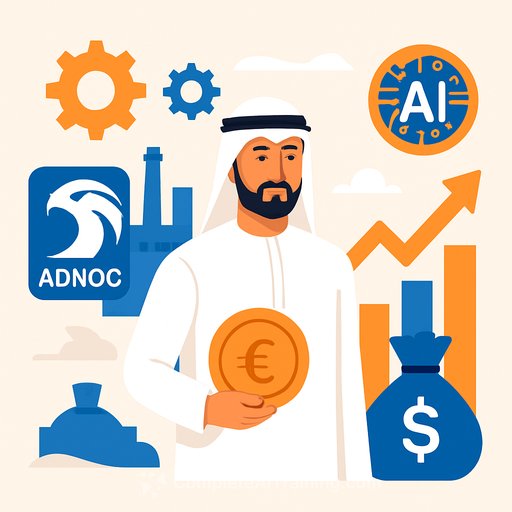
ADNOC Group’s six publicly listed entities posted a combined net profit of USD 4.7 billion for the first half of 2025, underscoring how the widespread deployment of advanced artificial intelligence across operations has sharpened efficiency and underpinned robust growth.

At the heart of this transformation lies MEERAi, ADNOC’s proprietary AI platform. It is deployed across ADNOC Gas, ADNOC Distribution, ADNOC Drilling, ADNOC Logistics & Services, Fertiglobe and Borouge, delivering real-time, data-driven insights that are elevating decision-making and operational precision across the board.

ADNOC Gas achieved a record Q2 net income of USD 1.385 billion, marking a 16 per cent year-on-year rise, while EBITDA increased 8 per cent to USD 2.256 billion, propelled by surging local demand and operational prowess. Investors will see the payoff as the board approved an interim dividend of USD 1.792 billion, up 5 per cent, due for disbursement in September 2025. MEERAi’s impact was central in guiding the board’s strategic decisions.

ADNOC Distribution delivered its highest first-half EBITDA to date—USD 566 million, up 10 percent—with net profit climbing 12.2 percent to USD 358 million. Fuel volumes surged to a record 7.62 billion litres, and non-fuel retail gross profit lifted 14.9 percent. The AI-driven enhancements include predictive fuel-demand forecasting, intelligent assortment planning and hyper-personalised customer offerings. The company introduced MEERAi to its board for real-time strategic oversight, and it expects to distribute a USD 350 million dividend in October 2025.

ADNOC Drilling also delivered standout performance, with management attributing its ability to scale through diverse energy cycles to advanced technologies including AI. The board approved a USD 217 million second-quarter dividend in August 2025. The company is also pursuing regional expansion, including a majority stake acquisition in SLB’s land drilling business across Kuwait and Oman.

Borouge’s AI, digitalisation and technology programme generated USD 307 million in value, including an AI-powered control room in collaboration with Honeywell and integration with MEERAi. New product innovations such as medical-grade polyolefins and recyclable packaging also featured prominently.

Meanwhile, ADNOC’s broader push to harness AI is also playing a central role in its clean-energy pivot. Following earlier investments in AI tools like RoboWell and AR360, which generated USD 500 million in value and reduced around one million tonnes of CO₂ emissions between 2022 and 2023, the company is now deploying AI to advance low-carbon energy frontiers including hydrogen and carbon management, in partnership with entities such as SOCAR, Microsoft and Masdar.

Across all six listed companies, the near-term financial performance echoes the effectiveness of ADNOC’s strategy of embedding AI across both core operations and emerging markets. The unified deployment of MEERAi is not just enhancing control-room functions, but reshaping boardroom dynamics, driving smarter strategy execution, operational optimisation, emissions reduction and product innovation.

Key players in this transformation include the leadership of ADNOC Distribution, championing digital retail evolution; ADNOC Drilling’s CEO Abdulla Ateya Al Messabi, who has publicly credited AI for the company’s resilience and growth momentum; and the broader ADNOC executive team, aligning technology and energy transition goals. Their collective efforts are reinforcing ADNOC’s position as a global energy player committed to leveraging AI for sustainable value creation.

Binance’s Chief Security Officer, Jimmy Su, has identified North Korean hacking groups as one of the most significant threats facing the cryptocurrency sector in 2025. As the world’s largest cryptocurrency exchange, Binance has been at the forefront of monitoring and responding to cyber threats. Su’s recent statements have highlighted the urgency of addressing the escalating risk posed by North Korean cyber actors targeting the crypto industry.

The North Korean government has long been linked to a series of cyberattacks aimed at funding its regime through illicit means, with cryptocurrency exchanges being prime targets. These attacks have become more sophisticated over time, with state-backed hackers employing advanced techniques to infiltrate systems and steal millions of dollars’ worth of digital assets. Experts argue that this is part of a broader strategy to bypass international sanctions imposed on North Korea.

Su’s comments, made during an industry event in early 2025, point to a clear rise in the volume and sophistication of these attacks. According to Binance’s internal threat intelligence, these cybercriminals are using increasingly advanced malware, social engineering tactics, and even direct network intrusions to steal sensitive data and crypto assets.

An ongoing investigation by Binance’s security team revealed that these hackers have been exploiting vulnerabilities in the infrastructure of crypto exchanges and DeFi platforms. In some cases, they have used phishing emails and fake job offers to target employees of key financial institutions, hoping to gain access to privileged systems. Such tactics are a clear indication of a well-coordinated operation with global ambitions.

One of the most concerning trends identified is the use of sophisticated ransomware attacks, which have forced some exchanges to pay hefty ransoms to prevent the loss of critical data. The high-profile hacks have raised questions about the resilience of the global financial ecosystem to such breaches, especially as more governments and institutions begin to integrate blockchain technology into their operations.

North Korean actors, according to cybersecurity experts, have also shown an increasing willingness to attack smaller and lesser-known exchanges. This shift in focus comes as these platforms often lack the robust security protocols that larger exchanges like Binance and Coinbase have implemented. As a result, they are seen as softer targets, vulnerable to exploitation.

The financial implications of these attacks are staggering. Since 2019, estimates suggest that North Korean hackers have stolen over $2 billion in cryptocurrency. This is in addition to the $250 million reportedly taken from a major South Korean exchange in 2023. The stolen funds are typically laundered through complex networks of wallets and mixers, making it challenging for authorities to track and recover the stolen assets.

Su’s remarks have sparked a broader discussion about the need for improved cybersecurity measures within the cryptocurrency sector. Many industry leaders have called for a more collaborative approach, involving private companies, governments, and international law enforcement agencies. A unified strategy could help create a more secure environment for the rapidly expanding digital asset market.

The North Korean government has long denied any involvement in cyberattacks. However, international cybersecurity firms have linked numerous incidents to Pyongyang’s operatives, underscoring the persistent threat posed by the country’s cyber espionage efforts. Furthermore, it is widely believed that these hacking groups are funded by the regime to help finance its nuclear weapons programme and other illicit activities.

Efforts to combat these threats have led to increased investment in security technology, including more advanced encryption methods, real-time monitoring tools, and fraud detection systems. In addition to these technological solutions, some exchanges are considering implementing stricter Know-Your-Customer regulations to combat money laundering and ensure compliance with international financial rules.

As the stakes continue to rise, both industry players and regulators face a significant challenge. The rapid growth of blockchain technologies, along with the increasing use of decentralised finance applications, has created a complex and evolving landscape where traditional security measures are often inadequate. As a result, companies must remain vigilant and proactive in defending against cyber threats from state-sponsored actors like North Korea.

While North Korea’s cyber campaign remains a major concern, it is not the only threat facing the cryptocurrency sector. Other nation-states, including Iran and Russia, have been linked to similar activities, further complicating efforts to secure the digital assets market. However, the ongoing attention on North Korean actors serves as a reminder of the global reach and scale of the problem.

– Public funds and public welfare capital accelerate circular technology – DÜSSELDORF/BERLIN – Newsaktuell – 15 August 2025 – The non-profit cooldown°earth foundation congratulates its portfolio company matterr on receiving funding confirmation from the state of North Rhine-Westphalia as part of the EFRE/JTF program “Produktives.NRW.” Minister of Economic Affairs and Climate Protection Mona Neubaur presented the funding approval on August 6 in Düsseldorf. Pictured (from left to […]

South Africa’s government is moving forward with plans to launch a credit-guarantee vehicle in July 2026 to stimulate private investment in infrastructure projects. The initiative, aimed at overcoming the financing gap for large-scale infrastructure, will engage with lenders to fund a significant portion of the programme. The government’s objective is to encourage private companies to invest in the country’s critical infrastructure, which has long been underfunded, particularly […]

Gold’s upward trajectory in the UAE is reshaping consumer behaviour, with rising prices shifting the market’s balance away from traditional jewellery purchases toward more affordable and strategic alternatives. Demand for ornamental gold continues to wane even as the metal remains highly prized for investment. Gold jewellery sales across the UAE plunged to their lowest in over two years during April to June 2025, at 7.7 tonnes—down 16 […]

Sharjah AcquireHub has been launched by the Sharjah FDI Office in collaboration with Transworld Business Advisors, marking the emirate’s first government-led digital platform designed to streamline mergers and acquisitions across all business scales. The platform offers investors, SMEs, local and international entrepreneurs an end-to-end digital M&A ecosystem. Its features include seamless online registration, tailored advisory support, post-transaction assistance and robust confidentiality safeguards such as non-disclosure agreements and […]

Nigeria’s push toward becoming a $1 trillion economy by 2030 is gaining momentum, driven by a growing tech ecosystem supported by both government initiatives and global tech giants. The country’s digital economy is set to play a central role in this ambitious vision, with significant emphasis on talent development and digital infrastructure. The inaugural edition of GITEX NIGERIA, scheduled for 1-4 September 2025 in Abuja and Lagos, […]

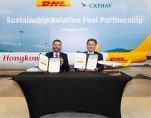
DHL Express purchases 2,400 metric tons of SAF from Cathay Group to be used on flights operated by Air Hong Kong, an express all-cargo carrier and wholly owned subsidiary of Cathay. The SAF will be used on Air Hong Kong flights departing from Seoul Incheon, Tokyo Narita and Singapore Changi airports. The new agreement underscores both parties’ commitment to lower-carbon air logistics and driving the production and […]

Additional funding allows Agridence to better deliver its traceability modules and ESG solutions across agri-commodity sectors globally. SINGAPORE – Media OutReach Newswire – 13 August 2025 – Agridence Pte. Ltd. (“Agridence”), a Singapore-based technology leader in digital agri-commodity supply chains, today announced a funding round led by Cercano Management and supported by returning strategic investors EXEO Innovation Fund and Provident. This will empower Agridence to rapidly scale […]

“More Than Pumping” will amplify trusted voices, offer emotional support, and provide expert guidance to create a breastfeeding-friendly environment where mothers feel understood and supported SINGAPORE – Media OutReach Newswire – 12 August 2025 – As Breastfeeding Awarenesss Month begins, Momcozy, the global No.1 wearable breast pump brand, proudly launches its newest initiative “More Than Pumping, Real Support with Trusted Voices“. The initiative highlights the company’s mission […]

The African Development Bank has confirmed it will finance $500 million towards the construction of a new international airport in Ethiopia. Once completed in 2029, the project is expected to become the largest airport on the continent. The new infrastructure forms part of Ethiopia’s broader ambitions to boost its position as a key hub for aviation in Africa, with an emphasis on increasing regional connectivity and expanding […]

Bitcoin continues to follow the fluctuations of global liquidity, with the broader M2 money supply maintaining a positive correlation with its price movements. Recent data indicates that the cryptocurrency has largely mirrored the ebb and flow of liquidity across financial markets, suggesting that the ongoing dynamics between global monetary policies and Bitcoin’s performance could set the stage for further price gains or potential setbacks in the near future.

The M2 money supply, a key indicator of money in circulation that includes cash, checking deposits, and easily convertible near money, has witnessed significant growth over the past few years. This expansion has been a central feature of global central banks’ responses to economic challenges, including the COVID-19 pandemic and subsequent economic recovery efforts. As governments continue to inject liquidity into their economies through various monetary policies, Bitcoin has benefitted from a favourable environment, with its price often tracking the liquidity’s upward trends.

Bitcoin’s price movements have been closely tied to these liquidity expansions. Historically, periods of increasing global money supply have seen the digital asset rise in tandem, benefiting from increased investor confidence and speculative demand. As central banks keep interest rates low and maintain expansive fiscal policies, the resulting surge in M2 liquidity tends to fuel risk appetite in financial markets, often spilling over into assets like Bitcoin.

However, the current economic climate is marked by signs that this positive correlation might face new challenges. While Bitcoin’s price has largely remained on track with liquidity growth, early signs suggest that a potential correction could be imminent. Some market analysts point to signals such as diminishing returns on investments in certain financial markets, growing inflationary pressures, and tightening monetary policies in select regions as indicators that liquidity-driven asset prices, including Bitcoin, might soon face downward pressure.

The potential for a Bitcoin correction is also being discussed more openly as the cryptocurrency approaches new all-time highs. Historically, Bitcoin has experienced sharp price adjustments after reaching peak levels, driven by a combination of profit-taking, shifting sentiment among institutional investors, and changes in macroeconomic conditions. As a result, while the positive liquidity-Bitcoin correlation remains intact for now, market watchers are increasingly cautious, aware that the prevailing optimism could be replaced by a recalibration in response to evolving economic factors.

At the heart of the concern is the likelihood that the global liquidity boom, fuelled by expansive monetary policies, may be coming to an end. Some central banks, especially in developed economies, have already started to signal their intention to reduce stimulus measures. The United States Federal Reserve, for example, has been gradually winding down its bond-buying programme, a step that many analysts view as the first indication of a potential shift towards tighter monetary conditions. Should this trend continue, it could have significant repercussions for Bitcoin’s price, which has thrived in an environment of abundant liquidity.

Bitcoin’s reliance on speculative investment has always made it vulnerable to shifts in broader financial market conditions. As institutional investors and retail traders adjust their portfolios in response to global liquidity changes, the cryptocurrency market often experiences heightened volatility. A slowdown in liquidity growth, combined with the tightening of fiscal policies, could lead to increased market caution, potentially slowing down Bitcoin’s momentum.

Despite these concerns, Bitcoin’s long-term outlook remains closely intertwined with global liquidity. As central banks continue to maintain expansive monetary policies, the cryptocurrency may still benefit from an influx of capital seeking higher returns in an environment of low interest rates. However, the risk of a market correction should not be underestimated. With rising inflationary pressures in many countries and increasing calls for tighter monetary policies, Bitcoin’s trajectory could experience turbulence in the short term.

SINGAPORE – Media OutReach Newswire – 12 August 2025 – As scam networks across Southeast Asia grow more coordinated and transnational, the Global Anti-Scam Alliance (GASA) is responding with counterforce and progress. This year’s Global Anti-Scam Summit (GASS) Asia 2025 will be held on 2-3 September in Singapore and will convene over 1,200 industry leaders, policymakers, and enforcement agencies from over 60 countries (physical and online) to […]

VISHNU RAJA
RYO YAMADA
HITORI GOTOH
IKUYO KITA
Just in: