News related to
Program

Stock markets across Asia plunged as global investors rushed to safe-haven assets following a military strike by Israel on Iran’s nuclear and ballistic missile facilities, intensifying geopolitical tensions in the Middle East. U.S. equity futures dropped sharply, while commodity prices surged—fuelled by fears of supply disruption and escalating conflict.

Crude oil futures reacted violently, with Brent surging about 9 % to approximately US $75.36 per barrel and West Texas Intermediate climbing to US $74.20, both marking the largest daily gains in months. Goldman strategists and energy analysts attributed the spike to risk premiums linked to potential retaliation and threats to regional infrastructure, especially across the Strait of Hormuz.

Precious metals and defensive currencies were also swept up in the panic. Spot gold rose by around 1.5 % to trade near US $3,434 per ounce, inching closer to its April record peak of US $3,500. The Swiss franc strengthened by roughly 0.4 % to reach two‑month highs against the U.S. dollar, while the yen appreciated by about 0.3 %—classic indicators of risk-off sentiment.

Asia’s leading equity indices suffered notable losses: Tokyo’s Nikkei 225 fell between 1.2 % and 1.4 %, Seoul’s Kospi dropped about 1.1 %, and Hong Kong’s Hang Seng declined roughly 0.8 %. U.S. S&P 500 E‑mini futures and Nasdaq futures plunged between 1.7 % and 1.8 %, while Pan‑European STOXX 50 futures slid around 1.6 %.

In India, the Nifty 50 and Sensex tumbled approximately 1.2 %, with the oil and gas sector leading losses thanks to narrower refining margins and soaring crude prices. Stocks of Bharat Petroleum, Indian Oil Corporation and HPCL each shed between 3.5 % and 6 %. Airline stocks, already shaken by a recent Air India crash near Ahmedabad, declined further as travel costs and uncertainty weighed heavily.

Debt markets saw a flight to quality. U.S. Treasury bonds rallied, pushing the 10‑year yield down to around 4.31–4.35 %, its lowest in a month. Currency markets mirrored these moves: the dollar index rose around 0.5 %, while the euro and sterling retreated slightly.

Analysts suggested the next moves hinge on Iran’s response. Charu Chanana, chief strategist at Saxo, noted that if tensions ignite, safe-haven demand and commodity volatility will likely persist. Matthew Haupt from Wilson Asset Management described this as a “classical risk‑off move,” adding that duration and scale of Tehran’s likely response will shape market impact.

This episode compounds earlier market strains. The global economy already faces headwinds from volatile U.S. trade policy and high inflation, while negotiations over Iran’s nuclear programme have stalled. A planned sixth round of talks in Oman was overshadowed as military actions overshadowed diplomacy.

Market indicators suggest traders are swiftly reducing risk exposure ahead of the weekend. Tony Sycamore from IG forecast continued selling in equities, saying that prudent investors will likely trim positions until further clarity emerges.

Energy market strategists warned of wider contagion. According to Saul Kavonic of MST Marquee, unless Iran specifically targets major oil infrastructure, supply impact remains limited—but persistent unrest could be enough to constrain output and flow through the region.

All countries under DHL Supply Chain APAC are now certified DHL Supply Chain Japan becomes the newest office to achieve certification SINGAPORE – Media OutReach Newswire – 13 June 2025 – DHL Supply Chain, the global leader in contract logistics, has been certified as a Great Place to Work® across Asia Pacific. DHL Supply Chain Japan is the latest country office to achieve this certification, bringing the […]

The newly announced trade agreement between the United States and China offers temporary relief from economic tensions, but it does not resolve the deep strategic rift between the world’s two largest economies. For investors, I believe, this is a short-term fix within a long-term rivalry, and portfolios must be positioned accordingly. President Donald Trump’s statement that a deal is “done” follows two days of talks in London. […]

Sharjah Islamic Bank and Warba Bank have spearheaded a flurry of USD‑denominated Additional Tier 1 sukuk issuances across the Gulf Cooperation Council, as institutions capitalise on narrower spreads, robust investor demand and abundant liquidity to bolster capital under Basel III norms. Sharjah Islamic priced a US$500 million perpetual issuance with a six‑year non‑call period at 6.125%, tightening from initial guidance of 6.5%, after books exceeded US$1 billion. Simultaneously, Kuwait’s Warba Bank […]

Dubai, UAE -Yalla Hair, the well-known name for men’s hair restoration in Dubai, has been changing people’s lives through their hair replacement systems. These innovative new treatments mean that men can now not only regain the hair they have lost but also the self-assurance that goes with it, without the trauma or expense of a hair transplant. One fascinating case is Abdallah, 34, a UAE resident who had been suffering […]

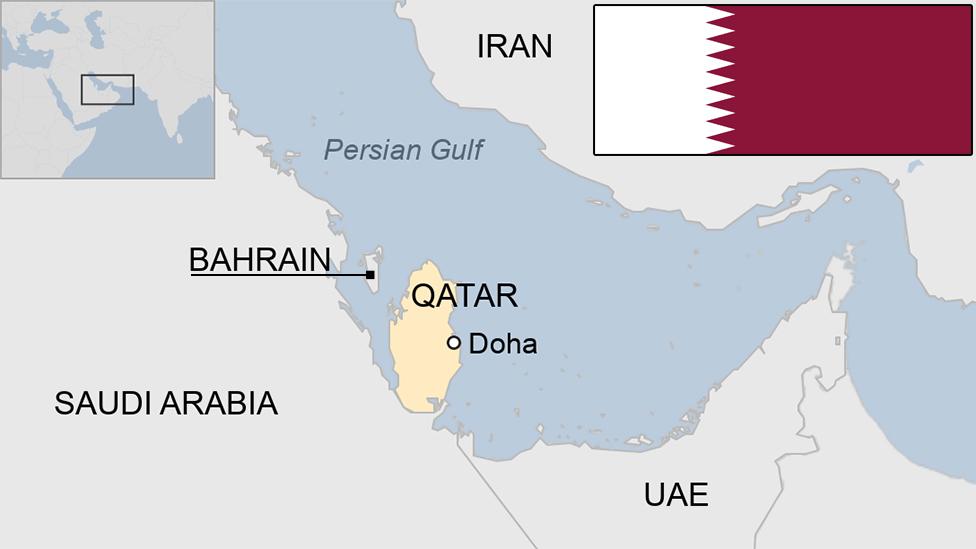
Defense Secretary Pete Hegseth informed the Senate Appropriations Committee on 11 June 2025 that the United States and Qatar have not yet formalised any agreement transferring a Boeing 747‑8 jetliner gifted by the Qatari royal family for potential use as Air Force One. Lawmakers pressing for details were met with repeated deferrals, as Hegseth invoked security and confidentiality concerns.

Senators voiced concern over the lack of transparency surrounding the gift. Senator Jack Reed of Rhode Island demanded insight into contractual terms and timeframe for retrofitting the aircraft to meet presidential standards, only to be told such information was “not for public consumption”. The Pentagon has neither disclosed cost estimates nor identified a specific US contractor for the extensive upgrade work required, including secure communications, defensive capabilities and airworthiness certification.

Despite earlier assurances from Air Force Secretary Troy Meink that retrofitting expenses could remain under USD 400 million, Democrats remain sceptical. Senator Chris Murphy pointed out that past Air Force One modernisation efforts have encountered significant budget escalations, sometimes reaching billions, and questioned the wisdom of funding work on a foreign jet when replacement aircraft are already in production.

Republicans, including Senators Jim Risch and Roger Marshall, defended the deal, asserting that Qatar and the UAE are strong US allies and that the jet donation alleviates procurement delays with Boeing. Secretary Hegseth echoed this view, suggesting that accepting Qatar’s jet could temporarily ease reliance on delayed Boeing‑built VC‑25B aircraft, though he declined to specify projected completion dates or key benchmarks.

Ethical concerns persist across party lines. Opponents argue that accepting a luxury aircraft from a foreign government may trigger Foreign Emoluments Clause issues or at least generate the appearance of impropriety. Qatar, meanwhile, has maintained that the nature of the transaction is under review—possibly a lease or outright purchase rather than a gift—though final details remain unresolved.

The Boeing 747‑8 in question, approximately 13 years old, features lavish interiors and advanced technology, earning it the nickname “palace in the sky.” Converting it to a presidential transport requires secure communications suites, defensive countermeasures, and structural modifications—a process estimated to span years. While Pentagon officials suggest costs may be contained beneath USD 400 million, analysts warn that upgrades for classified systems and nuclear safety could push costs well above one billion dollars.

Beyond the technical and ethical dimensions, questions remain over how accepting Qatar’s jet might affect broader US defence priorities. Some argue that prioritising resources for a foreign-made interim aircraft could detract from funding the delayed VC‑25B programme, which is pivotal to modernising the presidential fleet.

At the same hearing, Hegseth also dismissed calls for transparency, stating that budgetary and negotiating processes must remain classified for national security. This response intensified criticism from Democratic senators, who claim taxpayers deserve clarity on military expenditures and foreign transfers of high-value assets.

Meanwhile, Senate Republicans rejected two resolutions aiming to pause arms sales to Qatar and the UAE, signalling ongoing bipartisan support for the Gulf states despite growing unease over Trump administration’s foreign dealings. Republicans emphasised the strategic importance of maintaining strong defence cooperation, downplaying concerns over the aircraft gift.

The debate is set to continue as the Air Force advances planning and preliminary feasibility studies. Key upcoming moments include formalisation of the memorandum of understanding, selection of retrofit contractors, and disclosure of cost and timeline projections. The outcome will test the administration’s balance between diplomatic expediency, financial responsibility, and institutional transparency.

Pentagon officials have trimmed the U.S. Air Force’s F-35A fighter jet order dramatically, requesting just 24 aircraft in fiscal year 2026—cutting it by half from the previously projected 48 jets. The revised procurement proposal, submitted to Congress, seeks approximately $3.5 billion for the jets and an additional $531 million set aside for advance materials procurement. This downsizing is part of a broader strategy by the Department of Defence to […]

Advertisements

Applications from African professionals to American MBA programmes are climbing sharply, driven by robust scholarship support, evolving diversity strategies, and a post-pandemic appetite for international career mobility. African candidates are finding new momentum in American business schools thanks to generous funding sources such as the TY Danjuma MBA Scholarship, established in 2011. The fund supports admissions at top‑ranked global institutions, awarding 64 students from nations including Nigeria, […]

Some 2,400 stem cell and regenerative medicine pioneers convene to chart new frontiers, resulting from bidding efforts of Hong Kong Convention Ambassadors of the Hong Kong Tourism Board HONG KONG SAR – Media OutReach Newswire – 11 June 2025 – Reputed to be a leading research and development (R&D) hub for medical sciences, Hong Kong hosts the world’s largest and most significant gathering of stem cell research […]

Air India has partnered with blockchain-based loyalty specialist Loyyal to allow Maharaja Club members to earn points on everyday purchases across key brands in the United States and the United Kingdom. The collaboration enables members to accrue Maharaja Points on shopping at major retailers such as Walmart, Victoria’s Secret, New Balance, GAP, Victorinox and Alamo – marking a significant expansion of the airline’s loyalty programme.

Members now earn up to 99 Maharaja Points per USD 100 spent at Walmart, 310 points per GBP 100 at Victoria’s Secret, 300 points at Victorinox, 45 at New Balance, 180 at GAP and 64 points at Alamo. These offerings are accessible via the Maharaja Club Partner Offers page on Air India’s website, where members can select a brand and follow on-screen prompts to initiate their purchases.

Shailesh Kumar Singh, Head of Loyalty at Air India, commented that the alliance with Loyyal “makes it easier for our members to earn Maharaja Points on everyday essentials and shopping, without needing to fly frequently”. Meanwhile, Loyyal CEO Ashish Kumar Singh noted that the initiative “significantly boosts the earning potential for Maharaja Club’s members,” adding that it enriches daily experiences and complements travel benefits.

The partnership follows a broader revamp of the Maharaja Club, which adopted a simplified tier structure, updated identity and enhanced customer features. Air India has added more than 50 non-airline partners over the last 18 months, supporting its transformation under the Vihaan.AI strategy and leveraging its Star Alliance membership.

The move aligns with global loyalty trends, where airlines increasingly engage shoppers via retail partnerships. By enabling points accrual through non-travel spend, loyalty programmes become more relevant to everyday consumer behaviour, fostering engagement beyond flight activity. Consumers, meanwhile, gain tangible value even during non-travel periods.

Maharaja Club’s integration with Star Alliance further enhances its value proposition. As noted by Air India’s own commentary, elite-tier members benefit from worldwide priority check-in, lounge access at over 1,100 locations, extra baggage allowance, and the ability to accrue and redeem points across the alliance’s 25 carriers. These features remain central to the programme’s repositioning.

Industry analysts highlight that Loyyal’s blockchain-based platform offers secure, transparent point tracking and easier integration of diverse partners. Though Air India and Loyyal have not disclosed technical details publicly, Loyyal’s existing reputation in travel loyalty schemes supports confidence in seamless implementation.

Under the agreement, Air India continues to broaden access to Maharaja Points across shopping categories. The move targets customers traveling abroad or residing outside India, reinforcing Air India’s global outreach following its Tata Group-led transformation. In support, the programme emphasises that points can be redeemed for award flights and cabin upgrades through Air India or Star Alliance partners.

The timing of the launch coincides with Air India’s widened network with new interline agreements and route expansions, such as recent pacts with airlines like airBaltic, Cyprus Airways and Uzbekistan Airways, aimed at increasing global connectivity. As passengers gain more travel options, the value of earning and using loyalty points is projected to grow.

As more household and lifestyle brands are added to the programme, members could diversify their point accrual even further. Air India has indicated that additional partners will be announced in due course, though specifics have not yet been released.

Maharaja Club members benefit from streamlined user experience with clearly stated earning rates for each participating brand. For example, spending at Victoria’s Secret yields 310 points per GBP 100, while spending at Victorinox delivers 300 points per USD 100 – figures that are prominently showcased on the shopping portal.

Air India’s alignment with Loyyal fits within its hospitality-driven repositioning under Vihaan.AI, along with fleet modernisation, training investments, new routes, and enhanced premium services. The airline aims to appeal to international leisure and business travellers – particularly those based abroad – by offering points that can accrue through both travel and lifestyle spending.

Industry commentators suggest that Loyyal’s blockchain solution offers underlying benefits including transparent audit trails, fraud reduction and easy tracking of reward accrual from non-travel sources. This increases both partner and consumer confidence in the integrity of the loyalty ecosystem.

Mashreq Bank has secured a US$500 million Sukuk issuance through its special-purpose vehicle, Mashreq Al Islami Sukuk Company Ltd, with a secondary listing on Nasdaq Dubai. The trust certificates, set to mature in 2030, were unveiled under the bank’s US$2.5 billion Trust Certificate Issuance Programme. The issuance drew overwhelming appetite in the primary market, with subscriptions reaching nearly US$2.9 billion—almost six times the issued amount—before being admitted for trading on Nasdaq Dubai. […]

MediLink Therapeutics Ltd. is preparing to launch an initial public offering in Hong Kong, having secured China International Capital Corp., JPMorgan Chase & Co. and Morgan Stanley as its lead advisers, according to people with knowledge of the matter. The move comes as the clinical-stage biotech firm seeks to capitalise on growing investor interest in advanced tumour-targeting therapies and consolidate its platform of antibody‑drug conjugates.

Founded in 2020 and headquartered in Suzhou with R&D operations in Shanghai and Boston, MediLink has developed a proprietary ADC technology known as TMALIN®. The platform facilitates precise delivery of cytotoxic agents to tumour cells, with the intention of widening therapeutic windows for solid tumour treatments. Its pipeline includes programs that have advanced to clinical stages in both China and the United States, supported by a Series B financing round of approximately USD 70 million in 2022.

MediLink’s strategic engagement of three underwriters reflects heightened confidence in anchor investors and broader syndication. China International Capital Corp. brings deep roots in Chinese capital markets and extensive IPO experience in the biotech sector. JPMorgan and Morgan Stanley add global banking heft and access to international investors.

CICC itself is emerging as a top-tier sponsor for Hong Kong listings. It led or co-led 19 IPOs for Chinese corporates last year, raising USD 3.84 billion, positioning it as a dominant force amid market revival. The engagement of internationally renowned banks alongside CICC is likely aimed at boosting MediLink’s valuation and widening investor interest both locally and abroad.

While IPO details remain confidential, analysts suggest MediLink could seek a valuation in the mid‑to‑high hundreds of millions of dollars. That would reflect both the advanced stage of its pipeline and prevailing market multiples for ADC developers. Comparable biotech flotations in Hong Kong and the U.S. have reflected growing appetite for oncology-focused platforms.

Alongside listing ambitions, MediLink continues to advance its clinical and licensing goals. In March it unveiled preclinical data at the American Association for Cancer Research annual meeting; earlier in the year it received FDA clearance for its IND application for YL217, its lead candidate. YL201, another programme, received Breakthrough Therapy Designation in January for treatment of recurrent/metastatic nasopharyngeal carcinoma.

The company has also pursued strategic licensing agreements with global pharmaceutical firms to expand development and commercialisation capabilities. A licensing deal under discussion ahead of the IPO is believed aimed at enhancing distribution reach while reinforcing MediLink’s balance sheet.

The IPO effort is part of a broader resurgence in biotech listings in Hong Kong, where authorities have eased regulations to attract innovation-driven offerings. CICC and other banks have ramped up support for ADC and gene therapy companies, signalling a turning point after a lull in listings.

MediLink’s choice of banks aligns with a wider trend: CICC has co-sponsored blockbuster floats including the forthcoming mega‑IPO of CATL, while banks like Goldman Sachs and Morgan Stanley have also participated. In this context, MediLink is positioning itself to tap both deep domestic networks and international capital.

Stakeholder sentiment appears optimistic. MediLink’s management team, comprised of co‑founders Tony Xue and Jiaqiang Cai alongside C‑suite leaders experienced in drug development and financial strategy, has overseen steady progress in its ADC pipeline and established global partnerships. Jason Li’s appointment as CFO in 2023 reportedly strengthened the company’s capital market readiness.

Market observers highlight challenges ahead. ADC development remains capital-intensive, clinical risks high, and competition fierce among domestic and international peers. Success will hinge on late‑stage data and licensing traction. At the same time, geopolitical tensions and volatility in Hong Kong equity markets may affect investor sentiment.

MediLink must also navigate post‑IPO obligations, including regulatory reporting and corporate governance under Hong Kong’s Main Board requirements. Mitigating execution risk will be critical, underscoring the role of its chosen bankers in underwriting diligence and market support.

Analysts describe the listing as a pivotal moment: it offers the backing to fund Phase II/III efforts while elevating MediLink’s corporate profile. For banks, it reinforces Hong Kong’s appeal as a biotech capital market when compared with established centres like Nasdaq.

With its IPO process underway, MediLink now awaits market timing and regulatory clearances before formally filing a prospectus. The company is expected to continue advancing clinical data, strengthening licensing ties, and preparing investor materials aligned with regulatory requirements.

Dubai master developer Emaar Properties has introduced VYOM, a digital resale platform designed to streamline the sale of Emaar homes through secure, transparent and user‑controlled processes. Available now to global users, the platform enables homeowners and investors to manage listings, upload images, set prices and handle inquiries—all within an integrated, intuitive interface.

Mohamed Ali Alabbar, Emaar’s founder, emphasised that VYOM reflects a shift towards autonomy, trust and speed in the property market. “VYOM is more than a platform—it’s a new way of thinking about property resale,” he said, adding that it places control firmly in the hands of customers. The move addresses persistent inefficiencies in traditional resale methods, including pricing opaqueness, communication delays and fragmented processes.

VYOM emerges as part of Emaar’s broader digital transformation strategy. The platform aims to reduce friction in resale transactions, allowing direct buyer‑seller interactions without intermediaries. For users, the result is a streamlined experience: creation of personalised listings, real‑time updates, and enhanced transparency across the transaction journey.

Analysts suggest the launch positions Emaar ahead in a market increasingly adopting digital property solutions. Industry commentary notes that VYOM could prompt competitors—such as Damac Properties—to roll out similar digital resale or even rental platforms. One real estate expert reflected, “With Damac launching its e‑commerce property site, a trend is underway”—a transformation likely driven by rising online demand.

Emaar views VYOM as the first stage of a phased rollout. Future enhancements include integrated rental management and expanded analytics tools, offering marketing insights and valuation support to users. The initial launch focuses on resale, but the roadmap points to a full‑cycle platform guiding owners from purchase through resale and rental.

Market conditions in Dubai reinforce the appeal of digital platforms. Transaction volumes remain buoyant, and buyers are increasingly seeking end‑to‑end online clarity. Traditional resale has been hampered by agents’ commissions and uneven quality, often leaving sellers and buyers without real‑time updates or direct communication. VYOM seeks to bridge these gaps.

Emaar’s track record lends weight to this evolution. The company has been steadily digitising its portfolio, incorporating virtual tours, property management apps and smart home integrations in key UAE developments. VYOM aligns with these investments, reinforcing Emaar’s image as a tech‑forward developer.

Technology infrastructure behind VYOM is built on robust security and data‑protection standards, ensuring user authenticity, encrypted communications, and verified listings. This digital-first model is expected to reduce instances of fraud and misinformation that sometimes plague secondary property markets.

Investor sentiment appears optimistic. Although Emaar has not disclosed specific growth targets, experts believe VYOM could significantly boost customer retention and retention rates for repeat domestic and overseas investors. A senior property economist commented that such platforms “elevate resale liquidity and deepen buyer confidence in the Emaar brand”.

The Dubai Land Department, while not officially commenting, has previously expressed support for digitisation in property services and title registration. Platforms like VYOM may dovetail with government efforts to digitalise real estate transactions across the emirate, including escrow reforms and blockchain‑enabled land registry trials.

Homeowners who have previewed VYOM report an improved experience. One early user noted that the ability to revise prices instantly and manage viewings through the platform eliminated delays often caused by agent coordination. The user highlighted how features such as buyer messaging templates helped standardise and speed up negotiations, while integrated market insights assisted pricing strategies.

Emaar has also invested in training programmes for sales teams and customer‑care staff to ensure consistent support for VYOM users. This back‑end readiness suggests the platform will do more than merely exist online; it will be backed by human expertise and service continuity.

Financial analysts underscore the commercial implications. VYOM can retain undisclosed resale transaction fees and promote secondary market activity within Emaar’s ecosystem. Over time, data harvested from user behaviour could feed predictive tools, generating new revenue through ancillary services such as refinancing, renovation or interior design partnerships tied to resale activity.

While VYOM’s earliest phase targets the resale of Emaar properties—off‑plan and completed—broader implications may follow. Market watchers consider the platform a bellwether for digital transformation in real‑estate heavyweights, signalling a shift towards owner-empowered brokerage and vertical integration.

Deyaar Development PJSC has officially launched Downtown Residences, a twin-tower residential project rising to a striking 445 metres in Dubai’s golden triangle where Sheikh Zayed Road meets Downtown Dubai and Business Bay. The development will house 522 units across one- to three-bedroom apartments, duplexes, penthouses and an exclusive Royal Palace perched at the summit, marking a new milestone in vertical luxury living.

Dubai is amid a surge of super‑tall skyscraper projects. Alongside Deyaar’s venture, Burj Azizi is planned to reach approximately 725 metres, while Burj Binghatti Jacob & Co is projected at around 557 metres. Downtown Residences, with more than 110 floors, will rank among the tallest residential towers in the emirate and is set for delivery in the fourth quarter of 2030.

Deyaar’s chief executive, Saeed Mohammed Al Qatami, described the project as a transformation of urban living, combining comfort, style and advanced amenities. He emphasised its potential to attract both residents and investors while enhancing the Dubai skyline. The company signals that the project is part of its strategy, expanding its 2025 pipeline beyond an earlier target of AED 8 billion through new launches.

Drawing inspiration from Maslow’s Hierarchy of Needs, the design concept organises the residential experience into five vertical zones, each catering to a different level of wellbeing and lifestyle aspiration. The lower zone—Dynamic Avenue—will include family areas such as children’s creative spaces, playrooms, and communal lounges, fostering social connection. The Sensory Oasis, positioned midway, will offer floating gardens, air yoga zones, AI-powered meditation pods and an “invisible spa” combined with fitness amenities.

At roughly 100 floors high, Summit Society will provide private dining venues, exclusive lounges, and a screening room. The Residents’ Club will include AI-enhanced workspaces, executive pods and networking hubs, while the Sky Pinnacle 360 zone culminating in the Sky Mansion and Royal Palace will represent the architectural pinnacle.

Architecture highlights include a dramatic central slit, vertical gardens woven through the structure, and podium-level urban oases. Outdoor terraces and community spaces such as The Collective and Serenity Haven aim to blend urban energy with serenity. Panoramic views of the Burj Khalifa, Arabian Gulf and Sheikh Zayed Road will feature prominently, underscoring the building’s centrality and visual impact. The site is also adjacent to the Business Bay metro station, emphasising convenience and connectivity.

In context, Downtown Residences forms part of a robust real estate market supported by government initiatives such as long‑term residency schemes and golden visa programmes, along with strong investor interest. Last year, Dubai recorded AED 761 billion in real estate deals, a 20 percent year-over-year increase, while unit prices rose nearly 19 percent. However, recent analysis from Fitch warns of a potential 15 percent price correction in the face of increasing supply as new units deliver in 2025 and 2026.

Within the current landscape, several super‑tall residential towers are either in planning or under construction. For instance, the 557‑metre Burj Binghatti Jacob & Co is expected to top out in 2027. Meanwhile, the 725‑metre Burj Azizi and a host of other vertical developments are progressing. Downtown Residences will complement these, contributing to a vertical growth strategy that increasingly defines Dubai’s urban identity.

Deyaar, with a 23‑year history in the UAE real estate sector, has previously completed numerous projects across Business Bay and downtown districts. The developer anticipates concluding the current series of launches with AED 4 billion in sales for 2025.

Compared with the tallest completed residential towers in Dubai, such as Marina 101 and Princess Tower, Downtown Residences will exceed these heights, adding further prestige to the skyline. In the under‑construction category, towers like Bayz 101 and Six Senses are among peers.

Dubbed a “vertical residential community”, Downtown Residences aims to offer more than luxury living; it’s intended as a lifestyle destination combining wellness, exclusivity and high‑end design. By aligning with evolving buyer preferences—especially among high‑net‑worth and remote‑worker demographics—the development emphasises contextually relevant amenities, location and architectural prominence.

As Dubai positions itself at the forefront of global luxury real estate, Deyaar’s Downtown Residences emerges as a test case in balancing scale, innovation and market demand. With units reportedly starting from AED 1.8 million, early indicators suggest strong investor interest in the lower‑priced tiers. Simultaneously, the Royal Palace and sky‑level offerings reflect ambitions to cater to ultra‑luxury buyers.

Deyaar’s vision, articulated by both Al Qatami and Patrick Bernard Rouse, frames Downtown Residences as more than just a building—it is a calibrated response to hierarchical human needs and emerging market dynamics. By integrating connectivity, wellbeing, community and status across vertical zones, the concept attempts to redefine high‑rise living.

HANOI, VIETNAM – Media OutReach Newswire – 9 June 2025 – VinUniversity (VinUni) has officially unveiled its second-phase development strategy, with the ambitious vision of becoming one of the world’s top 100 universities. At the heart of this initiative is the “VinUni 500” program, which aims to attract 500 outstanding scholars from around the globe. The strategy is backed by a USD 372 million investment from Vingroup […]

Louvre Abu Dhabi and the Indian Embassy in Abu Dhabi are offering a free, open‑air yoga session under the museum’s famed dome to mark International Yoga Day on 21 June. Doors will open at 18:00, with the session scheduled from 18:45 to 19:45. Prior registration is required and participants can either bring their own mats or use those provided. Organisers emphasise the inclusivity of the event, welcoming […]

Ethiopia’s finance minister has announced that the economy is projected to expand by 8.9 % in the fiscal year beginning 8 July 2025, alongside a modest increase in the budget deficit amid structural reforms. Finance Minister Ahmed Shide addressed parliament on Tuesday, outlining the forecast for the next fiscal year, citing an acceleration in real GDP growth from an estimated 8.4 % this year to 8.9 % next year. The state […]

The UAE Ministry of Finance convened an impactful awareness session in Shanghai for Emirati students pursuing studies in China, spotlighting pathways into international financial institutions and multilateral development bodies. The event, held at the Shanghai headquarters of the New Development Bank, marked a central component of the UAE’s “UAE Global Cadres” initiative aimed at preparing nationals for careers in global finance.

Attended by prominent figures including H.E. Muhannad Sulaiman Al Naqbi, Consul General in Shanghai; Thuraiya Hamid Alhashmi, Director of International Financial Relations; and Qiangwu Zhou, Vice‑President and CAO of the NDB, the session featured detailed presentations on recruitment, training mechanisms, and institutional roles in multilateral settings. Ali Abdullah Sharafi, Acting Assistant Undersecretary for International Financial Relations, highlighted the Ministry’s commitment to “creating an interactive environment that brings together young Emirati talent with influential international organisations”.

With a focus on introducing students to specific roles within institutions such as the New Development Bank, the discussion covered NDB’s core mission of financing infrastructure and sustainable development projects across member countries. Students were provided an in-depth look at the Bank’s internal functions, including strategic planning, project financing, and administrative operations—areas in which career prospects are steadily rising. Qiangwu Zhou shed light on NDB’s expansion and strengthening of its global talent pipeline, reinforcing the UAE’s active role in its leadership and operations.

The session formed part of a wider programme under the “UAE Global Cadres” framework, which seeks to empower Emirati youth with the knowledge and contacts necessary for onboarding into premier international financial institutions. The initiative offers customised introductions, tailored knowledge development, and structured partnerships with organisations like the NDB alongside other global bodies.

Ahli Emirati scholars heard how the Ministry actively forges linkages with multilateral entities, not only to open doors for internships and secondments but also to embed nationals within strategic policy and operational roles. Students were briefed on specific entry requirements, including academic credentials, language proficiency, internship prerequisites, and application timelines. The Ministry emphasised its role as a facilitator, guiding candidates from initial interest through to successful placement.

The Shanghai session aligns with similar outreach efforts previously held in London and Washington, forging a consistent global strategy. In London, Home Office-led seminars engaged Emiratis studying in the UK, while in Washington, the Ministry together with representatives from the World Bank and IMF provided insights into recruitment and professional development frameworks.

Officials confirmed that up to 100 Emirati students participated in the Shanghai event. These attendees represent a cross-section of postgraduate candidates in disciplines such as economics, finance, development studies, and public policy. The Ministry has underlined its ambition for the programme to scale further, expanding to additional locations and engaging larger cohorts.

By nurturing talent domestically and internationally, the UAE aims to enhance its representation within global financial institutions and multilateral banks. This strategy dovetails with broader national goals: positioning Emiratis as influential actors on the world stage and ensuring the nation’s contribution to international finance is both substantive and sustainable.

Strategic partnerships with institutions like the NDB are vital in this respect. Established by BRICS nations in 2014, the NDB is undergoing rapid growth, investing in global operations while seeking multilingual professionals with cross-cultural acumen. For UAE nationals, the Bank offers a rare opportunity to join a rising multilateral institution from an early stage in its trajectory. According to NDB’s Vice-President Zhou, Emirati contributions at organisational and governance levels are steadily increasing.

Students raised questions about the logistics of recruitment, including timelines, evaluation methodologies, and integration approaches. Officials emphasised the importance of early engagement, noting that securing internships during or immediately after academic studies is critical. They also recommended building competencies in project management, negotiation, and multicultural teamwork. Ministry representatives expressed that the goal extends well beyond securing roles—it is about training a generation of Emiratis capable of navigating and shaping global finance policies.

The session also included interactive elements such as Q&A panels and breakout discussions, enabling direct engagement with senior practitioners from the NDB and the Ministry. This format allowed participants to seek personalised advice on career planning, CV refinement, and interview techniques.

The broader economic context for this effort is clear: as global development finance pivots towards sustainable and inclusive projects, multilateral institutions are broadening their hiring strategies to include more diverse nationalities. Countries like the UAE are responding by investing in preparatory programmes that align local talent pipelines with evolving international demand.

This engagement echoes the Ministry’s participation in high-level forums; last August, UAE delegates attended the ninth Annual Meeting of the NDB Board of Governors in Cape Town. Thuraiya Hamid Alhashmi represented the nation on the Board alongside representatives from Egypt and Bangladesh, underscoring the UAE’s growing strategic engagement with the Bank.

Officials described the Shanghai session as “a landmark opportunity for Emirati students to learn first-hand about global finance careers” and signposted further events planned in Europe and North America. The Ministry stressed that participation is not limited to finance graduates—disciplines including law, environmental policy, and engineering are also relevant to multilateral institution operations.

The new wave of global finance, driven by sustainability goals and digital transformation, requires professionals with a hybrid skill set: technical competence, policy insight, cultural intelligence, and legal understanding. The Ministry’s programme aims to sculpt Emirati candidates who meet these multifaceted demands, thereby positioning them as competitive contenders in the international talent ecosystem.

Miral is set to launch an interactive Ferrari-themed workshop on 21 June at Cinema Maranello in Ferrari World, Yas Island, offering young learners an immersive glimpse into automotive engineering and innovation. Open to participants aged 10 and above, the two-hour session will feature hands-on demonstrations, a quiz, and an exploration of Ferrari’s technical journey—all crafted to ignite curiosity and build skillsets in a dynamic setting.

Leading the workshop, Miral positions it as a continuation of their education and skill‑development pillar, part of the group’s broader corporate social responsibility initiatives aimed at nurturing future generations across Abu Dhabi. The session begins with an engaging overview of Ferrari’s storied past and technological breakthroughs. Participants will then transition to practical segments where they can engage with scaled-down engineering modules, deepen their understanding through interactive quizzes, and test their abilities in dynamic challenges designed to simulate real vehicle systems.

The venue, Cinema Maranello, is nestled within Ferrari World—the world’s first Ferrari-branded theme park, home to record‑breaking attractions including Formula Rossa, Flying Aces, and Mission Ferrari. Spanning over 40 rides in a climate‑controlled environment, the park is a flagship asset in Miral’s immersive entertainment portfolio.

Miral emphasises community engagement and knowledge transfer through this workshop. Registration is mandatory and limited; family attendance is encouraged, broadening the event’s appeal beyond just the learning participants. The event will run from noon to 2 pm, ensuring ample time for both instruction and hands-on involvement.

This Ferrari-themed educational initiative aligns with broader patterns in youth development programming across Yas Island. Over the last year, Miral has hosted a variety of skill‑based events, from eco‑conscious upcycling workshops to digital storytelling and STEM camps. These have targeted children aged from as young as eight through their teens, integrating creativity with sustainability and technical learning.

Ferrari World has steadily expanded its appeal as a learning hub. Family‑friendly attractions like the Junior Grand Prix, Junior Training Camp, and Made in Maranello tour blend entertainment with educational value, providing toddlers and teens alike with engaging, instructive experiences.

Miral’s broader strategy emphasises diversification of cultural, recreational, and educational offerings across Yas Island and Saadiyat Island. It continues development of projects such as the Natural History Museum Abu Dhabi, a dedicated Harry Potter land in partnership with Warner Bros. World, and integration of digital innovation through alliances like those with Microsoft and Azure OpenAI Service. Marta Zaabi, CEO of Miral, described the Yas Island learning ecosystem as “a continuously evolving platform where curiosity meets creativity,” demonstrating a focus on nurturing curiosity in diverse ways across the island.

The upcoming Ferrari workshop exemplifies Miral’s intent to merge hands-on education with its entertainment credentials. By leveraging brand prestige and technical cachet, the event speaks to a growing trend in learning-by-doing experiences, targeting youth engagement outside traditional classroom settings. The event’s orientation toward engineering aligns with regional priorities to bolster STEM education and practical skill development in alignment with the UAE’s broader educational agenda.

Although the workshop is free, spaces are limited to ensure both safety and quality of engagement. Miral has stressed the value of early registration, noting the family-friendly nature of the workshop and the likelihood of high demand given Ferrari’s iconic status and the interactivity of the experience.

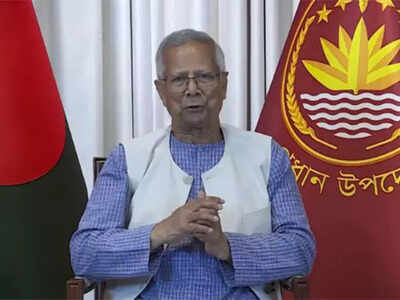
By Nitya Chakraborty The interim Chief Adviser of Bangladesh Government Dr. Muhammad Yunus has finally announced the holding of national elections in the country in the first half of April next year defying the demand of the main opposition party BNP to hold it in December this year. The final dates will be notified by […]

Business registration has officially opened for retail and food outlets wishing to participate in Season 30 of Global Village, with organisers announcing that entrepreneurs can now apply for stalls across a wide range of high-traffic zones, including the vibrant Road of Asia and the buzzing Global Bazaar. Global Village, one of Dubai’s most prominent cultural and commercial attractions, is preparing for its 30th season by calling on […]

A decisive £14.2 billion funding package has been confirmed to propel the construction of the Sizewell C nuclear power station and to seed the development of the country’s first small modular reactor fleet. The government asserts this marks a pivotal moment in reshaping the national energy landscape, targeting energy security, net‑zero goals, and economic growth through job creation and industrial benefits. Energy secretary Ed Miliband described the commitment as heralding […]

Security teams globally face mounting pressure as artificial‑intelligence‑driven “hackbots” emerge as a new front in cyber warfare. These autonomous agents, powered by advanced large language models and automation frameworks, are increasingly capable of probing systems, identifying exploits, and in some instances, launching attacks with minimal human intervention. Experts warn that if left unchecked, hackbots could rapidly outpace traditional scanning tools and elevate the scale of cyber threats. […]

Wipro has officially transferred its Middle East regional headquarters from Al Khobar to a new, upgraded facility in Riyadh, signalling an intensified drive to anchor itself in the Kingdom’s digital economy. Mohamed Mousa has been appointed Managing Director and Regional Head for the Middle East, steering Wipro’s regional operations from the new Riyadh base.

Vinay Firake, CEO for Asia Pacific, India, Middle East and Africa, described the move as a “reaffirmation of commitment to supporting the dynamic business landscape in the Kingdom of Saudi Arabia.” He added that Mousa’s leadership will “further advance our decades-long presence in the Middle East.”

The office, inaugurated during a high-profile ceremony attended by senior Wipro executives, staff, and clients, is part of an expanding regional footprint that already includes offices in Jeddah, Jubail, and Al Khobar.

Mohammed AlRobayan, Deputy Minister for Technology at the Ministry of Communications and Information Technology, highlighted the Riyadh move as a pivotal moment for the Kingdom’s digital ambitions, saying it “accelerates the growth of the Kingdom’s digital economy” and underlines Saudi Arabia’s appeal as a tech destination.

Furthering its strategic investment in Saudi human capital, Wipro signed a Memorandum of Understanding with Prince Mohammad Bin Fahd University to create a Centre of Excellence in Riyadh. This initiative targets hands‑on training in advanced technologies for Saudi nationals, promoting workforce readiness and helping bridge the gap between academic learning and industry demand.

Financial analysts note that the relocation aligns with Saudi Vision 2030’s objective to diversify the Kingdom’s GDP beyond oil revenues, with global tech firms increasingly anchoring themselves in Riyadh. The new headquarters offers both symbolic and practical leverage: proximity to major government stakeholders, enhanced networking opportunities, and the ability to attract public–private partnerships focused on digital transformation.

Experts acknowledge, however, that this strategy is not without challenges. Wipro must navigate intense competition from both global rivals and agile regional players, maintain cost competitiveness, and ensure the newly hired Saudi talent is integrated effectively into its global delivery model. A report by an independent business intelligence provider recently flagged uncertainties such as fluctuating revenue streams and the rigours of managing a complex international footprint.

Mousa succeeds Dalveer Kaur, who transitioned to Wipro’s global capability centre practice. Mousa’s track record includes leadership roles in regional IT consulting and digital services, with a specific focus on scaling operations and aligning with government-led digital ecosystems. His appointment is a strategic fit for Wipro’s goal of deepening ties with local institutions and sovereign-backed tech initiatives.

The Riyadh office, equipped with advanced infrastructure, is expected to house regional delivery centres and client‑management teams specialising in cloud, AI, digital engineering, cybersecurity and consulting services. These capabilities align with Wipro’s broader portfolio, which spans consulting, design, engineering and operations in both the public and private sectors.

Looking ahead, Wipro is expected to pursue further partnerships with Saudi universities and training institutions, potentially expanding the Centre of Excellence model to other al‑Majlis campuses. The company will also likely collaborate with government-backed innovation hubs and sovereign wealth funds eager to foster digital lanes within finance, healthcare, logistics, and energy sectors.

While Wipro optimises its capacity to support client transformation in the region, industry observers will monitor its ability to sustain growth amid macroeconomic volatility, emergent technologies and evolving client expectations. With Mousa at the frontline, the company aims to leverage its regional assets, integrated innovation initiatives and talent development programmes to embed deeper into the Kingdom’s digital ecosystem.

Amid global tensions and shifting supply‑chain dynamics, Wipro is banking on its regional pivot and local leadership to consolidate both government and enterprise relationships. Riyadh is increasingly viewed not only as a political capital but also as a digital-tech hub. Wipro’s investments in infrastructure, talent and strategic partnerships reflect that shift, aiming to position the firm at the centre of the Kingdom’s transformation agenda.

VISHNU RAJA
RYO YAMADA
HITORI GOTOH
IKUYO KITA
Just in:
11 Boutique Xinjiang Wineries to Debut in Singapore // China’s Taiwan warning tests Washington’s defence commitments // Microsoft outage leaves Outlook and Teams users disconnected // Fujairah highway pile-up leaves 14 dead and 30 injured // Crescent Enterprises venture arm funds Oyster Therapeutics development // China Reconciled To U.S. Curbs On Chips Exports, Woos South Korea For Supply // Microsoft apologises as Outlook services recover after outage // IEA forecasts fourth-quarter oil surplus as Gulf shipments rebound // TORRAS Launches Two New iPhone Duo Cases from Its Popular Ostand Series, Addressing Foldable Phone Users’ Concerns About Difficult Stand Positioning and Scratches // Inpex reaffirms Gulf oil strategy despite shipping constraints // Yicura BioMed Advances Dual Capital and Industrial Strategy: Completes First Closing of Series B Financing Led by Gobi Partners // October Food Price Shock Has Far Reaching Consequences // L’OCCITANE Celebrates 50 Years Of Provençal Craftsmanship With Holiday 2026 Collection // Sun World Ba Den Mountain marks Vietnam Culture Day, welcoming Cambodian visitors over Bon Om Touk // Hackers falsify NVIDIA GPU readings to mask cryptomining // Rooftop solar planning gaps behind power shortages // From Dubai to the EU: how UAE-based crypto firms can expand under MiCA // Electoral register gains 2.17 lakh voters // Salik posts Dhs1.045bn profit despite lower toll traffic // Saudi fund assets forecast to cross $400 billion //