Fairfax Lawmakers Clash Over Tysons Casino Bill

The debate surrounding a proposed casino and entertainment complex in Tysons Corner has intensified as a key piece of legislation moved forward in the Virginia Senate. On Tuesday, the Senate approved a bill that could pave the way for Fairfax County voters to decide whether they want the sprawling complex, with the proposal now inching closer to a county-wide referendum. The development, which would be a joint venture involving major stakeholders and significant investment, is seen as a potential economic boon for the region, but it has sparked division among local lawmakers and residents.
Proponents of the Tysons casino argue that it will bring substantial economic growth to Fairfax County. Supporters highlight the potential for job creation, increased tourism, and a substantial boost to the local economy through gaming revenue and entertainment options. They also contend that the complex would be a key component in transforming Tysons Corner into a vibrant, modern urban centre, further integrating it with the broader Washington D.C. metropolitan area.
However, the proposal has not been without its critics. Several lawmakers from Fairfax County have raised concerns about the social and environmental implications of bringing a casino to the area. Opposition groups argue that such a development could exacerbate issues such as gambling addiction, crime, and traffic congestion, potentially undermining the suburban character of Tysons.
Despite these concerns, the bill moved forward in the state Senate, with lawmakers voting in favour of allowing voters to decide in a referendum. The outcome of the vote in the Senate marks a crucial step in the ongoing debate, but the ultimate decision now lies with Fairfax County residents, who will have the opportunity to weigh in on the issue later this year.
Local officials who have supported the bill have pointed to examples from other parts of the United States, where casinos have been successfully integrated into urban centres. For instance, cities such as Detroit and Pittsburgh have seen revitalisation following the introduction of gaming facilities, with job creation and revenue generation cited as key successes. Moreover, proponents argue that a casino in Tysons would complement the area’s existing infrastructure, including the newly expanded metro system, making it accessible for residents across the region.
However, critics of the plan have expressed concerns about the broader impact on local communities. They argue that casinos often attract lower-income individuals who may struggle with gambling addiction, with long-term consequences for public health and safety. Some local residents have voiced concerns about the potential for increased crime, as casinos can sometimes attract criminal activity such as money laundering and organized crime. Additionally, opponents worry that the presence of a casino could alter the character of the area, shifting it from a family-friendly suburban enclave to a more commercialised and less residential district.
In response to these criticisms, advocates of the casino project have emphasised that safeguards would be put in place to mitigate potential negative impacts. The bill includes provisions for responsible gambling programs and measures to address crime and traffic issues, such as enhanced security and improved infrastructure. Proponents also argue that the economic benefits far outweigh the potential risks, with the promise of substantial revenue for the county and the state, as well as increased tourism and entertainment options for residents and visitors alike.


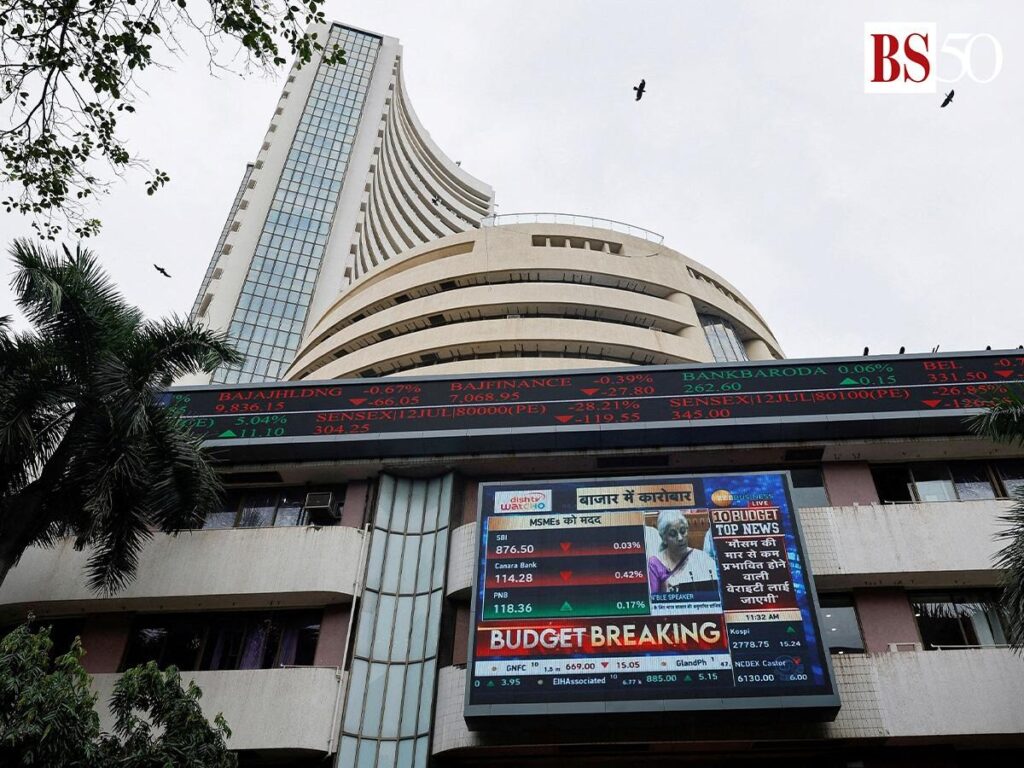 By Nantoo Banerjee It would be wrong to underplay the impact of rising foreign disinvestments from the country’s secondary market on the economy and the very stability of Indian Rupee (INR). Both the domestic economy and INR have been constantly under pressure from large deficit trade balances year after year, external borrowings, loan servicing, very […]


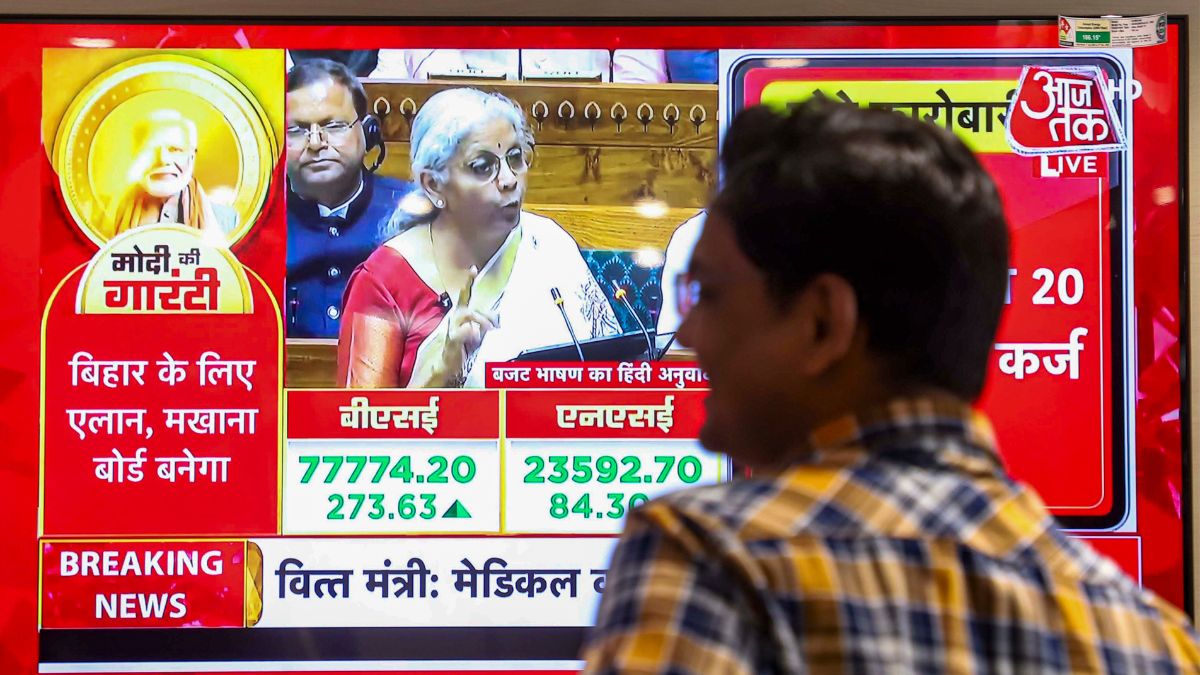
 By Dr. Gyan Pathak Union Minister of Finance Nirmala Sitharaman has emphasized on 100 per cent skilled labour with meaningful employment; 100 per cent quality, good school education; and access to quality, affordable and comprehensive healthcare as part of Vikasit Bharat initiative in her speech while presenting Union Budget 2025-26 on February 1. However, the […]
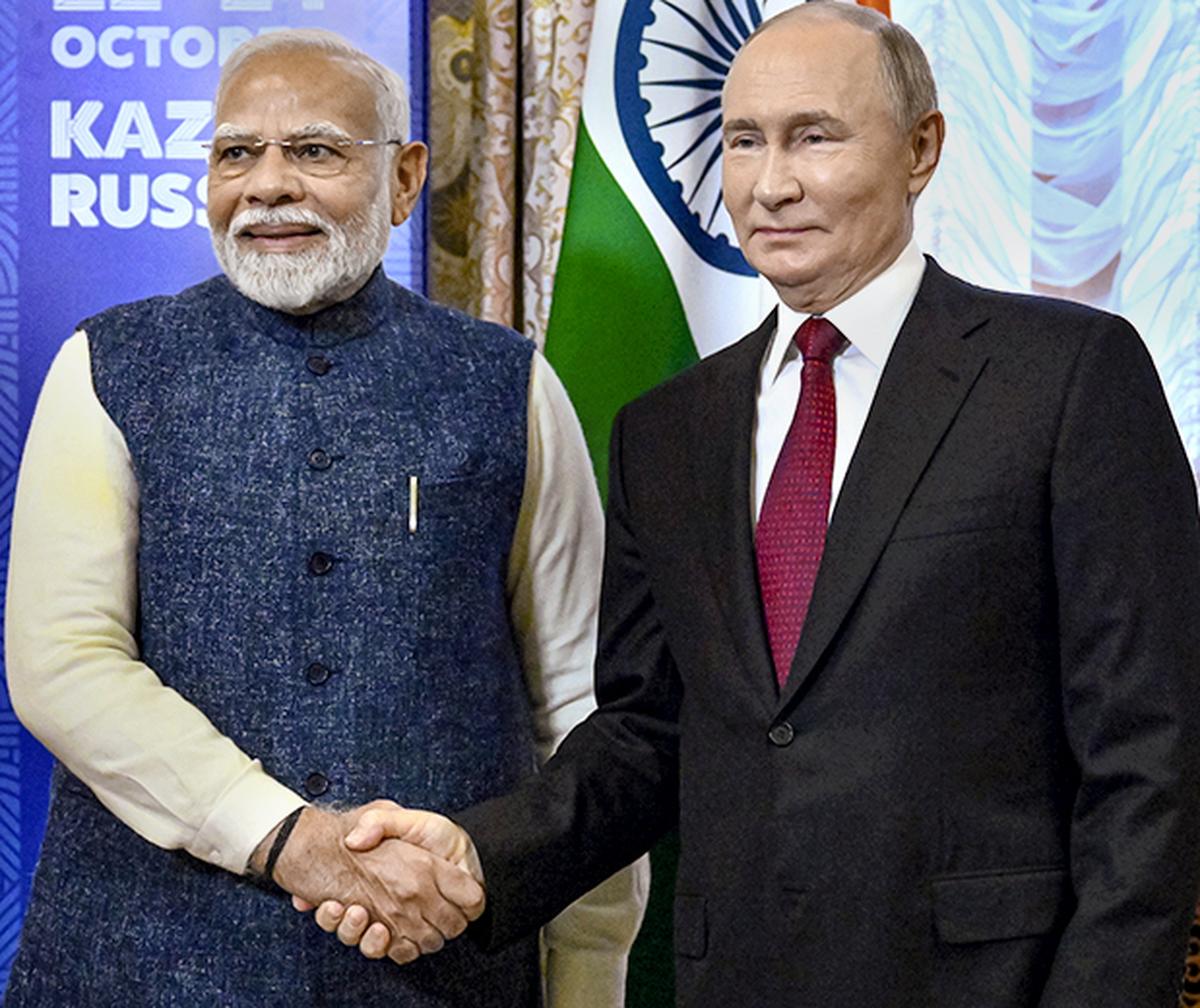
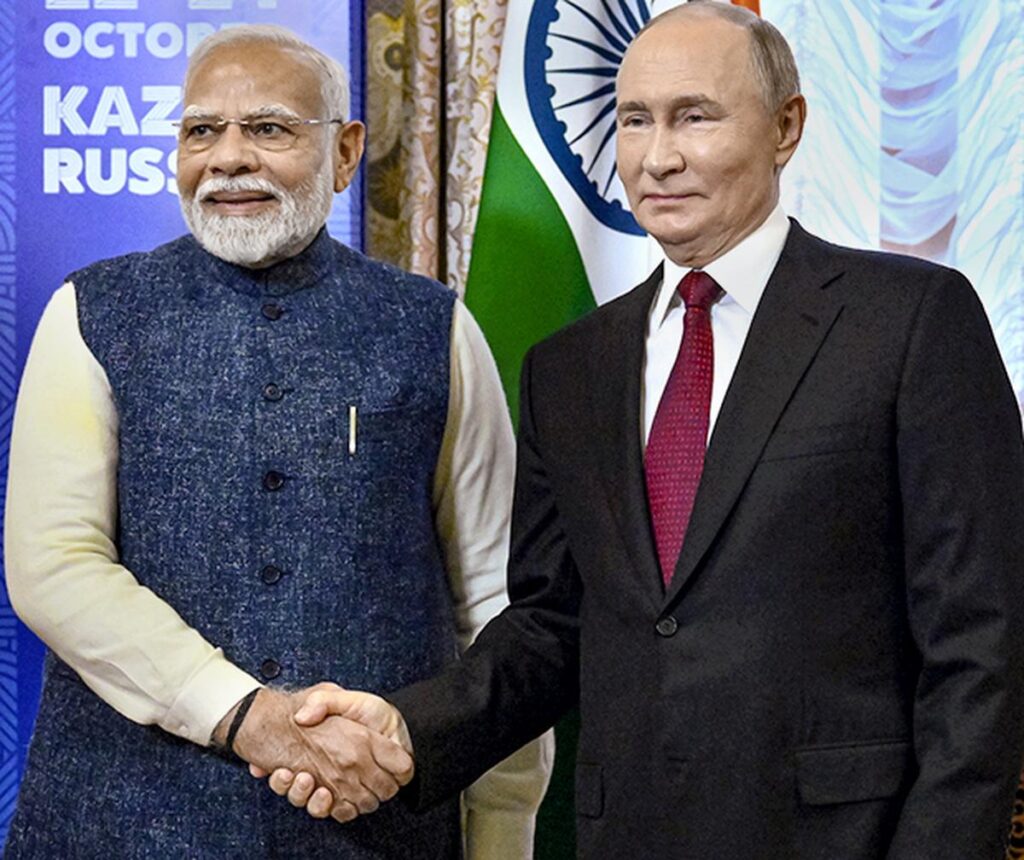 By Nitya Chakraborty What is happening to the proposed official visit of the Russian President Vladimir Putin to India early this year? Is the Prime Minister Narendra Modi’s invitation to the Russian President to visit India given at the BRICS summit at Kazan on October 22 still valid? Doubts are being raised about the visit […]


 By Nitya Chakraborty Narendra Modi government is due to present its second budget in the third term of the Modi regime on February 1 in an environment of domestic downturn in GDP growth along with global uncertainty in trade due to U.S. President Donald Trump’s disruptive trade and tariff programme. Latest official data show that […]