News related to
Program

Dubai’s employment landscape continues to attract job seekers from across Asia, Europe, and Africa, with South Asians among the most visible presence. From tax-free salaries to a safe, cosmopolitan lifestyle and fast-track digital governance, the emirate is steadily reinforcing its image as a global work destination with an accessible entry point for skilled professionals.

Dubai’s appeal is anchored in a combination of economic liberalism and aggressive infrastructure development, which has made the city one of the busiest hubs for aviation, logistics, finance, hospitality, and tech. For those seeking employment from outside the UAE, Dubai offers two main routes: applying for positions remotely, or entering on a short-term tourist visa with the hope of converting that stay into full-time employment. While the latter path involves risk and financial outlay, it remains the most widely taken route for candidates without existing work permits.

The city’s population is made up of nearly 90% expatriates, with professionals from India, Pakistan, the Philippines, Bangladesh, and the UK dominating several industries. Recruiters in Dubai confirm that demand remains steady for roles in sales, marketing, IT, logistics, real estate, engineering, healthcare, and hospitality. According to hiring trends tracked by regional recruitment firms, companies in free zone jurisdictions are particularly active, often targeting foreign candidates who bring sector-specific experience.

Dubai’s tax structure is a major driver of migration. With no personal income tax and a salary-based remuneration system, employees receive their full contracted pay without statutory deductions. This setup increases the net earnings of professionals, particularly those coming from high-tax jurisdictions. However, the city’s high cost of living — with real estate, private schooling, and transport costs — offsets some of the financial advantage, making proper salary negotiations crucial before signing contracts.

For prospective applicants based outside the UAE, the digital ecosystem built around Dubai’s employment market is an essential resource. Company career pages, job portals such as Dubizzle and Bayt, and professional networks like LinkedIn are widely used by HR departments and hiring managers. LinkedIn in particular has emerged as a preferred screening tool, where recruiters assess candidates’ professional branding even before calling for interviews. A well-structured profile featuring quantifiable achievements, skills endorsements, and updated CV attachments is now considered essential.

Recruitment agencies based in Dubai and in neighbouring countries also play an intermediary role. Many global firms with a presence in the UAE outsource their talent acquisition to specialist agencies. These agencies have formal tie-ups with employers to fill positions across levels, from blue-collar to senior management. In India, for instance, manpower firms with UAE licenses are regularly approached for hospitality, construction, medical, and logistics roles. Candidates approaching these agencies are advised to verify accreditation details and ensure the agency operates under UAE labour ministry guidelines.

A significant portion of those who eventually land jobs in Dubai do so by entering on a 60-day or 90-day visit visa. This visa allows job seekers to attend interviews, network with prospective employers, and explore options in person. While this method can be effective for confident candidates with solid credentials, the costs — including visa fees, accommodation, and living expenses — must be budgeted in advance. Moreover, there is no guarantee of securing employment during this window, making it a calculated gamble for many families.

An alternative is to enter Dubai on a student visa. Universities and training institutions in Dubai offer various professional development courses, and part-time work is permitted in certain free zone jurisdictions. While this route also involves significant upfront costs, it has become popular among young graduates aiming to break into the UAE market through education-led migration. However, strict visa compliance rules and limited working hours under student permits make it less appealing for mid-career professionals.

Once an individual secures a job offer, the employer typically initiates the work visa and residency sponsorship process. This includes submission of documents such as educational certificates, previous employment references, and medical fitness results. Once approved, a UAE resident permit is issued, which then allows the individual to bring in dependents under family sponsorship. The entire onboarding and visa stamping process usually takes two to four weeks, depending on the company’s internal HR process and jurisdiction.

Dubai’s strategic geographical position — within a 4-hour flight radius from major South Asian cities — adds another layer of practicality for job seekers. With only a two-hour time difference from India and Sri Lanka, many multinational firms operate regional back-offices or satellite centres in Dubai, recruiting bilingual and culturally adaptive professionals who can bridge operations between West Asia and South Asia.

Climate compatibility is another subtle advantage for those relocating from tropical or semi-arid regions. Temperatures and humidity levels, while extreme during peak summer months, mirror weather conditions in parts of South Asia and the Gulf, reducing the cultural adjustment curve for new migrants.

Safety and rule of law remain among the top reasons cited by working professionals and families relocating to Dubai. The UAE consistently ranks among the world’s safest countries, with low crime rates and a strong police presence. For women professionals and young students, this perception of security plays a pivotal role in relocation decisions.

Another factor contributing to Dubai’s growing job market is its economic diversification programme. With Vision 2030 and associated sectoral strategies, the city is investing in AI, clean energy, space technology, and digital banking. These emerging sectors have triggered a wave of high-skilled job openings, especially for engineers, data analysts, fintech specialists, and regulatory professionals. Start-up hubs like Dubai Internet City and Dubai Silicon Oasis are witnessing increased hiring, backed by funding incentives and incubator schemes.

However, competition remains high, with thousands of applications flooding each job posting. Recruiters advise applicants to focus on niche skills, international certifications, and sector-specific experience. A generic application or a poorly crafted CV has minimal chance of clearing the initial screening stage. Instead, candidates are urged to tailor their applications to each role, use keywords matching the job description, and attach short, results-oriented cover letters.

Thailand has initiated a pilot programme enabling foreign tourists to make purchases using cryptocurrencies in Phuket, marking a significant step in integrating digital assets into the nation’s tourism sector. The initiative, announced by Deputy Prime Minister and Finance Minister Pichai Chunhavajira, allows visitors to register their Bitcoin through Thai exchanges and verify their identities before transacting. A designated clearinghouse will convert these digital payments into Thai baht, ensuring that local merchants receive funds in the national currency and are insulated from cryptocurrency price volatility.

This pilot operates within Thailand’s existing legal frameworks, requiring no amendments to current laws. The government aims to enhance convenience for tourists and expand business opportunities in the tourism sector, a critical driver of the nation’s economy. Phuket, attracting up to 14 million tourists annually, serves as an ideal location for this trial.

The programme builds upon Thailand’s growing acceptance of cryptocurrency. In Kalasin’s Huay Phueng district, dubbed “Bitcoin Town,” over 80 businesses, including noodle vendors and tuk-tuk services, accept Bitcoin payments. This grassroots adoption demonstrates the potential for broader cryptocurrency integration across the country.

Former Prime Minister Thaksin Shinawatra has advocated for using Phuket as a “Bitcoin sandbox” for tourism, suggesting that Thailand is well-prepared to advance cryptocurrency initiatives compared to other Southeast Asian nations. He also proposed the issuance of a government-guaranteed stablecoin to increase economic liquidity and potentially boost GDP growth.

Despite these advancements, challenges remain. The Bank of Thailand has previously expressed concerns about the use of cryptocurrencies for payments, citing potential threats to financial stability. However, proponents argue that a carefully controlled pilot could attract new capital inflows and liquidity into Thailand’s economy.

Airbus and Tata Advanced Systems Limited have confirmed plans to establish a Final Assembly Line for the Airbus H125 helicopter in Kolar, Karnataka, marking the first privately-led helicopter manufacturing facility in India. This facility will become the fourth global production site for the H125, joining existing operations in France, the United States, and Brazil.

The H125, renowned for its versatility and performance, is expected to play a pivotal role in enhancing India’s civil aviation capabilities. With applications ranging from emergency medical services and disaster management to law enforcement and tourism, the helicopter is poised to address diverse operational needs. Its ability to operate in high-altitude and extreme environments, including a notable landing on Mount Everest, underscores its adaptability.

The decision to locate the assembly line in Karnataka was influenced by the state’s robust industrial infrastructure, skilled workforce, and supportive policies. The facility is anticipated to commence operations in 2026, with an initial production capacity of 10 helicopters annually, scalable based on demand.

This initiative aligns with the ‘Make in India’ programme, aiming to bolster domestic manufacturing and reduce reliance on imports. By producing the H125 locally, India seeks to meet its growing demand for helicopters, projected at 500 units over the next two decades, and position itself as a regional hub for aerospace manufacturing.

The collaboration between Airbus and TASL extends beyond this project, building on their partnership in the C295 military transport aircraft programme in Vadodara, Gujarat. This continued cooperation reflects a strategic commitment to developing a comprehensive aerospace ecosystem in India.

The H125 assembly line is expected to contribute significantly to the regional economy, creating employment opportunities and fostering technological advancements. It also represents a step forward in India’s efforts to enhance its capabilities in the aerospace and defence sectors through public-private partnerships.

SINGAPORE – Media OutReach Newswire – 27 May 2025 – Prudential Singapore (“Prudential”) has launched GenAI XPonential, a new programme in partnership with the Infocomm Media Development Authority (IMDA) to accelerate the adoption of Generative AI (GenAI) among small and medium-sized enterprises (SMEs). Unveiled by Senior Minister of State for Digital Development and Information, Mr Tan Kiat How, at ATxEnterprise – an Asia Tech x Singapore (ATxSG) […]

KUALA LUMPUR, MALAYSIA – Media OutReach Newswire – 27 May 2025 – Avenue K Shopping Mall is reaffirming its commitment to inclusivity, sustainability, and holistic well-being as core pillars of its community engagement. In today’s evolving urban landscape, Avenue K continues to be a vibrant hub where individuals of all backgrounds, interests, and abilities are welcomed and empowered—living out the mall’s tagline: “Make Friends, Create Trends.” The […]

Saudi Arabia’s premier travel company, Almosafer, has been appointed the first global travel agency partner of Hotel Management Company Adeera, a firm backed by the Public Investment Fund . The partnership is designed to bolster the Kingdom’s hospitality sector by integrating Adeera’s hotel brands into Almosafer’s expansive travel platforms, targeting both domestic and international travellers.

This collaboration aligns with Saudi Arabia’s Vision 2030, aiming to diversify the economy and enhance the tourism industry. By leveraging Almosafer’s digital reach and Adeera’s commitment to authentic Saudi hospitality, the alliance seeks to offer seamless booking experiences and promote the Kingdom’s cultural heritage to a global audience.

Muzzammil Ahussain, CEO of Almosafer, emphasized the significance of the partnership, stating, “Our expansive digital reach and integrated platforms make us the perfect partner to showcase PIF company Adeera’s authentic Saudi hospitality brand and services to the world.” He highlighted the goal of connecting travellers to the unique culture and heritage of Saudi Arabia through this initiative.

Stefan Leser, CEO of Adeera, echoed this sentiment, noting, “Saudi Arabia’s unique hospitality culture is an essential part of its identity and integral to the Kingdom’s ambitious tourism goals.” He expressed confidence that the partnership with Almosafer would further connect tourists to authentic Saudi hospitality that reflects the Kingdom’s unique culture.

Adeera, established by the PIF, aims to develop and manage hotel brands that embody Saudi Arabia’s rich hospitality traditions while adhering to global standards. The company focuses on creating homegrown hospitality brands and enhancing the capacity of the local sector through training and skills development programs in collaboration with international hospitality specialists.

Almosafer, a part of Seera Group, operates a comprehensive travel platform catering to various sectors, including consumer, corporate, and government travel. The company’s portfolio includes services for leisure and religious travel, offering a range of travel solutions from flight bookings to hotel reservations and local activities.

The partnership between Almosafer and Adeera is expected to play a pivotal role in promoting Saudi Arabia as a premier travel destination. By integrating Adeera’s hospitality offerings into Almosafer’s platforms, the collaboration aims to provide travellers with access to top-tier Saudi Arabian hospitality experiences.

The African Development Bank is convening in Abidjan, Côte d’Ivoire, this week to elect a new president, as the institution confronts significant financial pressures following proposed reductions in U.S. contributions. The U.S. government’s plan to decrease its support to the AfDB and its African Development Fund by $555 million presents a substantial challenge for the incoming president. The successor to President Akinwumi Adesina, who concludes his tenure […]

Advertisements

Strategy has acquired an additional 4,020 bitcoins for approximately $427.1 million, averaging $106,237 per coin. This purchase increases the company’s total holdings to 580,250 BTC, acquired for a cumulative $40.61 billion at an average price of $69,979 per coin.

The acquisition was funded through proceeds from the company’s ongoing at-the-market equity offering program. Strategy has been actively raising capital to expand its bitcoin reserves, reflecting its commitment to bitcoin as a primary treasury asset.

As of May 26, Strategy’s year-to-date bitcoin yield stands at 16.8%, indicating the company’s performance in increasing its bitcoin holdings relative to its share dilution. This metric is a key performance indicator used by the company to assess the effectiveness of its bitcoin acquisition strategy.

The company’s aggressive accumulation strategy has positioned it as the largest corporate holder of bitcoin, with its holdings representing a significant portion of the total bitcoin supply. Strategy’s approach underscores its belief in bitcoin’s potential as a long-term store of value and a hedge against inflation.

Bitcoin’s current market price is approximately $109,787, reflecting a 2.26% increase from the previous close. This price movement contributes to the valuation of Strategy’s bitcoin holdings, which now exceed $63.7 billion, yielding an unrealized gain of over $23 billion.

India’s early southwest monsoon arrival has offered welcome relief to farmers, but uncertainty remains over the precise timing, distribution, and intensity of rainfall across the country. Addressing this challenge, the Indian Meteorological Department has introduced a sophisticated weather prediction model aimed at enhancing agricultural planning and flood management, marking a significant step in the nation’s climate resilience efforts.

This new weather model, developed through collaboration between national scientific agencies and international partners, integrates high-resolution atmospheric data and advanced computational techniques to improve the accuracy of monsoon forecasts. The system utilises a blend of satellite observations, ground station measurements, and oceanic data to create detailed projections of precipitation patterns at the district and sub-district levels.

For decades, India’s reliance on the southwest monsoon has shaped the rhythms of its agriculture and economy. The monsoon typically accounts for about 70% of the country’s annual rainfall, influencing the sowing and harvesting cycles of key crops such as rice, wheat, and pulses. However, the monsoon’s unpredictability—often caused by complex interactions between land, sea, and atmospheric conditions—has posed significant risks to food security and rural livelihoods.

The new model aims to reduce these risks by providing farmers and policymakers with more reliable short-term and seasonal forecasts. By predicting rainfall onset, duration, and distribution more precisely, the system enables better crop planning, irrigation management, and disaster preparedness. For flood-prone regions, timely alerts could minimise damage to infrastructure and human settlements.

Experts note that the model’s improvements stem largely from advances in artificial intelligence and machine learning, which allow for the assimilation and analysis of vast datasets that traditional forecasting methods struggle to process. The enhanced resolution of the model—down to a 5 km grid in many areas—represents a leap forward from previous models that averaged conditions over much larger geographic scales.

Climate scientists have long warned that climate change is exacerbating the variability and intensity of monsoon rainfall. Erratic monsoon behaviour, including unseasonal droughts and heavy downpours, has led to crop failures and increased vulnerability among India’s predominantly agrarian population. This makes timely and accurate weather forecasting more critical than ever.

The IMD’s new model is also expected to support state governments in managing water resources amid shifting rainfall patterns. States such as Maharashtra, Karnataka, and Tamil Nadu, which have experienced acute water shortages in recent years, could use the improved forecasts to optimise reservoir operations and groundwater recharge programmes.

While the system’s rollout is a technological milestone, challenges remain in ensuring that the forecasts translate into actionable insights for farmers, many of whom have limited access to digital platforms. To bridge this gap, the government is intensifying efforts to expand rural connectivity and disseminate weather information through local language broadcasts, mobile alerts, and community outreach programmes.

In parallel, agricultural extension services are being trained to interpret the forecasts and advise farmers on adaptive strategies, such as adjusting sowing dates and crop varieties to anticipated rainfall. Private sector players, including agri-tech startups, are also integrating these forecasts into advisory services and precision farming tools.

The enhanced weather model complements other ongoing initiatives in India’s climate adaptation framework, including the National Adaptation Fund for Climate Change and state-level disaster management plans. By aligning improved meteorological insights with policy and grassroots actions, authorities hope to mitigate the adverse impacts of climate variability on millions of rural households.

International experts have lauded the development as a crucial example of how countries with diverse climatic zones can leverage data-driven approaches to manage complex weather phenomena. The Indian model’s ability to simulate monsoon dynamics across the Himalayas, Western Ghats, and the vast Indo-Gangetic Plain provides valuable insights into regional microclimates.

Air Arabia, the largest low-cost carrier in the Middle East and North Africa region, has entered a strategic partnership with Al Maryah Community Bank , the UAE’s pioneering fully integrated digital bank, to transform payment solutions for air travel bookings. The collaboration aims to streamline and enhance customer experience by integrating a dedicated payment platform using AE Coin, a digital currency developed within the UAE’s evolving fintech ecosystem.

The agreement represents a notable development in the aviation and financial technology sectors, aligning with broader efforts across the Gulf to digitize and modernize consumer transactions. Air Arabia’s expansive footprint across over 170 destinations and its growing digital adoption underscore the potential scale and impact of this partnership, while Mbank’s innovative banking infrastructure provides the technological backbone necessary for secure and efficient digital payments.

AE Coin, a digital asset issued under regulatory frameworks established by the UAE Central Bank, is designed to support seamless transactions, offering users a faster, more secure alternative to conventional payment methods. By incorporating AE Coin into the travel booking process, Air Arabia customers can now enjoy reduced transaction costs and enhanced payment speed, particularly beneficial for frequent flyers and cross-border travellers navigating currency exchange complexities.

This joint initiative aligns with the UAE’s vision of becoming a global hub for digital innovation, especially in fintech and blockchain technology applications. Authorities have actively promoted digital currencies as a means to foster economic diversification and financial inclusion, setting regulatory standards to encourage institutional adoption without compromising security or compliance. Air Arabia and Mbank’s collaboration is a direct manifestation of this vision, potentially setting a precedent for other airlines and banks in the region.

Beyond operational efficiency, the deal aims to provide a competitive edge to Air Arabia in the increasingly crowded low-cost airline market. The digital payment facility is expected to attract a broader demographic, including tech-savvy millennials and Gen Z customers who favour quick and convenient digital financial services. Mbank’s platform offers an intuitive user interface backed by advanced cybersecurity measures, ensuring transaction integrity and user privacy—a crucial factor in digital payment adoption.

Industry experts observe that this partnership could stimulate further innovation in travel-related financial products, such as loyalty programmes integrated with blockchain technology or smart contracts automating travel insurance claims and refunds. Given Air Arabia’s status as a trailblazer in the LCC market within the region, the integration of digital currency payments may drive more airlines to explore similar fintech collaborations to boost customer engagement and operational resilience.

The UAE’s fintech landscape has been expanding rapidly, supported by government initiatives like the Dubai Blockchain Strategy and Abu Dhabi’s financial free zones encouraging fintech startups and established institutions to experiment with digital currencies and payment systems. Al Maryah Community Bank has been at the forefront of this evolution, leveraging its digital-first banking model to offer innovative solutions that address gaps in traditional banking services, especially for younger, digitally native consumers.

The banking sector’s shift toward digital currencies is also influenced by the growing emphasis on cross-border remittances and e-commerce in the Gulf Cooperation Council economies. With millions of expatriates living and working in the UAE, seamless and cost-effective international payments are essential. AE Coin’s integration into travel payments potentially simplifies the complex landscape of foreign exchange and international fees, offering transparent, instant settlement.

Air Arabia’s move complements broader aviation industry trends where airlines increasingly seek to diversify revenue streams through ancillary services, including payment facilitation. Providing customers with alternative payment methods can enhance booking flexibility and reduce abandoned transactions, particularly in regions where credit card penetration remains variable.

Mbank’s leadership has highlighted the collaboration as a step toward building a future-ready banking environment that embraces emerging technologies and anticipates customer needs. Their approach includes ongoing investments in blockchain research and partnerships aimed at expanding the utility of digital currencies beyond conventional use cases.

Sceptics caution, however, that widespread adoption of digital currencies in mainstream commercial sectors faces hurdles such as regulatory uncertainty in some jurisdictions, fluctuating asset valuations, and the need for consumer education. Nevertheless, the tightly regulated environment of the UAE and its proactive approach to digital asset regulation mitigate some of these concerns, positioning this partnership as a test case for successful integration.

Air Arabia’s CEO emphasised that the move reflects a commitment to innovation and customer-centricity, stating that digital payment solutions are integral to the airline’s future growth strategy. The ability to offer fast, secure, and cost-effective payment options will enhance the overall travel experience and contribute to operational efficiencies.

Analysts note that this partnership signals a broader shift in the travel and banking sectors towards embracing digital ecosystems that reduce friction and enhance service delivery. The potential for scaling such solutions beyond air travel, into areas such as hotel bookings, car rentals, and travel insurance, could redefine consumer expectations in the region’s travel market.

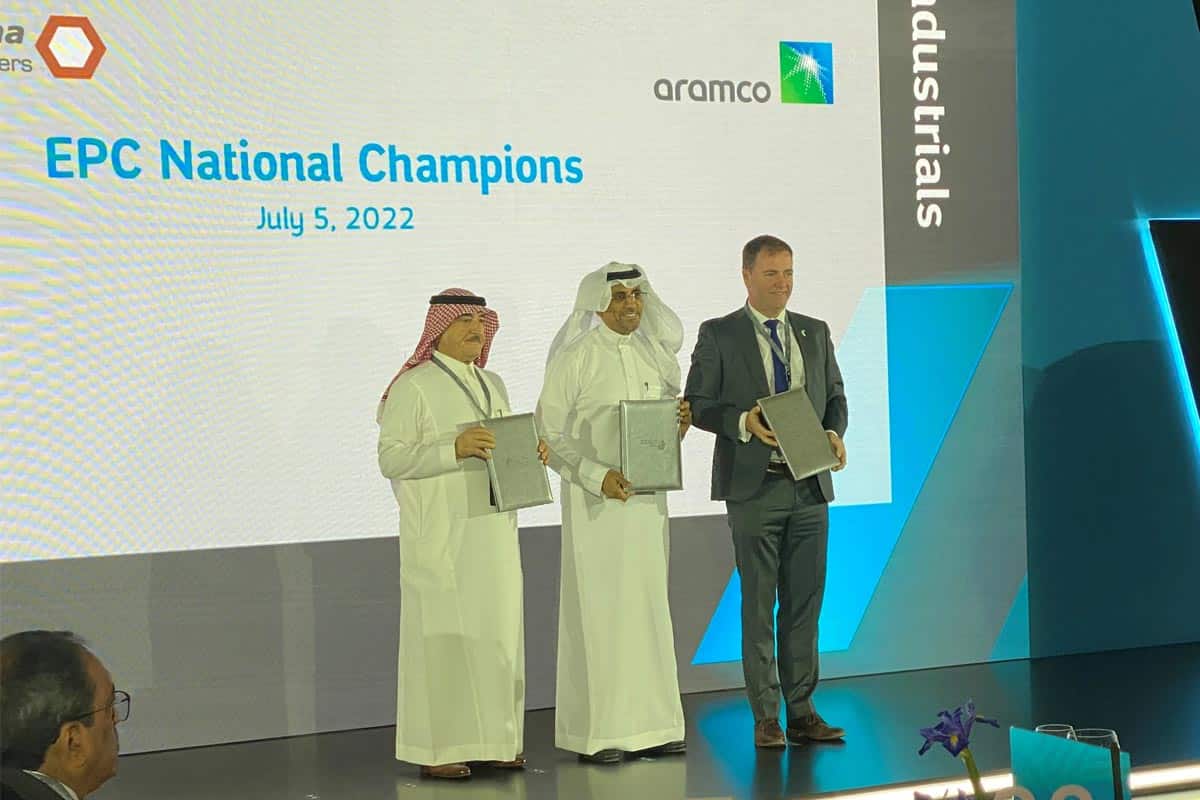
NesmaKent Energy Company , the joint venture between Saudi Arabia’s Nesma & Partners and the international engineering firm Kent, has secured a significant project management consultancy contract with Saudi Aramco. This contract marks a milestone for NKJV, positioning the partnership as a crucial player in the kingdom’s energy infrastructure development amid expanding ambitions in the energy sector.

The PMC contract involves comprehensive project oversight and management services for one of Saudi Aramco’s large-scale energy initiatives. NKJV’s responsibilities will span across planning, execution monitoring, quality control, cost management, and ensuring adherence to safety and environmental standards. This contract is part of Aramco’s broader strategy to engage specialised joint ventures that combine local expertise with international engineering standards, reinforcing Saudi Arabia’s Vision 2030 objectives to diversify and modernise its energy sector.

Nesma & Partners, well-established for its construction and engineering projects within the kingdom and region, has brought extensive local market knowledge and regulatory experience to the partnership. Kent, recognised for its global engineering and project consultancy portfolio, contributes advanced technical capabilities and international project management best practices. Together, the joint venture is expected to deliver high-quality consultancy services that meet Aramco’s stringent operational and environmental benchmarks.

The contract signals the growing trend among Saudi energy entities to engage collaborative partnerships that marry domestic strengths with foreign technological expertise. This aligns with the kingdom’s policy to increase localisation and private sector participation in mega projects. NKJV’s role as a PMC will extend beyond traditional supervisory functions, encompassing risk mitigation, technical advisory, and integration of innovative engineering solutions aimed at optimising project delivery and operational efficiency.

Saudi Aramco’s selection of NKJV follows a competitive tender process where multiple firms vied for the contract. The award underscores Aramco’s confidence in NKJV’s combined capabilities and track record. The project itself forms part of a wider portfolio of energy infrastructure investments by Aramco, which include enhancements in oil production facilities, downstream expansions, and renewable energy projects as the company transitions towards sustainable energy sources.

NesmaKent Energy’s contract exemplifies the shifting dynamics within the Saudi energy sector, where engineering consultancy and project management are gaining prominence as critical factors in successful project execution. The emphasis on specialised joint ventures highlights the kingdom’s commitment to leveraging cross-border partnerships to accelerate technological transfer and capacity building.

Industry experts note that the contract reinforces the strategic positioning of Nesma & Partners and Kent in the Middle East’s energy market. Nesma’s long-standing presence in Saudi Arabia has enabled it to navigate complex regulatory environments and develop robust relationships with government entities and private sector clients. Kent’s engineering pedigree, with a portfolio spanning oil and gas, petrochemicals, and infrastructure, complements Nesma’s regional experience with global standards.

The joint venture’s involvement in this Aramco project is expected to generate significant employment opportunities and skill development programmes in line with Saudi Arabia’s localisation agenda, known as Saudisation. NKJV plans to incorporate training modules and knowledge transfer frameworks to build local competencies in project management and engineering consultancy.

The energy project under NKJV’s management consultancy contract is critical to Aramco’s operational goals, encompassing upgrades to production capacity and the integration of advanced monitoring and control technologies. These developments are part of Aramco’s efforts to maintain its position as the world’s leading energy producer while adapting to evolving global energy demands and environmental regulations.

The scope of NKJV’s mandate also includes coordinating with multiple contractors, subcontractors, and regulatory bodies to ensure seamless execution. This requires a high level of technical expertise, project coordination skills, and compliance with international safety and quality certifications. NKJV’s approach reportedly emphasises sustainability and innovation, incorporating digital tools such as Building Information Modelling and real-time project analytics to enhance transparency and decision-making.

As Saudi Arabia intensifies its focus on energy diversification, including the expansion of renewable energy projects alongside traditional hydrocarbon investments, the expertise of joint ventures like NKJV will be crucial. Their ability to deliver complex projects efficiently and within budget will be pivotal in meeting the kingdom’s long-term strategic targets.

NesmaKent Energy’s success in securing this contract may open doors for further collaborations between Saudi and international firms in the energy consultancy sector. This contract reflects a broader trend of joint ventures becoming key conduits for technology transfer and knowledge exchange in the Gulf’s infrastructure and energy projects.

All 133 units of the Waldorf Astoria Residences Yas were sold out on launch day, generating AED 850 million in sales. This marks the first branded residential development on Yas Island, reflecting a significant demand for luxury living in Abu Dhabi.

Aldar Properties, the developer behind the project, reported that the swift sell-out underscores Yas Island’s growing appeal as a premier destination for both investors and residents seeking upscale living experiences. The development’s success is attributed to its prime location, waterfront views, and association with the Waldorf Astoria brand, known for its luxury and service excellence.

The residences, part of a broader strategy by Aldar to introduce iconic hospitality brands to Abu Dhabi, are situated near key leisure and entertainment attractions on Yas Island. This aligns with Aldar’s AED 1.5 billion investment programme aimed at transforming its hospitality portfolio to cater to the growing demand for premium experiences in the emirate.

The rapid sell-out of the Waldorf Astoria Residences Yas follows similar successes by Aldar, including the complete sale of Yas Riva, a luxury canal-front community, within 24 hours, generating over AED 1.4 billion in sales. These developments highlight the robust demand for high-end residential properties in Abu Dhabi, particularly among younger buyers and international investors.

The trend indicates a shift towards branded residences that offer not only luxurious accommodations but also a lifestyle associated with renowned hospitality brands. Aldar’s strategic partnerships with global brands like Waldorf Astoria and IHG’s Vignette Collection are central to this approach, aiming to enhance Abu Dhabi’s position in the global luxury real estate market.

Etihad Airways reported a profit of 685 million dirhams for the first quarter of 2025, marking a 30% increase year-on-year. This growth was attributed to robust demand and enhanced operational efficiency. Total revenue rose by 15%, supported by gains in both passenger and cargo business. Passenger revenue climbed 16% to 5.5 billion dirhams , bolstered by increased capacity, ongoing network expansion, and more frequent flights. The airline […]

Dubai has initiated a pilot programme to tokenise property ownership, marking a significant advancement in its property sector. The Dubai Land Department , in collaboration with Prypco, has launched the ‘Prypco Mint’ platform, enabling fractional property investments through blockchain technology. This initiative positions Dubai as the first city in the Middle East and North Africa region to implement a licensed platform for real estate tokenisation. The project […]

PHNOM PENH, CAMBODIA – Media OutReach Newswire – 26 May 2025 – Prince Holding Group’s Chairman Neak Oknha Chen Zhi has been named Entrepreneur of the Year in Cambodia 2025 by the World Business Outlook Awards. Additionally, the Group’s Chen Zhi Scholarship has received the Best Overall CSR Excellence in Cambodia 2025 award. Chairman Neak Oknha Chen Zhi, honored as “Entrepreneur of the Year in Cambodia 2025” […]

Union Minister Gajendra Singh Shekhawat is set to represent India at the BRICS Culture Ministers’ Meeting in Brasília on 26 May 2025. The gathering, hosted by Brazil under its current BRICS presidency, aims to bolster cultural cooperation among member nations—Brazil, Russia, India, China, and South Africa.

Shekhawat, who has held the portfolios of Culture and Tourism since June 2024, is expected to underscore India’s commitment to cultural diplomacy, heritage conservation, and fostering people-to-people exchanges. His participation aligns with India’s broader strategy to enhance multilateral cultural ties and promote its rich artistic heritage on the global stage.

The agenda for the meeting includes discussions on collaborative initiatives in performing arts, visual arts, literature, and the creative industries. Member countries will explore avenues for joint cultural projects that celebrate and preserve the diverse cultural identities within the BRICS bloc. India plans to advocate for inclusive cultural growth and enhanced multilateral cooperation within this framework.

In addition to the formal ministerial dialogue, the Indian delegation is scheduled to engage in bilateral meetings with counterparts from other BRICS nations. These discussions aim to expand cultural exchange programs, co-host festivals, and strengthen intergovernmental partnerships in the cultural sphere.

The BRICS Culture Ministers’ Meeting serves as a vital platform for fostering mutual understanding and cultural exchange among the five member countries. This year’s gathering emphasizes strengthening cultural cooperation, boosting institutional ties, and launching joint cultural projects that celebrate and preserve the diverse cultural identities within the BRICS bloc.

Red Hat Enterprise Linux and Rocky Linux are accelerating efforts to support the RISC-V architecture, signalling a significant shift in the enterprise Linux landscape. This development reflects the growing momentum behind RISC-V, an open-source instruction set architecture that is reshaping hardware innovation amid challenges in traditional chip supply chains and rising demand for customisable, energy-efficient computing. Red Hat, a subsidiary of IBM and a dominant force in […]

The surge in “vibe coding”—a term coined by AI researcher Andrej Karpathy to describe the practice of using AI to generate code based on natural language prompts—has introduced a new set of challenges for developers, particularly in debugging AI-generated applications. While this approach has democratized software development, allowing even non-programmers to create functional apps, it has also led to concerns about code quality, maintainability, and security. Vibe […]

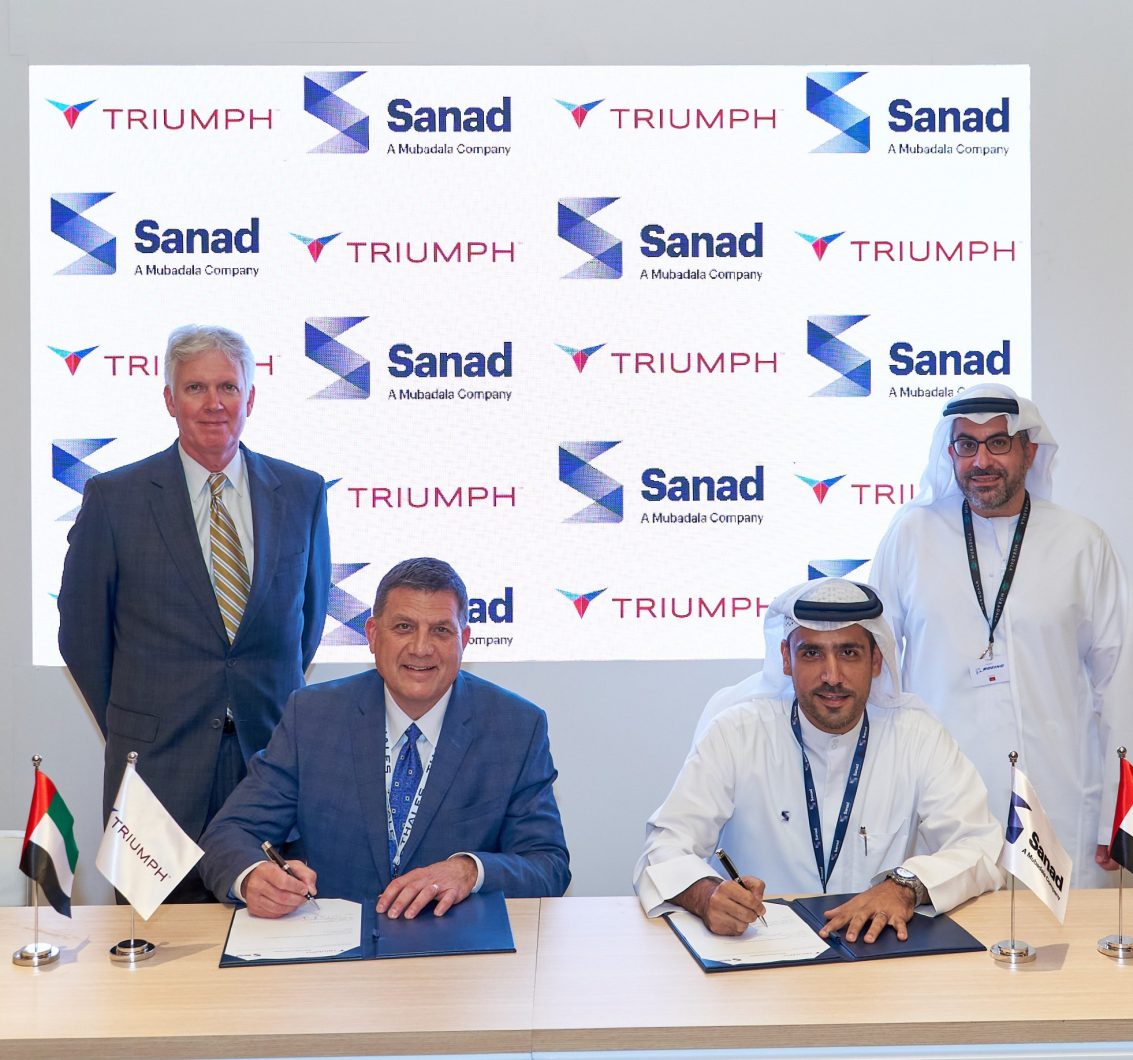
Sanad, a global aerospace engineering and leasing solutions provider wholly owned by Abu Dhabi’s Mubadala Investment Company, has partnered with GE Aerospace to bolster the UAE’s aerospace talent pool. This collaboration aims to address the projected surge in global demand for Maintenance, Repair, and Overhaul professionals, with the sector expected to reach $169 billion by 2037.

The partnership has led to the inauguration of the LEAP Engine MRO Center in Abu Dhabi, the first certified facility of its kind in the South Asia, Middle East, and North Africa region. This center is set to support over 450 LEAP-1A and LEAP-1B engines over an 11-year period, enhancing the UAE’s capabilities in servicing next-generation aircraft engines.

Sanad has invested over AED 100 million into its Abu Dhabi facility, expanding its state-of-the-art engine MRO capabilities. The center spans 5,000 square meters, contributing to a total of 30,000 square meters in Sanad’s Abu Dhabi campus. This expansion not only augments the company’s technical capabilities but also reinforces Abu Dhabi’s position as a leading global aviation hub.

The collaboration with GE Aerospace and Safran Aircraft Engines, formalized during the Paris Air Show in June 2023, has significantly expanded Sanad’s MRO services to include the new-generation CFM International LEAP-1A and -1B engines. These engines, powering Airbus A320neo and Boeing 737 MAX family aircraft, are recognized for their exceptional reliability and fuel efficiency.

Sanad’s LEAP Engine MRO Center began operations within a month of signing the agreement and successfully completed the MRO process on the first LEAP engine from flydubai just four months later. This rapid operationalization underscores Sanad’s commitment to excellence and speed in establishing state-of-the-art MRO capabilities.

The center is operated by a dedicated team of technical and engineering experts, utilizing cutting-edge MRO technologies. Sanad’s engineers and technicians have undergone intensive training programs with GE Aerospace, equipping them with the skills required for tasks such as Rotor Drive System and Inlet Gear Box quick turnaround, borescope inspection, and general familiarization.

This initiative not only ensures the operational efficiency of LEAP engines but also contributes to reducing the carbon footprint associated with transporting engines outside the region for maintenance. By providing in-country solutions, the partnership aligns with the UAE’s commitment to sustainability and operational efficiency.

The LEAP engine’s popularity has surged, with a backlog exceeding 10,000 engines, primarily due to its innovative design aimed at reducing carbon emissions in air transport. Sanad’s enhanced capabilities position it to meet the growing demand for MRO services for the LEAP engine, reinforcing Abu Dhabi’s status as a global aviation hub.

In addition to the LEAP Engine MRO Center, Sanad has expanded its global partnerships, including a strategic agreement with Airbus to provide MRO services for engines powering Airbus single-aisle and wide-body aircraft. This collaboration further solidifies Sanad’s position as a global partner of choice and a key player in the aerospace industry.

Sanad’s commitment to workforce development is evident in its focus on training and upskilling local talent. The company has established multi-tiered training programs to nurture local expertise, combining classroom training in aviation principles with hands-on experience in its facilities. This approach supports the UAE’s broader goals of economic diversification and the development of a knowledge-based economy.

Leading Educational Experts Convene at Knowledge Exchange Festival 2025 Navigating Collective Creative Futures through Arts Education HONG KONG SAR – Media OutReach Newswire – 24 May 2025 – To foster greater understanding and facilitate dialogue on creative teaching and learning among stakeholders in education and the arts, AFTEC, with funding from The Hong Kong Jockey Club Charities Trust, presents the Knowledge Exchange Festival on 23 – 24 […]

SINGAPORE – Media OutReach Newswire – 24 May 2025 – GoodCool Pte Ltd, an aircon contractor in Singapore, is marking its second anniversary with the launch of a new community engagement initiative. As part of its corporate social responsibility (CSR) initiatives, the company will provide volunteer-based air-conditioning services for selected households across Singapore. GoodCool Introduces CSR Initiative to Support Households in Singapore Community-Focused Support through Volunteer Service […]

Guinea’s media regulator concluded the “Forum on the Future of the Press,” an event aimed at revitalising the country’s media landscape. However, six prominent news outlets remain blocked, highlighting the ongoing challenges to press freedom under the military-led government. The Ministry of Information and Communications Technology revoked the broadcasting licences of FIM FM, Espace FM, Sweet FM, Djoma FM, Djoma TV, and Espace TV, citing “non-compliance with […]

A Strategic Partnership Accelerate New Industralisation and Microelectronics Development HONG KONG SAR – Media OutReach Newswire – 23 May 2025 – Hong Kong’s advanced manufacturing and microelectronics sector received a significant boost today with a three-year strategic partnership between Hong Kong Science and Technology Parks Corporation (HKSTP) and Würth Elektronik. Under this collaboration, Würth Elektronik —a global premier electronic components manufacturer with a R&D base at Hong […]

India’s Competition Commission has uncovered evidence suggesting that major global advertising agencies, including WPP-owned GroupM, Interpublic’s IPG Mediabrands, Publicis, and Dentsu, colluded to fix commission fees charged to advertisers. This revelation follows surprise raids conducted in March at the Indian offices of these agencies, as well as at the Indian Society of Advertisers , the Advertising Agencies Association of India , and the Indian Broadcasting and Digital Foundation .

A confidential CCI document dated February 7 indicates that these agencies engaged in unlawful coordination through WhatsApp groups and virtual meetings, agreeing on fee structures and pressuring non-compliant members. The investigation revealed three cartels across different industry groups, with agencies and broadcasters also accused of collectively avoiding discounts to clients. The case was initiated under a whistleblower program, with Dentsu reportedly providing internal findings of price-fixing along with a controversial 2023 IBDF-AAAI document that discouraged undercutting and required agencies to provide a “no objection” certificate if clients switched firms.

The CCI’s raids, which began early on March 18, targeted around 10 locations across Mumbai, New Delhi, and Gurugram. Officials scrutinized emails and cloned evidence from mobile phones at GroupM’s Indian office, among others. These actions come amid significant changes in India’s advertising market, following an $8.5 billion merger between Walt Disney and Reliance’s media assets, capturing a substantial market share. The investigation, which dates back to last year, focuses on alleged collusion on ad pricing and discounts. If found guilty, the agencies could face hefty penalties. The CCI does not disclose details of ongoing investigations, which could take months to resolve.

Following the raids, the AAAI issued an advisory on March 26, urging members to avoid discussions over pricing or other commercially sensitive information during meetings, and to exit existing WhatsApp groups to prevent further scrutiny. The advisory emphasized compliance with India’s competition laws to avoid further scrutiny.

The CCI’s investigation has significant implications for India’s $18.5 billion advertising market—ranked eighth globally—particularly amid ongoing consolidation such as Disney and Reliance’s $8.5 billion media merger. The outcome of the probe could redefine how advertising agencies, broadcasters, and advertisers interact in India’s rapidly evolving media landscape, at a time the industry is navigating challenges from digital disruptions and shifting consumer behavior.

VISHNU RAJA
RYO YAMADA
HITORI GOTOH
IKUYO KITA
Just in:
Electoral register gains 2.17 lakh voters // UAE crews sustain coastal oil removal as beaches reopen // TORRAS Launches Two New iPhone Duo Cases from Its Popular Ostand Series, Addressing Foldable Phone Users’ Concerns About Difficult Stand Positioning and Scratches // US authorities dismantle North Korean cryptocurrency deception infrastructure // IEA forecasts fourth-quarter oil surplus as Gulf shipments rebound // Sun World Ba Den Mountain marks Vietnam Culture Day, welcoming Cambodian visitors over Bon Om Touk // Woman found dead as bank moves to repossess home // Nvidia appoints Colette Kress interim chief after Huang departure // Messi affair SIT finds all-round violations // Crescent Enterprises venture arm funds Oyster Therapeutics development // Fujairah highway pile-up leaves 14 dead and 30 injured // The Honey Trap Is The Headline, The Chip Pipeline Is The Story // OpenAI unveils ChatGPT Wallet for agent-led purchases // Yicura BioMed Advances Dual Capital and Industrial Strategy: Completes First Closing of Series B Financing Led by Gobi Partners // From Dubai to the EU: how UAE-based crypto firms can expand under MiCA // Lego restores BrickLink marketplace after security investigation // Inpex reaffirms Gulf oil strategy despite shipping constraints // L’OCCITANE Celebrates 50 Years Of Provençal Craftsmanship With Holiday 2026 Collection // 11 Boutique Xinjiang Wineries to Debut in Singapore // Microsoft restores services gradually but gives no recovery deadline //