News related to
Program

Dubai Holding has announced the expansion of its ‘Gift It Forward’ initiative for Ramadan 2025, aiming to support over 10,000 low-income beneficiaries in Dubai. Building upon the success of its inaugural year, the programme focuses on promoting responsible consumption and fostering a circular economy by repurposing new, unused items into unique gifts.

The initiative collaborates with more than 20 partners, including the Community Development Authority and DHL Global Forwarding, to engage the community in sustainable giving. Volunteers participate in workshops centred on the United Nations Sustainable Development Goal 12, which emphasizes responsible consumption and production, empowering them to become sustainability advocates within their communities.

Huda Buhumaid, Chief Impact Officer at Dubai Holding, highlighted the programme’s dual focus: “Gift It Forward integrates environmental stewardship with social responsibility, aiming to enrich the lives of those who ensure our communities function seamlessly while encouraging sustainable behaviours.”

In its previous edition, the initiative successfully transformed over 123,000 new items—including clothing, homeware, and accessories—into personalized gift packages. These were distributed to more than 10,500 low-income individuals, underscoring the campaign’s commitment to waste reduction and community support. Over 300 volunteers from Dubai Holding and its partners actively participated, demonstrating a collective dedication to giving back and promoting sustainable practices.

The ‘Gift It Forward’ initiative aligns with the UAE’s 2025 Year of Community, seamlessly integrating into Dubai Holding’s Sustainability Strategy. By supporting UN SDG 12, the programme not only addresses environmental concerns but also fosters a culture of social responsibility through collaboration. This model of collective action exemplifies how rethinking resource utilization today can contribute to a better tomorrow.

SINGAPORE – Media OutReach Newswire – 24 February 2025 – The Institute of Singapore Chartered Accountants (ISCA) has signed a Memorandum of Understanding (MOU) with Xi’an Jiaotong-Liverpool University (XJTLU) in Suzhou, China, to establish pathways for students in China to pursue the Singapore Chartered Accountant Qualification (SCAQ). The newly-formed partnership marks the first collaboration with a university in China for ISCA, since the launch of its first […]

The American University of Sharjah’s College of Engineering has successfully renewed accreditation for its seven undergraduate programs through the Commission for Academic Accreditation of the UAE Ministry of Education. This achievement underscores the university’s commitment to maintaining high educational standards and providing quality engineering education in the region.

The accredited programs include Bachelor of Science degrees in Chemical Engineering, Civil Engineering, Computer Engineering, Electrical Engineering, Industrial Engineering, Mechanical Engineering, and Computer Science. This comprehensive accreditation ensures that each program meets rigorous academic and professional criteria, aligning with both national and international standards.

Dr. Susan Mumm, Chancellor of AUS, expressed pride in this accomplishment, stating that it reflects the university’s dedication to excellence in engineering education. She emphasized that such recognition not only enhances the institution’s reputation but also assures current and prospective students of the quality and relevance of their chosen programs.

The CAA serves as the UAE’s federal quality assurance agency for higher education, responsible for licensing institutions and accrediting academic programs. Its role is pivotal in ensuring that educational offerings in the country adhere to international best practices and equip graduates with the necessary skills and knowledge for their professional careers.

In addition to CAA accreditation, AUS’s engineering programs have also been reaccredited by the Accreditation Board for Engineering and Technology through September 30, 2030. ABET accreditation is a globally recognized endorsement that signifies a program’s adherence to quality standards essential for graduates entering the engineering profession.

Dr. Fadi Aloul, Dean of the College of Engineering, highlighted the significance of these accreditations, noting that they are a testament to the faculty’s dedication, the university’s robust curriculum, and the continuous efforts to align with industry advancements. He added that such achievements position AUS graduates competitively in the global job market.

The rigorous accreditation process involves comprehensive evaluations of program curricula, faculty qualifications, facilities, and institutional support. These assessments ensure that the programs not only meet academic standards but also effectively prepare students for the challenges of the engineering field.

Students and alumni have also expressed their satisfaction with the renewed accreditations. Many believe that graduating from accredited programs enhances their employment prospects and provides assurance to employers regarding the quality of education they have received.

GamerBoom, an AI-driven gaming data platform, has successfully raised $9 million in its latest funding round, elevating its total capital to $11 million. This infusion of funds is poised to accelerate the company’s mission to enhance gaming experiences through advanced data analytics and seamless Web3 integration.

The funding round attracted prominent investors, including NVIDIA, Solana, Bing Ventures, Mask Network, Digital Finance Group , and Jsquare. Their collective investment underscores a growing confidence in GamerBoom’s innovative approach to merging artificial intelligence with gaming data solutions.

Zino, the Chief Executive Officer of GamerBoom, expressed enthusiasm about the investment, stating, “This funding will enable us to scale our AI-driven gaming data solutions and unlock new opportunities for the Web3 gaming space.” The company aims to utilise the capital to refine its AI models, expand its suite of analytical tools, and broaden its reach within the gaming community.

GamerBoom’s platform functions as a data layer that integrates seamlessly with popular Web2 games, such as “League of Legends.” By employing AI-driven data tagging, the platform meticulously tracks in-game actions, transforming them into valuable insights. This process not only aids in training AI models but also rewards players through an innovative “Train-to-Earn” system, fostering a symbiotic relationship between gamers and developers.

The platform boasts nearly one million registered users, reflecting its growing popularity among both gamers and developers. By incentivising data labelling, GamerBoom ensures the continuous influx of high-quality, real-time gaming data, which is crucial for the development of responsive AI applications in the gaming industry.

Key features of GamerBoom include:

– Gamified Incentive Layer & AI Tagging: Enhances traditional gaming by rewarding players for completing specific tasks, while AI tagging converts in-game actions into tokenised assets.

– Broad Compatibility: Supports a wide range of PC and mobile games, allowing for effortless integration without necessitating significant changes to existing gaming setups.

– AI Agent-as-a-Service: Introduces AI agents that simplify blockchain interactions, such as wallet creation and cryptocurrency management, thereby making Web3 gaming more accessible to a broader audience.

– User-Friendly Interface: Offers a familiar user experience akin to platforms like Steam and Epic Games, facilitating easy adoption by gamers.

NVIDIA’s participation in the funding round is particularly noteworthy. As a leader in AI technology, NVIDIA’s backing is expected to bolster GamerBoom’s capabilities in delivering sophisticated gaming analytics. This partnership signifies a strategic alignment aimed at pushing the boundaries of AI-powered gaming solutions.

GamerBoom’s inclusion in Binance’s Most Valuable Builder Accelerator Program and its shortlisting for the Solana AI Hackathon further highlight its prominence in the AI gaming sector. These accolades reflect the company’s commitment to innovation and its potential to set new standards in the industry.

Looking ahead, GamerBoom plans to expand its ecosystem by introducing features such as an entry portal that enables users to create personalised gaming AI agents. This initiative will allow gamers to interact with intelligent virtual assistants, simultaneously contributing to the training and refinement of AI models.

Elon Musk’s AI chatbot, Grok 3, experienced a brief period during which it was programmed to exclude references to Musk and former President Donald Trump when responding to questions about prominent sources of misinformation. This incident has ignited discussions about potential biases and content moderation within AI systems. Users interacting with Grok 3 observed that when inquiring about individuals who disseminate misinformation, the AI’s internal reasoning—visible through […]

In a staggering blow to the cryptocurrency industry, Dubai-based exchange Bybit has fallen victim to a cyberattack resulting in the theft of approximately $1.5 billion in Ethereum tokens. This incident, occurring during a routine transfer between digital wallets, is now considered the largest digital heist in history.

The breach transpired as Bybit conducted a standard operation, moving assets from a cold wallet—offline storage designed to safeguard funds—to a warm wallet used for daily transactions. During this process, malicious actors manipulated the transfer, seizing control of the cold wallet and diverting 401,000 Ethereum tokens to an unidentified address. Blockchain analytics firms, including Arkham Intelligence, have traced the stolen funds, revealing that $1.36 billion in Ethereum was swiftly liquidated from associated accounts.

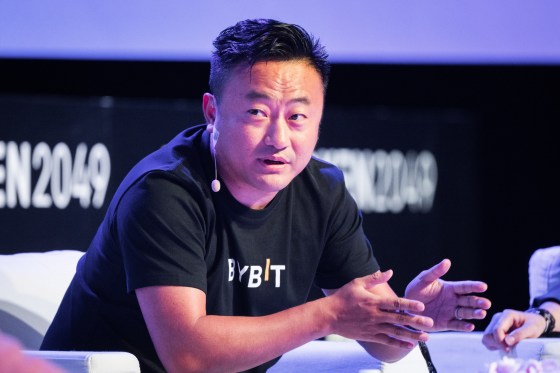
Bybit’s CEO, Ben Zhou, addressed the crisis, assuring clients that the exchange remains solvent and that all customer assets are backed on a one-to-one basis. He emphasized that unaffected wallets and withdrawal processes continue to operate normally. To mitigate the impact on users, Bybit has implemented bridge loans to cover any unrecovered funds and has launched a recovery bounty program, offering up to 10% of the reclaimed amount to ethical hackers assisting in the retrieval efforts.

The magnitude of this theft has prompted a surge in withdrawal requests, with over 350,000 submissions flooding the platform. While this influx has the potential to cause processing delays, Zhou noted that the rate of withdrawals has begun to decelerate. In response to the breach, Bybit is collaborating with law enforcement agencies and cybersecurity experts to trace the perpetrators and enhance its security infrastructure to prevent future incidents.

Speculation regarding the identity of the attackers has intensified, with some experts pointing towards North Korea’s notorious Lazarus Group. This collective has been implicated in previous high-profile cryptocurrency thefts, including the pilfering of $1.7 billion in 2022 and $800 million in 2024. While these allegations remain unconfirmed, the pattern of large-scale crypto heists attributed to state-sponsored actors raises significant concerns about the security of digital assets on global trading platforms.

In a related development, cybersecurity firm CertiK has identified another suspicious transfer involving approximately $49.5 million from an unverified Ethereum contract. The recipient address has been observed converting these funds into the stablecoin DAI. The community speculates that this incident may be connected to the Infini platform, a stablecoin digital bank, though official confirmation is pending.

These consecutive breaches underscore the vulnerabilities inherent in the rapidly evolving cryptocurrency landscape. As digital assets become increasingly mainstream, the imperative for robust security measures and regulatory oversight grows more pressing. The Bybit hack serves as a stark reminder of the potential risks investors face and the necessity for exchanges to implement stringent protective protocols to safeguard user funds.

In the wake of these events, the cryptocurrency market has experienced notable fluctuations. Ethereum’s value witnessed a temporary decline of approximately 4%, reflecting investor apprehension following the breach. Market analysts advise stakeholders to exercise caution and remain informed about security practices employed by exchanges to mitigate exposure to such risks.

Bybit’s commitment to reimbursing affected users and bolstering its security framework aims to restore confidence among its clientele. However, the broader implications of this unprecedented theft continue to reverberate throughout the digital currency ecosystem, prompting a reevaluation of security standards and the adoption of more resilient measures to combat the escalating threat of cyberattacks targeting cryptocurrency platforms.

As investigations proceed, the collaboration between cryptocurrency exchanges, cybersecurity firms, and regulatory bodies will be crucial in addressing the challenges posed by increasingly sophisticated cyber threats. The lessons gleaned from the Bybit incident are poised to inform future strategies aimed at fortifying the security of digital assets and ensuring the integrity of the burgeoning cryptocurrency market.

The Ministry of Communications and Information Technology has introduced a pioneering ‘Digital Skills Framework’ aimed at accelerating Qatar’s digital transformation. This initiative delineates 115 distinct digital competencies across 19 key domains, structured into four progressive proficiency levels. The framework is designed to enhance digital literacy and expertise within both public and private sectors, aligning with the nation’s Digital Agenda 2030 and the Third National Development Strategy.

The Digital Skills Framework serves as a foundational tool to standardize digital competencies across various industries in Qatar. By categorizing skills into beginner, intermediate, advanced, and expert levels, the framework provides a clear pathway for individuals and organizations to assess and develop their digital capabilities. This structured approach ensures that the workforce is equipped to meet the evolving demands of a digitally-driven economy.

In conjunction with the launch of the Digital Skills Framework, MCIT has established the ‘Digital Skills Working Group.’ This collaborative body comprises representatives from various government entities and aims to foster the development of digital skills nationwide. The working group is tasked with coordinating efforts to implement the framework effectively, identifying opportunities for digital upskilling, and addressing challenges related to digital competency development. Regular quarterly meetings are scheduled to ensure continuous progress and alignment with national digital strategies.

The introduction of the Digital Skills Framework and the formation of the working group are integral components of Qatar’s broader strategy to position itself as a leading digital economy. The Digital Agenda 2030 outlines key pillars, including the enhancement of digital infrastructure, promotion of digital innovation, and integration of smart technologies across various sectors. By focusing on these areas, Qatar aims to create a conducive environment for technological advancement and economic diversification.

In a significant move to bolster its digital transformation efforts, Qatar has entered into a five-year partnership with Scale AI, a San Francisco-based artificial intelligence solutions provider. This collaboration is set to deploy AI-powered tools and training programs to enhance government services. Scale AI will develop over 50 AI use cases tailored to Qatar’s governmental needs, incorporating predictive analytics, automation, and advanced data analysis. This initiative is expected to streamline operations and improve public service delivery, positioning Qatar at the forefront of AI integration in governance.

The partnership with Scale AI underscores Qatar’s commitment to leveraging cutting-edge technologies to drive national development. By integrating AI solutions into government operations, Qatar aims to enhance efficiency, reduce operational costs, and provide more responsive services to its citizens. This initiative also reflects a broader trend among Gulf nations to invest in artificial intelligence as a means to diversify their economies and reduce dependence on hydrocarbon revenues.

Qatar’s focus on digital transformation is further evidenced by its substantial investments in digital infrastructure. The Qatar Investment Authority has announced plans to merge Qatar National Broadband Network with Gulf Bridge International , aiming to create a national leader in telecommunications. This merger is expected to enhance the country’s digital and AI infrastructure, providing a robust foundation for future technological initiatives. Additionally, telecommunications company Ooredoo is expanding its regional data centers to meet the growing demand for AI applications, further solidifying Qatar’s position as a digital hub in the region.

Advertisements

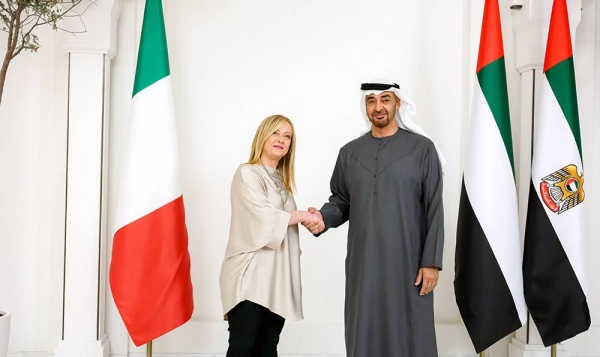
President Sheikh Mohamed bin Zayed Al Nahyan’s state visit to Italy has significantly bolstered the relationship between the United Arab Emirates and Italy. During a dinner banquet hosted by Italian President Sergio Mattarella, both leaders expressed their commitment to enhancing bilateral cooperation across various sectors.

President Mattarella welcomed Sheikh Mohamed and his delegation, highlighting the deep-rooted ties between the two nations and their mutual desire to further strengthen collaboration for the benefit of their peoples. In response, Sheikh Mohamed conveyed his appreciation for the warm reception and emphasized the strategic partnership’s ongoing growth. He noted that this visit reflects both countries’ aspirations to work together towards elevated cooperation and joint economic development.

A symbolic exchange of honors took place during the banquet. Sheikh Mohamed awarded President Mattarella the Order of Zayed, the UAE’s highest civilian honor bestowed upon world leaders. In return, President Mattarella conferred upon Sheikh Mohamed the Order of Merit of the Italian Republic, Italy’s highest accolade for foreign dignitaries.

The UAE delegation accompanying Sheikh Mohamed included Sheikh Abdullah bin Zayed Al Nahyan, Deputy Prime Minister and Minister of Foreign Affairs; Sheikh Hamdan bin Mohamed bin Zayed Al Nahyan, Deputy Chairman of the Presidential Court for Special Affairs; and Sheikh Mohammed bin Hamad bin Tahnoon Al Nahyan, Advisor to the UAE President. The Italian side was represented by several ministers, senior officials, and other dignitaries.

As Sheikh Mohamed’s aircraft entered Italian airspace, it was ceremoniously escorted by a squadron of Italian military jets, symbolizing the importance of this visit. This gesture underscores the mutual respect and the strengthening ties between the two nations.

The discussions between the leaders encompassed a wide range of topics, including investment opportunities, advancements in artificial intelligence, and cultural exchanges. Both countries are keen to explore collaborative ventures in these areas to foster innovation and economic growth.

Energy cooperation emerged as a focal point during the talks. The UAE’s Abu Dhabi National Oil Company and Italy’s energy giant Eni are expanding their partnership beyond traditional oil and gas sectors. Their collaboration now includes renewable energy projects, aligning with global efforts to transition towards sustainable energy solutions.

Defense and security were also prominent on the agenda. Italy’s Leonardo remains a key supplier to the UAE Armed Forces, and both nations are exploring avenues to deepen their defense cooperation. This includes potential joint ventures and knowledge exchange programs aimed at enhancing the capabilities of their respective armed forces.

Emerging sectors such as climate change mitigation, food security, and the space industry were identified as promising areas for future collaboration. Both countries recognize the importance of addressing global challenges through joint initiatives and are committed to working together to develop innovative solutions.

This visit follows Italian Prime Minister Giorgia Meloni’s diplomatic mission to Abu Dhabi, which took place approximately a month prior. During that visit, multiple cooperation agreements were signed, including a significant energy deal involving Albania. These developments signify a renewed vigor in UAE-Italy relations, moving beyond traditional frameworks to embrace broader regional and global partnerships.

Analysts suggest that the UAE-Italy relationship is evolving into a strategic alliance with the potential to influence regional dynamics. Both nations are positioning themselves as key players in the Indo-Mediterranean region, leveraging their economic and geopolitical strengths to foster stability and prosperity.

The leaders also discussed the possibility of developing trilateral and regional alliances, particularly focusing on Africa and East Asia. While Italy prioritizes Eastern Europe, the UAE maintains a strong focus on Africa, creating opportunities for strategic alignment and collaborative initiatives in these regions.

Qatar’s government has entered a five-year partnership with San Francisco-based Scale AI to integrate artificial intelligence into its public services. This collaboration aims to enhance operational efficiency and service quality across various government sectors.

The Ministry of Communications and Information Technology announced that the agreement focuses on deploying AI-powered tools such as predictive analytics, automation, and advanced data analysis. These technologies are expected to streamline government operations, making them more responsive and effective.

Over the next five years, Scale AI will develop more than 50 AI use cases tailored to Qatar’s governmental needs. Trevor Thompson, Scale AI’s global head of growth, emphasized the significance of this initiative, stating it “can be a blueprint for other governments around the world” and reflects a commitment to driving impactful change swiftly.

This move positions Qatar competitively in the regional race for AI leadership, especially amid similar advancements by neighboring countries like Saudi Arabia and the United Arab Emirates. The financial specifics of the deal have not been disclosed.

Founded in 2016, Scale AI specializes in providing accurately labeled data essential for training AI models. The company collaborates with major clients, including Microsoft and Morgan Stanley, to create and refine datasets that power various AI applications.

The partnership aligns with Qatar’s broader strategy to modernize its public sector through digital transformation. By integrating AI solutions, the government aims to improve service delivery, reduce operational complexities, and foster a more efficient administrative environment.

As part of the agreement, Scale AI will also offer training programs to develop the skills of Qatar’s national workforce. This initiative is designed to equip government employees with the necessary expertise to manage and sustain AI-driven systems, ensuring long-term success and self-reliance in technological operations.

The collaboration is expected to yield several benefits, including enhanced data-driven decision-making, improved public service responsiveness, and the creation of new opportunities within the tech sector. By embracing AI, Qatar aims to set a precedent for innovative governance in the region.

This development comes as part of Qatar’s ongoing efforts to diversify its economy and reduce reliance on hydrocarbon revenues. Investing in cutting-edge technologies like AI is a strategic move to build a knowledge-based economy and position the nation as a hub for technological innovation.

The successful implementation of AI solutions in government services could serve as a model for other nations seeking to modernize their public sectors. Qatar’s proactive approach demonstrates a commitment to leveraging technology for national development and improved quality of life for its citizens.

Dubai-based cryptocurrency exchange Bybit has successfully replenished its Ethereum reserves following a massive security breach that resulted in the theft of approximately $1.5 billion worth of Ether . CEO Ben Zhou announced that the exchange has “fully closed the ETH gap,” ensuring all client assets are backed 1:1.

The unprecedented hack occurred during a routine transfer from Bybit’s cold wallet to a warm wallet. Hackers exploited vulnerabilities in the process, gaining control of the cold wallet and siphoning 401,000 ETH to an unknown address. This incident is considered the largest cryptocurrency theft to date, surpassing previous records.

In response to the breach, Bybit took immediate action to secure its platform and reassure its users. The company collaborated with blockchain forensic experts to trace the stolen funds and launched a recovery bounty program, offering up to 10% of the recovered amount to ethical hackers assisting in the retrieval efforts. Despite the scale of the theft, Zhou emphasized that Bybit remains solvent, with unaffected wallets and withdrawals operating normally.

To address the shortfall caused by the hack, Bybit obtained approximately 446,870 ETH through a combination of loans, large investor deposits, and direct purchases. Notably, the exchange acquired 157,660 ETH from crypto investment firms Galaxy Digital, FalconX, and Wintermute via over-the-counter transactions. An additional $304 million in ETH was purchased through centralized and decentralized exchanges.

Bybit plans to publish a new audited proof-of-reserves report to verify that client assets are fully backed on a 1:1 basis. This move aims to restore user confidence and demonstrate the exchange’s commitment to transparency and security.

The hack has raised concerns within the cryptocurrency community, particularly regarding the potential involvement of North Korea’s Lazarus Group, a state-backed hacking organization known for previous cyberattacks on financial institutions. While blockchain analytics firms Arkham Intelligence and Elliptic have traced the hack to the Lazarus Group, official confirmation is still pending.

Following the incident, Bybit experienced a surge in withdrawal requests, processing over 350,000 transactions as users reacted to the news. The exchange assured customers that all assets are safe and that it has the necessary reserves to cover the losses.

This event highlights the ongoing security challenges faced by cryptocurrency exchanges. In 2024 alone, over $2.2 billion was stolen from crypto platforms, underscoring the need for robust security measures and industry-wide cooperation to combat cyber threats.

Bybit’s swift response and proactive measures to address the breach demonstrate its resilience and commitment to user security. As the exchange continues to enhance its security infrastructure, it remains focused on maintaining trust within the cryptocurrency community.

The broader market impact of the hack has been relatively contained. Ethereum’s price experienced a temporary decline of approximately 4% following the news but has since shown signs of recovery. Analysts attribute this resilience to the prompt actions taken by Bybit and the overall maturity of the cryptocurrency market.

As investigations continue, the incident serves as a stark reminder of the importance of security in the rapidly evolving digital asset landscape. Exchanges and users alike are urged to remain vigilant and adopt best practices to safeguard against potential threats.

Bybit’s efforts to restore its reserves and enhance security protocols are steps toward reinforcing trust and stability in the cryptocurrency ecosystem. The exchange’s commitment to transparency and user protection will be closely monitored by industry stakeholders in the coming months.

In the aftermath of the hack, Bybit has also engaged with international law enforcement agencies to aid in the investigation and potential recovery of the stolen funds. The collaboration aims to bring the perpetrators to justice and deter future attacks on cryptocurrency platforms.

While the incident has undoubtedly posed significant challenges, Bybit’s decisive actions reflect a broader industry trend toward strengthening security measures and fostering a culture of accountability. As the cryptocurrency sector continues to grow, such incidents underscore the critical need for continuous improvement in safeguarding digital assets.

Bybit’s experience serves as a case study for other exchanges, highlighting both the vulnerabilities inherent in digital asset management and the effective strategies that can be employed to mitigate risks and protect user interests.

H5 Data Centers, a prominent wholesale data center operator, has announced a strategic partnership with DE-CIX, the world’s leading neutral Internet Exchange operator, to enhance digital connectivity in San Antonio. This collaboration designates the San Antonio Internet Exchange as the inaugural participant in DE-CIX’s Turnkey Connectivity Partner program, enabling seamless and low-latency connections between San Antonio and Dallas without the need for third-party transport solutions or additional […]

HONG KONG SAR – Media OutReach Newswire – 24 February 2025 – Generali Hong Kong continues to lead efforts in Diversity, Equity, and Inclusion (DE&I) through its continued commitment to fostering an inclusive workplace and promoting understanding and respect across the broader community. Reflecting its mission to be a “Lifetime Partner”, these efforts highlight the company’s dedication to driving positive impact. Generali Hong Kong champions inclusion with […]

SINGAPORE – Media OutReach Newswire – 24 February 2025 – British Council Singapore celebrated the achievements of exceptional UK alumni at the Study UK Alumni Awards 2025, held at The Fullerton Hotel Singapore, on 20 February. This flagship event honours individuals who have leveraged their UK education to make significant contributions to their professions, communities and societies. British Council Singapore Honours Outstanding UK Alumni at the Study […]

Electronic Health Record interoperability is fundamentally transforming telehealth services, enhancing patient care, and streamlining healthcare delivery. By enabling seamless data exchange across various healthcare platforms, interoperable EHR systems provide clinicians with comprehensive patient information, thereby improving diagnostic accuracy and treatment efficacy.

The integration of EHR systems with telehealth platforms offers numerous benefits. Healthcare providers gain access to a unified and holistic view of patient data, which streamlines workflows and reduces administrative burdens. This integration ensures that patient information is accurate and readily accessible, facilitating informed decision-making and minimizing the risk of medical errors.

Interoperability ensures the smooth transmission and utilization of patient data across multiple healthcare systems and platforms. It breaks down barriers that previously hindered the seamless flow of information between healthcare providers, hospitals, pharmacies, and other stakeholders. By enabling the sharing of data, interoperability maximizes the potential of EHRs, transforming them into a powerful tool for enhancing patient care.

Studies have demonstrated that telehealth programs, when paired with the appropriate EHR systems, enhance access to care, increase patient satisfaction, and reduce medical expenditures. By improving clinician experience, integrated systems contribute to achieving the quadruple aim of healthcare: enhancing patient experience, improving population health, reducing costs, and improving the work life of healthcare providers.

However, the rapid expansion of telehealth has also highlighted challenges within its infrastructure, such as licensing for doctors to practice across state lines and insurance issues related to virtual care coverage. These challenges underscore the need for robust interoperability solutions to ensure that telehealth services are efficient, effective, and accessible.

In response to these challenges, healthcare organizations are increasingly adopting interoperable EHR systems to facilitate seamless data exchange. This adoption not only improves patient care but also enhances operational efficiency, allowing healthcare providers to focus more on patient care rather than administrative tasks.

A massive security breach at cryptocurrency exchange Bybit has resulted in the theft of approximately $1.4 billion in Ethereum , marking one of the largest heists in the digital currency sector to date. The incident has ignited a contentious debate within the Ethereum community regarding the feasibility and ethics of implementing a blockchain rollback to recover the stolen assets.

Bybit disclosed that during a routine transfer between digital wallets, an attacker managed to exploit the process, diverting the substantial sum to an unidentified address. Despite the significant loss, CEO Ben Zhou assured users that the platform remains solvent and that customer funds are secure. However, he cautioned that withdrawal requests might experience delays as the company addresses the breach.

In response to the theft, prominent figures in the cryptocurrency space have proposed drastic measures. Arthur Hayes, co-founder of BitMEX, suggested rolling back the Ethereum blockchain to invalidate the illicit transaction. He referenced the 2016 DAO hack, where a similar rollback was executed, stating, “ETH stopped being a form of money in 2016 after the DAO hack hard fork. If the community is willing to do it again, I would support it.”

Samson Mow, CEO of JAN3, echoed this sentiment, advocating for the creation of a new Ethereum token, “ETHNK,” to prevent the stolen funds from benefiting North Korea, the suspected perpetrator behind the hack. Mow emphasized the potential geopolitical ramifications, suggesting that allowing the hackers to retain the funds could lead to regulatory scrutiny and sanctions against Ethereum.

Despite these calls for intervention, Ethereum’s core developers have dismissed the idea of a rollback. Tim Beiko, a prominent Ethereum developer, described the proposal as “technically intractable,” highlighting the complexities and potential unintended consequences of such an action. He explained that the interconnected nature of Ethereum’s blockchain, coupled with the myriad on-chain and off-chain transactions, makes reversing the chain a formidable challenge.

The broader Ethereum community has also expressed resistance to the rollback idea. Many argue that altering the blockchain undermines the principles of immutability and decentralization that are foundational to Ethereum and other cryptocurrencies. Critics contend that setting a precedent for reversing transactions could erode trust in the network and open the door to future manipulations.

In the aftermath of the hack, Bybit has initiated several measures to address the situation. The exchange is collaborating with law enforcement agencies and blockchain analytics firms to trace the stolen funds. Additionally, Bybit has announced a bounty program, offering rewards to individuals who provide information leading to the recovery of the assets.

The incident has also had immediate repercussions on the cryptocurrency market. Ethereum’s price experienced a decline of approximately 7% following the news of the hack, reflecting investor concerns over security vulnerabilities within the ecosystem. Market analysts suggest that such events could prompt tighter regulatory scrutiny and potentially influence future policy decisions regarding digital assets.

This event serves as a stark reminder of the persistent security challenges facing the cryptocurrency industry. As exchanges and platforms continue to evolve, the balance between maintaining decentralization and implementing protective measures remains a critical and ongoing debate.

Gulf Craft, a prominent yacht and boat manufacturer, has entered into a partnership with the Dubai Institute of Design and Innovation to advance innovation and nurture talent within the maritime industry. This collaboration, formalised during the Dubai International Boat Show on February 21, 2025, marks the third consecutive year the two institutions have joined forces. The agreement was signed at Gulf Craft’s stand on the second day […]

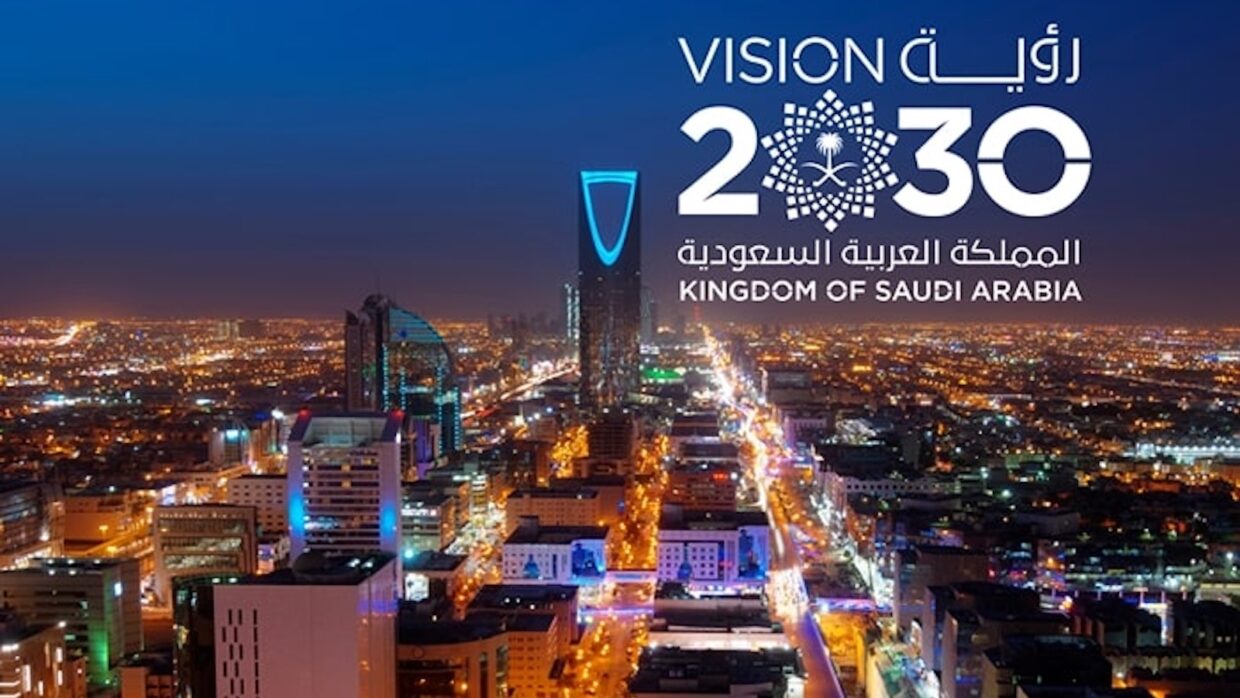
Saudi Arabia has rapidly become a pivotal player in the Gulf Cooperation Council’s private equity sector, driven by strategic reforms and its ambitious Vision 2030 agenda. Over the past five years, the Kingdom’s private equity investments have experienced remarkable growth, escalating from $523 million in 2019 to $4 billion in 2023, reflecting a compound annual growth rate of 66%. This surge underscores Saudi Arabia’s commitment to creating an investor-friendly environment that appeals to both domestic and international stakeholders.

A significant factor contributing to this expansion is the dominance of buyout transactions, which have consistently constituted approximately 80% of the total private equity capital deployed in the country. This trend indicates a robust market for mergers and acquisitions, aligning with the nation’s objectives to diversify its economy and reduce reliance on oil revenues. Additionally, growth equity investments are gaining momentum, supporting mid-sized companies poised for expansion and further stimulating economic diversification.

The Kingdom’s strategic initiatives, particularly the Shareek Program launched in 2021, play a crucial role in this transformation. Designed to bolster large Saudi enterprises, Shareek aims to accelerate private sector investments, fostering economic development and enhancing the global competitiveness of Saudi businesses. By facilitating partnerships between the public and private sectors, the program seeks to unlock new investment opportunities and drive sustainable growth.

Sector-wise, technology and infrastructure have emerged as focal points for private equity investments. The government’s emphasis on digital transformation and smart city projects has attracted substantial capital, leading to advancements in these areas. For instance, the development of NEOM, a futuristic city envisioned under Vision 2030, exemplifies the type of large-scale infrastructure projects drawing investor interest. Such initiatives not only modernize the nation’s landscape but also create a plethora of opportunities for private equity firms seeking to capitalize on the burgeoning demand for innovative solutions.

In tandem with these developments, Saudi Arabia’s Public Investment Fund has been instrumental in anchoring foreign investments within the Kingdom. By collaborating with international asset managers and financial institutions, PIF aims to attract $100 billion in annual foreign direct investments by 2030. Notable partnerships include a $2 billion Middle East infrastructure fund with Canadian asset manager Brookfield and agreements with Japanese financial entities, reflecting the Kingdom’s strategic approach to integrating global expertise and capital into its economic framework.

However, the rapid evolution of the private equity landscape is not without challenges. Proposed changes by the Accounting and Auditing Organization for Islamic Financial Institutions could introduce complexities in the Islamic debt market, potentially affecting transaction structures and investor appeal. The new rules mandate issuers of Islamic bonds to transfer legal ownership of underlying assets to investors, aiming for closer adherence to Islamic principles of risk-sharing. While intended to enhance compliance, these changes may increase transaction costs and deter investment if not managed adeptly.

Liquidity concerns persist, particularly in sectors with less mature market infrastructures. The developing nature of the private equity and venture capital ecosystems necessitates continuous efforts to deepen capital markets and enhance investor confidence. Initiatives to address these issues include the maturation of Saudi Arabia’s stock market, which is progressively offering more exit avenues for private equity investments, thereby improving liquidity and attracting further capital inflows.

The Kingdom’s proactive stance in privatizing state-owned assets across various sectors, such as energy, infrastructure, healthcare, education, tourism, and entertainment, has unlocked vast opportunities for both local and international investors. With investments now exceeding $50 billion, these privatization efforts signify a pivotal shift in Saudi Arabia’s economic landscape, promoting private sector involvement and fostering a more dynamic investment climate.

In the realm of sports and entertainment, Saudi Arabia has made significant strides, exemplified by its $1 billion investment in DAZN, a sports streaming service owned by billionaire Sir Leonard Blavatnik. This strategic move not only amplifies the Kingdom’s presence in the global sports industry but also aligns with its broader objectives to diversify the economy and enhance its international image. The collaboration aims to broadcast Saudi sports and events to over 200 markets, showcasing the nation’s commitment to expanding its cultural and entertainment footprint worldwide.

Casino aesthetics have profoundly influenced contemporary art and culture, extending beyond the gaming floors into various creative domains. The vibrant visuals, architectural grandeur, and thematic elements of casinos have become significant sources of inspiration for artists, designers, and cultural institutions worldwide.

The architectural evolution of casinos, particularly in Las Vegas, exemplifies this impact. In the early 2000s, a shift from replica-themed designs to modern art and architecture transformed the city’s landscape. Prominent architects like Helmut Jahn, Daniel Libeskind, and César Pelli were commissioned to create trendy tower casinos, aiming to attract visitors through innovative design. The CityCenter complex, for instance, showcases contemporary art installations and structures that have redefined the traditional casino image. This movement, termed “Casinopolitanism,” has influenced urban development in cities like Macau and Singapore, which have adopted similar approaches to integrate art and architecture into their casino resorts.

Artists have also drawn inspiration from casino culture, incorporating its elements into various art forms. Photographer Adam Lampton’s work in Macau captures the juxtaposition of colonial history, Chinese traditions, and modern casino-driven capitalism. His images document the rapid transformation of Macau into a gambling hub, highlighting the contrasts between grand-scale casino projects and the city’s quieter residential neighborhoods. Similarly, Las Vegas-based artist James Stanford creates digital montages that reinterpret historic neon signs into complex mandala patterns, blending traditional symbols with contemporary digital art techniques. His “Shimmering Zen” series exemplifies how casino imagery can be reimagined to produce new artistic expressions.

The interior design of casinos further exemplifies the fusion of art and environment. The Cosmopolitan of Las Vegas, for example, integrates art throughout its premises, featuring graffiti by artists like Shepard Fairey and installations such as Roark Gourley’s giant shoe sculptures. These artistic elements enhance the ambiance, creating immersive experiences that extend beyond gambling. The resort’s artist-in-residence program and digital art displays in its lobby further emphasize the role of art in enriching the visitor experience.

Casino aesthetics have also permeated popular culture, influencing fashion, film, and music. The opulent and glamorous imagery associated with casinos has been portrayed in numerous films and music videos, symbolizing luxury, risk, and excitement. This portrayal has, in turn, influenced fashion trends, with designers drawing inspiration from the lavish costumes and vibrant colors typical of casino settings. The integration of casino-inspired elements into mainstream media underscores the cultural significance of casino aesthetics in shaping contemporary art and lifestyle.

By Girish Linganna US President Donald Trump has raked up a hornets’ nest in New Delhi by claiming that $21 million in US aid to India—from the United States Agency for International Development (USAID), an independent US government agency responsible for administering civilian foreign aid and development assistance, approved earlier by Joe Biden, was used […]

President Donald Trump has executed a significant overhaul of the U.S. military’s top leadership, dismissing Air Force General Charles Q. Brown Jr., the Chairman of the Joint Chiefs of Staff, along with five other senior military officials. This move, announced late Friday, marks an unparalleled shift within the Pentagon’s hierarchy. General Brown, who made history as the first African American to serve as the nation’s highest-ranking military […]

SHANGHAI, CHINA – Media OutReach Newswire – 21 February 2025 – In the Financial Times‘ 2025 global ranking of MBA programmes, CEIBS has once again been named #1 in Asia, marking nine consecutive years as the highest ranked programme in the region on the internationally authoritative list. The programme was ranked #12 globally. This accomplishment demonstrates the robustness and enduring quality of our programme in a climate […]

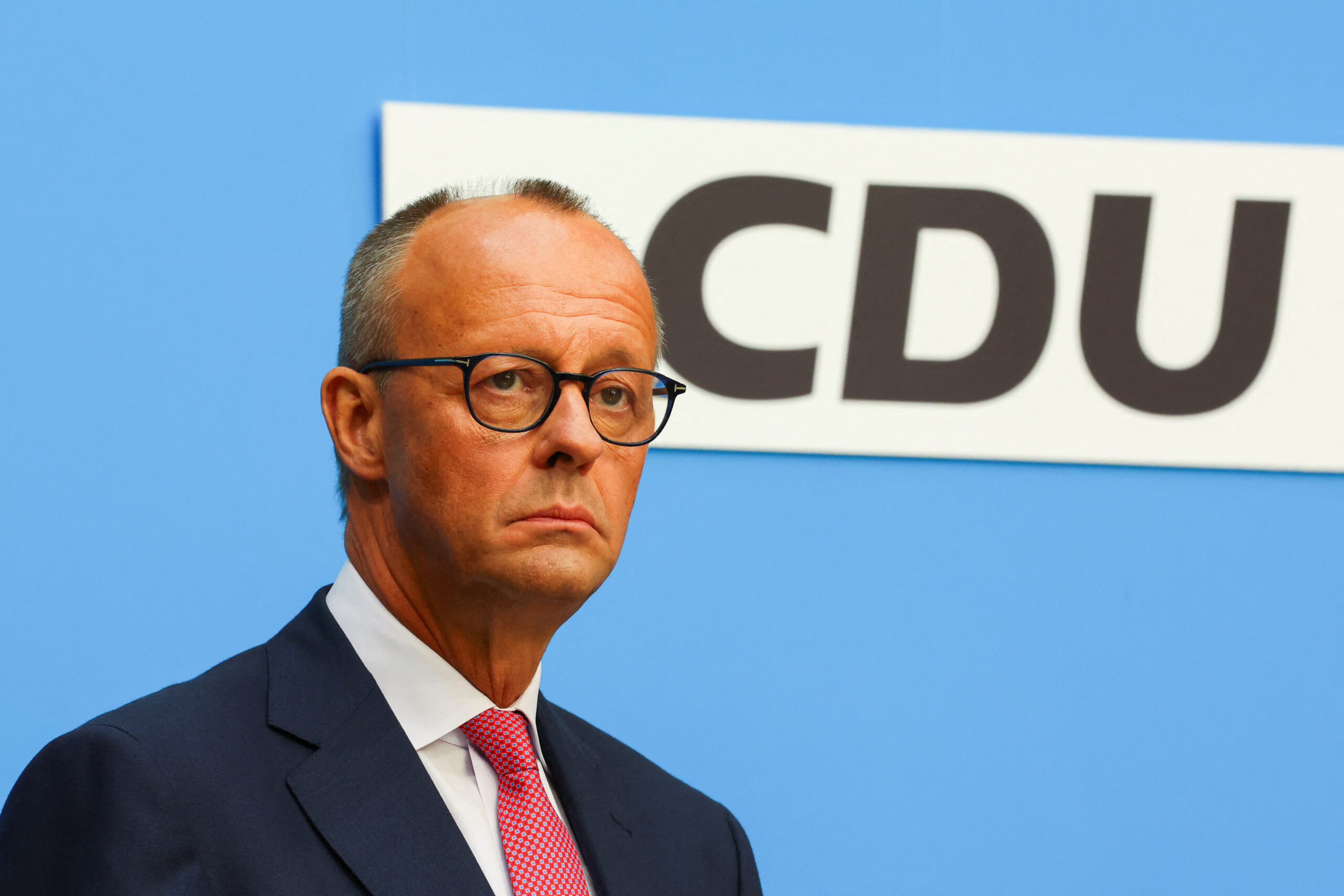
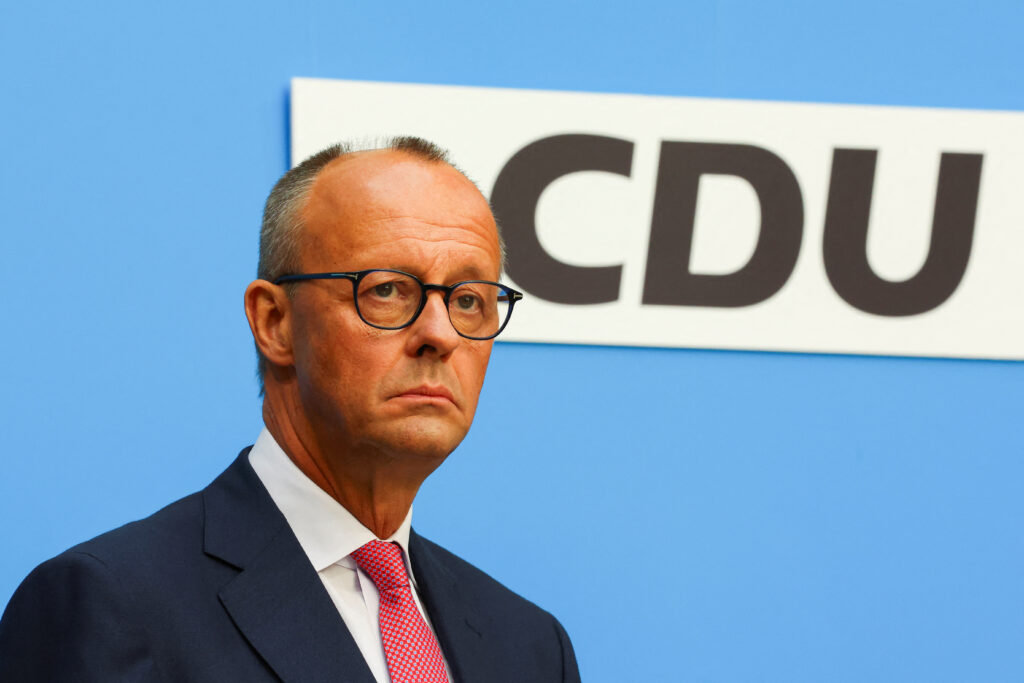
By Satyaki Chakraborty With just two days left for the national elections in Germany scheduled for next Sunday, February 23, all opinion polls suggest a near ten point lead by the conservative CDU/CSU combo as against the far right AFD which is threatening to take over power in European Union’s richest economy with the open […]

Burjeel Holdings, a prominent super-specialty healthcare provider in the MENA region, has announced that its Board of Directors has authorised management to explore a share buyback programme of up to 10% of the group’s share capital. This initiative is pending approval from shareholders and the Securities and Commodities Authority. The company plans to execute the buyback through open market purchases, fully funded by its operating cash flow. […]

Rabdan Academy, a prominent institution specializing in safety, security, defence, emergency preparedness, and crisis management, has formalized a training agreement with INTERPOL. This collaboration aims to bolster cooperation in research, training, and the exchange of expertise between the two entities.

With the signing of this agreement, Rabdan Academy officially joins the INTERPOL Global Academy Network, a consortium dedicated to elevating training standards for law enforcement agencies worldwide through collaborative efforts and knowledge sharing among leading institutions.

The partnership outlines a framework for both organizations to identify and develop joint training activities and projects. These initiatives will encompass courses, seminars, conferences, curricula development, study tours, and train-the-trainer programs, all designed to enhance the capabilities of law enforcement personnel globally.

His Excellency James Anthony Morse, President of Rabdan Academy, emphasized the strategic importance of this alliance, stating that it aligns with the Academy’s mission to develop specialized skills and capabilities in relevant fields. He highlighted that collaboration with key international and local partners is essential for achieving this goal.

INTERPOL’s Secretary General, His Excellency Valdecy Urquiza, underscored the value of partnering with esteemed academic institutions like Rabdan Academy. He noted that such collaborations are vital for developing comprehensive global training methodologies and standards for law enforcement, benefiting INTERPOL’s member countries and enhancing the effectiveness of the Global Academy Network.

The agreement includes commitments to jointly develop training materials and curricula, exchange academic and training resources, and share expertise and faculty members. This cooperative approach aims to create robust training opportunities and foster applied research on topics pertinent to law enforcement.

Students at Rabdan Academy will gain access to courses and training tools from the INTERPOL Virtual Academy, enriching their proficiency in international policing. Additionally, Rabdan Academy’s training programs will receive accreditation from INTERPOL, ensuring they meet global standards of excellence.

This partnership was formalized during the International Defence Exhibition 2025, where Rabdan Academy is actively participating as an exhibitor. IDEX 2025 serves as a platform for showcasing the latest advancements in defence technology and fostering collaborations among global security stakeholders.

Rabdan Academy’s involvement in IDEX 2025 underscores its commitment to shaping the future of defence and security. The Academy is showcasing its specialized programs in safety, security, and crisis management, highlighting its role as a hub of expertise that brings together policymakers, defence leaders, and global experts to address evolving security challenges.

In addition to its partnership with INTERPOL, Rabdan Academy is set to announce new global collaborations aimed at strengthening its leadership in security and defence education. These initiatives reflect the Academy’s dedication to fostering expertise and cooperation to enhance global security efforts.

The INTERPOL Global Academy Network, established in 2019, is a collective of trusted law enforcement education institutions committed to providing a unified approach to law enforcement training. Rabdan Academy’s inclusion in this network signifies a significant step toward enhancing the quality and reach of specialized training programs for law enforcement professionals worldwide.

Through this partnership, both Rabdan Academy and INTERPOL aim to address contemporary challenges in law enforcement by leveraging their combined expertise and resources. The collaborative efforts are expected to result in the development of innovative training solutions that are responsive to the dynamic nature of global security threats.

As part of the agreement, there will be a concerted focus on applied research, enabling both institutions to contribute to the body of knowledge in law enforcement practices. This research component is poised to inform policy decisions and operational strategies, thereby enhancing the effectiveness of law enforcement agencies across different jurisdictions.


VISHNU RAJA
RYO YAMADA
HITORI GOTOH
IKUYO KITA