By Dr. Nilanjan Banik The outcome of the November 3 midterm elections has not got in favour of Mr. Trump. Republicans lost both the House of Representatives and the Senate. For India, however, the outcome of the midterm elections is unlikely to make much of a difference. A Democratic House would not bring a sharp […]
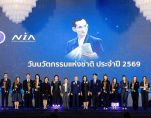
BANGKOK, THAILAND – Media OutReach Newswire – 9 November 2026 – The Ministry of Higher Education, Science, Research and Innovation (MHESI), through the National Innovation Agency (Public Organization) (NIA), hosted the annual National Innovation Day 2026 awards ceremony. The event honors and commemorates the extraordinary innovation visionary, His Majesty King Bhumibol Adulyadej The Great (Rama IX)—revered as the “Father of Thai Innovation”—whose royal initiative, the Klaeng Din (soil aggravation) project, demonstrated pioneering resource management. During the ceremony, the NIA announced the winners of the prestigious National Innovation Awards, celebrating outstanding Thai innovators and forward-thinking organizations across the public, private, and academic sectors whose contributions generate tangible value for institutions, society, and the nation. Concurrently, the ceremony featured the presentation of the Innovation Thailand Awards and the Thai Rice Innovation Awards, both longstanding collaborative initiatives spearheaded by the NIA.
Dr. Krithpaka Boonfueng, Executive Director of the National Innovation Agency (NIA), said that National Innovation Day remains an essential annual forum dedicated to commemorating the royal grace, genius, and enduring innovation legacy of King Bhumibol Adulyadej The Great. The Ministry of Higher Education, Science, Research and Innovation strongly believes that human capital is the cornerstone of building an innovation-driven society. Consequently, the NIA prioritizes workforce upskilling across all generations alongside deploying technology and innovation to mitigate inequality, expand economic opportunities, enhance quality of life, and sharpen national competitiveness. This mission accelerates Thailand’s transition from a mere consumer of technology into a prolific creator of high-value innovation. The event serves not only as a platform to recognize trailblazers, but also as a catalyst to foster widespread awareness, stimulate active technology adoption, showcase Thai ingenuity on the world stage, and collectively advance Thailand toward becoming a sustainable “Innovation Nation.”
“The National Innovation Awards represent the highest distinction in Thailand’s innovation landscape. They celebrate Thai innovators whose pioneering work delivers clear, measurable value to the country, sparking pride and creative momentum across all sectors while elevating our national image as an emerging Innovation Nation,” stated Dr. Krithpaka. “Now in its 22nd year, the competition reflects a rapid leap forward in domestic innovation capability, keeping pace with an evolving global landscape. Historically, more than 6,736 submissions have entered the awards, with over 370 projects recognized, collectively generating an economic, social, and environmental impact valued at over 138 billion baht.”
Dr. Krithpaka highlighted three winning innovations from the 2026 National Innovation Awards that exemplify success across economic, social, and environmental dimensions, underscoring Thai entrepreneurs’ capacity to combine deep technology with commercial viability:
1. BUZZEBEES: Elevating CRM through AI to Boost Marketing Efficiency and Business Growth Developed by Buzzebees Co., Ltd., this end-to-end customer relationship management (CRM) and online engagement platform secured first prize in the Economic category (Large and Medium Enterprise division). Powered by advanced AI algorithms, the platform streamlines customer data management, consumer behavior analytics, and precision-targeted marketing campaigns. It empowers enterprises to connect with target demographics accurately, retain customer bases, and unlock new revenue streams.
The comprehensive suite encompasses loyalty and points-redemption programs, payment and order management workflows tailored for SMEs and restaurants, and e-commerce channel operations, alongside targeted digital media and affiliate marketing powered by a vast influencer and Key Opinion Leader (KOL) network. By leveraging real-time business diagnostics and automated campaign personalization, the platform can deploy fully functional solutions within just five business days—a 20-fold reduction in turnaround time compared to traditional development cycles that often require up to 100 days.
Currently, BUZZEBEES supports over 500 enterprise platforms, more than 1,500 SME and merchant networks, and an aggregate user base exceeding 200 million consumer and distributor accounts. Notable deployments include Tops’ personalized loyalty platform, which serves over 210,000 active users and has processed more than 40 million reward redemptions. In 2025, the company generated over 2 billion baht annually in gross merchandise value (GMV) through international affiliate channels, saved domestic corporations over 600 million baht annually by replacing reliance on foreign enterprise software, posted 2.964 billion baht in total revenue, and created an average of 260 local tech jobs annually.
2. INSPECTRA MMG: Deep-Learning AI for Mammography Analysis Enhancing Breast Cancer Screening Developed by Perceptra Co., Ltd., INSPECTRA MMG captured first prize in the Social category (Large and Medium Enterprise division). The diagnostic-support AI system assists radiologists in interpreting screening mammograms, specifically targeting the diagnostic complexities posed by dense breast tissue—a characteristic prevalent among Asian women that frequently obscures underlying lesions in standard screenings.
Trained on a proprietary dataset of more than 400,000 mammographic images from Thai cohorts, INSPECTRA MMG detects subtle indicators of malignancy to assist clinical decision-making. Deployed in Thai clinical settings for over three years across more than 220,000 processed patient cases, the tool reduces radiologists’ workloads, optimizes diagnostic throughput, and democratizes access to early cancer detection in medically underserved provinces. Validation data submitted by the company demonstrates an impressive Cancer Detection Rate of 97%, validating AI’s efficacy as a clinical decision-support asset while maintaining physician oversight as the ultimate diagnostic authority. Looking ahead, Perceptra plans to expand outreach via mobile mammography screening units for remote communities, implement an annual software-as-a-service (SaaS) subscription model to fund continued R&D, and scale operations into broader Southeast Asian healthcare markets.
3. MyraShell Aroma: Upcycling Marine Shell Waste into Sustainable Luxury Bio-Materials Developed by Manee Mongkol Gems Factory Co., Ltd., “MyraShell Aroma – Sea of Love” won top honors in the Environmental category (Micro & Small Enterprise, and Social Enterprise division). The initiative upcycles discarded green mussel shells sourced from coastal fishing communities into high-value decorative bio-materials under circular economy principles, effectively curbing coastal waste while establishing sustainable secondary income streams for local artisanal fishers.
The innovation isolates nacre (mother-of-pearl) and calcium carbonate fractions from marine shells, formulating them with bio-based binding polymers and precision engineering techniques into durable, aesthetically sophisticated materials suitable for fine jewelry and luxury decor. MyraShell Aroma features a calibrated micro-porous surface that absorbs and disperses fragrances ambiently without electricity, designed for repeated aromatic refills.
The company has expanded its portfolio under the MyraShell and MyraGem brands to supply interior panels, lighting fixtures, and architectural finishes to luxury five-star hospitality brands. Manee Mongkol Gems collaborates with the Chonburi Fisheries Association and the Sawang Pratheep Community Enterprise for ethical raw material sourcing, complete with origin-traceability protocols, and partners with Kasetsart University on material validation with research grant backing from the NIA. The breakthrough gained international acclaim at Milan Design Week at Superstudio Events in Milan, Italy, where the team exhibited a 3×3-meter “Sea of Love” feature wall. Capitalizing on sustainable luxury storytelling, the company is actively expanding its direct export channels across Italy, Germany, France, and Hong Kong.
Supporting Broader Innovation Ecosystems Alongside the flagship honors, the ceremony presented accolades across complementary specialized initiatives:
The 22nd National Innovation Awards: Organized directly by the NIA to honor impact across five dedicated pillars: Economy, Society, Environment, Innovation Communicator, and Innovative Organization. The 2026 edition drew 437 competitive submissions.
The 26th Innovation Thailand Awards: Co-organized with the Science Society of Thailand under the Patronage of His Majesty the King, this initiative fosters youth-led innovation and guides intellectual property toward viable commercialization across two academic tiers: Higher Vocational/Undergraduate and Vocational/Secondary levels (attracting 494 entries).
The 18th Thai Rice Innovation Awards: Co-hosted with the Thai Rice Foundation under Royal Patronage to incentivize high-value product transformation and process innovation across the rice value chain. Awards were conferred across Industrial and Community Enterprise categories, drawing 82 submissions.
Serving as the nation’s “Focal Conductor,” the NIA continues to align with domestic and international partners through its core Groom – Grant – Growth – Global framework. This integrated strategy aims to expand Thailand’s cohort of market-ready innovation-driven enterprises (IDEs), catalyze economic value creation, and fortify national competitiveness to firmly cement Thailand’s standing as an internationally recognized Innovation Nation.
Hashtag: #NIA
The issuer is solely responsible for the content of this announcement.
An Asia digital transformation programme for founders and SMEs, starting in Malaysia, with a full refund if the delivery date is missed
KUALA LUMPUR, MALAYSIA – Media OutReach Newswire – 9 November 2026 – Fully customised business software and AI solutions, built by engineers and backed by a full refund if the agreed delivery date is missed. Starting in Malaysia and rolling out across Asia, made possible by more than 100 partners.
Nexawork AI Founders
Nexawork AI is an Asia focused technology company building the AI Business Operating System. It was co-founded by Allen Tan Chee Hoe, its Chief Executive Officer, and Sky Wee, its Chief Business Development Officer.
Today Allen Tan Chee Hoe announced the launch of Nexawork AI’s Asia digital transformation programme, which helps founders, project owners and small and medium enterprises (SMEs) build their first digital product. It offers custom software development, including AI solutions and AI agents, starting with a Starter Pack at RM19,900.00, with a full refund of the development fee if Nexawork AI misses the delivery date in the contract.
The programme starts in Malaysia, its first market in Southeast Asia, before extending across Asia. Applications are open now at nexawork.ai. Its pricing is made possible by more than 100 partners, who share the work and bring businesses to the programme.
Why Asia’s SMEs hold back on AI and digital transformation Asia runs on small businesses. Across 26 economies tracked by the Asian Development Bank (ADB), micro, small and medium enterprises make up 99.8% of all enterprises, employ 67.6% of the workforce and produce 38.7% of national output. Yet many still run on paper and spreadsheets, SME digitalisation lags, and AI is widening the gap. In South Korea, a 2024 Korea Federation of SMEs survey of 300 SMEs found only 5.3% using AI, and the obstacle cited most was the lack of AI services built for their needs.
Cost and risk add to the hesitation. In Malaysia, 2026 industry estimates put even a basic first version of mobile software at RM30,000 to RM60,000, and most SME projects at RM60,000 or more. For a first time founder, that is a large bet on one vendor. Owners are avoiding risk, not technology.
“Transformation fails on the first invoice, not on the technology,” said Allen Tan Chee Hoe, Co-Founder and Chief Executive Officer of Nexawork AI. “We are not trying to reprice the market. We want to give many SMEs the confidence to take their first step into digitisation, together with more than 100 partners, so a founder anywhere in Asia can build a first digital product without betting the year on it. And we are not here to replace anyone’s workforce. Our AI brings productivity to business owners and their teams, so that adoption actually happens.”
A full refund if the delivery date is missed If Nexawork AI misses the delivery date in the contract, the business receives a full refund of the development fee. The clock starts when the business provides complete information and access, and the scope is fixed in writing before work begins.
Custom software development and AI solutions built around the business Every system is shaped around the individual business. Professional engineers write, review and test every build, and the owner needs no technical knowledge. Projects can include a native mobile platform for ordering, payment through the business’s own provider, delivery tracking and referrals, an admin console, connections to existing software, and AI built for the business, from AI solutions on its own data to AI agents that answer enquiries or follow up on orders.
RM19,900.00 is the Starter Pack, the entry point to the programme: a focused first system built around one core workflow, such as taking orders or bookings, with an admin console for the owner. Builds with more features, AI, payments or integrations are scoped and priced above the Starter Pack.
Why the programme price is possible: more than 100 partners The programme is designed to grow the market, not to undercut it. The price is not set to compete with the market: most SMEs would not commission development at RM100,000 or more, so the programme reaches businesses that would otherwise not digitise at all, rather than taking work from established developers. The Starter Pack can start at RM19,900.00 because more than 100 partners share the work and bring businesses to the programme, so less of each project’s price goes on sales and marketing.
Nexawork AI’s team shapes each founder’s first product before any code is written. Lavie System Solutions brings almost two decades of development experience, so proven building blocks are not reinvented for every project. Healing Mind Group, led by Lee Hong Rui, a trainer accredited by HRD Corp, Malaysia’s Human Resource Development Corporation, joins as Business Process and SME Transformation Partner to map workflows and prepare teams. Dova Space looks after the people side of change, Eco Bee Biotech and Eco Bee Shop introduce the programme to their network, and Jayv Chang Yoon Voon, marketing partner for Southeast Asia, reaches businesses through partner and community channels.
How the programme works Each custom software development project starts with a written scope, after which the price and the delivery date go into the contract. The build runs in about twelve sprints over about three months. Every project includes three months of free maintenance; hosting, domain and infrastructure are paid by the business to its own providers, from about US$100 a month. Every system is built to connect directly to the Nexawork AI platform, which is expected to launch by the second quarter of 2027.
The founders behind Nexawork AI Allen Tan Chee Hoe is a serial founder and product architect with 15 years of experience in technology and product development. According to internal operating records, he previously built a startup to more than 4 million users and 60,000 business owners, and his teams have supported more than 180 projects globally for companies that together raised more than US$200 million. Sky Wee, who leads global business development and partnerships, is a Singapore based serial entrepreneur and venture investor.
The Nexawork AI Partner App Nexawork AI will also launch the Nexawork AI Partner App, expected in the first quarter of 2027, so referral partners can refer businesses to the platform and handle enquiries and introductions in one place. Partners can register their interest at nexawork.ai.
Larger digital transformation projects Alongside the programme, Nexawork AI is helping established companies digitise through larger projects, each scoped and priced on its own and separate from the RM19,900.00 Starter Pack. They include Vorahome, a home services platform founded by Alan Foong, Vincent Wong and Ivan Hiew Chin Woon; and Big Ben Dining Group, a food, entertainment and technology dining concept founded by Bengemen Tan Boon Yong.
How to apply To claim the programme, a business needs an official Programme Code from the Nexawork AI sales team. Founders, project owners and businesses can apply at nexawork.ai or approach any Nexawork AI Sales Manager across Southeast Asia. A salesperson will contact them to confirm the fit and issue the code, which opens the scoping session; the sales team verifies each business through its code and uses it to track every approved project. The programme is open while it lasts, until Nexawork AI announces its close, and codes, like places, are limited each month. Hashtag: #NexaworkAI #WorkLessWinMore #DigitalTransformation #CustomSoftware #AIforBusiness #AIAgents #SMEMalaysia #SMEDigitalisation #SoftwareDevelopment
The issuer is solely responsible for the content of this announcement.
About Nexawork AI
Nexawork AI is building the AI Business Operating System for solo entrepreneurs, small teams and established businesses in Asia: one platform to run your work and your business. Money and legal commitments always wait for a human. The platform is in beta with design partners and is expected to launch by the second quarter of 2027. Nexawork AI was co-founded by Allen Tan Chee Hoe, its Chief Executive Officer, and Sky Wee, its Chief Business Development Officer. Work Less. Win More. AI Does the Rest. nexawork.ai
About Eco Bee Biotech and Eco Bee Shop
Eco Bee Biotech and Eco Bee Shop is a Malaysian bee biotechnology, conservation and wellness enterprise founded by Cathie Tan in 2002. It develops Kelulut (stingless bee) honey, propolis and other wellness products, and in 2026 was recognised by ASIA Records and ASEAN Records for its alcohol free halal Kelulut propolis extract. Bee conservation is at the heart of its mission, including its planned Eco Bee Nature Exchange, guided by its philosophy: Save Bees, Empowering People, Pure Quality. beeshop.com.my
About Lavie System Solutions
Lavie System Solutions, led by Lai Yu Long, is a Johor based development company founded in 2008 that builds custom software, enterprise and point of sale systems and online stores. lvss.com.my
About Healing Mind Group
Healing Mind Group is a training provider led by Lee Hong Rui, who brings experience in finance and corporate management, a background in process transformation and trainer accreditation with HRD Corp. It helps SMEs map their business workflows, identify operational gaps and prepare their teams to adopt systems that improve productivity.
About Dova Space
Dova Space, led by Debbie Hew Sio Yee and Hew Khai Rin, is a holistic health and wellness centre offering personalised, data driven care. It brings Traditional Chinese Medicine, modern medical expertise, natural healing and advanced medical devices under one roof, with a strong focus on sleep health: sleep care consultations, sleep quality and autonomic nervous system assessments, home use medical devices and long term sleep management programmes. Better Sleep. Better Health. Better Living. dova.space
Brazilian President Luiz Inácio Lula da Silva pledged to safeguard public finances while maintaining social programmes in his first televised address since securing a fourth term, but offered no specific measures to contain rising government debt. Speaking on Sunday, Lula acknowledged concerns over borrowing costs and promised to respect the country’s fiscal rules as his administration prepares for another four years in office. His remarks followed market […]
US Secretary of State Marco Rubio has dismissed prospects of an imminent diplomatic breakthrough with Iran, describing Tehran’s negotiating demands as unacceptable and, in some cases, outrageous. Rubio’s assessment on Sunday contrasted with President Donald Trump’s suggestion earlier that further American strikes were highly unlikely if negotiations produced progress. The differing emphasis underscored the distance between Washington’s willingness to pursue diplomacy and its assessment of the terms […]
Arabian Post Staff -Dubai Gulf Cooperation Council states signed an agreement in Bahrain on Sunday to coordinate construction and operation of their regional railway network, which is 55.92 per cent complete and targeted to become fully operational by December 2030. The agreement establishes common obligations for the six member countries and sets out arrangements for integrating national railway systems into a cross-border network carrying passengers and freight. […]
Abu Dhabi recorded AED171.26 billion in property transactions during the first nine months of 2026, an increase of 76.1 percent from a year earlier, the Abu Dhabi Real Estate Centre (ADREC) announced. The regulator said 38,483 transactions were completed between January and September, up 32.8 percent from 28,977 deals worth AED97.19 billion during the corresponding period of 2025. Sales accounted for most of the increase, while mortgage […]
Public Works Minister P K Basheer has directed the Uralungal Labour Contract Co-operative Society (ULCCS) to complete its delayed construction projects by February 2027, expressing strong dissatisfaction with the pace of work. The instruction was issued at a project review meeting, where the minister questioned the sl…
Tesla will dismantle its Cybertruck production line in Texas around the middle of 2027, shifting manufacturing capacity towards its Cybercab autonomous taxi after the electric pickup failed to meet sales expectations. Chief executive Elon Musk said the company would add another production shift to fulfil outstanding Cybertruck orders before removing the line, potentially in June or July next year. His clarification followed an announcement that Tesla would […]
Arabian Post Staff -Dubai Dubai’s Roads and Transport Authority (RTA) opened the 1,650-metre Al Khaleej Street Tunnel on Sunday, creating a new route between Infinity Bridge and Deira with capacity for 12,000 vehicles an hour. The tunnel has three lanes in each direction and runs from the end of the Infinity Bridge ramp in Deira to the junction of Al Khaleej Street and Al Wuheida Street. It […]
Alphabet’s $15 billion investment plan for Malaysia has brought its expanding artificial intelligence infrastructure budget into sharper focus, as investors assess whether surging spending can translate into sustained earnings and cash flow.
Google announced on 4 November that it would invest the money during 2027 and 2028, developing data centre campuses alongside clean energy, water security and workforce programmes. The commitment comes as parent company Alphabet forecasts capital expenditure of $195 billion to $205 billion for 2026 and a further significant increase next year.
The scale of those commitments is central to the debate surrounding Alphabet shares. Demand for AI computing is accelerating, but building capacity requires substantial upfront expenditure on servers, specialised chips, electricity and facilities. Higher depreciation and operating costs could put pressure on profitability before the investments generate their expected returns.
Alphabet has not disclosed how the Malaysian commitment will be divided between its various projects or how much represents spending already incorporated into its group forecasts. The $15 billion therefore cannot simply be added to its published capital expenditure guidance as an entirely separate obligation.
The company’s third-quarter results nevertheless demonstrate the commercial opportunities supporting its investment programme. Revenue rose 25 per cent to $127.6 billion in the three months ended September, while Google Cloud revenue increased 103 per cent to $30.7 billion. Alphabet reported net income of $26.2 billion and an operating margin of 31.8 per cent.
Management has said cloud demand is stretching available computing capacity. It expects sales of its tensor processing unit systems to expand further in 2027, although using third-party computing resources to bridge supply shortages is expected to weigh on cloud margins in the nearer term.
Alphabet’s financial disclosures show that capital expenditure reached $132 billion during the first nine months of 2026, compared with $63.6 billion in the corresponding period of 2025. Depreciation on property and equipment increased to $22 billion from $15.1 billion over the same periods, illustrating how infrastructure investment is already affecting expenses.
The company also disclosed $130.5 billion in future payments associated with leases not yet commenced, primarily involving data centres and energy infrastructure. Those commitments extend across multiple years and are distinct from the cash capital expenditure recorded during the reporting period.
Google’s Malaysian programme includes additional campuses in Selangor and Negeri Sembilan. Its first campus at Elmina Business Park in Selangor is already operating, while computing capacity there will support a planned Google Cloud region serving enterprise customers.
Ruth Porat, president and chief investment officer of Alphabet and Google, said the expansion would provide computing capacity while adding local power and water resources as operations grow. Google said it would pay for all electricity consumed by its campuses and the direct costs of connecting them to the grid.
The company plans to enable more than one gigawatt of additional clean energy capacity on Malaysia’s national grid. Its initiatives include collaboration with Tenaga Nasional Berhad on new generation projects and exploration of electricity supplies capable of meeting demand throughout the day.
Malaysia’s government has welcomed the investment while emphasising the need for domestic economic benefits. Digital Minister Gobind Singh Deo said on 5 November that he had invited Google to explore further cooperation on AI-enabled cities and AI safety, including support for the Malaysian AI Safety Institute. Details of any additional partnership remain pending.
Google estimates that construction of the new campuses during 2027 and 2028 will contribute an annual average of $1.1 billion to Malaysia’s gross domestic product and support more than 37,000 jobs each year. These are company projections rather than employment or economic outcomes already achieved.
Once operational, the facilities are projected to support more than 9,000 jobs annually, including employment connected to local suppliers and services. Google is working with more than 80 Malaysian entities across construction, engineering, logistics and other activities.
Water management is another element of the expansion. Google has announced river basin restoration initiatives and rainwater harvesting systems for four schools in Selangor. It says independent specialists will audit the water benefits, while site-level consumption figures will be disclosed through environmental reporting.
The company has also outlined four training programmes intended to reach approximately 800,000 people between 2027 and 2031. They cover educators, small businesses, public-sector workers and vocational trainees, including planned data centre training institutes at selected polytechnics in Selangor and Negeri Sembilan.
Ghantoot Polo Team defeated Elite Polo Team 8–3 to win the Pink Polo Cup 2026 at Abu Dhabi’s Ghantoot Racing & Polo Club, where organisers said more than 1,000 people attended a festival combining competitive sport with breast cancer awareness. Sheikha Alia Al Maktoum scored three goals for Ghantoot and received the Player of the Match award. The final formed the centrepiece of the 17th Pink […]
Arabian Post Staff -Dubai ADNEC Centre Abu Dhabi has won the Middle East’s Best MICE Event Venue 2026 title at the World MICE Awards, adding another international distinction to the capital’s exhibition and conference infrastructure. The award, confirmed by the organisers and announced by ADNEC Group on 6 November, recognises the venue in a category covering meetings, incentives, conferences and exhibitions. The centre is the flagship events […]
The UAE is expected to generate more solar electricity per person than any other country by 2031, as renewable power development accelerates across the Middle East, the International Energy Agency has forecast. The Paris-based agency projects UAE solar generation exceeding 4,000 kilowatt-hours per capita in 2031, placing it ahead of Australia and Oman. Its Renewables 2026 report, published on Friday, also anticipates a sharp expansion of renewable […]
Environmental groups in Wayanad have offered conditional support for E Sreedharan’s proposed high-speed railway linking Kozhikode and Sulthan Bathery, while demanding an independent geological and hydrological assessment of its planned 20-km twin tunnel. The change followed discussions with Sreedharan, during which ca…
HONG KONG SAR – Media OutReach Newswire – 7 November 2026 – Prof. Nancy IP, President and The Morningside Professor of Life Science at The Hong Kong University of Science and Technology (HKUST), has been awarded the 2026 UNESCO-Equatorial Guinea International Prize for Research in the Life Sciences in recognition of her pioneering contributions to neuroscience and Alzheimer’s disease research. The award ceremony was held on November 6 at UNESCO Headquarters in Paris, France.
Prof. Nancy Ip, President and Morningside Professor of Life Science at HKUST, has been awarded the 2026 UNESCO-Equatorial Guinea International Prize for Research in the Life Sciences in recognition of her pioneering contributions to neuroscience and Alzheimer’s disease research. Prof. Ip accepts the award at a ceremony held on November 6 at the UNESCO Headquarters in Paris, France.
In announcing the award, UNESCO recognized Prof. Ip as an internationally renowned neuroscientist whose research has significantly advanced the understanding of brain function and neurodegenerative diseases. It highlighted her team’s discoveries of novel biomarkers and genetic risk factors for Alzheimer’s disease, the development of an innovative blood-based diagnostic technology that enables earlier detection and monitoring of the disease, and her pioneering advances in gene therapy research that have opened new avenues for the prevention and treatment of neurodegenerative disorders.
President Prof. Nancy Ip first received the L’Oréal-UNESCO For Women in Science Award in 2004, becoming the first Chinese scientist in the life sciences and the first scientist from Hong Kong to receive the honor. Her latest recognition, the 2026 UNESCO-Equatorial Guinea International Prize for Research in the Life Sciences, marks a second major accolade from UNESCO and makes her the first Hong Kong scientist to have received both prestigious UNESCO awards.
Receiving the award in Paris, Prof. Ip expressed her heartfelt gratitude to her research team, collaborators and colleagues, and thanked HKUST for its steadfast support throughout her scientific journey.
Prof. Nancy Ip (middle) joins the 2026 UNESCO-Equatorial Guinea International Prize laureates and Fellowship Programme for Young Women Scientists in Africa recipients for a group photo.
Prof. Ip said: “I am deeply honored to receive the UNESCO-Equatorial Guinea International Prize for Research in the Life Sciences. This recognition belongs not only to me, but also to the many talented and dedicated team members, collaborators and colleagues who have contributed to these achievements. It reflects our shared commitment to advancing knowledge, deepening our understanding of Alzheimer’s disease, and translating scientific discoveries into meaningful benefits for patients and society.“
She added: “Alzheimer’s disease is not just a scientific and medical challenge. It is also a deeply human one, profoundly affecting the lives of those living with the disease and their families. Their courage reminds us why our work matters and inspires us to reach higher.”
Prof. Ip also emphasized the importance of global scientific collaboration and nurturing future generations of researchers. “Science is a collective endeavor,” she said. “Every breakthrough is built on collaboration across disciplines, institutions and borders. As a scientist and university president, I believe we must also empower young researchers by giving them the freedom to pursue their curiosity, the confidence to take intellectual risks, and the support they need to tackle the grand challenges facing humanity.”
Prof. Nancy Ip expressed her heartfelt gratitude to her research team, collaborators and colleagues, and thanked HKUST for its steadfast support throughout her scientific journey.
Breakthrough Contributions to Neuroscience and Alzheimer’s Disease Research
Prof. Ip has devoted more than three decades to advancing research on neurodegenerative diseases. To date, she has published over 350 scholarly papers and holds 144 patents. Her pioneering work has significantly deepened scientific understanding of intercellular communication in the nervous system, synaptic signaling, and the molecular mechanisms underlying neurodegenerative diseases. Her research team has also achieved a series of breakthroughs in identifying protein targets associated with these disorders, opening new avenues for their diagnosis and treatment.
Recognizing that Alzheimer’s disease research has historically relied heavily on data from Western populations, with Asian populations being relatively underrepresented, Prof. Ip led her team in establishing a large-scale Chinese Alzheimer’s disease biobank. By integrating clinical data, neuroimaging information, and multi-omics datasets from Chinese populations, the team successfully identified multiple genetic risk factors prevalent among Chinese individuals. These findings have provided important scientific insights into disease mechanisms and laid a foundation for the development of precision diagnostic and therapeutic strategies.
In recent years, Prof. Ip and her team have made significant advances in the early detection of Alzheimer’s disease and the clinical translation of related research. They co-developed a highly accurate, minimally invasive, and efficient blood-based diagnostic test that can aid early detection of Alzheimer’s disease and help identify individuals with mild cognitive impairment, thereby supporting timely clinical assessment and intervention planning, as well as the identification of suitable participants for clinical trials. The technology has been adopted by multiple healthcare institutions in Hong Kong and has since been expanded into community settings, helping to inform more effective disease management and risk-reduction strategies. Meanwhile, the team is actively exploring novel gene therapy approaches for familial Alzheimer’s disease through gene-editing technologies, with the goal of developing an integrated innovation pipeline spanning early diagnosis to next-generation therapeutics.
An Internationally Acclaimed Scientist
Prof. Ip is President of The Hong Kong University of Science and Technology (HKUST) and concurrently serves as Director of the State Key Laboratory of Nervous System Disorders and Director of the Hong Kong Center for Neurodegenerative Diseases. Prior to joining HKUST, she was a Senior Staff Scientist at Regeneron Pharmaceuticals in the United States. Since joining HKUST, she has held a number of key leadership positions, including Head of the Department of Biochemistry, Dean of Science, and Vice-President for Research and Development, before assuming the presidency of the University in 2022.
Renowned internationally for her scientific achievements and academic leadership, Prof. Ip is an elected member of the Chinese Academy of Sciences, the US National Academy of Sciences, the American Academy of Arts and Sciences, The World Academy of Sciences (TWAS), Academia Europaea, and the Hong Kong Academy of Sciences. Her many honors include the L’Oréal-UNESCO For Women in Science Award, the State Natural Science Award of China (twice), and recognition by Nature as one of China’s “Ten Science Stars”. She was also appointed Chevalier de l’Ordre National du Mérite by the French Government and awarded both the Silver Bauhinia Star and Bronze Bauhinia Star by the HKSAR Government.
The UNESCO-Equatorial Guinea International Prize for Research in the Life Sciences was established by UNESCO to recognize outstanding scientific achievements that advance human health and improve quality of life. The Prize promotes scientific excellence, international collaboration, and the development of research networks worldwide. This year’s prize is shared by three laureates, who jointly receive US$300,000 and an Integración Tribal statuette created by Equatorial Guinean artist Leandro Mbomio Nsue.
Hashtag: #HKUST
The issuer is solely responsible for the content of this announcement.
About The Hong Kong University of Science and Technology
The Hong Kong University of Science and Technology (HKUST) (https://hkust.edu.hk/) is a world-class university renowned for its excellence in innovative education, research, and impactful knowledge transfer. Adopting a holistic and interdisciplinary approach to education, HKUST was ranked 33rd globally and 6th in Asia in the QS World University Rankings 2027 and QS Asia University Rankings 2026, respectively. It was also ranked 20th worldwide in the Times Higher Education Sustainability Impact Ratings 2026, placing first among universities in Hong Kong and the Chinese Mainland for the third consecutive year. Eleven HKUST subjects were ranked among the world’s top 50 in the QS World University Rankings by Subject 2026. In addition, HKUSTs Computer Science discipline, which encompasses areas such as artificial intelligence and machine learning, was ranked No. 1 in Hong Kong for the tenth consecutive year in the Times Higher Education World University Rankings by Subject 2026. Its graduates are highly competitive, consistently ranking among the world’s top 30 most sought-after employees. In research and entrepreneurship, more than 80% of HKUST’s research was rated “world-leading” or “internationally excellent” in the University Grants Committee’s Research Assessment Exercise 2020. As of September 2026, HKUST members have founded more than 2,000 active start-ups, including 11 unicorns and 23 successful exits through initial public offerings (IPOs) or mergers and acquisitions (M&A).
By K Raveendran Wall Street was waiting for an excuse to punish the technology sector, whose extraordinary valuations had increasingly defied conventional measures of profitability and risk. The sweeping defeat of Donald Trump’s Republicans in the American midterm elections provided the trigger, unleashing a sell-off that exposed the fragility beneath the artificial intelligence boom. Yet […]
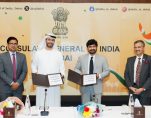
Dubai Future District Fund (DFDF) and Buimerc Corporation Ltd have signed a non-binding cooperation statement aimed at strengthening Dubai’s venture capital ecosystem and expanding investment and innovation links between the UAE and India. The agreement, announced on 2 November, was signed at the Consulate General of India in Dubai in the presence of Deepak Mittal, India’s ambassador to the UAE, and E. Vishnu Vardhan Reddy, consul general […]
HONG KONG SAR – Media OutReach Newswire – 7 November 2026 – Prof. Nancy IP, President and The Morningside Professor of Life Science at The Hong Kong University of Science and Technology (HKUST), has been awarded the 2026 UNESCO-Equatorial Guinea International Prize for Research in the Life Sciences in recognition of her pioneering contributions to neuroscience and Alzheimer’s disease research. The award ceremony was held on November 6 at UNESCO Headquarters in Paris, France.
Prof. Nancy Ip, President and Morningside Professor of Life Science at HKUST, has been awarded the 2026 UNESCO-Equatorial Guinea International Prize for Research in the Life Sciences in recognition of her pioneering contributions to neuroscience and Alzheimer’s disease research. Prof. Ip accepts the award at a ceremony held on November 6 at the UNESCO Headquarters in Paris, France.
In announcing the award, UNESCO recognized Prof. Ip as an internationally renowned neuroscientist whose research has significantly advanced the understanding of brain function and neurodegenerative diseases. It highlighted her team’s discoveries of novel biomarkers and genetic risk factors for Alzheimer’s disease, the development of an innovative blood-based diagnostic technology that enables earlier detection and monitoring of the disease, and her pioneering advances in gene therapy research that have opened new avenues for the prevention and treatment of neurodegenerative disorders.
Receiving the award in Paris, Prof. Ip expressed her heartfelt gratitude to her research team, collaborators and colleagues, and thanked HKUST for its steadfast support throughout her scientific journey.
Prof. Nancy Ip (middle) joins the 2026 UNESCO-Equatorial Guinea International Prize laureates and Fellowship Programme for Young Women Scientists in Africa recipients for a group photo.
Prof. Ip said: “I am deeply honored to receive the UNESCO-Equatorial Guinea International Prize for Research in the Life Sciences. This recognition belongs not only to me, but also to the many talented and dedicated team members, collaborators and colleagues who have contributed to these achievements. It reflects our shared commitment to advancing knowledge, deepening our understanding of Alzheimer’s disease, and translating scientific discoveries into meaningful benefits for patients and society.“
She added: “Alzheimer’s disease is not just a scientific and medical challenge. It is also a deeply human one, profoundly affecting the lives of those living with the disease and their families. Their courage reminds us why our work matters and inspires us to reach higher.”
Prof. Ip also emphasized the importance of global scientific collaboration and nurturing future generations of researchers. “Science is a collective endeavor,” she said. “Every breakthrough is built on collaboration across disciplines, institutions and borders. As a scientist and university president, I believe we must also empower young researchers by giving them the freedom to pursue their curiosity, the confidence to take intellectual risks, and the support they need to tackle the grand challenges facing humanity.”
Prof. Nancy Ip expressed her heartfelt gratitude to her research team, collaborators and colleagues, and thanked HKUST for its steadfast support throughout her scientific journey.
Breakthrough Contributions to Neuroscience and Alzheimer’s Disease Research
Prof. Ip has devoted more than three decades to advancing research on neurodegenerative diseases. To date, she has published over 350 scholarly papers and holds 144 patents. Her pioneering work has significantly deepened scientific understanding of intercellular communication in the nervous system, synaptic signaling, and the molecular mechanisms underlying neurodegenerative diseases. Her research team has also achieved a series of breakthroughs in identifying protein targets associated with these disorders, opening new avenues for their diagnosis and treatment.
Recognizing that Alzheimer’s disease research has historically relied heavily on data from Western populations, with Asian populations being relatively underrepresented, Prof. Ip led her team in establishing a large-scale Chinese Alzheimer’s disease biobank. By integrating clinical data, neuroimaging information, and multi-omics datasets from Chinese populations, the team successfully identified multiple genetic risk factors prevalent among Chinese individuals. These findings have provided important scientific insights into disease mechanisms and laid a foundation for the development of precision diagnostic and therapeutic strategies.
In recent years, Prof. Ip and her team have made significant advances in the early detection of Alzheimer’s disease and the clinical translation of related research. They co-developed a highly accurate, minimally invasive, and efficient blood-based diagnostic test that can aid early detection of Alzheimer’s disease and help identify individuals with mild cognitive impairment, thereby supporting timely clinical assessment and intervention planning, as well as the identification of suitable participants for clinical trials. The technology has been adopted by multiple healthcare institutions in Hong Kong and has since been expanded into community settings, helping to inform more effective disease management and risk-reduction strategies. Meanwhile, the team is actively exploring novel gene therapy approaches for familial Alzheimer’s disease through gene-editing technologies, with the goal of developing an integrated innovation pipeline spanning early diagnosis to next-generation therapeutics.
An Internationally Acclaimed Scientist
Prof. Ip is President of The Hong Kong University of Science and Technology (HKUST) and concurrently serves as Director of the State Key Laboratory of Nervous System Disorders and Director of the Hong Kong Center for Neurodegenerative Diseases. Prior to joining HKUST, she was a Senior Staff Scientist at Regeneron Pharmaceuticals in the United States. Since joining HKUST, she has held a number of key leadership positions, including Head of the Department of Biochemistry, Dean of Science, and Vice-President for Research and Development, before assuming the presidency of the University in 2022.
Renowned internationally for her scientific achievements and academic leadership, Prof. Ip is an elected member of the Chinese Academy of Sciences, the US National Academy of Sciences, the American Academy of Arts and Sciences, The World Academy of Sciences (TWAS), Academia Europaea, and the Hong Kong Academy of Sciences. Her many honors include the L’Oréal-UNESCO For Women in Science Award, the State Natural Science Award of China (twice), and recognition by Nature as one of China’s “Ten Science Stars”. She was also appointed Chevalier de l’Ordre National du Mérite by the French Government and awarded both the Silver Bauhinia Star and Bronze Bauhinia Star by the HKSAR Government.
The UNESCO-Equatorial Guinea International Prize for Research in the Life Sciences was established by UNESCO to recognize outstanding scientific achievements that advance human health and improve quality of life. The Prize promotes scientific excellence, international collaboration, and the development of research networks worldwide. This year’s prize is shared by three laureates, who jointly receive US$300,000 and an Integración Tribal statuette created by Equatorial Guinean artist Leandro Mbomio Nsue.
Hashtag: #HKUST
The issuer is solely responsible for the content of this announcement.
About The Hong Kong University of Science and Technology
The Hong Kong University of Science and Technology (HKUST) (https://hkust.edu.hk/) is a world-class university renowned for its excellence in innovative education, research, and impactful knowledge transfer. Adopting a holistic and interdisciplinary approach to education, HKUST was ranked 33rd globally and 6th in Asia in the QS World University Rankings 2027 and QS Asia University Rankings 2026, respectively. It was also ranked 20th worldwide in the Times Higher Education Sustainability Impact Ratings 2026, placing first among universities in Hong Kong and the Chinese Mainland for the third consecutive year. Eleven HKUST subjects were ranked among the world’s top 50 in the QS World University Rankings by Subject 2026. In addition, HKUSTs Computer Science discipline, which encompasses areas such as artificial intelligence and machine learning, was ranked No. 1 in Hong Kong for the tenth consecutive year in the Times Higher Education World University Rankings by Subject 2026. Its graduates are highly competitive, consistently ranking among the world’s top 30 most sought-after employees. In research and entrepreneurship, more than 80% of HKUST’s research was rated “world-leading” or “internationally excellent” in the University Grants Committee’s Research Assessment Exercise 2020. As of September 2026, HKUST members have founded more than 2,000 active start-ups, including 11 unicorns and 23 successful exits through initial public offerings (IPOs) or mergers and acquisitions (M&A).
An 18-month-old elephant calf named Maya was airlifted from Kerala to Gujarat on Friday for specialist treatment after a serious injury left her unable to stand. The chartered aircraft departed Cochin International Airport at about 1.30 pm, carrying the calf from the Kodanad Abhayaranyam elephant care centre to Vantar…
The Kerala High Court on Friday ruled that government sanction was unnecessary to prosecute Sree Narayana Dharma Paripalana (SNDP) Yogam general secretary Vellappally Natesan and other accused in the microfinance case, directing investigators to file chargesheets within two weeks. Justice A Badharudeen issued the inte…
TONGXIANG, CHINA – Media OutReach Newswire – 6 November 2026 – A robot makes coffee. Others dance, patrol exhibition halls or trade mock blows in choreographed demonstrations. Scenes like these were on full display at this year’s World Internet Conference Wuzhen Summit, which concluded on Nov 5 in the canal town of Wuzhen in eastern China.
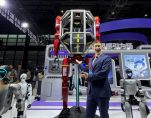
American content creator Evan Kail poses for a photo with Unitree Robotics’ GD01, a robot designed for emergency-response scenarios, at the summit.
Companies including Unitree Robotics, AgiBot and UBTECH used the “Light of Internet” Expo to show how far robots have come — and how close they may be to becoming part of everyday life.
But the expo was not only about spectacle. Many of the machines on display were being developed for tasks beyond the exhibition hall.
Evan Kail, an American content creator visiting the expo, paused in front of Unitree Robotics’ GD01, a robot designed for emergency-response scenarios.
Kail said the machine captured the pace of China’s progress in robotics. A few years ago, he said, Unitree robots were widely known for dancing in televised gala performances. Now, machines such as the GD01 pointed to more practical roles, including disaster response and search-and-rescue operations.
“The leaps of technology in China are very impressive,” Kail said. “As climate change gets worse and worse, robots like this can make a difference if they are used to save lives.”
The shift from eye-catching demonstrations to practical deployment was a recurring theme across the expo. But for robots to work reliably in crowded streets, disaster zones or industrial sites, the machine itself is only part of the equation. It also needs a network capable of carrying huge amounts of data, responding almost instantly and supporting AI decisions close to where they are needed.
At China Mobile’s booth, a display highlighted one example: traffic-management robots deployed in Hangzhou, the eastern Chinese city that hosted the 2023 Asian Games.
Earlier this year, during a peak holiday travel period, Hangzhou deployed 15 robots at major intersections in tourist areas and downtown districts. Part of the Hangzhou Police Smart Mobility program, they can answer questions, guide pedestrians and vehicles, and warn people about traffic violations.
The deployment illustrates how connectivity is becoming central to the usefulness of intelligent machines. The current system uses 5G and 5G-Advanced connections and typically supports one camera on each robot. Future versions are expected to carry as many as six cameras and operate more independently within defined areas.
That will require latency below 10 milliseconds, uplink speeds above 100 Mbps and positioning accurate to within centimeters — demands that are helping shape the development of 6G.
The next generation of mobile technology is still years from commercial deployment. But its ambitions extend beyond faster download speeds. Industry plans for 6G include combining communications with sensing, edge computing and satellite connectivity.
“With 6G, networks will effectively gain radar-like eyes — the ability to sense and understand their surroundings — while AI will give them a brain,” said Liang Zeshuai, a network optimization engineer at China Mobile Zhejiang.
In this vision, a base station would do more than transmit data. Equipped with radar-like sensing capabilities, it could detect a nearby drone, identify obstacles around a blind corner or provide an autonomous machine with a more detailed understanding of its surroundings. Edge computing, meanwhile, would allow AI tasks to be processed closer to the user, rather than sending every request to a distant data center.
That could matter especially in the kinds of situations Kail had in mind: complex and dangerous environments where time, connectivity and situational awareness can make a difference.
Satellite connectivity could provide another layer of resilience when typhoons, earthquakes or other disasters damage ground-based infrastructure. China Mobile has launched a direct-to-handset service using the Tiantong and BeiDou satellite systems.
For now, 5G-Advanced — a network that goes beyond 5G in speed and performance — has already been widely rolled out across China. In Wuzhen, a 5G-Advanced “super uplink” network with upload speeds of up to 1,000 Mbps covered the conference venue for the first time. Robot dogs used the network to patrol the area, transmitting 4K video and location data in real time.
A girl reaches out to shake hands with a robot dog used for patrol demonstrations at the summit.
The same combination of connectivity, computing and AI is moving into industries where the gains may be less visible than a dancing robot, but potentially more consequential.
China Mobile and Sinopharm, China’s state-owned pharmaceutical and healthcare conglomerate, for example, have developed an AI-enabled cold-chain logistics platform that has reduced delivery costs by 65% and cut delivery times by 70%. The system is designed to help manage the transport of temperature-sensitive products, where delays or poor monitoring can lead to waste.
At Ningbo-Zhoushan Port, China Mobile has built what it describes as the world’s largest 5G private network for port operations. Such networks can support real-time coordination among cranes, vehicles, cameras and control systems across a vast, fast-moving industrial site.
The company is also applying AI and connected systems to public safety and emergency management, including flood-control planning and drone inspections of buildings. The aim is not only to respond faster after an emergency, but to identify risks before they become crises.
At Wuzhen, the robots remained the most visible attraction. They made coffee, danced for visitors and posed for cameras. Yet the more consequential story was happening behind them — in the networks, computing systems and satellite links that could determine how quickly AI moves from a trade-show novelty into a tool for cities, industries and, potentially, lifesaving work.
Hashtag: #TongxiangNewsOffice
The issuer is solely responsible for the content of this announcement.
By T N Ashok NEW YORK: The November 3 midterm elections have given the Democrats an extraordinary opportunity to reclaim the political initiative in Washington. But the victory carries a warning of its own: the electorate may have voted against Donald Trump, but it has not necessarily handed the Democratic Party an unconditional mandate. Its […]
OpenAI has introduced GPT-6 Cyber, a specialised artificial intelligence model capable of discovering software vulnerabilities and developing working exploits, while restricting access to approved cybersecurity researchers and organisations. The company launched the model on Thursday through its Daybreak Red programme, initially making it available to selected customers using its application programming interface and Codex coding platform. OpenAI classified its cybersecurity capabilities as Critical under its Preparedness Framework, […]






 https://nexawork.ai/
 https://www.linkedin.com/company/nexaworkai
 https://web.facebook.com/nexaworkai