News related to
Trends

Solana (SOL) investors are undergoing a notable transition by moving away from their SOL holdings in favor of the Ethereum-based token ETFSwap (ETFS). This strategic realignment among major crypto stakeholders is drawing significant attention from the cryptocurrency community, signaling potential shifts in market dynamics. ETFSwap, an Ethereum token that facilitates the exchange of various financial assets on the blockchain, has emerged as an attractive alternative for Solana […]

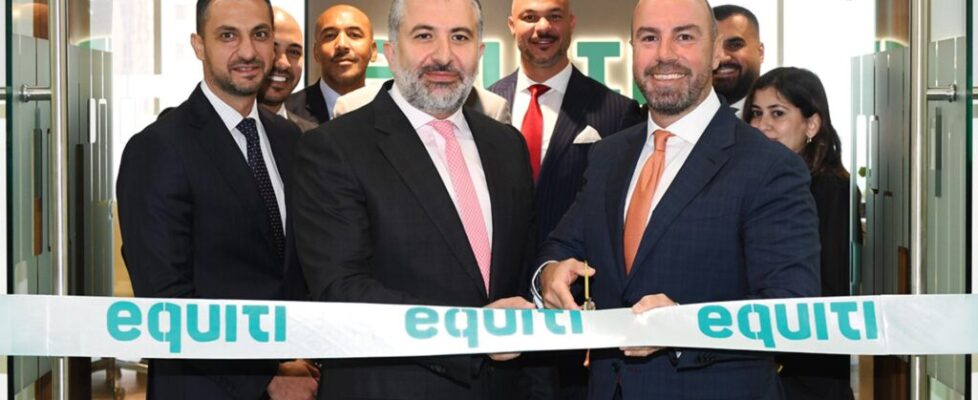
CFI Financial Group, a leading online trading provider in the region, has expanded its UAE-regulated entity, CFI Financial Markets LLC (CFI UAE), into Abu Dhabi. This move reinforces the company’s growing presence in the country, following a strategic approach to further enhance its offerings across the Emirates. The expansion underscores the Group’s commitment to providing a wider range of financial services to clients nationwide while maintaining its reputation for delivering quality trading solutions.

The decision to enter Abu Dhabi comes as CFI UAE looks to leverage its Category One license, which was granted by the Securities and Commodities Authority (SCA). This license allows the firm to offer a broad spectrum of financial instruments, including access to global markets through cutting-edge technology. By choosing Abu Dhabi, the firm seeks to tap into the capital’s growing investor base and enhance its service offerings in line with the region’s economic ambitions.

The CEO of CFI Financial Group has noted that this expansion reflects the company’s continued focus on meeting the evolving needs of traders in the UAE. By extending operations to Abu Dhabi, CFI UAE aims to provide investors with more robust trading opportunities and seamless access to global financial markets. The move also aligns with Abu Dhabi’s vision of becoming a key financial hub in the region, as part of its broader economic diversification strategy.

CFI UAE has already established itself as a key player in the UAE’s financial landscape, particularly through its presence in Dubai. The expansion into Abu Dhabi marks another milestone in the company’s ambitious growth plan, which is focused on strengthening its regional presence and offering clients a comprehensive suite of financial services. As a fully regulated entity, CFI UAE adheres to stringent regulatory standards, ensuring transparency and investor protection in all its operations.

With the growing demand for sophisticated trading platforms and services, CFI UAE has consistently invested in the latest financial technology to provide its clients with innovative solutions. The company’s platform allows access to thousands of financial instruments, including forex, stocks, commodities, indices, and cryptocurrencies, giving traders the flexibility to diversify their portfolios. The expansion into Abu Dhabi is expected to further boost these offerings, providing local investors with even more options and opportunities.

The financial services sector in the UAE has been experiencing rapid growth, driven by increasing demand for investment products and the government’s efforts to attract foreign investment. As the UAE continues to develop its financial infrastructure, companies like CFI Financial Group are positioning themselves to capitalize on these opportunities. The firm’s entry into Abu Dhabi is seen as a strategic step in capturing a larger share of the growing market, particularly as more investors seek access to global markets from the UAE.

CFI UAE’s expansion also comes at a time when the financial industry is becoming increasingly competitive, with numerous players offering similar services. However, the firm believes that its strong regulatory foundation, coupled with its focus on innovation and client satisfaction, will set it apart from the competition. The company’s leadership has emphasized that the move to Abu Dhabi is part of a broader strategy to stay ahead of market trends and continue delivering value to its clients.

Abu Dhabi, as the capital of the UAE, has been steadily building its reputation as a financial center, attracting both regional and international firms. The government’s efforts to diversify the economy, combined with the emirate’s favorable regulatory environment, have created an attractive destination for financial services companies. CFI UAE’s entry into the Abu Dhabi market is expected to contribute to this growth, further solidifying the city’s status as a key player in the global financial industry.

This expansion is not only a reflection of CFI Financial Group’s long-term vision but also an indication of the broader trends shaping the financial sector in the UAE. With the global economy continuing to evolve, and technological advancements driving changes in the way people trade and invest, CFI UAE is well-positioned to take advantage of these developments. The company’s focus on innovation, regulatory compliance, and customer service has been central to its success, and these values are expected to guide its future growth.

Agility Global, a leading logistics and supply chain company listed on the Abu Dhabi Securities Exchange, is contemplating a strategic divestment of its stake in Tristar Group, a prominent fuel logistics firm. The potential sale highlights a significant shift in Agility’s focus as it seeks to optimize its portfolio and enhance its strategic positioning in the market. Agility Global’s decision to explore the sale of its shares […]

Emirates Steel Arkan has unveiled its new identity as EMSTEEL, signaling a strategic shift towards international markets. This rebranding aligns with the company’s broader ambition to cement its presence on the global stage and enhance its competitive edge in the steel industry.

Founded in 1998 and headquartered in Abu Dhabi, Emirates Steel Arkan has long been a dominant force in the Middle Eastern steel sector. The rebranding to EMSTEEL marks a pivotal moment for the company as it seeks to leverage its established reputation to tap into new markets worldwide.

The company’s decision to rebrand comes at a time when the steel industry is undergoing significant transformation. With increasing demand for infrastructure development and industrialization across various regions, EMSTEEL aims to position itself as a leading global player. This move is also in response to a rapidly evolving global steel market characterized by shifts in trade policies, technological advancements, and environmental regulations.

The rebranding effort is not merely a change in name but a reflection of a comprehensive strategic overhaul. EMSTEEL plans to expand its product portfolio, incorporating advanced steel solutions to meet diverse market needs. The company will focus on enhancing its manufacturing capabilities and exploring opportunities in emerging markets, particularly in Asia and Africa, where infrastructural development is burgeoning.

The steel industry has witnessed a surge in mergers and acquisitions, with companies consolidating to enhance their market positions. EMSTEEL’s rebranding aligns with this trend, as it seeks to strengthen its global footprint and compete effectively against other major players in the industry. By adopting a new brand identity, EMSTEEL aims to signal its readiness to embrace global challenges and opportunities, ensuring sustained growth and innovation.

Market analysts view this rebranding as a strategic move to address the increasing competition in the global steel sector. As countries worldwide invest in infrastructure and urban development, there is a growing demand for high-quality steel products. EMSTEEL’s enhanced focus on research and development is expected to drive innovation in product offerings, setting new standards in the industry.

The company’s shift towards a global market presence is also indicative of broader economic trends. Global steel consumption has been fluctuating due to various factors, including trade tensions and shifts in production capacities. EMSTEEL’s strategic repositioning aims to mitigate these challenges by diversifying its market reach and aligning its operations with global industry standards.

EMSTEEL’s rebranding is accompanied by an emphasis on sustainability and environmental stewardship. The company plans to integrate sustainable practices into its production processes, aiming to reduce its carbon footprint and adhere to international environmental regulations. This commitment to sustainability reflects a growing industry trend towards more eco-friendly operations, responding to increasing consumer and regulatory demands for environmental responsibility.

Industry experts anticipate that EMSTEEL’s rebranding will facilitate its entry into new markets and enhance its competitiveness. The company’s focus on technological advancement and product innovation is expected to attract new clients and partnerships, further solidifying its position in the global steel market.

An investment fund backed by the Abu Dhabi Investment Authority (ADIA) is seeking to raise $4 billion to expand its infrastructure portfolio in India. This move underscores the growing appeal of Indian infrastructure as a strategic investment opportunity amid an evolving economic landscape.

The fund, operating under the name of its supporting entity, ADIA, aims to tap into India’s burgeoning infrastructure sector, which has seen increased interest from global investors. The initiative reflects ADIA’s strategy to capitalize on high-growth opportunities in emerging markets, leveraging its significant financial resources to drive infrastructure development in India.

India’s infrastructure sector has become a focal point for foreign investments due to the country’s ambitious growth targets and substantial need for infrastructure development. The Indian government has rolled out several initiatives to bolster infrastructure, including road construction, urban development, and renewable energy projects. These initiatives are intended to support the nation’s rapid urbanization and economic growth, presenting a lucrative opportunity for investors.

ADIA’s decision to invest further in Indian infrastructure aligns with broader trends in global investment strategies, where there is a noticeable shift towards infrastructure assets in high-growth regions. The focus on India is particularly significant due to the country’s ongoing economic reforms and its strategic importance in the global economy.

The fund’s investment strategy involves identifying and financing key infrastructure projects that can provide long-term value and stability. This includes investments in sectors such as transportation, energy, and urban development. By targeting these areas, the fund aims to contribute to India’s economic growth while securing attractive returns for its investors.

India’s infrastructure needs are vast and varied, with the government estimating a requirement of several trillion dollars over the next decade to support its development goals. The country’s infrastructure deficit has been a critical barrier to sustained economic growth, and substantial investments are required to address this gap. The influx of capital from ADIA’s backed fund is expected to play a significant role in meeting these needs.

The Indian government has been proactive in creating an investor-friendly environment to attract foreign capital. This includes policy reforms aimed at improving the ease of doing business, enhancing regulatory frameworks, and offering incentives for infrastructure investments. These measures have contributed to increased confidence among global investors and have been instrumental in driving foreign direct investment (FDI) into the infrastructure sector.

As the fund gears up for its fundraising campaign, it is also expected to face competition from other global investors looking to tap into India’s infrastructure market. Several international players have shown keen interest in Indian infrastructure projects, driven by the country’s robust economic growth prospects and its large-scale infrastructure requirements.

The impact of this fund’s investment will likely be far-reaching, contributing to the development of critical infrastructure projects that are essential for India’s continued economic advancement. It will also highlight the attractiveness of Indian infrastructure assets to other global investors, potentially leading to additional capital inflows into the sector.

The ADIA-backed fund’s effort is part of a broader trend where sovereign wealth funds and large institutional investors are increasingly looking towards emerging markets for growth opportunities. With India being one of the fastest-growing major economies, it stands out as a key destination for such investments.

Snoop Dogg and filmmaker Robert Rodriguez are turning to their fans for financial backing to support their upcoming ventures. This novel approach allows fans to directly invest in and participate in the development of creative projects, reflecting a broader trend in the entertainment industry towards decentralized funding models.

Snoop Dogg is leveraging his significant fan base by offering opportunities to invest in his various artistic endeavors. His latest venture, which involves both music and entrepreneurial projects, is poised to benefit from the direct involvement of his supporters. By inviting fans to contribute financially, Snoop Dogg aims to create a more interactive and invested audience for his work.

Similarly, Robert Rodriguez, known for his distinctive filmmaking style and successful projects such as “Desperado” and “Sin City,” is exploring fan funding to finance his new film projects. Rodriguez’s move is part of a growing trend where traditional financing models are being disrupted by more personalized and engaging methods. This strategy not only raises capital but also generates early buzz and a committed audience for the projects.

This shift towards fan investment underscores a larger transformation in the entertainment industry. As digital platforms and social media become more integral to the creative process, artists and creators are increasingly seeking ways to engage their audiences in financial and creative decision-making. This model benefits both the creators, who gain financial support and build a loyal following, and the fans, who gain a sense of ownership and involvement in the projects they support.

The impact of fan financing extends beyond individual projects. It signifies a broader trend where crowdfunding and decentralized investment are reshaping how creative works are funded and distributed. This approach challenges traditional financing structures and opens up new possibilities for artists to bring their visions to life without relying solely on conventional studio or production company backing.

The increasing popularity of crowdfunding platforms like Kickstarter and Indiegogo has demonstrated the potential of this model. These platforms have been instrumental in financing a wide range of projects, from independent films to innovative products. The success stories from these platforms have paved the way for high-profile artists and creators to explore similar funding mechanisms.

Snoop Dogg’s and Rodriguez’s initiatives also highlight a growing trend of collaboration between artists and fans. By involving fans directly in the investment process, creators can cultivate a more engaged and enthusiastic audience. This engagement can lead to more robust promotional efforts and a more dedicated fan base, which is crucial in a competitive entertainment landscape.

In addition to financial contributions, fans who invest in these projects may receive exclusive content, early access to releases, and other perks. This creates a reciprocal relationship between creators and supporters, enhancing the overall fan experience and fostering a deeper connection to the work.

The rise of fan financing also reflects broader economic and technological trends. As digital tools and platforms become more accessible, they enable new forms of engagement and collaboration. This democratization of funding and participation is reshaping industries beyond entertainment, including technology, fashion, and even philanthropy.

As Snoop Dogg and Robert Rodriguez forge ahead with their fan-funded projects, they join a growing cohort of creators who are redefining traditional funding models. Their efforts exemplify how digital innovation and audience engagement can combine to create new opportunities and reshape the creative landscape.

CERT and IIT Madras have officially embarked on a landmark collaboration aimed at fostering global innovation and strengthening educational excellence. The memorandum of understanding (MoU) signed between the two entities is set to create a dynamic platform that will leverage both organizations’ strengths in cutting-edge research, academic distinction, and technological development.

This strategic alliance is expected to pave the way for a series of initiatives that will not only boost the institutions’ reputations on the global stage but also have a far-reaching impact on industries worldwide. By integrating the expertise of IIT Madras, a leader in academic research, and CERT’s proficiency in cybersecurity and technology solutions, the partnership seeks to address pressing global challenges and advance technological solutions across various sectors.

The collaboration outlines several key areas of focus, including research in artificial intelligence, cybersecurity, and advanced technology solutions, all of which are critical in today’s digital age. The MoU also emphasizes the importance of fostering innovation in education through joint efforts to develop advanced curricula and research programs that cater to the evolving needs of industries and academia alike.

Industry experts have lauded the move as a significant step towards bridging the gap between academia and industry. The combination of IIT Madras’s academic prowess and CERT’s technical expertise in cybersecurity will serve to fuel research that addresses complex global issues, especially in sectors such as healthcare, finance, and critical infrastructure. This partnership is poised to contribute to the development of solutions that could be transformative for both the education system and the industrial sector at large.

One of the primary goals of the collaboration is the establishment of a joint innovation lab that will focus on research in emerging technologies. This lab will act as a hub for students, faculty, and industry professionals to collaborate on projects that have the potential to generate innovative solutions to real-world problems. The innovation lab will facilitate the development of products and services that align with global industry standards, positioning both CERT and IIT Madras as leaders in technological advancement.

Furthermore, the partnership will work on creating academic programs that integrate real-world technological challenges into the curriculum. Students from IIT Madras will have the opportunity to collaborate with experts from CERT on cutting-edge research projects, gaining hands-on experience in fields like artificial intelligence and cybersecurity. This exchange of knowledge and expertise is expected to produce graduates who are not only academically proficient but also equipped with the practical skills required in the global workforce.

As part of the agreement, CERT and IIT Madras plan to host joint conferences, workshops, and seminars, bringing together thought leaders from various industries to discuss the latest trends in technology and innovation. These events will serve as platforms for exchanging ideas, promoting interdisciplinary collaboration, and inspiring the next generation of innovators.

The strategic partnership between CERT and IIT Madras also includes provisions for developing joint patent filings and intellectual property management. This aspect of the collaboration is particularly significant as it will encourage the commercialization of new technologies and innovations, contributing to the global tech ecosystem. Both institutions are keen on ensuring that the research and development emerging from this partnership can be translated into practical solutions that have a tangible impact on industries.

CERT, a renowned name in cybersecurity and risk management, brings a wealth of experience in handling complex cyber challenges. Its collaboration with IIT Madras, known for its expertise in technology and engineering education, represents a fusion of academia and industry that is expected to produce groundbreaking research. Both institutions have expressed their commitment to pushing the boundaries of innovation and expanding their influence beyond their respective regions to the global stage.

In addition to technological advancements, the partnership aims to enhance educational frameworks by developing new methods of teaching and learning. IIT Madras is already known for its forward-thinking approach to education, and this collaboration is expected to further enrich its programs by incorporating global industry perspectives. The collaboration will likely see a revamping of existing curricula to ensure they meet the demands of a rapidly changing technological landscape, preparing students for the challenges and opportunities of the future.

On a broader scale, this collaboration marks an important milestone in international academic and industry partnerships. The global push for innovation, particularly in the realms of artificial intelligence, cybersecurity, and advanced technology, has made partnerships like this one increasingly essential. With the global economy becoming more interconnected, the exchange of knowledge and expertise between institutions like CERT and IIT Madras will be instrumental in addressing complex global issues and driving sustainable development.

As both organizations work towards achieving their shared objectives, there is an expectation that this partnership will serve as a model for other academic and industrial collaborations. The blend of academic excellence and industry know-how is a recipe for success, not only in terms of producing world-class research but also in ensuring that the results of this research can be applied in practical and impactful ways.

Advertisements

Škoda Group, a leading Czech rail manufacturer, has secured a significant contract to supply up to 25 electric trains to Bulgaria, valued at 13 billion Czech crowns. This deal is part of Bulgaria’s ambitious plans to modernize its railway network and replace its aging fleet, enhancing the nation’s transportation infrastructure. The agreement centers on the delivery of 20 four-car electric train units, with an option for five […]

The Japanese yen has gained ground against the US dollar as the Bank of Japan (BOJ) signals a shift in its monetary policy, indicating the possibility of further interest rate hikes. This comes as part of an effort by the central bank to combat inflationary pressures that have persisted in Japan’s economy. The BOJ’s move marks a departure from its traditionally dovish stance, which has seen the bank maintain ultra-low interest rates for years to stimulate growth.

Japan’s bond yields have surged to their highest levels in over a decade, driven by the bank’s decision to allow more flexibility in managing its yield curve control policy. This has caused government bond yields to touch levels not seen since 2008. Bank shares also responded positively, benefiting from the prospect of higher interest rates, which generally increase profitability for financial institutions.

BOJ Governor Kazuo Ueda’s remarks have been crucial in shaping market expectations, as he emphasized that the central bank is closely monitoring inflation trends and could further adjust its policies depending on the economic outlook. Inflation in Japan has consistently stayed above the bank’s 2% target, which is a significant factor in the BOJ’s recalibration of its strategies.

Investors and analysts are paying close attention to the yen’s movements in response to these changes. The USD/JPY pair, a key indicator of global currency dynamics, has reflected the yen’s resurgence as the BOJ signals a break from its previous ultra-loose policies. Despite this strengthening, the yen remains volatile due to the uncertain nature of Japan’s future economic direction.

This development has also had broader implications for international markets, especially as Japan’s stance on monetary tightening contrasts with other central banks, such as the Federal Reserve and the European Central Bank, which have been raising rates more aggressively over the past year. Japan’s slow approach, however, could see further adjustments if inflation continues to outpace forecasts.

Japan’s government bonds have also garnered significant interest from investors globally, as the rising yields offer better returns compared to the low or negative yields that have characterized the Japanese bond market for years. This shift has led to increased foreign capital inflows, which in turn supports the yen’s value.

Shares of Kofola, the well-known Czech beverage producer, surged to their highest level in over two years, reflecting growing investor confidence in the company’s financial outlook. The rise comes on the heels of positive market forecasts, which project significant earnings growth in the near future. The company, which has a strong presence across Central Europe, is positioning itself for continued expansion, with eyes set on lucrative markets […]

Banks in the United Arab Emirates are increasingly poised to expand their lending activities, driven by a robust economic outlook and improving asset quality, according to the Central Bank of the UAE (CBUAE). This shift reflects growing confidence in the stability and potential of the financial sector, fostering a more dynamic lending environment. The CBUAE’s latest report highlights that the UAE’s economic stability has strengthened significantly, supporting […]

The Abu Dhabi National Oil Company (ADNOC) has announced a significant investment in ExxonMobil’s hydrogen production facility in Texas, acquiring a 35% stake in the project. This move marks a notable expansion of ADNOC’s global footprint in the low-carbon energy sector and underscores its commitment to advancing sustainable energy solutions. The facility in question, situated in the heart of Texas, is designed to produce up to 1 […]

ACWA Power, a leading player in global energy and water desalination, is set to develop a new independent water plant in Sharjah, UAE, with an investment totaling $680 million. This major initiative marks a significant expansion of the company’s operations in the Middle East and aims to bolster the region’s water security and infrastructure.

The new facility will be located in the Al Hamriya area of Sharjah and is expected to substantially increase the Emirate’s water production capacity. ACWA Power has secured a 35-year concession for the project, which aligns with its broader strategy to enhance its footprint in the region’s water and energy sectors.

The plant, named the Sharjah Independent Water Plant (SIWP), is slated to have a production capacity of 600,000 cubic meters per day. It will utilize advanced reverse osmosis technology, which is both energy-efficient and environmentally friendly. This technology will help reduce the carbon footprint associated with water desalination, addressing sustainability concerns while meeting growing water demands.

The Sharjah Independent Water Plant is part of the broader UAE Water Security Strategy 2036, which aims to secure sustainable water sources and enhance the efficiency of the water sector. By investing in cutting-edge technology and infrastructure, ACWA Power is contributing to the UAE’s goal of ensuring a reliable and sustainable water supply for its population.

In addition to bolstering water security, the project is expected to create numerous job opportunities and stimulate local economic growth. Construction of the plant will involve a range of activities, from civil engineering to specialized technology installation, providing a boost to local businesses and workforce.

The financing for the project includes a combination of equity and debt, with significant contributions from international and local financial institutions. This financial backing reflects the confidence in the project’s viability and its alignment with regional development goals. The plant’s construction is anticipated to create a substantial number of jobs, both directly and indirectly, benefiting the local community.

The announcement comes as part of a series of strategic moves by ACWA Power to enhance its portfolio and reinforce its position as a leader in the water and energy sectors. The company’s commitment to innovation and sustainability is evident in its choice of technology and its adherence to international standards for environmental protection and operational efficiency.

ACWA Power’s CEO, Paddy Padmanathan, emphasized the strategic importance of the SIWP in meeting the growing demand for water in the UAE and supporting the country’s environmental objectives. He noted that the project represents a significant step forward in advancing the company’s mission to provide reliable and sustainable solutions for critical infrastructure.

This development follows a trend of increased investment in water infrastructure across the Middle East. The region, characterized by its arid climate and growing population, faces ongoing challenges related to water scarcity and the need for efficient resource management. The Sharjah Independent Water Plant is expected to play a key role in addressing these challenges by improving water supply reliability and contributing to the overall resilience of the regional water network.

The plant’s design incorporates state-of-the-art technology to ensure high efficiency and minimal environmental impact. The use of reverse osmosis technology is particularly notable for its lower energy consumption compared to traditional desalination methods. This choice aligns with global trends toward more sustainable and eco-friendly practices in water treatment.

Construction is projected to commence shortly, with completion anticipated within a few years. The timeline reflects the complexity of the project and the commitment to ensuring that the plant meets the highest standards of performance and reliability.

The SIWP will also contribute to the UAE’s broader goals of economic diversification and sustainability. By investing in advanced water infrastructure, ACWA Power supports the country’s efforts to reduce its dependence on traditional water sources and enhance its resilience against potential water shortages.

The UAE Cabinet has formally adopted a new National Strategy for Anti-Money Laundering, Countering the Financing of Terrorism, and Proliferation Financing (AML, CFT, and CPF) for the period 2024-2027. This strategic initiative, which received approval from the Higher Committee overseeing the National Strategy, marks a significant enhancement of the UAE’s efforts to safeguard its financial system from illegal activities.

The updated strategy introduces a multifaceted approach to address money laundering, terrorist financing, and proliferation financing. It aims to strengthen the UAE’s legal and regulatory framework, align with international standards, and improve the effectiveness of its financial oversight mechanisms. The move comes as part of the UAE’s ongoing commitment to maintain a robust financial system and to comply with global best practices in combating financial crime.

Key components of the new strategy include enhanced coordination among national and international bodies, advanced data-sharing practices, and the adoption of cutting-edge technologies for monitoring and enforcement. The strategy emphasizes a risk-based approach, focusing resources and efforts on high-risk areas to maximize the impact of preventive measures.

The UAE has been a prominent player in the global fight against financial crime, regularly updating its frameworks to reflect evolving threats and international standards. The previous strategy, which covered the years 2020-2023, laid the groundwork for significant improvements in the country’s anti-money laundering and counter-terrorism financing efforts. The new strategy builds upon these achievements by addressing identified gaps and incorporating feedback from stakeholders across the financial sector.

The implementation of the 2024-2027 strategy will involve a series of legislative and procedural updates. These include amendments to existing laws, the introduction of new regulations, and enhanced training programs for financial institutions and law enforcement agencies. By fostering a culture of compliance and vigilance, the UAE aims to further secure its financial system and bolster its reputation as a global financial hub.

International cooperation is a cornerstone of the new strategy. The UAE plans to strengthen its partnerships with other countries and international organizations to facilitate the exchange of information and best practices. This collaborative approach is essential for addressing the transnational nature of financial crimes and ensuring that the UAE’s measures are effective in a global context.

The UAE’s commitment to enhancing its anti-money laundering and counter-terrorism financing framework reflects broader global trends towards stricter regulatory environments and greater transparency. As financial crimes become increasingly sophisticated, countries worldwide are revising their strategies to stay ahead of emerging threats. The UAE’s proactive stance underscores its determination to maintain a secure and compliant financial sector.

The adoption of the new strategy also highlights the UAE’s role in supporting international efforts to combat financial crime. The country has been an active participant in global initiatives and organizations dedicated to addressing these issues. By aligning its national strategy with international standards, the UAE contributes to a unified global response to financial crime.

The Singapore dollar has reached its strongest level against the US dollar in over ten years, reshaping economic dynamics and influencing various sectors from tourism to trade. This notable appreciation of the Singapore dollar, driven by a mix of global economic factors and local financial policies, has brought both opportunities and challenges to different stakeholders.

The current strength of the Singapore dollar, surpassing 1.35 against the US dollar, marks a significant shift in the currency’s performance. This upsurge is attributed to Singapore’s robust economic fundamentals, strategic monetary policies by the Monetary Authority of Singapore (MAS), and a relatively stable political environment compared to other global economies. Investors and analysts have observed that this strength reflects broader trends of a resilient Singaporean economy amidst global uncertainties.

For tourists, this stronger Singapore dollar translates to enhanced purchasing power. Visitors from countries with weaker currencies find their travel budgets stretching further, resulting in increased spending on luxury goods, dining, and entertainment. This shift has been beneficial for Singapore’s retail and hospitality sectors, with luxury boutiques and high-end restaurants reporting a boost in sales from foreign tourists. The tourism sector, a significant contributor to Singapore’s economy, is experiencing a revival as a result of this currency trend.

On the flip side, Singapore’s strong dollar poses challenges for local exporters. Companies exporting goods and services may face reduced competitiveness in international markets due to the higher cost of Singaporean products. This could impact profit margins and market share, particularly in sectors where price sensitivity is crucial. Exporters, especially those dealing with bulk commodities and price-competitive goods, are likely to experience squeezed margins unless they can offset the higher costs through operational efficiencies or increased value addition.

Importers, however, benefit from a stronger Singapore dollar. Lower costs for imported goods can lead to reduced expenses for businesses reliant on foreign products and raw materials. This could translate to lower prices for consumers, especially for imported electronics, vehicles, and other high-value items. The increased purchasing power of the dollar enables businesses to negotiate better terms with international suppliers and capitalize on favorable exchange rates.

The appreciation of the Singapore dollar has also influenced financial markets, with increased capital inflows observed as investors seek stable and profitable opportunities in Singapore. The local stock market has witnessed heightened activity, with foreign investors showing greater interest in Singaporean equities. This influx of investment is bolstering market liquidity and providing additional capital for domestic companies.

Moreover, the currency strength has implications for Singapore’s monetary policy. The MAS, which has a mandate to ensure price stability and economic growth, is closely monitoring the impact of the currency’s appreciation on inflation and economic activity. While a stronger dollar can help in containing import-driven inflation, it also requires careful management to ensure that the broader economic growth is not adversely affected.

The currency’s rise is also intertwined with global financial trends. Investors are increasingly turning to safe-haven assets and stable currencies amid economic uncertainties and geopolitical tensions. The Singapore dollar, often seen as a stable and secure currency, has attracted significant interest from global investors looking to hedge against risks. This trend is reflective of a broader shift towards currencies and assets perceived as safe havens in volatile times.

The Hia Hub event has made its return to Riyadh, capturing attention with an expanded platform that bridges the worlds of fashion, beauty, and lifestyle. This year’s edition of the highly anticipated event, organized by *Hia* magazine, is set to further establish itself as a leading gathering for industry professionals, designers, influencers, and entrepreneurs from the Middle East and beyond.

Taking place in Riyadh’s cultural district, the event aims to showcase a diverse range of talents and innovations, drawing an impressive roster of both regional and international participants. With an emphasis on sustainable fashion and beauty, the platform seeks to explore the intersections between creativity, business, and evolving consumer trends, particularly as Saudi Arabia continues its journey of economic transformation.

A key feature of this year’s Hia Hub is the inclusion of sustainability-focused discussions, highlighting the importance of ethical practices within the fashion and beauty industries. With sustainability at the forefront of global fashion conversations, the Riyadh gathering provides an essential platform for dialogue on how brands and creators can incorporate eco-friendly practices into their designs and operations. The program includes workshops and panel discussions led by industry leaders who are shaping the future of fashion and beauty.

Notable attendees this year include regional fashion designers who are increasingly making their mark on the global stage. Saudi designers, in particular, are using this opportunity to not only highlight their work but also engage in conversations around local craftsmanship and the global appeal of Middle Eastern aesthetics. The event is positioned as a key contributor to the development of the country’s burgeoning fashion industry, in line with Saudi Arabia’s Vision 2030, which emphasizes diversification beyond oil, including investments in culture and the creative industries.

The fashion showcase features the works of emerging designers alongside established brands, allowing for a mix of styles and perspectives. This aspect of the event has been praised for creating an inclusive environment where creativity can thrive, with both regional and global talents being recognized. Many of these designers have incorporated traditional elements with modern fashion, representing a cultural fusion that reflects Saudi Arabia’s growing role in global fashion markets.

Beauty, another central pillar of Hia Hub, is also receiving significant attention this year. Global and regional beauty brands have been invited to present their latest products and innovations, catering to the sophisticated tastes of the Saudi market. The beauty segment of the event emphasizes the rapidly growing demand for high-quality, luxurious products in the region, driven by a young and increasingly affluent population. This sector, like fashion, has also seen a shift towards sustainability, with several brands unveiling eco-friendly products and packaging that align with consumer preferences for cleaner, ethically sourced items.

In addition to the fashion and beauty elements, Hia Hub is also focusing on lifestyle trends that resonate with the Middle Eastern market. The event includes curated experiences related to wellness, luxury living, and technology’s role in shaping modern lifestyles. These elements reflect broader trends within the region, where lifestyle preferences are evolving in line with global shifts towards wellness, self-care, and the use of cutting-edge technology in everyday life.

Industry observers have noted that Hia Hub is not just a showcase but a vital platform for business networking and collaboration. The event fosters connections between designers, entrepreneurs, and potential investors, with several discussions centered around scaling local fashion and beauty businesses to compete on an international level. With Saudi Arabia’s ongoing efforts to develop its cultural and creative sectors, this event plays a crucial role in positioning the country as a growing hub for fashion and beauty innovation.

The participation of high-profile influencers and celebrities further amplifies the reach of the event, creating a ripple effect that extends beyond the physical venue. Social media coverage of the event is vast, with influencers sharing key moments and collaborations that take place during the showcase. This has helped boost the visibility of participating brands, particularly those that are new to the market or seeking to expand their presence in the Middle East.

In keeping with its status as a trendsetter, Hia Hub has integrated cutting-edge technology into the event experience. Attendees can engage with virtual reality displays, interactive fashion installations, and digital beauty try-ons, creating an immersive experience that bridges the gap between physical and digital worlds. These elements reflect a broader trend in the fashion and beauty industries, where technology is increasingly being used to enhance consumer experiences and offer personalized services.


A Saudi podcast has achieved a remarkable feat, becoming the most-watched podcast episode on YouTube worldwide. The latest episode of *Fnjan*, featuring Yasser Al Hazimi, garnered over 110 million views, surpassing high-profile interviews, including the widely known Joe Rogan-Elon Musk episode. This achievement marks a significant milestone for Arabic-language content, spotlighting the region’s growing influence in the digital media space.

*Fnjan*, produced by the Saudi media company Thmanyah, has been steadily gaining traction in both regional and global markets. The podcast, known for its engaging interviews with prominent figures, tackles deep cultural, social, and philosophical issues, resonating with an increasingly diverse audience. The particular episode featuring Al Hazimi, a motivational speaker, captured viewers with its exploration of personal growth and emotional resilience, topics that have found universal appeal in an age of mental health awareness.

The surge in popularity of *Fnjan* reflects broader trends in the digital content landscape, where podcasts and video interviews are seeing unprecedented growth. The podcast’s appeal can be attributed not only to the substance of its discussions but also to the high production quality and strategic use of platforms like YouTube. The format of long-form, unfiltered conversations mirrors a global shift toward more in-depth, thoughtful content that allows audiences to connect with topics on a deeper level.

Industry observers note that *Fnjan*’s record-breaking viewership underscores the growing demand for Arabic content on global platforms, a shift that reflects broader digital consumption patterns in the Middle East. As digital literacy and internet access continue to rise, particularly among younger demographics, creators in the region are increasingly leveraging platforms like YouTube to reach audiences far beyond their geographical boundaries.

The success of *Fnjan* and Thmanyah illustrates the potential of Arabic content creators to carve out significant spaces in the global media landscape. This achievement not only highlights the appetite for regionally produced media but also underscores the potential for Middle Eastern creators to compete on a global scale, challenging traditional media powerhouses.

The episode’s viewership surge also speaks to the rise of digital content consumption in Saudi Arabia, where internet penetration has reached over 95%. The Saudi government has made significant investments in digital infrastructure as part of its Vision 2030 plan, which aims to diversify the economy and promote cultural industries. This has led to an explosion of online platforms, creative startups, and influencers, reshaping the country’s media landscape.

Ambitious climate change targets set by numerous nations aim to combat global warming by accelerating the shift toward renewable energy. While this transition is crucial, it comes with an increased demand for critical minerals essential for the development and implementation of renewable technologies. To navigate this complex interplay, a comprehensive bibliometric review has been conducted to shed light on the challenges and research trends surrounding the mineral […]

Saudi Aramco is set to retain its 10% stake in the joint venture between Renault and Geely, underscoring its commitment to expanding partnerships in the automotive sector. The move signifies Aramco’s strategic focus on strengthening its position within the evolving landscape of automotive technology and sustainable energy solutions.

The alliance between Renault and Geely, formed in early 2024, aims to develop advanced powertrains and enhance vehicle electrification. Aramco’s involvement, first reported in March 2024, was seen as a significant step given its expertise in energy and automotive technologies. The company’s decision to maintain its stake highlights its long-term vision of integrating its energy solutions with the automotive industry’s shift towards sustainability.

Recent industry developments indicate a growing trend of traditional energy companies investing in automotive technologies. This trend reflects a broader shift towards electrification and hybrid powertrains, as automakers and energy firms align strategies to address climate change and evolving consumer preferences.

Aramco’s decision aligns with its broader strategy to diversify its investments and reduce its reliance on traditional oil and gas revenues. The company’s engagement in the Renault-Geely venture is part of a larger effort to position itself at the forefront of energy innovation. By holding onto its stake, Aramco aims to leverage the growing market for electric and hybrid vehicles, which is expected to see substantial growth over the next decade.

The joint venture between Renault and Geely, based in China, represents a significant collaboration in the global automotive industry. Renault, a major player in European automotive markets, and Geely, a key Chinese automotive manufacturer, have combined their resources to accelerate the development of new technologies and expand their market reach. Aramco’s involvement brings additional expertise and resources to the table, enhancing the venture’s capacity for innovation.

Aramco’s focus on maintaining its stake also signals its intention to explore further partnerships within the automotive and technology sectors. The company is reportedly in discussions with other automakers and technology firms to identify new opportunities for collaboration. This strategy is in line with Aramco’s goal of integrating its energy solutions with emerging technologies to drive growth and sustainability.

Analysts view Aramco’s commitment to the Renault-Geely venture as a strategic move that positions the company favorably in the rapidly changing automotive industry. The investment aligns with global trends towards sustainable transportation and energy efficiency. As the automotive industry continues to evolve, Aramco’s role in these developments could play a crucial part in shaping future innovations.

The Renault-Geely joint venture is set to benefit from Aramco’s expertise in energy and its substantial financial resources. This partnership is expected to facilitate the development of advanced technologies and accelerate the adoption of sustainable practices in the automotive sector. The continued collaboration reflects a shared vision of addressing environmental challenges and meeting the demands of a changing market.

With the automotive industry increasingly focusing on sustainability and technology integration, Aramco’s strategic investments are likely to have a significant impact. The company’s decision to retain its stake in the Renault-Geely venture underscores its commitment to being at the forefront of these changes. As the industry progresses, Aramco’s involvement in such partnerships could enhance its influence and drive innovation across the sector.

Abu Dhabi National Oil Company (ADNOC) has announced the initial price thoughts (IPTs) for its latest dollar-denominated unsecured benchmark bond issuance, which will span three tranches with varying maturities. The offerings include five-year, 10-year, and 30-year bonds, reflecting ADNOC’s strategy to attract diverse investor interest while aligning with its long-term funding requirements. The five-year notes are being marketed at approximately 105 basis points (bps) over US Treasuries, […]

Saudi Arabia’s Public Investment Fund (PIF) is poised to issue benchmark sukuk and green bonds as part of its expanded financing strategy. This move is designed to diversify its funding sources and support the country’s sustainability goals. The sukuk issuance, a form of Islamic bond, and green bonds will be pivotal in funding various projects that align with Saudi Arabia’s Vision 2030 objectives.

The planned sukuk issuance will mark a significant step for the PIF, as it aims to leverage the strong appetite for Sharia-compliant investment products. This initiative is expected to attract substantial interest from global investors seeking opportunities in the Islamic finance sector. Sukuk, which comply with Islamic law by avoiding interest payments, have gained popularity in recent years due to their ethical investment framework and competitive returns.

In parallel, the PIF is also set to launch green bonds to support sustainable development projects. Green bonds are designed to raise capital for environmental and climate-related projects, contributing to global sustainability efforts. The issuance aligns with Saudi Arabia’s broader strategy to enhance its environmental footprint and promote green investment opportunities.

The PIF’s move comes amid a broader trend of increased issuance of sukuk and green bonds in the Middle East. Other regional players have also been active in this space, reflecting a growing commitment to sustainable finance and responsible investment practices. The market for both sukuk and green bonds has been expanding, driven by a combination of investor demand and supportive regulatory frameworks.

The sukuk and green bonds issued by the PIF will be closely watched by market participants for several reasons. First, the size and structure of these issues could set a benchmark for future offerings in the region. Second, the focus on sustainability through green bonds highlights the increasing integration of environmental considerations into investment strategies, aligning with global trends toward more responsible investing.

Saudi Arabia’s Vision 2030 aims to diversify the economy away from oil dependency and foster growth in various sectors, including finance and sustainable development. By tapping into the sukuk and green bond markets, the PIF is positioning itself to play a key role in this transformation. The fund’s activities are expected to contribute to the development of a more diverse and resilient financial market in Saudi Arabia.

The PIF’s approach reflects a broader shift in the financial landscape of the Middle East. Institutional investors and government entities across the region are increasingly focusing on sustainable finance as part of their investment strategies. This trend is driven by both regulatory pressures and growing awareness of environmental and social issues among investors.

Delivery Hero, the global food delivery service, has enlisted Emirates NBD and Morgan Stanley to guide the upcoming initial public offering (IPO) of its Dubai-based subsidiary, Talabat. This strategic move underscores Delivery Hero’s commitment to strengthening its presence in the Middle Eastern market and capitalizing on the burgeoning e-commerce sector.

The IPO, anticipated to be one of the significant market events in the region this year, aims to raise capital that will support Talabat’s expansion and enhance its competitive edge in a rapidly evolving industry. The decision to hire Emirates NBD and Morgan Stanley reflects Delivery Hero’s intent to leverage the expertise of prominent financial institutions in executing the listing.

Emirates NBD, one of the largest banks in the Middle East, brings extensive regional knowledge and a robust network to the table. The bank’s involvement is expected to facilitate a smooth transition for Talabat into the public market, given its deep understanding of local investor sentiment and market dynamics. Morgan Stanley, a global financial services firm, complements this with its international reach and expertise in managing high-profile IPOs, ensuring that the offering attracts a diverse pool of investors.

The selection of these two firms follows a competitive bidding process, wherein Delivery Hero sought advisors with a proven track record in handling major IPOs and a comprehensive grasp of both regional and global market trends. The collaboration aims to position Talabat effectively in the market, aligning with broader trends in the food delivery and e-commerce sectors.

The IPO is expected to be a pivotal moment for Talabat, which has established itself as a leading player in the Middle East’s food delivery market. The company, founded in 2004 and acquired by Delivery Hero in 2019, has seen substantial growth, driven by an increasing demand for online food delivery services. This growth trajectory has been bolstered by changing consumer behaviors and the rise of digital platforms, which have reshaped how consumers interact with food service providers.

Market analysts predict that Talabat’s IPO will attract significant interest from both institutional and retail investors, given the company’s strong market position and growth potential. The offering is anticipated to be a key indicator of investor confidence in the Middle Eastern tech and e-commerce sectors, which have seen a surge in investment and interest over the past few years.

The timing of the IPO is strategic, as it aligns with broader economic trends in the region. The Middle East has been experiencing a period of economic transformation, with an increasing focus on technology and innovation as drivers of growth. The successful listing of Talabat could serve as a catalyst for further investment in the region’s tech and e-commerce sectors, highlighting the Middle East’s potential as a hub for technological advancement and digital innovation.

Delivery Hero’s decision to list Talabat in Dubai is also a reflection of the city’s growing prominence as a global financial center. Dubai has become a key destination for IPOs, attracting companies looking to tap into its dynamic market and leverage its strategic location as a bridge between East and West. The city’s financial infrastructure and supportive regulatory environment provide a conducive backdrop for the successful execution of high-profile IPOs.

Arabian Post Staff -Dubai Leaked images of the retail packaging for the DJI Air 3S have sparked speculation about an imminent release. The unexpected preview of the drone’s box suggests that DJI, a leader in the consumer drone market, may be preparing to unveil its latest model sooner than anticipated. The DJI Air 3S, anticipated as a successor to the Air 2S, has generated significant buzz among […]

Clarivate Plc, a prominent global provider of transformative intelligence, has introduced a new generative AI-powered tool aimed at revolutionizing the research landscape. The Web of Science™ Research Assistant, developed in collaboration with the research community, is designed to assist researchers in navigating the vast and complex world of scientific literature with greater ease and efficiency. The innovative tool integrates generative AI technology into the renowned Web of […]

VISHNU RAJA
RYO YAMADA
HITORI GOTOH
IKUYO KITA