News related to
Trends

The aggregate income of the UAE’s ten largest banks surged to $5.8 billion in the second quarter of 2024. This impressive figure reflects a notable increase from the previous quarter, driven by robust economic activities and heightened banking sector performance across the Emirates. The upward trend in earnings for the UAE’s leading financial institutions is attributed to several key factors. Economic recovery in the region has bolstered […]

Dana Gas has announced that performance issues were the primary factor behind Pearl Petroleum’s decision to terminate its contract with Enerflex for the Khor Mor gas field. The move underscores ongoing challenges in the energy sector, particularly in the management and execution of complex infrastructure projects. Pearl Petroleum, a consortium led by Dana Gas and Crescent Petroleum, had engaged Enerflex to provide compression and processing equipment for […]

The Dubai Land Department has finalized seven significant agreements with prominent real estate developers, marking a substantial boost to the city’s property sector. These deals, signed during a high-profile ceremony, aim to advance various residential and commercial projects across the emirate, signaling a robust commitment to the growth of Dubai’s real estate market. The agreements encompass a diverse range of projects, from luxury residential towers to expansive […]

Saudi Arabia’s Public Investment Fund (PIF) is advancing plans to launch a new cargo airline as part of its strategic expansion in the logistics sector. This initiative is aimed at bolstering the country’s position as a major global logistics hub, enhancing its transport infrastructure and boosting economic diversification efforts. The proposed cargo airline represents a key component of Saudi Arabia’s broader vision to increase its logistics capabilities […]

As Indonesia advances as a technological and economic powerhouse in Southeast Asia, its cybersecurity landscape is becoming increasingly perilous. The country, recognized for its burgeoning technology sector and strategic significance in finance and logistics, now faces an escalating threat from cybercriminals and state-sponsored hackers. A comprehensive report on Indonesia’s cyber threat environment for 2024 highlights several critical trends. The growing sophistication of attacks is a prominent concern, […]

From Seoul to Singapore: Dive into the Kimchi Craze with Pop-Ups and Exciting Workshops SINGAPORE – Media OutReach Newswire – 21 August 2024 – This August, Singapore’s food scene is about to be reinvigorated with the refreshing crunch and spicy kick of kimchi. Kimchi aficionados are in for a treat with a series of events lined up from August to September, organised by the Korea Agro-Fisheries and […]

Kuwait’s government has launched a committee to oversee the consolidation of its downstream oil sector, a move aimed at enhancing efficiency and streamlining operations within the industry. This strategic initiative reflects Kuwait’s broader goal to optimize its oil production and distribution frameworks amid evolving global energy dynamics.

The newly formed committee will focus on integrating several key downstream entities under a unified operational structure. This consolidation is expected to improve synergies among Kuwait’s refining, distribution, and marketing segments, potentially leading to cost reductions and operational efficiencies. The government’s decision underscores its commitment to refining its oil sector’s infrastructure to better compete in a rapidly changing energy market.

As part of its mission, the committee will evaluate the potential merger of major downstream companies, including the Kuwait National Petroleum Company (KNPC) and the Petrochemical Industries Company (PIC). The integration of these entities is anticipated to streamline supply chains and enhance the overall value chain from refining to end-user delivery.

This consolidation effort is particularly timely given the global shift towards sustainable energy and the increasing pressure on oil-producing countries to adapt to new market conditions. Kuwait’s strategic realignment aims to fortify its position in the global oil market while addressing internal inefficiencies and aligning with international best practices.

The committee’s formation also aligns with Kuwait’s broader economic diversification strategy, which seeks to reduce dependency on oil revenues by enhancing the efficiency of its oil industry and investing in alternative sectors. By focusing on the downstream sector, Kuwait aims to leverage its existing resources more effectively and create a more resilient energy infrastructure.

The integration process will involve a comprehensive review of existing assets, operational protocols, and workforce alignment. This thorough examination is expected to facilitate a smoother transition and minimize disruptions during the consolidation phase. The government has indicated that the committee will work closely with industry experts and stakeholders to ensure a balanced approach that addresses both operational and strategic objectives.

Industry analysts view this move as a proactive step in response to fluctuating global oil prices and shifting energy policies. By consolidating its downstream operations, Kuwait is positioning itself to better manage market volatility and enhance its competitive edge in the energy sector.

Furthermore, the consolidation effort reflects Kuwait’s ongoing commitment to modernizing its energy sector and improving its global standing. As the country continues to adapt to evolving energy trends, the successful implementation of this initiative could serve as a model for other oil-producing nations facing similar challenges.

Overall, the establishment of this committee marks a significant development in Kuwait’s oil sector strategy. The focus on downstream integration is expected to drive efficiencies and reinforce Kuwait’s position in the global energy landscape, paving the way for a more robust and adaptable oil industry.

Advertisements

The United Arab Emirates has been confirmed as the host for the Women’s T20 World Cup scheduled for October. This marks the first time the UAE will stage this premier global cricket event, highlighting the nation’s growing prominence in international sports.

The decision, announced by the International Cricket Council (ICC), underscores the UAE’s increasing role as a hub for major cricket tournaments. The tournament will see teams from across the globe compete in a high-profile event, reflecting the expanding reach and influence of women’s cricket.

Cricket authorities have praised the UAE’s facilities and organizational capabilities, noting that the nation has previously demonstrated its ability to successfully host high-stakes cricket events. The UAE, known for its state-of-the-art stadiums and advanced infrastructure, is expected to deliver a seamless tournament experience.

Teams participating in the Women’s T20 World Cup will compete in several of the UAE’s leading stadiums, including those in Dubai and Abu Dhabi. These venues are well-regarded for their world-class amenities and have hosted numerous international matches in the past.

The announcement of the UAE as the host also aligns with broader trends in global sports, where there is increasing recognition of emerging markets and regions as key players in the international sporting arena. The UAE’s involvement is seen as a significant step in promoting women’s cricket and providing a platform for female athletes to showcase their talents on a global stage.

The tournament will feature a series of matches that will see the best women cricketers from around the world battling it out for the championship. The competition is anticipated to be a major draw for cricket fans, offering a showcase of skill, talent, and competitive spirit.

This development follows a series of successful cricket events hosted by the UAE, including the men’s T20 World Cup and various other international fixtures. The UAE’s reputation for hosting cricketing events has solidified, making it a preferred destination for global cricket tournaments.

As the tournament approaches, cricket fans and stakeholders are eagerly anticipating the event, which promises to be a landmark occasion in the women’s cricket calendar. The UAE’s hosting of the Women’s T20 World Cup is set to be a milestone in the sport’s development and global reach, reflecting the ongoing growth and evolution of women’s cricket.

The Abu Dhabi Department of Real Estate and Commercial Property (ADREC) has launched a new rental index on its website, offering detailed information on residential, commercial, and industrial properties. This tool aims to support tenants, landlords, and investors by providing accurate and current data on property rentals in Abu Dhabi.

The ADREC rental index features extensive data collected from various sources, including rental transactions, property listings, and market analysis. It covers a wide range of property types and areas within Abu Dhabi, making it a crucial resource for anyone involved in the real estate market. Users can access information such as average rental rates, trends over time, and comparisons across different property types and locations.

The index is designed to address the growing need for transparency and reliability in the real estate market. By offering up-to-date and precise rental data, ADREC aims to enhance decision-making for both individuals and businesses. This initiative aligns with broader efforts to improve the efficiency and fairness of the rental market in Abu Dhabi.

ADREC’s rental index also includes features that allow users to filter data based on specific criteria, such as property size, type, and location. This customization helps users find relevant information quickly and efficiently. The platform’s user-friendly interface and comprehensive data make it a valuable tool for understanding market dynamics and making informed decisions.

In addition to providing rental data, the index serves as a benchmark for evaluating property values and trends. It helps identify emerging patterns in the rental market, such as shifts in demand or changes in rental prices across different areas. This insight is crucial for stakeholders looking to invest in or lease properties in Abu Dhabi.

The release of the rental index reflects ADREC’s commitment to fostering a transparent and well-regulated real estate market. By offering a centralized source of rental information, the index supports fair practices and helps mitigate disputes between tenants and landlords. It also contributes to a more stable and predictable rental environment, benefiting both property owners and renters.

As the Abu Dhabi real estate market continues to evolve, the ADREC rental index will play a key role in shaping its future. The availability of reliable data will assist stakeholders in navigating market changes and making strategic decisions. The index’s launch is a significant step towards improving market transparency and enhancing the overall efficiency of the rental sector in Abu Dhabi.

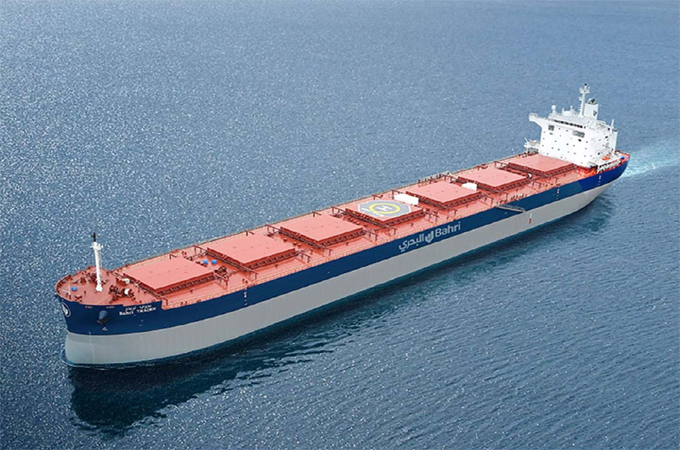
Saudi Arabian shipping giant Bahri has significantly bolstered its fleet by acquiring nine new crude oil carriers in a landmark transaction valued at approximately $1 billion. This strategic move underscores Bahri’s commitment to enhancing its global shipping capacity and operational efficiency in the oil transport sector.

The acquisition deal, finalized with a prominent shipbuilder, marks one of the largest expansions in the crude carrier segment this year. Each vessel is designed to meet the latest environmental and technological standards, reflecting Bahri’s focus on modernizing its fleet and adhering to global maritime regulations.

This fleet expansion is strategically timed to capitalize on the expected increase in global oil demand and the corresponding need for more efficient transportation solutions. The new carriers are expected to enhance Bahri’s ability to serve major oil-producing and consuming regions, thereby strengthening its position in the global shipping market.

Industry experts anticipate that the addition of these vessels will enable Bahri to optimize its operational capabilities and improve its service offerings. This move aligns with the broader trends in the shipping industry, where major players are investing in newer, more efficient ships to reduce operational costs and meet stricter environmental standards.

Bahri’s decision to invest heavily in its fleet is seen as a proactive response to the evolving dynamics of the global oil market and shipping industry. By integrating these advanced carriers into its operations, Bahri aims to reinforce its role as a leading player in the maritime logistics sector.

The acquisition also highlights Bahri’s ongoing efforts to adapt to the changing landscape of global trade and transportation. As international trade continues to evolve, Bahri’s investment in its fleet is expected to enhance its competitive edge and operational resilience.

With this substantial investment, Bahri not only strengthens its fleet but also positions itself to better navigate the complexities of the global oil supply chain. The company’s strategic vision includes expanding its reach and capabilities, ensuring that it remains at the forefront of the industry amid shifting market conditions.

Overall, Bahri’s $1 billion investment in new crude carriers represents a significant milestone in its growth trajectory and reflects its commitment to maintaining a modern and efficient fleet. As the company continues to expand its operations, it will play a crucial role in shaping the future of global maritime transport and oil logistics.

Kuwait Finance House has completed the sale of its entire stake in Sharjah Islamic Bank, fetching $351 million. This divestment marks a significant shift in the bank’s investment strategy, reflecting a broader trend of strategic asset reallocation in the Gulf banking sector. The sale involves a substantial block of shares, marking the end of a notable investment by Kuwait Finance House (KFH) in Sharjah Islamic Bank. The […]

Businesses in the Middle East are grappling with a significant liquidity issue, with over $50 billion reportedly trapped in their operations, according to a new PwC report. This situation has emerged as a critical concern for companies across various sectors in the region, highlighting a broader financial challenge that could impact economic stability and growth.

The liquidity problems are attributed to a combination of factors including prolonged payment delays from clients, difficulties in accessing financing, and regulatory hurdles that complicate the release of funds. The report underscores that these issues are not isolated but rather a widespread phenomenon affecting numerous businesses throughout the Middle East.

Key industries such as construction, real estate, and manufacturing are among the hardest hit. Companies in these sectors often face substantial delays in receiving payments for completed projects, which exacerbates their liquidity problems. Additionally, the challenging economic environment and fluctuations in commodity prices have further strained their financial resources.

The PwC report highlights that companies are also dealing with a slowdown in credit availability. Financial institutions have tightened lending standards, making it more difficult for businesses to secure the necessary funds to maintain operations and invest in growth opportunities. This credit crunch has compounded the liquidity issues, forcing many firms to explore alternative financing options or restructure their operations to remain viable.

Regulatory and administrative challenges also play a role in the liquidity crisis. Complex procedures for accessing funds and bureaucratic delays can hinder the timely release of capital. Companies must navigate a web of regulations that often vary by country, adding to the complexity of managing their finances effectively.

The report emphasizes the need for strategic measures to address these liquidity concerns. Businesses are encouraged to adopt more efficient financial management practices, such as improving cash flow forecasting and optimizing working capital. Additionally, engaging with financial advisors and exploring alternative financing solutions, such as private equity or venture capital, could help alleviate some of the pressures caused by the liquidity squeeze.

Furthermore, the report suggests that policymakers in the Middle East should consider reforms to streamline regulatory processes and enhance the availability of credit to support businesses in overcoming these financial challenges. By fostering a more supportive environment for companies, the region could mitigate some of the adverse effects of the current liquidity crisis.

This liquidity challenge reflects broader economic trends in the Middle East, where companies are navigating a complex and evolving financial landscape. The PwC report serves as a critical reminder of the need for both businesses and policymakers to address the underlying issues contributing to the liquidity crunch. As the situation develops, ongoing monitoring and proactive measures will be essential to ensuring the stability and resilience of the region’s economic sector.

Emerging breakthroughs in computational speed and algorithmic efficiency are poised to drive the next phase of blockchain technology, potentially realizing the long-sought goal of complete decentralization. Paul Brody, who leads blockchain initiatives at Ernst & Young (EY), highlights that these innovations could transform how decentralized networks function, enhancing both their resilience and the range of services they offer. The drive towards a fully decentralized blockchain has been […]

PUTRAJAYA, MALAYSIA – Media OutReach Newswire – 21 August 2024 – The world’s renowned thought leaders, innovators, and industry experts are set to gather in Malaysia for the highly anticipated 4th World Islamic Tourism Conference (4th WITC). This landmark event, scheduled to take place on upcoming 12 and 13 September, promises to be a pivotal moment in the global Islamic tourism landscape. Organised by Islamic Tourism Centre […]

Virtuos, a leading global game development studio, has acquired Third Kind Games, a prominent British indie game developer based in Leamington Spa. The strategic move is set to bolster Virtuos’s “AAA co-development capabilities” and secure a significant presence in the UK gaming market. Third Kind Games, renowned for its contributions to major titles like *Fable*, *Forza Horizon 4*, and *Sea of Thieves*, will remain under the guidance […]

Sav, a prominent financial technology firm based in the UAE, has introduced MyMoney, an innovative platform designed to centralize financial management for residents. The new service aims to simplify how users monitor and analyze their finances by consolidating data from multiple bank accounts into a single, user-friendly dashboard. MyMoney integrates various financial data points, allowing users to view their complete financial landscape in one place. This functionality […]

The burgeoning economic relationship between China and the United Arab Emirates (UAE) is set to deepen with significant investments in logistics, clean energy technologies, mobile gaming, and artificial intelligence (AI). This expansion follows a series of strategic meetings and collaborative agreements aimed at enhancing trade and technological exchanges between the two nations. On August 21 and 22, Beijing will host the Dubai Business Forum-China, featuring over 50 […]

Finance House, listed on the Abu Dhabi Securities Exchange (ADX), has successfully repurchased 10% of its subscribed capital, equating to over 1.7 million shares. This move, disclosed in a Monday filing, underscores the company’s strategic financial adjustments and commitment to enhancing shareholder value.

The repurchase of shares is part of Finance House’s broader strategy to manage capital efficiently and potentially boost its stock price. By acquiring a significant portion of its shares, the company aims to consolidate its financial position and signal confidence in its future performance to investors.

The transaction is a notable step in Finance House’s efforts to optimize its capital structure. Share buybacks are often employed by firms to return value to shareholders, particularly when they believe their stock is undervalued or when they seek to improve key financial metrics such as earnings per share.

In the context of the Abu Dhabi financial market, such moves can influence investor sentiment and market dynamics. The buyback reflects broader trends in the market where companies engage in strategic financial maneuvers to enhance shareholder returns and stabilize stock prices.

Finance House’s decision aligns with practices observed among other companies in the region that utilize share repurchases as a tool for financial management and shareholder engagement. The firm’s proactive approach in managing its equity base is indicative of its confidence in the stability and growth prospects of its business operations.

As the Abu Dhabi Securities Exchange continues to evolve, the impact of such repurchases on stock liquidity and investor confidence will be closely monitored. The market’s response to Finance House’s move could provide insights into broader investor attitudes and market trends within the financial sector.

This development highlights Finance House’s ongoing efforts to strengthen its financial standing and reinforce its commitment to creating value for its shareholders. The company’s strategic actions are likely to influence its market position and contribute to its long-term growth objectives.

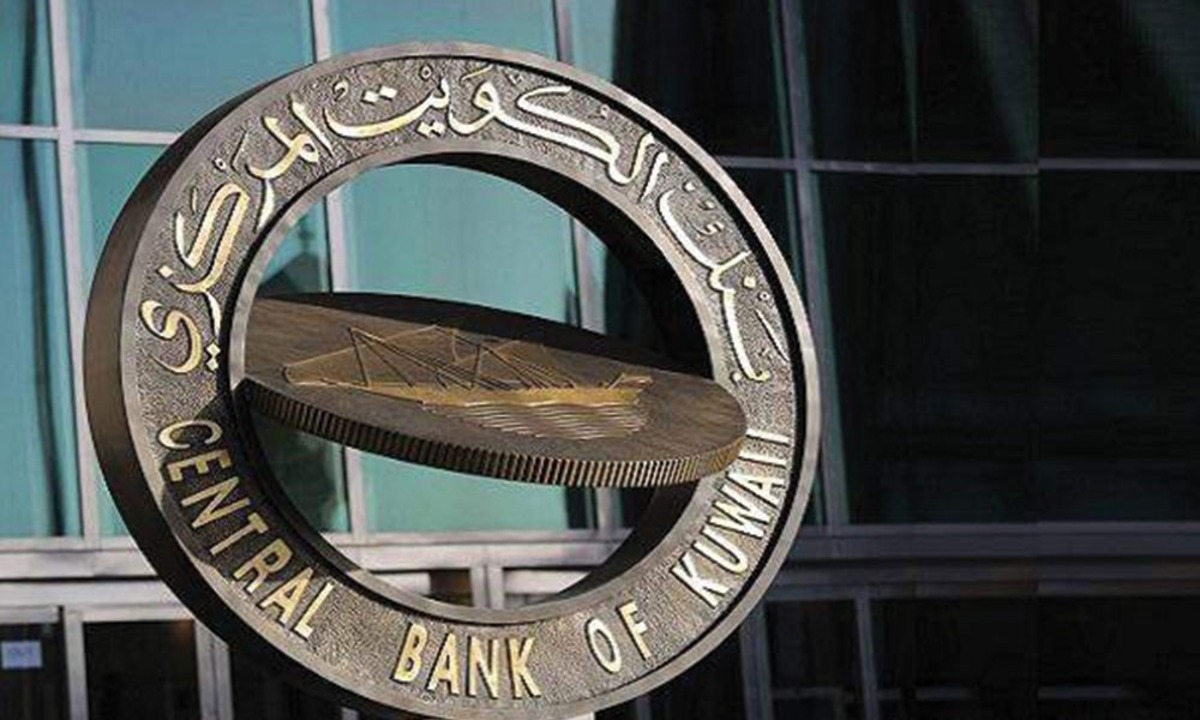
The Central Bank of Kuwait (CBK) has unveiled a substantial bond issuance totaling KD 240 million ($792 million), marking a significant move in the country’s financial strategy. This issuance comprises both conventional bonds and tawarruq, a financial instrument aligning with Islamic finance principles.

The latest financial maneuver by the CBK aims to bolster liquidity and stabilize the domestic financial market amid fluctuating economic conditions. Tawarruq, an Islamic finance arrangement, allows investors to obtain liquidity through the purchase of assets, which are then sold in a subsequent transaction, providing a compliant solution for generating cash flow in accordance with Sharia law.

This new issuance reflects the CBK’s ongoing strategy to manage the national monetary policy effectively. By introducing these bonds, the CBK intends to enhance the flexibility of the Kuwaiti dinar while offering attractive investment opportunities to local and international investors. The bonds are expected to attract significant interest due to their robust backing and the CBK’s strong financial position.

The decision to launch this bond issuance comes at a time of evolving global economic dynamics and regional financial shifts. The CBK’s move is anticipated to have a stabilizing effect on the local financial markets, addressing potential liquidity challenges and supporting the growth of the national economy.

The issuance includes both short-term and long-term bonds, providing a range of options for investors seeking to diversify their portfolios or secure steady returns. The incorporation of tawarruq underscores the CBK’s commitment to expanding its financial instruments in line with Islamic finance principles, catering to a diverse investor base.

This financial strategy aligns with the CBK’s broader objectives of maintaining monetary stability and fostering investor confidence. As the CBK continues to navigate the complexities of global financial markets, its latest bond issuance signifies a proactive approach to managing economic uncertainties and supporting Kuwait’s financial infrastructure.

Investors and financial analysts will closely monitor the impact of this bond issuance on the Kuwaiti financial landscape. The success of this initiative may set a precedent for future financial strategies and influence the broader regional financial market trends.

The CBK’s bond issuance is expected to play a pivotal role in strengthening Kuwait’s economic framework, with anticipated benefits extending across various sectors of the economy. As such, it represents a significant development in Kuwait’s financial sector and underscores the CBK’s ongoing efforts to adapt to evolving economic conditions while upholding its commitment to sound financial management.

The Indian aviation sector is on a transformative path that positions it as a major global hub by 2030. According to CAPA Advisory, Indian airlines are expected to significantly expand their fleets, with projections indicating the addition of 150 widebody aircraft by 2035. This expansion is set to be complemented by the integration of Airbus A321XLRs, designed for medium-haul routes, thereby enhancing connectivity and operational efficiency.

The rapid growth of the Indian aviation industry is driven by several factors, including a burgeoning middle class, increasing urbanization, and heightened economic activity. The country’s strategic geographic location between major global markets further reinforces its potential as a key aviation hub. With the government’s supportive policies and investments in infrastructure, including the development of new airports and the expansion of existing ones, India’s role in global air travel is set to become more prominent.

Indian airlines are focusing on modernizing their fleets to accommodate the rising passenger demand. The introduction of widebody aircraft will enable them to serve long-haul international routes more effectively. At the same time, the A321XLRs will address the need for efficient, medium-haul connectivity, making regional and international destinations more accessible.

Airline operators are also investing in technology and innovation to improve operational efficiency and enhance passenger experience. This includes advancements in aircraft maintenance, fuel efficiency, and customer service. As the aviation sector evolves, Indian carriers are positioning themselves to compete on a global scale, with a focus on delivering high-quality service and expanding their network reach.

The anticipated growth in passenger traffic is expected to double over the next decade, driven by the increasing affordability of air travel and the expansion of low-cost carriers. This surge in demand will necessitate significant investments in airport infrastructure, including terminal expansions and modernization of air traffic control systems, to accommodate the higher volume of passengers and flights.

The Indian government has been proactive in supporting this growth trajectory through various initiatives, including policies aimed at improving the regulatory environment and fostering private sector investment in the aviation sector. The development of new airports in underserved regions and the enhancement of existing facilities are central to this strategy, aimed at ensuring that infrastructure keeps pace with the expanding demand.

Industry experts highlight that the rise of Indian aviation as a global hub will have far-reaching economic implications, creating job opportunities, stimulating regional development, and fostering international trade and tourism. The increased connectivity will not only benefit passengers but also enhance cargo capacity, facilitating smoother global trade flows.

Overall, the Indian aviation sector’s expansion aligns with broader economic trends and demographic shifts, positioning the country as a key player in the global air travel market. As Indian airlines continue to expand their fleets and improve their services, they are set to play a significant role in shaping the future of global aviation.


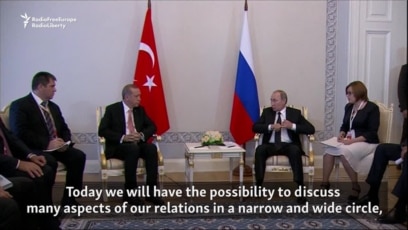
A new trade agreement between government-controlled and opposition-held areas in Syria marks a significant development in the Syrian conflict. This trade initiative, involving key economic exchanges between these once-divided regions, hints at a possible warming of relations between Syrian President Bashar al-Assad and Turkish President Recep Tayyip Erdogan.

The trade agreement comes amid shifting geopolitical dynamics, with Russia playing a pivotal role in facilitating dialogue between the Assad regime and various opposition factions. Moscow’s intervention in the Syrian conflict in 2015, aimed at restoring Assad’s control, has now expanded to include efforts to bridge the gap between conflicting parties. The recent trade pact underscores a potential realignment of alliances and objectives in the region.

The agreement involves the exchange of goods such as food, medicine, and construction materials, which are crucial for rebuilding efforts in the war-torn country. This trade is being managed through a network of intermediaries and is expected to alleviate some of the economic pressures faced by both sides. The move also reflects broader strategic interests, with both Assad and Erdogan seeking to stabilize their respective positions in the region.

The initiative has garnered attention from various international observers and analysts, who view it as a strategic maneuver by both leaders to consolidate their control and influence. The Syrian government sees this trade agreement as a means to reinforce its authority and address humanitarian needs, while Erdogan’s administration is leveraging the opportunity to address economic and political pressures within Turkey.

The trade pact aligns with Russia’s broader objectives in Syria, where Moscow has been working to strengthen its diplomatic and strategic foothold. The Russian government has been actively involved in brokering discussions and mediating between conflicting parties, aiming to create a more stable and cooperative environment in Syria. This recent development is seen as a part of Russia’s strategy to enhance its influence and facilitate a more sustainable resolution to the conflict.

The reaction from the international community has been mixed. While some view the agreement as a positive step towards reducing tensions and fostering dialogue, others remain skeptical about its long-term impact on the broader conflict. Critics argue that while the trade initiative may offer short-term benefits, it does not address the underlying political and security challenges that continue to plague Syria.

As the situation evolves, stakeholders are closely monitoring how this trade agreement will affect the broader dynamics of the Syrian conflict. The potential for improved relations between Assad and Erdogan could reshape the geopolitical landscape of the region, influencing not only Syria’s internal politics but also its interactions with neighboring countries and international actors.

The trade agreement between Syrian regime and rebel areas represents a notable shift in the ongoing conflict, with implications for both regional politics and international diplomacy. The development highlights the complex and evolving nature of the Syrian crisis, reflecting broader trends and strategic interests that continue to shape the region’s future.

The Saudi Public Investment Fund (PIF) has achieved notable financial gains following a global market upswing, significantly boosting its returns. This surge is attributed to a series of positive developments across various global markets, enhancing the value of PIF’s diverse investment portfolio.

In the past quarter, PIF’s investment performance has markedly improved, reflecting a broader positive trend in global equities. The rally in major stock indices, including those in the US and Europe, has contributed substantially to the fund’s recent success. Particularly strong performances in the technology and energy sectors have been instrumental, with stocks in these areas achieving substantial growth.

The PIF, known for its strategic investments in sectors such as technology, entertainment, and infrastructure, has benefited from its early and diversified investments in high-growth areas. Investments in cutting-edge technology firms and renewable energy projects have yielded impressive returns, aligning with the global emphasis on innovation and sustainability.

Recent data reveals that the PIF’s stake in various tech giants and renewable energy companies has been a key driver behind the improved performance. Companies focusing on artificial intelligence, clean energy, and digital transformation have seen their stock values rise significantly, thereby boosting the value of PIF’s investments.

In addition to equity investments, PIF’s strategic acquisitions and partnerships have played a crucial role. The fund’s engagement in major international projects and joint ventures has not only diversified its investment portfolio but also enhanced its global footprint. This approach has allowed PIF to leverage emerging market trends and capitalize on lucrative opportunities.

Moreover, the PIF’s focus on geographic diversification has helped mitigate risks associated with market volatility. By investing across various regions and sectors, the fund has effectively balanced its portfolio, ensuring stability and growth despite fluctuations in specific markets.

The recent market rally has also been supported by favorable macroeconomic conditions, including low-interest rates and strong economic recovery signals from key markets. This environment has created a conducive backdrop for investment gains, further amplifying the positive impact on the PIF’s returns.

Looking ahead, the PIF is expected to continue benefiting from ongoing global market trends and its strategic investment choices. The fund’s proactive approach to identifying and investing in high-potential sectors positions it well to capitalize on future market opportunities and maintain its robust financial performance.

As the global economy evolves, the PIF’s ability to adapt and strategically align its investments with emerging trends will be crucial. The fund’s continued focus on diversification and innovation will likely play a significant role in sustaining its growth trajectory and reinforcing its position as a leading global investment player.

Arabian Post Staff A major renewable energy project is underway in Egypt with Masdar and Infinity Power joining forces to develop a significant 200-megawatt wind farm. This venture marks a substantial step forward in Egypt’s efforts to bolster its renewable energy capacity and reduce its reliance on fossil fuels. The new wind farm will be located in the Red Sea Governorate, a region known for its strong […]

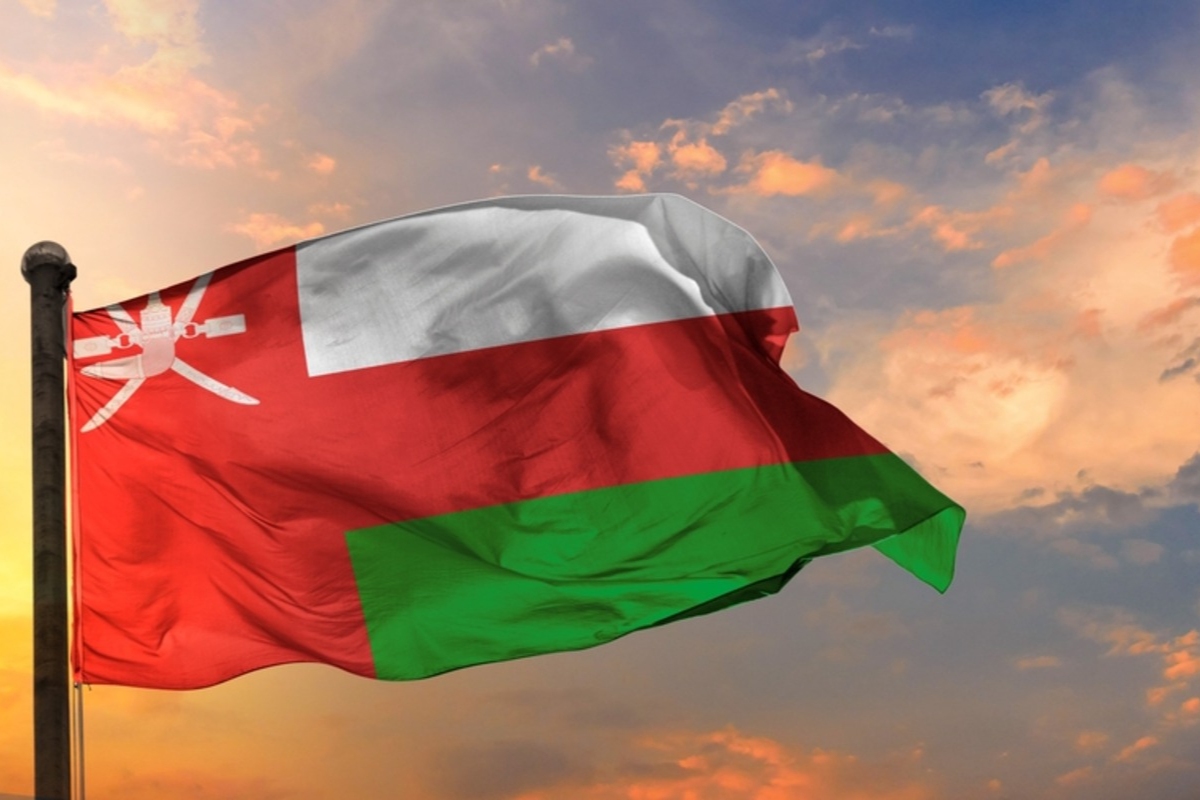
Oman’s sovereign wealth fund, the State General Reserve Fund (SGRF), has reported a significant increase in its total assets for 2023, reaching $49.9 billion. This marks a substantial growth from previous years, reflecting a positive shift in the fund’s investment strategy and global financial conditions.

The SGRF’s growth in assets is attributed to various factors including strategic investments in diverse global markets and favorable returns from its portfolio. The fund has been actively diversifying its investments, focusing on high-growth sectors and regions to maximize returns and minimize risks. This strategy appears to be paying off, with notable gains reported in both public and private investments.

Recent investments by the SGRF have spanned multiple sectors including technology, infrastructure, and energy. By positioning itself in these high-potential areas, the fund has managed to capitalize on global economic trends and emerging market opportunities. This approach has not only enhanced the fund’s asset base but also strengthened its financial stability.

The increase in assets also reflects broader economic trends and market performance over the past year. Global financial markets have seen volatility and shifts, but strategic asset management and a forward-looking investment strategy have allowed the SGRF to navigate these challenges effectively. The fund’s performance is indicative of its robust risk management practices and adept investment decisions.

Moreover, the SGRF has been emphasizing sustainability and responsible investment practices. The fund’s commitment to Environmental, Social, and Governance (ESG) criteria is evident in its investment choices, with a growing portion of its portfolio allocated to sustainable and socially responsible investments. This aligns with global investment trends where sustainability is becoming increasingly pivotal.

The fund’s strategic expansion into emerging markets and sectors with high growth potential has been a key driver of its asset growth. By leveraging opportunities in dynamic and evolving markets, the SGRF is positioning itself to capitalize on future economic shifts and trends.

As the global economic landscape continues to evolve, the SGRF’s performance highlights its adaptive strategy and proactive management. The increase in assets underscores the fund’s resilience and its ability to generate value amid fluctuating market conditions. With a focus on diversified investments and sustainability, the SGRF is set to continue its role as a significant player in the global investment arena.

Oman’s sovereign wealth fund’s impressive asset growth for 2023 is a testament to its strategic vision and effective management. As it continues to explore new opportunities and refine its investment approach, the SGRF remains a critical component of Oman’s financial strategy, contributing to the nation’s long-term economic stability and growth.

VISHNU RAJA
RYO YAMADA
HITORI GOTOH
IKUYO KITA