News related to
Trends

A significant development in the maritime industry is underway as Oman embarks on a comprehensive study aimed at establishing low-carbon fuel bunkering facilities. This initiative aligns with the global push toward sustainability and reducing carbon emissions within the shipping sector. The Oman Maritime Authority is spearheading this effort, recognizing the increasing demand for alternative fuels amid growing environmental concerns. This study is part of a broader strategy […]

Approval has been granted by the European Union for e& Group, a telecommunications conglomerate based in the UAE, to acquire the telecom assets of Czech investment group PPF. This decision marks a significant step in e& Group’s strategy to expand its footprint in Central and Eastern Europe, following similar acquisitions in the region. The transaction involves the purchase of PPF’s telecom operations, including its significant stakes in […]

OBERKOCHEN, GERMANY – Media OutReach Newswire – 25 September 2024 – The global smartphone market is in a constant state of transformation, driven by rapid advances in technology and evolving consumer preferences. But no matter how much the technology changes, the smartphone’s most important function remains unchanged – it fulfils our human need to connect and communicate. vivo has always aimed to build a bridge between humans […]

Bybit, one of the top cryptocurrency exchanges in the world, has launched a new initiative aimed at training emerging talent in the crypto space. The program, called the BUIDL Apprenticeship, is designed for aspiring marketers eager to break into the fast-evolving cryptocurrency industry. Bybit is specifically targeting the next generation of crypto marketers to foster innovation and diversity in its marketing efforts. The BUIDL Apprenticeship is set […]

Ajeej Capital, in collaboration with Nuwa Capital, has announced the launch of a $100 million private debt fund aimed at providing financing to companies in the Middle East and North Africa (MENA) region. This initiative reflects the growing demand for alternative funding sources amid a shifting economic landscape influenced by rising interest rates and tightening financial conditions globally.

The newly formed fund, named the “Ajeej-Nuwa Private Debt Fund,” will primarily focus on lending to small and medium-sized enterprises (SMEs) that are often underserved by traditional financial institutions. According to industry experts, SMEs play a crucial role in the economic fabric of the region, accounting for a significant portion of employment and GDP. By facilitating access to capital, this fund aims to spur growth in a sector that is pivotal for job creation and economic diversification.

Both Ajeej Capital and Nuwa Capital are seasoned players in the private equity and venture capital markets. Ajeej Capital, known for its strategic investments across various sectors, has established itself as a key player in the MENA investment landscape. Meanwhile, Nuwa Capital, with its expertise in supporting startups and high-growth companies, brings a complementary skill set to the partnership.

The fund’s investment strategy will involve a blend of secured and unsecured debt, tailored to meet the unique needs of each portfolio company. This approach enables the fund to balance risk while providing flexible financing solutions. Moreover, the partnership has signaled its commitment to fostering sustainable and socially responsible business practices, aligning with broader trends in impact investing.

Market analysts emphasize that the launch of this private debt fund is timely, given the challenges facing businesses in the region. Economic pressures, including inflation and supply chain disruptions, have made traditional financing avenues more challenging for SMEs. With banks increasingly cautious in their lending practices, alternative financing options like private debt funds are becoming more attractive to companies seeking capital to sustain operations and fuel growth.

Ajeej and Nuwa’s initiative also coincides with a larger trend in the investment landscape, where institutional investors are increasingly allocating funds to private debt as a means of achieving higher yields in a low-interest-rate environment. According to industry reports, private debt fundraising reached record levels in 2023, highlighting the asset class’s growing appeal among investors seeking diversification.

The fund aims to deploy its capital over the next few years, focusing on sectors such as technology, healthcare, and consumer goods. These industries have shown resilience and potential for growth, making them attractive targets for investment. As part of its strategy, the Ajeej-Nuwa fund will also consider companies that are at various stages of development, from established firms looking to expand to startups seeking initial growth capital.

Both firms have expressed their commitment to not only generating financial returns but also creating positive social impact through their investments. This aligns with a growing emphasis among investors for socially responsible and sustainable investing practices. Ajeej Capital and Nuwa Capital have underscored their goal of supporting businesses that prioritize environmental, social, and governance (ESG) considerations.

Investor interest in private debt continues to surge as traditional asset classes face volatility. The appetite for alternative investments has been driven by a combination of factors, including rising inflation, increased market uncertainty, and the quest for yield in a low-rate environment. Private debt funds provide a unique opportunity to capitalize on these trends by offering more predictable returns compared to public equity markets.

The announcement of the Ajeej-Nuwa fund is indicative of a broader shift in the region’s investment landscape, where innovative financing solutions are becoming essential for economic growth. The collaborative efforts of Ajeej Capital and Nuwa Capital represent a forward-thinking approach to addressing the capital needs of SMEs, which are vital for the sustainable development of the MENA economy.

As the fund gears up for its first investments, it aims to establish a track record of success that can attract additional capital in the future. Both firms are keen to leverage their networks and expertise to identify high-potential companies that align with their investment criteria. By focusing on underrepresented segments of the market, they hope to play a significant role in fostering entrepreneurship and innovation across the region.

The Ajeej-Nuwa Private Debt Fund’s emphasis on flexibility in structuring deals and understanding the unique challenges faced by businesses will be a key differentiator. This approach not only enhances the fund’s competitiveness but also reinforces its commitment to supporting the growth ambitions of its portfolio companies.

Commercial Bank of Qatar has achieved a significant milestone in sustainable finance by issuing its largest green bond, valued at 200 million Swiss francs (approximately $220 million). This issuance reflects the growing commitment to environmental sustainability in the Middle East, positioning Qatar as a key player in the global green finance market. The bond will not only enhance the bank’s capital structure but also contribute to financing […]

A surge in institutional interest is significantly advancing cryptocurrency adoption in the United Arab Emirates, positioning the region as a pivotal player in the global digital assets market. Major financial institutions, including banks and investment firms, are increasingly embracing blockchain technology and digital currencies, which is reshaping the traditional financial landscape. The UAE government has long fostered a progressive regulatory framework aimed at enhancing financial innovation, making […]

Advertisements

OPEC has revised its long-term outlook for global oil demand, emphasizing the significant role of developing countries in driving consumption. This adjustment reflects broader economic trends, demographic shifts, and the continuing reliance on fossil fuels, despite growing concerns about climate change and the push for renewable energy sources. The latest forecast suggests that global oil demand is expected to peak at approximately 109 million barrels per day […]

Etihad Airways has announced an ambitious plan to invest $7 billion by the year 2030, signaling a significant commitment to enhancing its operations and services. The airline’s CEO, Antonoaldo Neves, emphasized that this financial injection will focus on improving customer experience, expanding the fleet, and embracing sustainability initiatives as part of a broader strategy to maintain its competitive edge in the aviation sector. The investment is part […]

Investment flows from the Middle East into China have surged to unprecedented levels, reflecting an evolving economic partnership driven by substantial cash reserves and a shared interest in diversification and innovation. As the global economy continues to grapple with geopolitical tensions and supply chain disruptions, companies from the Gulf region are increasingly looking to capitalize on China’s robust market potential.

Several factors have contributed to this notable increase in investment. The post-pandemic recovery in China, coupled with the Belt and Road Initiative, has created fertile ground for collaboration. This initiative aims to enhance global trade routes, and Middle Eastern firms see significant opportunities in infrastructure, technology, and renewable energy sectors. Recent data indicates that investments from Gulf Cooperation Council (GCC) countries reached a record high, with a noticeable increase in transactions related to technology and logistics.

A pivotal player in this investment wave is Saudi Arabia, which has been actively seeking to diversify its economy under the Vision 2030 plan. The Kingdom’s Public Investment Fund (PIF) is increasingly channeling resources into Chinese technology firms, particularly in artificial intelligence and e-commerce. This aligns with the Saudi strategy to leverage advancements in technology to bolster local industries and foster economic growth. The PIF has made substantial investments in Alibaba and other tech giants, marking a significant shift in its investment portfolio.

UAE firms are also playing a critical role in this trend. Abu Dhabi’s Mubadala Investment Company has expanded its footprint in China, investing heavily in sectors such as healthcare, renewable energy, and telecommunications. The strategic focus on technology and innovation mirrors the UAE’s own economic diversification goals, emphasizing a move away from oil dependency. Additionally, Dubai’s position as a global trading hub enables UAE companies to act as a conduit for investments flowing into China, facilitating partnerships and joint ventures.

Emerging sectors are at the forefront of this investment boom, particularly in technology and renewable energy. Middle Eastern firms are increasingly recognizing the importance of digital transformation, leading to significant investments in Chinese tech startups. The push for innovation aligns with global trends in artificial intelligence, fintech, and e-commerce. Companies from the Middle East are particularly interested in leveraging China’s advanced technological infrastructure to enhance their own capabilities.

The renewable energy sector is another focal point for investment. As part of their commitment to sustainability, many GCC countries are investing in clean energy projects. China’s leadership in solar and wind technology presents attractive opportunities for collaboration. Recent joint ventures between Chinese and Middle Eastern firms in solar energy projects highlight a growing trend towards sustainability in their investment strategies. This synergy not only addresses the energy needs of the region but also contributes to global efforts in combating climate change.

China’s growing consumer market also attracts substantial interest from Middle Eastern companies. With a burgeoning middle class, demand for high-quality products and services is on the rise. Companies from sectors such as food and beverage, luxury goods, and health products are looking to tap into this lucrative market. The expanding trade relationship is expected to yield significant benefits for both parties, as Middle Eastern firms introduce their products and services to Chinese consumers.

The geopolitical landscape plays a crucial role in shaping these investment dynamics. As tensions between the U.S. and China escalate, Middle Eastern nations are finding themselves in a unique position to act as intermediaries. The desire for strategic partnerships allows Gulf countries to leverage their relationships with both Western and Eastern powers. This balancing act is critical for maintaining economic stability and fostering trade relationships that benefit all parties involved.

Despite the promising outlook, challenges remain. Regulatory barriers and varying business practices can complicate cross-border investments. However, many companies are finding ways to navigate these obstacles through strategic alliances and local partnerships. Building relationships with Chinese firms is essential for understanding market dynamics and ensuring successful investment outcomes.

As Middle Eastern firms continue to increase their presence in China, the implications for global trade are profound. The growing interdependence between these regions highlights a shift in the traditional investment landscape. Analysts predict that this trend will not only bolster economic ties but also create new avenues for collaboration across various sectors.

Saudi Aramco, the state-owned oil giant of Saudi Arabia, has set the pricing guidance for its upcoming dollar-denominated sukuk bonds. The issuance marks another significant move in the company’s strategy to diversify its funding sources and support its ongoing expansion plans. The term sheet indicates a total anticipated issuance of up to $5 billion, which is expected to be split into multiple tranches with varying maturities. This […]

Data reveals 11% revenue increase in Cloud-Native Application Protection Platform market HONG KONG SAR – Media OutReach Newswire – 24 September 2024 – Trend Micro Incorporated (TYO: 4704; TSE: 4704) a global cybersecurity leader, today celebrated that it has retained its #1 ranking for worldwide cloud-native application protection platform market share in the IDC, Worldwide Cloud-Native Application Protection Platform Market Shares, 2023: A Bull Market (doc # […]

The call for a significant increase in renewable energy investment to meet global climate goals has intensified. Dr. Sultan Al Jaber, the President of COP28, emphasized that global investments in renewable energy need to more than triple over the next six years to meet the ambitious target of 11,000 gigawatts (GW) of capacity by 2030. His remarks came during the Global Renewables Summit, marking the first-ever high-level […]

Investors have witnessed a marked shift in market behaviour in recent weeks. The once seemingly invincible Big Tech stocks have faced pressure, no longer reaching new all-time highs, even as the broader S&P500 index posted record highs earlier this week (Monday). Nvidia—the poster child of the recent tech renaissance—has seen its stock price fall 8.5% from its August peak, despite reporting impressive second-quarter earnings on August 28th […]

Hong Kong is advancing its digital currency initiative, with the Hong Kong Monetary Authority (HKMA) announcing the launch of phase two in the e-HKD pilot program. This central bank digital currency (CBDC) initiative is designed to explore the future of financial transactions through tokenization, programmability, and offline payments. Following the completion of the first phase, which focused on evaluating foundational aspects of digital currencies, the second phase […]

A pivotal legal battle is unfolding as Visa Inc. finds itself at the center of an antitrust case initiated by the U.S. Department of Justice (DOJ). This case focuses on allegations that the company has maintained monopolistic practices in the debit card market, potentially stifling competition and harming both consumers and businesses. As a result, the outcome of this case could significantly impact how debit card transactions […]

The Dubai Financial Market (DFM) has completed its scheduled review of the General Index and Islamic Index, applying the new stock weightings to both indices starting today. This periodic evaluation aims to ensure the indices accurately reflect the market’s movements and the performance of listed companies.

The reviewed weightings, effective immediately, are expected to provide a clearer picture of the current market standing. The adjustments have garnered significant attention as investors and stakeholders analyze how the updated figures will impact their portfolios and trading strategies. The changes come during a time of increased global financial uncertainty, making the recalibration of these indices a critical measure for the market’s participants.

DFM’s review process, undertaken twice annually, forms a core part of its strategy to maintain a balanced and representative index system. This time, the Islamic Index received heightened scrutiny as sharia-compliant investments have seen a surge in global interest. The modifications to both indices are reflective of market activity over the past months, including stock performance, market capitalization, and liquidity considerations.

Many large-cap companies retained their influential positions within the indices, while certain mid-cap and smaller firms saw their weightings adjusted. The DFM General Index, a barometer of the broader market performance, experienced changes that industry analysts believe could signal emerging trends in the region’s economic sectors. The Islamic Index, which tracks sharia-compliant companies, also saw updates aligning with the growing demand for ethical investments across the Middle East and North Africa (MENA) region.

Several market experts are focusing on the potential impact these adjustments will have on the financial landscape in the UAE and beyond. With the global investment community closely observing DFM’s activities, the revised weightings could affect decisions made by institutional investors and fund managers, particularly those with significant holdings in both the General and Islamic Indices.

Companies with strong fundamentals and steady performance records were expected to maintain or even improve their positions in the indices, while those with fluctuating market capitalization and lower liquidity risk seeing their weightings diminished. The review is based on a transparent methodology that takes into account factors such as market capitalization, free float, and compliance with DFM’s stringent listing standards.

This year’s review comes at a time when the UAE’s capital markets are witnessing renewed interest from both regional and international investors. Analysts have pointed to the growth of sectors such as real estate, banking, and technology, which continue to drive much of the economic activity on the exchange. DFM’s Islamic Index, in particular, has seen an uptick in interest as sharia-compliant investments become increasingly attractive in an era of socially responsible investing.

With Dubai positioning itself as a global hub for financial services, the success and accuracy of its indices remain pivotal for both local and foreign investors. The DFM General Index, often viewed as a proxy for the health of Dubai’s economy, offers a snapshot of the market’s trajectory. Likewise, the Islamic Index is gaining attention due to the global rise in demand for Islamic finance solutions, particularly as countries across the Gulf continue to diversify their economies away from oil dependence.

Today’s application of the new weightings comes at a time of heightened anticipation among traders and fund managers who closely monitor any shifts in the indices for signs of underlying market movements. Analysts are already beginning to issue forecasts based on the changes, with some expecting a boost in the performance of companies that gained weight in the review.

Several of Dubai’s top-listed firms continue to dominate the General Index, including major players in sectors such as banking, real estate, and logistics. The Islamic Index, meanwhile, continues to feature companies that comply with sharia principles, covering a range of industries from financial services to energy. As Dubai continues to strengthen its regulatory frameworks, ensuring transparency and investor protection, the DFM’s indices play a crucial role in attracting foreign investment and maintaining market stability.

The periodic review also brings into focus the importance of accurate and timely data in market operations. Investors rely on these recalibrations to make informed decisions, particularly when it comes to index-linked investments such as exchange-traded funds (ETFs) and index funds. With the UAE’s capital markets maturing, the role of DFM’s indices in reflecting the true performance of the economy is more critical than ever.

DFM’s commitment to reviewing its indices bi-annually ensures that they remain aligned with international best practices. As part of this process, DFM collaborates with a wide range of stakeholders, including regulators, market participants, and financial experts, to ensure that its indices maintain a high standard of accuracy and relevance. This collaborative approach has helped cement DFM’s position as one of the leading exchanges in the MENA region.


Arabian Post Staff Auréa Group, led by Mike Jatania, has officially completed the acquisition of The Body Shop, marking a crucial turning point for the beleaguered British cosmetics retailer. Once a pioneer in ethical beauty, The Body Shop has faced significant financial challenges in recent years, leading to its administration earlier in 2024. Auréa’s acquisition follows the chain’s struggles under its former owner, Natura & Co, which […]

Sheikh Mohammed bin Rashid Al Maktoum, Ruler of Dubai and Vice-President of the UAE, has given the go-ahead for a $2.7 billion expansion plan at the Dubai Exhibition Centre, located in Expo City. The project is set to significantly boost Dubai’s capacity for international exhibitions, conferences, and events, reaffirming its position as a global business hub. The move follows Expo 2020’s success and highlights the emirate’s continued investment in key infrastructure sectors.

The newly approved master plan outlines a massive increase in space, with the Dubai Exhibition Centre’s facilities set to expand by more than 40%, bringing the total exhibition area to 820,000 square meters. This will include multiple new halls, conference venues, and integrated business facilities designed to accommodate larger events and cater to a growing demand from international and regional exhibitors. By making the venue more versatile, Dubai aims to attract a broader spectrum of industries and events, from global trade fairs to cutting-edge tech expos.

Along with added capacity, the expansion includes enhancements to digital infrastructure to support hybrid and fully virtual events, aligning with current trends in global conferencing. By incorporating smart technologies and high-speed digital connectivity, Expo City aims to appeal to businesses looking for seamless integration between physical and virtual event formats.

Vercel, a prominent player in the web development ecosystem, positions itself as a pivotal solution for developers seeking speed and efficiency. Known for its Frontend as a Service (FaaS) model, Vercel enables developers to build, deploy, and optimize applications seamlessly, catering to the growing demands of modern web users. The platform has gained traction for its ability to deliver high-performance websites with minimal latency, a critical factor […]

The crypto market presents a myriad of investment opportunities, particularly for those looking to acquire affordable assets with potential for growth. Amidst a backdrop of fluctuating market conditions, investors are increasingly focusing on lower-priced cryptocurrencies that exhibit strong fundamentals and promising market activity. Several key players have emerged as noteworthy options for investors this month. Among them is Cardano (ADA), which has garnered attention for its innovative […]

Azerbaijan’s announcement of a new climate fund aimed at addressing global climate challenges has sparked debate among experts and policymakers. While the initiative reflects a growing awareness of the need for urgent action in combating climate change, skepticism remains over whether it will significantly narrow the persistent climate finance gap facing developing nations. As pressure mounts on both industrialized and emerging economies to contribute to global climate […]

Adnoc Gas has suspended its feed-to-engineering, procurement, and construction (EPC) contest for a significant liquefied natural gas (LNG) project in Abu Dhabi, a move that has raised eyebrows in the energy sector. This decision comes amid shifting market dynamics and strategic reassessments within the company. The LNG project, which was anticipated to enhance Adnoc’s capacity and export capabilities, has been on the radar of industry analysts and […]

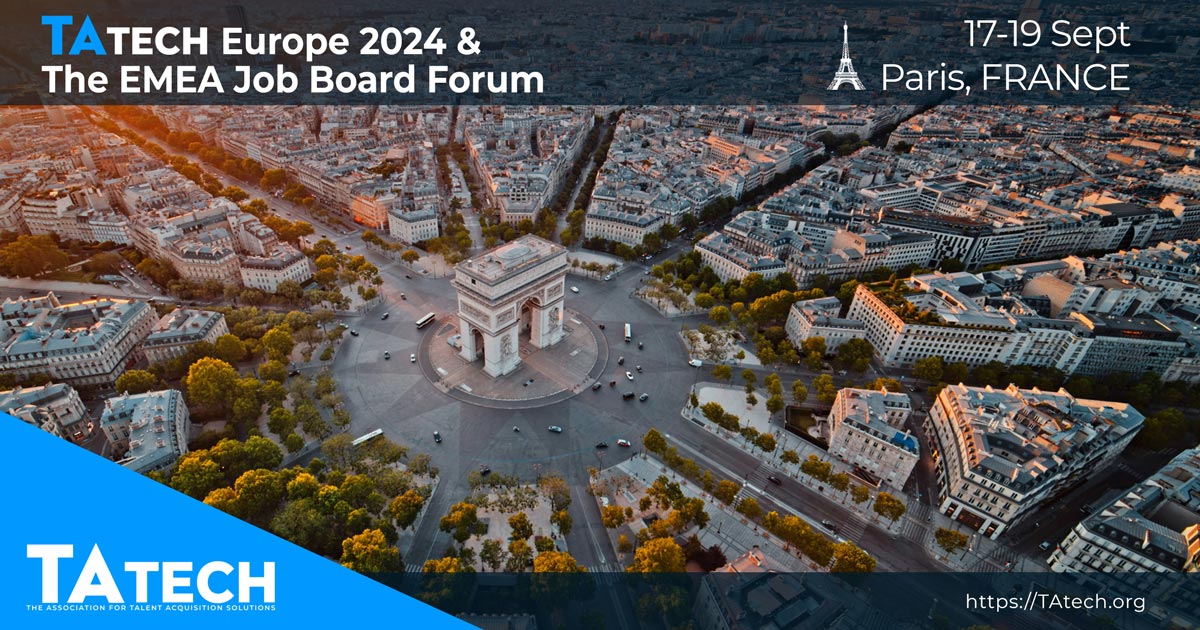
The Tatech 2024 conference, the only event in the EMEA region focused exclusively on job boards and talent technology, concluded last week in Paris. The event drew significant participation from industry leaders, technology providers, and workforce management experts, emphasizing the evolving landscape of recruitment and talent acquisition.

With over 1,200 attendees, Tatech 2024 served as a platform for sharing insights and innovations that are shaping the future of recruitment. Discussions highlighted advancements in artificial intelligence and data analytics, which are increasingly integral to improving hiring processes and enhancing candidate experiences. Experts stressed the importance of leveraging these technologies to streamline operations, reduce costs, and ultimately drive organizational success.

Keynote speakers from leading firms presented case studies demonstrating how integrated technology solutions are transforming traditional hiring methods. A notable highlight was the presentation by a representative from a prominent global HR tech company, who showcased their latest software designed to improve job matching through predictive analytics. This approach not only enhances efficiency but also aligns talent acquisition strategies with broader business objectives.

Networking opportunities facilitated collaborations among diverse stakeholders, fostering relationships that could lead to innovative partnerships. Representatives from established job boards engaged with new entrants in the market, sharing strategies on how to remain competitive in an increasingly crowded space. The exchange of ideas included discussions on the importance of user-centric design and the role of mobile technology in reaching a broader audience.

A prominent theme throughout the conference was the emphasis on data privacy and compliance. With the implementation of various regulations across Europe, industry leaders underscored the necessity for technology solutions that prioritize data security while maintaining compliance with local and international laws. Experts advocated for transparent practices in data collection and usage, which are essential for building trust with candidates and clients alike.

Panels addressed the evolving expectations of job seekers, who are increasingly seeking personalized and engaging experiences during the recruitment process. Innovations in virtual reality (VR) and augmented reality (AR) were explored as potential tools for enhancing candidate engagement. Companies are beginning to adopt immersive technologies to provide realistic job previews, allowing candidates to better understand the work environment and expectations before applying.

The importance of diversity and inclusion within the recruitment process was also a significant topic of discussion. Speakers highlighted the need for tools that not only promote diverse hiring practices but also help organizations assess and improve their internal culture. The integration of AI-driven bias detection tools was suggested as a means to ensure that recruitment processes are fair and equitable, contributing to a more inclusive workplace.

As the conference concluded, participants expressed optimism about the future of talent technology. Many attendees highlighted the value of the insights gained and the connections made during the event. The shared commitment to leveraging technology for improved recruitment outcomes resonated throughout the discussions, signaling a collective drive towards innovation in the sector.

Looking ahead, the impact of the trends discussed at Tatech 2024 will likely shape recruitment strategies in the coming years. As technology continues to advance, the challenge will be for organizations to adapt swiftly and effectively to meet the demands of a dynamic workforce landscape. The insights from this year’s conference provide a roadmap for navigating these changes, ensuring that job boards and recruitment platforms remain competitive and responsive to market needs.

VISHNU RAJA
RYO YAMADA
HITORI GOTOH
IKUYO KITA
Just in: