Just in:
ONYX Hospitality Group Unveils Plans for Amari Samui Resort and Villas, Elevating Its Premium Resort Offering on Koh Samui // MG Motor presents four electrified vehicles at Dubai exhibition // Court reinstates Police association rejig order // Forged court directives trigger probe into website blocking // Turkish Airlines adds Chengdu to mainland China services // LANDMARK Presents ‘Destination CENTRAL’: A District-Wide Celebration Inviting Global Travellers to Explore the Dynamism, Luxury, and Soul of Central // Ladakh Ban On Protests Ahead Of Election Is Uniquely Contentious // December Is the Last Window for $800,000 U.S. Residency Investment // Fujairah highway pile-up leaves 14 dead and 30 injured // U.S. Democratic Leadership Starts Dialogue With Progressive Bloc For Joint Strategy // Valarmathi restarts fast as teachers defy police // Ajman University MBA climbs to joint 13th regionally // Yicura BioMed Advances Dual Capital and Industrial Strategy: Completes First Closing of Series B Financing Led by Gobi Partners // L’OCCITANE Celebrates 50 Years Of Provençal Craftsmanship With Holiday 2026 Collection // DP World transports million containers through UAE corridors // Electric and hybrid interest rises at Sharjah car market // Uforce reaches $6 billion valuation with British backing // EBANX and Eneba strengthen partnership in Latin America with 138% YoY growth in payment volume // High Court orders scrutiny of Thachankary hospitalisation // UAE crews sustain coastal oil removal as beaches reopen //

News related to
Trends

HubSpot has launched an innovative suite of AI-powered tools, named “Breeze,” designed to enhance marketing automation capabilities for businesses. This new offering aims to streamline processes, increase efficiency, and empower marketers to leverage advanced technology without losing the human touch. According to company executives, the integration of AI into marketing strategies represents a significant leap forward for organizations looking to optimize their operations. The Breeze tools are […]

Oman’s Nama Power and Water Procurement Company (Nama PWP) has identified several prominent utility developers to spearhead the construction of five large-scale wind energy projects. This initiative marks a significant step in the nation’s efforts to diversify its energy sources and enhance sustainability. The competitive process saw strong interest from major players in the energy sector, with Saudi Arabia’s Acwa Power, Japan’s Sumitomo and Itochu, France’s TotalEnergies […]

A variety of solutions will offer simple and affordable cross-border shipping with returns and integration with existing e-commerce platforms Provide end-to-end delivery service from China to Germany within 4-5 working days Expedited solution to Europe, United Kingdom and U.S. SHANGHAI, CHINA – Media Outreach Newswire – 23 September 2024 – DHL Global Forwarding, the freight specialist of DHL Group, is introducing a variety of cross-border e-commerce solutions […]

MicroStrategy has distinguished itself as a formidable player in the financial landscape, outperforming every company in the S&P 500 since it adopted a Bitcoin-centric investment strategy. This remarkable trajectory has positioned the firm at the forefront of the digital asset revolution, highlighting the potential of cryptocurrencies as a viable asset class. The firm, which specializes in business intelligence software, made headlines in 2020 when it began purchasing […]

A substantial issuance of $6.8 billion in government treasury bonds and Islamic treasury sukuk highlights the UAE’s robust financial strategy amidst evolving economic conditions. This move reflects the country’s commitment to maintaining liquidity and enhancing its fiscal stability. The recent bond sale is aimed at meeting the growing funding requirements while also strengthening investor confidence in the UAE’s economic landscape.

The issuance comprises $4 billion in treasury bonds and $2.8 billion in sukuk, with varying maturities catering to a wide array of institutional and retail investors. The Ministry of Finance announced that the bonds have received a favorable response from both domestic and international markets, indicating strong demand for UAE government securities. The issuance will be used to finance various developmental projects, including infrastructure, healthcare, and education, aligned with the UAE’s long-term strategic vision.

Analysts highlight that this latest move is part of a broader trend where regional governments are increasingly turning to capital markets for financing. This approach allows for greater flexibility and efficiency in raising funds, particularly in a time when global interest rates are fluctuating. By tapping into both conventional bonds and sukuk, the UAE is also catering to a diverse investor base, which is critical for maintaining liquidity in the market.

The demand for the sukuk component of the issuance underscores the growing interest in Sharia-compliant investments. Sukuk, which are Islamic financial certificates similar to bonds, have been gaining traction as more investors seek ethical investment opportunities that align with Islamic finance principles. The success of this issuance may lead to more offerings in the future, further diversifying the UAE’s financial instruments available in the market.

As the UAE navigates through global economic uncertainties, this issuance is a strategic maneuver to bolster its fiscal position. The government has emphasized its commitment to financial prudence, ensuring that public debt remains sustainable and manageable. This careful approach is intended to foster a stable economic environment, which is crucial for attracting foreign investment and stimulating economic growth.

Emerging trends in the global bond market also play a significant role in shaping the UAE’s financial strategies. With the backdrop of rising interest rates in several economies, the UAE’s issuance at competitive yields is likely to appeal to investors looking for relatively stable returns. The bonds are expected to have strong performance, particularly given the UAE’s favorable credit ratings and economic fundamentals.

Key players in the bond market are closely monitoring this issuance as it sets a benchmark for future government and corporate debt offerings in the region. Market participants expect that the success of this sale will encourage other Gulf Cooperation Council (GCC) nations to undertake similar measures, further enhancing the depth and liquidity of the regional bond markets.

The UAE’s proactive approach in issuing bonds and sukuk is indicative of its efforts to adapt to the changing economic landscape. This initiative comes as the nation continues to diversify its economy away from oil dependency, focusing on sectors such as technology, renewable energy, and tourism. By ensuring robust funding mechanisms through bond issuances, the UAE is positioning itself to support these strategic sectors effectively.

The Ministry of Finance has also indicated that proceeds from this issuance will be channeled into sustainability initiatives, aligning with the UAE’s commitment to achieving the United Nations Sustainable Development Goals. This focus on sustainability not only resonates with global investor sentiment but also enhances the UAE’s reputation as a leader in green finance.

Investor sentiment remains positive, bolstered by the UAE’s track record of timely payments and a commitment to fiscal discipline. Analysts believe that the bond issuance will further reinforce the UAE’s status as a regional financial hub, attracting both local and international investors looking for secure investment opportunities.

Arabian Post Staff -Dubai Global semiconductor powerhouses TSMC and Samsung Electronics are reportedly exploring significant chip manufacturing ventures in the United Arab Emirates, with potential investments exceeding $100 billion. This development marks a strategic move as both companies seek to bolster their production capabilities amid a growing demand for chips worldwide. The discussions between TSMC and Samsung reflect a broader trend in the semiconductor industry, where supply […]

Germany’s top envoy to Canada has issued a stark warning regarding the future of natural gas demand in Europe, suggesting that the continent’s appetite for Canadian exports is poised to diminish. This statement arrives amid ongoing discussions about energy supply amid Europe’s shifting focus towards renewable energy sources and greater energy independence. The envoy highlighted a significant transformation in Europe’s energy landscape, emphasizing a strategic pivot away […]

Advertisements

Saudi Arabia has emerged as the leading G20 nation in international tourism growth during the initial seven months of 2024, setting remarkable benchmarks in both tourist numbers and tourism revenue. According to data released by the UN Tourism Barometer at the recent G20 Tourism Ministerial Meeting in Belem, Brazil, the Kingdom recorded an impressive 73% increase in international tourist arrivals compared to the same period in 2019. Equally striking, international tourism revenues soared by 207%, signaling a robust recovery and expansion of the sector post-pandemic.

This surge aligns with Saudi Arabia’s ambitious Vision 2030 initiative, which aims to diversify the economy away from oil dependency by promoting tourism and entertainment. The Kingdom’s strategic investments in infrastructure and its efforts to enhance the overall visitor experience have played a crucial role in attracting global travelers. Significant projects, such as the NEOM city and various mega resorts along the Red Sea, exemplify Saudi Arabia’s commitment to creating world-class tourism destinations.

Tourism has been identified as a key pillar for economic diversification, providing job opportunities and stimulating local economies. The Kingdom’s strategic location, rich cultural heritage, and unique offerings, such as historical sites, desert experiences, and modern entertainment complexes, contribute to its appeal. The government’s proactive measures to streamline visa processes, including the introduction of e-visas and a visa-on-arrival system for certain nationalities, have further facilitated travel to the country.

Riyadh, the capital, has seen a notable influx of international tourists, bolstered by high-profile events and festivals. The Saudi Seasons initiative, which hosts a variety of cultural and entertainment events throughout the year, has attracted millions of visitors. Additionally, major sporting events, such as the Saudi Arabian Formula E race and international concerts, have significantly enhanced the Kingdom’s visibility on the global tourism map.

The report highlights that several other G20 countries also witnessed growth in their tourism sectors, but none matched the scale of Saudi Arabia’s advancements. Countries like Mexico and Italy showed positive trends, with increases in both tourist arrivals and revenues, yet their figures fell short in comparison to the Kingdom’s exponential growth rates.

Emerging trends within the tourism sector suggest a shift in traveler preferences. Tourists are increasingly seeking immersive cultural experiences and sustainable travel options. Saudi Arabia’s focus on heritage tourism, particularly through its UNESCO World Heritage sites like Al-Ula and Diriyah, aligns with these trends. The government has invested in preserving and promoting these sites, allowing visitors to engage deeply with the Kingdom’s history and traditions.

The Kingdom is positioning itself as a hub for eco-tourism. Initiatives such as the Red Sea Project aim to create a sustainable tourism model that minimizes environmental impact while maximizing visitor engagement with the natural beauty of the region. This focus on sustainability resonates with a growing segment of travelers who prioritize environmental responsibility in their choices.

Key players in the Saudi tourism landscape include both state-owned and private enterprises. The Saudi Tourism Authority plays a central role in promoting the Kingdom as a premier tourist destination, while private companies are rapidly emerging to offer diverse travel packages, accommodations, and experiences tailored to international tourists. Collaborative efforts between these entities are vital for ensuring the seamless integration of services and maintaining high standards of hospitality.

Despite the optimistic growth trajectory, challenges remain. The global tourism industry is still navigating the complexities introduced by the COVID-19 pandemic, including changing travel restrictions and health regulations. Additionally, geopolitical factors in the region can influence tourist perceptions and decision-making. The Kingdom must continue to cultivate a safe and welcoming environment to maintain its competitive edge.

Market analysts suggest that the momentum seen in the first half of 2024 could pave the way for sustained growth, provided that the Kingdom continues to innovate and adapt to changing market dynamics. As the global tourism landscape evolves, Saudi Arabia’s commitment to enhancing its offerings and promoting itself effectively on the world stage will be critical in attracting and retaining international visitors.

The collaboration between various sectors—government, hospitality, transport, and cultural organizations—will be essential for creating a cohesive tourism strategy. This integrated approach not only enhances visitor experiences but also maximizes the economic benefits derived from tourism, fostering community development and cultural exchange.

A significant collaboration between Abu Dhabi Commercial Bank (ADCB) and the Abu Dhabi Housing Authority (ADHA) is set to transform housing finance for Emiratis, offering housing loans of up to Dhs500,000. This initiative aims to support beneficiaries of the ADHA’s housing loan program, which offers loans reaching Dhs1.75 million, facilitating access to home ownership in the capital.

The ADCB has designed this offering to enhance affordability for Emirati families, enabling them to secure loans at competitive interest rates while benefiting from flexible repayment terms. The financial institution is focusing on creating accessible pathways for those looking to purchase or renovate homes, which is particularly crucial in a market where property prices continue to rise.

This partnership reflects a broader strategy by the government of Abu Dhabi to promote home ownership among its citizens. The ADHA’s housing loan program serves as a critical framework, providing essential financial support to eligible Emiratis seeking to invest in real estate. By offering loans that are both substantial and manageable, the initiative addresses one of the key challenges facing many Emirati families today: securing adequate funding for housing.

Further enhancing the appeal of the program, the ADCB’s initiative allows for a streamlined application process, aiming to reduce bureaucratic hurdles. Eligible applicants can expect a rapid turnaround on their loan applications, with decisions often made within days. This efficiency is critical in a market characterized by fast-paced transactions, ensuring that potential homeowners can act quickly on their property purchases.

The collaboration also underscores the importance of community engagement in addressing housing challenges. By aligning with the ADHA, ADCB demonstrates a commitment to the economic welfare of Emiratis. This partnership is not only about providing loans but also about fostering a sense of belonging and community development, essential components in building sustainable urban environments.

Market analysts have noted the growing demand for housing solutions tailored to Emiratis. As the population expands and housing needs evolve, financial institutions are urged to innovate. ADCB’s initiative is a timely response to these trends, positioning the bank as a leader in socially responsible lending practices. By prioritizing Emirati needs, ADCB not only enhances its brand but also contributes to the socio-economic fabric of the region.

Emerging trends in the UAE housing market indicate a shift toward more family-oriented and affordable housing options. Many Emiratis are now looking for properties that provide not just shelter, but also community amenities that cater to families. The ADCB’s housing loan program aligns with this trend, as it supports the purchase of properties in developments designed with family living in mind.

In addition to the competitive loan amounts and favorable terms, ADCB has also emphasized its commitment to financial education. By offering resources and workshops for potential homeowners, the bank aims to empower Emiratis with the knowledge needed to make informed financial decisions. This approach not only supports individual financial literacy but also enhances overall market stability.

The housing market in Abu Dhabi has been on a growth trajectory, bolstered by government initiatives aimed at boosting local ownership. Recent reports indicate a rise in property transactions, suggesting that more Emiratis are taking advantage of available financing options. This trend points to a positive outlook for the housing sector, as banks like ADCB continue to innovate and respond to the needs of the community.

Key players in the real estate and financial sectors are closely monitoring this partnership’s impact on the housing market. The collaboration is expected to set a precedent for future initiatives aimed at enhancing access to housing for Emiratis. As the demand for affordable housing continues to rise, more banks may look to follow ADCB’s lead, developing tailored products that cater specifically to Emirati families.

The ADCB initiative underscores the UAE’s broader vision of fostering a thriving economy where citizens can achieve home ownership. Government efforts are increasingly focused on creating environments where families can invest in their futures, thereby enhancing the overall quality of life in the region. This alignment of financial services with government housing policies illustrates a strategic approach to addressing the challenges faced by local populations.

Stakeholders in the real estate market, including developers and policymakers, recognize the importance of such partnerships in driving economic growth. By facilitating access to financing, the ADCB and ADHA are collectively contributing to a sustainable housing ecosystem that meets the evolving needs of Emiratis. The initiative not only promotes home ownership but also encourages responsible lending and investment practices among financial institutions.

As the collaboration unfolds, it is likely to yield insights into best practices for housing finance in the region. The emphasis on community engagement, accessibility, and financial education may serve as a model for other financial institutions aiming to enhance their offerings. With the right support, Emiratis can navigate the complexities of home buying, paving the way for a more stable and prosperous future.

India’s foreign exchange reserves have surged to an unprecedented level of $689.458 billion, marking a crucial milestone for the country’s economic positioning in global markets. The reserves, which reflect the country’s ability to meet external obligations and provide a buffer against financial instability, increased by $223 million in the week ending September 13. This rise has further cemented India’s status as one of the largest holders of foreign currency reserves worldwide, positioning it as a key player in the global financial arena.

Despite this substantial increase in the overall reserves, the composition of these reserves presented a more nuanced picture. Foreign currency assets (FCA), which form the largest component of the reserves, witnessed a reduction of $515 million. These assets, held in different currencies such as the U.S. dollar, euro, pound sterling, and Japanese yen, are a critical indicator of India’s foreign currency holdings and are often affected by currency fluctuations and interest rates in international markets. The decline in FCA was offset by other components of the reserves, particularly the significant increase in gold reserves.

Gold reserves saw a sharp rise of $899 million during the same period, underscoring the metal’s continued relevance as a safe haven asset. This increase suggests that India’s central bank may be looking to diversify its holdings in response to broader global uncertainties. Gold, traditionally regarded as a hedge against inflation and economic instability, has been gaining renewed attention among global central banks. As countries face the challenges of rising geopolitical tensions and economic fluctuations, gold’s role as a stabilizing force has once again come into focus.

While the rise in gold reserves was notable, other components of India’s foreign exchange holdings, such as Special Drawing Rights (SDRs) and the reserve position with the International Monetary Fund (IMF), experienced marginal declines. SDRs, which represent a basket of international currencies and serve as a supplementary reserve asset allocated by the IMF, dropped by $50 million. Similarly, the country’s reserve position in the IMF, which allows access to international liquidity and contributes to global financial stability, recorded a decrease of $111 million.

The overall uptick in reserves comes at a time when India’s economic outlook remains relatively resilient compared to other emerging markets. The reserves serve not only as a tool for defending the rupee in times of volatility but also as an indicator of investor confidence in India’s macroeconomic stability. A stronger reserve position allows India to better manage external shocks, such as oil price fluctuations, trade imbalances, and global financial turbulence.

India’s reserves are now among the highest globally, trailing only China, Japan, and Switzerland. This latest achievement reflects the country’s efforts to build a robust foreign exchange buffer since the economic reforms of the 1990s. Since then, successive governments have prioritized strengthening the reserves to safeguard the country from external vulnerabilities. The rise in reserves has also been fueled by sustained foreign investment inflows and a healthy current account balance in previous quarters, driven in part by a recovery in global demand for goods and services after pandemic-induced disruptions.

Analysts have pointed out that India’s reserve accumulation strategy is likely to be shaped by several factors in the coming months. Global interest rate trends, particularly in the United States, will have a significant impact on foreign currency assets, while commodity prices, especially crude oil, will influence the country’s import bill. Moreover, ongoing geopolitical tensions, trade uncertainties, and inflationary pressures in major economies will also affect the Reserve Bank of India’s (RBI) approach to managing these reserves.

The central bank has maintained a cautious approach toward managing the reserves, intervening in the forex market to curb excessive volatility in the rupee’s value. A stable and sufficient level of reserves allows the RBI greater flexibility in implementing monetary policy and defending the currency against external shocks. With inflationary pressures rising globally and the U.S. Federal Reserve tightening its monetary policy, India’s reserve position will play a critical role in maintaining domestic economic stability.

In the past, India has faced challenges related to its foreign exchange reserves, particularly during the 1991 balance of payments crisis, when reserves had dwindled to just a few weeks’ worth of imports. The crisis marked a turning point in India’s economic policy, leading to structural reforms that opened the economy to greater foreign investment and trade. Since then, India has steadily accumulated reserves, reaching new highs over the years. The importance of a strong forex reserve was highlighted again during the global financial crisis of 2008 and the economic shocks caused by the COVID-19 pandemic, where countries with stronger reserves were better able to weather financial market disruptions.

As of the latest data, India’s forex reserves provide an import cover of approximately 10 months, which is well above the internationally recommended threshold. This gives India a comfortable cushion to meet its external payment obligations and insulate the economy from global shocks. The reserves also provide a buffer to support the rupee, which has faced depreciation pressures amid fluctuating oil prices and changes in global investor sentiment.

Going forward, experts suggest that India’s focus should remain on maintaining a balanced reserve composition. While the accumulation of foreign currency assets is crucial, ensuring diversification through gold and other assets will provide added protection against global market volatility. Moreover, with India being a major importer of crude oil, fluctuations in energy prices will continue to play a significant role in determining the country’s forex reserve levels.


Brazil’s video game market is set to take the spotlight as GamesIndustry.biz kicks off its Brazil Games Week. The event will highlight the latest trends and challenges shaping the gaming ecosystem in Latin America’s largest economy. Over the week, key discussions will unfold around the growing potential of the Brazilian gaming industry, with a focus on both the opportunities for developers and the hurdles the industry faces. […]

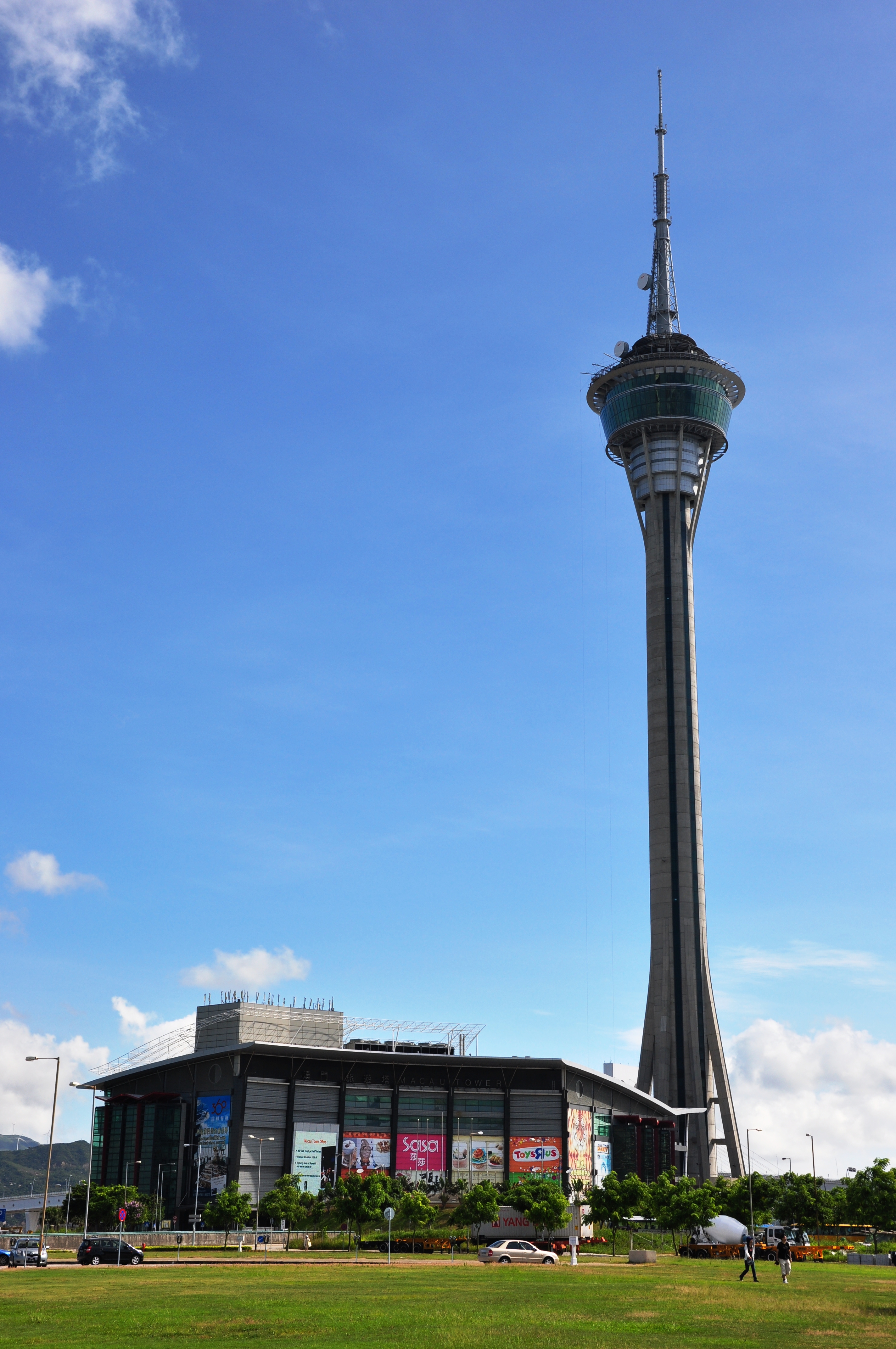
Macau, long recognized as the world’s casino capital, is pivoting towards economic diversification as concerns mount over the sustainability of its gaming-centric economy. The territory, heavily reliant on its vibrant gambling industry, is now witnessing a push from key leaders to embrace broader economic avenues in light of recent challenges, including regulatory pressures and shifting global economic dynamics.

Sam Hou Fai, a former judge and leading contender for the role of Macau’s next chief executive, has emerged as a prominent advocate for this diversification strategy. Emphasizing the urgent need for change, he has openly criticized the rampant expansion of the gaming sector, labeling it “barbaric” and detrimental to the territory’s long-term viability. Hou Fai’s vision encompasses not only an expansion of tourism beyond gaming but also the development of cultural, technological, and entertainment sectors that can provide stable revenue streams independent of the fluctuating fortunes of gambling.

The challenges facing Macau’s economy are manifold. Following the COVID-19 pandemic, the territory has seen a dramatic decline in tourist arrivals, particularly from mainland China, which accounted for a significant portion of its gaming revenues. This downturn has illuminated the risks of an economy overly reliant on a single industry. Furthermore, the Chinese government’s tightening of regulations surrounding gambling and its crackdown on illicit activities linked to the gaming industry have led to uncertainty, prompting both local stakeholders and investors to reconsider their strategies.

As part of this broader push for economic resilience, Macau has initiated various initiatives aimed at enhancing its attractiveness as a destination for non-gaming tourism. These include the development of cultural and heritage tourism, which seeks to showcase Macau’s rich history and blend of Portuguese and Chinese cultures. Events such as the Macau International Fireworks Display Contest and the Macau Arts Festival are being promoted to draw visitors who may not be interested in gambling but are keen on experiencing the local culture.

The shift towards diversification is also backed by the Macau government, which has unveiled plans to allocate substantial funds towards infrastructural projects that enhance connectivity and accessibility. This includes the expansion of public transport networks and the enhancement of facilities to accommodate large-scale international events. By investing in infrastructure, Macau aims to position itself as a competitive hub for business, conventions, and exhibitions, catering to a broader audience.

Tech innovation is another focal point in Macau’s diversification efforts. The government is actively encouraging the growth of tech startups and digital industries, aiming to harness the potential of emerging technologies such as artificial intelligence and blockchain. Initiatives to support entrepreneurship and attract foreign investment in tech sectors are being prioritized, with the goal of creating a sustainable ecosystem that supports job creation and economic growth beyond gambling.

Furthermore, Macau’s geographic location offers unique opportunities for expanding its role as a trade and logistics hub within the Greater Bay Area, a region comprising Hong Kong, Guangdong province, and Macau. This initiative aligns with China’s broader economic strategy, promoting interconnectedness among cities within the region. By leveraging its advantageous location and existing infrastructure, Macau seeks to establish itself as a key player in regional supply chains, thereby attracting businesses that are looking to expand their operations in Asia.

While the road to diversification presents numerous challenges, including resistance from entrenched gaming interests and the need for skilled labor in emerging sectors, the momentum for change is palpable. Sam Hou Fai’s leadership and advocacy are crucial in navigating these complexities, as he seeks to foster a collaborative environment among various stakeholders, including businesses, government entities, and the community at large.

The evolving landscape of Macau’s economy also reflects broader global trends. Many economies that have traditionally relied on a narrow set of industries are recognizing the importance of resilience and adaptability in an increasingly volatile world. The push for diversification is not just about mitigating risks; it is also about seizing new opportunities in a post-pandemic era characterized by shifting consumer preferences and technological advancements.

A significant investment has emerged from the Vanguard Group, a leading US-based financial services company, which has acquired shares in seven Indian companies for a total value of Rs 998 crore. This move underscores Vanguard’s growing interest in the Indian market, particularly within sectors that demonstrate promising growth potential.

Among the companies receiving investment are Concord Biotech, a prominent player in the biopharmaceutical sector, and Five-Star Business Finance, known for its innovative approach to financial services. The decision to invest in these firms highlights Vanguard’s strategy of diversifying its portfolio in emerging markets, where it anticipates robust growth driven by expanding consumer bases and technological advancements.

The investment by Vanguard Group is indicative of a broader trend of increasing foreign capital inflow into India. Analysts suggest that this influx is largely driven by the country’s favorable economic conditions, which include a growing middle class, government reforms aimed at enhancing the ease of doing business, and a focus on sustainable development. The Indian government has introduced measures to attract foreign investments, including liberalizing foreign direct investment (FDI) norms across various sectors.

Concord Biotech, in particular, has gained attention for its focus on developing and manufacturing a range of biopharmaceutical products. The company’s strong track record in research and development has positioned it well to benefit from the increasing global demand for high-quality biopharmaceuticals. This sector is poised for significant expansion as healthcare needs evolve and more countries seek innovative treatments.

Similarly, Five-Star Business Finance has carved a niche in providing loans to small and medium enterprises (SMEs), which play a crucial role in India’s economy. The firm has been recognized for its robust risk management practices and a customer-centric approach that has allowed it to thrive despite the competitive landscape. The capital injection from Vanguard Group will enable Five-Star to scale its operations and enhance its offerings to a broader clientele.

The move also aligns with global trends where institutional investors are increasingly seeking opportunities in markets outside their home countries. With the Indian economy projected to continue its growth trajectory, foreign investors are keen to tap into sectors such as technology, finance, and pharmaceuticals.

The rise of digital technology in India has opened up numerous avenues for investment. Companies focusing on digital transformation, fintech solutions, and e-commerce are attracting considerable attention from foreign investors, as they promise to leverage India’s tech-savvy population. This digital boom is expected to accelerate economic growth, making India an attractive destination for foreign investment.

Furthermore, the Indian government’s commitment to enhancing infrastructure through initiatives such as the National Infrastructure Pipeline has also played a vital role in attracting foreign capital. This initiative is expected to bolster various sectors, including transportation, energy, and urban development, providing a conducive environment for business operations.

Vanguard Group’s investment strategy often involves taking significant stakes in companies that demonstrate strong fundamentals and potential for long-term growth. This approach reflects a broader trend among institutional investors, who are increasingly focused on identifying companies that can provide sustained returns in rapidly evolving markets.

As the Indian economy continues to gain momentum, the interest from major global players like Vanguard Group signifies confidence in the country’s economic prospects. The involvement of foreign investors not only brings in capital but also enhances knowledge transfer and best practices, further boosting local industries.

Investments of this magnitude are likely to encourage other foreign institutional investors to explore opportunities in India, potentially leading to a cascading effect that could benefit various sectors. This growing trend of foreign investment is crucial for sustaining India’s economic growth and achieving its development goals.

The Vanguard Group’s focus on sectors such as biotechnology and financial services aligns with global investment patterns, where investors are gravitating towards industries that are resilient and exhibit potential for growth. As the landscape of global finance evolves, such strategic investments will play a pivotal role in shaping the future of the Indian economy.

Looking ahead, the focus will be on how these investments translate into performance for the companies involved and the broader economic impact on the Indian market. The ongoing monitoring of these developments will be essential for understanding the implications for investors, policymakers, and businesses alike.

North Carolina Governor Roy Cooper has suggested that the fallout surrounding Lieutenant Governor Mark Robinson could present an unexpected advantage for Democrats, particularly Vice President Kamala Harris, in the state’s upcoming elections. Robinson, a polarizing figure within the state’s Republican Party, has drawn increasing criticism for his controversial remarks on issues such as transgender rights and slavery, which some view as extreme even within conservative circles.

Robinson’s rise to prominence in 2020, largely supported by a populist, Trump-aligned base, has put him in a powerful position as the GOP’s gubernatorial candidate for 2024. However, a series of inflammatory statements made over the years — including derogatory comments about the LGBTQ+ community and remarks glorifying slavery — have resurfaced, igniting a public relations crisis for his campaign. The scandal has reverberated beyond North Carolina, affecting national politics as well, with Democrats eyeing potential openings.

Governor Cooper, who is not seeking re-election, believes that the controversy surrounding Robinson could benefit the Democrats, particularly as Harris seeks to flip North Carolina in her bid for the White House. Democrats have targeted Robinson’s divisive rhetoric, portraying him as part of a broader Republican movement that threatens to alienate key voter demographics, including women and minorities. Harris’s campaign has already launched targeted ads linking Robinson to former President Donald Trump, amplifying concerns about his suitability to lead a diverse state like North Carolina.

The state’s political landscape has seen significant shifts over the last decade. After briefly flipping for Barack Obama in 2008, North Carolina has remained a critical battleground, with Republicans holding legislative power and Cooper maintaining the governorship. The state’s GOP, previously known for its moderate positions, has increasingly aligned with Trump-style politics, which has energized its base but also alienated some moderate voters. Robinson’s candidacy encapsulates this evolution, as he rose to prominence with no prior political experience, riding the wave of populist anger and the viral nature of social media.

However, the baggage attached to Robinson’s candidacy now threatens to fracture the Republican coalition. His critics, including some within his own party, argue that Robinson’s inflammatory remarks could cost the GOP the state in what is shaping up to be a fiercely contested gubernatorial race. In the latest polling, Robinson trails the Democratic candidate, Attorney General Josh Stein, who has avoided the kind of controversy that has engulfed his opponent. Stein’s potential victory would make him North Carolina’s first Jewish governor, a historic moment that some Democrats believe would further erode the Trump-era influence in state politics.

Harris’s campaign is banking on Robinson’s controversies to swing suburban voters and women back toward the Democratic fold. By highlighting Robinson’s statements, Democrats aim to present Harris as a unifying force capable of bridging the state’s political divides. North Carolina’s importance as a swing state in the 2024 presidential election cannot be overstated, with both parties viewing it as a critical bellwether for national trends. While Robinson remains defiant and insists that his comments are being taken out of context, the broader political fallout is unmistakable.

Prominent Republicans, including Senator Thom Tillis, have expressed concern about the impact Robinson could have on down-ballot races, warning that his candidacy could depress turnout among moderate Republicans and swing voters. Despite this, the state GOP continues to back Robinson, viewing his appeal to the base as essential in a tightly contested election cycle.

The goal is to enhance resilience in facing the effects of climate change on occupational health and safety in schools, homes and workplaces DUBAI, UNITED ARAB EMIRATES – EQS Newswire – 20 September 2024 – The 26th Water, Energy, Technology and Environment Exhibition (WETEX), organised by Dubai Electricity and Water Authority (DEWA) will take place from 1 to 3 October 2024 at the Dubai World Trade Centre. […]

Mergers and acquisitions within the small and medium-sized enterprise (SME) sector in the UAE are expected to undergo significant transformation, as Bidzi, an emerging player in the digital M&A space, expands its operations into the region. Known for its innovative platform that facilitates efficient business transactions, Bidzi is entering a competitive market with a focus on simplifying the process for SMEs, which often face hurdles in navigating […]

A significant development in the logistics and trading sector has emerged as Rorix Holdings, backed by the International Holding Company (IHC), has entered into a Memorandum of Understanding (MoU) with Adani Ports and Special Economic Zone (APSEZ). This partnership aims to integrate advanced technologies from Rorix into Adani’s existing logistics and trading platforms, marking a pivotal moment for both entities. Dr. Thani bin Ahmed Al Zeyoudi, executive […]

Gulf Cooperation Council (GCC) countries are making steady progress towards a unified economic framework that would grant economic citizenship across the bloc. The move aims to boost regional integration, attract investments, and facilitate smoother economic relations among the six member states. These efforts are considered essential for strengthening economic cooperation, a goal that has been part of the bloc’s broader vision since its establishment in 1981. The […]

Bitcoin’s surge past $62,000 has rekindled interest in the cryptocurrency market, with growing attention from major financial institutions. As fears of a U.S. dollar crisis mount, BlackRock, one of the world’s largest asset management firms, has issued warnings about the potential fallout from America’s rising debt burden. The firm has indicated that this escalating debt, now towering over $35 trillion, could erode confidence in the U.S. dollar, pushing investors toward alternative assets like Bitcoin.

A sharp 0.5% interest rate cut by the U.S. Federal Reserve shocked the financial world, marking a significant policy shift. This surprise move has added momentum to Bitcoin’s rally, with many investors interpreting it as a sign that traditional financial systems may be under strain. The combination of surging inflation, monetary easing, and ballooning U.S. debt levels is seen by some as a perfect storm for institutional investors to seek refuge in digital assets. BlackRock’s growing focus on Bitcoin reflects this sentiment, as it positions itself ahead of potential macroeconomic upheavals.

The asset manager’s shift towards Bitcoin marks a noteworthy moment in the broader adoption of cryptocurrencies by institutional players. Bitcoin, long regarded as a fringe asset or speculative plaything, is increasingly being viewed as a credible alternative to traditional stores of value. The rise of digital currencies is not just a retail phenomenon anymore; institutional investors like BlackRock are finding it prudent to diversify their portfolios in the face of looming economic uncertainty.

Fears over the stability of the U.S. dollar are not unfounded. Analysts have pointed out that the Federal Reserve’s dovish stance, combined with government borrowing, is creating an environment where the dollar could weaken further. With interest rates low and inflation persisting, the purchasing power of the dollar faces increasing pressure. BlackRock has underscored the importance of preparing for such scenarios, highlighting Bitcoin’s distinct potential as a hedge against currency depreciation.

Bitcoin’s unique characteristics are drawing institutional attention. Unlike gold or other traditional safe-haven assets, Bitcoin offers a blend of scarcity, decentralization, and growing utility in global financial systems. As central banks worldwide grapple with inflation and currency fluctuations, Bitcoin’s role as a hedge has gained legitimacy among institutional investors. BlackRock’s analysts have stressed that Bitcoin’s fixed supply—capped at 21 million coins—makes it a robust alternative to fiat currencies, which can be devalued by excessive monetary policies.

The cryptocurrency’s surge past $62,000 has only strengthened the case for its adoption. A combination of factors, including institutional buying and a broader acceptance of Bitcoin as a financial asset, have contributed to its price rally. Analysts believe that Bitcoin’s newfound appeal as a long-term hedge could propel it further, especially as central banks continue to implement aggressive monetary easing measures.

One of the key drivers behind Bitcoin’s rise is the increasing participation of institutional investors. BlackRock’s move signals a broader trend where traditional financial players, who once viewed Bitcoin with skepticism, are now embracing it as part of their risk management strategies. The company’s endorsement of Bitcoin comes at a time when more hedge funds, pension funds, and asset managers are looking to incorporate digital assets into their portfolios. This growing interest marks a pivotal shift in the financial landscape, with Bitcoin no longer confined to niche markets or retail traders.

BlackRock’s leadership in asset management means its endorsement of Bitcoin is likely to resonate across the financial industry. As one of the largest and most influential firms, BlackRock’s insights often set the tone for broader market trends. Its acknowledgment of Bitcoin as a viable hedge against U.S. dollar risks may spur other institutions to reconsider their stance on digital currencies, further driving adoption in the months to come.

Despite the positive momentum surrounding Bitcoin, the cryptocurrency market remains volatile. Bitcoin’s price swings are still more pronounced compared to traditional assets, and some investors are cautious about jumping in. However, BlackRock has argued that Bitcoin’s volatility may be a risk worth taking in the current macroeconomic climate. The firm’s analysts suggest that as long as the U.S. government continues to accumulate debt and rely on monetary easing, Bitcoin’s role as a hedge will become more valuable.

Institutional investors are also looking beyond Bitcoin’s price movements. The underlying technology of blockchain, which supports Bitcoin and other cryptocurrencies, is increasingly being explored for its potential in financial systems. BlackRock has recognized the long-term value of blockchain technology, acknowledging its potential to revolutionize sectors beyond just finance. The company’s interest in Bitcoin can be seen as part of a broader strategy to position itself at the forefront of technological innovation in finance.

Bitcoin’s status as a “digital gold” is being cemented by its growing adoption. BlackRock’s focus on Bitcoin is a reflection of the wider belief that the world’s oldest cryptocurrency could play a significant role in future financial markets. As the U.S. dollar faces challenges from both domestic and international forces, institutional players like BlackRock are preparing for scenarios where traditional assets might underperform. By including Bitcoin in their portfolios, they are hedging against a potential loss of confidence in the world’s reserve currency.

AD Ports Group has successfully refinanced loans, taking advantage of favorable conditions following a recent reduction in interest rates by the Federal Reserve. This strategic move aims to bolster the company’s financial position and enhance its growth potential in the competitive logistics and port management sectors.

The refinancing encompasses a total of AED 1.1 billion ($300 million) in loans. These financial adjustments allow AD Ports to lower its cost of capital while extending the maturity period of its debt obligations. The revised terms reflect a significant shift in the financial landscape, influenced by the Fed’s decision to cut rates, which has eased borrowing conditions across global markets. This development is anticipated to support AD Ports’ expansion initiatives and operational efficiencies.

AD Ports Group operates a diverse portfolio that includes ports, logistics, and trade activities, playing a pivotal role in the UAE’s economic growth. The company has been at the forefront of enhancing the country’s status as a global logistics hub, strategically positioning itself to leverage emerging trends in trade and commerce. By securing more advantageous loan terms, AD Ports aims to sustain its momentum in capitalizing on opportunities within the region and beyond.

The decision to refinance aligns with broader trends in the industry, where companies are actively seeking to optimize their capital structures amid fluctuating interest rates. Analysts suggest that the refinancing is indicative of a proactive approach by AD Ports, enabling it to navigate economic uncertainties while pursuing growth strategies. The company’s management has expressed confidence that these improved financial conditions will facilitate investments in technology and infrastructure, further strengthening its operational capabilities.

Moreover, the impact of the Fed’s rate cut is being felt across various sectors, prompting businesses to reconsider their financial strategies. The logistics and transportation industries, in particular, are seeing a surge in refinancing activity as firms aim to enhance liquidity and reduce financing costs. This trend underscores the interconnectedness of global economic policies and local market dynamics, illustrating how international decisions can significantly influence domestic corporate strategies.

AD Ports Group’s commitment to sustainability and innovation has also played a vital role in its refinancing efforts. The company has been investing in green technologies and sustainable practices, aligning itself with global trends toward environmental responsibility. Such initiatives are not only crucial for meeting regulatory requirements but also resonate with investors who increasingly prioritize sustainable investment opportunities.

Key stakeholders within the logistics sector are closely monitoring AD Ports’ financial maneuvers, as they may set a precedent for similar companies in the region. The refinancing serves as a benchmark, demonstrating how organizations can leverage external economic shifts to enhance their financial health and competitive positioning. Industry experts predict that other logistics firms may follow suit, seeking to capitalize on the favorable lending environment.

As the global economy continues to grapple with challenges such as inflation and geopolitical tensions, companies like AD Ports are adapting their strategies to maintain resilience. The ability to refinance under improved terms not only reinforces AD Ports’ financial foundation but also positions it well for future investments that could yield substantial returns.

The logistics and shipping industry is evolving rapidly, with digital transformation and automation becoming central themes. AD Ports has made strides in integrating technology into its operations, enhancing efficiency and responsiveness to market demands. The refinancing initiative is expected to provide additional resources for further digital advancements, allowing the company to remain competitive in a fast-paced environment.

Golf Saudi Entertainment has entered a strategic partnership with Topgolf Callaway Brands Corp., aiming to revolutionize the golfing landscape in Saudi Arabia. This collaboration will facilitate the construction of multiple Topgolf facilities across the kingdom, reflecting Saudi Arabia’s commitment to enhancing its sports infrastructure and boosting the local popularity of golf.

The initiative will see the development of three Topgolf venues by 2028, with the potential for two additional locations depending on market demand and success. This venture aligns with Saudi Arabia’s broader vision to diversify its economy and promote sports as a key component of a healthier lifestyle and a vibrant entertainment sector.

Topgolf, renowned for its innovative approach to golfing entertainment, combines a high-tech driving range with a lively social environment, appealing to both seasoned golfers and newcomers alike. The venues feature climate-controlled hitting bays, interactive games, and a diverse menu, creating a family-friendly atmosphere that encourages participation from various demographics. This strategic partnership is expected to attract both local residents and international tourists, further positioning Saudi Arabia as a global sports hub.

Golf Saudi has been actively working to elevate the sport within the country, promoting golf as part of its Vision 2030 agenda, which aims to diversify the economy and reduce dependence on oil revenues. This initiative complements other major sports investments, including hosting international golf tournaments, establishing golf academies, and creating community golf programs.

The construction of Topgolf venues is anticipated to provide significant economic benefits, generating jobs and stimulating local businesses. Each venue will not only create employment opportunities during the construction phase but will also provide ongoing jobs once operational, contributing to the kingdom’s efforts to improve job creation and economic diversification.

Moreover, the partnership reflects a growing trend in the Middle East, where countries are increasingly investing in leisure and entertainment facilities to cater to changing consumer preferences. As golf continues to gain traction in Saudi Arabia, this collaboration is poised to enhance the overall golfing experience, making it more accessible and enjoyable for the population.

Industry experts have noted that the introduction of Topgolf venues could serve as a catalyst for grassroots participation in golf, encouraging schools and community organizations to incorporate golf into their physical education programs. With increased accessibility, particularly in urban areas, more individuals are likely to engage with the sport, fostering a new generation of golf enthusiasts.

In recent years, golf has seen significant interest in Saudi Arabia, bolstered by the kingdom’s investment in high-profile events such as the Saudi International tournament. This event has attracted some of the world’s best golfers, showcasing the potential of the sport within the region and enhancing the visibility of Saudi Arabia on the global golfing map.

As the partnership between Golf Saudi and Topgolf unfolds, it will be critical to monitor its impact on both the golfing community and the broader sports landscape in Saudi Arabia. The development of these facilities represents not just an expansion of recreational options but also a significant step toward transforming the nation’s relationship with sports.

Saudi Arabia’s Vision 2030 initiative emphasizes the importance of sports in promoting health and well-being among its citizens, with the government investing heavily in infrastructure and facilities. This partnership with Topgolf exemplifies the kingdom’s dedication to creating vibrant sporting environments that inspire participation and foster community engagement.

As these venues are developed, they will serve as a testament to the kingdom’s commitment to enhancing its global standing in sports. The collaboration with Topgolf is expected to attract international visitors, bolstering tourism and enhancing the local economy.

With a focus on inclusivity, these new Topgolf locations will aim to cater to a diverse audience, ensuring that the facilities are welcoming to families, professionals, and casual players alike. This approach aligns with global trends in sports entertainment, which prioritize accessibility and community engagement.

As the golfing landscape in Saudi Arabia evolves, the partnership between Golf Saudi and Topgolf stands as a pioneering effort to blend traditional sporting values with modern entertainment. This initiative is set to reshape how golf is perceived and experienced within the kingdom, positioning it as an essential component of the nation’s recreational offerings.

Donald Trump’s World Liberty Financial has entered the crypto arena with aspirations to redefine investment paradigms, led by his sons, Donald Jr. and Eric Trump. The launch event at Mar-a-Lago, broadcast via X Spaces and in collaboration with Rug Radio, set the stage for this ambitious project aimed at positioning the U.S. as a frontrunner in the cryptocurrency space. At the heart of World Liberty Financial is […]

Second quarter revenue of US$20.7 million, up 24% Year-Over-Year SINGAPORE – Media OutReach Newswire – 20 September 2024 – MoneyHero Limited (Nasdaq: MNY) (“MoneyHero” or the “Company”), a market leading personal finance and digital insurance aggregation and comparison platform in Greater Southeast Asia, today announced financial results for the quarter ended June 30, 2024. Management Commentary: Rohith Murthy, Chief Executive Officer, stated “I am pleased to report […]

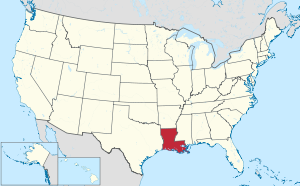
Louisiana has taken a significant step in embracing cryptocurrency by allowing residents to use Bitcoin, Bitcoin Lightning, and USD Coin to pay for state services. This development marks Louisiana as the first U.S. state to officially accept cryptocurrency payments for public services, a move that has both local and national implications.

The state has partnered with Bead Pay, a payment processing platform, to facilitate these transactions. The system automatically converts cryptocurrency payments into U.S. dollars, ensuring that the state does not hold or manage volatile digital assets directly. This approach helps mitigate risks while still offering a progressive payment option to residents. The introduction of cryptocurrency payments is expected to provide more flexibility for taxpayers and businesses in Louisiana, especially given the growing popularity of digital currencies across various sectors.

Louisiana’s decision to move forward with cryptocurrency adoption aligns with global trends where more governments and businesses are recognizing the potential of blockchain technology. Many see this as a pivotal moment in expanding the role of decentralized finance, particularly in public sector services.

For citizens using these digital currencies, payments can be made from private wallets in a secure, decentralized manner. The blockchain-based transactions ensure transparency and traceability, which proponents of cryptocurrency argue are critical advantages over traditional payment methods. Critics, however, point to concerns regarding regulation, price volatility, and the broader implications for monetary policy.

By accepting Bitcoin, Bitcoin Lightning, and USD Coin, Louisiana is tapping into some of the most widely used and stable cryptocurrencies on the market. Bitcoin remains the largest and most well-known, while Bitcoin Lightning offers faster and cheaper transactions. USD Coin, a stablecoin pegged to the value of the U.S. dollar, is often favored by users seeking minimal fluctuations in value.

The partnership with Bead Pay provides the infrastructure needed for the state to convert these payments to fiat currency, ensuring the government receives a predictable revenue stream. This development is part of a broader trend where more states and municipalities are exploring ways to integrate blockchain technology into their operations, but Louisiana has gone further by fully implementing it for state services.

While this initiative is still in its early stages, the successful rollout could encourage other U.S. states to adopt similar measures. Louisiana’s decision comes at a time when the use of cryptocurrencies is steadily rising in popularity among both investors and everyday consumers. Bitcoin and other digital assets have been gaining wider acceptance in industries ranging from finance to retail, and now, with Louisiana’s move, the public sector is beginning to explore its benefits.

This groundbreaking policy shift could have far-reaching effects on the future of payments and finance, not just within Louisiana but across the country. It signifies a growing openness to digital assets in mainstream financial systems, a trend that is likely to expand as more states and businesses see the advantages of offering crypto-based payment options.

VISHNU RAJA
RYO YAMADA
HITORI GOTOH
IKUYO KITA