Just in:
Yicura BioMed Advances Dual Capital and Industrial Strategy: Completes First Closing of Series B Financing Led by Gobi Partners // Nvidia appoints Colette Kress interim chief after Huang departure // Sun World Ba Den Mountain marks Vietnam Culture Day, welcoming Cambodian visitors over Bon Om Touk // IEA forecasts fourth-quarter oil surplus as Gulf shipments rebound // Microsoft outage leaves Outlook and Teams users disconnected // China Reconciled To U.S. Curbs On Chips Exports, Woos South Korea For Supply // Lego restores BrickLink marketplace after security investigation // Woman found dead as bank moves to repossess home // Inpex reaffirms Gulf oil strategy despite shipping constraints // Electoral register gains 2.17 lakh voters // Salik posts Dhs1.045bn profit despite lower toll traffic // 11 Boutique Xinjiang Wineries to Debut in Singapore // TORRAS Launches Two New iPhone Duo Cases from Its Popular Ostand Series, Addressing Foldable Phone Users’ Concerns About Difficult Stand Positioning and Scratches // The Honey Trap Is The Headline, The Chip Pipeline Is The Story // Fujairah highway pile-up leaves 14 dead and 30 injured // US resumes flights after nationwide air traffic shutdown // Rooftop solar planning gaps behind power shortages // EBANX and Eneba strengthen partnership in Latin America with 138% YoY growth in payment volume // Microsoft restores services gradually but gives no recovery deadline // L’OCCITANE Celebrates 50 Years Of Provençal Craftsmanship With Holiday 2026 Collection //

News related to
Trends

Gold prices have remained steady just below $2,500 an ounce as market participants reassess their positions following a significant downturn that has unsettled both equity and commodity markets. The precious metal’s stability comes as traders digest recent developments and their implications for the broader economic outlook.

Gold’s current level reflects a cautious response to recent market volatility, driven largely by concerns over global economic growth. The decline in equities and commodities has been linked to a series of economic data releases and geopolitical uncertainties that have influenced investor sentiment.

Analysts attribute the recent market turmoil to several factors, including mixed economic indicators and shifting monetary policies. Recent economic reports have shown signs of slowing growth in key regions, which has heightened fears of a broader economic slowdown. Additionally, ongoing geopolitical tensions and uncertainty surrounding trade policies have further compounded market concerns.

Despite the instability, gold has managed to maintain its value near the $2,500 mark, a level that has historically acted as a significant psychological and technical barrier. This stability is attributed to gold’s role as a safe-haven asset, which often attracts investors during periods of market uncertainty.

Market participants are closely monitoring upcoming economic reports and central bank meetings, which are expected to provide further clues about the future direction of both economic growth and monetary policy. The Federal Reserve and other major central banks’ decisions on interest rates and economic stimulus measures will be crucial in shaping market expectations and influencing gold prices.

In recent weeks, gold has demonstrated resilience, with prices holding steady despite the broader market downturn. This stability underscores gold’s appeal as a hedge against economic and geopolitical risks. Investors are increasingly viewing gold as a reliable store of value in an environment marked by heightened volatility and uncertainty.

Trade data and economic forecasts continue to influence market sentiment, with many analysts predicting that gold will remain a key asset in investment portfolios. The precious metal’s performance is expected to be closely tied to developments in the global economy and financial markets, making it a focal point for traders and investors alike.

As markets adjust to the evolving economic landscape, gold’s role as a safe-haven asset is likely to be tested further. The ongoing evaluation of economic data and central bank policies will play a critical role in determining the future trajectory of gold prices and broader market trends.

Gold’s recent stability reflects a period of adjustment for investors as they navigate a complex and uncertain economic environment. The metal’s performance will continue to be influenced by a range of factors, including global economic growth, monetary policy decisions, and geopolitical developments.

Final preparations are underway for the 14th IDC Saudi Arabia CIO Summit 2024, with International Data Corporation (IDC) confirming e& enterprise as the official Host Partner. This year’s summit, scheduled to be held in Riyadh on September 18-19, will focus on the evolving role of artificial intelligence (AI) in IT transformation, under the theme “The Future of IT: Rethinking Digitalization for an AI Everywhere World.”

The summit is poised to bring together senior IT leaders from across Saudi Arabia and the broader Middle East, as the region continues to witness rapid advancements in digitalization and AI integration. Participants are expected to delve into the strategic implications of AI on business operations, cybersecurity, and workforce dynamics.

IDC’s decision to partner with e& enterprise highlights the significance of this event in the region’s digital landscape. e& enterprise, a leading digital transformation solutions provider, has been instrumental in driving AI adoption across various sectors in the Middle East. Their involvement in the summit is seen as a strategic move to foster deeper collaboration between regional and global IT leaders, with a focus on leveraging AI to enhance business efficiency and innovation.

The two-day event will feature a series of keynote presentations, panel discussions, and workshops, all designed to provide CIOs and IT decision-makers with insights into the latest trends and best practices in AI and digital transformation. Key topics on the agenda include the integration of AI into cloud computing, the impact of AI on cybersecurity strategies, and the role of AI in enabling smart cities.

Riyadh, as the host city, continues to establish itself as a hub for technology and innovation in the Middle East. The Saudi government’s Vision 2030 initiative, which aims to diversify the economy and reduce its dependence on oil, has placed a strong emphasis on digital transformation. This has led to significant investments in AI, cloud computing, and other emerging technologies, making Saudi Arabia an attractive destination for global tech leaders.

As part of the Vision 2030 goals, the Saudi government has been actively promoting the adoption of AI and other advanced technologies across various sectors, including healthcare, education, and finance. The IDC Saudi Arabia CIO Summit is expected to play a crucial role in aligning these national objectives with the strategies of private sector leaders.

Participants at the summit will also have the opportunity to network with peers and explore potential collaborations that could drive the next wave of digital transformation in the region. The event is expected to draw a diverse audience, including CIOs, CTOs, IT directors, and other senior technology executives from various industries.

A key highlight of the summit will be the discussion on the ethical implications of AI deployment. As AI becomes more pervasive in business operations, concerns around data privacy, algorithmic bias, and the potential for job displacement are gaining attention. The summit will address these issues, offering a platform for IT leaders to share insights on how to navigate the ethical challenges of AI while maximizing its benefits.

In addition to e& enterprise, the summit will feature participation from leading global technology providers, industry analysts, and academic experts. This diverse lineup of speakers and participants underscores the importance of the event in shaping the future of IT in Saudi Arabia and beyond.

With the rapid pace of digital transformation in the region, the 14th IDC Saudi Arabia CIO Summit comes at a critical time for IT leaders looking to harness the full potential of AI. The insights and strategies shared at the summit are expected to have a lasting impact on the region’s digital landscape, influencing the direction of IT initiatives for years to come.

Octa analysts explain why the Malaysian ringgit has strengthened substantially against the U.S. dollar and express their opinion on whether the trend can continue. KUALA LUMPUR, MALAYSIA – Media OutReach Newswire – 4 September 2024 – Over the past few months, the Malaysian ringgit (MYR) has appreciated by more than 9% against the U.S. Dollar (USD) from 4.770 in April to 4.345 today. Indeed, the decline in […]

Shares of Premier Energies, a Hyderabad-based renewable energy company, surged on their debut in the Indian stock market, marking a successful listing fueled by substantial backing from the Abu Dhabi Investment Authority (ADIA). Opening at a price significantly above its initial public offering (IPO) price, the stock quickly doubled, reflecting strong investor confidence in the company’s prospects.

Premier Energies, which has been in the spotlight for its aggressive expansion in the solar energy sector, made its stock market debut amid considerable anticipation. The company’s IPO, which was oversubscribed multiple times, raised significant capital intended to bolster its capacity and expand its footprint in the renewable energy sector, particularly in the manufacturing of solar photovoltaic (PV) cells and modules. The robust performance of the stock on its first day of trading highlights the growing investor appetite for green energy investments in India, driven by both governmental policies and global environmental commitments.

Premier Energies has been recognized as one of the fastest-growing companies in the renewable energy space, particularly in solar manufacturing. The company’s strategic partnerships and technological advancements have positioned it as a key player in India’s renewable energy transition. Its collaboration with ADIA has provided it with the financial muscle to scale its operations, including the establishment of new manufacturing facilities and research centers focused on innovation in solar technology.

ADIA, one of the world’s largest sovereign wealth funds, has increasingly turned its attention towards sustainable and renewable energy investments, aligning with global trends favoring environmentally responsible projects. Its investment in Premier Energies is part of a broader strategy to capitalize on the rapid growth of the renewable energy market in emerging economies like India. The success of Premier Energies’ IPO and subsequent stock performance underscores the effectiveness of this strategy, as well as the growing market opportunities in the green energy sector.

The listing comes at a time when India is aggressively pushing for renewable energy expansion to meet its ambitious climate goals. The country aims to achieve 500 GW of non-fossil fuel-based capacity by 2030, with solar energy expected to play a pivotal role. Premier Energies, with its advanced manufacturing capabilities and strategic partnerships, is well-positioned to contribute significantly to this target.

Market analysts have noted that the stellar debut of Premier Energies’ stock is indicative of a broader trend where companies in the renewable energy sector are increasingly favored by investors. This shift is driven by several factors, including government incentives, the decreasing cost of renewable technologies, and rising awareness of environmental issues among both consumers and investors. The company’s strong fundamentals, combined with its strategic alliances and future growth potential, have made it a highly attractive proposition in the eyes of investors.

The doubling of Premier Energies’ share price on its first day of trading also reflects the broader confidence in the Indian stock market, particularly in sectors aligned with the government’s long-term vision of sustainable development. The success of this IPO could pave the way for more renewable energy companies to tap into the public markets, further fueling the sector’s growth and contributing to India’s renewable energy goals.

Premier Energies has announced plans to use the funds raised from the IPO to enhance its manufacturing capacity, including setting up new facilities and upgrading existing ones to incorporate the latest technologies in solar PV manufacturing. The company is also exploring opportunities to expand its product portfolio and enter new markets, both within India and internationally. This expansion strategy is expected to drive further growth and consolidate its position as a leader in the renewable energy sector.

The stock’s performance on its debut is seen as a positive indicator of the market’s confidence in Premier Energies’ business model and growth prospects. Analysts have highlighted the company’s strong order book, experienced management team, and strategic partnerships as key factors contributing to its successful listing. As the company continues to execute its expansion plans, it is expected to attract further interest from institutional and retail investors alike.

The Arab Energy Fund (TAEF), previously known as APICORP, has reported a significant 37% increase in net income for the first half of 2024, reaching $121 million compared to $88 million in the same period the previous year. This impressive growth underscores the institution’s successful strategic investments and value-enhancing acquisitions. TAEF’s financial performance reflects robust expansion in its investment portfolio, which grew to $1.44 billion. This surge […]

Oman’s sovereign wealth fund, the State General Reserve Fund (SGRF), has merged its subsidiaries Nitaj and the Food Development Oman (FDO) to enhance the nation’s food security strategy. This strategic consolidation aims to streamline operations and bolster the country’s agricultural and food production capabilities amid growing global uncertainties and supply chain disruptions. Nitaj, which focuses on agricultural investments and technologies, and FDO, which handles food security initiatives […]

Advanced machine learning techniques have unveiled alarming projections for vegetation dynamics in Central Asia, indicating a severe deterioration in plant life due to ongoing climate change. Recent studies using ensemble prediction frameworks and pattern recognition tools demonstrate that future changes in vegetation are poised to intensify across monthly, seasonal, and annual scales. The research introduces sophisticated machine learning models designed to predict and analyze vegetation shifts with […]

Advertisements

Bitcoin has experienced a notable increase in outflows from exchanges, driven largely by large-scale transactions. Data indicates that substantial withdrawals have surged, reflecting a reaction from significant investors to the cryptocurrency’s fluctuating prices. This trend underscores the growing sentiment among major players to secure their holdings amid market volatility. Recent analytics reveal that Bitcoin outflows from exchanges have reached unprecedented levels. Over the past few weeks, the […]

Scania has introduced a new 13-litre marine engine designed to offer improved performance and reduced emissions for maritime operations. This latest development underscores the company’s commitment to advancing engine technology and meeting stringent environmental standards.

The new engine is built to deliver higher reliability and operational efficiency. It integrates advanced engineering features aimed at significantly lowering emissions while enhancing overall fuel efficiency. According to Fredrik Järild, Scania’s Head of Sales Power Solutions, this engine represents the pinnacle of the company’s marine engine technology. It addresses the growing demand for sustainable and efficient maritime solutions, offering a robust performance under demanding conditions.

Scania’s new marine engine is engineered to meet the increasing regulations on emissions in the shipping industry. By utilizing state-of-the-art technology, the engine ensures that vessel operators can achieve compliance with environmental standards without compromising on performance. This is particularly crucial as international maritime regulations continue to evolve, emphasizing the need for cleaner and more efficient marine propulsion systems.

The design of the engine focuses on both operational economy and durability. With enhanced fuel efficiency, the engine reduces operating costs for marine operators. Additionally, its robust build ensures longevity and dependable performance in various marine environments, from commercial shipping to recreational boating.

The introduction of this engine aligns with broader industry trends towards greater sustainability and efficiency. As the maritime sector faces mounting pressure to cut greenhouse gas emissions, Scania’s latest offering positions itself as a key player in this transition. The company’s emphasis on advancing engine technology reflects a broader commitment to addressing environmental challenges while supporting the operational needs of its customers.

Scania’s marine engine aims to contribute to a significant reduction in the carbon footprint of maritime operations. By integrating advanced emissions control technologies and optimizing fuel consumption, the engine supports efforts to minimize environmental impact while maintaining high standards of performance and reliability.

The new engine’s launch is part of Scania’s broader strategy to enhance its product lineup with cutting-edge technology that meets the evolving needs of the maritime industry. This includes ongoing investments in research and development to drive innovation and deliver solutions that address both environmental and operational challenges faced by marine operators.

As maritime operations increasingly prioritize sustainability, Scania’s latest engine represents a significant step forward in providing solutions that balance performance with environmental responsibility. The company’s continued focus on developing advanced technologies highlights its role in shaping the future of marine propulsion and contributing to more sustainable maritime practices.

NMDC Energy’s initial public offering (IPO) has experienced a robust demand surge, with the subscription level hitting 14 times the available shares within just four days. This overwhelming response underscores strong investor confidence in the company, which is poised to expand its footprint in the energy sector. The IPO, which began its subscription period on August 30, 2024, offers a total of 50 million shares at a […]

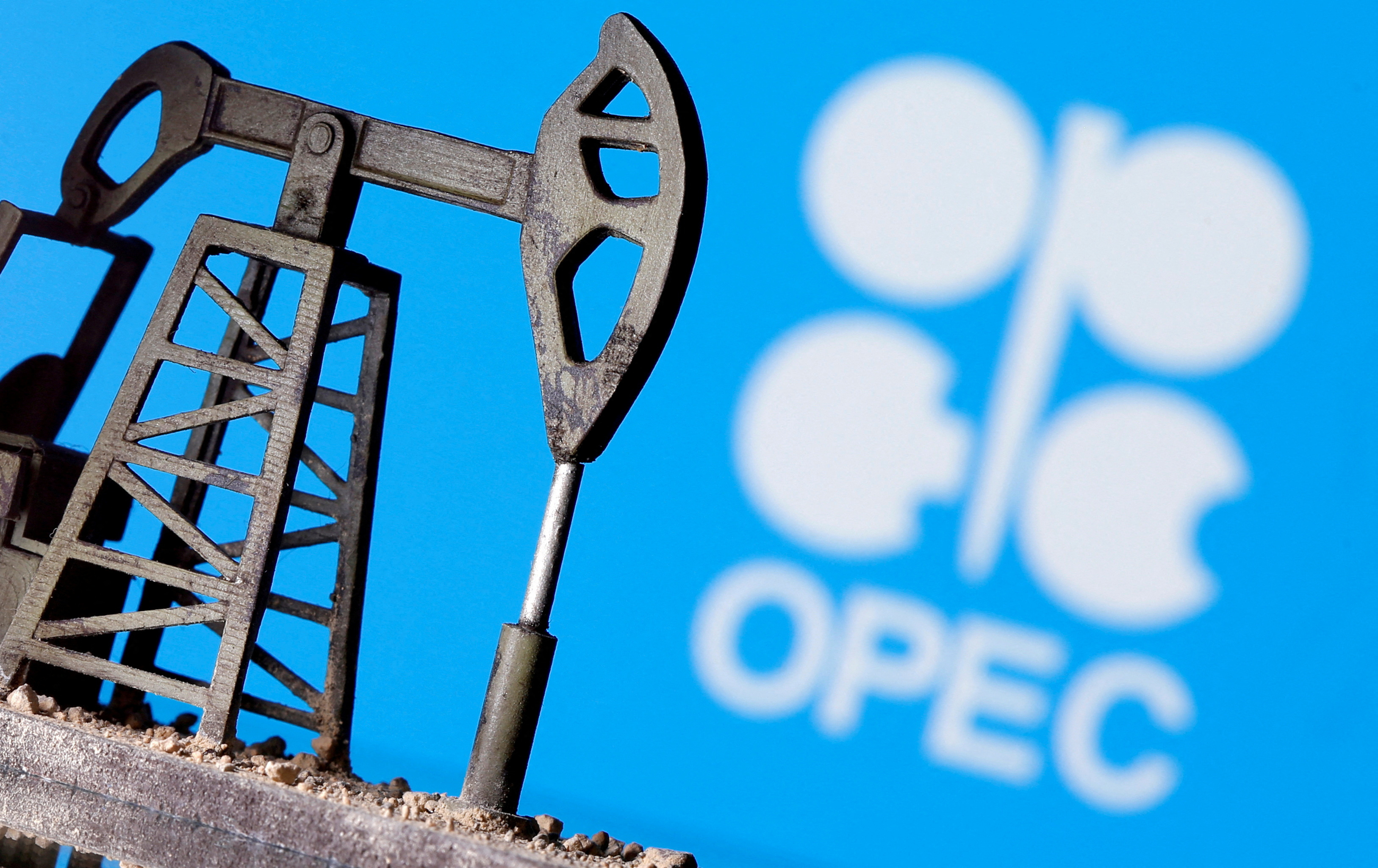
OPEC’s crude oil production in August plummeted to its lowest level since January, primarily driven by a significant drop in output from Libya. According to a recent survey, Libya’s ongoing conflict and operational disruptions have sharply curtailed its oil production, contributing to the overall decrease in the organization’s output.

The survey, conducted by an industry analysis firm, reveals that OPEC’s total crude oil production averaged approximately 28.3 million barrels per day (bpd) in August. This marks a notable decline from the 29.1 million bpd recorded in July. Libya, a member of OPEC, saw its production fall by about 300,000 bpd to just over 800,000 bpd due to severe disruptions in its oil infrastructure. These disruptions are attributed to ongoing internal conflicts and blockades affecting key oil fields and export terminals.

The decrease in Libya’s output has had a ripple effect on OPEC’s overall production levels. The survey highlights that other OPEC members have maintained relatively stable production levels or have experienced only minor fluctuations. For instance, Saudi Arabia, the organization’s largest producer, and Iraq, the second-largest, have continued their production commitments in line with previous agreements. Saudi Arabia’s output remains close to 10.5 million bpd, while Iraq produces around 4.4 million bpd.

The impact of Libya’s reduced output is compounded by broader market dynamics. Global oil prices have shown volatility, influenced by fluctuating demand and geopolitical uncertainties. The drop in OPEC’s production underscores the challenges facing the organization as it navigates a complex global oil market characterized by varying national interests and economic pressures.

Analysts suggest that the production decline could influence global oil prices, potentially pushing them higher in response to the reduced supply. However, the extent of this impact will depend on several factors, including the pace at which Libya can restore its oil output and the response of other major oil producers outside OPEC.

The situation in Libya has been a critical factor in the organization’s production dynamics. Ongoing conflict and political instability have disrupted the country’s oil industry, which has historically been a significant contributor to OPEC’s total output. Efforts to stabilize the region and restore production are ongoing, but progress remains slow.

Additionally, the survey highlights that non-OPEC countries, including major producers like the United States and Russia, continue to influence global oil supply and demand trends. The production strategies of these countries play a crucial role in shaping the broader oil market, often counterbalancing the fluctuations within OPEC.

The August production data reflects the complexities of managing a global oil supply amid geopolitical uncertainties and market fluctuations. As OPEC seeks to address the challenges posed by Libya’s output and other external factors, the organization will likely continue to adapt its strategies in response to evolving global conditions.

The future outlook for OPEC’s production levels and global oil prices will depend on several factors, including geopolitical developments, market demand, and the effectiveness of stabilization efforts in Libya and other key regions. The ongoing monitoring of these dynamics will be essential for understanding the broader implications for the global oil market and the energy sector as a whole.

Gulf Cooperation Council (GCC) companies are fortifying their strategies to address a range of economic challenges as investor confidence in the region soars to unprecedented levels. This optimism is driven by the GCC’s robust economic diversification efforts and increasing stability in key markets.

The GCC, consisting of Saudi Arabia, the United Arab Emirates, Qatar, Kuwait, Oman, and Bahrain, has been actively pursuing economic reforms aimed at reducing reliance on oil revenues and fostering sustainable growth. This shift is becoming evident as regional corporates enhance their focus on non-oil sectors, including technology, renewable energy, and healthcare.

Saudi Arabia, the largest economy in the GCC, continues to make significant strides under its Vision 2030 program. Recent developments include the expansion of its non-oil industries and increased foreign direct investment (FDI). The Saudi government is leveraging its fiscal policies to attract global investors and stimulate private sector growth. Key projects such as the Red Sea Development and NEOM are expected to further bolster investor sentiment by showcasing the country’s commitment to innovation and sustainability.

The United Arab Emirates (UAE) is also experiencing a surge in investor confidence, driven by its strategic economic initiatives. The UAE’s efforts to enhance its financial markets, coupled with reforms aimed at improving the ease of doing business, have strengthened its position as a regional investment hub. Initiatives such as the introduction of new visa categories and regulatory adjustments are designed to attract talent and capital, further enhancing the UAE’s appeal to international investors.

Qatar has similarly seen a positive shift in investor sentiment, supported by its ongoing investments in infrastructure and diversification away from hydrocarbons. The country’s emphasis on developing sectors like education, health, and sports has been instrumental in driving economic growth and attracting foreign interest. Qatar’s robust economic policies and strategic investments are poised to sustain its upward trajectory in investor confidence.

Kuwait, Oman, and Bahrain are also adapting to evolving economic landscapes by focusing on fiscal reforms and diversification strategies. Kuwait’s economic plans include substantial investments in infrastructure and the development of its financial sector. Oman is enhancing its economic resilience through initiatives aimed at boosting tourism and small-to-medium enterprises. Bahrain’s economic reforms and investment in financial services are expected to foster a conducive environment for investors.

The overall trend in investor sentiment within the GCC reflects a growing confidence in the region’s economic stability and potential for growth. This shift is attributed to the GCC’s proactive approach in addressing economic challenges, enhancing business environments, and diversifying away from oil dependence. The positive outlook among investors is further supported by strong economic fundamentals and a commitment to long-term development goals.

As GCC corporates navigate these headwinds, they are increasingly focusing on strategic investments and innovation to maintain competitive advantage. The region’s evolving economic landscape presents both opportunities and challenges, requiring companies to adapt to changing market dynamics and leverage emerging trends.

The surge in investor confidence underscores the GCC’s successful efforts in transforming its economies and positioning itself as a global investment destination. With continued focus on diversification and strategic growth, the region is set to maintain its momentum and attract further investment in the coming years.

Yakuza Kiwami, the beloved action-adventure game from Ryu Ga Gotoku Studio, is set to remain a digital-only release on the Nintendo Switch, with no plans for a physical edition. This decision, confirmed by the studio through social media, aligns with the growing trend in the gaming industry where digital downloads are increasingly favored over physical copies. Despite some disappointment among collectors, the move reflects the evolving landscape […]

BAODING, CHINA – Media OutReach Newswire – 2 September 2024 – In recent years, Chinese cultural elements have gained widespread popularity worldwide. From the hit game Black Myth: Wukong, inspired by Chinese mythology, to viral trends like “City, or not City” and “China Travel” among foreign tourists visiting China, the unique charm and broad influence of Chinese culture are evident. On August 31st, GWM thoughtfully organized a […]

Huawei Technologies Co. has announced a major product launch event scheduled for hours after Apple Inc. unveils its iPhone 16, intensifying the competition between the tech giants. The strategic timing of Huawei’s event is poised to capture the global spotlight immediately following Apple’s showcase, as both companies vie for consumer attention and market share in the highly competitive smartphone sector. The upcoming event, set to take place […]

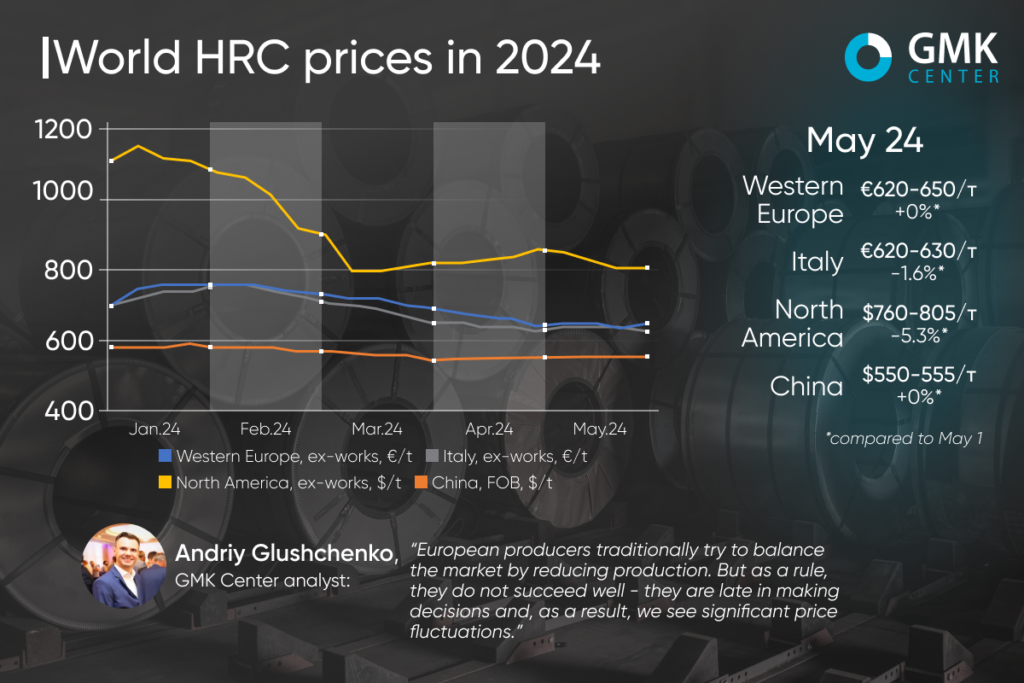
Iron ore prices are projected to maintain stability despite ongoing challenges in China’s steel industry. The steel sector, a major driver of iron ore demand, has faced significant headwinds recently due to declining production and fluctuating market conditions. This downturn has raised concerns about the potential impact on iron ore prices, which have historically been closely tied to the performance of the steel industry.

The steel sector in China, the world’s largest producer and consumer of steel, has encountered a range of issues, including reduced domestic demand, stricter environmental regulations, and economic uncertainties. These factors have led to a decrease in steel production and, consequently, a slowdown in the demand for iron ore. However, despite these challenges, iron ore prices have shown resilience.

Market analysts attribute this stability to several key factors. Firstly, iron ore remains a crucial raw material for steel production, and despite the slowdown, demand has not diminished entirely. China’s commitment to infrastructure projects and construction, although reduced, continues to support a baseline level of demand for steel and, by extension, iron ore. Furthermore, global supply constraints have helped to offset some of the downward pressure on prices. Issues such as logistical disruptions and geopolitical tensions have limited the availability of iron ore from major producing regions, contributing to the price stability.

Additionally, major iron ore producers have adjusted their production strategies to align with current market conditions. Companies in Brazil and Australia, two of the largest iron ore exporters, have implemented measures to manage supply levels and maintain price equilibrium. These adjustments have helped to balance the market and prevent excessive price fluctuations.

Economic indicators also play a role in the outlook for iron ore prices. Despite the slowdown in China’s steel sector, broader economic trends show signs of recovery. Increased investment in infrastructure and technology, coupled with government stimulus measures, could potentially boost steel demand in the future. This anticipated recovery may provide additional support for iron ore prices, as the steel industry begins to rebound.

Investor sentiment and market speculation are other factors influencing iron ore prices. The commodity markets are often driven by investor expectations and perceptions of future trends. As investors remain cautious but optimistic about the global economic recovery, this sentiment can contribute to price stability in the iron ore market.

The overall outlook for iron ore prices remains cautiously optimistic. While the steel sector in China faces significant challenges, the iron ore market has demonstrated resilience due to a combination of supply management, global economic trends, and investor sentiment. As the situation evolves, stakeholders in the iron ore industry will continue to monitor these factors closely to navigate the shifting dynamics of the market.

Nintendo of Europe has unveiled a new leadership team following an extensive reorganization. Luciano Pereña has been appointed as the president, CEO, and chairman of the company. He succeeds Stephen Bole, who has stepped down after a six-year tenure and a total of 35 years with Nintendo. Stephen Bole, who joined Nintendo of Europe as COO and president in 2018, has decided to retire. His departure marks […]

Microsoft has transferred stewardship of its open-source project, an unexpected move that has garnered significant attention within the tech community. This decision marks a notable shift in the company’s strategy for managing its open-source initiatives.

The project, which had been developed under Microsoft’s auspices, is now under the purview of the Wine team, a prominent open-source organization known for its work in enabling Windows applications to run on Unix-like operating systems. This transition could impact both the project’s future direction and its integration with Wine’s existing ecosystem.

The rationale behind Microsoft’s decision appears to be multifaceted. On one hand, the move aligns with Microsoft’s broader strategy of embracing and supporting open-source software. By handing over control to an organization with extensive experience in open-source projects, Microsoft might be aiming to leverage the Wine team’s expertise to enhance the project’s development and adoption. This shift could also be seen as part of Microsoft’s ongoing efforts to foster collaboration with the open-source community, reflecting a commitment to contributing to and supporting the broader software ecosystem.

From the Wine team’s perspective, the acquisition of this project represents a significant opportunity to expand their portfolio and potentially integrate new functionalities into their existing software suite. Given their track record, the Wine team is well-positioned to handle the project’s complexities and drive its evolution forward. This development could lead to new features and improvements, benefiting users who rely on Wine for running Windows applications on alternative platforms.

However, the move also raises questions about the implications for the project’s current contributors and stakeholders. The transition might lead to shifts in project priorities, timelines, or development practices. Current contributors may need to adapt to the new governance structure, and stakeholders will be watching closely to see how the change impacts the project’s trajectory.

Moreover, this development underscores a broader trend within the tech industry where major corporations are increasingly engaging with open-source communities. By transferring projects to these communities, companies like Microsoft can tap into a pool of talent and innovation that may be more agile and responsive than traditional in-house teams. This strategy not only aligns with open-source principles but also helps in spreading the project’s influence across a wider user base.

The shift also highlights the evolving nature of open-source software management. As the boundaries between corporate and community-driven projects continue to blur, such transitions may become more common. They reflect a growing recognition of the value that open-source communities bring to software development and maintenance.

For users and developers involved with the project, this change may prompt a period of adjustment. They will need to stay informed about any new developments or changes in the project’s direction. Engaging with the Wine team and understanding their vision for the project will be crucial for ensuring a smooth transition and continued support for their needs.

Microsoft’s decision to hand over the project to the Wine team is a noteworthy development in the realm of open-source software. It reflects broader industry trends towards greater collaboration and integration between corporate entities and open-source communities, setting the stage for new advancements and opportunities in the field.

Paradox Interactive has revealed that players of its grand strategy game, Crusader Kings 3, have interacted with their digital pets—cats and dogs—over 11 million times since the game’s launch. This statistic highlights the continued engagement and popularity of the game’s intricate simulation elements, even as it approaches its fourth anniversary.

Crusader Kings 3, known for its depth in medieval political simulation, introduced the concept of digital pets as part of its ongoing updates and expansions. The inclusion of these pets was aimed at enhancing the personal connection players feel towards their in-game characters and their environments. Players have the ability to adopt and interact with pets, which adds a layer of emotional engagement to the already complex narrative and strategy elements.

Since its release, the game has been widely acclaimed for its detailed character development and expansive world-building. The addition of pets has been one of several updates designed to deepen the player’s immersion in the medieval world. Paradox’s announcement not only marks the game’s anniversary but also reflects the broader trend of integrating personalized, interactive features into grand strategy games to maintain player interest and extend gameplay longevity.

The 11 million pet interactions are not just a reflection of player activity but also an indicator of the game’s vibrant community and its developers’ commitment to enhancing player experience. This milestone aligns with broader trends in gaming, where developers are increasingly focusing on adding personal touches and interactive elements to keep players engaged over extended periods.

Crusader Kings 3’s anniversary statistics also shed light on the broader success of Paradox Interactive’s approach to game development. The company has been noted for its ability to maintain player interest through continuous updates and expansion packs, a strategy that has proven successful across its various franchises. This approach has fostered a loyal fanbase and contributed to the sustained popularity of its titles.

The game has seen multiple updates and expansions since its launch, each adding new layers of complexity and interaction. These updates often include features that respond to player feedback and emerging trends in gaming, further indicating Paradox’s attentiveness to its audience’s preferences.

The success of Crusader Kings 3 in engaging players through interactive features such as digital pets highlights a broader trend in the gaming industry where developers are increasingly blending traditional gameplay with innovative, personalized elements. This trend underscores the evolving nature of game design, where player engagement is enhanced through features that offer both depth and personal connection.

As the game continues to evolve and expand, it will likely see further innovations and additions aimed at deepening the player’s experience. The anniversary stats not only celebrate past achievements but also set the stage for future developments in the game’s lifecycle.

Crusader Kings 3’s fourth anniversary serves as a testament to the game’s continued relevance and the effectiveness of its developer’s strategies in keeping players engaged. The impressive number of pet interactions is a clear indicator of the game’s ongoing appeal and the successful integration of interactive elements that enrich the overall gameplay experience.

AD Ports Group has ascended to the top 20 global port operators, according to the latest survey by a leading maritime research firm. This notable achievement reflects a significant leap for the Abu Dhabi-based company, which has rapidly expanded its operations and infrastructure to enhance its global footprint. The survey, which assesses port operators based on various metrics including cargo throughput, operational efficiency, and service diversity, highlighted […]

Egypt has given the green light to a major investment by Masdar, the UAE-based renewable energy company, for a substantial solar power project valued at $900 million. This significant move underscores Egypt’s commitment to bolstering its renewable energy sector and transitioning away from fossil fuels. The project, situated in the Benban Solar Park in Aswan, is expected to be one of the largest solar installations in the […]

Automobile prices in the UAE are experiencing notable shifts as Chinese car manufacturers increasingly penetrate the market. This change is attributed to competitive pricing strategies and an expanding presence of Chinese brands in the region. Chinese automakers have significantly disrupted the UAE car market by offering models that are both affordable and technologically advanced. Brands such as BYD, Geely, and Great Wall Motors have introduced a range […]

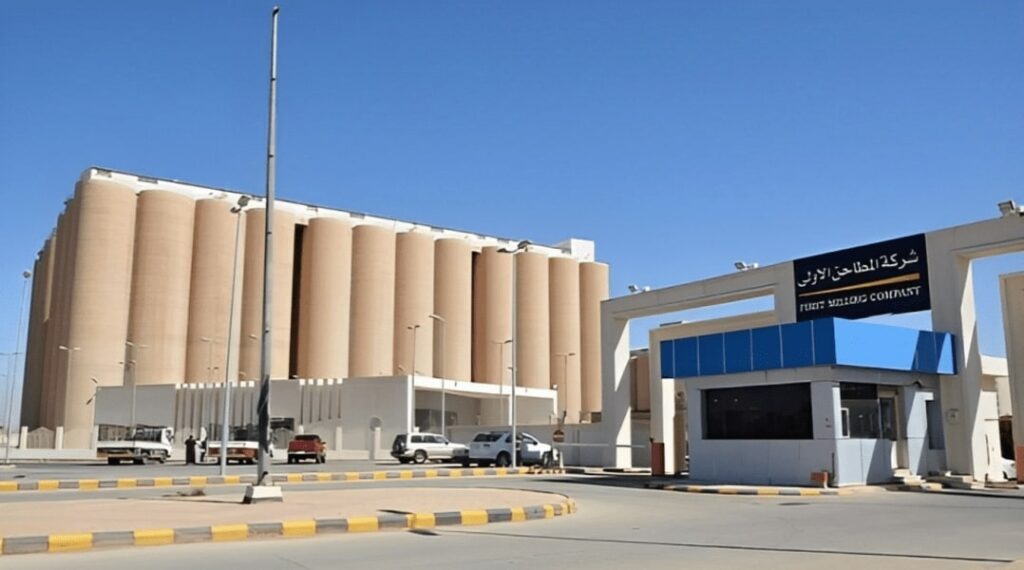
Arabian Mills for Food Products Co.’s initial public offering (IPO) in Saudi Arabia garnered significant attention, with the offering being fully covered within an hour of the books opening. This surge in investor interest reflects a robust appetite for new market opportunities and suggests continued momentum in the kingdom’s IPO market for the remainder of the year.

The IPO of Arabian Mills, a key player in the Saudi food industry, was launched as part of the ongoing surge in the Saudi financial markets. The company’s swift success highlights the thriving investment environment in the region, driven by increasing investor confidence and growing market demand. The offering was met with substantial enthusiasm, indicating that the investor base remains active and optimistic about new market entrants.

Saudi Arabia’s IPO landscape has experienced a notable transformation in 2024, with several high-profile listings capturing significant market interest. This latest offering from Arabian Mills is a testament to the buoyant sentiment among investors who are keen on capitalizing on emerging opportunities in the kingdom’s growing sectors. The rapid coverage of the IPO underscores a strong endorsement from the investment community, eager to engage with promising new ventures.

Recent trends show that the Saudi IPO market is thriving due to several factors, including economic diversification efforts and regulatory support from the government. The Saudi Vision 2030 initiative has been instrumental in reshaping the economic landscape, encouraging private sector growth, and enhancing market liquidity. This vision is reflected in the increasing number of successful IPOs and the growing participation of both institutional and retail investors.

Arabian Mills for Food Products Co. is positioned strategically within the Saudi food industry, which has seen a surge in demand due to demographic growth and changing consumer preferences. The company’s successful IPO is indicative of the strong performance of sector-specific offerings, driven by the increasing importance of food security and sustainability in the region.

Looking ahead, the IPO market in Saudi Arabia is expected to maintain its momentum, with several other companies poised to follow suit. The enthusiasm demonstrated by investors in Arabian Mills’ offering is likely to spur further activity and attract additional listings in the final months of 2024. This trend aligns with broader economic objectives and underscores the kingdom’s commitment to fostering a dynamic and diversified market environment.

The Saudi IPO market continues to attract significant attention from both domestic and international investors, reflecting the kingdom’s economic vitality and investor confidence. As the year progresses, the market is anticipated to sustain its vibrant activity, with ongoing support for new public offerings and an expanding range of investment opportunities.

The strong performance of Arabian Mills for Food Products Co.’s IPO highlights a key development in Saudi Arabia’s financial sector and sets a positive precedent for future market activities. The enthusiastic response from investors reinforces the ongoing appeal of the kingdom’s capital markets and the broader economic landscape.

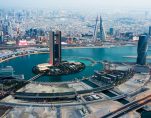
Bahrain has unveiled a new tax regulation requiring large multinational corporations to pay a minimum tax rate of 15%, effective from January 2025. This policy marks a significant shift in the Gulf nation’s economic strategy, aiming to align with global tax standards and diversify its revenue streams.

The decision comes in response to the ongoing international movement towards a unified global tax system. Bahrain’s move aligns with the Organisation for Economic Co-operation and Development (OECD) framework, which seeks to curb tax avoidance by imposing a minimum tax rate on large corporations worldwide. By adopting this policy, Bahrain joins a growing list of countries implementing measures to ensure fairer taxation practices and reduce the competitive advantage of low-tax jurisdictions.

Bahrain’s Finance Minister, Sheikh Salman bin Khalifa Al Khalifa, announced the tax reform, emphasizing that the new rate would enhance the nation’s economic stability and transparency. The reform targets multinational companies with annual revenues exceeding a specified threshold, focusing on sectors such as finance, technology, and manufacturing.

The introduction of this tax rate represents a notable departure from Bahrain’s previously favorable tax environment, which has been a significant attraction for foreign investments. The country’s economic diversification strategy, spearheaded by its Economic Vision 2030, aims to reduce reliance on oil revenues and bolster other sectors of the economy. This new tax policy is expected to generate substantial revenue, which will be reinvested into public services and infrastructure projects.

International businesses operating in Bahrain will need to adapt to the new tax regime by recalibrating their financial strategies and compliance practices. The tax rate is set to apply to both local and foreign entities meeting the revenue criteria, potentially affecting a broad spectrum of industries. Corporate leaders and financial analysts anticipate that this shift could influence Bahrain’s attractiveness as a business hub, though the government has reassured that it remains committed to maintaining a competitive business environment.

Economic experts suggest that Bahrain’s tax policy aligns with global efforts to tackle tax avoidance and ensure that multinational companies contribute a fair share of taxes. The OECD’s initiative, supported by over 130 countries, aims to create a level playing field in international taxation. Bahrain’s decision to implement this policy reflects its commitment to international tax norms and its desire to improve fiscal integrity.

The impact of this new tax policy will be closely monitored by businesses and economic analysts. While it may lead to adjustments in Bahrain’s business landscape, it also signals the country’s proactive approach in adapting to global economic trends. Companies with operations in Bahrain will need to prepare for the changes by updating their financial planning and tax compliance measures in the lead-up to 2025.

As Bahrain moves forward with this tax reform, it underscores a broader global shift towards more equitable tax systems. The nation’s commitment to implementing the 15% minimum tax rate highlights its strategic efforts to align with international standards and foster a more transparent and sustainable economic environment.

VISHNU RAJA
RYO YAMADA
HITORI GOTOH
IKUYO KITA