Articles written by
arabian post staff

China’s goods exports expanded by 4.4% year-on-year in August, the slowest growth in six months, as shipments to the United States plunged more than 33%, weighed down by steep tariffs. Customs data showed imports rising just 1.3%, leading to a trade surplus of approximately US$102.3 billion for the month. China has now posted a goods surplus of more than US$785 billion through the first eight months of the year.

Exporters are offsetting the loss of U. S. demand by shifting focus to markets in Southeast Asia, Africa and Europe. Shipments to Southeast Asian nations rose 22.5%, while exports to Africa are on track for an annual peak, demonstrating that China’s firms are diversifying sales away from U. S. consumers.

India has emerged as a critical destination. August saw Chinese sales to India hit record highs, with strong volumes in electronics playing a central role. Firms assembling smartphones and components have increasingly used export routes into India, capitalising on shifting supply-chains that seek to avoid punitive duties in U. S. trade policy.

The gains elsewhere have only partially compensated for losses in the U. S. Bilateral shipments to America fell by about 33% in August compared to the same month last year; exports to the EU, by contrast, rose about 10.4%.

Manufacturers are accepting lower profit margins to maintain volume. Domestic industrial profits have declined in recent months as overcapacity forces price-cutting for export orders. Meanwhile, home consumption remains weak, undercut by a property sector in distress, tight credit for consumers, and muted wage growth.

Trade policy experts warn the durability of this export pivot depends heavily on external stability. Many countries receiving surging shipments from China are contemplating anti-dumping investigations; India, for example, has reportedly registered dozens of petitions addressing low-cost imports from China and Vietnam. Indonesia has raised concern over ultra-cheap clothing items appearing in its large urban markets.

Binghatti Holding Limited has appointed a slate of banks to lead its first USD Reg S senior unsecured three-year green sukuk under its $1.5 billion Trust Certificate Issuance Programme. The developer, rated Ba3 by Moody’s and BB- by Fitch with both outlooks stable, has kick-started global investor calls and fixed income meetings. The mandate names Abu Dhabi Islamic Bank, Dubai Islamic Bank, Emirates NBD Capital, JP Morgan and Mashreq as Joint Global Coordinators; Abu Dhabi Commercial Bank, Ajman Bank, Arqaam Capital, Crédit Agricole CIB, First Abu Dhabi Bank, RAKBANK, Sharjah Islamic Bank and Warba Bank will act as Joint Lead Managers and Joint Bookrunners.

The green structuring is overseen solely by Mashreq, with DNV, based in Oslo, providing the Second Party Opinion on Binghatti’s Green Financing Framework. The issuance will make use of Binghatti Sukuk 2 SPC Limited under its wider Trust Certificate Issuance Programme.

Binghatti’s credit profile strengthened earlier this year when Moody’s assigned it its first ever corporate family rating of Ba3 with a stable outlook, citing its strong market position in Dubai’s luxury real estate sector, a vertically integrated model, low leverage, strong liquidity and disciplined cost controls. Shortly after, Fitch upgraded its long-term issuer default rating to BB- from B+, also citing its resilient growth, liquidity position and ability to self-fund projects through internal cash flows.

The developer’s previous sukuk issued under the same Programme—a five-year senior unsecured benchmark in August—was priced at a profit rate of 8.125%. That issuance attracted over USD 2.5 billion of orders, making it oversubscribed about five times and confirming significant demand from global and regional investors. That sukuk was dual listed on the London Stock Exchange and Nasdaq Dubai.

More than 180 UAE government Chief AI Officers gathered in Washington under the aegis of the US-UAE Business Council to build partnerships with US tech firms and experts, intensifying the country’s drive in AI governance and cybersecurity. The event leveraged sessions with global business leaders and government officials to share expertise in advanced technology, highlighting the AI Chief Executives Model as a catalyst for digital governance reforms.

Engineer Mohamed bin Taliah, Chief of Government Services, underscored that AI adoption across UAE government remains a top priority, anchored in strategic goals to elevate digital governance globally. He asserted that engaging directly with leading technology companies offers vital exposure to best practices, and that empowering local talent via high-level training is essential to establishing an innovative and “smarter” digital future.

Dr Mohamed Al Kuwaiti, heading the Cybersecurity Council for the UAE Government, flagged an increase in complexity and frequency of cyber threats, saying that international cooperation is now non-negotiable. He described protection of critical infrastructure, data privacy, and AI-driven defence as areas requiring urgent collaboration, emphasising building resilience through national expertise and shared knowledge.

Dr Abdulrahman Al Mahmoud of the Artificial Intelligence, Digital Economy, and Remote Work Applications Office explained that the purpose of the visit is to position the UAE as a global node for innovation. He said the delegation’s exchanges aim at unlocking joint innovation opportunities, shaping practical AI solutions, and reinforcing the UAE’s digital transformation strategy.

Participants included leaders from SmartCohort, Dell Technologies, PwC, and organisations like Cisco, Google, IBM, Oracle, Applied AI, Akamai, Core42 and Cloudflare, among others.

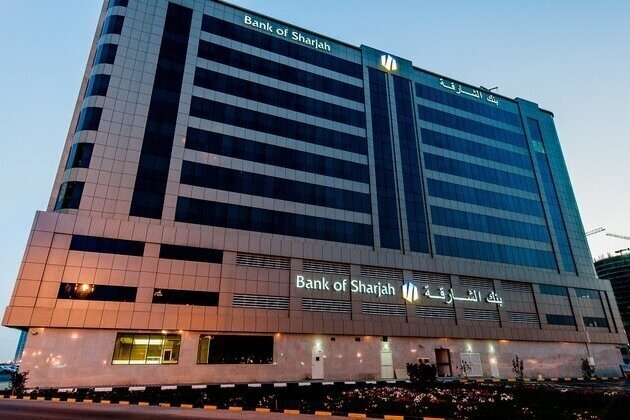
Sharjah has recorded capital inflows of $1.5 billion in foreign direct investment during the first half of 2025, marking a 361 percent rise compared to $325 million in the same period last year. The emirate also saw 74 new FDI projects, and 2,578 jobs created, a 45 percent increase from H1 2024.

Growth has been strongest in consumer products, food & beverage, business services, and industrial equipment. The consumer products sector led in investment, with project numbers rising by 53 percent and capital spend increasing by 188 percent. Food & beverage saw project volume more than double, while job creation in that sector rose by about 25 percent. Business services posted the biggest leap in employment—about 1,100 percent—alongside a 500 percent jump in project activity. Industrial equipment saw a 100 percent increase in projects and a 45 percent rise in capital investment.

Officials attribute the surge to government strategy that emphasises strong infrastructure, regulatory flexibility, and investment in human capital. Sheikha Bodour bint Sultan Al Qasimi, Chairperson of the Sharjah Investment and Development Authority, said the figures represent more than statistics—they mark improved livelihoods and sustainable value for the community. Mohamed Juma Al Musharrkh, CEO of Invest in Sharjah, pointed to Sharjah’s integrated policy framework and robust investment climate as central to building investor trust.

ADVERTISEMENT

Abu Dhabi sovereign wealth fund Mubadala is exploring a full exit from its Turkish operations with Getir, which would include its delivery, financing and car-rental units, say people familiar with the matter. It is in advanced negotiations to offload Getir Arac, the car-rental arm, to Turkish firm Tiktak. Other units, including Getir Finans and the main delivery business, are also under consideration for sale.

Mubadala is Getir’s largest shareholder and obtained controlling interests across Getir’s Turkish subsidiaries in 2021 and 2024. The fund’s deliberations follow an ongoing dispute with the founders of Getir over how the company should be restructured. The founders resisted Mubadala’s plans, describing some actions by the fund as an “illegal coup”, and launched legal challenges in the Netherlands and elsewhere. The courts have, in some instances, sided with Mubadala.

Talks on Getir Arac are said to be well-advanced, although Tiktak has declined to comment. Meanwhile, in the delivery business, U. S.-based DoorDash has been identified as one of the potential buyers, among others. The details of ownership stakes in each Getir unit—delivery, financing, car rental—remain unclear. Mubadala has not offered public comment on these possible divestments.

Getir’s financial trajectory has weakened since its peak valuation of approximately $12 billion in 2022. The company expanded rapidly during the pandemic across several Western European markets and into North America, only to withdraw from those operations as demand waned and operational costs rose. As part of restructuring, non-core businesses were intended to be separated from profitable local grocery delivery operations.

Record trade worth AED 336 billion from the Dubai Integrated Economic Zones Authority across its three free zones marked a 19% increase over 2023, with the zone authority accounting for 13.7% of Dubai’s non-oil foreign trade—the highest share recorded.

Dubai Airport Free Zone, Dubai Silicon Oasis and Dubai CommerCity together processed trade volumes of 444,300 tonnes, representing a rise of over 28% compared with 346,700 tonnes the year prior. Sector-wise, machinery, electrical and electronics led the growth, making up about 72% of total trade and increasing by approximately 17%. Precious stones, metals, jewellery and ornaments grew by 33% and contributed about 22%. Combined, both sectors accounted for nearly 94% of total trade activity.

Sheikh Hamdan bin Mohammed bin Rashid Al Maktoum, Crown Prince of Dubai and Chairman of the Executive Council, stated that these outcomes reflect Dubai’s ambition under the Economic Agenda D33, enhancing its role as a global hub through innovation and competitiveness. Sheikh Ahmed bin Saeed Al Maktoum, Chairman of DIEZ, affirmed this was the fourth year of sustained growth, noting increasing investor confidence and strengthened global trade partnerships.

Volume growth and value growth were supported by improved infrastructure and “integrated services” across the three zones, which reduced friction in supply chains. DIEZ’s performance coincided with Dubai as a whole achieving record highs in non-oil foreign trade.

While machinery, electronics and precious materials drove most of the expansion, other sectors are underrepresented, indicating a dependency on high-value goods. The focus now may turn to diversification to prevent vulnerabilities to sector-specific global headwinds. Economists suggest sustaining infrastructure investment and expanding trade ties beyond traditional markets will be critical for maintaining momentum.

Tensor is unveiling its Tensor Robocar at the Dubai World Congress for Self-Driving Transport 2025, positioning it as the first Level 4 autonomous vehicle designed for individual ownership. The firm says the Robocar combines over a decade of proprietary engineering with an AI architecture engineered from the ground up to deliver privacy, safety and autonomy. Customer deliveries are scheduled for the second half of 2026.

Tensor describes Level 4 autonomy as allowing the vehicle to handle all driving tasks under defined conditions without human supervision, though manual override remains possible outside those zones. Some of its standout hardware includes in excess of 100 sensors ‒ 37 cameras, 5 lidars, 11 radars ‒ and features such as radar-transparent materials, a low hood profile, washer systems for sensors and intelligent covers to protect against harsh environments like desert dust. The AI stack is based on a foundation model that uses real-world and simulated data, with dual systems for fast reflexive response and reasoning in complex or rare scenarios.

The Robocar’s interior includes novel features such as a folding steering wheel and retractable pedals so that when operating in full autonomous mode, the driver’s control elements are stowed. It also supports autonomous parking and charging, offers continuous self-diagnosis even when offline, and uses a privacy-first data architecture. Data is stored and processed locally with encrypted access, and physical privacy controls — such as camera and microphone switches — are built in.

Safety and regulatory compliance are central to Tensor’s strategy. The company claims the Robocar is built to meet or exceed global automotive safety standards, including UN/ECE regulations, FMVSS, and standards applicable in the Gulf Cooperation Council region. It is seeking high ratings from institutions such as Euro NCAP, IIHS and US NCAP. Redundancy in sensors, compute, power, communications, drive-by-wire systems, and thermal management is built in to avoid single points of failure.

Tensor is headquartered in San Jose, with additional offices in Barcelona, Singapore and Dubai. It has separated from its earlier operations in China, emphasizing that its ownership and operations are controlled by US employees, though it has global investors including from the UK, Japan and Korea.

Advertisements
ADVERTISEMENT

Dubai’s telecommunications provider du has begun rolling out its upgraded 5G+ network, aiming to double existing 5G speeds and unlock new technology-driven opportunities for both urban infrastructure and entrepreneurship. The rollout is concentrated initially in central zones of Dubai, Abu Dhabi and other major emirates, with plans to extend coverage more widely by the end of 2025.

Karim Benkirane, chief commercial officer at du, said 5G+ will enable the UAE to advance its smart city and sustainability agendas, while creating an ecosystem where start-ups can “really innovate in the future”. He added that the network will offer faster download speeds, lower latency, and more seamless connectivity—features vital for AI-powered applications, ultra-HD streaming, gaming and real-time virtual or augmented reality experiences.

The infrastructure uses 5G‐Advanced architecture, operating independently of existing LTE networks, and requires compatible devices and SIMs or eSIMs to access the enhanced service. du has said that users leveraging the 5G+ network in busy or downtown areas can expect significantly improved performance.

Enterprise uses are being emphasised as well. du believes that the upgraded network will support government initiatives and private sector innovation, particularly in fields that depend heavily on low latency and reliable data throughput—such as smart traffic systems, IoT deployments, creator-led content, and AI for public services.

Smart city ambitions are aided by 5G+’s ability to maintain connectivity even in crowded zones and to deliver consistent performance as demand grows. The network’s enhancements are intended to sustain video calls, streaming and online collaboration, even in high-traffic environments. du has framed 5G+ as a cornerstone for future digital infrastructure across the UAE.

United Arab Emirates holds between 40 and 45 per cent share of the Middle East and Africa space market, which is estimated at US$18 billion, according to a report from the Boston Consulting Group. The UAE invested approximately US$443 million in civil space activities in 2024—nearly half of all government space spending across MEA.

Saudi Arabia and Qatar follow with civil space investments of about US$220 million each. Saudi Arabia accounts for an estimated 20–25 per cent of MEA government space spending, while Qatar contributes about 5 per cent.

Downstream services—such as satellite communications, navigation, and Earth observation—comprise roughly 70 per cent of the global space industry. The UAE is positioned to capture more than half of the downstream services market within MEA, while Saudi Arabia aims for over 20 per cent. Qatar’s role remains modest in downstream services, at just under 5 per cent.

All three countries are expected to grow at or above the global space economy’s compound annual growth rate of 5 per cent through 2033.

The report identifies several flagship programmes in the UAE—MBZ-SAT, the Hope Probe, and Arab 813—that are likely to generate returns of roughly 3-4 times the investment. These initiatives illustrate how long-term strategic planning, public-private partnerships, risk-tolerant policy frameworks, and global cooperation are central to the UAE’s leadership in the sector.

Saudi Arabia is expanding its international partnerships, including with NASA and Axiom, while Qatar’s Es’hailSat is strengthening its role in regional satellite communications. Digital policy integration—especially in satellite broadband, low Earth orbit constellations, and Earth observation—is emerging as a key success factor.

Estonia has lodged a formal diplomatic protest after three Russian MiG-31 fighters entered its airspace near Vaindloo Island, above the Gulf of Finland, without clearance for twelve minutes. The Estonian government described the incursion as “unprecedentedly brazen” and requested alliance consultations under NATO’s Article 4.

The three jets flew without flight plans, had their transponders switched off, and failed to communicate with Estonian air traffic control, according to official statements. Italian F-35s stationed under NATO’s Baltic Air Policing Mission intercepted and escorted them out. Estonia claims these flights mark the fourth known violation of its airspace by Russia this year.

Margus Tsahkna, Estonia’s Foreign Minister, stressed that while earlier violations had occurred, this one stood out in scale and coordination. He called on political and economic allies to respond forcefully to what he labelled an escalation.

Russia’s defence authorities countered that the mission was “scheduled” and followed agreed routes, asserting that the aircraft remained over neutral waters and did not cross Estonia’s borders. The claim disputes Estonia’s account, insisting no laws or flight path rules were broken.

Following the incursion, Estonia summoned the Russian chargé d’affaires and formally submitted a protest. NATO has agreed to convene under Article 4, allowing member states to discuss perceived threats to security, territorial integrity, or political independence. The North Atlantic Council is expected to deliberate early next week.

European Union officials, including EU foreign policy chief Kaja Kallas, condemned what they described as a dangerous provocation that heightens regional tensions. Estonia’s Prime Minister, Kristen Michal, echoed these concerns, saying Moscow’s actions test the limits of NATO’s resolve.

ADVERTISEMENT

Qatar Investment Authority is injecting US$500 million into Ivanhoe Mines via a private placement that grants the sovereign wealth fund roughly a 4 per cent interest in the Canadian miner. Ivanhoe will issue 57,516,666 common shares at CAD 12 per share, with proceeds earmarked for development of critical mineral projects and general corporate needs.

Ivanhoe Mines operates key assets in southern Africa, notably the Kamoa-Kakula copper complex in the Democratic Republic of the Congo, the ultra-high-grade Kipushi zinc-copper-germanium-silver mine also in the DRC, and the Platreef platinum group metals project in South Africa, which is set to begin production in the fourth quarter of 2025. The QIA investment supports work across these operations and Ivanhoe’s exploration licences in the Western Forelands, which cover large prospective areas.

Robert Friedland, Ivanhoe’s Executive Co-Chair, described the deal as a strong endorsement of the company’s ambition to be a leading supplier of metals crucial to the energy transition, advanced infrastructure and technologies including AI and data centres. He expressed that QIA’s vision aligns with Ivanhoe’s long-term strategic investors.

Mohammed Saif Al-Sowaidi, CEO of QIA, said the investment reflects confidence not just in Ivanhoe’s asset portfolio but also in its capacity to sustainably discover, develop and supply critical minerals for global electrification and advanced technologies.

The transaction is subject to customary closing conditions including approval by the Toronto Stock Exchange. In addition, QIA and Ivanhoe will enter into an investor rights agreement which grants QIA the right to board representation and access to company information if its ownership surpasses 10 per cent, along with anti-dilution rights. Existing major shareholders, CITIC Metal Africa Investments and Zijin Mining Group, retain rights to acquire their pro rata shares at the same CAD 12 price to maintain their ownership levels.

Ivanhoe’s share price was affected by the deal: the CAD 12 issue price is below the closing price of CAD 13.19 prior to the announcement, representing a discount. The investment follows a climate in which sovereign funds and institutional investors are increasingly targeting critical minerals as part of global supply chains for the clean energy transition.

Flydubai began service to Iași in Romania with twice-weekly flights, making it the first carrier from the United Arab Emirates to connect Dubai directly with Romania’s cultural capital of Moldavia. The new route operates on Tuesdays and Fridays between Dubai International’s Terminal 2 and Iași International Airport.

The airline is also scaling up its operations to Bucharest, moving from three weekly flights to three daily services, which will bring the weekly frequency between Dubai and the Romanian capital to 21 flights.

Flydubai has placed Iași as its second Romanian destination, following Bucharest, and has already expanded into the neighbouring region with the launch of flights to Chișinău in Moldova. Further expansion for Europe includes planned routes to Vilnius and Riga later in the year.

Jeyhun Efendi, Divisional Senior Vice President of Commercial Operations and E-commerce at Flydubai, said growth in Romania has averaged about 16 per cent annually on the Bucharest route since flights launched in 2012. He expressed confidence that the new Iași service and increased frequency to Bucharest will offer passengers more convenience and opportunities for both cultural and business travel.

Romeo Vatră, General Manager of Iași Airport, described the route’s inauguration as a “significant milestone”, noting that Iași becomes the only airport in the Moldova region with a direct link to the United Arab Emirates.

Fare details were published: return fares in Business Class from Dubai to Iași start from AED 8,000, while in Economy Lite they begin at AED 1,600. In the reverse direction, prices start at EUR 2,000 and EUR 380 respectively.

Governments across the Gulf Co-operation Council are expanding their civil space programmes, driving the Middle East and Africa space market to a valuation of about $18 billion, with one nation commanding 40-45 per cent of regional government spending in this sector.

Boston Consulting Group’s latest analysis shows that the UAE, Saudi Arabia, and Qatar are at the heart of civil space investment across MEA. The UAE led with roughly $443 million committed for civil space in 2024, capturing nearly half of governmental spending in the region. Saudi Arabia and Qatar followed with approximately $220 million each.

The report highlights downstream services—satellite communications, earth observation—as the fastest-growing segments. UAE is projected to grab over 50 per cent of that downstream services market, while Saudi Arabia is set to hold over 20 per cent, and Qatar remains just under 5 per cent.

In the upstream sphere, where spacecraft design, launch facilities, and ground operations are concentrated, the Gulf countries are boosting capacity. Saudi Arabia has stepped up partnerships with foreign agencies such as NASA and commercial firms like Axiom, and domestic players including Neo Space Group are increasingly involved. Qatar’s Es’hailSat is cited as a key actor in satellite communications. The UAE’s Hope Mars Probe is named as an example of both international cooperation and technical achievement.

Growth rates projected through to 2033 are in line with, or exceed, the expected global compound annual growth rate for the space economy, which BCG estimates at about 5 per cent. Analysts point to policy support, institutional frameworks, public-private partnerships, and investment in human capital as enablers.

Opportunities in downstream services are being amplified by trends in artificial intelligence and cloud computing. These are reshaping data collection, processing and applications for earth sensing, environmental monitoring, agritech, and disaster response. The Gulf states are working to consolidate their roles not only as financiers but as centres of innovation and regional service provision.

The report also situates the MEA region’s space efforts within broader economic diversification agendas, particularly in the Gulf. For the UAE, Saudi Arabia and Qatar, space is not merely symbolic ambition but a sector being leveraged to build scientific ecosystems, boost high-tech employment and attract international collaboration.

Emaar Properties has confirmed that it will not sell a stake in its Indian subsidiary, instead shifting its strategy to explore joint ventures with major real estate players, including the Adani Group. The clarification was issued through a statement to the Dubai Financial Market, where Emaar is listed.

Earlier this year, Emaar acknowledged talks with Indian groups such as Adani over a possible stake sale of Emaar India. Those negotiations had garnered attention amid reports that Adani Realty was close to acquiring a majority share for around $1.4 billion.

Emaar’s latest statement emphasised that no sale is under consideration. Instead, the company is evaluating joint venture opportunities with several large real estate firms in India. Adani Group is named among those potential partners.

The real estate firm’s move comes after the earlier sale discussions faltered due to disagreements over valuation. Adani Realty and Emaar were unable to reach a consensus, leading to a stall in the effort to finalise transaction terms.

Financially, Emaar India posted net losses after tax for the fiscal year ending 31 March 2024, amounting to about ₹1,340.8 million. That compares with total revenues of approximately ₹29,137 million for the same year; in the previous year revenues had stood at roughly ₹18,319 million.

Meanwhile, Emaar Properties globally has reported strong operational performance. For 2024, it achieved property sales of nearly Dh70 billion, a rise of some 72 per cent over 2023. Revenue backlogs—sales booked but not yet recognised as revenue—exceeded Dh110 billion, providing a cushion for future earnings. Net profit before tax grew by about 25 per cent to Dh18.9 billion.

ADVERTISEMENT
Abu Dhabi’s AD Ports Group has initiated a global deployment of Low Earth Orbit satellite services across its fleet of 270 vessels and its 34 port terminals, bringing high-speed, low-latency connectivity to maritime operations in Europe, Africa, the Middle East, Central and Southwest Asia. The phased implementation, beginning this month, follows deals struck with two international LEO service providers as part of the Group’s push toward digital infrastructure and sustainable efficiencies.

The new connectivity will enable AD Ports to introduce advanced tools such as real-time vessel tracking, predictive maintenance, dynamic route optimisation and automated cargo tracking. At sea, such applications are expected to aid smarter voyage planning, improved fuel efficiency and heightened safety monitoring—capabilities previously constrained by intermittent connections or high latency.

On land, the LEO backbone will support terminal operations by ensuring resilient communication even in remote or critical locations. It is set to enhance cargo monitoring, streamline emergency response coordination and boost business continuity during high-demand operations or network disruptions. Integration with existing Internet of Things sensors, smart port platforms and artificial intelligence analytics will underpin these improvements.

Mohamed Jamal-Eddine, Chief Information Officer at AD Ports Group, stated that this step lays the foundation for “a smart, resilient infrastructure” capable of supporting continuous operations even under challenging conditions. He emphasised that connectivity is not solely about speed but about enabling constant visibility and control across the supply chain.

Importantly, the rollout aims to deliver operational savings. With enhanced connectivity, the company expects reductions in fuel consumption via optimised routing, lower maintenance costs due to predictive modelling, and fewer delays linked to communication failures. These gains form part of a broader agenda of digital transformation already underway at AD Ports, which includes smart port platforms and integrated supply chain systems.

While the service providers involved remain unnamed, the agreements point to AD Ports Group’s strategy to secure multiple vendor relationships to ensure redundancy and avoid single points of failure. The phased model also allows for company-led pilots on select vessels before full fleet implementation.

Analysts observing maritime and logistics industries interpret this move as part of a larger trend: ports and shipping companies are increasingly adopting LEO and other satellite-based technologies to overcome gaps in connectivity, particularly in less accessible sea routes and remote terminal locations. Such capabilities are seen as essential for the adoption of automation, green technologies, and stringent environmental regulations requiring greater transparency in operations.

Gulf Cooperation Council central banks have lowered key interest rates across the region after the United States Federal Reserve reduced its benchmark rate by 25 basis points. The move marks the Fed’s first rate cut this year, and Gulf economies have quickly aligned their monetary policy to maintain currency pegs, apart from Kuwait, which pegs its dinar to a basket of currencies rather than solely to the dollar.

Saudi Arabia cut its repo rate to 4.75% and its reverse repo rate to 4.25%. The UAE lowered its overnight deposit facility rate to 4.15%. Qatar reduced its deposit, lending, and repo rates each by 25 basis points. Bahrain, Oman, and Kuwait also followed suit with 25 basis point cuts to their key rates.

The rationale driving these moves lies in the Gulf states’ monetary frameworks. Most GCC currencies are pegged to the US dollar, meaning their central banks generally mirror US monetary policy to preserve exchange rate stability. Kuwait stands out as it links its currency to a basket of currencies, weakening the direct link to Fed actions.

Economic analysts note that easing borrowing costs could help stimulate sectors beyond oil, such as real estate, tourism and manufacturing—areas that have strong roles in GCC diversification plans. The UAE expects its non-oil economy to grow by 5.1% this year, while inflation remains modest, easing pressure on rate cuts.

In the United States, the Fed’s decision also signalled expectations of further cuts before the end of the year, setting a stage for global monetary easing. Chair Jerome Powell emphasised that although inflation remains above target, the labour market has weakened enough to justify the cut, but that future reductions will be measured.

Shares in Santos plunged by up to 13.6% as the Abu Dhabi National Oil Company-backed XRG consortium formally withdrew its A$36.4 billion takeover offer, stating it could not reach agreement with Santos on critical commercial terms.

The consortium, which includes ADQ and Carlyle alongside XRG, had proposed A$8.89 per share in June, equivalent to US$5.76 at the time. Santos had adjusted that for a dividend and told XRG on Monday that it was prepared to accept US$5.626 per share.

This marks the third unsuccessful major offer for Santos over seven years, including a rejected bid from Harbour Energy in 2018 and abandoned merger talks with Woodside Energy. Analysts warn that repeated deal failures erode investor confidence in the company’s ability to seal a large-scale acquisition.

Investor concern was immediately reflected in the market. Santos shares dropped to A$6.61 in early trading, their lowest level since June 10, as the premium embedded in the bid evaporated. The benchmark S&P/ASX200 index was marginally down.

Analysts and banks responded by downgrading the stock. Jarden cut its rating from “overweight” to “underweight”, lowering its 12-month target from A$8.40 to A$7.05 per share. turn0news10turn0search1turn0search2

Santos leadership emphasised its strong project pipeline, pointing to the Barossa gas project in northern Australia and the Pikka oil venture in Alaska as key future growth drivers. Company chair Keith Spence reiterated that Santos has a clear strategy to generate cash, reward shareholders, reinvest in infrastructure and grow production while maintaining safety and reliability.

XRG stated that a “combination of factors, when considered collectively, have impacted the Consortium’s assessment of its indicative offer”, including inability to agree on terms under the Scheme Implementation Agreement. Among sticking points was the demand that the consortium assume certain regulatory and tax-risk obligations, which XRG considered unacceptable.

ADVERTISEMENT

Dubai Future Foundation has sealed a Memorandum of Understanding with XSOLLA, a global video-game commerce company, under the framework of the Dubai Program for Gaming 2033. The agreement seeks to reinforce Dubai’s position as a gaming innovation hub, drive thought-leadership in the sector, and deliver economic impact with goals of 30,000 new jobs and an additional US$1 billion in GDP by 2033.

DPG33, launched in November 2023 under the patronage of His Highness Sheikh Hamdan bin Mohammed bin Rashid Al Maktoum, Crown Prince of Dubai and Chairman of the Board of Trustees of DFF, aims to place Dubai among the world’s top ten gaming hubs over the next decade. The XSOLLA deal was inked during Dubai’s participation in Gamescom 2025 in Germany, where the DFF-led pavilion showcased local developers and gaming initiatives.

Under the MoU, the partners will co-operate on generating thought leadership initiatives and spotlight key activities in content, monetisation, infrastructure, and talent development. DFF also will use its platform to attract investment and cultivate a supportive ecosystem for game developers.

Local game studios have already been gaining traction. Dubai-headquartered iBLOXX secured US$5 million in funding to further develop its online game Strayshot, and Artisan Studios’ Lost Hellden drew over 15,000 wishlist additions on Steam plus more than 300,000 views of its promotional video across platforms such as IGN, PlayStation and Nintendo of America during the Gamescom showing. These examples illustrate growing visibility for indie development as well as commercial promise in Dubai’s gaming sector.

Abdulaziz AlJaziri, Deputy CEO of DFF, said that the level of local and international interest in Dubai’s gaming sector reveals “a real appetite to explore and partner with one of the industry’s most promising markets.” He emphasised Dubai’s advantages in infrastructure, investment, and competitive advantages under DPG33.

The economic projections tied to these initiatives rely heavily on success in three arenas: scaling game creation and publishing, enhancing monetisation capabilities, and developing skilled talent. The MoU with XSOLLA is expected to assist especially in the monetisation and scaling end, leveraging XSOLLA’s global commerce tools and developer support services. Analysts note that aligning global platforms like XSOLLA with local innovation programmes is a strategy used in other leading gaming hubs, helping to bridge gaps in market access, revenue optimisation, and international distribution.

Regulatory and infrastructure support remain under scrutiny, as talent attraction—both local and international—depends not only on capital and tools, but also on clarity in regulation, availability of education and training, creative incentives, and digital and physical infrastructure. Dubai’s gaming strategy, via DPG33, aims to address many of these pain-points through government partnership, industry collaboration, and ecosystem development.

Saudi entities Hassana Investment Company and AviLease have formed a joint venture to offer aircraft-leasing opportunities, signalling a major step in the Kingdom’s drive to build up its aviation financing infrastructure under its National Aviation Strategy. Hassana will own a majority of the new venture; AviLease—backed by the Public Investment Fund—will supply aircraft servicing.

The joint venture’s launch includes a deal to acquire a fleet of ten fuel-efficient, new-technology aircraft from AviLease, all currently leased to carriers based in Saudi Arabia. The portfolio reflects a shift towards greener, more sustainable aviation assets.

Hassana, which manages funds for the General Organization for Social Insurance, sees this as a chance to deepen exposure to resilient asset classes that generate long-term cash flows. Hani Al-Jeha­ni, Acting CEO and CIO of Hassana, emphasised the partnership aligns with its mandate to pursue investments that offer sustainable returns while supporting national aviation goals.

AviLease, established in 2022 as part of the sovereign wealth fund’s expanding portfolio, is expanding rapidly. The company has placed large orders for new Boeing and Airbus aircraft and completed a sizeable financing facility earlier this year. It manages a global portfolio worth several billion dollars. Edward O’Byrne, CEO of AviLease, described the joint venture as foundational to scaling up Saudi Arabia’s aviation ecosystem and creating a platform attractive to both domestic and international investors.

Fahad Al-Saif, Chairman of AviLease, noted that the partnership marks one of the first private-sector-led steps into the aviation financing domain within Saudi Arabia, reinforcing the role of investment institutions in strengthening the sector.

The move supports Saudi Arabia’s ambition to draw 150 million visitors annually by 2030, up from earlier targets, and to enhance the economic multiplier effects of tourism, trade, and transport infrastructure. Aviation financing is seen as a key enabler in achieving these goals, since airlines often face high capital costs.

ADQ and Azerbaijan Investment Holding have signed a memorandum of understanding to pursue joint projects in the financial services sector, aiming to improve market connectivity and bolster the investment environment for sustainable economic growth.

The agreement follows their establishment of a joint investment platform in December 2023, under which both organisations committed equal capital to developing sectors such as agriculture, technology, pharmaceuticals and energy infrastructure across Azerbaijan, the UAE, and Central Asia—with possible expansion beyond those regions.

Mohamed Hassan Alsuwaidi, Managing Director and Group Chief Executive Officer of ADQ, said the deal exemplifies the strategy of deploying patient capital and leveraging investment know-how to stimulate economic diversification, foster industrial expansion, and enhance regional connectivity and competitiveness.

Ruslan Alikhanov, Chief Executive Officer of AIH, described the partnership as a key move to unlock new growth opportunities for Azerbaijan, emphasising that combining capital and expertise will support more diversified development and position Azerbaijan as a proactive actor in regional investment networks.

AIH, founded in 2020, manages strategic state-owned enterprises, enhancing governance, boosting operational efficiency and channeling investment into national priorities. ADQ is recognised for investing in critical infrastructure, global supply chains, and strategic sectors that align with broader national and regional economic transformation agendas.

Trade between the UAE and Azerbaijan has been strengthening, with non-oil trade rising 43 per cent year-on-year to reach about USD 2.4 billion in 2024. UAE investments into Azerbaijan have crossed USD 1 billion, reflecting the deepening economic partnership.

Abu Dhabi will become the base for a new production venture aiming to create large-scale action films, as Emirati actor-producer Mohamed F. Mostafa joins forces with British filmmakers Neil Marshall and Jadey Duffield.

The trio plan to produce under the UK company Art of Action, with two projects already in development: Marshall’s Skeleton Coast, a desert survival thriller, and Duffield’s Blackout, described as a whodunnit in the style of Knives Out crossed with The Raid. Mostafa is establishing a production company in Abu Dhabi to ensure that Emirati talent is deeply involved both in front of and behind the camera.

Abu Dhabi’s film incentive scheme is a cornerstone of the plan. Productions can receive up to 50% cashback on qualifying spend, provided they meet criteria including hiring local cast and crew and investing in local infrastructure. This enhanced rebate framework is intended to attract big-budget shoots while developing the skills of the domestic film workforce.

Marshall, known for directing episodes of Game of Thrones such as “Blackwater” and “The Watchers on the Wall”, described action as a genre with worldwide appeal. He and Duffield emphasise that their films will draw on regional fighting styles and action choreography seldom seen in global cinema, aiming to push what local crews can do alongside their work.

Mostafa said the timing is opportune, asserting that the Emirati entertainment sector has abundant talent that has so far lacked full exposure. He hopes this partnership will showcase that local crews and performers can deliver action content with international production values.

Abu Dhabi has over time hosted major international productions including Dune, Mission: Impossible, and Star Wars-related work. But Mostafa, Marshall and Duffield see potential beyond serving as a filming location: their goal is to make Abu Dhabi a creative base for action filmmaking with staying power.

Duffield emphasises translating external expertise into local growth, especially in areas like stunt and action design, with “knowledge transfer” baked into the structure of their planned films. The idea is not merely to import crews but to train and promote domestic specialists.

HSBC has opened a dedicated wealth centre in Dubai aimed at serving affluent clients, stepping up efforts to capture a growing share of the UAE’s expanding wealth and asset management sector. It comes as the bank’s Swiss private arm moves to cut ties with over 1,000 wealthy clients from the Middle East under regulatory pressure.

The Dubai centre, housed in HSBC’s flagship Jumeirah branch, will offer Premier and high-net-worth clients access to relationship managers in a specialist space. Dinesh Sharma, HSBC’s head of International Wealth and Premier Banking for Middle East, North Africa and Turkey, said the UAE is among HSBC’s top five global markets, and the investment in infrastructure, people, capabilities and marketing over the next three to four years represents its largest in two decades. Singapore is cited as a model for how the UAE could develop into a global wealth hub.

In parallel, HSBC Private Bank has informed more than 1,000 clients in Saudi Arabia, Lebanon, Egypt and Qatar—many with assets exceeding US$100 million—that it will terminate its relationships with them. The bank is classifying these clients as high risk, following findings by Swiss regulator FINMA that it failed to meet anti-money laundering obligations in past transactions involving politically exposed persons.

HSBC has emphasised its continued commitment to both its Middle East and Swiss wealth business units. Barry O’Byrne, CEO of International Wealth and Premier Banking, maintains that Switzerland remains one of HSBC’s “core wealth hubs.” HSBC is structuring its strategy to grow where it has “a clear competitive advantage.”

The bank notes that personal financial assets in the UAE have surged over the past few years, exceeding US$700 billion, with more than 130,000 millionaires now in the country. Migrants of wealth are drawn by favourable investment policies, tax incentives and regulatory reforms. Regions contributing large shares of incoming wealth include India, other Middle Eastern markets, Russia and the Commonwealth of Independent States, and a growing number from the UK, Europe and China.

HSBC’s move to reduce exposure to high-risk clients comes after FINMA’s rulings in 2024, which identified breaches in anti-money laundering duties in connection with transactions involving politically exposed persons between 2002 and 2015. The regulator prohibited HSBC Private Bank from onboarding new relationships with such individuals until its compliance practices were overhauled. The bank is now working under those rules, winding down existing relationships judged to pose compliance risk.

Space42, listed in Abu Dhabi, and Viasat, a US communications company on Nasdaq, have joined forces to launch a new entity called Equatys to deliver Direct-to-Device and mobile satellite services worldwide leveraging 5G standards.

Equatys will combine satellite and terrestrial networks under a 3GPP Non-Terrestrial Network architecture so that standard smartphones and IoT devices can connect even where ground-based networks cannot reach. It will use over 100 MHz of harmonized Mobile Satellite Services spectrum across more than 160 markets. The venture aims to begin commercial service within three years.

The “space tower” model at Equatys is built on shared multi-tenant infrastructure covering both space and ground components. This setup is designed to cut redundant investment, improve spectrum utilisation, and reduce overall capital costs for operators. Licensed terrestrial and satellite operators will be able to tap into this infrastructure for D2D and next-generation MSS offerings.

Space42 was formed in 2024 through a merger combining the operations of Bayanat and Yahsat. Its business units include upstream satellite operations and geospatial analytics/AI-powered smart solutions. Major shareholders include G42, Mubadala, and IHC. Viasat, having acquired Inmarsat in 2023, operates globally in secure satellite communications, for government, enterprise, and consumer markets.

While financial terms of the venture were not disclosed, Equatys is expected to issue equity in phases, opening opportunities for strategic and financial partners as the system scales. The model is pitched as infrastructure-grade, aiming to offer returns tied to long-term deployment and spectrum utilisation rather than short-term hardware sales.

The project is subject to regulatory and customary conditions. It follows a Memorandum of Understanding signed in March 2025 between Space42 and Viasat which moved from exploratory technical and commercial studies to forming a jointly owned infrastructure company.

Experts are watching closely how spectrum harmonisation will be maintained across the many markets Equatys aims to cover. Nation-level telecom regulators often impose latency, licensing or usage constraints on MSS and NTN services, which can complicate global rollout. Also, implementing a shared infrastructure model across multiple orbits of satellites presents technical and operational challenges, from latency and hand-off between orbits, to ground station coordination, spectrum interference and service reliability.

Dubai International Airport has deployed over 520 hearing loops across its three terminals to support passengers with hearing loss. The system, which allows travellers using hearing aids or cochlear implants to hear announcements clearly by switching to the ‘T’ setting, requires no pairing or extra equipment.

The devices are now installed at critical passenger touchpoints including check-in counters, immigration desks, boarding gates and information desks. The initiative is part of DXB’s broader accessibility drive under Dubai’s Universal Design Code, which mandates inclusive access in public facilities and transport infrastructure. Staff across frontline operations have also been trained to assist guests of determination.

Majed Al Joker, Chief Operating Officer at Dubai Airports, said this move demonstrates a commitment to enabling every traveller to move through the airport “with ease, dignity, and confidence.” The rollout was supported by oneDXB partners including airlines, airport services, customs, police, and ground handling agencies.

Globally, about 1.5 billion people live with some degree of hearing loss, a figure projected by the World Health Organisation to rise to 2.5 billion by 2050. Experts say transport hubs like airports are under increasing pressure to provide accessibility services that do not add friction for travellers. Implementation of hearing loops is among the measures considered most effective because of their unobtrusive nature and compatibility with existing devices.

VISHNU RAJA
RYO YAMADA
HITORI GOTOH
IKUYO KITA
Social Media Auto Publish Powered By : XYZScripts.com