News related to
business

ADNEC Group has achieved a historic milestone by contributing AED8.5 billion to the UAE economy in 2024, surpassing the AED7.4 billion recorded in 2023. This achievement underscores the group’s expanding influence in bolstering economic growth and aligns with the UAE’s strategic goal of fostering a diversified, knowledge-based economy. Humaid Matar Al Dhaheri, Managing Director and Group CEO of ADNEC Group, remarked that 2024 has been a landmark […]

By K Raveendran Prime Minister Narendra Modi’s proclivity for favouring friends has become an enduring characteristic of his leadership, a trait that has shaped both his domestic and international strategies. His approach to governance, often criticised for prioritizing personal and political loyalties over broader national interest, is once again evident in the unfolding saga of […]

Saudi Arabia, historically a lucrative market for international consulting firms, is undergoing a notable transformation in its approach to external advisory services. The kingdom’s government is reassessing its reliance on foreign consultants, leading to a slowdown in contract awards and prompting firms to relocate staff to other regions, including Doha. This shift reflects a broader trend within the consulting industry, which is grappling with various challenges worldwide. […]

HONG KONG SAR – Media OutReach Newswire – 14 March 2025 – UU Wallet, a leading global Web3 payment platform, recently announced that it has officially obtained the Money Services Business (MSB) license from the United States. This makes UU Wallet one of the few digital financial service platforms that combines robust security capabilities with global compliance credentials. The approval of this license signifies that UU Wallet […]

HONG KONG SAR – Media OutReach Newswire – 14 March 2025 – Hong Kong Science and Technology Parks Corporation (HKSTP) is excited to announce the 9th edition of the Elevator Pitch International Competition (EPIC 2025), a global stage for visionary startups to secure investment, spur business opportunities, and scale in Asia’s innovation arena from 3-7 November, as finalists showcase their groundbreaking ideas with a 60-second pitch at […]

Dubai-based robotics manufacturer Micropolis Holding has successfully raised $15.5 million through its initial public offering on the NYSE American exchange. The company offered approximately 3.875 million ordinary shares at $4 per share, aligning with the lower end of the anticipated price range. Trading commenced on March 7, 2025, under the ticker symbol “MCRP”. Established in 2014 and headquartered in Dubai Production City, Micropolis specializes in developing autonomous […]

Dubai-based global ports and logistics operator DP World announced a record revenue of $20 billion for the fiscal year 2024, marking a 9.7% increase from the previous year. This surge is attributed to enhanced performance in its ports and terminals division, alongside contributions from new acquisitions and concessions. Despite the revenue growth, profit attributable to owners, after separately disclosed items, fell by 28.9% to $591 million from […]

Advertisements

KUALA LUMPUR, MALAYSIA – Media OutReach Newswire – 14 March 2025 – Silver is attracting investor interest, with market analysts predicting a potential leap to $40 per troy ounce in 2025. The metal is rising in global investment portfolios, providing stiff competition to gold’s long reign over commodity markets. Kar Yong Ang, a financial market analyst at Octa Broker, explains why silver has a very good opportunity […]

MACAO SAR – Media OutReach Newswire – 13 March 2025 – Melco Resorts & Entertainment continues to lead in Macau in the newly published MICHELIN Guide Hong Kong & Macau 2025, being granted eight MICHELIN Stars across five restaurants located in City of Dreams, Studio City and Altira Macau. This year’s result sees Jade Dragon, City of Dreams’ Cantonese fine dining restaurant, maintain its superior Three MICHELIN […]

Members of President Donald Trump’s family have entered talks regarding a potential investment in Binance’s U.S. arm, a move that has drawn significant attention given the rising influence of cryptocurrency exchanges in global finance. The discussions revolve around securing a financial stake in Binance.US, which has been expanding its reach within the U.S. despite ongoing regulatory hurdles.

Sources indicate that the Trump family, including figures close to the former president, have shown increasing interest in the digital assets space. While specific details of the talks remain confidential, insiders suggest that the potential investment would allow the Trump family to become a major player in one of the largest cryptocurrency exchanges worldwide. This development has attracted scrutiny due to the complexities surrounding cryptocurrency regulation in the U.S. and Binance’s efforts to navigate these challenges.

Binance.US, a subsidiary of the global cryptocurrency exchange Binance, has been under intense regulatory pressure, particularly from the U.S. Securities and Exchange Commission . The regulatory body has taken aim at cryptocurrency exchanges, scrutinising their operations and pushing for tighter compliance with financial laws. Binance.US has worked to distinguish itself from its parent company, striving to comply with U.S. regulations in order to maintain access to the lucrative American market. This regulatory scrutiny has intensified as the SEC investigates various crypto-related activities, leading some exchanges to reassess their operations in the U.S.

The Trump family’s potential involvement in Binance.US comes at a time when cryptocurrency remains a divisive issue within U.S. political circles. President Trump himself has expressed scepticism about digital currencies in the past, calling Bitcoin a “scam” and reiterating his support for the U.S. dollar. However, some of his family members, including his sons, have reportedly shown greater interest in blockchain technology and the broader financial opportunities within the sector.

The growing interest in cryptocurrencies and their market potential has not gone unnoticed by established financial institutions, traditional investors, and wealthy individuals, including those with political influence. Cryptocurrency offers an alternative financial system that is decentralised, offering benefits like increased privacy and reduced reliance on traditional banking systems. At the same time, the volatility and lack of regulation continue to be a major concern for investors.

Binance, which was founded in 2017 by Changpeng Zhao, has become one of the most prominent cryptocurrency exchanges globally. The company has maintained a significant foothold in international markets but has faced regulatory challenges in several jurisdictions, including the United States, the United Kingdom, and Japan. In the U.S., the company has been forced to adapt its operations to meet local compliance requirements, which have included halting certain services and modifying trading offerings.

In addition to the regulatory concerns, Binance has faced allegations of facilitating illegal activities, including money laundering, leading to legal battles in several countries. These challenges have prompted Binance.US to distance itself from its parent company, ensuring that its operations remain fully compliant with U.S. laws. The platform has also been active in cooperating with regulators to ensure that it operates within the confines of U.S. financial regulations.

The Trump family’s interest in Binance.US signals the growing trend of prominent individuals and families seeking to establish financial positions in emerging markets, especially those that offer substantial growth opportunities like the cryptocurrency sector. While the discussions are still in the early stages, industry analysts suggest that the involvement of the Trump family could accelerate the exchange’s push to expand further within the U.S. market. With both the political clout and financial resources that the Trump family brings, their entry into the cryptocurrency space could prove to be a significant development for Binance and the broader digital assets industry.

The potential partnership also underscores the increasing mainstream acceptance of cryptocurrencies among high-profile investors and their growing role in the future of finance. As the U.S. government and regulators continue to grapple with how to regulate digital currencies, the involvement of politically connected figures in cryptocurrency investments could potentially alter the trajectory of future regulatory frameworks.

Despite the regulatory challenges, Binance.US has reported strong growth in user adoption and trading volume. As the global market for digital currencies continues to expand, platforms like Binance are positioned to benefit from increasing demand for alternative investment opportunities. Moreover, Binance.US’s strategic adjustments to comply with U.S. regulations, coupled with the potential involvement of high-profile investors like the Trump family, may further solidify its standing in the competitive crypto market.

The conversations surrounding the Trump family’s involvement in Binance come amid broader discussions in Washington about how to best regulate the cryptocurrency space. Lawmakers have expressed concerns about the risks posed by digital currencies, ranging from fraud to their use in illicit transactions. At the same time, they have recognised the growing popularity of cryptocurrencies and the need to establish clear rules that both protect consumers and foster innovation in the sector.

The Trump family’s engagement in the cryptocurrency industry also raises questions about the increasing convergence of political influence and financial markets. As more individuals and families with political ties explore opportunities in the digital asset space, the lines between politics and business may continue to blur. This development may set the stage for a new era of investments in which political figures play an increasingly central role in shaping the future of digital finance.

Swiss private equity firm Partners Group has finalized an agreement to acquire Australian data center operator GreenSquare Data Centers , committing up to AU$1.2 billion to establish a next-generation data center platform across Australia. GreenSquareDC, established in October 2022, is actively developing a data center in Belmont, Perth. The four-story facility is set to offer 68,000 square meters of gross floor area on a 38,000-square-meter site, with […]

Both parties will collaborate to drive the growth of sports and entertainment events to the city and help to foster the development of Hong Kong into a premier hub for mega live events HONG KONG SAR – Media OutReach Newswire – 13 March 2025 – DHL Express, the world’s leading international express service provider, has been appointed as the Official Partner of the newly opened Kai Tak […]

Cryptocurrency exchange OKX Europe has acquired a Malta-based firm holding a Markets in Financial Instruments Directive II license, positioning itself to offer regulated derivatives products to institutional clients throughout the European Economic Area . The acquisition, announced during an exclusive event at Manoel Island, Malta, marks a significant advancement in OKX’s European expansion strategy.

The newly acquired entity is expected to commence operations later this year, pending approval from the Malta Financial Services Authority . This development will enable OKX to provide a comprehensive suite of regulated derivatives services to institutional investors across the EEA, encompassing all 27 European Union member states, as well as Iceland, Liechtenstein, and Norway.

Erald Ghoos, CEO of OKX Europe, highlighted the strategic importance of this milestone, stating that securing the MiFID II license is pivotal in integrating digital assets with traditional financial markets. He emphasized that this move positions OKX to deliver institutional-grade services, collaborate with top-tier financial institutions, and offer regulated investment solutions that enhance market access for investors across the continent.

This acquisition follows OKX’s attainment of a Markets in Crypto Assets license from Malta in January, underscoring the exchange’s commitment to regulatory compliance within the European Union. The dual licensing strategy allows OKX to navigate the complex regulatory landscape effectively, offering both crypto assets and traditional financial instruments in a secure and compliant manner.

The MiFID II license is particularly significant as it permits OKX to offer regulated derivatives products, a critical component for institutional investors seeking sophisticated trading strategies. By adhering to stringent regulatory standards, OKX aims to provide a robust and secure trading environment, thereby enhancing its market position and paving the way for future expansions and innovations in the European financial sector.

The European Union’s regulatory framework, particularly the implementation of MiCA, has been instrumental in attracting global cryptocurrency exchanges to the region. Regulatory clarity serves as a significant driver for crypto exchange businesses, facilitating customer trust and operational stability. In contrast, other jurisdictions, such as the United Kingdom, have been slower to implement comprehensive crypto regulations, potentially hindering their competitiveness in this rapidly evolving market.

OKX’s strategic move to secure both MiCA and MiFID II licenses reflects a broader trend among cryptocurrency exchanges to align with established financial regulations. This alignment not only ensures compliance but also bridges the gap between traditional finance and the burgeoning digital asset industry, offering institutional investors a seamless and regulated entry point into cryptocurrency markets.

The acquisition also signifies OKX’s dedication to enhancing its institutional offerings. By providing regulated derivatives products, OKX aims to meet the growing demand from institutional clients for diversified and compliant investment options. This development is expected to attract a broader client base, including hedge funds, asset managers, and other institutional entities seeking exposure to cryptocurrency derivatives within a regulated framework.

Ripple, a prominent blockchain payments provider, has secured full regulatory approval from the Dubai Financial Services Authority to offer cross-border cryptocurrency payment services within the United Arab Emirates . This landmark authorization enables Ripple to operate in the Dubai International Financial Centre , a special economic zone with its own legal and regulatory framework.

The DFSA’s approval positions Ripple as the first blockchain-enabled payments provider licensed by the authority, underscoring the company’s commitment to regulatory compliance and its strategic focus on the Middle East. Brad Garlinghouse, Ripple’s Chief Executive Officer, remarked that the global crypto industry is experiencing unprecedented growth, driven by enhanced regulatory clarity and increasing institutional adoption. He highlighted the UAE’s supportive environment for technological and crypto innovation, suggesting that the nation is exceptionally well-placed to benefit from these developments.

Ripple’s journey to this full license began on October 1, 2024, when it received in-principle approval from the DFSA. Over the subsequent months, the company worked diligently to meet all regulatory requirements, culminating in the current full authorization. This progression reflects both Ripple’s dedication to compliance and the DFSA’s rigorous standards for financial service providers operating within its jurisdiction.

With the DFSA license, Ripple is now authorized to provide its global blockchain-based payment solutions to businesses across the UAE. This development is particularly significant for financial institutions seeking to integrate digital assets into their operations, offering a regulated and secure pathway for such integration. The license also allows Ripple to cater to the growing demand for efficient cross-border payment solutions in the region, a need that has been increasingly pronounced among both traditional financial institutions and crypto-native firms.

The UAE’s strategic positioning as a global hub for international trade and finance further amplifies the importance of this approval. According to data from the World Bank, the UAE facilitates nearly $40 billion in cross-border transactions annually, underscoring the substantial market potential for Ripple’s services. By leveraging its blockchain technology, Ripple aims to address existing challenges in cross-border payments, such as high fees, prolonged settlement times, and transparency issues, thereby enhancing the overall efficiency of international transactions.

Ripple’s establishment of its regional headquarters in Dubai in 2020 marked the beginning of its deepening engagement with the Middle East. Since then, the company has actively collaborated with regional stakeholders to promote the adoption of blockchain technology. Notably, Ripple has partnered with the DIFC Innovation Hub, supporting blockchain development through initiatives like its 1 billion XRP Fund Program. These efforts align with the UAE’s broader vision to position itself as a leader in digital finance and blockchain innovation.

The DFSA’s approval of Ripple’s license is a testament to the UAE’s progressive regulatory approach toward digital assets. By fostering a supportive environment for tech and crypto innovation, the UAE has attracted numerous global fintech companies, reinforcing its status as a forward-thinking financial center. Arif Amiri, CEO of the DIFC, noted that Ripple’s licensing represents a significant milestone, as it is the first time the DFSA has granted such approval to a blockchain payments provider. This move is expected to encourage further innovation and adoption of blockchain solutions within the region.

Looking ahead, Ripple’s fully regulated status in the UAE is anticipated to enhance its ability to serve a diverse clientele, ranging from payment service providers and exchange houses to financial institutions and large corporations. Reece Merrick, Ripple’s Managing Director for the Middle East and Africa, emphasized that the company is poised to meet the increasing demand for efficient cross-border payment solutions in the region. He highlighted that Ripple’s services are designed to cater to institutional clients, reflecting the company’s focus on providing enterprise-grade solutions.

A significant cyberattack has struck Tata Technologies, a subsidiary of Tata Motors, resulting in the exposure of 1.4 terabytes of sensitive data on the dark web. The breach, orchestrated by the ransomware group Hunters International, has compromised a vast array of confidential information, including employee records, corporate documents, and client contracts. This incident underscores the escalating threat posed by sophisticated cybercriminal organizations targeting multinational corporations. The leaked […]

HO CHI MINH CITY, VIETNAM – Media OutReach Newswire – 13 March 2025 – Visa (NYSE: V), a global leader in digital payments, has continued its role as an Official Co-sponsor of the Inauguration Ceremony for Ho Chi Minh City Metro Line 1 (Ben Thanh – Suoi Tien). As part of this initiative, Visa has launched a “tap-to-ride” solution at ticket gates, supporting contactless payments via globally […]

Malaysia’s small businesses lead the region in innovation Younger entrepreneurs dominate small business landscape AI investment on the rise High demand for funding signals continued expansion KUALA LUMPUR, MALAYSIA – Media OutReach Newswire – 13 March 2025 – Increased technology adoption is fuelling strong expansion among Malaysia’s small businesses, with 71 per cent reporting growth in 2024 – the highest in more than a decade – according […]

The European Union has announced plans to impose tariffs on $28 billion worth of U.S. goods starting April 1, 2025, in direct response to the United States’ recent implementation of a 25% tariff on steel and aluminium imports. This move marks a significant escalation in trade tensions between the two economic powerhouses.

The U.S. tariffs, championed by President Donald Trump, took effect on March 12, 2025, targeting steel and aluminium imports globally. The administration justified these measures as necessary to protect national industries and bolster domestic employment. However, the EU has criticized these actions as unjustified and harmful to international trade relations.

In retaliation, the EU’s countermeasures will affect a diverse array of American products. Notably, iconic items such as Kentucky bourbon, Harley-Davidson motorcycles, and various agricultural products are on the list. The selection of these goods appears strategic, aiming to exert political pressure on key U.S. constituencies, particularly in states that supported President Trump. For instance, bourbon production is a significant industry in Kentucky, the home state of Senate Majority Leader Mitch McConnell.

European Commission President Ursula von der Leyen emphasized that while the EU’s response is robust, it remains proportionate. She stated, “We do not seek escalation, but the U.S. tariffs leave us no choice but to defend our industries and uphold the rules of international trade.” The EU’s approach underscores its intent to protect its economic interests without further destabilizing global trade dynamics.

The targeted U.S. products span various sectors, including industrial goods, textiles, and agriculture. This broad spectrum indicates the EU’s strategy to distribute the impact across multiple industries, thereby minimizing potential adverse effects on European consumers and businesses. The list of goods subject to tariffs was compiled after thorough consultations with EU member states to ensure a balanced and effective response.

The U.S. administration has defended its tariffs as a means to revitalize domestic manufacturing and safeguard national security interests. President Trump argued that the influx of imported steel and aluminium poses a threat to these sectors, necessitating protective measures. However, critics argue that such tariffs could lead to increased production costs for American industries reliant on these raw materials, potentially resulting in higher prices for consumers and strained relationships with key trading partners.

The EU’s decision to implement counter-tariffs is rooted in World Trade Organization rules, which permit such measures when a member country’s actions are deemed unjustifiable and harmful. By adhering to these international guidelines, the EU aims to reinforce the legitimacy of its response while highlighting the perceived illegitimacy of the U.S. tariffs.

The brewing trade dispute has raised concerns among global economic analysts. There is apprehension that this tit-for-tat escalation could lead to a broader trade war, negatively impacting global economic growth and stability. Both the EU and the U.S. are integral players in the international economy, and prolonged tensions between them could have ripple effects worldwide.

Despite the firm stance, the EU has expressed a willingness to engage in dialogue to resolve the dispute. Von der Leyen remarked, “Our door remains open for discussions. It is in the interest of both sides to find a mutually agreeable solution that preserves the integrity of our economic relationship.” This openness to negotiation suggests that while the EU is prepared to defend its interests, it also recognizes the value of maintaining a cooperative transatlantic partnership.

In the United States, reactions to the escalating trade tensions have been mixed. Some industry leaders have voiced support for the administration’s protective measures, citing long-standing challenges posed by foreign competition. Conversely, others express concern over potential retaliatory actions and their impact on export-dependent industries. The agricultural sector, in particular, fears that the EU’s tariffs could significantly reduce demand for American produce in European markets.

The unfolding situation underscores the complexities inherent in global trade relations. As both sides brace for the implementation of these tariffs, the international community watches closely, hoping for a resolution that averts further economic disruption. The coming weeks may prove pivotal in determining whether the EU and the U.S. can navigate this impasse through negotiation or if the world is on the cusp of a more pronounced trade conflict.

In light of these developments, businesses on both sides of the Atlantic are advised to monitor the situation closely. Companies involved in the production, export, or import of the affected goods should prepare for potential disruptions and consider strategies to mitigate the impact of the tariffs. This may include exploring alternative markets, adjusting supply chains, or engaging in advocacy efforts to influence policy decisions.

The recent visit of Lebanese President Joseph Aoun to Saudi Arabia has offered a rare glimmer of optimism for Lebanon’s economic recovery and political stability. As the country grapples with an extended financial crisis, exacerbated by governance challenges, this visit—Aoun’s first official trip abroad since taking office in January—signals a potential turning point. Saudi Arabia remains a key regional ally, and Lebanon is in urgent need of […]

Riyadh is set to become the epicenter of artificial intelligence innovation as it prepares to host the Global AI Show on June 23-24, 2025. Organized by VAP Group, the event is expected to attract over 5,000 AI futurists, industry leaders, and innovators from around the world. This gathering underscores Saudi Arabia’s commitment to establishing itself as a global hub for artificial intelligence, in line with its Vision […]

By K Raveendran President Trump’s repeated assertions that India has agreed to reduce tariffs “way down” have sparked a predictable wave of denials from New Delhi, underscoring the fraught and often opaque nature of trade negotiations between the two countries. While Trump’s tendency to make exaggerated or even unverified claims is well-known, in this particular […]

The United States has intensified its criticism of India’s trade policies, highlighting substantial tariffs imposed on American products. White House Press Secretary Karoline Leavitt underscored these concerns during a press briefing, emphasizing the challenges faced by U.S. exporters in penetrating the Indian market.

Leavitt pointed out that India levies a 150% tariff on American alcohol, significantly hindering the export of products like Kentucky bourbon. Additionally, she noted a 100% tariff on U.S. agricultural goods entering India. These steep tariffs, according to Leavitt, exemplify the broader issues of trade imbalances that the current administration aims to address.

The U.S. administration’s stance is rooted in a commitment to reciprocity and equitable trade practices. President Donald Trump has been vocal about the need for fair treatment of American businesses and workers, criticizing countries that impose disproportionately high tariffs on U.S. goods. In the same briefing, Leavitt also highlighted Canada’s nearly 300% tariff on American cheese and butter, further illustrating the administration’s concerns over global trade practices.

The issue of tariffs has been a recurring theme in U.S.-India trade relations. President Trump has previously labeled India as the “tariff king,” citing its average tariffs on imports as significantly higher compared to other nations. This characterization underscores the administration’s frustration with India’s protectionist measures, which are seen as barriers to U.S. exports.

In response to these concerns, Indian Prime Minister Narendra Modi has initiated steps to reduce tariffs on certain products. Ahead of his visit to Washington, India announced reductions in tariffs on items such as smartphone components and electric-vehicle batteries. These measures aim to strengthen bilateral ties and potentially avert punitive reciprocal tariffs from the U.S. However, many of these tariff reductions are offset by other taxes, and key imports from the U.S. continue to face relatively high tariffs.

The economic implications of these tariffs are significant. For instance, Citi Research estimates that India could lose $7 billion annually if the U.S. proceeds with its proposed reciprocal tariff measures. This potential loss underscores the high stakes involved in the ongoing trade negotiations between the two countries.

The U.S. administration’s concerns are not limited to India. President Trump has also criticized other nations, including Japan, for imposing high tariffs on specific U.S. products. For example, Japan’s tariffs on rice imports stand at 700%, further complicating the global trade landscape.

In an effort to address these disparities, President Trump has announced plans to implement reciprocal tariffs on countries with high value-added taxes or other trade barriers. This policy aims to counteract what the administration perceives as unfair advantages held by countries with high VAT systems, which can act as de facto tariffs on U.S. goods.

The proposed reciprocal tariffs are part of a broader strategy to create a more balanced trade environment for American companies. The administration’s goal is to ensure that U.S. businesses can compete on a level playing field in the global market. While specific details of the reciprocal tariff plan are still being finalized, the administration has indicated that implementation could begin in the coming weeks or months.

The U.S. has also expressed concerns about India’s high average applied Most Favored Nation tariff on agricultural goods, which stands at 39%, compared to the U.S. average of 5%. Additionally, India imposes a 100% tariff on U.S. motorcycles, while the U.S. charges only a 2.4% tariff on Indian motorcycles. These disparities further contribute to the administration’s push for more equitable trade practices.

The ongoing trade tensions have prompted high-level discussions between the two nations. Indian Commerce Minister Piyush Goyal recently visited Washington to negotiate a trade agreement following President Trump’s threat of reciprocal tariffs. These negotiations are part of a broader realignment in India’s trade strategy, as the country also seeks to restart trade talks with the UK and the European Union.

However, significant challenges remain. India’s protectionist stance, particularly in the agricultural sector, poses notable obstacles to reaching a comprehensive trade agreement. The Modi government faces political sensitivities in liberalizing sectors like agriculture, highlighted by past resistance to international trade agreements and farming reforms. Analysts foresee difficult negotiations, especially regarding U.S. demands for market access in agriculture and other sensitive areas.

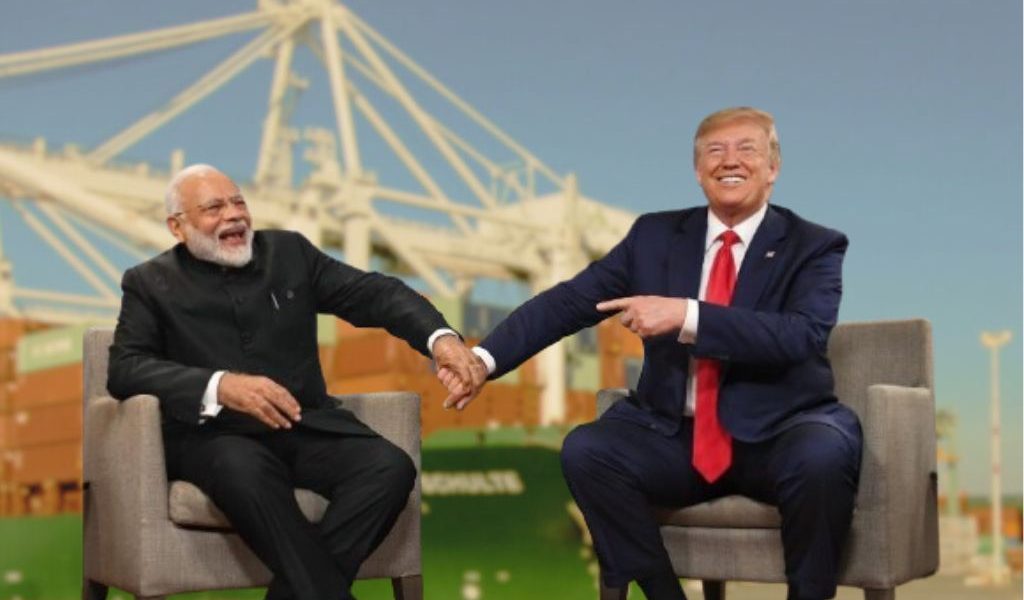
The personal rapport between President Trump and Prime Minister Modi could play a pivotal role in these negotiations. Both leaders have expressed a desire to strengthen bilateral ties and expand economic cooperation. However, balancing domestic political considerations with international trade demands will be crucial in determining the outcome of these discussions.

As the April 2 deadline for the implementation of U.S. reciprocal tariffs approaches, the urgency for a resolution intensifies. Both nations stand to gain from a mutually beneficial agreement that addresses tariff disparities and promotes fair trade practices. The coming weeks will be critical in shaping the future trajectory of U.S.-India trade relations.


HONG KONG SAR – Media OutReach Newswire – 11 March 2025 – Hong Kong Science and Technology Parks Corporation (HKSTP) today announced the strategic development of InnoCentre in Kowloon Tong as the leading green technology hub – “GreenTech Hub”. This initiative brings together more than 200 green technology companies in the ecosystem to drive R&D and demonstrate sustainable solutions, signifying HKSTP’s pivotal role in propelling Hong Kong […]

A massive cyberattack disrupted X, formerly known as Twitter, on March 10, 2025, affecting tens of thousands of users worldwide. The hacking group “Dark Storm” claimed responsibility for the distributed denial-of-service attack, while Elon Musk, owner of X, suggested the assault originated from IP addresses traced to Ukraine. The outage began early Monday morning, with users reporting difficulties accessing the platform, posting content, and sending messages. According […]

VISHNU RAJA
RYO YAMADA
HITORI GOTOH
IKUYO KITA