Just in:
Technology shares plunge as Nasdaq enters correction // Asia Left Behind: Ten international companies have yet to report delivering on their cage-free egg pledges across the region // Dubai boat show confirms international shipyard line-up for November // Middle East governments assess Iran war after US vote // Fast Just Got Fastest: STING Energy Boost™ Celebrates Kimi Antonelli’s Formula 1® World Championship and the Fan Energy Behind It // Millions Of Indians May Soon Be Deprived Of Government Assistance // CR Longdation Aethereal Cybersecurity × Global Cybersecurity Alliance (GCSA) Join Hands to Establish the “AI and Cybersecurity Research Centre” // UK air traffic outage inflicted £33m financial losses // TVM –Mangaluru Vande Bharat claims top spot // Kochi police detain two actors over bid to honey trap doctor // Emaar approves Development buyout ahead of planned delisting // Emirates Group records AED 4.1 billion half-year profit // ADIA and partners establish $1.4 billion aviation venture // The “1st Greater Bay Area Health and Longevity Summit & Awards Ceremony” concludes successfully in Macao // Ta’ziz finalises $1.39bn funding for Ruwais industrial facilities // Private varsities bill all set to face the axe // e-Crime Bureau Signs Cybersecurity Partnership With Smart Africa, Reinforcing Its Global Expansion // Ousted top Kochi cop gets IG post // After Reaching 7 Million Users in the Philippines, Skyro Launches Transparent Cash Loans in Malaysia // Oil and chip shares retreat after Democratic victories //

News related to
business

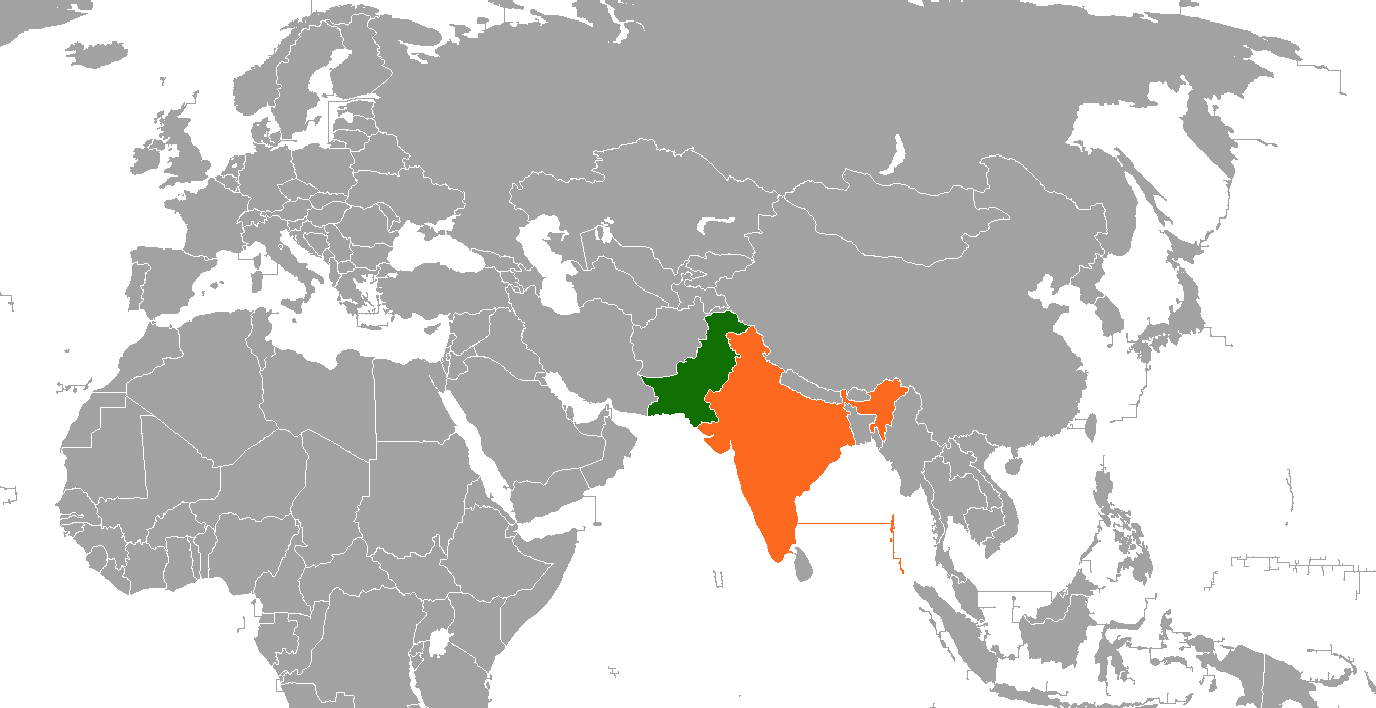
Tensions between India and Pakistan have prompted the closure of 24 airports in India, severely impacting civil aviation operations. The Ministry of Civil Aviation confirmed the development late on Thursday, citing security concerns due to the heightened situation. The airports, which include both major and smaller regional facilities, will be closed for an indefinite period, severely disrupting domestic and international flight schedules.

Airlines have also issued travel advisories, urging passengers to verify their flight status before heading to the airports. With the closures affecting airports in multiple states, airline operators have scrambled to adjust their operations. Several flights have been rerouted, while others have been delayed or cancelled entirely.

The decision to temporarily halt civil aviation activities was taken in light of the worsening security situation, as both nations engage in a war of words, following escalating border tensions and military skirmishes. Experts suggest that these disruptions could have significant economic consequences, especially for air traffic and tourism in India.

The airports affected include some of the busiest in the country, which serve as key hubs for both international and domestic flights. Among those closed are airports in major cities such as Mumbai, Delhi, and Bangalore, although smaller regional airports, especially those located closer to the western border, have also been impacted.

Authorities have not specified the exact nature of the threat leading to the closures but have made it clear that national security remains the top priority. Government sources indicate that security agencies are on high alert, monitoring the situation closely. The closure of these airports is seen as a precautionary measure to prevent any potential threats to civil aviation.

Airlines, including domestic carriers such as Air India and IndiGo, have been proactive in reaching out to passengers with updated flight details. The carriers have also advised those planning to travel to check with their respective airlines for any changes to their flight schedules. The uncertainty surrounding travel dates has caused frustration among passengers, many of whom are now scrambling to rebook their tickets.

The aviation industry, which has been recovering from the significant impacts of the COVID-19 pandemic, faces yet another setback. The temporary airport shutdowns come at a time when air travel demand has been rising in India, fuelled by a growing middle class eager to travel both domestically and internationally.

Travel experts caution that the ongoing closures could strain both the logistics and the tourism sector, which had been seeing an uptick in activity after a prolonged period of restrictions. Regional tourism hotspots, especially those relying heavily on air traffic, could feel the economic ramifications of these disruptions.

The closures are not the first instance of aviation disruptions tied to geopolitical tensions between India and Pakistan. Both nations have historically imposed airspace restrictions during periods of heightened conflict, particularly along their shared border. However, the scale of this shutdown, involving 24 airports, represents a significant disruption to India’s aviation infrastructure.

The government has yet to provide a timeline for when normal operations will resume at the affected airports. Aviation authorities have urged the public to remain patient and adhere to updated guidelines. Security forces have been deployed around the airports that remain operational, and extra measures are in place to handle the surge of passengers affected by the closures.

Meanwhile, businesses in sectors reliant on air cargo are also facing disruptions, with certain freight shipments delayed due to the grounding of flights. India’s growing logistics and e-commerce industries, which depend on efficient air freight services, could experience a ripple effect from the ongoing crisis.

As the situation continues to evolve, the Indian government has promised to keep the public informed of any further developments. The Ministry of Civil Aviation has set up a helpline for affected passengers and continues to collaborate with security agencies to monitor any emerging threats.


Underpins De Beers Group’s commitment to natural diamonds Element Six to retain exclusive focus on industrial applications for synthetic diamonds HONG KONG SAR – Media OutReach Newswire – 9 May 2025 – De Beers Group today announces its intention to close its lab-grown diamond (“LGD”) jewellery brand, Lightbox, reinforcing De Beers Group’s commitment to natural diamonds in the jewellery sector. As part of the closure process, De […]

The Indian Rupee has plummeted to its lowest value against the UAE Dirham in over a month, marking a significant drop to 23.36 per dirham. This decline, the steepest since mid-April, follows escalating border tensions between India and Pakistan, which have triggered volatile market reactions. Traders are closely monitoring the situation, with fears of further instability driving the currency’s slide.

As the conflict intensifies, the Rupee’s depreciation is attributed to growing uncertainties surrounding the geopolitical standoff. India and Pakistan, both nuclear-armed neighbours, have long been at odds over the Kashmir region. The latest developments have exacerbated market fears of prolonged instability, pushing investors to seek safer assets, which has further weighed on the Rupee.

Currency markets, traditionally sensitive to geopolitical risks, have seen a surge in demand for the US Dollar, which remains a global safe-haven. Analysts point to the Dollar’s strengthening as a direct response to mounting tensions in South Asia, compounded by global inflationary pressures. With foreign investors retreating from riskier assets, the Rupee has been further pressured, intensifying the currency’s downtrend.

The Indian government’s response to the situation, alongside Pakistan’s military actions, has added to investor uncertainty. The military exchanges along the Line of Control between the two countries have led to heightened concerns not only about regional security but also about the broader economic repercussions of prolonged instability. Economists suggest that the markets will continue to reflect these risks until diplomatic measures are taken to de-escalate tensions.

The ongoing conflict is expected to affect trade relations, particularly in sectors reliant on cross-border commerce. Import and export activities between India and Pakistan, already hindered by past disputes, are likely to experience further disruptions. This could lead to an uptick in inflation, especially in critical sectors like oil, where price fluctuations are particularly sensitive to regional tensions.

Central banks in both nations, as well as the International Monetary Fund , have called for restraint, urging both sides to avoid further military escalation and seek peaceful resolutions. However, the risk of military confrontations spilling over into broader regional instability remains a concern that is factoring heavily into currency movements.

The financial impact on India is also underscored by the continued inflationary pressures faced by the country. While India has a relatively strong domestic economy, analysts warn that the ongoing uncertainty over the border conflict could undermine investor confidence, further destabilising the currency. This would place more pressure on the Reserve Bank of India , which may be forced to intervene in the markets to prevent excessive depreciation.

For businesses and consumers, the weakening Rupee has meant higher costs for imported goods, particularly fuel and electronic products, which are crucial to India’s economy. The cost of living for many Indian citizens is expected to rise, further intensifying socio-economic concerns. The rise in fuel prices has already led to protests in certain parts of India, with many calling on the government to address the economic fallout from the ongoing tensions.

The Indian government, however, remains optimistic about the long-term outlook for the Rupee. According to finance ministry officials, the country’s economic fundamentals remain robust despite the external geopolitical risks. They argue that the current currency depreciation is part of a broader, global trend, and that India is well-positioned to weather the storm with its growing foreign reserves and strong trade relationships beyond the subcontinent.

Despite these assurances, many analysts argue that India’s growing fiscal deficits and inflationary pressures could further complicate the Rupee’s recovery. A sharp depreciation could potentially lead to an erosion of investor confidence, compounding the country’s financial challenges.

PARIS, FRANCE – Media OutReach Newswire – 8 May 2025 – VinFast today announced the signing of a dealership agreement with ASTRADA SIMVA, its first official dealer partner in France, and Schachtschneider Automobile GmbH & Co KG, its second dealer in Germany. This marks a significant milestone in VinFast’s strategy to accelerate its sales model through dealerships globally, while reaffirming the Company’s strong commitment to driving the […]

Coinbase Global has agreed to acquire Deribit, the world’s largest bitcoin and ether options trading platform, for approximately $2.9 billion. The transaction comprises $700 million in cash and 11 million shares of Coinbase Class A common stock, marking the company’s most significant acquisition to date.

This strategic move positions Coinbase to strengthen its presence in the burgeoning crypto derivatives market, which has witnessed substantial growth in recent years. Deribit, founded in 2016 and headquartered in Dubai, specializes in options, futures, and spot trading. The platform reported a near doubling of its trading volume in 2024, reaching $1.2 trillion, largely attributed to increased institutional participation following the U.S. elections.

The acquisition aligns with Coinbase’s broader international growth strategy, particularly as the company seeks to expand its services beyond the United States. Deribit’s active license to operate in Dubai offers Coinbase a strategic foothold in the Middle Eastern market, a region that has emerged as a key global hub for blockchain and cryptocurrency businesses amid increasing regulatory pressures in the U.S. and EU.

Greg Tusar, Coinbase’s Vice President of Institutional Product, stated, “This will make us the most comprehensive player in derivatives.” The deal underscores Coinbase’s commitment to diversifying its offerings and catering to the evolving needs of institutional clients.

The acquisition comes amid a surge in crypto-related mergers and acquisitions, fueled by a more supportive U.S. regulatory environment under President Trump. The administration has pledged to advance the country as a “bitcoin superpower,” prompting a wave of deals in the sector. Notably, Kraken agreed to a $1.5 billion deal for NinjaTrader, and Ripple announced a $1.25 billion purchase of Hidden Road.

Coinbase’s previous acquisitions, including One River Digital and Tagomi , have bolstered its service offerings and footprint in the crypto sector. The Deribit deal represents a significant step in Coinbase’s ongoing efforts to expand its global reach and capitalize on the growing demand for crypto derivatives.

Deribit’s CEO, Luuk Strijers, acknowledged the company’s receipt of strategic investment inquiries over time but emphasized that Deribit had not been put up for sale. Despite this, the company engaged Financial Technology Partners to assess potential acquisition offers, reflecting the increasing interest in crypto derivatives platforms.

Dubai is set to host the 19th edition of the International Apparel & Textile Fair from 20 to 22 May 2025 at the Festival Arena, positioning itself as a pivotal platform for global fashion and textile stakeholders. Organised by Nihalani Events Management, the event anticipates participation from over 600 exhibitors representing more than 27 countries, and expects to attract approximately 15,000 visitors, including buyers, designers, and industry […]

A significant cybersecurity breach has compromised the LockBit ransomware syndicate, exposing nearly 60,000 Bitcoin addresses and a trove of internal data, including affiliate credentials. This development marks a pivotal moment in the ongoing efforts to dismantle one of the most prolific cybercriminal networks operating globally.

The breach, orchestrated by an international coalition of law enforcement agencies, has provided unprecedented insight into LockBit’s operations. Authorities now have access to a vast array of information detailing the group’s financial transactions, operational structures, and the identities of its affiliates. This intelligence is expected to significantly aid in the prosecution of individuals involved in the ransomware activities.

LockBit, known for its “ransomware-as-a-service” model, has been responsible for over 2,000 attacks worldwide, extorting more than $120 million from victims across various sectors, including healthcare, finance, and critical infrastructure. The group’s business model involved leasing its ransomware tools to affiliates, who would then carry out attacks and share a portion of the proceeds with the core group.

The exposed Bitcoin addresses reveal the extensive financial network underpinning LockBit’s operations. Analysis of these wallets indicates that the group had amassed over $110 million in unspent cryptocurrency, highlighting the scale of their illicit earnings. The transparency afforded by blockchain technology has enabled investigators to trace these funds, potentially leading to further asset seizures and the identification of additional perpetrators.

The breach also uncovered detailed records of LockBit’s internal communications and operational protocols. This information sheds light on the group’s recruitment strategies, target selection processes, and the methods employed to launder ransom payments. Notably, the data suggests that LockBit maintained a hierarchical structure, with a core leadership team overseeing a decentralized network of affiliates.

In response to the breach, several countries have imposed sanctions on key figures associated with LockBit. These measures include asset freezes and travel bans, aimed at disrupting the group’s activities and deterring future cybercriminal endeavors. The sanctions underscore the international community’s commitment to combating ransomware threats and holding perpetrators accountable.

Advertisements

HONG KONG SAR – Media OutReach Newswire – 8 May 2025 – On May 3, at the “China Lawyers Going Global – Hong Kong Session” held at the University of Hong Kong, GE Jun, Chairman and CEO of TOJOY Smart Enterprises Services, delivered an insightful lecture titled “Compliance Management and Globalized Operations for Enterprises Going Overseas.” The lecture offered a valuable learning opportunity for Chinese lawyers and […]

Berkshire Hathaway has amassed a record $347.7 billion in cash reserves, marking a significant milestone as Warren Buffett prepares to retire by the end of 2025. The conglomerate’s substantial cash position reflects a cautious investment approach amid global economic uncertainties and a perceived lack of attractive acquisition opportunities. Buffett, who has led Berkshire for over six decades, announced his retirement plans at the company’s annual shareholder meeting […]

By Saifur Rahman The Emirates Group reported an 18 percent growth in profit before tax exceeding US$6.2 billion (Dh22.7 billion) – a new record – in the financial year 2024-25. This is the first financial year that the UAE corporate tax, enacted in 2023, is applied to the Emirates Group. After accounting for the 9 percent tax charge, the Group’s profit after tax reached US$5.6 billion (Dh20.5 […]

Stripe has unveiled stablecoin-powered financial accounts for businesses in 101 countries, enabling users to hold, send, and receive US dollar-pegged digital currencies. This development aims to provide a stable financial infrastructure in regions with volatile currencies and limited banking access.

The new accounts support Circle’s USD Coin and Bridge’s USDB, allowing businesses to manage balances similarly to traditional fiat bank accounts. Stripe’s acquisition of the Bridge platform in October 2024 facilitated this integration, enhancing its capabilities in the stablecoin sector.

These accounts are accessible to businesses in countries including Argentina, Chile, Turkey, Colombia, and Peru, where stablecoins are increasingly utilized as a store of value amid high inflation and capital controls. By offering a secure and efficient means of transacting in US dollar-backed digital currencies, Stripe seeks to empower entrepreneurs and companies in emerging markets.

In addition to stablecoin accounts, Stripe has introduced an AI foundation model for payments, trained on billions of transactions to improve fraud detection and authorization rates. This model has demonstrated a significant increase in the detection of card testing attacks, enhancing the security of Stripe’s payment processing services.

Stripe’s partnership with Visa further extends the utility of stablecoins. Through this collaboration, businesses can issue Visa cards linked to stablecoin wallets, enabling users to make purchases at any merchant that accepts Visa. Bridge manages the backend processes, converting stablecoin balances into local currencies during transactions.

Taiwan’s China Airlines has confirmed an order for 14 Boeing 777X aircraft, comprising 10 777-9 passenger jets and four 777-8 freighters. The agreement includes options for an additional five 777-9s and four 777-8Fs, with deliveries scheduled to commence in 2029.

This procurement is part of a broader $11.9 billion investment aimed at modernising the airline’s long-haul fleet. The comprehensive plan also encompasses the acquisition of 10 Airbus A350-1000 passenger aircraft. The new aircraft are intended to replace aging Boeing 777-300ERs and Airbus A330-300s, enhancing operational efficiency and passenger experience.

The Boeing 777-9s will feature a three-class configuration: Premium Business, Premium Economy, and Economy. Notable enhancements include raised ceilings, improved cabin air exchange systems, and dynamic LED mood lighting designed to reduce passenger fatigue on long-haul flights. The Airbus A350-1000s will be equipped with Rolls-Royce Trent XWB-97 engines and will incorporate advanced features such as electro-dimmable windows for superior light control.

In the cargo sector, the addition of four Boeing 777-8F freighters will augment China Airlines’ existing fleet of nine 777Fs and eight 747-400Fs. The 777-8F offers a maximum structural payload of 118 tonnes and a range of 8,167 km, providing increased flexibility and capacity for long-haul cargo routes to North America and Europe.

China Airlines’ strategic decision to diversify its fleet with both Boeing and Airbus aircraft reflects a commitment to operational resilience and flexibility. This approach mitigates risks associated with supply chain disruptions or delays from a single manufacturer. The airline’s focus on sustainability is evident in the selection of fuel-efficient aircraft, aiming to reduce fuel consumption and carbon emissions by 25% compared to previous models.

The timing of this order is significant for Boeing, as it navigates challenges related to delays in the 777X program and geopolitical tensions affecting orders from mainland China. China Airlines’ commitment provides a boost to Boeing’s wide-body aircraft segment and underscores the airline’s confidence in the 777X’s capabilities.

Bjarke Ingels Group , the renowned architectural firm, has unveiled a groundbreaking plan to redevelop the Jebel Ali Racecourse into a vibrant, sustainable urban district. The ambitious project, in collaboration with ARM Holding, a prominent Dubai-based development company, aims to revitalise a sprawling 5-square-kilometre area, turning the historical site into a hub for both residential and commercial spaces.

The proposal includes creating an environmentally friendly, mixed-use community that integrates cutting-edge design with green technologies. This redevelopment is expected to redefine urban living in Dubai, focusing on sustainability, innovation, and improved connectivity within the city.

BIG’s design concept emphasises green spaces, pedestrian-friendly walkways, and eco-conscious architecture, making it a model for future urban developments. The plan includes residential units, office spaces, recreational areas, and cultural hubs, all within a green environment designed to reduce the carbon footprint. The development aims to cater to the growing demand for urban spaces that not only meet residential needs but also foster community engagement and sustainability.

The project is being seen as a significant step in Dubai’s broader urban planning strategy, which aligns with the city’s Vision 2040. This vision focuses on creating a sustainable and diversified economy, with an emphasis on innovative, eco-friendly developments. By transforming the Jebel Ali Racecourse, the project supports the city’s ongoing efforts to establish a greener, more resilient urban landscape.

The existing racecourse, a significant landmark for horse racing enthusiasts in Dubai, will be integrated into the new district, preserving its cultural and historical value. The developers plan to retain the iconic racetrack as a key feature, while surrounding it with modern amenities and green infrastructure.

One of the key aspects of the plan is the extensive use of renewable energy sources and energy-efficient designs. Solar panels, energy-efficient buildings, and water conservation systems will be incorporated throughout the district. This will not only minimise the environmental impact of the development but also contribute to Dubai’s goals of reducing carbon emissions and enhancing the sustainability of its infrastructure.

The residential aspect of the development will offer a range of living options, including apartments, townhouses, and villas, catering to a diverse demographic. A variety of amenities, such as schools, healthcare facilities, and retail outlets, will be integrated into the design to ensure that the community is self-sufficient and well-connected.

The district will feature a state-of-the-art transportation network, including electric vehicle charging stations, bike paths, and enhanced public transport links. This will ensure that the development is easily accessible and fully integrated into the wider urban fabric of Dubai. The emphasis on sustainability extends to mobility solutions, with plans for a smart transport system aimed at reducing congestion and promoting greener travel alternatives.

The partnership between BIG and ARM Holding is a significant development for the city’s real estate market, with both parties bringing their expertise to the project. BIG, known for its innovative and sustainable designs, will be responsible for the architectural vision, while ARM Holding will manage the development and construction phases. Their collaboration is expected to set new benchmarks for urban development in the region.

As part of Dubai’s push to become a global leader in sustainable urban planning, the Jebel Ali Racecourse redevelopment is expected to attract considerable interest from international investors. The project aligns with Dubai’s efforts to position itself as a hub for innovation and sustainability in the Middle East.

The transformation of the Jebel Ali Racecourse site is part of a larger trend of reimagining historical spaces in Dubai to meet the demands of a growing population and economy. Similar projects are already underway in other parts of the city, focusing on transforming underutilised or outdated areas into modern, sustainable communities that offer high quality of life for residents.

The economic impact of this project is expected to be substantial, with job creation during the construction phase and long-term benefits from increased tourism, commerce, and real estate investments. The development will also contribute to the diversification of Dubai’s economy, with a focus on attracting high-tech industries and green businesses.

While the project is still in the early stages, it has already generated significant excitement in the city’s real estate and architectural sectors. Dubai’s reputation for ambitious and futuristic developments has been bolstered by similar large-scale projects, such as the Dubai Creek Tower and the Museum of the Future. The Jebel Ali Racecourse redevelopment is expected to continue this trend, setting a new standard for sustainable urban design in the region.

The UAE’s blockchain market is expected to experience robust growth, with a compound annual growth rate of approximately 42% from 2025 to 2030. This surge is being driven by strategic government initiatives aimed at harnessing the potential of blockchain technology, positioning the UAE as a global leader in the sector.

The Emirates Blockchain Strategy 2021, alongside the Dubai Blockchain Strategy, has been a key factor in propelling the country’s blockchain ambitions. The UAE government aims to transform Dubai into the first city fully powered by blockchain technology, establishing the city as a central hub for digital innovation. The National Blockchain Strategy, launched to cover the period from 2021 to 2031, outlines a bold vision for the country, with a target to convert 50% of government transactions into blockchain-based systems. This initiative is set to fundamentally reshape the public sector, enhancing transparency, efficiency, and security in governmental operations.

At the heart of this growth is a clear government-driven commitment to blockchain, which has fostered a conducive environment for both local and foreign investors. By encouraging blockchain adoption across various sectors, the UAE has attracted substantial interest from international businesses seeking to tap into this emerging market.

Blockchain’s applications in sectors beyond government administration, such as finance, healthcare, and logistics, are seeing increased adoption across the UAE. The integration of blockchain into these industries promises to revolutionise processes, particularly in terms of data security and automation.

The rise in interest surrounding digital assets, especially cryptocurrencies such as Bitcoin and Ethereum, has further bolstered blockchain’s relevance in the UAE. As a growing hub for cryptocurrency, the UAE’s regulatory bodies have facilitated the establishment of secure environments where blockchain-powered digital assets can thrive. The Abu Dhabi Global Market and Dubai Multi Commodities Centre have set high standards for crypto businesses, ensuring that these ventures operate within a structured, regulated framework. This regulatory clarity has positioned the UAE as a safe and attractive destination for cryptocurrency investors and entrepreneurs.

The surge in blockchain-related developments has also had a ripple effect on startup ecosystems in the UAE. Many tech startups are focusing on blockchain innovations, tapping into the opportunities offered by a market eager for cutting-edge technology solutions. The government has offered various incentives to these startups, making it easier for entrepreneurs to develop and launch blockchain solutions across different industries. This includes support for research and development, tax incentives, and access to venture capital funding.

International investors have also shown significant interest in the UAE’s blockchain market. The country’s stable regulatory environment, coupled with its proactive stance on blockchain integration, makes it an attractive destination for global investors seeking exposure to the digital economy. The UAE’s financial and regulatory bodies, such as the UAE Central Bank, have been instrumental in ensuring that blockchain technologies are seamlessly integrated into existing financial infrastructure, laying the groundwork for future innovations in digital banking and transactions.

The UAE’s focus on blockchain adoption has resulted in collaborations with global technology giants. International companies, especially those from the fintech and tech sectors, are increasingly establishing a presence in the UAE, taking advantage of the region’s favourable business environment. These collaborations are not only elevating the UAE’s technological landscape but also contributing to the global development of blockchain technology.

One of the UAE’s strategic advantages is its ability to position itself as a gateway for the Middle East, Africa, and Asia in terms of blockchain technology. The country’s well-established infrastructure, highly developed financial services industry, and strong governmental support provide an ideal backdrop for the scaling of blockchain-related businesses and projects.

In addition, the UAE is committed to building a strong talent pool in blockchain technology. With the rapid rise of blockchain across industries, there has been a growing demand for professionals with expertise in blockchain development, smart contracts, and digital asset management. The UAE has introduced various educational initiatives to address this demand, including partnerships with international universities and the establishment of blockchain-focused training programmes.

Despite the promising outlook, the UAE’s blockchain market faces challenges, including the need for continuous technological innovation and regulatory adaptation to keep pace with the rapidly evolving sector. The country will need to ensure that its legal and financial infrastructure remains flexible and dynamic, catering to the needs of blockchain developers, crypto investors, and businesses seeking to integrate blockchain into their operations.

The adoption of blockchain technology across various sectors will require overcoming cultural and institutional resistance. Although the government has made significant strides in promoting blockchain, further education and awareness campaigns may be needed to ensure that blockchain’s potential is fully realised across all industries.

The United States Department of Justice has officially recommended that Google’s ad-tech platform be dismantled following claims of an illegal monopoly. The proposal aims to address antitrust concerns that have intensified in recent years, as Google’s dominance in the digital advertising space raises significant questions about competition and market fairness. The DOJ’s recommendation stems from an investigation into Google’s practices, particularly its control over key aspects of […]

LONDON, UNITED KINGDOM – Media OutReach Newswire – 7 May 2025 – Diginex Limited (“Diginex”) (NASDAQ: DGNX), a global leader in ESG sustainable RegTech, is pleased to announce that His Highness Shaikh Mohammed Bin Sultan Bin Hamdan Al Nahyan, a member of the Abu Dhabi Royal Family, has purchased warrants to purchase 6.75 million Ordinary Shares of Diginex (the “Warrants”) in a private transaction for a consideration […]

Valnet, the Canadian digital media conglomerate known for owning GameRant and TheGamer, has acquired gaming and entertainment website Polygon from Vox Media, leading to significant editorial changes and staff layoffs. The acquisition, announced on May 1, 2025, is part of Vox Media’s strategy to streamline operations and focus on its core brands. Following the sale, a substantial portion of Polygon’s editorial team has been laid off or […]

HONG KONG SAR – Media OutReach Newswire – 7 May 2025 – Blue Cross (Asia-Pacific) Insurance Limited (“Blue Cross”) reported outstanding performance in the 2024 provisional statistics for Hong Kong general insurance business released by the Insurance Authority: Blue Cross achieved a 22.1% year-on-year growth in gross written premiums, significantly outpacing the market average of 6.3%1. Blue Cross’s overall market share has also increased. Non-medical business experienced […]

SINGAPORE – Media OutReach Newswire – 7 May 2025 – Bee Choo Origin, Singapore’s leading herbal hair care brand that specialises in hair fall treatment and oily scalp treatment, has reaffirmed its commitment to corporate social responsibility (CSR) with the donation of an electric passenger van to The National Kidney Foundation (NKF). This marks a significant step in enhancing patient mobility while promoting sustainable transport solutions. Bee […]

By Subrata Majumder India has emerged as the second most attractive destination for Japanese investors in Asia, after Singapore. It surpassed China, the most attractive place for Japanese investment in Asia for over four decades. Hitherto, India was eighth in 2020 in terms of getting investment from Japan. Latest Japanese interest in India manifests a […]

Kenya’s private sector recorded its most substantial growth in over two years in April, bolstered by increased sales volumes and heightened business activity. The Stanbic Bank Kenya Purchasing Managers’ Index revealed that the country’s private sector growth surged to a 27-month peak, pointing to a more resilient economic outlook as businesses expanded and demand continued to rise. The PMI for April showed a notable uptick, reaching its […]

By Saifur Rahman When Ho Kwon Ping, a young Stanford drop-out, saw an abandoned tin mine in Thailand’s Bang Tao Bay in Laguna Phuket area in 1984, he didn’t know what to do with it as the land that was dimmed ‘useless’ by its former occupiers. It was a patch of a waste land with no activities then. In his Stanford days, he was a firebrand social […]

The UK Treasury has confirmed it will not pursue the establishment of a national cryptocurrency reserve, diverging from the approach taken by the United States. Instead, the government will focus on implementing a comprehensive regulatory framework for digital assets and exploring the issuance of sovereign debt via blockchain technology.

Treasury Secretary Emma Reynolds stated that creating a crypto reserve is not aligned with the UK’s strategic objectives. The emphasis will be on fostering innovation within a regulated environment, ensuring consumer protection, and maintaining financial stability.

To this end, the UK government has introduced draft legislation aimed at regulating cryptocurrency exchanges, dealers, and agents. These regulations will require crypto firms operating in the UK to adhere to standards for transparency, consumer protection, and operational resilience. The legislation is expected to be finalised by the end of 2025.

The Financial Conduct Authority plans to prohibit retail investors from borrowing funds, including via credit cards, to purchase cryptocurrencies. This measure is designed to protect consumers from the high risks associated with crypto investments. The FCA is also considering implementing credit checks and investment experience assessments for consumers involved in crypto lending and borrowing.

In a move to modernise the UK’s financial markets, the government is exploring the issuance of “digital gilts” on the blockchain. This initiative aims to enhance the efficiency and transparency of the debt issuance process. The Digital Securities Sandbox , launched jointly by the Bank of England and the FCA, will facilitate the testing of such innovations within a regulated environment.

The UK is also working closely with the United States to align regulatory approaches to digital assets. This collaboration includes discussions on a regulatory “sandbox” for digital securities and the exemption of overseas stablecoin issuers from UK regulations, provided they comply with equivalent standards in their home jurisdictions.

Industry leaders have expressed support for the UK’s approach, highlighting the importance of clear and forward-looking regulation to stimulate innovation and growth. They commend specific measures such as the proposed stablecoin regime and the UK-US regulatory sandbox, which are seen as steps towards establishing the UK as a global hub for digital assets.

While the UK government is accelerating efforts to develop a clear definition of cryptoasset staking and to establish a taxonomy of different staking business models, it does not intend to bring stablecoins into UK payments regulation at this time. This decision is based on the current use cases and aims to avoid placing additional regulatory burdens on certain stablecoin activities.

Greenlogue/AP CO2Wall, a Netherlands-based climate solutions company, has launched operations in Saudi Arabia with the opening of a new office in Riyadh. This move aligns with the Kingdom’s Vision 2030, which aims to achieve carbon neutrality by 2060 and enhance urban sustainability. The company’s expansion is facilitated through a partnership with AstroLabs, a business expansion platform in the Gulf region. Gerwin Pul, CEO of CO2Wall Group BV […]

VISHNU RAJA
RYO YAMADA
HITORI GOTOH
IKUYO KITA