News related to
business

Startups across India are increasingly turning to non-dilutive funding options to secure capital while retaining full ownership and control. This shift is driven by a desire to avoid the equity dilution often associated with traditional venture capital, especially amid fluctuating valuations and heightened investor scrutiny. Non-dilutive funding encompasses various financial instruments, including venture debt, revenue-based financing, and government grants. These options provide startups with the necessary capital […]

HONG KONG SAR – Media OutReach Newswire – 5 May 2025 – As artificial intelligence (AI) and mobile technology rapidly reshape the digital landscape, the online behaviors and media consumption habits of Hong Kong consumers are evolving at an unprecedented pace. According to the latest 《Digital 2025: Hong Kong》report, local internet penetration has reached 96%, while mobile device adoption has soared to 235%. Consuming video content and […]

The manufacturing landscape in India is undergoing a profound transformation as nearly all major players invest heavily in artificial intelligence and machine learning technologies. This shift reflects a strategic focus on boosting operational efficiency, driving business impact, and advancing sustainability goals. An extensive survey by Rockwell Automation reveals that Indian manufacturers are rapidly adopting AI and ML to remain competitive in a global marketplace increasingly dominated by digital innovation.

Manufacturers across India are leveraging AI and ML to optimise production processes, reduce costs, and enhance product quality. The integration of these technologies into factory operations enables predictive maintenance, real-time monitoring, and automation of complex tasks. This leads to minimising downtime, improving yield, and accelerating time-to-market. Industrial leaders cite AI and ML as essential tools for unlocking value amid rising raw material prices and supply chain uncertainties.

The adoption rates in India closely mirror global trends but stand out for the intensity of focus on sustainability. AI-driven analytics allow manufacturers to significantly cut energy consumption and waste, contributing to environmental goals aligned with international standards and India’s own climate commitments. Companies are deploying smart sensors and AI algorithms to monitor emissions and optimise resource use, which is crucial as regulatory pressures tighten and consumer expectations evolve.

Executives in India report that their investment in AI and ML technologies is yielding measurable returns. Data from the Rockwell Automation survey indicates that over 90% of respondents observe improved operational performance attributable to these digital initiatives. Furthermore, nearly three-quarters affirm that their AI-driven strategies have enhanced decision-making speed and accuracy, facilitating quicker responses to market demands and disruptions.

The Indian government’s push to encourage digital adoption in manufacturing, through initiatives such as ‘Make in India’ and the National Strategy on AI, complements corporate efforts. Policy frameworks supporting Industry 4.0 advancements, including financial incentives and infrastructure development, have accelerated the uptake of AI and ML technologies. This alignment between public policy and private sector ambition has created a fertile environment for innovation in the manufacturing ecosystem.

Several sectors within Indian manufacturing stand to benefit disproportionately from AI and ML integration. Automotive, pharmaceuticals, and consumer goods producers are early adopters, capitalising on AI’s ability to optimise supply chains, enhance product customisation, and improve quality control. For example, AI algorithms can predict demand patterns more accurately, enabling just-in-time inventory management that reduces excess stock and associated costs.

While enthusiasm for AI and ML is high, manufacturers face challenges in implementation. Shortages of skilled personnel who can develop and maintain AI systems are common, necessitating investment in workforce training and collaboration with technology providers. Cybersecurity remains a critical concern, as increased digital connectivity opens potential vulnerabilities. Firms are therefore balancing rapid technology deployment with robust risk management strategies to safeguard intellectual property and operational integrity.

The evolving role of AI and ML in manufacturing also raises questions about labour dynamics. Automation driven by these technologies has the potential to displace routine manual jobs but also creates opportunities for higher-skilled employment in areas such as data science, system maintenance, and process optimisation. Industry leaders emphasise the need for reskilling initiatives to ensure the workforce adapts to the demands of a more digitally integrated manufacturing sector.

Investors and technology companies are taking notice of India’s growing appetite for AI and ML in manufacturing. Partnerships between domestic manufacturers and global tech firms are expanding, bringing access to advanced AI platforms and expertise. Indian startups specialising in industrial AI solutions are gaining traction, offering innovative products tailored to the unique challenges of Indian factories, such as managing variable power supply and legacy equipment integration.

The emphasis on sustainability powered by AI is gaining traction beyond regulatory compliance. Indian manufacturers recognise that eco-friendly operations can enhance brand value and meet the expectations of increasingly conscious consumers worldwide. Technologies that track carbon footprints, water usage, and waste generation help firms align with global environmental, social, and governance criteria, which are becoming decisive factors for international trade and investment.

As AI and ML technologies mature, their influence on Indian manufacturing’s competitive edge is expected to deepen. Automation of routine tasks frees human workers to focus on innovation and complex problem-solving, potentially accelerating product development cycles and enabling mass customisation. Real-time data analytics empower firms to respond nimbly to market fluctuations and supply chain disruptions, a critical advantage amid ongoing geopolitical and economic uncertainties.

Dubai’s real estate sector demonstrated remarkable momentum last month, with property transactions reaching a record AED 66.8 billion , reflecting a substantial 44% increase compared to the previous year. This surge highlights a growing population and robust demand across various market segments, driven by both primary and secondary sales.

The primary ready property segment emerged as a key growth area, experiencing a fourfold increase in sales value to AED 17.9 billion in May 2025. This sharp rise signals strong confidence among buyers seeking completed units, particularly in sought-after developments across Dubai’s key residential hubs. The secondary ready market also recorded significant gains, with sales amounting to AED 24 billion, up 21% year-on-year, underscoring ongoing interest in resale properties.

Combined, the value of primary ready and off-plan transactions soared by 65% to AED 37 billion, while secondary sales posted a 23% rise, reaching AED 29 billion. These figures set new benchmarks for Dubai’s real estate market, reinforcing its status as a vibrant and attractive destination for investors and end-users alike.

Market analysts point to several factors fueling this upward trajectory. Dubai’s population continues to expand rapidly, buoyed by relaxed visa policies and a growing expatriate community. This demographic shift is driving demand for residential properties across the emirate, particularly in areas offering integrated lifestyle amenities and proximity to business districts.

Infrastructure developments and government initiatives aimed at enhancing the city’s appeal remain key contributors to market confidence. Projects such as the Dubai Metro expansion, new business zones, and cultural hubs are attracting both domestic and international buyers. The real estate sector’s performance also benefits from Dubai’s position as a global trade and tourism hub, which sustains demand in the rental and resale markets.

Within the primary ready segment, the quadrupling of sales reflects a broader trend where buyers prefer completed properties over off-plan purchases, reducing exposure to construction delays and market fluctuations. This preference is particularly pronounced among end-users seeking immediate occupancy. Developers have responded by accelerating delivery schedules and introducing competitive pricing strategies to capture this demand.

Off-plan sales maintain a strong presence, contributing significantly to the overall primary market value. The willingness of buyers to commit to projects still under construction suggests continued optimism about Dubai’s long-term growth prospects. Developers are increasingly targeting affluent buyers with luxury offerings and integrated communities that blend residential, retail, and recreational spaces.

The secondary market’s 23% growth highlights the liquidity and resilience of Dubai’s property resale sector. Investors and homeowners alike are capitalising on rising property values, with many opting to upgrade or diversify their portfolios. This active resale market provides a vital avenue for market participants seeking flexible entry and exit points.

Data also reveals that demand is diversifying geographically. While prime locations such as Downtown Dubai, Dubai Marina, and Palm Jumeirah remain highly sought after, emerging areas like Dubai South and Mohammed bin Rashid City are gaining traction. These developments offer competitive pricing and extensive amenities, appealing to both investors and residents aiming for value and quality of life.

Real estate experts caution, however, that sustainability remains a crucial consideration amid rapid growth. Affordability challenges and potential oversupply in certain segments could temper future gains if not managed carefully. Nonetheless, current market dynamics suggest a healthy balance between supply and demand, supported by Dubai’s strategic economic vision.

World Liberty Financial , a cryptocurrency firm closely linked to President Donald Trump and his family, has sent a cease-and-desist letter to Fight Fight Fight LLC and NFT marketplace Magic Eden. The legal action follows the announcement of a new digital wallet branded as the “Official $TRUMP Wallet by President Trump,” which the Trump family asserts was launched without their approval.

The disputed wallet was unveiled earlier this week through the X account associated with the $TRUMP memecoin, a cryptocurrency project initiated by Fight Fight Fight LLC. The company, reportedly connected to longtime Trump associate Bill Zanker, partnered with Magic Eden to promote the wallet, inviting users to join a waitlist. However, the Trump family has publicly denied any involvement with the project.

Donald Trump Jr., Eric Trump, and Barron Trump have all issued statements distancing themselves from the wallet. Eric Trump cautioned against the unauthorized use of their family name, while Donald Trump Jr. emphasized that the Trump Organization had no connection to the project. He also revealed that the family is developing their own official wallet through World Liberty Financial.

World Liberty Financial, co-founded by the Trump family, has been actively expanding its presence in the cryptocurrency space. The firm has launched its own stablecoin, USD1, and is reportedly working on a crypto wallet focused on token yield generation. The company has attracted significant investment, including a $2 billion infusion from a firm associated with the Abu Dhabi government.

The emergence of the unauthorized $TRUMP Wallet has led to confusion and concern within the crypto community. The wallet’s website has experienced intermittent outages, and its X account has been suspended. Despite these issues, neither Fight Fight Fight LLC nor Magic Eden has commented on the dispute.

The Trump family’s foray into cryptocurrency has been marked by controversy. The $TRUMP memecoin, launched in January 2025, saw an initial surge in value before experiencing a significant decline. While the token generated substantial revenue through trading fees, it also raised ethical questions regarding the president’s dual role as a public official and a private entrepreneur.

Critics argue that the intertwining of the Trump family’s business interests with their political influence poses potential conflicts of interest. The lack of clear boundaries between governance and private enterprise has led to calls for greater transparency and regulatory oversight in the rapidly evolving crypto industry.

Greenlogue/AP The United Arab Emirates will enforce a nationwide prohibition on the import, production, and trade of single-use plastic products starting 1 January 2026, as announced by Dr Amna bint Abdullah Al Dahak, Minister of Climate Change and Environment. This measure builds upon earlier initiatives, including the 2024 ban on plastic bags, and reflects the country’s commitment to environmental sustainability. The upcoming ban will encompass a range […]

Matein Khalid I have had a neurological soft corner for Wall Street’s alternative asset manager stocks ever since I resisted the come hither importunings of multiple Morgan Stanley (MS) managing directors before the firm sold its private wealth division in the DIFC to Credit Suisse. Everyone of these MS honchos wanted me to subscribe to the Blackstone IPO in the summer of 2007 at $32. They assured […]

Advertisements

Ripple’s US dollar-pegged stablecoin, RLUSD, has secured regulatory approval from the Dubai Financial Services Authority , authorising its use within the Dubai International Financial Centre . This development enables RLUSD to be integrated into Ripple’s DFSA-licensed payments platform and utilised by other DFSA-registered entities operating in the DIFC.

The approval positions RLUSD among a select group of stablecoins recognised under the DFSA’s crypto token regime, which includes Circle’s USDC and EURC. RLUSD is designed for enterprise use, offering features such as 1:1 USD backing with high-quality liquid assets, segregated reserves, third-party audits, and clear redemption rights. It is issued under a New York Department of Financial Services Trust Company Charter, subjecting it to stringent regulatory standards.

Reece Merrick, Ripple’s Managing Director for the Middle East and Africa, noted the growing interest from businesses in the UAE for cross-border payments and digital asset custody solutions. He emphasised the dynamic nature of the UAE’s digital economy and expressed optimism about RLUSD’s role in facilitating real-time, cost-effective international transactions.

Ripple is collaborating with local partners, including digital bank Zand and fintech platform Mamo, who are expected to be early adopters of RLUSD. Additionally, RLUSD will support the Dubai Land Department’s initiative to tokenize real estate title deeds on the XRP Ledger, aiming to digitize and record property ownership using blockchain technology.

The DFSA’s recognition of RLUSD follows Ripple’s earlier approval to offer blockchain-powered payment solutions within the DIFC, obtained in March. This dual approval allows Ripple to integrate RLUSD into its global payment services in Dubai and the UAE, while also enabling other DFSA-licensed firms in the region to incorporate the stablecoin into their offerings.

Jack McDonald, Ripple’s Senior Vice President of Stablecoins, stated that the DFSA’s approval validates RLUSD as a trusted and compliant stablecoin built for global business. He highlighted the stablecoin’s potential to bring value across payments, decentralised finance , and real-world asset tokenization.

Over 80% of Employees Take Sick Leave Due to Sleep Deprivation; Mondays Are the Most Popular “Sickie” Days Economic downturn: 91% of respondents feel stressed from work and life 81% report frequent awakenings; 64% have trouble falling asleep – two distinct sleep problems, doctor explain 78% say stress impacts sleep quality 80% hope to resolve both types of sleep problems; 85% seek long-term sleep solutions Dual Action […]

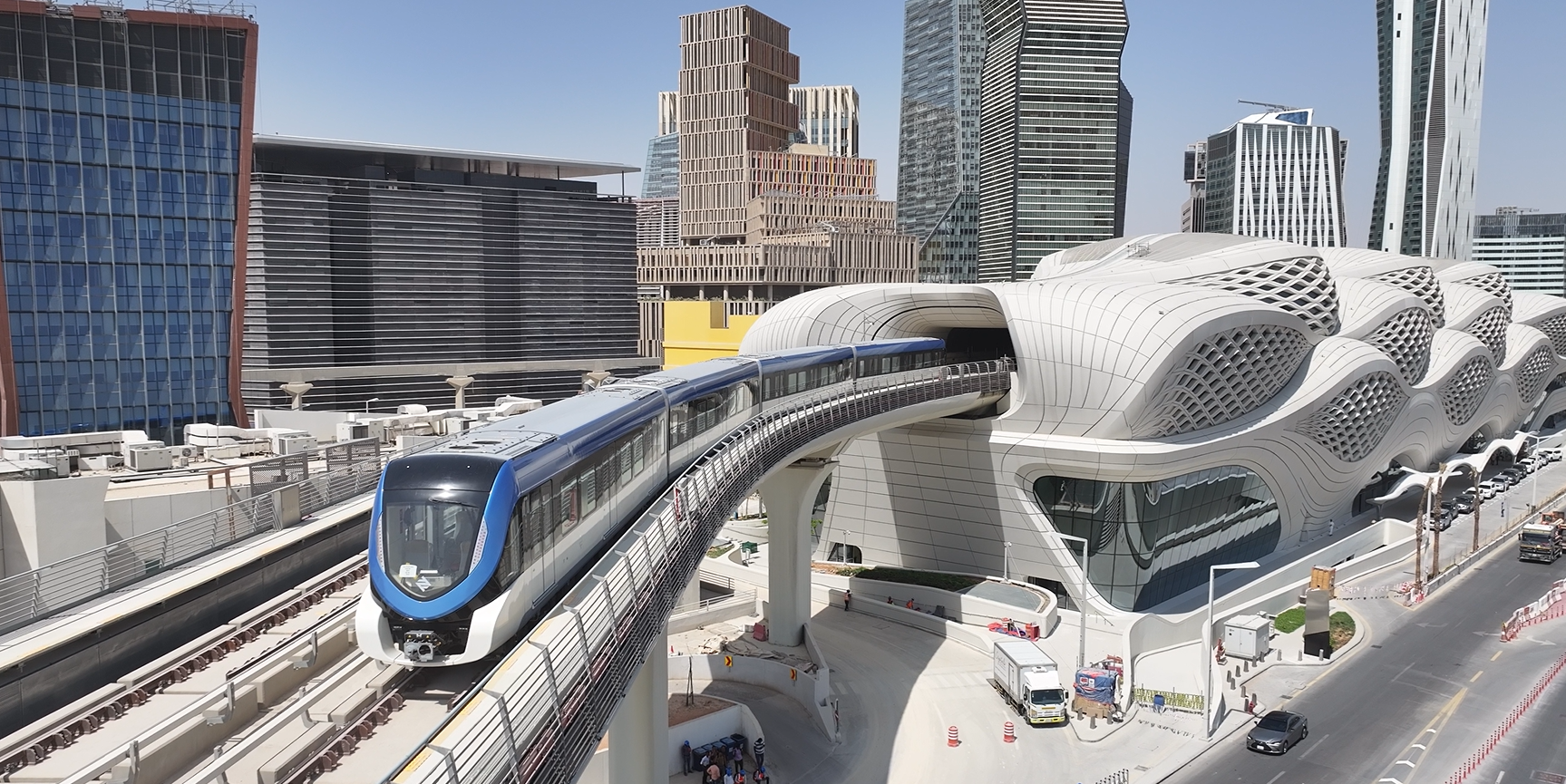
Bechtel Corporation has been appointed as the delivery partner for three new terminals at King Salman International Airport in Riyadh, marking a significant advancement in one of the world’s most ambitious aviation infrastructure projects.

The agreement, formalised during a high-profile visit by U.S. President Donald Trump to Saudi Arabia, entrusts the U.S.-based engineering firm with managing the development of a terminal for commercial airlines, Terminal 6 for low-cost carriers, and a private aviation terminal complete with hangars. This collaboration underscores the strengthening infrastructure ties between the United States and Saudi Arabia.

KSIA is poised to become the world’s largest airport upon completion, a cornerstone of Saudi Arabia’s Vision 2030 initiative aimed at diversifying the nation’s economy and enhancing global connectivity. The airport is designed to handle an anticipated capacity of 185 million passengers and 3.5 million tonnes of cargo annually by 2050. It will feature six parallel runways and encompass an area of 57 square kilometres, integrating advanced sustainable practices to achieve LEED Platinum certification across all terminals.

Darren Mort, President of Bechtel’s Infrastructure Business, expressed enthusiasm about the project, stating, “The King Salman International Airport is a landmark project that will reshape Riyadh and enhance the lives and communities it serves.” He highlighted Bechtel’s extensive experience in delivering complex airport projects globally, including Hamad International Airport in Qatar, Dubai International Airport in the UAE, and London City Airport in the UK.

Marco Mejia, Acting CEO of the King Salman International Airport Development Company, emphasized the project’s commitment to innovation and sustainability. He noted that the selection of Bechtel as the delivery partner reflects the project’s dedication to elevating aviation infrastructure standards through collaboration with a company possessing over 120 years of global experience.

The new terminals are expected to replace existing facilities at King Khalid International Airport, enhancing Riyadh’s status as a global hub for transportation, tourism, and trade. The development aligns with Saudi Arabia’s broader goals of economic diversification and infrastructure modernization.

Bechtel’s role in the KSIA project builds upon its longstanding presence in Saudi Arabia, where it has completed over 300 projects, including the recently inaugurated Riyadh Metro. The company’s involvement in KSIA signifies a continued commitment to supporting the kingdom’s transformative infrastructure initiatives.

SHENZHEN, CHINA – Media OutReach Newswire – 5 June 2025 – Leading smart device company OPPO today announced the signing of a global patent licensing agreement with Volkswagen Aktiengesellschaft (hereafter referred to as Volkswagen) to license OPPO’s cellular standard-essential patents portfolio to the group, including 5G. Under the agreement, OPPO’s cellular standard-essential patents will be licensed to Volkswagen to enhance user experiences for its connected vehicle offerings […]

S&P Global Ratings has indicated that South Africa must accelerate economic growth and implement credible fiscal consolidation to achieve its first credit rating upgrade in two decades. Currently rated at ‘BB-‘ with a positive outlook, the country remains below investment grade. Ravi Bhatia, S&P’s lead analyst for South Africa, emphasized that sustainable growth, fiscal discipline, and avoiding further bailouts for state-owned enterprises are critical for an upgrade. […]

K Wave Media Ltd., a Nasdaq-listed Korean entertainment conglomerate, has secured a $500 million equity financing agreement with Bitcoin Strategic Reserve KWM LLC. The capital infusion is earmarked for operating Bitcoin Lightning Network nodes and investing in Bitcoin infrastructure, signalling a significant strategic shift towards digital assets.

The Lightning Network, a second-layer solution built atop the Bitcoin blockchain, facilitates faster and more cost-effective transactions by enabling off-chain settlements through payment channels. This technology addresses Bitcoin’s scalability issues, allowing for a higher volume of transactions with reduced fees.

K Wave Media’s move aligns with a broader trend of corporations integrating Bitcoin into their financial strategies. Companies like LQWD Technologies have also been expanding their Bitcoin holdings and Lightning Network operations, aiming to generate yield through transaction fees and enhance payment efficiencies.

The $500 million financing will enable K Wave Media to establish and operate Lightning Network nodes, contributing to the network’s robustness and decentralization. Additionally, the investment will support the development of Bitcoin infrastructure, potentially fostering innovation in digital payment solutions and financial services.

This strategic pivot reflects K Wave Media’s commitment to embracing emerging technologies and adapting to the evolving financial landscape. By investing in Bitcoin infrastructure, the company positions itself at the forefront of digital asset integration within the entertainment industry.

The partnership with Bitcoin Strategic Reserve KWM LLC underscores the growing institutional interest in Bitcoin and its associated technologies. As more companies explore the potential of digital assets, investments in infrastructure like the Lightning Network are becoming increasingly prevalent.

K Wave Media’s initiative may also influence other entertainment and media companies to consider similar ventures into the digital asset space. The integration of Bitcoin infrastructure could lead to new business models, revenue streams, and enhanced engagement with tech-savvy audiences.

KUALA LUMPUR, MALAYSIA – Media OutReach Newswire – 5 June 2025 – May proved to be a rather challenging month for gold traders. XAUUSD, the primary financial instrument for trading gold, fluctuated in a relatively broad range between $3,120 and $3,435 per ounce (oz), but finished the month virtually unchanged, narrowly recording a fifth consecutive monthly gain. Although trading started on a bearish note, XAUUSD found support […]

Akamai Technologies has solidified its position as a major contender in the public cloud Infrastructure as a Service landscape, according to the latest vendor evaluation by a leading industry analyst. The assessment highlights Akamai’s strategic focus on expanding its datacenter footprint, advancing security technologies, and enhancing low-latency application delivery as key factors that strengthen its appeal to enterprises undergoing cloud transformation. The report underscores Akamai’s extensive expertise […]

Thailand’s tourism industry continues to grapple with significant challenges despite the temporary surge in visitor interest linked to the popularity of HBO’s hit series set on Koh Samui. The so-called “White Lotus effect” sparked a modest increase in Western tourists drawn by the picturesque island backdrop of the show. However, this spike has failed to reverse the broader downward trend that has gripped the sector, which remains weighed down by a complex mix of economic, geopolitical, and structural factors.

Tourism, which historically accounted for approximately 20% of Thailand’s GDP, has not rebounded to pre-pandemic levels. The government’s ambitious targets for visitor arrivals have consistently fallen short, with numbers lagging due to a combination of diminished demand from key markets, lingering travel restrictions in some regions, and competition from neighbouring countries aggressively courting tourists with attractive packages and incentives.

Koh Samui, often portrayed as a tropical paradise in the series, experienced an influx of curious travellers eager to visit the filming locations. Hotels and local businesses reported short-term gains, but these have proven insufficient to restore the overall health of the industry. Analysts note that the White Lotus effect highlights the growing influence of media and entertainment in shaping travel preferences but also underscores the limitations of relying on such ephemeral boosts without broader strategic support.

The pandemic fundamentally altered global travel behaviours, accelerating trends towards more cautious spending and preference for less crowded destinations. Additionally, the economic slowdown and inflationary pressures in Western countries have tightened discretionary budgets for leisure travel, further curbing outbound flows. Thailand, which relies heavily on long-haul visitors from Europe, North America, and Australia, has thus found itself at a disadvantage amid shifting global economic dynamics.

Geopolitical tensions in Southeast Asia and stricter visa and entry policies in response to health concerns have deterred potential visitors. While Thailand has progressively eased COVID-19 restrictions, some travellers remain wary of changing regulations and the unpredictability of travel protocols. This uncertainty contrasts with competitors like Vietnam and Malaysia, which have implemented more streamlined border policies to attract tourists.

The country’s tourism infrastructure also faces scrutiny. Despite being a longstanding favourite destination, several regions struggle with overdevelopment, environmental degradation, and inconsistent service standards. These issues have sparked calls for more sustainable tourism practices to ensure long-term viability. Efforts to diversify tourism offerings beyond beach resorts, such as promoting eco-tourism, cultural tourism, and wellness retreats, are gaining traction but require substantial investment and coherent policy frameworks to achieve scale.

The Thai government has responded with a series of incentives aimed at reviving the sector. These include marketing campaigns targeting emerging markets such as China, India, and the Middle East, where outbound travel is expected to grow. Subsidies and financial support for local businesses, infrastructure upgrades, and training programmes for hospitality workers form part of the recovery blueprint. Nonetheless, experts caution that the benefits of these measures will manifest gradually and hinge on geopolitical stability and global economic recovery.

Tourism operators highlight that the industry’s challenges extend beyond attracting visitors to addressing the quality of the visitor experience and the sustainability of growth. For example, concerns about overtourism in some hotspots have led to overcrowding and resource depletion, while lesser-known regions struggle to attract sufficient attention and investment. This imbalance has prompted calls for a more balanced approach that spreads economic benefits more evenly across the country.

Foreign direct investment in the tourism sector remains muted compared with previous years, reflecting broader investor caution about global economic uncertainties. The depreciation of the Thai baht has had mixed effects; while it makes the destination more affordable for foreign tourists, it also raises costs for imported goods and services crucial to the hospitality industry. Inflationary pressures on food, energy, and labour add to the operational challenges faced by businesses seeking to maintain profitability while keeping prices competitive.

Labour shortages persist as well, with many workers leaving the tourism sector during the pandemic to pursue alternative employment. This has led to difficulties in maintaining service quality and meeting seasonal demand peaks. The government has encouraged re-skilling and vocational training programmes, but the gap remains significant, especially in rural and less-developed areas.

Industry analysts point to the need for a comprehensive long-term strategy that integrates tourism with broader economic and social development goals. This would include embracing digital transformation to enhance marketing, customer engagement, and operational efficiency, as well as fostering partnerships between the public and private sectors to ensure resilience against future shocks.

Thailand’s brand as a travel destination continues to enjoy global recognition for its natural beauty, rich culture, and culinary appeal. However, sustaining this reputation requires ongoing adaptation to evolving traveller expectations, global trends, and environmental imperatives. While the White Lotus series has brought some renewed attention to specific locales, the industry’s recovery depends on deeper structural reforms and coordinated efforts at multiple levels.


The UAE’s non-oil private sector experienced its slowest growth in nearly four years in May, with the S&P Global Purchasing Managers’ Index dropping to 53.3 from April’s 54.0, marking its lowest reading since September 2021. Despite this deceleration, the index remained above the 50.0 threshold, indicating continued expansion. The output sub-index fell to 57.3, the weakest since September 2021, while new order growth slowed to 56.2, a […]

The United Arab Emirates and the United States are preparing to initiate negotiations for a potential bilateral trade agreement aimed at reducing or eliminating tariffs imposed during President Donald Trump’s administration on UAE steel and aluminium exports. These tariffs include a baseline 10% duty and a specific 25% tariff on steel and aluminium—which the Trump administration plans to double to 50%.

The UAE, whose steel and aluminium are significant non-oil exports and accounted for 8% of U.S. steel and aluminium consumption in 2024, is looking to leverage its history of swiftly concluded trade deals with nations such as India, Turkey, and Australia. While the U.S. may pursue a limited agreement rather than a full free trade pact, it is expected to be labeled a Comprehensive Economic Partnership Agreement , consistent with the UAE’s past trade deals.

The UAE, Washington’s largest trade partner in the Middle East with $34.4 billion in bilateral trade in 2024, is also a major U.S. investor and security ally, hosting American troops and planning $1.4 trillion in future U.S. investments. Both sides reportedly responded positively to the idea during Trump’s recent visit to Abu Dhabi, though a timeline for formal talks remains unclear.

The Trump administration’s decision to double tariffs on imported steel and aluminium to 50% took effect on June 4, 2025, impacting nearly all trading partners except the United Kingdom, which has a preliminary trade agreement with the U.S. The policy significantly affects major U.S. trading partners like Canada and Mexico, with Canada being the leading exporter of aluminium to the U.S. and both countries ranking high in steel exports.

UAE-based steel producers expect to escape major impact from the latest move by the U.S. to double tariffs on steel imports. The new tariffs apply to all trading partners except the UK, which struck a preliminary trade agreement with the U.S. last month. However, steel manufacturers in the UAE don’t anticipate a hard hit. The U.S. decision to double steel import tariffs “may have an indirect effect on market dynamics but is not expected to materially impact Emsteel’s business,” said Michael Rion, chief commercial officer at Emirates Steel, part of Abu Dhabi-listed Emsteel Group. The company has a “modest exposure” to the U.S. market, with exports accounting for less than 2% of total annual sales.

The UAE’s push for a trade agreement with the U.S. is part of its broader strategy to mitigate the impact of increased tariffs and strengthen economic ties. The potential agreement, discussed during President Trump’s visit to Abu Dhabi, seeks to address the challenges posed by the new tariffs and reinforce the economic partnership between the two nations.

As businesses continue to evolve with the digital era, the demand for robust and efficient customer service operations has become pivotal to success. Customers now expect seamless interactions across all platforms, making omnichannel customer support essential. The ability to provide a consistent and high-quality experience, regardless of the communication channel, distinguishes leading businesses from the competition. In exploring this facet of customer relations, we delve into the […]

SINGAPORE – Media OutReach Newswire – 5 June 2025 – Sentosa Development Corporation (SDC) and Mount Faber Leisure Group (MFLG) have collaborated to transform Sentosa for ‘Peranakan Reimagined’ — a vibrant showcase that reimagines Peranakan culture through a contemporary lens. A double celebration in commemoration of SG60 as well as the 10th year anniversary of the Singapore Cable Car – Sentosa Line, this showcase will run from […]

Tether, the issuer of the world’s most widely used stablecoin USDT, is intensifying its focus on emerging markets across Asia and Latin America, as U.S. lawmakers advance stringent legislation that could reshape the digital asset landscape.

From January 2024 to February 2025, USDT accounted for between 62% and 91% of global stablecoin payment volumes, with Asia and Latin America leading adoption. Singapore, Hong Kong, and Japan collectively represented 36.3% of global stablecoin traffic, while the United States trailed at 18.7%.

Tether CEO Paolo Ardoino reaffirmed the company’s commitment to these regions, stating that the firm will continue prioritizing emerging markets outside the U.S., despite regulatory progress and a pro-crypto administration. Ardoino emphasized that the company sees more opportunity abroad than under strict upcoming U.S. laws.

In a strategic move to deepen its presence in Latin America, Tether announced a significant investment in Orionx, a Chile-based cryptocurrency exchange and financial infrastructure firm. Orionx operates across Chile, Peru, Colombia, and Mexico, offering services such as cross-border payments, remittances, and treasury solutions. The investment aims to enhance Orionx’s technological capabilities and scale stablecoin-powered infrastructure throughout the region.

Ardoino highlighted the importance of this partnership, noting that the investment supports a high-impact company and advances Tether’s broader vision of making stablecoin-powered financial tools accessible to underserved communities across Latin America.

The surge in stablecoin adoption in Latin America is attributed to economic instability and high inflation rates in countries like Argentina and Brazil. Stablecoins offer a more stable store of value and a means to conduct transactions without relying on volatile local currencies. Tether’s USDT has become a preferred option for everyday needs such as saving, sending money to family, and conducting business transactions.

Meanwhile, in the United States, the regulatory landscape for stablecoins is undergoing significant changes. The Senate is advancing the Guiding and Establishing National Innovation for U.S. Stablecoins Act, which introduces stricter regulations on stablecoin issuers, focusing on consumer protection, national security, and financial system integrity. Key provisions include prohibiting yield offerings by stablecoins, mandating audits, and enhancing anti-money laundering protocols.

Despite the U.S. administration’s pro-crypto stance, with President Donald Trump and Vice President JD Vance advocating for the industry, the GENIUS Act reflects a bipartisan effort to establish a robust regulatory framework. The act has garnered support in the Senate, passing a motion to proceed with a 69-31 vote.

However, the legislation has sparked debate among lawmakers. Some Democrats express concerns over potential conflicts of interest due to the Trump family’s direct involvement in crypto ventures. Senators Chris Murphy and Elizabeth Warren have opposed the bill on ethical grounds, while others like Senators Cory Booker and Kirsten Gillibrand support it, emphasizing the need for consumer protection and clearer crypto regulations.

By K Raveendran Strong signs of undercurrents are emerging in the aviation space between India and the Gulf. There is renewed tussle over landing rights — the coveted permissions that determine which airlines get to fly where, how often, and with how many seats. For years, this battleground has been tilted in favour of Gulf-based […]

Dubai is poised to make a significant impact at the upcoming IMEX event, reinforcing its status as a premier destination for global meetings and events. The city’s persistent rise in the meetings and incentives travel sector has been highlighted by its sustained ranking as the top meeting destination in the Middle East and Africa, according to the latest industry data. The recognition by Cvent, a leading meetings […]

South Korea’s newly inaugurated President has signalled an intent to extend negotiations with the United States over critical trade agreements, aiming to secure more favourable terms that could shape the trajectory of the country’s export-driven economy. The administration recognises the complexity of current talks and the high stakes for sectors that form the backbone of South Korea’s global economic influence, including semiconductors, automotive manufacturing, and shipbuilding.

The president, Lee Jae-myung, who took office following a highly competitive election, has prioritised trade diplomacy with Washington as a cornerstone of his economic agenda. South Korea’s reliance on exports to the US market makes the outcome of these talks pivotal for sustaining growth and competitiveness. The decision to request additional time highlights the government’s cautious approach amid mounting international uncertainties and intensifying global supply chain disruptions.

Lee’s administration faces pressure to address contentious issues such as tariff reductions, intellectual property protections, and technology transfers that have been key sticking points in negotiations. American officials have pushed for greater access to South Korea’s semiconductor sector, a world leader in chip production, while Seoul is equally keen to safeguard its industrial strengths against onerous restrictions. Balancing these priorities requires delicate diplomacy, with the stakes heightened by rising geopolitical tensions in the Indo-Pacific region.

Economic analysts observe that the extended timeframe could provide South Korea with a strategic advantage, allowing deeper consultation with domestic industries and stakeholders. The government is expected to leverage this period to refine proposals that accommodate emerging global trends, including shifts in supply chain localisation, heightened environmental standards, and evolving digital trade frameworks.

South Korea’s chipmakers, which dominate global markets with advanced memory and logic chips, are particularly attentive to outcomes of the talks. Recent moves by the US to incentivise domestic semiconductor manufacturing through legislative packages have raised concerns about potential trade barriers and competitive disadvantages for South Korean firms. The extended negotiation window offers a chance to clarify terms and possibly negotiate exemptions or compensatory measures to protect the industry’s international standing.

Similarly, the automotive sector, a pillar of South Korea’s industrial base, stands to gain or lose significantly depending on trade terms. The rise of electric vehicles and changing regulatory regimes worldwide necessitate adaptive trade policies that accommodate new technologies and market realities. The extended talks will enable Seoul to press for provisions that support its carmakers’ access to the US market, while also addressing issues related to tariffs and environmental regulations.

Shipbuilding, another vital sector for South Korea’s economy, faces challenges from global competition and evolving demand patterns, especially as the maritime industry shifts towards greener technologies. Negotiations with the US could influence the sector’s export potential, especially if environmental standards or subsidy regulations become part of trade discussions. Lee’s government is likely to emphasise the need for fair competition frameworks that protect the industry while fostering innovation.

The broader geopolitical context also plays a significant role in shaping these negotiations. South Korea’s balancing act between its strategic alliance with the US and its economic ties with China demands a nuanced trade policy. With tensions escalating between the US and China, Seoul must navigate these complexities carefully, ensuring that its trade agreements do not alienate either partner while maximising economic benefits.

South Korea’s trade ministry has indicated a willingness to engage constructively with American counterparts, stressing the mutual benefits of a comprehensive deal. The government has also engaged business leaders and experts to gather insights and build consensus on negotiation priorities. This inclusive approach aims to ensure that trade agreements align with long-term national interests rather than short-term gains.

Lee’s outreach to Washington comes at a time when global trade dynamics are undergoing rapid transformation. Protectionist sentiments and the realignment of supply chains following the pandemic have created both risks and opportunities for export-driven economies. South Korea’s strategic response through extended negotiations seeks to position the country favourably in this new environment.

Industry observers note that while additional time may raise concerns about potential delays or uncertainties, it also reflects a pragmatic recognition of the complexities involved in modern trade agreements. The extended timeline allows for more thorough impact assessments, stakeholder engagement, and the incorporation of emerging trade issues such as digital commerce, data security, and sustainability commitments.

Lee’s government is also expected to pursue parallel initiatives to strengthen domestic competitiveness alongside trade talks. Investments in innovation, infrastructure, and workforce skills development are seen as complementary measures to enhance South Korea’s economic resilience in a volatile global market.

The trade discussions have attracted close attention from international partners and economic forums, given South Korea’s integral role in global supply chains. The outcome will not only influence bilateral relations with the US but also set precedents for future trade policies across the Asia-Pacific region.

VISHNU RAJA
RYO YAMADA
HITORI GOTOH
IKUYO KITA
Just in:
Fast Just Got Fastest: STING Energy Boost™ Celebrates Kimi Antonelli’s Formula 1® World Championship and the Fan Energy Behind It // Xi Jinping Preparing For A Trilateral Summit With Trump And Putin At APEC Summit On Nov 18-19 // Cloudflare unveils Zero Wire vulnerability intelligence service // Oil and chip shares retreat after Democratic victories // Emaar approves Development buyout ahead of planned delisting // APT29-linked campaign exploits outdated Apple and Android software // Millions Of Indians May Soon Be Deprived Of Government Assistance // Dubai boat show confirms international shipyard line-up for November // Kochi police detain two actors over bid to honey trap doctor // Miss Universe Hong Kong Jen Zhou Departs for Puerto Rico to Compete in the 75th Miss Universe World Final // Oil advances towards $100 as tanker attacks persist // Ta’ziz finalises $1.39bn funding for Ruwais industrial facilities // Geely’s i-HEV Intelligent Hybrid Technology Offers a New Direction for Gasoline-Powered Vehicles // The “1st Greater Bay Area Health and Longevity Summit & Awards Ceremony” concludes successfully in Macao // Private varsities bill all set to face the axe // OpenAI identifies 948 Linux privilege escalation flaws using AI // TVM –Mangaluru Vande Bharat claims top spot // Ousted top Kochi cop gets IG post // ADIA and partners establish $1.4 billion aviation venture // e-Crime Bureau Signs Cybersecurity Partnership With Smart Africa, Reinforcing Its Global Expansion //