News related to
business

The Middle East and North Africa region is poised for a strong year of initial public offerings in 2025, with Saudi Arabia set to dominate the market, according to recent analysis. With 27 potential listings on the horizon, Saudi Arabia continues to assert itself as the powerhouse of regional IPO activity. As the world economy begins to stabilize post-pandemic, the Middle East’s capital markets are set to […]

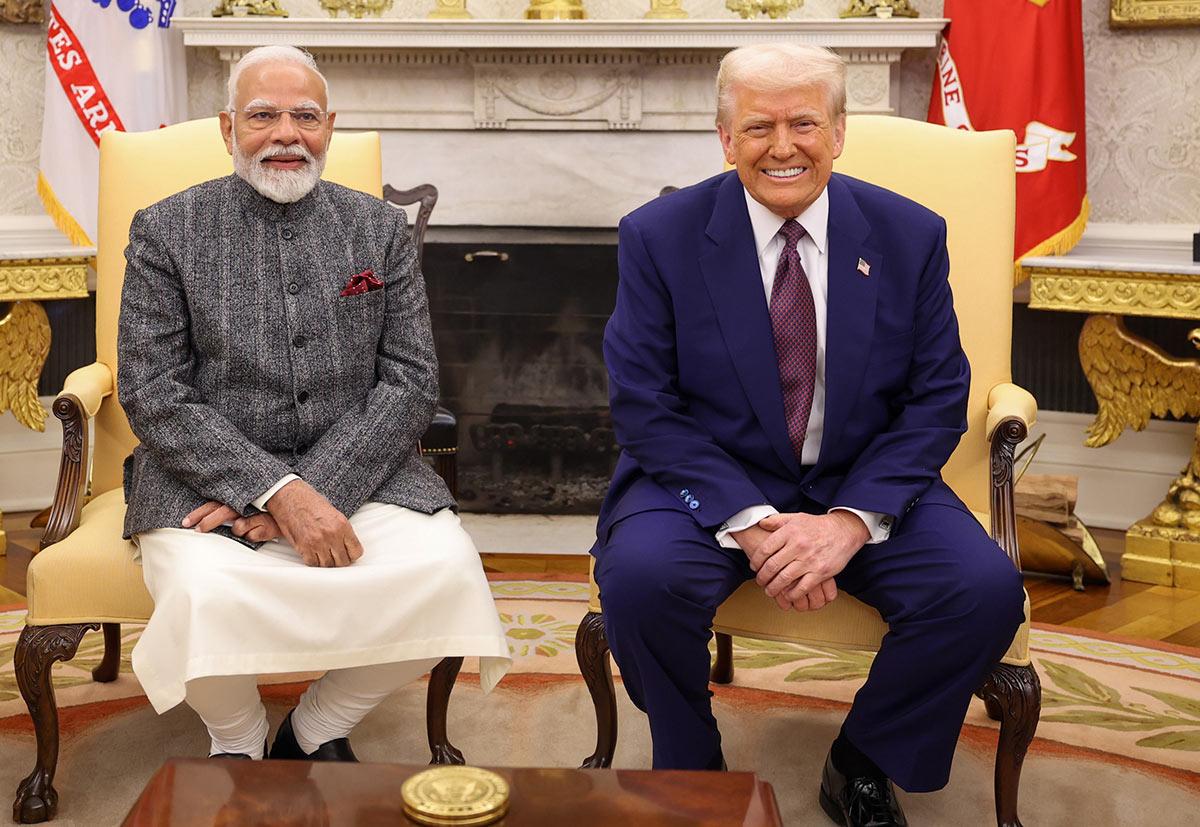
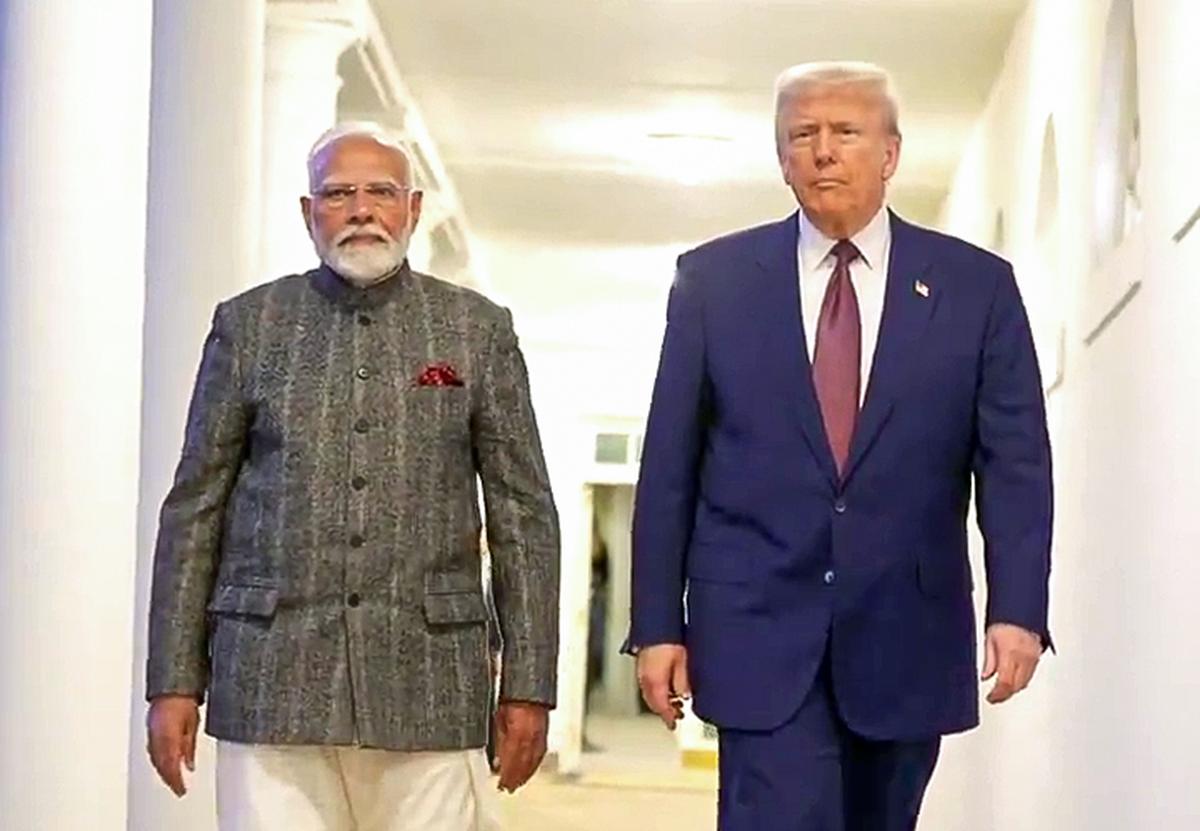
A looming tariff threat from the United States is casting a shadow over multiple sectors in India, including automobiles, textiles, and footwear, with analysts warning that potential hikes in import duties could disrupt trade and economic growth. This growing concern comes amid rising trade tensions between the two countries, which have led to a heightened focus on the viability of Indian exports in the face of stricter US trade policies.

The US administration has indicated that it might impose higher tariffs on goods from India, a move that could significantly affect industries critical to the Indian economy. With the US being one of India’s largest trading partners, the prospect of tariffs on goods such as cars, clothing, and shoes is troubling for manufacturers and exporters alike. According to recent reports, India’s automotive and textile sectors have been identified as particularly vulnerable due to their significant export volumes to the US market.

The automotive sector, which includes both luxury cars and compact vehicles, stands to lose billions of dollars in export revenue should tariffs increase. India is home to several global automotive manufacturers, including Maruti Suzuki, Tata Motors, and Mahindra & Mahindra, which export a substantial number of vehicles to the US. A tariff hike could render these products less competitive, pushing US-based consumers towards locally manufactured or cheaper imported alternatives from other countries. In 2023, India exported nearly $2 billion worth of cars to the US, a figure that could shrink under new tariffs.

Similarly, the textiles industry, another key player in India’s export economy, faces a turbulent future if tariffs are raised. India is the world’s second-largest producer of textiles, with a significant portion of its products headed to the US market. The US is a vital customer for Indian textiles, including apparel, fabrics, and home furnishings. Analysts argue that any increase in tariffs could lead to a decline in demand, as US buyers might seek more affordable alternatives from other suppliers, particularly from countries that currently benefit from lower trade barriers.

The footwear sector is also at risk, with India exporting a wide range of footwear items to the US. Footwear exports have been a growing part of India’s manufacturing output, with the US accounting for a major portion of this trade. A tariff increase could significantly affect manufacturers, especially small and medium enterprises , which depend heavily on the US market for revenue. These companies may struggle to absorb the additional costs imposed by tariffs, leading to potential price hikes or a reduction in exports.

The looming tariff threat is not just about trade barriers; it also reflects broader geopolitical concerns. Trade relations between the US and India have been increasingly strained due to disagreements over various trade practices, including market access, intellectual property rights, and agricultural policies. The US has expressed dissatisfaction with India’s protectionist policies, and this discontent has translated into the threat of tariffs. However, the issue is not only about trade; it also touches on political relations, with both countries vying for greater economic influence in the region.

Trade experts suggest that India could be facing a period of heightened vulnerability, especially as the US underlines its “America First” policy, prioritising domestic industries and reducing reliance on imports. While India has sought to diversify its trade partnerships and strengthen ties with other countries, including the European Union and Japan, the US remains a key economic player. This makes the potential for increased tariffs particularly damaging for India, especially in light of its ambition to boost exports and achieve a higher growth trajectory.

In response to the threat of higher tariffs, the Indian government has ramped up efforts to protect its domestic industries by exploring alternative markets and seeking to negotiate more favourable trade terms with the US. The government has also engaged in diplomatic efforts to reduce trade tensions, hoping to find common ground on issues that could benefit both nations. However, some experts are sceptical about the immediate impact of these negotiations, given the political climate and the US’s growing tendency to assert its economic interests.

The potential consequences of these tariffs extend beyond individual industries. Analysts caution that a tariff hike could lead to inflationary pressures within India, as businesses may pass on the additional costs to consumers. This, in turn, could affect consumer spending and dampen overall economic activity. Moreover, sectors like automotive manufacturing and textiles are major sources of employment, and any disruption in these industries could result in significant job losses, further straining India’s labour market.

For now, industry stakeholders are watching closely as developments unfold. The automotive sector is exploring strategies to mitigate the impact of potential tariffs, including shifting production to other countries or adjusting product lines to cater to the changing demands of US consumers. Similarly, the textiles industry is focusing on increasing its competitive edge by diversifying its offerings and tapping into non-US markets. However, these measures may not be enough to offset the damage caused by a sharp rise in tariffs, which could push both sectors to reconsider their overall export strategies.


German asset management firm Patrizia has secured a licence to open its inaugural office in the Abu Dhabi Global Market , marking a strategic expansion into the Middle Eastern market. This move highlights the firm’s growing interest in tapping into the region’s expanding real estate and investment landscape.

Patrizia’s decision to establish a presence in ADGM, a global financial centre based on the Abu Dhabi island, comes as the firm looks to enhance its footprint in key international markets. The company’s new office in Abu Dhabi will focus on expanding its investor base, strengthening relationships with local partners, and identifying new opportunities in real estate investment management. This initiative aligns with the firm’s broader strategy to diversify its portfolio and engage in markets with strong growth prospects.

The ADGM has emerged as a major hub for international firms looking to capitalise on the Gulf region’s real estate potential. By offering a robust regulatory framework, tax incentives, and a conducive environment for global financial operations, ADGM has become an attractive destination for international businesses. Patrizia’s entry into the market reflects a growing trend of global firms seeking to establish a foothold in the UAE, particularly in Abu Dhabi, which continues to position itself as a critical player in the global financial sector.

In line with this strategic expansion, Patrizia intends to leverage its experience in managing both private and institutional capital, bringing its expertise to the Middle East’s dynamic real estate sector. The firm’s portfolio, which spans residential, office, and retail properties, is well-positioned to cater to the evolving demands of the regional market. By establishing a local office, Patrizia will be able to offer more personalised services to investors, enhancing its ability to respond to the specific needs of clients in the region.

With a presence in key European cities and a strong global network, Patrizia has been at the forefront of sustainable real estate investment. The firm has committed itself to integrating environmental, social, and governance principles into its investment strategies. The Middle East office is expected to serve as a hub for these initiatives, allowing Patrizia to collaborate with local stakeholders on projects that align with the region’s growing focus on sustainable development. Abu Dhabi’s Vision 2030, which promotes sustainable economic growth and diversification, offers a solid foundation for such efforts.

The UAE’s commitment to fostering innovation and sustainability makes it an attractive market for real estate investment. Patrizia’s move to open an office in Abu Dhabi demonstrates its readiness to engage with local government initiatives and contribute to the region’s ambitious development goals. This expansion also comes amid increased interest from international investors in the UAE’s property market, which has seen resilience in recent years despite global economic challenges.

The licensing of Patrizia’s office further cements ADGM’s reputation as a preferred destination for global asset managers and investment firms. The jurisdiction’s legal infrastructure, coupled with its strategic location, has made it an ideal base for businesses targeting the Middle East and beyond. Abu Dhabi, as the capital of the UAE, continues to be a pivotal location for regional financial activities, drawing attention from multinational companies looking to establish or expand their presence in the Middle East.

Patrizia’s office is expected to enhance the company’s capability to manage real estate assets for both institutional investors and private clients in the region. This includes expanding its reach to investors interested in long-term, sustainable investments across asset classes. The firm’s ability to offer tailored solutions for clients, combined with its broad experience in managing diverse portfolios, positions it well to cater to the needs of investors in Abu Dhabi and the broader Middle Eastern market.

Patrizia’s expansion into Abu Dhabi also reflects a broader shift in the financial sector, where firms are increasingly seeking to capitalise on the opportunities presented by emerging markets. The UAE, and specifically Abu Dhabi, has become a vital nexus for investment activity, attracting capital from around the world. With its strong infrastructure and commitment to enhancing its financial services industry, the UAE is positioning itself as a key financial centre for global asset management firms.

Nokia has teamed up with Advanced Communications & Electronics Systems Company for Neutral Host to introduce a cutting-edge indoor solution in Makkah, aimed at significantly enhancing mobile network coverage across both indoor and outdoor environments. This ambitious project, which comes as part of a long-term partnership, is set to revolutionise connectivity in the region, particularly for the millions of pilgrims who visit the holy city each year.

The partnership is focused on the deployment of an advanced, sharable indoor solution that will address growing demand for seamless communication across Makkah’s densely populated areas. This innovative system will provide robust mobile coverage across key locations, from religious sites to residential and commercial buildings, offering reliable connectivity for pilgrims, residents, and businesses alike.

The project comes at a critical time, as Makkah continues to see a surge in the number of visitors, particularly during religious seasons such as Ramadan and Hajj. With millions of people relying on mobile devices for navigation, communication, and services, the need for a comprehensive network solution has never been greater.

Through this collaboration, Nokia and ACE aim to tackle the issue of network congestion, ensuring that visitors have uninterrupted access to mobile services, even in the busiest locations. This will also provide significant benefits for local enterprises, enabling them to optimise operations and enhance the customer experience through reliable mobile networks.

In addition to improving coverage, the solution will focus on providing enhanced data services and faster network speeds, enabling users to stream, communicate, and access information with ease. By leveraging advanced technologies such as 5G, the new system will future-proof the city’s network infrastructure, making it well-equipped to handle the increasing demand for high-speed internet.

The deployment of this neutral host solution will also enable multiple mobile operators to share the same infrastructure, reducing costs while simultaneously improving service quality. This approach ensures that different networks can benefit from the same high-performance coverage without the need for duplicative infrastructure, contributing to more sustainable and efficient network management.

Both companies are leveraging their expertise to create a solution that not only improves the quality of service but also ensures a long-term, scalable approach to meet future demands. Nokia’s vast experience in mobile network technology, combined with ACE’s in-depth knowledge of the local market and its role as a neutral host provider, positions the partnership as a key player in the ongoing development of Makkah’s network infrastructure.

With this project, Makkah is expected to become one of the most connected cities in the world, setting a new standard for network coverage in religious tourism destinations. The solution is designed to meet the specific needs of the region, including high capacity, low latency, and seamless handovers between indoor and outdoor networks, ensuring that visitors and locals alike benefit from a superior mobile experience.

The implementation of this solution also aligns with broader initiatives in Saudi Arabia to modernise its infrastructure in line with Vision 2030, which aims to diversify the economy and enhance the quality of life for citizens and visitors. As part of this vision, the Saudi government has been investing heavily in digital transformation projects, with a focus on developing smart cities and improving connectivity in key locations like Makkah.

This partnership is expected to drive further collaboration between telecom companies and service providers in the region, fostering innovation and accelerating the adoption of new technologies. It also highlights the growing importance of network connectivity in the modern world, particularly in regions that attract large numbers of visitors and where reliable communication is essential for both safety and convenience.

The advanced indoor solution is just the beginning of what could be a series of initiatives aimed at enhancing connectivity in Makkah and beyond. As mobile data usage continues to increase, both Nokia and ACE are committed to ensuring that the city remains at the forefront of technological innovation, providing the best possible service for all users.

Dubai has rolled out a new system for parking fees in designated zones near major event venues. The system, which went into effect today, introduces variable pricing, with rates set to increase during large-scale events. The move is part of ongoing efforts to streamline traffic management and improve the overall visitor experience in high-demand areas, including around the Dubai World Trade Centre .

Under the new policy, parking charges will rise to Dh25 per hour during events, a significant increase from the regular fees, which will remain lower during non-event periods. The increased rates apply to the parking areas closest to key venues, such as those surrounding DWTC, which hosts a variety of international conferences, exhibitions, and events that draw large crowds.

The decision to introduce variable parking fees comes after growing concerns over congestion in the vicinity of these event zones. Dubai’s authorities have been actively working on strategies to manage the influx of visitors to major events, ensuring both the smooth flow of traffic and accessibility to key locations.

Officials explained that the rise in parking fees during events is designed to encourage visitors to use alternative modes of transport, such as public transit, which would help alleviate the pressure on parking spaces. The implementation of this system is also expected to contribute to reducing the environmental impact by promoting greener transport options.

The new fee structure is part of a broader effort to modernise the city’s infrastructure in anticipation of increased demand as Dubai continues to establish itself as a global hub for business, culture, and tourism. The city’s proactive approach to managing its transport systems is also a reflection of its ambitions to maintain high standards of urban planning and sustainability.

While the fee hike may be seen as a necessary adjustment in light of the growing demand for parking, it has drawn mixed reactions from residents and visitors alike. Some express concerns that the increased charges could disproportionately affect those attending less prominent events or those who may rely on parking due to the lack of public transport options in certain areas. Others welcome the change, viewing it as a positive step towards ensuring better traffic management and improving the overall quality of life in high-demand zones.

Transport experts have emphasised the importance of integrated planning when it comes to urban mobility. As Dubai continues to develop and expand, experts suggest that a more comprehensive approach to transport, which includes enhanced public transportation networks and better parking management strategies, will be crucial to maintaining the city’s appeal to both residents and visitors.

The Dubai Roads and Transport Authority has been at the forefront of this initiative, working closely with local authorities to ensure the effective implementation of the new fee structure. RTA has also highlighted the expansion of alternative transport options, such as the Dubai Metro and bus services, as essential components of the strategy to support the city’s growing population and increasing number of tourists.

This change aligns with Dubai’s long-term vision of reducing traffic congestion and carbon emissions. The city’s leaders have repeatedly expressed a commitment to sustainable urban development, with a particular focus on reducing the number of private vehicles on the roads. The introduction of variable parking fees is one of many measures designed to support these goals, encouraging more people to rely on public transportation rather than private cars.

Dubai’s move to introduce variable parking fees is also reflective of a broader trend seen in major cities around the world, where dynamic pricing models have been introduced to manage traffic congestion and improve access to key areas. Cities like London and New York have employed similar strategies to control the flow of vehicles in high-traffic zones, with varying degrees of success.

In addition to the economic and environmental benefits, the new pricing model is expected to have a positive impact on the city’s public transportation system. By encouraging more people to use the Metro or buses, the pressure on parking spaces should be alleviated, making it easier for those who truly need to park to find a spot. This shift is expected to help optimise the use of available infrastructure, benefiting both residents and visitors who rely on public transport for their daily commute or during special events.

Koei Tecmo Holdings has unveiled a significant leadership restructuring, appointing Hisashi Koinuma as the new President and Chief Executive Officer, effective April 1, 2025. This transition marks a pivotal moment for the Japanese video game developer and publisher, renowned for franchises such as “Dynasty Warriors” and “Ninja Gaiden.”

Koinuma, who currently serves as Representative Director and Executive Vice President, will ascend to the roles of President and CEO. His tenure at Koei Tecmo began in April 1994, and he has since held various key positions, including Chief Operating Officer of Koei Tecmo Games. His leadership has been instrumental in steering the company’s entertainment division, particularly in the development of popular titles.

The company’s co-founder, Yoichi Erikawa, will transition from his current position as President and CEO to assume the role of Representative Director and Chairman of Koei Tecmo Holdings. Erikawa, also known by his pen name Kou Shibusawa, co-founded Koei in 1978 alongside his wife, Keiko Erikawa. Under their guidance, the company evolved from a personal computer sales venture into a prominent entity in the gaming industry, eventually merging with Tecmo in 2008 to form the current Koei Tecmo Holdings.

Keiko Erikawa, who has been serving as Representative Director and Chairman, will step down from her current roles to become Director and Chairman Emeritus. In addition, she will take on the position of Representative Director and President of a newly established subsidiary, Koei Tecmo Corporate Finance, effective April 1, 2025. This new entity will absorb the investment functions of Koei Tecmo Games, aiming to enhance governance related to investments and optimize cash management across the organization.

The leadership changes are part of Koei Tecmo’s strategic initiative to separate business execution from management supervision, thereby strengthening its corporate governance framework. The company has been preparing for this transition through deliberations within its Nomination and Compensation Committee, with the objective of achieving sustained growth and profitability.

In an official statement, Koei Tecmo articulated its vision: “Our group aims to become the world’s number one digital entertainment company under the spirit of ‘creativity and contribution.'” The company believes that the new management structure, commencing in the fiscal year 2025, will be pivotal in realizing this ambition.

Hisashi Koinuma’s promotion to CEO is anticipated to bring a fresh perspective to Koei Tecmo’s leadership. His extensive experience within the company, particularly in overseeing the entertainment division, positions him well to navigate the evolving landscape of the gaming industry. Koinuma has been a driving force behind several successful projects and is expected to continue fostering innovation and expansion in his new role.

The establishment of Koei Tecmo Corporate Finance signifies the company’s commitment to bolstering its investment capabilities. By creating a dedicated subsidiary focused on financial management, Koei Tecmo aims to streamline its investment processes and enhance overall financial efficiency. This move is expected to provide a robust foundation for the company’s future projects and strategic initiatives.

A significant shift in American financial trends has emerged: the number of U.S. adults owning Bitcoin now exceeds those carrying student loan debt. This development highlights the growing adoption of cryptocurrency amidst ongoing concerns over educational debt.

Recent data indicates that approximately 65.7 million American adults, or 28% of the adult population, currently own cryptocurrency, with Bitcoin being the predominant asset. This marks a substantial increase from 15% in 2021, suggesting a rising public confidence in digital currencies. In contrast, about 42.7 million Americans hold federal student loan debt, collectively amounting to $1.693 trillion. This figure represents a 42% increase over the past decade, reflecting both the escalating costs of higher education and the broader accessibility of college degrees.

The surge in cryptocurrency ownership can be attributed to several factors. The “crypto winter” of 2022, characterized by significant market downturns, appears to have been a temporary setback. Since then, the market has rebounded, with Bitcoin’s value reaching record highs. Notably, in December 2024, Bitcoin rallied past $107,000, fueled by President-elect Donald Trump’s proposal to establish a U.S. Bitcoin strategic reserve. This policy initiative, coupled with the inclusion of companies like MicroStrategy in major stock indices, has bolstered investor confidence and attracted substantial capital inflows.

Demographic analyses reveal that cryptocurrency adoption varies across different groups. Men aged 18 to 29 are the most prominent investors, with 42% reporting that they have engaged with cryptocurrencies. This contrasts with 17% of women in the same age bracket. Racial and ethnic disparities are also evident: 28% of Asian adults have invested in cryptocurrencies, compared to approximately 20% of Black and Hispanic adults, and 14% of White adults. Income levels further influence investment patterns, with 23% of adults in upper-income households participating in the crypto market, versus 14% in lower-income households.

Despite the increasing popularity of cryptocurrencies, skepticism persists. A survey conducted in October 2024 found that 63% of U.S. adults lack confidence in the safety and reliability of cryptocurrencies. This sentiment underscores the volatile nature of digital assets and the regulatory uncertainties surrounding them.

Conversely, the student loan landscape presents its own challenges. The percentage of households with student debt has more than doubled from 10% in 1992 to 21% in 2022. This rise is partly due to more Americans pursuing higher education and the escalating costs associated with it. The financial burden of student loans has far-reaching implications, affecting borrowers’ ability to purchase homes, start businesses, and save for retirement.

Policy responses to these issues have been varied. The Trump administration has expressed skepticism towards widespread student debt forgiveness, favoring targeted relief measures instead. In contrast, Vice President Kamala Harris has advocated for more comprehensive solutions, including significant debt cancellation and the promotion of free college education to address systemic inequalities.

Advertisements

Saudi Arabia’s Public Investment Fund is intensifying its efforts to diversify the nation’s economy by expanding tourism investments beyond the capital city, Riyadh. This strategic move aligns with the Kingdom’s Vision 2030 objectives, aiming to transform Saudi Arabia into a global tourism hub. In July 2023, PIF established the Saudi Tourism Investment Company, known as Asfar, to spearhead the development of new tourism projects across various cities. […]

Cybercriminals are intensifying efforts to compromise YouTube users by dispatching deceptive emails that closely mimic official communications from the platform. These fraudulent messages aim to trick recipients into downloading malicious software, jeopardizing personal data and account security. Reports indicate that these phishing emails often appear to originate from legitimate YouTube addresses, such as “[email protected].” The emails may prompt users to review alleged policy violations or updates, urging […]

As 2025 unfolds, entrepreneurs are strategically positioning themselves to harness emerging trends across various sectors. Key areas such as artificial intelligence , sustainability, and remote work are at the forefront, offering a plethora of innovative business opportunities. The AI industry is witnessing significant advancements, with startups like Figure AI leading the charge. The company is reportedly in discussions to secure $1.5 billion in new funding, potentially elevating […]

By K Raveendran The Indo-US joint declaration presents a striking imbalance, appearing more as a dictated statement than a mutually crafted agreement. The document is overwhelmingly skewed in favour of the United States, particularly in the domain of defence procurement, where it reads less like a diplomatic understanding and more like a sales pitch for […]

The OBS Studio development team has issued a formal request to the Fedora Project, demanding the removal of all OBS branding from Fedora’s Flatpak distribution. This action stems from concerns over a malfunctioning OBS Studio Flatpak package maintained by Fedora, which has led to user confusion and misdirected complaints toward the official OBS team. Approximately three weeks ago, OBS Studio’s lead developer, Joel Bethke, highlighted issues with […]

Brazil is set to host the BRICS leaders’ summit in Rio de Janeiro on 6th and 7th July 2025, as announced by Foreign Minister Mauro Vieira. This gathering will bring together heads of state from Brazil, Russia, India, China, South Africa, and other partner nations, marking a significant event in international diplomacy. Assuming the rotating presidency of BRICS on 1st January 2025, Brazil has been actively preparing […]

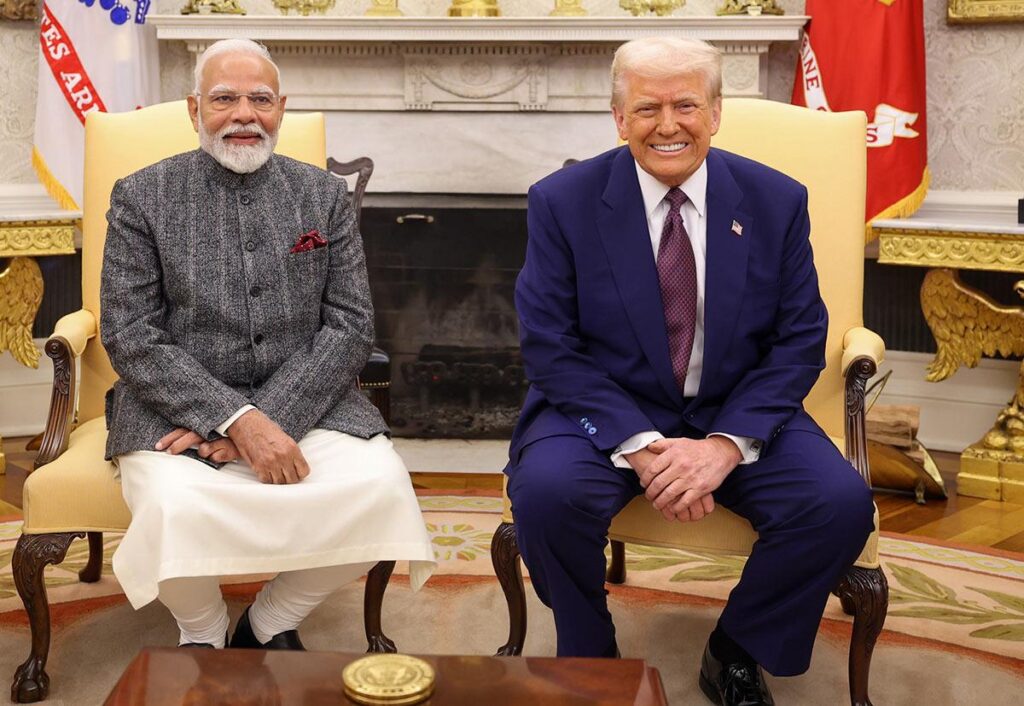
By Nitya Chakraborty The outcome of Prime Minister Narendra Modi’s meeting with the U.S. President Donald Trump in White House on February 13 may have its impact on the interim government of Bangladesh headed by Dr. Mohammad Yunus, who is in power since August 8, 2024 in the wake of the ouster of Sheikh Hasina […]


Vertiv, a global provider of critical digital infrastructure solutions, has announced the worldwide launch of its Liquid Cooling Services portfolio. This initiative aims to support data center operators in enhancing system reliability and efficiency, particularly for artificial intelligence and high-density computing applications. The newly introduced services encompass a range of solutions designed to manage the complexities of advanced liquid cooling systems. Vertiv’s certified technicians and field engineers […]

Dubai has rapidly emerged as a global hub for cryptocurrency and blockchain technology, attracting investors, entrepreneurs, and innovators worldwide. This ascent is largely attributed to the emirate’s progressive regulatory framework, which aims to foster innovation while ensuring compliance with international standards. However, this balancing act presents a complex challenge: how can Dubai promote the growth of the crypto industry while adhering to the stringent guidelines set by global watchdogs like the Financial Action Task Force ?

In recent years, Dubai has implemented a series of initiatives to position itself at the forefront of the digital asset revolution. The establishment of the Virtual Assets Regulatory Authority exemplifies this commitment. VARA is tasked with overseeing the regulation, licensing, and governance of virtual assets within the emirate, ensuring that all crypto-related activities align with both local and international laws. This proactive approach has been pivotal in attracting major players in the crypto space to set up operations in Dubai.

A significant aspect of Dubai’s strategy is its favorable tax environment. The city imposes zero percent personal income tax and capital gains tax, extending this benefit to gains from cryptocurrency activities such as disposals, staking, and mining for individuals. This tax incentive has made Dubai an appealing destination for crypto investors and businesses seeking a conducive environment for growth.

Dubai has embraced blockchain technology across various sectors. The Dubai Land Department, for instance, has integrated blockchain into its operations, enhancing transparency and efficiency in real estate transactions. Such initiatives underscore the emirate’s dedication to leveraging technology to improve public services and drive economic growth.

However, with innovation comes the responsibility of ensuring that these new technologies are not misused. The FATF, an international body that sets standards for combating money laundering and terrorist financing, has been closely monitoring developments in the virtual asset space. It has issued binding standards to prevent the misuse of virtual assets, emphasizing the need for robust regulatory frameworks.

One of the key FATF recommendations is the “Travel Rule,” which mandates that Virtual Asset Service Providers obtain and share identifying information about the originator and beneficiary of virtual asset transfers exceeding a certain threshold. This measure aims to enhance transparency and deter illicit activities within the crypto ecosystem.

Dubai, through VARA, has taken steps to align with these international standards. Effective from October 1, 2024, VARA introduced new marketing regulations for virtual assets, requiring businesses to comply with specific guidelines when promoting crypto-related activities. This move ensures that marketing practices are transparent and do not mislead consumers, thereby fostering a safer investment environment.

The UAE amended its Value Added Tax regulations in November 2024, exempting most transactions involving virtual assets from the standard 5% VAT. This exemption reflects the government’s intent to encourage the use of virtual assets in everyday transactions, integrating them more seamlessly into the economy.

Despite these advancements, challenges persist. The rapid evolution of the crypto industry often outpaces regulatory developments, necessitating continuous updates to existing laws and guidelines. Additionally, while Dubai’s regulatory environment is conducive to innovation, it must remain vigilant to prevent potential misuse of virtual assets for illicit purposes.

Etihad Salam Telecom Company has announced a strategic partnership with Genesys to revolutionise customer service across Saudi Arabia. This collaboration aims to integrate advanced technologies into Etihad Salam’s offerings, enhancing both customer interactions and operational efficiency.

The partnership focuses on implementing a comprehensive telecommunications solution that combines advanced Session Initiation Protocol trunk services with sophisticated call centre platforms. By leveraging artificial intelligence, automation, and cloud-based technologies, the initiative seeks to transform traditional customer service models, providing more personalised and efficient experiences.

Eng. Amjad Arab, Chief Wholesale and Partnerships Officer at Etihad Salam, highlighted the significance of this alliance: “Our mission is to provide robust, innovative solutions that support the rapid expansion of digital content and seamless technology experiences. Collaborating with Genesys allows us to offer enriched connectivity services and bring content closer to end-users, ultimately empowering businesses to thrive in an increasingly digital landscape.”

This development comes at a time when Saudi Arabia’s information and communication technology sector is experiencing substantial growth. Projections indicate that the sector will reach a valuation of USD 82.51 billion by 2030. The partnership between Etihad Salam and Genesys is poised to contribute significantly to this growth by introducing cutting-edge customer service solutions that align with the Kingdom’s digital transformation goals.

In addition to this collaboration, Etihad Salam has been actively engaging in other strategic partnerships to bolster the nation’s digital infrastructure. Recently, the company strengthened its alliance with center3, a subsidiary of the stc Group, to enhance network resilience and connectivity. This joint effort aims to deliver unparalleled digital infrastructure, benefiting businesses, cloud providers, and content creators alike.

Etihad Salam has partnered with ServiceNow to support the burgeoning small and medium-sized enterprise sector in Saudi Arabia. With the SME sector witnessing a 60% year-on-year growth and over 135,000 new registrations in the last quarter, this collaboration aims to provide tailored solutions that address the unique needs of these businesses. By combining Etihad Salam’s connectivity and managed services with ServiceNow’s expertise in automating administrative processes, the partnership seeks to facilitate agile business setups and operations.

Exotel, a prominent cloud-based customer engagement platform, has entered into a strategic partnership with Knowmax, an AI-driven knowledge management provider, aiming to revolutionize customer experience operations. This collaboration seeks to enhance query resolution efficiency and bolster agent productivity by integrating Exotel’s communication solutions with Knowmax’s intelligent knowledge management system. The alliance is poised to offer enterprises seamless access to actionable insights, thereby optimizing customer interactions across various […]

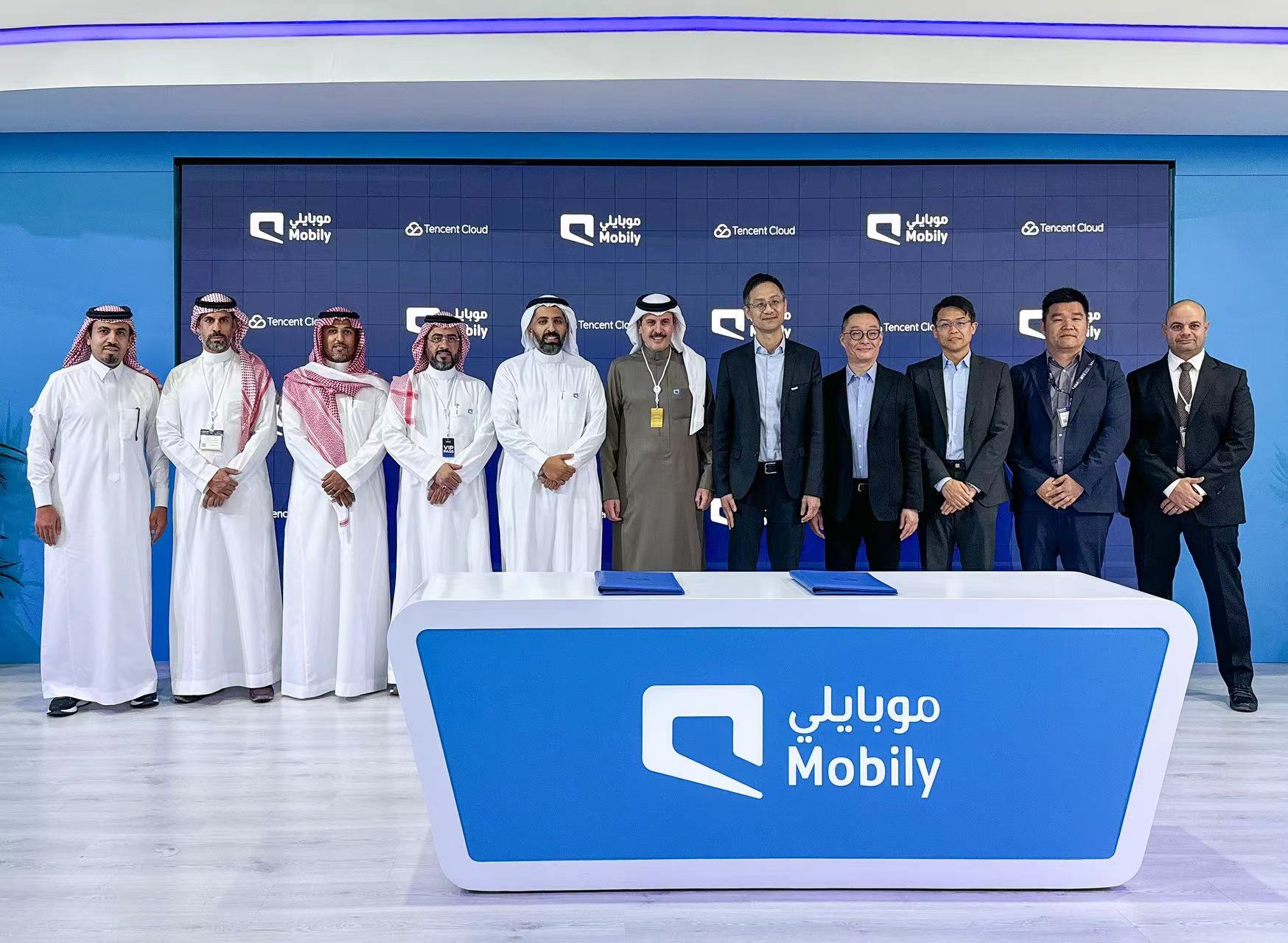
Tencent Cloud has unveiled plans to launch its inaugural Middle East Cloud Region in Saudi Arabia, marking a pivotal expansion in the company’s global infrastructure. Announced at the LEAP 2025 technology summit in Riyadh, the new cloud region will encompass two availability zones, each designed with full redundancy to ensure robust and reliable services. This development is slated to become operational by 2025, aligning with Saudi Arabia’s ambitious Vision 2030 objectives to foster digital transformation and economic diversification.

The strategic move includes an investment exceeding $150 million over the forthcoming years, underscoring Tencent Cloud’s commitment to bolstering the Kingdom’s burgeoning digital economy. Dan Hu, Vice President of Tencent Cloud International for the Middle East and North Africa, emphasized the significance of this initiative, stating, “We’re excited to have grown alongside the Kingdom of Saudi Arabia and look forward to ramping up cloud support for the Middle East. The new Cloud Region strengthens our ability to support the country’s digital transformation journey.”

This expansion will integrate Saudi Arabia into Tencent Cloud’s extensive global network, which currently comprises over 50 availability zones across 21 regions. The new infrastructure is poised to deliver a comprehensive suite of advanced cloud services, including artificial intelligence capabilities, data analytics, and digital media solutions. These offerings are tailored to meet the diverse needs of industries such as finance, gaming, media, and e-commerce within the region.

Saudi Arabia’s cloud computing market is experiencing rapid growth, driven by the government’s proactive digital initiatives and the private sector’s increasing adoption of cloud technologies. Projections indicate that annual spending on public cloud services in the Kingdom is expected to reach $2.5 billion by 2026, reflecting a compound annual growth rate of 25%. This surge is attributed to the nation’s focus on emerging technologies, including AI, cloud computing, and the Internet of Things , as integral components of its Vision 2030 plan.

The LEAP 2025 summit, where Tencent Cloud’s announcement was made, has emerged as a significant platform for technological collaboration and investment in Saudi Arabia. The event witnessed the Kingdom securing $14.9 billion in new investments aimed at advancing its digital infrastructure and AI capabilities. Notably, global cloud service providers are increasingly recognizing the potential of the Saudi market. For instance, Amazon Web Services has partnered with stc Group to accelerate cloud adoption and AI-driven innovation across various sectors, including healthcare, finance, and education.

Tencent Cloud’s entry into the Middle East market is anticipated to intensify competition among cloud service providers, offering businesses in the region a broader array of options to enhance their digital operations. The establishment of local data centers is particularly advantageous, as it addresses data residency requirements and reduces latency, thereby improving the performance of cloud-based applications and services.

In addition to infrastructure development, Tencent Cloud is expected to collaborate with local enterprises and governmental bodies to provide training and support, fostering a skilled workforce adept in cloud technologies. This initiative aligns with Saudi Arabia’s broader goals of nurturing innovation and entrepreneurship, ultimately contributing to a diversified and knowledge-based economy.

The Middle East’s strategic importance in the global technology landscape is increasingly evident, with countries like Saudi Arabia investing heavily in digital transformation. Tencent Cloud’s expansion into the region not only signifies confidence in the local market’s potential but also reinforces the Kingdom’s position as a burgeoning hub for technological advancement and innovation.

As the cloud computing landscape in Saudi Arabia continues to evolve, the presence of global players like Tencent Cloud is poised to accelerate the adoption of cutting-edge technologies. This development is expected to drive economic growth, enhance competitiveness, and pave the way for new business models and opportunities within the region.

Alibaba Cloud has inaugurated its second data center in Thailand, aiming to meet the growing demand for cloud computing services and support the country’s digital transformation initiatives. This development aligns with Thailand’s strategic efforts to enhance its digital economy and infrastructure.

The new facility is designed to provide advanced cloud services, including support for artificial intelligence applications, to businesses and government agencies across Thailand. By expanding its data center footprint, Alibaba Cloud seeks to offer more robust and reliable services, catering to the increasing needs of enterprises adopting digital technologies.

Thailand has been actively pursuing a comprehensive digital transformation strategy, encapsulated in policies like “Thailand 4.0” and the “National Digital Economy and Society Development Plan.” These initiatives focus on building high-capacity digital infrastructure, promoting e-government solutions, and fostering innovation and technology adoption across various sectors. The government’s commitment is further evidenced by the approval of the national AI strategy and action plan , which aims to drive AI development and integration throughout the country.

The establishment of Alibaba Cloud’s second data center is poised to bolster these governmental efforts by providing the necessary infrastructure to support AI and other emerging technologies. This move is expected to enhance the competitiveness of Thai businesses, particularly small and medium-sized enterprises , by offering scalable and secure cloud solutions that facilitate innovation and efficiency.

In addition to infrastructure development, Thailand is focusing on digital skills enhancement and inclusivity. The government has launched initiatives to train individuals through community digital centers, aiming to bridge the digital divide and ensure that the benefits of digital transformation are accessible to all segments of the population. These efforts are crucial in creating a digitally literate workforce capable of leveraging new technologies to drive economic growth.

The collaboration between global technology providers like Alibaba Cloud and the Thai government signifies a strategic partnership that leverages international expertise to accelerate national digital goals. Such alliances are instrumental in positioning Thailand as a regional digital hub, attracting further investments, and fostering a vibrant ecosystem of innovation and technological advancement.

As Thailand continues to implement its digital economy strategies, the expansion of cloud infrastructure by industry leaders like Alibaba Cloud will play a pivotal role in supporting the nation’s objectives. This development not only addresses the immediate needs for advanced computing resources but also lays the foundation for sustainable digital growth in the years to come.

The integration of enhanced cloud services is anticipated to have a transformative impact on various sectors, including finance, healthcare, education, and manufacturing. By providing scalable and efficient cloud solutions, businesses can innovate more rapidly, improve operational efficiencies, and deliver better services to their customers. Moreover, the availability of local data centers ensures compliance with data sovereignty requirements, which is a critical consideration for many organizations.

In the financial sector, for instance, banks and fintech companies can leverage cloud-based AI analytics to offer personalized services and detect fraudulent activities more effectively. The healthcare industry can utilize cloud platforms to manage patient data securely and deploy telemedicine solutions, expanding access to medical services, especially in remote areas. Educational institutions can adopt e-learning platforms hosted on the cloud, providing students with flexible and interactive learning experiences. Manufacturers can implement IoT solutions to monitor production lines in real-time, enhancing productivity and reducing downtime.

Arabian Post Staff Etihad Salam Telecommunications Company, a prominent player in Saudi Arabia’s telecommunications and IT sector, has entered into a Memorandum of Understanding with Advanced Communications & Electronics Systems Company for Neutral Host . This strategic partnership aims to enhance connectivity and telecommunication services for government and corporate sectors in Riyadh, leveraging ACES’s Fiber to the Home infrastructure. A significant milestone of this collaboration is the […]

New simple, powerful, affordable block storage systems power critical applications SINGAPORE – Media OutReach Newswire – 12 February 2025 – NetApp® (NASDAQ: NTAP), the intelligent data infrastructure company, today announced updates to its enterprise storage portfolio, expanding the NetApp ASA A-Series with new systems designed to accelerate and consolidate block workloads for organizations of any size. Alongside the announcement of new cyber resiliency capabilities, these systems enable […]

Etihad Salam Telecom Company has entered into a strategic partnership with Genesys, aiming to revolutionise customer experience across Saudi Arabia. This collaboration seeks to integrate advanced technologies into Etihad Salam’s service offerings, enhancing customer interactions and operational efficiency.

The partnership focuses on leveraging Genesys’s expertise in cloud and artificial intelligence solutions to transform Etihad Salam’s customer service platforms. By adopting these technologies, Etihad Salam aims to provide more personalised and efficient services, aligning with the Kingdom’s Vision 2030 objectives of digital transformation and improved quality of life.

Eng. Amjad Arab, Chief Wholesale and Partnerships Officer at Etihad Salam Telecom Company, emphasised the significance of this alliance: “Our mission is to provide robust, innovative solutions that support the rapid expansion of digital content and seamless technology experiences. We are excited to work together to offer enriched connectivity services and bring content closer to end-users, ultimately empowering businesses to thrive in an increasingly digital landscape.”

This partnership is part of a series of strategic initiatives by Etihad Salam to enhance its service offerings and infrastructure. In collaboration with center3, a subsidiary of stc Group, Etihad Salam is working to bolster Saudi Arabia’s digital infrastructure. This joint effort aims to improve network resilience, enhance connectivity, and provide scalable solutions, thereby enriching the digital ecosystem and supporting the nation’s burgeoning ICT sector, projected to reach USD 82.51 billion by 2030.

The Etihad Salam-center3 partnership focuses on three critical areas: expanding network reach and reliability through shared connectivity services; utilising center3’s carrier-neutral data centres to enhance enterprise solutions; and integrating Etihad Salam’s extensive network with center3’s internet exchanges. This comprehensive approach is designed to accelerate innovation in cloud data management and internet connectivity, providing businesses with the tools needed to thrive in a digital-first world.

In another strategic move, Etihad Salam has partnered with ServiceNow to support the growth of small and medium-sized enterprises in Saudi Arabia. This collaboration aims to offer tailored solutions that address the unique needs of SMEs, facilitating agile business setups and streamlined operations. By combining Etihad Salam’s connectivity and managed services with ServiceNow’s expertise in automating HR, administrative, and management processes, the partnership seeks to provide SMEs with comprehensive tools to navigate the complexities of the digital age.

Etihad Airways, the national carrier of the United Arab Emirates, has reported a robust start to 2025, welcoming 1.7 million passengers in January. This figure represents an 18% increase compared to January 2024, underscoring the airline’s ongoing growth trajectory. The passenger load factor also saw an uptick, reaching 89% this January, up from 86% during the same period last year.

Antonoaldo Neves, CEO of Etihad Airways, expressed satisfaction with the airline’s performance, stating, “We saw a strong traffic result for January, signalling continued upward momentum, with a particularly robust passenger load factor as guests continue to choose to fly with Etihad.” Neves also highlighted a record level of customer satisfaction achieved in January, reflecting the airline’s commitment to enhancing the passenger experience.

The upward trend in passenger numbers is not an isolated occurrence. In December 2024, Etihad also welcomed 1.7 million travelers, marking a more than 20% increase from December 2023. The load factor for that month stood at 87%, up from 84% the previous year. Over the entire year of 2024, the airline carried over 18 million passengers, achieving a passenger load factor of 87%. This represents an 80% increase in total passenger numbers since 2022, highlighting Etihad’s significant growth over the past two years.

Several factors have contributed to this sustained growth. The expansion of Etihad’s global network has played a pivotal role. By July 2024, the airline’s fleet had grown to 93 aircraft, up from 78 in July 2023, and it added 10 new destinations within the same timeframe. This expansion has enabled Etihad to cater to a broader customer base and meet increasing demand across various markets.

Operational efficiency and service quality have also been focal points for the airline. The increase in passenger load factor indicates improved capacity utilization, suggesting that Etihad is effectively aligning its services with market demand. The record levels of customer satisfaction reported in January further emphasize the airline’s dedication to providing a superior travel experience.

VISHNU RAJA
RYO YAMADA
HITORI GOTOH
IKUYO KITA