Just in:
Millions Of Indians May Soon Be Deprived Of Government Assistance // Dubai boat show confirms international shipyard line-up for November // UK air traffic outage inflicted £33m financial losses // Cyberport Venture & Capital Forum 2026 Grand Opening // Hong Kong mandates crypto transaction disclosures to tax authorities // Cloudflare unveils Zero Wire vulnerability intelligence service // Asia Left Behind: Ten international companies have yet to report delivering on their cage-free egg pledges across the region // After Reaching 7 Million Users in the Philippines, Skyro Launches Transparent Cash Loans in Malaysia // e-Crime Bureau Signs Cybersecurity Partnership With Smart Africa, Reinforcing Its Global Expansion // OpenAI identifies 948 Linux privilege escalation flaws using AI // Ta’ziz finalises $1.39bn funding for Ruwais industrial facilities // Oil and chip shares retreat after Democratic victories // Middle East governments assess Iran war after US vote // Xi Jinping Preparing For A Trilateral Summit With Trump And Putin At APEC Summit On Nov 18-19 // Emirates Group records AED 4.1 billion half-year profit // Utilities pursue ₹1,992 cr in unpaid bills // The “1st Greater Bay Area Health and Longevity Summit & Awards Ceremony” concludes successfully in Macao // CR Longdation Aethereal Cybersecurity × Global Cybersecurity Alliance (GCSA) Join Hands to Establish the “AI and Cybersecurity Research Centre” // Vance attributes Republican midterm defeats to Iran conflict // Fast Just Got Fastest: STING Energy Boost™ Celebrates Kimi Antonelli’s Formula 1® World Championship and the Fan Energy Behind It //

News related to
business

Key highlights include: The Integrated Facility Management Control Tower (IFMCT) unifies over 20 standalone building systems into a single AI-powered command centre and is poised for wider implementation, with plans to expand across Hongkong Land’s regional portfolio. The transition from reactive to proactive maintenance, powered by AI health analytics, has significantly reduced servicing frequency. 66% of work orders have been automated, boosting operational efficiency and reducing disruptions. […]

Two former Harvard students are poised to disrupt the tech world with a groundbreaking product: AI-powered smart glasses designed to record and listen to every conversation, even when the wearer is unaware. The venture, which has already garnered attention from the technology sector, promises to revolutionise the way people capture and interact with the world around them. The glasses, equipped with highly sensitive microphones and an advanced […]

This Memorandum of Understanding sets the stage for innovative collaborations aimed at enhancing patient experience, improving healthcare affordability and sustainability, and driving positive change in Singapore’s healthcare ecosystem. SINGAPORE – Media OutReach Newswire – 20 August 2025 – AIA Singapore and Mount Alvernia Hospital today signed a Memorandum of Understanding (MoU) to collaborate on initiatives aimed at advancing sustainable healthcare solutions and delivering high-quality, affordable care to […]

The Kerala Aviation Summit has commenced in Kochi, bringing together industry leaders, policy makers, and investors to discuss the future of the aviation sector in the region. The event, inaugurated by Kerala’s Chief Minister, marks a significant step in the state’s efforts to position itself as a key player in India’s aviation industry.

Held at the state-of-the-art convention centre, the summit aims to attract both domestic and international investments while fostering innovation and sustainable growth in aviation. This year’s theme focuses on investment opportunities, the impact of new technologies on air travel, and the evolving aviation policy landscape. The event is expected to serve as a platform for discussion on the challenges and opportunities faced by the aviation sector, particularly in the context of global economic shifts and environmental concerns.

State authorities are keen to highlight Kerala’s strategic advantages for aviation growth. With its extensive coastline and proximity to international shipping routes, the state has long been an important transit point for both passengers and cargo. In recent years, Kerala’s airports have seen significant upgrades, positioning them to handle increased passenger traffic. The summit’s discussions will likely explore ways to further leverage these infrastructure improvements, including the role of private-public partnerships in expanding airport capacity and enhancing services.

Aviation experts gathered at the summit emphasised the need for a more robust policy framework that supports both air travel expansion and environmental sustainability. Experts have pointed out that despite the growth in air traffic, India’s aviation sector continues to face challenges, including fuel price volatility, regulatory hurdles, and a shortage of skilled workforce. The summit will feature panel discussions on these issues, with a particular focus on how Kerala can address these challenges to remain competitive in the rapidly evolving aviation landscape.

The event is also expected to showcase emerging technologies that are shaping the future of air travel. Innovations in electric and hybrid aircraft, along with developments in drone technology, will be a key talking point. Aviation companies and technology firms are increasingly exploring these new technologies as part of efforts to reduce the carbon footprint of the aviation industry. Kerala’s government is keen on integrating these advancements into its aviation strategy, aiming to create a sustainable aviation ecosystem that can meet the demands of a growing population while minimising environmental impact.

The summit is anticipated to have far-reaching effects on Kerala’s economy, with key players from the aviation industry looking to expand their presence in the state. This could include the establishment of new flight routes, further investment in airport infrastructure, and the growth of aviation-related businesses. Additionally, experts believe that the state’s focus on tourism and infrastructure will serve as a catalyst for more investment in regional airports, providing a vital boost to local economies.

The Kerala Aviation Summit also provides a platform for the state government to promote its aviation policies. In recent years, Kerala has introduced several initiatives aimed at reducing the cost of air travel, such as subsidies for airlines operating in regional airports. The state’s aviation policy is expected to evolve in response to emerging trends and changing market conditions, including growing demand for air travel in smaller cities and towns.

While much of the discussion will centre around investment, infrastructure, and policy, the summit will also highlight the need for enhanced training and education in the aviation sector. As the industry grows, there is a growing demand for a skilled workforce, from pilots and ground staff to engineers and air traffic controllers. The Kerala government is already working to meet this demand, with initiatives to develop training centres and promote aviation-related courses in local educational institutions.

Dubai is set to expand its electric vehicle infrastructure, with plans to install 200 ultra-fast charging stations across key residential and retail areas. This initiative, which aligns with the emirate’s broader sustainability goals, aims to provide more convenient access to charging facilities for EV owners and contribute to the long-term vision of a green, sustainable city. The new stations, designed to offer ultra-fast charging, will play a […]

The North American data centre market is grappling with an unprecedented surge in demand, causing vacancy rates to plummet to their lowest levels in history. As organisations push for more robust digital infrastructure to support the rapid growth in cloud computing, artificial intelligence, and data-intensive applications, the industry’s response is struggling to keep up with the escalating requirements. Recent reports highlight a significant tightening of the market. […]

US Treasury Secretary Scott Bessent last week made a comment that should have sent markets into deep reflection. Instead, it was largely shrugged off. He suggested that the White House’s unprecedented revenue-sharing deal with Nvidia and AMD could be extended to other industries. This single line carries profound implications — and the muted reaction says more about investor complacency than anything else. The arrangement currently in place […]

Advertisements

BigScoots, a provider of fully managed hosting solutions, has formed a strategic partnership with Memberful, a leading membership software platform. This collaboration aims to offer premium hosting solutions tailored specifically for membership websites, providing a seamless experience for both businesses and their subscribers. As part of the partnership, BigScoots will offer high-performance managed hosting services to Memberful’s clientele. Memberful, which enables businesses to manage and grow their […]

New regional strategy deepens digital platform partnerships, and fuels innovation HONG KONG SAR – Media OutReach Newswire – 20 August 2025 – A new chapter is underway at Carlsberg Asia, as the brand outlines a future-facing digital roadmap anchored in strategic collaborations with three of Asia’s major O2O and quick commerce platforms – Meituan, Grab and Delivery Hero. The initiative comes at a pivotal time, as digital […]

The Trump family has completed the acquisition of financial technology firm ALT5 Sigma in a move expected to reshape their investment portfolio. At a purchase price of $15 billion, the deal signals a shift towards further diversification of their business interests, marking a significant venture into the fintech space. This acquisition, which involved a combination of private equity and strategic investments, has drawn the attention of hedge funds and investment groups keen on gaining a stake in the evolving financial technology sector.

ALT5 Sigma, known for its sophisticated algorithms and artificial intelligence solutions aimed at streamlining investment strategies, has long been regarded as a key player in the fintech arena. The company provides innovative tools for hedge funds and asset managers to optimise trading operations and enhance decision-making processes. In acquiring the firm, the Trump family gains access to these advanced technologies, positioning themselves at the forefront of the increasingly competitive tech-driven investment world.

Hedge funds have been particularly keen on ALT5 Sigma’s cutting-edge trading platforms, which leverage artificial intelligence and machine learning to predict market movements and analyse large sets of data. These tools have proven invaluable in helping firms maximise returns, mitigate risks, and remain agile in an ever-evolving market. By entering the fintech industry, the Trump family secures a stake in a sector that is expected to grow exponentially in the coming years.

Financial experts suggest that the acquisition could help the Trump family tap into new revenue streams while also increasing their exposure to emerging technologies. The fintech sector has been attracting substantial investment over the past decade, with companies like ALT5 Sigma leading the charge in transforming how financial services are delivered. With this acquisition, the Trump family joins the ranks of high-profile investors looking to capitalise on the growing demand for innovative financial tools.

The involvement of hedge funds in the deal further highlights the strategic importance of ALT5 Sigma’s offerings. Several prominent hedge funds have expressed interest in supporting the Trump family’s new venture, recognising the potential for long-term returns through the use of cutting-edge trading systems. These hedge funds, which are known for their appetite for high-risk, high-reward investments, view the acquisition as a means to enhance their portfolios by gaining access to superior trading technology.

For the Trump family, the acquisition also marks a potential shift in their investment strategy. Historically known for real estate and branding ventures, this deal represents a move into the tech industry, which could position them for success in the rapidly expanding digital economy. By diversifying into fintech, they not only gain access to a lucrative sector but also strengthen their influence in the evolving financial landscape.

Industry analysts have raised questions about the potential challenges the Trump family may face as they navigate the complexities of the fintech sector. The industry is known for its regulatory challenges, technological demands, and intense competition. However, with the backing of well-established financial firms and a strong track record of business acumen, the Trump family may be well-positioned to overcome these obstacles.

As the Trump family’s acquisition of ALT5 Sigma begins to take shape, the deal is expected to attract increasing interest from other investors and stakeholders within the fintech space. Analysts will be closely monitoring how the family leverages its new acquisition, particularly in how it integrates ALT5 Sigma’s technologies into its broader investment strategies.

Ethiopia’s foreign direct investment reached $4 billion for the fiscal year ending July 2025, according to the country’s Investment Commission. This represents a modest 2.2% increase from the previous year, signalling a steady inflow of capital despite economic challenges. The rise in FDI comes as the country prepares for a major bond restructuring, which aims to alleviate its mounting debt burden. The FDI figure is particularly significant […]

The United States has emerged as the dominant force in greenfield foreign direct investment in Saudi Arabia for the first half of 2025. Accounting for 61 projects with a combined value of $2.7 billion, American investments represented nearly a third of the total project count and capital investment during the period, according to a report by Emirates NBD. Saudi Arabia continues to be an attractive destination for […]

Companies in the UAE are turning to an array of enticing benefits, including signing bonuses, golden visas, and comprehensive wellness packages, to attract and retain talent in a competitive labour market. The post-pandemic period has seen a marked shift in hiring strategies, with firms offering enhanced perks to maintain a workforce that can thrive in a rapidly changing global economy. This growing trend reflects the UAE’s broader […]

Arabian Post Staff Ras Al Khaimah, once a quiet corner of the UAE, is now experiencing a property boom that is reshaping its skyline and economic future. The emirate’s real estate sector has witnessed a significant surge in property sales and prices over the last three years, driven by a series of large-scale developments underpinned by strategic long-term planning. Sheikh Saud bin Saqr Al Qasimi, the Ruler […]

The UAE Funds Transfer System saw a substantial surge in the value of transactions during the first five months of 2025, reaching a remarkable AED9.528 trillion. This reflects the continued growth of the UAE’s banking sector and its central role in facilitating both domestic and international financial transfers.

According to the Central Bank of the UAE, the total value of transfers executed by banks amounted to AED5.963 trillion, a figure that highlights the significant volume of financial activities managed by UAE banks. These transfers are essential for business operations, both locally and globally, given the UAE’s strategic position as a key financial hub in the Middle East.

The monthly breakdown reveals a steady increase in transaction values throughout the first five months of the year. January recorded AED1.1 trillion, February saw AED983.99 billion, while March’s figures jumped to AED1.238 trillion. The upward trend continued into April with AED1.273 trillion, and May closed at AED1.089 trillion, suggesting robust financial momentum across the banking sector.

In addition to bank-to-bank transfers, customers also contributed significantly to the total volume. The total value of transfers executed by customers surpassed AED3.834 trillion. January recorded AED677.65 billion, with February following closely at AED649.48 billion. March saw a spike, reaching AED791.313 billion, while April’s figures hit AED879.94 billion. By May, customer-initiated transfers amounted to AED836.157 billion, demonstrating the increasing role of personal and corporate banking in the country’s financial ecosystem.

The UAEFTS, which facilitates secure and efficient transfers between financial institutions, plays a pivotal role in the country’s economic framework. The consistent growth of these transactions reflects the ongoing strength of the UAE’s banking infrastructure, which continues to cater to a diverse range of financial services, from basic retail banking to complex corporate transactions.

One of the key drivers of this growth is the UAE’s growing stature as a global financial centre. The country’s strategic initiatives to position itself as an international financial hub have attracted a wide variety of global institutions. With its advanced technological infrastructure and regulatory framework, the UAE has positioned itself as a leader in financial services in the Gulf region.

The rise in customer transfers can be attributed to a range of factors, including the increasing integration of digital banking platforms. The shift towards online and mobile banking has made it easier for customers to conduct transfers in real-time, contributing to the overall growth in transaction volumes.

While the total value of transfers is substantial, it also highlights a key trend in the UAE’s financial sector: the increasing reliance on electronic systems for everyday financial transactions. As customers continue to embrace digital banking solutions, the volume of these transactions is likely to rise, further reinforcing the UAE’s reputation as a hub for innovation in financial technology.

The UAE’s banking sector is also witnessing a diversification of services, with many institutions offering enhanced value-added services such as cross-border payment solutions, investment management, and wealth management. These services, which cater to both individual and corporate clients, contribute to the rise in transfer volumes, particularly in a market that has become increasingly open to global trade and investment.

Dubai has taken a significant step toward boosting its business environment with the launch of the ‘One Freezone Passport,’ an innovative initiative designed to ease the process of business expansion within the city’s free zones. The move is expected to simplify operations for companies looking to scale, while also enhancing the emirate’s competitive edge in the global market.

The initiative allows businesses licensed in one of Dubai’s free zones to extend their operations into other zones without the need for additional licenses, thus lowering the financial and administrative burden of expansion. It is part of Dubai’s wider strategy to foster a more streamlined, investor-friendly ecosystem, which has seen numerous developments aimed at reducing bureaucracy and increasing operational efficiency.

The Dubai Free Zones Council, which spearheaded the initiative, expressed that the launch of the ‘One Freezone Passport’ marks a key achievement in Dubai’s economic diversification efforts. The programme is designed to remove regulatory bottlenecks, encouraging smoother transitions for businesses operating across multiple zones. This move comes as part of the city’s broader vision outlined in the Dubai Economic Agenda D33, which aims to double the size of the economy and strengthen its position as a leading global business hub by 2033.

The introduction of the ‘One Freezone Passport’ is aligned with the goals of easing market entry for foreign investors and facilitating greater cross-border trade. By eliminating the need for multiple permits, businesses can now streamline their processes, save costs, and significantly reduce time-to-market. The DFZC’s initiative represents a decisive shift towards creating a more cohesive and interconnected free zone network that could have widespread benefits for companies operating in Dubai.

One of the early adopters of this new system is global luxury brand Louis Vuitton, which has embraced the streamlined process. The company will now operate its warehouse in the Jebel Ali Free Zone, while establishing its corporate office at One Za’abeel, part of the Dubai World Trade Centre Free Zone. This move highlights the growing appeal of Dubai’s free zones for multinational companies, particularly in sectors such as luxury goods and technology.

The ‘One Freezone Passport’ also represents a step forward in Dubai’s ongoing efforts to attract multinational corporations and high-net-worth investors. Dubai’s free zones have long been a cornerstone of its economic strategy, offering companies a range of benefits such as tax exemptions, full ownership rights, and 100% repatriation of profits. With the introduction of the ‘One Freezone Passport,’ the emirate now aims to make it even easier for businesses to operate in multiple free zones simultaneously.

For companies such as Louis Vuitton, the new initiative offers an opportunity to leverage Dubai’s strategic location as a gateway to both regional and international markets. By simplifying the regulatory landscape, businesses can better focus on expanding their operations and exploring new market opportunities across the Middle East, Africa, and beyond.

The initiative’s potential extends well beyond large corporations. Start-ups and small-to-medium enterprises are also expected to benefit from a more accessible and flexible business environment. The ability to operate across multiple free zones without incurring additional licensing fees will likely encourage new ventures, thereby supporting Dubai’s entrepreneurial ecosystem.

The launch of the ‘One Freezone Passport’ is expected to drive a rise in investments within Dubai’s free zone economy. As businesses can now expand their footprint more easily, it opens the door for greater collaboration between sectors, fostering innovation and accelerating growth. Additionally, by streamlining regulatory processes, Dubai aims to position itself as a hub for both regional and international businesses seeking to establish a base in the Middle East.

The programme also underscores Dubai’s broader efforts to integrate digital solutions and technology into its regulatory systems. The ‘One Freezone Passport’ is supported by a digital platform that enables businesses to manage their operations across multiple zones efficiently. This platform allows for the centralisation of licenses, making it easier to handle logistics, administrative tasks, and compliance requirements.

As Dubai continues to enhance its infrastructure and regulatory landscape, the introduction of the ‘One Freezone Passport’ signals a broader trend of business-friendly reforms that cater to a dynamic and diverse economy. The ease of access to Dubai’s free zones, combined with the benefits offered by the initiative, has the potential to attract more companies to establish their operations in the emirate.

Dubai’s evolution from a luxury stopover for the rich to a permanent global wealth capital is accelerating. The emirate is set to attract nearly 10,000 millionaires in 2025, underscoring its growing prominence in the global wealth landscape. Betterhomes, in a report titled Dubai: No Longer a Pit Stop, But the Finish Line for Global Wealth, suggests that Dubai’s appeal to high-net-worth individuals is rising faster than ever.

As of December 2024, Dubai is home to 81,200 resident millionaires. This number represents a significant contribution to the UAE’s total of 130,500 dollar millionaires, marking a remarkable 98% increase over the past decade. The data suggests a global shift in wealth migration, with Dubai becoming one of the top destinations for individuals seeking a stable and prosperous environment.

This migration is not just about wealth management; it reflects a broader trend of shifting global economic power. As 142,000 millionaires are expected to relocate globally in 2025, even if only 5% choose Dubai, it could result in 7,100 new millionaires moving to the emirate. This influx will bring an estimated $7.1 billion in new investment, further cementing Dubai’s status as a global wealth hub.

Dubai’s rapid growth can be attributed to several factors. The emirate’s strategic positioning as a gateway between the East and West, combined with a pro-business environment, makes it an attractive destination for HNWIs. The city’s tax-friendly policies, high-quality infrastructure, and investment opportunities have created an ecosystem where wealth can thrive. Dubai’s real estate market, in particular, has become a focal point for international investors, with luxurious residential developments attracting the world’s wealthiest individuals.

The UAE government has also played a crucial role in fostering this growth. Policies designed to attract and retain foreign investment, such as long-term residence visas and tax incentives, have positioned Dubai as a welcoming city for the global elite. These policies align with the broader goals of diversifying the UAE economy and reducing its reliance on oil exports.

A significant driver of this transformation is Dubai’s appeal as a global business hub. The emirate’s financial markets, world-class logistics infrastructure, and connectivity have attracted numerous multinational corporations, making it a key centre for finance, technology, and innovation. With the UAE’s commitment to sustainability and innovation, Dubai is increasingly seen as a place where wealth can not only be preserved but also expanded.

As Dubai’s appeal grows, it is not just millionaires from neighbouring regions who are flocking to the city. The attraction extends to global citizens, with individuals from the Americas, Europe, and Asia seeking to benefit from Dubai’s cosmopolitan lifestyle and tax advantages. According to experts, this influx of global talent will continue to fuel Dubai’s economy, bringing with it new ideas, technologies, and business ventures.

While Dubai’s rise as a global wealth centre is undeniable, the city faces challenges as it balances its rapid growth with sustainability goals. The demand for housing, for instance, is placing pressure on the real estate market. While demand is robust, especially for luxury properties, experts warn that an oversupply of high-end homes could lead to a correction in the market. However, this is a concern that city planners are addressing with strategic zoning and development projects designed to keep the market stable.

As the number of millionaires in Dubai grows, so does the competition for limited resources. While the city offers world-class amenities, there are concerns about rising costs of living, which could make it less accessible to middle-class families. These dynamics could shape how the city evolves in the coming years, with a focus on ensuring that growth is inclusive and that Dubai remains a livable city for all its residents.


Greenlogue/AP The United States has solidified its position as the leading source of greenfield foreign direct investment in Saudi Arabia during the first half of 2025, with American companies backing 61 projects worth a total of $2.7 billion. This surge in American investments marks a significant shift in global investment trends, as US-based firms continue to bolster the Kingdom’s economic diversification efforts under its Vision 2030 initiative. […]

Elon Musk has reportedly suspended his ambitious plans to create a new political party, instead shifting his attention back to his array of business ventures. According to the Wall Street Journal, sources close to the billionaire entrepreneur have confirmed that Musk now intends to focus on his companies, including Tesla, SpaceX, and Twitter, which recently rebranded as X. The idea of a new political movement was first […]

Dubai is poised to see a substantial rise in its millionaire population, with projections indicating that up to 10,000 affluent individuals could relocate to the emirate by the end of 2024. This influx is expected to further solidify Dubai’s position as a premier destination for global wealth, driven by a combination of favourable tax policies, a booming property market, and a growing reputation as a business hub.

As of December 2024, Dubai’s population of resident millionaires is forecast to grow to 81,200, significantly contributing to the UAE’s total of 130,500 millionaires. The surge is linked to Dubai’s ongoing efforts to attract wealthy individuals and investors through various initiatives, such as long-term residency programmes and tax advantages, which have made it an increasingly attractive place to live and do business.

The growth of millionaires in the UAE is not just a result of Dubai’s policies but also the broader trends in the global economy, with high-net-worth individuals seeking stability and investment opportunities in the face of geopolitical uncertainty. Wealth management firms, real estate brokers, and investment advisors have all noted the heightened interest from international clients in securing properties in the emirate.

Dubai’s luxury property market is one of the key factors driving this influx. The demand for high-end residential units has been on a steady rise, with prime real estate in sought-after locations such as Palm Jumeirah, Downtown Dubai, and Dubai Marina witnessing increasing sales. This growth has been further fuelled by the city’s transformation into a financial and cultural hub, alongside its status as a global tourism hotspot.

The emirate’s real estate sector has been particularly attractive to millionaires looking to invest in luxurious homes that offer not only aesthetic appeal but also potential for high returns. Dubai’s strategic position as a gateway between the East and West makes it an ideal location for international investors, offering tax incentives and the possibility of high rental yields in a stable economic environment.

The UAE’s relaxed residency laws, particularly the Golden Visa programme, have made it easier for wealthy individuals to relocate and establish themselves in Dubai. The programme grants long-term residency permits to investors, entrepreneurs, and skilled professionals, thus encouraging a more permanent presence of the ultra-wealthy in the city. It is these factors that have contributed to Dubai’s appeal as a sanctuary for wealth and a hub for international business activity.

With its pro-business environment, ease of living, and world-class infrastructure, Dubai continues to attract entrepreneurs and executives looking to make the city their new home. Additionally, the city’s vast infrastructure, which includes state-of-the-art airports, world-class medical facilities, and a thriving arts and culture scene, only adds to its desirability for those with significant financial means.

The role of real estate developers has been critical in meeting the needs of this burgeoning millionaire class. Developers are increasingly focused on delivering bespoke, high-end properties that cater specifically to the tastes of the global elite. These residences offer everything from private pools and exclusive beach access to cutting-edge smart home technology and private helipads. The push for luxury is evident across all sectors, from private villas to penthouses that offer unparalleled views of the city’s skyline.

The local government has also been proactive in ensuring that the infrastructure keeps pace with this growing demand. New residential and commercial developments are being planned across Dubai, especially in emerging areas like Dubai Creek Harbour and Dubai South, which offer a mix of luxury living and connectivity to key business districts and international airports.

For many of these new residents, Dubai is not just a place to live but also a base from which to manage their global business interests. The city’s financial services sector is thriving, with an increasing number of wealth management firms and family offices establishing a presence in the emirate. These firms provide a full range of services, including estate planning, investment management, and tax consulting, ensuring that wealthy individuals can efficiently manage their wealth while residing in the UAE.

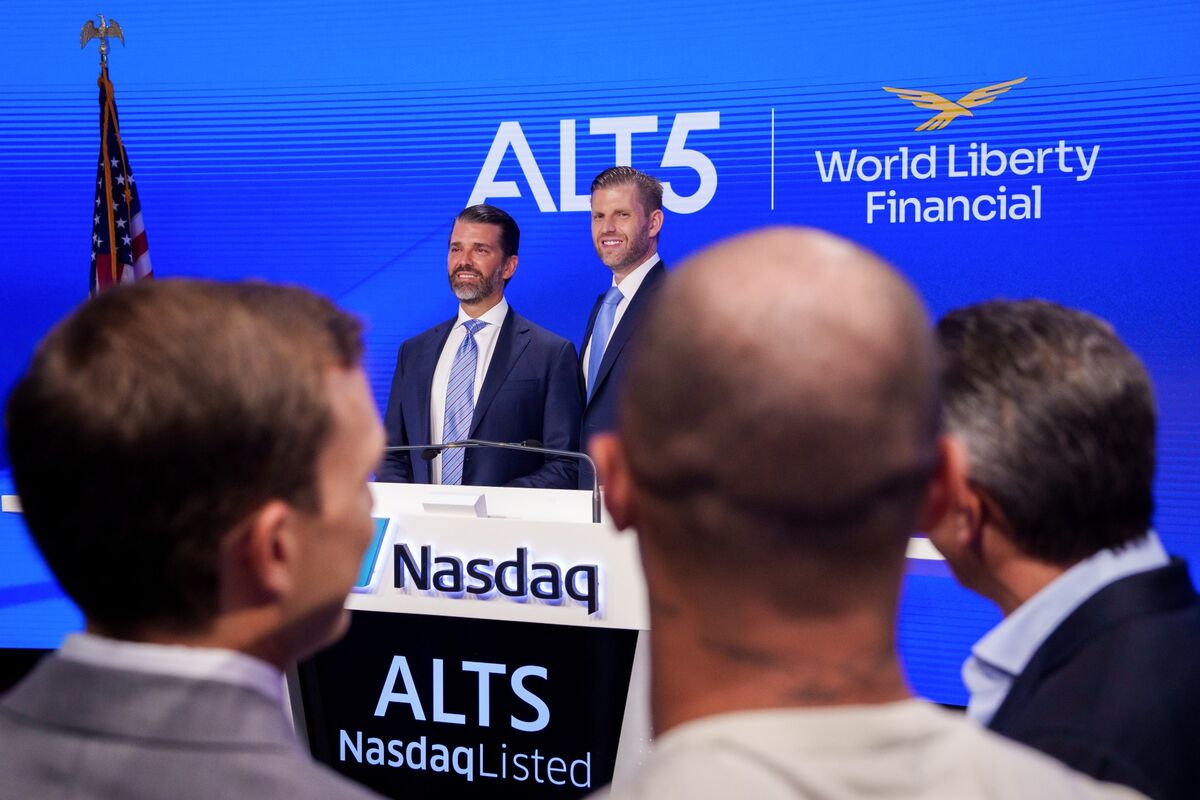
Eric Trump and Donald Trump Jr. marked a significant moment for the Trump family in the financial sector, ringing the Nasdaq opening bell as part of a high-profile $1.5 billion deal. The transaction involved the biotech-turned-crypto payments company Alt5 Sigma Corp. and the Trump-backed World Payment Network, a crypto firm under scrutiny due to its political affiliations. The deal has sparked interest among top financial firms, with Point72 Asset Management and ExodusPoint Capital Management both securing stakes in the venture.

Point72, a prominent hedge fund with a reputation for aggressive trading strategies, has previously invested in various tech-driven industries, but its entry into the crypto space marks a strategic pivot. The firm, led by billionaire Steve Cohen, has long been a major player in hedge funds, with a focus on alternative investments. ExodusPoint, a rising star in the hedge fund world, also moved to acquire a share, further solidifying its presence in the rapidly growing digital assets market.

Alt5 Sigma, originally founded as a biotech company, has undergone a dramatic transformation into a blockchain-powered payment network. With its backing from the Trump family’s business empire, the company has aimed to bridge the gap between cryptocurrency and traditional finance, particularly in the realm of payments processing. This shift has garnered attention from institutional investors and major financial players, eager to tap into the lucrative crypto market.

Both Point72 and ExodusPoint’s moves signal growing institutional interest in crypto-based financial products, which have garnered mixed reactions across the financial world. The cryptocurrency market, often volatile and speculative, remains a space that many traditional investors tread carefully within, though firms like Point72 and ExodusPoint see long-term growth potential.

The involvement of Trump-linked entities, particularly World Payment Network, has added a layer of political intrigue to the deal. World Payment Network, founded in connection with the Trump family’s business operations, has drawn attention for its ties to former President Donald Trump. Critics of the deal have raised concerns over potential conflicts of interest, pointing to the Trump family’s history of leveraging its brand for financial gain. Some worry that the high-profile nature of the Trump name could invite unwanted scrutiny from regulatory bodies, especially in a space already under heavy regulatory pressure.

Despite the controversy, the transaction illustrates the ongoing trend of high-profile figures and firms entering the crypto space, a market known for its innovation but also fraught with risks. In recent months, several hedge funds and institutional investors have increasingly allocated capital into digital assets as they look for high-return opportunities in the wake of traditional financial market fluctuations.

Point72’s foray into crypto comes as no surprise, as Cohen’s fund has long been known for diversifying into new and potentially high-reward areas. However, its involvement with a Trump-backed company adds an interesting layer of complexity, given the family’s polarizing influence on both the financial and political landscapes. ExodusPoint, on the other hand, is still a relatively new player in the hedge fund world, but its rapid growth and aggressive strategies have made it a name to watch. Its decision to back a Trump-linked crypto firm signals its willingness to embrace unconventional investment opportunities.

The crypto payments industry itself is growing rapidly, with companies such as Alt5 Sigma Corp. and World Payment Network at the forefront of bridging the gap between blockchain technology and traditional financial systems. The potential for global expansion and seamless cross-border payments has made blockchain an appealing solution for an industry looking for greater efficiency and security. However, the path forward remains uncertain. Regulatory challenges, particularly in the US, where authorities are seeking to increase oversight on crypto firms, could hamper the growth of companies like Alt5 Sigma.

At the same time, developments in blockchain technology continue to push the envelope for how financial transactions could be conducted in the future. If World Payment Network and its partners can navigate the regulatory hurdles and maintain a level of credibility amid political controversy, they may be well-positioned to capitalize on the growing demand for crypto-based financial services.

SINGAPORE – Media OutReach Newswire – 19 August 2025 – With the demand for accountancy and finance professionals growing amid Singapore’s transition to a digital and sustainable economy, the Institute of Singapore Chartered Accountants (ISCA) today launched a $2 million Career Support Programme to help jobseekers and mid-career individuals pivot confidently into the accountancy profession. Unveiled by Ms Indranee Rajah, Minister in the Prime Minister’s Office, Second […]

China has lifted export restrictions on rare earth minerals and fertilisers to India, easing supply pressures across high-tech, agricultural, and infrastructure sectors. The curbs, linked to national security concerns amid lingering border tensions, were rescinded following high-level diplomacy. Indian supplies of essential rare earth magnets—vital for electronics, renewable energy, and defence manufacturing—along with fertilisers and tunnel-boring equipment, are now poised to increase.

Lines of communication between the two capitals have reopened. During the latest India-China border talks, Chinese officials pledged to address New Delhi’s urgent demands, including expedited access to these items. Rare earth exports to India were previously down by 58 per cent compared to January levels, signalling a serious disruption for industries dependent on these critical inputs.

Manufacturing sectors—spanning automobiles, electronics, renewable energy, and defence—stand to benefit directly. These industries were particularly vulnerable due to India’s heavy reliance on Chinese rare earths and fertilisers; the absence of domestic magnet production compounded the supply gap despite India holding the world’s fifth-largest rare earth reserves.

Officials confirmed that China has begun implementing the export changes, with shipments of fertilisers, rare earth magnets, and tunnel-boring machines already underway. The commitments were made by a visiting Chinese Foreign Minister during discussions with Indian counterparts, setting the stage for smoother deliveries ahead of an upcoming high-level summit.

This trade shift follows months of disruption. Earlier in the year, China imposed stringent licensing requirements and delays on rare earth exports—especially seven heavy rare earth elements—affecting global supply chains. That move had compounded export issues affecting not only India but also manufacturers in Europe and the United States, underlining the strategic importance of rare earth materials.

On the fertiliser front, China had halted exports of specialty fertilisers for several months, causing concern across India’s high-value agriculture sector. Indian agribusinesses endured supply constraints as processes such as inspections and inspections delays were used to restrict deliveries. India responded with a resilient mix of domestic ramp-ups, diversification of import sources, and building strategic stockpiles—mitigation that has now yielded tangible benefits.

Diplomatic analysts interpret China’s decision as a calibrated move toward stabilising bilateral trade, particularly ahead of expected discussions at an international summit. While the easing of restrictions is welcomed, longstanding geopolitical mistrust and unresolved border issues suggest that the normalization remains cautious. This trade reprieve signals a pragmatic shift, but not a full thaw in relations.

India, meanwhile, is accelerating its critical minerals strategy. Domestic initiatives—including exploration incentives, production-linked schemes, and global partnerships—are being fast-tracked to reduce strategic dependencies. The National Critical Mineral Mission, launched earlier this year, continues to mobilise efforts across the supply chain, while overseas resource acquisitions and collaborations are gaining momentum.

The combined platform supports agribusinesses in meeting EU Deforestation Regulation (EUDR) and ESG requirements with end-to-end transparency across key commodities. SINGAPORE – Media OutReach Newswire – 19 August 2025 – Agridence Grp Holdings Pte. Ltd. (“Agridence”), a Singapore-based leader in digital agri-commodity supply chain solutions, announced its acquisition of farmer connect, a European compliance and traceability platform. This acquisition comes alongside Agridence’s newly secured investment, enabling the […]

VISHNU RAJA
RYO YAMADA
HITORI GOTOH
IKUYO KITA