News related to
business

HONG KONG SAR – Media OutReach Newswire – 9 June 2025 – From June 12 to 15, the INTERNATIONAL AUTOMOTIVE&SUPPLY CHAIN EXPO in Hong Kong will host a major international auto show under the theme “New Car, New Journey.” The event will bring automakers, experts and media together showcasing future mobility innovation and trends. At the upcoming exhibition, BAIC Group will present both passenger and commercial lineup, […]

Vietnam is first market in Southeast Asia to embrace Click to Pay, offering unmatched convenience, security, and efficiency in e-commerce transactions. HCMC, VIETNAM – Media OutReach Newswire – 9 June 2025 – Visa, a world leader in digital payments, is introducing its issuer-offered Click to Pay solution to the market. Military Commercial Joint Stock Bank (MB), Vietnam Technological and Commercial Joint Stock Bank (Techcombank), JSC Bank for […]

Apparel Group has marked a significant milestone by launching Go Colors’ inaugural international store at Dubai’s Silicon Central Mall, signalling the brand’s entry into the global retail market. This expansion represents a strategic step for Go Colors, which has established a strong presence in India with its vibrant and affordable fashion offerings. The move aims to capitalise on Dubai’s status as a retail hub, known for its diverse, fashion-conscious clientele and high footfall of international shoppers.

Go Colors is part of the Apparel Group, a leading retail conglomerate that manages over 75 global brands across the Middle East, India, and beyond. The launch in Dubai is designed to leverage the city’s cosmopolitan market, introducing Go Colors’ distinct range of colourful apparel, accessories, and lifestyle products to a broader audience. The brand’s identity revolves around youthful, trendy designs and a commitment to affordable pricing, which has resonated well with the domestic market and is now poised to attract the diverse demographics of Dubai’s shoppers.

Dubai’s Silicon Central Mall, a recently developed retail complex situated in the heart of Dubai Silicon Oasis, was chosen for its strategic location and modern infrastructure. The mall is rapidly emerging as a key destination for technology and lifestyle retail, combining innovation with shopping experiences. This aligns with Go Colors’ dynamic brand ethos and the Apparel Group’s ambition to expand its footprint in premium retail locations. The new store covers approximately 2,000 square feet and features a wide array of products tailored to appeal to men, women, and children, maintaining the brand’s core focus on versatility and style.

The decision to launch Go Colors internationally reflects broader trends in the retail sector, where Indian-origin brands are increasingly seeking growth beyond domestic boundaries. This expansion is facilitated by Dubai’s robust economic framework, ease of doing business, and a strong retail infrastructure that attracts international brands looking to establish a presence in the Middle East. Industry experts note that the Middle East retail market continues to grow steadily, driven by a young population, rising disposable incomes, and a blend of traditional and contemporary shopping preferences.

Go Colors’ entry into the Dubai market comes amid intensifying competition among apparel brands vying for consumer attention in the region. The brand’s strategy focuses on differentiating itself through vibrant colour palettes, frequent new collections, and price accessibility. This approach is expected to attract not only the local UAE residents but also expatriates and tourists, who constitute a significant share of Dubai’s retail consumers. By emphasising a youthful and energetic brand image, Go Colors aims to fill a niche that balances trendy fashion with everyday affordability.

The Apparel Group’s leadership expressed confidence in the growth potential of the new store. The group’s CEO highlighted that the launch represents a blend of innovation, market understanding, and the ability to connect with diverse consumer groups. He underlined the importance of Dubai as a gateway for international expansion and pointed to the group’s extensive experience in managing multiple global brands as a key asset in navigating new markets. The leadership’s vision for Go Colors involves not only store expansion within the UAE but also potential future openings in other strategic locations worldwide.

Operationally, the new store employs a mix of local staff trained in customer engagement and product knowledge, ensuring a high standard of service that aligns with the brand’s values. The layout of the store is designed to offer a seamless shopping experience, combining colourful, eye-catching displays with intuitive product categorisation. This allows customers to easily navigate through seasonal collections, casual wear, and accessories. Additionally, the store integrates digital elements such as QR codes for product information and promotions, reflecting a growing trend towards blending physical and digital retail experiences.

Market analysts observe that the Apparel Group’s expansion strategy is well-timed, considering the growing appetite for fast fashion and lifestyle brands in the Middle East. The region’s retail sector is adapting rapidly to shifts in consumer behaviour, with increased demand for value-oriented yet stylish apparel. Go Colors’ proposition fits into this paradigm by offering fresh designs frequently, thus catering to consumers seeking variety without compromising affordability. This trend is underscored by data indicating increased spending on casual and lifestyle clothing across GCC countries, driven by younger demographics and evolving fashion sensibilities.

While the launch signals optimism, challenges remain for Go Colors as it enters a competitive and sophisticated market. Established international brands and regional players alike have entrenched customer bases, and consumer expectations for quality, trendiness, and service are high. Success will depend on how effectively Go Colors can localise its product offerings, adapt to cultural preferences, and sustain a compelling value proposition. The Apparel Group’s experience in the Middle East retail sector, including managing franchises and original brands, is expected to play a crucial role in mitigating these challenges.

The store opening is also part of a wider retail resurgence in Dubai, as the city continues to attract global investors and shoppers post-pandemic. Retail experts point to increased foot traffic in malls and rising consumer confidence as indicators of a robust recovery. Government initiatives promoting tourism, retail innovation, and business-friendly policies have contributed to this positive environment. For Go Colors, entering this market now could provide early mover advantages as consumer habits stabilise and purchasing power strengthens.

Ethiopia has surged ahead to become Africa’s largest wheat producer, with output surpassing that of Egypt by a factor of three, according to Prime Minister Abiy Ahmed. This achievement marks a significant milestone in Ethiopia’s agricultural sector, underscoring its rising role in continental food security and economic development. Prime Minister Abiy announced this development during a national address, highlighting the government’s concerted efforts to boost domestic wheat […]

Hong Kong’s Hang Seng index climbed past the 24,000 mark, reaching heights unseen since March, fuelled by renewed optimism surrounding US-China trade discussions. Investor sentiment improved as market participants weighed the possibility of easing tensions between the two largest economies, sparking a notable rally in Hong Kong’s benchmark index. However, this upbeat mood contrasted sharply with the performance of Bitcoin, which struggled amid uncertainties over inflation dynamics and broader market volatility.

The Hang Seng’s advance reflected a growing belief that US and Chinese officials are making progress toward resolving key trade disputes. Early talks aimed at addressing tariffs, technology restrictions, and investment barriers have led investors to anticipate a thawing in one of the most consequential economic standoffs globally. The improving trade dialogue appears to be encouraging capital inflows into Hong Kong-listed shares, particularly in sectors sensitive to cross-border trade such as technology, manufacturing, and finance.

Market experts highlight that investor focus remains fixed on the trajectory of these negotiations, with any breakthroughs potentially unlocking significant value in the region’s equities. The rally also aligns with a more cautious but hopeful stance among traders that a prolonged trade conflict could ease, bolstering global economic growth prospects. Notably, blue-chip stocks led the gains, signalling confidence among institutional investors betting on recovery and expansion in the Asia-Pacific markets.

Conversely, Bitcoin’s performance diverged, as the leading cryptocurrency grappled with pressure from both macroeconomic and regulatory fronts. The digital asset has faced downward momentum partly due to investor apprehensions over persistent inflationary pressures in the United States. Inflation data remains a key focal point, as higher consumer prices could prompt the Federal Reserve to sustain or accelerate interest rate hikes, tightening liquidity conditions and dampening risk appetite in speculative assets.

Bitcoin’s volatility has also been compounded by shifting regulatory attitudes worldwide. Authorities in various jurisdictions are intensifying scrutiny of digital currencies, citing concerns over money laundering, market manipulation, and financial stability risks. Such regulatory tightening has contributed to a cautious investor approach, limiting Bitcoin’s ability to capitalize on broader risk-on sentiment seen in equities.

Analysts note that while Bitcoin has often been viewed as a potential inflation hedge, its correlation with traditional risk assets has increased, causing it to react sensitively to shifts in monetary policy and global economic uncertainty. This evolving dynamic challenges the narrative of cryptocurrencies as safe havens, complicating portfolio strategies for institutional and retail investors alike.

The Hang Seng’s rally has benefited from strong performances in technology companies listed in Hong Kong. Giants in the semiconductor and telecommunications sectors saw their share prices rise amid speculation that easing trade tensions could reduce supply chain disruptions and promote cross-border business activities. Additionally, financial stocks gained momentum as optimism grew about improving economic fundamentals and potential credit growth in the region.

Meanwhile, traders are closely monitoring upcoming US inflation reports, which could significantly influence market direction. Persistent inflation could lead the Federal Reserve to maintain a hawkish stance, thereby exerting downward pressure on risk assets including equities and cryptocurrencies. Conversely, signs of easing inflation could provide further impetus for market rallies and reduce volatility.

Hong Kong’s role as a financial gateway between China and the global economy continues to underpin investor confidence. The city’s markets are seen as a barometer for broader regional economic health, and the Hang Seng’s rise signals expectations that cross-border trade and investment flows will stabilise or improve amid diplomatic progress. This optimism is tempered by awareness of ongoing geopolitical risks, including Taiwan tensions and global supply chain uncertainties.

Bitcoin’s challenges underscore the growing complexity of the global investment landscape, where traditional and emerging asset classes are influenced by an intertwined set of economic, regulatory, and geopolitical factors. While the cryptocurrency market remains dynamic, its path forward appears increasingly contingent on external economic conditions rather than solely on technological or adoption milestones.

Dubai has recorded a robust 20 per cent increase in overall student enrolment at private higher education institutions during the 2024–25 academic year, pushing total numbers to an unprecedented 42,026 students across 41 KHDA‑licensed campuses. International student presence surged by 29 per cent, now constituting 35 per cent of the total enrolment, while Emirati participation surged by 22 per cent, signalling growing confidence among nationals in private university offerings. This expansion […]

Arabian Post Staff -Dubai DP World Trade Finance and JPMorgan have struck an alliance designed to improve working capital availability in emerging economies, responding to an estimated global trade finance shortfall of US $2.5 trillion. The partnership combines DP World’s logistics capabilities with JPMorgan’s financial services to distribute risk on trade finance deals, ensuring underserved enterprises can access vital credit. The signature transaction under this collaboration financed a leading food company’s […]

Advertisements

HONG KONG SAR – Media OutReach Newswire – 9 June 2025 – Generali Hong Kong announces the launch of LionAchiever Elite (the “Plan”), a new flagship whole life savings and life insurance plan that offers customers high potential returns¹ with a short 2-year premium payment term, while also providing all-in-one legacy planning. Designed to support both wealth accumulation and legacy planning, the plan empowers customers to achieve […]

HONG KONG SAR – Media OutReach Newswire – 9 June 2025 – The Chinese University of Hong Kong (CUHK) continues to attract exceptional international talent, as demonstrated by the success story of Sansita DEWANI, a second-year Integrated Bachelor of Business Administration (IBBAC) student from India. Her journey highlights CUHK’s growing appeal among South Asian students seeking world-class education in Asia. CUHK full scholarship awardee Sansita DEWANI (second […]

Matein Khalid I had analyzed SpaceX as a potential 10X winner in the Dubai media circa late 2020 when it traded at a mere $46 billion in the private market and even invited a number of close friends in an investor syndicate after sourcing shares from the Founders Fund in San Fran via the secondary market. Shakespear’s Henry V praised the English longbow archers who won him […]

UAE’s car market is undergoing a fundamental shift as lifestyle-driven mobility rises to prominence, reshaping consumer choices from metal to experience. A surge in preference for digitally enabled, subscription-based, and autonomous transportation is aligning with the emirates’ drive for sustainable, high-tech urban living. Automakers and transport authorities are adapting, marking a new era for mobility in the region.

At the forefront is the uptake of connected and autonomous vehicles. A 2024 Astute Analytica report found that the UAE invested US $500 million in autonomous and connected vehicle infrastructure, and government surveys show that nearly 60 per cent of residents are open to self-driving cars once available . Dubai aims for 25 per cent of its transport network to operate autonomously by 2030, while Abu Dhabi is piloting robotaxis under a combined Dubai Roads and Transport Authority and DP World initiative . Chinese mobility pioneer WeRide has commenced fully driverless robotaxi trials in Abu Dhabi and holds significant UAE licences, further cementing the country’s status as a regional testbed .

Parallel to autonomy, digital car buying and subscription services are gaining ground. A global study by Arthur D. Little reports that UAE has the highest percentage worldwide of buyers willing to complete vehicle purchases entirely online, with 53 per cent preferring full digital transactions . It also notes more than half of car buyers intend to purchase hybrid or electric models for their next car . Major brands such as Jaguar‑Land Rover, Audi and Volvo have launched subscription models allowing flexible short‑term access to vehicles, reflecting a deeper shift from ownership to access .

Luxury meets lifestyle in a market defined by adventure and affluence. The UAE’s love for off‑road capable SUVs—icons like Land Rover, Toyota Land Cruiser and Mercedes G‑Class—remains strong, supported by driving culture and desert heritage . At the same time, social media has amplified the aspirational value of high‑performance and bespoke vehicles, prompting services offering vehicle customisation and luxury rentals to expand .

Despite their prestige, sustainable mobility options are advancing steadily. Government plans aim for EVs to account for 10 per cent of all vehicles by 2030; Dubai Electricity and Water Authority intends to install 1,000 public charging points by 2025 . Financial incentives including free parking and toll exemptions support uptake. While less than 15 per cent of buyers currently prefer full battery‑electric vehicles , more than 50 per cent plan to choose hybrid or electric options next .

Shared mobility and micro‑mobility solutions are gaining traction among urban dwellers. The UAE’s ride‑hailing market grew to US $1.3 billion in 2023, and car‑sharing usage surged by 30 per cent to over 200,000 subscribers . Platforms like Careem, ekar and others expand convenient access while supporting sustainability goals .

Pre‑owned and rental markets also reflect shifting lifestyle demands. The luxury car rental segment caters to business travellers and experience‑seeking residents, accounting for over half of regional luxury rentals . Certified pre‑owned programmes and digital platforms make premium vehicles accessible and promote circular economy models .

Industry participants are racing to adapt. Six major dealers—including Al Futtaim Motors and Al Habtoor—control more than 62 per cent of the auto market by offering hybrid and electric models, digital sales funnels, and after‑sales personalisation services . Additionally, more than 80 per cent of UAE and KSA consumers now value in‑car digital services and are willing to share data for personalised experiences .

Strategic foreign investment continues to flow. In 2024, DP World handled a record 1.3 million vehicles, up 53 per cent year‑on‑year. China led automotive investments region‑wide, with 27 projects worth US $8 billion, generating 20,000 jobs . The UAE attracted 145 automotive projects valued at US $22 billion, solidifying its regional industry leadership .

Air mobility is emerging as a bold frontier. Authorities, including the General Civil Aviation Authority and Technology Innovation Institute, are mapping aerial corridors for air taxis and drones with a view to commercial roll‑out by 2026. Vertiports are under construction as Dubai aims to launch urban air taxi operations in early 2026 . Collaborations with global developers such as Volocopter and Joby Aviation underscore UAE’s intent to lead advanced mobility innovation.

Demographic and behavioural trends are shifting expectations. UAE’s younger, tech‑savvy population demands multimodal transport, sustainable choices, and flexible ownership. European research shows Gen Z and millennials prefer compact, shared, and electric vehicles, and lease options tied to services—mirroring emerging patterns in the Emirates . The convergence of digital retail, in‑car connectivity, autonomous capabilities and lifestyle choices is now the defining feature of the market.

That convergence gives rise to dynamic policy alignment and infrastructure development. Dubai’s Autonomous Transportation Strategy ambitions to ease congestion and strengthen economic diversification, while public‑private partnerships are building the ecosystem for AI‑enabled transport .

The transformation is clear: the UAE auto sector is evolving from a conventional showroom‑focused industry to an experiential mobility ecosystem. Consumers expect seamless digital transactions, autonomous options, flexible subscriptions, and elevated experiences. Governments and businesses are aligning investment and strategy to meet these expectations, fusing luxury with sustainability, and individual desire with urban resilience.

As the 2030 horizon approaches, next‑generation mobility is no longer an aspiration but a reality rolling on UAE roads, in the air, and on digital platforms—heralding a new age for the Gulf’s automotive narrative.


Top trade officials from the United States and China are set to meet in London on Monday, 9 June, in a bid to ease escalating tensions over tariffs, technology transfers, and critical mineral exports. The announcement follows a 90-minute phone call between President Donald Trump and President Xi Jinping, during which both leaders agreed to resume dialogue and expressed cautious optimism about resolving key disputes. Leading the […]

Maein Khalid Since the pandemic, IPO activity across GCC capital markets has surged – offering a sharp contrast to the stop-start pace on New York’s Nasdaq and the near standstill on London’s LSE. Nearly 300 IPOs have raised around $50 billion across the Gulf since 2021. Below I outline six key macro themes shaping this post-Covid IPO boom in the GCC. First, contrary to expectations, the number, […]

WASHINGTON D.C, US – Media OutReach Newswire – 7 June 2025 – Vietnam’s Minister of Agriculture and Environment Do Duc Duy led a delegation of nearly 50 agencies, agribusinesses, and associations to the United States from June 2–6, 2025, to promote trade and increase imports of agricultural and timber products. The delegation held business dialogues in Iowa, Ohio, Maryland and Washington, D.C. MoU signing to purchase US […]

The Ritz-Carlton’s first Australian venture, situated in Perth’s Elizabeth Quay, has redefined luxury accommodation in the city since its inauguration on 15 November 2019. Occupying a prime waterfront location along the Swan River, the hotel offers panoramic views of the city skyline, river, and urban parks through its floor-to-ceiling windows. The 205 elegantly appointed guest rooms and suites are designed to provide a seamless blend of comfort and sophistication .

The hotel’s architecture and interior design pay homage to Western Australia’s natural beauty. Notably, the grand lobby features over 10,000 pieces of Kimberley sandstone, evoking the feeling of traversing the Karijini Gorges . Art installations, sculptures, and paintings by local artists adorn the public spaces, suites, and The Ritz-Carlton Club Lounge, reflecting the region’s rich cultural heritage .

Culinary experiences at The Ritz-Carlton, Perth are anchored by the Hearth Restaurant and Lounge, which showcases the best of Australia’s bounty through flame-grilled preparations. Menus are presented with a map detailing the sourcing of ingredients, offering guests an immersive dining experience . The Songbird Bar & Lounge, the hotel’s rooftop venue, provides an ideal setting to enjoy Western Australia’s stunning sunsets, complemented by a selection of avian-inspired cocktails .

Guest reviews consistently highlight the hotel’s exceptional service and amenities. The rooftop infinity pool and spa offer a tranquil retreat, while the gym and wellness facilities cater to fitness enthusiasts . The hotel’s central location in Elizabeth Quay ensures easy access to Perth’s attractions, making it a preferred choice for both business and leisure travelers .

DP World Trade Finance and JP Morgan have entered into a strategic partnership aimed at enhancing access to working capital in emerging markets. This collaboration seeks to address the estimated $2.5 trillion global trade finance gap that disproportionately affects small and medium-sized enterprises in developing economies.

The alliance’s inaugural transaction facilitated the procurement of cocoa from Ivory Coast by a leading global food company, unlocking over $70 million in annual procurement opportunities. This deal not only provided significant value to the Ivorian economy but also demonstrated the potential of combining logistics and financial services to mitigate credit risks in supply chains.

Raj Jit Singh Wallia, Board Member at DP World Trade Finance, emphasized the importance of integrating logistics and finance to reduce credit risk profiles and enhance liquidity in emerging markets. He noted that this transaction is one of many anticipated through the partnership, especially as trade expands in regions like Central Asia and Sub-Saharan Africa.

James Fraser, Global Head of Trade & Working Capital at JP Morgan, highlighted the bank’s commitment to supporting global trade through innovative financing solutions. He expressed enthusiasm about working together to broaden access to structured trade finance in pivotal markets via innovative financial frameworks.

The partnership aims to leverage risk-sharing mechanisms and combine them with logistics expertise to reduce the overall credit risk profile, thereby enhancing liquidity in markets where traditional lenders are hesitant due to limited credit data. By co-managing trade finance transactions, DP World and JP Morgan intend to provide more inclusive trade participation opportunities for businesses in developing economies.

Willem Blijdorp initially set his sights on a career in tourism. From 1970 to 1975, he studied at the Hotel Management School in Maastricht, the Netherlands. However, upon graduation, he chose an unexpected path. He decided to become the organizer of the now-legendary ‘Butterfahrten’. This marked the beginning of an entrepreneurial journey that continues to this day. The Butterfahrt Concept During a business trip to Germany, Blijdorp was […]

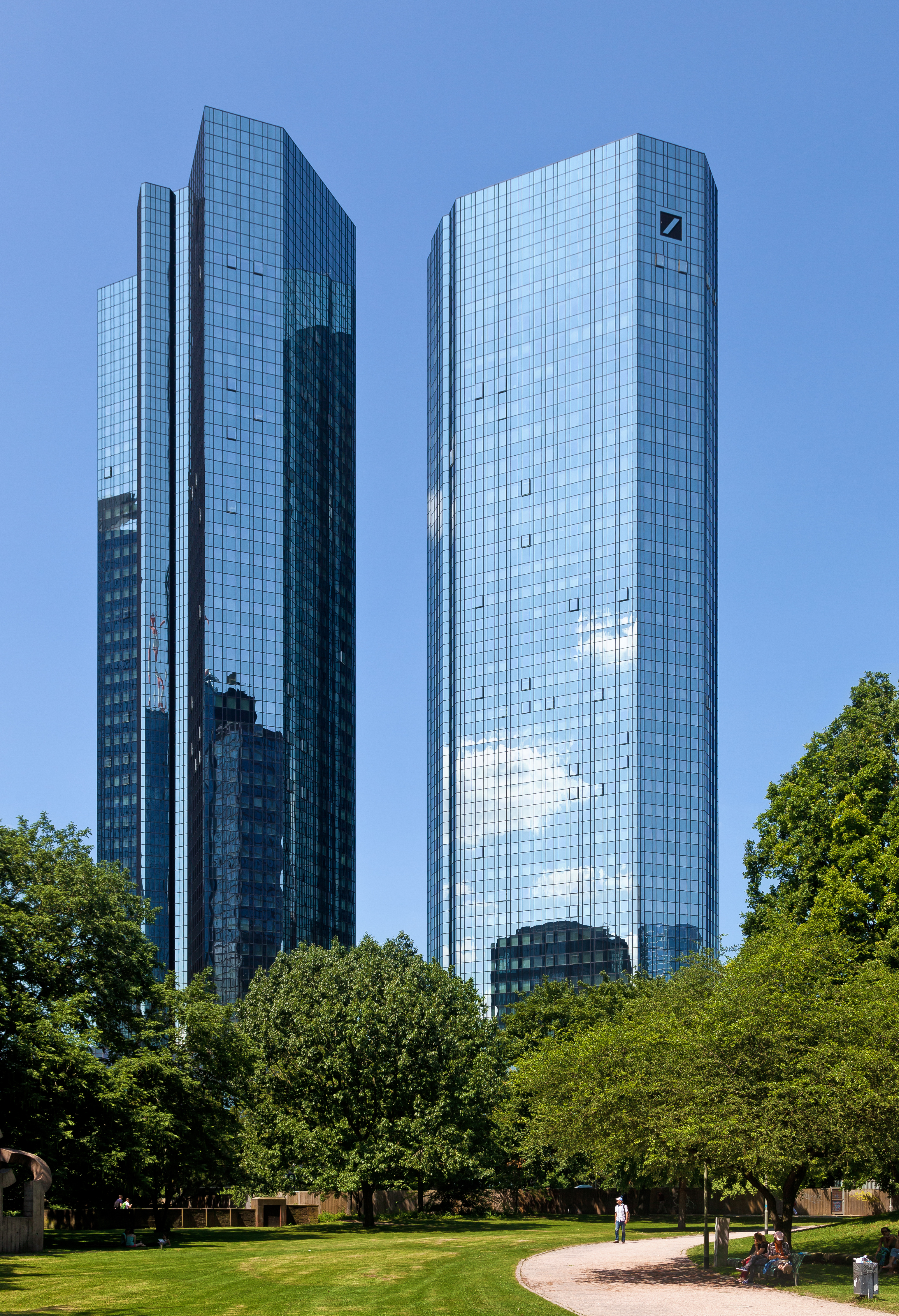
Deutsche Bank is actively assessing the viability of stablecoins and tokenized deposits, signalling a strategic shift towards digital finance. Sabih Behzad, the bank’s Head of Digital Assets and Currencies Transformation, confirmed that the institution is considering issuing its own stablecoin or participating in a broader industry initiative.

This exploration aligns with the bank’s broader efforts to modernize its payment systems and embrace blockchain technology. Behzad noted the increasing momentum of stablecoins, particularly within regulatory environments that are becoming more supportive, especially in the United States. He outlined that banks have various options in engaging with the stablecoin industry, ranging from acting as reserve managers to issuing their own stablecoins, either independently or as part of a consortium.

In addition to stablecoins, Deutsche Bank is delving into tokenized deposit solutions aimed at enhancing payment use cases. These solutions involve digitizing traditional bank deposits using blockchain technology, potentially streamlining transactions and reducing costs. The bank has already conducted experiments in this domain, collaborating with UBS to simulate tokenized deposit payments. These trials utilized the Bundesbank’s Trigger Solution, enabling blockchain-based systems to link to the central bank’s payment infrastructure, facilitating seamless interbank settlements.

Deutsche Bank’s initiatives are part of a broader industry trend toward embracing digital assets and blockchain technology. The bank is participating in various projects, including Project Agorá, which aims to improve cross-border payments using tokenized assets. These efforts reflect a growing recognition among financial institutions of the potential benefits of digital currencies and tokenization in enhancing efficiency and creating new business models.

The bank’s exploration of stablecoins and tokenized deposits also coincides with evolving regulatory landscapes. In the European Union, the Markets in Crypto-Assets regulation is shaping the framework for digital assets, while in the United States, proposed legislation like the STABLE Act and the GENIUS Act are focusing on transparency, fully backed reserves, and anti-money laundering compliance. These regulatory developments are influencing how banks approach digital currencies and related technologies.

Behzad emphasized the importance of a comprehensive approach to digital asset integration, highlighting the need for robust infrastructure encompassing issuance, trading, settlement, and custody. He pointed out that while tokenization offers significant opportunities, successful adoption requires 24/7 operations and advanced risk management, leveraging programmability and composability for maximum potential.

Vietnam’s Vingroup and Gulf states are both rewriting their growth playbooks through state-led sustainability drives, forging a parallel transformation from legacy empires into green innovation hubs. HANOI, VIETNAM – Media OutReach Newswire – 6 June 2025 – Vietnam’s Vingroup and Gulf nations share parallel journeys of strategic reinvention, as the old playbooks that delivered decades of growth are showing their limits. While Gulf countries built wealth on […]

Major technology companies are exploring stablecoin integration to reduce transaction fees and enhance global payment efficiency, signaling a potential shift in the digital payments landscape.

Apple is reportedly in discussions with Circle, the issuer of the USDC stablecoin, to explore potential integration of stablecoin payments into its ecosystem. This move could enable seamless, tap-to-pay transactions using USDC on Apple devices, leveraging the company’s recent decision to open its NFC technology to third-party developers. Such integration would allow users to conduct transactions without relying on traditional banking intermediaries, potentially reducing costs and increasing transaction speed.

Airbnb is collaborating with Worldpay to explore stablecoin payouts, aiming to mitigate the high fees associated with Visa and Mastercard transactions. By integrating stablecoin payments, Airbnb seeks to offer a more cost-effective and efficient payment solution for its global user base. Worldpay’s partnership with stablecoin infrastructure startup BVNK further supports this initiative, enabling businesses to make payouts using stablecoins without the need to handle digital assets directly.

X, formerly known as Twitter, is developing its payments platform, X Money, which is set to launch later this year. The platform will feature Visa as its first partner, enabling secure and instant funding to users’ X Wallets via Visa Direct. X Money has obtained money transmitter licenses in 41 US states and is banking with Citibank, with agreements with Stripe and Adyen. The integration of stablecoin payments into X Money could offer users a seamless and efficient payment experience, aligning with Elon Musk’s vision of transforming X into an “everything app.”

Google Cloud has already taken steps toward stablecoin integration by supporting PayPal’s PYUSD on its Web3 Faucet. This initiative allows developers to access testnet PYUSD on Ethereum and Solana, facilitating the development and testing of applications that utilize stablecoin payments. By providing these tools, Google Cloud aims to support the growth of Web3 applications and the broader adoption of stablecoins in digital commerce.

By Anjan Roy The new governor of the Reserve Bank, Sanjay Malhotra, has taken to monetary policy formulation and the world of finance like fish to water. Within a short period of his taking over, Malhotra has got into his charge with a refreshing confidence. RBI’s monetary policy, announced on Friday June 6, is surprisingly […]

Startups across India are increasingly turning to non-dilutive funding options to secure capital while retaining full ownership and control. This shift is driven by a desire to avoid the equity dilution often associated with traditional venture capital, especially amid fluctuating valuations and heightened investor scrutiny. Non-dilutive funding encompasses various financial instruments, including venture debt, revenue-based financing, and government grants. These options provide startups with the necessary capital […]

HONG KONG SAR – Media OutReach Newswire – 5 May 2025 – As artificial intelligence (AI) and mobile technology rapidly reshape the digital landscape, the online behaviors and media consumption habits of Hong Kong consumers are evolving at an unprecedented pace. According to the latest 《Digital 2025: Hong Kong》report, local internet penetration has reached 96%, while mobile device adoption has soared to 235%. Consuming video content and […]

The manufacturing landscape in India is undergoing a profound transformation as nearly all major players invest heavily in artificial intelligence and machine learning technologies. This shift reflects a strategic focus on boosting operational efficiency, driving business impact, and advancing sustainability goals. An extensive survey by Rockwell Automation reveals that Indian manufacturers are rapidly adopting AI and ML to remain competitive in a global marketplace increasingly dominated by digital innovation.

Manufacturers across India are leveraging AI and ML to optimise production processes, reduce costs, and enhance product quality. The integration of these technologies into factory operations enables predictive maintenance, real-time monitoring, and automation of complex tasks. This leads to minimising downtime, improving yield, and accelerating time-to-market. Industrial leaders cite AI and ML as essential tools for unlocking value amid rising raw material prices and supply chain uncertainties.

The adoption rates in India closely mirror global trends but stand out for the intensity of focus on sustainability. AI-driven analytics allow manufacturers to significantly cut energy consumption and waste, contributing to environmental goals aligned with international standards and India’s own climate commitments. Companies are deploying smart sensors and AI algorithms to monitor emissions and optimise resource use, which is crucial as regulatory pressures tighten and consumer expectations evolve.

Executives in India report that their investment in AI and ML technologies is yielding measurable returns. Data from the Rockwell Automation survey indicates that over 90% of respondents observe improved operational performance attributable to these digital initiatives. Furthermore, nearly three-quarters affirm that their AI-driven strategies have enhanced decision-making speed and accuracy, facilitating quicker responses to market demands and disruptions.

The Indian government’s push to encourage digital adoption in manufacturing, through initiatives such as ‘Make in India’ and the National Strategy on AI, complements corporate efforts. Policy frameworks supporting Industry 4.0 advancements, including financial incentives and infrastructure development, have accelerated the uptake of AI and ML technologies. This alignment between public policy and private sector ambition has created a fertile environment for innovation in the manufacturing ecosystem.

Several sectors within Indian manufacturing stand to benefit disproportionately from AI and ML integration. Automotive, pharmaceuticals, and consumer goods producers are early adopters, capitalising on AI’s ability to optimise supply chains, enhance product customisation, and improve quality control. For example, AI algorithms can predict demand patterns more accurately, enabling just-in-time inventory management that reduces excess stock and associated costs.

While enthusiasm for AI and ML is high, manufacturers face challenges in implementation. Shortages of skilled personnel who can develop and maintain AI systems are common, necessitating investment in workforce training and collaboration with technology providers. Cybersecurity remains a critical concern, as increased digital connectivity opens potential vulnerabilities. Firms are therefore balancing rapid technology deployment with robust risk management strategies to safeguard intellectual property and operational integrity.

The evolving role of AI and ML in manufacturing also raises questions about labour dynamics. Automation driven by these technologies has the potential to displace routine manual jobs but also creates opportunities for higher-skilled employment in areas such as data science, system maintenance, and process optimisation. Industry leaders emphasise the need for reskilling initiatives to ensure the workforce adapts to the demands of a more digitally integrated manufacturing sector.

Investors and technology companies are taking notice of India’s growing appetite for AI and ML in manufacturing. Partnerships between domestic manufacturers and global tech firms are expanding, bringing access to advanced AI platforms and expertise. Indian startups specialising in industrial AI solutions are gaining traction, offering innovative products tailored to the unique challenges of Indian factories, such as managing variable power supply and legacy equipment integration.

The emphasis on sustainability powered by AI is gaining traction beyond regulatory compliance. Indian manufacturers recognise that eco-friendly operations can enhance brand value and meet the expectations of increasingly conscious consumers worldwide. Technologies that track carbon footprints, water usage, and waste generation help firms align with global environmental, social, and governance criteria, which are becoming decisive factors for international trade and investment.

As AI and ML technologies mature, their influence on Indian manufacturing’s competitive edge is expected to deepen. Automation of routine tasks frees human workers to focus on innovation and complex problem-solving, potentially accelerating product development cycles and enabling mass customisation. Real-time data analytics empower firms to respond nimbly to market fluctuations and supply chain disruptions, a critical advantage amid ongoing geopolitical and economic uncertainties.

VISHNU RAJA
RYO YAMADA
HITORI GOTOH
IKUYO KITA