Just in:
Govt opposes Arlekar’s PSC action // Cloudflare unveils Zero Wire vulnerability intelligence service // Pinarayi faults UDF over mounting road crashes // U.S. Mid Term Result Is A Clear Verdict Against Trump’s Authoritarianism // Middle East governments assess Iran war after US vote // BJP’s Aggressive Response Exposes Anxiety Over Opposition Unity // Emirates Group records AED 4.1 billion half-year profit // After Reaching 7 Million Users in the Philippines, Skyro Launches Transparent Cash Loans in Malaysia // Cyberport Venture & Capital Forum 2026 Grand Opening // Vance attributes Republican midterm defeats to Iran conflict // Arrow Electronics showcases technologies advancing intelligent robotics, mobility and digital infrastructure // Oil and chip shares retreat after Democratic victories // Fast Just Got Fastest: STING Energy Boost™ Celebrates Kimi Antonelli’s Formula 1® World Championship and the Fan Energy Behind It // As AI Reshapes Education, Singapore Convenes Global Dialogue on the Future of Early Childhood Education // SC to examine students’ exam plea today // Dubai boat show confirms international shipyard line-up for November // Burying Head In “India Made Poverty Reduction” Data Is Dangerous // Asia Left Behind: Ten international companies have yet to report delivering on their cage-free egg pledges across the region // Meraas showcases five residential zones at Dubai Design Week // Ta’ziz finalises $1.39bn funding for Ruwais industrial facilities //

News related to
data

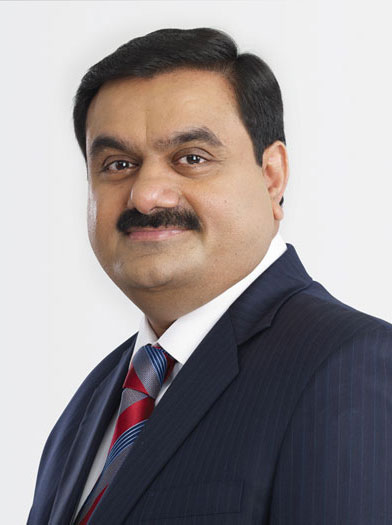
Billionaire Gautam Adani, head of the Adani Group, is under investigation in the United States for alleged involvement in a multibillion-dollar bribery scheme. U.S. authorities have indicted the mogul, accusing him of orchestrating fraudulent activities tied to his global business empire. This investigation has already led to the cancellation of a major bond deal, further compounding the challenges for Adani, whose conglomerate had faced mounting scrutiny over financial practices and corporate governance in recent years. The charges are part of an ongoing effort by U.S. regulators to target global corruption networks with cross-border implications.

The controversy surrounding Adani has sparked international concern, with the group’s complex web of operations spanning multiple sectors, including infrastructure, energy, and logistics. In light of the charges, the financial community has reacted swiftly, with investors and stakeholders reassessing the risks involved in partnering with the Adani Group. Additionally, the cancellation of the bond deal highlights the growing caution among international financiers in relation to the conglomerate’s financial stability.

Authorities are examining multiple aspects of the group’s operations, particularly those involving alleged illicit financial transactions. The investigation centers on whether Adani, along with other key figures within his organization, utilized corrupt practices to secure key business deals across the globe. These actions, if proven, would violate both U.S. anti-bribery laws and international standards of corporate conduct.

OPPO Find X8 and Find X8 Pro launched in global markets Find X8 Series delivers ultra-grade cameras, performance and battery life ColorOS 15 debuts on Find X8 Series with cutting-edge OPPO AI JAKARTA, INDONESIA – Media OutReach Newswire – 21 November 2024 – OPPO, the world’s leading smart device brand, today announced the global availability of its Find X8 and Find X8 Pro flagship smartphones. Each delivers […]

Source – Patreon

Bithumb, South Korea’s second-largest cryptocurrency exchange, is set to launch trading for TONCOIN (TON) and METIS (METIS) in Korean won (KRW) on November 21 at 8 p.m. KST. This move is anticipated to attract increased interest from both local and international investors, further positioning the platform as a key player in the region’s digital asset market.

The decision to list these two cryptocurrencies comes at a time of growing adoption and interest in the global crypto space. TONCOIN, a blockchain originally developed by the Telegram team, has gained considerable traction since its inception, while METIS, known for its Ethereum Layer 2 scaling solution, has also secured a loyal following for its efficiency and reduced transaction fees. By adding these coins to its roster, Bithumb hopes to cater to the increasing demand for both established and emerging crypto assets.

TONCOIN’s potential is rooted in its association with Telegram, one of the most popular messaging apps worldwide. The coin has carved out a niche by leveraging Telegram’s massive user base, with users able to use TONCOIN for a variety of decentralized applications (dApps) and services. As Telegram has faced regulatory hurdles in various markets, the coin has emerged as a decentralized alternative, gaining adoption both in the consumer space and by developers building on its blockchain.

On the other hand, METIS has been gaining attention due to its focus on improving the scalability and cost-efficiency of the Ethereum network. As the Ethereum blockchain faces growing network congestion and high gas fees, METIS offers an alternative by enabling faster, cheaper transactions without sacrificing the security that Ethereum provides. This scaling solution has attracted several projects, making METIS a strong contender in the Layer 2 space.

Bithumb’s decision to list both coins follows the growing trend of exchanges expanding their offerings to cater to investor demands for more diverse assets. The exchange, which handles a significant portion of South Korea’s cryptocurrency trading volume, has previously listed various popular coins, including Bitcoin, Ethereum, and Ripple, but the addition of TONCOIN and METIS signals its strategy to embrace more specialized cryptocurrencies that have garnered international interest.

The announcement was met with positive feedback from both the investor community and developers in the crypto space. TONCOIN’s supporters believe that the coin’s listing on Bithumb will help further its acceptance and adoption, particularly in South Korea, a country known for its tech-savvy population and strong interest in digital assets. Meanwhile, METIS proponents see the listing as a validation of their efforts to improve Ethereum’s scalability, a key issue for the network as it continues to expand.

The timing of the listing could also be significant given the evolving regulatory environment surrounding cryptocurrencies. South Korea has historically taken a cautious approach to crypto regulation, balancing innovation with consumer protection. The government has taken steps in recent years to tighten its grip on the sector, but has also indicated its willingness to support blockchain and cryptocurrency development. The introduction of TONCOIN and METIS trading on a major exchange like Bithumb comes at a time when South Korea is looking to position itself as a regional leader in the crypto and blockchain industries.

This development also underscores the ongoing importance of Korean won (KRW) trading pairs in the broader cryptocurrency market. As one of the leading fiat currencies in the crypto world, the South Korean won is often used as a reference point for cryptocurrency pricing in the Asian market. The availability of TONCOIN and METIS for KRW trading provides local investors with an accessible way to participate in the growing blockchain ecosystem, especially for those who may not have exposure to international exchanges or prefer to trade in their local currency.

Despite the positive outlook, some analysts caution that the ongoing volatility of the cryptocurrency market means that the success of these listings will depend heavily on market conditions. The global crypto market has experienced significant fluctuations in recent months, with both Bitcoin and Ethereum facing substantial price corrections. Therefore, while the listing of TONCOIN and METIS could attract short-term interest, the long-term viability of these coins will largely depend on broader market trends and the ongoing development of their respective blockchain ecosystems.

Nevertheless, Bithumb’s strategic move aligns with the growing demand for diverse cryptocurrency options and the need for exchanges to stay ahead of emerging trends in the industry. With more investors seeking alternative assets outside of traditional financial markets, the exchange’s decision to list TONCOIN and METIS could enhance its competitive edge in the dynamic and rapidly evolving crypto market.

Bitcoin surged to a new all-time high, surpassing the $97,600 mark, triggering a wave of liquidations worth over $450 million. The spike in value led to the forced closure of significant positions, with $270 million tied to long positions and $180 million to short positions. The volatility underscores the market’s highly reactive nature, as sudden price movements continue to fuel liquidations among traders.

The record-breaking surge in Bitcoin’s value occurred during a period of increased market optimism, with institutional interest and retail participation driving demand. This surge was also influenced by favorable macroeconomic factors, including speculation around potential future regulations and the growing acceptance of Bitcoin as a store of value. Investors and traders alike reacted strongly, as evidenced by the liquidation totals, further highlighting the level of leverage employed in the market.

Bitcoin’s rise above $97,600 marks a major milestone in the cryptocurrency’s price history, surpassing its previous record of $69,000 set in late 2021. This growth came after several months of volatility, in which the digital asset fluctuated widely due to macroeconomic uncertainties, regulatory concerns, and evolving market sentiment. However, despite these fluctuations, Bitcoin has managed to maintain its position as the leading cryptocurrency, with many analysts now predicting a continuation of its bullish trajectory.

The dynamics of cryptocurrency trading, particularly in leveraged positions, play a crucial role in these rapid price movements. Leverage amplifies both gains and losses, leading to a cascade of liquidations when prices swing sharply. The forced selling during Bitcoin’s price ascent is a direct result of traders being unable to meet the margin calls on their leveraged positions, causing automatic closures of both long and short positions.

A closer look at the figures reveals a substantial divide in the liquidations between long and short positions. The majority of the liquidated positions were long trades, valued at approximately $270 million. This reflects the high level of optimism among investors, with many betting that Bitcoin would continue to rise. On the other hand, the $180 million worth of short positions that were liquidated underscores the significant bearish sentiment that existed prior to the rally, as traders who had placed bets on Bitcoin’s decline were forced to close their positions as prices soared.

The liquidity impact extends beyond individual traders. The liquidations also contribute to heightened market volatility, as the closure of large positions can further drive price swings. This feedback loop is a common feature of markets that involve high levels of speculation and leverage, where short squeezes and long squeezes can exacerbate price movements. Such events, while often triggering short-term panic, have the potential to reshape market sentiment and influence future price expectations.

While liquidations are a natural part of the trading cycle, they can have a cascading effect on market participants and broader market trends. Many traders, especially those involved in high-leverage positions, face significant risk when price movements are unpredictable. Despite the allure of large potential returns, the risks associated with trading on margin are substantial, as demonstrated by the liquidation figures.

For Bitcoin and other cryptocurrencies, this volatility is not only a feature of the market but a driving force behind its evolution. As institutional participation increases and market infrastructure improves, there is a growing focus on the stability and regulation of the crypto space. However, the wild price swings that result from speculative trading remain a defining characteristic of the market.

This record-breaking price surge also highlights the ongoing evolution of the digital asset landscape. The acceptance of Bitcoin by institutional investors and large corporations has increased, with more prominent financial institutions entering the space. This institutional participation is seen by some as a validation of Bitcoin’s status as a legitimate financial asset, further fueling its upward trajectory. However, the same institutions are also grappling with the risks associated with the volatile nature of the market.

The Bitcoin rally is reflective of broader trends in the cryptocurrency industry. The increase in Bitcoin’s value comes alongside the rise of other digital assets, such as Ethereum and various altcoins. While Bitcoin remains the dominant cryptocurrency by market capitalization, the overall market for digital assets has grown substantially, with a growing number of investors looking to diversify their portfolios beyond traditional stocks and bonds.

As the digital asset market continues to mature, the balance between speculation and institutional involvement will likely determine the long-term sustainability of these price movements. While Bitcoin’s new all-time high is a significant achievement, the liquidations serve as a reminder of the risks involved in trading digital currencies. Traders and investors alike must remain mindful of the potential for sudden price shifts that can result in substantial financial losses.


SINGAPORE – Media OutReach Newswire – 21 November 2024 – Aon plc (NYSE: AON), a leading global professional services firm, today appointed Magnus Roe as global chief data and analytics officer. This appointment is part of the firm’s strategy to advance its commercial solutions with analytical capabilities and empower clients to make better decisions. Magnus Roe Roe will be based in Singapore, Aon’s global analytics hub, and […]

A new study by Salesforce underscores the growing importance of AI agents in restoring consumer trust, revealing significant opportunities for brands to regain loyalty through transparency and personalization. According to the research, nearly 60% of consumers express concerns about how businesses handle their personal data, highlighting a crucial area for improvement in building stronger relationships. The study finds that companies investing in AI-powered customer service and communication […]

Advertisements

EdgeNebula, an innovative player in the data center sector, is setting a new benchmark for facility transformation by converting underutilized or abandoned spaces into state-of-the-art AI data centers in a mere two months. This rapid turnaround is part of the company’s strategic vision to address the surging demand for artificial intelligence infrastructure and data processing capabilities. With over a century of combined experience in the field, EdgeNebula’s […]

Former U.S. congressman Pete Hoekstra has been nominated by President Donald Trump to serve as the next U.S. Ambassador to Canada. Hoekstra, who represented Michigan’s 2nd Congressional District from 1993 to 2011, has a long history of involvement in both politics and national security. His nomination is expected to further solidify the U.S.-Canada relationship, although it also raises questions about his qualifications for the diplomatic post. Hoekstra’s […]

Supervive, a hybrid of Multiplayer Online Battle Arena (MOBA) and battle royale genres, has officially launched into early access, following an overwhelmingly positive response to its recent Steam demo. The game, which blends fast-paced MOBA elements with the tactical survival intensity of battle royale, quickly attracted attention for its unique gameplay and engaging mechanics, carving out a significant niche within the competitive gaming landscape. The early access […]

Cologix, a leading provider of network-neutral interconnection and hyperscale edge data centers across North America, has announced a $7 billion investment to build an advanced AI-ready data center campus in Central Ohio. This major development marks a significant step toward enhancing the region’s digital infrastructure, catering to the rising demand for high-performance computing needed by artificial intelligence (AI) technologies.

The company plans to establish the expansive campus near Johnstown, Ohio, strategically positioning it within the region’s burgeoning tech ecosystem. The decision to invest in this project comes at a time when the demand for AI services, cloud computing, and data storage is reaching unprecedented levels. According to Cologix, the facility will be designed to meet the growing needs of businesses operating at the forefront of digital transformation, including AI-driven enterprises.

A key element of the investment will be the development of state-of-the-art data center facilities capable of handling vast amounts of computational power. The campus will feature cutting-edge infrastructure, including high-density compute facilities, advanced cooling solutions, and secure power systems to support AI applications. As AI technologies demand more robust and efficient computing resources, the facility is expected to become a vital component of the region’s technological landscape.

Cologix’s decision to choose Central Ohio as the site for its new AI-ready data center campus comes amidst a broader push by the state to foster its tech industry. The Ohio government has been actively working to attract technology investments, with initiatives aimed at developing infrastructure to support the evolving needs of the digital economy. Cologix’s project aligns with these efforts, positioning Ohio as a key player in the nation’s rapidly expanding tech ecosystem.

The new facility will cater to the needs of a wide range of industries, from cloud service providers to content delivery networks and enterprise customers who are increasingly adopting AI solutions. This includes the growing demand for infrastructure that can support machine learning, large-scale data processing, and the development of sophisticated AI models. The move also supports the broader trend of tech companies seeking to establish AI-optimized environments to accelerate their research and development efforts.

The data center campus will be designed with scalability in mind, allowing for rapid expansion as demand for AI infrastructure continues to rise. This forward-thinking approach is particularly important in the context of AI’s rapid evolution, which requires facilities that can accommodate new technological advancements and the increasing computational requirements of AI models. Cologix’s investment is seen as a response to these trends, signaling the company’s commitment to providing cutting-edge infrastructure for AI-driven enterprises.

The Ohio campus is also expected to bring significant economic benefits to the local community. The development of the data center will create thousands of construction jobs in the short term, followed by long-term employment opportunities once the facility is operational. The presence of a major tech infrastructure hub in the region could also spur additional investments in the local economy, particularly in related sectors such as telecommunications, cybersecurity, and AI research.

Cologix has been expanding its presence across North America, with a focus on providing interconnection services that enable seamless communication between networks, cloud platforms, and other digital infrastructure. The company’s data centers are known for their reliability, security, and scalability, making them ideal for hosting AI applications that demand high levels of performance and uptime.

AI is increasingly seen as a transformative force across industries, driving innovations in healthcare, finance, logistics, and beyond. As businesses continue to integrate AI into their operations, the need for specialized data center facilities that can support these technologies will only grow. Cologix’s investment in Ohio reflects this demand, positioning the company as a key player in the development of AI-optimized infrastructure.

The $7 billion investment also reflects Cologix’s commitment to sustainability, with the company emphasizing its plans to incorporate green energy solutions and environmentally friendly practices into the design and operation of the new data center. This commitment to sustainability aligns with broader trends in the tech industry, where companies are under increasing pressure to reduce their environmental impact while maintaining the high levels of performance required by AI applications.

The U.S. Securities and Exchange Commission (SEC) has announced the distribution of $4.6 million to investors affected by the defunct cryptocurrency startup BitClave. This move follows a long-running investigation into the company, which had been accused of conducting an unregistered securities offering. BitClave’s initial coin offering (ICO), launched in 2017, promised investors a platform for decentralized search and advertising but was marred by allegations of fraud and mismanagement.

BitClave’s ICO raised approximately $25 million by selling its tokens, but the company later faced mounting legal issues and regulatory scrutiny. The SEC’s intervention has been pivotal in bringing some relief to investors, many of whom had seen their investments evaporate as the project faltered and ultimately shut down. The decision to return funds comes after a protracted legal process, which concluded that BitClave’s token sale violated federal securities laws.

As part of the SEC’s ongoing efforts to regulate the rapidly expanding cryptocurrency industry, the agency emphasized the importance of protecting retail investors from deceptive and illegal practices. The recovery of funds for BitClave investors is a rare but significant instance of the SEC securing financial restitution for affected parties in the realm of digital assets.

The funds, along with interest, will be distributed to those who invested in BitClave’s ICO. Investors are expected to receive compensation as part of a settlement that has been finalized by the SEC, marking an important step in holding cryptocurrency companies accountable for their actions. This distribution is seen as a win for investors who were left holding assets that became worthless following BitClave’s collapse.

The SEC’s action against BitClave reflects broader efforts to tighten oversight in the cryptocurrency sector. As digital currencies and blockchain-based startups proliferate, regulators have been grappling with how to classify and monitor ICOs, tokens, and the broader ecosystem to ensure compliance with securities laws. The BitClave case serves as a reminder of the risks involved in cryptocurrency investments, particularly in projects lacking regulatory oversight.

Saudi Aramco, the world’s largest oil company, is advancing its debt strategy, seeking to optimize financial resources while prioritizing consistent dividend payouts to its shareholders. This strategy aligns with the company’s broader goals to remain resilient in the face of global energy market fluctuations and economic challenges.

Aramco’s approach comes at a time when global oil markets are in a state of volatility, driven by geopolitical tensions, supply chain disruptions, and shifting demand. The company’s decision to increase its debt load is seen as an effort to safeguard its dividend policy, which is a critical aspect of its value proposition to investors. Aramco’s dividends have been a significant draw for shareholders, especially given the company’s size and influence in the energy sector.

The company’s recent bond issuance, one of the largest in its history, is a key element in this strategy. Analysts suggest that Aramco is strategically leveraging debt to bolster its liquidity while avoiding the pitfalls of excessive dependence on oil revenues alone. As oil prices fluctuate, Aramco has turned to debt instruments to help ensure stability in its cash flow, a move that underscores its commitment to its long-standing dividend policy.

In its latest move, Aramco plans to issue more bonds and engage in strategic financing activities. The company has emphasized that this will allow it to balance its capital expenditures, which include investments in both upstream and downstream operations, while maintaining robust dividends for its stakeholders. By strengthening its debt profile, Aramco is positioning itself for long-term sustainability, despite potential market risks.

The strategy is designed to support Aramco’s ambitious growth plans. These include continuing investment in key oilfields and enhancing its refining and chemical operations, which are integral to its diversification efforts. The company has also focused on its low-carbon initiatives and investments in renewable energy, both of which have become critical to securing its future in an energy transition world.

With the global energy landscape in flux, Aramco’s management is keenly aware of the pressures that both internal and external factors exert on the company’s financial performance. The increase in debt comes at a time when the company must balance short-term obligations with long-term growth objectives. As part of this initiative, Aramco has reassured investors that the funds raised through debt will be used strategically to support both its operational goals and financial returns.

Aramco’s expanded debt strategy is expected to ensure its ability to maintain a competitive edge in an increasingly dynamic and uncertain energy market. The company’s solid track record of profitability, bolstered by its vast reserves and global footprint, provides a foundation for this enhanced financial approach. By strategically increasing its debt levels, Aramco aims to navigate the unpredictable nature of the oil market while positioning itself as a financially stable and attractive option for investors.

Financial analysts closely monitoring Aramco’s moves believe that the company’s debt strategy could have wider implications for the energy sector. As the global energy transition accelerates, many energy giants are exploring similar strategies to adapt to new market conditions. For Aramco, the challenge will be balancing its debt load with continued operational success, especially as global energy consumption patterns evolve.

Some experts suggest that while Aramco’s strategy to increase debt is sound in the short term, it could present challenges in the longer term, particularly if energy prices experience sustained declines. The company’s massive capital expenditures in the form of infrastructure development and the diversification into non-oil sectors could be financially strained if global oil prices slump. However, with its deep pockets and strong backing from the Saudi government, Aramco is likely to weather these challenges better than most.

Aramco’s increasing reliance on debt raises broader questions about the future of the global energy sector, especially among state-owned oil giants. The move is seen as a response to the changing dynamics of global energy, where sustainability and long-term shareholder value are becoming more important than immediate profits. For Aramco, the shift in focus to maintaining dividends through debt could mark a new phase in its evolution, one where financial flexibility becomes as important as its oil and gas output.

Space Perspective, the innovative space tourism company, is set to revolutionize the sector by selecting the Gulf region as a key launch site for its high-altitude flights. Scheduled for 2025, the company’s plans signal the emergence of the Middle East as a significant player in the global space tourism industry, with far-reaching implications for both the region and the future of space travel. The Gulf’s selection for […]

Saudi Aramco and its Chinese partner, Rongsheng Petrolem, have signed a pivotal agreement to expand the Sasref refinery, a key asset in the Kingdom’s petrochemical sector. The deal, valued at billions of dollars, marks a significant milestone in both companies’ strategic ambitions to bolster refining capacity and enhance the downstream oil and gas value chain. Sasref, located in Saudi Arabia’s Eastern Province, has long been a vital […]

Oil companies are intensifying their investments in biofuels as governments and industries move toward cleaner energy alternatives. Major players in the oil sector, including BP, Shell, and ExxonMobil, are expanding their biofuel production capabilities in response to a global push for decarbonization. These companies are positioning biofuels as a key component of their strategies to reduce carbon emissions while meeting the surging demand for cleaner energy solutions […]

Saudi Aramco is set to bolster its financial positioning by increasing its debt levels, as it aims to continue delivering substantial dividends to shareholders. The decision is part of a broader strategy to maintain its capital return policy while balancing the financial demands of its massive oil and gas operations. The move highlights the company’s commitment to rewarding investors, even as it navigates the complex global energy market.

In a statement issued by the oil giant’s Chief Financial Officer, Aramco emphasized that the increased debt would help facilitate its expansion plans, while also ensuring the growth of its dividend payouts. These dividends have been a key component of Aramco’s investment appeal, with the company previously distributing more than $75 billion to its stakeholders in 2023 alone. The plan to take on more debt underscores a long-term commitment to high dividend levels, despite fluctuations in global oil prices and other macroeconomic factors.

Aramco’s pivot towards debt financing is indicative of its effort to balance its need for reinvestment in oil and gas infrastructure with the demands of shareholders seeking stable returns. Analysts suggest that this move could help the company better withstand market volatility and competition within the global energy sector. However, the strategy also places additional pressure on the company’s financial structure, as it may increase the burden of debt servicing over time.

The company’s debt-to-equity ratio and overall leverage are expected to come under scrutiny as it embarks on this new strategy. While Saudi Aramco remains one of the world’s most profitable companies, critics warn that heavy reliance on debt could expose it to risks if oil prices decline sharply or if geopolitical tensions disrupt supply chains. Nonetheless, Aramco’s financial management team remains confident that the company’s robust cash flow and diversified assets will allow it to service this debt while maintaining its dividend policy.

Aramco’s decision to increase debt comes as oil prices face pressure from a combination of global supply challenges and shifting demand patterns. While the global energy landscape remains unpredictable, Aramco has been consistently outperforming its peers, with solid profits in the last few quarters despite fluctuating crude prices. The company is focusing on maintaining its dominance in the energy sector by investing heavily in both upstream and downstream operations, while also seeking growth in renewable energy projects.

The Saudi oil giant’s move also aligns with its broader goal of diversifying its portfolio to reduce its dependency on crude oil revenue. With a growing interest in natural gas, petrochemicals, and renewable energy ventures, Aramco is looking to adapt to the shifting energy market. This diversification strategy, alongside its increasing debt, suggests that Aramco is positioning itself not only for immediate financial stability but also for long-term resilience.

Despite the challenges posed by shifting global energy markets, Saudi Aramco’s financial position remains strong. The company continues to be a key player in both the energy market and global finance, with investors closely watching its strategies for growth and sustainability. As Aramco ramps up its debt, it also seeks to maintain its reputation as a leading source of stable returns for its investors, cementing its status as one of the world’s most valuable companies.

One of the key aspects of Aramco’s financing strategy is its commitment to shareholder returns, a factor that has long been a hallmark of the company’s business model. As global energy demand fluctuates, Aramco has made it clear that it intends to prioritize its dividend payments as a central element of its financial strategy, which could provide stability to its investors in uncertain times.

However, Aramco’s decision to increase debt is not without its critics. Some experts believe that the move could signal potential concerns over the company’s long-term growth prospects, particularly if energy transition efforts in key markets reduce reliance on fossil fuels. The company’s substantial cash reserves have long been a point of pride, and while debt can provide short-term liquidity, some analysts caution that a more aggressive debt strategy could limit flexibility in the future.

Ultimately, the decision to take on more debt aligns with Aramco’s strategy to balance dividend growth with sustainable investments in its operations and energy diversification. The company’s financial team has expressed confidence that this approach will allow Aramco to meet the demands of its investors while also securing its future in an evolving global energy market.

The rise of stablecoin adoption in Africa has sparked a surge of digital economic activity, with US-based crypto startups leading the charge. This financial shift is largely driven by increasing demand for stable, blockchain-backed currencies that offer a hedge against inflation and volatility, a feature that aligns with the continent’s unique economic challenges. Stablecoins have become a critical tool in enhancing financial inclusion, particularly for underserved populations and markets traditionally excluded from the global financial system.

Several US companies are at the forefront of this movement, offering accessible platforms that enable seamless cryptocurrency transactions across the continent. For example, companies like Yellow Card and other crypto exchange platforms have seen exponential growth in the region, facilitating cross-border payments and enabling users to store wealth in a more stable digital format compared to local currencies that are susceptible to inflation.

Between 2021 and 2022, Africa witnessed a staggering 1200% surge in cryptocurrency adoption, with stablecoins playing a pivotal role in this transformation. As the most widely used digital assets in many African nations, stablecoins provide a vital service by offering an alternative to traditional financial systems that many Africans find inaccessible. These cryptocurrencies are typically pegged to stable assets, like the US dollar, which helps shield users from currency devaluation. They have proven particularly useful for businesses and individuals looking to avoid the risks associated with rapidly fluctuating fiat currencies.

One of the key drivers behind the adoption of stablecoins in Africa is their use in remittances. With millions of Africans living abroad, remittances from the diaspora constitute a significant portion of the continent’s GDP. Traditional money transfer services often charge high fees and can be slow. However, stablecoins allow for nearly instant transfers with minimal fees, making them an appealing alternative for both senders and recipients.

The push for adoption is also supported by local cryptocurrency exchanges, like Yellow Card, which provide users with easy access to stablecoins. According to industry leaders, platforms that embrace stablecoins are able to tap into the growing demand for faster, cheaper, and more reliable digital payments. Furthermore, the integration of blockchain networks like Solana has also helped in reducing transaction fees and increasing the speed of transfers, making stablecoins even more accessible.

Despite the optimism, challenges remain, particularly regarding regulatory frameworks. While some African governments have embraced digital currencies and cryptocurrencies, others have imposed restrictions, complicating the regulatory environment. This has led to a fragmented landscape where the adoption of stablecoins varies significantly across countries. Some countries, such as Nigeria and South Africa, have shown proactive engagement, creating pilot projects and regulations that balance innovation with consumer protection. However, the lack of standardized regulations across the continent continues to pose a challenge.

Education also plays a crucial role in ensuring the success of stablecoin adoption. Many African users are still unfamiliar with how cryptocurrencies work, and a lack of awareness can be a barrier to widespread adoption. To address this, companies like Yellow Card have launched educational initiatives, such as the Yellow Card Academy, which provides free resources to help users understand digital currencies and blockchain technology. These programs aim to foster greater trust in stablecoins and expand the knowledge base, empowering individuals to make informed decisions about their finances.

A milestone decision has been reached by Gulf Cooperation Council (GCC) financial regulators, setting a framework for streamlined fund passporting within the bloc. This move is poised to enhance market integration and facilitate cross-border investments among member states. The announcement follows deliberations during the 29th meeting of the GCC Committee of Heads of Financial Market Authorities, underlining a collective aim to boost the region’s financial landscape.

The approved framework includes detailed passporting regulations designed to ease the registration of investment funds, enabling them to operate seamlessly across GCC markets. By adopting a unified approach, member states aim to attract international investors, create competitive opportunities for local fund managers, and strengthen the region’s position as a financial hub. The framework represents a critical step in fostering economic collaboration and reducing barriers to capital flow in the Gulf.

Authorities emphasized the significance of this framework in promoting transparency, improving operational efficiency, and aligning with global financial practices. They underscored that the initiative aims not only to streamline processes for fund managers but also to ensure investor protection through standardized regulatory oversight. By harmonizing regulations, the GCC markets are expected to enhance their collective appeal to institutional investors and global asset managers.

The passporting mechanism will allow funds licensed in one GCC state to be marketed in others without the need for separate approvals in each jurisdiction. This system mirrors successful models in regions like the European Union, which has demonstrated the benefits of regulatory alignment for mutual fund operations. Industry analysts predict that the GCC’s adoption of such a mechanism could significantly boost regional fund performance and attract higher levels of foreign direct investment.

Market participants have expressed optimism about the move, viewing it as a catalyst for growth in the asset management industry across the Gulf. The alignment of regulatory practices is expected to lower operational costs, reduce duplication of efforts, and enhance market efficiency. Fund managers stand to benefit from simplified procedures, while investors are likely to gain access to a broader range of investment opportunities within the region.

This development comes against the backdrop of ongoing efforts by GCC nations to diversify their economies and reduce reliance on oil revenues. The region has been investing heavily in financial sector reforms, infrastructure, and technology to create a more conducive environment for economic growth. Fund passporting is seen as an integral part of these reforms, aiming to stimulate capital markets and support the broader objectives of economic integration.

Implementation of the framework is expected to be phased, with member states aligning their domestic regulations to the new standards over the coming months. Industry experts believe that a successful rollout will depend on effective coordination between regulatory bodies and market players, ensuring that the framework’s benefits are realized without compromising market stability.

The GCC’s financial authorities have highlighted their commitment to addressing challenges and refining the framework as needed to meet evolving market demands. Regular consultations with stakeholders are planned to ensure the initiative remains responsive to industry trends and investor needs. This collaborative approach is anticipated to foster trust and confidence among market participants, paving the way for greater regional financial integration.

KUALA LUMPUR, MALAYSIA – Media OutReach Newswire – 21 November 2024 – As a critical resource in the global economy, oil is integral not only to the energy sector but also to industries such as transportation, manufacturing, and agriculture. Changes in its prices impact inflation rates, production costs, and global trade. For instance, oil price increases can accelerate global inflation. This effect ripples through various sectors, with […]

Highlights of FY24/25 Half-Year Results Group sales US$1,854 million – down 4% compared to first half of the prior financial year Gross profit US$438 million or 23.6% of sales (compared to US$430 million or 22.2% of sales in the first half of the prior financial year) Adjusted EBITA US$177 million or 9.5% of sales (compared to US$180 million or 9.3% of sales in the first half of […]

KUALA LUMPUR, MALAYSIA – Media OutReach Newswire – 20 November 2024 – Bitcoin, the world’s most famous digital currency, has demonstrated an impressive performance following the U.S. presidential elections, in which Donald Trump, a Republican candidate, achieved a decisive victory. Although it has been widely speculated that Bitcoin would rally under Trump, a 30% rise in value in the course of just two weeks surprised even the […]

The European Central Bank (ECB) has issued a stark warning regarding the growing risks of sovereign debt within the eurozone. The institution expressed concern that markets could face disruptions similar to the debt crisis of the 2010s, with potential knock-on effects across global financial systems. In a recent assessment, the ECB pointed to rising government borrowing, weakening fiscal positions, and the economic strain from ongoing geopolitical tensions as significant factors amplifying these vulnerabilities.

The warning follows a series of alarming signals from key eurozone countries. Italy, France, and Spain, in particular, have seen their debt-to-GDP ratios soar, raising doubts about their ability to manage growing liabilities. These countries, among the eurozone’s largest economies, have faced increased fiscal pressures due to high public spending and sluggish economic growth, especially in light of the prolonged impacts of the COVID-19 pandemic and the energy crisis exacerbated by the war in Ukraine.

The ECB highlighted that while some nations have made strides in managing debt, the overall trajectory of government borrowing across the region remains unsustainable. The European Commission has set a 60% debt-to-GDP threshold as part of its fiscal rules, but most member states are far beyond this target, with Italy’s ratio hovering around 150%, Spain’s near 120%, and France’s above 110%. These figures suggest a significant challenge to the region’s economic stability, with policymakers struggling to implement effective measures that balance debt reduction with stimulating economic growth.

As government borrowing continues to rise, the ECB cautioned that markets could once again face a series of challenges akin to those seen during the sovereign debt crisis. During that period, fears over the solvency of key eurozone countries, particularly Greece, sent shockwaves through European and global financial markets. The situation led to a series of bailout packages and austerity measures that had profound social and economic consequences.

The ECB also noted that the current economic climate, with high inflation and uncertain energy prices, further complicates the ability of governments to implement effective fiscal policies. With interest rates rising across the board, borrowing costs for governments are increasing, making it more difficult to service existing debt while funding new public spending. The ECB’s own policies have been focused on curbing inflation, but the unintended consequence could be exacerbating the sovereign debt burden, especially for countries already on the financial edge.

One critical element of the ECB’s warning centers around the evolving relationship between fiscal and monetary policy. In the wake of the 2010s crisis, the ECB implemented unconventional monetary policies, including large-scale asset purchases and negative interest rates, to support struggling economies. However, with inflation reaching multi-decade highs in the eurozone, the central bank has pivoted towards tightening its monetary stance. The delicate balance between maintaining financial stability and addressing inflationary pressures presents a growing challenge for policymakers, with potential repercussions for sovereign debt markets.

Another aspect of the warning involves the broader global economic environment. The ECB emphasized that the interconnected nature of the global economy means that any destabilizing shocks in the eurozone could ripple through international markets. The ongoing energy crisis, driven by the war in Ukraine, has already led to significant increases in energy prices, placing further pressure on already strained budgets. Additionally, the broader global economic slowdown, compounded by rising interest rates in major economies such as the United States, could affect demand for European exports, limiting growth opportunities for countries within the eurozone.

While the ECB has stressed that it is committed to safeguarding the financial stability of the eurozone, the institution faces a complex array of challenges. The central bank has already signaled its intention to act if market conditions deteriorate, but its capacity to intervene effectively is limited by the sheer scale of sovereign debt across the region. If major eurozone economies, such as Italy or Spain, were to face a crisis of confidence, the ECB’s ability to contain the fallout could be tested.

The warning comes at a time when governments across the eurozone are grappling with the dual challenges of fiscal consolidation and promoting economic growth. With the looming threat of a debt crisis, the need for comprehensive structural reforms has never been more urgent. However, the political complexities involved in implementing such reforms, especially in countries with high levels of public debt, make it unlikely that significant progress will be made in the short term.

TAIPEI, TAIWAN – Media OutReach Newswire – 20 November 2024 – As Taiwan’s leading tech media powerhouse, TVBS consistently pioneers in merging advanced technology with high-quality journalism, delivering timely and accurate global news to Taiwanese audiences. With the 2024 U.S. presidential election drawing close competition between the two main candidates, the vote-counting process captivated viewers in Taiwan. On election day, TVBS News Channel, TVBS Channel, and TVBS […]

VISHNU RAJA
RYO YAMADA
HITORI GOTOH
IKUYO KITA
Just in:
Middle East governments assess Iran war after US vote // SC to examine students’ exam plea today // Govt opposes Arlekar’s PSC action // Democrats capture Senate majority with seven Republican seats // Hong Kong mandates crypto transaction disclosures to tax authorities // ADIA and partners establish $1.4 billion aviation venture // Emirates Group records AED 4.1 billion half-year profit // U.S. Mid Term Result Is A Clear Verdict Against Trump’s Authoritarianism // AI trust gap reveals distinct retail priorities: Divergent paths to consumer growth in Hong Kong and the GBA // Dubai boat show confirms international shipyard line-up for November // CR Longdation Aethereal Cybersecurity × Global Cybersecurity Alliance (GCSA) Join Hands to Establish the “AI and Cybersecurity Research Centre” // Utilities pursue ₹1,992 cr in unpaid bills // APT29-linked campaign exploits outdated Apple and Android software // After Reaching 7 Million Users in the Philippines, Skyro Launches Transparent Cash Loans in Malaysia // Burying Head In “India Made Poverty Reduction” Data Is Dangerous // Arrow Electronics showcases technologies advancing intelligent robotics, mobility and digital infrastructure // Asia Left Behind: Ten international companies have yet to report delivering on their cage-free egg pledges across the region // Meraas showcases five residential zones at Dubai Design Week // Fast Just Got Fastest: STING Energy Boost™ Celebrates Kimi Antonelli’s Formula 1® World Championship and the Fan Energy Behind It // Cyberport Venture & Capital Forum 2026 Grand Opening //