Just in:
Democrats secure Senate majority after Republican election losses // After Reaching 7 Million Users in the Philippines, Skyro Launches Transparent Cash Loans in Malaysia // Burying Head In “India Made Poverty Reduction” Data Is Dangerous // Emirates Group records AED 4.1 billion half-year profit // Anthropic to prohibit persistent abuse of Claude chatbot // U.S. Mid Term Result Is A Clear Verdict Against Trump’s Authoritarianism // DIP Holding targets Dh1.12 IPO price and $529m proceeds // mamun raises US$3 million to finance cross-border trade between the Gulf and Asia // Govt opposes Arlekar’s PSC action // Fast Just Got Fastest: STING Energy Boost™ Celebrates Kimi Antonelli’s Formula 1® World Championship and the Fan Energy Behind It // ADIA and partners establish $1.4 billion aviation venture // ADIPEC leaders urge investment in global energy networks // xCube Access Welcomes Entrust Capital Limited  Expanding Access to Professional Portfolio Management // SC to examine students’ exam plea today // XRG secures agreement for $1.45bn Australian LNG stake // Ta’ziz finalises $1.39bn funding for Ruwais industrial facilities // AI trust gap reveals distinct retail priorities: Divergent paths to consumer growth in Hong Kong and the GBA // CPI, CPM dispute portrayal of Vayalar uprising leaders // Arrow Electronics showcases technologies advancing intelligent robotics, mobility and digital infrastructure // OpenAI identifies 948 Linux privilege escalation flaws using AI //

News related to
data

Operations at the London office of a hedge fund tied to a prominent figure in Iran’s oil sector are set to wind down amid ongoing regulatory scrutiny and shifting geopolitical landscapes. The decision marks a significant development in the financial hub’s interactions with entities linked to sanctioned economies, underscoring broader challenges in managing global compliance and transparency in investment sectors. The hedge fund, associated with a businessman […]

Emirates Airline has expressed deep frustration with Boeing over persistent delays in aircraft deliveries, which are hampering the airline’s growth plans and disrupting operations. Boeing, one of the world’s leading aircraft manufacturers, has faced challenges in meeting its delivery commitments, with several aircraft orders for both Emirates and its subsidiary Flydubai delayed. These setbacks have impacted Emirates’ ability to expand its fleet, adding pressure to its financial performance and customer satisfaction.

The airline, which relies on Boeing aircraft as a key component of its long-haul fleet, has been forced to revise its strategies as a result of these delays. According to a statement from Emirates, the delays are particularly disruptive for its planned network expansions and fleet renewals. The airline had previously aimed to introduce new aircraft to meet the growing demand for travel and enhance its services. However, Boeing’s inability to meet delivery deadlines has caused operational disruptions and forced Emirates to re-evaluate its growth projections for 2024.

Emirates’ issues with Boeing mirror similar frustrations at Flydubai, its sister company, which operates a significant fleet of Boeing 737s. Flydubai has voiced similar concerns, citing delays in the delivery of its aircraft that are hindering its expansion and affecting its financial performance. The airline had plans to introduce additional aircraft to meet rising passenger demand, but with Boeing falling behind on its commitments, Flydubai has had to adjust its schedules and operations. This has not only strained Flydubai’s ability to meet its planned expansion but also disrupted the airline’s efforts to maintain its competitive edge in the crowded Middle Eastern aviation market.

The impact of these delays extends beyond just operational concerns. Both Emirates and Flydubai are at risk of losing market share as competitors like Qatar Airways and Etihad Airways continue to enhance their fleets. As the delays continue, both airlines face increased financial pressures, especially since they had budgeted for the new aircraft and expansion plans. Industry analysts suggest that the continued strain on Boeing’s production capabilities could lead to longer-term consequences for both airlines’ strategic goals.

Boeing has acknowledged the delays, citing challenges in its manufacturing process, including supply chain disruptions and labor shortages. The company has pledged to work closely with its clients to resolve the backlog, but the situation remains uncertain. This has led to widespread dissatisfaction among customers and a growing sense of frustration in the aviation industry, where timely deliveries are critical to maintaining competitive advantage and operational efficiency.

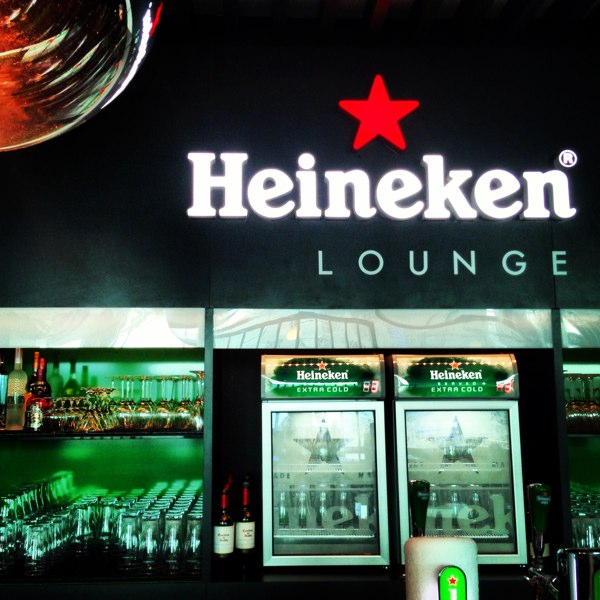
Heineken, the Dutch brewing giant, is preparing to open its first large-scale brewery in Dubai, a significant milestone in the evolving beverage industry within the Gulf Cooperation Council (GCC). This development, expected to materialize in 2024, will mark a pivotal shift in the region’s approach to alcohol production and consumption, reflecting broader changes in social and economic policies across the Middle East.

The brewery, located in Dubai Industrial City, will focus on producing various Heineken products tailored for the Middle Eastern market. This move aligns with Dubai’s strategic goals of fostering industrial diversification while attracting international investment to expand its manufacturing and export capabilities. With an estimated initial output of over 500,000 hectoliters annually, this facility represents one of the most ambitious projects of its kind in the Gulf region.

This initiative follows the UAE’s progressive steps to relax alcohol-related regulations to encourage tourism and economic growth. For instance, the country recently abolished its longstanding alcohol license requirement for personal consumption and introduced tax cuts on alcoholic beverages, effectively making them more accessible. The UAE remains an outlier in the GCC, where most countries maintain stringent controls on alcohol in adherence to cultural and religious norms.

The brewery will create employment opportunities and enhance Dubai’s standing as a hub for innovation and manufacturing excellence. With an emphasis on sustainability, Heineken plans to incorporate energy-efficient technologies and prioritize the use of local ingredients where feasible. This environmentally conscious approach underscores the company’s commitment to aligning its operations with the UAE’s sustainability initiatives.

The decision to establish operations in Dubai is also influenced by its logistical advantages. The emirate serves as a gateway to regional and international markets, offering robust infrastructure and connectivity. Industry analysts believe this move could spark increased competition in the regional beverage market, potentially encouraging other multinational firms to explore opportunities in the GCC.

This brewery is part of a larger trend where the Gulf region is witnessing shifts in lifestyle and economic priorities. While alcohol remains restricted in neighboring nations like Saudi Arabia, a more inclusive attitude toward diversifying economic activities is evident. Dubai’s openness to hosting Heineken’s venture highlights the city’s progressive stance and its broader ambition to solidify its position as a global city catering to diverse industries.

Spain has approved Saudi Arabia’s telecommunications giant, STC Group, to expand its investment in Telefónica, the nation’s iconic telecom operator, from just over 5% to nearly 10%. Economy Minister Carlos Cuerpo confirmed the government’s decision, which follows deliberations over the strategic implications of such a move. The authorization allows STC to solidify its financial involvement in Telefónica, though regulatory safeguards are being reinforced to maintain Spain’s control over vital communications infrastructure.

STC Group initially acquired a 4.9% stake in Telefónica, coupled with financial instruments granting voting rights for an additional 5%, raising questions about Spain’s ability to protect its critical infrastructure. The Saudi operator has expressed its interest in Telefónica as an investment opportunity rather than a bid for operational control. This assurance is intended to mitigate geopolitical concerns over foreign influence in the telecom sector, particularly involving companies pivotal to national security, defense, and digital services.

Telefónica holds significant importance in Spain’s technological and defense landscape, serving as a critical entity in telecommunications and cybersecurity. The government has emphasized the need to preserve the strategic capabilities of such companies, which has been a recurring theme in global debates about foreign ownership of critical industries.

To counterbalance STC’s growing presence, the Spanish government has instructed the state holding company, Sociedad Estatal de Participaciones Industriales (SEPI), to potentially acquire up to a 10% stake in Telefónica. This move, if realized, would make SEPI the company’s largest shareholder. The government is reportedly aiming to align Telefónica’s ownership structure with practices seen in other European countries, where governments maintain stakes in major telecom operators to safeguard national interests.

Telefónica’s shareholder composition has seen gradual evolution over time. Current major stakeholders include CaixaBank with 4.88%, Banco Bilbao Vizcaya Argentaria (BBVA) holding 4.84%, and BlackRock managing 4.8%. If SEPI proceeds with its planned acquisition, it would reshape the balance of influence within the company.

STC’s expansion in Telefónica aligns with its broader strategy of increasing international reach. The company, already active in telecommunications investments across Europe and the Middle East, is reportedly exploring further acquisitions, including potential stakes in Portugal’s Altice and the UK’s BT Group. This strategy reflects a wider trend of Gulf-based telecom entities seeking global prominence, similar to UAE-based e&, which has steadily increased its investments in Vodafone and other global operators.

Spain’s approach to safeguarding Telefónica echoes similar measures adopted across Europe. For instance, Germany retains a 13.8% stake in Deutsche Telekom, while France holds 13.39% in Orange. Italy has also bolstered its share in Telecom Italia’s fixed network grid. These measures underscore a growing recognition of telecom infrastructure as a vital element of national security and economic stability.

The Abu Dhabi National Oil Company (ADNOC) has introduced XRG, a groundbreaking low-carbon energy and chemicals enterprise with an estimated enterprise value exceeding $80 billion. This ambitious venture positions ADNOC as a leader in the energy transition, aligning with global trends toward cleaner energy solutions and technological innovation.

XRG’s portfolio will encompass advanced technologies such as hydrogen, renewable energy, and sustainable chemicals production. Additionally, it will emphasize carbon capture and storage, aligning with ADNOC’s goal of achieving net-zero emissions by 2050. The initiative is poised to leverage ADNOC’s robust infrastructure and expertise while driving its international expansion into markets seeking environmentally sustainable energy solutions.

ADNOC anticipates XRG will double its asset value over the next decade. This projection is rooted in increasing global demand for clean energy, which is further amplified by emerging economies and the proliferation of artificial intelligence in energy optimization and resource management. Such factors contribute to the shift from traditional energy sources to integrated, technology-driven models.

The TON Foundation has officially introduced the white paper for TON Teleport BTC, detailing its plans to create a seamless bridge between Bitcoin and The Open Network (TON) blockchain. This development is set to transform Bitcoin’s role in decentralized finance (DeFi), enabling its integration into TON-based decentralized exchanges, lending protocols, and other financial frameworks.

Currently operating on the testnet, TON Teleport BTC utilizes a decentralized mechanism to ensure security and efficiency. Each teleport transaction is backed by actual Bitcoin, with validation occurring through smart contracts executed on the TON blockchain. This approach eliminates intermediaries, reducing costs while maintaining the security standards of Bitcoin’s native network. TON’s technical lead, Anatoliy Makosov, emphasized that the system is designed to match the security of Bitcoin’s infrastructure while introducing enhanced convenience and reduced transaction costs.

Beyond its technical appeal, the project reflects a growing ambition to establish TON as a leading blockchain ecosystem. Initially developed by Telegram, the TON network has seen steady growth under community-driven initiatives following Telegram’s regulatory challenges in 2020. The integration of tgBTC, the token linked to the TON Teleport BTC system, aligns with this broader vision by enabling cross-platform blockchain interaction and expanding utility for Bitcoin holders.

HAIKOU, CHINA – Media OutReach Newswire – 28 November 2024 – Department of Tourism, Culture, Radio, Television and Sports of Hainan Province, in collaboration with the News and Information Centre of Xinhua News Agency, recently unveiled a White Paper on “Hainan Tourism and Culture Brand Image Development and International Communication Strategies”, providing a multidimensional analysis of Hainan’s tourism and cultural brand image. Screenshot of some tourism data […]

Advertisements

BANGKOK, THAILAND – Media OutReach Newswire – 28 November 2024 – Thailand’s culinary community shines brighter than ever, with the announcement of the country’s first recipient of the ultimate accolade of Three MICHELIN Stars at the MICHELIN Guide Ceremony Thailand that marks the official release of The MICHELIN Guide Thailand 2025 edition, and the unveiling of its much-awaited full restaurant selection. The newly released Guide features 462 […]

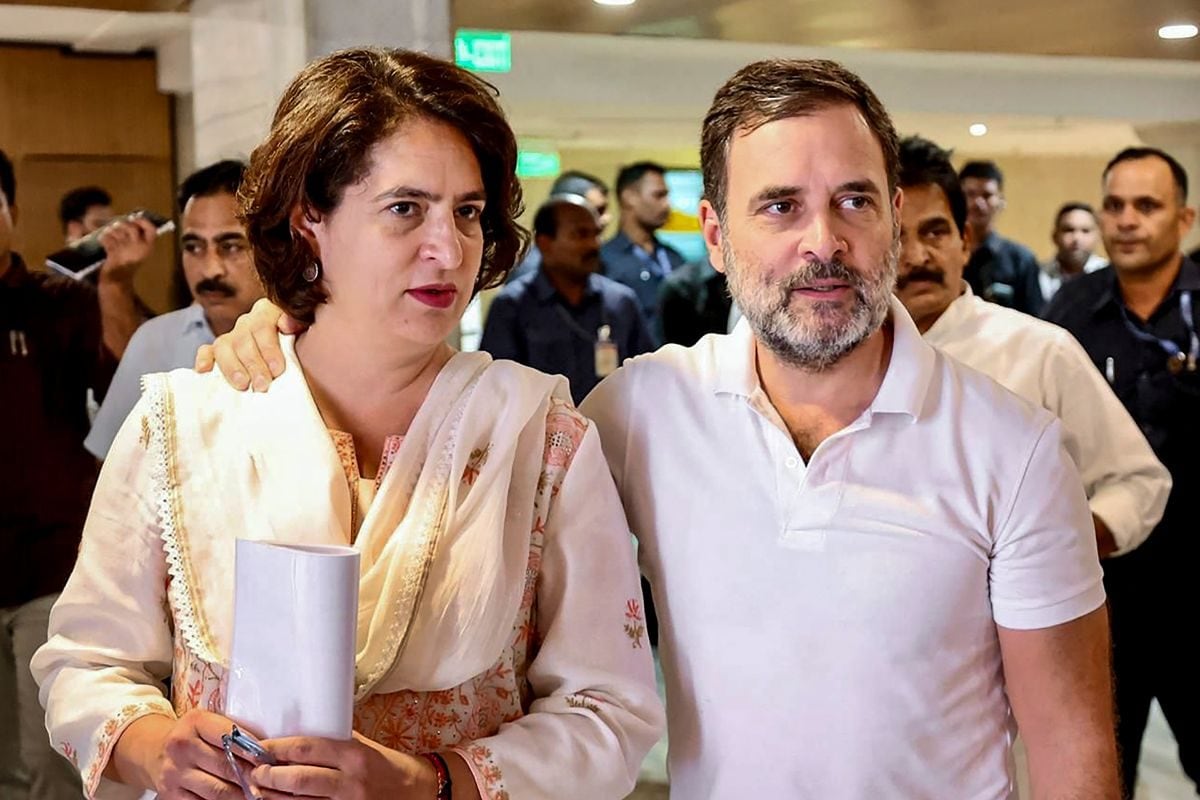
By Sushil Kutty Another Nehru-Gandhi made her presence felt in the Lower House of the Indian Parliament on November 28. — Priyanka Gandhi Vadra, with her mother Sonia Gandhi and her brother Rahul Gandhi, also Members of Parliament, she makes up the Gandhi trio, a rare constellation, except that Sonia Gandhi is a Rajya Sabha […]

SHANGHAI, CHINA – Media OutReach Newswire – 28 November 2024 – On November 25th, 2024, the Data Asset Management Summit (DAMS2024) was held in Shanghai. It focused on key issues in the field of data asset management, sought growth paths for the value of data assets, and explored new opportunities for the development of the data industry. The “Strength of China Data Asset 50+” project was established […]

Source – Patreon

Solana’s decentralized finance (DeFi) ecosystem has surged in November, reaching $420.7 million in total value locked (TVL), significantly outpacing Ethereum’s $161.2 million for the month. This marks a sharp 161% increase in Solana’s DeFi earnings, largely attributed to its low transaction fees, high throughput, and a revival of its ecosystem following a challenging period.

Ethereum, long the dominant platform in the DeFi space, has faced stiff competition from Solana, whose technological upgrades and network enhancements have bolstered its position. As Ethereum continues to struggle with scaling issues and high fees, Solana’s faster and cheaper transactions have made it increasingly attractive to developers and users in the DeFi sector.

The dramatic increase in Solana’s DeFi activity is also a reflection of the broader recovery within its blockchain ecosystem, which was hit hard by a series of setbacks, including the collapse of the FTX exchange in late 2022. However, Solana’s resilience in recovering and innovating has allowed it to gain ground on Ethereum, traditionally the go-to platform for decentralized applications (dApps) and smart contract protocols.

Key factors driving Solana’s DeFi boom are its low transaction fees, which remain a major pain point for Ethereum users, especially during periods of high network congestion. While Ethereum’s gas fees can surge to hundreds of dollars for simple transactions, Solana offers an almost negligible fee structure, making it more attractive for smaller, retail investors and developers looking to build cost-efficient DeFi applications.

Solana’s speed is another competitive advantage. It boasts a transaction processing capability of more than 60,000 transactions per second (TPS), far exceeding Ethereum’s current capacity of 30 transactions per second, though Ethereum is working on scaling solutions such as sharding and layer 2 networks. Solana’s network speed allows for quicker and more scalable applications, which is crucial for DeFi protocols that require near-instant transactions to function efficiently, especially in volatile markets.

The ecosystem recovery of Solana has also been spurred by significant developments in its DeFi protocols. A growing number of decentralized exchanges (DEXs), lending platforms, and yield farming protocols have been launched or migrated to Solana’s blockchain, further boosting the platform’s TVL. Solana’s DeFi landscape has seen contributions from several key players, including Serum, Mango Markets, and Radium, all of which provide users with advanced trading options, liquidity, and competitive rewards.

Another contributing factor to Solana’s success is the strategic collaborations and partnerships it has secured with both established companies and up-and-coming startups. Solana has garnered attention from top-tier venture capitalists, along with prominent figures in the cryptocurrency space, who have supported the blockchain’s development and growth. These relationships have helped Solana gain credibility and foster an environment conducive to innovation and expansion.

The increase in DeFi activity on Solana has also been supported by growing interest in the broader Solana ecosystem. After a period of price volatility and uncertainty, Solana’s native cryptocurrency, SOL, has stabilized and regained much of its value. This recovery has sparked renewed confidence in the network and its long-term viability, which has translated into higher DeFi activity. As a result, users are increasingly willing to stake and invest in the network, propelling the overall market cap of Solana’s ecosystem.

Ethereum, on the other hand, continues to dominate the broader smart contract and dApp landscape, largely due to its first-mover advantage and large developer base. Ethereum’s switch to a proof-of-stake (PoS) consensus mechanism with the Ethereum 2.0 upgrade is expected to bring improvements in scalability and energy efficiency. However, Ethereum’s network congestion and high fees remain major hurdles for DeFi users and developers, especially in times of increased demand. These issues are likely to persist unless significant scalability solutions are implemented.

Although Ethereum has a stronghold on the DeFi sector, Solana’s rapid growth underscores the increasing diversification of the space. With its advanced technology, Solana is emerging as a serious challenger, offering viable alternatives for decentralized financial services. Furthermore, Solana’s growing TVL is not only a reflection of the platform’s technological edge but also an indication of the rising demand for alternative DeFi solutions that prioritize scalability, cost-efficiency, and innovation.

Experts suggest that the DeFi landscape is entering a new phase, where competition between smart contract platforms like Solana and Ethereum will be crucial to the long-term development of the ecosystem. As developers continue to search for faster, cheaper, and more scalable platforms, Solana’s performance in November provides a clear indication of the potential for DeFi to flourish on blockchains beyond Ethereum. The focus on speed and cost-effectiveness is expected to drive more DeFi protocols to explore alternatives to Ethereum, opening up the market to a wider range of participants.


The United States Securities and Exchange Commission (SEC) is reviewing an application for the Bitwise 10 Crypto Index ETF, a proposed exchange-traded fund (ETF) comprising ten major cryptocurrencies, including Bitcoin (BTC), Ethereum (ETH), and Solana (SOL). This fund aims to simplify cryptocurrency investment for a broader audience while addressing regulatory and market accessibility challenges.

Bitwise Asset Management, the fund’s issuer, emphasized the importance of providing a diversified cryptocurrency portfolio under the framework of an ETF. The fund, initially established as a publicly traded trust in 2017, manages over $1.3 billion in assets. It features an allocation heavily weighted toward Bitcoin (75%), with Ethereum making up 16.2%, and smaller proportions allocated to Solana, XRP, Cardano, and others. The ETF’s structure would allow for more efficient pricing through mechanisms aligning its trading value with the net asset value (NAV) of its holdings, reducing the discrepancies seen in traditional trust models.

The transition to an ETF format represents a significant milestone for Bitwise and the broader cryptocurrency industry. By achieving ETF status, the fund would likely attract a wider range of institutional and retail investors, given the inherent efficiency, liquidity, and regulatory safeguards of ETFs. Such a move comes amid a wave of enthusiasm in cryptocurrency markets following bullish trends driven by major macroeconomic developments.

Stablecoins demonstrated remarkable resilience in November, with trading volumes on centralized exchanges (CEX) exceeding $1.8 trillion. Tether (USDT) accounted for an overwhelming 70% of this activity, highlighting its dominance in facilitating liquidity across markets. The surge in stablecoin usage was accompanied by a milestone in the broader stablecoin ecosystem, as the total market capitalization surpassed $190 billion—a record high following 14 consecutive months of growth.

USDT continues to serve as the backbone of the stablecoin market, with its presence on Ethereum and TRON networks driving liquidity in significant proportions. As of November, TRON held over $8.5 billion worth of USDT balances on CEXs, while Ethereum-based USDT reached nearly $22.7 billion. Such figures underscore the strategic role of these networks in catering to traders and investors who rely on stablecoins for quick, cost-efficient transactions.

The robust growth trajectory of stablecoins can be linked to their increasing adoption for purposes beyond trading, including decentralized finance (DeFi) and cross-border payments. Analysts point to the ongoing efforts by Tether and other issuers to expand usability and trust. The alignment of stablecoin development with regulatory compliance in key regions also bolstered investor confidence.

Market participants have highlighted that the resilience of stablecoins reflects their utility in volatile crypto markets. They act as a hedge for traders during turbulent periods, offering stability that is otherwise rare in the digital asset ecosystem. As the overall cryptocurrency market fluctuates, stablecoins’ capacity to maintain pegged values ensures their continued demand.

Despite Tether’s dominance, competitors such as USD Coin (USDC) and Binance USD (BUSD) have shown gradual but noteworthy participation in the growth narrative. Collectively, these assets reinforce the expanding footprint of stablecoins across different facets of the financial system.

Amazon helps thousands of Singapore-based businesses to sell their products in the Amazon store. Through Amazon Global Selling, Singapore selling partners can export their products to customers around the world on Amazon. Amazon Web Services (AWS) enables thousands of Singapore customers to use the AWS Asia Pacific (Singapore) Region to digitally transform. SINGAPORE – Media OutReach Newswire – 28 November 2024 – Today, Amazon announced that it […]

SINGAPORE – Media OutReach Newswire – 28 November 2024 – The Institute of Singapore Chartered Accountants (ISCA) and Kaplan Higher Education Academy (Kaplan) have signed a Memorandum of Understanding (MOU), bringing together two esteemed institutions to create opportunities for local and international students to embark on the journey towards becoming a Chartered Accountant of Singapore. Under this partnership, ISCA and Kaplan will jointly launch a specially curated […]

HONG KONG SAR – Media OutReach Newswire – 27 November 2024 – To further cement Macau’s reputation as a “City of Performing Arts”, Galaxy Macau™ Integrated Resorts (“Galaxy Macau”), is delighted to host Galaxy Music Gala: Lang Lang and Macao Orchestra on January 19, 2025. Internationally acclaimed piano virtuoso Lang Lang will make his debut at the Galaxy International Convention Center (GICC), Asia’s new landmark for conventions […]

Collaboration with Baosteel sets new benchmark for steel emissions data collection; Plaza 66 Pavilion Extension in Shanghai achieves a 35% reduction from baseline steel emissions HONG KONG SAR / SHANGHAI, CHINA – Media OutReach Newswire – 27 November 2024 – Spearheading the effort to decarbonize real estate across China, Hang Lung Properties Limited (SEHK stock code: 00101) (“the “Company” or “Hang Lung”) is using nearly 100% low […]

Anthropic has unveiled a new feature for its Claude AI chatbot, allowing users to select response styles tailored to their communication needs. These styles include *Formal*, *Concise*, and *Explanatory*, each designed to address specific contexts. The *Formal* style ensures polished and structured replies, *Concise* delivers succinct and direct responses, while *Explanatory* provides detailed and educational answers. Additionally, users can create custom styles by uploading examples of their […]

The UAE’s entertainment and gaming industry has entered a transformative phase with the official introduction of the nation’s first regulated lottery system, The UAE Lottery. This initiative is set to redefine the country’s gaming landscape, catering to a diverse audience while adhering to robust ethical and regulatory standards.

The game has been unveiled as a comprehensive platform, offering participants an opportunity to engage in a state-regulated lottery with significant prizes while promoting responsible gaming practices. By establishing this first-of-its-kind operation, the UAE is cementing its commitment to diversify its entertainment options and foster innovative business opportunities in a sector traditionally limited by stringent laws.

This launch aligns with the nation’s broader strategic goals of expanding its non-oil sectors. The UAE Lottery is envisioned not only as a recreational platform but as a catalyst for economic growth, offering revenue streams that will benefit public welfare programs. The framework of the lottery prioritizes transparency, with the promise of rigorous monitoring to ensure fair play and participant trust.

Industry observers view this development as a pivotal moment, marking the UAE’s gradual embrace of global trends in gaming and entertainment. While the country has previously allowed raffles and prize draws, this regulated lottery represents a formal acknowledgment of the potential in this sector. With significant backing from government and private entities, the lottery is positioned to operate under strict compliance with international best practices.

Details surrounding the ticket purchasing process, prize distribution mechanisms, and the anticipated societal impact have been meticulously designed to resonate with the UAE’s cultural and economic ethos. The system leverages cutting-edge technology to ensure security and efficiency, underscoring the country’s ambition to set new benchmarks in regulated gaming.

Early reports suggest that the rollout of The UAE Lottery has garnered significant public interest, with an enthusiastic reception from various demographics. Marketing campaigns have emphasized the initiative’s alignment with the UAE’s values, showcasing it as a responsible and socially beneficial form of entertainment.

The UAE Lottery’s impact is expected to extend beyond its entertainment value. Experts predict it will significantly contribute to the nation’s economic diversification efforts, creating new jobs and boosting ancillary industries. Moreover, the revenues generated are likely to support key sectors, including education, healthcare, and infrastructure development.

Although the concept of a national lottery is novel in the region, The UAE Lottery’s introduction reflects a progressive shift in attitudes toward regulated entertainment. Analysts highlight this as an indication of the UAE’s willingness to adopt global innovations, adapting them to fit local contexts.

The UAE has officially launched its national lottery, marking a historic moment in the country’s gaming landscape. Nearly four months after the announcement, the first and only regulated lottery operation in the UAE is now live, offering residents the chance to participate through tickets priced at Dh50. The official platform, www.theuaelottery.ae, serves as the exclusive channel for purchasing tickets.

The launch of the UAE Lottery was a significant step for the country, which had previously prohibited gambling activities. This new initiative, operated by The Game LLC, marks a shift in the regulatory landscape, bringing a legal, controlled avenue for residents to try their luck with the possibility of winning big. The jackpot for the first draw stands at Dh100 million, attracting widespread attention as people across the nation look to test their fortunes.

This move is part of a broader effort by the UAE government to modernize and diversify its economy. By introducing a national lottery, the government not only opens up a new form of entertainment but also a new revenue stream that could benefit various public sectors. While some may view the lottery as a controversial form of entertainment in a region historically opposed to such activities, its regulation ensures that the operation aligns with the country’s strict guidelines and laws. The revenue generated from ticket sales is expected to be channeled into community projects, contributing to the social and economic development of the UAE.

The Game LLC, the entity behind the lottery, has positioned itself as a transparent and ethical operator, adhering to all legal and regulatory requirements set by the UAE government. The company has emphasized its commitment to responsible gaming and the importance of maintaining the integrity of the lottery system. This effort is particularly important in a market where trust in gaming operations is vital for ensuring public participation and support.

The introduction of the lottery aligns with the UAE’s broader economic strategies, particularly its push to enhance tourism and entertainment offerings. The lottery provides not only a new source of revenue but also a new attraction for both local residents and tourists who might be drawn to the opportunity of winning a life-changing sum. By tapping into the global trend of state-regulated lotteries, the UAE is positioning itself as a modern hub for entertainment, in line with its vision of becoming a global leader in diverse sectors.

Participants in the lottery can purchase tickets directly from the official website, making the process simple and accessible. The digital platform ensures a secure and user-friendly experience for buyers, with the system designed to handle large volumes of traffic, ensuring that ticket purchases and subsequent draws are seamless and transparent. The availability of the lottery through an online platform also reflects the UAE’s ongoing commitment to digital innovation and the expansion of e-commerce within the region.

The prize pool, with the jackpot set at Dh100 million, has generated significant interest among potential players. However, the odds of winning the grand prize are expected to be steep, as is typical with large-scale lotteries. The Game LLC has stated that the lottery will operate on a draw system, with winners selected randomly from the pool of ticket holders. This randomization process is designed to ensure fairness and impartiality in the distribution of prizes, an essential feature for maintaining the public’s trust in the operation.

While the introduction of the lottery has been met with enthusiasm by many, there are also concerns about the impact of gambling in a region where it has traditionally been viewed with caution. However, the regulated nature of the UAE Lottery aims to mitigate these concerns by implementing strict safeguards and offering transparency throughout the process. The introduction of educational campaigns on responsible gaming is part of the strategy to ensure that individuals participate in the lottery in a controlled and informed manner.

Experts suggest that the UAE Lottery could have broader implications for the regional gaming industry, potentially setting a precedent for other Gulf nations to explore regulated lottery systems. The success of this operation could encourage neighboring countries to adopt similar models, creating a new sector within the region’s economy while promoting responsible gambling practices. The UAE’s move may also influence broader social and cultural perceptions of gaming, especially as the government emphasizes its regulated nature and commitment to ensuring that the lottery is both a form of entertainment and a tool for social good.

The regulatory framework surrounding the lottery operation is carefully designed to ensure compliance with UAE laws. The operation is closely monitored by government agencies to ensure that it operates fairly and responsibly. There are strict controls on advertising and marketing, particularly concerning the promotion of the lottery to younger audiences. The UAE’s commitment to regulating this new form of entertainment underscores the importance of striking a balance between economic growth and societal values.

Aquaventure Waterpark in Dubai is gearing up to host an exciting opportunity for thrill-seekers and record-breakers alike. On December 7 and 8, 2024, the renowned waterpark will open its gates to anyone eager to challenge themselves and attempt to set new Guinness World Records. This two-day event will feature a variety of unique and fun categories, with official judges from the Guinness World Records monitoring the competition.

Participants will have the chance to try their hand at a selection of quirky and entertaining challenges. One of the most exciting categories involves the *fastest time to hook ten rubber ducks*, a test of agility and precision as competitors race to secure the rubber ducks in the shortest time possible. Another challenge, the *most swimming trunks pulled on over clothing in 30 seconds*, offers a humorous and lighthearted contest that is sure to bring plenty of laughs to both participants and spectators.

For those with a bit more skill in the water, the event will also feature the *fastest time to pass through 10 rubber rings*. This challenge requires not just speed but also nimbleness, as participants navigate their way through a series of floating hoops. Additionally, the *fastest time to topple ten targets using a water pistol* offers a combination of precision shooting and quick reflexes, with competitors aiming to knock over targets as quickly as they can, all while staying cool under pressure.

Younger participants will have a dedicated category, with the *most passes through an inflatable rubber ring in 30 seconds* available for those under 16. This challenge promises a fun, energetic race, as participants aim to beat the clock and set a new standard. For those interested in teaming up, the *most beach paddle ball passes in one minute (team of two)* will test not only individual stamina but also coordination and teamwork, adding a cooperative element to the event.

With Guinness World Records judges overseeing the proceedings, participants can be assured of a fair and legitimate competition. The presence of these official adjudicators adds an extra layer of excitement, as record attempts are recognized on a global stage. Achieving a world record is a rare and prestigious feat, and Aquaventure’s event offers a unique chance to make history.

The competition will take place against the backdrop of one of Dubai’s most popular attractions, Aquaventure Waterpark, known for its thrilling water rides, sprawling lazy rivers, and breathtaking views. The waterpark’s setting, combined with the excitement of attempting to break a world record, makes this event a must-attend for both locals and tourists alike.

Participants will need to register in advance for the event, and the waterpark promises an atmosphere full of energy, fun, and friendly competition. Whether you are a seasoned athlete or just looking to try something new, the event caters to all ages and skill levels, offering an inclusive environment where anyone can participate and attempt to make their mark in the world record books.

As Aquaventure Waterpark prepares for this exhilarating event, it highlights Dubai’s ongoing commitment to hosting global events that draw visitors from all over the world. The city, already known for its luxury attractions and iconic landmarks, continues to enhance its reputation as a hub for exciting and unique experiences.

For anyone with a competitive spirit or the desire to do something out of the ordinary, this Guinness World Records challenge is the perfect occasion to make a lasting memory. Whether you walk away with a record-breaking achievement or simply enjoy the thrill of the competition, Aquaventure’s event offers a chance to be part of something special.

This event not only promises a fun-filled weekend for participants and spectators but also demonstrates the creativity and ingenuity that Dubai’s entertainment scene is known for. With the official Guinness World Records presence, the event will surely make waves, adding another unforgettable chapter to the city’s history of hosting world-class events.

A federal appeals court in the United States has overturned sanctions imposed on Tornado Cash, the crypto-mixing platform, by the Treasury Department. This landmark ruling, issued on November 26, 2024, has significant implications for the cryptocurrency sector, especially concerning privacy-enhancing technologies.

The court’s decision hinged on the nature of Tornado Cash’s technology, which enables users to anonymize their cryptocurrency transactions through smart contracts deployed on the Ethereum blockchain. The three-judge panel from the 5th US Circuit Court of Appeals ruled that this software, designed to obscure digital asset ownership, is not subject to US sanctions. The ruling clarifies that the government cannot sanction software itself, as it is not considered “property” of foreign nationals or entities. However, the court did emphasize that individuals or groups misusing such platforms, particularly for illegal activities, are still subject to legal action.

Tornado Cash had been sanctioned by the US Treasury Department’s Office of Foreign Assets Control (OFAC) in 2022, following its involvement in facilitating the laundering of over $7 billion in cryptocurrency. Despite its legitimate use for privacy, the platform had become a tool for cybercriminals and sanctioned entities to launder illicit funds. The sanctions barred US persons from using Tornado Cash and targeted related Ethereum addresses, which significantly reduced the platform’s activity.

After the sanctions were imposed, Tornado Cash saw a dramatic decline in usage, with monthly deposits dropping by more than 90%. However, the platform has made a remarkable recovery in 2024, with a resurgence in deposits. According to data from Flipside Crypto, Tornado Cash processed over $1.8 billion in the first half of the year, signaling a strong rebound in activity despite ongoing legal challenges and regulatory scrutiny.

The court’s decision is being hailed as a major victory for the cryptocurrency community, as it sets a precedent regarding the regulation of decentralized technologies. The ruling acknowledges the tension between privacy rights and the government’s responsibility to combat cybercrime, but it also clarifies the limits of governmental power in regulating technological platforms.

The ruling could potentially pave the way for future legal challenges to government sanctions on similar privacy tools, as the court pointed out that the law governing sanctions, originally enacted during the Carter administration, may not be fully equipped to address the nuances of modern blockchain technologies. As the ruling stands, Tornado Cash’s smart contracts remain unaffected by US sanctions, though the case underscores the ongoing debate about how to balance technological innovation with national security concerns.

The Emirates Nuclear Energy Corporation (ENEC) and the Abu Dhabi National Oil Company (ADNOC) have announced a strategic partnership to explore the application of nuclear energy in the oil and gas sector. This collaboration marks a significant step toward expanding the use of nuclear technology as a cleaner and more sustainable energy source in the UAE’s key industries. Both organizations, which already play vital roles in the […]

VISHNU RAJA
RYO YAMADA
HITORI GOTOH
IKUYO KITA
Just in:
Govt opposes Arlekar’s PSC action // mamun raises US$3 million to finance cross-border trade between the Gulf and Asia // Anthropic to prohibit persistent abuse of Claude chatbot // Fast Just Got Fastest: STING Energy Boost™ Celebrates Kimi Antonelli’s Formula 1® World Championship and the Fan Energy Behind It // xCube Access Welcomes Entrust Capital Limited  Expanding Access to Professional Portfolio Management // Democrats secure Senate majority after Republican election losses // Vance attributes Republican midterm defeats to Iran conflict // DIP Holding targets Dh1.12 IPO price and $529m proceeds // Cloudflare unveils Zero Wire vulnerability intelligence service // Middle East governments assess Iran war after US vote // BJP’s Aggressive Response Exposes Anxiety Over Opposition Unity // After Reaching 7 Million Users in the Philippines, Skyro Launches Transparent Cash Loans in Malaysia // Burying Head In “India Made Poverty Reduction” Data Is Dangerous // Arrow Electronics showcases technologies advancing intelligent robotics, mobility and digital infrastructure // Vingroup And Legends Global Announce Strategic Partnership For VinFast – Trong Dong Stadium // ADIA and partners establish $1.4 billion aviation venture // Pinarayi faults UDF over mounting road crashes // Utilities pursue ₹1,992 cr in unpaid bills // ADIPEC leaders urge investment in global energy networks // As AI Reshapes Education, Singapore Convenes Global Dialogue on the Future of Early Childhood Education //