News related to
data

Apple has lifted its ban on Fortnite in the European Union, granting Epic Games the ability to reintroduce its popular game to iPhone users in the region. The change follows intense scrutiny from the European Commission, which had been investigating Apple’s practices under the recently enacted Digital Markets Act (DMA). This legislation requires major tech companies designated as “gatekeepers” to allow competing app stores and alternative payment options within their ecosystems, potentially challenging Apple’s dominance and exclusive in-app payment rules.

Epic Games’ conflict with Apple dates back to 2020, when the company attempted to bypass Apple’s 30% cut on in-app purchases by introducing its own payment system in Fortnite. This move prompted Apple to remove the game from its App Store and terminate Epic’s developer account, initiating a high-profile legal battle that drew the attention of regulators worldwide. The European Commission’s DMA, which came into effect in 2023, set a framework for competition that aligns with Epic’s position. The law compels gatekeepers like Apple to reduce monopolistic practices, including preventing restrictions on third-party payment systems.

By Nitya Chakraborty Three months after the installation of the interim government in Bangladesh headed by chief adviser Dr. Muhammad Yunus, the politics of the 18 crore-nation has landed in fresh turmoil after the win of the Republican candidate Donald Trump in the just concluded November 5 presidential elections. Only six days have passed since […]

Frankie Muniz, former star of the popular television series *Malcolm in the Middle*, was involved in a significant crash during the Craftsman Truck Series Championship race on Friday. The actor, who now competes in NASCAR, was seen limping away from the wreck after his vehicle collided with another competitor’s truck. The incident took place during the high-stakes race, drawing attention from fans and sports enthusiasts alike. Muniz, […]

HONG KONG SAR – Media OutReach Newswire – 11 November 2024 – Award-winning brokerage VT Markets held its “Pioneering Global Investment” forum in Hong Kong on 2 November. The event tackled some of the most pressing questions on investment strategies and opportunities as the global brokerage heads into the last quarter of the year. The world economy is an ever-changing pulse—moving to the beat of inflation, political […]

Source – Patreon

Dubai-based siblings Jainam and Jivika have put forward an unexpected proposal to offer the JioHotstar domain they purchased from a Delhi-based developer to Reliance Industries without expecting any monetary gain. The move comes despite receiving offers that could have brought them substantial profit. Their decision to provide the domain at no cost reflects their commitment to supporting the developer and their philanthropic intentions.

The JioHotstar domain, a potential asset for the rapidly evolving streaming industry, was acquired by Jainam and Jivika after it was initially developed by a web developer based in Delhi. Though many anticipated the siblings might sell the domain to the highest bidder, they have instead chosen a path that prioritizes the welfare of the developer, who had originally faced challenges in securing ownership of the domain.

Jainam and Jivika, both entrepreneurs with diverse business interests in the UAE, have stated that their decision is not driven by financial incentives but by a desire to support the struggling developer. The siblings have emphasized that the domain acquisition was never about profit but was seen as a way to rectify the developer’s difficulties with the domain, which had drawn interest from several major companies, including tech giants.

Although the siblings had received lucrative offers from other parties, they remained firm in their commitment to offering the domain to Reliance for free. This gesture has sparked significant attention, especially given the potential role that JioHotstar could play in the Indian market, where Reliance’s streaming platform, JioCinema, is a major player. The platform’s recent expansion into diverse content offerings and its aggressive pursuit of digital media initiatives have made it an attractive entity for acquiring such assets.

Industry analysts believe that this offer could significantly benefit Reliance, positioning them for further growth in the digital entertainment space. JioHotstar, a name that evokes a strong connection with streaming services in India, could integrate well with Reliance’s expansive digital ecosystem, including its telecom arm, Jio. The platform, which previously merged the offerings of Hotstar with Jio’s services, is seen as a key player in the competition with other streaming platforms in India, such as Netflix and Amazon Prime Video.

Despite the substantial commercial value of the domain, Jainam and Jivika have made it clear that their philanthropic goal is not to profit from the domain but rather to facilitate the success of the developer and the potential growth of Reliance’s digital offerings. This stance has been commended by several figures in the technology and business sectors, who view it as an unusual yet honorable decision in a space often driven by competitive profit motives.

The siblings’ proposal is also notable for the transparency with which they have communicated their motives. Jainam stated, “Our primary goal is to support the developer who created the domain. We are not in this for financial gain but to do something good for the digital ecosystem.” His sister Jivika echoed these sentiments, emphasizing that the siblings felt a responsibility to step in and provide the developer with the platform for success.

JioHotstar, as a domain name, holds significant strategic value. The blend of Jio’s telecom presence and Hotstar’s entertainment reputation gives the domain a unique edge in the Indian digital landscape. Analysts speculate that this move could indicate a shift in the relationship between tech and entertainment companies, with a more collaborative approach replacing traditional, profit-driven transactions.

Reliance, meanwhile, has yet to make an official statement regarding the offer. However, industry experts suggest that the company would be wise to accept the offer, given the alignment with its long-term goals in the streaming and telecom sectors. The potential synergy between the domain and Reliance’s growing digital content portfolio could allow the company to further consolidate its position in the market.

The domain offer also raises broader questions about the intersection of business and philanthropy. In a time when many businesses are grappling with ethical considerations and social responsibility, Jainam and Jivika’s decision challenges the typical business model and demonstrates how commercial interests can sometimes take a backseat to personal ethics and corporate social responsibility.

While the siblings’ move might be viewed as altruistic, it also positions them as key figures in the burgeoning intersection of digital assets and entertainment, particularly in markets like India, where streaming services continue to see explosive growth. For Reliance, the acquisition of JioHotstar could further solidify its dominance in the country’s rapidly evolving entertainment ecosystem, which has become a hotbed of competition as companies vie for consumers’ attention and subscription dollars.

The Dubai-based siblings’ offer has also sparked conversations about the future of domain acquisitions in the tech and entertainment sectors. The gesture has brought attention to the impact that individual decisions can have on larger corporate strategies. It highlights how domain names—often perceived as simple digital assets—can be pivotal in shaping the direction of major players in the streaming and telecom industries.

A clash between former president Donald Trump and tech mogul Elon Musk could be imminent, according to experts tracking the dynamics of their relationship. Despite Musk’s enthusiastic support for Trump’s 2024 presidential campaign, some predict that a power struggle may arise, driven by their competing ambitions for dominance in the public sphere. Kara Swisher, a well-known tech journalist and columnist, has voiced concerns that, while Trump has […]

Advertisements

As automation and artificial intelligence (AI) steadily integrate into office environments, Arbolo, a coaching and simulation platform, has positioned itself as a key player in the upskilling of IT-business process management (IT-BPM) professionals. With AI’s growing influence, especially in industries reliant on repetitive tasks, Arbolo aims to help workers adapt to more complex and advanced roles, addressing the concerns many have about their future in an increasingly […]

Cathay Pacific has expanded its international network with the launch of direct flights between Hong Kong and Riyadh, marking a significant milestone in the airline’s growth strategy. This new route provides both business and leisure travelers with a more efficient travel option, strengthening connectivity between two major economic hubs in Asia and the Middle East.

The inaugural flight, which took off in early November, was celebrated with a ceremony attended by key officials from both Hong Kong and Saudi Arabia. Among the notable attendees were Financial Secretary of the Hong Kong SAR Government Paul Chan Mo-po, Consul General of Saudi Arabia in Hong Kong Hamad Aljebreen, and Cathay Group Chair Patrick Healy. The event underscored the growing ties between Hong Kong and the Kingdom of Saudi Arabia, particularly in the context of expanding air connectivity.

The new flight will operate four times a week, offering travelers more flexibility when flying between the two cities. Riyadh, the capital of Saudi Arabia, is a growing business center with increasing demand for direct international flights, particularly from Asia. Hong Kong, as one of the world’s major financial and trading hubs, is a natural gateway for Saudi nationals seeking to conduct business in Asia, and for Hong Kong residents wishing to explore the expanding opportunities in the Kingdom.

The service will be operated using Cathay Pacific’s Airbus A350-900 aircraft, which provides a comfortable flying experience with both business and economy class options. This aircraft is known for its fuel efficiency and advanced technology, making it a fitting choice for long-haul flights.

Lavinia Lau, Cathay Pacific’s Chief Customer and Commercial Officer, highlighted the importance of this new service, noting that it will significantly enhance the airline’s connectivity within the Middle East and further strengthen its presence in Asia. She emphasized the airline’s commitment to offering quality service and expanding its network to meet the evolving demands of its passengers.

The launch of the Hong Kong-Riyadh route is part of Cathay Pacific’s broader strategy to increase its presence in the Middle East. The airline has long been focused on providing convenient connections to key destinations in Asia, Europe, and North America, and this new flight is seen as a key step in maintaining the airline’s competitive edge in the global aviation industry.

Riyadh, as the economic heart of Saudi Arabia, is undergoing rapid transformation under the country’s Vision 2030 initiative. This ambitious plan aims to diversify the economy and reduce the Kingdom’s dependency on oil. As part of this vision, there is a concerted effort to build up the tourism and business sectors, with the government seeking to attract more international investment. This has created a strong demand for enhanced air links between Riyadh and key international destinations.

The direct flight between Hong Kong and Riyadh will play an integral role in fostering economic and cultural ties between the two regions. The Kingdom of Saudi Arabia has long been a major trade partner for Hong Kong, with bilateral trade continuing to grow in recent years. The direct air link will further support trade, tourism, and business opportunities by reducing travel time and increasing convenience for travelers.

The launch comes at a time when airlines are cautiously recovering from the pandemic’s effects on global air travel. Cathay Pacific, like many other carriers, faced significant challenges during the pandemic but has been gradually rebuilding its network as travel demand returns. The Hong Kong-Riyadh route signals the airline’s confidence in the recovery of international travel and its commitment to expanding its network in key markets.

Hong Kong’s Airport Authority also played a crucial role in making the direct flight route a reality. Vivian Cheung, Acting Chief Executive Officer and Chief Operating Officer of the Airport Authority Hong Kong, expressed enthusiasm for the new service, emphasizing that the launch reflects the airport’s continued effort to strengthen its global connectivity and solidify Hong Kong’s status as an international aviation hub.

With the increased demand for air travel between Hong Kong and the Middle East, this new service is expected to benefit not just business travelers but also tourists. Saudi Arabia has been making strides in opening up to international tourism, particularly with the introduction of new visa options and its ongoing efforts to position itself as a major tourist destination in the region. Hong Kong, with its mix of cultural heritage and modern attractions, is well-positioned to attract tourists from Saudi Arabia who are keen to explore Asia’s vibrant cities.

Solana’s native cryptocurrency, SOL, has soared to a significant milestone, surpassing a $100 billion market capitalization for the first time. The rise in SOL’s price to $212 marks its highest value in over three years, reflecting a broader surge in the cryptocurrency market. This rally is being fueled by multiple factors, including the increasing momentum following Bitcoin’s own breakthrough above $80,000, alongside recent market catalysts such as Donald Trump’s electoral victory and the Federal Reserve’s decision to cut interest rates.

As the broader crypto market rebounds, Solana has emerged as one of the key beneficiaries, marking a dramatic rise that has reinvigorated investor interest in the digital assets space. This surge places Solana firmly in the ranks of the top five cryptocurrencies by market capitalization, signaling its growing influence in the industry. Despite the volatility that often characterizes digital currencies, Solana has managed to carve out a niche with its innovative approach to blockchain technology, which offers scalability and faster transaction speeds compared to many competitors.

The price surge is seen as a continuation of Solana’s broader recovery since the sharp decline in its value experienced during the crypto winter of 2022. Over the past year, the blockchain has regained substantial traction, driven by both technical advancements and increasing adoption by developers and decentralized finance (DeFi) platforms. As of now, Solana’s price stands well above its March-April cycle highs, marking an important psychological level for traders and investors.

Much of Solana’s recent growth is tied to its ecosystem’s increasing popularity in decentralized applications (dApps) and non-fungible tokens (NFTs). The blockchain’s high throughput capabilities, combined with low transaction fees, make it a preferred platform for developers building on Web3 and DeFi applications. These characteristics have garnered Solana a significant user base and investment, which is now paying off as market conditions favor the broader crypto sector.

The crypto rally has also been propelled by the changing economic landscape. The Federal Reserve’s decision to cut interest rates has had a ripple effect across financial markets, contributing to increased liquidity and risk appetite among investors. Cryptocurrencies, often seen as a hedge against inflation and traditional financial systems, have benefited from this environment. As the Fed’s monetary policy continues to evolve, many market participants see digital assets as a safer investment compared to traditional stocks and bonds, especially in uncertain economic times.

Meanwhile, Bitcoin’s rise above $80,000 has created a halo effect for other cryptocurrencies, including Solana. The world’s largest cryptocurrency has often set the tone for market movements, and its surge has bolstered investor confidence in the broader digital asset class. Many traders view the rally in Bitcoin as an indication that the overall cryptocurrency market is in the midst of a bull phase, with altcoins like Solana and Ethereum seeing heightened interest from institutional and retail investors alike.

Solana’s technological advancements also play a crucial role in this price surge. The blockchain’s focus on scalability through its Proof of History (PoH) mechanism allows it to process thousands of transactions per second, which significantly enhances its capacity to handle large-scale decentralized applications. This technology has made Solana an attractive choice for developers looking to build decentralized exchanges (DEXs), NFT marketplaces, and other dApps that require high throughput and low transaction fees.

Another key factor contributing to Solana’s growth is the backing it has received from prominent venture capitalists and institutional investors. Over the past few years, Solana has secured major funding rounds, positioning it as one of the most well-funded projects in the cryptocurrency space. This has helped solidify its position as a strong competitor to Ethereum, which has historically dominated the decentralized application space but has struggled with scalability issues due to high transaction costs and slower confirmation times.

Despite these positive developments, the cryptocurrency market remains volatile, and Solana’s price could still face significant fluctuations. While many analysts remain bullish on the future of Solana, there are concerns regarding broader market corrections, regulatory scrutiny, and the sustainability of the current rally. Some experts caution that the rapid rise in Solana’s price could be driven by speculation rather than fundamental growth, which could lead to a pullback in the future.

Solana’s ability to maintain its current market momentum will likely depend on its ability to scale and meet the growing demand for decentralized applications. While its technical advantages set it apart from many of its competitors, the blockchain space remains highly competitive, with Ethereum and other Layer-1 chains continuously improving their offerings. Moreover, the potential regulatory challenges posed by governments and financial institutions around the world could impact Solana and other cryptocurrencies in the coming months.

Shiba Inu has gained significant momentum, surging more than 30% in value, as market attention shifts toward alternative cryptocurrencies in response to broader trends within the crypto space. As a key player in the meme coin sector, Shiba Inu has become one of the most notable performers, eclipsing several major cryptocurrencies in its percentage increase. This surge in price comes amid shifting market dynamics, with investors showing increased interest in altcoins following a broader surge in digital currencies.

The primary catalyst behind Shiba Inu’s impressive rise is tied to an overarching trend within the crypto industry. Bitcoin, which has long been the leader in the crypto market, started showing signs of growth following a shift in market sentiment. However, it is the altcoins that are now catching up. Among them, Shiba Inu has stood out, largely due to its community-driven nature, appealing to a broad base of retail investors. The token has benefited from an expanding ecosystem, including decentralized finance (DeFi) applications, and a growing presence within the Metaverse and Web3 sectors.

Shiba Inu’s latest performance can also be linked to market speculation surrounding potential regulatory changes in the crypto space. With many governments weighing stricter regulations on digital assets, investors are increasingly turning to meme coins, like Shiba Inu and Dogecoin, which are often viewed as less vulnerable to government scrutiny compared to Bitcoin and Ethereum. This shift in investor confidence has led to an influx of capital into smaller altcoins, and Shiba Inu is benefiting from this trend.

Dogecoin, often viewed as the “original” meme coin, has also seen a notable increase in value, rising by 20% to reach its highest point in three years. While Dogecoin’s price jump has been impressive, Shiba Inu’s rise is noteworthy for its dramatic scale and speed. The 30% increase signifies both growing investor interest and the increasing mainstream recognition of Shiba Inu as a legitimate digital asset.

Experts suggest that Shiba Inu’s performance is being driven not just by retail investor enthusiasm but also by growing institutional interest. As major investment firms look for opportunities in alternative assets, Shiba Inu has made its case as a viable investment in the evolving crypto ecosystem. The increasing accessibility of the Shiba Inu token, through various cryptocurrency exchanges and wallet services, has played a role in enhancing its visibility and appeal.

However, the surge in Shiba Inu’s price is not without its risks. Cryptocurrencies, by nature, are highly volatile, and Shiba Inu’s rise could be seen as a speculative bubble. While some investors have capitalized on the price increase, others remain cautious, noting that such gains could be short-lived. The challenge for Shiba Inu will be to maintain its position in the market as other cryptocurrencies adapt to changing market conditions and regulatory environments.

The rise of Shiba Inu also signals the increasing significance of meme coins in the cryptocurrency market. Once seen as a niche market for speculative investments, meme coins are now attracting the attention of more serious investors. Shiba Inu’s growth is a clear indication that these digital assets are moving from the fringes of the market into the mainstream, challenging traditional views on the value of cryptocurrencies.

Shiba Inu’s growth is also tied to its broader ecosystem, which continues to expand. The token’s developers have been actively working to enhance the utility of Shiba Inu within decentralized finance (DeFi), non-fungible tokens (NFTs), and the Metaverse. As more use cases emerge for Shiba Inu, its value proposition is likely to evolve, further fueling demand for the token.

As the crypto market continues to mature, Shiba Inu’s rise highlights the role that smaller, community-driven tokens can play in shaping the future of digital assets. While it remains to be seen whether the token can sustain its recent gains, the attention it has garnered signals that the cryptocurrency space is far from predictable. With investors increasingly diversifying their portfolios, altcoins like Shiba Inu are likely to continue playing a key role in the market’s future.

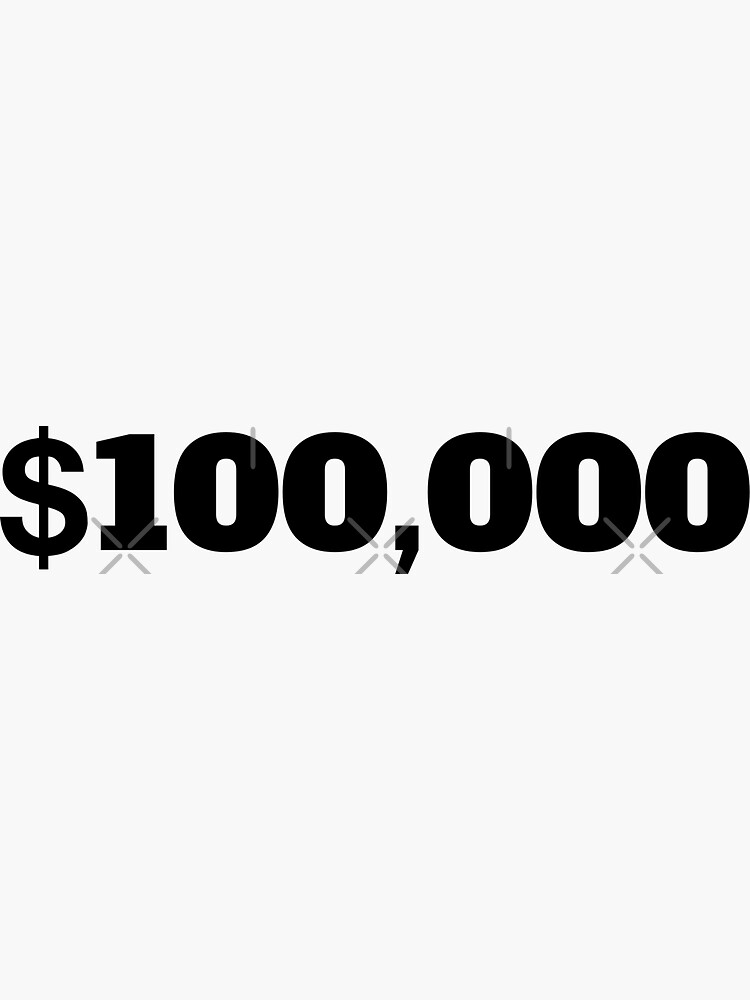
Bitcoin’s price continues to captivate investors, with projections suggesting it could reach the coveted $100,000 mark in the near future. However, experts caution that achieving this milestone will not be a straightforward journey. Volatility, regulatory hurdles, and shifting investor sentiment are just a few of the challenges that Bitcoin must navigate before it can break through this psychological barrier.

As the cryptocurrency market sees renewed interest, Bitcoin’s price has been fluctuating amid a wider crypto rally. Enthusiastic investors are closely watching Bitcoin’s performance, especially after Ethereum’s latest token, WallitlQ (WLTQ), gained significant traction. WallitlQ is expected to see a substantial rally, with some analysts forecasting up to a 300x return, driven by its innovative crypto wallet capabilities. This rising interest in altcoins could have a dual impact on Bitcoin, further intensifying competition and drawing attention away from the market leader.

The potential for Bitcoin to hit $100,000 remains within the realm of possibility, according to multiple cryptocurrency analysts. Historical trends show that Bitcoin’s price has surged by over 1,000% in the past, leading many to speculate that similar growth could unfold once again. But this time, experts stress that Bitcoin faces different macroeconomic factors, regulatory environments, and competition from emerging tokens like WallitlQ.

A key factor influencing Bitcoin’s price trajectory is the ongoing evolution of institutional investment in cryptocurrencies. Companies such as MicroStrategy and Tesla have bolstered their Bitcoin holdings, signaling a shift towards greater mainstream acceptance. These large-scale investments are often seen as a sign of confidence in Bitcoin’s long-term potential. However, Bitcoin’s price remains subject to broader market dynamics, including interest rates and inflation rates, which could hinder its ascent towards the $100,000 target.

Bitcoin’s decentralized nature allows it to bypass traditional financial institutions, but this characteristic also exposes it to heightened regulatory scrutiny. Governments around the world are beginning to take a closer look at cryptocurrency markets, particularly as Bitcoin becomes a more integral part of the global financial system. Proposals for tighter regulations, such as stricter anti-money laundering rules and tax reporting requirements, could exert downward pressure on Bitcoin’s price in the short term.

The competitive landscape for cryptocurrencies is also evolving rapidly. While Bitcoin remains the leader in market capitalization, new tokens are emerging with distinct features aimed at attracting different types of investors. WallitlQ’s unique proposition, for example, lies in its focus on providing a revolutionary crypto wallet that is expected to dramatically simplify transactions and improve user experience. As a result, WallitlQ’s potential 300x rally has sparked significant interest, particularly from investors looking for the next big opportunity in the crypto space.

Despite these competing narratives, Bitcoin’s reputation as a store of value continues to resonate with many investors. With inflation concerns and a growing sense of distrust in traditional financial systems, Bitcoin’s appeal as a hedge against economic instability has grown. Some analysts argue that Bitcoin’s fixed supply of 21 million coins makes it an attractive alternative to fiat currencies, which are susceptible to inflationary pressures. This perceived role as “digital gold” has drawn comparisons to precious metals, positioning Bitcoin as a viable asset class in a diversified portfolio.

Yet, Bitcoin’s volatility remains one of its most defining features. The cryptocurrency market is notorious for rapid price swings, and Bitcoin is no exception. At times, its price movements can be driven by sentiment, speculation, or short-term market events, making it difficult for investors to predict its long-term direction. While some market participants believe that Bitcoin’s price will stabilize as adoption grows, others caution that the cryptocurrency is still in the early stages of its development, and its true value remains uncertain.

Technical indicators, such as moving averages and support-resistance levels, are also being closely monitored by traders and analysts to gauge Bitcoin’s future trajectory. In recent months, Bitcoin has experienced periods of consolidation, which some view as a positive sign of price stability. However, others see it as a precursor to further volatility, with large price swings on the horizon. The next few months will likely be crucial in determining whether Bitcoin can continue to build momentum or face significant setbacks.

The rise of decentralized finance (DeFi) platforms and the increasing integration of blockchain technology into traditional industries are also factors influencing Bitcoin’s future. As more financial products and services are developed on blockchain networks, the demand for cryptocurrencies like Bitcoin could continue to rise. However, this growing interest in blockchain technology could also lead to a diversification of investments, with more capital flowing into altcoins like WallitlQ that offer unique use cases and functionality.

Fly Jinnah, Pakistan’s burgeoning low-cost airline, is set to expand its international reach with the launch of a non-stop service connecting Lahore, Pakistan, to Dammam, Saudi Arabia. The new route will be operational from November 16, marking a significant move as the airline strengthens its foothold in the Saudi market.

This new service aims to enhance connectivity between Pakistan and the Kingdom of Saudi Arabia, offering passengers a convenient travel option for both business and leisure. The flights will initially operate twice a week, scheduled for Tuesdays and Saturdays. Starting December 7, the frequency will increase to three times a week with the addition of a Thursday flight, ensuring greater flexibility for travelers.

The addition of this route aligns with Fly Jinnah’s strategic growth plan, as the airline seeks to tap into the substantial demand for air travel between Pakistan and the Middle East. With a population of over 2.6 million Pakistani expatriates living in Saudi Arabia, Dammam represents a crucial hub for both the Pakistani diaspora and business travelers. Fly Jinnah’s entry into the market comes at a time when both nations are seeing increasing trade and tourism ties, making it a promising venture for the airline.

Fly Jinnah’s decision to introduce this route is also influenced by the growing number of religious and cultural exchanges between Pakistan and Saudi Arabia, especially during the Hajj and Umrah seasons. Saudi Arabia, being home to the holiest Islamic cities, has seen a consistent influx of pilgrims from Pakistan, further increasing the demand for air travel between the two countries.

The airline, which launched operations in 2021, has been gradually expanding its network across the region, capitalizing on its low-cost carrier model to offer competitive fares. Fly Jinnah is part of a consortium backed by investors from both Pakistan and the Middle East, and the airline has been steadily increasing its presence in various Middle Eastern markets, which has helped position it as a key player in the regional aviation landscape.

The new Lahore-Dammam route will be served by modern aircraft, which aligns with Fly Jinnah’s commitment to providing safe and efficient air travel. The airline’s management has highlighted that their fleet is being regularly updated to meet both safety standards and passenger comfort, which has helped attract a growing customer base.

For Dammam, the launch of this service provides a new direct air link to Lahore, making it easier for travelers to access the thriving cultural and economic center of Pakistan’s Punjab region. Lahore, known for its historical significance, vibrant culture, and educational institutions, is a key destination for Saudi nationals and business travelers, particularly in the trade and tourism sectors. The convenience of direct flights between the two cities is expected to appeal to a wide range of passengers, from individuals visiting family and friends to those conducting business or attending cultural events.

Fly Jinnah’s management has emphasized the importance of strengthening regional connectivity, stating that the airline is dedicated to offering accessible and affordable travel options. The addition of the Lahore-Dammam route represents a continued effort to meet the growing demand for low-cost flights while providing enhanced connectivity between Pakistan and the Gulf Cooperation Council (GCC) countries.

The airline’s expansion into the Saudi market is also expected to have positive economic implications for both Pakistan and Saudi Arabia. By offering affordable airfares, Fly Jinnah is likely to contribute to the growth of tourism and trade between the two nations. It is also poised to support Saudi Arabia’s Vision 2030, a strategic plan aimed at diversifying the Kingdom’s economy and promoting greater international connections. The increase in flight frequency also aligns with the Kingdom’s ongoing efforts to boost tourism, especially as it continues to position itself as a global destination for both business and leisure travel.

In addition to providing a reliable transportation option for Pakistani nationals residing in Saudi Arabia, the service is set to foster greater connectivity between key business hubs in both countries. The business communities in Lahore and Dammam are likely to benefit from more direct links, enhancing the flow of goods and services, and fostering stronger economic ties.

KUALA LUMPUR, MALAYSIA – Media OutReach Newswire – 11 November 2024 – AI has already made a profound impact on the financial markets. Its ability to predict trends, execute trades swiftly, and manage risk is transforming investment strategies at its core. Since it allows companies to provide enhanced user experience with improved accuracy and personalisation, businesses have started to adopt the tech and implement AI-based solutions. NVIDIA’s […]

By K Raveendran Trump divides people like nobody else does. The liberal Left all over the world are united in their assessment that there would be a presidential onslaught against whatever they stand for. It is not just people who detest Trumps return; even the elements are affected. Gold is particularly allergic to Trump, as […]

Singapore Science Park is set to become a hive of activity for live-action role-playing, interactive games, workshops and pop culture. SINGAPORE – Media OutReach Newswire – 7 November 2024 – Singapore Science Park, renowned for its vibrant ecosystem of deep tech, life sciences and sustainability companies, will play host to a series of immersive, exploratory experiences for gamers, collectors, families and young adults seeking a more rewarding […]

PHNOM PENH, CAMBODIA – Media OutReach Newswire – 7 November 2024 – The way people pay and get paid has changed more in the past five years than in the last 50. Consumers have evolved, adapting to new payment experiences – from the advent of embedded, digital commerce to the rapid growth of different payment methods. Visa is announcing a suite of new products and services that […]

The Iraq Stock Exchange (ISX) witnessed significant growth in October, with the Rabee Securities Iraq Stock Exchange Index (RSISX Index) recording an impressive 17.6% increase. This gain, underscoring renewed investor confidence, comes after months of relatively stable but modest market performance, highlighting a robust interest across Iraq’s leading financial sectors.

Driven by strong showings from major banking stocks and telecom companies, the RSISX Index’s October growth reflects increased market activity as Iraq’s economy continues to recover from pandemic-related challenges. Major players in the banking sector, such as Al-Mansour Bank, the National Bank of Iraq, and the Commercial Bank of Iraq, reported substantial gains, positioning banking stocks as the driving force behind the index’s rise. Telecommunications giant Asiacell also contributed significantly to the index’s success, underscoring the sector’s role as a stabilizing force in Iraq’s economic landscape.

Analysts attribute the market’s growth to increased trading volumes, reflecting greater domestic and foreign interest in Iraqi equities. Notably, total trading volume in September hit USD 41.8 million, with a particular increase in transactions outside cross-border trades, which surged by 24% to reach USD 31.9 million. The banking sector commanded nearly 72% of the trading volume, followed by telecoms, industry, agriculture, and hospitality, sectors which collectively contributed to this upward trend.

September’s positive momentum set the stage for October’s robust gains, as the ISX benefited from several factors boosting investor sentiment. A significant development involved a strategic partnership between the International Finance Corporation (IFC) and Iraq’s Central Bank to bolster sustainable financing and introduce a roadmap for environmental and social risk management. This initiative, combined with the announcement of an extended U.S.-led international mission in Iraq through 2025, has added a layer of economic stability that investors have been quick to capitalize on.

Rabee Securities, a leading financial services firm in Iraq, has remained optimistic about Iraq’s stock market potential, highlighting the improving fundamentals within the country’s corporate sector. Thirty-five companies saw their share prices increase in September, with 29 stocks climbing by over 5%, including standout performers like Iraqi Engineering Works, which rose by a remarkable 171.4%, and veterinary firm AL-Kindi, which posted a 50.6% increase. These gains helped propel the RSISX Index upward and fueled investor confidence in Iraq’s broader economic growth.

Iraq’s continued focus on sustainable finance and governance has further positioned its capital markets for sustainable growth. The IFC’s seven-year Sustainable Finance Roadmap, now in collaboration with Iraq’s Central Bank, is poised to set new standards in environmental, social, and governance (ESG) principles across Iraq’s banking sector, marking a significant step toward attracting long-term institutional investors focused on sustainable growth opportunities.

Iceland’s reputation as a sustainable data hub is strengthening as atNorth, a Nordic high-performance computing and colocation provider, scales its Iceland operations in response to rising global demand for artificial intelligence (AI) and high-performance computing (HPC). Leveraging the country’s abundant geothermal and hydroelectric energy, atNorth is set to expand its infrastructure, which supports sectors from scientific research to advanced AI model training, by enhancing capacity at its […]

A rising number of enterprises across the Asia-Pacific region are adopting AI-driven low-code platforms to expedite digital transformation, streamline operations, and innovate rapidly to meet market demands. According to findings from the latest Salesforce and MuleSoft reports, low-code solutions and APIs are revolutionizing business processes, enabling seamless integration of systems while boosting scalability and user experience across various sectors. Businesses in APAC face distinct challenges, including fragmented […]

Proton Drive, known for its privacy-focused approach to digital storage, has launched an encrypted editing feature aimed at enhancing collaboration within secure environments. Designed specifically for organizations and individuals prioritizing privacy, the feature allows multiple users to edit files in real-time while keeping all activity safeguarded from external access. This addition places Proton Drive among the few in cloud storage to offer a full suite of collaboration […]

SINGAPORE – Media OutReach Newswire – 8 November 2024 – Home Action Party (HAP) is excited to celebrate its 10th anniversary, marking a decade of transforming homes across Singapore with cutting-edge smart home automation solutions. From humble beginnings as a two-person team, HAP has grown into a leading one-stop solution provider, delivering hassle-free services from design to aftersales. Whether it’s ideation, installation, or maintenance, HAP’s comprehensive approach […]

Qatar Development Bank (QDB) has formalized a strategic partnership with Qatar National Bank (QNB) Group, aimed at enhancing support for Qatari exporters. The agreement, structured as a memorandum of understanding (MoU), marks a significant step toward facilitating international trade for Qatari businesses. Under the terms of the MoU, the two entities will leverage their complementary strengths to provide tailored financial services, market access, and business solutions to exporters in Qatar.

QNB, recognized as the largest financial institution in the Middle East and Africa, brings extensive international reach and financial acumen to the partnership. Its expansive network and experience in delivering innovative financial products are expected to provide Qatari exporters with enhanced access to global markets. This partnership aligns with QDB’s continued efforts to support local businesses and foster economic growth in Qatar, particularly by expanding the reach of Qatari companies on the global stage.

The collaboration will focus on a range of key areas, including financing solutions, trade facilitation, and market expansion. QNB will provide export financing services, helping companies manage the financial aspects of their trade operations. This includes offering competitive rates and flexible terms that make it easier for Qatari businesses to engage in cross-border trade. The partnership also emphasizes access to advanced digital solutions, aimed at streamlining international transactions and improving the overall efficiency of trade processes.

The MoU comes at a time when Qatari businesses are increasingly looking to expand their presence in international markets, supported by the nation’s robust economic policies and strategic position as a key player in global trade. QDB has long been dedicated to fostering export growth and providing local companies with the necessary tools to navigate the complexities of international business. This agreement with QNB is a direct response to the growing need for accessible and efficient financial solutions that can facilitate this expansion.

With QNB’s established presence in over 31 countries, its role in offering cross-border financial services will be crucial in bridging the gap for Qatari exporters looking to enter new markets. The bank’s strong international footprint allows Qatari businesses to benefit from the expertise and infrastructure of a global financial institution. This enables them to mitigate risks and unlock opportunities in diverse markets, particularly in regions where trade relations are vital to Qatari economic interests.

QDB’s focus on supporting exporters is underscored by its strategic initiatives aimed at driving the non-hydrocarbon sectors of the economy, including manufacturing, technology, and services. Through its various financial programs, QDB has long played a key role in empowering Qatari businesses to diversify their export portfolios and enhance their competitive edge globally.

The partnership with QNB also reflects Qatar’s broader efforts to strengthen its position as a regional business hub, fostering an environment conducive to investment and international trade. By aligning with a leading financial institution like QNB, QDB is positioning itself to better serve the evolving needs of Qatari exporters in a rapidly changing global economic landscape.

In addition to financial solutions, the collaboration will also encompass a comprehensive suite of advisory services. QNB’s vast expertise in trade and export markets will provide Qatari exporters with insights into market trends, regulatory frameworks, and strategic business practices that can help them navigate challenges and identify new opportunities. This advisory role is particularly important for smaller and mid-sized businesses seeking to expand beyond local borders but lacking the necessary expertise to do so.

Both QDB and QNB have committed to jointly organizing workshops, training sessions, and seminars for exporters. These educational programs will cover various aspects of international trade, including best practices, digital transformation in trade finance, and sustainable export strategies. The goal is to equip Qatari businesses with the knowledge and resources needed to thrive in competitive global markets.

The MoU also highlights the growing importance of innovation in international trade. As businesses increasingly turn to digital platforms for trade transactions, both QDB and QNB are keen to support the digitalization of Qatar’s export sector. This includes the implementation of blockchain technology, artificial intelligence, and other digital tools that are revolutionizing the global trade landscape.

Through this partnership, QDB and QNB are not only enhancing the global competitiveness of Qatari exporters but also contributing to the broader objectives of Qatar’s National Vision 2030. This ambitious blueprint for the country’s development emphasizes economic diversification, the growth of the private sector, and the fostering of international partnerships to drive sustainable economic progress. By investing in the export sector, the QDB-QNB partnership aligns with these long-term goals, helping Qatar position itself as a leading trade and investment hub in the region.

Both entities have expressed their commitment to continuously evolving the terms of their partnership to meet the dynamic needs of the export sector. This includes adapting to new global trade dynamics, shifts in consumer demand, and the increasingly important role of sustainability in international business practices.

While the immediate benefits of the partnership are focused on providing financial solutions and expertise to exporters, the long-term impact is expected to be even more transformative. The collaboration could set the stage for further international partnerships that extend beyond the financial sector, opening doors for Qatari businesses to explore new markets, form alliances, and participate in global supply chains.


DigitalOcean’s Q3 2024 results show a marked rise in growth and profitability, as the cloud service provider reported a 12% year-over-year revenue increase, reaching $198 million. The results underscore the company’s strategic emphasis on innovation in AI infrastructure, helping to position DigitalOcean among competitive tech players targeting small- and medium-sized businesses (SMBs). With its latest launches in AI, DigitalOcean aims to address the shifting needs of developers, […]

VISHNU RAJA
RYO YAMADA
HITORI GOTOH
IKUYO KITA
Just in:
U.S. Mid Term Result Is A Clear Verdict Against Trump’s Authoritarianism // ADIA and partners establish $1.4 billion aviation venture // Cyberport Venture & Capital Forum 2026 Grand Opening // OpenAI identifies 948 Linux privilege escalation flaws using AI // Burying Head In “India Made Poverty Reduction” Data Is Dangerous // Democrats capture Senate majority with seven Republican seats // Vance attributes Republican midterm defeats to Iran conflict // Emirates Group records AED 4.1 billion half-year profit // After Reaching 7 Million Users in the Philippines, Skyro Launches Transparent Cash Loans in Malaysia // Ta’ziz finalises $1.39bn funding for Ruwais industrial facilities // Anthropic to prohibit persistent abuse of Claude chatbot // Govt opposes Arlekar’s PSC action // AI trust gap reveals distinct retail priorities: Divergent paths to consumer growth in Hong Kong and the GBA // xCube Access Welcomes Entrust Capital Limited  Expanding Access to Professional Portfolio Management // As AI Reshapes Education, Singapore Convenes Global Dialogue on the Future of Early Childhood Education // Cloudflare unveils Zero Wire vulnerability intelligence service // Asia Left Behind: Ten international companies have yet to report delivering on their cage-free egg pledges across the region // Pinarayi faults UDF over mounting road crashes // DIP Holding targets Dh1.12 IPO price and $529m proceeds // Fast Just Got Fastest: STING Energy Boost™ Celebrates Kimi Antonelli’s Formula 1® World Championship and the Fan Energy Behind It //