News related to
data

BANGKOK, THAILAND – Media OutReach Newswire – 29 November 2024 – Everydayhappy Company Limited, a leading natural skincare brand, has been honoured with the prestigious Asia’s Most Promising SMEs Award at the Asia Corporate Excellence & Sustainability (ACES) Awards, organised by MORS. Established in 2010, the brand De Leaf emerged under the Everydayhappy umbrella with a fundamental belief: natural ingredients are essential for healthy skin. Over the […]

Motorcity Systems, a leader in transportation technology, has introduced ROLLER™, a new mobile application designed to transform fleet operations and improve the experiences of both drivers and fleet managers. The app, which integrates seamlessly with Motorcity’s cloud-based platforms, brings advanced features to streamline workflows and enhance operational efficiency.

Rigetti Computing has secured $100 million through its at-the-market (ATM) equity offering, which began in March 2024. This funding round is a significant step in the company’s push to advance its quantum computing capabilities, particularly focusing on the development of next-generation qubit systems. Rigetti aims to use the raised capital to accelerate the integration of superconducting qubits, with a target of achieving groundbreaking advancements in quantum-classical hybrid […]

Elon Musk’s net worth has reached a staggering $348 billion, driven by a surge in Tesla stock and the continued growth of his artificial intelligence venture, xAI. Musk’s wealth has seen a remarkable spike, placing him at the forefront of global billionaires, surpassing key figures in both tech and finance. This surge highlights the continued influence of Musk’s ventures, particularly Tesla, as the company’s performance remains strong […]

Meta is set to undertake a groundbreaking project that could reshape global internet infrastructure. The company plans to lay down a 40,000 km subsea fiber optic cable that will encircle the globe. The estimated cost of the project exceeds $10 billion, marking it as one of the largest and most ambitious undertakings by the tech giant. This cable will be the first of its kind, owned and […]

Understood. Let me research and draft the report for you. Please hold on.

Dubai will host the second edition of the Japan Kyoto Trade Exhibition in February 2025, showcasing Japan’s innovative industries and fostering cross-border business opportunities. Organized by MAICO Enterprises Inc., a prominent Japanese trade organization, this event is set to bring together global businesses, investors, and policymakers in a celebration of economic collaboration and cultural exchange.

Scheduled from February 10 to 13 at the Dubai World Trade Centre, the exhibition will highlight sectors such as technology, green energy, and consumer goods. The event aims to promote Japan’s traditional craftsmanship alongside its advancements in technology, emphasizing sustainability and innovative trade practices.

This year’s exhibition builds upon the success of the inaugural event, which featured over 300 exhibitors and attracted more than 20,000 visitors. Organizers have expressed confidence in surpassing these figures in 2025, given the strategic location of Dubai as a global trade hub and its commitment to fostering international partnerships.

Nissan’s iconic Patrol SUV has entered its seventh generation, showcasing an evolved design and cutting-edge features that highlight its versatility and power. The highly anticipated model was unveiled in Saudi Arabia, offering an impressive blend of luxury and performance tailored for diverse terrains. With a rich history since its inception in 1951, the Patrol continues to stand as a symbol of durability and innovation.

This latest iteration introduces a bold design, featuring Nissan’s signature V-motion grille integrated seamlessly with its body and flanked by advanced Double C-shaped headlights. Adaptive Driving Beam technology ensures optimal visibility in challenging environments. At the rear, a full-width light bar mirrors the striking front, while the 22-inch alloy wheels enhance both ground clearance and aesthetic appeal. Customers can choose from seven dynamic exterior colors, including four two-tone options, providing a personalized touch.

Performance upgrades include two new engine options: a 3.5-liter V6 twin-turbo engine delivering 425 horsepower and 700 Nm of torque, and a 3.8-liter naturally aspirated V6 engine producing 316 horsepower. These powertrains replace the outgoing V8, offering a 7% increase in power and 25% improvement in torque, along with enhanced fuel efficiency. A newly integrated nine-speed automatic transmission with paddle shifters ensures smooth gear transitions, catering to both city and off-road driving.

The Patrol’s off-road capabilities are further boosted by a standard adaptive air suspension system, adjustable ride heights, and six drive modes, including sand, rock, and mud. Additionally, a 4WD transfer mode interlock system offers intuitive handling across various terrains, supported by advanced chassis and electronic aids like Vehicle Dynamic Control and Traction Control.

Advertisements

Equinix has officially unveiled plans for its sixth data center in Singapore, marking a significant investment in Southeast Asia’s growing digital infrastructure landscape. The new facility, named SG6, represents a $260 million initiative to support the region’s increasing demand for advanced colocation and AI-ready services. Positioned in the dense industrial hub of Tai Seng, SG6 will integrate cutting-edge technology to cater to the rising computational needs of […]

Seef Properties has formalized its commitment to supporting female entrepreneurs through a strategic partnership with Ra’edat, a platform dedicated to empowering women in business. This collaboration aims to create avenues for aspiring and established female entrepreneurs by offering innovative retail opportunities within Seef Properties’ network. The agreement aligns with Bahrain’s broader efforts to nurture entrepreneurial talent and advance gender equality in the business sector.

The memorandum of understanding (MoU) enables women-led businesses to access retail spaces under the “Mahali” initiative, which is part of Seef Properties’ portfolio. These spaces, located at Seef Mall and other prime locations, provide tailored environments for businesses to scale operations, engage customers, and enhance their visibility. This initiative is particularly designed to support homegrown enterprises seeking to establish a stronger foothold in the marketplace.

Ahmed Yusuf, Chief Executive Officer of Seef Properties, highlighted the collaboration as a step toward fostering a robust entrepreneurial ecosystem in Bahrain. He emphasized the company’s commitment to empowering women entrepreneurs through providing opportunities that combine prime retail locations with business development resources. Yusuf also noted that the initiative would contribute to Bahrain’s long-term economic vision by encouraging diversity and inclusivity within the entrepreneurial landscape.

Ra’edat, recognized for its role in promoting women’s economic participation, expressed optimism about the partnership’s potential to strengthen the region’s business ecosystem. By facilitating access to premium retail environments, the platform envisions fostering growth for women-led businesses and inspiring a broader cultural shift toward gender-balanced economic contributions.

Saudi Arabia has unveiled the Jeddah Food Cluster, a groundbreaking initiative aimed at transforming Jeddah into a global hub for the food industry. Officially recognized by Guinness World Records as the largest food park in the world, this project spans 11 million square meters and is poised to attract SR20 billion ($5.3 billion) in investments.

University College Dublin Global Lounge: ‘Empower, Connect & Create’ SINGAPORE – Media OutReach Newswire – 29 November 2024 – University College Dublin (UCD) and Kaplan (Singapore) have officially launched the new University College Dublin Global Lounge at Kaplan City Campus @ Wilkie Edge [1]. This launch represents another significant milestone in the longstanding strategic partnership between UCD and Kaplan. The Global Lounge is designed to inspire students […]

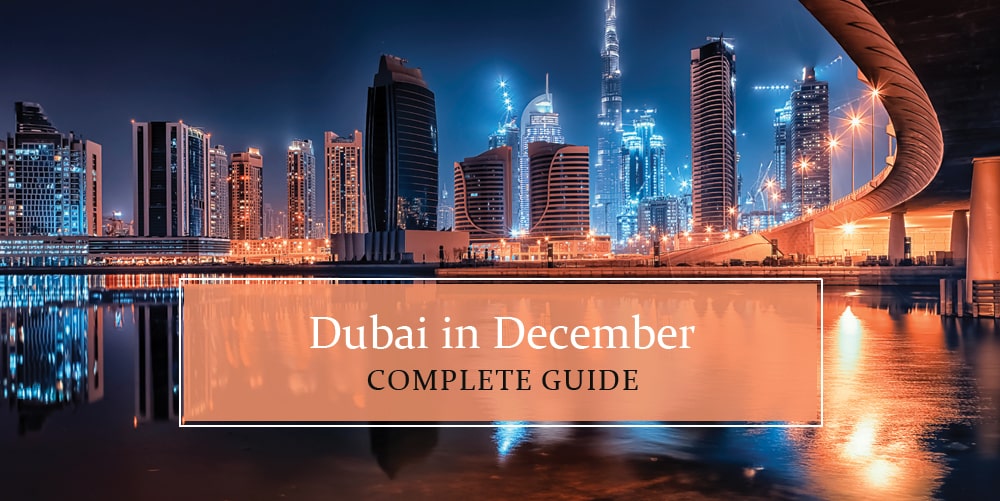
Dubai’s event calendar this December is brimming with cultural activities, ranging from international musicals to world-class music festivals. The city’s vibrant arts scene continues to captivate audiences with a diverse lineup of performances that cater to a wide range of tastes. Notably, iconic shows like *Singin’ in the Rain* and acclaimed international musicians are set to grace Dubai’s renowned venues, offering memorable experiences for locals and tourists alike.

The much-anticipated *Singin’ in the Rain* musical is currently being performed at the Dubai Opera, a venue known for its acoustics and luxury. The classic Broadway production has been adapted for Dubai’s stage and promises to deliver a unique theatrical experience. Running until December 14, the show is a romantic comedy set against the backdrop of Hollywood’s Golden Age. Audiences will be treated to the classic charm of the film, re-imagined with live music, dynamic choreography, and state-of-the-art visual effects. Ticket prices for this iconic musical start at 390 AED, making it accessible to a broad audience looking to enjoy a night of nostalgia and song.

On December 3, the 20th Emirates International Peace Music Festival will be held at the Zabeel Theater. This annual event, a hallmark of Dubai’s cultural calendar, brings together artists from around the world to promote global peace through music. The festival will feature a variety of performances, with a strong emphasis on blending different musical traditions to celebrate unity and harmony. The event has long been regarded as an important platform for cultural exchange, attracting attendees who appreciate the power of music in promoting peace. Tickets for this event start at 100 AED, offering an affordable way to experience some of the best global talent.

A day later, on December 4, the Moscow Jazz Orchestra, led by the renowned Igor Butman, will take to the stage at the Zabeel Theater. Butman, one of Russia’s most celebrated jazz musicians, is known for his exceptional skill and charismatic performances. The orchestra will showcase a blend of traditional jazz with a modern twist, offering an evening of captivating music for jazz enthusiasts. Butman’s leadership of the Moscow Jazz Orchestra has made them a prominent fixture in the international jazz scene. Tickets for this event begin at 175 AED, providing an opportunity for both seasoned jazz fans and newcomers to the genre to enjoy an evening of world-class music.

Dubai’s cultural offerings this December highlight the city’s growing prominence as a global arts destination. The city’s venues, such as the Dubai Opera and the Zabeel Theater, have become synonymous with high-quality performances, attracting internationally renowned talent and a diverse audience. These events not only provide entertainment but also foster cultural dialogue, making Dubai a vibrant hub for the arts. Whether it’s the glamour of a Broadway musical or the soul-stirring sounds of an international orchestra, Dubai offers something for everyone this holiday season.

Source – Patreon

PRYPCO, a prominent Dubai-based real estate firm led by Amira Sajwani, has launched an innovative fractional ownership platform aimed at democratizing access to premium properties in the city. The platform allows investors to buy fractions of luxury real estate, significantly lowering the barriers to entry in a market traditionally dominated by high-net-worth individuals. The new platform is poised to reshape the landscape of real estate investment in […]

Dubai’s Roads and Transport Authority (RTA) has unveiled a major update to its traffic management strategy by introducing variable road toll pricing (Salik) and dynamic parking tariffs. This decision marks a shift toward a more adaptive and responsive traffic system, aimed at improving traffic flow and reducing congestion across the city. The move includes the implementation of event-specific parking rates to address higher demand during major events, […]

Fuel prices in the UAE experienced a notable rise in November, with the price of Super 98, Special 95, and E-Plus 91 all increasing by 9 fils per liter compared to October. The increase has raised concerns among consumers, particularly in light of ongoing discussions about the global energy market and its impact on local economies.

The National Petroleum Marketing Company, which oversees fuel pricing in the UAE, implemented this price change after monitoring shifts in global oil prices. The new prices reflect a global trend in energy markets where oil prices have steadily climbed in the past months due to rising demand and geopolitical uncertainties. Industry analysts suggest that such fluctuations are becoming increasingly common as global supply and demand dynamics evolve.

The change has been felt by consumers across the country, with many noting the impact on household budgets. The price for Super 98, the premium fuel grade, is now set at 3.03 AED per liter, up from 2.94 AED in October. Special 95, which is widely used by the general public, now costs 2.92 AED per liter, while E-Plus 91 has seen its price rise to 2.83 AED per liter. These increases, although seemingly modest, have a direct impact on daily life in the UAE, where gasoline-powered vehicles remain the primary mode of transport for the majority of residents.

The fuel price hike is part of a broader trend of fluctuating oil prices that began in mid-2023, driven by OPEC+ decisions, changes in U.S. production levels, and shifting demand patterns across key global markets. In particular, recent supply cuts by major oil-producing nations have tightened global crude oil supplies, contributing to the increase in fuel costs. The UAE, being a significant player in the global energy market, is not insulated from these trends, as the country relies heavily on oil exports for revenue.

The fuel price increases also come amidst discussions about the UAE’s efforts to diversify its economy away from oil dependence. Although the country has made significant strides in renewable energy development, including solar power and nuclear energy, oil remains a dominant economic driver. This creates a delicate balance for policymakers who must manage rising fuel prices while attempting to transition to more sustainable energy sources in the long term.

Consumer sentiment regarding the fuel price hike has been mixed. While some accept the increase as an inevitable result of global market trends, others express frustration with the recurring adjustments. Public transport, although available in major cities like Dubai and Abu Dhabi, remains underdeveloped in many parts of the country, making private car ownership essential for most people. This reliance on cars amplifies the impact of rising fuel prices on everyday expenses, leading to concerns about the affordability of transportation.

Economists have also weighed in on the potential long-term effects of fuel price hikes in the region. Some suggest that continued increases could put pressure on the cost of living, particularly in industries reliant on fuel-intensive activities such as transportation and construction. Businesses may face higher operating costs, which could eventually be passed on to consumers in the form of higher prices for goods and services.

On the other hand, analysts point out that the UAE government has taken steps to mitigate the impact on the most vulnerable sectors of the economy. Some subsidies remain in place for specific fuel products, particularly for those used in commercial and industrial sectors. These measures are designed to help cushion the effects of price increases and ensure that critical sectors do not experience undue strain.

The UAE’s fuel pricing system, which is reviewed monthly, has led to a degree of predictability in the market. Although prices are subject to fluctuations, the transparency of the system allows consumers to plan their expenses accordingly. This regular review process has earned praise from certain segments of the population, who appreciate the consistency in pricing, despite the periodic hikes.

Global energy market conditions remain a crucial factor in determining fuel prices. International oil price fluctuations have an immediate impact on the cost of fuel, and the UAE is particularly sensitive to these changes due to its role as a major oil exporter. With oil prices expected to remain volatile, fuel price adjustments are likely to continue being a regular feature of the economic landscape in the UAE. These changes, while impacting consumers, also serve as a reminder of the intricate connection between local economies and global energy markets.

Emirates, the largest airline in the MENA region, has voiced increasing frustration over ongoing delays and growing uncertainty surrounding the delivery of its Boeing 777-9X jets. The airline, which placed a substantial order for the aircraft, is concerned that the continued postponements could impact its long-term fleet strategy, and has called for clearer timelines and solutions from Boeing.

The 777-9X, an advanced version of the 777X series, was initially slated for delivery in 2024. However, production setbacks, combined with technical challenges, have pushed back the timeline repeatedly. The delays have sparked concern across the aviation industry, as they affect airlines’ expansion plans and disrupt the global supply chain for new aircraft.

Emirates, which has long been a key customer of Boeing, has expressed its disappointment over the missed deadlines. The airline had originally ordered 150 of the 777-9X jets, which were intended to bolster its fleet and replace older models, particularly the 777-200 and 777-300. These aircraft were seen as vital to the airline’s strategy to compete in long-haul travel, offering greater fuel efficiency and capacity than earlier models.

Boeing’s repeated delays with the 777-9X have affected not only Emirates but several other airlines around the world. The company has struggled with production issues related to the aircraft’s engine, structural elements, and other components, which have led to prolonged certification processes and delayed first deliveries. These challenges have prompted some airlines to reconsider their fleet strategies, with several seeking to renegotiate delivery schedules or exploring alternative aircraft options.

Emirates has not been silent in expressing its dissatisfaction. Tim Clark, the airline’s president, has been vocal about the disruptions caused by Boeing’s delays, emphasizing that the issue is creating significant challenges for the airline’s operations. According to Clark, the uncertainty surrounding the aircraft’s arrival date makes it difficult for Emirates to plan its future routes and fleet expansions effectively.

The airline’s frustration is amplified by the broader context of post-pandemic recovery, where airlines are racing to expand their fleets and capitalize on the growing demand for air travel. Emirates, which has already faced the pressures of the pandemic on its operations, is eager to modernize its fleet to maintain competitiveness in the global market. With the delays in Boeing’s production, the airline has had to consider other solutions, including increasing the use of its older aircraft for longer periods, potentially increasing maintenance costs and operational challenges.

Boeing has repeatedly assured its customers that it is working diligently to resolve the issues, but so far, no firm delivery dates have been set. The company has promised to keep affected airlines informed, though some critics believe the level of transparency regarding production hurdles could be improved. Boeing’s management has acknowledged the difficulties and is reportedly taking steps to address the technical and manufacturing problems that have hindered the 777-9X’s progress.

In response to the delays, Emirates has been exploring other options for replacing older aircraft in its fleet. This includes considering different models from rival manufacturer Airbus, particularly the A350-1000, which offers comparable capacity and range to the 777-9X. Emirates has already placed significant orders for the A350 in recent years, and while the airline has expressed preference for the 777X series, it may have to adjust its fleet strategy to meet the evolving demands of global travel.

Industry analysts have pointed out that the 777-9X delays are not an isolated issue but part of a broader trend affecting both Boeing and the aviation industry as a whole. The pandemic disrupted global supply chains, creating bottlenecks in the production of everything from aircraft parts to engines. Manufacturers have struggled to catch up with the surge in demand for new aircraft as airlines emerge from the pandemic with ambitious growth plans. The competition between Boeing and Airbus, in particular, has intensified, with each company striving to secure a larger share of the global aviation market.

The uncertainty surrounding the 777-9X has led some airlines to question Boeing’s ability to meet future delivery commitments. While Boeing has made strides with other models, such as the 737 MAX, the prolonged delays with the 777-9X have raised doubts about the company’s overall production capabilities and ability to meet the needs of the aviation industry as it rebounds. The impact of these delays is expected to extend beyond the immediate customer base, affecting the entire aviation supply chain, from suppliers of aircraft parts to maintenance and repair companies.

Delivery Hero has set the final price for the highly anticipated IPO of its Middle Eastern arm, Talabat, at $0.44 per share. The pricing marks a significant move for the German food delivery giant as it pushes ahead with its plan to list the popular regional platform on the Dubai Financial Market. This marks a crucial step in Delivery Hero’s strategy to strengthen its position in the […]

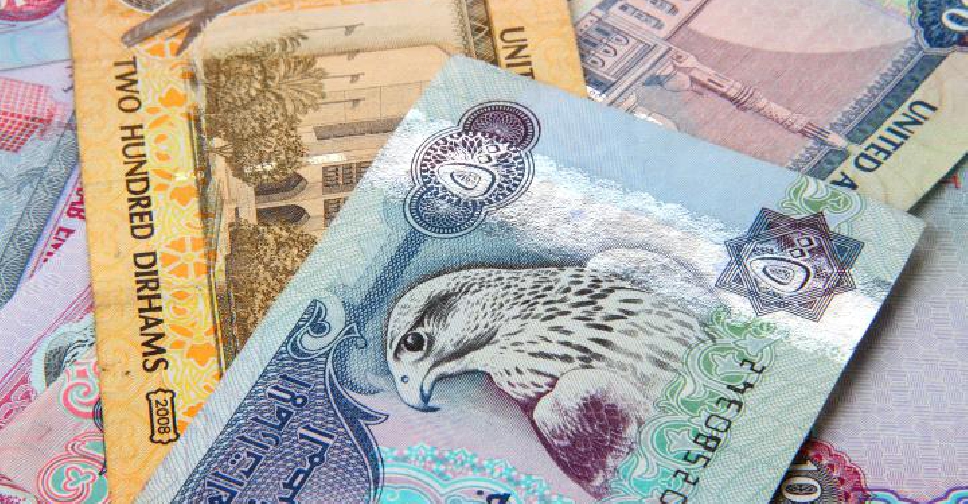
The Nationals Defaulted Debts Settlement Fund (NDDSF) has announced the exemption of 1,277 citizens from a combined debt of AED 401,791,000. This debt relief initiative is the result of a collaborative effort between the Fund and 18 banks, marking a significant milestone in the UAE’s ongoing efforts to support citizens facing financial challenges. The initiative, which aims to alleviate the burden of unpaid debts, is part of the country’s broader strategy to foster financial stability and inclusivity.

The initiative is a key element in the UAE’s commitment to social welfare and economic stability. The NDDSF, established to help citizens struggling with debt, has provided significant relief to individuals facing financial difficulties. Through this program, individuals previously unable to meet their financial obligations due to various reasons, including economic hardships and unforeseen circumstances, are now given a fresh start.

The debts forgiven under this initiative are spread across multiple sectors and represent a range of defaulted financial obligations, including personal loans, credit cards, and other financial liabilities. With the exemption, these citizens will no longer be burdened by the outstanding debts, offering them a crucial opportunity to rebuild their financial standing. This relief is expected to improve the financial well-being of the affected individuals, potentially enhancing their ability to contribute to the broader economy.

The 18 participating banks have played a crucial role in this effort by agreeing to waive the debts of these citizens. By engaging with the NDDSF, these institutions demonstrate a strong commitment to corporate social responsibility and contribute to the stability of the country’s financial system. The collaboration with these banks is also a testament to the UAE’s thriving financial sector and its ability to work with government initiatives aimed at supporting the citizens.

This debt relief initiative is seen as a critical measure to mitigate the adverse effects of financial distress on citizens, who may otherwise face severe consequences such as legal actions, asset confiscations, or restrictions on their ability to access future credit. By addressing these issues, the program ensures that vulnerable individuals are not further penalized for their financial difficulties, thus helping to prevent the deepening of socio-economic divides within the country.

The UAE government has been proactive in addressing financial distress among its citizens, and this initiative is part of a broader pattern of social welfare programs designed to help people who find themselves in difficult financial situations. By offering debt relief, the government is aiming not only to help individuals but also to stabilize the wider economy, ensuring that citizens can continue to participate in economic activities without the constraints of unmanageable debt.

This latest development also highlights the UAE’s ongoing focus on inclusivity and economic resilience. The government has committed to a series of measures aimed at protecting the most vulnerable populations, particularly those who may have faced financial setbacks due to factors beyond their control, such as illness, unemployment, or economic downturns. In offering debt exemptions, the country is reinforcing its position as a leading financial hub in the Middle East, where citizens are provided with the support they need to navigate financial challenges.

The NDDSF’s role in facilitating this debt exemption program underscores the significance of government-led initiatives in resolving personal debt crises. Its work highlights the potential of public-private partnerships in tackling financial distress, offering a model that can be adapted by other nations facing similar issues. As the UAE continues to innovate in the realm of financial governance, the collaboration between government entities and private sector banks stands out as a positive example of how the two can work together for the benefit of the population.

With the exemption of AED 401 million worth of debt, the 1,277 citizens who benefit from this initiative are not only freed from their financial burdens but are also provided with the chance to rebuild their credit scores and regain access to financial resources. This is crucial for the long-term financial health of the population, as it promotes responsible financial behavior and gives individuals the tools they need to avoid future financial difficulties.

The NDDSF’s intervention serves as a reminder of the importance of maintaining financial safety nets for citizens, especially in times of economic uncertainty. The program reflects a holistic approach to managing debt in a way that promotes fairness, stability, and opportunity for all members of society. By alleviating the financial strain on individuals, the UAE ensures that they can continue to contribute meaningfully to the national economy and their local communities.

The initiative, which follows several previous debt relief programs, aligns with the UAE’s Vision 2021 and other long-term goals that focus on building a resilient, inclusive, and diversified economy. As part of its future trajectory, the country aims to continue offering similar support mechanisms to ensure that all citizens have access to the resources they need to overcome financial challenges and thrive in the rapidly evolving economic landscape.


Masdar, a global leader in renewable energy, has finalized its acquisition of a 70% stake in TERNA ENERGY SA, a prominent Greek clean energy company. This transaction, priced at €20 per share, positions TERNA ENERGY at an enterprise value of €3.2 billion, marking the most significant energy-related deal in the history of the Athens Stock Exchange and one of the largest transactions in the European renewable energy […]

Dubai’s real estate sector is witnessing a surge in competition as new developers enter the market, driving up supply and introducing diverse offerings. With the demand for luxury properties continuing to soar, a new generation of developers is working to reshape the landscape, creating challenges for established players while offering unique opportunities for investors and buyers.

The entrance of these new developers is a reflection of Dubai’s dynamic property market, which has shown impressive resilience despite global economic pressures. These newcomers are not only investing in residential projects but also diversifying into commercial spaces, mixed-use developments, and hospitality, areas that are seeing a significant increase in demand. The competition has intensified as developers offer more attractive terms and design concepts to stand out in a crowded market.

One of the key reasons for the heightened interest is Dubai’s sustained appeal to global investors. The UAE’s economic recovery, backed by government initiatives to attract foreign investment, continues to position the country as a hub for both business and leisure. Additionally, the government’s policy of easing property ownership restrictions for foreigners has opened up opportunities for international investors, further fueling demand.

Developers such as the Dubai-based Azizi Developments and Arada have been gaining traction with their focus on affordable luxury. Azizi’s portfolio, which includes high-end residential and mixed-use developments, caters to both local and international buyers looking for properties that combine luxury with functional living. Arada’s presence, marked by their flagship development in Sharjah, is another example of developers aiming to capture a diverse clientele by offering competitive prices and quality.

Dubai’s real estate sector is seeing a significant shift toward sustainability and innovation. Many new developers are incorporating green building practices and energy-efficient technologies into their designs to meet the rising demand for eco-friendly living spaces. This focus on sustainability is aligned with the UAE’s broader vision of creating a greener, more sustainable future.

Key players in the market, including Emaar Properties and DAMAC, continue to dominate the luxury sector, but the influx of new developers is pushing them to evolve their offerings. For instance, Emaar is now emphasizing the creation of smart homes and lifestyle-oriented communities, areas where its competitors are also investing heavily. Meanwhile, DAMAC, known for its high-end residential developments, has started to explore the commercial and hospitality sectors in response to shifting market dynamics.

While luxury remains the primary focus of many high-profile developments, affordable housing is becoming increasingly popular. This shift is driven by a growing middle class within the UAE and an influx of professionals from various sectors. Developers are responding by providing more affordable, yet high-quality, housing options, ensuring that they capture a wider market share.

Real estate experts also point to the increase in the number of Dubai’s population as another driving factor in the demand for new housing developments. Projections estimate that the city’s population will continue to rise in the coming years, with more people flocking to the city for its tax-free incentives and high quality of life. As the population grows, developers are focusing on mixed-use developments that provide residential, retail, and entertainment options all in one location.

The competition among developers is forcing many to reconsider traditional marketing strategies. Digital marketing has become a critical tool, with developers focusing on online platforms and virtual tours to attract a global audience. Some have even begun incorporating virtual reality (VR) into property showings, enabling potential buyers to experience properties remotely, no matter where they are located.

Dubai’s burgeoning property market is not without challenges, however. While demand remains strong, the rapid influx of new projects may lead to an oversupply in certain sectors, particularly in the luxury segment. Experts warn that while the demand for high-end properties is robust, it could eventually stabilize, creating an imbalance in the market. Consequently, developers are keenly focused on maintaining a competitive edge through innovation, design, and value-added services.

The fluctuating cost of raw materials, labor shortages, and global supply chain disruptions pose hurdles for developers trying to stay on track with their project timelines. These factors have contributed to slight delays in the delivery of some developments, but most developers have adjusted their plans to minimize the impact on their portfolios.

Wizz Air Abu Dhabi, the UAE’s rapidly growing budget airline, has announced the launch of a new route connecting the emirate to Varna, Bulgaria. This marks another significant expansion for the airline, which is focused on broadening its network in both Eastern Europe and the Middle East.

The new service to Varna, a popular Black Sea coastal city known for its cultural heritage and tourism appeal, is expected to cater to growing demand for both leisure and business travel between the UAE and Bulgaria. The route will operate twice a week, offering travelers convenient and affordable access to one of Bulgaria’s major economic and tourist hubs.

This development comes on the heels of a broader strategy by Wizz Air Abu Dhabi to tap into emerging markets and strengthen its presence in Europe. Bulgaria, with its increasingly attractive tourist spots and growing economy, aligns well with the airline’s aim to connect less-traveled yet high-potential destinations. As the demand for travel rebounds globally, Wizz Air Abu Dhabi continues to focus on offering competitive prices and flexibility, responding to shifting patterns in consumer behavior.

The announcement is part of Wizz Air Abu Dhabi’s broader efforts to expand its network in the region. The airline, which started operations in 2020 as a joint venture between the Hungarian carrier Wizz Air and Abu Dhabi’s state-owned ADQ, has steadily increased its footprint across both regional and European routes. The addition of Varna represents a further commitment to enhancing connectivity between the UAE and Eastern Europe, an area of growing importance for tourism and trade.

For the Bulgarian tourism sector, this new route is expected to have a positive impact, especially as the country’s tourism authorities aim to attract more visitors from the Gulf region. Varna, with its rich historical sites, sandy beaches, and vibrant nightlife, is becoming an increasingly popular destination for travelers from the Middle East, offering a blend of cultural exploration and relaxation.

The launch of the route is also expected to provide more opportunities for travelers to access both Bulgaria’s bustling urban centers and its scenic coastlines. As the tourism landscape continues to evolve, the introduction of direct flights from the UAE will likely improve trade and people-to-people ties between the two regions. Wizz Air Abu Dhabi’s competitive pricing model ensures that more people will be able to afford travel to Bulgaria, a destination that has traditionally been more distant for many travelers in the Middle East.

Varna’s connection to Abu Dhabi is not just a win for tourists but also for business. Bulgaria, known for its fast-developing economy and strategic location within Europe, offers significant potential for investment and collaboration in industries such as technology, agriculture, and energy. Direct flights will facilitate smoother travel for businesspeople looking to engage in partnerships or expand their operations in the region.

The introduction of the route aligns with Wizz Air Abu Dhabi’s overall strategy to diversify its offerings and expand into markets that present high growth potential. The airline’s flexible model, which allows for efficient operations with a low-cost structure, has enabled it to compete aggressively in the region’s air travel market. By prioritizing short-to-medium haul flights and tapping into underserved markets, Wizz Air Abu Dhabi has positioned itself as a key player in the Middle East’s aviation landscape.

Despite the challenges posed by the global pandemic and fluctuating fuel prices, Wizz Air Abu Dhabi has remained resilient, continuously exploring ways to expand its network. The airline’s fleet, which consists primarily of Airbus A321 aircraft, is optimized for cost-effective operations and allows the airline to offer affordable fares while maintaining high standards of safety and customer service.

Industry analysts expect this new route to be a part of a larger trend in the global aviation sector, where low-cost carriers are increasingly looking to expand their networks into less-traveled destinations, especially in emerging markets. As demand for affordable travel options grows, Wizz Air Abu Dhabi’s business model appears well-suited to meet the evolving needs of both leisure and business travelers.

The Varna route, launching in early December 2024, is set to further solidify Wizz Air Abu Dhabi’s position as a major player in the competitive low-cost carrier market. With more direct connections between the UAE and Eastern Europe, travelers will have increased access to key markets in both regions, providing opportunities for tourism, business, and cultural exchange. As the airline continues to expand, its impact on the regional and international travel market is likely to increase, further boosting the connectivity between the Middle East and Europe.

Saudi Arabia’s insurance sector is experiencing a transformative shift, with mergers and acquisitions (M&As) expected to surge in the coming years, according to Moody’s. The sector’s ongoing consolidation is driven by a combination of market pressures, regulatory changes, and evolving consumer demands. Moody’s recent analysis suggests that the trend towards mergers and acquisitions could redefine the landscape, bringing both opportunities and challenges to industry players.

The Saudi insurance market has been under intense scrutiny as it adapts to evolving regulations, demographic changes, and heightened competition. As part of the country’s Vision 2030 goals, the Kingdom aims to diversify its economy, reduce reliance on oil, and develop various sectors, including insurance. The consolidation trend reflects a broader strategy to streamline operations, enhance profitability, and meet growing demand for more comprehensive insurance products.

In particular, the Saudi Arabian Monetary Authority (SAMA) has implemented stricter capital requirements for insurance firms in recent years. These regulations aim to ensure financial stability and protect policyholders but have also placed pressure on smaller insurers. As a result, many companies are struggling to maintain their competitive edge, leading them to explore strategic partnerships or acquisitions.

The consolidation process is further fueled by rising operational costs. Insurers are under pressure to enhance their digital capabilities, improve customer experiences, and streamline their administrative processes. The increasing reliance on technology is leading to significant investment in digital infrastructure, with firms seeking to pool resources to stay competitive in an increasingly tech-driven market. Larger entities are better positioned to capitalize on these changes, and mergers allow them to strengthen their technological and operational foundations.

One of the most significant drivers behind the surge in M&A activity is the shifting demographics of the Kingdom. Saudi Arabia’s young, tech-savvy population is reshaping the demand for insurance products, especially in health, life, and vehicle insurance. With an increasing awareness of the importance of financial protection, there is growing interest in comprehensive insurance policies tailored to the needs of younger consumers. The consolidation of smaller companies into larger ones may enable insurers to better target these evolving consumer preferences and offer a wider range of services.

Foreign investments in Saudi Arabia’s insurance sector are also playing a pivotal role in the current consolidation trends. The Kingdom’s market remains attractive to international investors looking to capitalize on its expanding insurance market. As the sector continues to mature, the influx of foreign capital is expected to foster even more M&A activity. Global players see the potential for growth in Saudi Arabia, especially as the country develops a more diverse economy and strengthens its regulatory framework.

The Saudi government’s approach to healthcare, including reforms and a shift towards privatization, has also influenced the insurance sector. With healthcare services being increasingly privatized, the demand for health insurance coverage is rising. Insurers are now seeking to expand their portfolios to include comprehensive health policies and other specialized coverage plans. Larger firms, often backed by foreign investors, are best positioned to acquire companies with expertise in specific areas, allowing them to quickly adapt to the evolving landscape.

While the outlook for mergers and acquisitions is generally positive, the sector is also facing challenges. The increasing concentration of the market may lead to concerns over competition, with some experts warning that fewer players in the market could limit choices for consumers. Smaller insurers may find it difficult to compete against larger, more capitalized companies, potentially leading to a reduction in diversity within the market. Regulatory bodies will need to monitor the consolidation process closely to ensure that it does not hinder competition or lead to higher premiums for consumers.

The global economic environment is another factor that may influence the pace and nature of M&As in the Saudi insurance market. Economic fluctuations, shifting oil prices, and geopolitical factors could create uncertainty, which may affect investment decisions. However, despite these risks, the long-term prospects for the sector remain strong, supported by Saudi Arabia’s strategic economic plans and its ambition to become a regional financial hub.

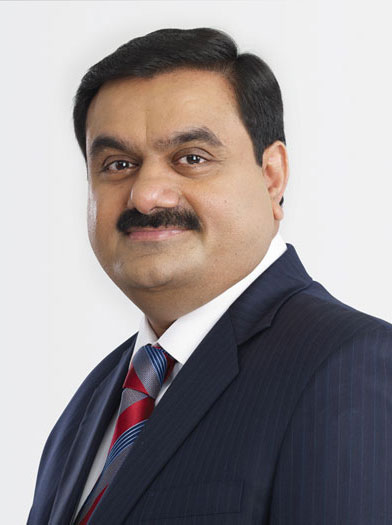
Gautam Adani, chairman of the Adani Group, faces allegations from U.S. prosecutors accusing him and his associates of orchestrating a bribery scheme to secure lucrative solar energy contracts in India. According to the indictment, Adani and others allegedly paid bribes totaling ₹2,029 crore (approximately $265 million) to government officials between 2020 and 2024. The scheme reportedly aimed to secure power purchase agreements essential for unlocking significant profits for the group and its U.S.-based partner.

The indictment outlines a sophisticated operation involving encrypted communications, code names, and falsified project justifications. Prosecutors have also accused the group of attempting to obstruct investigations by destroying evidence and staging a fake inquiry to mislead regulators. Additional charges include violations of the Foreign Corrupt Practices Act (FCPA) and securities fraud, highlighting the alleged use of deceptive claims to raise over $2 billion from U.S. investors.

Prominent figures implicated include Gautam Adani, his nephew Sagar Adani, and former CEOs of both Indian and U.S. entities involved in the projects. The case has reignited concerns about corporate governance and transparency within the Adani Group, which had already faced scrutiny following a report by Hindenburg Research earlier this year.

The allegations have sent shockwaves through the group’s financial landscape. Within hours of the charges being announced, the Adani Group canceled a $600 million bond offering, citing legal uncertainties. The company’s stock prices plummeted, with shares in Adani Enterprises falling over 20%. Bonds tied to Adani Green Energy also experienced steep declines, reflecting investor apprehensions about the group’s future.

VISHNU RAJA
RYO YAMADA
HITORI GOTOH
IKUYO KITA
Just in:
Democrats capture Senate majority with seven Republican seats // Cyberport Venture & Capital Forum 2026 Grand Opening // OpenAI identifies 948 Linux privilege escalation flaws using AI // U.S. Mid Term Result Is A Clear Verdict Against Trump’s Authoritarianism // Dubai boat show confirms international shipyard line-up for November // Asia Left Behind: Ten international companies have yet to report delivering on their cage-free egg pledges across the region // Cloudflare unveils Zero Wire vulnerability intelligence service // BJP’s Aggressive Response Exposes Anxiety Over Opposition Unity // Govt opposes Arlekar’s PSC action // ADIA and partners establish $1.4 billion aviation venture // Anthropic to prohibit persistent abuse of Claude chatbot // Middle East governments assess Iran war after US vote // AI trust gap reveals distinct retail priorities: Divergent paths to consumer growth in Hong Kong and the GBA // After Reaching 7 Million Users in the Philippines, Skyro Launches Transparent Cash Loans in Malaysia // DIP Holding targets Dh1.12 IPO price and $529m proceeds // Fast Just Got Fastest: STING Energy Boost™ Celebrates Kimi Antonelli’s Formula 1® World Championship and the Fan Energy Behind It // SC to examine students’ exam plea today // Vance attributes Republican midterm defeats to Iran conflict // xCube Access Welcomes Entrust Capital Limited  Expanding Access to Professional Portfolio Management // As AI Reshapes Education, Singapore Convenes Global Dialogue on the Future of Early Childhood Education //