News related to
demand

Bitcoin, the pioneering cryptocurrency, has experienced a remarkable ascent over the past decade, culminating in unprecedented valuations. As of December 31, 2024, Bitcoin’s price reached approximately $94,805, marking a significant milestone in its volatile journey.

In 2014, Bitcoin was valued at $317.38, reflecting its nascent stage and limited mainstream acceptance. The subsequent years saw a gradual increase, with prices rising to $431.14 in 2015 and $966.57 in 2016. The year 2017 marked a pivotal moment, as Bitcoin’s value surged to $14,839, driven by heightened media attention and a surge of retail investors entering the market.

However, 2018 brought a significant correction, with prices plummeting to $3,668, underscoring the cryptocurrency’s inherent volatility. The market rebounded in 2019, with Bitcoin climbing to $7,175, and this upward trajectory continued into 2020, closing at $28,971. The bullish trend persisted in 2021, with Bitcoin reaching $45,987, fueled by increased institutional adoption and growing recognition as a digital asset.

The year 2022 witnessed a downturn, with prices declining to $16,581, reflecting broader market uncertainties and regulatory concerns. Nonetheless, Bitcoin demonstrated resilience, rebounding to $42,625 in 2023. The culmination of this decade-long journey is evident in 2024, with Bitcoin attaining a record high of approximately $94,805, representing a substantial appreciation from its early valuations.

Several factors have contributed to Bitcoin’s meteoric rise. The increasing acceptance of cryptocurrencies by institutional investors has played a pivotal role. The introduction of Bitcoin exchange-traded funds (ETFs) has provided traditional investors with more accessible avenues to gain exposure to the cryptocurrency market, thereby driving demand.

Macroeconomic factors have influenced Bitcoin’s valuation. Concerns over inflation and currency devaluation have led investors to seek alternative stores of value, with Bitcoin emerging as a digital counterpart to gold. This perception has been bolstered by its decentralized nature and limited supply, appealing to those wary of traditional financial systems.

Technological advancements within the cryptocurrency ecosystem have also played a significant role. The development of second-layer solutions, such as the Lightning Network, has addressed scalability issues, enhancing transaction speeds and reducing costs. These improvements have increased Bitcoin’s utility as a medium of exchange, further solidifying its position in the financial landscape.

However, Bitcoin’s journey has not been without challenges. Regulatory scrutiny remains a persistent concern, with governments worldwide grappling with the implications of decentralized digital currencies. Market volatility continues to be a defining characteristic, with significant price fluctuations occurring over short periods. Security issues, including exchange hacks and fraud, have also posed risks to investors.

Despite these challenges, the overall trajectory of Bitcoin over the past decade underscores its growing significance in the global financial system. The cryptocurrency’s ability to recover from downturns and achieve new heights reflects a maturation of the market and increasing confidence among investors.


HONG KONG SAR – Media OutReach Newswire – 30 December 2024 – AS Watson Group and Al-Futtaim Group jointly announce the opening of Watsons’ new flagship store at City Centre Bahrain Mall, signifying the Watsons’ entry into a new market alongside the United Arab Emirates (UAE), Kingdom of Saudi Arabia (KSA) and Qatar. This also marks the third store opening in three months in Bahrain, strengthening its […]

Dubai is set to unveil an innovative rental index that will track real-time transaction data, providing a more accurate picture of the city’s evolving rental market. This move aims to address growing concerns over fluctuating rents and offer greater transparency to both tenants and landlords. The index will rely on actual rental contracts, rather than estimates or surveys, to better reflect the dynamics of the market.

The introduction of this new system is expected to have a significant impact on the real estate sector, which has seen sharp price increases over the past few years. With its dynamic nature, the rental index will allow for more responsive adjustments, providing both market participants and policymakers with up-to-date insights. Industry professionals are hopeful that it will encourage fairer rental practices and more informed decision-making.

Real-time data will be collected from a variety of sources, including government agencies, property developers, and real estate companies, ensuring a comprehensive overview of the market. By incorporating transactional data, the rental index aims to offer an unparalleled level of precision compared to traditional methods of tracking rent prices.

The move comes as Dubai’s rental market continues to face pressure, with demand outstripping supply in several key areas. Properties in central locations, such as Downtown Dubai and Dubai Marina, have seen some of the steepest increases in rent, driven by a combination of population growth, returning expats, and a thriving tourism sector. At the same time, other areas of the city, such as Dubai Silicon Oasis and International City, have witnessed more modest increases, reflecting broader trends in the real estate market.

This initiative is also part of Dubai’s broader efforts to modernize its infrastructure and become more data-driven in its approach to urban planning. The rental index will complement existing digital initiatives, such as the Dubai Land Department’s e-services platform, which allows residents and property owners to complete transactions and obtain relevant permits online. By harnessing the power of big data, the government aims to improve urban management and streamline processes, enhancing both the quality of life for residents and the efficiency of business operations.

Experts argue that the real-time rental index could play a key role in mitigating rent volatility, particularly in times of economic uncertainty. With inflationary pressures affecting global markets and economic conditions fluctuating, many Dubai residents have been grappling with rising living costs, especially in the rental sector. The rental index will provide more consistent benchmarks for pricing, allowing tenants to better plan their finances and giving landlords a clearer understanding of the competitive landscape.

The data-driven approach to tracking rents also has the potential to reduce speculation in the market. Real-time transactional data will help establish more accurate baseline rents and avoid inflated pricing based on outliers or overly optimistic projections. For tenants, this means less uncertainty in terms of potential price hikes and a clearer path to securing affordable housing options. For landlords, it provides a tool to gauge the market and adjust rental prices in line with demand, ensuring competitiveness without overpricing.

The rental index is not expected to be a one-size-fits-all solution but rather a resource for stakeholders to use in conjunction with other market data. The government’s focus on transparency will be key, as it will encourage both landlords and tenants to align their expectations with more factual, data-driven insights. The index will also be instrumental in creating a fairer environment for the growing number of new residents who have recently moved to Dubai.

With more transparency in rental data, potential investors from abroad may be more inclined to enter the Dubai real estate market. Clearer information on rental trends, backed by verified data, will offer them the confidence they need to make informed investment decisions. The introduction of such an index highlights Dubai’s ongoing commitment to evolving as a global hub for business and innovation.

As Dubai’s rental market continues to evolve, the success of the new index will depend on the accuracy and comprehensiveness of the data it tracks. Real-time data will need to be consistently updated to ensure that the index reflects the latest trends and developments. Furthermore, its effectiveness will also depend on how well it is integrated into broader real estate and urban planning strategies, including new housing policies and initiatives aimed at boosting supply in high-demand areas.

The rental index is expected to have wider implications for how housing is regulated and managed in Dubai. By prioritizing data over assumptions, the city is taking a bold step toward more equitable and efficient real estate practices. The index will provide both tenants and landlords with a reliable framework for navigating the rental market, creating a more balanced environment for all involved.

By K Raveendran The year 2024 marked a historic period for gold, perhaps fit to be called the ‘Year of Gold’ due to the yellow metal’s remarkable performance across various metrics. Total demand for God surpassed an unprecedented US $100 billion, underpinned by robust investment activity and a supportive macroeconomic backdrop. This astounding demand surge […]


The Dubai Land Department (DLD) has announced the introduction of a ‘Smart Rental Index’ set to launch in January 2025, aiming to enhance transparency and trust within the emirate’s real estate sector. This initiative is designed to provide accurate, up-to-date rental data, benefiting landlords, tenants, and investors alike.

The Smart Rental Index will serve as a benchmark for assessing and calculating rents for new leases and renewals across Dubai. By utilizing advanced technologies, the index seeks to streamline rental valuations, ensuring they reflect current market conditions. This move is expected to foster confidence among all parties involved in rental transactions.

Dubai’s rental market has experienced significant growth over the past four years, driven by an influx of new residents and investors. The city’s population increased by over 100,000 this year, contributing to heightened demand for housing. In the third quarter of 2024, approximately 9,157 residential units were delivered, bringing the total for the year to 22,900 units, encompassing both apartments and villas.

According to real estate consultancy Cushman & Wakefield, city-wide rents rose by 18% year-on-year in the third quarter of 2024, marking the 15th consecutive quarter of significant growth. Apartment rents saw a sharper increase of 19% over the same period, while villa rents experienced a 13% rise, indicating a trend toward stabilization in the villa segment as prices approach affordability thresholds.

The DLD’s implementation of the Smart Rental Index aligns with its broader strategic plan to position Dubai as one of the world’s leading real estate markets through effective governance and innovation. By integrating cutting-edge technologies with accumulated real estate expertise, the DLD aims to meet the evolving needs of the market and its stakeholders.

In March 2024, the DLD updated the rental index to align rates with prevailing market conditions. The forthcoming Smart Rental Index represents a further evolution, offering a more dynamic and responsive tool for rental valuations. This initiative is anticipated to play a critical role in resolving disputes between tenants and landlords by providing a transparent reference point for fair rental assessments.

The introduction of the Smart Rental Index follows similar initiatives in the region. In August 2024, the Abu Dhabi Real Estate Centre launched the first residential Rental Index for the capital, aiming to increase transparency and support market stability. Dubai’s adoption of a smart index underscores the emirate’s commitment to leveraging technology to enhance market operations and stakeholder confidence.

SINGAPORE – Media OutReach Newswire – 28 December 2024 – The inaugural Yuewen Music Festival kicked off on Day 1, showcasing a mesmerizing array of performances that ignited Siloso Beach, Sentosa. DJ Tech’1 opened the event, energizing the crowd with a dynamic DJ performance that set the vibrant tone for the evening. His innovative mixes had everyone on their feet. Following him, Olivia Marsh dazzled the audience […]

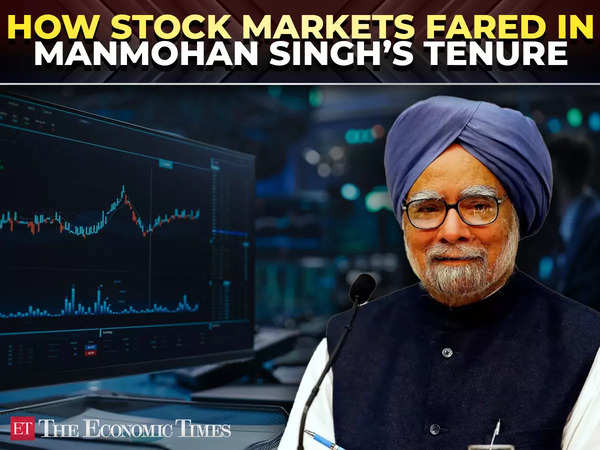
By Anjan Roy Thirty-three years are half a lifetime. Thirty-three years ago, Dr Manmohan Singh stepped into a high-profile limelight, well after his formal retirement from a senior government job. When he died last Friday at the age of 92, he was considered India’s greatest finance minister and the architect of India’s modern economy. There […]
Advertisements

BANGKOK, THAILAND – Media OutReach Newswire – 27 December 2024 – PTT Oil and Retail Business Public Company Limited (OR) is driving international growth and sustainable innovation, leveraging its diverse portfolio to navigate volatile global markets. Amid geopolitical uncertainties and fluctuating oil prices, OR has posted robust financial results and unveiled a strategic roadmap aimed at transforming its business for a sustainable and inclusive future. For the […]

BANGKOK, THAILAND – Media OutReach Newswire – 27 December 2024 – The Ministry of Higher Education, Science, Research, and Innovation (MHESI), through the National Innovation Agency (Public Organization) or NIA, is forging ahead to support high-potential Thai startups and SMEs in the medical and health innovation sectors, granting them access to Germany, one of Europe’s largest and most significant MedTech markets. As part of the ‘Digital Innovation […]

Formulated with 90% naturally-derived ingredients and Dermal Precision Technology to maximise absorption and minimise irritation SINGAPORE – Media OutReach Newswire – 27 December 2024 – Pigeon, the go-to brand for mother-and-baby essentials, expands its support for mothers with the new Natural Botanical Maternity skincare range, designed to provide mothers with safe, effective, and eco-conscious, self-care solutions during pregnancy and postpartum. This unique range combines 90% naturally derived […]

Manmohan Singh, the former prime minister credited with steering India through one of its most transformative periods of economic reform, has passed away at the age of 92. A technocrat-turned-politician, Singh’s leadership in the late 1990s and early 2000s reshaped India’s global economic standing, laying the foundation for its emergence as a major player in the international arena.

Singh’s legacy as a pivotal figure in India’s economic history is unparalleled. Serving as finance minister in the early 1990s under Prime Minister P.V. Narasimha Rao, he orchestrated bold economic reforms that shifted the country away from a protectionist, state-driven economy to one that embraced liberalization, privatization, and globalization. This shift unlocked India’s vast potential, transforming it into one of the world’s fastest-growing major economies.

Under Singh’s leadership as prime minister from 2004 to 2014, India saw continued economic growth despite facing challenges such as the global financial crisis of 2008. His tenure also marked significant strides in foreign policy, healthcare, and social welfare, although his government was often criticized for inefficiency and corruption scandals. Despite these challenges, Singh’s image as a steady and pragmatic leader remained intact, earning him respect both domestically and internationally.

Born on September 26, 1932, in Gah, a village now in Pakistan, Singh was educated at the University of Cambridge and the University of Oxford, where he earned a doctorate in economics. His early career was steeped in academia and international organizations, including the United Nations and the World Bank, where he worked on developmental issues.

Singh’s journey into politics was unexpected. He was appointed as the finance minister by Rao during a time of severe economic crisis in 1991. Faced with a collapsing economy, Singh oversaw the liberalization of India’s trade policies, the reduction of import tariffs, and the reduction of government intervention in the market. These reforms, considered radical at the time, set India on a path of rapid economic growth that lasted for decades.

His tenure as prime minister began in 2004, when he became the first person from outside the Congress party’s political elite to hold the office. Initially seen as a “reluctant king” — a term used by many to describe his quiet and reserved nature — Singh proved his mettle by leading India through a series of crises. His ability to work within a coalition government, which included various regional and ideological factions, was vital to his success. Singh’s pragmatic approach helped balance India’s need for economic reforms with the demands of social welfare programs.

His government’s accomplishments included the expansion of social security programs, especially in rural areas, and efforts to modernize infrastructure. Singh was instrumental in securing India’s nuclear deal with the United States in 2008, a landmark agreement that further integrated India into the global economic and political system. Despite facing criticism from some quarters about his handling of domestic issues, including rampant corruption within his administration, Singh remained a respected figure in India’s political landscape.

Singh’s calm and measured demeanor stood in stark contrast to the often combative political environment of India. He was regarded as an intellectual, often eschewing the public spotlight and preferring a more subdued form of leadership. His style of governance, however, drew mixed reviews. While some appreciated his cautious approach to reform, others believed he was too passive in confronting challenges within his party and government.

Throughout his tenure, Singh navigated tensions between economic modernization and India’s deeply entrenched social issues. His policies aimed at expanding access to education, healthcare, and rural development were seen as critical in tackling the vast disparities that continue to exist across India’s population. Despite the political hurdles he faced, Singh’s vision for India was one of a globally integrated economy balanced with robust social safety nets.

Following his time as prime minister, Singh continued to remain an influential voice in Indian politics, though his political party, the Congress, faced challenges in the years after his leadership. His tenure, which ended with the 2014 elections, was marked by the rise of new political forces, most notably the Bharatiya Janata Party (BJP) and its leader Narendra Modi, who became prime minister in 2014. While Singh retired from active politics, his thoughts on the country’s future remained highly regarded, often offering critiques of the policies of his successors.

By Dr. Gyan Pathak The Indian National Congress has postponed the grand convention – Jai Gandhi, Jai Bhim, Jai Samvidhan – on the second day of the Extended Congress Working Committee Meet at Belagavi in Karnataka. Instead, a condolence meeting was held to mourn the sad demise of the former Prime Minister Manmohan Singh. But […]

The South Korean won has plunged to its lowest level against the U.S. dollar in over 15 years, trading at approximately 1,471.8 won per dollar. This significant depreciation is attributed to escalating political instability following President Yoon Suk Yeol’s declaration of martial law and subsequent impeachment.

The currency’s decline has had a pronounced impact on the cryptocurrency market, particularly on Upbit, South Korea’s leading exchange. Korean investors are now paying a premium of 3% to 5% to exchange won for Bitcoin (BTC) and Tether (USDT) on the platform.

This premium, often referred to as the “Kimchi Premium,” indicates a higher trading price for cryptocurrencies in South Korea compared to global markets. Such disparities typically emerge during periods of heightened demand or market volatility. The current economic and political climate has intensified investor interest in digital assets as alternative investment vehicles.

The Bank of Korea has expressed concerns over the rapid depreciation of the won, highlighting potential risks to economic growth. In response, the central bank is considering measures to stabilize the financial markets, including flexible management of foreign exchange transactions and expanding foreign exchange swap lines.

The cryptocurrency market in South Korea has historically been influenced by domestic economic conditions and regulatory developments. The current premiums on Upbit suggest a surge in demand for digital assets, possibly as a hedge against the weakening won and the prevailing political uncertainties.

HANOI, VIETNAM – Media OutReach Newswire – 27 December 2024 – Driven by the vision of widespread electrification, VinFast is dedicated to making electric vehicles accessible to everyone. To achieve this, the company is actively building a robust green ecosystem across Asia while simultaneously enhancing its sustainable manufacturing processes to meet the surging and undeniable demand for electric mobility. Asia’s booming industries and growing population have made […]

Serpent OS, a community-driven Linux distribution, has advanced to the alpha stage of development, introducing notable enhancements in system architecture, hardware support, and user experience. This alpha release signifies a pivotal development in the project’s evolution. Serpent OS is engineered as a stateless operating system, utilizing atomic updates to ensure system changes are either fully implemented or safely reverted, thereby enhancing reliability and stability. The distribution is […]

Derayah Financial, a prominent Saudi-based investment firm, has secured approval from the Kingdom’s Capital Market Authority (CMA) to launch an Initial Public Offering (IPO), marking a significant milestone in the firm’s growth trajectory. This development comes as part of Saudi Arabia’s broader strategy to bolster its financial sector and increase the number of publicly traded companies on its stock exchange, Tadawul. The approval positions Derayah Financial as one of the key players in the Kingdom’s evolving financial landscape.

The company, which provides a range of services including asset management and investment advisory, has been preparing for its public offering for several months. The move to go public is seen as part of its long-term strategy to expand its client base, raise capital, and further diversify its business operations. By listing on Tadawul, Derayah aims to increase its financial stability and strengthen its competitive position within the regional financial market.

Derayah Financial’s IPO is part of a broader trend in Saudi Arabia, where the government has actively encouraged private companies to list on the stock exchange. This initiative aligns with the Kingdom’s Vision 2030, which seeks to transform the economy and reduce its dependency on oil exports by promoting the private sector and diversifying economic activities. The government’s push to increase the number of publicly listed companies is a key element of this vision, aiming to unlock new sources of capital and create more investment opportunities for both local and international investors.

Analysts have been closely watching Derayah Financial’s progress, noting that its IPO could pave the way for other firms in the asset management and financial services sectors to follow suit. With Saudi Arabia’s financial market continuing to mature, firms in the sector are increasingly recognizing the benefits of public listings. By tapping into the public equity market, companies can access a larger pool of capital and potentially gain broader investor exposure, which is crucial for long-term growth.

The CMA’s approval of Derayah’s IPO is also a testament to the continued regulatory enhancements in Saudi Arabia’s capital markets. Over the past few years, the CMA has implemented a series of reforms to improve market transparency, ensure investor protection, and enhance the overall investment climate in the Kingdom. These reforms have been pivotal in attracting both local and foreign investors to the Saudi stock market, making it one of the most active in the Middle East.

Market observers expect strong demand for Derayah Financial’s shares when the IPO is officially launched. As a well-established name in the Saudi financial sector, the company’s strong track record in asset management and investment advisory services has generated substantial interest among potential investors. The firm’s focus on digital transformation, coupled with its efforts to expand its service offerings, has positioned it as a forward-thinking company with promising prospects in the financial industry.

Derayah’s IPO is expected to provide a significant boost to the Saudi stock market, further solidifying Tadawul’s role as a leading regional exchange. Over the past few years, the Saudi bourse has seen a series of successful IPOs, many of which have attracted considerable attention from both domestic and international investors. The success of these offerings has bolstered investor confidence in the Kingdom’s financial market, and Derayah’s listing is likely to follow a similar pattern, contributing to the market’s continued expansion.

As part of the IPO process, Derayah Financial will disclose key financial information and offer shares to the public, providing insight into its business model, financial health, and growth potential. Investors will be able to gauge the company’s performance and outlook, which will play a critical role in determining the success of the offering. The IPO will also provide a valuable benchmark for other companies in the sector considering a similar move.

Beyond its immediate business objectives, Derayah’s IPO is likely to have broader implications for the Saudi economy. By providing a new avenue for capital raising and increasing the number of publicly traded firms, the offering is expected to enhance market liquidity and create new investment opportunities. Furthermore, it aligns with the Saudi government’s efforts to attract foreign investment and promote the Kingdom as a regional financial hub.

Despite the positive outlook, analysts caution that the success of Derayah’s IPO will depend on various factors, including broader market conditions, investor sentiment, and the performance of the financial sector in the coming months. While the company’s prospects appear strong, the market remains subject to fluctuations that could impact investor confidence. However, given the continued growth of Saudi Arabia’s financial services industry and the government’s support for the IPO process, many expect the offering to be a success.

Equinix, a leading global digital infrastructure company, has announced an agreement to acquire BT Group’s data center operations in Ireland for €59 million. The transaction encompasses two carrier-neutral facilities located in Dublin’s Citywest and Ballycoolin areas, collectively covering approximately 150,000 square feet. Subject to regulatory approvals, the deal is anticipated to conclude in the first half of 2025. This strategic move aligns with BT’s ongoing shift towards […]

Ethiopia has made significant strides in transforming its energy resources into a digital economy powerhouse, with Bitcoin mining emerging as a key driver. The Grand Ethiopian Renaissance Dam (GERD), a major hydropower project, is central to this transformation, providing a green energy solution that is powering Bitcoin mining operations across the country. The utilization of this renewable energy has turned excess electricity into a lucrative asset, with Bitcoin mining accounting for a substantial portion of Ethiopia’s electric power revenue.

The country’s Bitcoin mining industry, which was virtually nonexistent just a few years ago, is now booming. By harnessing the abundant electricity from GERD, which is Africa’s largest hydropower plant, Ethiopia has been able to tap into the global cryptocurrency market. The country has rapidly become a destination for Bitcoin miners, leveraging low-cost and sustainable energy to make the industry viable on a large scale.

Bitcoin mining requires substantial electricity, as it involves solving complex mathematical problems in exchange for cryptocurrency rewards. However, one of the most significant challenges for miners worldwide is the cost of energy. In Ethiopia, this challenge is alleviated by the low-cost and sustainable electricity generated by GERD, which has become a powerful draw for Bitcoin mining firms looking to cut down on operational costs.

The financial impact of this burgeoning sector is already significant. According to Ethiopian Electric Power (EEP), Bitcoin mining now generates about 18% of its total revenue. This revenue stream has surpassed earnings from electricity exports, positioning the country’s energy sector in a stronger financial position. The influx of investment from Bitcoin mining firms has spurred the growth of related industries and job creation, as mining operations often require substantial infrastructure, technology, and skilled labor.

The country’s government has recognized the potential of Bitcoin mining as a key economic driver. Ethiopia has entered into agreements with at least 25 Bitcoin mining firms, which have established operations across the country. These deals are expected to further boost the economy, as the mining sector continues to grow. The partnerships are not only providing immediate economic benefits but also fostering long-term innovation in the energy and technology sectors.

Ethiopia’s shift toward using renewable energy for Bitcoin mining comes at a time when the global demand for sustainable energy solutions is rising. The country’s emphasis on green energy aligns with global trends toward environmentally friendly technologies. As Bitcoin mining faces growing scrutiny over its environmental impact, Ethiopia’s model could serve as a blueprint for other nations seeking to balance economic growth with sustainability.

However, the growth of the Bitcoin mining sector has raised some concerns. Despite the benefits, critics argue that Bitcoin mining could lead to excessive energy consumption, which could strain Ethiopia’s power grid. As the mining industry expands, there are concerns about the long-term sustainability of energy use. The government will need to monitor the sector closely to ensure that mining operations do not overburden the country’s power supply.

In response, the Ethiopian government has made efforts to manage the expansion of Bitcoin mining responsibly. Regulatory measures are being put in place to balance the growth of the sector with the need to protect the national energy grid. These measures include ensuring that Bitcoin miners do not consume more electricity than is sustainable, and promoting efficient energy use within the sector. The government has also been working to diversify its energy mix to ensure that the country’s energy needs are met in the long term.

One of the most important factors contributing to the success of Ethiopia’s Bitcoin mining industry is the country’s rich renewable energy resources. Ethiopia has one of the largest hydropower potentials in Africa, with the GERD alone providing a substantial portion of the country’s electricity. In addition to hydroelectric power, Ethiopia is investing in other renewable energy sources, such as wind and solar power, to further diversify its energy portfolio.

The growing importance of Bitcoin mining in Ethiopia has caught the attention of international investors, who are increasingly looking for opportunities in the country’s emerging digital economy. The cryptocurrency industry has been experiencing rapid growth, and Ethiopia’s strategic positioning as a low-cost, renewable energy hub for Bitcoin mining could attract significant foreign direct investment. As global demand for Bitcoin continues to rise, Ethiopia’s green energy Bitcoin mining model could become a key player in the international market.

Emirates NBD has formally joined the National Incubator Network through a newly signed memorandum of understanding (MoU) with Sandooq Al Watan, a strategic step aimed at enhancing the country’s startup ecosystem. The collaboration is expected to unlock new opportunities for entrepreneurs and further drive the UAE’s vision of fostering a dynamic, innovation-driven economy.

The MoU, signed by Yasser Al Gergawi, Director-General of Sandooq Al Watan, and representatives from Emirates NBD, marks a significant development in the UAE’s efforts to provide enhanced support for emerging businesses. This partnership will integrate Emirates NBD’s business incubator into the National Incubator Network, aligning the bank’s existing resources and expertise with a national strategy to empower local startups and entrepreneurs.

The move is seen as a direct response to the growing demand for incubators and accelerators that can help navigate the challenges faced by startups, particularly in competitive sectors such as technology, fintech, and healthcare. As the UAE continues to position itself as a hub for innovation, initiatives like this are crucial in ensuring that new businesses have the tools and networks needed to scale and succeed.

Emirates NBD’s business incubator brings a wealth of resources to the table, including access to funding, strategic mentorship, and operational support. These elements are designed to help startups refine their business models, gain market traction, and ultimately reach their potential in an increasingly complex marketplace. Through this collaboration, entrepreneurs will have the opportunity to tap into a wide range of resources from both the bank and other key players in the National Incubator Network.

Sandooq Al Watan’s involvement adds another layer of support, providing access to its vast network of investors, thought leaders, and other stakeholders crucial for business development. With its mission to drive sustainable economic growth through innovation and knowledge sharing, Sandooq Al Watan plays a pivotal role in connecting the dots between entrepreneurs and potential sources of funding and expertise. This collaboration will not only boost the prospects of individual startups but will also contribute to the broader objective of diversifying the UAE’s economy away from its traditional reliance on oil and gas.

The National Incubator Network, a key initiative under the UAE government’s broader innovation agenda, has seen growing momentum since its inception. The network’s focus on collaboration, knowledge exchange, and resource-sharing is expected to create a more robust and interconnected ecosystem for entrepreneurs. By joining this network, Emirates NBD and Sandooq Al Watan are signaling their commitment to nurturing homegrown talent and supporting the growth of startups that can drive forward the UAE’s long-term economic vision.

This initiative also aligns with the UAE’s broader vision for the future, where innovation is a cornerstone of national development. With a growing focus on sustainable industries, the UAE has been keen to promote the development of technology-driven startups that can address key challenges such as climate change, urbanization, and healthcare.

The partnership between Emirates NBD and Sandooq Al Watan is not only a win for entrepreneurs but also an indication of the increasing role that private sector institutions are playing in the UAE’s broader economic transformation. Banks and financial institutions, traditionally viewed as gatekeepers to capital, are now becoming key players in the startup ecosystem, offering more than just financial support. The collaboration between the two organizations exemplifies this shift, providing entrepreneurs with a comprehensive package of services and opportunities designed to accelerate their business growth.

One of the notable aspects of this collaboration is the focus on knowledge sharing. Both Emirates NBD and Sandooq Al Watan are well-positioned to leverage their extensive networks to connect startups with mentors, industry leaders, and investors who can provide invaluable advice and insights. This exchange of knowledge is critical in helping young companies navigate the challenges of scaling operations, managing growth, and positioning themselves for long-term success.

As the UAE moves forward with its innovation agenda, it is clear that partnerships like the one between Emirates NBD and Sandooq Al Watan will play an integral role in shaping the future of the country’s startup ecosystem. By connecting entrepreneurs with the right resources, expertise, and networks, this collaboration is set to drive forward a new wave of growth and innovation in the UAE’s economy.

Making a grand comeback, BAKE Cheese Tart brings its well-loved Hokkaido cheese tarts to Takashimaya, featuring its signature double-baked crust and creamy filling. SINGAPORE – Media OutReach Newswire – 27 December 2024 – BAKE Cheese Tart is back! The Japanese brand, recognised for its cheese tarts made with premium ingredients from Hokkaido, will open a new outlet at Takashimaya, Basement 2, 391 Orchard Road on 27 December […]

Modern architecture has taken giant strides in the last couple of decades. In all this,  the importance of efficient power distribution has become important.  According to experts, busbars have emerged as a key component in this transformation, revolutionising how electrical systems are designed and implemented in contemporary buildings. These sturdy and versatile conductors offer a streamlined solution for distributing electrical power with enhanced safety and reliability. As […]

HANOI, VIETNAM – Media OutReach Newswire – 26 December 2024 – While the EV industry is entering a period of sustainable but somewhat slower growth, VinFast’s long-term commitment to pure electric vehicles and the support of its parent company, Vingroup, give it a unique advantage. With a long-term vision for green mobility, VinFast has leveraged the industry slowdown to strategically expand its presence and build strong growth […]

Emirates Global Aluminium (EGA) has finalized a green loan agreement to finance its acquisition of a U.S. aluminum plant, marking a significant move in the company’s international expansion strategy. The loan, a green financing deal, aligns with EGA’s commitment to sustainable operations, combining environmental responsibility with strategic growth in North America. The green loan, valued at $500 million, will support the acquisition of the U.S.-based aluminum facility […]

Bitcoin has been hovering near significant price levels, prompting traders and investors to closely monitor market movements. As the cryptocurrency approaches the psychological $100,000 mark, many speculate whether it will maintain its upward momentum or face another setback. While numerous indicators are used to predict Bitcoin’s movements, experts agree that none can guarantee precise timing. The challenge lies in deciphering the market’s sentiments and understanding the underlying factors that influence its volatility.

Historically, Bitcoin has been subject to dramatic fluctuations, with traders attempting to predict its movements based on a range of technical and fundamental factors. While lagging indicators, such as moving averages and relative strength indices (RSI), offer some guidance, they often fail to provide real-time insights that would allow investors to capitalize on price swings before they occur. For this reason, market sentiment remains a crucial yet elusive factor in forecasting Bitcoin’s next move.

One of the key elements that influence Bitcoin’s price is investor sentiment, driven by factors like macroeconomic conditions, regulatory developments, and institutional adoption. As Bitcoin’s price has grown, so has interest from major financial institutions, leading to a surge in demand. Institutional investors have been particularly attracted to Bitcoin’s potential as a hedge against inflation and a store of value amid uncertain economic conditions.

Over the past several years, Bitcoin has increasingly been viewed as “digital gold” by some of the world’s largest financial institutions. This shift in perception has played a significant role in driving up Bitcoin’s price, as companies like Tesla and Square, along with numerous hedge funds, have invested heavily in the cryptocurrency. This institutional buy-in has sparked further bullish sentiment, making Bitcoin’s potential for reaching new highs a frequent topic of discussion in financial circles.

However, this optimism is tempered by ongoing regulatory challenges. Governments around the world have expressed concerns about the volatility of cryptocurrencies, prompting regulatory scrutiny. Recently, there has been a wave of regulatory developments, particularly in the United States and Europe, aimed at increasing transparency and reducing the risk of illegal activities associated with cryptocurrency transactions. While these regulations are still evolving, many believe that they will eventually offer greater clarity and stability for Bitcoin’s future growth.

Bitcoin faces challenges in maintaining its value amidst the increasing popularity of decentralized finance (DeFi) and alternative cryptocurrencies. Ethereum, the second-largest cryptocurrency by market capitalization, continues to dominate the smart contract space, while newer blockchain platforms are pushing for increased scalability and efficiency. As investors explore other projects, Bitcoin’s role in the cryptocurrency ecosystem faces some competition, though its dominance remains strong.

On the technical side, several analysts point to the upcoming halving event in 2024 as a potential catalyst for Bitcoin’s price surge. Halving occurs approximately every four years and reduces the reward miners receive for verifying transactions, effectively decreasing the rate at which new Bitcoin enters circulation. Historically, halving events have been followed by significant price increases, although there are no guarantees that this pattern will repeat.

As the $100,000 mark approaches, Bitcoin’s price movements are being closely watched by both retail investors and professionals. The psychological impact of hitting this milestone could influence market behavior, with some speculating that it may trigger another wave of FOMO (fear of missing out) as traders rush to capitalize on the upward trend. However, others caution that Bitcoin’s price may face resistance at this level, with profit-taking occurring among long-term holders who may choose to lock in gains.

Despite the uncertainty, Bitcoin’s long-term outlook remains optimistic. The cryptocurrency continues to gain mainstream recognition, with major companies and investors continuing to enter the space. Furthermore, Bitcoin’s decentralized nature and limited supply make it an attractive asset in a world where inflationary pressures continue to rise. As more people view Bitcoin as a store of value rather than just a speculative investment, its role in the global financial system becomes increasingly significant.

VISHNU RAJA
RYO YAMADA
HITORI GOTOH
IKUYO KITA