Just in:
The MICHELIN Guide Thailand Celebrates Its Landmark 10th Edition with Record Numbers of Entries and MICHELIN-Starred Dining Venues // Prudential announces title sponsorship of “Prudential Hong Kong Winter Wonderland in Tsim Sha Tsui”, lighting up Victoria Harbour this winter // UAE forecasts heavy showers across northern regions midweek // North Korean hackers widen drone and software attacks // GCC defence ministers discuss military coordination amid Iran conflict // ADNOC Gas quarterly profit doubles to $1.34 billion // Allianz Insurance Singapore Encourages Homeowners to Strengthen Their Home Protection as Residential Fires Continue to Rise // Iran displays school strike memorial at COP31 summit // Singapore introduces AI scam alerts for messaging conversations // New Two Way Trade Momentum Highlighted at China-Africa Cooperation Forum in Yiwu // Abu Dhabi unveils restored Porsche from royal motorcade // California electorate defeats proposed levy on billionaire wealth // Dubai approves airport Metro link for 2031 opening // Flydubai Dammam cancellations persist as Etihad extends suspensions // Toyota Land Cruiser 2025 and 2026. What Each Trim Costs in the UAE // FinCEN identifies $8 billion in suspect overseas payments // OnePlus 16 India debut reconsidered amid launch discussions // France identifies Iranian Guards as supermarket hacking suspects // Japan’s Nikkei advances as buyers return after sell-off // US relocates tankers from second British base amid threats //

News related to
demand

Bitcoin has been hovering near significant price levels, prompting traders and investors to closely monitor market movements. As the cryptocurrency approaches the psychological $100,000 mark, many speculate whether it will maintain its upward momentum or face another setback. While numerous indicators are used to predict Bitcoin’s movements, experts agree that none can guarantee precise timing. The challenge lies in deciphering the market’s sentiments and understanding the underlying factors that influence its volatility.

Historically, Bitcoin has been subject to dramatic fluctuations, with traders attempting to predict its movements based on a range of technical and fundamental factors. While lagging indicators, such as moving averages and relative strength indices (RSI), offer some guidance, they often fail to provide real-time insights that would allow investors to capitalize on price swings before they occur. For this reason, market sentiment remains a crucial yet elusive factor in forecasting Bitcoin’s next move.

One of the key elements that influence Bitcoin’s price is investor sentiment, driven by factors like macroeconomic conditions, regulatory developments, and institutional adoption. As Bitcoin’s price has grown, so has interest from major financial institutions, leading to a surge in demand. Institutional investors have been particularly attracted to Bitcoin’s potential as a hedge against inflation and a store of value amid uncertain economic conditions.

Over the past several years, Bitcoin has increasingly been viewed as “digital gold” by some of the world’s largest financial institutions. This shift in perception has played a significant role in driving up Bitcoin’s price, as companies like Tesla and Square, along with numerous hedge funds, have invested heavily in the cryptocurrency. This institutional buy-in has sparked further bullish sentiment, making Bitcoin’s potential for reaching new highs a frequent topic of discussion in financial circles.

However, this optimism is tempered by ongoing regulatory challenges. Governments around the world have expressed concerns about the volatility of cryptocurrencies, prompting regulatory scrutiny. Recently, there has been a wave of regulatory developments, particularly in the United States and Europe, aimed at increasing transparency and reducing the risk of illegal activities associated with cryptocurrency transactions. While these regulations are still evolving, many believe that they will eventually offer greater clarity and stability for Bitcoin’s future growth.

Bitcoin faces challenges in maintaining its value amidst the increasing popularity of decentralized finance (DeFi) and alternative cryptocurrencies. Ethereum, the second-largest cryptocurrency by market capitalization, continues to dominate the smart contract space, while newer blockchain platforms are pushing for increased scalability and efficiency. As investors explore other projects, Bitcoin’s role in the cryptocurrency ecosystem faces some competition, though its dominance remains strong.

On the technical side, several analysts point to the upcoming halving event in 2024 as a potential catalyst for Bitcoin’s price surge. Halving occurs approximately every four years and reduces the reward miners receive for verifying transactions, effectively decreasing the rate at which new Bitcoin enters circulation. Historically, halving events have been followed by significant price increases, although there are no guarantees that this pattern will repeat.

As the $100,000 mark approaches, Bitcoin’s price movements are being closely watched by both retail investors and professionals. The psychological impact of hitting this milestone could influence market behavior, with some speculating that it may trigger another wave of FOMO (fear of missing out) as traders rush to capitalize on the upward trend. However, others caution that Bitcoin’s price may face resistance at this level, with profit-taking occurring among long-term holders who may choose to lock in gains.

Despite the uncertainty, Bitcoin’s long-term outlook remains optimistic. The cryptocurrency continues to gain mainstream recognition, with major companies and investors continuing to enter the space. Furthermore, Bitcoin’s decentralized nature and limited supply make it an attractive asset in a world where inflationary pressures continue to rise. As more people view Bitcoin as a store of value rather than just a speculative investment, its role in the global financial system becomes increasingly significant.

Toncoin has remained a key player in the cryptocurrency market, consistently showing strength as a utility coin and a solid investment for long-term holders. However, with the market’s rapid evolution and shifting investor sentiments, some Toncoin holders are now pivoting their attention to a new contender: FXGuys ($FXG). This emerging DeFi token is garnering significant attention due to its innovative features and bold predictions of a potential 20x growth in the near future.

FXGuys, which recently gained traction within the decentralized finance (DeFi) space, is being recognized for its groundbreaking approach to how cryptocurrencies are traded and invested in. The platform’s model, which includes a Trade2Earn system, a unique Trader Funding Program, and staking opportunities, has captivated investors seeking the next big opportunity within a competitive and ever-changing landscape.

The growth of FXGuys comes at a time when investors are increasingly wary of inflationary assets and are actively exploring decentralized finance as a potential hedge. DeFi projects have grown exponentially, with the promise of disrupting traditional financial systems and providing users with more control over their investments. FXGuys stands out in this sector by offering an integrated approach that blends trading, staking, and reward incentives, all while maintaining a high level of transparency and security for its users.

A significant appeal of FXGuys is its Trade2Earn system, which allows users to earn tokens through trading activities. This model has drawn comparisons to successful crypto platforms like PancakeSwap, which have similarly incentivized trading through token rewards. FXGuys aims to replicate this success but with additional features like the Trader Funding Program, which helps users secure capital for trading strategies. This funding mechanism is particularly attractive to newer or less experienced traders who may lack the initial capital to make significant trades but still want to participate in the market’s potential gains.

Beyond its innovative business model, FXGuys has attracted the attention of some of the most prominent figures in DeFi. Analysts and influencers are increasingly betting on the potential of the $FXG token to surge, with some predicting a 20x growth in the upcoming months. While these predictions are based on market trends and growing interest in the platform, many investors see them as speculative at this stage, urging caution. However, the consensus among experts is that the fundamentals of the project are strong, and its ability to attract users and investors is already proving successful.

The project’s focus on sustainable tokenomics is another factor that sets FXGuys apart from other DeFi platforms. By introducing mechanisms that are designed to support long-term growth and stability, FXGuys aims to ensure that the token’s value is not subject to the volatile swings that have plagued other cryptocurrencies in the past. This long-term vision is attractive to both institutional investors and those seeking more than just quick returns from the volatile crypto space.

Staking is another key element of FXGuys’ offering, which has captured the interest of seasoned investors in the DeFi community. Staking provides users with the opportunity to lock in their tokens and earn rewards over time, giving them a passive income stream that supports the platform’s long-term vision. With the rise of staking across various blockchain networks, FXGuys has managed to carve out its niche by providing competitive rewards and leveraging its other unique features.

Despite its early stages, FXGuys is already making strides within the cryptocurrency market, challenging some of the larger, more established tokens in the DeFi space. It has attracted a growing user base, with many noting that the platform’s user-friendly interface, transparency, and innovative features are key reasons for its appeal. The platform has made it a point to prioritize security, ensuring that all trades and investments are protected against fraud and manipulation, which has helped it gain the trust of its rapidly expanding community.

The timing of FXGuys’ rise is significant, as the DeFi market has witnessed an influx of institutional investors, driven by the search for alternative financial solutions. This trend is expected to continue, with major financial institutions and tech companies exploring the potential of blockchain-based financial services. In this environment, FXGuys appears well-positioned to capitalize on the growing demand for decentralized financial platforms that offer both reliability and growth potential.

As the crypto market continues to evolve, the competition among DeFi projects is intensifying. While Toncoin has remained a strong asset for many, the arrival of new, innovative platforms like FXGuys is prompting investors to reassess their portfolios. With a projected 20x growth and a distinctive approach to DeFi, FXGuys is fast becoming a focal point for those looking to stay ahead of the curve.

BANGKOK, THAILAND – Media OutReach Newswire – 23 December 2024 – At the ACES Awards 2024, Singaporean companies and leaders took center stage, honored for their groundbreaking contributions to sustainability, innovation, and transformative leadership. Against a backdrop of fierce competition—90 nominations out of 682 entries from 17 countries—Singapore’s successes reflect its growing influence as a key driver of corporate excellence and progressive business practices across Asia. Recognising […]

Agility Global, a leading logistics and supply chain services provider, has secured a $1.4 billion credit facility to support its ongoing operations and future growth initiatives. The financing comprises €1 billion and $370 million, with maturities of three and five years, respectively. This strategic move aims to enhance the company’s financial flexibility and fund its expansion plans across various markets. The credit facility was arranged with a […]

Abu Dhabi’s Mubadala Investment Company has acquired an 80% stake in both Global Medical Supply Chain (GMSC) and Al Ittihad Drug Store (IDS) from GlobalOne Healthcare Holding (GHH), which retains a 20% share. This strategic move enhances Mubadala’s presence in healthcare logistics and pharmaceutical distribution, aligning with the UAE’s vision to establish a robust life sciences infrastructure.

Established in 2015, GMSC offers comprehensive supply chain services for medical products, including demand planning, procurement, logistics, inventory management, warehousing, and maintenance. Serving over 200 medical facilities across the UAE, GMSC sources a wide range of products from nearly 400 suppliers, ensuring a reliable supply chain for medical needs.

Founded in 1987, IDS is a leading distributor of pharmaceutical and consumer healthcare products in the UAE. With a portfolio exceeding 1,000 products from over 40 suppliers, IDS services hospitals, pharmacies, and supermarkets nationwide, covering therapeutic categories such as anti-infectives, asthma, diabetes, and oncology.

Ismail Ali Abdulla, Executive Director of UAE Clusters at Mubadala’s UAE Investments Platform, stated that the expanding pharmaceutical market drives an increasing demand for specialized and efficient drug logistics solutions. By integrating GMSC and IDS into their portfolio, Mubadala aims to create a vertically integrated life sciences sector in the UAE, encompassing the entire value chain from logistics and distribution to specialized manufacturing.

This acquisition follows Mubadala’s recent strategic growth in the healthcare sector. Its specialty pharmaceutical business, KELIX bio, acquired a 100% stake in four pharma assets from GHH, including Bioventure, Bioventure Healthcare, Gulf Inject, and Wellpharma. These efforts underscore Mubadala’s commitment to strengthening the UAE’s healthcare and pharmaceutical sectors as part of broader national ambitions for drug security and economic diversification.

KUALA LUMPUR, MALAYSIA – Media OutReach Newswire – 25 December 2024 – As the year draws to a close, traders are turning their attention to the Santa Claus rally, a period known for delivering consistent market gains. Kar Yong Ang, a financial market analyst at Octa Broker, explores the rally’s history, key factors, and strategies that enable traders to capitalise on this annual phenomenon. Understanding the Santa […]

Vietnam is increasingly popular among Indian tourists, consistently topping reports and surveys as a favoured destination. While Da Nang remains the most beloved city for Indian travellers to Viet Nam, Phu Quoc has emerged as a ‘rising star’ for this market. PHU QUOC, VIETNAM – Media OutReach Newswire – 24 December 2024 – With significant investments in infrastructure and tourism services, Da Nang and Phu Quoc are […]

Advertisements

Russia has decided to suspend cryptocurrency mining operations in 10 regions, including Dagestan, Chechnya, and the Kherson regions, starting January 1, 2025. This ban will remain in effect until 2031. The move is part of the government’s broader strategy to address energy consumption issues across the country, particularly during peak usage times. Furthermore, new restrictions on mining will also be imposed in areas like Irkutsk, Buryatia, and the Trans-Baikal Territory during high energy demand periods.

This decision comes as part of a concerted effort by the Russian authorities to reduce energy consumption and manage national power grids more effectively. The increase in energy use from mining activities has been a concern for years, with crypto mining operations consuming significant amounts of electricity in some regions. By imposing the ban, the government aims to ensure that the national grid can accommodate the growing demand for energy, especially during the winter months when heating needs are at their peak.

In some areas, the restrictions will specifically target high-demand periods, such as evenings or cold spells, when power consumption spikes. The Irkutsk region, Buryatia, and Trans-Baikal Territory, which have historically been major hubs for cryptocurrency mining due to their relatively low electricity prices, will see these localized restrictions as part of an ongoing effort to stabilize the energy supply.

The ban also underscores the growing tension between the Russian government and the cryptocurrency industry. While Russia has been one of the world’s largest markets for crypto mining, it has also faced increasing criticism from environmental groups due to the high energy consumption required for mining operations. This new measure is likely to spark further debates about the environmental impact of cryptocurrencies, particularly Bitcoin, which is notorious for its energy-intensive mining process.

The Russian government has made no secret of its desire to regulate the cryptocurrency sector more strictly. A range of legislative actions, including stricter anti-money laundering measures and limitations on the use of crypto for payments, have been introduced in the past few years. By implementing these mining restrictions, the government is taking another step toward curbing the influence of the industry while reinforcing its control over the economy.

The decision to impose the mining ban for such an extended period is a significant development. It is expected to have a lasting impact on the mining sector in the country, especially in areas where cryptocurrency operations have become a substantial part of the local economy. Dagestan and Chechnya, for example, have seen a rise in mining activities due to the availability of cheap electricity. The halt in these regions could lead to significant economic disruptions for miners who rely on these locations for their operations.

Local authorities in the affected regions have expressed mixed reactions to the government’s plan. Some local leaders have welcomed the move, citing concerns about energy shortages and environmental degradation. Others, particularly those with financial interests in the mining industry, have voiced their opposition, arguing that the ban could result in job losses and economic hardship for those dependent on mining operations.

The Russian authorities have yet to provide specific details about enforcement mechanisms or the penalties for violating the ban. However, it is clear that the government intends to take a firm stance on this issue. Given the scale of the crypto mining operations in Russia, the impact of these restrictions is expected to be far-reaching, affecting thousands of miners and businesses involved in the industry.

The Russian crypto mining landscape has been shifting in recent years. As global regulatory pressures on cryptocurrencies have increased, many miners have moved operations to more crypto-friendly jurisdictions. In response, Russian authorities have taken steps to discourage mining activities within the country, seeking to ensure that the nation does not become a haven for unregulated crypto operations. The latest move to ban mining in key regions is part of a broader strategy to curb the growth of the industry, align with international regulatory trends, and preserve national energy resources.

While the ban will significantly impact mining operations in the affected regions, it is unclear whether it will lead to a broader shift in Russia’s stance on cryptocurrency regulation. Crypto miners are likely to explore alternative locations within Russia or abroad, where regulations may be less restrictive. This could result in a shift in global mining patterns, with other countries becoming more attractive destinations for mining operations.

At the same time, the Russian government’s actions could accelerate the development of other sectors related to blockchain and cryptocurrency technologies. These include blockchain-based financial services, which the government has shown an interest in fostering. However, the suspension of mining activities in key regions could undermine the overall growth of the industry within Russia.

HA NOI, VIETNAM – Media OutReach Newswire – 17 December 2024 – Vietnamese eel exporters have focused on enhancing quality standards to meet the stringent demands of international markets. Mud-free eel farming model using composite tanks This commitment ensures the competitiveness of Vietnamese eels in high-value markets, paving the way for further expansion and solidifying Vietnam’s position as a global player in the eel export industry. Leveraging […]

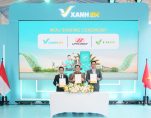
JAKARTA, INDONESIA – Media OutReach Newswire – 23 December 2024 – V-GREEN and PT Xanh SM Green and Smart Mobility Indonesia (Xanh SM Indonesia) today announced the signing of a Memorandum of Understanding (MoU) with Lippo Karawaci, a prominent Indonesian real estate development company. This strategic partnership aims to leverage Lippo Karawaci’s established reputation and extensive real estate network to develop a green ecosystem that integrate seamlessly […]

HONG KONG SAR – Media OutReach Newswire – 23 December 2024 – DYXnet, a wholly-owned subsidiary of VNET Group, Inc. (NASDAQ: VNET), is proud to celebrate its 25th anniversary in 2024, marking a quarter-century of excellence in supporting enterprises on digital transformation journeys. DYXnet hosted the Annual Luncheon 2024 in December, themed “Each Chapter a Milestone, Each Step a Leap Forward”, to kick off a new era […]

A significant rise in criminal activities linked to cryptocurrency has become evident as digital assets continue to attract widespread attention. Fraud, hacking, and illicit transactions are taking advantage of the growing market, drawing the focus of law enforcement agencies worldwide. The allure of cryptocurrencies for both investors and criminals has generated a rapidly expanding industry that remains vulnerable to abuse. In 2024, the global cryptocurrency market’s value […]

Oil prices experienced a modest increase on Monday, buoyed by lower-than-expected U.S. inflation data that has rekindled hopes for potential policy easing. However, the market remains cautious due to projections of a supply surplus in the coming year.

Brent crude futures rose by 36 cents, or 0.5%, reaching $73.30 per barrel. Similarly, U.S. West Texas Intermediate (WTI) crude futures climbed 39 cents, or 0.6%, to $69.85 per barrel. This uptick follows a period where both benchmarks had seen declines exceeding 2% in the previous week, influenced by signals from the U.S. Federal Reserve indicating a more measured approach to policy easing.

Analysts interpret the subdued inflation figures as a potential catalyst for the Federal Reserve to consider easing monetary policies, which could stimulate economic growth and, by extension, increase energy demand. Tony Sycamore, an analyst at IG Markets, noted that the cooling inflation data has alleviated concerns following the Federal Reserve’s recent hawkish stance on rate cuts.

Despite these positive indicators, the oil market is contending with forecasts of a supply surplus in 2025. J.P. Morgan analysts project that supply will outpace demand by approximately 1.2 million barrels per day next year, exerting downward pressure on prices. This anticipated surplus is compounded by expectations of peaking oil consumption in major markets.

In China, the world’s largest crude importer, state-owned refiner Sinopec forecasts that the nation’s oil consumption will peak by 2027, driven by declining demand for diesel and gasoline. This projection adds to concerns about future demand in a market already wary of oversupply.

The strength of the U.S. dollar is another factor influencing oil prices. A robust dollar makes oil more expensive for holders of other currencies, potentially dampening demand. The dollar’s recent ascent to a two-year high has added pressure to commodity prices, including oil.

Hungarian-based technology leader underscores its commitment to education, sustainability, and innovation SINGAPORE – Media OutReach Newswire – 23 December 2024 – Graphisoft, a global leader in Building Information Modeling (BIM) software for the architecture, engineering, and construction (AEC) industry, is poised to deepen its impact in Southeast Asia, driven by surging demand for advanced digital tools amid the region’s rapid development and growing focus on sustainable construction […]

By D Raja History of the Communist Party of India in the last 100 years is a glorious saga of struggles and sacrifices for our country and its people. History of our freedom movement and our progress after independence are incomplete without the blood and sweat of communists all over the country. The foundation day […]


HANOI, VIETNAM – Media OutReach Newswire – 19 December 2024 – Vinhomes Joint Stock Company and Nomura Real Estate Group (Japan) have signed a memorandum of understanding (MoU) for comprehensive strategic cooperation in key areas, including residential real estate, commercial real estate, and logistics, as well as other sectors related to real estate. This partnership aims to leverage the strengths of both parties to provide the market […]

Employers in the ICT and Creative Media Industries Place Greater Emphasis on Soft Skills; Growing Recognition for Higher Diploma Graduates’ Competencies HONG KONG SAR – Media OutReach Newswire – 20 December 2024 – Led by Hong Kong Baptist University (HKBU) and funded by The Hong Kong Jockey Club Charities Trust, the Jockey Club Multiple Pathways Initiative – CLAP-TECH Pathway (CLAP-TECH) has conducted its second annual survey, exploring […]

Despite significant challenges posed by extreme weather conditions in Indonesia and Australia, Delta Dunia Group reported a stable revenue of USD 1.35 billion during 9M 2024. EBITDA for 9M 2024 declined by 16% YoY to USD 252.3 million, impacted by weather-related production declines and planned investments. Net loss significantly improved to USD 17.4 million, down from USD 26.6 million reported in 1H 2024, despite a 20% increase […]

By K Raveendran While Prime Minister Narendra Modi’s ‘friend’, the US President-elect Donald J Trump, is set to move into White House, once again, it need not be particularly beneficial for India. If anything, Trump can be said to be “anti-India” even while remaining “pro-Modi”. The camaraderie contrasts starkly with the president-elect’s anti-India economic stance, […]

Hyundai’s commitment to sustainable transport solutions has taken a significant step forward with the launch of two Hydrogen Fuel Cell Buses into public service in Abu Dhabi. This move marks a milestone in the Emirate’s ongoing efforts to reduce its carbon footprint and transition toward more environmentally friendly transportation options. The buses, Hyundai’s Elec City FC and Universe FC, are now operational, providing a cleaner, quieter alternative to conventional diesel-powered vehicles.

The buses are part of a broader initiative to enhance the UAE’s public transport infrastructure with cutting-edge, eco-friendly technologies. Hyundai, in partnership with its exclusive UAE distributor, Juma Al Majid Co., is working to introduce hydrogen-powered vehicles that align with the UAE’s sustainability goals. These buses emit zero emissions, relying on hydrogen fuel cells to generate electricity, which is a significant step in tackling urban pollution and promoting energy-efficient transit options.

The launch follows the successful delivery of the first two hydrogen fuel cell buses in November 2024. The Emirate of Abu Dhabi has set its sights on becoming a leader in green technologies, with public transportation being a key area of focus. The hydrogen buses are a critical part of this transition, offering a practical solution to reducing the reliance on fossil fuels while meeting growing urban mobility demands.

The new buses are designed for both efficiency and comfort, providing passengers with a smooth and quiet ride. The Elec City FC is a fully electric bus equipped with a hydrogen fuel cell system, while the Universe FC, a larger model, is intended for longer journeys and is also powered by hydrogen fuel cells. Both models are expected to meet the rigorous standards of public transport fleets while offering a significant reduction in greenhouse gas emissions.

Juma Al Majid Co. has been instrumental in making this transition possible. As Hyundai’s exclusive distributor in the UAE, the company has facilitated the deployment of these advanced vehicles as part of its wider strategy to introduce green technology solutions across various sectors in the UAE. Their efforts are aligned with the UAE’s Vision 2021, which includes plans to reduce the country’s carbon emissions by 16 percent by 2025.

The UAE government’s commitment to clean energy is exemplified by the National Agenda, which includes ambitious targets for sustainability and diversification of energy sources. The introduction of hydrogen buses is a step toward fulfilling these targets, particularly in the transport sector, which is one of the largest contributors to emissions. Public transport in Abu Dhabi, already home to a growing fleet of electric buses, is being transformed into a more energy-efficient system through such innovations.

Hydrogen-powered vehicles have been gaining traction globally due to their ability to offer long ranges and quick refueling times compared to traditional battery-powered electric vehicles. Hydrogen buses, which use fuel cells to convert hydrogen into electricity, are particularly suited to long-distance travel and heavy-duty applications like public transportation. The technology behind hydrogen fuel cells allows for a high energy density, enabling the buses to travel longer distances without the need for frequent refueling.

The UAE has increasingly focused on hydrogen as a key component of its energy strategy, with a series of government-backed initiatives aimed at making the nation a hub for hydrogen production and utilization. The launch of the hydrogen fuel cell buses is part of a broader strategy to position the UAE as a leader in the global shift towards hydrogen energy. The nation is working on establishing hydrogen hubs and expanding its infrastructure for the production, storage, and distribution of hydrogen fuel.

Experts suggest that hydrogen will play an essential role in the future of transportation, not just in the UAE, but globally. With its clean energy potential, hydrogen is seen as a promising solution for reducing emissions in sectors that are difficult to electrify, such as long-haul transport, heavy-duty trucks, and buses. The successful operation of the first hydrogen fuel cell buses in Abu Dhabi may pave the way for other cities across the UAE to adopt similar technologies, contributing to the region’s green transition.

The introduction of these buses comes at a time when the world is increasingly focused on sustainable transportation solutions. With the transport sector contributing significantly to global carbon emissions, many countries are investing in green technologies to reduce their environmental impact. Hydrogen fuel cells, alongside electric batteries, are seen as key alternatives to conventional fossil fuel engines.

Abu Dhabi’s use of hydrogen buses is expected to encourage further investment in alternative fuel technologies. The public sector’s role in championing clean energy solutions is essential in building consumer confidence in these new technologies. The continued success of hydrogen-powered buses will not only help reduce emissions but also serve as a model for other cities in the region.

The long-term impact of this initiative could extend beyond public transportation. As hydrogen technology advances, the integration of hydrogen fuel cells into other sectors, such as construction, logistics, and even aviation, could become a viable option. In the coming years, the infrastructure for hydrogen production and distribution is expected to expand significantly, further enabling its adoption across various industries.

Green hydrogen, once heralded as a cornerstone of the global transition to clean energy, is encountering significant economic challenges due to its high production costs. This reality is prompting a reevaluation of its role in future energy strategies. A study from Harvard University, published in the journal *Joule*, reveals that the comprehensive costs associated with green hydrogen—including production, storage, and distribution—render it a prohibitively expensive method for […]

Hyundai Motor India has announced a strategic collaboration with Amaron to equip its domestic vehicle lineup with Amaron’s advanced Absorbent Glass Mat (AGM) battery technology. This move marks a significant milestone in the Indian automotive sector, as Hyundai becomes the first Original Equipment Manufacturer (OEM) in India to adopt locally produced AGM batteries.

The partnership signals Hyundai’s commitment to enhancing the efficiency and sustainability of its vehicles in the competitive Indian market. AGM batteries, known for their superior performance and reliability, are increasingly sought after in the automotive industry due to their ability to provide more power while being less prone to leakage and other common issues associated with traditional lead-acid batteries.

Amaron, a well-established brand in the battery manufacturing sector, has been a key player in supplying automotive batteries to both the Indian and international markets. This collaboration will not only strengthen Hyundai’s position in India but also foster a more robust domestic battery manufacturing ecosystem. The AGM battery technology is known for its durability and improved energy efficiency, which aligns with Hyundai’s focus on delivering high-performance, eco-friendly vehicles.

The shift towards AGM batteries is part of a broader industry trend to focus on renewable and sustainable technologies. The automotive sector in India has been gradually moving towards electric vehicles (EVs), and there is an increasing emphasis on energy-efficient technologies, even in internal combustion engine (ICE) vehicles. By integrating AGM batteries into its models, Hyundai aims to meet growing consumer demand for vehicles that combine performance with environmental responsibility.

For Hyundai, this strategic decision to collaborate with Amaron is also a step towards addressing the challenges posed by fluctuating global supply chains. With the introduction of locally manufactured AGM batteries, Hyundai will not only reduce its dependency on imports but also align with the Indian government’s push for ‘Atmanirbhar Bharat’ or self-reliance. This initiative is expected to provide a boost to the country’s domestic battery manufacturing capabilities and create new opportunities for job creation and technological innovation.

Hyundai Motor India’s move comes at a time when the Indian government is focusing on boosting the manufacturing sector, especially within the electric vehicle and battery domains. The government’s incentives for EV manufacturers and local battery producers are expected to drive further adoption of advanced battery technologies, such as AGM, across various segments of the automotive industry.

Amaron’s AGM batteries will be integrated into several of Hyundai’s popular models in India, offering enhanced vehicle performance, faster charging times, and longer battery life. Hyundai has emphasized that these batteries will be key in improving the overall customer experience, providing reliable performance for a variety of driving conditions and reducing maintenance costs over time.

The announcement also comes on the heels of Hyundai’s broader strategy to enhance its production capabilities and expand its product portfolio in India. With a rising middle class and increasing demand for both traditional and electric vehicles, the Indian market presents significant growth potential for Hyundai. By embracing advanced battery technology, Hyundai is positioning itself as a forward-thinking player in the automotive sector, addressing both current market needs and future sustainability goals.

Experts predict that this partnership between Hyundai and Amaron could have a ripple effect on the broader Indian automotive industry. As more OEMs look to integrate advanced technologies into their vehicles, this collaboration may set a precedent for other companies to follow suit. It is likely that Hyundai’s use of local AGM technology will encourage more automakers to explore similar partnerships with domestic battery producers, ultimately strengthening India’s position as a global manufacturing hub for automobiles.

As electric vehicle adoption continues to rise, particularly among consumers seeking greener alternatives, the automotive industry is poised to make significant strides towards more sustainable solutions. Hyundai’s collaboration with Amaron is not only about enhancing vehicle performance but also about positioning itself as a key player in the ongoing shift toward more environmentally friendly technologies. The partnership also reflects the global automotive industry’s transition toward cleaner energy sources and a more sustainable future.

The Gulf Cooperation Council (GCC) debt capital market has reached a significant milestone, with outstanding debt surpassing $1 trillion by the end of November 2024. This achievement marks an 11% year-on-year growth, with approximately 40% of the total debt comprising sukuk, or Islamic bonds. Saudi Arabia leads the region’s debt capital market, followed by the United Arab Emirates and Qatar. In September, Fitch projected that Saudi Arabia’s […]

Oil prices have declined, with Brent crude futures dropping 41 cents to $72.47 per barrel, and U.S. West Texas Intermediate crude futures falling 39 cents to $68.99 per barrel. China’s oil demand is projected to peak by 2027, with fuel consumption slowing. The U.S. dollar has reached its highest value since November 22, making commodities more expensive for holders of other currencies. OPEC+ has reduced its 2024 […]

VISHNU RAJA
RYO YAMADA
HITORI GOTOH
IKUYO KITA