News related to
demand

By Nantoo Banerjee The slump in India’s GDP growth rate is understandable. Contrary to the government claims, the job market is down. The income growth, in general, is shrinking. A vast section of consumers are not spending enough, except for wage goods or daily dire necessities, as their real income is not growing. The FMCG […]

Saudi Arabia’s water sector experienced pivotal advancements in 2023, with desalinated seawater production growing by 31 percent. The increase has resulted in desalinated water now accounting for half of the country’s distributed water supply, marking a rise from 44 percent in the previous year. These developments were detailed in the latest report from the General Authority for Statistics, which highlights significant shifts in the kingdom’s water management […]

The United Arab Emirates’ non-oil private sector expanded at its fastest pace in nine months in December, driven by strong demand and increased business activity. The S&P Global UAE Purchasing Managers’ Index (PMI) rose to 55.4 from November’s 54.2, marking the third consecutive monthly increase and remaining well above the 50.0 threshold separating growth from contraction. New business saw a significant uptick, but export demand growth softened, […]

Dubai has seen an impressive influx of international visitors, with 16.79 million tourists arriving between January and November 2024. This substantial number marks a notable recovery and growth for the city’s tourism sector, building on the momentum generated by global interest in the UAE’s post-pandemic offerings and its continued expansion as a global hub for leisure, business, and culture. Tourism figures for Dubai in 2024 have surpassed […]

Sheikh Mohammed bin Rashid Al Maktoum, Vice President and Prime Minister of the UAE, has approved a transformative housing package worth Dhs5.4 billion aimed at enhancing the living conditions of Dubai’s citizens. This strategic move forms part of the government’s broader commitment to improving the quality of life for Emiratis and meeting the growing demand for affordable housing in the city. The initiative is set to provide significant support to citizens looking to own homes in the rapidly developing metropolis.

The housing package, which focuses on providing financial support for homeownership, aligns with Dubai’s long-term vision of fostering sustainable urban growth while maintaining social stability. It is expected to address the demand for residential properties, particularly in light of the increasing population and urban expansion in the emirate. Experts suggest that this initiative will be pivotal in ensuring that citizens are not left behind as the city continues its ambitious development agenda.

The allocation of Dhs5.4 billion will facilitate the construction of new homes and offer assistance to Emirati families looking to purchase property. This comprehensive program is tailored to ensure that financial barriers are reduced for citizens, making homeownership more accessible to a larger segment of the population. The initiative underscores the UAE leadership’s dedication to providing a high standard of living to its people, especially in the face of the challenges posed by rising property prices in Dubai.

In addition to new housing developments, the package includes provisions for subsidized loans, which will ease the financial burden on families seeking to build or buy homes. The move also includes enhancements to the existing infrastructure, ensuring that residential areas are equipped with essential amenities, including schools, healthcare facilities, and recreational spaces. These upgrades are in line with Dubai’s commitment to creating integrated communities that foster both economic growth and quality of life.

This initiative comes at a time when the UAE’s real estate sector is experiencing significant growth, particularly in the luxury segment. While Dubai’s high-end market continues to attract international investors, the demand for affordable housing for its citizens has become increasingly pressing. Experts have pointed out that initiatives like Sheikh Mohammed’s housing package play a crucial role in ensuring the equitable distribution of the benefits of the city’s success, preventing the widening of social divides.

The housing package is also expected to stimulate economic activity within the local construction and real estate sectors. With the funds earmarked for both residential development and infrastructure enhancements, a wide range of industries, from construction to finance, will benefit from the government’s investment. Furthermore, the provision of affordable housing is likely to contribute to a more stable labor market, ensuring that Dubai remains an attractive destination for both local and foreign talent.

Dubai has made considerable strides in addressing the housing needs of its citizens over the past decade. However, the city’s rapid expansion and growing population have placed increasing pressure on the availability of affordable housing. Experts have noted that the affordability gap has widened, particularly for middle-class families. The latest initiative from Sheikh Mohammed is seen as a timely intervention to rectify this imbalance, offering a lifeline to citizens struggling to enter the property market.

This initiative aligns with other significant housing policies implemented by the UAE government over the years, such as the provision of land grants to Emiratis for residential purposes and other subsidy schemes that have bolstered homeownership. The focus, however, has now shifted to ensuring that these efforts are both sustainable and scalable in the face of an evolving urban landscape.

The allocation of funds for such an extensive housing project reflects the broader goals of the UAE’s leadership to create a more inclusive society where every citizen has the opportunity to thrive. By ensuring that Emiratis have access to affordable homes, the government is not only improving individual livelihoods but also fostering long-term economic stability. The initiative is expected to have ripple effects throughout the economy, particularly in the real estate and construction sectors, where demand for new projects is expected to grow.

New Shariah-compliant investment-linked product addresses the needs of customers looking for values-based insurance solutions; further strengthening the Group’s Islamic Wealth Management offerings SINGAPORE – Media OutReach Newswire – 6 January 2025 – Maybank’s insurance arm, Etiqa Insurance Singapore (Etiqa), today jointly announced the launch of Invest future, Singapore’s first Takaful offering in over a decade, with Maybank Singapore (Maybank) as its exclusive distributor. Etiqa Insurance Singapore launches […]

By K. Raveendran The government has notified draft rules relating to the digital privacy protection law. Undoubtedly, this underscores a critical moment in the ongoing evolution of privacy legislation. The law, ostensibly designed to safeguard citizens, particularly children, from the darker corners of the digital realm, also raises profound concerns about the potential for governmental […]
Advertisements

SINGAPORE – Media OutReach Newswire – 2 January 2025 – Kim Yew Integrated, a leader in the facilities management industry, proudly celebrates its 40th anniversary in 2025, marking four decades of innovation, resilience, and commitment to excellence. Founded in 1985, the company has evolved from a traditional term contractor to an Integrated Facilities Management firm, redefining industry standards with data-driven solutions, technology integration, and sustainable practices. Patrick […]

Matein Khalid Two tragic plane crashes in Azerbaijan/South Korea and now terrorist outrages in Las Vegas and New Orleans take the joy out of New Year’s Day but all we can hope that the world will be reinvented with a modicum of rationality when Donald Trump swears the oath to uphold the US Constitution on January 20th. The political messiah of MAGA is also a geopolitical/trade time […]

HONG KONG SAR – Media OutReach Newswire – 2 January 2025 – Since the global AI boom sparked by ChatGPT in December 2022, the artificial intelligence industry has consistently attracted market attention, with investment enthusiasm only increasing over the past two years. For most, however, the future of AI remains opaque. Despite its prominence, questions persist about the technology’s evolution and its impact on markets and investors. […]

HONG KONG SAR – Media OutReach Newswire – 2 January 2025 – The social media platform Xiaohongshu, known as the “Chinese version of Instagram,” has rapidly risen in popularity in recent years. With its massive traffic and influence, it has become an essential guide for mainland Chinese tourists visiting Hong Kong. This trend has motivated more businesses and enterprises to leverage the platform for promotion, striving to […]

BAODING, CHINA – Media OutReach Newswire – 3 January 2025 – 28th December, 2024, at the prestigious LIWA Hero Festival in the Middle East, GWM’s TANK 500 Hi4 Z edition lead the charge and made a bold and unforgettable entrance, capturing the attention of off-road enthusiasts and global fans alike. Through an exciting series of events, numbers of renowned KOLs and influencers as they embark on a […]

SINGAPORE – Media OutReach Newswire – 3 January 2025 – Flint, the pioneering deep tech company developing a proprietary paper battery technology, has raised US$2 million in seed funding. This funding round, led by a global consortium of angel investors, will accelerate Flint’s efforts to bring high-performance, sustainable energy storage solutions to market. “This funding milestone represents years of technical breakthroughs, and now, with real-world applications on […]

Oman has launched the Oman Net Zero Centre, a strategic initiative by the Ministry of Energy and Minerals to guide the nation toward its goal of carbon neutrality by 2050. This move underscores Oman’s commitment to environmental sustainability and aligns with directives from His Majesty Sultan Haitham bin Tarik to combat climate change and promote sustainable energy innovation. The Centre’s primary mandate includes developing and updating Oman’s […]

Crude oil prices are projected to remain within the $70 per barrel range, influenced by multiple factors, including potential oversupply conditions and shifts in geopolitical dynamics. Experts suggest that while the market might stabilize around this figure, uncertainty from global demand and political maneuvers will continue to shape its trajectory in the coming months.

The crude market has entered a phase where supply and demand fundamentals are being tested against evolving global economic conditions. Several key developments, particularly around oil-producing nations, have created a delicate balance that keeps prices in a relatively stable range, yet susceptible to fluctuations driven by external factors.

For months, the oil market has been closely watching the decisions of the Organization of the Petroleum Exporting Countries (OPEC) and its partners, such as Russia, who collectively manage production quotas to balance supply. OPEC’s recent moves to curb production have been aimed at propping up prices, but an increase in U.S. oil output has led to speculation that there may be an oversupply in the market. The United States has reached record production levels, largely driven by shale oil, which could overshadow OPEC’s production cuts.

Geopolitical tensions in major oil-producing regions, such as the Middle East, remain a persistent risk to price stability. However, analysts have indicated that, at least for now, the global oil market is able to absorb disruptions without a significant impact on prices. The advent of more diverse energy sources, including natural gas and renewable energy, has also lessened oil’s price volatility compared to previous decades.

One of the most notable contributors to the ongoing price forecast is former U.S. President Donald Trump’s impact on energy policies. His administration’s push for energy independence and deregulation policies have led to a surge in domestic oil production. While Biden’s administration has implemented more stringent climate and energy policies, the effects of Trump’s legacy are still visible, with shale producers continuing to drive the U.S. oil production boom.

Despite this, global oil consumption, especially in China, has shown signs of slower growth, a factor that could weigh on oil prices. Experts note that while China remains a major driver of global energy demand, its economic slowdown could dampen the demand for crude, putting downward pressure on prices. Additionally, OPEC’s attempts to control prices by adjusting production could be more difficult to execute as non-OPEC countries, particularly the U.S., maintain higher levels of output.

Environmental pressures are also playing a role in shaping oil demand. Many nations are intensifying their efforts to transition to cleaner energy sources, potentially limiting the demand for fossil fuels in the long term. Governments worldwide are setting more ambitious renewable energy targets and offering incentives for green technologies, which could lead to a future reduction in oil dependency.

Despite these long-term trends, the immediate outlook for crude remains cautiously optimistic. The global recovery from the pandemic, especially in developed economies, is expected to continue driving demand for oil, particularly for transportation and manufacturing. Yet, the resurgence of COVID-19 in certain regions and the ongoing supply chain disruptions may have a complex impact on global economic growth, which will, in turn, influence oil demand.

In the U.S., gas prices remain a central topic as consumers face fluctuating fuel costs. While gas prices in the country have seen recent increases due to tighter refinery margins and seasonal demand spikes, there is no consensus on how long this trend will persist. Analysts believe that domestic production levels, combined with seasonal factors, could prevent prices from surging uncontrollably.

In Europe, the situation is more nuanced. Energy prices, including natural gas and oil, have been a driving force behind inflation. The war in Ukraine, ongoing for several years now, has further complicated Europe’s energy dynamics, pushing countries to reconsider their energy strategies. Despite Europe’s focus on alternative energy, oil continues to play a significant role in meeting energy demand, particularly in transportation and industry. With the cost of living rising and energy prices still high, consumers in Europe are facing additional financial strain.

At a global level, the shift toward more sustainable energy production and consumption is growing, but it is clear that oil remains a cornerstone of the global energy mix for the time being. Countries that rely heavily on oil exports, like Saudi Arabia and Russia, continue to exert influence on the market, pushing for price stabilization measures. However, the dynamics of global energy consumption are changing, and the transition to greener alternatives remains a key factor to monitor.

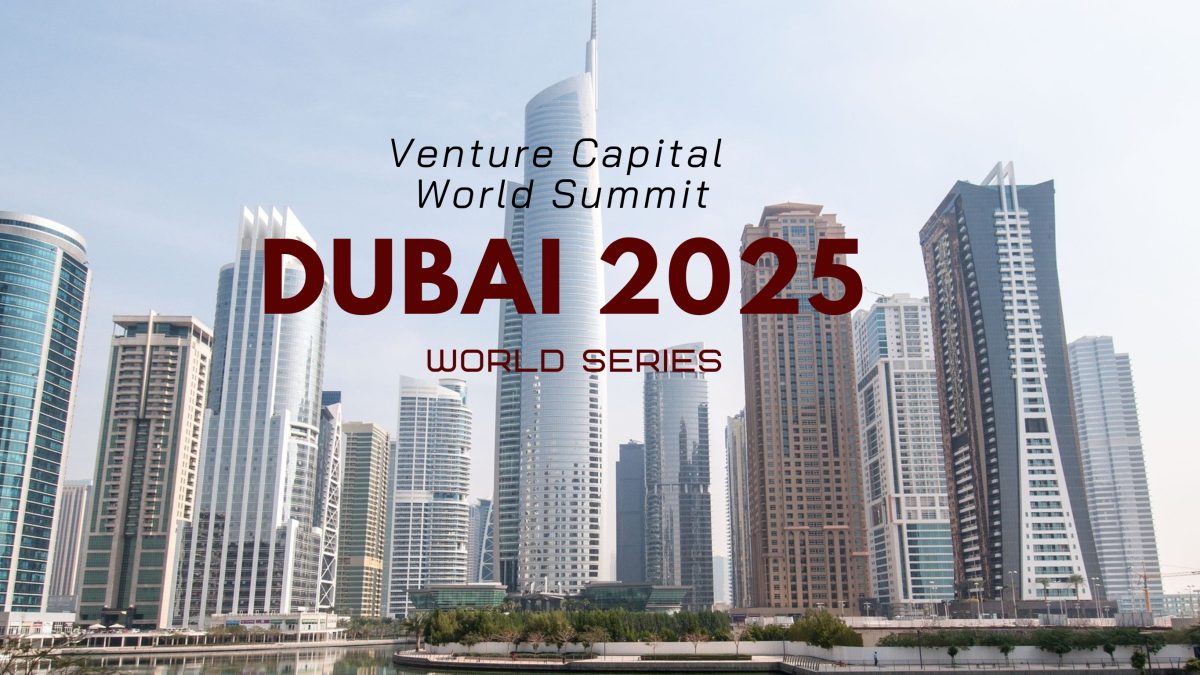
Dubai’s property market has experienced a remarkable surge in demand, with the fourth quarter of 2024 marking the highest-ever quarterly sales, signaling a bullish outlook for 2025. The city’s real estate sector continues to attract investors and homebuyers, bolstered by favorable economic conditions and government initiatives aimed at supporting growth. The trend suggests that Dubai’s property market will likely maintain its momentum, making it one of the most attractive destinations for real estate investment globally.

The Dubai Land Department (DLD) reported that in Q4 2024, the total value of real estate transactions soared to new heights, breaking previous records. In addition to an increase in the volume of sales, the average property prices have seen upward movements, driven by high demand in both residential and commercial segments. This strong performance is attributed to a combination of factors, including the city’s resilient economic recovery, strong investor confidence, and a growing population that is increasingly seeking quality housing and investment opportunities.

Leading this growth is the luxury real estate segment, which has experienced a particularly sharp uptick. High-net-worth individuals and international investors have shown a preference for prime residential properties, with villas, penthouses, and beachfront developments seeing the most significant price increases. As international travel restrictions ease and global investors return to the market, Dubai’s luxury offerings continue to be seen as attractive, safe havens for capital preservation.

In addition to the luxury sector, there is increasing interest in mid-market housing. The city’s developers have been responding to this demand by focusing on affordable housing projects, catering to the growing middle class. Several large-scale developments, particularly in emerging areas such as Dubai South, Dubai Creek Harbour, and Mohammed bin Rashid City, are underway to address this need.

The government’s proactive role in shaping the property landscape cannot be overstated. Initiatives such as long-term visas, tax breaks, and investor-friendly policies continue to provide a favorable business environment for property owners. Furthermore, the Expo 2020 Dubai, despite its delayed launch, has had a lasting impact on the city’s infrastructure, attracting additional global attention and investment. The city’s diverse and dynamic economy, with sectors like tourism, technology, and finance growing at a rapid pace, further strengthens the property market’s growth potential.

Dubai’s location as a global financial hub and a gateway between East and West remains a crucial factor for foreign buyers. The city’s diversification efforts, which focus on sectors such as fintech, renewable energy, and logistics, make it an attractive option for investors seeking growth and stability. As a result, Dubai’s real estate market remains a strong performer compared to other global cities.

The UAE’s ambitious Vision 2025 plans, which include expanding tourism, enhancing urban infrastructure, and fostering a knowledge-based economy, will likely boost demand for both residential and commercial properties in the long term. These national efforts support the city’s appeal as a thriving center for business and leisure, encouraging both local and foreign investments.

As Dubai’s economy continues to diversify and evolve, real estate will remain a key pillar. Developments in the infrastructure sector, such as the expansion of the Dubai Metro and road networks, are expected to play a significant role in sustaining the growth of property markets in both established and developing areas. Additionally, a growing focus on sustainability and green developments has led to an increase in eco-friendly properties, which appeal to environmentally conscious buyers and investors.

The residential market, while currently the star of the show, is not the only segment benefitting from this upswing. Dubai’s commercial real estate market has also seen robust demand, particularly in office spaces and retail developments. As more businesses, particularly tech and financial firms, establish a foothold in the city, the demand for high-quality office spaces in prime locations has risen. Moreover, the hospitality industry has also enjoyed a boost, with new luxury hotels and resorts attracting both international and regional visitors, supporting the broader tourism sector.

Looking ahead to 2025, experts predict that Dubai’s property market will continue to attract investment, particularly from buyers and developers seeking stability amid global economic uncertainties. Analysts are particularly optimistic about the long-term prospects of the market, with the growing demand for both luxury and affordable housing creating a balanced real estate ecosystem. The projected growth of the city’s economy, combined with its increasing role as a global business hub, positions Dubai to maintain its upward trajectory.

Despite the optimistic outlook, challenges remain, particularly in terms of rising construction costs and the potential for market saturation in some areas. However, developers are adapting to these challenges by focusing on innovative design and sustainable construction practices. The launch of new projects is expected to continue at a strong pace, with an emphasis on meeting the needs of an increasingly diverse population. Whether through green building initiatives, mixed-use developments, or community-focused design, Dubai’s real estate sector is evolving to meet the demands of modern buyers and investors.


LAS VEGAS, USA – Media OutReach Newswire – 2 January 2025 – VinAI has announced its participation in the Consumer Electronics Show (CES) 2025, taking place from January 7 to January 10, 2025, in Las Vegas, USA. At CES 2025, VinAI will showcase cutting-edge AI technologies such as DrunkSense and Touch2Park in an exclusive in-vehicle demonstration, reaffirming their superior integration capabilities and commitment to delivering groundbreaking mobility […]

By P. Sudhir The year 2024, which has ended, has been a tumultuous one both nationally and internationally. In India, the year began with the State-sponsored installation of the idol at the newly-built but incomplete Ram temple at Ayodhya, a signal from the BJP rulers that the era of Hindutva raj has begun. This was […]


Dubai’s public transport network experienced a significant surge in usage during New Year’s Eve celebrations, with over 2.5 million passengers utilizing various modes of transportation, marking a 9.3% increase from the previous year’s 2.29 million riders. The Dubai Metro, encompassing both the Red and Green lines, was the most utilized service, accommodating 1,133,251 passengers. The Dubai Tram also saw substantial patronage, transporting 55,391 individuals. Public buses played […]

Saudi Arabia’s ACWA Power has successfully secured a financing deal worth $692 million for a major wind power plant in Egypt. The agreement underscores the growing momentum in the renewable energy sector as Egypt intensifies its push to diversify energy sources and reduce its carbon footprint. The financing package for the wind power plant was finalized with the involvement of a consortium of international banks, including the […]

Oil prices maintained stability as trading resumed in 2025, with attention shifting towards US stockpiles amid market volatility. Despite fluctuations throughout the early part of the year, oil traders are closely monitoring the latest figures from the American Petroleum Institute (API) and the Energy Information Administration (EIA), which will provide critical insights into supply-demand dynamics. As concerns over global oil supply chain disruptions wane, the US oil inventory data will likely dictate near-term market direction.

Brent crude futures remained above $85 per barrel, while West Texas Intermediate (WTI) futures hovered around $80. The two benchmarks are managing to stay resilient as markets balance competing influences, such as slowing economic growth in major markets and tighter OPEC+ production cuts. The price levels indicate that traders are cautiously optimistic about the future despite challenges.

The main point of focus for market participants is the state of US crude stockpiles. The most recent data from the EIA and API have highlighted a noticeable reduction in stock levels, which is prompting questions about how sustainable the supply will be in the coming months. The drop in reserves has led some analysts to suggest that future price pressures could be on the rise if the supply situation worsens.

In addition, OPEC+’s actions remain a significant driver for global oil prices. Throughout 2024, the oil cartel, led by Saudi Arabia and Russia, has implemented coordinated production cuts, which have helped to keep prices relatively firm despite macroeconomic pressures. This decision to limit production, particularly in the context of a potential economic slowdown, has acted as a counterbalance to potential downturns in the global oil market.

Another major consideration for analysts is the ongoing developments in the US oil industry. Despite the challenges posed by fluctuating crude prices, US shale producers have demonstrated remarkable resilience. The continued ability of shale operators to cut costs and increase efficiency has allowed the US to maintain a competitive edge in global markets. However, concerns over the long-term sustainability of shale output, particularly in the face of regulatory changes and capital constraints, continue to weigh on investors’ minds.

For now, traders are wary of potential shocks to the oil market. Geopolitical tensions, particularly in the Middle East, have the potential to disrupt supply lines, and this possibility keeps the oil markets on edge. Despite the efforts by OPEC+ to stabilize prices, uncertainty surrounding global economic recovery and energy demand adds an element of volatility that traders are unwilling to ignore.

The US, as the world’s largest producer of oil, has become a critical factor in the stability of oil prices. The actions of the Federal Reserve and its stance on interest rates are expected to have a ripple effect on global energy markets. A stronger US dollar could potentially dampen demand for oil in international markets, while changes in US monetary policy could either stimulate or slow down global growth, influencing oil consumption patterns.

In this environment of caution, oil traders are also keeping an eye on upcoming policy shifts in major economies. While the US continues to prioritize energy independence, the global push towards cleaner energy alternatives remains a challenge to traditional oil demand. Countries such as China, which have been transitioning towards renewable energy, continue to create uncertainty in long-term projections for oil consumption.

Despite this, the global energy market has been adjusting to the new reality of higher oil prices, particularly in response to tighter production controls. The shift in pricing power towards OPEC+ and other oil-exporting nations underscores the changing dynamics of the global energy landscape, where once-dominant oil-consuming countries may find themselves on the back foot in the coming years.

HO CHI MINH CITY, VIETNAM – Media OutReach Newswire – 30 December 2024 – Visa, the global leader in digital payments, reveals a surge in contactless payments across the Asia-Pacific (AP) region, with Vietnam leading the charge based on a recent survey commissioned by Visa done by YouGov[1]. VisaNet data analyzed by the Visa Consulting & Analytics (VCA) shows a significant shift in payment behavior, with nearly […]

SHAH ALAM, MALAYSIA – Media OutReach Newswire – 30 December 2024 – BEST Inc. Malaysia, a trailblazer in the logistics and supply chain industry, celebrates its incredible journey from its inception in 2020 to stepping into 2025 as a powerhouse of innovation and growth. In just five years, BEST Inc Malaysia has expanded its operations into five thriving business verticals, establishing itself as a cornerstone of efficiency […]

Elevating Urban Living with Holistic Wellness and Timeless Elegance: Proud Real Estate Redefines Luxury with Romm Convent, Bangkok’s Premier Wellness Residence in the Heart of Convent-Sathorn BANGKOK, THAILAND – Media OutReach Newswire – 30 December 2024 – In the bustling heart of Bangkok’s prestigious Convent-Sathorn area, Proud Real Estate Plc. introduces Romm Convent, a beacon of luxury wellness living designed for the discerning urbanite. Amidst a thriving […]

VISHNU RAJA
RYO YAMADA
HITORI GOTOH
IKUYO KITA