News related to
energy

The UAE-India Business Forum is set to commence tomorrow in Mumbai, focusing on strengthening economic ties between the UAE and India. Organized by the UAE Ministry of Economy in partnership with the UAE Embassy in New Delhi and India’s Ministry of Commerce and Industry, this forum marks an important step in expanding bilateral trade relationships, particularly beyond the Comprehensive Economic Partnership Agreement (CEPA) that came into effect in May 2022.

This event will gather an influential group of government officials, business leaders, and industry professionals. Key sectors under discussion include healthcare, biotechnology, renewable energy, sustainability, artificial intelligence, and logistics. The forum is expected to provide a platform for businesses from both countries to explore new partnership opportunities that align with their national growth and diversification agendas.

Dr. Thani bin Ahmed Al Zeyoudi, UAE’s Minister of State for Foreign Trade, emphasized the significance of this event, noting that it offers a vital platform for exploring new synergies, building networks, and developing mutually beneficial collaborations. The forum’s theme, “Beyond CEPA: Innovation and Future-Ready Economies,” reflects the ongoing efforts to foster innovation in industries like AI and biotechnology, which have seen growing interest from both sides.

The UAE and India have enjoyed steadily increasing non-oil trade, which reached USD 28.2 billion in the first half of 2024, marking a 9.8% rise compared to the same period in 2023. This robust growth contrasts with declining global trade figures, making the UAE-India economic partnership an exceptional case of resilience. The CEPA, which removed or reduced tariffs on over 80% of traded goods, has been instrumental in boosting industrial output, enhancing global competitiveness, and fostering job creation across both nations.

During the forum, one of the key sessions, “Healthcare and Biotechnology: Pioneering the Future of Medicine,” will delve into how the two nations can leverage CEPA to create new partnerships in genomic medicine, AI-driven healthcare, digital health solutions, and pharmaceutical research. This session aligns with the growing focus on health tech innovation in both countries.

BEIJING, CHINA – Media OutReach Newswire – 10 September 2024 – The curtains have risen once more on the China-Africa Cooperation Forum Summit, held in Beijing from the 4th to the 6th of September, 2024, is a catalyst for Africa’s economic transformation. With “Deepening Cooperation, Building the Future Together” as its theme, the summit aims to enhance exchanges and cooperation between China and Africa in various domains. […]

Taiwan welcomed the establishment of a trade office by the U.S. state of Indiana as a significant step towards expanding economic collaboration, particularly in the high-tech and semiconductor sectors. Taiwan’s Ministry of Foreign Affairs (MOFA) expressed optimism that this move will further deepen bilateral ties and open new avenues for investment and innovation, positioning both Taiwan and Indiana as key players in critical global supply chains. Taiwan’s […]

Organic Light-Emitting Diodes (OLEDs) have made significant advancements in color accuracy and energy efficiency, redefining the standards for display technology. These developments mark a new phase for OLED panels, positioning them as frontrunners in the competitive global market dominated by companies such as LG Display and Samsung Display. One of the critical breakthroughs has been the ability of OLED panels to cover more than 95% of the […]

Abu Dhabi is set to embark on a transformative energy project, aiming to expand its gas-fired power generation capacity by 5 gigawatts (GW). This significant investment underscores the emirate’s commitment to maintaining energy security and supporting its economic growth while transitioning towards a more diversified energy mix. The initiative is a key component of Abu Dhabi’s broader strategy to balance its energy portfolio and enhance its position […]

Abu Dhabi National Oil Company (Adnoc) is set to award a $2 billion contract aimed at increasing production from its offshore oil fields. This investment underscores Adnoc’s commitment to boosting its oil output as part of its strategy to meet global energy demands and support the UAE’s economic growth. The contract, which is expected to be awarded in the coming weeks, will focus on expanding the production […]

Arabian Post Staff -Dubai Oil prices are expected to hover between $60 and $70 per barrel as major global commodity traders Gunvor and Trafigura project a continued pressure on the market. This forecast, announced during a conference, reflects persistent concerns over sluggish demand from China and an ongoing global oversupply. Despite previous expectations that summer would bolster oil prices, the market has faced significant challenges. Oil prices […]

Advertisements

China is poised to extend its national carbon market by compelling major polluting sectors such as steel, aluminum, and cement to participate in emissions trading by 2025. The move is part of Beijing’s broader efforts to meet its ambitious climate goals, including peaking carbon emissions by 2030 and achieving carbon neutrality by 2060. The carbon market, initially launched in 2021 with a focus on the power sector, […]

Abu Dhabi’s state-owned holding company ADQ has assumed responsibility for managing two critical urban mobility systems in the emirate, DARB and Mawaqif. This decision marks a significant move within the UAE’s capital as part of ADQ’s ongoing strategy to consolidate its influence across key sectors, including transport and infrastructure. With ADQ at the helm, the management of these systems is expected to enhance efficiency, integrate technological advancements, and drive further development across the region’s mobility infrastructure.

The acquisition of DARB and Mawaqif, which manage road tolls and public parking respectively, signifies a larger push toward creating an interconnected transportation ecosystem in Abu Dhabi. The integration of these platforms under ADQ aims to bolster the emirate’s urban mobility framework, aligning with broader objectives to position Abu Dhabi as a leader in smart city development. The transition is being seen as a major step towards modernizing the city’s infrastructure while ensuring sustainability and ease of mobility for residents.

DARB, the road toll system in Abu Dhabi, was introduced as part of an initiative to reduce traffic congestion and promote the use of alternative transportation methods. The toll system uses automated technology to charge drivers passing through designated gates without requiring any physical tollbooths. This shift toward automation aligns with ADQ’s broader agenda of adopting cutting-edge solutions to enhance public services. The company is expected to focus on improving the technological framework of DARB, making it more user-friendly and efficient.

Mawaqif, on the other hand, is Abu Dhabi’s public parking management system, ensuring that parking spaces are utilized effectively across the city. The system operates through an integrated technology platform that allows residents and visitors to manage parking payments seamlessly through mobile applications and online systems. With ADQ assuming control of Mawaqif, there is speculation that the system could see further integration with other smart city services, enhancing the overall user experience and contributing to the wider development of a unified, technologically advanced infrastructure.

This move fits into ADQ’s long-term plan of building cluster ecosystems, where interconnected industries and services work cohesively to foster growth. The entity has been instrumental in managing a diverse portfolio that includes healthcare, energy, logistics, and utilities. By taking control of DARB and Mawaqif, ADQ is consolidating its role in the urban planning and development space, ensuring that these systems contribute meaningfully to the emirate’s economic and social objectives.

Moreover, ADQ’s involvement in the transportation sector underlines the company’s commitment to aligning its activities with the UAE’s national vision, which emphasizes sustainability, technological innovation, and efficient public services. The integration of DARB and Mawaqif under a single managerial entity allows for streamlined decision-making, faster implementation of improvements, and better coordination between different urban mobility projects. ADQ’s history of successfully managing large-scale projects also boosts confidence in the future of these systems, particularly in terms of reliability and technological advancement.

As the emirate continues to expand, ensuring a sustainable and efficient transport system remains critical. Abu Dhabi has been heavily investing in smart infrastructure, and the transportation sector is a central pillar of these developments. ADQ’s takeover of DARB and Mawaqif will likely bring in significant improvements, especially in terms of adopting newer technologies such as AI-driven traffic management and real-time data analytics. These innovations could lead to optimized traffic flow, better management of urban spaces, and an enhanced quality of life for residents.

Additionally, this transition reflects a broader trend in the region, where governmental entities are increasingly collaborating with semi-autonomous holding companies like ADQ to implement large-scale infrastructure projects. This approach allows for better flexibility in execution while ensuring that public services remain in line with the country’s long-term strategic objectives. The growing influence of such entities, including ADQ, is seen as a key driver of economic diversification in the UAE, reducing dependency on oil revenues and fostering growth in other critical sectors.

While the exact financial details of ADQ’s takeover of DARB and Mawaqif have not been disclosed, industry analysts suggest that the move could lead to a significant increase in revenue generation for the holding company, particularly as the systems expand their scope in the coming years. Both DARB and Mawaqif are essential to Abu Dhabi’s day-to-day urban management, affecting millions of residents and commuters. By streamlining the operations of these systems, ADQ is positioned to ensure that they operate more efficiently and continue to meet the growing demands of the city.

The leadership transition is being watched closely by industry experts, who believe that ADQ’s role could extend beyond operational management to involve strategic decision-making on future expansions of the mobility infrastructure. This could include initiatives such as expanding public transportation options, integrating electric vehicle (EV) infrastructure, and further leveraging digital platforms to make transportation and parking more accessible. The potential for cross-sector collaboration, especially with ADQ’s involvement in utilities and logistics, opens the door to even more comprehensive urban planning initiatives in the future.


Oman is set to make waves in the Gulf region’s financial markets with the largest initial public offering (IPO) in the country’s history. Oman’s state energy company OQ SAOC has announced plans to raise approximately $2 billion by selling a 25% stake in its exploration and production unit, OQ Exploration & Production SAOG (OQEP). The valuation of the entire OQEP business could reach around $8 billion, based […]

The United Arab Emirates has completed its first-ever successful test flights of High-Altitude Pseudo-Satellites (HAPS), marking a significant milestone in the country’s efforts to become a global leader in advanced aerospace technologies. The HAPS flights, carried out in the UAE’s desert regions, offer groundbreaking potential for long-duration aerial monitoring, communication, and surveillance operations at high altitudes, a capability that could revolutionize industries ranging from agriculture to national […]

Alpha Dhabi Group, an investment conglomerate listed on the Abu Dhabi Securities Exchange, has announced its intention to divest its 11% stake in OCI’s methanol division. This strategic move is connected to OCI’s acquisition by Methanex Corporation, a major player in the global methanol industry. The transaction, which will see Methanex take control of OCI’s methanol operations, is anticipated to be completed by 2025. Alpha Dhabi’s decision […]

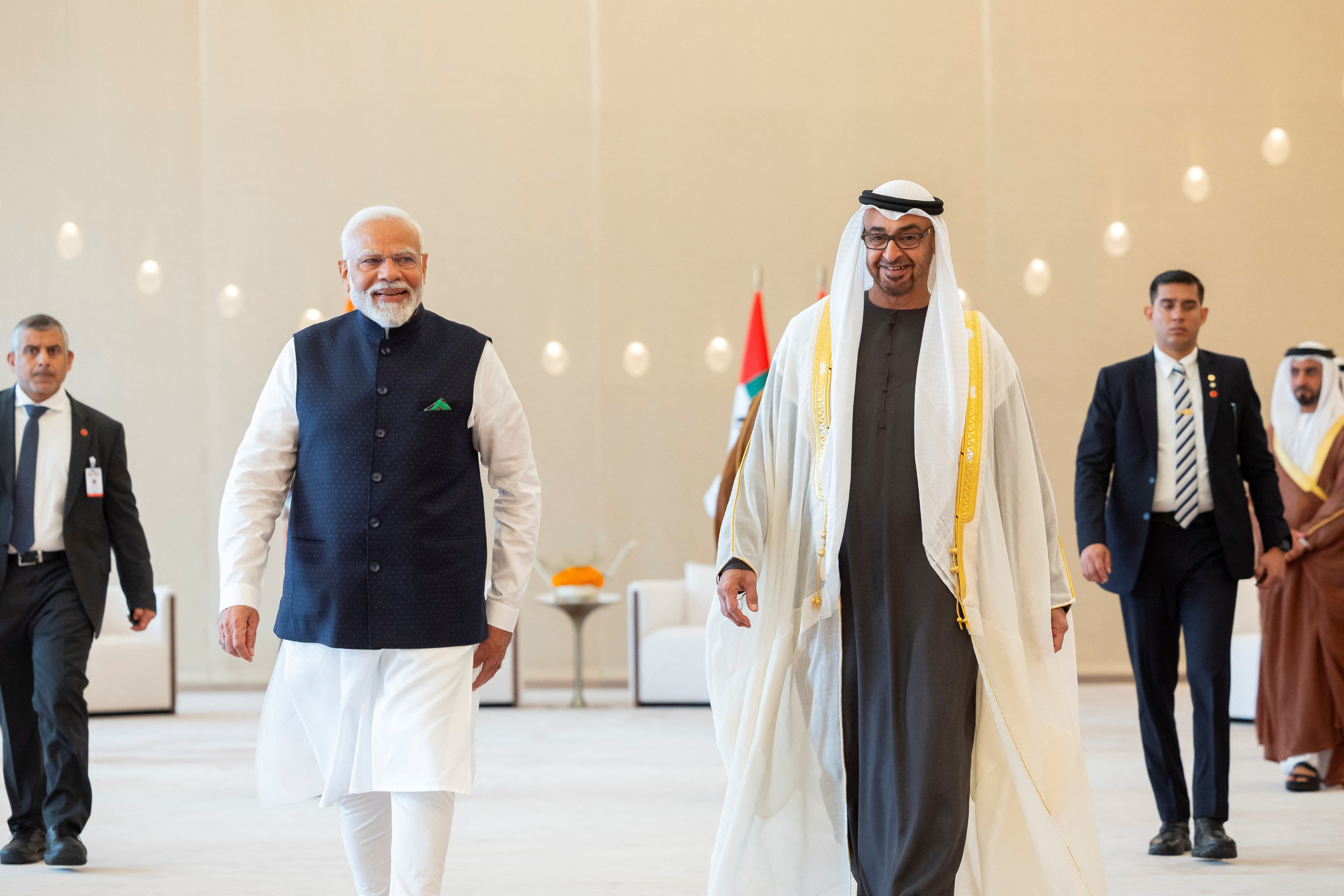
Abu Dhabi National Oil Company (Adnoc) has entered into a significant 15-year agreement with Indian Oil Corporation (IOC), aimed at supplying 1 million tonnes per year of liquefied natural gas (LNG) to India. This long-term deal highlights the strengthening energy ties between the United Arab Emirates (UAE) and India, reflecting a broader strategic partnership across various sectors.

The agreement, unveiled this week, underscores the UAE’s commitment to bolstering its role in the global energy market while addressing India’s growing energy demands. For Adnoc, the deal represents a key milestone in its international expansion strategy, reinforcing its position as a leading LNG supplier. Indian Oil, India’s largest commercial enterprise, will benefit from a stable and substantial supply of LNG, crucial for meeting the country’s increasing energy needs and supporting its transition to cleaner fuels.

This collaboration emerges amidst a backdrop of heightened energy cooperation between the UAE and India. Both nations have been working to deepen their engagement in the energy sector, aiming to enhance energy security and drive sustainable development. The deal is expected to facilitate greater stability in energy supplies for India, which is seeking to diversify its sources of energy amidst a global shift towards more sustainable practices.

Adnoc’s decision to supply LNG to India aligns with its broader strategy to secure long-term contracts and expand its footprint in key global markets. The UAE has been actively pursuing agreements with various countries to ensure a steady demand for its hydrocarbon resources, reflecting a calculated approach to navigating the evolving dynamics of global energy markets.

Indian Oil, on the other hand, is focusing on expanding its portfolio of energy sources to support India’s ambitious goals of transitioning to a greener energy mix. As the country ramps up its efforts to reduce carbon emissions and increase the use of natural gas, the partnership with Adnoc will play a pivotal role in securing a reliable supply of LNG, which is seen as a cleaner alternative to coal and oil.

The deal also reflects the strategic importance of LNG in the current global energy landscape. LNG is becoming an increasingly vital component in the global energy mix, offering a flexible and cleaner energy solution compared to traditional fossil fuels. As countries around the world seek to balance their energy needs with environmental considerations, LNG is emerging as a key player in the energy transition.

For both Adnoc and Indian Oil, this agreement represents a significant step towards achieving their long-term strategic objectives. Adnoc’s commitment to supplying LNG aligns with its vision of becoming a leading global energy player, while Indian Oil’s focus on securing reliable energy sources supports its efforts to drive sustainable growth and energy security for India.

The agreement also highlights the growing trend of energy cooperation between nations, driven by mutual interests in ensuring energy security and promoting sustainable development. As countries navigate the complexities of the global energy market, strategic partnerships like the one between Adnoc and Indian Oil are becoming increasingly important.

In addition to its strategic significance, the deal is expected to have a positive impact on the economies of both nations. For the UAE, it represents a substantial export opportunity and a means of leveraging its abundant natural resources. For India, it provides a crucial supply of LNG that will support its economic growth and energy transition goals.

Dubai has revealed plans to establish a new university, the National University of Dubai, with an ambitious budget of AED4.5 billion ($1.23 billion), in a move that aims to transform the emirate into a global education hub. His Highness Sheikh Mohammed bin Rashid Al Maktoum, Vice President and Prime Minister of the UAE and Ruler of Dubai, shared the news during a public address, outlining the long-term […]

Sheikh Mohammed bin Rashid Al Maktoum, Vice President and Prime Minister of the UAE, and Ruler of Dubai, has announced a new educational initiative aimed at establishing a prestigious national university in Dubai. This project is set to be a significant milestone in the country’s drive to enhance its educational infrastructure, with a strong focus on fostering Emirati identity. The planned university will aim to provide world-class education while contributing to the UAE’s broader goals of becoming a global knowledge hub.

Sheikh Mohammed emphasized that the university will serve as a beacon for innovation and research in the region, empowering future generations and reinforcing Dubai’s commitment to education as a central pillar of development. He further highlighted that the university will reflect the nation’s values and aspirations, helping to shape the future of education in the UAE while staying aligned with international standards. This ambitious initiative is part of a broader strategy to position Dubai as a leader in the global education sector, reflecting the city’s evolving role as a destination for both higher education and research excellence.

The university’s launch comes amid growing efforts by Dubai to bolster its educational infrastructure, catering to both local and international students. The institution will aim to develop top-tier academic programs across a variety of disciplines, attracting leading scholars and educators from around the world. The ultimate goal is to produce graduates equipped with the skills and knowledge to drive the UAE’s economic and social development, contributing to the nation’s long-term vision of fostering a diversified, innovation-led economy.

This new institution is also expected to collaborate with leading global universities, fostering international partnerships to ensure the highest standards of education. The curriculum will integrate advanced technologies and research methodologies, with the aim of preparing students to address the complex challenges of the modern world. As part of the larger UAE Vision 2030, this university will align with the country’s goals of achieving sustainable development through education and human capital development.

The strategic vision behind this project mirrors Sheikh Mohammed’s longstanding efforts to enhance the UAE’s global competitiveness in key sectors such as education and research. Over the years, Dubai has made significant strides in building its reputation as a center for academic excellence, with numerous international institutions already operating in the city. The establishment of a national university will further strengthen this status, while also creating more opportunities for Emirati students to access high-quality education within their own country.

Education has long been at the heart of the UAE’s development agenda. The country has invested heavily in building a world-class education system, focusing on developing human capital to meet the demands of a rapidly evolving global economy. The creation of a national university in Dubai will provide a unique opportunity to deepen these efforts, enhancing the quality of education available to both Emiratis and expatriates.

In addition to its academic mission, the national university will also prioritize research and innovation, particularly in areas critical to the UAE’s future. It is anticipated that the institution will play a pivotal role in advancing knowledge in fields such as artificial intelligence, renewable energy, and healthcare, areas in which the UAE has been actively investing. By fostering a culture of innovation and research, the university will contribute to the UAE’s broader goals of economic diversification and sustainable growth.

Moreover, the national university is expected to provide a platform for addressing some of the key challenges faced by the UAE, such as climate change, food security, and technological transformation. It will also aim to nurture a generation of leaders capable of shaping the future of the UAE and contributing to global progress in these critical areas.

Sheikh Mohammed’s vision for the university underscores the broader ambition to place the UAE at the forefront of educational innovation on the world stage. The institution will serve as a model for other countries in the region, demonstrating the potential of higher education as a driver of national development. The university is expected to have a significant impact not only within the UAE but also across the wider region, positioning Dubai as a leader in academic excellence and innovation.

As Dubai continues to evolve as a global city, the new national university will be a cornerstone of its development strategy. The institution is set to offer a diverse range of programs, catering to the growing demand for higher education in the region. It will also serve as a bridge between East and West, attracting students and academics from around the world, and fostering cross-cultural dialogue and collaboration.

Beijing’s Future Science City is hosting the 2024 Global Energy Transition Conference, which began on September 7 in the Changping District. This annual event, now in its sixth year, serves as a pivotal platform for global discourse on energy transformation and sustainability. The conference is attracting attention from leading figures in the energy sector, including policymakers, industry executives, and academic researchers. This year’s agenda emphasizes the accelerating […]

India and the United Arab Emirates (UAE) are poised to reexamine their existing trade agreement this week, according to informed sources. This strategic review is part of a broader effort by both nations to enhance economic ties and address any gaps in their trade relations.

The bilateral trade agreement, which was initially signed in 2022, has been a cornerstone of the economic partnership between India and the UAE. Over the past two years, the agreement has facilitated significant trade flows, with the UAE emerging as one of India’s key trading partners. However, both governments recognize the need to update the terms of the agreement to reflect the evolving economic landscape and emerging trade dynamics.

The discussions are expected to focus on several key areas. First, there will be a review of tariff schedules and trade barriers to ensure that they align with current market conditions. Both India and the UAE aim to reduce trade impediments and enhance market access for businesses in both countries. Additionally, the review will likely address issues related to customs procedures and regulatory practices to streamline trade processes and minimize delays.

Another significant aspect of the review will be the exploration of new sectors for cooperation. As global trade patterns shift, both nations are keen on diversifying their economic engagements. The UAE, known for its strategic location and advanced infrastructure, is looking to bolster investments in sectors such as technology, renewable energy, and infrastructure development. India, with its burgeoning market and technological expertise, is seen as a valuable partner in these areas.

The discussions are also anticipated to cover the impact of recent global economic trends on bilateral trade. Factors such as fluctuations in commodity prices, supply chain disruptions, and geopolitical developments have influenced trade dynamics globally. Both India and the UAE are expected to evaluate how these factors have affected their trade and explore ways to mitigate potential challenges.

In preparation for the review, both governments have been engaging with industry stakeholders to gather insights and feedback. This consultative approach aims to ensure that the revised agreement addresses the needs and concerns of businesses operating in both countries. The input from various sectors will be crucial in shaping the final terms of the agreement and fostering a mutually beneficial trade environment.

The trade review comes at a time when global trade agreements are under increasing scrutiny. Countries around the world are reassessing their trade policies to adapt to changing economic conditions and to safeguard their national interests. For India and the UAE, this review represents an opportunity to reaffirm their commitment to a strong economic partnership and to position themselves strategically in the evolving global trade landscape.

India and the UAE have a history of collaborative efforts beyond trade. The two nations have worked together on several initiatives, including joint ventures and strategic investments. This review of their trade agreement is expected to further strengthen their economic ties and pave the way for new areas of cooperation.

The Lamborghini Revuelto Hybrid, priced at $604,000, stands as a pinnacle of high-performance automotive engineering. This hybrid supercar, combining cutting-edge technology with extraordinary power, is reshaping the landscape of luxury sports vehicles.

The Revuelto Hybrid is powered by a 6.5-liter V12 engine paired with a hybrid system, delivering a combined output of 1,001 horsepower. This formidable engine setup allows the Revuelto to accelerate from 0 to 60 mph in just 2.5 seconds, making it one of the fastest cars on the market. The hybrid powertrain not only enhances performance but also improves efficiency compared to traditional supercars, demonstrating Lamborghini’s commitment to blending speed with sustainability.

In terms of design, the Revuelto Hybrid embodies Lamborghini’s signature aggressive styling with modern updates. Its aerodynamic shape, highlighted by sharp lines and an imposing front grille, is not only visually striking but also functional, contributing to its impressive downforce and stability at high speeds. The car’s lightweight carbon fiber body further enhances its agility and responsiveness, ensuring an exhilarating driving experience.

Inside, the Revuelto Hybrid offers a blend of luxury and technology. The cockpit features a minimalist yet sophisticated design, with a high-resolution digital dashboard that provides real-time data on performance metrics. The driving experience is further refined by advanced driver assistance systems, which include adaptive cruise control, lane-keeping assist, and a state-of-the-art infotainment system. These technologies not only enhance safety but also ensure that the driving experience remains both thrilling and comfortable.

One of the key innovations in the Revuelto Hybrid is its regenerative braking system, which recovers energy during braking and feeds it back into the battery. This system not only improves overall efficiency but also contributes to a more dynamic driving experience, allowing for sharper acceleration and braking responses. The integration of this technology highlights Lamborghini’s efforts to push the boundaries of hybrid performance.

The driving dynamics of the Revuelto Hybrid are further enhanced by its sophisticated suspension system, which features adaptive dampers that adjust to road conditions in real-time. This system ensures optimal handling and ride comfort, regardless of driving conditions. Additionally, the car’s advanced traction control and all-wheel-drive system provide exceptional grip and stability, allowing drivers to confidently navigate even the most challenging roads.

The Revuelto Hybrid’s performance is complemented by its extensive customization options, allowing buyers to tailor the car to their personal preferences. From a range of exterior colors and finishes to bespoke interior materials and trims, Lamborghini offers a high level of personalization to ensure that each Revuelto is as unique as its owner. This attention to detail underscores Lamborghini’s dedication to providing a truly exclusive driving experience.

The impact of the Revuelto Hybrid extends beyond its performance and design. As a hybrid supercar, it represents a significant step forward in the automotive industry’s shift towards more sustainable technologies. By integrating hybrid technology into a high-performance vehicle, Lamborghini is setting a new standard for the intersection of speed and efficiency. This move aligns with broader industry trends towards reducing carbon emissions and improving fuel economy without compromising on performance.

The Revuelto Hybrid’s launch comes at a time when the automotive industry is increasingly focusing on hybrid and electric technologies. With major manufacturers investing heavily in electric vehicle development, Lamborghini’s entry into the hybrid market demonstrates its commitment to staying at the forefront of automotive innovation. This shift reflects a growing consumer demand for high-performance vehicles that also offer improved environmental performance.

In the broader context of the luxury sports car market, the Revuelto Hybrid competes with other high-end hybrids and electric vehicles, such as the Ferrari SF90 Stradale and the Porsche Taycan Turbo S. While each of these models brings its own unique features and capabilities to the table, the Revuelto Hybrid distinguishes itself with its combination of extreme power, advanced hybrid technology, and bespoke luxury. This positions it as a leading contender in the high-performance hybrid segment.

TAIPEI, TAIWAN – Media OutReach Newswire – 9 September 2024 – Innovenx is pleased to announce that Chylyng Co., Ltd. has deployed its MQloud platform as an integrated multi-cloud management solution for its Internet of Things (IoT) systems. This collaboration helps Chylyng integrate resources across different cloud environments, effectively manage increasingly complex IoT multi- cloud architectures, and vastly improve operational efficiency and information security. The proliferation of […]

Abu Dhabi Crown Prince Sheikh Khaled bin Mohamed bin Zayed Al Nahyan is scheduled to travel to India for a state visit on Sunday, September 8, where he will engage in high-level talks with Prime Minister Narendra Modi in New Delhi. The visit marks a significant step in the growing bilateral relationship between the UAE and India, and it is Sheikh Khaled’s first visit to the country since assuming the position of Crown Prince of Abu Dhabi. The meeting will focus on advancing strategic ties, with an emphasis on key economic sectors that are mutually beneficial.

Donald Trump has unveiled a bold new strategy to safeguard the dominance of the US dollar on the global stage. During a recent rally, Trump announced his plan to impose a staggering 100% tariff on goods from countries that choose to abandon the dollar in their international transactions. This move, part of his broader economic policy platform, aims to reinforce the dollar’s status as the world’s primary reserve currency.

Trump’s declaration represents a significant escalation in his approach to trade policy. The former president’s proposal is grounded in the belief that the dollar’s supremacy is vital to US economic security and geopolitical influence. By threatening such severe tariffs, Trump intends to deter nations from adopting alternative currencies in their trade dealings.

The implications of Trump’s threat are multifaceted. On one hand, it underscores the importance of the US dollar in global finance, as it currently accounts for the majority of international trade and investment. The US dollar’s dominance is supported by its widespread use in global reserves, trade transactions, and as the primary currency for commodities such as oil and gold.

However, Trump’s tariff proposal also highlights growing concerns among some countries about over-reliance on the dollar. Nations such as China and Russia have been actively pursuing strategies to reduce their dependence on the US currency, promoting alternatives like the Chinese yuan or regional currencies in trade agreements. The aim is to mitigate the risks associated with the volatility and political influence of the dollar.

China, in particular, has been making strides in internationalizing the yuan. The country has increased its efforts to encourage the use of the yuan in trade with its partners and has set up swap lines with various central banks. Additionally, the Shanghai International Energy Exchange has launched oil futures contracts priced in yuan, a move that represents a challenge to the dollar’s dominance in the global oil market.

Russia, under Western sanctions, has also sought to reduce its dependency on the dollar. The Russian central bank has diversified its reserves away from dollar assets and has encouraged the use of the ruble in trade with countries in its sphere of influence. Russia’s efforts are part of a broader strategy to counterbalance Western economic pressures and assert greater economic sovereignty.

The threat of a 100% tariff could have far-reaching consequences for international trade. Countries considering alternatives to the dollar may view Trump’s proposal as a coercive tactic that could disrupt their economic planning. Such an extreme measure could also strain diplomatic relations, as countries may perceive it as an aggressive attempt to maintain US economic hegemony.

Economists and trade analysts are debating the potential effects of Trump’s tariff plan. Some argue that the threat could backfire, accelerating efforts by other countries to reduce their dollar exposure. The imposition of a 100% tariff might not only prompt countries to seek alternatives but could also lead to retaliatory measures that could impact US exports and global trade dynamics.

The proposal also raises questions about the effectiveness of such a policy. While tariffs can influence trade patterns, their impact on currency preferences and reserve holdings is less direct. The global financial system is complex, and countries may continue to seek diversification of their currency reserves despite the threat of high tariffs.

Trump’s proposal is part of a broader trend of using economic policy tools to achieve strategic objectives. The current geopolitical landscape is marked by increasing competition among major economies, with countries leveraging economic measures to assert their influence and secure their interests.

The announcement has elicited mixed reactions from policymakers and business leaders. Some view it as a necessary measure to protect the dollar’s role in global finance, while others criticize it as an overly aggressive strategy that could undermine US economic interests in the long run.

The combined market capitalisation of the UAE’s 20 largest companies has soared to AED 2.8 trillion ($762 billion), marking a significant milestone for the country’s local stock exchanges. These companies, listed on the Abu Dhabi Securities Exchange (ADX) and the Dubai Financial Market (DFM), now represent 77.6% of the total market capitalisation across UAE markets, which stands at AED 3.59 trillion. This achievement comes as the UAE continues to pursue an ambitious strategy to double its overall market value to AED 6 trillion in the coming years.

The top performer, International Holding Company (IHC), dominates the UAE market with a staggering market capitalisation of over AED 912.3 billion, accounting for 25.4% of the local stock markets. Following IHC is Abu Dhabi National Energy Company (Taqa), which holds a market value of AED 296.8 billion. These two firms exemplify the UAE’s growing prowess in sectors such as energy, infrastructure, and diversified investments.

Several other major players have also solidified their positions in the financial landscape. Adnoc Gas has secured a market value of AED 240.2 billion, while Etisalat by e& and First Abu Dhabi Bank (FAB) follow closely with market capitalisations of AED 161.5 billion and AED 147.6 billion, respectively. Companies like Emirates NBD and Dubai Electricity and Water Authority (DEWA) are also notable contributors to the UAE’s market strength, alongside real estate giants such as Emaar Properties and Aldar Properties.

Industry experts point to the UAE’s pro-business environment and its strategic initiatives to attract foreign investment as key factors driving the exponential growth of the stock market. The UAE government has committed to fostering economic diversification, furthering innovation, and implementing financial reforms that facilitate this expansion.

AvanStrate Inc. will chart new growth path with high-tech display products across industries to meet increasing global demand. MUMBAI, INDIA – Media OutReach Newswire – 5 September 2024 – Vedanta Limited announced that the display glass business is set to grow 10x after consolidating its holding in AvanStrate Inc. (ASI), a Japanese display glass manufacturer, to 98%, following the acquisition of 46.57% equity from Hoya Corporation. ASI […]

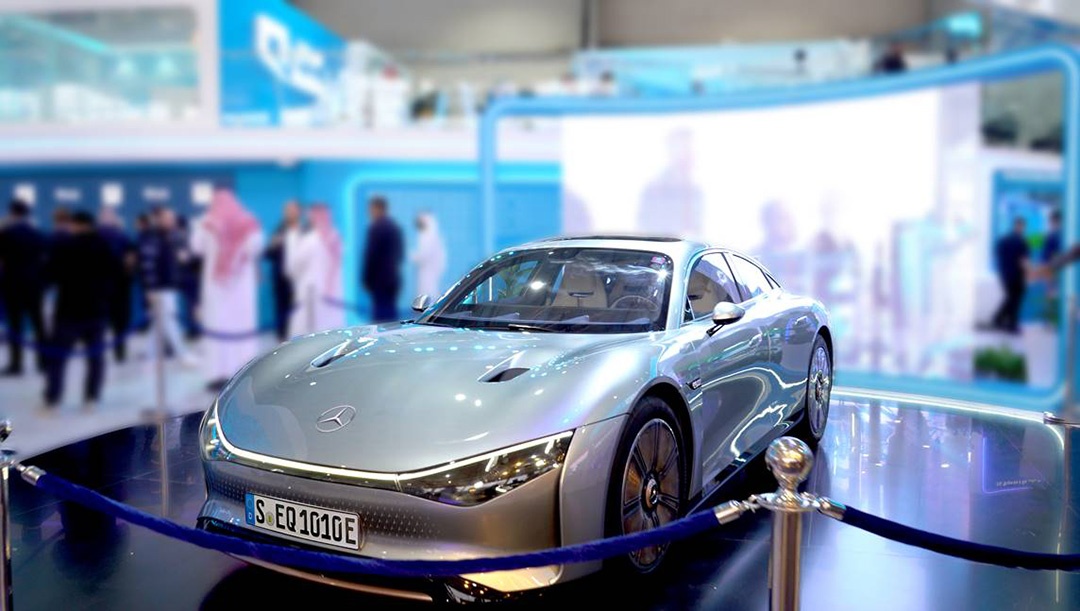
Saudi Arabia’s push towards sustainability and a clean energy future will take center stage at the EV Auto Show 2024, one of the most significant gatherings for the electric vehicle (EV) industry in the Middle East. From September 17th to 19th, the Riyadh International Convention and Exhibition Centre will host automakers, industry experts, and technology innovators from around the world. As the nation seeks to reduce its dependence on fossil fuels, this event marks a key moment in advancing electric mobility in the region.

The EV Auto Show 2024 is expected to attract some of the biggest names in electric vehicle manufacturing, as well as developers of charging infrastructure and related technologies. These participants will be instrumental in Saudi Arabia’s ambitious goals to become a global leader in sustainable energy. The event is more than a showcase of cutting-edge EV models; it represents a broader initiative aligned with the Kingdom’s Vision 2030 plan to diversify its economy and promote environmental responsibility.

Among the most anticipated exhibits are electric cars, commercial trucks, buses, and motorcycles that promise to reshape Saudi Arabia’s automotive landscape. Automakers from across Europe, the US, and Asia will be presenting their latest EV models, reflecting the global momentum in the shift towards electric transportation. Some companies are expected to unveil new vehicles tailored specifically to the needs of the Gulf region, focusing on extreme climate durability, high-performance batteries, and long-range capabilities that meet the challenges posed by the vast Saudi landscape.

Saudi Arabia’s commitment to electric vehicles has been clear over the past few years, as the Kingdom invests heavily in building EV infrastructure. Recent partnerships between the Saudi government and international EV manufacturers have already set the stage for increased local production and assembly of electric vehicles. The show is poised to bring these efforts into sharper focus, with an emphasis on collaborative innovation.

Several regional and international brands will showcase their EV charging solutions at the event. Saudi-based energy firms and multinational companies will demonstrate cutting-edge charging technologies and battery solutions, focusing on both residential and commercial applications. These technologies are pivotal for the growth of the EV market, as reliable and widespread charging infrastructure remains a key challenge in Saudi Arabia’s transition to electric vehicles. The event will feature panels on overcoming these hurdles, with industry leaders and government officials expected to discuss strategies for expanding the country’s EV charging network.

Energy and technology companies are increasingly looking at ways to integrate EVs with renewable energy sources such as solar power. Saudi Arabia’s abundant sunlight presents a significant opportunity to harness clean energy for EVs, reducing both emissions and energy costs in the long term. At the show, experts will discuss how solar-powered EV charging stations can support the country’s sustainability goals, especially as the Kingdom ramps up investment in its burgeoning solar industry.

Key figures in Saudi Arabia’s automotive and energy sectors have noted that the transition to electric vehicles is no longer a distant goal but an immediate priority. The EV Auto Show is expected to catalyze both consumer interest and industry momentum, with stakeholders eager to capitalize on the growing demand for sustainable transportation options. With gasoline prices fluctuating and global environmental policies tightening, EV adoption is not just a matter of preference but a strategic imperative for the Kingdom.

Public interest in electric vehicles has surged across Saudi Arabia, particularly among younger consumers who are increasingly aware of the environmental impacts of traditional gasoline-powered cars. To meet this rising demand, several local companies are making strides in EV development and marketing. In particular, Saudi Arabia’s own Public Investment Fund (PIF) has invested billions in Lucid Motors, a leading American EV manufacturer. Lucid has already established a production facility in King Abdullah Economic City (KAEC), marking a major milestone in local EV manufacturing. The partnership is seen as a crucial step in positioning the Kingdom as a future hub for electric vehicle production in the region.

Beyond private investment, government support for EVs in Saudi Arabia has been robust. In line with Vision 2030, the Saudi government has implemented policies designed to encourage both manufacturers and consumers to embrace electric mobility. Incentives such as tax breaks for EV buyers, subsidies for local manufacturers, and government contracts for EV fleets are just some of the measures aimed at fostering a supportive environment for the industry’s growth. These policies, coupled with investments in renewable energy, are part of a broader strategy to position the Kingdom as a leader in the clean energy transition.

The environmental impact of EV adoption is also a significant consideration for Saudi Arabia. While the country is one of the largest producers of oil globally, its leaders are keen to diversify its energy sources to ensure long-term sustainability. Reducing emissions from transportation is a key component of this strategy, as the sector accounts for a considerable portion of the country’s carbon footprint. With electric vehicles seen as a crucial solution to lowering emissions, the EV Auto Show serves as a platform to demonstrate the feasibility and necessity of electric mobility in achieving Saudi Arabia’s environmental goals.

VISHNU RAJA
RYO YAMADA
HITORI GOTOH
IKUYO KITA