News related to
energy

Adnoc Gas has suspended its feed-to-engineering, procurement, and construction (EPC) contest for a significant liquefied natural gas (LNG) project in Abu Dhabi, a move that has raised eyebrows in the energy sector. This decision comes amid shifting market dynamics and strategic reassessments within the company. The LNG project, which was anticipated to enhance Adnoc’s capacity and export capabilities, has been on the radar of industry analysts and […]

Anil Ambani’s Reliance Group is poised for significant changes, with a crucial board meeting scheduled for September 23. This meeting comes at a critical juncture as the company seeks to rejuvenate its business operations and adapt to an evolving market landscape.

The backdrop to this transformation is a series of challenges that Reliance Group has faced in recent years, including financial setbacks and increased competition across various sectors. Analysts view this meeting as a pivotal moment for Ambani to outline strategic decisions that could reshape the company’s future. There are expectations for announcements that may include restructuring plans, investment strategies, and potential divestitures aimed at streamlining operations.

The financial health of Reliance Group has been under scrutiny, particularly following reports of mounting debt levels and a decline in share prices. As of late, the company has seen its stock fluctuate amidst concerns regarding its ability to maintain profitability across its diverse portfolio, which includes telecommunications, energy, and retail. Addressing these financial concerns is likely to be at the forefront of discussions during the upcoming board meeting.

Market experts believe that the company’s trajectory could benefit from a renewed focus on core competencies while possibly divesting from less profitable segments. This strategic pivot could enable Reliance to consolidate its position in key markets, particularly in technology and consumer services. The telecom arm, Jio, has been a standout performer, yet there is pressure to ensure that growth in this sector is sustainable.

The board is expected to explore potential partnerships and alliances that can enhance Reliance’s competitive edge. Collaborations in technology and sustainability initiatives are particularly pertinent, given the global shift towards eco-friendly practices and digital innovation. Such partnerships may help the company not only to tap into new revenue streams but also to bolster its reputation as a forward-thinking enterprise.

Ambani’s leadership style has historically been characterized by bold moves and a willingness to embrace risk. His approach to this board meeting will likely reflect a blend of innovative thinking and practical solutions to the challenges at hand. This combination could set the stage for a comprehensive overhaul of the group’s operational framework, aligning it more closely with market demands.

In addition to strategic shifts, the upcoming board meeting is likely to address governance and operational efficiencies. Ensuring that Reliance Group remains agile and responsive to market changes will be crucial in maintaining investor confidence. The potential for leadership changes within the company could also be on the agenda, with discussions about empowering a new generation of executives to drive innovation.

Investors and market analysts are keenly observing these developments, as they may indicate Reliance Group’s future direction. There is a shared sense of anticipation surrounding how Ambani will communicate these strategies and whether he will provide specific timelines and actionable steps. A clear vision articulated during the meeting could significantly impact investor sentiment and the company’s stock performance.

The competitive landscape in which Reliance operates is rapidly evolving. With increasing pressures from both domestic and international players, the company must adopt a more aggressive stance to defend its market share. Analysts suggest that this might involve a focus on enhancing digital offerings and improving customer engagement across its platforms.

As Reliance Group prepares for this critical meeting, stakeholders are looking for signs of a proactive strategy that addresses not only immediate concerns but also long-term growth aspirations. Anil Ambani’s ability to pivot and reposition the group will be essential for its survival and success in an increasingly complex business environment.

The significance of this board meeting cannot be understated, as it represents a potential turning point for Reliance Group. The decisions made on September 23 may very well shape the future of one of India’s most influential conglomerates, influencing market dynamics and setting precedents for corporate governance in the region.

AM Green Technology and Solutions B.V., part of the AM Green Group, has finalized agreements to acquire Chempolis Oy, marking a significant step in its push toward sustainable fuel solutions. The acquisition of Chempolis, a biofuel technology company, aligns with AM Green’s strategy to strengthen its presence in the global energy transition market. AM Green plans to invest approximately $1 billion over the next three years to scale up the production of Sustainable Aviation Fuel (SAF) through Chempolis’ next-generation second-generation bio-refinery technology.

The acquisition is positioned to transform AM Green into a major player in the renewable fuels sector, focusing on producing over half a million metric tonnes per annum (MTPA) of SAF. The deal, formalized in a binding agreement, is seen as part of the broader industry trend toward decarbonizing the aviation sector, where SAF has gained increasing attention due to its potential to significantly reduce carbon emissions.

AM Green’s Chief Executive Officer described the acquisition as a “pivotal moment” for the company. He emphasized that the technology provided by Chempolis will allow for a more environmentally friendly approach to fuel production, particularly in the aviation industry, which is under mounting pressure to meet global carbon reduction targets. “This acquisition underscores our commitment to providing innovative, scalable solutions for energy transition. Chempolis’ bio-refinery technology is uniquely positioned to make a meaningful impact in the effort to decarbonize global airline operations,” he noted.

Chempolis is known for its cutting-edge, second-generation bio-refining technology that converts agricultural residues into biofuels. Unlike first-generation biofuels that rely on food crops like corn and sugarcane, second-generation biofuels are made from non-food sources, offering a more sustainable alternative without competing with global food supplies. By integrating Chempolis’ expertise, AM Green aims to rapidly scale its biofuel production to serve the growing global demand for SAF.

The aviation industry is facing increasing scrutiny over its environmental impact, with SAF emerging as a key solution to mitigate carbon emissions from flights. SAF is recognized for its ability to reduce greenhouse gas emissions by up to 80 percent compared to traditional jet fuel, depending on the production process. Many airlines, particularly in Europe and North America, have begun to incorporate SAF into their operations as part of broader sustainability goals. However, production volumes remain limited, with high costs and supply chain challenges posing obstacles to widespread adoption.

AM Green’s investment will help address these issues by ramping up SAF production and reducing costs through economies of scale. The company plans to leverage Chempolis’ technology not only in its own operations but also through a global licensing model. This strategy will enable other industry players to adopt the bio-refining technology, thus expanding the reach of SAF production beyond AM Green’s facilities. The aim is to create a broader ecosystem of bio-refineries around the world, working together to meet the aviation sector’s decarbonization targets.

Experts have noted that the acquisition reflects the growing competition among companies to acquire advanced biofuel technologies as the world shifts toward renewable energy sources. The airline industry is projected to face stricter environmental regulations in the coming years, driving the demand for alternative fuels. SAF, which can be blended with conventional jet fuel and used in existing aircraft without modifications, is seen as a practical solution to reduce emissions in the near term, while longer-term innovations like electric and hydrogen-powered planes remain under development.

AM Green’s $1 billion investment will be crucial in scaling up SAF production, which is still in its early stages. Currently, SAF represents less than 1 percent of total jet fuel consumption, but analysts predict that figure will rise significantly over the next decade as more airlines commit to sustainable fuel alternatives. By integrating Chempolis’ technology, AM Green is positioning itself to play a leading role in this transition.

The company also intends to partner with airlines and airports to facilitate the adoption of SAF on a global scale. In addition to producing SAF, AM Green plans to develop an extensive bio-refinery network, providing licensing opportunities for other companies interested in utilizing Chempolis’ technology. This approach could help lower the entry barriers for SAF production, making it more accessible and affordable for a wider range of stakeholders.

The bio-refinery technology that Chempolis offers is designed to be highly versatile, capable of processing various types of biomass, including agricultural residues, municipal waste, and forestry by-products. This flexibility allows for a more sustainable and diversified feedstock supply, reducing reliance on any single resource. Moreover, the technology is known for its efficiency in converting raw materials into usable fuels, minimizing waste and environmental impact.

Oman’s Nama Power and Water Procurement Company (Nama PWP) has identified several prominent utility developers to spearhead the construction of five large-scale wind energy projects. This initiative marks a significant step in the nation’s efforts to diversify its energy sources and enhance sustainability. The competitive process saw strong interest from major players in the energy sector, with Saudi Arabia’s Acwa Power, Japan’s Sumitomo and Itochu, France’s TotalEnergies […]

A variety of solutions will offer simple and affordable cross-border shipping with returns and integration with existing e-commerce platforms Provide end-to-end delivery service from China to Germany within 4-5 working days Expedited solution to Europe, United Kingdom and U.S. SHANGHAI, CHINA – Media Outreach Newswire – 23 September 2024 – DHL Global Forwarding, the freight specialist of DHL Group, is introducing a variety of cross-border e-commerce solutions […]

A substantial issuance of $6.8 billion in government treasury bonds and Islamic treasury sukuk highlights the UAE’s robust financial strategy amidst evolving economic conditions. This move reflects the country’s commitment to maintaining liquidity and enhancing its fiscal stability. The recent bond sale is aimed at meeting the growing funding requirements while also strengthening investor confidence in the UAE’s economic landscape.

The issuance comprises $4 billion in treasury bonds and $2.8 billion in sukuk, with varying maturities catering to a wide array of institutional and retail investors. The Ministry of Finance announced that the bonds have received a favorable response from both domestic and international markets, indicating strong demand for UAE government securities. The issuance will be used to finance various developmental projects, including infrastructure, healthcare, and education, aligned with the UAE’s long-term strategic vision.

Analysts highlight that this latest move is part of a broader trend where regional governments are increasingly turning to capital markets for financing. This approach allows for greater flexibility and efficiency in raising funds, particularly in a time when global interest rates are fluctuating. By tapping into both conventional bonds and sukuk, the UAE is also catering to a diverse investor base, which is critical for maintaining liquidity in the market.

The demand for the sukuk component of the issuance underscores the growing interest in Sharia-compliant investments. Sukuk, which are Islamic financial certificates similar to bonds, have been gaining traction as more investors seek ethical investment opportunities that align with Islamic finance principles. The success of this issuance may lead to more offerings in the future, further diversifying the UAE’s financial instruments available in the market.

As the UAE navigates through global economic uncertainties, this issuance is a strategic maneuver to bolster its fiscal position. The government has emphasized its commitment to financial prudence, ensuring that public debt remains sustainable and manageable. This careful approach is intended to foster a stable economic environment, which is crucial for attracting foreign investment and stimulating economic growth.

Emerging trends in the global bond market also play a significant role in shaping the UAE’s financial strategies. With the backdrop of rising interest rates in several economies, the UAE’s issuance at competitive yields is likely to appeal to investors looking for relatively stable returns. The bonds are expected to have strong performance, particularly given the UAE’s favorable credit ratings and economic fundamentals.

Key players in the bond market are closely monitoring this issuance as it sets a benchmark for future government and corporate debt offerings in the region. Market participants expect that the success of this sale will encourage other Gulf Cooperation Council (GCC) nations to undertake similar measures, further enhancing the depth and liquidity of the regional bond markets.

The UAE’s proactive approach in issuing bonds and sukuk is indicative of its efforts to adapt to the changing economic landscape. This initiative comes as the nation continues to diversify its economy away from oil dependency, focusing on sectors such as technology, renewable energy, and tourism. By ensuring robust funding mechanisms through bond issuances, the UAE is positioning itself to support these strategic sectors effectively.

The Ministry of Finance has also indicated that proceeds from this issuance will be channeled into sustainability initiatives, aligning with the UAE’s commitment to achieving the United Nations Sustainable Development Goals. This focus on sustainability not only resonates with global investor sentiment but also enhances the UAE’s reputation as a leader in green finance.

Investor sentiment remains positive, bolstered by the UAE’s track record of timely payments and a commitment to fiscal discipline. Analysts believe that the bond issuance will further reinforce the UAE’s status as a regional financial hub, attracting both local and international investors looking for secure investment opportunities.

OQ Exploration and Production (OQEP) is poised to secure up to 780 million Omani riyals, equivalent to $2.03 billion, through its upcoming initial public offering (IPO) on the Muscat Stock Exchange (MSX). The company has announced an indicative price range of 370 to 390 Omani baisas per share, which places its overall valuation at approximately 3.12 billion Omani riyals. This substantial IPO reflects OQEP’s strategic growth initiatives and ambitions in the oil and gas sector.

The offering consists of 2 billion shares, accounting for 25% of OQEP’s total issued share capital. The final share price will be determined through a book-building process, allowing for flexibility based on investor demand. This move is part of OQEP’s broader strategy to enhance liquidity and attract diverse investment into its operations.

Key players in this IPO include six anchor investors who have collectively committed to purchasing 20% of the offering at the final subscription price, which will not exceed 390 Omani baisas per share. These investors are a mix of local and regional financial entities, including Al-Hosn Investment Company SAOC, Bank Dhofar SAOG, Mars Development and Investment LLC, Oman National Investments Development Company SAOC, Salim & Partners LLC, and the Social Protection Fund. Their backing is expected to provide a robust foundation for the IPO, ensuring substantial initial interest.

OQEP operates under the umbrella of OQ, Oman’s integrated energy company, and focuses on exploration and production activities that are pivotal to the Sultanate’s economy. With an emphasis on enhancing production capacities and exploring new opportunities, OQEP is strategically positioned to capitalize on market dynamics in the energy sector.

The IPO marks a significant milestone for OQEP as it seeks to raise capital for various projects aimed at boosting production and operational efficiencies. The funds raised will likely be directed towards enhancing existing assets and investing in new ventures that align with the Sultanate’s long-term energy strategy. OQEP’s commitment to sustainability and responsible resource management is also expected to play a critical role in shaping its future projects.

In the broader context, the IPO reflects the ongoing trend of privatization and market liberalization in Oman. The government’s efforts to diversify the economy beyond oil and gas are increasingly evident in the financial markets, encouraging local and foreign investment. This IPO is anticipated to attract a wide array of institutional and retail investors, furthering Oman’s economic objectives.

Market analysts predict that the IPO will garner significant interest, particularly given the strong backing from established investors. This could potentially set a precedent for future offerings in Oman, highlighting the country’s evolving capital markets. The success of OQEP’s IPO could stimulate further public offerings in the energy sector and beyond, contributing to a more dynamic investment environment.

As the book-building process commences, investor sentiment will play a crucial role in determining the final valuation and success of the IPO. Market conditions, including global oil prices and regional economic stability, will also influence investor decisions and the overall performance of OQEP post-IPO.

Advertisements

Germany’s top envoy to Canada has issued a stark warning regarding the future of natural gas demand in Europe, suggesting that the continent’s appetite for Canadian exports is poised to diminish. This statement arrives amid ongoing discussions about energy supply amid Europe’s shifting focus towards renewable energy sources and greater energy independence. The envoy highlighted a significant transformation in Europe’s energy landscape, emphasizing a strategic pivot away […]

Schloss Bangalore, the operator behind the luxury Leela Palaces, Hotels, and Resorts chain, has submitted draft papers for an ambitious initial public offering (IPO) aiming to raise Rs 5,000 crore ($600 million). If successful, this will be the largest IPO in India’s hotel sector to date. The draft red herring prospectus (DRHP) was filed with the Securities and Exchange Board of India (SEBI), marking a significant step in Schloss’s strategy to capitalize on the current stock market surge.

Founded in 1986 by Captain CP Krishnan Nair, Leela Palaces has developed a reputation for offering opulent hospitality experiences. Brookfield Asset Management acquired the company in 2019, and since then, the business has seen steady growth. The funds raised through the IPO will reportedly be used for debt repayment, expansion, and general corporate purposes. While the offer consists of both a fresh issue and an offer for sale, exact details on the split remain under discussion.

The hospitality sector in India has been gaining momentum, with Schloss’s move coming on the heels of successful public offerings in various sectors, including renewable energy and financial services. As the luxury hotel market continues to rebound post-pandemic, Schloss aims to strengthen its position by leveraging the favorable investor sentiment surrounding hospitality and tourism growth.

Analysts anticipate robust demand for the IPO, citing the prestigious brand and Brookfield’s management as key drivers of investor confidence. However, the IPO’s success will hinge on broader market conditions and investor appetite at the time of the offering.

The World Bank has announced a record allocation of $42.6 billion towards climate finance in fiscal year 2024, marking a significant milestone in its efforts to support the global transition to clean energy. This represents a 10% rise from the previous year’s $38.6 billion, a testament to the institution’s ongoing commitment to addressing climate challenges in developing and emerging markets. The bank’s latest financial commitment is part of a broader strategy aimed at directing 45% of its total financing toward climate-related projects, a target it is closing in on.

This surge in climate financing has been largely directed towards green infrastructure, sustainable agriculture, renewable energy projects, and climate resilience measures, particularly in developing countries that are most vulnerable to the impacts of climate change. While the increased funding highlights progress, it still falls short of the trillions required annually to meet global climate goals. Experts have emphasized that for the world to reach net-zero emissions, particularly in emerging markets, there will need to be a substantial increase in both public and private sector investment.

Efforts by the World Bank to prioritize climate finance have come at a critical juncture, with climate-related disasters and global energy transitions becoming more urgent. The $4 billion increase compared to last year underscores the scale of financial mobilization required, yet it also highlights the significant funding gaps that still exist. Many developing countries face considerable challenges in accessing affordable financing to transition to cleaner energy sources, with the cost of capital often prohibitive for large-scale investments.

As governments worldwide continue to set ambitious decarbonization targets, developing economies are grappling with the competing demands of reducing emissions while fostering economic growth. The World Bank’s climate finance aims to bridge this gap, with projects that not only focus on reducing emissions but also enhancing climate resilience and supporting sustainable development initiatives.

The $42.6 billion record in 2024 is seen as a positive step forward, but analysts warn that much more must be done to meet the ambitious targets set by international climate agreements, such as the Paris Agreement. The International Energy Agency (IEA) estimates that to reach global net-zero emissions by 2050, annual investments in clean energy will need to rise to around $4 trillion. This underscores the need for more innovative financing mechanisms, stronger international collaboration, and the involvement of the private sector to mobilize the required capital.

The World Bank has been lauded for its leadership in climate finance, but the scale of the challenge demands broader participation from global financial institutions. Its financing structure, which blends grants, concessional loans, and guarantees, is designed to attract private investment and de-risk projects in developing economies. However, concerns remain that the current pace of financing may not be sufficient to prevent the worst impacts of climate change, particularly in regions that are already experiencing severe climate shocks.

World Bank’s commitment to addressing global climate challenges reached an all-time high, with $42.6 billion in climate finance delivered during fiscal 2024. This marks a $4 billion increase from the previous fiscal year and highlights the institution’s efforts to align a significant portion of its lending with climate objectives. Despite the progress, the sum remains a fraction of the trillions needed annually to combat climate change effectively, […]

BEIJING, CHINA – Media OutReach Newswire – 18 September 2024 – On September 12, the 2024 China International Fair for Trade in Services officially kicked off. The Beijing Economic-Technological Development Area (also known as Beijing E-Town) made a stunning debut in Hall 2 of the Shougang Park with its themed exhibition area. By showcasing cutting-edge innovations like Xiaomi’s SU7, Longwood Valley MedTech’s surgical robot, and the Jielong-3 […]

OpenAI’s GPT-4, a leading AI language model, has sparked discussions regarding its environmental impact, particularly in terms of water usage. A recent study reveals that the model consumes the equivalent of three water bottles to generate just 100 words of text. This revelation has raised concerns amid growing scrutiny over the resource demands of advanced artificial intelligence systems. The study highlights the intricate relationship between AI development […]

India’s foreign exchange reserves have surged to an unprecedented level of $689.458 billion, marking a crucial milestone for the country’s economic positioning in global markets. The reserves, which reflect the country’s ability to meet external obligations and provide a buffer against financial instability, increased by $223 million in the week ending September 13. This rise has further cemented India’s status as one of the largest holders of foreign currency reserves worldwide, positioning it as a key player in the global financial arena.

Despite this substantial increase in the overall reserves, the composition of these reserves presented a more nuanced picture. Foreign currency assets (FCA), which form the largest component of the reserves, witnessed a reduction of $515 million. These assets, held in different currencies such as the U.S. dollar, euro, pound sterling, and Japanese yen, are a critical indicator of India’s foreign currency holdings and are often affected by currency fluctuations and interest rates in international markets. The decline in FCA was offset by other components of the reserves, particularly the significant increase in gold reserves.

Gold reserves saw a sharp rise of $899 million during the same period, underscoring the metal’s continued relevance as a safe haven asset. This increase suggests that India’s central bank may be looking to diversify its holdings in response to broader global uncertainties. Gold, traditionally regarded as a hedge against inflation and economic instability, has been gaining renewed attention among global central banks. As countries face the challenges of rising geopolitical tensions and economic fluctuations, gold’s role as a stabilizing force has once again come into focus.

While the rise in gold reserves was notable, other components of India’s foreign exchange holdings, such as Special Drawing Rights (SDRs) and the reserve position with the International Monetary Fund (IMF), experienced marginal declines. SDRs, which represent a basket of international currencies and serve as a supplementary reserve asset allocated by the IMF, dropped by $50 million. Similarly, the country’s reserve position in the IMF, which allows access to international liquidity and contributes to global financial stability, recorded a decrease of $111 million.

The overall uptick in reserves comes at a time when India’s economic outlook remains relatively resilient compared to other emerging markets. The reserves serve not only as a tool for defending the rupee in times of volatility but also as an indicator of investor confidence in India’s macroeconomic stability. A stronger reserve position allows India to better manage external shocks, such as oil price fluctuations, trade imbalances, and global financial turbulence.

India’s reserves are now among the highest globally, trailing only China, Japan, and Switzerland. This latest achievement reflects the country’s efforts to build a robust foreign exchange buffer since the economic reforms of the 1990s. Since then, successive governments have prioritized strengthening the reserves to safeguard the country from external vulnerabilities. The rise in reserves has also been fueled by sustained foreign investment inflows and a healthy current account balance in previous quarters, driven in part by a recovery in global demand for goods and services after pandemic-induced disruptions.

Analysts have pointed out that India’s reserve accumulation strategy is likely to be shaped by several factors in the coming months. Global interest rate trends, particularly in the United States, will have a significant impact on foreign currency assets, while commodity prices, especially crude oil, will influence the country’s import bill. Moreover, ongoing geopolitical tensions, trade uncertainties, and inflationary pressures in major economies will also affect the Reserve Bank of India’s (RBI) approach to managing these reserves.

The central bank has maintained a cautious approach toward managing the reserves, intervening in the forex market to curb excessive volatility in the rupee’s value. A stable and sufficient level of reserves allows the RBI greater flexibility in implementing monetary policy and defending the currency against external shocks. With inflationary pressures rising globally and the U.S. Federal Reserve tightening its monetary policy, India’s reserve position will play a critical role in maintaining domestic economic stability.

In the past, India has faced challenges related to its foreign exchange reserves, particularly during the 1991 balance of payments crisis, when reserves had dwindled to just a few weeks’ worth of imports. The crisis marked a turning point in India’s economic policy, leading to structural reforms that opened the economy to greater foreign investment and trade. Since then, India has steadily accumulated reserves, reaching new highs over the years. The importance of a strong forex reserve was highlighted again during the global financial crisis of 2008 and the economic shocks caused by the COVID-19 pandemic, where countries with stronger reserves were better able to weather financial market disruptions.

As of the latest data, India’s forex reserves provide an import cover of approximately 10 months, which is well above the internationally recommended threshold. This gives India a comfortable cushion to meet its external payment obligations and insulate the economy from global shocks. The reserves also provide a buffer to support the rupee, which has faced depreciation pressures amid fluctuating oil prices and changes in global investor sentiment.

Going forward, experts suggest that India’s focus should remain on maintaining a balanced reserve composition. While the accumulation of foreign currency assets is crucial, ensuring diversification through gold and other assets will provide added protection against global market volatility. Moreover, with India being a major importer of crude oil, fluctuations in energy prices will continue to play a significant role in determining the country’s forex reserve levels.


India’s climate tech sector is facing significant funding challenges, according to a report by IIMA Ventures and MUFG Bank. Despite the country boasting over 800 climate tech startups, the ecosystem is grappling with limited access to capital, which is hampering innovation in critical areas such as renewable energy, carbon capture, and sustainable agriculture. The findings highlight a growing concern over the sector’s future, as it seeks to […]

The Quad alliance, consisting of the United States, Japan, Australia, and India, solidified its growing significance as Prime Minister Narendra Modi emphasized India’s commitment to hosting the 2025 Quad Summit. Speaking at the Wilmington Summit, Modi underlined the alliance’s role in promoting stability and security in the Indo-Pacific region, while reaffirming that the grouping is not directed against any specific nation. This strategic partnership, formed in response to shared democratic values, continues to gain momentum amid evolving geopolitical tensions.

The Wilmington meeting marked a critical moment in the Quad’s development, furthering dialogue and cooperation between the four member states. Since its revival in 2021, the Quad has played a prominent role in fostering regional security, focusing on areas such as technological collaboration, climate action, and defense cooperation. Modi’s remarks highlighted India’s readiness to lead the next phase of the alliance, with preparations underway to host the 2025 summit.

As global challenges intensify, the Quad has emerged as a cornerstone of multilateral diplomacy in the Indo-Pacific. Modi pointed out the shared commitment to ensuring a free, open, and inclusive Indo-Pacific, with democratic principles at the core of the alliance. “The Quad is here to stay,” Modi stated, emphasizing that the grouping stands as a platform for collaborative solutions rather than a response to any particular nation or bloc. The assertion reflects the Quad’s non-confrontational approach, focusing instead on promoting collective security and economic prosperity across the region.

The Quad’s evolution since 2021 has been rapid, with member nations consistently expanding their areas of cooperation. Strategic experts have noted the alliance’s success in areas such as maritime security, with Quad navies conducting joint exercises aimed at improving interoperability. These exercises have not only bolstered defense capabilities but also demonstrated the alliance’s resolve to protect vital maritime routes, which are critical to global trade. With India poised to take on the next summit, expectations are high that the country will continue to push forward initiatives that reinforce regional security and economic growth.

The Wilmington Summit also underscored the importance of technology sharing and innovation. One of the key areas discussed was the development of resilient supply chains, particularly in the semiconductor industry, which has been under strain due to global shortages. The Quad countries are looking to collaborate on reducing dependency on specific nations for key technological inputs, enhancing supply chain diversification. Modi emphasized that the Indo-Pacific region, as a hub for technological development, could play a pivotal role in global supply chain stabilization. This effort reflects the Quad’s broader strategic aim of reducing vulnerabilities in critical industries while ensuring the equitable growth of emerging technologies.

The Quad’s expanding agenda now includes addressing climate change, a subject of critical importance for the Indo-Pacific, which is home to several vulnerable island nations. The Wilmington Summit reiterated the Quad’s commitment to reducing carbon emissions and promoting clean energy. Modi reinforced India’s role as a key player in the global climate conversation, showcasing the country’s strides in renewable energy development and its leadership in the International Solar Alliance. He noted that climate resilience would remain a core focus at the 2025 summit, as the Quad aims to balance economic growth with sustainable environmental practices.

While defense and economic issues dominated the Quad agenda, the alliance’s role in fostering people-to-people ties has not been overlooked. The Wilmington Summit highlighted educational exchanges and cultural collaborations between member states, reflecting the Quad’s broader ambition to strengthen ties beyond security and economics. By fostering a deeper understanding between citizens, the alliance seeks to build long-term partnerships that transcend geopolitical concerns. Modi’s vision for the 2025 summit includes a renewed focus on such exchanges, positioning India as a cultural and diplomatic bridge between the East and West.

Despite its progress, the Quad continues to face scrutiny, particularly from nations like China, which view the alliance as an attempt to contain their influence in the Indo-Pacific. However, Modi was quick to dispel this notion, stating that the Quad’s goals remain inclusive and transparent. The Quad’s diplomatic language has consistently emphasized collaboration over confrontation, seeking to engage with all nations willing to work toward a stable and prosperous region.

India’s growing role within the Quad has been noted by analysts, particularly in light of the country’s increasing influence in global economic and security forums. As the host of the 2025 summit, India is expected to leverage its diplomatic capabilities to further solidify the Quad’s position as a key player in the Indo-Pacific. Modi’s strategic vision includes strengthening defense ties with Quad members, while also expanding economic cooperation to address shared challenges such as trade imbalances and supply chain vulnerabilities.

The timing of India’s hosting of the 2025 Quad Summit is significant, as the Indo-Pacific continues to be a focal point for international diplomacy. Analysts have pointed out that India’s ability to navigate complex geopolitical dynamics will be crucial in ensuring the Quad’s continued success. With global powers vying for influence in the region, the Quad’s balanced and inclusive approach has positioned it as a diplomatic force for stability.

The Wilmington Summit also saw discussions on strengthening health security, with a focus on pandemic preparedness. The Quad’s efforts in distributing vaccines to Indo-Pacific nations have been well-received, showcasing the alliance’s capability to provide humanitarian assistance in times of crisis. Modi acknowledged the importance of continuing this collaboration, noting that health security would remain a priority in future Quad discussions. The pandemic’s impact on global health infrastructure has reinforced the need for multilateral approaches to address both current and future challenges, and the Quad is expected to play a vital role in these efforts moving forward.

HONG KONG SAR – Media OutReach Newswire – 19 September 2024 – AIA is excited to announce its partnership with Coldplay for the highly anticipated Music Of The Spheres World Tour in Hong Kong, set to take place in early April 2025 at the Kai Tak Sports Park. Photo Credit: Anna Lee Recognised as the most highly attended tour by a group of all time, Coldplay’s Music […]

A significant investment has emerged from the Vanguard Group, a leading US-based financial services company, which has acquired shares in seven Indian companies for a total value of Rs 998 crore. This move underscores Vanguard’s growing interest in the Indian market, particularly within sectors that demonstrate promising growth potential.

Among the companies receiving investment are Concord Biotech, a prominent player in the biopharmaceutical sector, and Five-Star Business Finance, known for its innovative approach to financial services. The decision to invest in these firms highlights Vanguard’s strategy of diversifying its portfolio in emerging markets, where it anticipates robust growth driven by expanding consumer bases and technological advancements.

The investment by Vanguard Group is indicative of a broader trend of increasing foreign capital inflow into India. Analysts suggest that this influx is largely driven by the country’s favorable economic conditions, which include a growing middle class, government reforms aimed at enhancing the ease of doing business, and a focus on sustainable development. The Indian government has introduced measures to attract foreign investments, including liberalizing foreign direct investment (FDI) norms across various sectors.

Concord Biotech, in particular, has gained attention for its focus on developing and manufacturing a range of biopharmaceutical products. The company’s strong track record in research and development has positioned it well to benefit from the increasing global demand for high-quality biopharmaceuticals. This sector is poised for significant expansion as healthcare needs evolve and more countries seek innovative treatments.

Similarly, Five-Star Business Finance has carved a niche in providing loans to small and medium enterprises (SMEs), which play a crucial role in India’s economy. The firm has been recognized for its robust risk management practices and a customer-centric approach that has allowed it to thrive despite the competitive landscape. The capital injection from Vanguard Group will enable Five-Star to scale its operations and enhance its offerings to a broader clientele.

The move also aligns with global trends where institutional investors are increasingly seeking opportunities in markets outside their home countries. With the Indian economy projected to continue its growth trajectory, foreign investors are keen to tap into sectors such as technology, finance, and pharmaceuticals.

The rise of digital technology in India has opened up numerous avenues for investment. Companies focusing on digital transformation, fintech solutions, and e-commerce are attracting considerable attention from foreign investors, as they promise to leverage India’s tech-savvy population. This digital boom is expected to accelerate economic growth, making India an attractive destination for foreign investment.

Furthermore, the Indian government’s commitment to enhancing infrastructure through initiatives such as the National Infrastructure Pipeline has also played a vital role in attracting foreign capital. This initiative is expected to bolster various sectors, including transportation, energy, and urban development, providing a conducive environment for business operations.

Vanguard Group’s investment strategy often involves taking significant stakes in companies that demonstrate strong fundamentals and potential for long-term growth. This approach reflects a broader trend among institutional investors, who are increasingly focused on identifying companies that can provide sustained returns in rapidly evolving markets.

As the Indian economy continues to gain momentum, the interest from major global players like Vanguard Group signifies confidence in the country’s economic prospects. The involvement of foreign investors not only brings in capital but also enhances knowledge transfer and best practices, further boosting local industries.

Investments of this magnitude are likely to encourage other foreign institutional investors to explore opportunities in India, potentially leading to a cascading effect that could benefit various sectors. This growing trend of foreign investment is crucial for sustaining India’s economic growth and achieving its development goals.

The Vanguard Group’s focus on sectors such as biotechnology and financial services aligns with global investment patterns, where investors are gravitating towards industries that are resilient and exhibit potential for growth. As the landscape of global finance evolves, such strategic investments will play a pivotal role in shaping the future of the Indian economy.

Looking ahead, the focus will be on how these investments translate into performance for the companies involved and the broader economic impact on the Indian market. The ongoing monitoring of these developments will be essential for understanding the implications for investors, policymakers, and businesses alike.

Setec, a French multinational engineering giant, has embarked on a significant transformation of its global operations by partnering with GTT Communications. The move comes as Setec looks to modernize its infrastructure, enhance efficiency, and improve communications across its various business segments worldwide. GTT’s advanced cloud-based network solutions, combined with SIP trunking, are at the heart of this technological overhaul.

The collaboration aims to address growing operational complexities for Setec, which is known for delivering cutting-edge construction and engineering projects across the globe. Setec’s group CIO, Laurent Cuny, noted that this partnership is a critical step toward reducing costs while simultaneously boosting the company’s capacity to collaborate more effectively across borders. “By working with GTT as our trusted partner to upgrade our network and implement SIP Trunking, we have not only achieved a 15% reduction in total cost of ownership but also significantly improved the quality and speed of communication,” said Cuny.

The digital transformation enables Setec to consolidate its telecommunications infrastructure by replacing legacy telephony systems with a modern SIP-based network. GTT’s cloud networking solutions provide a more reliable and secure communication platform that supports seamless connectivity across all Setec’s international offices. The partnership has facilitated a drastic improvement in bandwidth—ranging from a 12-fold to 100-fold increase in some locations—allowing Setec’s global teams to collaborate more efficiently in real-time.

In addition to SIP trunking, GTT implemented robust networking solutions that include a multi-layered WAN architecture. Each of Setec’s primary locations now operates on a high-speed primary link with dedicated broadband for backup, ensuring continuous operations and minimizing the risk of downtime. This infrastructure overhaul also allowed Setec to centralize its data processing by consolidating numerous data centers spread across various sites into five major locations. This consolidation effort aligns with Setec’s broader goals of streamlining operations while enhancing data security and reducing overhead costs.

Setec, which operates in more than 20 countries, faces growing pressure to meet sustainability targets while delivering technically complex projects. As part of its mandate, Setec is increasingly focused on providing solutions that support global efforts to mitigate climate change. GTT’s secure cloud solutions are expected to play a role in enabling Setec to reduce its carbon footprint, as it shifts away from traditional, resource-heavy technologies to more energy-efficient cloud-based systems.

Tom Homer, president of GTT’s Europe Division, highlighted the significance of this partnership, noting that it marks a critical milestone in Setec’s digital transformation journey. “We are proud to be the catalyst for Setec’s digital transformation journey,” Homer said. The strategic focus of the collaboration has been on delivering solutions that not only meet Setec’s immediate operational needs but also future-proof the company’s global operations.

Telstra has achieved a significant technological milestone, setting a new benchmark in optical networking. The Australian telecommunications giant successfully completed a trial that delivered 1.6 terabits per second (Tb/s) over a single optical channel across 700 kilometers. This breakthrough was made possible by leveraging the cutting-edge WaveLogic 6 Extreme (WL6e) technology developed by Ciena and Ericsson, both of whom played key roles in the trial. The WL6e […]

Vingroup, a leading Vietnamese conglomerate, is redefining the role of business in society. Through a diverse portfolio and a deep commitment to social responsibility, they are actively cultivating an ecosystem that fosters positive social impact. HANOI, VIETNAM – Media OutReach Newswire – 20 September 2024 – In the wake of Typhoon Yagi’s devastating impact, Vingroup, a leading Vietnamese conglomerate with a diverse portfolio spanning real estate, technology, […]

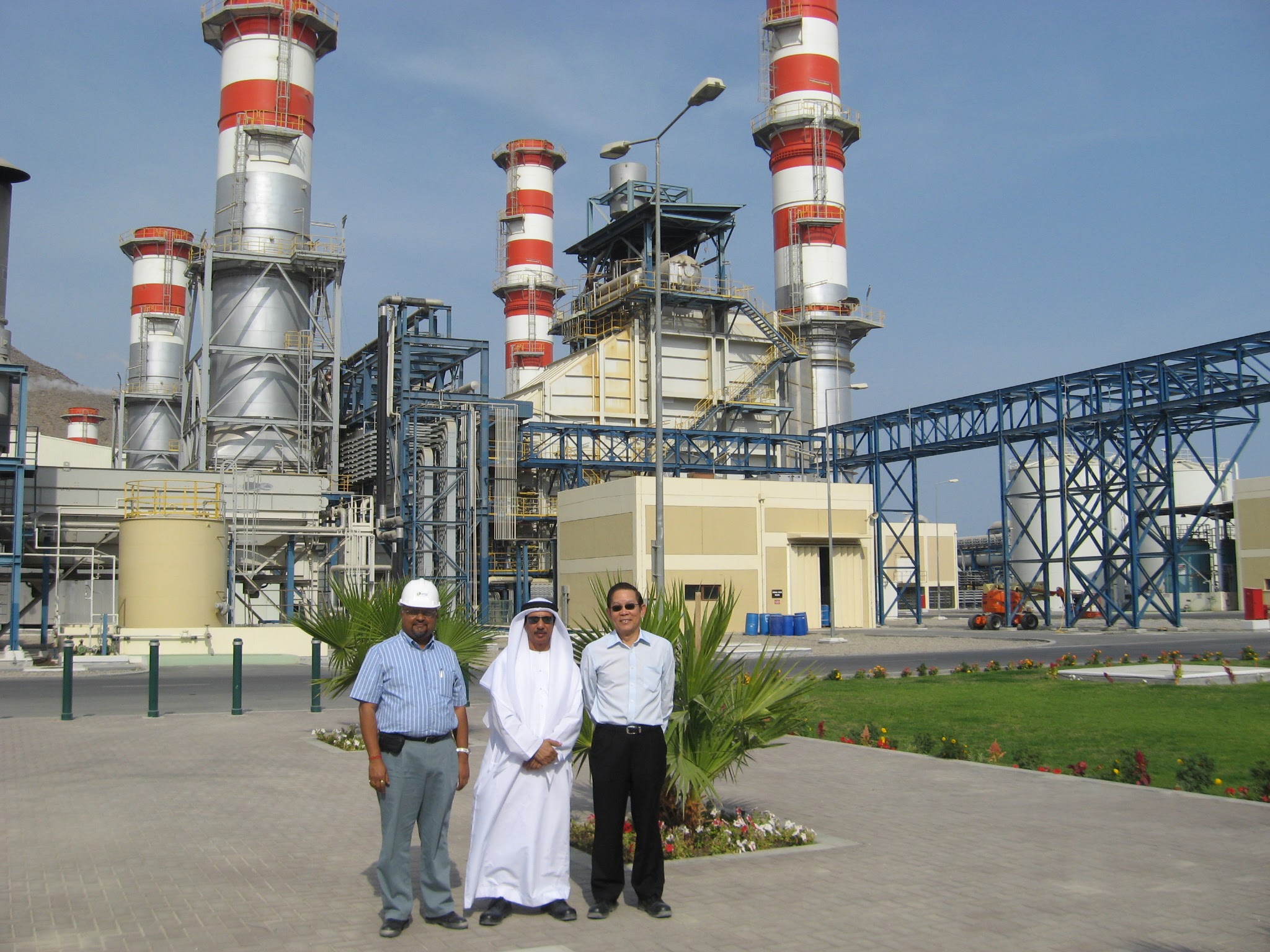
A significant deal has been struck in the UAE’s energy and water infrastructure sector as the UAE Offsets Group (UOG) awarded a $453 million contract to a consortium of Al Jaber Energy Services (AJES) and Technip for the transmission package of the Fujairah desalination and power project. The signing of this agreement marks a crucial step forward in efforts to meet the rising demand for water in Al Ain and power in the Northern Emirates.

The consortium, featuring AJES as the local partner and Technip, a global leader in engineering and construction, will be responsible for the design, construction, and commissioning of a 185-kilometer pipeline. This pipeline will transport water from Fujairah to Al Ain, including a 16-kilometer extension to Al Dhaid. In addition to the pipeline, the project involves the construction of associated infrastructure such as water pumping stations and storage tanks to ensure an efficient supply of water to meet growing consumption in the region.

The contract comes at a time when power demand in the Northern Emirates is increasing by 10 to 15 percent annually, particularly during the peak summer months. Addressing these needs has become a top priority for the UAE government. The project will provide a much-needed solution to the region’s persistent power shortages while catering to the growing population and industrial expansion in the area.

Al Jaber Energy Services and Technip were selected as the preferred bidders after a competitive tender process. The successful award of the contract is part of a broader strategy by the UAE to develop its water and energy infrastructure to meet both present and future needs. The project is also aligned with the country’s sustainable development goals, particularly in water conservation and energy efficiency.

The pipeline will play a critical role in ensuring the long-term security of water supply for residents of Al Ain, a city that has seen rapid growth in recent years. The consortium is expected to deliver the project with high standards of efficiency and reliability, leveraging their combined expertise in large-scale engineering projects.

This award follows a series of projects aimed at bolstering the UAE’s infrastructure, including power generation and desalination initiatives. The Fujairah desalination plant itself, part of the overall package, will have a significant capacity to meet future water demands, thus reinforcing the UAE’s commitment to sustainable water management and infrastructure resilience.

Al Jaber, a UAE-based conglomerate with vast experience in the construction and engineering sectors, has previously been involved in major infrastructure projects across the region. Meanwhile, Technip, known for its global reach and expertise in energy infrastructure, will provide the technical know-how and engineering capabilities needed to ensure the project’s success.

This contract award highlights the importance of public-private partnerships in the UAE’s ongoing efforts to address infrastructure challenges. The UOG’s involvement ensures that the project will be executed within the strategic framework of the UAE’s national development objectives. It also underscores the growing role of international companies like Technip in supporting the UAE’s infrastructure and energy needs.

Construction on the pipeline and its associated facilities is set to begin shortly, with a tight project timeline to meet the pressing demand for water and power. The Fujairah-Al Ain pipeline is expected to significantly improve water distribution efficiency and address critical shortages that have affected the region in recent years.

SINGAPORE – Media OutReach Newswire – 20 September 2024 – Oxyliving is excited to announce a new enhancement for its customers: free customization of its signature water purifier machines with over 1000 color choices. This limited-time offer allows customers to select the perfect shade to match their home décor, providing functionality and style in a single product. A Perfect Fit for Any Home Oxyliving’s water purifiers are […]

LiquidStack, a prominent player in liquid cooling technologies, has successfully raised $20 million in a Series B extension round. This funding, led by Tiger Global, brings the company’s total Series B round to $35 million and underscores the growing interest in liquid cooling for data centers, particularly as artificial intelligence (AI) and high-performance computing continue to escalate global energy demands.

This additional capital will be crucial for expanding LiquidStack’s research and development efforts as well as its commercial reach. With the rise of generative AI models, data centers are increasingly pressured to manage the heat generated by high-density servers. Traditional air-cooling methods are becoming less efficient, leading to a surge in demand for more advanced, sustainable cooling systems like those offered by LiquidStack.

Founded in 2020, LiquidStack has quickly gained recognition for its immersion cooling solutions, which involve submerging servers in dielectric fluids to disperse heat efficiently. The company’s solutions are specifically designed to support AI workloads, which are highly energy-intensive and require advanced thermal management to avoid throttling performance. As AI continues to grow in importance across various industries, LiquidStack’s technology is becoming integral to maintaining the operational efficiency of data centers while reducing their carbon footprint.

The strategic investment from Tiger Global comes at a critical juncture for the AI and data center industries. Market reports indicate that liquid cooling is becoming a key component in tackling the environmental challenges posed by the massive power consumption of AI servers. Estimates suggest that liquid cooling could lead to energy savings of up to 40%, positioning it as a crucial technology for the future of sustainable computing.

VISHNU RAJA
RYO YAMADA
HITORI GOTOH
IKUYO KITA