News related to
energy

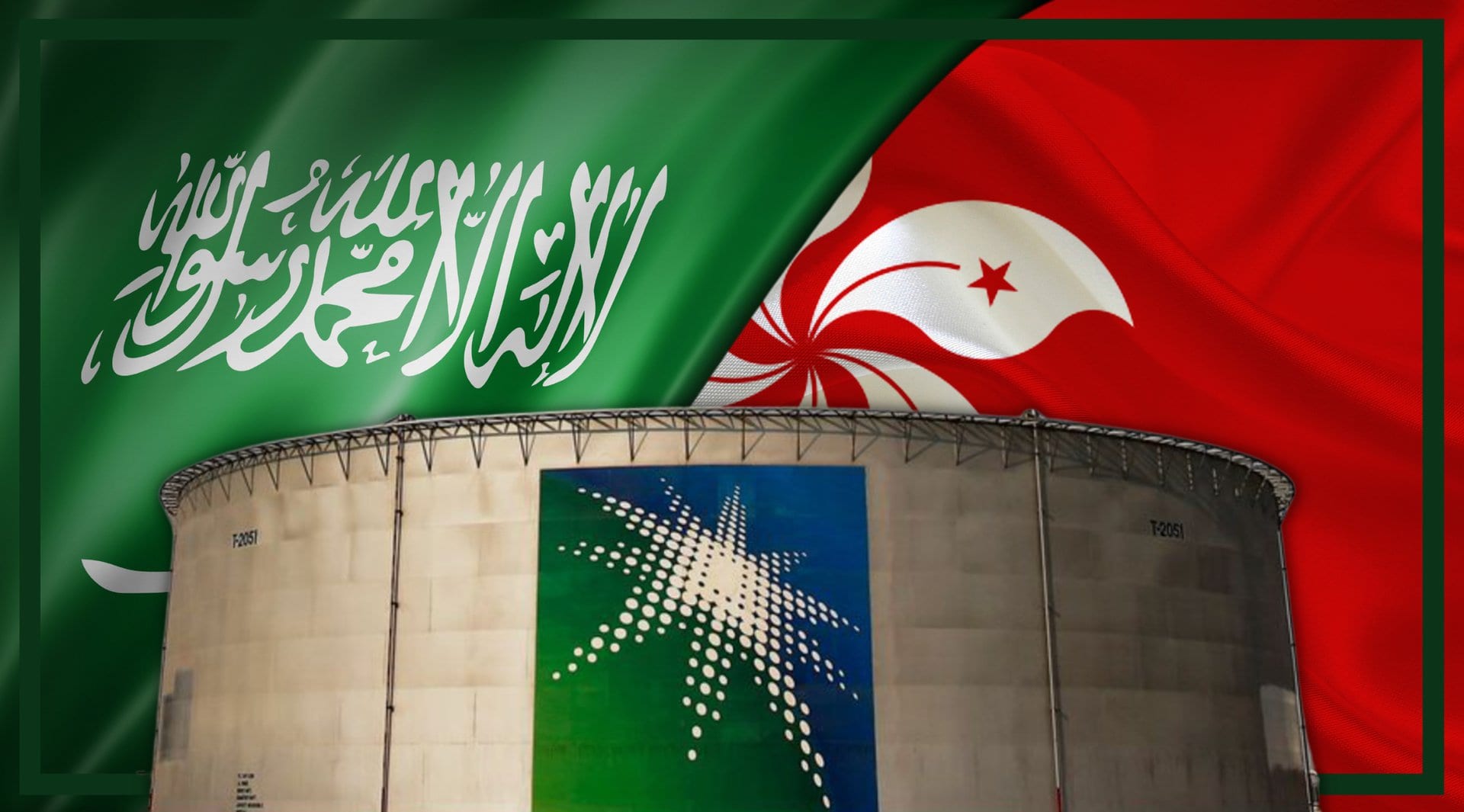
Hong Kong’s tech and innovation sector has stepped into a strategic collaboration with Saudi Arabia’s Vision 2030, underscoring the growing relationship between these two economic hubs. In a landmark move, InvestHK, Hong Kong’s leading economic development agency, recently sent its largest startup delegation to the Kingdom to explore new avenues for investment and innovation in sectors such as fintech, smart manufacturing, and biotechnology. This alignment reflects a critical juncture as Saudi Arabia continues to diversify beyond oil and adopt a knowledge-driven economy through strategic global partnerships and a pivot towards tech and sustainability.

At the Future Investment Initiative (FII) held in Riyadh, Hong Kong’s representatives, including top executives from InvestHK, engaged directly with Saudi public and private sector leaders to understand the vast opportunities emerging in the Kingdom’s evolving market. The delegation highlighted Hong Kong’s robust tech ecosystem and advanced capabilities in finance and logistics, seeking collaboration in new areas of digital transformation and green technology. These meetings aim to serve as groundwork for greater bilateral relations, aligning with Saudi Arabia’s development of NEOM, an ambitious $500 billion smart city designed to be a hub for advanced technology, renewable energy, and AI-driven innovation.

The FII summit served as a platform for Hong Kong’s startups to showcase their expertise, particularly in sectors such as fintech, e-commerce, supply chain technology, and data analytics. Saudi Arabia, with a clear agenda to attract foreign investment, has positioned itself as a fertile ground for growth, with a primary focus on technology and diversified industries. Hong Kong startups found particular resonance in Saudi initiatives around blockchain, IoT, and renewable energy technologies—areas where Hong Kong has been a leader across Asia. The nation’s supportive business environment, competitive tax framework, and international connectivity make it an attractive collaborator as Saudi Arabia envisions a post-oil economy by 2030.

Hong Kong’s appeal as a tech incubator has surged in recent years, with InvestHK reporting that its startup sector reached a new high in 2023, with 4,257 startups employing over 16,000 professionals. The ecosystem’s steady expansion is attributed to Hong Kong’s low tax rates, favorable business environment, and proximity to the Mainland China market. The city’s fintech sector is particularly vibrant, bolstered by government support and private investment, drawing attention from economies seeking to boost their own digital economies. InvestHK’s delegation in Riyadh emphasized Hong Kong’s standing as a gateway to Asia and its significance in the Greater Bay Area, which comprises key cities in Southern China and supports an increasingly interconnected economic network.

The collaboration between Hong Kong and Saudi Arabia is set to be mutually beneficial, as Saudi initiatives are increasingly inviting global tech pioneers to participate in its ambitious transformation. Saudi Vision 2030’s blueprint includes the growth of high-tech cities, the promotion of renewable energy, and the fostering of innovation-driven sectors—creating ample opportunity for foreign enterprises and startups. As such, the Hong Kong delegation’s visit was also a step towards establishing Hong Kong as a vital partner in Saudi Arabia’s pursuit of economic diversification and sustainable development, further cementing the city’s status as a key player in global tech advancement.

Despite current global economic headwinds, both Hong Kong and Saudi Arabia remain committed to advancing their tech sectors. The FII platform allowed participants from Hong Kong to discuss strategic growth areas with Saudi officials, focusing on infrastructure, venture capital, and talent development. Given the record-high startup figures in Hong Kong, the exchange of expertise and collaborative projects in fields such as AI, logistics technology, and health tech appear poised for expansion.

French President Emmanuel Macron is set to arrive in Morocco on October 28, marking a significant effort to repair diplomatic ties that have been strained by a series of disputes and political frictions in recent years. The visit, spanning three days, comes at the invitation of Morocco’s King Mohammed VI and is positioned as an attempt to reinforce cooperation between the two countries amid rising regional challenges and shifting political dynamics.

Diplomatic relations between France and Morocco have been complex over the last decade, with periods of both cooperation and tension. Notable points of contention have involved policy disagreements regarding the Western Sahara, Morocco’s push for greater autonomy, and perceptions of French interference in North African affairs. A perceived coolness in bilateral ties reached a tipping point over the past year, as Morocco deepened its ties with other global powers, particularly the United States and Israel, indicating a shift away from its traditional reliance on France as a key ally and economic partner.

The French administration, aware of the economic and strategic value Morocco holds, has framed this visit as an opportunity for Macron to personally affirm France’s commitment to fostering a balanced and respectful partnership. The agenda is expected to address a range of topics crucial to both countries, including economic trade, security collaboration, and cultural exchanges, as well as a potential reset in policies affecting visa issuance for Moroccan nationals—a sensitive topic that has fuelled public resentment in Morocco. Macron’s planned public appearances, speeches, and bilateral meetings with Moroccan officials are anticipated to underscore shared interests while navigating areas of difference diplomatically.

A focal point of Macron’s visit is expected to be Morocco’s reconstruction and recovery efforts following the recent earthquake that devastated the Atlas Mountains region, leaving a trail of significant human and infrastructural damage. Although French relief support following the earthquake had been met with some criticism regarding its timeliness and adequacy, Macron’s engagement with reconstruction efforts may symbolize France’s willingness to assist its long-standing partner in this critical phase, despite prior political strains.

The visit will also provide a platform to address regional security, particularly as Morocco and France have historically shared concerns over terrorism and human trafficking across the Mediterranean. Both countries continue to be key players in counterterrorism efforts in North Africa and the Sahel region, where extremist groups pose a persistent threat. Macron’s discussions with Moroccan leaders are likely to revisit joint security strategies, including intelligence sharing and border control measures, which have served as pivotal elements of cooperation in past years.

Economic collaboration, too, will feature prominently on the agenda. France remains one of Morocco’s largest trading partners, with French companies heavily invested in sectors such as telecommunications, automotive manufacturing, and renewable energy in Morocco. Macron’s delegation includes business representatives aiming to explore new investments, especially in renewable energy projects, a sector where Morocco has established itself as a regional leader. Macron is expected to promote French participation in Morocco’s green initiatives, aligning with global climate commitments and France’s own economic priorities in clean energy transitions.

Observers believe Macron’s visit also reflects a broader objective: to recalibrate France’s influence in a region where economic and political alliances are rapidly evolving. Morocco’s engagement with other international partners, particularly the United States and China, has accelerated, with significant investment flows reshaping Morocco’s infrastructure and defense capabilities. Additionally, Morocco’s recent normalization of ties with Israel has diversified its diplomatic alliances, a move that France has viewed with cautious optimism, recognizing Morocco’s intent to play a more autonomous role in regional affairs.

Chindata Group has introduced its latest AI-powered “Total Solution 2.0” for data centers, aiming to address the challenges of efficiency, scalability, and sustainability faced by the data center industry amid the rapid global expansion of artificial intelligence. The announcement was made during the Data Center Technology Innovation and Transformation Forum in Beijing, a key gathering co-hosted by the China Academy of Information and Communications Technology (CAICT) where […]

By Nantoo Banerjee Domestic issues often override international commitments in diplomacy. China’s preference of Kamala Harris to Donald Trump as the next US president may look unusual but not entirely illogical from the world’s second largest economy’s business point of view. China may not mind if such a possibility could enhance diplomatic discomfort to its […]

Cologix has successfully secured $1.5 billion in a combination of debt and equity financing, aimed at advancing its growth strategy focused on artificial intelligence (AI) data centers across North America. This substantial investment will facilitate the expansion of the company’s existing network-neutral interconnection and hyperscale edge data centers, which are increasingly critical in a digital economy dominated by AI applications. The financing is set to enhance Cologix’s […]

A growing number of start-ups are flocking to Saudi Arabia, transforming the kingdom into a significant exit market for entrepreneurs seeking to capitalize on burgeoning opportunities. This shift reflects the nation’s ambition to diversify its economy beyond oil dependency, aligning with its Vision 2030 initiative aimed at fostering innovation and entrepreneurship. Data from recent industry reports highlights a surge in venture capital investment in Saudi Arabia, signaling […]

Mubadala Investment Company’s subsidiary, Mamoura Diversified Global Holdings, has formally appointed several banks to assist in the issuance of sukuk, marking a strategic move in the evolving financial landscape. This transaction, aimed at bolstering Mamoura’s financial capabilities, reflects a growing interest in Sharia-compliant investment instruments amid a global push for sustainable finance. Sources indicate that Mamoura has engaged prominent financial institutions to manage the sukuk issuance process. […]

Advertisements

Arada has officially launched W Residences at Dubai Harbour, marking a significant addition to the luxury real estate market in the UAE. This vibrant three-tower complex is designed to offer residents an unparalleled seafront living experience, combining modern luxury with the natural beauty of the waterfront. The announcement comes amid a broader trend of increasing investment in high-end residential properties in the region, as demand for luxurious living spaces continues to grow.

The W Residences complex comprises three elegant towers, each offering stunning views of the Arabian Gulf and Dubai’s iconic skyline. The project features 104 lavish residences, ranging from two to four-bedroom apartments. The design incorporates contemporary architecture with elements that reflect the rich cultural heritage of the UAE. Each residence boasts floor-to-ceiling windows that not only enhance natural light but also provide breathtaking panoramic views.

The amenities at W Residences are designed to cater to a lifestyle of luxury and comfort. Residents will have access to exclusive facilities, including a state-of-the-art fitness center, infinity pools, and private beach access. The complex also features beautifully landscaped gardens and private outdoor spaces, allowing for a seamless blend of indoor and outdoor living. A dedicated concierge service ensures that all residents’ needs are met, from housekeeping to event planning.

The launch of W Residences aligns with Dubai’s ongoing efforts to position itself as a leading global destination for luxury living. Real estate experts note that high-net-worth individuals are increasingly drawn to the city, attracted by its vibrant lifestyle, world-class amenities, and tax-free environment. The strategic location of Dubai Harbour further enhances the appeal of the W Residences, situated in proximity to key attractions such as the Dubai Marina, the Palm Jumeirah, and the upcoming Dubai Lighthouse.

Arada’s commitment to sustainability is evident in the construction of W Residences, which adheres to the highest environmental standards. The development is designed to minimize its carbon footprint through energy-efficient technologies and sustainable materials. This approach reflects a growing trend within the UAE’s real estate sector, where developers are increasingly prioritizing eco-friendly practices in response to both regulatory pressures and consumer demand.

The launch event was attended by key figures from the real estate industry, including investors, developers, and influencers, who gathered to witness the unveiling of this innovative project. Arada’s leadership emphasized their vision of creating not just residences but a vibrant community that reflects the lifestyle aspirations of modern residents. The company has positioned itself as a pioneer in the UAE’s real estate landscape, with previous successful developments that have garnered significant attention and accolades.

The demand for luxury properties in Dubai has been bolstered by a surge in tourism, with the city welcoming millions of visitors each year. The hosting of major global events, such as Expo 2020, has further enhanced Dubai’s visibility on the world stage, attracting affluent individuals seeking to invest in prime real estate. Industry analysts suggest that this trend will continue, with expectations of sustained growth in property prices and rental yields for high-end developments.

The W Residences project also benefits from Arada’s strategic partnerships with leading international brands, which enhance the overall living experience for residents. Collaborations with renowned interior designers and luxury brands ensure that each residence is not only aesthetically pleasing but also equipped with high-end finishes and state-of-the-art technology. This attention to detail resonates with buyers looking for a sophisticated lifestyle that combines comfort with modern convenience.

As the real estate market evolves, Arada’s W Residences stands out as a prime example of the luxury offerings that are redefining living standards in Dubai. The project’s focus on both community and individual luxury reflects broader trends in the market, where buyers increasingly seek more than just a place to live. Instead, they desire a holistic lifestyle experience that encompasses leisure, wellness, and social engagement.

The success of W Residences could pave the way for further developments in the region, as other developers look to capitalize on the growing demand for luxury residential options. The strategic positioning of the project within the rapidly developing Dubai Harbour area suggests that it will serve as a catalyst for future investments and enhancements to the local infrastructure. With its unique blend of luxury, sustainability, and community-focused design, W Residences is poised to become a landmark in Dubai’s luxury real estate market.

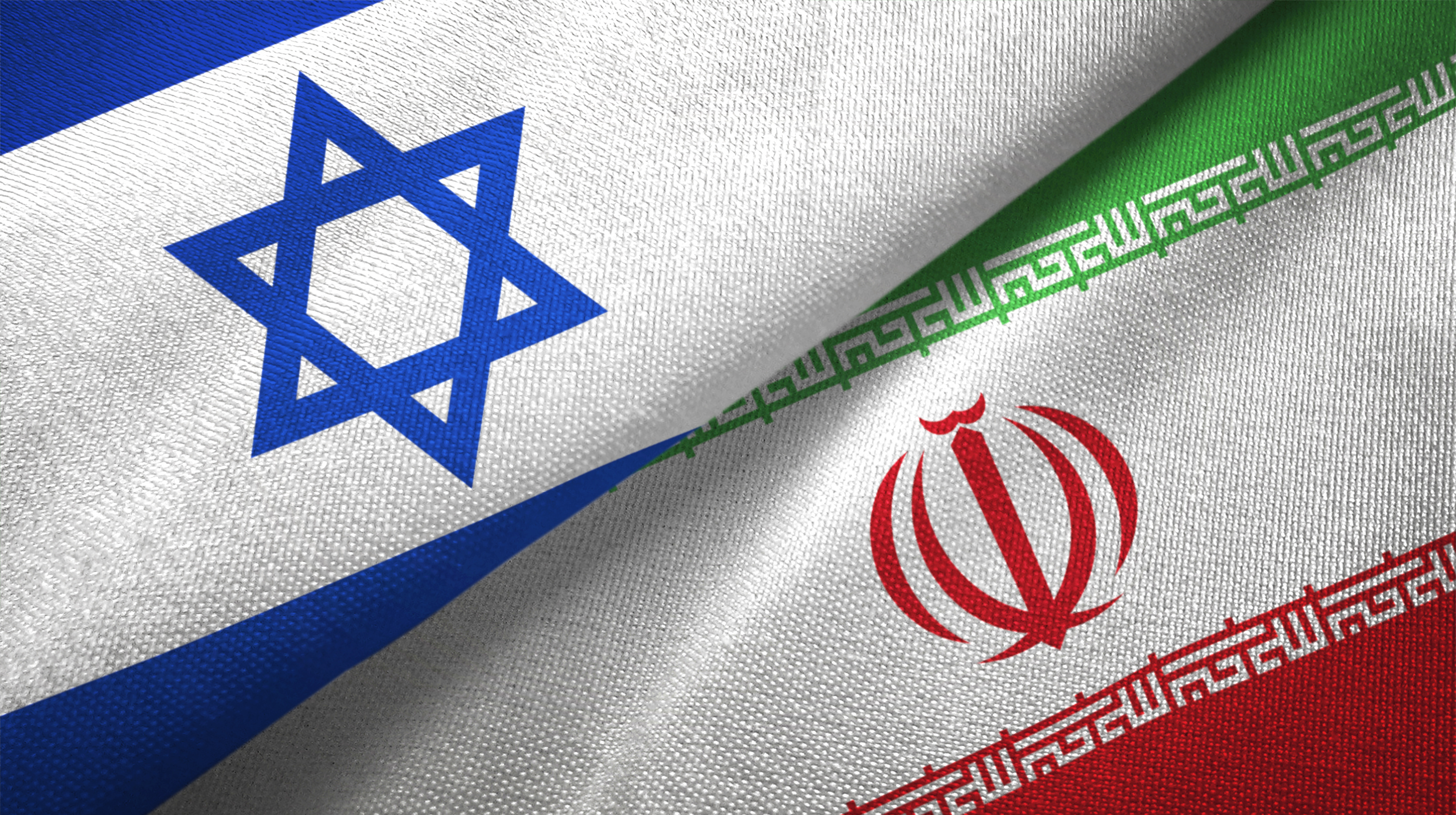
A significant decline in oil prices, exceeding 4%, has been observed after Israel conducted airstrikes in Iran, reportedly avoiding energy infrastructure. The unexpected military action has stirred uncertainty in the global oil markets, with analysts weighing the potential implications for future supply dynamics in an already volatile geopolitical landscape.

Crude oil futures, particularly West Texas Intermediate (WTI), fell sharply to around $83 per barrel, while Brent crude dipped below $87. The downward trend comes in the wake of heightened tensions in the Middle East, which had already led to fluctuations in oil prices due to fears of supply disruptions. Analysts had anticipated that military action between Israel and Iran could provoke a response that might impact oil production, but the avoidance of direct hits on energy facilities has seemingly mitigated immediate concerns.

Market sentiment turned bearish as traders reacted to the news. “The focus is on the geopolitical risks that have historically pushed oil prices higher. However, the fact that energy facilities were not targeted means that supply fears are somewhat alleviated, leading to this decline in prices,” commented David Wilson, a senior analyst at a leading energy consultancy. Investors now seem to be reassessing the risk factors that typically influence oil market volatility.

This latest escalation is part of a broader backdrop of ongoing hostilities between Israel and Iran, which have been characterized by intermittent exchanges of fire and military posturing. Iran’s Revolutionary Guard has warned that any attack on its soil will trigger severe retaliation. This historical animosity, coupled with Iran’s significant role as an oil exporter, continues to inject volatility into oil markets. Iran produces approximately 4 million barrels of oil per day, a vital contribution to the global supply.

The broader market reaction also reflects concerns regarding global economic performance, particularly in light of ongoing inflationary pressures and monetary policy tightening in several economies. Experts note that if economic growth slows, demand for oil may diminish, further complicating the price outlook. “Even with geopolitical tensions, the underlying economic indicators suggest a slowdown. If demand continues to weaken, we could see prices stabilize at lower levels,” stated Maria Chan, a commodities strategist.

In the wake of this geopolitical incident, analysts are also scrutinizing other potential threats to oil supply, including disruptions in other oil-producing regions. The Organization of the Petroleum Exporting Countries (OPEC) and its allies, including Russia, are continually adjusting their output strategies to stabilize prices, but such maneuvers become increasingly complicated amid geopolitical instability.

The ongoing conflict in Ukraine remains a significant factor influencing oil prices. Russia’s actions in Ukraine have led to widespread sanctions, disrupting energy supplies and complicating global market dynamics. While the current geopolitical climate suggests heightened risks, some analysts believe that the market has already factored in many of these risks due to the historical precedent of volatility in energy prices.

With the energy market closely monitoring developments in the Middle East, any signs of further escalation could quickly alter price trajectories. “The balance of risk has shifted slightly with this event, but we are still very much in a reactive mode as traders evaluate the ongoing situation,” remarked Samir Gupta, an oil market expert.

On a corporate level, oil companies are assessing how these geopolitical developments could impact their operations and investment strategies. Executives are increasingly focused on the dual challenge of navigating regulatory environments while managing geopolitical risks. “We have to remain agile. The situation can change rapidly, and we must be prepared to adapt our strategies accordingly,” noted Rachel Green, a chief financial officer at a major oil producer.

The situation remains fluid, with various stakeholders keenly observing the geopolitical landscape for further developments. Oil prices are expected to remain sensitive to news from the region, influencing not only immediate market reactions but also long-term strategic planning for oil companies and investors alike.

Divya Malhotra Middle East has turned into a ticking time bomb as Iran and Israel stand on the verge of a full-blown war. A lot has transpired between the two countries since the October 2023 Hamas attack on Israel and the ensuing Gaza war. Israel is more than a thousand miles away from Iran. They do not share any border and there are no significant bilateral claims […]

The new calcium sulfonate complex-based grease is designed for heavy-duty and extreme pressure applications. SINGAPORE – Media OutReach Newswire – 28 October 2024 – Chevron announces the availability of their newest grease product range in the Asia-Pacific region, following the introduction of Rykon greases last year in North America. Rykon addresses the critical need for a high-performance grease that increases uptime and enhances durability to maximise the […]

HONG KONG SAR – Media OutReach Newswire – 24 October 2024 – The global economic recovery presents a mixed picture. While the US economy looks set for a soft landing, the eurozone continues to face many uncertainties, particularly in the industrial sector. China, meanwhile, is struggling to sustain its growth. Finally, our political and social risk index remains at a high level despite the fall in inflation […]

In collaboration with the National University of Laos, ASEAN Foundation and SAP conclude the ASEAN Data Science Explorers 2024 Regional Finals in Vientiane, Lao PDR. VIENTIANE, LAOS – Media OutReach Newswire – 23 October 2024 – The ASEAN Foundation, in collaboration with SAP, successfully concluded the eighth ASEAN Data Science Explorers (ASEAN DSE) 2024 Regional Finals in Vientiane, Lao PDR. Twenty students from secondary and tertiary institutions […]

SINGAPORE – Media OutReach Newswire – 24 October 2024 – Senoko Energy, one of Singapore’s largest energy companies, and Gentari, a clean energy solutions provider, have signed a Memorandum of Understanding (MoU) to embark on a collaborative effort to explore the importation of hydrogen gas from Malaysia to Singapore. Senoko Energy and Gentari Collaborate to Enhance Sustainable Energy Solutions in Singapore with Hydrogen Following the MoU, both […]

MANILA, PHILIPPINES – Media OutReach Newswire – 24 October 2024 – VinFast has officially announced pricing and opened reservations for its five-seater VF 7 electric SUV during the 12th Philippines Electric Vehicle Summit (PEVS), marking the third VinFast vehicle available in the Philippine market after the VF 5 and VF 3 models. This launch also underscores VinFast’s commitment to advancing green transportation in the Philippines and expanding […]

In the digital age, the way people live in cities is evolving rapidly. While some people are seeking suburban retreats, many Asians are drawn to the convenience and vibrancy of urban life. This preference is fueled by the emergence of mega-complexes like Vinhomes’ projects, which offer a comprehensive range of amenities within the heart of bustling cities. These developments are designed to meet the diverse needs of […]

From today to 10th November, every Friday to Sunday evening, enjoy an enchanting nightlife that blends Portuguese-Macau charm with century-old local brands, emerging culinary stars, stall games, and street band performances. MACAU SAR – Media OutReach Newswire – 25 October 2024 – Dried fruits curated by a century-old establishment, shrimp paste passed down through three generations, iconic Macau egg waffles that have delighted taste buds for over […]

GlobalNet has officially launched a state-of-the-art high-speed fiber connection between Stockholm and Berlin, marking a significant expansion of its network across vital European hubs. The newly established 1,200-kilometer dense wavelength division multiplexing (DWDM) fiber link promises network latency of under 12 milliseconds, which is expected to substantially enhance data transmission efficiency for businesses and consumers alike. The initiative comes at a time when demand for reliable and […]

Dubai Chamber of Commerce has inaugurated the Korean Business Council to bolster economic ties and foster collaboration between businesses in Dubai and the Republic of Korea. This initiative is part of Dubai Chamber’s ongoing efforts to diversify its economic partnerships and attract foreign investment. The council’s establishment comes at a time when both regions seek to enhance their bilateral trade relations, with an eye on creating sustainable business opportunities.

The inaugural annual general meeting of the Korean Business Council took place in Dubai, featuring prominent business leaders, government officials, and representatives from various sectors. This gathering provided a platform for discussions on enhancing trade and investment flows between Dubai and South Korea. Key participants included senior officials from Dubai Chambers, members of the diplomatic community, and representatives from South Korean firms operating in the UAE.

During the meeting, chamber officials emphasized the significance of the council in facilitating dialogue and collaboration. The council aims to serve as a vital link between the two regions, fostering partnerships across various sectors, including technology, renewable energy, tourism, and healthcare. By leveraging the strengths of both economies, the Korean Business Council intends to create a synergistic environment conducive to business growth and innovation.

The UAE is already a significant trading partner for South Korea in the Middle East. In 2023, bilateral trade between the two nations reached approximately $15 billion, with South Korea exporting goods such as machinery, electronics, and automobiles. The establishment of the Korean Business Council is expected to further stimulate this trade and attract South Korean companies to invest in Dubai’s growing market.

South Korea’s Ministry of Trade, Industry, and Energy has expressed support for the initiative, recognizing the strategic importance of strengthening economic relations with the UAE. South Korea’s trade envoy to the UAE highlighted the country’s commitment to fostering business collaborations and creating a more robust economic framework for bilateral trade.

The new council will offer various services to its members, including market research, networking opportunities, and access to resources that can assist in navigating the Dubai business landscape. By providing a platform for collaboration and knowledge-sharing, the council aims to empower businesses to expand their reach and enhance their competitiveness in the region.

The council is expected to play a pivotal role in attracting South Korean investment into Dubai’s rapidly developing sectors. As Dubai continues to position itself as a global business hub, the Korean Business Council will facilitate opportunities for South Korean firms looking to establish or expand their operations in the region.

With its strategic location, favorable business environment, and established infrastructure, Dubai has become an attractive destination for South Korean companies. Numerous South Korean enterprises have already made significant investments in sectors such as construction, hospitality, and technology, underscoring the potential for further collaboration.

The Korean Business Council will also focus on promoting cultural exchanges between the two regions. Cultural ties are essential in fostering mutual understanding and trust, which can enhance business interactions. Events showcasing Korean culture, technology, and innovation are expected to be organized to facilitate this cultural exchange, enabling Dubai businesses to gain insights into South Korea’s advancements in various industries.

The council’s establishment aligns with the UAE’s Vision 2021, which aims to position the nation as a global economic leader and a hub for trade and investment. By enhancing relationships with key markets like South Korea, Dubai is making strategic moves to achieve its economic diversification goals.

In addition to economic benefits, the council is poised to contribute to the broader goal of sustainable development. As both regions prioritize sustainability and innovation, the council will encourage cooperation in sectors such as renewable energy and environmental technology. Collaborative initiatives in these areas can lead to significant advancements, addressing pressing global challenges while promoting economic growth.

As the Korean Business Council embarks on its journey, its success will rely on the active participation of its members and the commitment to fostering a dynamic and collaborative business environment. The council’s leadership has expressed enthusiasm for creating a vibrant network of businesses that can thrive in Dubai’s competitive landscape.

Engaging with local stakeholders and participating in trade missions and exhibitions will be crucial in building relationships and expanding business opportunities. By connecting South Korean and Dubai-based companies, the council aims to unlock the potential for innovative partnerships that can drive economic growth.

Rene Haas, CEO of Arm Holdings, emphasizes the profound impact of artificial intelligence on the automotive industry, noting that the advent of smart vehicles will significantly transform transportation dynamics. During a recent industry event, Haas articulated a clear vision of a future where intelligent cars will redefine mobility, driven by advanced AI technologies that enhance performance, safety, and user experience. This evolution in smart vehicles is anticipated to accelerate rapidly, indicating a shift not only in how cars operate but also in how they integrate with broader urban ecosystems.

Arm Holdings, known for its semiconductor technology and microprocessor designs, plays a pivotal role in this transformation. The company’s innovations are critical to enabling the next generation of smart cars, which rely on intricate AI systems for tasks such as navigation, environmental sensing, and real-time decision-making. With the growing emphasis on connectivity and automation, vehicles are evolving into complex data-driven platforms. Haas remarked that the integration of AI in automotive technology is not merely a trend but a fundamental shift that will enhance safety and performance.

The growing trend of smart vehicles is underscored by major automotive manufacturers investing heavily in AI and machine learning technologies. Companies like Tesla, Ford, and General Motors are leading the charge, developing AI systems capable of processing vast amounts of data from sensors and cameras to navigate complex environments. As vehicles become increasingly autonomous, the reliance on sophisticated algorithms for safe operation is more critical than ever. Analysts predict that the global autonomous vehicle market could reach a valuation of over $500 billion by 2026, underscoring the industry’s shift towards smarter, AI-enabled transportation.

Regulatory bodies are also adapting to the rise of smart vehicles. Governments worldwide are creating frameworks that promote innovation while ensuring public safety. For instance, the U.S. Department of Transportation has issued guidelines for the testing and deployment of automated vehicles, encouraging manufacturers to implement robust safety measures. This regulatory environment is essential for fostering trust in new technologies and ensuring that advancements in AI do not compromise safety standards.

One of the significant challenges faced in this rapidly evolving landscape is data privacy and security. As vehicles become more connected, they generate extensive amounts of data, raising concerns about how this information is collected, stored, and utilized. Industry stakeholders, including Arm Holdings, are prioritizing the development of secure systems to protect consumer data while maximizing the potential of AI. Haas highlighted the importance of building trust with consumers, stating that secure technology must go hand in hand with innovation to facilitate widespread adoption.

Emerging technologies, such as edge computing and 5G connectivity, are enhancing the capabilities of smart vehicles. Edge computing allows data processing to occur closer to the source, enabling faster responses to dynamic driving conditions. Coupled with the low-latency benefits of 5G, these technologies facilitate seamless communication between vehicles, infrastructure, and cloud-based services, significantly improving the overall driving experience. Experts believe that such advancements will not only enhance the functionality of smart vehicles but also pave the way for new business models within the automotive industry.

In addition to safety and efficiency, sustainability is becoming a critical focus for the automotive sector. The integration of AI is facilitating the development of electric vehicles and hybrid models, which contribute to reducing carbon footprints. Companies are leveraging AI to optimize energy consumption and improve battery management systems, ensuring that smart vehicles are not only technologically advanced but also environmentally friendly. This aligns with broader global initiatives aimed at combating climate change and promoting sustainable practices.

Consumer demand for smart vehicles is on the rise, driven by a desire for enhanced convenience, safety, and connectivity. Market research indicates that modern consumers are increasingly inclined to purchase vehicles equipped with advanced technologies, including AI-powered features such as adaptive cruise control, lane-keeping assistance, and automated parking. This shift in consumer preferences is prompting automakers to prioritize the integration of AI and connectivity into their offerings.

HSBC has launched a sustainability improvement loan targeting mid-sized corporates in the UAE, Egypt, Qatar, and Bahrain, marking a significant step in promoting environmentally responsible business practices in the region. This initiative aims to support companies striving to enhance their sustainability performance by providing them with financial resources tailored to their specific green objectives. The loan facility is designed for firms with an annual revenue between $20 […]

Saudi Aramco is projected to report a significant decrease in its third-quarter net profit, with analysts anticipating a decline of approximately 20% compared to the same period last year. According to a recent analysis by Citi, this drop in earnings highlights the challenges faced by the oil giant amid fluctuating crude oil prices and shifting demand dynamics. The decline in profits reflects a broader trend impacting major […]

Vitalik Buterin has laid out ambitious plans for the future of Ethereum, focusing on a pivotal development known as The Verge phase. This latest initiative seeks to enhance the blockchain’s accessibility by enabling full verification on various devices, including mobile wallets and smartwatches. The integration of advanced technologies such as Verkle trees and Succinct Non-interactive Argument of Knowledge (SNARKs) is central to this transformation.

Buterin emphasized the importance of reducing the barriers to entry for Ethereum users. Currently, the process of verifying transactions on the Ethereum network can be resource-intensive and requires significant computational power, which limits the use of mobile and lightweight devices. By implementing Verkle trees, the aim is to optimize how data is stored and accessed on the blockchain. Verkle trees combine the efficiency of Merkle Patricia trees with the benefits of vector commitment, providing a way to reduce the amount of data required for verification.

This shift is designed to make blockchain technology more user-friendly, particularly for individuals who rely on mobile devices. The ability to conduct full verification from a smartphone or smartwatch would democratize access to Ethereum, making it easier for users to engage with decentralized applications (dApps) without needing specialized hardware. The implications for mobile security and user experience could be substantial, as users would no longer need to rely on third-party services to validate their transactions.

SNARKs, another key component of Buterin’s vision, will enhance privacy and efficiency within the network. This cryptographic tool allows for the validation of transactions without revealing the underlying data, addressing privacy concerns that have emerged as Ethereum has grown in popularity. By incorporating SNARKs, Ethereum aims to provide a layer of confidentiality that is appealing to both users and developers.

This focus on improving transaction verification methods aligns with a broader trend in the cryptocurrency space towards scalability and user empowerment. As Ethereum continues to compete with other blockchain platforms, such as Solana and Cardano, these enhancements could play a crucial role in maintaining its position as a leading smart contract platform. The Verge phase represents a critical step in Ethereum’s roadmap, which has been strategically outlined to adapt to the evolving needs of its user base.

The need for more efficient blockchain verification methods has been underscored by the growing demand for decentralized finance (DeFi) applications. With more users entering the space, ensuring that these applications remain accessible and user-friendly is vital. By leveraging the advancements in Verkle trees and SNARKs, Ethereum is positioning itself to handle the increased demand while maintaining its foundational principles of decentralization and security.

Developers have been encouraged by Buterin’s post, as it lays the groundwork for innovations that could lead to new use cases for Ethereum. The adoption of mobile wallets has surged, and the integration of robust verification methods could unlock further opportunities for developers to create applications that are not only functional but also secure and efficient. This forward-thinking approach could foster an ecosystem where more users can actively participate in Ethereum’s offerings.

The Verge phase is part of a larger series of upgrades collectively known as Ethereum 2.0, which aims to enhance the network’s scalability, security, and sustainability. The transition from a proof-of-work to a proof-of-stake consensus mechanism is already underway, with the goal of reducing energy consumption and increasing transaction throughput. The integration of The Verge phase signifies an important milestone in this ongoing transformation.

As Ethereum navigates its path forward, the emphasis on improving verification processes speaks volumes about its commitment to user experience and technological innovation. The potential for full blockchain verification on everyday devices could not only attract a new demographic of users but also solidify Ethereum’s reputation as a leading blockchain platform that prioritizes accessibility and efficiency.

Industry experts are optimistic about the developments that The Verge phase will bring, particularly regarding its impact on the broader cryptocurrency landscape. The ability to conduct secure transactions from mobile devices could set a new standard for blockchain technology, prompting other platforms to consider similar enhancements. As Buterin and the Ethereum development community continue to refine their vision, the implications for the future of decentralized technologies are profound.

Strategy game combining traditional chess and a magic system in a decentralized framework further expands presence in Southeast Asia HONG KONG SAR – Media OutReach Newswire – 24 October 2024 – Anichess, the progressive chess-based online strategy game from Animoca Brands, developed in partnership with Chess.com and five-time World Chess Champion Magnus Carlsen, announced today that it has launched the public alpha version of its game. Additionally, […]

VISHNU RAJA
RYO YAMADA
HITORI GOTOH
IKUYO KITA