News related to
energy

Oil prices have experienced a significant decline, reaching multi-year lows, as a confluence of geopolitical and economic factors exerts pressure on the global energy market. The imposition of new U.S. tariffs on imports from Canada, Mexico, and China, coupled with the decision by OPEC+ to increase oil production, has led to heightened concerns about oversupply and weakened demand. Brent crude futures fell to $68.33 per barrel, while […]

The United Arab Emirates’ ambitious pledge to invest $51 billion in Turkey is encountering significant challenges, as several high-profile deals have collapsed, raising concerns about the future of this substantial economic partnership. In July 2023, during a visit by Turkish President Recep Tayyip Erdoğan to Abu Dhabi, the UAE committed to a series of agreements with Turkey, collectively valued at approximately $50.7 billion. These agreements spanned various […]

Abu Dhabi-based conglomerate International Holding Company has divested 8.448 million shares, equating to a 0.73% stake, in Adani Enterprises Limited for ₹1,831.82 crore. This transaction was executed through IHC’s subsidiaries, Green Vitality RSC and Green Energy Investment Holding RSC, via open market deals on the Bombay Stock Exchange on Wednesday.

The shares were sold at an average price of ₹2,168.1 per share. Concurrently, Envestcom Holding RSC Ltd offloaded an identical number of shares in two tranches at the same price. Following these transactions, AEL’s stock experienced a 4.57% uptick, closing at ₹2,244.85 on the BSE.

IHC, a diversified entity with interests spanning agriculture, healthcare, real estate, and utilities, has been actively adjusting its investment portfolio concerning the Adani Group. In 2022, IHC invested approximately $2 billion in three Adani Group companies: Adani Green Energy, Adani Transmission, and Adani Enterprises. By September 2023, IHC announced the sale of its stakes in Adani Green Energy and Adani Transmission but increased its holding in Adani Enterprises to over 5%. As of the latest available data, Green Enterprises Investment Holding holds 40,191,038 shares in Adani Enterprises, representing a 3.48% stake.

Adani Enterprises, the flagship entity of the Adani Group, has faced significant scrutiny and market fluctuations in recent years. The conglomerate’s rapid expansion into sectors such as energy, infrastructure, and logistics has attracted both investor interest and regulatory attention. The divestment by IHC is perceived by market analysts as a strategic portfolio rebalancing rather than a reflection of the company’s performance.

The transaction has prompted discussions among investors regarding the future trajectory of Adani Enterprises. While some view the sale as a routine investment decision by IHC, others speculate about potential implications for the company’s stock performance and market perception. Notably, despite the substantial share sale, Adani Enterprises’ stock demonstrated resilience by closing higher on the day of the transaction.

In the broader market context, other Adani Group stocks also exhibited positive movements. For instance, shares of Adani Green Energy surged over 10%, aligning with a general rally in the equity market. This trend indicates sustained investor confidence in the conglomerate’s diversified business operations.

IHC’s decision to adjust its stake in Adani Enterprises underscores the dynamic nature of global investment strategies. As multinational corporations continually reassess their portfolios to align with evolving market conditions and corporate objectives, such transactions are becoming increasingly commonplace. Investors and market observers will be keenly monitoring subsequent filings and disclosures to gauge the long-term impact of this divestment on both IHC and Adani Enterprises.

iShopChangi blossoms this spring with an irresistible Spring Sale! Throughout the month of March, explore an array of new finds, from chic wardrobe must-haves to essential travel gear, all at GST-absorbed and tax-free prices. But that’s not all! Revel in the spirit of International Women’s Day by treating yourself to a selection of luxury fashion, beauty, and wellness items from women-led brands accelerating action in Singapore. Plus, […]

Matein Khalid Trump inherited a US economy with 3% growth, a 4% unemployment rate and near 0% recession risk a mere 6-weeks ago. His outrageous tariff threats, policy U-turns, DOGE cutbacks in government spending and mass deportations have ignited a global trade war as well as slashed economic growth, business/consumer confidence. A US recession has now begun as the Atlanta Fed’s GDP Now sees a -2.8% slump […]

China has set an ambitious economic growth target of approximately 5% for 2025, maintaining the same figure as the previous year, despite ongoing tensions with the United States in the form of a prolonged tariff war. This announcement comes at a time when both countries are embroiled in a cycle of escalating trade restrictions, and experts are closely watching the impact these developments will have on global economic stability.

The Chinese government’s decision to maintain its 5% growth target for 2025 is indicative of its continued focus on achieving steady economic expansion in the face of significant external challenges. The target is in line with that of 2024, as the country seeks to navigate its way through a complicated geopolitical landscape. Despite the slowdown in the global economy and intensifying trade disputes with Washington, the Chinese government is prioritising stability, especially as it prepares for its own domestic policy goals, including technological self-sufficiency and boosting domestic consumption.

In an attempt to strengthen its economic position, China has introduced retaliatory tariffs on key American imports, notably targeting agricultural products. These include 15% tariffs on chicken, wheat, corn, and cotton from the U.S., alongside a 10% levy on a broader range of agricultural commodities such as sorghum, soybeans, pork, beef, aquatic products, fruits, vegetables, and dairy products. This is a clear response to U.S. tariffs that have impacted Chinese industries, particularly in sectors such as electronics and consumer goods. The trade dispute, which has evolved over the years, now impacts critical supply chains, particularly in sectors where the U.S. and China have intertwined economies.

In parallel with the tariff increases, China has expanded its list of American companies subject to export controls. The Chinese Ministry of Commerce recently added 15 more American firms to its export control list, including drone manufacturer Skydio. This measure is aimed at restricting Chinese firms from providing dual-use technologies—equipment that can serve both civilian and military purposes—to these companies. The move is a direct response to U.S. actions, particularly those targeting Chinese firms like Huawei and TikTok in previous years. By limiting access to advanced technology, China seeks to ensure its technological independence, especially in areas of high strategic importance, such as artificial intelligence, semiconductors, and aerospace.

The trade war, which began under former President Donald Trump, has seen both countries impose tariffs on billions of dollars’ worth of goods. Although the Biden administration initially sought to soften the stance, tensions have reignited as both nations continue to use tariffs as a bargaining chip. The announcement of a 5% growth target comes as China faces several challenges, not only from the trade war but also from domestic economic pressures such as rising debt levels, a struggling property sector, and an aging population.

While the 5% growth target may appear conservative compared to China’s previous years of double-digit expansion, analysts argue that it reflects a more sustainable growth trajectory in the current global climate. The focus is now shifting towards quality growth, with an emphasis on high-tech industries, innovation, and green development. For the Chinese government, maintaining this growth rate is essential for ensuring social stability and reinforcing the Communist Party’s control over the country.

The U.S.-China trade war has led to significant disruptions in global markets, with both sides suffering economic consequences. For instance, the U.S. has seen its farmers and manufacturers experience difficulties due to China’s retaliatory tariffs. At the same time, Chinese companies have faced hurdles in securing advanced technology from U.S. suppliers. This has led to shifts in global supply chains, as companies increasingly seek to diversify their production away from China to avoid the risks posed by further trade escalation.

In response to these challenges, China has been actively exploring alternative markets. This includes strengthening its trade ties with countries in Asia, Africa, and Latin America, as well as making efforts to deepen its economic integration with the European Union. Furthermore, China has focused on boosting its domestic consumption, aiming to reduce its reliance on exports as a driver of growth. This approach has led to the expansion of industries such as electric vehicles and renewable energy, which are seen as crucial for the country’s long-term economic future.

Despite the economic headwinds, China’s leadership remains resolute in its plans to ensure economic growth through a mixture of policy tools. Measures such as infrastructure spending, financial support for key industries, and a continued push for technological advancements are central to these plans. The government’s ability to navigate through this tumultuous period will largely depend on its ability to manage both domestic challenges and international relations, particularly with the U.S.


Oil prices in the Middle East have experienced a significant decline, with the cost of Oman crude on the Gulf Mercantile Exchange falling below Brent crude for the first time since late 2024. This shift marks the end of the Middle Eastern grade’s longest run of premiums over the global benchmark since 2023. The downturn is largely attributed to the anticipated increase in oil supplies from OPEC+ nations, prompting a selloff in the region’s crudes.

The Organization of the Petroleum Exporting Countries and its allies, collectively known as OPEC+, have confirmed plans to proceed with a gradual increase in oil production starting April 2025. This decision involves unwinding the 2.2 million barrels per day of voluntary production cuts that were implemented to stabilize the market. The phased approach will see an average monthly rise of 137,000 bpd, extending until September 2026. Notably, the United Arab Emirates will receive a 300,000 bpd increase in its production target over this period.

This strategic move by OPEC+ reflects a response to healthier market fundamentals and a positive outlook for global oil demand. However, the group has emphasized flexibility, stating that the planned production increases may be paused or reversed if market conditions warrant such adjustments. This adaptability aims to maintain oil market stability amid evolving economic landscapes.

The announcement has exerted downward pressure on global oil prices. Brent crude futures fell by 1.6%, settling at $71.62 per barrel, while West Texas Intermediate crude dropped by 2.0%, closing at $68.37 per barrel. These figures represent the lowest closing prices for Brent and WTI since early December 2024.

Market analysts attribute the price decline to multiple factors beyond the anticipated OPEC+ supply boost. President Donald Trump’s recent announcement of imposing tariffs on imports from Canada and Mexico, as well as increasing duties on Chinese goods, has raised concerns about potential dampening effects on energy demand. Additionally, the U.S. decision to pause military aid to Ukraine and speculation about easing sanctions on Russia have contributed to market volatility and uncertainty.

The increase in oil production is expected to come from several OPEC members and their allies, adding approximately 2.2 million barrels over the next 18 months. Analysts suggest that this decision could lead to oversupply issues, further pressuring prices if demand does not keep pace. This situation has negatively impacted major oil company stocks, with significant declines observed in Exxon Mobil, Chevron, BP, Shell, and Total Energies.

The shifting dynamics in the oil market underscore a potential transition of influence from traditional producers like OPEC to other global players. The rise of electric vehicles, advancements in fuel efficiency, and reduced reliance on oil for power and heating have contributed to weaker demand, challenging the market power of oil-producing nations.

Advertisements

Dubai is set to enhance its electric vehicle infrastructure with the installation of new charging stations in the first quarter of 2025. This initiative results from a collaboration between the Dubai Electricity and Water Authority and Parkin Company PJSC , the emirate’s largest provider of paid public parking facilities and services. The new charging stations will operate on alternating current with a capacity of 22 kilowatts each, […]

Sharon AI, Inc., a high-performance computing company specializing in artificial intelligence and cloud GPU infrastructure, has partnered with New Era Helium, Inc., a helium exploration and production firm, to develop a 250-megawatt net-zero energy AI and high-performance computing data center in Ector County, Texas. The joint venture, Texas Critical Data Centers, LLC , has signed a letter of intent with GROW Odessa, an economic development corporation, to […]

Chinese electric vehicle manufacturer BYD has successfully raised $5.6 billion through a significant share sale, marking the largest equity follow-on offering in the global automotive sector in the past decade. The company sold 129.8 million shares at HK$335.20 each, representing an 8% discount to its previous closing price. The United Arab Emirates-based Al-Futtaim Family Office emerged as a key investor in this transaction, underscoring a strategic partnership […]

HA LONG, VIETNAM – Media OutReach Newswire – 4 March 2025 – Vingroup and global investment firm JTA Investment Qatar have announced a Memorandum of Understanding (MOU), opening up strategic investment opportunities in the electric vehicle and tourism sectors. Accordingly, JTA Investment Qatar recognizes VinFast’s global growth strategy, alongside the significant value of Vinpearl’s premium hotels and resorts, leading amusement parks and entertainment clusters, thereby aiming to […]

OPPO is one of the first smartphone brands to implement Private Computing Cloud and has further integrated applications with Google Gemini so users can soon take action across OPPO apps in Gemini. During MWC2025, OPPO unveiled new AI features, including AI Call Translator and AI VoiceScribe, and has committed to releasing new AI updates roughly every month. OPPO plans to bring generative AI features to around 100 […]

US financial markets experienced significant declines on Monday, March 3, 2025, following President Donald Trump’s confirmation that 25% tariffs on imports from Canada and Mexico would commence on Tuesday, March 4. The Dow Jones Industrial Average fell by 649 points, closing at 43,191.24—a 1.5% decrease. The S&P 500 Index dropped 1.8% to 5,849.72, and the Nasdaq Composite declined 2.6% to 18,350.19. The President’s announcement ended investor hopes […]

The tariff hammer is about to drop. On Tuesday, the US will slap new duties on goods from Canada and Mexico, and possibly hike levies on Chinese imports. Investors don’t need reminding—tariffs are the number one risk factor hanging over global markets. This isn’t just policy posturing; it’s a direct hit to corporate profits, consumer prices, and the already fragile supply chains that businesses spent years rebuilding […]

Saudi Arabia has unveiled an ambitious plan to attract investments totaling approximately 375 billion Saudi riyals into its mining sector by 2035, as part of its Vision 2030 initiative aimed at reducing dependence on oil revenues. Khalid Al-Mudaifer, the Deputy Minister of Industry and Mineral Resources for Mining Affairs, announced this strategic objective during the BMO Global Metals, Mining, and Critical Minerals Conference held in Miami from February 23 to 26, 2025.

The Kingdom has already secured investments amounting to 75 billion riyals in mining projects since the implementation of a landmark law designed to attract investors. Al-Mudaifer highlighted that these efforts have significantly boosted the sector’s growth, with the number of mining companies operating in Saudi Arabia increasing from six in 2020 to 133 by the end of 2023.

As part of its Vision 2030 economic diversification strategy, Saudi Arabia aims to position mining as a key pillar of its economy. The Kingdom’s mineral wealth is now valued at 9.3 trillion riyals, up from previous estimates of 5 trillion riyals, reflecting intensified exploration efforts and a growing global demand for critical minerals. Annual exploration spending has risen by 32%, outpacing the global average.

In line with these developments, Saudi Arabia has been actively engaging in international partnerships to bolster its mining sector. Notably, the Kingdom signed nine investment agreements totaling over $9.32 billion in the metals and mining sector with companies including India’s Vedanta and China’s Zijin Group during the World Investment Conference in Riyadh. These deals aim to support Saudi Arabia’s Vision 2030 plan to diversify the economy and attract significant foreign investment.

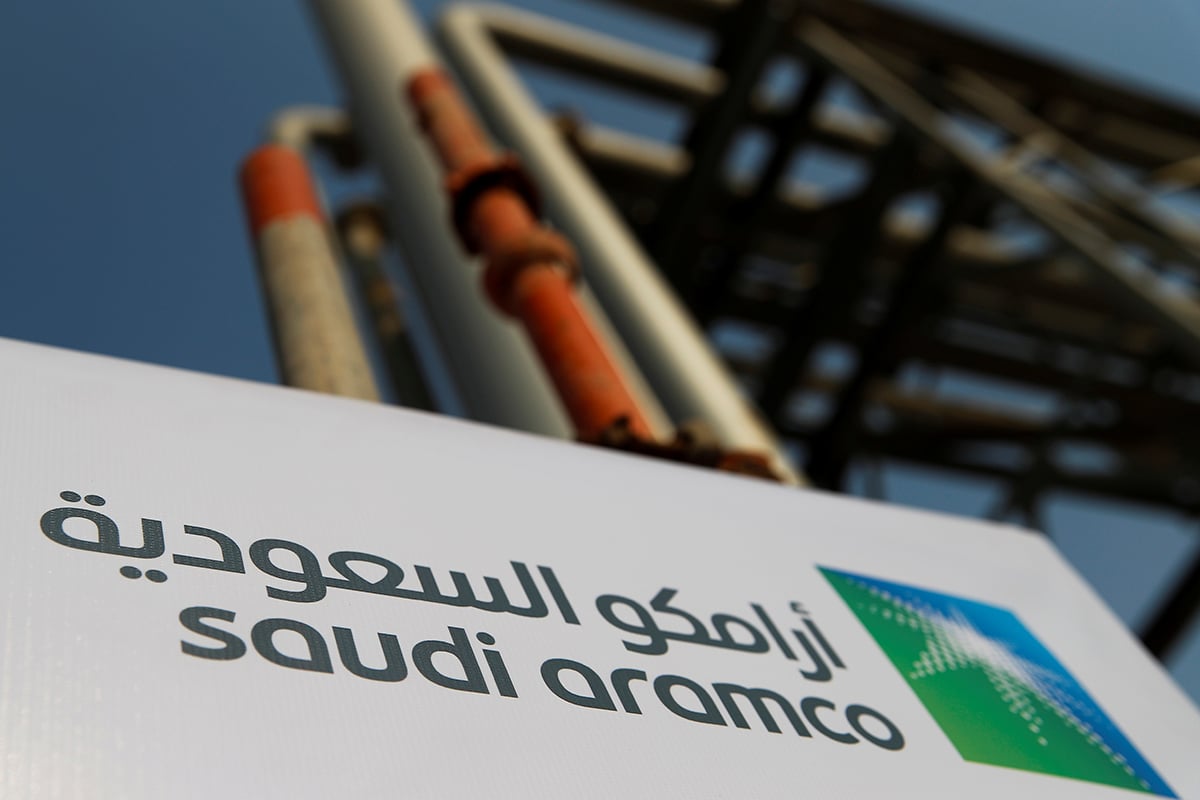
Saudi Aramco, the world’s largest oil company, plans to expand its investments in lithium production, aiming to become a mining hub and diversify from oil. In collaboration with the state-owned mining firm Ma’aden, Aramco targets commercial lithium production by 2027 to meet increasing demand driven by electric vehicles. This strategic shift aligns with the Kingdom’s efforts to establish a lithium refining and export industry, leveraging its energy competitiveness and infrastructure.

Saudi Arabia’s ambitious $124 billion dividend payout to Aramco shareholders is facing increasing scrutiny as the kingdom grapples with rising fiscal pressures and economic uncertainty. The payout, one of the largest in history, is at the heart of the country’s financial strategy, but concerns about the sustainability of this massive distribution are growing.

The kingdom has long relied on its state-owned oil giant, Saudi Aramco, as a major source of revenue, particularly in funding its Vision 2030 diversification programme. However, with global oil prices experiencing volatility and the kingdom’s economic growth showing signs of strain, questions are being raised about whether such a hefty payout can continue to be supported by the nation’s financial structure.

Saudi Arabia’s fiscal challenges are not new but have intensified recently due to various factors, including fluctuations in oil prices and a need to fund extensive public sector projects aimed at reducing the kingdom’s dependence on oil exports. This shift towards diversification involves significant investments in non-oil sectors such as technology, entertainment, and tourism. While these sectors hold promise for future growth, they have not yet generated the same level of revenue as oil, leaving the government in a delicate position.

Aramco’s profits have been a key contributor to the kingdom’s financial health, with the company remaining one of the world’s most profitable corporations. In 2023, Aramco’s net income exceeded $160 billion, allowing it to maintain its status as the highest dividend-paying company globally. This enabled the state to continue its lavish payouts to shareholders, including the Saudi government itself, which holds a majority stake.

Despite Aramco’s healthy profits, the global energy landscape has shifted significantly. Rising energy costs, geopolitical instability, and increasing competition from renewable energy sources are all factors that could impact the oil industry’s long-term profitability. Saudi Arabia’s ability to balance these challenges with its ambitious payout policy could prove to be a major hurdle.

The kingdom’s fiscal outlook is further complicated by its commitment to maintaining its social and economic development programs, which are pivotal for the success of Vision 2030. The state has allocated significant sums to infrastructure, healthcare, and housing initiatives, all of which are critical for securing the country’s long-term economic stability. However, these expenditures, combined with the substantial payout to Aramco shareholders, create a significant strain on public finances.

To address these challenges, Saudi Arabia is looking to restructure its approach to fiscal management, exploring options such as public debt and non-oil revenue streams. Some analysts suggest that this could involve revising the Aramco dividend model, potentially reducing the payout in favour of reinvesting in the country’s non-oil sectors.

The pressure on the Saudi government is not only financial but also political. With global attention focused on Saudi Arabia’s economic reforms, any deviation from its ambitious growth plans could undermine investor confidence, which has been a cornerstone of its economic strategy. International investors, particularly those in the energy sector, are closely monitoring the situation, aware that any decision to alter the dividend payout could have ripple effects throughout the global markets.

The geopolitical landscape adds another layer of complexity to the situation. Saudi Arabia’s position within OPEC and its ongoing efforts to stabilise global oil prices play a key role in its economic future. However, OPEC’s decisions are increasingly influenced by non-member countries and shifting global consumption patterns. As demand for oil from traditional markets in Europe and the US declines, Saudi Arabia faces the dual challenge of maintaining oil revenues while simultaneously adapting to a future in which oil may no longer be the dominant driver of global growth.

In the wake of these uncertainties, Aramco’s leadership remains focused on enhancing its operations and securing long-term profitability. The company has committed to expanding its investments in petrochemicals, refining, and other energy-related sectors, as well as pursuing green energy initiatives that could ensure its relevance in the post-oil era. However, even with these efforts, Aramco faces growing competition from other energy giants and the increasing pressure to adopt sustainable practices in response to global climate concerns.

Saudi Arabia’s fiscal trajectory will likely remain unpredictable for the foreseeable future, especially as the country navigates the complexities of economic diversification while maintaining its oil revenue base. The government’s ability to balance its financial commitments to both Aramco and its broader economic goals will be crucial in shaping the future of its financial landscape.

Chinese automaker BYD Co. has reported a significant increase in its February 2025 sales, reinforcing its leading position in the global electric vehicle market. The company sold 322,846 vehicles worldwide, marking an 8.9% rise from January’s 296,446 units and a substantial year-on-year growth from 122,311 units in February 2024. This surge includes 318,233 passenger new energy vehicles , encompassing both battery electric vehicles and plug-in hybrid electric […]

Alef Group’s Hayyan community is redefining sustainable living in Sharjah, seamlessly integrating modern luxury with environmental consciousness. This innovative development offers residents a harmonious blend of nature and contemporary amenities, setting a new standard for eco-friendly living in the region.

Located in the heart of Sharjah, Hayyan is a meticulously planned villa community that emphasizes a deep connection with nature. The development boasts expansive green spaces, including the emirate’s largest community park spanning 1,000,000 square feet. This unmanicured green area features over 40,000 trees, enhancing Sharjah’s ecological landscape and providing residents with a serene environment.

Central to Hayyan’s design is its commitment to sustainability. The community incorporates 80,000 square feet dedicated to organic edible gardens, promoting local food production and fostering a sense of community among residents. These allotments encourage sustainable living practices, allowing residents to engage in organic farming and enjoy fresh produce.

A standout feature of Hayyan is its impressive water lagoon, covering 50,000 square feet. Recognized as the largest in Sharjah, this lagoon offers a unique recreational space for residents, enhancing the community’s appeal and providing a tranquil setting for various water-based activities.

The architectural design of Hayyan reflects a harmonious blend of modern aesthetics and natural elements. The villas and townhouses are crafted to maximize natural light and ventilation, reducing reliance on artificial energy sources. This design philosophy not only enhances the living experience but also aligns with global sustainability goals by minimizing the community’s carbon footprint.

Alef Group’s vision for Hayyan extends beyond individual residences. The development includes a comprehensive range of amenities designed to promote a healthy and active lifestyle. Residents have access to walking and cycling paths, sports facilities, and communal spaces that encourage social interaction and physical well-being. These features are thoughtfully integrated into the natural landscape, ensuring that the community’s design promotes both environmental sustainability and residents’ quality of life.

The strategic location of Hayyan along Emirates Road ensures seamless connectivity to major hubs in Sharjah and the broader United Arab Emirates. This accessibility enhances the community’s appeal, offering residents the tranquility of suburban living without compromising on urban conveniences.

Alef Group’s commitment to delivering high-quality developments is evident in Hayyan’s construction and planning. The use of sustainable building materials, coupled with innovative design practices, underscores the company’s dedication to environmental stewardship. This approach not only benefits the environment but also ensures long-term value for residents and investors alike.

The introduction of neighborhoods like Samr within Hayyan reflects Alef Group’s ongoing efforts to diversify housing options and cater to varying lifestyle preferences. These neighborhoods are designed to offer a unique living experience, combining luxury with sustainability, and are set to become sought-after addresses in Sharjah.

Sharon AI and New Era Helium have initiated plans to develop a 250-megawatt net-zero energy data center in Ector County, Texas. The companies have signed a non-binding letter of intent with GROW Odessa, an economic development corporation, to acquire a 200-acre site for the project. The proposed data center will be powered by natural gas supplied by New Era Helium, with plans to implement carbon capture utilization […]

Saudi Arabia has successfully issued its first sovereign green bond, raising €1.5 billion and marking a significant step in the Kingdom’s commitment to sustainable financing. The issuance attracted substantial investor interest, with bids totaling €7.25 billion, indicating strong confidence in Saudi Arabia’s environmental initiatives. The green bond is part of a dual-tranche euro-denominated issuance, which also included a 12-year conventional bond. The green tranche has a 7-year […]

The Organization of the Petroleum Exporting Countries is grappling with increasing difficulties in managing its surplus oil production capacity, currently estimated at six million barrels per day. Over the past several months, the organization has postponed decisions to increase output multiple times, reflecting concerns over weak global demand and rising production from non-OPEC producers. In December 2024, OPEC and its allies, collectively known as OPEC+, announced a […]

Matein Khalid All roads lead to Riyadh, which has replaced Geneva as the epicentre of global diplomacy in 2025. Presidents Trump and Putin will meet in the Saudi capital amid the most dramatic U-turn in US foreign policy as Washington switches sides in the Ukraine war in favour of the Kremlin, bypassing the EU and the embattled Ukraine state. Egyptian President Abdul Fattah al-Sisi is in Riyadh to coordinate the Arab […]

National Central Cooling Company PJSC , a leading district cooling provider in the United Arab Emirates, has successfully issued a $700 million five-year green sukuk. This strategic move underscores the company’s commitment to sustainable financing and positions it prominently within the rapidly expanding green finance sector. The sukuk, structured under Regulation S, carries a fixed profit rate of 5.29% per annum, with payments scheduled semi-annually. Initially marketed […]

Abu Dhabi National Oil Company has formalised a 15-year sales and purchase agreement with Japan’s Osaka Gas, committing to supply up to 0.8 million tonnes per annum of liquefied natural gas from its Ruwais LNG project. This definitive contract transitions a prior heads-of-agreement into a binding commitment, marking the inaugural long-term LNG supply arrangement between the two corporations. The Ruwais LNG facility, currently under development in Al […]

VISHNU RAJA
RYO YAMADA
HITORI GOTOH
IKUYO KITA