News related to
energy

Venture capital funding in the Americas took a significant lead in Q3 2024, according to KPMG’s Q3 Venture Pulse Report, reflecting both the strength of U.S. technology sectors and ongoing international interest in AI, defense technology, and clean energy. Despite an overall decline in global funding volume, the Americas have continued to dominate, with North American firms capturing the lion’s share of investments, led by growth in generative AI, defense tech, and other high-stakes innovations, even as other regions recorded slower capital inflows.

The third quarter saw roughly $38 billion raised by VC-backed companies globally, with over half of this funding directed to American companies. AI alone accounted for an impressive 33% of all U.S. venture capital funding, showing the sector’s resilience even as some high-profile names, such as Anthropic and OpenAI, completed multimillion-dollar funding rounds this year. Notably, VC funding in Europe, the Middle East, and Asia has contracted compared to previous quarters. In Europe, market watchers note that funding has slowed down, especially in fintech and climate tech, previously fast-growing sectors. In Asia, investments have shown mixed results; China’s subdued economic environment impacted overall venture capital inflows, although China saw continued investment in artificial intelligence, robotics, and advanced manufacturing.

A shift in defense technology investments has emerged in 2024, with the U.S. and allied nations emphasizing strategic technologies that support national security. This has resulted in significant funding growth for American defense-tech firms, which benefited from increased federal spending and private sector collaboration. Noteworthy deals included significant rounds raised by emerging defense-tech firms that are leveraging AI to enhance surveillance, reconnaissance, and cybersecurity operations. The U.S. government’s increased focus on countering security risks from AI-related technologies has spurred both private and public investment in dual-use tech—civilian technologies with potential military applications, which are becoming increasingly prioritized.

Generative AI has maintained its role as a primary driver of VC funding. According to data from Accel, AI-related startups received nearly two-thirds of all generative AI funding across the U.S., Europe, and Israel. This trend was most visible in large-scale investments in foundational AI infrastructure, including cloud services, model training, and neural network development. Market research indicates that U.S. firms like OpenAI continue to set records, raising approximately $18.9 billion since early 2023, with Anthropic following closely with $7.8 billion. Notably, new players such as Elon Musk’s xAI have also seen significant investments, reflecting the strategic importance and market enthusiasm for AI innovation.

In Europe, artificial intelligence continues to attract capital, albeit at a slower pace. Notable AI recipients included Wayve, a UK-based autonomous driving startup, and Mistral, a French AI firm focusing on natural language processing. While European investment levels have softened overall, AI and defense-related sectors show continued resilience, aligning with national priorities and security considerations.

Globally, clean energy investments also attracted substantial VC interest, especially in areas related to hydrogen and battery technologies. Despite the sector’s promise, climate tech funding was one of the hardest-hit areas globally, affected by economic uncertainties and fluctuating energy prices. This has led to a more conservative approach from investors, although breakthroughs in energy storage, carbon capture, and hydrogen fuel cells remain attractive for long-term investors looking at green energy’s potential within sustainability mandates and decarbonization policies.
Oman and Nauru are exploring ways to enhance bilateral relations, focusing on economic, diplomatic, and developmental cooperation, as both nations seek mutual benefits in diverse sectors. Oman’s Foreign Minister Sayyid Badr Hamad Al Busaidi welcomed Nauru’s President David Ranibok Adeang in Muscat, underscoring Oman’s strategic interest in expanding its diplomatic reach. The discussions highlighted Oman’s Vision 2040, a national strategy emphasizing economic diversification through sectors like logistics, tourism, and technology, which aligns with Nauru’s developmental needs and ambitions.

The meeting emphasized Oman’s positioning as a major logistics and trade hub. Ports in Salalah, Duqm, and Sohar serve as pivotal centers for regional commerce, with plans to extend facilities that could support Nauru’s trade interests and benefit from its location in the Pacific. Both nations have identified tourism as a shared area of interest, and Oman’s plans for tourism expansion—aiming to attract 11 million annual visitors by 2040—could include tailored partnerships with Nauru to enhance cultural and environmental tourism in both regions. Similarly, Oman’s ports, critical in the global maritime routes, provide additional infrastructure and maritime trade support that may serve the strategic needs of Nauru’s Pacific-based trade interests.

Oman’s Vision 2040 agenda also prioritizes advanced technology and infrastructure development, areas where Nauru could collaborate on sustainable projects. As Oman pursues the expansion of its broadband connectivity, partnerships in information and communication technology (ICT) could allow Nauru access to advancements that boost digital connectivity and infrastructure. The Oman Broadband Company, a leader in the region’s digital initiatives, has successfully laid fiber-optic networks and built high-speed internet infrastructure with support from major international financing groups. Nauru, with its need for reliable communication networks, could benefit significantly from these technological exchanges, aiding both domestic and international connectivity.

Energy cooperation also offers promising potential. Oman’s interest in renewable energy and sustainable development, alongside its established oil and gas sector, positions it as a possible partner in energy-related projects. Oman’s Al Wusta governorate, a central oil production area, has expanded oil and gas field development to boost output and meet both local and export demands. Nauru’s resource-dependent economy may find utility in Oman’s experience in balancing resource extraction with sustainability measures, possibly adapting these practices to foster responsible resource management within its own industries.

HONG KONG SAR – Media OutReach Newswire – 4 November 2024 – HK01, the leading online media for Hong Kong, announced the 2024 Good Living Awards. The prestigious recognition honors top brands in the city that have proven track records delivering innovative services and outstanding results. Luxury beauty brand SWISS REJU is recognized as the Winner in the “Medical Aesthetics and Body Contouring” category, a new record […]

MOSCOW, RUSSIA – Media OutReach Newswire – 31 October 2024 – SIBUR, Russia’s largest producer of polymers and rubber, has agreed to purchase additional electricity from renewable sources to reduce the carbon footprint of its production sites, in line with its ESG strategy. The company plans to purchase 62,000 MWh of electricity generated at TGC-1 hydroelectric power plants to meet the energy needs of two of its […]

Covestro AG, the German polymer giant, appears set to endorse a takeover bid from Abu Dhabi National Oil Company (ADNOC) following an extensive review of ADNOC’s offer terms. This potential endorsement arrives as Covestro revises its profit outlook, a decision influenced by operational pressures across global markets. ADNOC, a major energy player based in the UAE, proposed acquiring Covestro at a valuation that positions the German firm’s […]

Mubadala Investment Company, a prominent state-owned investment arm based in Abu Dhabi, has acquired a 49% stake in the Spanish industrial firm Tubacex’s subsidiary, Tubacex Group, for approximately $200 million. This strategic investment aims to bolster Mubadala’s presence in the European industrial sector, particularly in the field of manufacturing specialized steel products used in energy, oil, and gas applications. The acquisition signifies a continued trend of Middle […]

A growing bipartisan consensus among key political leaders in the United States is emerging regarding the establishment of a sovereign wealth fund aimed at enhancing national economic stability. This initiative is gaining traction as both Republican and Democratic lawmakers express optimism about its potential benefits. However, this enthusiasm is met with skepticism from various economic experts and stakeholders who question the fund’s practical implications and operational challenges. […]

Advertisements

In a major endorsement for the Abu Dhabi Securities Exchange (ADX), U.S.-based GQG Partners has injected a substantial $500 million investment into Alpha Dhabi, a prominent UAE-based conglomerate and a subsidiary of the International Holding Company (IHC). The transaction reflects the escalating international interest in ADX-listed firms and highlights Alpha Dhabi’s expanding portfolio and growing influence across the region. This investment is part of GQG’s broader strategy to tap into high-potential markets with robust growth forecasts, further amplifying ADX’s stature on the global investment landscape.

Alpha Dhabi, recognized as one of the Middle East’s fastest-growing investment holding companies, has been strategically enhancing its diverse portfolio, with stakes in construction, healthcare, hospitality, and energy sectors. This recent infusion by GQG marks a significant affirmation of its corporate strategy, coming on the heels of a year that saw heightened activity on the ADX, with foreign investments increasingly flowing into the Emirati market. The investment aligns with ADX’s ambitions to draw more international capital and attract a diversified investor base.

HONG KONG SAR – Media OutReach Newswire – 31 October 2024 – International Genius Company (“IGC“, stock code: 0033.HK) is pleased to release its annual report for the year ended 30 June 2024 (the “Year under Review“). During the Year under Review, IGC has been continuously promoting strategic transformation through two engines: “technology driven + innovative cooperation model”. IGC aims to become an artificial intelligence trading technology […]

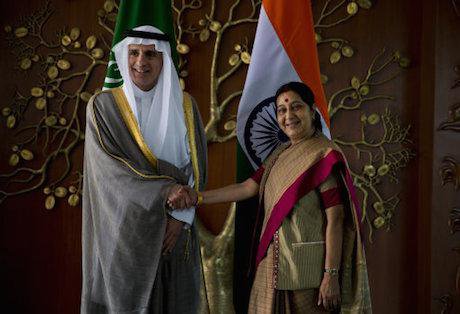
Saudi Arabia and India have signed a Memorandum of Understanding (MoU) to jointly explore the potential of establishing a transnational electricity grid. The agreement, signed between Saudi Energy Minister Prince Abdulaziz bin Salman and India’s Power Minister Raj Kumar Singh, represents a significant step towards energy collaboration, aligning with both nations’ ambitions to foster energy security, reduce emissions, and support the production of green hydrogen. This MoU was formalized during the Middle East and North Africa Climate Week in Riyadh, a platform that convened leaders to discuss sustainability and climate action.

The agreement outlines plans for technical and economic feasibility studies to assess the viability of cross-border power connectivity. Officials from both sides have expressed optimism about the project’s potential, which would facilitate the exchange of electricity during peak periods and in emergencies. The grid is expected to allow for efficient electricity trade between the two nations, leveraging renewable energy sources to stabilize their respective grids and reduce reliance on fossil fuels. This partnership comes amid broader efforts by both governments to prioritize sustainable energy and manage peak energy demands through enhanced interconnectivity.

In addition to the grid, Saudi Arabia and India agreed to explore opportunities in green hydrogen production, aiming to establish robust supply chains for materials essential to the renewable energy industry. These initiatives will rely on both countries’ natural resources and technological capabilities. India, with its extensive renewable energy infrastructure, and Saudi Arabia, with its abundant solar energy potential, are seen as complementary partners in this endeavor.

Top executives across various industries have expressed strong optimism about the role of artificial intelligence (AI) in driving decarbonization efforts and enhancing energy efficiency. As the world grapples with climate change and strives to meet net-zero goals, AI’s capabilities are being increasingly recognized as vital tools in this transformation. The discussions surrounding AI’s impact on energy and the environment have gained significant momentum in 2024, especially at […]

Authorities in the United Arab Emirates have extended the visa amnesty period for individuals overstaying their residency permits, providing a critical opportunity for many to regularize their status. Originally set to expire, this extension allows overstayers to benefit from a streamlined process aimed at reducing the number of illegal residents while supporting their reintegration into society. The extension is part of the UAE’s broader strategy to enhance […]

Hassana Investment Company, the investment arm of the Saudi Public Pension Agency, is set to invest $2 billion in Brookfield Asset Management’s new Middle East-focused fund. This partnership is part of a broader strategy to enhance investment opportunities in the region, signaling significant confidence in Brookfield’s capabilities to generate returns through diversified investments. The fund aims to capitalize on growing infrastructure and real estate needs within the […]

Mubadala Capital and Temasek’s Seviora Holdings are embarking on a collaborative journey to explore investment opportunities in the global market. This strategic partnership aims to leverage each firm’s unique strengths and expertise to identify promising sectors, particularly in technology, healthcare, and sustainability. The collaboration signals a proactive approach in a rapidly evolving investment landscape, as both entities seek to capitalize on emerging trends and the potential for high returns.

Mubadala Capital, the asset management arm of the Abu Dhabi-based Mubadala Investment Company, has a strong reputation for fostering innovative ventures and driving economic diversification. It manages a diverse portfolio that spans multiple sectors, including technology, healthcare, real estate, and energy. The firm has been actively investing in global markets, aiming to enhance the UAE’s economic landscape while ensuring sustainable growth. Their focus on strategic investments has led them to seek partnerships that can amplify their reach and impact.

Temasek’s Seviora Holdings, part of the Singaporean investment giant, also emphasizes a diversified portfolio, with substantial investments in growth sectors across the globe. Seviora Holdings aims to deliver long-term value by concentrating on companies and technologies that are expected to shape the future. This alignment with Mubadala Capital’s ethos presents a significant opportunity for both firms to share insights and resources, ultimately enhancing their investment strategies.

The collaboration comes at a time when global investment dynamics are shifting, particularly in the wake of economic uncertainties and geopolitical tensions. Investors are increasingly prioritizing sectors that not only promise financial returns but also contribute to social and environmental sustainability. This trend is reflected in Mubadala Capital and Seviora Holdings’ strategic focus, emphasizing investments that are resilient and aligned with sustainable development goals.

Both firms are likely to explore opportunities in technology, particularly in areas such as artificial intelligence, fintech, and digital health. The COVID-19 pandemic has accelerated digital transformation across various industries, leading to an influx of innovative startups seeking capital. Mubadala Capital has already established a strong presence in the technology sector through investments in prominent companies and venture funds. This expertise positions them well to identify and support promising technological innovations.

Healthcare is another area of interest for the partnership. The pandemic highlighted the critical need for advancements in healthcare technology and infrastructure. Both Mubadala Capital and Seviora Holdings recognize the potential for significant returns in this sector, particularly as the demand for innovative healthcare solutions continues to rise. Investments in telemedicine, biotechnology, and healthcare-related technologies are expected to remain focal points for both firms.

Sustainability is increasingly becoming a core aspect of investment strategies worldwide. Both Mubadala Capital and Seviora Holdings have demonstrated a commitment to sustainable investing, aligning their portfolios with environmental, social, and governance (ESG) criteria. The global shift towards renewable energy, waste management, and sustainable agriculture presents fertile ground for new investment opportunities. The partnership is expected to actively seek out ventures that not only offer financial returns but also contribute positively to society and the environment.

Geopolitical considerations are also influencing investment decisions. The partnership between Mubadala Capital and Seviora Holdings may allow them to navigate complex international markets more effectively, utilizing their combined knowledge and networks. Their collaboration could enable them to identify emerging markets and sectors that are poised for growth, especially in regions that are becoming increasingly attractive for foreign investment.

As Mubadala Capital and Seviora Holdings move forward with their investment exploration, their focus will likely remain on fostering partnerships with innovative companies and dynamic startups. The potential for co-investments and sharing of expertise will be crucial in identifying and nurturing businesses that can deliver strong returns while addressing pressing global challenges.

The economic landscape continues to evolve, with investors becoming more discerning in their choices. The collaboration between these two influential investment firms represents a significant step towards capitalizing on new opportunities while adhering to ethical and sustainable investment practices. As they seek out ventures that align with their strategic goals, the partnership is poised to play a vital role in shaping the future of investment in key sectors.

Saudi Arabia’s Public Investment Fund (PIF) has formalized its strategic collaboration with a leading Japanese financial institution through a series of memoranda of understanding (MoUs) potentially valued at up to $51 billion. This initiative aims to bolster investment opportunities and foster economic ties between the two nations, aligning with Saudi Arabia’s Vision 2030 agenda focused on economic diversification and sustainability.

The agreements underscore a growing trend of international partnerships that enhance the PIF’s global footprint. The MoUs cover a wide range of sectors, including technology, renewable energy, infrastructure, and entertainment. This move marks a significant step in PIF’s ongoing strategy to attract foreign investment while enabling Japanese companies to tap into Saudi Arabia’s burgeoning market.

The Japanese bank involved in the MoUs, a prominent player in the global financial landscape, has expressed commitment to collaborating on various projects that support Saudi Arabia’s long-term development goals. By leveraging Japan’s advanced technological expertise and experience in sustainable practices, the partnership aims to introduce innovative solutions to address pressing challenges in the Kingdom, particularly in areas such as clean energy and urban development.

Recent developments in the energy sector highlight a growing emphasis on sustainability. The PIF has been increasingly focused on renewable energy initiatives, with significant investments in solar and wind projects. This new partnership with the Japanese bank is expected to further accelerate these efforts, allowing for the exchange of knowledge and technology that can enhance the Kingdom’s energy landscape.

The PIF’s collaboration with Japanese entities is seen as a response to global shifts towards sustainability. As countries strive to meet their climate commitments, Saudi Arabia’s ability to innovate in green technology and invest in clean energy becomes paramount. The partnership aims to support Saudi Arabia’s ambitious goals of generating 50% of its power from renewable sources by 2030.

The PIF’s strategy aligns with the global trend of sovereign wealth funds diversifying their portfolios and seeking international partnerships to mitigate risks. This initiative illustrates the PIF’s commitment to building a resilient investment ecosystem that can withstand market fluctuations while promoting sustainable growth. By partnering with established international financial institutions, the PIF can leverage their expertise to enhance its investment strategies.

The collaboration is also a testament to Japan’s keen interest in participating in the Saudi market. Japanese companies have been increasingly exploring opportunities in the Kingdom, particularly in sectors like infrastructure and technology. The MoUs are expected to facilitate the entry of more Japanese firms into Saudi Arabia, potentially leading to the creation of jobs and the transfer of skills and technology.

Analysts view this partnership as a positive step for both nations. For Saudi Arabia, it presents an opportunity to diversify its economy and reduce dependence on oil revenues. For Japan, the collaboration allows access to one of the fastest-growing markets in the Middle East. The partnership aligns with Japan’s broader strategy of engaging with the Gulf Cooperation Council (GCC) nations to enhance trade relations and secure energy supplies.

As the world grapples with the impacts of climate change, the focus on renewable energy is becoming increasingly critical. The PIF’s proactive approach in collaborating with Japanese entities reflects its recognition of the importance of sustainable development. By investing in green technologies, Saudi Arabia positions itself as a leader in the global energy transition, attracting further investment and interest from international markets.

The partnership is expected to yield significant economic benefits for both countries. The infusion of Japanese capital and expertise into Saudi Arabia’s projects could lead to improved infrastructure, enhanced technological capabilities, and increased job creation. This, in turn, could stimulate economic growth and elevate the standard of living for many Saudis.

The PIF’s collaboration with the Japanese bank comes at a time when Saudi Arabia is actively seeking to enhance its global investment strategy. The PIF has set ambitious targets to grow its assets under management to over $2 trillion by 2030, focusing on sectors that align with the Kingdom’s long-term vision. The partnership with Japan is a strategic move in this direction, providing the PIF with the necessary tools and expertise to navigate the complexities of global markets.

By K Raveendran With clear indications that Israel is sparing Iranian oil facilities from attack, the downward pressure on oil has further increased and there is renewed talk of oil settling down around the level of $50 to the barrel. Crude has already fallen to early 70s and the demand-supply equations have not been particularly […]

HONG KONG SAR – Media OutReach Newswire – 31 October 2024 – Paul Chan, Financial Secretary of the Hong Kong Special Administrative Region (HKSAR) Government, is visiting Saudi Arabia to attend the FII (Future Investment Initiative) and strengthen the HKSAR’s connections with the country and the wider Middle East region. Hong Kong’s Financial Secretary, Paul Chan, speaking during his visit in Saudi Arabia. In Riyadh (October 30), […]

ORDOS, CHINA – Media OutReach Newswire – 31 October 2024 – On October 28, nearly 20,000 builders fought on the front line at the site of the 2.6 million tons of coal-to-olefins and supporting 400,000 tons of implanted green hydrogen coupling to olefins demonstration project in Baofeng, Inner Mongolia in Uxin Banner. In the past two days, the project has entered the final stage of equipment installation. […]

Bitcoin’s hashrate, an indicator of the computing power dedicated to its blockchain, reached a historic peak of 769.8 exahashes per second (EH/s) this month. This record figure represents a significant rise in mining activity and network security, underscoring a broader trend toward consolidation within the cryptocurrency mining industry. Major players in the field continue to expand their operations while smaller firms face mounting challenges driven by the rising operational costs and the impending 2024 “halving” event.

Since the onset of 2023, Bitcoin’s network has seen consistent hashrate growth, an outcome attributed to two main factors: advancements in mining hardware and the continuing global expansion of large-scale mining farms. Industry leaders have steadily invested in new, high-powered ASIC mining units, specifically designed to increase mining efficiency and profitability. As the network becomes more secure, smaller miners struggle to remain competitive, with analysts suggesting that the upcoming block reward halving may expedite a wave of industry consolidation. The halving, scheduled for April 2024, will reduce miner rewards from 6.25 BTC per block to 3.125 BTC, doubling the cost of producing each Bitcoin, thus favoring large mining entities with greater resources.

With Bitcoin’s rising computational power, the network becomes increasingly resilient to external attacks and manipulations. This enhancement reinforces investor confidence, given the decentralized system’s backbone of advanced security protocols. Such improvements in network integrity are drawing more institutional investors and firms seeking reliable blockchain technology for business applications. However, this strength also has implications for energy consumption, as the cumulative power required to maintain the network continues to climb. Bitcoin’s high electricity demands remain a focal point in debates about the environmental footprint of cryptocurrency mining.

Countries with historically low energy costs, including the United States, Canada, and Kazakhstan, have become attractive locations for mining companies. In the U.S., Texas has emerged as a prominent hub, largely due to favorable energy policies and renewable energy sources. However, fluctuating energy prices and increasing scrutiny over mining’s environmental impact have prompted some regions to reconsider their stance on Bitcoin mining.

The age of traditional keys is fading. With the rise of keyless entry technology, homeowners are experiencing a transformation in how they secure their homes. This modern convenience not only offers enhanced security but also simplifies our daily lives. From smart locks to app-based entry systems, keyless technology has become a must-have for those seeking convenience and peace of mind. In this blog post, we’ll explore the […]

Dubai International Airport (DXB) has attained a significant milestone in its sustainability efforts by receiving the Airport Carbon Accreditation (ACA) certification at the “Level 3+ Neutrality” stage. This recognition places DXB among a select group of international airports committed to environmental responsibility and carbon neutrality. The certification underscores the airport’s ongoing commitment to reducing its carbon footprint and enhancing sustainable practices in its operations. The Airport Carbon […]

HONG KONG SAR – Media OutReach Newswire – 30 October 2024 – China Mengniu Dairy Company Limited and its subsidiaries (together as “Mengniu”, the “Company” or the “Group”) (Stock Code: 2319) has signed a Memorandum of Understanding (“MOU”) with the Alliance for Water Stewardship (“AWS”) during the Shanghai Sustainable Water Management Forum to enhance collaboration in facilitating AWS certification, promoting water conservation among consumers, standardizing sustainable water […]

Abu Dhabi’s Economic Vision 2030 gains momentum with a pivotal collaboration between the Emirates Water and Electricity Company (EWEC) and the Abu Dhabi National Exhibitions Company (ADNEC). This partnership aims to transform the ADNEC Centre into a hub for clean energy, marking a significant step towards sustainable development in the region. The agreement, announced on October 30, 2024, highlights EWEC’s commitment to providing renewable energy solutions. By […]

A landmark budget for 2025 to 2027 has been approved by the Dubai Government, marking a pivotal step in its economic strategy. This new budget is set at an unprecedented AED 69.5 billion, representing a significant increase over the previous budget cycle, which focused on robust investment in infrastructure, education, and sustainability initiatives. The plan reflects Dubai’s ambition to enhance its status as a global economic hub and to foster innovation and growth across various sectors.

The approved budget highlights an allocation of AED 20.4 billion for infrastructure development, aimed at enhancing the city’s transport systems, public facilities, and digital infrastructure. This investment is expected to not only improve the quality of life for residents but also attract further investments and tourism. Additionally, AED 11 billion is earmarked for social development programs, emphasizing education and healthcare, ensuring that the benefits of growth reach all segments of society.

Economic recovery remains a central theme within the budget, as Dubai continues to rebound from the impacts of the global pandemic. The government anticipates an economic growth rate of 3.5% over the next three years, supported by strategic investments and initiatives that will bolster various sectors including tourism, trade, and technology. The commitment to a diversified economy is reflected in the emphasis on supporting small and medium-sized enterprises (SMEs), which are considered crucial for job creation and innovation.

The budget also prioritizes sustainability, with a dedicated allocation for green initiatives and projects that align with Dubai’s long-term vision of becoming one of the world’s most sustainable cities. Plans include the expansion of renewable energy sources and investments in waste management technologies, which aim to minimize environmental impact while promoting economic efficiency.

The budget includes provisions to enhance public services, particularly in areas such as education and healthcare. Investments in education are designed to equip the workforce with skills necessary for a rapidly changing global market. Healthcare spending is set to improve facilities and services, ensuring a high standard of living for all residents.

This ambitious budget reflects the government’s confidence in Dubai’s resilience and adaptability in the face of global challenges. The leadership aims to create a dynamic economic environment that fosters innovation, nurtures talent, and attracts international businesses. The government has actively engaged stakeholders across sectors to ensure that the budget meets the needs of the community while aligning with long-term strategic goals.

The tourism sector, a vital component of Dubai’s economy, is poised for a significant revival, bolstered by new attractions and events planned for the coming years. With major global events such as Expo 2020 having laid a foundation for increased international visibility, the government is keen on leveraging this momentum to further boost tourism and hospitality.

In terms of governance, the budget introduces measures aimed at enhancing transparency and accountability in financial management. The Dubai Government emphasizes its commitment to responsible spending and efficient use of resources, ensuring that public funds are utilized effectively to achieve the outlined objectives. This aligns with broader efforts to build trust among citizens and investors alike.

Experts have noted that the budget’s focus on innovation and technology is particularly relevant in today’s rapidly evolving global landscape. The allocation for digital transformation initiatives highlights the government’s recognition of technology as a key driver of economic growth. Investment in smart city projects is expected to enhance urban living while providing seamless services to residents and visitors.

The approval of this budget has been met with optimism among business leaders and economists, who see it as a signal of Dubai’s ongoing commitment to economic development and diversification. With an eye towards future challenges and opportunities, the government’s financial plan positions the emirate to navigate shifts in global markets effectively.

VISHNU RAJA
RYO YAMADA
HITORI GOTOH
IKUYO KITA