Just in:
OpenAI identifies 948 Linux privilege escalation flaws using AI // The “1st Greater Bay Area Health and Longevity Summit & Awards Ceremony” concludes successfully in Macao // Ousted top Kochi cop gets IG post // APT29-linked campaign exploits outdated Apple and Android software // Meraas showcases five residential zones at Dubai Design Week // SC to examine students’ exam plea today // Millions Of Indians May Soon Be Deprived Of Government Assistance // Miss Universe Hong Kong Jen Zhou Departs for Puerto Rico to Compete in the 75th Miss Universe World Final // Hong Kong mandates crypto transaction disclosures to tax authorities // Cloudflare unveils Zero Wire vulnerability intelligence service // Xi Jinping Preparing For A Trilateral Summit With Trump And Putin At APEC Summit On Nov 18-19 // Vance attributes Republican midterm defeats to Iran conflict // Dubai boat show confirms international shipyard line-up for November // ADIA and partners establish $1.4 billion aviation venture // e-Crime Bureau Signs Cybersecurity Partnership With Smart Africa, Reinforcing Its Global Expansion // Middle East governments assess Iran war after US vote // After Reaching 7 Million Users in the Philippines, Skyro Launches Transparent Cash Loans in Malaysia // Asia Left Behind: Ten international companies have yet to report delivering on their cage-free egg pledges across the region // Ta’ziz finalises $1.39bn funding for Ruwais industrial facilities // Trump’s Iran War Has A Share Of Contribution To His Midterm Debacle //

News related to
energy

Abu Dhabi National Oil Company is evaluating a potential acquisition of Aethon Energy Management’s US-based natural gas assets, a move that could significantly bolster its presence in the North American energy market. The assets under consideration are valued at approximately $9 billion and are primarily located in the Haynesville shale region spanning Louisiana and East Texas.

Aethon Energy Management stands as one of the largest privately held natural gas producers in the United States, with a focus on the Haynesville shale formation. The company has been exploring strategic options, including a potential sale or initial public offering, with valuations reportedly reaching up to $10 billion. Discussions regarding the acquisition are in preliminary stages, and no definitive agreements have been reached.

This potential acquisition aligns with ADNOC’s broader strategy to diversify its energy portfolio and expand its global footprint. The company has been actively investing in gas, chemicals, liquefied natural gas , and renewable energy sectors. Notably, ADNOC has established XRG, an international investment arm with an enterprise value exceeding $80 billion, aimed at capitalizing on the global demand for lower-carbon energy solutions.

ADNOC’s recent investments include a stake in NextDecade’s LNG export project in Texas, accompanied by a 20-year supply agreement. Additionally, the company has acquired a 10% equity stake in the Area 4 concession of Mozambique’s Rovuma basin, enhancing its LNG production capacity. These strategic moves underscore ADNOC’s commitment to becoming a leading player in the global energy transition.

Global oil demand projections for 2025 have been adjusted downward by the Organization of the Petroleum Exporting Countries , marking the first such revision since December. The updated forecast anticipates a growth of 1.30 million barrels per day in 2025, a reduction of 150,000 bpd from previous estimates. Similarly, the 2026 forecast has been lowered to 1.28 million bpd. This adjustment reflects weaker-than-expected data from the first […]

The United States and Saudi Arabia are preparing to sign a preliminary agreement to collaborate on the development of a civil nuclear industry in the Kingdom. This marks a significant step in the two countries’ ongoing energy partnership, reflecting shared interests in enhancing the security and sustainability of global energy resources.

US Energy Secretary Chris Wright, addressing reporters in Riyadh, confirmed the impending deal, which is set to open a new chapter in Saudi Arabia’s ambitions to develop its own nuclear energy sector. The announcement comes amid growing global demand for cleaner and more sustainable energy solutions. Wright’s comments emphasised the importance of this agreement in both supporting Saudi Arabia’s long-term energy goals and strengthening the bilateral ties between the two nations.

The move follows Saudi Arabia’s ambitious Vision 2030 initiative, a broad economic reform programme designed to diversify the country’s economy away from its heavy reliance on oil exports. Among its many facets, Vision 2030 aims to establish a robust nuclear energy sector that can generate significant portions of the country’s electricity, reducing its dependence on fossil fuels. This is crucial for the Kingdom as it seeks to address both domestic energy needs and environmental concerns.

Saudi Arabia has made significant strides in recent years towards the development of nuclear energy. In 2018, the country’s nuclear authorities announced plans to construct two nuclear reactors by 2030, as part of a broader strategy to introduce nuclear power as a reliable energy source. These efforts have garnered attention from global nuclear power experts and energy companies, particularly those from the US, Russia, and China, all of which are vying for a role in the development of the Saudi nuclear industry.

The United States’ involvement in this sector is not new. Over the past decade, American firms have been at the forefront of nuclear technology development, exporting their expertise in reactors, fuel production, and regulatory frameworks. Saudi Arabia’s decision to move forward with a preliminary agreement highlights the growing importance of collaboration with nuclear powers like the US to achieve these ambitious goals. Additionally, American support could help ensure that the Kingdom adheres to international nuclear safety standards, a crucial consideration in the nuclear energy field.

The potential partnership between the US and Saudi Arabia is a step forward in strengthening their long-standing relationship, which spans multiple areas including defence, trade, and energy. Saudi Arabia’s energy infrastructure, heavily dependent on oil, has been under increasing pressure to adapt to the changing global energy landscape. As the world moves towards more sustainable energy sources, Saudi Arabia aims to take advantage of nuclear energy’s potential to generate electricity without emitting the high levels of greenhouse gases associated with fossil fuel consumption.

For the United States, the deal also represents a strategic move to expand its influence in the Middle East’s evolving energy market. The US has long maintained strong energy ties with the Kingdom, but this agreement will further cement its role as a key partner in Saudi Arabia’s energy diversification plans. By providing expertise in the nuclear field, the US ensures that it will be a prominent player in shaping the future of Saudi Arabia’s energy sector.

Critics, however, have raised concerns about the environmental impact of nuclear energy, especially with the potential risks associated with radioactive waste disposal and reactor safety. Despite these concerns, both nations appear committed to ensuring that the nuclear technology used in Saudi Arabia meets the highest safety standards. The Kingdom’s regulatory bodies are expected to follow stringent international protocols, a key point of focus in the upcoming agreement.

In the broader context, this agreement comes at a time when nuclear energy is experiencing a resurgence globally, driven by the need for cleaner alternatives to fossil fuels. Countries like China and Russia have been aggressively advancing their own nuclear energy sectors, while nations in Europe and Asia are exploring similar initiatives. With the increasing demand for clean energy, Saudi Arabia’s foray into the nuclear power industry positions it as a potential leader in the region, with the ability to export energy solutions to neighbouring countries.

The US-Saudi nuclear cooperation deal also plays a part in the shifting dynamics of international geopolitics. The Middle East has long been a region of strategic importance, and energy remains a critical element in the geopolitical landscape. By fostering deeper cooperation with Saudi Arabia, the US further solidifies its influence in the region, while also promoting energy security for both countries.

Hypertec Cloud has merged with 5C Data Centres in a move set to revolutionise the AI infrastructure landscape. The newly formed entity, 5C Group, combines both companies’ strengths, solidifying their presence in the rapidly expanding AI market. With a commitment to delivering state-of-the-art data centres and cloud services, the merger is poised to address growing demands in sectors such as artificial intelligence, cloud computing, and data processing. […]

European stock markets gained ground on Monday, with investor sentiment buoyed by expectations of a break from the escalation of global trade tensions. As concerns over tariffs eased, the market shifted its focus towards corporate earnings for the first quarter, which could offer valuable insights into the resilience of businesses amidst ongoing global challenges. The major indices in Europe showed positive momentum, with investors optimistic about potential […]

10+ conceptual inventions from student teams of primary and secondary schools in Hong Kong were exhibited for the first time at the top international exhibition HONG KONG SAR – Media OutReach Newswire – 13 April 2025 – The Hong Kong Innovation and Invention(HKII), a project organised by the Hong Kong Exporters’ Association (HKEA), presented over 60 innovations by around 30 local innovation and technology companies and student […]

JSW Neo Energy has successfully completed the acquisition of a 4.7 GW renewable energy platform from O2 Power, marking a significant leap in its energy portfolio. This acquisition brings the total capacity of JSW Neo Energy to 12.2 GW, positioning it closer to its ambitious target of reaching 20 GW by 2030. The deal is part of the company’s strategic push to solidify its presence in India’s rapidly growing renewable energy sector.

With the energy landscape in India transitioning towards a more sustainable future, JSW Neo Energy’s expansion aligns with the government’s vision of achieving 500 GW of non-fossil fuel-based power capacity by 2030. The platform acquired from O2 Power, which includes both operational and under-construction projects, covers a diverse mix of solar and wind energy. These assets are expected to provide significant long-term revenue streams and diversify JSW Neo Energy’s renewable portfolio.

This move comes as part of JSW Energy’s broader strategy to accelerate its green energy initiatives. In line with this, the company aims to focus on scaling up its renewable capacity while phasing out fossil fuel-based assets. The acquisition enhances JSW Neo Energy’s position as one of India’s key players in the renewable energy market, alongside other major industry players such as ReNew Power, Adani Green, and NTPC. The renewable energy sector, which has seen robust growth due to favorable policy frameworks and increasing investment, is becoming an attractive space for both established energy companies and new entrants.

O2 Power, a prominent renewable energy developer in India, made the decision to divest a part of its portfolio as part of its strategy to streamline operations and focus on other business ventures. The deal reflects a broader trend in India’s renewable energy sector, where companies are consolidating and scaling operations to meet the increasing demand for clean energy. This transaction also underscores the competitive landscape in the sector, with firms vying for a larger share of the renewable energy pie.

For JSW Neo Energy, this acquisition not only expands its operational footprint but also accelerates its progress towards meeting India’s energy transition goals. The company has been actively involved in both the solar and wind energy segments and plans to continue investing in projects that enhance its renewable energy capacity. In recent years, JSW Neo Energy has been building its portfolio through a series of acquisitions and partnerships, including deals with leading international investors and developers.

The renewable energy sector in India has witnessed increased investments, supported by policy initiatives such as the National Wind-Solar Hybrid Policy and the Renewable Energy Purchase Obligation , which mandate that utilities must procure a certain percentage of power from renewable sources. These policies have created a conducive environment for energy companies like JSW Neo Energy to expand and scale their operations.

The push towards renewable energy also reflects a growing awareness of the need to address climate change and reduce reliance on fossil fuels. India has committed to achieving net-zero emissions by 2070, with an interim target of achieving 50% of its energy needs from non-fossil fuel sources by 2030. This aligns with JSW Neo Energy’s commitment to sustainable growth and its long-term vision of becoming a leader in the green energy space.

Experts in the industry believe that the consolidation of renewable energy assets through acquisitions, such as the one completed by JSW Neo Energy, is crucial for driving economies of scale. By consolidating assets, companies can reduce operational costs, increase efficiency, and improve their financial viability. Additionally, large-scale renewable projects allow companies to attract capital more easily, which is essential for financing the growth of the sector.

Advertisements

The cryptocurrency market is undergoing notable shifts as key players continue to evolve and capture the attention of investors. BlockDAG, a blockchain alternative, has secured a substantial $213 million, marking a significant milestone in its rise as an emerging contender in the blockchain space. Meanwhile, Ethereum is pushing forward with upgrades aimed at improving scalability and reducing transaction costs, while Shiba Inu is testing key price levels, potentially positioning itself for a strong rally.

BlockDAG, a Distributed Acyclic Graph technology, has been garnering significant interest due to its ability to overcome some of the limitations of traditional blockchain systems. Unlike conventional blockchains, where transactions are linked sequentially, BlockDAG allows for multiple branches to be added in parallel, offering greater scalability and speed. This new approach is seen as a potential game-changer for industries requiring high throughput and low latency.

The recent funding round, which saw BlockDAG secure $213 million without the involvement of traditional venture capital firms, underscores the growing confidence in the technology’s potential. Investors have expressed interest in the efficiency of BlockDAG’s architecture, which promises to provide faster and cheaper transactions than established blockchains. The funding will be pivotal for BlockDAG to accelerate its development and expand its reach.

BlockDAG’s appeal is evident in its potential to scale more efficiently than other blockchain systems. Ethereum, for instance, continues to face scalability challenges despite its status as one of the most widely used blockchain networks. Ethereum has been pushing forward with key upgrades such as Pectra, which aims to significantly enhance the network’s scalability and reduce gas fees. These upgrades are intended to address ongoing concerns regarding transaction speed and high costs, which have often been cited as barriers to broader adoption.

The upgrade is part of Ethereum’s ongoing efforts to make the platform more efficient as it seeks to maintain its dominance in the decentralised finance space. As Ethereum progresses with its upgrades, it remains to be seen whether it will successfully fend off emerging competitors like BlockDAG, which offer distinct technological advantages.

In parallel, Shiba Inu , often referred to as a meme coin, is witnessing heightened interest as it tests a critical resistance level at $0.0000134. A breakthrough above this resistance could pave the way for a potential 20% rally, enticing speculative investors who have supported SHIB’s meteoric rise. SHIB’s rise from a meme coin to a more serious contender in the crypto space highlights the power of community-driven assets, with its strong social media presence and dedicated following.

SHIB’s price movements have attracted attention from analysts who are closely watching the cryptocurrency for signs of sustained growth. The current resistance level is seen as a crucial point for determining whether SHIB can maintain its momentum or face a downturn. If SHIB manages to break through the $0.0000134 level, it would likely attract further investment, particularly from retail traders seeking high-risk, high-reward opportunities.

Ethereum’s position as the second-largest cryptocurrency by market capitalisation also plays a significant role in the broader market’s direction. The advancements Ethereum continues to make with its ongoing upgrades could have a ripple effect across the broader cryptocurrency market. Other blockchain projects and tokens that rely on Ethereum’s network, such as decentralized applications , will likely benefit from improvements in scalability and transaction efficiency.

The continued growth of DeFi, along with the rise of alternative Layer-1 blockchains such as Solana, Avalanche, and now BlockDAG, signals an increasingly competitive landscape for Ethereum. As these platforms push the envelope on speed, cost-effectiveness, and scalability, Ethereum’s position as the go-to blockchain for smart contracts and decentralised applications will be tested in the years ahead.

Developments in the Ethereum network, especially with projects like Pectra, highlight the ongoing arms race among blockchain platforms to deliver superior performance for various use cases. Ethereum’s transition to Ethereum 2.0 is designed to address long-standing issues such as network congestion, with the proof-of-stake consensus mechanism playing a crucial role in making the network more energy-efficient.

Despite the growth of Ethereum and other competitors, the market remains highly volatile, with projects like BlockDAG, which promises high throughput and low transaction fees, providing a compelling alternative to the limitations of traditional blockchain systems. With institutional and retail investor interest intensifying, the race to capture market share in the rapidly growing blockchain space is becoming more competitive than ever.


Mubadala Energy, the international energy arm of Abu Dhabi’s Mubadala Investment Company, has entered the US energy sector by acquiring a 24.1% stake in SoTex HoldCo, a portfolio of Kimmeridge Energy Management. The transaction, executed through the issuance of new equity, marks Mubadala’s inaugural investment in the United States. SoTex HoldCo encompasses two key assets: Kimmeridge Texas Gas , an upstream natural gas producer operating in South […]

U.S. shale oil producers are confronting a challenging landscape as falling crude prices, escalating tariffs, and global market shifts undermine the sector’s profitability and growth prospects. Despite technological advancements that have bolstered production efficiency, the convergence of economic and policy pressures is prompting a reassessment of the industry’s trajectory.

Crude oil prices have declined to approximately $55 per barrel, a level below the $65 threshold that many U.S. shale companies require to maintain profitable operations. This price drop is attributed to a combination of increased output from the Organization of the Petroleum Exporting Countries and the impact of tariffs on imported equipment, which have raised operational costs for domestic producers. The U.S. Energy Information Administration has adjusted its 2025 crude price forecast downward from $70.68 to $63.88 per barrel, reflecting these market dynamics.

The rig count, a key indicator of drilling activity, has experienced a significant decline. According to Baker Hughes, the number of active oil rigs in the U.S. fell by nine in the past week, marking the largest single-week drop since June 2023. The Permian Basin, the nation’s most prolific shale region, saw its rig count decrease by five to 289, the lowest level since December 2021. This trend suggests a cautious approach among producers in response to the current economic environment.

President Donald Trump’s administration has advocated for increased domestic energy production as part of its “America First” agenda. However, the imposition of tariffs, particularly on steel and other imported equipment essential for drilling operations, has inadvertently strained the sector. Industry analysts warn that these policies may counteract efforts to achieve energy dominance by making U.S. oil less competitive on the global stage.

Efforts to expand U.S. energy exports have also encountered obstacles. The administration’s proposal for the European Union to purchase $350 billion worth of American energy products to address trade imbalances has been met with skepticism. European officials cite logistical challenges, existing long-term contracts with other suppliers, and a strategic emphasis on energy diversification as barriers to such a substantial shift in procurement.

Despite these challenges, U.S. shale production is projected to reach new heights. BloombergNEF forecasts a 4.5% increase in output, bringing production to a record 13.9 million barrels per day in 2025. This growth is attributed to improved drilling techniques and efficiencies that allow for greater output with fewer rigs. However, the sustainability of this growth is uncertain amid the current economic pressures.

The industry’s focus has shifted toward capital discipline and shareholder returns, moving away from aggressive expansion strategies. This shift, combined with the financial strain of tariffs and low oil prices, has led to a more conservative approach to drilling and investment. Some companies are exploring mergers and acquisitions as a means to consolidate resources and reduce operational costs.

Technological advancements continue to play a role in enhancing production efficiency. Innovations such as longer lateral wells and simultaneous fracturing of multiple wells have improved output per rig. However, the benefits of these technologies may be offset by the increased costs associated with tariffs and the need for significant upfront investment.

The Nigerian National Petroleum Company Limited is under increasing scrutiny following the suspension of its Naira-for-Crude policy, a move that has drawn sharp criticism from various stakeholders who argue it undermines local refinery operations and exacerbates economic challenges. Introduced in October 2024, the Naira-for-Crude initiative aimed to supply crude oil to domestic refineries in exchange for payment in Naira, thereby reducing reliance on foreign exchange and stabilizing […]

Zambia is set to resume construction of a high-voltage transmission line connecting its power grid with Tanzania’s, a move expected to enhance energy security and foster economic integration across Eastern and Southern Africa. The Zambia–Tanzania Interconnector Project , backed by a $292 million financing package from the World Bank, the UK Foreign, Commonwealth & Development Office, and the European Union, aims to establish a 620-kilometre, 400kV double-circuit […]

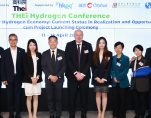
HONG KONG SAR – Media OutReach Newswire – 11 April 2025 – As a low-carbon energy source with significant development potential, hydrogen energy is recognised as a vital component of future national energy strategies. To address the increasing industry demand for hydrogen energy applications, the Technological and Higher Education Institute of Hong Kong (THEi) is actively advancing the development of the hydrogen energy sector. Funded by the […]

Ajman Bank has divested its stake in Gulf Navigation Holding, concluding a series of direct share transactions valued at AED 173.4 million over the past month. Data from the Dubai Financial Market indicates that nine direct deals, each ranging between 2.6 million and 9 million shares, were executed since March 5. This move signifies the bank’s complete exit from its investment in the Dubai-based shipping company. Previously, […]

The European Union and the United Arab Emirates have agreed to commence negotiations for a bilateral free trade agreement, marking a significant shift in their economic relations. This development comes amid global trade uncertainties and reflects both parties’ desire to deepen ties across various sectors.

The proposed agreement aims to enhance trade in goods and services, investment, and collaboration in key sectors such as renewable energy, green hydrogen, and critical raw materials. The UAE described the pact as a pathway to deeper bilateral ties and economic growth, with benefits including tariff reductions, improved market access, and expanded opportunities in advanced manufacturing, healthcare, logistics, and artificial intelligence.

Currently, the EU is the UAE’s second-largest trading partner, representing 8.3% of its non-oil trade, while the UAE stands as the EU’s top export market and investment partner in the Middle East and North Africa. The deal also marks a strategic shift, as the UAE encouraged direct trade discussions with the EU outside of the broader Gulf Cooperation Council framework.

The UAE has been actively pursuing trade diversification, achieving a record 3 trillion dirhams in non-oil trade in 2024, marking a 14.6% increase from the previous year. This growth is part of the UAE’s strategy to spur economic growth through trade diversification. Since 2021, it has executed numerous Comprehensive Economic Partnership Agreements with countries such as India, Indonesia, Israel, and Turkey.

Abu Dhabi-based Mubadala Energy has announced a strategic partnership with Kimmeridge Energy Management to acquire a significant stake in the Commonwealth LNG project in Cameron, Louisiana. This move marks Mubadala Energy’s inaugural investment in the United States’ liquefied natural gas sector, aligning with its strategy to expand its gas portfolio amid the global energy transition.

Kimmeridge Energy Management, through its subsidiary Kimmeridge Texas Gas, acquired a 90% stake in Commonwealth LNG in June 2024. The project is developing a 9.5 million metric tons per annum LNG export facility on the west bank of the Calcasieu Ship Channel. The acquisition aimed to advance the project towards a final investment decision by the end of the second quarter of 2025.

In August 2023, Commonwealth LNG secured development capital from Kimmeridge, completing the funding required to reach FID. The two companies agreed in principle on a 20-year, 2 mtpa LNG offtake commitment from the facility, along with associated gas supply. This agreement also included terms for Kimmeridge’s participation in providing further equity to support the construction of the facility.

Mubadala Energy’s entry into the partnership brings additional financial strength and international expertise to the Commonwealth LNG project. While specific details of Mubadala’s investment have not been disclosed, the collaboration is expected to enhance the project’s prospects amid a competitive and evolving LNG market.

The Commonwealth LNG project has faced regulatory challenges, particularly concerning the U.S. Department of Energy’s approval process for LNG export licenses. The project has been awaiting an export permit for over a year, with delays attributed to the Biden administration’s pause on LNG export-permit reviews. Kimmeridge’s Managing Partner, Ben Dell, expressed optimism that the pause could be lifted early next year, potentially allowing the project to reach FID in the fourth quarter of 2025.

In anticipation of regulatory approvals, Commonwealth LNG has been proactive in securing partnerships and agreements to bolster the project’s development. In August 2023, the company entered into a collaboration with Baker Hughes for the supply of gas compression technology and equipment, aiming to commence production in early 2027. Additionally, Commonwealth LNG and Kimmeridge Texas Gas committed to natural gas certification under MiQ standards, reflecting a focus on environmental responsibility.

Morocco is poised to become a central figure in Africa’s digital transformation as it prepares to host the third edition of GITEX Africa Morocco from 14 to 16 April 2025 in Marrakech. This event, held under the High Patronage of His Majesty King Mohammed VI, is organized by the Ministry of Digital Transition and Administration Reform in partnership with the Digital Development Agency (ADD) and KAOUN International. […]

Smart Mobility International , a UAE-based distributor of New Energy Vehicles , has entered into a strategic partnership with IM Motors, a Chinese electric vehicle manufacturer co-founded by SAIC Motor, Alibaba Group, and Shanghai Zhangjiang Hi-Tech Park Development. This collaboration aims to introduce IM Motors’ premium electric vehicles to the United Arab Emirates , marking the brand’s inaugural entry into the Gulf Cooperation Council region.

IM Motors, established in 2020, has rapidly gained recognition for its innovative approach to electric mobility. The company’s vehicle lineup includes models such as the IM L7 sedan and the IM LS7 SUV, both of which have garnered attention for their advanced technology and design. In March 2024, IM Motors secured over 8 billion yuan in a Series B equity financing round. This funding, one of the largest investments in Chinese EV brands in recent years, was led by prominent state-backed investors, including Bank of China’s asset management unit, an investment arm of Agricultural Bank of China, and Shanghai government-backed Lingang Group. The capital infusion is earmarked for the development of new smart car models, technological advancements, and overseas expansion plans.

SMI has been proactive in aligning with the UAE’s vision for sustainable transportation. In January 2025, the company announced the opening of a specialized NEV service center in Dubai’s Al Quoz automotive district. This facility is designed to offer comprehensive maintenance services tailored to electric vehicles, including quick service areas, specialized battery care sections, and advanced diagnostic tools. The initiative reflects SMI’s commitment to supporting the UAE’s goal of increasing NEVs to 50% of the total vehicles on the nation’s roads by 2050.

The partnership between SMI and IM Motors is poised to introduce a range of premium electric vehicles to the UAE market. While specific models and timelines have yet to be announced, industry observers anticipate that IM Motors’ flagship vehicles, such as the IM L7 and IM LS7, will be among the first offerings. These models are known for their cutting-edge features, including autonomous driving capabilities, advanced infotainment systems, and impressive driving ranges.

The UAE’s automotive market has witnessed a surge in interest towards electric vehicles, driven by government initiatives promoting sustainable energy and reducing carbon emissions. The introduction of IM Motors’ vehicles is expected to cater to the growing demand for high-performance, environmentally friendly transportation options.

Sheikh Hamdan bin Mohammed bin Rashid Al Maktoum, the Crown Prince of Dubai, Deputy Prime Minister, and Minister of Defence, has embarked on his inaugural official visit to India. During this visit, he engaged in discussions with Prime Minister Narendra Modi, focusing on enhancing the multifaceted ties between the United Arab Emirates and India. The meeting, held in New Delhi, underscored the enduring relationship between the two […]

Global oil prices have fallen to their lowest levels in over four years, driven by escalating trade tensions and fears of a global economic slowdown. Brent crude dropped by 3.79% to $60.44 per barrel, while West Texas Intermediate declined by 4.13% to $57.12, marking their lowest points since February 2021. This decline follows the United States’ implementation of 104% tariffs on Chinese imports, after Beijing maintained its 34% retaliatory tariffs on U.S. goods. The escalating tit-for-tat measures have dampened hopes for a swift resolution, raising concerns about a deepening global recession and diminishing energy demand.

Compounding the situation, the Organization of the Petroleum Exporting Countries and its allies plan to increase output by 411,000 barrels per day in May, potentially leading to a supply surplus. Analysts warn that this move could further destabilize the market. Despite a slight easing from a 1.1 million-barrel decrease in U.S. crude inventories, overall sentiment remains bearish. Goldman Sachs forecasts further declines in oil prices through 2025 and 2026. Additionally, Russia’s ESPO Blend oil has, for the first time, dropped below the $60 Western price cap, underlining the global pressure on oil markets.

In Canada, oil and gas executives are adopting a cautious approach in response to the price slump. Doug Bartole, CEO of InPlay Oil, indicated that while immediate cutbacks in production or spending are not planned, sustained low prices, especially around $50 per barrel, could prompt strategic reassessments. InPlay recently completed a C$321 million acquisition of Alberta oil assets from Obsidian Energy, despite market uncertainties. Analysts from ATB Capital Markets have downgraded InPlay’s share target based on current low WTI price levels. Economist Peter Tertzakian noted that while major oil sands companies can sustain lower prices, smaller firms may need to adjust capital expenditures if the price slump continues. Meanwhile, Birchcliff Energy CEO Chris Carlsen highlighted a potential benefit for natural gas producers, as reduced oil drilling may decrease associated gas output, potentially tightening supply.

The sharp decline in oil prices poses significant challenges for Saudi Arabia’s ambitious Vision 2030 megaprojects, including the futuristic Neom city. Oil remains the backbone of the kingdom’s economy, despite efforts to diversify. With Brent crude recently falling to $62 a barrel and forecasts suggesting further declines due to global economic instability and increased OPEC+ output, the country faces a budget deficit and reduced oil-derived income. Saudi Aramco’s anticipated dividends have dropped significantly, compounding financial pressures. Analysts expect the government may scale back or delay lower-priority projects, focus on key investments like global events, or increase borrowing and taxation. Notably, plans for “The Line” have reportedly been reduced to a 1.5-mile stretch associated with the 2034 FIFA World Cup. Despite reassurances from Saudi officials, concerns persist that the ambitious Neom development, championed by Crown Prince Mohammed bin Salman, may need to be downsized unless oil revenues recover.

The U.S. administration’s tariff policies have been a significant factor in the market’s volatility. While some argue that the tariffs, impacting about 1% of the $28 trillion U.S. economy, are intended to shift global trade dynamics in favor of the United States and counter countries like China, others believe that the market’s reaction has been exaggerated. Despite the uproar, these tariffs would channel approximately $300 billion annually to the U.S. Treasury. Critics argue that the U.S., while the world’s largest importer, has a relatively low import-to-GDP ratio compared to other countries. They contend that China has more to lose in a trade war due to its export-reliant economy and employment structure. American public sentiment appears cautiously supportive of fair trade measures, especially against perceived Chinese industrial subsidies. Some suggest that markets should adopt a wait-and-see approach rather than panicking, likening the administration’s stance to the backlash faced by UK Prime Minister Liz Truss over her economic reform attempts, suggesting a resistance to market-driven pressure.

Falling oil prices, encouraged by policies aimed at reducing regulatory burdens, may bring lower gasoline costs but also discourage new oil production due to unprofitable pricing levels and economic uncertainty. Efforts to stimulate future energy production, such as expanding drilling access and reviving coal via executive order, are counterbalanced by cautious industry investment amidst global trade tensions. Additionally, March 2025 was the second-warmest on record globally, with Arctic sea ice hitting a near half-century low, continuing a concerning trend of climate anomalies. On the tech front, battery startup Bedrock Materials is shutting down due to competitiveness issues against cheaper lithium-ion technology from China. Meanwhile, Tesla alum Drew Baglino’s Heron Power is raising $50 million to develop advanced solid-state transformers, reflecting continued clean-tech investment. Furthermore, the Bezos Earth Fund and Global Methane Hub announced a $27.4 million initiative to identify and breed cattle and sheep that emit less methane, a step toward sustainable livestock farming. These developments reflect significant intersections between policy, environment, and innovation shaping global energy and climate landscapes.

AMD is preparing to launch the Ryzen Z2 Extreme processor in early 2025, a move anticipated to significantly enhance performance and battery life in handheld gaming devices. This development follows the success of the Ryzen Z1 Extreme, which powered devices like the Asus ROG Ally X and Lenovo Legion Go. The Z2 Extreme is expected to feature eight CPU cores—a combination of three high-performance Zen 5 cores […]

Goldman Sachs Group Inc. has cautioned that Brent crude oil prices could plummet below $40 per barrel under extreme scenarios, as escalating trade tensions between the United States and China exacerbate fears of a global economic downturn. This warning follows the bank’s recent downward revision of its 2025 Brent crude forecast to $77 per barrel, a $5 reduction from earlier estimates, citing unexpected increases in oil inventories and sluggish demand growth from China.

The ongoing trade dispute has led to significant market volatility, with President Donald Trump’s administration imposing tariffs of up to 60% on Chinese goods and 25% on steel imports. These aggressive measures have rattled global markets, leading to a bear market for the S&P 500 and substantial losses across major indices, including the FTSE 100 and DAX.

In response to these developments, OPEC+, the alliance of the Organization of the Petroleum Exporting Countries and its partners, announced an unexpected production increase of 411,000 barrels per day starting in May. This move aims to discipline non-OPEC supply but has contributed to a surplus, further depressing oil prices.

Analysts at Goldman Sachs have outlined several scenarios that could lead to a sharp decline in oil prices. For instance, if Chinese oil demand remains flat, Brent crude could drop to $60 per barrel. Additionally, the imposition of a comprehensive 10% tariff on imported goods by the U.S. could drive prices down to $63 per barrel. A full reversal of OPEC’s additional production cuts of 2.2 million barrels per day could further push prices to $61 per barrel.

The repercussions of these developments are multifaceted. While consumers may benefit from lower fuel prices, energy companies, particularly those involved in U.S. shale production, face significant financial strain. Major firms such as Chevron, Occidental Petroleum, and Diamondback Energy have already experienced notable stock declines.

The broader economic implications are equally concerning. The combination of escalating trade tariffs and increased oil production has heightened fears of a global recession. Financial institutions, including JPMorgan, have raised their recession forecasts, reflecting the growing economic uncertainties.

Investors should brace for volatility to remain a defining feature of financial markets until at least September, as a new era of trade disruption, inflation pressures, and global realignments gathers pace. Markets are still reeling from the deepening fallout of President Donald Trump’s sweeping tariff offensive. After his aggressive trade moves last week — dubbed Liberation Day by the White House — equities have suffered one of […]

Greenlogue/AP NEOM Green Hydrogen Company has initiated a substantial recruitment campaign to staff its forthcoming green hydrogen facility at Oxagon in Saudi Arabia’s northwestern region. This initiative seeks to attract skilled professionals across various departments, including Corporate, Environment, Health, Safety, and Security , Risk Management, Operations & Maintenance, Finance, Information Technology, and Cyber Security. The construction of this plant is progressing on schedule, with full operational capacity […]

VISHNU RAJA
RYO YAMADA
HITORI GOTOH
IKUYO KITA
Just in:
Cloudflare unveils Zero Wire vulnerability intelligence service // APT29-linked campaign exploits outdated Apple and Android software // e-Crime Bureau Signs Cybersecurity Partnership With Smart Africa, Reinforcing Its Global Expansion // Vance attributes Republican midterm defeats to Iran conflict // TVM –Mangaluru Vande Bharat claims top spot // Oil and chip shares retreat after Democratic victories // Middle East governments assess Iran war after US vote // Private varsities bill all set to face the axe // ADIA and partners establish $1.4 billion aviation venture // Kochi police detain two actors over bid to honey trap doctor // Miss Universe Hong Kong Jen Zhou Departs for Puerto Rico to Compete in the 75th Miss Universe World Final // CR Longdation Aethereal Cybersecurity × Global Cybersecurity Alliance (GCSA) Join Hands to Establish the “AI and Cybersecurity Research Centre” // Emirates Group records AED 4.1 billion half-year profit // SC to examine students’ exam plea today // Ta’ziz finalises $1.39bn funding for Ruwais industrial facilities // Xi Jinping Preparing For A Trilateral Summit With Trump And Putin At APEC Summit On Nov 18-19 // Millions Of Indians May Soon Be Deprived Of Government Assistance // Meraas showcases five residential zones at Dubai Design Week // Fast Just Got Fastest: STING Energy Boost™ Celebrates Kimi Antonelli’s Formula 1® World Championship and the Fan Energy Behind It // Dubai boat show confirms international shipyard line-up for November //