News related to
energy

United Development Company (UDC), a prominent real estate and investment firm in Qatar, has finalized an agreement to divest a 40% stake in Qatar Cool, the leading district cooling service provider in the region. This strategic move is poised to bolster UDC’s financial position while allowing Qatar Cool to enhance its operational capabilities and expand its service offerings. The deal underscores the growing importance of sustainable energy solutions in Qatar’s rapidly developing economy.

Qatar Cool, which was established in 2003, has been instrumental in providing efficient cooling solutions to various sectors, including residential, commercial, and industrial clients. The company has a significant footprint in Qatar, servicing landmark projects such as The Pearl-Qatar, Lusail City, and various governmental facilities. The district cooling model has gained traction in the Gulf region, particularly in Qatar, where high temperatures necessitate energy-efficient cooling solutions.

The decision by UDC to divest a portion of its stake comes at a time when the demand for district cooling services continues to rise, driven by increasing urbanization and the ongoing development of large-scale infrastructure projects. Industry analysts view this divestment as a move that will allow UDC to unlock capital for reinvestment into its core real estate ventures while also enabling Qatar Cool to leverage the new partnership for growth opportunities. The transaction is expected to close within the coming months, pending regulatory approvals.

As the largest shareholder in Qatar Cool, UDC’s divestment will not significantly alter the company’s strategic direction. However, the introduction of new partners could provide fresh perspectives and innovative approaches to expand Qatar Cool’s operations. Analysts are optimistic that this partnership will enable the company to enhance its technology and service delivery, aligning with Qatar’s Vision 2030 objectives focused on sustainable development.

The Qatar district cooling market has seen a substantial increase in investment over the past few years, with several new projects coming online to meet the burgeoning demand. According to industry reports, the district cooling market in Qatar is projected to grow at a compound annual growth rate (CAGR) of approximately 7.5% between 2024 and 2030. This growth is largely attributed to the government’s push for energy-efficient solutions that reduce carbon emissions and support sustainable urban development.

Qatar’s commitment to hosting global events such as the FIFA World Cup 2022 has accelerated infrastructure development across the country. The event has not only raised the profile of Qatar on the world stage but has also catalyzed significant investments in various sectors, including energy, real estate, and utilities. This investment climate is favorable for companies like Qatar Cool, as they can capitalize on the infrastructure development boom to expand their customer base.

Key players in the district cooling industry are increasingly adopting advanced technologies, such as smart cooling systems and IoT-enabled monitoring solutions, to improve energy efficiency and operational performance. Qatar Cool, in particular, has been at the forefront of this trend, leveraging innovative technologies to enhance its service offerings. The company has implemented state-of-the-art infrastructure that allows for real-time monitoring and management of its cooling systems, leading to improved efficiency and cost savings for customers.

UDC’s move to divest a portion of its stake aligns with a broader trend among corporations in the Middle East, where companies are re-evaluating their asset portfolios to focus on core competencies and maximize shareholder value. This strategic realignment is becoming increasingly important as the region navigates economic challenges and seeks to diversify its economies away from oil dependency. The sale of the stake is seen as a prudent financial strategy, positioning UDC to better invest in its real estate projects that are vital to Qatar’s ongoing development.

Industry experts anticipate that this divestment could pave the way for further consolidation in the district cooling sector, as companies seek to enhance their operational capabilities and market reach. The entrance of new stakeholders could bring additional investment, expertise, and innovation to Qatar Cool, ultimately benefiting its customers and contributing to the country’s sustainability goals.


The World Bank has adjusted its economic growth forecasts for the Middle East and North Africa (MENA) region, citing heightened uncertainties stemming from the ongoing Gaza conflict. This revised outlook reflects the significant impact of geopolitical tensions on the economic stability of nations within the region.

In its latest report, the World Bank projected that MENA’s economy would grow by 2.4% in 2024, a decrease from its previous estimate of 3.1%. This downgrade highlights the fragile state of the region’s recovery amid escalating conflicts and rising inflation. The report emphasizes that the disruption caused by the Gaza war could have ripple effects across the region, particularly affecting trade, investment, and tourism.

Countries in the Gulf Cooperation Council (GCC) are expected to demonstrate more resilience, with projected growth rates of around 4.1%. However, the report notes that even these nations may not be immune to the broader economic downturn. With a notable dependency on global oil prices, any fluctuations could hinder growth potential. The World Bank attributes the GCC’s relative strength to high oil revenues, which are supporting government spending and infrastructure development.

The impact of the Gaza conflict is significant for several reasons. The humanitarian crisis in Gaza has raised concerns about stability in neighboring countries, which could lead to an influx of refugees and strain public services. Additionally, the ongoing conflict has prompted discussions about energy security in the region, particularly given Europe’s efforts to reduce its reliance on Russian gas.

Analysts also point to the potential for increased military spending in response to the conflict, which could divert resources from social and economic development initiatives. Such shifts in government spending could hinder long-term growth prospects for nations striving to diversify their economies away from oil dependency.

Tourism, a critical sector for many MENA economies, particularly in the Levant and North Africa, is facing headwinds as well. The Gaza conflict has raised travel advisories from various countries, impacting visitor numbers and spending. Countries such as Egypt and Jordan, which rely heavily on tourism, are expected to see a decline in revenues. The report indicates that the tourism sector’s recovery may lag behind other industries, affecting job creation and economic stability in these nations.

The region faces persistent challenges related to inflation and food security. Rising global commodity prices, exacerbated by supply chain disruptions from the Ukraine conflict, are contributing to higher living costs. Many MENA countries are grappling with food inflation, which has emerged as a significant issue for households, particularly in countries with already high poverty rates.

The report identifies key players who are likely to shape the region’s economic landscape. Saudi Arabia, with its Vision 2030 initiative, continues to drive efforts to diversify its economy and attract foreign investment. The United Arab Emirates is also making strides in positioning itself as a global business hub, focusing on technology and innovation. However, the volatility created by geopolitical tensions could impede these efforts and delay the realization of ambitious economic goals.

Lebanon, meanwhile, remains in a precarious economic situation. The ongoing political instability and the fallout from the 2020 port explosion continue to affect economic recovery efforts. Inflation has skyrocketed, and essential services have deteriorated, leading to widespread discontent among the population. International support remains critical for Lebanon as it navigates this challenging landscape.

As the World Bank’s report underscores, addressing these challenges will require coordinated efforts among MENA nations. Investment in renewable energy, improvements in infrastructure, and enhancements in governance and institutional frameworks are essential for fostering sustainable growth. The current geopolitical landscape presents both risks and opportunities for the region, highlighting the need for adaptive policies that can respond to emerging threats.

HONG KONG SAR – Media OutReach Newswire – 16 October 2024 – John Lee, Chief Executive of the Hong Kong Special Administrative Region today (October 16) announced his third Policy Address entitled “Reform for Enhancing Development and Building Our Future Together”, setting out a range of initiatives to create new impetus for economic development, improve people’s livelihood and enhance their quality of life. Mr Lee said, “In […]

Abu Dhabi National Oil Company (ADNOC) has enhanced its ownership in Fertiglobe, a leading producer of nitrogen fertilizers, with an aim to advance the development of low-carbon ammonia. This strategic move signals ADNOC’s commitment to reinforcing its position within the global fertilizer market and addressing the increasing demand for sustainable agricultural solutions. By increasing its stake from 67% to 80% in Fertiglobe, ADNOC is poised to play […]

The Middle East saw an impressive surge in sustainable bond issuances, reaching a total of $16.7 billion in the first three quarters of 2024, according to S&P Global Ratings. This figure reflects the growing commitment of governments and corporations in the region to finance green initiatives and projects aimed at addressing climate change and promoting sustainability. Notably, the surge in issuances is driven by increased awareness of […]

KUALA LUMPUR, MALAYSIA – Media OutReach Newswire – 16 October 2024 – The U.S. dollar holds significant sway over global markets, particularly for traders in India and Southeast Asia. This release highlights the critical importance of monitoring the dollar’s value and explores how its fluctuations affect currency pairs, commodity prices, and market strategies in the region. The U.S. dollar’s dominance in global trade and finance is unparalleled. […]

Google has announced a pivotal partnership with Kairos Power to utilize small modular reactors (SMRs) to support its artificial intelligence (AI) operations. This marks a strategic move as the tech giant navigates the energy-intensive demands of AI. The decision to invest in nuclear energy comes as the company looks for more sustainable and reliable sources to power its vast data center operations. The announcement underscores the company’s […]

Advertisements

Abu Dhabi-based artificial intelligence (AI) firm, Presight, continues its expansion into global markets, solidifying an agreement with a major US video surveillance company. The deal marks a significant step in Presight’s global AI strategy, positioning it as a leader in integrating cutting-edge technology into security infrastructure. This development comes as the global demand for AI-enhanced surveillance systems grows, driven by both public and private sector needs.

Presight’s partnership focuses on leveraging its AI-driven analytics capabilities, aiming to enhance the performance of video surveillance systems in diverse applications ranging from urban security to critical infrastructure protection. By embedding AI into these systems, the collaboration promises more accurate detection, efficient monitoring, and predictive capabilities, offering clients solutions to respond to security threats swiftly.

The move comes at a time when the market for AI-driven security solutions is experiencing exponential growth, spurred by increasing concerns over crime, terrorism, and urban safety. Major cities across the world have been adopting AI-enhanced surveillance technologies, particularly those powered by machine learning algorithms capable of real-time video analysis and predictive analytics.

Presight’s agreement with the US firm not only underscores its growing influence in the global AI sector but also reflects the company’s ambitions to expand beyond its home base in the UAE. The firm’s unique positioning, backed by both private investors and government initiatives, has enabled it to make significant inroads in international markets, despite geopolitical challenges that often accompany collaborations in sensitive tech sectors.

This expansion comes against the backdrop of rising scrutiny over the use of AI in surveillance, particularly concerning data privacy and the potential for misuse. Governments and regulatory bodies are closely monitoring AI deployments in public safety domains, ensuring that they comply with strict ethical guidelines and do not infringe on citizens’ rights. Both companies involved in the partnership have assured stakeholders that they remain committed to maintaining transparency and adhering to all local and international data protection laws.

The AI-powered surveillance market is projected to reach unprecedented heights in the next decade, with firms like Presight playing pivotal roles. Presight’s track record in developing AI solutions tailored for complex operational environments has been key to its success, with its tools being utilized not only for surveillance but also in fields like healthcare, finance, and energy.

Beyond the immediate scope of enhancing video surveillance systems, the partnership holds potential for further technological advancements. The integration of AI into security systems opens doors to new features such as automatic license plate recognition, crowd analysis, and even facial recognition—technologies that could transform public safety and law enforcement strategies worldwide.

However, this collaboration comes at a delicate time for the AI sector, particularly for UAE-based firms entering the US market. Global concerns regarding data security, particularly over AI technologies with links to China, have created an environment of heightened scrutiny for international tech partnerships. Although Presight has no direct ties to the Chinese tech sector, it is navigating a market wary of foreign AI influences due to broader geopolitical tensions.

This partnership exemplifies the UAE’s push to become a hub for advanced technologies. Government-backed initiatives and massive investments in AI have accelerated the country’s position as a leader in AI innovation, with companies like Presight spearheading these efforts. The UAE has set ambitious goals to integrate AI across its public and private sectors, aiming to leverage the technology for everything from national security to economic diversification.

In addition to its global aspirations, Presight’s parent organization, G42, has also been in the spotlight, particularly for its involvement in various high-profile AI projects. These include collaborations with other major tech players and ventures in healthcare AI, further cementing its reputation as a prominent player in the rapidly evolving AI landscape.

As global demand for AI in security continues to rise, Presight is likely to see further opportunities emerge. Its expanding network of international partnerships, coupled with its expertise in leveraging AI for complex environments, will be crucial in shaping its growth trajectory. The firm’s focus on innovation, ethical standards, and strategic alliances positions it well to lead the future of AI-enhanced surveillance.

The Solana blockchain network is moving to strengthen its presence in the UAE, a key emerging market in the crypto world, by hosting the Founders’ Villa event. Organized by Solana Foundation and held at the luxury Founders’ Villa, the event attracted attention from global Web3 investors, entrepreneurs, and developers eager to engage with one of the fastest-growing ecosystems in blockchain.

Solana, known for its high-speed and low-cost transactions, has been pushing aggressively to expand its global footprint. The UAE, with its business-friendly regulatory environment, burgeoning tech hub, and growing interest in blockchain technologies, presents a strategic opportunity for Solana to establish itself as a major player in the region.

At the heart of the event was the growing interest from the UAE’s tech community in Web3 innovations. The Founders’ Villa featured panels, networking opportunities, and demonstrations that showcased Solana’s capabilities, particularly its decentralized finance (DeFi) applications and non-fungible token (NFT) projects. The event highlighted the blockchain’s commitment to improving scalability and security while addressing environmental concerns through energy-efficient Proof-of-History (PoH) consensus mechanisms.

The UAE’s recent strides in blockchain adoption have made it a significant player in the global blockchain ecosystem. Solana’s move into the region aligns with Dubai’s Vision 2030 initiative, which includes heavy investment in digital technologies, blockchain, and smart city solutions. The Dubai Multi Commodities Centre (DMCC) has also been a major supporter of blockchain innovation, launching initiatives such as the DMCC Crypto Centre, which provides a hub for blockchain and crypto-related companies.

Solana’s push into the UAE isn’t just about adoption—it’s about leadership in a market that’s rapidly expanding. The Founders’ Villa event provided a platform for investors to explore the potential of Solana’s ecosystem, with key figures emphasizing the importance of creating sustainable, scalable blockchain solutions. The event comes at a time when the UAE is increasingly viewed as a global hub for Web3, alongside major financial centers like Singapore and Switzerland.

In tandem with this effort, Solana has been targeting partnerships in the Gulf region. The blockchain’s ability to process transactions at a much higher speed than Ethereum and Bitcoin while maintaining lower fees has drawn interest from companies and governments looking for blockchain applications in finance, supply chain, and other sectors. The focus of Solana’s team at the event was not just on expanding the user base but also on ensuring that the network can continue to scale effectively without compromising on performance.

One of the key themes that emerged from the Founders’ Villa was the UAE’s readiness to integrate blockchain into mainstream sectors. Participants from industries including finance, real estate, and logistics expressed growing confidence in blockchain as a foundational technology for future digital ecosystems. Solana’s developers shared insights into new technical upgrades, including planned developments aimed at making the network more resilient against outages, a key challenge the network has faced in the past.

The Founders’ Villa event also provided a platform for showcasing NFT art and decentralized applications (dApps) being built on Solana. The UAE’s growing interest in NFTs, particularly as an investment class, was a major point of discussion. Experts at the event suggested that the region’s wealth managers and family offices are increasingly considering NFTs as part of a diversified investment strategy, particularly as the regulatory environment becomes more supportive of digital assets.

Meanwhile, Dubai’s commitment to fostering innovation in crypto is increasingly drawing global talent to the city. Solana’s decision to hold this event in the UAE signals the blockchain network’s strategic shift toward markets that are less saturated but hold significant potential for growth. The event was marked by a series of announcements about upcoming initiatives that will deepen Solana’s involvement in the region, further strengthening its role as a leader in the blockchain space.

The global blockchain industry has taken note of the UAE’s efforts, and Solana is positioning itself to be at the forefront of this movement. By building relationships with regulators, businesses, and developers in the region, Solana aims to tap into the vast potential of the Middle Eastern market, which is rapidly evolving as a center for blockchain innovation and Web3 technologies.

By Dr. Gyan Pathak “NPPA revises the ceiling prices of eight scheduled drugs to meet the twin objectives of availability and affordability,” reads the title of the press release published on the Press Information Bureau’s website pib.gov.in. The title reverberated the sole esoteric Modi Mantra of the ritual of the price rise, that no one […]

Kelix Bio, a Mubadala-backed pharmaceutical company, is moving to acquire four major assets from Yas Holding’s GlobalOne Healthcare Holding (GHH) in a strategic deal that could reshape the regional healthcare landscape. The acquisition, targeting prominent pharmaceutical firms in the Middle East and Africa, is part of Kelix Bio’s broader expansion strategy aimed at strengthening its presence in emerging markets. The transaction underscores the growing interest of regional […]

Executives in the Middle East are increasingly viewing climate change as a top priority, as highlighted by a comprehensive study examining corporate attitudes towards environmental sustainability. This shift is driven by the recognition that climate change poses significant risks to both the economy and the overall well-being of the region’s populations. The study indicates that an overwhelming majority of executives believe that addressing climate issues is not […]

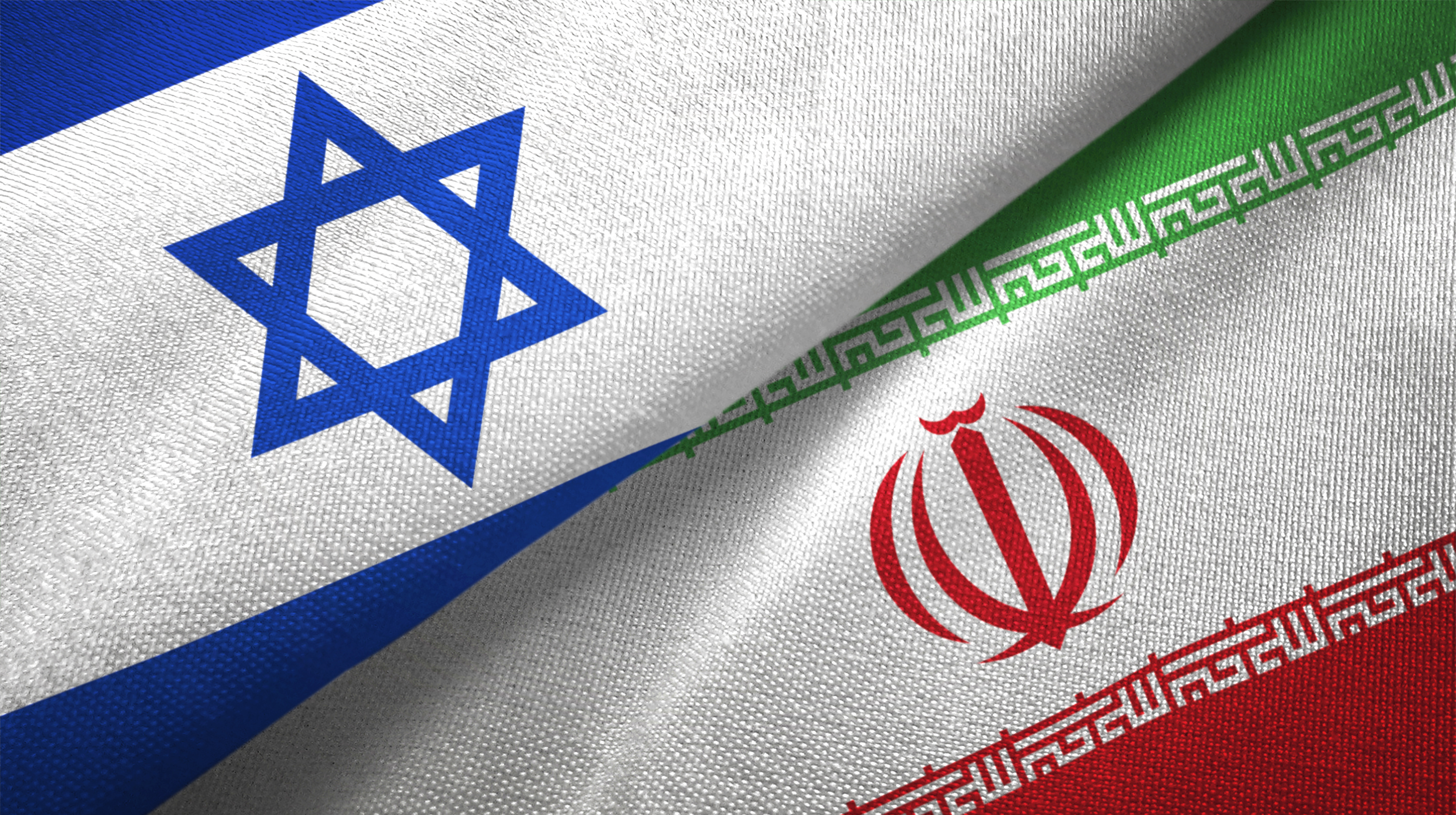
A significant shift in global oil prices has occurred, triggered by reports that Israel will not target Iranian energy facilities during its ongoing military operations. The announcement has contributed to a notable decrease in crude oil prices, with Brent crude futures falling to approximately $83.50 per barrel, a drop of nearly 5%. West Texas Intermediate (WTI) also experienced a decline, trading around $78.50 per barrel. The news of a potential de-escalation of tensions has sparked optimism among traders and analysts, prompting discussions about the implications for oil supply and regional stability.

This development follows heightened concerns about the geopolitical landscape in the Middle East, particularly since the onset of hostilities involving Israel and Hamas. Market observers had speculated that any escalation involving Iran could disrupt oil supply chains, especially given Iran’s substantial role in the global oil market. The country, a member of the Organization of the Petroleum Exporting Countries (OPEC), has consistently been a significant player in oil production, with its output averaging around 3 million barrels per day prior to the imposition of sanctions.

Analysts have noted that the decision to refrain from targeting Iranian facilities could stabilize oil prices in the short term. Such stability is crucial, as fluctuations in oil prices often reflect broader economic sentiments and can influence inflation rates worldwide. The International Energy Agency (IEA) had previously warned that any conflict in the region could lead to a supply shock, resulting in further price surges. However, the latest assurances have alleviated some of these fears, allowing for a moment of respite in oil markets.

The interplay between Israel and Iran extends beyond military engagements, encompassing significant economic implications as well. Iran’s oil exports have faced restrictions due to sanctions imposed by Western nations, limiting its ability to engage in international trade. Despite these challenges, Iran has sought to bolster its oil exports through partnerships with countries such as China, which has emerged as a primary importer of Iranian crude.

This latest news has prompted reactions from various stakeholders in the oil market. Major oil companies are closely monitoring the situation, as any potential escalation could alter their operational strategies and long-term investment plans in the region. Executives from companies like BP and Shell have expressed cautious optimism, reiterating their commitment to maintaining stable supply chains while navigating geopolitical uncertainties.

While the immediate outlook appears more favorable for oil prices, analysts caution that the situation remains fluid. The potential for conflict in the Middle East has not dissipated, and other geopolitical factors could still influence market dynamics. For instance, the ongoing conflict in Ukraine and its ramifications for global energy supply also weigh heavily on market sentiment. European countries continue to seek alternatives to Russian gas, further complicating the energy landscape and contributing to price volatility.

Market analysts are keeping a close eye on OPEC’s strategies in response to shifting demand dynamics. The organization has historically played a critical role in managing oil supply to influence prices. The group is likely to convene in the coming weeks to assess the current situation and consider adjustments to their production quotas. OPEC’s decisions are crucial for maintaining market equilibrium, especially during times of uncertainty.

In the context of these developments, there has been a renewed focus on the importance of diversifying energy sources and enhancing energy security. Nations worldwide are increasingly exploring renewable energy options as part of their long-term strategies to reduce dependence on fossil fuels. This transition has been accelerated by rising global temperatures and the urgent need to address climate change, prompting many governments to invest in sustainable energy infrastructure.

SINGAPORE – Media OutReach Newswire – 15 October 2024 – Chevron Singapore, which operates the retail brand Caltex, has announced the launch of the refreshed CaltexGO mobile app, designed to enhance customer convenience and engagement across all Caltex stations nationwide. This latest iteration of Singapore’s first mobile fuel payment app underscores Caltex’s commitment to innovation and delivering exceptional customer experiences. The refreshed CaltexGO mobile app (Credit – […]

As tensions escalate between Israel and Iran, the world is watching with bated breath, and financial markets are bracing for a potential economic shock. The deployment of additional US troops and advanced anti-missile systems to Israel highlights how serious the situation has become. Recent unprecedented attacks from Iran and Israel’s potential countermeasures, particularly targeting Iran’s vital oil or nuclear facilities, could set the stage for a global […]

By Nantoo Banerjee It is heartening to note that global lenders are increasingly coming forward to strongly support India’s ongoing clean and green energy expansion programmes. India, the world’s third largest energy consumer after China and the United States, has set a target to reduce the carbon intensity of the nation’s economy by less than […]

Mubadala’s healthcare arm, KELIX Bio, has made a decisive step in boosting its presence in the life sciences sector by acquiring four pharmaceutical assets from GlobalOne Healthcare Holding. This move is part of Mubadala’s broader ambition to transform the UAE into a global hub for life sciences innovation and advanced healthcare solutions. The acquisition reflects the growing influence of the UAE’s healthcare industry as it aligns with the nation’s goals to enhance its capabilities in pharmaceuticals and biotechnology.

The deal involves four strategic pharmaceutical companies, which are expected to add substantial value to Mubadala’s existing healthcare portfolio. It also demonstrates the commitment of KELIX Bio, a key player in Mubadala’s ecosystem, to expanding its footprint across the Middle East and Africa. This acquisition is seen as an essential step toward addressing rising healthcare demands in the UAE and further establishing the nation as a leader in advanced healthcare solutions.

The UAE has been focused on expanding its healthcare infrastructure and capabilities, especially in the fields of pharmaceuticals and biotechnology. The government’s initiatives, such as the National Strategy for Wellbeing 2031, are aimed at enhancing the overall health sector in the country. Mubadala’s acquisition aligns with these initiatives, helping to create an ecosystem that fosters innovation, sustainability, and long-term economic growth.

KELIX Bio is positioned as a leader in the manufacturing and distribution of essential medicines across emerging markets, focusing on addressing the critical need for quality and affordable treatments. The latest acquisitions from GlobalOne Healthcare Holding provide KELIX Bio with advanced pharmaceutical production capabilities and access to new markets. These assets are integral to producing generic and specialized medications that will serve both the UAE’s population and neighboring regions.

Mubadala’s strategy is not limited to expanding its pharmaceutical footprint within the UAE. The acquisitions signal a broader focus on making the country a life sciences powerhouse that can influence markets across the Middle East, Africa, and beyond. By enhancing local production capabilities, KELIX Bio aims to reduce dependency on imported medicines and foster a sustainable supply chain for critical medications.

The importance of these acquisitions is further highlighted by the fact that KELIX Bio has been aggressively pursuing growth in various healthcare sectors. Prior to this deal, the company made notable investments in manufacturing facilities in Egypt and Morocco, positioning itself as a dominant force in the region’s pharmaceutical market. The addition of GlobalOne’s assets will enhance KELIX Bio’s portfolio, enabling it to meet the growing demand for medical treatments across emerging markets.

Industry experts believe that this acquisition could significantly impact the life sciences industry in the UAE. The healthcare sector in the UAE has been undergoing rapid growth, driven by government initiatives, private investments, and a strong emphasis on medical research and development. The addition of new pharmaceutical assets is expected to catalyze innovation in drug production and distribution, supporting the country’s long-term vision for a sustainable and advanced healthcare system.

Mubadala’s focus on healthcare is not new. The sovereign wealth fund has long prioritized investments in sectors that align with the UAE’s economic diversification goals. Over the years, Mubadala has played a key role in developing critical industries such as healthcare, aerospace, and renewable energy, contributing to the nation’s vision of building a knowledge-based economy. Through KELIX Bio, Mubadala is now advancing its efforts to create a self-reliant healthcare system that is less dependent on international supply chains.

The life sciences industry in the UAE is also benefiting from an influx of global talent and expertise, driven by both government policies and Mubadala’s investments. The country has established itself as an attractive destination for life sciences companies and professionals, thanks to its strategic location, favorable business environment, and robust infrastructure. The acquisition of GlobalOne Healthcare Holding’s assets further strengthens the UAE’s position as a growing center for pharmaceutical and healthcare innovation.

The UAE government’s long-term vision for the healthcare sector has laid the groundwork for a thriving life sciences ecosystem. By fostering public-private partnerships and encouraging investment in cutting-edge healthcare technologies, the country aims to become a global leader in this field. Mubadala’s acquisition is expected to contribute significantly to this vision, as it brings in new technologies, expertise, and opportunities for collaboration in the global healthcare market.

The acquired assets will help boost the production of life-saving medicines and therapies, with a particular focus on emerging markets. The deal comes at a time when the global demand for affordable and effective healthcare solutions is on the rise. By focusing on expanding its presence in pharmaceuticals, Mubadala is addressing both regional and international healthcare needs, providing essential treatments to underserved populations.

Mubadala’s acquisition is expected to spur growth in the UAE’s pharmaceutical manufacturing sector, creating new jobs and contributing to the country’s economic development. The move aligns with the UAE’s broader healthcare goals of improving access to high-quality medical treatments and fostering innovation within the industry. KELIX Bio’s acquisition strategy will likely continue as the company looks for more opportunities to strengthen its position in the Middle East and Africa.

Minister of Investment Khalid Al-Falih revealed plans for the management of four Saudi airports by the private sector starting in 2025. Speaking at the inaugural Global Logistics Forum held at the King Abdullah Financial Center in Riyadh, Al-Falih emphasized the initiative’s potential to enhance operational efficiency and boost the nation’s logistics and transport sectors. This announcement is part of a broader strategy aimed at transforming Saudi Arabia […]

EDGNEX, a prominent technology and data center service provider based in the UAE, has announced an ambitious investment exceeding $1 billion to establish data centers in Thailand. This significant financial commitment marks a strategic move into the Southeast Asian market, underlining Thailand’s growing importance as a hub for digital infrastructure. The initiative is anticipated to enhance the country’s capabilities in data management, cloud computing, and overall digital […]

Dubai, a thriving metropolis renowned for its opulence and multicultural environment, is experiencing a surge in its expatriate population that is exerting pressure on the city’s infrastructure. The latest figures indicate that approximately 88% of Dubai’s population comprises expatriates, with many flocking to the emirate for employment opportunities and an enviable lifestyle. As this trend continues, authorities are faced with significant challenges in managing the growing demand […]

Miniverse by Energea emphasizes ultimate portability and functionality for today’s charging needs. SINGAPORE – Media OutReach Newswire – 14 October 2024 – Energea, a Singapore-based company specializing in innovative power solutions and lifestyle tech products, proudly announces its Innovative Tech Kit: Miniverse. This compact and versatile mini kit is designed to meet the needs of digital natives on the go, offering practical and stylish options for charging […]

HO CHI MINH CITY, VIETNAM – Media OutReach Newswire – 9 October 2024 – October 9, 2024, VinWonders announced that the highly anticipated 8WONDER Winter Festival – 2024 will take place on December 8 at Vinhomes Grand Park in Ho Chi Minh City. For the first time in Vietnam, audiences will experience a spectacular performance by GRAMMY®-winning, multi-Platinum band Imagine Dragons, alongside a stellar lineup of Vietnamese […]

Dubai’s reputation as a global hub for blockchain innovation solidified further as industry leaders from across the globe gathered for the Future Blockchain Summit 2024. The summit, which runs from October 13 to 16 at Dubai Harbour, features cutting-edge discussions and presentations from experts in blockchain, crypto, NFTs, Web 3.0, and more, signaling a key moment in the advancement of the digital economy.

The Future Blockchain Summit, now in its sixth edition, has evolved into a premier platform for fostering collaborations between governments, enterprises, and startups. It continues to align with Dubai’s ambitious blockchain and digital transformation goals. The event promises to showcase transformative technologies that could redefine financial services, supply chains, healthcare, and governance.

Key highlights of the 2024 edition include insights from a diverse array of speakers, including thought leaders from both the public and private sectors. Major players in the blockchain space, such as Ethereum co-founder Vitalik Buterin and representatives from global blockchain firms, are expected to provide critical analysis on the evolution of decentralized systems, and the road ahead for mainstream blockchain adoption.

Dubai’s focus on blockchain technology is part of a broader strategic vision that began with the Dubai Blockchain Strategy and the Emirates Blockchain Strategy. This framework aims to digitize key government services using blockchain by 2025. The event’s organizers have highlighted the importance of this convergence, noting how governments and enterprises worldwide are increasingly exploring the potential of blockchain to drive efficiency, transparency, and trust in digital transactions.

This year’s summit emphasizes the practical applications of blockchain and its ability to disrupt industries beyond cryptocurrency. With the integration of NFTs, the Metaverse, and Web 3.0 technologies into the mainstream, blockchain is being recognized for its broader implications. During the summit, new solutions and case studies will be shared, shedding light on how blockchain can facilitate digital ownership, secure identity management, and more transparent business operations.

Beyond the focus on blockchain applications, the summit is expected to stimulate dialogue on regulation and sustainability. Policymakers and regulators are anticipated to discuss the creation of balanced frameworks that encourage innovation while ensuring the safety of participants in the digital space. Dubai, in particular, has been a key player in fostering a progressive regulatory environment that has attracted blockchain firms from around the globe.

Among the prominent names attending the event are representatives from DMCC (Dubai Multi Commodities Centre), a key participant in the event. DMCC has been instrumental in supporting blockchain enterprises through its crypto center and blockchain-related initiatives, further solidifying Dubai’s status as a hub for blockchain businesses. DMCC’s representatives will present their insights at the summit, discussing how the organization supports blockchain development within its award-winning free zone community.

The summit also offers opportunities for startups, with several exhibitions and networking events designed to connect emerging firms with potential investors. Several blockchain startups are expected to showcase their innovations, with a particular focus on solving industry-specific challenges through decentralized technologies.

This year, Dubai aims to further its vision as a “Smart City” by emphasizing the integration of blockchain into smart infrastructure projects. These initiatives aim to streamline everything from real estate transactions to cross-border payments. The event underscores how blockchain can enhance operational efficiency, promote transparency in government processes, and provide secure, tamper-proof records.

Notable discussions on the agenda include the future of decentralized finance (DeFi), which is gaining traction as a legitimate alternative to traditional banking. DeFi uses blockchain to eliminate intermediaries in financial transactions, potentially lowering costs and improving access to banking services in underserved markets. Additionally, the summit will explore the impact of blockchain on sustainable practices, particularly in the energy sector.

Dubai’s strategic importance in the global blockchain community is reflected in its hosting of this key event. As the blockchain industry continues to expand, the city is positioning itself as a leader in shaping the future of digital assets and decentralized technologies. The Future Blockchain Summit 2024 is expected to serve as a catalyst for further growth and collaboration within the blockchain ecosystem, helping to propel the technology toward mainstream adoption across industries.

Hewlett Packard Enterprise (HPE) has unveiled its newest server, the ProLiant Compute XD685, designed to accelerate the development and training of artificial intelligence (AI) models. This cutting-edge server is a result of a collaboration between HPE and AMD, focusing on providing high-performance infrastructure tailored for the growing demands of AI applications, such as large language models (LLMs), natural language processing (NLP), and multi-modal learning. At the core […]

VISHNU RAJA
RYO YAMADA
HITORI GOTOH
IKUYO KITA