Just in:
UK air traffic outage inflicted £33m financial losses // Fast Just Got Fastest: STING Energy Boost™ Celebrates Kimi Antonelli’s Formula 1® World Championship and the Fan Energy Behind It // Technology shares plunge as Nasdaq enters correction // Asia Left Behind: Ten international companies have yet to report delivering on their cage-free egg pledges across the region // Hong Kong mandates crypto transaction disclosures to tax authorities // Oil and chip shares retreat after Democratic victories // Xi Jinping Preparing For A Trilateral Summit With Trump And Putin At APEC Summit On Nov 18-19 // Emirates Group records AED 4.1 billion half-year profit // Oil advances towards $100 as tanker attacks persist // Trump’s Iran War Has A Share Of Contribution To His Midterm Debacle // e-Crime Bureau Signs Cybersecurity Partnership With Smart Africa, Reinforcing Its Global Expansion // Dubai boat show confirms international shipyard line-up for November // ADIA and partners establish $1.4 billion aviation venture // Kochi police detain two actors over bid to honey trap doctor // Ousted top Kochi cop gets IG post // Ta’ziz finalises $1.39bn funding for Ruwais industrial facilities // Miss Universe Hong Kong Jen Zhou Departs for Puerto Rico to Compete in the 75th Miss Universe World Final // Millions Of Indians May Soon Be Deprived Of Government Assistance // Emaar approves Development buyout ahead of planned delisting // OpenAI identifies 948 Linux privilege escalation flaws using AI //

News related to
energy

Arabian Post Staff -Dubai The UAE has cemented itself as a hub for high-net-worth individuals (HNWIs), with an influx of the world’s ultra-wealthy seeking refuge in its stable economic and political climate. Analysts highlight a surge in wealthy expatriates relocating to the region, driven by factors such as geopolitical instability, tax incentives, and a thriving real estate market. A UBS executive predicts that investments in the Middle […]

DHL’s GoHelp program equips local employees with critical disaster response skills to enhance resilience 20 years after the 2004 Indian Ocean tsunami devastated Sri Lanka COLOMBO, SRI LANKA – Media OutReach Newswire – 6 December 2024 – DHL Group has expanded its GoHelp Disaster Response Team (DRT) training to Sri Lanka, strengthening resilience and preparedness against disasters in the Asia Pacific region. DHL Group’s first GoHelp Disaster […]

BANGKOK, THAILAND – Media OutReach Newswire – 6 December 2024 – The Philippines’ Energy Development Corporation (EDC), a global renewable energy leader, has been awarded the Green Company of the Year at the 2024 Asia Corporate Excellence & Sustainability (ACES) Awards. This prestigious accolade recognises EDC’s unwavering commitment to advancing the country’s renewable energy sector while championing biodiversity, forest restoration, and climate change mitigation. Energy Development Corporation […]

Dubai has become a global hub for innovative fitness experiences, attracting individuals looking to improve their health and well-being. The city offers diverse options, but one trend continues to stand out— fitness boot camps. These programs have gained significant popularity due to their ability to combine intense training sessions with a supportive group environment. Participants often choose these camps to achieve better health, build teamwork skills, and […]

AACHEN, GERMANY – Newsaktuell – 5 December 2024 – Customer requirements for the evolution of electric cars are clearly defined: reduced weight at increased efficiency, higher range at shorter charging times and maximum safety. FEV, Germany’s innovation powerhouse for the automotive and energy industry, and ProLogium, global pioneer in developing advanced vehicle batteries, fulfill precisely these requirements with their new product. FEV and ProLogium present the latest […]

HOHHOT, CHINA – Media OutReach Newswire – 5 December 2024 – Recently, the 2024 Green Methanol Energy Industry Development Forum and the Farizon New Energy Commercial Vehicle Methanol-Hydrogen Product Showcase were held in Hohhot, Inner Mongolia. These events have not only highlighted Inner Mongolia’s innovation and breakthroughs in the new energy sector but also outlined a clear path towards a greener future. Methanol, recognized for its efficient […]

Kyndryl, a leading global IT infrastructure services provider, and Nokia have broadened their strategic partnership to deliver enhanced data center networking solutions worldwide. This move comes as businesses increasingly seek to optimize and secure their digital infrastructures to keep pace with evolving technological demands. By integrating their respective capabilities, the two companies aim to provide robust, scalable, and secure networking solutions designed to accelerate digital transformation for […]

Advertisements

Bitcoin has crossed a major milestone, emerging as the world’s 10th largest asset by market capitalization. This significant shift places the cryptocurrency ahead of both the Australian dollar and the Swiss franc, marking a new chapter in the ongoing evolution of digital assets. The latest surge in Bitcoin’s value showcases its growing influence within the global financial landscape.

The cryptocurrency has made headlines with a substantial increase in its market cap, which now exceeds $500 billion. This has been driven by a combination of factors, including a stronger adoption rate among institutional investors and a renewed interest from retail investors. As the digital currency continues to gain traction, its market value surpasses that of traditional currencies, positioning Bitcoin among the top 10 global assets.

The rise of Bitcoin comes at a time when financial markets are grappling with the volatility of traditional assets and currencies. The Australian dollar and Swiss franc, long seen as safe-haven currencies, are now being overshadowed by the growing dominance of Bitcoin in the financial markets. Bitcoin’s ability to secure its place among the top assets has further solidified its reputation as a digital store of value and an alternative investment class.

What makes this development even more striking is Bitcoin’s ability to challenge conventional asset classes, particularly in the context of growing concerns over inflation and economic instability. Investors are increasingly looking for assets that are decentralized and immune to government manipulation, making Bitcoin an attractive option.

A key contributor to Bitcoin’s rise is the influx of institutional investors, including hedge funds and publicly traded companies, that have begun adding Bitcoin to their portfolios. Large financial institutions like BlackRock, Fidelity, and MicroStrategy have embraced Bitcoin as a legitimate asset, fueling its upward trajectory. These investors view Bitcoin as a hedge against inflation, as it is perceived as being less susceptible to the monetary policies that affect traditional currencies.

At the same time, Bitcoin’s growing acceptance among retail investors has been a significant driver of its value. As more individuals recognize the potential of Bitcoin as both an investment vehicle and a medium of exchange, the demand for the cryptocurrency continues to soar. This has led to a steady increase in Bitcoin’s price and, consequently, its market capitalization.

The rising popularity of decentralized finance (DeFi) platforms has also contributed to Bitcoin’s ascension. DeFi applications, which are built on blockchain technology, are providing users with more ways to earn, borrow, and lend digital assets. As Bitcoin plays a central role in the DeFi ecosystem, its value is becoming increasingly linked to the success of these platforms.

Despite the volatility that has often been associated with cryptocurrencies, Bitcoin’s market dominance is a testament to its resilience. Unlike traditional financial markets, where volatility can be exacerbated by central bank interventions and geopolitical tensions, Bitcoin operates within a decentralized network that is free from government control. This has made Bitcoin a particularly attractive option during times of global uncertainty.

The broader crypto ecosystem, however, remains highly competitive. Ethereum, which ranks second in market capitalization, continues to challenge Bitcoin for dominance in the digital asset space. Despite this, Bitcoin has maintained its position as the leader in terms of market cap, even as other cryptocurrencies such as Binance Coin and Cardano grow in value.

Experts also note that Bitcoin’s status as a store of value is likely to continue strengthening as more people move away from traditional investment vehicles. The ongoing development of Bitcoin-related financial products, such as exchange-traded funds (ETFs) and futures contracts, is helping to integrate the cryptocurrency into mainstream financial markets. This trend suggests that Bitcoin’s role in the global financial system will only expand further in the coming years.

While the current rally in Bitcoin’s market value has garnered attention, analysts remain cautious about the sustainability of its growth. Bitcoin’s price has historically been prone to volatility, with sudden fluctuations often causing uncertainty in the market. Despite this, the long-term outlook for Bitcoin remains optimistic, as its underlying blockchain technology continues to garner support from both institutional and retail investors.

As Bitcoin continues to gain ground, questions remain about its role in the broader economy. While many view it as a hedge against inflation and a store of value, others are concerned about its environmental impact, given the energy consumption associated with mining operations. Moreover, regulatory scrutiny of cryptocurrencies is intensifying in several countries, with governments and financial regulators grappling with how to treat digital assets.

Bitcoin’s rise in market capitalization also highlights the increasing integration of cryptocurrencies into the global financial system. As more financial institutions adopt Bitcoin and other digital assets, it is likely that cryptocurrencies will continue to play an influential role in shaping the future of global finance. The potential for Bitcoin to be used as a widely accepted form of payment, along with its increasing recognition as an asset class, positions it as a key player in the evolution of the financial sector.


Dubai-based billionaire Hussain Sajwani’s Edgnex Data Centers has entered a joint venture with PPC Group, a major European utility, to build and operate a state-of-the-art data center in Greece. This collaboration comes with an initial investment of €150 million ($157 million), marking a significant step in Edgnex’s expansion strategy into the European data infrastructure market.

The partnership between Edgnex, a leading data center provider in the Middle East, and PPC Group, a key player in Greece’s energy sector, aims to capitalize on the growing demand for cloud computing, data storage, and digital transformation services across Europe. The planned facility will offer high-performance data storage and cloud infrastructure solutions designed to meet the needs of businesses and government agencies in Greece and the broader region.

The data center, to be located in a strategic area in Greece, will be designed to provide a sustainable and scalable infrastructure to meet the growing demand for data services. Both Edgnex and PPC Group aim to position the new facility as a key asset in Europe’s digital economy, enabling businesses to operate more efficiently and support the region’s transition to a more digitally connected and technologically advanced landscape.

Edgnex’s investment in Greece follows the company’s recent push into international markets. The Dubai-based firm is focusing on expanding its footprint beyond the Middle East, responding to a surge in demand for robust digital infrastructure and advanced technology solutions. The decision to partner with PPC Group allows Edgnex to leverage local expertise and infrastructure, making the venture highly strategic as it seeks to capture a larger share of the European market.

PPC Group, for its part, brings significant experience in managing large-scale infrastructure projects, with a long history in the energy and utilities sector. Its involvement in the joint venture ensures that the project will benefit from Greece’s extensive energy network, ensuring that the data center operates sustainably and efficiently. With a commitment to supporting the energy transition in Europe, PPC Group’s contribution underscores the growing importance of sustainable energy practices in the development of modern data infrastructure.

This collaboration aligns with broader trends in the data center industry, where there is an increasing emphasis on environmental sustainability and energy efficiency. As data centers consume substantial amounts of energy, the sector has been under increasing scrutiny to adopt greener practices. Edgnex’s data center in Greece is expected to integrate cutting-edge technologies to minimize its environmental impact, positioning it as a leader in sustainable data infrastructure development.

Greece itself has become an attractive location for data center investments due to its strategic geographical position, favorable regulatory environment, and growing digital economy. The Greek government has been actively working to position the country as a hub for digital innovation and technology services, providing incentives for international investors to develop critical infrastructure. These efforts have been paying off, as more global players look to establish a presence in Greece to serve the region’s increasing demand for digital services.

The Edgnex-PPC Group venture is expected to further bolster Greece’s position as a key player in Europe’s digital economy. By attracting major investments in the data infrastructure space, the country is laying the groundwork for future growth in sectors such as cloud computing, artificial intelligence, and big data analytics. As these industries continue to evolve, the demand for secure, high-performance data centers will only increase, making Edgnex and PPC Group’s investment a timely and strategic move.

Edgnex’s foray into the European market reflects the growing trend of Middle Eastern companies expanding their presence globally. With its strong financial backing and expertise in data center operations, Edgnex is well-positioned to compete with other global players in the European market. The joint venture with PPC Group is expected to serve as a model for future collaborations, as both companies aim to capitalize on the burgeoning demand for digital infrastructure services across the continent.

The joint venture is also poised to generate significant economic benefits for Greece, creating jobs, boosting local economies, and supporting the country’s digital transformation. As the demand for data storage and cloud services continues to rise, the development of new, advanced data centers will play a crucial role in supporting the growth of industries such as e-commerce, finance, and telecommunications.

As data privacy and security concerns continue to grow, the joint venture is also expected to address the increasing need for secure data storage solutions. The data center will meet high international standards for cybersecurity, ensuring that the data hosted on the site remains protected against emerging threats. This focus on security is expected to make the facility particularly attractive to clients in highly regulated industries such as finance and healthcare.

Looking ahead, Edgnex and PPC Group’s venture in Greece is poised to be a catalyst for further investment in the data center sector, not only in Greece but across Europe. The ongoing digital transformation across industries makes the demand for reliable, efficient, and sustainable data infrastructure more critical than ever. As businesses increasingly rely on data-driven solutions to stay competitive, the need for cutting-edge data centers to support this growth will continue to rise, creating opportunities for companies like Edgnex to expand their operations and meet this demand.

Edgnex Data Centers, a leading player in the global data center market, has entered into a joint venture (JV) with a prominent Greek investment group, marking a significant move into Europe. The new venture will focus on building data center infrastructure in Greece, with an initial investment commitment of $157 million. This collaboration, spearheaded by Dubai billionaire Hussain Sajwani’s company, is expected to accelerate the digital transformation […]

Saudi Arabia’s presidency of COP16 has spotlighted the pressing need for enhanced funding for land restoration, urging the private sector to take a leading role in addressing the critical financial shortfall. As the world confronts escalating environmental challenges, the call aims to overcome what experts have described as a “blackhole” of financial resources necessary to restore degraded lands globally. The issue of land restoration has gained momentum […]

Oil prices have held their ground after a slight dip as the focus shifts to OPEC+’s upcoming decision regarding production cuts. Market participants are awaiting critical guidance on future supply restrictions from the cartel, a move that could significantly impact both global energy prices and economic stability. With mounting pressures from both geopolitical factors and fluctuating demand, the outcome of this decision is poised to influence the […]

Cuba’s national power grid has collapsed, leaving millions of citizens without electricity and causing widespread disruption across the country. Late Wednesday, officials reported that the country was only generating enough electricity to meet one-sixth of its peak demand. This power failure comes as Cuba continues to grapple with energy infrastructure issues, highlighting the vulnerabilities in its aging electrical system.

The power outage, which began hours before the statement from the state-owned Electric Union of Cuba, resulted in a total blackout in several regions, including the capital Havana and major provincial cities. The grid collapse came as temperatures soared, exacerbating the already difficult living conditions for many Cubans. The government has faced mounting criticism over its inability to provide a consistent and reliable electricity supply, with the national grid experiencing periodic failures throughout the year.

Cuban officials blamed the national grid’s collapse on a combination of factors, including weather-related issues and aging infrastructure. While the authorities have taken steps to mitigate the crisis, such as shifting to emergency power generation and rationing electricity in some areas, the situation remains dire. Reports from residents describe long-lasting blackouts, with some parts of the country still waiting for power to be restored more than a day after the incident.

The impact of the blackout is severe, affecting daily life and businesses alike. Hospitals, schools, and other essential services have had to operate on backup generators, placing further strain on resources that were already stretched thin due to Cuba’s ongoing economic struggles. With the government focusing efforts on restoring power, many are also questioning the broader implications for the country’s energy policy and infrastructure development.

Power shortages have long been a concern in Cuba, with frequent blackouts and unreliable energy supplies being a part of daily life in many regions. The situation has worsened in recent months, as the country faces an economic crisis compounded by the ongoing effects of the COVID-19 pandemic and international sanctions. These challenges have placed significant pressure on the energy sector, which has been struggling to meet the needs of a population already facing considerable hardship.

Energy experts have pointed out that Cuba’s power grid is outdated and in need of significant investment and modernization. The country relies heavily on oil for electricity generation, but fuel shortages have been a common issue in recent years. The collapse of the power grid is seen by many as the latest sign of systemic failure within the country’s energy sector, which has failed to keep pace with the demands of a growing population and the complexities of modern energy production.

The government has said it is working to restore the grid and minimize further disruptions. However, some experts have warned that the root causes of the crisis will require long-term planning and investment to address. As part of its efforts, Cuba has turned to its allies in the region, seeking assistance with both emergency energy supplies and technical expertise to overhaul its electricity infrastructure.

In the meantime, the Cuban government has been forced to impose rolling blackouts, a move that has drawn widespread criticism from citizens who have endured long periods without power. Many have taken to social media to voice their frustration, accusing the government of failing to provide basic services despite the country’s vast natural resources. The government, for its part, has insisted that it is working diligently to restore full power, but has also acknowledged the difficulties in overcoming the challenges posed by the aging infrastructure.

The situation has prompted a broader debate over Cuba’s energy policy and its reliance on outdated systems and foreign aid. While the country is rich in renewable energy resources, such as solar and wind, it has been slow to transition to more sustainable energy solutions. Experts have long recommended that the government invest in renewable energy infrastructure, but progress has been slow. Critics argue that more aggressive steps should have been taken years ago to modernize the energy sector, reducing Cuba’s dependence on imported oil and providing more sustainable energy options for its citizens.

Cuban President Miguel Díaz-Canel, in a public address, acknowledged the severity of the power failure and promised to take immediate action to address the crisis. He reassured the public that the government would prioritize restoring power to the most affected areas and was working with international partners to bring in additional resources. However, the situation remains fluid, with many still uncertain about the long-term solutions to the country’s energy challenges.

This power outage is not the first of its kind in Cuba, and it is unlikely to be the last unless substantial investments are made to address the underlying issues. As the country continues to struggle with an outdated and overburdened grid, the question of how to modernize Cuba’s energy infrastructure and move towards more sustainable solutions is becoming increasingly urgent. The current crisis serves as a stark reminder of the challenges facing the Cuban government and its citizens in securing reliable access to electricity.

Saudi Aramco, the world’s leading energy firm, has unveiled plans to establish one of the largest carbon capture and storage (CCS) hubs in Jubail. The project is part of the company’s ambitious initiative to tackle carbon emissions and advance global decarbonization efforts. By collaborating with two major industry players, Linde and SLB, Aramco aims to position Saudi Arabia at the forefront of technological solutions addressing climate change. […]

Legrand, a global leader in electrical and digital infrastructure solutions, has strengthened its position in the data center market through the acquisition of Power Bus Way, a Toronto-based provider of custom-engineered cable bus systems. This strategic move enhances Legrand’s portfolio, enabling the company to offer more comprehensive solutions to meet the growing demands of data centers, industrial facilities, and commercial properties. The acquisition reflects a growing trend […]

Abu Dhabi’s National Marine Dredging Company (NMDC) has expanded its reach into new sectors with the establishment of a dedicated logistics unit. This strategic move aims to enhance the company’s service offerings and leverage its operational expertise to capitalize on the growing demand for integrated logistics services. The new division will focus on providing logistics solutions for a wide range of industries, marking a significant shift in NMDC’s business trajectory.

The expansion comes at a time when the global logistics market is experiencing rapid growth, driven by advancements in technology and an increase in trade activities. NMDC’s decision to establish a logistics unit underscores its ambitions to diversify beyond its traditional dredging and marine operations. The move also positions the company to tap into a sector that is becoming increasingly vital to the supply chain, particularly in the Middle East, where infrastructure development continues to surge.

The logistics unit will provide end-to-end services, including transportation, storage, and distribution, aimed at industries such as construction, oil and gas, and infrastructure development. By venturing into this space, NMDC is poised to offer a broader suite of solutions to its existing client base while also attracting new customers from sectors that require sophisticated logistical support. The company’s extensive experience in project management and large-scale operations positions it well to integrate these new services into its existing portfolio.

According to industry experts, NMDC’s entry into the logistics market is a timely response to the increasing need for efficient supply chain solutions. The UAE, and particularly Abu Dhabi, is seeing a rise in demand for specialized logistics services driven by its growing infrastructure and energy sectors. With a well-established reputation for executing large-scale maritime and dredging projects, NMDC’s expansion into logistics is seen as a natural progression.

The establishment of the logistics division is expected to improve operational efficiency by streamlining the movement of goods, materials, and equipment across different sectors. Furthermore, the move aligns with broader economic trends in the UAE, where non-oil sectors are becoming a focal point of the country’s long-term economic diversification strategy. The UAE government has made significant investments in infrastructure, including airports, seaports, and transport systems, which have spurred demand for robust logistics capabilities.

One of the key advantages of NMDC’s new unit is its potential to integrate its marine expertise with logistics operations. Given the company’s vast experience in marine dredging, port construction, and offshore services, it is well-positioned to offer seamless transportation solutions for industries dependent on sea-based logistics. This expertise could offer a significant competitive edge, particularly in the context of the UAE’s strategic location as a hub for global trade. The integration of marine logistics with land-based services is expected to create a more efficient supply chain, allowing NMDC to offer cost-effective and timely solutions.

NMDC’s logistics expansion also reflects broader trends within the UAE’s corporate sector, where companies are diversifying to stay competitive amid evolving market conditions. The logistics sector, in particular, has attracted substantial investments from both public and private entities due to its role in supporting economic growth. As a result, many firms are increasingly seeking ways to enhance their capabilities to meet the demands of industries such as e-commerce, retail, and manufacturing.

The logistics unit will also have a significant impact on job creation within the region. As the company scales up its operations, it is expected to generate a range of employment opportunities, particularly for skilled workers in fields like supply chain management, transportation, and warehousing. The initiative also aligns with the UAE’s ongoing efforts to cultivate a competitive workforce and reduce dependency on foreign labor by providing more opportunities for local talent.

NMDC’s growth strategy involves not only expanding its reach in logistics but also enhancing its overall service capabilities to support the UAE’s broader economic objectives. The logistics division is expected to bolster the company’s presence in key regional markets, particularly as demand for efficient transportation services increases across the GCC and North Africa. By extending its services, NMDC aims to position itself as a leading player in the logistics sector, much like it has in the marine and dredging industries.

The logistics market in the UAE has witnessed significant growth in recent years, with an increasing number of companies entering the field to cater to the rising demand for transport, warehousing, and distribution services. NMDC’s move to enter this competitive market, however, comes with its own set of challenges. The logistics sector is highly competitive, with established players already commanding significant market share. However, industry analysts believe that NMDC’s reputation for successful large-scale project execution and its ability to integrate advanced technology into operations could give it a competitive advantage in the long term.

Technological innovation is expected to be a key focus for the logistics unit, with NMDC likely to implement smart logistics systems and automation to streamline processes. Technologies such as artificial intelligence, Internet of Things (IoT), and blockchain are increasingly becoming integral to the logistics sector, enabling companies to improve efficiency and transparency. By integrating such technologies, NMDC can not only optimize its logistics operations but also offer value-added services to customers who are increasingly seeking more digitized and automated solutions.

Arabian Post Staff -Dubai The United Arab Emirates has firmly established itself as a global leader in the new economy, marked by its vibrant and competitive marketplace, forward-thinking innovation ecosystem, and dynamic workforce. A report by the Statistical Centre for the Cooperation Council for the Arab Countries of the Gulf (GCC-Stat) highlights the nation’s remarkable strides in fostering a society driven by progress and sustainability. Released to […]

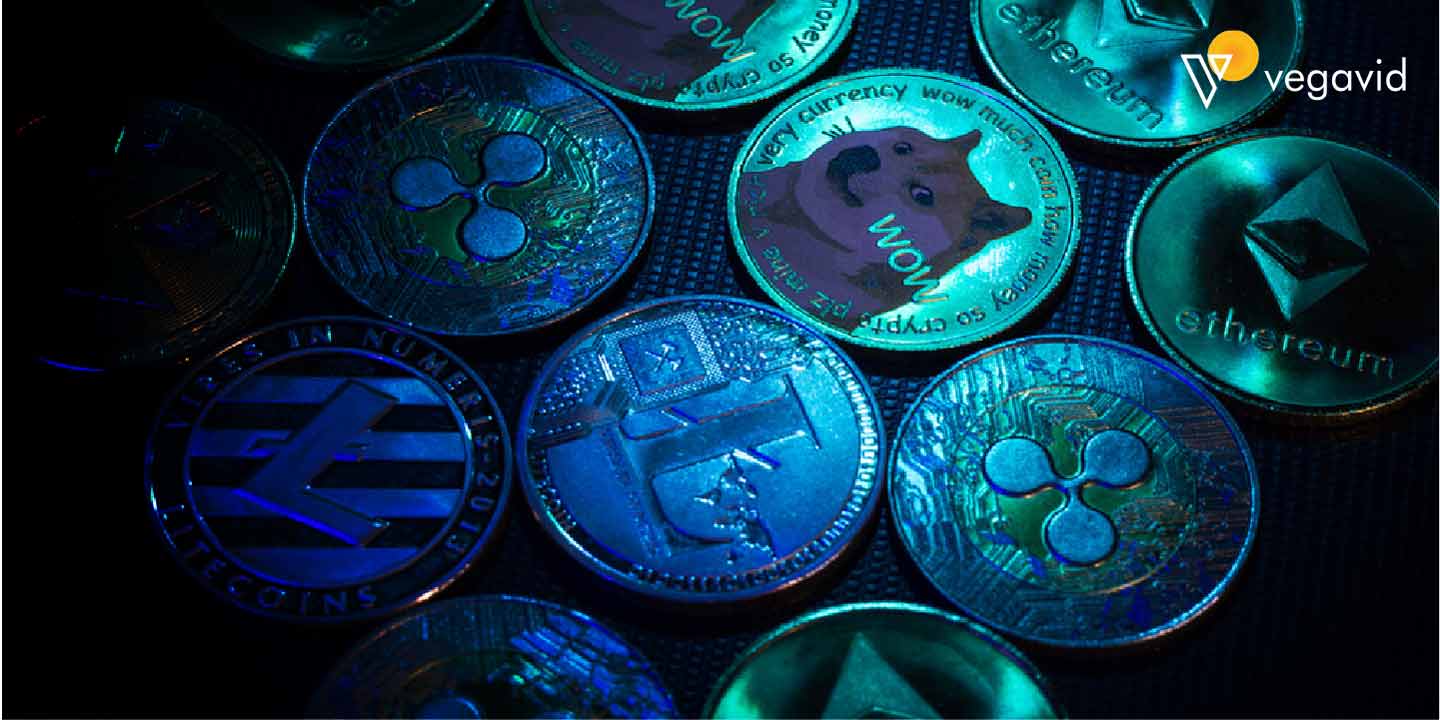
Bitcoin dominance has dropped significantly, falling from 61.53% in November 2024 to 55.24%, marking a substantial shift in the cryptocurrency market. This decline has allowed altcoins to rise, with over 75% of the top 100 altcoins outperforming Bitcoin in recent market trends. The surge in altcoin performance is reflected in the Altcoin Season Index, which has surged to 88 points, signaling a potential shift in investor focus toward alternative cryptocurrencies.

The fall in Bitcoin’s dominance comes at a time when altcoins, including Ethereum, Solana, and newer entrants, have gained traction. Investors, once solely focused on Bitcoin, are now diversifying their portfolios, seeing opportunities in altcoins that offer different use cases and growth potential. Ethereum, the second-largest cryptocurrency by market cap, has benefited from its upgrades and use cases in decentralized finance (DeFi) and non-fungible tokens (NFTs). Similarly, Solana’s faster transaction times and lower fees have made it an attractive alternative for developers and traders alike.

The decline in Bitcoin dominance indicates a broader trend in the market where investors are increasingly seeking higher returns by diversifying their holdings. Bitcoin, long viewed as a store of value, has struggled to maintain its dominance amidst growing competition from altcoins offering more advanced technological solutions. While Bitcoin remains the most recognized cryptocurrency, the emerging competition presents a challenge to its market supremacy.

The rise of decentralized finance platforms, smart contract capabilities, and innovations such as layer-2 solutions have further contributed to the growing popularity of altcoins. These technologies promise greater scalability, lower costs, and faster transaction speeds, which make them more appealing for developers and users alike. In particular, layer-2 networks built on Ethereum, such as Optimism and Arbitrum, have seen increasing use due to their ability to handle transactions more efficiently, leading to greater adoption in sectors like gaming and decentralized exchanges (DEXs).

Ethereum’s network upgrades have played a significant role in shifting the focus away from Bitcoin. Ethereum’s transition to Proof of Stake (PoS) with the Merge in 2022 reduced its energy consumption, which in turn attracted more environmentally-conscious investors. Moreover, Ethereum’s growing role in enabling decentralized applications (dApps) and facilitating the rise of NFTs has contributed to its recent resurgence in market performance.

Solana, with its high throughput capabilities, is emerging as a strong competitor. The blockchain’s fast transaction speeds, scalability, and low fees have made it an attractive option for both developers and users. Additionally, Solana’s ecosystem is growing rapidly with more decentralized applications (dApps) and projects built on the blockchain. These developments have attracted substantial capital and boosted Solana’s position among the top altcoins.

Several newer altcoins such as Polkadot, Cardano, and Avalanche have also garnered attention from both investors and developers. Polkadot’s focus on interoperability between different blockchains allows for a more interconnected decentralized ecosystem, making it a key player in the altcoin market. Similarly, Avalanche’s consensus protocol, which promises to enable faster transaction finality and scalability, has helped it build a solid user base.

The increasing performance of these altcoins has been evident in various metrics, from market capitalization to developer activity and adoption by decentralized finance platforms. As the dominance of Bitcoin wanes, a broader market shift toward alternative cryptocurrencies seems to be underway, with altcoins now commanding a more significant portion of the market share. The Altcoin Season Index, which tracks the performance of the top 50 altcoins in comparison to Bitcoin, has surged to 88 points, indicating that altcoins are now outpacing Bitcoin in the current market environment.

As the altcoin season intensifies, the shifting focus of investors toward these alternative cryptocurrencies may continue. While Bitcoin remains a significant force in the cryptocurrency space, its market dominance is being challenged by altcoins that are gaining relevance due to their innovation, use cases, and technological improvements. The increased performance and adoption of these cryptocurrencies signal a potential new phase for the digital asset market, with altcoins leading the way in growth.

BANGKOK, THAILAND – Media OutReach Newswire – 4 December 2024 – Henderson Land Development Company Limited has been named one of Asia’s Top Green Companies at the Asia Corporate Excellence & Sustainability (ACES) Awards 2024. This recognition underscores Henderson Land’s leadership in sustainable property development, environmental stewardship, and community well-being. Johnny Yu, Head of Sustainability and Advisor to the Chairman, Henderson Land Development Company Limited (Centre), proudly […]

India has seen a substantial increase in patent applications during the fiscal year 2024, with nearly 92,000 submissions recorded. This marks a significant jump, highlighting the country’s growing focus on innovation and its expanding role in global technology. The surge is seen as a reflection of both the efforts within India’s industrial sectors and the evolving landscape of intellectual property (IP) regulation in the country.

The Controller General of Patents, Designs, and Trademarks (CGPDTM) has noted the rise in applications as a sign of confidence in India’s innovation ecosystem. The CGPDTM is also in the midst of revamping intellectual property (IP) guidelines to further streamline processes and improve the effectiveness of patent protection, which could lead to even greater activity in the coming years. The latest figures underscore the increasing importance of intellectual property in India’s economic and technological landscape, with the government actively fostering a more robust IP environment.

This surge in patent filings is part of a broader shift in India’s innovation landscape, propelled by both private sector advancements and public policy initiatives. A number of technology companies, research institutions, and startups have been behind this momentum, driven by a growing emphasis on R&D and patenting as a key component of their business models. India’s thriving tech sector, including its burgeoning software, biotechnology, and renewable energy industries, has been a significant contributor to the increased filing of patents, as companies seek to protect their innovations in a highly competitive global market.

The increased patent filings also reflect the changing nature of India’s role in global intellectual property. Traditionally, India was seen more as a consumer of technology, but this shift in patent activity signals the country’s growing stature as a producer of cutting-edge innovations. This evolution is aligned with India’s ambition to establish itself as a global leader in research, development, and technological breakthroughs. As India continues to enhance its manufacturing and technology sectors, the need to safeguard intellectual property becomes ever more critical to its economic and strategic objectives.

The government has played a crucial role in this transformation. In the last few years, significant reforms have been introduced to improve the efficiency of patent processing, increase transparency, and make the system more accessible to innovators. The Patents (Amendment) Rules introduced by the government, along with efforts to digitize the patent application process, have made it easier and faster for applicants to file for protection. Additionally, the strengthening of IP-related infrastructure, including the establishment of regional offices and improvements in patent examination procedures, has further facilitated this growth.

The government’s initiatives to boost innovation in the country are also reflected in its support for startups. Various programs aimed at enhancing the startup ecosystem have encouraged young entrepreneurs to file for patents and protect their intellectual property. India’s innovation hubs, particularly in cities like Bengaluru, Hyderabad, and Pune, are seeing a notable increase in patent activity, especially in sectors such as information technology, electronics, and pharmaceuticals.

The surge in patent filings is also linked to India’s international trade and investment strategy. As the country seeks to enhance its global trade relations and attract foreign investment, strengthening intellectual property rights has become an essential part of the broader agenda. Ensuring that inventions are protected under a sound IP system provides confidence to investors, making India an attractive destination for global companies seeking to leverage the country’s resources for technological development. Moreover, the increase in patent filings may also indicate that India is becoming a more prominent player in international patent databases, further solidifying its role as a key global innovator.

India’s patent system has also seen improvements in terms of reducing the backlog of applications. In the past, the lengthy processing time for patent filings was often a point of concern for many innovators, but the government’s ongoing efforts to streamline the process have led to faster turnaround times. This has helped make India a more efficient location for filing patents, further encouraging growth in the sector. According to the CGPDTM, the average processing time for patent applications has been significantly reduced, and efforts are underway to further accelerate this process.

The growing patent activity in India is also indicative of the country’s enhanced focus on research and development (R&D). India’s private sector has been heavily investing in R&D, with multinational corporations and domestic firms alike looking to build and protect their intellectual assets. The rise in patent filings is not only a reflection of private sector growth but also a result of governmental incentives aimed at increasing the overall R&D output. Public research institutions have played a role in this, collaborating with industry leaders to develop new technologies and innovations that are patent-worthy.

While the increase in patent filings is a positive development for the country’s innovation landscape, experts suggest that India must continue to focus on improving its patent enforcement mechanisms. Ensuring that patent holders can effectively defend their intellectual property rights against infringement is vital for maintaining the integrity of the system. The government has taken steps in this direction by introducing new measures to improve the adjudication of patent disputes and to strengthen enforcement mechanisms. These efforts are expected to provide further support for the growing IP ecosystem in India.

The European data center market is experiencing an unprecedented boom, with artificial intelligence (AI), cloud computing, and the rapid evolution of digital infrastructure fueling the expansion. According to the latest findings in JLL’s EMEA Data Centre Report Q2 2024, demand for data storage and processing capacity has reached new heights, reflecting broader shifts in the global tech landscape. AI has emerged as a dominant driver behind the […]

Silicon Labs has introduced its latest series of ultra-low power wireless modules, the SiWx917Y, designed to meet the growing demands for Internet of Things (IoT) connectivity. The new modules, which integrate both Wi-Fi 6 and Bluetooth Low Energy (LE), are engineered to provide enhanced performance and simplicity for developers, supporting a wide array of applications in smart homes, industrial automation, healthcare, and beyond. The SiWx917Y modules are […]

France is shifting its focus toward harnessing the significant financial might of Saudi Arabia’s Public Investment Fund (PIF) as part of a strategic initiative to boost its economic recovery and global influence. With the PIF’s rapid expansion into diverse sectors—ranging from technology and renewable energy to infrastructure and entertainment—France sees a unique opportunity to attract capital that could be pivotal for both immediate economic growth and long-term […]

QatarEnergy and Shell have finalized a major deal to supply liquefied natural gas (LNG) to China, further bolstering the energy ties between the two global powerhouses. The long-term sale and purchase agreement (SPA), which will see the delivery of three million tons per annum (MTPA) of LNG, is set to commence in January 2025. This deal, marking a significant step in energy cooperation, reflects the growing demand for natural gas in China and underscores the ongoing shift in the global energy landscape.

The agreement between QatarEnergy, the state-owned energy giant of Qatar, and Shell, one of the largest oil and gas companies worldwide, is expected to contribute to China’s energy security as it continues to diversify its sources of natural gas. China’s reliance on natural gas as a cleaner alternative to coal has steadily increased, positioning the country as one of the world’s top LNG importers. This new deal enhances Qatar’s position as a major global LNG supplier, reinforcing its role in the international energy market.

Qatar’s strategic focus on LNG exports aligns with its long-term vision to solidify its energy footprint globally, with significant emphasis on Asia-Pacific markets. China, as a critical player in global energy demand, is an essential partner for QatarEnergy, which has rapidly expanded its LNG production capacity over the past few years. The agreement between the two companies marks a crucial milestone in Qatar’s energy diplomacy, as it seeks to solidify its market share in the Asian region.

The SPA is not only a testament to the strong commercial partnership between QatarEnergy and Shell but also signals the growing importance of collaboration between national oil and gas companies and major international energy firms. While the details of the contract terms have not been fully disclosed, industry insiders speculate that the agreement includes flexible pricing mechanisms and long-term stability clauses, designed to provide both parties with predictable revenue streams and mitigate price volatility in the global LNG market.

This deal also highlights Shell’s ongoing commitment to expanding its footprint in the global LNG market, a sector that has gained momentum in light of rising energy demand and geopolitical uncertainty. Shell has been actively increasing its LNG trading capacity and has made substantial investments in LNG infrastructure globally, including terminals and shipping. The partnership with QatarEnergy further complements Shell’s strategy to position itself as a key player in LNG, alongside its broader focus on renewable energy and transition to cleaner energy solutions.

For China, the deal is particularly timely as it continues to pivot towards natural gas to fuel its rapid urbanization and industrial expansion. Despite a focus on renewable energy, the country’s growing energy demands have made natural gas an essential component of its energy mix, particularly in regions where access to alternative energy sources remains limited. By securing a steady and reliable supply of LNG from Qatar, China aims to stabilize its energy imports and reduce its dependence on coal, which has long been a significant contributor to the country’s high carbon emissions.

The partnership also plays into broader geopolitical dynamics in the LNG market. Over the last decade, China has increasingly relied on LNG imports from a variety of suppliers, including the United States, Australia, and Russia. However, by expanding its relationship with Qatar, a country with extensive gas reserves, China is also diversifying its sources to ensure greater energy security amid potential future supply disruptions. The strategic alliance with Qatar, therefore, not only meets China’s energy needs but also strengthens its energy ties with the Middle East, an important region in the global geopolitical arena.

As LNG demand continues to rise, particularly in Asia, the supply and demand dynamics of the global LNG market are expected to shift. Asia, as the largest importer of LNG, has seen an uptick in contracts between suppliers and buyers, with long-term agreements becoming more common. This trend, underscored by the QatarEnergy-Shell deal, suggests that market players are seeking greater stability in the face of volatile energy prices, exacerbated by geopolitical tensions and supply chain uncertainties.

The deal further underscores the role of LNG as a critical energy source in the global transition towards cleaner energy alternatives. LNG has gained favor as a relatively cleaner fossil fuel compared to coal and oil, thanks to its lower carbon footprint. As countries like China ramp up their efforts to curb emissions and reduce reliance on more polluting energy sources, natural gas has been positioned as a vital bridge in the energy transition, at least in the near to medium term.

In the broader context of Qatar’s energy strategy, the new deal also aligns with the country’s growing ambitions to dominate the global LNG market. With vast reserves of natural gas, Qatar has invested heavily in expanding its LNG production and infrastructure over the past few years. The country’s North Field Expansion Project, which is expected to increase its LNG production capacity by over 40%, will further cement Qatar’s role as a top supplier of natural gas worldwide. The partnership with Shell, one of the world’s largest LNG marketers, is an essential part of Qatar’s strategy to ensure access to key markets in Asia, Europe, and beyond.

VISHNU RAJA
RYO YAMADA
HITORI GOTOH
IKUYO KITA
Just in:
ADIA and partners establish $1.4 billion aviation venture // Emirates Group records AED 4.1 billion half-year profit // Fast Just Got Fastest: STING Energy Boost™ Celebrates Kimi Antonelli’s Formula 1® World Championship and the Fan Energy Behind It // Kochi police detain two actors over bid to honey trap doctor // OpenAI identifies 948 Linux privilege escalation flaws using AI // CR Longdation Aethereal Cybersecurity × Global Cybersecurity Alliance (GCSA) Join Hands to Establish the “AI and Cybersecurity Research Centre” // Asia Left Behind: Ten international companies have yet to report delivering on their cage-free egg pledges across the region // Technology shares plunge as Nasdaq enters correction // Middle East governments assess Iran war after US vote // Geely’s i-HEV Intelligent Hybrid Technology Offers a New Direction for Gasoline-Powered Vehicles // Emaar approves Development buyout ahead of planned delisting // After Reaching 7 Million Users in the Philippines, Skyro Launches Transparent Cash Loans in Malaysia // Ousted top Kochi cop gets IG post // Hong Kong mandates crypto transaction disclosures to tax authorities // The “1st Greater Bay Area Health and Longevity Summit & Awards Ceremony” concludes successfully in Macao // Xi Jinping Preparing For A Trilateral Summit With Trump And Putin At APEC Summit On Nov 18-19 // UK air traffic outage inflicted £33m financial losses // Oil advances towards $100 as tanker attacks persist // Private varsities bill all set to face the axe // Meraas showcases five residential zones at Dubai Design Week //