News related to
energy

Policymakers, industry leaders, and researchers convened in New Delhi on Monday for the Prakriti 2025 conference, focusing on leveraging carbon markets to combat climate change and promote sustainable development. Union Minister for Power and Housing & Urban Affairs, Manohar Lal, inaugurated the event, emphasizing the government’s commitment to integrating carbon markets into national climate policy. Organized by the Bureau of Energy Efficiency under the Ministry of Power, […]

The Emirates Nuclear Energy Corporation has entered into a strategic partnership with nuclear technology firm newcleo to advance nuclear energy projects in Europe and the Middle East and North Africa region. This collaboration aims to explore the deployment of Lead-cooled Fast Reactor technology, focusing on decarbonising energy-intensive industries and facilitating knowledge transfer between the entities.

As part of the agreement, ENEC is considering a direct investment in newcleo, potentially amounting to €500 million. This investment would support newcleo’s ongoing development of LFR technology, which utilises liquid lead as a coolant to enhance safety and efficiency in nuclear reactors. The partnership also encompasses co-investment plans to deploy LFR projects within the MENA region, targeting sectors that require substantial energy inputs, such as manufacturing and petrochemicals.

Mohamed Al Hammadi, CEO of ENEC, highlighted the significance of this alliance: “Collaborating with newcleo aligns with our commitment to sustainable energy solutions. By integrating advanced nuclear technologies, we aim to address the growing energy demands while reducing carbon emissions in the region.”

Stefano Buono, CEO of newcleo, expressed optimism about the partnership’s potential: “Our innovative LFR technology offers a pathway to efficient and safe nuclear energy. Partnering with ENEC provides an opportunity to implement these solutions on a broader scale, accelerating the transition to clean energy.”

The LFR technology developed by newcleo is designed to operate with fast neutrons at atmospheric pressure and high temperatures, utilising liquid lead or lead-bismuth alloy as a coolant. This approach offers several advantages, including a high boiling point, beneficial neutronic properties, and non-reactivity with water and air, which collectively enhance the reactor’s safety and efficiency.

In addition to technological collaboration, the partnership aims to facilitate knowledge transfer and capacity-building initiatives. This includes hands-on training programs using research reactors and operational facilities, enabling the development of a skilled workforce proficient in advanced nuclear technologies.

This alliance exemplifies a growing trend of international cooperation in the nuclear energy sector. By combining ENEC’s regional expertise with newcleo’s technological innovations, the partnership seeks to create a model for public-private collaboration that could extend beyond their respective markets, potentially influencing global nuclear energy strategies.

National Central Cooling Company PJSC , a prominent district cooling provider in the United Arab Emirates, has mandated several banks to arrange a five-year, Regulation S, dollar-denominated benchmark green sukuk. This strategic move aims to bolster Tabreed’s financial position and support its ongoing sustainability initiatives.

The consortium of banks includes Citigroup and Standard Chartered Bank as Joint Global Coordinators. Additionally, Citigroup, Emirates NBD Capital, First Abu Dhabi Bank, HSBC, and Standard Chartered Bank have been appointed as Joint Lead Managers and Joint Bookrunners. Abu Dhabi Commercial Bank will serve as Co-Manager for the issuance. Notably, Citigroup, First Abu Dhabi Bank, and Standard Chartered are also acting as Joint Green Structurers, underscoring the green credentials of the sukuk.

This forthcoming green sukuk is part of Tabreed’s broader strategy to refinance existing debt and invest in environmentally sustainable projects. The company has previously issued two $500 million fixed-income instruments: a sukuk in October 2018 and a bond in October 2020. These issuances were supported by Tabreed’s strong credit quality and consistent revenue streams. In line with its commitment to maintaining an optimal debt structure, Tabreed has implemented a conservative debt policy to preserve its investment-grade status, currently rated Baa3 by Moody’s and BBB by Fitch.

In 2022, Tabreed established a Green Finance Framework to align its financing activities with its sustainability objectives. This framework adheres to the Green Bond Principles 2021 and the Green Loan Principles 2021, ensuring that funds raised are allocated to projects with clear environmental benefits. Eligible projects under this framework include investments in energy-efficient district cooling systems, sustainable water and wastewater management, green buildings, and renewable energy initiatives. The framework has received a Second Party Opinion from Sustainalytics, confirming its alignment with the aforementioned principles.

The proceeds from the upcoming green sukuk will be utilized to refinance Tabreed’s existing debt, including the $500 million sukuk issued in 2018, which is due to mature in October 2025. This refinancing effort is part of Tabreed’s proactive approach to debt management, aiming to reduce financing costs and extend debt maturities. Earlier, the company announced plans to issue green bonds or sukuk to refinance $1.2 billion in debt, reflecting its commitment to sustainable financing practices.

Tabreed’s financial performance has remained robust, with the company reporting increased revenue and profits for the year 2024. The company’s revenue reached AED 2.434 billion, with a net profit before tax of AED 624 million, representing a 4% increase over the previous year. Earnings before interest, taxes, depreciation, and amortization also saw a 5% year-on-year increase, amounting to AED 1.252 billion, with an improved margin of 51%. These financial metrics underscore Tabreed’s strong operational performance and prudent financial management.

The decision to issue a green sukuk aligns with the UAE’s broader sustainability goals and the global trend towards green financing. Green sukuk, Islamic bonds specifically earmarked for environmentally friendly projects, have gained traction in recent years as investors increasingly prioritize sustainable investments. By tapping into this growing market, Tabreed not only reinforces its commitment to environmental stewardship but also appeals to a broader base of socially responsible investors.

Tabreed’s leadership in the district cooling sector is complemented by its dedication to innovation and sustainability. The company’s investments in energy-efficient cooling solutions contribute significantly to reducing greenhouse gas emissions and promoting energy conservation in the region. As urbanization and demand for cooling services continue to rise, Tabreed’s sustainable practices position it well to meet these challenges while supporting the UAE’s vision for a greener future.

The successful issuance of the green sukuk will further enhance Tabreed’s financial flexibility, enabling the company to pursue strategic growth opportunities and invest in cutting-edge technologies. Moreover, it sets a benchmark for other companies in the region to adopt sustainable financing mechanisms, fostering a culture of environmental responsibility within the corporate sector.

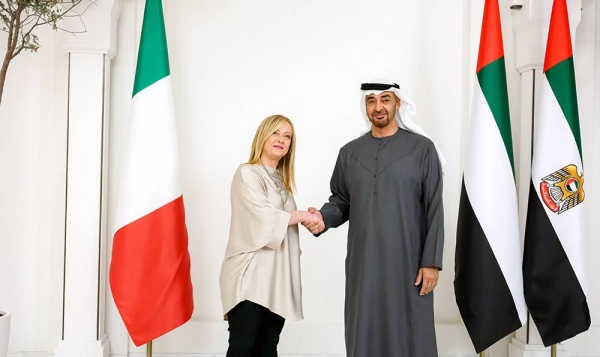
President Sheikh Mohamed bin Zayed Al Nahyan’s state visit to Italy has significantly bolstered the relationship between the United Arab Emirates and Italy. During a dinner banquet hosted by Italian President Sergio Mattarella, both leaders expressed their commitment to enhancing bilateral cooperation across various sectors.

President Mattarella welcomed Sheikh Mohamed and his delegation, highlighting the deep-rooted ties between the two nations and their mutual desire to further strengthen collaboration for the benefit of their peoples. In response, Sheikh Mohamed conveyed his appreciation for the warm reception and emphasized the strategic partnership’s ongoing growth. He noted that this visit reflects both countries’ aspirations to work together towards elevated cooperation and joint economic development.

A symbolic exchange of honors took place during the banquet. Sheikh Mohamed awarded President Mattarella the Order of Zayed, the UAE’s highest civilian honor bestowed upon world leaders. In return, President Mattarella conferred upon Sheikh Mohamed the Order of Merit of the Italian Republic, Italy’s highest accolade for foreign dignitaries.

The UAE delegation accompanying Sheikh Mohamed included Sheikh Abdullah bin Zayed Al Nahyan, Deputy Prime Minister and Minister of Foreign Affairs; Sheikh Hamdan bin Mohamed bin Zayed Al Nahyan, Deputy Chairman of the Presidential Court for Special Affairs; and Sheikh Mohammed bin Hamad bin Tahnoon Al Nahyan, Advisor to the UAE President. The Italian side was represented by several ministers, senior officials, and other dignitaries.

As Sheikh Mohamed’s aircraft entered Italian airspace, it was ceremoniously escorted by a squadron of Italian military jets, symbolizing the importance of this visit. This gesture underscores the mutual respect and the strengthening ties between the two nations.

The discussions between the leaders encompassed a wide range of topics, including investment opportunities, advancements in artificial intelligence, and cultural exchanges. Both countries are keen to explore collaborative ventures in these areas to foster innovation and economic growth.

Energy cooperation emerged as a focal point during the talks. The UAE’s Abu Dhabi National Oil Company and Italy’s energy giant Eni are expanding their partnership beyond traditional oil and gas sectors. Their collaboration now includes renewable energy projects, aligning with global efforts to transition towards sustainable energy solutions.

Defense and security were also prominent on the agenda. Italy’s Leonardo remains a key supplier to the UAE Armed Forces, and both nations are exploring avenues to deepen their defense cooperation. This includes potential joint ventures and knowledge exchange programs aimed at enhancing the capabilities of their respective armed forces.

Emerging sectors such as climate change mitigation, food security, and the space industry were identified as promising areas for future collaboration. Both countries recognize the importance of addressing global challenges through joint initiatives and are committed to working together to develop innovative solutions.

This visit follows Italian Prime Minister Giorgia Meloni’s diplomatic mission to Abu Dhabi, which took place approximately a month prior. During that visit, multiple cooperation agreements were signed, including a significant energy deal involving Albania. These developments signify a renewed vigor in UAE-Italy relations, moving beyond traditional frameworks to embrace broader regional and global partnerships.

Analysts suggest that the UAE-Italy relationship is evolving into a strategic alliance with the potential to influence regional dynamics. Both nations are positioning themselves as key players in the Indo-Mediterranean region, leveraging their economic and geopolitical strengths to foster stability and prosperity.

The leaders also discussed the possibility of developing trilateral and regional alliances, particularly focusing on Africa and East Asia. While Italy prioritizes Eastern Europe, the UAE maintains a strong focus on Africa, creating opportunities for strategic alignment and collaborative initiatives in these regions.

Apple is poised to unveil new 13-inch and 15-inch MacBook Air models equipped with M4 chips in March 2025, according to reports. This release will complete the MacBook lineup’s transition to M4 processors, following the earlier updates to the MacBook Pro series. Preparations for the launch are reportedly underway, with Apple’s marketing, sales, and retail teams gearing up for the debut. The company is also allowing existing […]

The Gulf Cooperation Council economies are poised to outpace global economic growth in 2025, driven by strategic diversification efforts and robust non-oil sector expansion. According to First Abu Dhabi Bank’s latest Global Investment Outlook report, the GCC’s gross domestic product is projected to nearly double, reaching 3.6% in 2025, surpassing the International Monetary Fund’s global growth forecast of 2.8%.

Saudi Arabia stands at the forefront of this regional surge, with its non-oil GDP anticipated to grow by 4.4% in 2025, up from 3.5% the previous year. This projection aligns with PwC’s analysis, which also foresees a 4.4% expansion in the kingdom’s non-oil economy for the same period. The IMF further estimates that Saudi Arabia’s overall economy will expand by 3.3% in 2025, with growth accelerating to 4.1% in 2026. This optimistic outlook is bolstered by Moody’s recent upgrade of Saudi Arabia’s sovereign credit rating to Aa3, reflecting the success of its economic diversification initiatives and reduced reliance on oil revenues.

The United Arab Emirates is also projected to experience significant economic growth. The IMF forecasts a 5.1% increase in the UAE’s GDP for 2025, while the World Bank anticipates growth rates of 4% in 2025 and 4.1% in 2026. These projections are underpinned by the UAE’s strategic investments in non-oil sectors, business-friendly regulations, and a low corporate tax regime. S&P Global Ratings highlights that the UAE’s GDP growth is expected to remain strong between 2025 and 2027, supported by buoyant non-hydrocarbon activities.

Oxford Economics echoes this positive sentiment, predicting that the GCC’s regional GDP growth will nearly double to 3.6% in 2025, outpacing the global forecast of 2.8%. This growth is attributed to gradual increases in oil production and sustained robust trajectories in non-energy sectors. The World Bank concurs, projecting that the GCC region will grow by 3.4% in 2025 and 4.1% in 2026, compared to an expected 3.3% growth rate for the broader Middle East and North Africa region.

FAB’s Group Head of Global Private Banking, Michel Longhini, emphasized the region’s resilience, stating, “The 2025 global economic environment presents unique challenges, but the GCC region continues to stand out as a beacon of resilience and opportunity.” This resilience is further demonstrated by the UAE’s non-oil GDP growth, which is expected to remain strong at 4.9% in 2024 and 5% in 2025, supported by government initiatives to attract foreign investments and promote economic diversification.

In Saudi Arabia, economic growth is expected to accelerate in 2025 due to an increase in oil production, following two years of modest performance. A Reuters poll of economists indicates that the kingdom’s economy is forecasted to grow by 4.4% in 2025, up from an anticipated 1.3% this year. This growth is driven by plans to reverse previous production cuts and bolster non-oil revenues.

SINGAPORE – Media OutReach Newswire – 24 February 2025 – British Council Singapore celebrated the achievements of exceptional UK alumni at the Study UK Alumni Awards 2025, held at The Fullerton Hotel Singapore, on 20 February. This flagship event honours individuals who have leveraged their UK education to make significant contributions to their professions, communities and societies. British Council Singapore Honours Outstanding UK Alumni at the Study […]

Advertisements

Edge Artificial Intelligence is rapidly transforming how industries process data by enabling real-time analysis directly on devices. This shift reduces dependence on centralized cloud infrastructures, offering significant advantages in speed, security, and efficiency. By processing data locally, Edge AI minimizes latency, providing immediate responses essential for applications like autonomous vehicles and industrial automation. This on-device computation ensures that critical decisions are made without delays associated with data […]

Exoscale, the cloud service division of A1 Digital, has partnered with Austrian company Diggers to implement an advanced liquid cooling system in their Vienna data center, aiming to enhance energy efficiency for artificial intelligence workloads. This collaboration focuses on reducing energy consumption and repurposing waste heat generated by high-performance computing processes. The increasing demand for AI applications has significantly escalated energy usage in data centers, with cooling […]

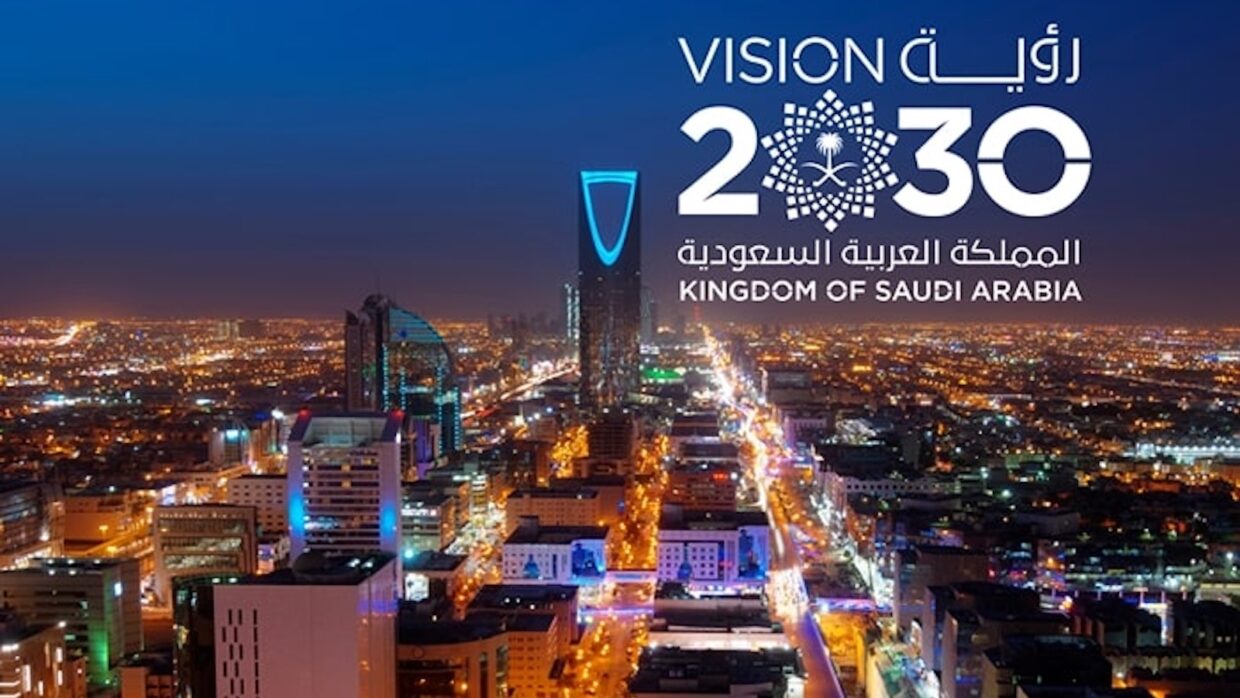
Saudi Arabia is rapidly transforming the Gulf Cooperation Council’s private equity landscape through strategic initiatives, regulatory reforms, and its unwavering commitment to Vision 2030. This ambitious blueprint is redefining the region’s investment environment, setting new standards for growth, diversification, and global collaboration.

Over the past five years, private equity investments in Saudi Arabia have experienced remarkable expansion. In 2023 alone, the Kingdom attracted nearly $4 billion in private equity, a significant increase from previous years. This surge is largely attributed to the nation’s stable economic climate, with inflation rates maintained at 2.1 percent in 2024 and a projected 2.3 percent in 2025, fostering a conducive environment for investors.

A pivotal element of this growth is Saudi Arabia’s strategic push to privatize key state-owned assets, including sectors such as airports, water, sports, and energy services. This move has unlocked investment opportunities exceeding $50 billion, actively inviting private sector participation across critical areas like infrastructure, healthcare, education, tourism, and entertainment. The Public Investment Fund , the Kingdom’s sovereign wealth fund, plays a central role in this transformation. Notably, PIF has entered into agreements with Japanese financial institutions, securing up to $51 billion to enhance capital flows through both debt and equity channels. Additionally, PIF plans to establish a $1 billion joint fund with the Hong Kong Monetary Authority, targeting investments in firms expanding into Saudi Arabia, particularly in manufacturing and renewable energy sectors.

The Kingdom’s dedication to Vision 2030 is further exemplified by the establishment of the Savvy Games Group in 2021. This initiative aims to position Saudi Arabia as a global gaming hub by 2030, with plans to invest $37.8 billion in the video game industry. The strategy includes acquiring leading game developers and publishers, fostering job creation, and contributing significantly to the national GDP. In line with this vision, Savvy Games Group acquired the American mobile game developer Scopely for $4.9 billion in 2023 and is reportedly in discussions to acquire the gaming division of Niantic for $3.5 billion.

Public-private partnerships are also instrumental in empowering Saudi businesses to expand globally. These collaborations offer domestic companies the opportunity to engage with international markets and learn from global best practices. Experts highlight that PPPs are pivotal in transforming Saudi Arabia’s economy, leading to increased foreign direct investment and sustainable economic growth. The government’s proactive approach in fostering these partnerships underscores its commitment to creating a vibrant environment for both local and international investors.

Abu Dhabi has solidified its economic partnership with China through a series of strategic agreements aimed at enhancing bilateral trade and investment. A delegation led by the Abu Dhabi Department of Economic Development visited China, culminating in several key collaborations designed to introduce Abu Dhabi’s investment opportunities to Chinese businesses and investors. One significant outcome of the visit was the Abu Dhabi Chamber of Commerce and Industry’s […]

Saudi Arabia has announced a significant investment of SR13.4 billion to expand the Qurayyah Independent Power Plant in the Eastern Province. This expansion aims to add 3.01 gigawatts of power generation capacity, addressing the Kingdom’s growing energy demands and supporting its economic development. The Saudi Power Procurement Company , the nation’s sole licensed electricity buyer, has signed a power purchase agreement with the Saudi Electricity Company and […]

Oil prices experienced a decline on Friday, with Brent futures decreasing by 73 cents, or 0.95%, to $75.75 per barrel, and U.S. West Texas Intermediate crude falling by 73 cents, or 1%, to $71.75 per barrel. Despite this downturn, both benchmarks were poised for a weekly gain, influenced by supply disruptions in Russia and ongoing uncertainty surrounding potential peace negotiations in Ukraine.

The market has been reacting to recent events impacting supply dynamics. Ukrainian drone strikes targeted a key pumping station on a major international pipeline in southern Russia, disrupting oil supplies from Kazakhstan. This incident has heightened concerns over the stability of oil exports in the region, contributing to price volatility.

In the United States, oil refiners are expected to shut in about 1.25 million barrels per day of capacity in the week ending February 21, increasing available refining capacity by 258,000 bpd. Offline capacity is projected to fall to 893,000 bpd in the week ending February 28. These adjustments in refining operations reflect the industry’s response to current supply and demand conditions.

Global oil demand growth is projected to average 1.1 million bpd in 2025, up from 870,000 bpd in 2024. This increase is primarily driven by emerging Asian economies, with China remaining a significant contributor due to its petrochemical sector. However, the pace of China’s expansion is expected to slow, and OECD demand is forecast to return to a structural decline following a modest increase last year.

World oil supply experienced a decline of 950,000 bpd to 102.7 million bpd in January, influenced by seasonally colder weather affecting North American production, as well as output decreases in Nigeria and Libya. Despite this reduction, supply remains 1.9 million bpd higher than a year ago, with gains led by the Americas. Projections indicate that global oil supply will increase by 1.6 million bpd to 104.5 million bpd in 2025, assuming OPEC+ voluntary cuts remain in place.

The Energy Information Administration forecasts that Brent crude oil prices will average $74 per barrel in 2025, before declining to $66 per barrel in 2026. This outlook considers factors such as increasing production and relatively weak global oil demand growth, leading to a rise in global oil inventories and exerting downward pressure on prices.

Market participants are closely monitoring geopolitical developments, particularly the potential for peace negotiations between Russia and Ukraine. The outcome of these discussions could significantly impact global oil supply and demand dynamics, influencing price trajectories in the near term.

Saudi Arabia has rapidly become a pivotal player in the Gulf Cooperation Council’s private equity sector, driven by strategic reforms and its ambitious Vision 2030 agenda. Over the past five years, the Kingdom’s private equity investments have experienced remarkable growth, escalating from $523 million in 2019 to $4 billion in 2023, reflecting a compound annual growth rate of 66%. This surge underscores Saudi Arabia’s commitment to creating an investor-friendly environment that appeals to both domestic and international stakeholders.

A significant factor contributing to this expansion is the dominance of buyout transactions, which have consistently constituted approximately 80% of the total private equity capital deployed in the country. This trend indicates a robust market for mergers and acquisitions, aligning with the nation’s objectives to diversify its economy and reduce reliance on oil revenues. Additionally, growth equity investments are gaining momentum, supporting mid-sized companies poised for expansion and further stimulating economic diversification.

The Kingdom’s strategic initiatives, particularly the Shareek Program launched in 2021, play a crucial role in this transformation. Designed to bolster large Saudi enterprises, Shareek aims to accelerate private sector investments, fostering economic development and enhancing the global competitiveness of Saudi businesses. By facilitating partnerships between the public and private sectors, the program seeks to unlock new investment opportunities and drive sustainable growth.

Sector-wise, technology and infrastructure have emerged as focal points for private equity investments. The government’s emphasis on digital transformation and smart city projects has attracted substantial capital, leading to advancements in these areas. For instance, the development of NEOM, a futuristic city envisioned under Vision 2030, exemplifies the type of large-scale infrastructure projects drawing investor interest. Such initiatives not only modernize the nation’s landscape but also create a plethora of opportunities for private equity firms seeking to capitalize on the burgeoning demand for innovative solutions.

In tandem with these developments, Saudi Arabia’s Public Investment Fund has been instrumental in anchoring foreign investments within the Kingdom. By collaborating with international asset managers and financial institutions, PIF aims to attract $100 billion in annual foreign direct investments by 2030. Notable partnerships include a $2 billion Middle East infrastructure fund with Canadian asset manager Brookfield and agreements with Japanese financial entities, reflecting the Kingdom’s strategic approach to integrating global expertise and capital into its economic framework.

However, the rapid evolution of the private equity landscape is not without challenges. Proposed changes by the Accounting and Auditing Organization for Islamic Financial Institutions could introduce complexities in the Islamic debt market, potentially affecting transaction structures and investor appeal. The new rules mandate issuers of Islamic bonds to transfer legal ownership of underlying assets to investors, aiming for closer adherence to Islamic principles of risk-sharing. While intended to enhance compliance, these changes may increase transaction costs and deter investment if not managed adeptly.

Liquidity concerns persist, particularly in sectors with less mature market infrastructures. The developing nature of the private equity and venture capital ecosystems necessitates continuous efforts to deepen capital markets and enhance investor confidence. Initiatives to address these issues include the maturation of Saudi Arabia’s stock market, which is progressively offering more exit avenues for private equity investments, thereby improving liquidity and attracting further capital inflows.

The Kingdom’s proactive stance in privatizing state-owned assets across various sectors, such as energy, infrastructure, healthcare, education, tourism, and entertainment, has unlocked vast opportunities for both local and international investors. With investments now exceeding $50 billion, these privatization efforts signify a pivotal shift in Saudi Arabia’s economic landscape, promoting private sector involvement and fostering a more dynamic investment climate.

In the realm of sports and entertainment, Saudi Arabia has made significant strides, exemplified by its $1 billion investment in DAZN, a sports streaming service owned by billionaire Sir Leonard Blavatnik. This strategic move not only amplifies the Kingdom’s presence in the global sports industry but also aligns with its broader objectives to diversify the economy and enhance its international image. The collaboration aims to broadcast Saudi sports and events to over 200 markets, showcasing the nation’s commitment to expanding its cultural and entertainment footprint worldwide.

Global oil prices have experienced a significant decline, with West Texas Intermediate crude falling nearly 3% to $70.40 per barrel, marking a two-month low. This downturn is attributed to a combination of U.S. policy changes under President Donald Trump and evolving geopolitical dynamics in the Middle East. President Trump’s recent energy policies have introduced substantial volatility into the oil market. His administration’s focus on bolstering fossil fuel […]

Saudi Arabia is poised to lead the Middle East and North Africa region in initial public offerings in 2025, with 27 companies planning to list on its stock exchange. This surge underscores the Kingdom’s efforts to diversify its economy and strengthen its capital markets. According to a report by EY, the MENA region anticipates 38 company IPOs and 22 fund listings in 2025, spanning various sectors. The […]

Pi Network’s native cryptocurrency, Pi Coin, has experienced a dramatic decline of more than 60% in its market value following the project’s highly anticipated mainnet launch. The token’s price tumbled from an initial high of $1.97 to approximately $0.64 within a day, raising concerns among investors and the broader cryptocurrency community.

The mainnet launch, which occurred on February 20, 2025, was expected to bolster Pi Coin’s market presence. Several centralized exchanges, including OKX, Bitget, and MEXC, promptly listed the token, allowing users to trade Pi Coin on their platforms. Despite these listings, the token’s value swiftly depreciated, leading to significant market volatility.

In contrast, some major exchanges have refrained from listing Pi Coin. Bybit’s CEO, Ben Zhou, publicly criticized the project, citing concerns over its legitimacy. Zhou referenced a 2023 warning from Chinese authorities that labeled Pi Network as a scam targeting vulnerable populations, particularly the elderly. He emphasized that Bybit had no intentions of listing Pi Coin and challenged the Pi Network team to address these allegations.

The precipitous drop in Pi Coin’s value has been attributed to several factors. Analysts suggest that early miners may have capitalized on the mainnet launch to liquidate their holdings, exerting downward pressure on the price. Additionally, the absence of listings on prominent exchanges like Binance has limited the token’s accessibility and liquidity. Market participants have also expressed concerns regarding the token’s real-world utility and the project’s overall transparency.

Despite the current challenges, Pi Network boasts a substantial user base, with over 60 million registered users globally. The project’s unique mobile-based mining approach has garnered significant attention, allowing users to mine cryptocurrency directly from their smartphones without the need for energy-intensive hardware. However, discrepancies in reported user numbers have emerged, with blockchain explorers indicating approximately 9.1 million active users, leading to questions about the platform’s actual adoption rate.

KUALA LUMPUR, MALAYSIA – Media OutReach Newswire – 21 February 2025 – The beginning of 2025 witnessed a complex geopolitical scenario in Europe, with the most prominent events expected to impact financial markets. The intersection of political instability, economic tensions, and global trade dynamics makes it crucial for traders to be vigilant and reactive. Understanding these events is essential to forming well-informed trading strategies. Kar Yong Ang, […]

The Abu Dhabi Investment Office has solidified its commitment to fostering economic collaboration with China by entering into strategic agreements with prominent Chinese entities. These partnerships, announced during the Abu Dhabi Investment Forum in Shanghai, aim to enhance investment intelligence and facilitate the expansion of Chinese enterprises into Abu Dhabi’s burgeoning market.

In a notable development, ADIO has partnered with Wind Information, China’s leading financial information services provider. This collaboration designates Wind Information as ADIO’s preferred knowledge partner in China, granting investors enhanced access to Abu Dhabi’s dynamic investment landscape. The alliance is poised to bridge information gaps, enabling Chinese investors to make informed decisions about opportunities within the emirate.

Simultaneously, ADIO has forged a strategic partnership with Hejun Group, a prominent Chinese consulting firm. This agreement is designed to accelerate Chinese investment in Abu Dhabi by leveraging Hejun Group’s extensive network of over 2,000 publicly listed companies. The collaboration aims to introduce these enterprises to Abu Dhabi’s investment prospects, thereby fostering economic growth and diversification within the region.

Further strengthening bilateral ties, ADIO has entered into an agreement with Fosun International Limited, a global innovation-driven consumer group. This partnership seeks to expedite the expansion of Fosun’s subsidiaries into Abu Dhabi and the broader Middle East. ADIO will provide tailored investor support, streamlined market access, and strategic guidance to facilitate Fosun’s ventures in key sectors such as wealth management, fintech, premium residential real estate, and healthcare innovation.

These strategic alliances underscore Abu Dhabi’s proactive approach to attracting foreign investment and enhancing its position as a global financial hub. By collaborating with leading Chinese firms, the emirate aims to diversify its economy and foster innovation across various industries.

The Abu Dhabi Investment Forum in Shanghai served as a pivotal platform for these announcements, highlighting the emirate’s commitment to strengthening economic ties with China. The forum facilitated discussions on Abu Dhabi’s role as a global financial, trade, and technology hub, with a focus on technological innovation in areas such as financial technology, artificial intelligence, blockchain, and digital transformation.

These developments are set against the backdrop of burgeoning trade relations between the United Arab Emirates and China. Bilateral trade between the two nations is projected to reach $200 billion by 2030, positioning Abu Dhabi as a critical gateway for Chinese investment in the Middle East and beyond. The emirate already hosts a significant number of the 6,000 Chinese companies operating in the UAE, spanning key sectors including technology, financial services, and energy.

In addition to these partnerships, Abu Dhabi has been actively engaging in strategic investments to bolster its economic landscape. For instance, Masdar, Abu Dhabi’s renewable energy company, has been expanding its footprint in the European energy sector. Masdar is currently negotiating with banks to structure the acquisition of a new portfolio of renewable energy assets from Endesa, a Spanish utility company. This move aligns with Abu Dhabi’s broader strategy to invest in sustainable energy solutions and diversify its investment portfolio.

The financial sectors of the UAE and China have been exploring collaborative opportunities to enhance cross-border investments. The Shenzhen Stock Exchange and Dubai Financial Market have signed a memorandum of understanding to bolster cross-border investing, particularly in exchange-traded funds . This agreement includes dual listings, shared indices, and fixed-income offerings, aiming to facilitate secondary market investments and strengthen financial ties between the two nations.

These initiatives reflect a broader trend of deepening economic cooperation between Abu Dhabi and China, with both parties seeking to capitalize on mutual investment opportunities and drive sustainable economic growth. The strategic partnerships established by ADIO are poised to play a pivotal role in this collaborative effort, fostering a conducive environment for innovation, investment, and economic diversification.


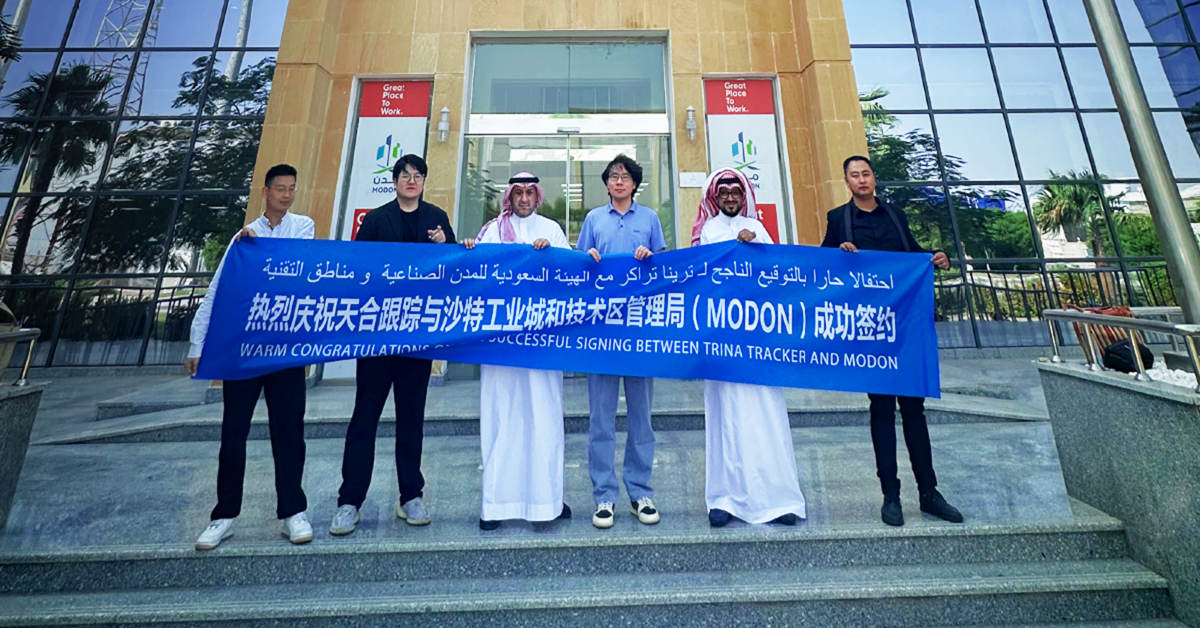
TrinaTracker, a division of China’s Trina Solar, has inaugurated a manufacturing facility in Jeddah’s 3rd Industrial City, Saudi Arabia, with an annual production capacity of 3 gigawatts . This strategic move aligns with Saudi Arabia’s ambitious Vision 2030 plan, aiming to diversify its energy portfolio by significantly increasing renewable energy sources.

The newly established plant specializes in producing TrinaTracker’s Vanguard series of solar trackers and smart control systems. These advanced trackers are designed to optimize the orientation of solar panels, enhancing energy capture and overall efficiency. Notably, the facility operates with zero pollutant emissions during its production processes, underscoring TrinaTracker’s commitment to sustainable manufacturing practices.

This Jeddah-based factory marks TrinaTracker’s fourth manufacturing hub, complementing existing facilities in China, Spain, and Brazil. The decision to establish a presence in Saudi Arabia reflects the company’s strategy to localize production and meet the growing demand for solar energy solutions in the Middle East.

Saudi Arabia has set an ambitious goal to source at least 50% of its power from renewable energy by 2030, targeting an expansion to 130 GW of renewable capacity. Of this, 58.7 GW is expected to come from solar energy. The integration of TrinaTracker’s manufacturing capabilities is poised to play a pivotal role in achieving these targets, providing locally produced, state-of-the-art solar tracking technology.

The Kingdom’s commitment to renewable energy is further evidenced by several large-scale solar projects. The Sudair Solar PV Project, located in Sudair Industrial City, is nearing full operational status. Once completed, this 1.5 GW facility will supply power to approximately 185,000 households and is expected to offset an estimated 2.9 million tons of carbon dioxide emissions annually. The project utilizes bifacial solar panels with single-axis tracking technology, enhancing efficiency and energy output.

In addition to domestic initiatives, Saudi Arabia has engaged in international collaborations to bolster its renewable energy infrastructure. In December 2024, during French President Emmanuel Macron’s visit to Riyadh, agreements were signed with French energy giants TotalEnergies and EDF Renewables. TotalEnergies is set to construct a 300 MW solar park in Rabigh Industrial City, while EDF Renewables will develop two solar parks totaling 1.4 GW. These projects are slated to commence operations by 2026 and are part of the Kingdom’s broader strategy to attract foreign investment and expertise in the renewable sector.

Researchers from the University of California San Diego and CEA-Leti have unveiled a pioneering microactuator driving system that integrates energy storage with voltage conversion, setting a new benchmark for efficiency in small electromechanical devices. This advancement, presented at the International Solid-State Circuits Conference 2025, promises to significantly enhance the performance of microdrones and medical implants. The core innovation lies in the system’s ability to deliver high-voltage outputs […]

Gulf Cooperation Council equity markets are projected to yield returns between 12% and 13% in 2025, according to First Abu Dhabi Bank’s latest Global Investment Outlook report. This optimistic forecast is underpinned by robust economic growth, strategic diversification efforts, and a stable geopolitical climate within the region.

The report highlights that the United Arab Emirates is expected to see its Gross Domestic Product growth accelerate from 4.5% to 5.6% in 2025, surpassing the International Monetary Fund’s global growth projection of 3.2%. This surge is attributed to significant investments in non-oil sectors, including technology, tourism, and renewable energy, as part of the nation’s broader economic diversification strategy.

Similarly, the broader GCC region is anticipated to double its growth rate from 2.1% to 4.2% in 2025. This expansion is driven by strategic initiatives aimed at reducing dependence on oil revenues and fostering sustainable economic development. The FAB report emphasizes that these efforts are positioning the GCC economies to outpace global growth in the coming year.

In the equity markets, an expected earnings growth of 11.1% and a price-to-earnings ratio of approximately 15.18x are projected to support the anticipated double-digit returns, inclusive of dividends. The petrochemical sector, in particular, is poised for a strong recovery, bolstered by increased global demand and favorable pricing dynamics. Additionally, the financial sector is set to benefit from rising interest rates and enhanced profitability metrics.

Fitch Ratings’ recent analysis aligns with this positive outlook, indicating a stable forecast for GCC corporates in 2025, underpinned by resilient fundamentals. The real estate sector is also expected to experience continued growth, with gross leverage projected to improve to an average of 2x in 2025, down from 2.5x in 2024.

The FAB report further underscores the role of artificial intelligence and technological innovation as pivotal drivers of economic transformation in the GCC. Governments across the region are investing heavily in AI and digital infrastructure, aiming to enhance productivity and create new avenues for economic growth. These technological advancements are expected to contribute significantly to the region’s GDP and attract foreign direct investment.

The Central Bank of the United Arab Emirates has achieved a significant milestone with its 500 dirham banknote being recognised as the ‘Best New Banknote Issue’ for 2025 in the Europe, Middle East, and Africa region. This accolade was announced during the High Security Printing EMEA conference held in Basel, Switzerland, earlier this month.

The award-winning banknote, which entered circulation on 30 November 2023, is part of CBUAE’s third polymer series. It reflects the UAE’s commitment to sustainability and innovation in the financial sector. The note’s design incorporates advanced security features and three-dimensional elements, setting new standards in banknote aesthetics and security.

One of the standout features of the 500 dirham note is its use of the region’s largest surface-applied foil stripe, a pioneering move in Middle Eastern currency design. This security enhancement not only deters counterfeiting but also adds a distinctive visual appeal. The note was printed by Oumolat Security Printing, a fully owned subsidiary of CBUAE, underscoring the nation’s capability in high-security printing technologies.

The front of the banknote showcases the Terra Sustainability Pavilion from Expo City Dubai, symbolising the UAE’s dedication to a sustainable future inspired by the principles of the nation’s founding father, the late Sheikh Zayed bin Sultan Al Nahyan. The reverse side features the Museum of the Future in Dubai, an architectural marvel that bridges the past and future, along with iconic landmarks such as the Emirates Towers and the Burj Khalifa. Notably, the Burj Khalifa, standing at 828 meters with over 160 floors, is highlighted as a beacon of sustainability, deriving a significant portion of its energy from solar power.

In a strategic move towards environmental responsibility, CBUAE opted for polymer material in the production of the new banknotes. Polymer notes are more durable and have a longer lifespan than traditional paper notes, and they are fully recyclable, significantly reducing environmental impact. This initiative aligns with the UAE’s broader vision to transition to a green economy and ensure sustainable development for future generations.

This recognition follows a previous accolade where CBUAE’s 1,000 dirham banknote was awarded ‘Best New Banknote’ in 2023. The consistent acknowledgment of the UAE’s currency innovations highlights the nation’s leadership in adopting cutting-edge security features and sustainable practices in banknote production.

His Excellency Saif Humaid Al Dhaheri, Assistant Governor of Banking Operations & Support Services at CBUAE and Chairman of the Board of Directors of Oumolat Security Printing Company, expressed pride in this achievement. He emphasised that the award is a testament to the UAE’s dedication to sustainability and innovation, positioning the nation at the forefront of advanced security features and environmentally friendly materials in currency production.

The High Security Printing EMEA conference is a prestigious event that recognises excellence in the design and technical development of banknotes, passports, and identity cards across the EMEA region. The UAE’s accomplishment at this conference not only enhances the global reputation of its currency but also reflects the country’s broader commitment to innovation and sustainability in various sectors.

Volvo has unveiled its latest electric luxury sedan, the ES90, which is set to redefine automotive computing power and safety standards. Equipped with a dual NVIDIA DRIVE AGX Orin supercomputer configuration, the ES90 boasts the capability to perform 508 trillion operations per second, positioning it as the most computationally advanced vehicle in Volvo’s lineup. This monumental processing capacity enhances the vehicle’s artificial intelligence-based safety features, sensor integration, […]

VISHNU RAJA
RYO YAMADA
HITORI GOTOH
IKUYO KITA