News related to
energy

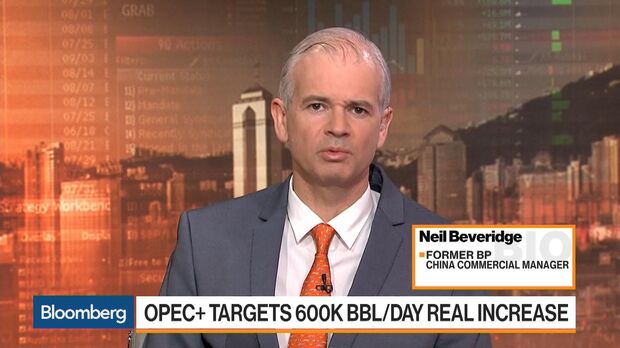
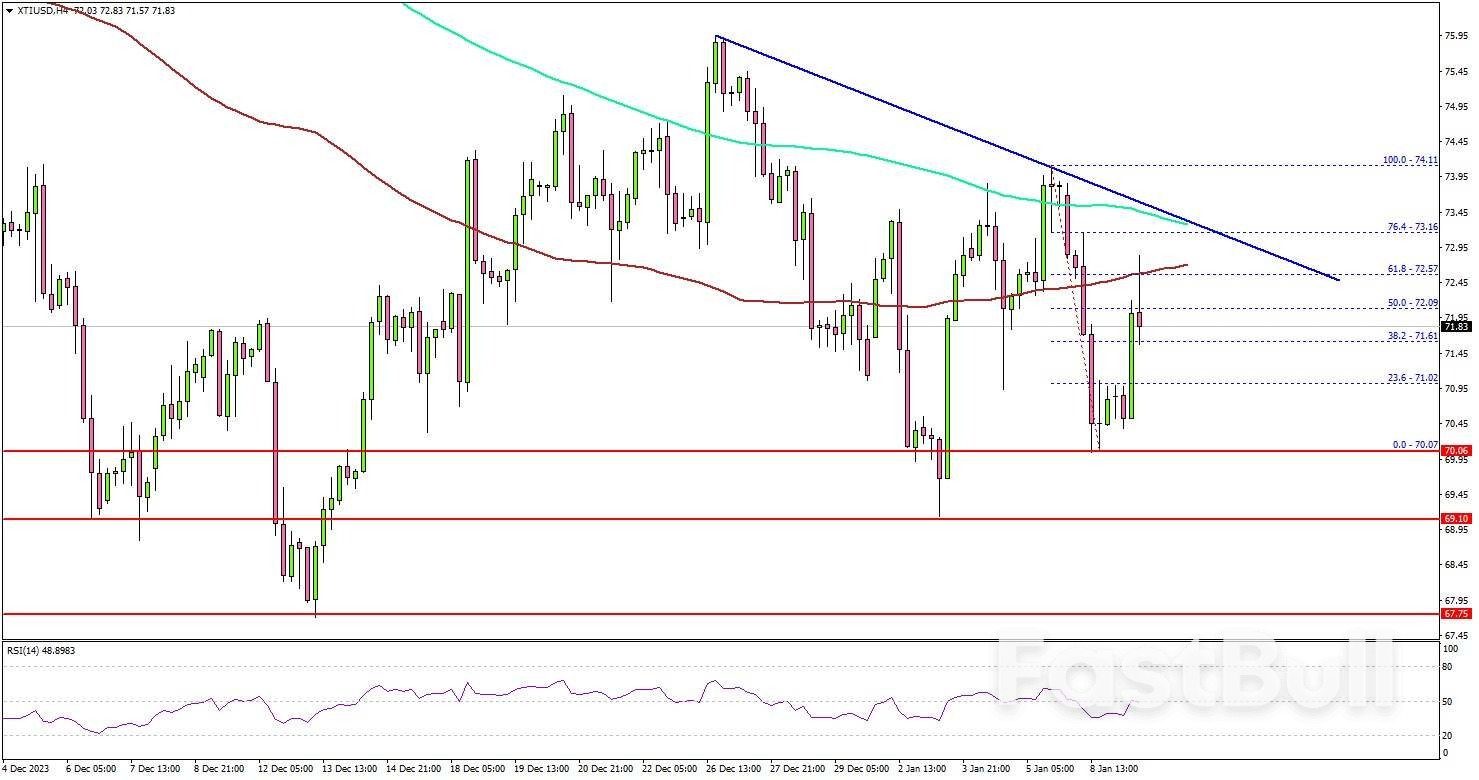
Oil prices strengthened sharply as OPEC+ agreed to a modest increase in production, falling short of some market expectations, while escalating geopolitical tensions in Ukraine and Iran added further upward pressure. West Texas Intermediate crude futures climbed 2.8%, settling near $63 per barrel, reflecting a cautious market balancing supply concerns against demand uncertainties.

The Organisation of the Petroleum Exporting Countries and its allies approved a production boost of 411,000 barrels per day for July, a figure that surprised some analysts who anticipated a larger output increase. This decision followed extensive negotiations marked by dissent from several members, including Russia, which has historically played a pivotal role in the alliance’s supply management. The group’s choice to limit production growth indicates a strategic effort to maintain price support amid a volatile global economic outlook.

Within the alliance, certain countries advocated for a pause in the output hike, citing lingering uncertainties in global demand recovery and concerns over market oversupply. This internal division has led financial institutions to offer contrasting forecasts on OPEC+ policy direction for the coming months. Some banks now expect additional gradual supply increases to ease pressure on energy markets, while others warn of a more restrained approach to sustain price levels.

Market participants are also closely monitoring the geopolitical landscape, which has become a significant factor influencing oil prices. The conflict in Ukraine continues to disrupt supply chains and has led to concerns over potential shortages in European energy markets. The war has prompted a reconfiguration of energy trade flows, with European countries seeking alternatives to Russian crude and refined products amid sanctions and supply restrictions.

Meanwhile, escalating tensions surrounding Iran’s nuclear programme and regional activities have heightened fears of disruptions in the Middle East, a region critical to global oil supply. The possibility of renewed sanctions or military confrontation has contributed to risk premiums embedded in crude prices. Iranian officials have issued statements warning against external interference, further adding to the geopolitical uncertainties that traders are factoring into their decisions.

The market’s response to these developments reflects a complex interplay between supply management by OPEC+ and external geopolitical risks. While the alliance’s measured increase in output signals a cautious optimism about demand recovery, the persistent threats to supply continuity underscore the fragility of the current energy market balance. This dynamic has led to increased volatility in oil prices as traders weigh the prospects of tighter supply against potential disruptions.

Analysts note that global oil inventories remain a critical indicator of market health. Recent data show stocks in key consuming regions have fluctuated, influenced by varying rates of economic activity and shifts in fuel consumption patterns. The International Energy Agency has highlighted that while demand has strengthened, it faces headwinds from inflationary pressures and a slower-than-expected economic rebound in several major economies.

Energy firms and investors are responding to the evolving scenario by adjusting their strategies. Some producers are exercising caution in ramping up output, mindful of price swings and regulatory challenges. Investment in exploration and production continues to be scrutinised in light of global energy transition policies and commitments to reduce carbon emissions, factors that could constrain long-term supply growth.

The global energy market is also observing shifts in trade flows as refiners and consumers adapt to changing supply sources. Countries in Asia and Europe are recalibrating their crude procurement strategies to mitigate risks and capitalise on price movements. This realignment is creating new patterns of demand that could influence OPEC+ decisions and broader market trends going forward.

Despite these complexities, market analysts caution that the oil market remains sensitive to any significant geopolitical escalation or unexpected shifts in production policies. The interplay between supply discipline by producing nations and geopolitical developments will continue to be key drivers of price direction. The potential for further volatility remains high as global economic conditions evolve and political uncertainties persist.

Financial institutions remain divided on how aggressively OPEC+ will pursue production hikes in the coming months. Some expect a gradual easing of supply constraints if demand shows sustained improvement, while others predict continued restraint to maintain price support amid ongoing global uncertainties.
Matein Khalid My macro crystal ball begins to vibrate ominously whenever a perma-bull talking head joins the Squawk Box on CNBC, my spiritual, philosophical and financial lodestar in life and La Dolce Vita of the mercati monetari globali. After all, our beautiful business began as a money lender’s bench in Renaissance Florence 600 years ago and if we ever ran out of cash, they ruptured our banco […]

Bell Canada has launched a major initiative to bolster the country’s artificial intelligence capabilities through the establishment of a nationwide network of high-performance, hydroelectric-powered data centres. Dubbed Bell AI Fabric, the project aims to provide 500 megawatts of AI computing capacity, marking a significant step in enhancing Canada’s sovereign AI infrastructure. The first facility, a 7-megawatt data centre in Kamloops, British Columbia, is set to commence operations […]

Japan has elevated its foreign direct investment target to ¥120 trillion by 2030, a 20% increase from its previous goal, as part of a broader strategy to invigorate its economy and attract overseas capital. The government also aims to further boost this figure to ¥150 trillion by the mid-2030s, nearly tripling the current FDI level of approximately ¥50 trillion.

This strategic shift underscores Japan’s commitment to revitalising its economy by drawing foreign firms into key growth sectors such as decarbonisation. The revised targets are expected to be formally included in the government’s upcoming fiscal and economic policy guidelines set for release in June.

The initiative is not solely focused on national economic growth but also aims to stimulate regional economies and create employment opportunities beyond major urban centres. To support this, the government is considering new grants and enhanced public-private collaboration frameworks to facilitate the establishment of foreign facilities in local areas.

Japan’s Ministry of Foreign Affairs has been actively promoting FDI by establishing contact points in major embassies and consulates-general worldwide. These efforts are aimed at attracting people, goods, capital, and ideas from overseas to strengthen the growth potential of the Japanese economy and foster innovation.

The government’s strategy includes identifying challenges for foreign companies in making follow-up investments in Japan and promoting activities abroad to attract FDIs through the FDI Task Forces established in various diplomatic missions. Additionally, investment seminars are being held to disseminate information about Japan’s business environment and its attractiveness as an investment destination.

A community-led dialogue in Soweto has intensified calls for a people-first approach to South Africa’s energy transition, as environmental activists and residents urge the government to prioritise frontline communities in climate policy decisions. Held at the Soweto Career Centre on 27 May to mark Africa Day, the “Scamtho” event—organised by Earthlife Africa Johannesburg—brought together over 100 participants from local organisations. The gathering served as a platform for […]

Prince Abdulaziz bin Salman’s tenure as Saudi Arabia’s energy minister has marked a decisive shift in OPEC+ dynamics, culminating in a significant production decision that underscores Riyadh’s growing influence within the cartel. The latest OPEC+ meeting saw Saudi Arabia successfully advocate for a third consecutive super-sized monthly output increase, a move that has reshaped the alliance’s approach to oil supply management despite opposition from key players such as Russia.

Since assuming office six years ago, Prince Abdulaziz has positioned Saudi Arabia as a firm leader within OPEC+, emphasising discipline and adherence to agreed production quotas. This approach contrasts with the historically more conciliatory stance the kingdom sometimes took within the cartel. The current strategy reflects a broader ambition to reclaim market share lost to non-compliant members and emerging producers outside the alliance’s remit.

The decision to boost output again—by approximately 500,000 barrels per day—signals a willingness to absorb short-term price volatility in favour of longer-term market dominance. Riyadh’s strategy appears geared towards punishing those within OPEC+ who have routinely exceeded their quotas, thereby undermining the cartel’s collective efforts to control supply and sustain prices. Saudi Arabia’s emphasis on stringent compliance aims to reinforce OPEC+ cohesion, even at the risk of dampening crude prices temporarily.

Russia’s resistance to the output increase highlighted fissures within OPEC+ as Moscow has consistently advocated a more cautious production approach, citing concerns over oversupply and the fragility of global demand recovery. Russia’s stance reflects a balancing act between maximising revenue and preserving the alliance’s unity. However, Saudi Arabia’s assertiveness in pushing the hike through demonstrates Riyadh’s readiness to leverage its dominant production capacity and market position to set the cartel’s agenda.

Global oil markets responded to the output hike by seeing a downward adjustment in prices, reflecting the increased supply entering the market. This shift contrasts with the supply restraint policies of previous years, which had been instrumental in stabilising prices amid fluctuating demand and geopolitical uncertainty. Market analysts note that the Saudi-led increase could signal a new phase in OPEC+ policy, one in which Riyadh is prioritising market share recovery over price support.

The broader context of this development involves multiple factors. The energy transition and climate policies worldwide have added pressure on oil producers, particularly those heavily reliant on hydrocarbons. Saudi Arabia’s move suggests a pragmatic response to these challenges, aiming to maximise current revenues while investing in diversification strategies such as renewable energy and petrochemicals.

The kingdom’s position as the de facto swing producer within OPEC+ gives it substantial leverage. Saudi Arabia can modulate output to influence global prices, a power that has been increasingly evident under Prince Abdulaziz’s stewardship. The kingdom’s vast spare capacity and low production costs enable it to sustain output increases that smaller or higher-cost producers cannot match.

The decision also reflects Saudi Arabia’s geopolitical considerations. Energy policy remains a critical tool of regional influence and international diplomacy. By asserting control over OPEC+ production decisions, Riyadh reinforces its leadership role not only within the cartel but also in broader energy markets, which remain pivotal to global economic stability.

The internal dynamics of OPEC+ have evolved since the alliance’s formation in 2016. Initially established to coordinate between OPEC members and major non-OPEC producers like Russia, the group has faced ongoing challenges balancing competing national interests. Saudi Arabia’s push for discipline and market share signals a new era where Riyadh asserts a more centralised command, even if that risks tensions with key allies.

The output increase also responds to market signals, including stronger oil demand forecasts and inventory levels that have stabilised. By expanding supply, Saudi Arabia aims to pre-empt supply shortages that could push prices beyond levels palatable to consuming nations and industries. This approach seeks to sustain demand growth by ensuring adequate supply and avoiding disruptive price spikes.

Critics argue that the output hike risks destabilising markets by flooding them with excess supply amid uncertainties in global economic growth, inflation, and energy transition timelines. They caution that prolonged lower prices could undermine investment in the oil sector, affecting long-term supply security. However, proponents view Saudi Arabia’s move as a necessary recalibration to reinforce market order and assert control over a fragmented supply landscape.

The ripple effects of the Saudi-led decision extend beyond OPEC+ members. Non-OPEC producers, including the United States shale industry, watch closely as changes in cartel policy impact global price signals and investment decisions. The output hike could influence the pace and scale of shale production, which remains a significant factor in global supply dynamics.

As the alliance navigates these complexities, Saudi Arabia’s approach under Prince Abdulaziz bin Salman sets a clear tone of leadership and strategic resolve. The kingdom’s readiness to push through output increases despite opposition illustrates its confidence in wielding its production capacity as a geopolitical and economic tool.

This assertive posture aligns with Saudi Arabia’s broader economic vision, including the ambitious Vision 2030 plan to diversify its economy and reduce dependence on oil revenues. Managing oil production to balance market share and price stability forms a critical part of this strategy, enabling the kingdom to finance diversification projects and maintain fiscal stability.

Saudi Aramco has successfully raised $5 billion through a three-part dollar-denominated bond issuance, marking its return to the international debt market. The offering comprises five-year, ten-year, and thirty-year tranches, with the longest maturity attracting nearly half of the total proceeds.

The 30-year tranche, amounting to approximately $2.5 billion, was priced at a spread of 185 basis points over U.S. Treasuries, reflecting strong investor demand despite prevailing market uncertainties. The five-year and ten-year tranches were priced at spreads of 80 and 130 basis points over Treasuries, respectively. These tighter spreads indicate robust confidence in Aramco’s creditworthiness and the broader appeal of long-dated corporate debt.

Aramco’s bond sale comes amid a backdrop of heightened volatility in the U.S. Treasury market, with 30-year yields fluctuating due to concerns over fiscal policy and rising national debt. Despite these challenges, investors have shown a keen interest in long-term corporate bonds, as evidenced by similar issuances from Alphabet, Siemens, and Snam, which have also been well-received.

The success of Aramco’s bond offering underscores a broader trend where investors are seeking higher yields through long-duration corporate debt, even as government bond yields remain volatile. This shift is partly driven by the search for stable returns in a low-interest-rate environment and concerns over inflation and fiscal sustainability.

Aramco’s move aligns with its strategic objectives under Saudi Arabia’s Vision 2030 plan, aiming to diversify the kingdom’s economy beyond oil. The funds raised are expected to support Aramco’s international expansion and investment in non-oil sectors, reinforcing its commitment to long-term growth and diversification.

The bond issuance also reflects Aramco’s proactive approach to capital management, leveraging favourable market conditions to secure funding at competitive rates. By tapping into the global debt market, Aramco demonstrates its financial resilience and adaptability in navigating complex economic landscapes.

Advertisements

KUALA LUMPUR, MALAYSIA – Media OutReach Newswire – 2 June 2025 – June 2025 is shaping up to be one of the most eventful months of the year for global markets. For traders, this means opportunity—but also volatility. The economic calendar is packed with macroeconomic data releases and central bank meetings, while geopolitical risks remain close to the surface. Beyond the usual inflation prints and interest rate […]

NetActuate has unveiled a new point of presence in Dublin, Ireland, marking its tenth operational site in Europe. Situated within Equinix’s DB1 Dublin IBX Data Center, this expansion aims to bolster the company’s capacity to deliver low-latency, high-performance connectivity across the continent. The Dublin facility offers direct access to major digital exchange points, including the Equinix Internet Exchange and the Internet Neutral Exchange , facilitating seamless interconnection […]

WASHINGTON D.C, USA – Media OutReach Newswire – 1 June 2025 – Vietnam’s Minister of Agriculture and Environment Do Duc Duy plans to lead a delegation with nearly 50 agencies, agribusinesses and associations to explore opportunities to promote trade and import agrifood and timber from the United States during June 1-7, 2025. The delegation expects to participate in business dialogues in Iowa, Ohio, and Washington D.C. Vietnamese […]

XINJIANG, CHINA – Media OutReach Newswire – 1 June 2025 – As engines roared across the vast desert skies, the 2025 Taklimakan Rally—dubbed the “Asian Dakar”—roared to life in China’s largest desert. This FIA-certified premier event stretches 4,500 kilometers across Xinjiang, including 2,350 kilometers of grueling special stages through the infamous “Sea of Death,” Gobi deserts, and dramatic Yardang landforms—terrain long revered as the ultimate test of […]

By K Raveendran Brent crude oil futures continue to hover around the $65 per barrel mark, a level that reflects the push and pull of market forces clouded by a cocktail of geopolitical tensions, environmental disruptions, and strategic production decisions. As prices hold steady, the broader sentiment among traders and analysts leans toward caution, with […]

Dubai-listed Gulf Navigation Holding PJSC has secured shareholder approval for a AED 3.2 billion acquisition of Brooge Energy Ltd.’s assets, marking a significant expansion into the midstream oil and gas sector. The transaction, involving cash, newly issued shares, and mandatory convertible bonds , is expected to close in the second quarter of 2025, pending regulatory approvals. The acquisition encompasses Brooge Petroleum and Gas Investment Company FZE, Brooge […]

Engie-backed National Central Cooling Company, known as Tabreed, and private equity firm CVC Capital Partners have entered exclusive negotiations to acquire PAL Cooling Holding , the district cooling arm of Abu Dhabi’s Multiply Group. The transaction is expected to value the business at approximately $1.1 billion, according to individuals familiar with the matter.

The joint bid by Tabreed and CVC emerged as the leading offer among several contenders, including KKR, I Squared Capital, Investcorp, and Abu Dhabi National Energy Company . Discussions have now progressed to a bilateral phase between the preferred bidders and Multiply Group, a subsidiary of International Holding Company , chaired by Sheikh Tahnoon bin Zayed Al Nahyan.

PAL Cooling Holding operates six district cooling plants in Abu Dhabi, with a combined installed capacity of approximately 139,800 refrigeration tonnes. The company maintains long-term service agreements with prominent real estate developers such as Aldar Properties and Reem Developers, providing chilled water for air conditioning to a range of commercial and residential properties across the emirate.

District cooling systems, which distribute chilled water through insulated pipes to multiple buildings, offer a more energy-efficient and environmentally friendly alternative to traditional air conditioning. These systems are particularly prevalent in the Gulf region, where summer temperatures can exceed 50 degrees Celsius, making efficient cooling solutions essential for urban infrastructure.

The potential acquisition aligns with Tabreed’s strategic expansion plans. The company currently operates over 80 district cooling plants across the Middle East, delivering more than 1.2 million refrigeration tonnes of cooling capacity. Tabreed’s portfolio includes high-profile projects such as the Burj Khalifa, Sheikh Zayed Grand Mosque, and the Dubai Metro.

CVC Capital Partners, headquartered in Luxembourg, has been actively seeking investment opportunities in the Middle East, reflecting a broader trend among international private equity firms. The region’s push to diversify economies away from oil dependency has made sectors like sustainable infrastructure increasingly attractive to foreign investors.

Multiply Group, the seller in this transaction, is an investment holding company with interests spanning media, utilities, and technology. The divestment of its district cooling unit is part of a strategic realignment to focus on core business areas. The company had engaged Standard Chartered Bank to explore potential buyers for PCH earlier this year.

Following reports of the exclusive talks, Tabreed’s shares experienced a 4.3% increase, reaching 2.68 dirhams during midday trading on the Abu Dhabi Securities Exchange. This uptick reflects investor optimism regarding the company’s growth prospects and the strategic value of the potential acquisition.

ESSEN, GERMANY – Media OutReach Newswire – 30 May 2025 – Midea, the World’s No.1 Residential Inverter Air Conditioner Company, reached another important milestone in its innovation journey as the Midea Numen air conditioner won the German Red Dot Product Design Award 2025, the globally prestigious recognition for excellence in design. Numen stands out with its AI system and innovative structure design that improve energy efficiency and […]

Tether’s USDT stablecoin has experienced significant expansion over the past year, with its market capitalisation rising by 37% to surpass $150 billion. Daily transfer volumes have increased by 90%, and the estimated user base has grown by 51%, according to CEO Paolo Ardoino.

These figures underscore USDT’s dominant position in the $238 billion stablecoin market, where it accounts for over 60% of the total market share. The surge in daily transfer volumes, now exceeding $90 billion, reflects heightened activity across both decentralised finance platforms and centralised exchanges.

The user base has expanded notably, with an estimated 46 million new wallets added in the first quarter of 2025 alone. This growth is attributed to increased adoption among retail and institutional investors seeking stable, dollar-pegged assets for trading and cross-border transactions.

Tether’s strategic initiatives have played a role in this expansion. The company’s acquisition of a 70% stake in Latin American agriculture and energy firm Adecoagro aims to integrate stablecoins into commodity trading, extending USDT’s utility beyond digital assets. This move aligns with Tether’s broader strategy to embed stablecoins into real-world financial ecosystems.

In terms of reserves, Tether has reported holding over $120 billion in U.S. Treasuries, positioning it among the largest holders globally. The company also holds more than 100,000 bitcoins and over 50 tons of gold, reinforcing its commitment to backing USDT with substantial assets.

Regulatory developments have also influenced Tether’s operations. The U.S. Senate’s advancement of the GENIUS Act, which introduces stricter oversight for stablecoin issuers, has prompted Tether to enhance its compliance measures. The act includes provisions for audits, prohibitions on yield offerings, and strengthened anti-money-laundering protocols.

Greenlogue/AP Abu Dhabi’s sovereign investor Mubadala and the Abu Dhabi National Energy Company have finalised the acquisition of an 875-megawatt combined-cycle gas-fired power plant at the Talimarjan Power Complex in Uzbekistan, marking a significant step in the ongoing privatisation of the Central Asian country’s energy sector. Each entity now holds a 40 per cent stake in the TPP1 gas-fired plant through a newly created project company, Talimarjan […]

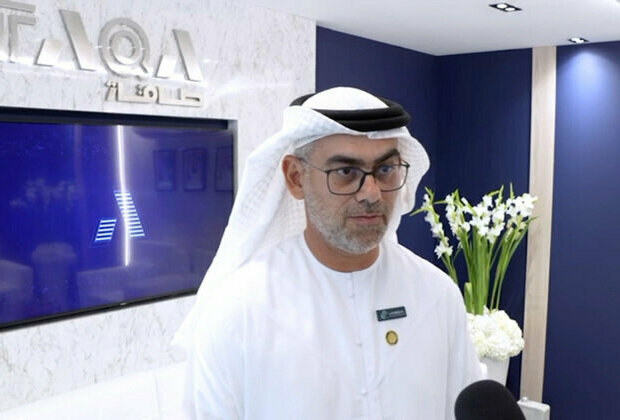
Abu Dhabi National Energy Company has unveiled plans to invest more than AED37 billion to meet the escalating power demands of the emirate’s expanding data centre and artificial intelligence infrastructure. The announcement was made by Group CEO and Managing Director Jasim Husain Thabet during the World Utilities Congress 2025.

This substantial investment is integral to TAQA’s strategy to deliver clean, certified, and reliable energy to critical infrastructure. The company aims to support Abu Dhabi’s ambition to become a global hub for digital innovation and AI development.

TAQA’s market capitalisation stands at approximately AED360 billion, positioning it among the top five companies in electricity generation, transmission, and water desalination across Europe, Africa, and the Middle East. Operating in 25 countries, TAQA has doubled its electricity production capacity to 56 gigawatts over the past four years, surpassing the total electricity consumption of the United Kingdom.

The company’s growth strategy includes significant international acquisitions. TAQA recently partnered with Mubadala to acquire an 875-megawatt gas-powered electricity station in Uzbekistan, aiding the country’s energy transition and opening new markets in Central Asia. Additionally, TAQA has acquired Transmission Investment, a leading UK-based energy and utility investment platform, enhancing its capabilities in offshore transmission services and infrastructure development.

In collaboration with Masdar, where TAQA holds a major stake, the company is developing 5 gigawatts of solar energy supported by 19 gigawatt-hours of battery storage. This integrated solar and battery system is designed to deliver a continuous supply of 1 gigawatt for 24 hours, marking it as the largest project of its kind globally.

TAQA plans to invest AED75 billion by 2030 to triple its electricity generation capacity to 150 gigawatts. Part of this strategy includes developing water desalination plants with a combined capacity of 1.3 billion gallons per day, with two-thirds utilising highly efficient reverse osmosis technology.

The company is also exploring acquisition opportunities in the United States, identifying it as a key market for expansion. TAQA aims to spend around $20 billion between 2023 and 2030 on organic and inorganic growth, targeting 150 gigawatts of capacity by the end of that period, up from around 56 gigawatts currently.

HONG KONG SAR – Media OutReach Newswire – 30 May 2025 – The Chinese University of Hong Kong’s Faculty of Law (CUHK LAW) continues to strengthen its position as a leading international legal education institution, offering innovative programmes and conducting impactful research that shapes the future of legal practice across Asia and beyond. Distinguished Academic Excellence Since its establishment in 2004, CUHK LAW has emerged as a […]

Akshay Dosaj and Asif Rashid  The UAE’s small and medium-sized enterprises (SMEs) sector is poised for substantial expansion, with projections estimating nearly one million businesses by 2030. As these enterprises navigate a competitive and dynamic environment, mergers and acquisitions (M&A) have become essential strategies for sustainable growth. To maximize these opportunities, SMEs need tailored solutions and expert guidance to achieve their growth ambitions and align with the […]

The Gulf nations offer more than growth potential. For VinFast, it presents a well-timed opportunity to expand into a region that’s actively investing in clean transportation while remaining open to new players. HANOI, VIETNAM – Media OutReach Newswire – 29 May 2025 – Gulf countries are reinventing themselves, quickly. They are now investing in cleaner energy, modern infrastructure, and long-term economic resilience. National strategies like UAE Vision […]

Saudi Aramco has secured $5 billion through a three-part bond sale, signalling its commitment to leveraging debt markets to sustain growth and maintain financial stability amidst declining oil revenues. The bond issuance, comprising five-, ten-, and thirty-year tranches, attracted strong investor interest, with spreads tightening significantly from initial guidance, reflecting confidence in the company’s creditworthiness despite a challenging energy market landscape. The bond sale follows a 4.6% […]

China Media Group debuted the world’s first humanoid robot combat event in Hangzhou on May 25, 2025, showcasing bots performing martial arts moves learned from motion-captured fighters. Celebrated as a tech milestone, the competition merges innovation with spectacle, signaling China’s ambition to lead the robotics industry and pioneer real-world applications. BEIJING, CHINA – Media OutReach Newswire – 28 May 2025 – China Media Group (CMG) unveiled the […]

Dubai’s employment landscape continues to attract job seekers from across Asia, Europe, and Africa, with South Asians among the most visible presence. From tax-free salaries to a safe, cosmopolitan lifestyle and fast-track digital governance, the emirate is steadily reinforcing its image as a global work destination with an accessible entry point for skilled professionals.

Dubai’s appeal is anchored in a combination of economic liberalism and aggressive infrastructure development, which has made the city one of the busiest hubs for aviation, logistics, finance, hospitality, and tech. For those seeking employment from outside the UAE, Dubai offers two main routes: applying for positions remotely, or entering on a short-term tourist visa with the hope of converting that stay into full-time employment. While the latter path involves risk and financial outlay, it remains the most widely taken route for candidates without existing work permits.

The city’s population is made up of nearly 90% expatriates, with professionals from India, Pakistan, the Philippines, Bangladesh, and the UK dominating several industries. Recruiters in Dubai confirm that demand remains steady for roles in sales, marketing, IT, logistics, real estate, engineering, healthcare, and hospitality. According to hiring trends tracked by regional recruitment firms, companies in free zone jurisdictions are particularly active, often targeting foreign candidates who bring sector-specific experience.

Dubai’s tax structure is a major driver of migration. With no personal income tax and a salary-based remuneration system, employees receive their full contracted pay without statutory deductions. This setup increases the net earnings of professionals, particularly those coming from high-tax jurisdictions. However, the city’s high cost of living — with real estate, private schooling, and transport costs — offsets some of the financial advantage, making proper salary negotiations crucial before signing contracts.

For prospective applicants based outside the UAE, the digital ecosystem built around Dubai’s employment market is an essential resource. Company career pages, job portals such as Dubizzle and Bayt, and professional networks like LinkedIn are widely used by HR departments and hiring managers. LinkedIn in particular has emerged as a preferred screening tool, where recruiters assess candidates’ professional branding even before calling for interviews. A well-structured profile featuring quantifiable achievements, skills endorsements, and updated CV attachments is now considered essential.

Recruitment agencies based in Dubai and in neighbouring countries also play an intermediary role. Many global firms with a presence in the UAE outsource their talent acquisition to specialist agencies. These agencies have formal tie-ups with employers to fill positions across levels, from blue-collar to senior management. In India, for instance, manpower firms with UAE licenses are regularly approached for hospitality, construction, medical, and logistics roles. Candidates approaching these agencies are advised to verify accreditation details and ensure the agency operates under UAE labour ministry guidelines.

A significant portion of those who eventually land jobs in Dubai do so by entering on a 60-day or 90-day visit visa. This visa allows job seekers to attend interviews, network with prospective employers, and explore options in person. While this method can be effective for confident candidates with solid credentials, the costs — including visa fees, accommodation, and living expenses — must be budgeted in advance. Moreover, there is no guarantee of securing employment during this window, making it a calculated gamble for many families.

An alternative is to enter Dubai on a student visa. Universities and training institutions in Dubai offer various professional development courses, and part-time work is permitted in certain free zone jurisdictions. While this route also involves significant upfront costs, it has become popular among young graduates aiming to break into the UAE market through education-led migration. However, strict visa compliance rules and limited working hours under student permits make it less appealing for mid-career professionals.

Once an individual secures a job offer, the employer typically initiates the work visa and residency sponsorship process. This includes submission of documents such as educational certificates, previous employment references, and medical fitness results. Once approved, a UAE resident permit is issued, which then allows the individual to bring in dependents under family sponsorship. The entire onboarding and visa stamping process usually takes two to four weeks, depending on the company’s internal HR process and jurisdiction.

Dubai’s strategic geographical position — within a 4-hour flight radius from major South Asian cities — adds another layer of practicality for job seekers. With only a two-hour time difference from India and Sri Lanka, many multinational firms operate regional back-offices or satellite centres in Dubai, recruiting bilingual and culturally adaptive professionals who can bridge operations between West Asia and South Asia.

Climate compatibility is another subtle advantage for those relocating from tropical or semi-arid regions. Temperatures and humidity levels, while extreme during peak summer months, mirror weather conditions in parts of South Asia and the Gulf, reducing the cultural adjustment curve for new migrants.

Safety and rule of law remain among the top reasons cited by working professionals and families relocating to Dubai. The UAE consistently ranks among the world’s safest countries, with low crime rates and a strong police presence. For women professionals and young students, this perception of security plays a pivotal role in relocation decisions.

Another factor contributing to Dubai’s growing job market is its economic diversification programme. With Vision 2030 and associated sectoral strategies, the city is investing in AI, clean energy, space technology, and digital banking. These emerging sectors have triggered a wave of high-skilled job openings, especially for engineers, data analysts, fintech specialists, and regulatory professionals. Start-up hubs like Dubai Internet City and Dubai Silicon Oasis are witnessing increased hiring, backed by funding incentives and incubator schemes.

However, competition remains high, with thousands of applications flooding each job posting. Recruiters advise applicants to focus on niche skills, international certifications, and sector-specific experience. A generic application or a poorly crafted CV has minimal chance of clearing the initial screening stage. Instead, candidates are urged to tailor their applications to each role, use keywords matching the job description, and attach short, results-oriented cover letters.

VISHNU RAJA
RYO YAMADA
HITORI GOTOH
IKUYO KITA