News related to
energy

China has announced a significant expansion of its support to Zambia through emergency humanitarian food assistance and infrastructure development projects. In a ceremony held on August 30, officials from both countries exchanged letters to formalize these commitments. The Chinese government will provide food aid worth 20 million RMB, addressing the ongoing food security challenges in Zambia, particularly in regions hit hard by drought.

Additionally, China has pledged to support the construction of mealie meal milling plants across Zambia. These projects are set to enhance local food production capacity, which aligns with the broader goal of improving Zambia’s agricultural infrastructure. This collaboration underscores the deepening relationship between China and Zambia, which has been strengthened over decades through various bilateral initiatives.

The assistance also includes a feasibility study for the construction of new infrastructure, including the Zambian Foreign Ministry’s new building. This move is part of China’s broader strategy to bolster Zambia’s economic and social development, reinforcing the longstanding partnership between the two nations.

This announcement comes ahead of the 2024 Summit of the Forum on China-Africa Cooperation (FOCAC) in Beijing, where both nations are expected to discuss further collaboration. The summit will offer an opportunity for President Xi Jinping and President Hakainde Hichilema to explore additional avenues for cooperation, particularly in sectors like agriculture, mining, and energy.

Zambia’s Permanent Secretary for Foreign Affairs, Hope Situmbeko, expressed gratitude for China’s continued support, emphasizing the importance of this partnership in Zambia’s economic transformation. The cooperation between the two countries reflects a shared vision of mutual benefit and development, with China playing a pivotal role in Zambia’s fight against food insecurity and its broader economic challenges.

These initiatives are seen as a testament to the enduring friendship between China and Zambia, with both countries looking forward to more tangible outcomes from their ongoing cooperation.

A clandestine figure identified as ‘Hector’ has emerged as a pivotal player in the Iranian oil trade, reshaping the global energy landscape. Operating under a veil of secrecy, Hector has orchestrated a complex web of transactions that challenges conventional oil market dynamics.

Hector’s influence extends across various regions, with reports indicating a sophisticated network facilitating the clandestine export of Iranian oil despite international sanctions. This network has reportedly employed innovative methods to bypass restrictions and maintain a steady flow of oil to markets that are otherwise difficult to penetrate.

A recent investigation unveiled that Hector’s operations involve an intricate system of shell companies and intermediaries. These entities, often based in jurisdictions with lax regulatory frameworks, obscure the true origin of the oil, allowing it to enter the global market without direct association with Iranian sources. This method not only aids in evading sanctions but also helps in maintaining competitive pricing, which has disrupted established market equilibrium.

The financial aspects of Hector’s operations are equally sophisticated. The trader has reportedly leveraged advanced financial instruments to launder money, further complicating efforts to track and curb illicit oil transactions. By utilizing cryptocurrency and other digital assets, Hector has managed to obscure financial trails, making it challenging for authorities to follow the money.

Hector’s network reportedly includes a range of actors from various sectors, including shipping companies, financial institutions, and political operatives. These collaborators play crucial roles in ensuring the smooth operation of the illicit trade, from logistics to financial transactions. The involvement of such a diverse group underscores the complexity of Hector’s operations and the breadth of his influence in the global oil market.

The implications of Hector’s activities extend beyond mere economic impacts. The ability to circumvent sanctions and manipulate market dynamics poses a significant challenge to international regulatory efforts. This situation underscores the need for more robust measures to address the evolving methods employed by entities engaged in illicit trade.

Energy analysts are closely monitoring the situation, noting that Hector’s operations could have far-reaching consequences for global oil markets. The disruption of traditional supply chains and the introduction of lower-priced oil from these illicit sources could lead to increased volatility in global oil prices. Moreover, the undermining of sanctions regimes could embolden other actors to pursue similar strategies, further complicating efforts to enforce international regulations.

In response to these developments, international bodies and national governments are ramping up their efforts to identify and dismantle such networks. Enhanced cooperation and intelligence-sharing among nations are seen as crucial steps in combating the sophisticated methods employed by traders like Hector. Additionally, there is a growing emphasis on improving financial transparency and regulatory oversight to close loopholes exploited by such actors.

As the global community grapples with these challenges, Hector’s case highlights the need for a multifaceted approach to addressing illicit trade in critical resources. The evolving tactics of secretive traders and the complexities of their operations demand a coordinated and innovative response from policymakers and enforcement agencies alike.

Highlights of the Interim Results for the Six Months Ended June 30, 2024: With the increasing demand for chips from AI technology-related industries, orders for AI chip orders from Comtech continued to rise, driving the Group’s revenue up by 11.9% year-on-year to RMB4,321.4 million. The Group recorded a gross profit of approximately RMB457.6 million and a net profit of approximately RMB169.1 million. Profit attributable to equity shareholders […]

The initial public offering (IPO) of NMDC Energy has captured significant investor interest, with subscriptions exceeding the offered shares within hours of its opening. The company, a subsidiary of NMDC Ltd., set its price range at ₹100 to ₹120 per share, aiming to raise approximately ₹5,000 crore through the offering.

The IPO’s rapid over-subscription underscores a robust market appetite for energy sector investments, particularly in companies poised for growth. NMDC Energy, which focuses on oil and gas exploration, has been positioned as a key player in the burgeoning sector due to its substantial reserves and strategic assets.

Investors have shown confidence in NMDC Energy’s potential for growth and profitability, driven by its diversified portfolio and strong balance sheet. The company’s recent operational improvements and strategic initiatives have further bolstered its appeal in the market. Analysts highlight that NMDC Energy’s focus on enhancing production capabilities and expanding its asset base positions it well for long-term success in the energy sector.

The strong investor response is indicative of broader trends in the capital markets, where energy sector IPOs are increasingly attracting attention. This is reflective of a growing trend where investors are seeking to capitalize on the sector’s recovery and expansion potential.

NMDC Energy’s entry into the public market comes at a time when energy stocks are experiencing heightened volatility due to global economic conditions and shifting energy policies. However, the company’s robust fundamentals and strategic vision have helped it stand out in a competitive landscape.

As the IPO continues to attract interest, market observers are closely monitoring the final subscription numbers and investor feedback. The successful launch of NMDC Energy’s IPO could potentially set a positive precedent for upcoming offerings in the sector, influencing future market dynamics and investor behavior.

OPEC+ is on track to implement its scheduled oil output increase in October, even as global energy markets experience fluctuations due to disruptions in Libya and uncertain demand growth, particularly in China. The coalition, led by Saudi Arabia and Russia, plans to raise production by 180,000 barrels per day as part of an effort to gradually reverse the significant production cuts made earlier in the year.

This decision comes as the group navigates a complex landscape marked by lower-than-expected demand growth and ongoing supply issues. Libya, a key member of OPEC, has faced significant production setbacks due to internal conflicts, putting additional pressure on global oil supplies. Despite these challenges, OPEC+ aims to proceed with the output hike to maintain stability in the market.

Market analysts have expressed mixed reactions to the planned increase, citing concerns over the potential for oversupply in a market already grappling with sluggish demand. The slowdown in China, the world’s largest oil importer, has particularly raised alarms, as it could dampen the impact of any production hikes. Nevertheless, OPEC+ remains committed to its strategy, with the group’s leaders emphasizing the importance of a measured approach to balancing supply and demand.

Brent crude prices, a key benchmark for global oil, have shown volatility in response to these developments, recently hovering around $79 per barrel. The upcoming U.S. Federal Reserve decisions on interest rates are also being closely watched, as they could influence economic growth and, consequently, oil demand in the coming months.

OPEC+ will continue to monitor the situation closely, adjusting its strategy as necessary to respond to the evolving market conditions. This ongoing recalibration highlights the delicate balance the group must strike between supporting prices and ensuring sufficient supply to meet global needs.

HEFEI, CHINA – Media OutReach Newswire – 30 August 2024 – “Smart Manufacturing, Creating a Better Future” — the 2024 World Manufacturing Convention is scheduled to take place from September 20 to September 23 in Hefei, Anhui Province, China. This year’s convention will focus on the new stage of development, fully embracing new development strategies, and integrating into the global economic landscape. The convention aims to establish […]

A lone Bitcoin miner has achieved a significant milestone by solving a Bitcoin block independently, receiving a reward of 3.27 BTC, valued at approximately $199,094. This notable feat underscores the unpredictable nature of Bitcoin mining, where individual miners occasionally outpace large-scale mining operations. The block reward was obtained through solo mining, a method in which an individual miner attempts to solve cryptographic puzzles without relying on the […]

Advertisements

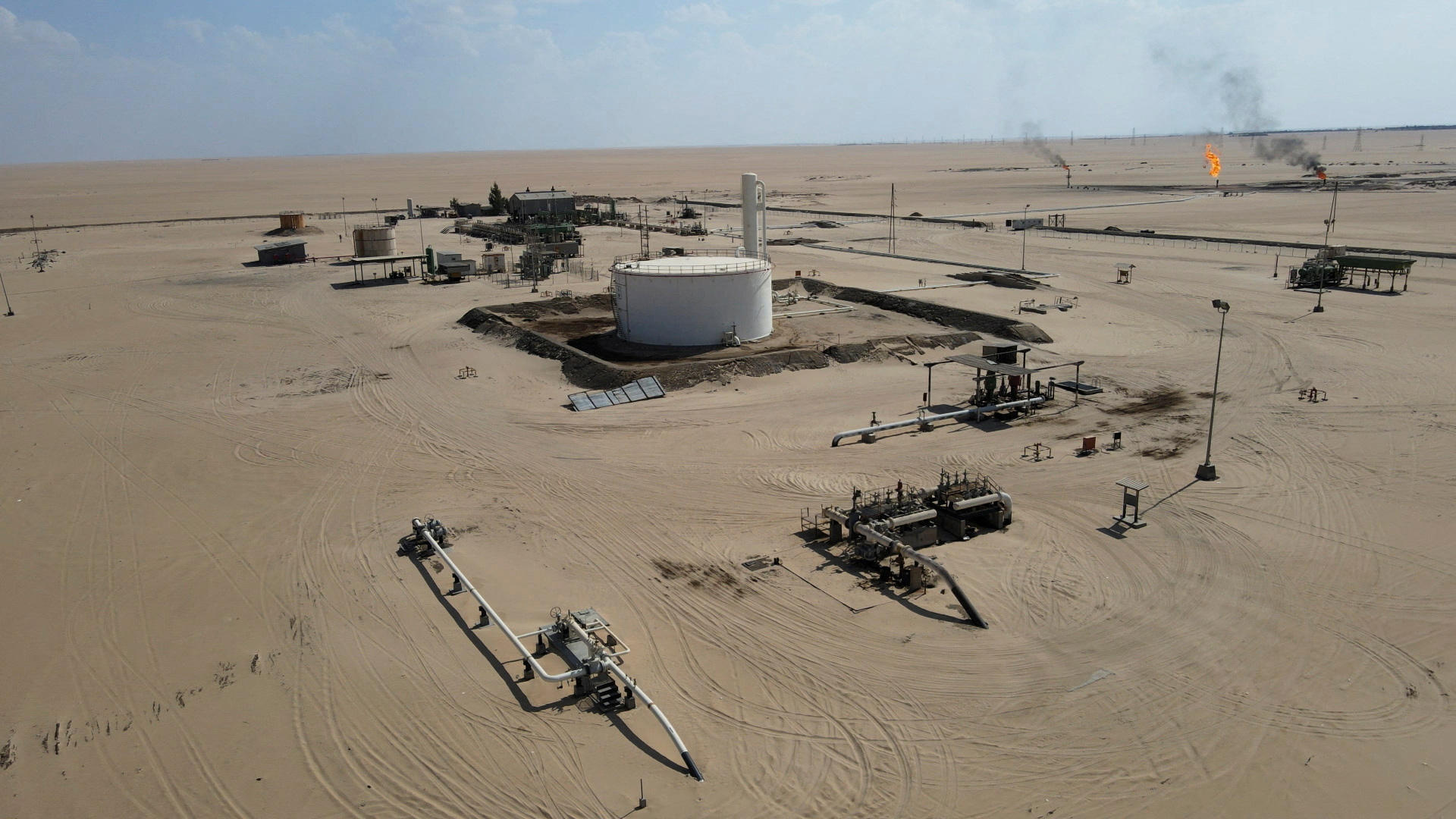
Libya’s ongoing political conflict is jeopardizing its vital oil production, potentially leading to severe disruptions in global supply chains. The strife between rival factions in the country has intensified, raising concerns about the stability of Libya’s oil sector, a crucial component of the global energy market.

The National Oil Corporation (NOC) has reported escalating security threats and operational interruptions at key oil facilities. Production at several major sites, including the Sharara and El Feel fields, has already experienced significant reductions. The disruptions are a direct result of the clashes between the Government of National Unity (GNU) and the House of Representatives (HoR), each backed by different armed groups.

The GNU, based in Tripoli, and the HoR, which controls parts of eastern Libya, have been embroiled in a protracted power struggle. This rivalry has led to a series of blockades and attacks on oil infrastructure, severely impacting the country’s output. The disruption comes at a time when global oil markets are already grappling with volatility due to various geopolitical tensions and economic uncertainties.

Libya’s oil sector, which accounts for approximately 90% of its revenue, has long been a target in the country’s broader conflict. The recent escalation has resulted in reduced exports and financial losses, exacerbating the economic strain on the nation. Analysts warn that prolonged instability could lead to a more prolonged and deep-seated disruption of Libya’s oil exports, affecting global oil prices and supply stability.

International stakeholders, including the United Nations and major oil companies, are closely monitoring the situation. The UN has called for a cessation of hostilities and a return to dialogue to mitigate the impact on oil production. However, the divided political landscape makes it challenging to achieve a consensus or enforce effective measures.

Libya’s oil industry was recovering from years of conflict and mismanagement when the current crisis hit. The industry had seen incremental improvements in production levels and infrastructure upgrades. Yet, the recent conflict threatens to reverse these gains, putting more strain on an already fragile sector.

The uncertainty surrounding Libya’s oil supply has prompted some countries and corporations to seek alternative energy sources or increase their reserves in anticipation of potential shortages. This shift could lead to changes in global energy markets, influencing everything from oil prices to energy policies worldwide.

Efforts to mediate the conflict and stabilize the oil sector have been ongoing, but the entrenched political divisions pose significant obstacles. The situation remains fluid, with potential for further escalation or, conversely, a resolution if diplomatic efforts gain traction.

As the international community watches closely, the immediate concern remains the security of Libya’s oil infrastructure and the broader implications for global energy stability.

Aggregate net profits for companies listed on Gulf Cooperation Council (GCC) exchanges grew by 5.7% year on year (YoY) during the second quarter of 2024, driven by broad-based growth across most regional markets. This performance reflects the resilience of key sectors amid global economic challenges, with particular strength observed in the banking, materials, and telecommunications industries.

Saudi Arabia, the largest economy in the region, saw a 2.6% YoY increase in aggregate net profits, reaching $39.1 billion in Q2-2024. The banking, materials, and telecommunications sectors were the main contributors to this growth. However, several sectors, including energy and consumer services, experienced profit declines, tempering the overall increase.

The United Arab Emirates (UAE) displayed robust financial results across both its main markets, Dubai and Abu Dhabi. Dubai-listed companies reported a significant 30.9% YoY rise in net profits, totaling $6.7 billion. Banks, capital goods, and telecommunications companies drove this growth, with these sectors accounting for over 80% of the exchange’s aggregate earnings.

Abu Dhabi’s companies experienced a more moderate 4.7% YoY increase in net profits, amounting to $8.3 billion. The banking and energy sectors were the primary growth drivers, with the latter witnessing a 20.7% YoY surge in profits. However, on a half-year basis, Abu Dhabi’s total net profits slightly declined by 2.2% compared to the same period in 2023.

Bahrain and Kuwait also reported positive financial performances. Bahrain-listed companies achieved a 37.5% YoY rise in total net profits for Q2-2024, driven by gains in the banking and materials sectors. Meanwhile, Kuwait’s listed firms saw a modest 1.0% YoY growth in net profits, with the real estate sector showing the most significant improvement, reporting a 104.4% jump in profits.

Qatar’s stock market recorded a 5.6% YoY gain in total earnings for Q2-2024, reaching $3.35 billion. The banking, insurance, and capital goods sectors were the primary contributors, although this growth was partially offset by declines in the materials and real estate sectors.

In contrast, Oman was the only GCC market to report a slight decline in total net profits, with a 0.9% YoY decrease to $506.4 million in Q2-2024. This was largely due to underperformance in several key sectors, despite growth in banking and commercial services.

The overall 5.7% YoY growth in the GCC’s aggregate net profits highlights the region’s economic resilience, with a diverse range of sectors contributing to the financial health of these markets. As the global economic landscape continues to evolve, the GCC remains a key area of focus for investors seeking stability and growth opportunities.

As bitcoin mining undergoes major changes, one of the industry’s leading players believes the GCC region can have an important role in thetransformation, which is being driven by a focus on renewable energy and new technology.Abdumalik Mirakhmedov, Executive President of Genesis Digital Assets (GDFA), among the world’s largest bitcoin mining companies in terms of hash rate, says strong government support, an abundance of capital, and a commitment […]

KUALA LUMPUR, MALAYSIA – Media OutReach Newswire – 29 August 2024 – As the U.S. presidential elections approach, global financial markets brace for potential turbulence. Global broker Octa looks at the historical correlation between U.S. elections and stocks, gold, and the U.S. dollar. Economy The relationship between the party affiliations of the U.S. presidents and economic growth has been a topic of extensive research and debate. Historically, […]

Fertiglobe, a major ammonia producer based in Abu Dhabi, has secured a groundbreaking deal to supply green ammonia to the European Union, marking a significant step in the global transition towards renewable energy. The agreement, a result of a competitive H2Global auction funded by Germany’s Federal Ministry for Economic Affairs and Climate Action, positions Fertiglobe as a key player in the EU’s renewable energy supply chain. Under […]

Qatar is reportedly in advanced discussions to acquire a significant stake in a German refinery currently owned by Russia’s state-controlled oil company, Rosneft. This deal, if finalized, could see the Qatar Investment Authority (QIA) strengthen its already substantial investment portfolio, which includes a nearly 19% stake in Rosneft.

The negotiations involve Qatar being the last remaining bidder for the refinery assets, which were seized by the German government following the fallout from Russia’s military actions in Ukraine. The Qatari delegation has been actively engaged in high-level talks with German officials, with the potential acquisition seen as a strategic move to secure long-term energy interests in Europe.

Germany’s government, which previously took control of Rosneft’s operations in the country, is expected to support the transaction, given the geopolitical implications and the need to stabilize energy supplies in the region. This aligns with Germany’s broader strategy to reduce dependency on Russian energy while ensuring operational continuity at critical infrastructure sites.

Rosneft’s German assets have been under scrutiny as Europe seeks to disentangle itself from Russian energy influence, making Qatar’s interest particularly timely. The Qatari government’s deep ties with Russia and its financial muscle could provide the necessary leverage to close the deal.

Qatar’s pursuit of these assets underscores the Gulf nation’s ambition to expand its energy footprint in Europe, leveraging its vast wealth to gain strategic assets in key markets. The move also reflects the growing importance of energy security in a rapidly changing geopolitical landscape.

The ongoing negotiations are being closely watched by industry analysts, who see this potential acquisition as a significant development in the global energy sector, particularly in light of shifting alliances and the evolving dynamics of energy supply chains.

The deal, if completed, would further cement Qatar’s role as a critical player in the global energy market, positioning it alongside other major energy-exporting nations that are capitalizing on the changing geopolitical environment. The outcome of these negotiations could have far-reaching implications for the future of energy security in Europe and beyond.

Further updates on this evolving story are expected as the negotiations progress.

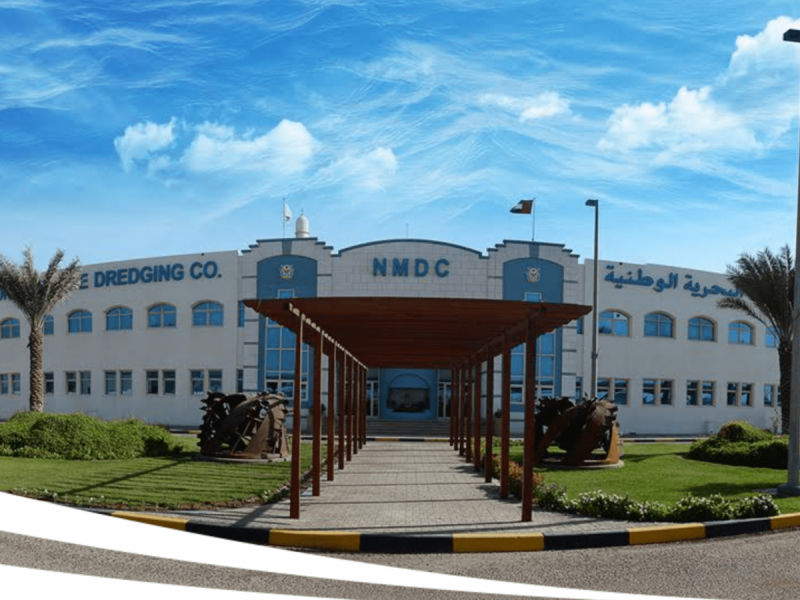
The UAE-based NMDC Group is preparing for what is set to be the country’s largest initial public offering (IPO) of the year. The firm, which was established as a subsidiary of the Abu Dhabi National Oil Company (ADNOC), aims to raise up to $2 billion through the listing. The company is now majority-owned by Alpha Dhabi Holding.

NMDC provides integrated drilling services across the Middle East, has announced plans to float around 7.5% of its shares on the Abu Dhabi Securities Exchange (ADX). The IPO will offer approximately 1.5 billion shares to institutional and retail investors, marking a significant milestone in the UAE’s financial markets.

The NMDC IPO comes at a time of fluctuating oil prices and global economic uncertainties. NMDC has reported substantial revenue growth over the past few years, driven by increasing demand for its drilling services and an expanding portfolio of projects across the region.

Latest All-in-One laundry solution by Samsung integrates a washer, dryer and various AI features that make it the brand’s most intelligent, efficient and environmentally conscious laundry combo to date. SINGAPORE – Media OutReach Newswire – 29 August 2024 – Samsung Electronics Singapore expanded their range of laundry solutions with the new Bespoke AI Laundry Combo™, its first All-in-One laundry solution that integrates a large capacity washer, a […]

HONG KONG SAR – Media OutReach Newswire – 28 August 2024 – The Hong Kong Polytechnic University (PolyU) researchers and academic-led startup teams participated for the first time at the HICOOL 2024 Global Entrepreneur Summit and Entrepreneurship Competition, showcasing seven groundbreaking research projects that highlight the University’s exceptional capabilities in research and knowledge transfer. As the only tertiary institution in Hong Kong involved in multiple national space […]

Dragon Oil, the Dubai-based oil and gas company, has reinforced its partnership with the Turkmen government, aiming to enhance oil production in the Caspian Sea. A significant meeting between Turkmenistan’s President and Dragon Oil’s Chairman in Ashgabat highlighted this growing cooperation, which focuses on the expansion and modernization of existing oil fields. The collaboration is set to play a crucial role in boosting Turkmenistan’s energy sector, aligning […]

Wärtsilä has announced plans to develop a substantial 1.5 gigawatt (GW) power generation project in Kuwait, marking a significant investment in the country’s energy infrastructure. The proposed project is poised to enhance Kuwait’s power supply stability and support its growing energy demands. This ambitious initiative involves the construction of a state-of-the-art power plant, which will utilize Wärtsilä’s advanced technology to ensure efficient and reliable energy production. The […]

Abu Dhabi National Oil Company (Adnoc) has received multiple bids for its initiative to develop sustainable aviation fuel (SAF). This significant move marks a step forward in Adnoc’s strategy to meet growing demands for environmentally friendly aviation solutions. The bids, submitted by leading energy and technology companies, aim to advance SAF production capabilities and foster a reduction in carbon emissions associated with air travel. The SAF package […]

Adani Power, the energy arm of the Indian conglomerate Adani Group, has launched a new subsidiary in Abu Dhabi, marking a significant expansion into the Middle Eastern market. This strategic move highlights the company’s commitment to broadening its international footprint and tapping into the lucrative energy sector of the UAE. The newly established subsidiary, Adani Power Middle East, aims to leverage Abu Dhabi’s strategic location and growing […]

Saudi Arabia’s Public Investment Fund (PIF) has successfully secured a $15 billion revolving credit facility from a consortium of international banks. This move is a significant step in PIF’s ongoing efforts to bolster its financial capacity as it pursues an aggressive investment strategy aimed at diversifying the kingdom’s economy under the Vision 2030 plan.

The revolving credit facility, which allows the fund to borrow, repay, and borrow again up to the agreed limit, will provide PIF with greater financial flexibility as it looks to capitalize on investment opportunities across various sectors. This latest facility is in addition to the fund’s previous credit arrangements, marking a continuation of its strategy to leverage global financial markets to fund its initiatives.

PIF, which manages over $700 billion in assets, has been pivotal in spearheading Saudi Arabia’s economic diversification. The fund has made significant investments in technology, renewable energy, and other emerging industries, both within the kingdom and globally. With the new credit facility, PIF is expected to further expand its portfolio, focusing on sectors that align with the Vision 2030 goals, including tourism, entertainment, and clean energy.

The consortium of banks involved in the deal includes several of the world’s leading financial institutions, underscoring the confidence of international markets in PIF’s strategy and the broader economic reforms being undertaken in Saudi Arabia. The terms of the facility are reportedly favorable, reflecting PIF’s robust credit standing and the attractiveness of its investment portfolio.

This development is part of a broader trend where sovereign wealth funds are increasingly tapping into global financial markets to enhance their liquidity and investment capabilities. PIF’s strategy involves not only direct investments but also partnerships with international companies and institutions, aimed at bringing technology and expertise into Saudi Arabia.

As the kingdom continues its transformation, PIF’s ability to secure substantial credit facilities such as this one will be crucial in ensuring it can meet its ambitious targets. The fund’s investments are expected to play a key role in reducing Saudi Arabia’s reliance on oil revenues, fostering innovation, and creating new economic opportunities for the kingdom’s population.

This latest financial move is a clear indication of PIF’s growing influence in global markets and its commitment to achieving the long-term objectives of Vision 2030.

BEIJING, CHINA – Media OutReach Newswire – 28 August 2024 – As a pioneer in high-quality development for the new era, Beijing E-Town (BDA) is seizing the opportunity to lead the development of the embodied intelligent robot industry. The plan is to build a domestically leading and internationally first-class demonstration city for the embodied intelligent robot industry in two steps. “By the end of 2026, we aim […]

A severe heatwave in the United Arab Emirates has pushed temperatures beyond 50℃, marking an extraordinary peak in the region’s climatic extremes. This unprecedented surge in temperature has prompted immediate health warnings and advisories from meteorological and health authorities across the country. The heatwave, which began intensifying earlier this week, has led to daily high-temperature records being shattered in several cities, including Dubai and Abu Dhabi. The […]

Soaring temperatures across the Mid-Atlantic and Midwest regions of the United States are placing unprecedented pressure on the country’s largest power grid, prompting concerns over potential outages and the grid’s ability to meet the surging demand. As millions of Americans crank up their air conditioners to escape the sweltering heat, power operators are bracing for what could be one of the most challenging tests of the grid’s […]

VISHNU RAJA
RYO YAMADA
HITORI GOTOH
IKUYO KITA