News related to
energy

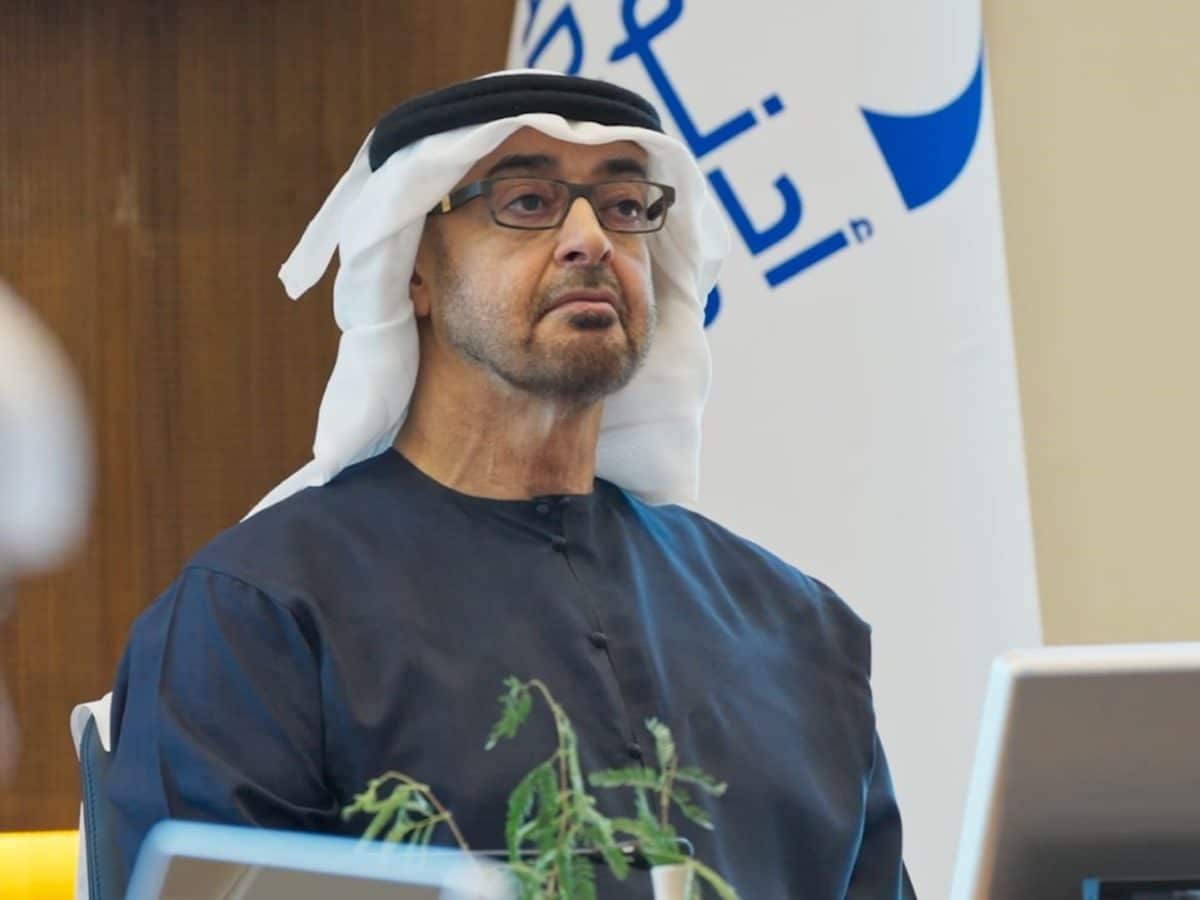
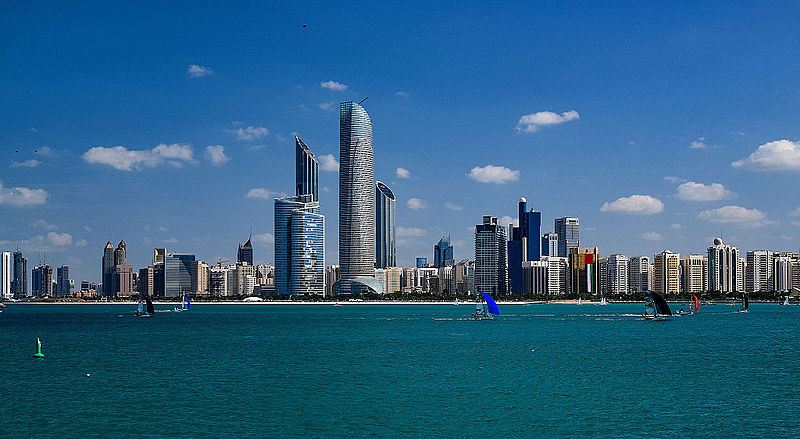
The Abu Dhabi National Oil Company (ADNOC) has introduced XRG, a groundbreaking low-carbon energy and chemicals enterprise with an estimated enterprise value exceeding $80 billion. This ambitious venture positions ADNOC as a leader in the energy transition, aligning with global trends toward cleaner energy solutions and technological innovation.

XRG’s portfolio will encompass advanced technologies such as hydrogen, renewable energy, and sustainable chemicals production. Additionally, it will emphasize carbon capture and storage, aligning with ADNOC’s goal of achieving net-zero emissions by 2050. The initiative is poised to leverage ADNOC’s robust infrastructure and expertise while driving its international expansion into markets seeking environmentally sustainable energy solutions.

ADNOC anticipates XRG will double its asset value over the next decade. This projection is rooted in increasing global demand for clean energy, which is further amplified by emerging economies and the proliferation of artificial intelligence in energy optimization and resource management. Such factors contribute to the shift from traditional energy sources to integrated, technology-driven models.

Solana’s decentralized finance (DeFi) ecosystem has surged in November, reaching $420.7 million in total value locked (TVL), significantly outpacing Ethereum’s $161.2 million for the month. This marks a sharp 161% increase in Solana’s DeFi earnings, largely attributed to its low transaction fees, high throughput, and a revival of its ecosystem following a challenging period.

Ethereum, long the dominant platform in the DeFi space, has faced stiff competition from Solana, whose technological upgrades and network enhancements have bolstered its position. As Ethereum continues to struggle with scaling issues and high fees, Solana’s faster and cheaper transactions have made it increasingly attractive to developers and users in the DeFi sector.

The dramatic increase in Solana’s DeFi activity is also a reflection of the broader recovery within its blockchain ecosystem, which was hit hard by a series of setbacks, including the collapse of the FTX exchange in late 2022. However, Solana’s resilience in recovering and innovating has allowed it to gain ground on Ethereum, traditionally the go-to platform for decentralized applications (dApps) and smart contract protocols.

Key factors driving Solana’s DeFi boom are its low transaction fees, which remain a major pain point for Ethereum users, especially during periods of high network congestion. While Ethereum’s gas fees can surge to hundreds of dollars for simple transactions, Solana offers an almost negligible fee structure, making it more attractive for smaller, retail investors and developers looking to build cost-efficient DeFi applications.

Solana’s speed is another competitive advantage. It boasts a transaction processing capability of more than 60,000 transactions per second (TPS), far exceeding Ethereum’s current capacity of 30 transactions per second, though Ethereum is working on scaling solutions such as sharding and layer 2 networks. Solana’s network speed allows for quicker and more scalable applications, which is crucial for DeFi protocols that require near-instant transactions to function efficiently, especially in volatile markets.

The ecosystem recovery of Solana has also been spurred by significant developments in its DeFi protocols. A growing number of decentralized exchanges (DEXs), lending platforms, and yield farming protocols have been launched or migrated to Solana’s blockchain, further boosting the platform’s TVL. Solana’s DeFi landscape has seen contributions from several key players, including Serum, Mango Markets, and Radium, all of which provide users with advanced trading options, liquidity, and competitive rewards.

Another contributing factor to Solana’s success is the strategic collaborations and partnerships it has secured with both established companies and up-and-coming startups. Solana has garnered attention from top-tier venture capitalists, along with prominent figures in the cryptocurrency space, who have supported the blockchain’s development and growth. These relationships have helped Solana gain credibility and foster an environment conducive to innovation and expansion.

The increase in DeFi activity on Solana has also been supported by growing interest in the broader Solana ecosystem. After a period of price volatility and uncertainty, Solana’s native cryptocurrency, SOL, has stabilized and regained much of its value. This recovery has sparked renewed confidence in the network and its long-term viability, which has translated into higher DeFi activity. As a result, users are increasingly willing to stake and invest in the network, propelling the overall market cap of Solana’s ecosystem.

Ethereum, on the other hand, continues to dominate the broader smart contract and dApp landscape, largely due to its first-mover advantage and large developer base. Ethereum’s switch to a proof-of-stake (PoS) consensus mechanism with the Ethereum 2.0 upgrade is expected to bring improvements in scalability and energy efficiency. However, Ethereum’s network congestion and high fees remain major hurdles for DeFi users and developers, especially in times of increased demand. These issues are likely to persist unless significant scalability solutions are implemented.

Although Ethereum has a stronghold on the DeFi sector, Solana’s rapid growth underscores the increasing diversification of the space. With its advanced technology, Solana is emerging as a serious challenger, offering viable alternatives for decentralized financial services. Furthermore, Solana’s growing TVL is not only a reflection of the platform’s technological edge but also an indication of the rising demand for alternative DeFi solutions that prioritize scalability, cost-efficiency, and innovation.

Experts suggest that the DeFi landscape is entering a new phase, where competition between smart contract platforms like Solana and Ethereum will be crucial to the long-term development of the ecosystem. As developers continue to search for faster, cheaper, and more scalable platforms, Solana’s performance in November provides a clear indication of the potential for DeFi to flourish on blockchains beyond Ethereum. The focus on speed and cost-effectiveness is expected to drive more DeFi protocols to explore alternatives to Ethereum, opening up the market to a wider range of participants.


Amazon helps thousands of Singapore-based businesses to sell their products in the Amazon store. Through Amazon Global Selling, Singapore selling partners can export their products to customers around the world on Amazon. Amazon Web Services (AWS) enables thousands of Singapore customers to use the AWS Asia Pacific (Singapore) Region to digitally transform. SINGAPORE – Media OutReach Newswire – 28 November 2024 – Today, Amazon announced that it […]

Collaboration with Baosteel sets new benchmark for steel emissions data collection; Plaza 66 Pavilion Extension in Shanghai achieves a 35% reduction from baseline steel emissions HONG KONG SAR / SHANGHAI, CHINA – Media OutReach Newswire – 27 November 2024 – Spearheading the effort to decarbonize real estate across China, Hang Lung Properties Limited (SEHK stock code: 00101) (“the “Company” or “Hang Lung”) is using nearly 100% low […]

Aquaventure Waterpark in Dubai is gearing up to host an exciting opportunity for thrill-seekers and record-breakers alike. On December 7 and 8, 2024, the renowned waterpark will open its gates to anyone eager to challenge themselves and attempt to set new Guinness World Records. This two-day event will feature a variety of unique and fun categories, with official judges from the Guinness World Records monitoring the competition.

Participants will have the chance to try their hand at a selection of quirky and entertaining challenges. One of the most exciting categories involves the *fastest time to hook ten rubber ducks*, a test of agility and precision as competitors race to secure the rubber ducks in the shortest time possible. Another challenge, the *most swimming trunks pulled on over clothing in 30 seconds*, offers a humorous and lighthearted contest that is sure to bring plenty of laughs to both participants and spectators.

For those with a bit more skill in the water, the event will also feature the *fastest time to pass through 10 rubber rings*. This challenge requires not just speed but also nimbleness, as participants navigate their way through a series of floating hoops. Additionally, the *fastest time to topple ten targets using a water pistol* offers a combination of precision shooting and quick reflexes, with competitors aiming to knock over targets as quickly as they can, all while staying cool under pressure.

Younger participants will have a dedicated category, with the *most passes through an inflatable rubber ring in 30 seconds* available for those under 16. This challenge promises a fun, energetic race, as participants aim to beat the clock and set a new standard. For those interested in teaming up, the *most beach paddle ball passes in one minute (team of two)* will test not only individual stamina but also coordination and teamwork, adding a cooperative element to the event.

With Guinness World Records judges overseeing the proceedings, participants can be assured of a fair and legitimate competition. The presence of these official adjudicators adds an extra layer of excitement, as record attempts are recognized on a global stage. Achieving a world record is a rare and prestigious feat, and Aquaventure’s event offers a unique chance to make history.

The competition will take place against the backdrop of one of Dubai’s most popular attractions, Aquaventure Waterpark, known for its thrilling water rides, sprawling lazy rivers, and breathtaking views. The waterpark’s setting, combined with the excitement of attempting to break a world record, makes this event a must-attend for both locals and tourists alike.

Participants will need to register in advance for the event, and the waterpark promises an atmosphere full of energy, fun, and friendly competition. Whether you are a seasoned athlete or just looking to try something new, the event caters to all ages and skill levels, offering an inclusive environment where anyone can participate and attempt to make their mark in the world record books.

As Aquaventure Waterpark prepares for this exhilarating event, it highlights Dubai’s ongoing commitment to hosting global events that draw visitors from all over the world. The city, already known for its luxury attractions and iconic landmarks, continues to enhance its reputation as a hub for exciting and unique experiences.

For anyone with a competitive spirit or the desire to do something out of the ordinary, this Guinness World Records challenge is the perfect occasion to make a lasting memory. Whether you walk away with a record-breaking achievement or simply enjoy the thrill of the competition, Aquaventure’s event offers a chance to be part of something special.

This event not only promises a fun-filled weekend for participants and spectators but also demonstrates the creativity and ingenuity that Dubai’s entertainment scene is known for. With the official Guinness World Records presence, the event will surely make waves, adding another unforgettable chapter to the city’s history of hosting world-class events.

The Emirates Nuclear Energy Corporation (ENEC) and the Abu Dhabi National Oil Company (ADNOC) have announced a strategic partnership to explore the application of nuclear energy in the oil and gas sector. This collaboration marks a significant step toward expanding the use of nuclear technology as a cleaner and more sustainable energy source in the UAE’s key industries. Both organizations, which already play vital roles in the […]

Investment strategies must be aligned with global sustainability goals to ensure long-term growth that is both economically viable and environmentally responsible, according to James Zhan, chair of the World Investment Conference (WIC) executive board. His comments, made during the opening session of the Riyadh-based event, emphasized the urgency of reforming the global financial system to support broader social and environmental objectives. Zhan’s remarks came as the WIC […]

Advertisements

The European Union is ramping up efforts to enhance its collaboration with Saudi Arabia in the field of green energy, seeking to bolster clean energy initiatives and investments. This push comes as part of broader EU objectives to reduce its reliance on fossil fuels, accelerate the transition to renewable energy, and meet its ambitious climate goals set under the Paris Agreement. Recent dialogues between EU officials and […]

Abu Dhabi is hosting an event that has gathered leading experts, researchers, and companies to focus on the future of open-source AI technologies. The Open-Source AI Summit, organized by the Technology Innovation Institute (TII), is bringing together prominent voices from academia and the tech industry to discuss the most pressing issues facing artificial intelligence today. The event highlights the crucial role of open-source development in shaping the trajectory of AI across sectors, including healthcare, data infrastructure, and generative models.

The summit is set to provide a platform for exploring new algorithms, ethical frameworks, and cutting-edge technologies aimed at improving AI systems’ transparency and usability. The discussions will address the challenges and potential benefits of open-source contributions to the rapidly growing field of AI. A major theme of the event is how open-source AI could democratize access to powerful technologies, fostering a more inclusive approach to innovation.

Experts at the summit, including Michal Valko, Principal Llama Engineer at Meta Paris, are pushing forward the theoretical foundations of machine learning. Valko’s focus on reinforcement learning from human feedback (RLHF) is among the key topics, as it offers insights into aligning AI behaviors with human values. This approach, which combines human preference models with reinforcement learning, has gained significant traction for refining AI models like large language models (LLMs).

In parallel, Dr. June Paik, Founder and CEO of FuriosaAI, is presenting her company’s work on AI chips designed to improve energy efficiency and performance, particularly in data centers managing the growing demand for deep learning inference. The shift towards hardware specifically built for AI is another cornerstone of the discussions, addressing the challenges posed by energy consumption and scalability in AI applications.

The event is also delving into the role of AI in conversational technologies. Dr. Neil Zeghidour, co-founder of Kyutai, is showcasing their advancements in creating Moshi, the world’s first full-duplex speech-to-speech system that allows AI to engage in natural, real-time conversations with human-like emotions. This breakthrough represents a significant leap forward in human-AI interaction, promising enhanced experiences in customer service, healthcare, and education.

The diverse perspectives presented at the summit underline the importance of collaboration between open-source communities, corporations, and government institutions. Many of the featured technologies, from generative AI to AI-powered hardware, are set to play an integral role in shaping industries over the next decade. Open-source AI, with its focus on collaboration and accessibility, is positioned as a transformative force, promising to create more robust and adaptable systems.

The summit also emphasizes the role of regulatory frameworks in the future of open-source AI. With the rapid rise of generative models like ChatGPT, discussions have intensified about the need for effective governance to ensure these technologies are developed responsibly and ethically. As some experts argue for tighter regulations to manage the risks associated with AI, others emphasize the need to keep open-source AI development flexible and adaptable to meet emerging challenges.

OPEC and its allies, collectively known as OPEC+, are grappling with crucial decisions as global oil markets display signs of instability. The organization’s latest measures include a mix of sustained and extended production cuts aimed at maintaining price stability amid growing economic uncertainty and competitive pressures from non-OPEC producers.

The alliance announced that several member nations will extend voluntary production cuts totaling 2.2 million barrels per day into the second quarter of 2024. This follows previous reductions implemented in early 2023, which have been critical to offsetting weakening demand and bolstering market sentiment. Key contributors to this strategy include Saudi Arabia, Iraq, and the United Arab Emirates, with Saudi Arabia leading the initiative by reducing output by one million barrels per day. These moves align with OPEC’s goal of stabilizing prices while ensuring market balance. The Russian Federation has also committed to reducing its oil output by nearly 500,000 barrels per day as part of these measures.

The production cuts underscore a broader dilemma for OPEC: balancing the immediate need for revenue stability with long-term market influence. Despite holding significant sway, accounting for 50% of global crude production and over 70% of proven reserves, the organization faces headwinds from the surge in U.S. shale production and slowing economic growth in major oil-consuming regions. As OPEC seeks to prop up prices, it inadvertently creates incentives for competitors to fill the supply gap, a dynamic that has undermined the cartel’s pricing power over the past decade.

Market reactions to OPEC’s strategies have been mixed. While production cuts have supported prices temporarily, a lack of sustained demand growth has limited their impact. Benchmark crude prices have struggled to gain significant traction, reflecting broader concerns about the global economy, including high inflation, interest rate hikes, and geopolitical tensions. Analysts have noted that further cuts could push prices higher but risk alienating key consumers and spurring alternative energy investments.

Beyond economic implications, OPEC’s decisions carry political weight. Production adjustments are often seen as a tool for asserting geopolitical influence, particularly as the energy landscape shifts. The current strategy signals an intent to reinforce cohesion within OPEC+ despite differing national interests among members. By coordinating voluntary cuts, the group aims to maintain credibility and ensure compliance, which has been a historical challenge for the alliance.

OPEC’s focus on supply-side management is not without risks. Extended cuts may lead to tighter global inventories, potentially straining relationships with consumer nations reliant on affordable energy. Moreover, prolonged curbs could dampen economic recovery efforts in oil-importing countries, particularly in Asia and Europe. The organization must also navigate internal pressures, as member states with smaller economies express concerns over lost revenue opportunities.

Saudi Arabia has announced a fiscal budget for 2025 forecasting a deficit of approximately $27 billion, or 2.3% of its GDP, driven by extensive spending on mega-projects central to its Vision 2030 initiative. The projected revenues are set at $315 billion against expenditures amounting to $342 billion, reflecting a strategic choice to prioritize long-term economic transformation over short-term fiscal surpluses.

This marks a calculated shift from Saudi Arabia’s earlier efforts to achieve balanced budgets. Despite the deficit, fiscal policy remains expansionary to support initiatives like NEOM, the Red Sea Project, and other transformative ventures. These projects are designed to diversify the economy, reduce reliance on oil revenues, and stimulate private sector participation, aligning with Vision 2030’s objectives.

Saudi Arabia’s debt-to-GDP ratio is expected to remain manageable, with controlled debt growth underscoring the kingdom’s commitment to maintaining financial sustainability. The government has emphasized the use of reserves and prudent borrowing strategies to fund the deficit while ensuring resilience against economic volatility.

Rating agencies have responded favorably to these strategies, reflecting confidence in Saudi Arabia’s fiscal reforms. Fitch, Moody’s, and S&P Global Ratings have recently reaffirmed strong ratings for the kingdom, highlighting its structural reforms and the effectiveness of its fiscal policies. The government’s drive to modernize and digitize economic sectors has further strengthened its global economic position.

Oil remains a significant contributor to the economy, but ongoing fluctuations in global oil prices underscore the urgency of economic diversification. Saudi Arabia has bolstered its focus on sectors such as tourism, technology, and renewable energy to mitigate potential impacts of reduced oil revenues. These investments, while substantial, are expected to deliver long-term economic returns.

The fiscal outlook also reflects the kingdom’s strategic investments in enhancing infrastructure and social services, with education, healthcare, and digital transformation among key priorities. Analysts suggest that such investments, coupled with policies aimed at attracting foreign direct investment, will bolster the non-oil GDP growth rate, supporting broader economic stability.

Bitwise Asset Management has renamed its European exchange-traded product to “Bitwise Physical XRP ETP” (Ticker: GXRP) in a move underscoring Ripple’s growing investment in XRP’s evolving ecosystem. This strategic rebranding aligns with Ripple’s focus on expanding the utility of XRP across diverse financial sectors, responding to rising demand from institutional players and cross-border payment markets.

The product, initially launched to provide streamlined exposure to XRP for European investors, has seen significant growth in traction. Bitwise aims to strengthen its foothold by aligning more closely with Ripple’s broader strategic initiatives. Ripple has confirmed its intention to channel investments into the product, emphasizing its confidence in the token’s versatility in decentralized finance and its increasing adoption in global remittance networks.

Market analysts point to Ripple’s ongoing efforts to cement XRP as a pivotal tool for institutional DeFi applications, with tokenization becoming a major driver. XRP’s utility in facilitating cost-effective and fast international money transfers remains a core pillar, but its applications are expanding into emerging sectors. Ripple has actively pursued partnerships and technological advancements to bolster XRP’s presence in these innovative spaces.

The rebranding comes at a critical time for Bitwise and Ripple as they navigate the rapidly evolving regulatory landscape surrounding digital assets. Ripple’s landmark partial court victory earlier this year marked a turning point for XRP’s classification, with the ruling differentiating between institutional and retail sales. This decision provided much-needed clarity for XRP’s future within the financial ecosystem, encouraging institutional confidence in Ripple’s offerings.

Bitwise Physical XRP ETP targets sophisticated European investors, offering a secure and regulated avenue for exposure to XRP. The renamed product reflects a commitment to transparency and adaptability amid growing scrutiny of the cryptocurrency industry. With regulatory agencies in Europe tightening oversight, such measures are essential for maintaining investor trust.

Ripple’s Chief Executive Officer, Brad Garlinghouse, has been vocal about the company’s ambition to lead innovation in digital finance. The investment into GXRP underscores Ripple’s strategy to promote the adoption of XRP as a foundational technology for financial institutions. The token’s role in facilitating liquidity and improving the efficiency of financial systems remains a focal point for the company.

The global push for tokenization, where real-world assets like real estate or art are represented on the blockchain, is another area where Ripple sees significant potential. By leveraging XRP as a medium for these digital representations, Ripple aims to tap into an emerging multi-trillion-dollar market. The company has outlined plans to integrate XRP into tokenization platforms, fostering interoperability and efficiency in asset transfers.

XRP’s appeal to financial institutions also lies in its scalability and environmental sustainability. Unlike Bitcoin, which relies on energy-intensive mining, XRP operates on a consensus ledger mechanism, ensuring lower energy consumption and faster transaction speeds. This makes it particularly attractive for institutions aligning their operations with global sustainability goals.

Bitwise’s decision to rebrand the product also reflects growing interest in Europe, where cryptocurrency adoption is gaining momentum. European regulatory frameworks, particularly the Markets in Crypto-Assets (MiCA) regulation, have provided clearer guidelines for the operation of digital assets, enabling innovative products like GXRP to flourish.

Ripple has been proactive in building partnerships within the European Union, with initiatives aimed at enhancing financial inclusion and enabling seamless money transfers across borders. These efforts have positioned XRP as a leading contender in the global payments sector, rivaling traditional systems like SWIFT.

The decentralized finance ecosystem, another area of Ripple’s interest, continues to attract institutional attention. XRP’s integration into DeFi platforms aims to provide institutions with reliable tools for liquidity provisioning, yield generation, and risk management. Ripple’s investments in research and development are geared towards optimizing these functionalities.

While the broader cryptocurrency market has faced headwinds, XRP has demonstrated resilience. Market data indicates a steady uptick in transaction volumes and liquidity metrics, highlighting confidence among users and institutions. Analysts suggest that Ripple’s strategic investments, such as those in GXRP, are likely to sustain this momentum.

NEW YORK, US – Media OutReach Newswire – 26 November 2024 – From pharmaceutical manufacturing to petrochemical refinement, many industries utilize solvents for various processes, such as synthesis, extraction, purification, and more. Nevertheless, the conventional method across industries involves extensive solvent use followed by their disposal, often through incineration. This creates a never-ending cycle of vast chemical consumption that leads to significant waste streams, contributing to environmental […]

Gautam Adani, the Indian billionaire behind Adani Green Energy, is facing a significant legal challenge as U.S. authorities have charged him and two other executives in connection with a sprawling bribery scheme tied to the company’s massive renewable energy projects. On November 20, 2024, the U.S. Securities and Exchange Commission (SEC) announced charges against Gautam Adani, his nephew Sagar Adani, and Cyril Cabanes, a former director at […]

Fitch Ratings has placed certain bonds issued by Adani entities under a “negative watch” as scrutiny of the group’s governance intensifies following allegations of corruption tied to Sri Lankan projects. This development comes amid renewed focus on a contentious $442 million wind power project in Sri Lanka’s Mannar region, which has sparked concerns over environmental compliance and procedural irregularities. The Sri Lankan government had reportedly flagged potential […]

Morocco’s central bank has confirmed that it is preparing legislation to integrate cryptocurrencies into the country’s legal framework, marking a significant shift in its financial strategy. Abdellatif Jouahiri, the Governor of Bank Al-Maghrib (BAM), announced that the regulatory framework has been finalized and will be subjected to discussions with industry stakeholders before legislative implementation. This initiative reflects the growing recognition of cryptocurrencies’ potential within the global economy, particularly in emerging markets like Morocco.

The proposed regulations aim to define and contextualize cryptocurrencies in a manner suitable for Morocco’s economic and financial environment. The draft bill is expected to balance innovation with necessary safeguards, focusing on protecting individuals while encouraging the development of financial technologies. It also underscores Morocco’s commitment to participating in the digital economy without compromising regulatory oversight. The central bank collaborated with institutions like the International Monetary Fund and the World Bank to develop the guidelines. Insights were also drawn from the regulatory approaches of countries such as France, Sweden, and Switzerland to align the framework with international standards.

Morocco’s stance on cryptocurrency has evolved significantly in recent years. While cryptocurrency trading is currently outlawed in the country, the increasing adoption of digital assets among its population has created a push for regulatory reforms. Reports from Chainalysis indicate that Morocco is one of the fastest-growing cryptocurrency markets in the Middle East and North Africa region, with digital asset ownership rising from 2.4% of the population in 2021 to 3.1% in 2022. This growth mirrors a broader regional trend, as the MENA region recorded a 48% increase in cryptocurrency transaction volumes between mid-2021 and mid-2022.

The legislation’s introduction aligns with the country’s broader economic ambitions. Morocco has shown a keen interest in leveraging blockchain technologies, as demonstrated by projects like Soluna, a blockchain-powered wind farm in Dakhla. The farm channels surplus energy into cryptocurrency mining, exemplifying how digital innovations can integrate with traditional sectors such as renewable energy.

The new legal framework also responds to international concerns about the risks associated with cryptocurrencies, such as money laundering and financial instability. By regulating the sector, Morocco aims to mitigate these risks while harnessing the benefits of blockchain technology. This development could attract foreign investments and spur domestic innovation in the fintech space, potentially positioning Morocco as a regional hub for digital finance.

Arabian Post Staff -Dubai Iraqi Prime Minister Mohammed Shia al-Sudani met with Saudi Arabian Energy Minister Prince Abdulaziz bin Salman and Russian Deputy Prime Minister Alexander Novak in Baghdad to address pressing concerns in global energy markets. The discussions, held on Tuesday, centered on ensuring stability in oil markets, balancing production, and meeting international demand.The high-level talks come at a pivotal moment as fluctuating oil prices and […]

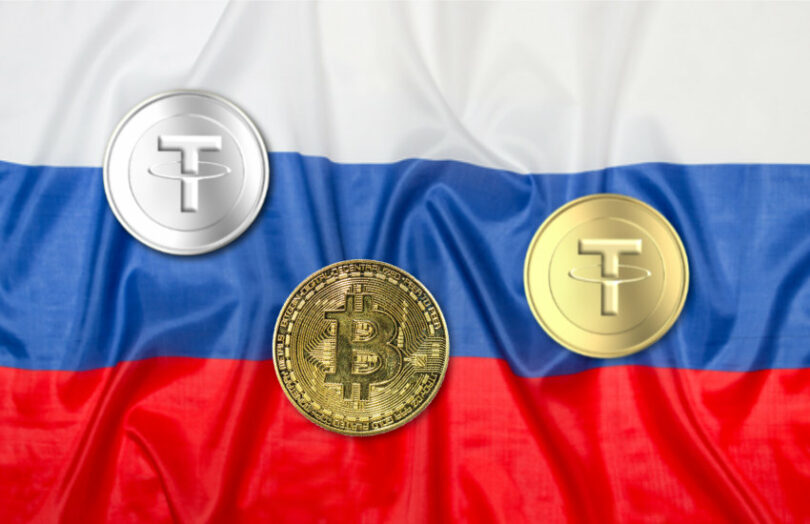
Digital currencies are officially recognized as taxable property in Russia, following legislative amendments approved by the State Duma. This landmark development introduces comprehensive tax rules for cryptocurrency transactions and mining, slated to take effect from January 1, 2025. The amendments represent a significant step in the country’s regulatory approach to digital assets, aiming to streamline income reporting and ensure compliance.

The legislative changes impose a tax of 13% for individual income from cryptocurrency operations, with a slightly higher rate of 15% applicable to non-resident individuals. Additionally, businesses involved in cryptocurrency-related activities will benefit from a value-added tax (VAT) exemption for mining-related transactions. This provision is designed to encourage greater participation in the crypto-mining sector while fostering a controlled environment for its growth. These measures reflect the government’s effort to balance innovation with the need for robust oversight in the digital economy.

A crucial aspect of the legislation involves the stricter regulation of mining infrastructure operators. Companies in this domain will be required to register and comply with stringent guidelines aimed at curbing illegal activities and ensuring transparency. By regulating these operators, authorities seek to establish a framework that promotes legitimate operations and protects market participants from fraud or exploitation.

The move aligns with Russia’s broader strategy to regulate cryptocurrencies amidst increasing global scrutiny of the sector. Cryptocurrencies, often viewed as tools for money laundering or tax evasion, have prompted governments worldwide to introduce regulations to monitor and manage their use effectively. By categorizing digital currencies as property, Russia not only brings clarity to their legal status but also signals its intention to integrate them into the formal economy.

Market analysts suggest that the taxation framework could encourage crypto-mining firms to operate within the law, as compliance becomes a prerequisite for business continuity. This development is especially significant for Russia, which is among the leading countries in crypto-mining due to its vast energy resources and favorable climate. The regulatory measures are expected to attract domestic and international players seeking stability and legal certainty in their operations.

The new rules also mandate the disclosure of cryptocurrency holdings and transactions in annual tax filings, creating an accountability system for individuals and entities involved in digital asset trading. Failure to comply with reporting requirements could result in severe penalties, reinforcing the government’s commitment to maintaining integrity within the sector.

Russia’s decision to implement these measures comes against a backdrop of evolving global attitudes toward cryptocurrency regulation. Countries such as the United States and members of the European Union have been advancing similar initiatives, highlighting a collective acknowledgment of the economic potential and risks associated with digital currencies. By joining this regulatory movement, Russia positions itself as a key player in shaping the future of the global crypto landscape.

Despite the optimism surrounding these changes, critics have raised concerns about the potential for overregulation to stifle innovation. Some industry stakeholders argue that the stringent requirements for mining infrastructure operators could create barriers for small-scale participants, thereby consolidating the industry in favor of larger entities. This, they warn, might undermine the decentralized ethos of cryptocurrency and limit opportunities for new entrants.

The effectiveness of these regulations will largely depend on their implementation and enforcement. Ensuring compliance in a rapidly evolving and highly technical sector presents significant challenges, requiring continuous adaptation and investment in oversight mechanisms. Observers emphasize the need for authorities to strike a balance between fostering growth and maintaining control to avoid unintended consequences.

The Guangdong-Hong Kong-Macao Greater Bay Area Listed Companies Summit 2024 Unveils the “Hong Kong—Best Headquarters Choice for Greater Bay Area Listed Companies” Initiative Empowering Mainland Enterprises to Leverage Hong Kong for IPOs and International Growth HONG KONG SAR – Media OutReach Newswire – 26 November 2024 – On November 25, the “Guangdong-Hong Kong-Macao Greater Bay Area Listed Companies Summit 2024,” hosted by the Greater Bay Area Association […]

HONG KONG SAR – Media OutReach Newswire – 26 November 2024 – Is Hong Kong back to normal? It’s a question that continues to be asked of people who live in Hong Kong, and to those who visit Hong Kong. It assumes that the city has not been itself in recent years. However, Hong Kong has always been a vibrant and entrepreneurial city with unique quirks and […]

A Collaborative Platform Showcasing Scalable and Affordable Solutions for Climate Action, With a Focus on the Global South BAKU, AZERBAIJAN – Media OutReach Newswire – 25 November 2024 – The Biosphere 3 Solutions Pavilion stood out at the UN Climate Change Conference (COP29) as a beacon of innovation and collaboration. Hosted in the Blue Zone, the pavilion presented cutting-edge solutions that address energy equity, decarbonization, and sustainability […]

Mercedes-Benz has announced an ambitious plan to introduce solar paint technology in its electric vehicles (EVs), a development that could revolutionize the way electric cars harness energy. This cutting-edge technology would allow the vehicle’s paint to absorb solar energy, even when the car is stationary or turned off. The solar paint will feed the collected energy into the car’s battery, enhancing the vehicle’s efficiency and extending its range.

This move represents a significant leap in the automotive industry’s ongoing quest to make electric vehicles more sustainable and self-sufficient. Mercedes-Benz is one of the first manufacturers to actively explore solar paint, a technology that has the potential to change the way electric vehicles interact with their environment. According to company sources, the solar paint is designed to be permanently active, continuously converting sunlight into energy as long as the vehicle is exposed to light.

This development is part of the broader trend within the automotive sector to improve EV energy management. While many electric vehicles already use regenerative braking and solar panels to boost performance, the solar paint goes a step further by leveraging the vehicle’s entire surface for energy absorption. The paint could contribute a significant amount of power to the car’s battery, although experts note that it may not fully replace the need for traditional charging methods.

Mercedes-Benz is collaborating with a variety of tech companies and research institutions to refine the technology. The company has stated that the solar paint would be applied to key areas of the vehicle, such as the roof, hood, and even the doors. The solar cells embedded in the paint would be able to absorb sunlight and convert it into usable electricity. The energy harvested would be stored in the vehicle’s battery, where it could be used to power systems like air conditioning, entertainment, and lighting, without drawing power from the main battery pack.

While solar panels on cars are not new, the integration of solar paint introduces a new level of efficiency. Traditional solar panels are often bulky and expensive, and they require a significant amount of space on the vehicle. Solar paint, however, is lightweight and can be applied to nearly any surface of the car, making it far less intrusive and more versatile. This means that the entire car could potentially act as a solar energy collector, even in areas where traditional panels might not fit or be effective.

Experts predict that the solar paint technology could be particularly beneficial for electric vehicles used in regions with high levels of sunlight. Vehicles in such areas could potentially accumulate enough energy during the day to extend their driving range or power essential systems without needing to rely as much on external charging. For example, an EV parked outdoors for several hours could accumulate enough energy from the solar paint to keep the cabin cool or power electronics while the engine is off.

However, there are challenges that still need to be addressed before solar paint can become a mainstream feature in the automotive market. One of the primary concerns is the efficiency of the solar paint. While solar panels on rooftops typically have an efficiency rate of around 15-20%, solar paint has much lower energy conversion rates. This means that while solar paint can contribute to a car’s energy supply, it may not be enough to power the vehicle independently. Mercedes-Benz has emphasized that the paint is not intended to replace conventional charging methods, but rather to complement them by providing a supplementary energy source.

The financial and technological viability of solar paint also remains uncertain. Integrating solar technology into a vehicle’s paint job will require significant investment in research, development, and production processes. There are also questions about the longevity and durability of solar paint, as the paint would need to withstand wear and tear from exposure to the elements, road debris, and washing.

Despite these obstacles, the solar paint project aligns with Mercedes-Benz’s broader sustainability goals. The company has been at the forefront of eco-friendly initiatives, such as its ambitious plans to go carbon neutral by 2039. The solar paint fits into this strategy by offering a new way to reduce the carbon footprint of electric vehicles and make them more energy-efficient. As the automotive industry looks to reduce its dependence on fossil fuels, innovations like solar paint could play a critical role in the transition to a more sustainable future.

In addition to its practical applications, solar paint technology is also a potential game-changer for the automotive design industry. As automakers explore ways to incorporate renewable energy solutions into vehicle production, solar paint could offer a more aesthetically pleasing alternative to traditional solar panels. The paint can be seamlessly integrated into the vehicle’s design, without sacrificing the car’s appearance or aerodynamics.

Mercedes-Benz’s commitment to solar paint is part of its broader strategy to remain a leader in the growing electric vehicle market. The company has already made significant strides with its EQ electric lineup, which includes a variety of vehicles designed to meet the needs of eco-conscious consumers. The introduction of solar paint would further solidify Mercedes-Benz’s position as an innovator in the field, as the company continues to explore new ways to reduce the environmental impact of transportation.

“Engineered for Sustainability: Hong Kong’s Contribution to United Nations Sustainable Development Goals” Showcasing over 40 Sustainable Engineering Projects HONG KONG SAR – Media OutReach Newswire – 25 November 2024 – The Hong Kong Institution of Engineers (“HKIE”) launched an eBook, Engineered for Sustainability: Hong Kong’s Contribution to United Nations Sustainable Development Goals, which introduces Hong Kong engineering industry’s progress towards achieving the United Nations Sustainable Development Goals […]

El Salvador’s pioneering embrace of cryptocurrency has taken another bold step, with President Nayib Bukele proposing a plan to rent out the country’s volcanoes for Bitcoin mining. The initiative aims to leverage El Salvador’s abundant geothermal energy, which is already powering its own mining operations. Since adopting Bitcoin as legal tender in 2021, the nation has positioned itself at the forefront of cryptocurrency innovation, combining digital finance with renewable energy.

The country’s current geothermal-powered Bitcoin mining facility, located near the Tecapa volcano, has generated approximately 474 Bitcoin (valued at $29 million) using clean energy sources. This operation, managed by a state-owned geothermal plant, employs 300 mining processors and utilizes 1.5 megawatts of energy—just a fraction of the plant’s 102-megawatt capacity. The potential scalability of this model has prompted discussions on how other volcanoes in the country could be similarly utilized.

President Bukele’s proposal highlights a strategy to monetize unused geothermal resources while addressing global concerns about the environmental footprint of cryptocurrency mining. The use of renewable energy is an essential component of this vision, positioning El Salvador as a global leader in sustainable digital asset practices. This is particularly significant given the scrutiny Bitcoin mining faces due to its traditionally high energy consumption and carbon emissions.

El Salvador has continued to expand its Bitcoin-related endeavors despite challenges. The legalization of Bitcoin as tender initially drew widespread criticism from international financial institutions, with concerns about economic volatility and potential misuse. The country’s strategy, however, has persisted, with daily Bitcoin purchases by the government adding to its growing reserves, now estimated at 5,750 BTC (approximately $354 million). The administration has framed this as a move toward economic sovereignty and technological advancement.

The economic viability of cryptocurrency mining, combined with geothermal energy, has prompted interest from both domestic stakeholders and international observers. Geothermal energy, a consistent and renewable power source, provides a distinct advantage, as it is less susceptible to the fluctuations seen in other renewable energy forms like solar or wind. For El Salvador, where over 20 volcanoes contribute to a substantial geothermal energy potential, this resource could become a cornerstone of its energy strategy.

As the government looks to scale its operations, the proposed renting of geothermal sites could attract private and international investments. By offering ready access to clean energy and potentially favorable regulatory conditions, the country is positioning itself as an attractive hub for crypto mining. This vision, however, is not without its risks. The volatility of Bitcoin prices and external regulatory pressures continue to pose challenges. Critics have also questioned the long-term benefits of prioritizing Bitcoin over broader economic reforms, especially in a country where poverty and economic disparity remain pressing concerns.

Despite these criticisms, President Bukele has doubled down on the Bitcoin agenda, reinforcing his commitment through policies and public declarations. The initiative is also gaining traction among his supporters, a key factor in his successful 2024 re-election campaign. For Bukele, Bitcoin is not merely a financial tool but a symbol of El Salvador’s innovation and resilience on the global stage.

VISHNU RAJA
RYO YAMADA
HITORI GOTOH
IKUYO KITA