News related to
energy

A groundbreaking initiative has been announced by Dubai Airports, marking the launch of the world’s largest solar rooftop project in collaboration with Etihad Clean Energy Development Company, a fully owned subsidiary of the Dubai Electricity and Water Authority (DEWA). This ambitious project aims to enhance the airport’s sustainability efforts and significantly contribute to Dubai’s clean energy targets.

The project involves the installation of solar photovoltaic panels on the rooftops of Dubai International Airport (DXB) and Dubai World Central (DWC). This effort is part of a broader commitment by Dubai Airports to adopt sustainable practices and support the emirate’s goal of becoming a global leader in renewable energy. The installation will generate a substantial amount of electricity, contributing to the operational energy needs of the airports while reducing carbon emissions.

Expected to generate up to 8 megawatts of power, the solar rooftop installation will occupy over 60,000 square meters of rooftop space across both airports. This initiative aligns with Dubai’s Clean Energy Strategy 2050, which aims to increase the share of clean energy in the city’s total energy mix to 75 percent by 2050. The solar project not only enhances the airports’ sustainability profile but also sets a benchmark for energy efficiency in the aviation sector.

This collaboration underscores the commitment of both Dubai Airports and DEWA to drive sustainable growth and innovation. The installation of solar panels at the airports is a pivotal step towards enhancing energy resilience and reducing reliance on fossil fuels. As part of the project, it is anticipated that the solar energy generated will power various airport facilities, thus optimizing operational efficiency.

The strategic partnership between Dubai Airports and Etihad Clean Energy Development Company highlights the importance of public-private collaborations in achieving sustainability goals. This project is poised to pave the way for similar initiatives in other sectors, reinforcing the UAE’s leadership in renewable energy adoption. Moreover, it exemplifies the proactive measures being taken by Dubai to address environmental challenges while supporting economic growth.

Several key players have contributed to the formulation and execution of this initiative. The project was developed following extensive feasibility studies and consultations with industry experts to ensure that it meets the highest standards of efficiency and effectiveness. DEWA, recognized for its commitment to innovation and sustainability, has been instrumental in supporting the integration of renewable energy solutions across the emirate.

Dubai Airports has a history of implementing sustainability measures, including the introduction of energy-efficient technologies and practices aimed at minimizing the environmental footprint of airport operations. The launch of the solar rooftop project represents a significant milestone in this ongoing effort and showcases Dubai’s ambition to lead by example in the global aviation industry.

In addition to the environmental benefits, the project is expected to have positive economic implications, providing job opportunities in the renewable energy sector and stimulating growth within the local economy. The focus on sustainability aligns with the broader vision of the UAE to diversify its economy and reduce its dependence on oil.

As part of its commitment to sustainability, Dubai Airports continues to explore innovative solutions to reduce energy consumption and enhance operational efficiency. The implementation of solar energy solutions is just one aspect of a comprehensive sustainability strategy that encompasses various initiatives aimed at minimizing waste, conserving resources, and promoting environmentally friendly practices.

This project represents a significant step forward in Dubai’s journey towards achieving a more sustainable future. The commitment to renewable energy aligns with the global shift towards cleaner energy sources and highlights the potential for airports and other major infrastructure to contribute positively to environmental sustainability.

Dubai’s leadership has emphasized the importance of such projects in realizing the emirate’s long-term sustainability goals. The solar rooftop initiative not only demonstrates the feasibility of large-scale renewable energy projects but also serves as a model for other cities and countries looking to enhance their sustainability efforts.

Masdar, the renewable energy subsidiary of Abu Dhabi’s Mubadala Investment Company, is gearing up to launch a new green bond as part of its strategic financing efforts aimed at expanding its renewable energy portfolio. Chief Financial Officer, Mohamed Jameel Al Ramahi, confirmed this initiative, emphasizing Masdar’s commitment to sustainable financing and clean energy investment. The anticipated issuance is part of the company’s broader strategy to attract investment […]

Construction on the Jeddah Tower, which aims to be the tallest building in the world, is back in motion after a prolonged hiatus. Owned by Saudi billionaire Jeddah Economic Company (JEC), the ambitious project has faced numerous delays since its groundbreaking in 2013 due to economic shifts, financing difficulties, and other logistical challenges. However, recent developments indicate that JEC is determined to complete this iconic structure, which […]

A significant investment is on the horizon as an Omani consortium prepares to establish a data center in Egypt’s Suez Canal Economic Zone, with an allocation of $450 million earmarked for the project. This initiative is part of Egypt’s broader strategy to transform the Suez Canal region into a technological and logistical hub, enhancing its role in global trade and digital services.

The investment is spearheaded by the Oman Information Technology Company (OITC) and several local partners. This collaboration marks a critical step in fostering economic ties between Oman and Egypt, with both nations recognizing the potential of digital infrastructure in driving economic growth. The data center is expected to support the burgeoning demand for cloud services and digital storage, driven by an increasingly digitized global economy.

The announcement of the data center project aligns with Egypt’s strategic plan to attract foreign direct investment and bolster its technological capabilities. The Suez Canal Economic Zone has been pivotal in this vision, with the Egyptian government actively promoting investment opportunities in sectors such as logistics, manufacturing, and technology. The zone’s geographical advantage, situated at the crossroads of major trade routes, offers unparalleled access to international markets.

By establishing a state-of-the-art data center in this zone, the Omani consortium aims to enhance digital connectivity not only within Egypt but also across the broader Middle East and North Africa (MENA) region. The center will provide essential services such as cloud computing, data storage, and disaster recovery solutions, catering to both local and international clients.

The data center project is expected to generate significant employment opportunities for the local workforce. With the ongoing investment in education and training programs in Egypt, there is a concerted effort to equip young professionals with the necessary skills to thrive in the digital economy. The collaboration between OITC and local partners is likely to enhance knowledge transfer and foster innovation within the Egyptian tech landscape.

This investment comes at a time when global data center demand is surging, driven by trends such as the rise of e-commerce, the proliferation of the Internet of Things (IoT), and the increasing reliance on digital solutions across various sectors. As businesses and governments prioritize digital transformation, the need for robust and secure data infrastructure has become paramount.

The Suez Canal Economic Zone’s strategic position allows for efficient connectivity to Europe, Asia, and Africa, making it an attractive location for data center operations. This development not only supports Egypt’s ambitions to become a regional technology hub but also enhances its competitiveness in the global market.

The partnership is set to leverage advancements in renewable energy, aligning with global sustainability trends. As data centers are known for their high energy consumption, the integration of renewable energy sources will be pivotal in minimizing the environmental impact of this project. The Omani consortium is expected to explore partnerships with renewable energy providers in Egypt to power the data center sustainably.

Egypt’s government has been proactive in creating a favorable environment for foreign investments, implementing reforms aimed at improving the business climate. The country’s economic stability, coupled with its young and tech-savvy population, positions it as a viable destination for tech investments. The collaboration between OITC and Egyptian partners reflects a growing trend among Gulf countries to diversify their investments beyond traditional sectors, focusing instead on technology and digital services.

This project is also anticipated to strengthen Egypt’s position in the regional tech ecosystem, attracting additional investments and partnerships from global tech giants. With the establishment of the data center, Egypt aims to position itself as a competitive player in the MENA tech landscape, potentially drawing in international businesses looking for reliable digital infrastructure.

As the project progresses, it will be essential for stakeholders to ensure that the data center adheres to international standards for security and data privacy. The rise in cyber threats has made data protection a critical concern for businesses and consumers alike. Establishing robust cybersecurity measures will be crucial to gain the trust of clients and stakeholders.

Growing concerns surrounding geopolitical instability in the Middle East are contributing to heightened volatility in the oil markets, as traders anticipate further price increases. Recent analyses indicate that the tensions between various regional players and broader global dynamics are significantly influencing supply concerns, leading to increased buying activity in oil options. This is particularly evident as major crude benchmarks, including Brent crude and West Texas Intermediate (WTI), have seen notable fluctuations driven by investor sentiment and strategic positioning.

Market data reveals a surge in options trading, suggesting that traders are preparing for potential price movements. Open interest in call options, which give the buyer the right to purchase oil at a predetermined price, has risen sharply. This indicates that market participants expect prices to climb, driven by fears of supply disruptions due to geopolitical unrest, particularly in key oil-producing countries such as Saudi Arabia, Iran, and Iraq. Analysts suggest that the current landscape is reminiscent of past crises, wherein escalating tensions have historically led to significant price spikes.

As oil prices approach the $100 per barrel mark, analysts warn that sustained increases could have broader economic implications. The International Energy Agency (IEA) has projected a potential supply shortfall if geopolitical tensions escalate, particularly with ongoing conflicts in Ukraine and regional disruptions in the Middle East. In this context, market experts emphasize the importance of monitoring geopolitical developments closely, as these factors will be critical in shaping oil price trajectories in the coming months.

The dynamics of oil trading have shifted, with many investors now viewing geopolitical events as pivotal catalysts for price changes. The strategic importance of the Middle East, often referred to as the world’s energy hub, cannot be overstated. The region accounts for a significant portion of global oil supply, and any disruptions can lead to immediate and substantial price reactions in the market.

In light of these developments, the oil market is exhibiting signs of increased speculation. Hedge funds and other large investors have ramped up their positions in oil futures and options, further reflecting the bullish sentiment permeating the market. This trend has been particularly pronounced in the context of the ongoing discussions regarding production cuts by the Organization of the Petroleum Exporting Countries (OPEC) and its allies. OPEC’s decisions will play a crucial role in determining supply levels and influencing price stability.

Saudi Arabia, a leading member of OPEC, has signaled its willingness to adjust production levels in response to market dynamics. The kingdom’s recent commitments to reducing output in order to stabilize prices have fueled discussions regarding potential collaborative efforts among OPEC members to manage supply effectively. This strategy aims to counterbalance the impact of external geopolitical risks and market volatility.

Iran’s continued efforts to revitalize its oil production in the wake of sanctions further complicates the scenario. The Iranian oil sector is poised for growth, but any increase in output is contingent upon the delicate diplomatic landscape. Investors are acutely aware that shifts in U.S. policy towards Iran can have immediate repercussions for oil supply and pricing, leading to a cautious approach in trading activities.

Market sentiment is also influenced by macroeconomic factors, including inflation and interest rates. Recent data suggest that rising inflationary pressures are leading to increased uncertainty regarding economic growth, which could, in turn, impact oil demand. Investors are weighing the potential for a slowdown in global economic activity against the backdrop of supply-side constraints. This balancing act adds another layer of complexity to trading strategies.

Analysts are observing emerging trends in the energy sector, particularly the transition towards renewable energy sources. As nations grapple with climate change initiatives, the demand for traditional fossil fuels is being challenged. However, in the short term, oil remains a critical component of the global energy mix, especially amid geopolitical uncertainties that necessitate a reliable energy supply.

The current landscape underscores the importance of strategic foresight for traders and investors. Understanding the interconnectedness of geopolitical developments, production decisions, and market sentiment will be essential in navigating the complexities of oil trading. Traders are increasingly incorporating a broader range of indicators and data points into their analyses, reflecting the dynamic nature of the oil market.

HANOI, VIETNAM- Media OutReach Newswire – 3 October 2024 – Vinhomes has elevated the standard of urban living in Vietnam with its all-in-one residential developments. Building on a successful track record and the country’s thriving economy, Vinhomes is now seeking international customers for its world-class projects. The company’s strategic vision and commitment to quality and innovation have positioned it as a key player in both the Vietnamese […]

Engage with global policymakers, thought leaders, and innovators at Asia’s premier cybersecurity event SINGAPORE – Media OutReach Newswire – 3 October 2024 – The GovWare Conference and Exhibition 2024 will take place from 15 to 17 October 2024 at the Sands Expo and Convention Centre Singapore, gathering over 12,000 policy makers, cyber and corporate leaders, practitioners, and academia worldwide to address modern security issues, rebuild trust, and […]

Advertisements

The Abu Dhabi Securities Exchange (ADX) recorded a significant surge in trading activity, logging 15 large deals worth AED 2.66 billion ($724 million) involving ADNOC Gas and Modon properties. These transactions underscore the growing investor confidence in ADNOC Gas and the continued expansion of Modon, a prominent developer of infrastructure projects in Abu Dhabi. ADNOC Gas, a key player in the UAE’s energy sector, has been central […]

Oil-producing nations in the OPEC+ alliance have decided to maintain the current output policy following a key meeting. The gathering of ministers, which occurred as global energy markets continue to experience volatility, focused on compliance with production cuts and compensatory measures for countries that have exceeded their allocated quotas. As tensions persist over global supply and demand dynamics, this decision underscores OPEC+’s cautious approach in navigating the uncertain landscape.

The meeting, involving some of the world’s largest oil producers, was closely watched by analysts and industry leaders. Observers had anticipated possible adjustments to production levels, but the alliance chose to keep its policy steady for the time being. A source close to the talks confirmed the decision, emphasizing the group’s intent to maintain stability amid unpredictable economic conditions. OPEC+ has long been the primary driver behind oil supply strategies, and its decisions significantly impact global oil prices.

Attention was also directed at countries that have been overproducing relative to their targets. The meeting delved into how these nations might adjust their production in the coming months to align with the overall quotas set by the group. According to one of the sources within OPEC+, ministers discussed altering the schedules for compensating the excess oil production. While compliance remains a key issue, the group’s commitment to ensuring market equilibrium is evident through its continued discussions on corrective actions for overproducers.

OPEC+ includes the 13-member Organization of the Petroleum Exporting Countries (OPEC) along with other major oil producers, including Russia, forming an extended alliance that has managed global oil production since 2016. The group’s coordinated efforts in limiting production have played a critical role in managing global oil supply, especially after demand shocks like the COVID-19 pandemic. OPEC+ agreements, including the output cuts initiated in response to these shocks, have helped stabilize the market, albeit with ongoing challenges.

The current production cuts are part of a broader strategy adopted by OPEC+ to counterbalance the global oil supply. This strategy was designed to address the fluctuating demand patterns caused by economic slowdowns, geopolitical conflicts, and environmental concerns. Although many expected the group to consider tightening production further, the decision to maintain the status quo suggests that ministers are awaiting clearer market signals before making significant adjustments.

Concerns over compliance have surfaced repeatedly within the OPEC+ framework, particularly regarding the member nations that have consistently exceeded their production targets. The alliance had previously implemented a compensation mechanism that allows such countries to compensate for their overproduction by reducing future outputs. Discussions during the latest meeting reiterated the importance of this mechanism, with proposals to recalibrate the compensation schedules for non-compliant members gaining traction.

Market analysts are closely evaluating how these compensation schedules might influence oil prices in the coming months. For many overproducing countries, the challenge lies in balancing domestic energy demands with international commitments. The talks have underscored the need for greater transparency and enforcement within the OPEC+ framework, as stricter compliance will be crucial for the alliance’s long-term credibility and effectiveness.

The broader geopolitical context remains an important factor in OPEC+’s decision-making. Ongoing concerns over global inflation, coupled with fears of economic recessions in key markets, continue to shape the group’s cautious approach. Energy prices have become a focal point of debate in several regions, with governments under pressure to address rising costs while maintaining economic growth. OPEC+, mindful of these dynamics, is likely to continue adjusting its strategies in response to global macroeconomic shifts.

Despite the current output freeze, many industry experts believe that OPEC+ may consider changing its production policies in future meetings, especially if market conditions warrant it. The delicate balance between supply and demand remains a persistent challenge for oil producers, who must navigate not only the economics of energy but also the geopolitical pressures associated with oil dependency.

The global energy landscape continues to evolve, driven by factors such as the transition to renewable energy, geopolitical tensions, and the demand recovery in major economies. OPEC+ is increasingly viewed not just as a traditional oil cartel but as a central player in global energy governance. This meeting further highlights the alliance’s critical role in shaping the future of oil production and pricing.

OPEC+’s production strategies are also being influenced by longer-term shifts in the global energy mix. As the world gradually pivots toward more sustainable energy sources, fossil fuel producers face mounting pressure to diversify their portfolios while continuing to meet the immediate energy needs of a growing global population. For many OPEC+ members, the dual challenge of meeting these short-term and long-term goals will define the future of oil production policy.

Bitcoin miners have recorded their lowest monthly revenue in a year, with September earnings dropping to $816 million. This marks a significant decline in the cryptocurrency mining industry, which has faced mounting pressures from several factors, including rising operational costs and decreased market activity. The downturn has highlighted the challenges miners face in maintaining profitability as Bitcoin’s price volatility and network complexity continue to evolve.

The $816 million revenue generated in September represents a sharp fall from previous months, underscoring the financial struggles within the sector. One of the primary factors contributing to the decline was a notable drop in transaction fee revenue, which reached $13.86 million. This is the lowest level since the introduction of the BRC-20 standard in March 2023, a protocol that had initially generated a spike in transaction volumes and fees.

Bitcoin’s market conditions have been relatively stable in recent months, but this stability has translated into lower transaction activity on the network. The stagnation in trading volumes has had a direct impact on miners’ revenue, as transaction fees make up a significant portion of their earnings alongside block rewards. The decreasing transaction fee revenue suggests a reduction in on-chain activity, with fewer high-value transactions being processed.

Adding to the miners’ woes is the rising difficulty of Bitcoin mining. The Bitcoin network’s difficulty level, which adjusts based on the computational power being used to mine blocks, has been steadily increasing. This rise in difficulty has made it more challenging and resource-intensive for miners to solve the complex cryptographic puzzles required to verify transactions and add new blocks to the blockchain. Consequently, many miners are facing higher operational costs, particularly in terms of energy consumption and hardware maintenance, while earning lower rewards.

The drop in revenue has forced some smaller mining operations to scale back or shut down entirely, as they are unable to compete with larger mining farms that benefit from economies of scale. These larger players are better equipped to absorb the impact of reduced profitability, but even they are feeling the pinch as margins continue to shrink.

In addition to the technical and market-related challenges, regulatory scrutiny has also added pressure to the mining industry. Governments around the world have intensified their focus on cryptocurrency mining, particularly due to concerns over energy consumption and environmental impact. This has led to increased regulatory oversight in certain jurisdictions, with some countries imposing restrictions or outright bans on mining activities. China, which was once the dominant force in Bitcoin mining, implemented a nationwide crackdown on crypto mining in 2021, forcing many miners to relocate to more favorable environments such as the United States, Kazakhstan, and Russia.

Despite this migration, miners in these new locations have encountered their own challenges. In the U.S., for example, some states have introduced stricter regulations or raised electricity rates for mining operations, making it more difficult for miners to maintain profitability. In Kazakhstan, miners have faced power shortages and government-imposed limits on energy consumption, while Russia’s energy infrastructure has struggled to meet the demands of an influx of mining operations.

The impact of these regulatory changes has been compounded by the broader macroeconomic environment. Global inflation, rising interest rates, and increased energy costs have put additional strain on mining operations, particularly those that rely on electricity from non-renewable sources. As energy prices surge, miners with less efficient operations are finding it increasingly difficult to break even, let alone turn a profit.

While the immediate outlook for Bitcoin miners appears bleak, some industry experts believe that the downturn may ultimately benefit the ecosystem by driving greater efficiency and innovation. Miners are being forced to optimize their operations, adopt more sustainable energy sources, and explore new revenue streams beyond traditional block rewards and transaction fees. For example, some mining companies have started to offer cloud mining services, allowing retail investors to participate in mining without having to invest in expensive hardware.

Bitcoin’s next halving event, expected in 2024, could significantly alter the dynamics of the mining industry. The halving, which occurs roughly every four years, reduces the block reward by 50%, making it more difficult for miners to generate profits through new Bitcoin issuance alone. This upcoming halving is likely to further reduce miners’ reliance on block rewards and place a greater emphasis on transaction fees as a source of income. As a result, many miners are hoping for an increase in on-chain activity and higher transaction fees to offset the reduction in block rewards.

The broader cryptocurrency market is also expected to play a crucial role in determining the future of Bitcoin mining. If Bitcoin’s price experiences another bull run, as some analysts predict, the increased demand for transactions could lead to a resurgence in fee revenue and a boost to miners’ earnings. On the other hand, continued price stagnation or a prolonged bear market could exacerbate the financial pressures facing miners, leading to further consolidation in the industry.

Abu Dhabi Developmental Holding Company (ADQ) has announced a strategic partnership with Swiss artificial intelligence firm EQTY Lab to enhance climate solutions across diverse sectors. This collaboration aims to utilize AI and data analytics to facilitate a sustainable future, focusing on critical areas such as energy efficiency, waste management, and the reduction of carbon emissions. ADQ, one of the largest holding companies in the region, plays a […]

A significant step towards enhancing its renewable energy landscape has been initiated by Abu Dhabi, as it officially announced the launch of a competitive bidding process for the 1.5-gigawatt (GW) Al-Zarraf solar independent power project (IPP). This initiative aligns with the emirate’s ambitious targets to achieve net-zero greenhouse gas emissions by 2050, while simultaneously increasing the share of clean energy in its overall energy mix. The Al-Zarraf […]

Plans by Dubai-based Dragon Oil to significantly expand oil production have been outlined by CEO Ali Rashid Al Jarwan, revealing the company’s ambition to double its output to 450,000 barrels per day (bpd) within the next five years. This strategic initiative was announced during the 26th Water, Energy, Technology and Environment Exhibition (WETEX) 2024 in Dubai, highlighting the company’s commitment to leveraging its global position in the […]

Emirates National Oil Company (ENOC) is contemplating an expansion of its Jebel Ali Oil Refinery, as articulated by its CEO. This initiative aims to enhance operational capacity and cater to rising regional and global demands for refined products. Currently, the refinery has a processing capacity of 140,000 barrels per day, primarily producing a range of fuels and petrochemical products. The Jebel Ali facility has been instrumental in […]

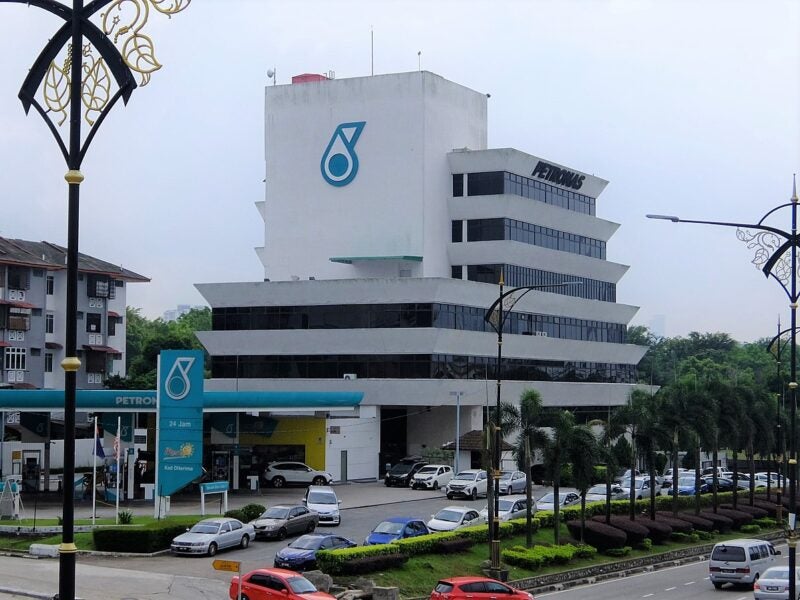
Petronas, the Malaysian oil and gas company, has achieved a significant milestone by securing an onshore concession license in Abu Dhabi. This development signals a noteworthy expansion for Petronas in the Middle East, positioning the company for increased engagement in the region’s burgeoning energy sector.

The agreement grants Petronas the right to explore, develop, and produce hydrocarbons in the concession area, an endeavor that aligns with the company’s strategic focus on enhancing its international upstream portfolio. The concession spans a 30-year term, during which Petronas aims to leverage its technological expertise and innovative solutions to optimize production while adhering to the highest environmental standards.

Abu Dhabi’s hydrocarbon-rich landscape has long attracted major oil players due to its substantial reserves and favorable investment climate. The emirate is keen on diversifying its economy and enhancing energy sustainability, and Petronas’s involvement is anticipated to contribute positively to these objectives. This concession license aligns with Abu Dhabi’s broader strategy to attract foreign investment while ensuring a sustainable energy future.

The licensing agreement underscores the UAE’s commitment to maintaining its status as a pivotal player in the global energy market. It also reflects Petronas’s strategic intention to capitalize on growth opportunities outside its home market, thereby enhancing its global footprint. The partnership with the Abu Dhabi National Oil Company (ADNOC) is expected to facilitate knowledge transfer and collaboration, fostering innovation within the energy sector.

ADNOC has actively sought international partners to strengthen its upstream capabilities, and Petronas’s involvement is seen as a testament to ADNOC’s strategy of forging alliances with leading global energy firms. The collaboration will focus on advanced technologies, including digitalization and artificial intelligence, to enhance exploration and production efficiencies.

Petronas has been expanding its international operations over the past few years, with significant investments in various countries, including Canada, Brazil, and Mozambique. The company aims to maintain a balanced portfolio while exploring opportunities in renewable energy, aligning with global shifts towards sustainable practices. The Abu Dhabi concession marks a continuation of Petronas’s efforts to adapt to evolving market dynamics and shifting energy demands.

Industry analysts view this agreement as a positive step for both Petronas and ADNOC, as it creates synergies that can drive value creation. The partnership is expected to leverage ADNOC’s extensive experience in the region along with Petronas’s technical capabilities, thereby enhancing operational efficiencies. With the global energy landscape undergoing significant transformations, this collaboration is poised to bolster the resilience and competitiveness of both entities.

The concession also comes at a time when oil prices are experiencing volatility, prompting many companies to reassess their strategies and investments. By securing this license, Petronas is positioning itself to navigate these fluctuations effectively. The company’s focus on innovation and sustainability is anticipated to enhance its adaptability to market challenges, ensuring its long-term growth prospects.

As the energy transition accelerates, the partnership between Petronas and ADNOC is likely to explore opportunities beyond traditional oil and gas. The companies may jointly investigate initiatives in carbon capture and storage, as well as investments in renewable energy projects. This strategic approach is essential for maintaining relevance in a rapidly changing energy landscape.

Both companies are well-positioned to contribute to Abu Dhabi’s goal of achieving net-zero emissions by 2050. The collaboration could lead to groundbreaking advancements in energy efficiency and sustainability practices, setting a benchmark for future partnerships in the region.

While the immediate focus is on hydrocarbon production, the strategic collaboration may pave the way for broader initiatives that align with global sustainability goals. This could include exploring alternative energy sources, enhancing energy efficiency measures, and investing in clean technologies that reduce carbon footprints.

The successful acquisition of the onshore concession license by Petronas not only highlights its commitment to expanding its operational footprint but also underscores the importance of collaboration in achieving energy sustainability. The agreement reflects a shared vision between ADNOC and Petronas to develop innovative solutions that meet the demands of an evolving energy landscape while prioritizing environmental stewardship.

As global energy markets continue to transform, Petronas’s expansion into Abu Dhabi marks a significant development in the region’s oil and gas sector. This venture is expected to enhance both companies’ operational efficiencies, drive technological innovation, and contribute to the sustainable development goals set forth by the UAE. The collaboration serves as a model for future partnerships, illustrating the potential of strategic alliances in navigating the complexities of the energy industry.

Efforts by OPEC+ to stabilize the global oil market have gained renewed focus, as UAE’s Minister of Energy and Infrastructure, Suhail Mohamed Faris Al Mazrouei, highlighted the group’s commitment to maintaining a balance between supply and demand. During recent discussions, Al Mazrouei referred to OPEC+’s actions as a “noble job,” underscoring the coalition’s strategic moves to support oil prices amid fluctuating global economic conditions.

In a critical period for oil markets, OPEC+ has implemented a series of production cuts aimed at addressing falling crude prices, which have been driven down by oversupply and persistent inflation concerns in key consumer nations. The group, which includes 23 countries, has extended its voluntary cuts to stabilize prices, with a particular emphasis on recovering inventory levels while carefully managing market dynamics.

OPEC+, led by major producers such as Saudi Arabia and Russia, has made significant adjustments to its output. These changes include extending cuts of around 2.2 million barrels per day (b/d) through September 2024, with a gradual rollback scheduled thereafter . Analysts noted that while the extension was anticipated, it could create conditions for price recovery as seasonal demand increases.

The coalition’s actions come as a response to market pressures resulting from increased production by rival nations, including the United States, Brazil, and Guyana. Despite ongoing challenges, Al Mazrouei expressed confidence in the collective efforts of OPEC+ to navigate the complexities of the global oil landscape. The minister emphasized the importance of maintaining a collaborative approach to ensure sustainable supply and demand balance .

Dubai has taken a significant step toward solidifying its position as a global leader in innovation and intellectual property (IP) management with the launch of the Dubai Intellectual Property Hub (DIPH). Developed in collaboration between the Dubai Future Foundation (DFF) and the UAE Ministry of Economy, the DIPH aims to provide a centralized platform for managing IP and intangible assets (IA) in the region. The initiative targets a wide range of stakeholders, including innovators, artists, entrepreneurs, researchers, academics, and startups, by offering streamlined support and resources.

The DIPH was unveiled at the “IP2024: Glimpse on the Future of IP” event, which attracted high-level officials, industry experts, and leading figures from the IP sector. The introduction of this hub underscores the UAE’s ambitions to position itself as a competitive hub for global intellectual property development and protection. The platform is designed to assist those working in knowledge-based industries, which are becoming increasingly crucial in today’s digital economy.

The Dubai Intellectual Property Hub is expected to fill a longstanding gap in the region’s innovation ecosystem by offering a one-stop solution for intellectual property needs. Through DIPH, innovators will have access to various resources that streamline the IP registration and management process, reducing the complexity that often hampers the commercialization of innovative ideas. By making it easier for creators to secure their intellectual property rights, Dubai is also encouraging the creation and growth of knowledge-based industries.

The launch of the DIPH comes at a critical time when global economies are placing more emphasis on knowledge and innovation. Intangible assets, such as patents, trademarks, copyrights, and trade secrets, are increasingly valuable, and their protection is crucial to driving growth and competitiveness in global markets. This new hub aims to address that demand by providing comprehensive support for the entire IP lifecycle, from idea generation and patent registration to commercialization and enforcement.

In remarks delivered during the launch event, officials highlighted the significance of the DIPH in fostering innovation not just in the UAE but across the broader Middle East and North Africa (MENA) region. The platform aims to establish Dubai as a center for IP-related activities, attracting talent and investment from across the globe. By empowering individuals and organizations to secure their intellectual property more efficiently, the UAE aims to create an environment that nurtures creativity and entrepreneurship.

The DIPH’s comprehensive services include assistance with patent filings, IP rights consultations, educational workshops, and resources on the commercialization of intangible assets. The hub also promises to facilitate networking opportunities between innovators, investors, and legal experts, thereby fostering collaborations that could lead to the development of cutting-edge technologies and creative endeavors.

The collaboration between the Dubai Future Foundation and the Ministry of Economy also reflects the UAE’s broader strategy of diversifying its economy away from traditional sectors like oil and gas. By promoting knowledge-based industries, the UAE is positioning itself as a global leader in sectors like artificial intelligence, biotechnology, and clean energy, where intellectual property plays a critical role. Officials at the launch underscored that the Dubai Intellectual Property Hub is aligned with the UAE’s long-term vision for innovation-driven economic growth.

The DIPH aims to be more than just a registry for patents and trademarks; it aspires to be a catalyst for innovation across multiple sectors. By providing a centralized resource for IP-related activities, the hub is set to attract innovators from around the world, providing them with the tools and support they need to succeed. This effort is in line with Dubai’s larger objective to become a leader in the global knowledge economy, fostering a fertile environment where new ideas and technologies can flourish.

The launch of the Dubai Intellectual Property Hub coincides with the UAE’s commitment to aligning its innovation goals with international standards. Officials noted that DIPH would ensure that the UAE remains compliant with international intellectual property laws and agreements, facilitating smoother collaboration with global partners and investors. This alignment is particularly crucial in today’s interconnected world, where cross-border collaborations are becoming more prevalent.

The introduction of DIPH has been met with widespread optimism from industry experts, who believe that the hub will help to overcome several challenges currently faced by innovators and businesses in the region. One of the primary obstacles to IP protection in many emerging markets is the lack of streamlined processes and resources for managing intellectual property rights. By addressing these gaps, the Dubai Intellectual Property Hub is expected to provide an essential service that will benefit both local and international innovators.

The DIPH is also designed to support the growth of startups in the UAE, which are often heavily reliant on their intellectual property for competitive advantage. Startups and small businesses frequently struggle to navigate the complex world of intellectual property law, and the DIPH aims to alleviate some of these burdens by offering tailored support to emerging companies. Through educational resources, legal consultations, and partnerships with venture capital firms, the hub will assist startups in securing their innovations and bringing them to market.

DUBAI, UAE – EQS Newswire – 1 October 2024 – Dubai Electricity and Water Authority (DEWA) (www.DEWA.gov.ae) organises the 26th Water, Energy, Technology and Environment Exhibition (WETEX) from 1 to 3 October 2024 at the Dubai World Trade Centre. The exhibition is a standout event in the global sustainability calendar. It is the largest exhibition in the region in energy, water, green development, sustainability, decarbonisation, green mobility, […]

Consumer behavior in the Middle East is evolving significantly, driven by a complex interplay of climate change concerns and rising inflation. A recent survey conducted by PwC reveals that while economic pressures are palpable, consumers are increasingly willing to pay a premium for sustainable products. This shift highlights a growing awareness of environmental issues, even as individuals grapple with the financial strains of daily life. The survey, […]

A significant shift to biofuels for dnata’s UK operations has resulted in a reduction of over 2,400 tonnes of carbon dioxide emissions annually. This transition aligns with the global push for more sustainable practices in the aviation industry and highlights dnata’s commitment to environmental responsibility. Dnata, a major player in ground handling and cargo services, has implemented a program to replace traditional fossil fuels with sustainable aviation […]

Concerns are mounting for French equities as speculation intensifies regarding potential tax increases aimed at blue-chip companies. Analysts from Barclays Plc have raised alarms, suggesting that these proposed hikes may exacerbate the already sluggish performance of the French stock market. This forecast comes as the French government grapples with a growing budget deficit, prompting considerations for fiscal measures that could have far-reaching implications for corporate profitability and […]

Sheikh Khaled bin Mohamed Al Nahyan, the Crown Prince of Abu Dhabi, arrived in Qatar on Tuesday for a significant official visit aimed at strengthening ties between the two Gulf nations. This diplomatic mission comes after years of strained relations between Qatar and some of its neighboring states, including the UAE, following the resolution of the 2017 blockade, where the UAE, Saudi Arabia, Bahrain, and Egypt severed ties with Qatar over allegations of supporting extremist groups—claims that Doha consistently denied.

The visit marks a turning point in relations, with Sheikh Khaled’s arrival signaling a renewed effort to bolster diplomatic, economic, and cultural cooperation between Abu Dhabi and Doha. The Crown Prince is scheduled to meet with Qatar’s Emir, Sheikh Tamim bin Hamad Al Thani, along with other senior Qatari officials. Their discussions are expected to focus on enhancing collaboration in areas such as energy, infrastructure, and regional security.

This visit also serves as part of a broader effort by the UAE to maintain its influential role in the Gulf Cooperation Council (GCC) and foster stability across the region. Relations between the UAE and Qatar have gradually improved since the signing of the Al-Ula Agreement in January 2021, which ended the three-and-a-half-year-long diplomatic rift.

Sheikh Khaled’s ascension as Crown Prince of Abu Dhabi earlier this year was a significant development, solidifying his position as one of the most powerful figures in the UAE. He has since been active in international diplomacy, leading state visits and launching major projects within the UAE, such as infrastructure initiatives and cultural advancements. His visit to Qatar underscores the UAE’s commitment to restoring strong bilateral ties with its neighbor and addressing shared concerns in a rapidly changing geopolitical landscape.

Observers believe the visit could yield agreements on several critical fronts, particularly in natural gas, where Qatar is a dominant player, and clean energy, a focus for both nations. As Qatar continues to expand its liquefied natural gas (LNG) exports, the UAE is keen to explore collaborations that could benefit both countries’ economies. Moreover, the two leaders are expected to discuss ongoing tensions in the broader Middle East, including the situation in Yemen and Iran’s influence in the region.

The talks come at a crucial time, as Gulf states seek to diversify their economies and reduce their reliance on oil. Both the UAE and Qatar have been investing heavily in sustainable energy and technology, areas where further cooperation could be mutually beneficial. Additionally, with Qatar set to host global events in the coming years, there is potential for Abu Dhabi and Doha to collaborate on tourism and infrastructure projects.

The broader context of Sheikh Khaled’s visit also reflects a shift in the UAE’s foreign policy approach under his leadership. While his father, Sheikh Mohamed bin Zayed Al Nahyan, focused on an assertive regional strategy, including military interventions in Yemen and Libya, Sheikh Khaled’s diplomatic approach appears to emphasize reconciliation and economic diplomacy. His visit to Qatar is seen as part of this recalibrated policy, aimed at building bridges with key regional players.

Economic ties between Qatar and the UAE are expected to be a major focal point during this visit. Despite the political fallout of the blockade, trade between the two nations resumed shortly after the Al-Ula Agreement, and both nations have expressed interest in boosting these exchanges further. Given Qatar’s vast energy resources and the UAE’s role as a regional business hub, stronger ties could lead to significant economic benefits for both nations.

Diplomatic sources indicate that beyond economic and security discussions, cultural exchanges will also be a priority. The UAE and Qatar have been vying to position themselves as cultural leaders in the region, with both countries investing in museums, art galleries, and other cultural institutions. Collaboration in this domain could enhance their global soft power and further their ambitions to be recognized as cultural hubs in the Middle East.

The shift towards open-source web browsers is gaining traction as users seek alternatives to mainstream options like Chrome. The growing awareness of privacy concerns, performance benefits, and customization opportunities has fueled interest in non-Chrome browsers. With various platforms available, understanding their advantages can guide users in making informed choices about their web browsing experience. Open-source browsers, such as Firefox, Brave, and Opera, stand out for their commitment […]

The Mississippi River, a lifeline for the American Midwest, faces severe water shortages as persistent drought conditions continue to affect its flow. The river, spanning 2,340 miles from Minnesota to the Gulf of Mexico, supports a vast network of industries, including agriculture, transportation, and energy. With millions of people depending on it for drinking water, irrigation, and commerce, the threat of the Mississippi drying up is raising […]

VISHNU RAJA
RYO YAMADA
HITORI GOTOH
IKUYO KITA