Just in:
Utilities pursue ₹1,992 cr in unpaid bills // AI trust gap reveals distinct retail priorities: Divergent paths to consumer growth in Hong Kong and the GBA // CPI, CPM dispute portrayal of Vayalar uprising leaders // Assembly ruckus trial begins after 11 years // Fast Just Got Fastest: STING Energy Boost™ Celebrates Kimi Antonelli’s Formula 1® World Championship and the Fan Energy Behind It // DIP Holding targets Dh1.12 IPO price and $529m proceeds // ADIA and partners establish $1.4 billion aviation venture // SC to examine students’ exam plea today // mamun raises US$3 million to finance cross-border trade between the Gulf and Asia // Arrow Electronics showcases technologies advancing intelligent robotics, mobility and digital infrastructure // Govt opposes Arlekar’s PSC action // U.S. Mid Term Result Is A Clear Verdict Against Trump’s Authoritarianism // Vingroup And Legends Global Announce Strategic Partnership For VinFast – Trong Dong Stadium // xCube Access Welcomes Entrust Capital Limited  Expanding Access to Professional Portfolio Management // As AI Reshapes Education, Singapore Convenes Global Dialogue on the Future of Early Childhood Education // Burying Head In “India Made Poverty Reduction” Data Is Dangerous // XRG secures agreement for $1.45bn Australian LNG stake // Anthropic to prohibit persistent abuse of Claude chatbot // Democrats capture Senate majority with seven Republican seats // ADIA and partners establish $1.4 billion aviation venture //

News related to
execution

MicroStrategy has successfully completed the issuance of $3 billion in convertible senior notes, marking a significant move just three days after its initial offering. The company, known for its significant Bitcoin holdings, opted for the issuance as part of its strategy to bolster its financial flexibility. The move has attracted widespread attention due to the nature of the deal, which offers investors the opportunity to convert their debt into equity in the future, with a 0% interest rate attached to the notes.

The offering is part of the company’s ongoing efforts to raise capital, primarily to fund its Bitcoin investments. MicroStrategy’s strategy of accumulating Bitcoin over the years has been a key aspect of its business model, and this convertible note issuance is seen as a way to support its ambitious cryptocurrency acquisition goals without incurring immediate interest payments.

The $3 billion raised through this debt offering is a notable increase compared to its previous financing moves. The company had already raised substantial funds through similar offerings in the past, and with Bitcoin’s market fluctuations, the timing of this move is seen as a proactive measure. MicroStrategy’s ability to offer a 0% interest rate has been an enticing factor for investors, signaling confidence in the company’s future performance, even amidst the volatile nature of cryptocurrency markets.

Convertible notes have become a preferred financing option for firms like MicroStrategy, which are heavily involved in the cryptocurrency space. By issuing convertible debt, companies offer investors the potential upside of equity conversion while avoiding the pressure of paying interest, which could strain their balance sheets. The terms of the offering specify that the notes will mature in 2027, giving MicroStrategy ample time to execute its strategy and raise additional capital through its Bitcoin holdings.

The offering comes at a time when cryptocurrency markets are experiencing significant shifts, with Bitcoin prices seeing both upward and downward trends. This volatility makes financing through traditional methods such as equity offerings less appealing for companies like MicroStrategy, which is why convertible debt has become increasingly popular. By issuing these notes, MicroStrategy is able to maintain its focus on acquiring more Bitcoin, which it views as a long-term hedge against inflation and economic instability.

In terms of execution, the completion of the offering so quickly reflects MicroStrategy’s readiness and confidence in its financial strategy. The company was able to swiftly finalize the deal, a testament to its strong investor base and the strategic importance of its Bitcoin holdings. The capital raised from this offering will be used to buy more Bitcoin, aligning with the company’s goal of becoming the world’s largest corporate holder of the cryptocurrency. With this latest round of funding, MicroStrategy’s Bitcoin acquisition plan is set to continue, further solidifying its position in the market.

The notes issued are convertible into common stock at a premium to the current price of MicroStrategy’s shares, offering investors the possibility to benefit from future price appreciation. This structure is a clear indication that MicroStrategy anticipates growth in its stock value, which could eventually lead to profitable conversions of the debt into equity.

The company’s CEO, Michael Saylor, has been a vocal advocate for Bitcoin, emphasizing the cryptocurrency’s role as a store of value. Saylor’s firm stance on Bitcoin as a strategic asset has made MicroStrategy one of the most visible corporate players in the space. The company has continued to accumulate Bitcoin despite the fluctuations in market prices, demonstrating its unwavering commitment to the asset class. As of now, MicroStrategy holds over 150,000 Bitcoin, with the value of these holdings exceeding $4 billion at current prices.

The interest in convertible notes from investors is also reflective of the broader appetite for cryptocurrency exposure. The growing acceptance of Bitcoin and other digital assets in mainstream financial markets has led to an increase in investment vehicles that allow for indirect exposure to the cryptocurrency market. For MicroStrategy, this offering represents a savvy financial maneuver to maintain flexibility while continuing to build its Bitcoin portfolio.

Despite the volatility of Bitcoin and the broader cryptocurrency market, MicroStrategy’s approach to capital raising is attracting attention for its innovation and the company’s unique position in the tech and financial sectors. The move to issue convertible notes also signals that MicroStrategy is positioning itself to ride out any short-term market fluctuations while staying committed to its long-term Bitcoin acquisition strategy.

MicroStrategy’s latest financing effort marks a crucial step in its larger strategy of integrating Bitcoin into its corporate structure. While critics may question the company’s reliance on a volatile asset, MicroStrategy’s leadership remains focused on its vision for the future, with Bitcoin expected to play a central role in its corporate growth. By issuing convertible notes with a zero-interest rate, the company has secured the funds needed to continue its expansion in the cryptocurrency market without taking on additional financial strain.


Harare City Council has ignited widespread outrage with its decision to demolish approximately 5,000 houses in the Zimbabwean capital, citing their construction on illegally acquired land. Mayor Jacob Mafume defended the action, asserting it was necessary to restore order and enforce municipal regulations. However, the demolitions have drawn severe criticism for their execution and humanitarian impact.

The council’s justification centers on curbing illegal land sales by so-called land barons, who profit from unregulated housing developments. These operations often lead to structures being built without proper planning approvals or access to essential amenities. The demolitions, however, have displaced hundreds of families, with some losing homes that were substantial investments. Critics argue the council’s failure to act earlier allowed illegal developments to proliferate, making the decision appear both punitive and poorly timed.

A significant portion of the criticism has been directed at the lack of alternative arrangements for those affected. Families were left to salvage belongings from rubble while officials defended the demolitions as a legal obligation. Harare’s Director of Planning, Samuel Nyabeza, emphasized that future developments would require stricter adherence to municipal regulations and threatened severe action against land barons.

Opposition leaders and activists have condemned the demolitions as a violation of human rights. Former cabinet minister Fortune Chasi called the operation “crass insensitivity and cruelty,” highlighting concerns over the absence of court orders and transparency in the process. Legislator Darlington Chigumbu urged for systemic reforms, advocating for the establishment of specialized land courts and the publication of investigative reports on illegal land dealings to address the root causes of such disputes.

Observers note the timing of these demolitions follows years of delays, leaving many questioning why enforcement agencies failed to intervene earlier during the initial stages of construction. The move has sparked accusations of political motives, with critics suggesting that targeting these properties may serve as a warning against unauthorized land use rather than a genuine attempt to regulate urban development.

Rocket Lab, led by founder and CEO Peter Beck, has emerged as a formidable contender in the commercial space industry, standing out for its innovation and strategic focus on small rocket launches. Despite being a fraction of the size of SpaceX, the company has demonstrated resilience and adaptability, achieving remarkable milestones that have positioned it as a strong competitor to Elon Musk’s aerospace giant. The company’s valuation […]

Seef Properties, a leading developer of retail and entertainment hubs in Bahrain, has entered into a strategic collaboration with Majd Investment Company, a prominent Saudi-based investment firm. The partnership aims to bring a major mixed-use project to Dammam, a rapidly growing city on the eastern coast of Saudi Arabia. The venture, valued at approximately $132 million (BD 50 million), is set to become Seef’s first undertaking in Saudi Arabia, marking a significant milestone for the Bahraini developer as it expands its footprint into the Saudi market.

The new development, which will combine residential, retail, and entertainment spaces, is part of Seef Properties’ broader strategy to diversify its portfolio and tap into the expanding opportunities within the Gulf region. The project is expected to cater to the increasing demand for modern living spaces and high-quality commercial venues in Dammam, which is witnessing significant urban growth due to its strategic location and ongoing economic development.

Seef Properties’ entry into Saudi Arabia aligns with the Kingdom’s Vision 2030, which aims to diversify the economy, reduce dependence on oil revenues, and foster the growth of various sectors including retail, tourism, and real estate. The partnership with Majd Investment Company, which has a strong presence in the Saudi market, is expected to streamline the execution of the project, leveraging local expertise and resources to ensure its success.

The Dammam development is set to feature a variety of amenities including retail outlets, dining options, entertainment centers, and modern residential units. It is designed to serve as a comprehensive lifestyle destination that integrates shopping, leisure, and living spaces in a dynamic urban environment. The project will not only enhance the local real estate market but also attract regional and international investors looking to capitalize on the expanding consumer base in the region.

Majd Investment Company, known for its diverse portfolio of investments across real estate and various other sectors, will play a key role in the development, providing strategic input, financial backing, and guidance throughout the project lifecycle. The collaboration with Seef Properties brings together two major players in the regional real estate and investment sectors, combining Seef’s extensive experience in developing large-scale retail and entertainment projects with Majd Investment’s in-depth understanding of the Saudi market.

The announcement of the partnership comes at a time when the Saudi real estate sector is experiencing a surge in demand driven by various factors, including population growth, urbanization, and government initiatives to enhance infrastructure. Dammam, as one of the major urban centers in the Eastern Province, is well-positioned to benefit from these trends. The city’s proximity to key industrial hubs, its growing commercial landscape, and the ongoing expansion of its transportation networks make it an attractive location for large-scale developments.

Seef Properties’ entry into the Saudi market represents a strategic move to capitalize on the evolving real estate landscape in the region. By partnering with Majd Investment Company, Seef gains access to critical local market knowledge, which will help mitigate potential risks and ensure the project aligns with the demands of Saudi consumers. The partnership is also expected to enhance Seef’s competitive edge in the region, offering a unique value proposition to investors, retailers, and consumers alike.

This collaboration highlights the increasing trend of cross-border partnerships within the Gulf Cooperation Council (GCC) region as companies seek to leverage each other’s strengths to tap into new markets. The real estate sector, in particular, has seen a surge in joint ventures and strategic alliances as developers look to diversify their portfolios and expand into neighboring countries with high-growth potential.

The Dammam project is expected to create numerous job opportunities and contribute to the local economy, further cementing its importance as a key part of Saudi Arabia’s Vision 2030 plan to create a vibrant, sustainable economy. The project will also contribute to the development of the region’s retail and entertainment sectors, which have been identified as key drivers of economic growth.

Accelsius, a Texas-based innovator in high-performance computing and data center solutions, has secured $24 million in a Series A funding round to propel its revolutionary NeuCool cooling technology. Designed to address growing energy demands in artificial intelligence and high-performance computing sectors, this two-phase liquid cooling system is a breakthrough in sustainability and efficiency. NeuCool technology enables direct-to-chip cooling, reducing energy consumption by up to 50% compared to […]

SINGAPORE – Media OutReach Newswire – 12 November 2024 – Leading digital asset exchange, Coinut, is proud to announce the launch of Wrapped Litecoin ($WLTC) today, November 12. This groundbreaking development integrates Litecoin into the vibrant world of decentralized finance (DeFi) via the Ethereum network. An ERC-20 token, $WLTC acts as a simple bridge between the Litecoin and Ethereum ecosystems. As the oldest surviving altcoin, Litecoin’s 13 […]

Fertiglobe, a major player in the global fertilizer industry, remains confident about securing tax credits for its ambitious hydrogen project in Texas, despite potential regulatory challenges that could arise with the re-election of former President Donald Trump. As one of the largest producers of nitrogen-based fertilizers, Fertiglobe has been investing in clean energy solutions, with a specific focus on low-carbon hydrogen production to support its commitment to […]

Advertisements

KUALA LUMPUR, MALAYSIA – Media OutReach Newswire – 11 November 2024 – AI has already made a profound impact on the financial markets. Its ability to predict trends, execute trades swiftly, and manage risk is transforming investment strategies at its core. Since it allows companies to provide enhanced user experience with improved accuracy and personalisation, businesses have started to adopt the tech and implement AI-based solutions. NVIDIA’s […]

Unity Technologies, the well-known platform for creating and operating interactive, real-time 3D content, has appointed Alex Blum as its new Chief Operating Officer. This strategic move aims to bolster Unity’s operational capabilities and enhance its leadership in the competitive landscape of gaming and augmented reality development. Blum joins Unity following a successful tenure as the Chief Financial Officer at DigitalOcean, where he was instrumental in guiding the […]

Dubai’s Crown Prince, Sheikh Hamdan bin Mohammed bin Rashid Al Maktoum, has assessed the Roads and Transport Authority’s (RTA) ambitious infrastructure plan, which encompasses an investment of approximately $4.35 billion for the years 2024 to 2027. This extensive project aims to enhance road networks across the emirate, reflecting the ongoing commitment to improving transportation infrastructure in alignment with Dubai’s strategic vision for growth and sustainability. During a […]

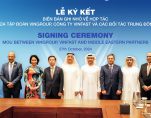
DUBAI, UAE – Media OutReach Newswire – 29 October 2024 – During an official visit to the United Arab Emirates (UAE), Vietnamese Prime Minister Pham Minh Chinh witnessed the signing of Memoranda of Understanding (MOUs) between Vingroup, VinFast, and leading partners in the Middle East. These MOUs cover strategic areas, including maritime development and shipyard building capabilities, sustainable coastal land utilization, digital transformation, and collaboration in electric […]

KUALA LUMPUR, MALAYSIA – Media OutReach Newswire – 25 October 2024 – In trading, as in many other spheres of life, minor incremental changes lead to substantial differences. In many cases, traders don’t have to come up with innovative approaches to improve their financial outcomes. It may suffice for them to apply the everyday life hacks they have used for ages in their trading. Octa, a global […]

The online gambling industry continues to grow rapidly, with more operators seeking efficient ways to enter the market. Turnkey online casino software offers a comprehensive solution for those looking to launch their digital gambling platforms quickly and effectively. However, successful integration of these turnkey solutions requires careful consideration of several crucial factors. Regulatory Compliance and Licensing One of the most critical aspects of integrating a turnkey online […]

By Nitya Chakraborty The allegation by the Canadian Prime Minister Justine Trudeau involving Indian diplomats of the high commission in the killing of the Sikh extremist Canadian citizen, Hardeep Singh Nijjar, last year and also in the assassination attempt on another Sikh lawyer G S Pannun in USA, has created a storm in the global […]

Dubai Airports is set to embark on an ambitious project to establish the largest rooftop solar panel installation at an airport worldwide. This initiative aligns with the UAE’s commitment to sustainability and aims to significantly enhance the energy efficiency of Dubai International Airport (DXB). The project is expected to generate approximately 25 megawatts of renewable energy, marking a significant stride toward the country’s ambitious clean energy targets. […]

Saudi Aramco has officially awarded the principal contract for the engineering, procurement, and construction (EPC) of the third expansion phase of its Jafurah unconventional gas development project. This strategic move marks a significant step towards enhancing the Kingdom’s gas production capabilities and aligning with Saudi Arabia’s long-term energy strategy. The project is expected to bolster the nation’s energy security and support economic diversification efforts.

The Jafurah gas field, located in the eastern province of Saudi Arabia, is recognized as the largest unconventional gas field in the Kingdom. The field is part of a broader plan to increase domestic natural gas production to meet growing demand and reduce dependence on oil. Saudi Arabia aims to produce 2.2 billion standard cubic feet per day (Bscfd) of gas by 2030, significantly contributing to the country’s energy mix.

This latest expansion phase is set to add substantial new production capacity, which will play a crucial role in powering various industries, supporting power generation, and fueling the domestic petrochemical sector. The contract award follows an extensive evaluation of bids from several international contractors, reflecting Aramco’s commitment to fostering collaboration with leading global firms to enhance project execution efficiency.

The engineering and procurement components of the project will be critical in ensuring that the necessary infrastructure is developed to support the anticipated gas output. Industry analysts note that the selected contractor will need to navigate complex logistical challenges inherent in operating within such a vast and demanding environment, given the scale and scope of the Jafurah project.

As part of Saudi Arabia’s Vision 2030, the Jafurah gas development is a pivotal element in diversifying the economy and moving towards a more sustainable energy future. The initiative aims to reduce carbon emissions by utilizing natural gas as a cleaner alternative to oil for energy generation. Additionally, it supports the government’s efforts to develop the downstream sector, with increased availability of natural gas for petrochemical production.

The awarding of the contract is also a reflection of the resilience and adaptability of the Saudi oil and gas sector amid fluctuating global energy prices and evolving market dynamics. Industry stakeholders emphasize the importance of executing such large-scale projects efficiently, particularly in a landscape characterized by increasing demand for cleaner energy solutions.

Saudi Aramco’s commitment to investing in infrastructure and technology to optimize gas production is evident through its investment in advanced technologies. These technologies aim to enhance recovery rates and operational efficiency, ultimately leading to lower production costs and improved profitability for the project. Furthermore, the Jafurah gas development aligns with global trends toward gas as a transitional fuel, positioning Saudi Arabia as a vital player in the international energy market.

The project has garnered attention not only for its potential economic impact but also for its contributions to job creation and skill development within the Kingdom. Local employment opportunities will arise throughout the project’s lifecycle, fostering talent development in engineering, construction, and project management. This aligns with the Kingdom’s broader goals of enhancing local workforce capabilities and reducing reliance on expatriate labor.

The Jafurah gas project is anticipated to generate significant revenues for the Saudi government, supporting public spending and investment in infrastructure projects. As global energy demands evolve, the Kingdom’s efforts to maximize its natural gas resources are poised to play a pivotal role in meeting both domestic and international energy needs. Analysts predict that the development will also enhance Saudi Arabia’s bargaining position in global energy markets, particularly in the context of OPEC+ agreements and fluctuating oil prices.

With the Jafurah gas field set to enter a new phase of development, the importance of maintaining regulatory compliance and environmental standards cannot be overstated. Saudi Aramco has emphasized its commitment to sustainability and environmental stewardship throughout the project. Continuous monitoring and assessment of environmental impacts will be essential to mitigate any adverse effects associated with gas production.

This milestone in the Jafurah project represents a significant advancement in Saudi Arabia’s energy agenda, reflecting its aspirations to transition towards a more sustainable and diversified energy landscape. As global markets increasingly prioritize cleaner energy solutions, the Jafurah gas development is well-positioned to meet emerging demands while enhancing the Kingdom’s energy security.

Plans to enhance India’s maritime defense have taken a significant step forward with the announcement of the construction of two nuclear-powered submarines and the acquisition of 31 long-range drones. This move aims to bolster India’s strategic deterrence and address regional security concerns, particularly in the context of rising tensions with China.

The estimated investment for this defense initiative is around 350 billion rupees, equivalent to approximately $4.2 billion. Senior officials, familiar with the defense procurement process, confirmed that this decision aligns with India’s broader efforts to modernize its armed forces and enhance its naval capabilities.

The construction of the submarines will take place at the prestigious Hindustan Shipyard Limited in Visakhapatnam. This shipyard has been instrumental in India’s defense manufacturing capabilities and represents a significant leap forward in the country’s indigenous defense production. By building these submarines locally, India aims to reduce its dependence on foreign defense technology and strengthen its self-reliance in defense manufacturing.

The nuclear submarines, equipped with advanced stealth technologies, will enhance India’s strategic deterrent capability. These vessels will allow for prolonged underwater operations, significantly increasing the reach and flexibility of India’s navy in the Indian Ocean Region (IOR). Experts believe that the introduction of nuclear-powered submarines will provide India with a credible second-strike capability, thereby strengthening its position in regional security dynamics.

In addition to the submarines, the procurement of 31 US-made long-range drones marks another critical aspect of this defense strategy. These drones are designed for reconnaissance and surveillance operations, enhancing India’s intelligence-gathering capabilities. The drones are expected to operate alongside the Indian Navy’s existing fleet, providing real-time situational awareness in crucial maritime areas.

This procurement follows a series of high-level discussions between India and the United States, aimed at deepening defense cooperation and fostering greater interoperability between the two countries’ armed forces. The introduction of these drones is seen as a vital component of India’s efforts to modernize its military infrastructure and improve its capabilities in the face of emerging threats.

India’s decision to enhance its naval capabilities comes amid escalating tensions in the Indo-Pacific region. China’s growing assertiveness in the South China Sea and its expanding naval presence have raised concerns among its neighbors, including India. In response, India has been actively working to strengthen its defense partnerships with like-minded countries, such as the United States, Japan, and Australia, as part of the Quadrilateral Security Dialogue (Quad).

India’s commitment to strengthening its naval capabilities reflects a broader trend among nations in the region to invest in advanced military technologies. Countries such as Japan and Australia have also announced plans to enhance their naval forces in response to regional security challenges, underscoring the strategic importance of maritime security in the Indo-Pacific.

The move to construct nuclear submarines and acquire long-range drones aligns with India’s defense policy, which emphasizes a proactive approach to safeguarding its national interests. Defense experts argue that these developments will enable India to project power more effectively in the Indian Ocean, where it faces challenges from not only China but also from non-state actors engaged in maritime terrorism and piracy.

India’s push to develop indigenous defense capabilities has been a longstanding objective of the government. Initiatives such as “Make in India” aim to promote domestic defense manufacturing and reduce reliance on imports. The new submarines and drones are expected to incorporate advanced technologies and systems developed by Indian defense research organizations, further enhancing the country’s technological prowess.

As India embarks on this ambitious defense program, it will face challenges related to cost overruns, project timelines, and technological integration. Successful execution will depend on collaboration between various stakeholders, including the government, defense contractors, and research institutions. Additionally, ensuring the timely delivery of these submarines and drones will be critical to meeting the operational needs of the Indian Navy.

Qatar’s Lesha Bank has finalized the acquisition of Bereke Bank in Kazakhstan, marking a significant expansion into Central Asia’s financial landscape. This strategic move aims to bolster Lesha Bank’s regional presence and enhance its service offerings, catering to a broader customer base in both retail and corporate banking sectors. The acquisition was officially announced following regulatory approval from Kazakhstan’s National Bank. This pivotal decision reflects a growing […]

Hafeet Rail has successfully secured $1.5 billion in project financing from a consortium of banks, marking a significant milestone in the development of rail infrastructure in the region. This funding will support the construction and operational phases of the Hafeet Rail project, which aims to enhance connectivity and economic activity across various regions. The financing consortium includes several prominent international banks, each bringing extensive expertise in infrastructure […]

Abu Dhabi’s Mubadala Investment Company has made a significant move by writing off its 9.9% stake in Thames Water, marking a pivotal moment for both the investment firm and the struggling utility company. This decision comes in the wake of ongoing financial challenges faced by Thames Water, which has been grappling with a mountain of debt and regulatory scrutiny. The write-off not only reflects the declining confidence in Thames Water’s ability to stabilize but also signals broader implications for the UK water sector and foreign investments in troubled utilities.

Thames Water has been under immense pressure due to its high debt levels, currently estimated at £14 billion. The company has faced criticism from regulators and consumers alike over service delivery and environmental concerns, particularly regarding wastewater management and pollution incidents. Its challenges have been exacerbated by rising operational costs and inflationary pressures, prompting calls for urgent reform within the water sector.

Mubadala’s decision to write down its investment follows a series of operational setbacks and a regulatory inquiry that scrutinized Thames Water’s financial practices. This scrutiny intensified after the utility failed to adequately address issues related to infrastructure maintenance and environmental compliance. In light of these pressures, Thames Water’s management has sought to reassure stakeholders by promising improved governance and financial management practices. However, the effectiveness of these measures remains uncertain.

The ramifications of Mubadala’s exit extend beyond Thames Water. This move raises questions about the attractiveness of the UK water sector to foreign investors, particularly in light of the challenges facing utilities across the country. Investors may now be more cautious, weighing the risks associated with high debt and regulatory compliance against the potential for returns. The shift may lead to a reassessment of investment strategies and expectations within the sector.

In response to mounting criticism, Thames Water has initiated a restructuring plan aimed at stabilizing its operations and restoring investor confidence. The company announced a strategy focused on enhancing service delivery, reducing costs, and addressing long-standing infrastructure issues. However, the effectiveness of this plan will largely depend on its execution and the company’s ability to adapt to the shifting regulatory landscape.

The broader UK water industry is facing calls for reform, with numerous stakeholders advocating for increased government oversight and accountability. The government has been urged to explore options for restructuring utilities to ensure long-term sustainability and protect consumer interests. In this context, Thames Water’s struggles may serve as a case study for how not to navigate the complexities of the utility market.

Thames Water’s plight has also attracted the attention of environmental advocacy groups, which have long criticized the utility for its track record on pollution and environmental stewardship. These groups argue that significant reform is necessary to ensure that water companies prioritize sustainable practices and invest in modern infrastructure. The scrutiny faced by Thames Water could prompt regulators to take a harder stance on compliance and accountability, potentially leading to more stringent regulations for all water companies.

The ongoing dialogue about water quality and supply in the UK has been brought to the forefront by the challenges facing Thames Water. As climate change continues to exert pressure on water resources, the need for sustainable management practices has never been more urgent. The intersection of financial stability and environmental responsibility is likely to be a key focus area for regulators and investors alike.

Despite these challenges, there is potential for positive change within the sector. The UK government has recognized the importance of maintaining a resilient water infrastructure, and discussions around investment in green technology and sustainable practices are gaining traction. If successfully implemented, these initiatives could provide a pathway for utilities to recover and adapt to emerging challenges, transforming the landscape of the water sector.

Mubadala’s decision to exit its stake in Thames Water serves as a stark reminder of the vulnerabilities present within the utility sector. As stakeholders assess the implications of this write-off, the focus will inevitably shift toward the future of Thames Water and the broader water industry. The need for transparency, accountability, and sustainable practices will remain at the forefront of discussions as regulators and investors seek to navigate an increasingly complex environment.

Highlights: Google has certified P3 as an accredited partner in its Third-Party Lab (3PL) Vendor program that ensures Android Automotive Operating System (AAOS) compliance. P3 was selected as one of Google’s certification partners for in-vehicle infotainment (IVI) in the new Android Automotive partner ecosystem. P3 Group is an international technology and software consulting company with over 28 years’ experience supporting major players in the automotive industry. STUTTGART, […]

Saudi Arabia’s food giant Almarai is poised for a major expansion in the region with its decision to acquire Jordan’s Hammoudeh Food Industries for $70 million. This strategic move aims to bolster Almarai’s dairy and cheese production capabilities through its subsidiary, Teeba Investment. The deal is seen as part of Almarai’s broader efforts to deepen its presence in core markets across the Middle East.

Hammoudeh Food Industries, a leading producer of dairy, juices, and other related products in Jordan, represents a crucial addition to Almarai’s portfolio. The acquisition, valued at SR263 million (roughly $70 million), will be financed through Almarai’s internal cash flows. This investment not only solidifies the company’s foothold in Jordan but also aligns with its long-term growth strategy. The acquisition is still subject to regulatory approvals in both Jordan and Saudi Arabia, and adjustments to the final price may occur as the process progresses.

The acquisition is expected to provide Almarai with significant operational leverage, enabling it to enhance its product offerings and scale operations across the region. Almarai’s strategic move aligns with ongoing trends in the Middle East’s food and beverage sector, where companies are increasingly looking to consolidate their presence in key markets and diversify their product lines. For Almarai, this acquisition marks another step in maintaining its competitive edge as one of the largest dairy producers in the region.

The company has been eyeing expansion opportunities in key markets like Jordan, where Hammoudeh’s established brand and operational capabilities complement Almarai’s ambitions to enhance its supply chain and distribution networks. This move is likely to have significant implications for Almarai’s growth trajectory as it works to tap into Jordan’s growing dairy market and further expand its consumer base.

Almarai’s financial performance has been robust, reflecting its successful execution of strategic acquisitions and operational efficiencies. Over the years, the company has maintained a strong presence in the GCC, and the acquisition of Hammoudeh is expected to solidify its position as a leading player in the region’s dairy market. This latest acquisition will enable Almarai to extend its product range, which includes milk, cheese, and other dairy products, while also leveraging economies of scale to drive profitability.

The Middle East’s dairy market has seen a surge in demand driven by shifting consumer preferences toward healthier food options. Companies like Almarai have responded by investing in innovation and expanding their product lines to cater to these trends. Almarai’s recent financial results also demonstrate the company’s resilience and ability to adapt to changing market conditions. In its latest trading updates, Almarai’s stock price climbed by 1.62% following the announcement of the acquisition, signaling strong investor confidence in its expansion strategy.

Almarai’s acquisition of Hammoudeh Food Industries also comes at a time when regional trade relationships are being strengthened. Saudi Arabia and Jordan have been enhancing economic cooperation, especially following the signing of the Comprehensive Economic Partnership Agreement (CEPA), which aims to boost trade between the two nations. The trade between Saudi Arabia and Jordan is projected to reach $8 billion in the near future, a sign of the deepening ties between these neighboring nations. Almarai’s investment in Jordanian assets could serve as a catalyst for further collaborations between businesses in the two countries, strengthening economic ties and creating opportunities for other sectors as well.

This acquisition is seen as a continuation of Almarai’s strategy of diversifying its business and enhancing its regional footprint. Previously, the company had made strategic acquisitions and investments to expand into new product segments, particularly in the food and beverage industry. This focus on expansion has enabled Almarai to maintain its leadership in the market, especially amid growing competition in the sector.

Looking ahead, Almarai is expected to continue seeking out new growth opportunities in the region, with a particular focus on emerging markets that offer strong consumer demand for dairy products. The acquisition of Hammoudeh is just one piece of the puzzle in Almarai’s broader growth strategy, as the company works to enhance its production capabilities, streamline its supply chain, and expand its distribution network across the Middle East.

Masdar, the renewable energy subsidiary of Abu Dhabi’s Mubadala Investment Company, is experiencing accelerated growth in the United States, reflecting the country’s increasing commitment to clean energy. The company’s expansion strategy in the US has been underscored by its recent projects, significant investments, and partnerships aimed at enhancing its renewable energy capacity, particularly in solar and wind energy sectors. This momentum coincides with the US government’s focus […]

Etihad Rail has unveiled its new brand identity, a strategic move that aligns with its vision to strengthen connectivity among the cities and regions of the United Arab Emirates. The initiative comes as the rail network progresses toward its operational milestones, promising to redefine transport and logistics in the region. The new identity aims to embody the nation’s Spirit of the Union, reflecting the core values of unity, progress, and sustainability.

The unveiling event, held at the Etihad Rail headquarters, featured high-ranking officials, stakeholders, and representatives from the construction and logistics sectors. Speaking at the event, Etihad Rail CEO Shadi Malak emphasized the significance of the new branding as a catalyst for future growth and innovation. He stated that the new identity encapsulates the ambition to connect communities, stimulate economic development, and create job opportunities across the UAE.

This branding initiative coincides with several key developments in the Etihad Rail project, which aims to link Abu Dhabi, Dubai, and other emirates through a 1,200-kilometer rail network. The project, envisioned as part of the UAE’s broader strategy for sustainable development, is expected to revolutionize the freight and passenger transport sectors. Currently, the construction of the first phase is nearing completion, with significant advancements reported in track laying and station construction.

The design of the new logo and branding elements symbolizes a modern and progressive vision for the rail network. Inspired by the natural landscapes of the UAE, the logo incorporates elements that represent the desert and urban environments, highlighting the harmony between nature and innovation. The brand colors were chosen to reflect the diverse culture and heritage of the UAE, aiming to resonate with both local and international audiences.

The rail network is anticipated to play a vital role in facilitating trade and tourism, with projections indicating that it will significantly reduce transportation costs and times. By providing a reliable and efficient mode of transport, Etihad Rail aims to support the UAE’s strategic objectives for economic diversification and sustainability. This aligns with the government’s long-term vision to establish the UAE as a global hub for business and tourism.

As the project progresses, various partnerships have been established with local and international firms to ensure the successful execution of the rail network. These collaborations are essential for integrating cutting-edge technologies and best practices in construction and operations. The involvement of key stakeholders underscores the project’s significance in enhancing the UAE’s infrastructure and connectivity.

Etihad Rail’s branding initiative also focuses on public engagement, aiming to raise awareness about the benefits of the rail network. Through targeted campaigns and community outreach, the company intends to foster a sense of ownership among residents and stakeholders. The objective is to encourage the use of rail transport, thereby promoting a shift towards more sustainable and efficient modes of travel.

With the UAE’s commitment to environmental sustainability, the rail network is designed to minimize its ecological footprint. By providing a viable alternative to road transport, it is expected to contribute to reduced traffic congestion and lower greenhouse gas emissions. This aligns with the UAE’s broader environmental objectives, including the reduction of carbon emissions by 30% by 2030 as part of its National Climate Change Plan.

The completion of the first phase of Etihad Rail, which will connect the freight and logistics sectors to key ports and industrial areas, is expected to revolutionize supply chain logistics. This phase is projected to enhance the efficiency of cargo transport, facilitating smoother operations for businesses reliant on logistics. It will also cater to the growing demand for efficient transport solutions in line with the UAE’s economic diversification goals.

Looking ahead, the subsequent phases of the Etihad Rail project will focus on expanding passenger services, connecting urban centers with suburban areas, and promoting regional tourism. This will not only improve mobility for residents but also enhance access for tourists exploring the UAE’s rich cultural and historical sites. The development of integrated transport solutions is anticipated to make travel more accessible and enjoyable for everyone.

VISHNU RAJA
RYO YAMADA
HITORI GOTOH
IKUYO KITA