News related to
execution

Cushman & Wakefield Greater China has been honoured with three five‑star awards at the 2025 Asia Pacific Property Awards, recognising its excellence in commercial real estate services across the region. The firm also received an additional “Award Winner” designation, strengthening its regional leadership credentials. Judged by an expert panel comprising property professionals, these awards are regarded as one of the industry’s most prestigious marks of quality, celebrating […]

Saudi Arabia’s Capital Market Authority has greenlit three initial public offerings on the Tadawul Parallel Market, signalling sustained investor interest and broadening of the kingdom’s capital markets. The regulator authorised offerings for Zahr Al Khuzama Aluminium Company, Quality Education Company and Sahat Almajd Company Trading on 18 June 2025. The combined volume of shares to be sold stands at approximately 6.175 million, constituting stakes ranging from 11 […]

Nivex, formerly known as Nx.one, has re-emerged in 2025 with a strategic repositioning as a cutting‑edge AI‑powered trading platform, signalling a major transformation from its Web3 origins into a global crypto‑finance innovator. Leveraging generative algorithms as the operational core, Nivex aims to elevate trading from human‑driven execution to autonomous, intelligent systems.

Powered by over 45 AI‑based strategies spanning arbitrage, trend‑following and swing trading, the platform reports impressive performance metrics. Annualised returns range from 60 % to 3 500 %, win rates hover between 85 % and 95 %, maximum drawdowns are tightly controlled at 15–70 %, and Sharpe ratios exceed 2.6 — all underpinning over USD 1 billion in assets under strategy management as of Q2 2025. One standout offering, “BTC Grid Arbitrage + AI Risk Control”, executed 540 trades in 2024 with a 92 % success rate and yielded a total return of 272 %.

At its heart, Nivex purports AI is not simply a feature, but the platform’s operating system. Users define goals and the AI assumes responsibility for detecting trends, assembling strategies, allocating capital, managing risk and executing trades at millisecond speeds. Combined with a suite of tools including spot and futures trading, dollar‑cost averaging and grid trading, the platform positions itself not as an exchange, but an intelligent asset engine.

A central component of Nivex’s offering is its AI Strategy Engine, which supports customizable parameters—such as leverage, stop‑loss, DCA and drawdown limits—and integrates institutional-grade strategies. Complemented by Smart Yield and AI Lending systems, users can earn APYs of up to 60 % on fixed terms, while automated lending tools continually optimise on‑chain opportunities.

Critical to its ambitions is delivery of institutional‑grade signal copying. By aggregating signals from global quant funds, Nivex enables retail users to subscribe and replicate live trades via automated execution, stop‑loss and performance tracking—without any coding. The company asserts this approach raises win rates by 30 % and improves execution speed by 80 % compared with manual trading.

Nivex is also developing an “Institutional Buying Heat Index” based on fusion of ETF flows, on‑chain transfers, CEX‑DEX liquidity movements and sentiment signals. This engine converts macro and micro market trends into actionable portfolios for both retail users and institutional clients via APIs and data subscriptions.

Compliance and geographic expansion underpin Nivex’s credibility. The platform operates service centres in North America, Dubai, Hong Kong, Singapore and Southeast Asia, holding licences with FinCEN and MSB, and pursuing approvals from MAS, VARA and AUSTRAC. It also hosted AI‑driven closed‑door summits at Token2049 Singapore, attracting industry leaders such as Justin Sun of TRON.

Industry analysts highlight a growing shift in trading infrastructure—from simple order‑matching to data‑driven, strategy‑oriented platforms. Nivex exemplifies this trend, providing automated AI‑based strategy execution at a time when global investment in AI surpassed USD 350 billion in 2024.

The AI trading platform market is projected to grow from USD 11.5 billion in 2024 to USD 75.5 billion by 2034, at a CAGR of 20.7 %, driven by high demand for automation, faster decision‑making and cost reduction. Within this context, major players include Kavout, Numerai and Algotraders — yet Nivex’s rapid integration of AI, compliance and global deployment positions it as a formidable contender.

Yet adoption of AI in trading brings challenges. Regulatory regimes struggle to keep pace, raising concerns about algorithmic opacity, data integrity and algorithmic bias. Nivex appears conscious of such risks, emphasising transparency, backtesting via a Strategy Lab, risk‑control features and strict KYC/AML protocols.

From a user experience angle, Nx.one’s prior focus on intuitive interface design, multi‑language support, real‑time analytics and security layer architecture—including multi‑signature wallets, cold storage, encryption, firewall defences and audit transparency—appears retained under Nivex.

CEO Simon highlighted Nivex’s core vision: “We’re not building a cheaper exchange—we’re building a smarter platform. Let the system trade for you. Let AI manage risk. Let data create wealth,” adding, “In the next five years, the most valuable asset won’t be trading skills. It’ll be your connection to a system that improves itself”.

Dubai-listed Deyaar Development has announced ambitions to achieve sales of nearly AED 2 billion from its Downtown Residences project in Business Bay, CEO Saeed Mohammed Al Qatami confirmed to CNBC Arabia. The mammoth twin‑tower, rising over 110 storeys and reaching 445 metres in height, is slated to commence construction in the fourth quarter of 2025. Completion is targeted for the end of 2030, with the project offering 522 residences, including one‑ to […]

Security experts have identified a critical and exploitable chain of vulnerabilities in Sitecore Experience Platform that enables pre-authenticated remote code execution, sparking concern among enterprises that deploy the CMS. The flaws include a hard‑coded single‑character credential in an internal account, coupled with two post-authentication flaws facilitating arbitrary file uploads—one through a zip‑slip path‑traversal and another via Sitecore PowerShell Extensions. The most troubling discovery centres on the sitecoreServicesAPI […]

Issuing its first formal financial move beyond social media, Truth Social’s parent, Trump Media & Technology Group, has filed an S‑1 registration statement with the U.S. Securities and Exchange Commission to launch a Bitcoin and Ethereum exchange‑traded fund under the Truth Social brand. The application outlines plans to list the fund on NYSE Arca, although ticker symbols and fee structures have yet to be disclosed.

NYSE Arca initiated the process on 3 June 2025 by submitting a Form 19b‑4 on behalf of TMTG and partner Yorkville America Digital, seeking approval to list the dual‑crypto ETF. The S‑1 filing followed on 5 June and provides deeper insights into structure and risk disclosures. The filings initiate the standard dual‑review process; the SEC has a 45‑day window for initial decision and up to 240 days for final approval.

The prospectus confirms that the fund will hold spot Bitcoin and Ethereum—the first dual‑crypto vehicle under the Truth Social banner. Physical custody of assets will be handled by Foris DAX Trust Company, affiliated with Crypto.com, which will also serve as execution agent and liquidity provider. Yorkville America Digital, a Florida‑based asset manager that emphasises “Made‑in‑America” digital‑asset products, is named as the sponsor.

Eric Balchunas, senior ETF analyst at Bloomberg Intelligence, noted the risk disclosures reference President Trump’s crypto‑favourable posture—highlighting regulatory shifts, the SEC’s newly launched crypto task force, and a strategic U.S. Bitcoin reserve executive order—marking the first time an ETF filing openly tied a sitting president’s actions to fund risk.

The launch is part of a broader the strategic pivot by Truth Social into financial services. Earlier this year, Trump Media announced a $2.5 billion Bitcoin treasury initiative and submitted trademark applications under its Truth.Fi brand for various crypto‑focused products. The move aligns with similar industry trends—11 spot Bitcoin ETFs have been approved since January 2024 by providers including BlackRock, Fidelity and Grayscale—a venue drawing billions in investor capital.

Yet the dual‑crypto ETF enters a saturated market, and analysts caution that without distinctive value, it may not draw substantial flows despite its political branding. Market watchers observe that assets under management in competing spot Bitcoin ETFs are heavily concentrated—with BlackRock’s IBIT holding approximately $69 billion, followed by Fidelity’s fund at around $21 billion.

The filings also highlight potential conflicts of interest. Yorkville America has financial ties with TMTG, including advising on Truth.Fi and investing in both the firm’s stock and private placement used to bolster the Bitcoin treasury. The application explicitly acknowledges these links may pose risks to investors.

Timing is politically significant, with the SEC’s current leadership under Paul Atkins perceived as taking a more crypto‑friendly stance. SEC deregulation efforts under President Trump’s administration also form part of the context.

Should the ETF be approved, it will enable investors to gain regulated exposure to Bitcoin and Ethereum—devoid of managing digital wallets or crypto‑exchange accounts—via traditional brokerage channels. The fund is poised to calculate daily net asset values, with intraday quotations updated every 15 seconds and comprehensive transparency on holdings, premiums and discounts.

However, regulatory clarity remains pending. Absent from the filings are critical operational details, including ticker symbols, expense ratios and seed capital levels. Until the S‑1 becomes effective, the ETF cannot be marketed to investors.

This marks a strategic landmark in Truth Social’s quest to diversify beyond digital media. Its expansion into crypto finance brings together political influence, regulatory momentum and mainstream investor demand, potentially reshaping its corporate identity. At stake is the fund’s ability to carve a credible and competitive space among established crypto‑ETF leaders.

Commercial real estate operators are pivoting beyond traditional boardroom focuses to harness AI-driven insights from their facility and lease management data to boost profitability and operational performance. JLL’s latest research finds that nine out of ten companies plan to deploy AI tools over the next five years to aid human experts in commercial real estate decision‑making. JLL’s Global Future of Work survey, conducted among more than 2,300 […]

Advertisements

EdgeCortix has launched its SAKURA‑II M.2 AI accelerator for the Raspberry Pi 5 and other Arm‑based platforms, enabling high‑performance, energy‑efficient execution of generative AI at the device edge. With 60 TOPS and 30 TFLOPS performance within an 8–10 W power envelope, the SAKURA‑II module supports advanced models including Llama 2, Stable Diffusion, Vision Transformers and VLMs on compact, affordable hardware. Dr Sakyasingha Dasgupta, EdgeCortix founder and CEO, highlighted that the integration “opens […]

IFA Hotels & Resorts, the hospitality arm of Dubai-listed International Financial Advisors Holding Company, has received board approval to increase its capital. The move, sanctioned on 11 June, aims to address borrowings totalling more than KWD 17.3 million, according to the parent company’s announcement. The proposed capital raise follows IFA Hotels’ earlier struggles with mounting liabilities. Listing on the Kuwait Stock Exchange, IFA Hotels specialises in developing, managing and […]

Trump Media & Technology Group, owner of the Truth Social platform, has submitted a Form S‑1 registration to the U.S. Securities and Exchange Commission for its proposed Truth Social Bitcoin ETF, aiming to list on NYSE Arca. The application states the fund will hold Bitcoin directly, with Crypto.com serving as custodian, prime execution agent and liquidity provider, and Yorkville America Digital listed as sponsor. NYSE Arca has separately filed a Form 19b‑4 to list the fund should it receive regulatory approval.

The filing highlights an unprecedented disclosure linking the fund’s prospects to President Trump’s crypto-related initiatives. For the first time in a crypto-ETF filing, the risk section cites creation of an SEC crypto task force in January and the March executive order establishing a Strategic Bitcoin Reserve. It warns that the impact of these policies on the sponsor, the fund, TMTG, Crypto.com or affiliates “is not possible to fully predict”. Bloomberg’s Eric Balchunas noted this is likely “the first time ever the advisor is in the risk section”.

If approved, the ETF would become part of a growing cohort of spot Bitcoin funds currently active in the U.S., including BlackRock’s iShares Bitcoin Trust, which has amassed over US $70 billion in assets, BlackRock having initially launched the product in January 2024. Other major asset managers—Fidelity, Bitwise—also offer similar instruments, making the market highly competitive.

TMTG’s proposed fund is closely tied to the broader ambitions of Trump’s crypto policy platform. The earlier executive order in March 2025 mandated creation of a Strategic Bitcoin Reserve using government-forfeited assets, effectively integrating Bitcoin into sovereign reserves. The order also created a U.S. Digital Asset Stockpile, requiring federal agencies to centralise digital asset holdings and obliging the Secretaries of Treasury and Commerce to evaluate further acquisitions at no cost to taxpayers.

The regulatory backdrop has shifted markedly. January’s executive directive established a Presidential Working Group on Digital Asset Markets and directed the SEC to create a crypto task force. Gary Gensler resigned as SEC chair on the eve of Trump’s inauguration and was succeeded by Paul Atkins, a noted crypto advocate. The SEC has since dropped several previous enforcement cases and eased accounting rules, paving the way for more crypto-product filings.

Trump Media’s broader strategy involves securing a substantial Bitcoin treasury. SEC filings indicate its Form S‑3 shelf registration allows issuance of up to 85 million shares tied to its $2.3 billion private placement, earmarked to purchase roughly 23,000 Bitcoin—potentially placing the company among the top public corporate holders. Custody of these assets is expected to be shared between Anchorage Digital and Crypto.com.

Yorkville America Digital’s dual role—as sponsor of the ETF and partner to TMTG—has raised questions of conflicts of interest. The risk disclosure notes Yorkville affiliates are also involved in Truth.Fi, an investing platform tied to Trump’s “America First” agenda, and have made up to $2.5 billion in equity commitments to TMTG. The same affiliate acted as co-placement agent for the $2.44 billion private placement.

Financial markets have responded with mixed signals. While Bitcoin briefly surpassed US $111,000 following Trump’s return to the executive and policy shifts, it has since retreated to the US $105,000–$101,000 range. TMTG’s own stock dropped around 8 per cent following public disputes between Trump and Elon Musk, and remains down roughly 56 per cent over the past 12 months.

Analysts say the fund faces significant challenges. Despite its high-profile branding and alignment with Trump’s policy agenda, it competes against established firms with deep institutional credibility. ETF expert Dave Nadig remarked that long-term asset gathering for this fund is “extraordinarily unlikely”. CoinCorner CEO Danny Scott expressed unease about Trump’s use of political influence in personal financial ventures.

The ETF’s structure also contains potentially problematic clauses. Cointelegraph reports that the S‑1 includes exclusive arrangements granting Crypto.com sole custodian and liquidity provision roles, and provisions that allow the sponsor to take positions ahead of the Trust—raising transparency concerns.

Still, proponents contend the fund could redefine retail and ideological investor access. Backers assert its America‑First branding might appeal to conservative retail investors seeking regulated Bitcoin exposure. Crypto.com’s reach—serving over 140 million users and holding approximately US $30 billion in assets—could alleviate institutional concerns about custody risk.

Approval hinges on SEC review of both S‑1 and 19b‑4 filings. With multiple spot Bitcoin ETFs already approved in the U.S., the regulatory framework exists—but TMTG’s political ties, interlocking financial relationships and novel disclosures may trigger heightened scrutiny.

MediLink Therapeutics Ltd. is preparing to launch an initial public offering in Hong Kong, having secured China International Capital Corp., JPMorgan Chase & Co. and Morgan Stanley as its lead advisers, according to people with knowledge of the matter. The move comes as the clinical-stage biotech firm seeks to capitalise on growing investor interest in advanced tumour-targeting therapies and consolidate its platform of antibody‑drug conjugates.

Founded in 2020 and headquartered in Suzhou with R&D operations in Shanghai and Boston, MediLink has developed a proprietary ADC technology known as TMALIN®. The platform facilitates precise delivery of cytotoxic agents to tumour cells, with the intention of widening therapeutic windows for solid tumour treatments. Its pipeline includes programs that have advanced to clinical stages in both China and the United States, supported by a Series B financing round of approximately USD 70 million in 2022.

MediLink’s strategic engagement of three underwriters reflects heightened confidence in anchor investors and broader syndication. China International Capital Corp. brings deep roots in Chinese capital markets and extensive IPO experience in the biotech sector. JPMorgan and Morgan Stanley add global banking heft and access to international investors.

CICC itself is emerging as a top-tier sponsor for Hong Kong listings. It led or co-led 19 IPOs for Chinese corporates last year, raising USD 3.84 billion, positioning it as a dominant force amid market revival. The engagement of internationally renowned banks alongside CICC is likely aimed at boosting MediLink’s valuation and widening investor interest both locally and abroad.

While IPO details remain confidential, analysts suggest MediLink could seek a valuation in the mid‑to‑high hundreds of millions of dollars. That would reflect both the advanced stage of its pipeline and prevailing market multiples for ADC developers. Comparable biotech flotations in Hong Kong and the U.S. have reflected growing appetite for oncology-focused platforms.

Alongside listing ambitions, MediLink continues to advance its clinical and licensing goals. In March it unveiled preclinical data at the American Association for Cancer Research annual meeting; earlier in the year it received FDA clearance for its IND application for YL217, its lead candidate. YL201, another programme, received Breakthrough Therapy Designation in January for treatment of recurrent/metastatic nasopharyngeal carcinoma.

The company has also pursued strategic licensing agreements with global pharmaceutical firms to expand development and commercialisation capabilities. A licensing deal under discussion ahead of the IPO is believed aimed at enhancing distribution reach while reinforcing MediLink’s balance sheet.

The IPO effort is part of a broader resurgence in biotech listings in Hong Kong, where authorities have eased regulations to attract innovation-driven offerings. CICC and other banks have ramped up support for ADC and gene therapy companies, signalling a turning point after a lull in listings.

MediLink’s choice of banks aligns with a wider trend: CICC has co-sponsored blockbuster floats including the forthcoming mega‑IPO of CATL, while banks like Goldman Sachs and Morgan Stanley have also participated. In this context, MediLink is positioning itself to tap both deep domestic networks and international capital.

Stakeholder sentiment appears optimistic. MediLink’s management team, comprised of co‑founders Tony Xue and Jiaqiang Cai alongside C‑suite leaders experienced in drug development and financial strategy, has overseen steady progress in its ADC pipeline and established global partnerships. Jason Li’s appointment as CFO in 2023 reportedly strengthened the company’s capital market readiness.

Market observers highlight challenges ahead. ADC development remains capital-intensive, clinical risks high, and competition fierce among domestic and international peers. Success will hinge on late‑stage data and licensing traction. At the same time, geopolitical tensions and volatility in Hong Kong equity markets may affect investor sentiment.

MediLink must also navigate post‑IPO obligations, including regulatory reporting and corporate governance under Hong Kong’s Main Board requirements. Mitigating execution risk will be critical, underscoring the role of its chosen bankers in underwriting diligence and market support.

Analysts describe the listing as a pivotal moment: it offers the backing to fund Phase II/III efforts while elevating MediLink’s corporate profile. For banks, it reinforces Hong Kong’s appeal as a biotech capital market when compared with established centres like Nasdaq.

With its IPO process underway, MediLink now awaits market timing and regulatory clearances before formally filing a prospectus. The company is expected to continue advancing clinical data, strengthening licensing ties, and preparing investor materials aligned with regulatory requirements.

Gulf Navigation Holding PJSC has signed a definitive agreement to acquire the assets and subsidiaries of Nasdaq‑listed Brooge Energy for AED 3.2 billion, a move set to significantly expand its midstream oil and gas capacity. The transaction spans a blend of cash, share issuance, and mandatory convertible bonds, with completion anticipated by the close of the third quarter of 2025, subject to regulatory and shareholder approvals.

The bulk of the deal involves taking over Brooge Petroleum and Gas Investment Company FZE, its Phase III FZE entity, and BPGIC Phase 3 Limited—each operating advanced crude, fuel oil, and refined petroleum storage facilities in Fujairah. These strategically located assets will double GulfNav’s existing infrastructure, reinforcing its footprint at a key UAE bunkering and storage hub.

Under the structured settlement, GulfNav will allocate 358.8 million new shares at AED 1.25 each to Brooge Energy, enforceable with a 12‑month lock‑up period. It will also issue AED 2.336 billion in mandatory convertible bonds convertible at the same share price and restricted similarly. Existing shareholders have access to AED 500 million in MCBs at AED 1.10 per share, with major investors covering any unclaimed portion. Additionally, AED 460 million will be disbursed in cash.

Chief Executive Ahmad Kilani described this acquisition as transformational, explaining that integrating Brooge’s storage infrastructure with GulfNav’s maritime services will “unlock operational synergies, enhance storage capacity and drive long‑term value for shareholders.” Incoming facilities in Fujairah are expected to enhance logistical efficiency, lower costs, and broaden GulfNav’s revenue mix.

This move aligns with GulfNav’s strategy to transition from a legacy maritime operator to a diversified energy‑logistics conglomerate. The firm’s board was authorised in March 2025 to proceed with the asset acquisition, capital increase, and issue of MCBs, all in light of its shareholders’ approval. Regulatory processes and amendments to the company’s articles of association—particularly regarding foreign ownership—are now underway.

Brooge Energy has previously attracted scrutiny. In December 2024, U.S. investors filed a fraud claim against auditor Ernst & Young, alleging that revenues were overstated by between 30% and 80% during 2018–2020. The firm reached a $5 million settlement with the U.S. Securities and Exchange Commission over irregular accounting practices. Despite these concerns, GulfNav maintains the deal offers strategic value, citing diligence and planned regulatory housekeeping prior to close.

Analysts note the landmark nature of this deal; GulfNav’s storage assets are poised to surge, positioning it as a key player in the region’s rapidly evolving energy-logistics ecosystem. Fujairah’s strategic location outside the Strait of Hormuz means its terminals are well placed to serve global crude oil logistics, with Brooge’s high-tech blending capabilities offering an edge in operational efficiency.

Transaction conditions encompass customary requirements: shareholder approvals, regulatory consents, debt settlements, and commercial registration. GulfNav expects to finalise the share and bond issuance in tandem with regulatory clearance, with the goal of closing by end‑Q3 2025. After completion, the Brooge Energy shareholders and bondholders will receive equity in GulfNav under lock‑up terms.

Post-acquisition, GulfNav’s board plan includes integrating Brooge’s board representatives to ensure continuity and operational alignment throughout the transition. Integration is expected to elevate GulfNav’s EBITDA margins and open fresh revenue streams via enhanced storage, blending, and bunkering services.

Although GulfNav navigates complexities from Brooge’s previous accounting controversies, analysts emphasise the strategic benefits—particularly the ability to offer complete maritime-to-storage and product blending services from a single platform. The expanded Fujairah facilities will allow GulfNav to capitalise on growing crude export flows, further supported by Abu Dhabi’s energy growth ambitions.

With conventional execution risk low, attention now shifts to securing regulatory and legal clearances, along with capital-raising for the MCB component. Successful completion will mark GulfNav’s transformation into a fully integrated energy logistics powerhouse, ready to meet regional demand while delivering enhanced returns to investors.

Arqaam Capital is stepping up its equity capital markets, debt capital markets, and loan syndication operations in response to an upswing in transaction volume across Saudi Arabia and the UAE, positioning itself as a more prominent regional player. The Dubai‑based financial services firm, with licenced offices in the UAE, Saudi Arabia, Egypt and Lebanon, has secured permissions in the Kingdom of Saudi Arabia to advise on ECM […]

Red Bull is staging a groundbreaking multiplayer gaming finale in Dubai this December, where elite competitors will face off in Tetris on a dramatic canvas: the 150‑metre Dubai Frame, illuminated by more than 2,000 drones. The spectacle promises to be the largest live playable Tetris game ever, combining digital skill with live drone artistry. Red Bull’s global tournament roll‑out kicked off on World Tetris Day, drawing an […]

AixuSpeed has recorded over US $500,000 in token purchase commitments within the opening 72 hours of its pre‑sale, signalling strong early interest in this meme‑inspired digital asset. The pre‑sale commenced on 6 June 2025 and rapidly surpassed half a million dollars in pledges by 9 June 2025. The project’s emphasis on rapid transaction settlement—claimed to settle in under a second—appears to resonate with buyers seeking frictionless crypto payments.

AixuSpeed positions itself as more than a playful token, blending meme‑driven community appeal with a payment infrastructure optimised for speed and lean fees. The founders highlight a use case aimed at enabling micropayments—such as tipping for digital content or purchasing small goods—without the usual cryptocurrency delays. Co‑founder Sara “AiXuSpeed_” Akram encapsulated the mission: “People love the fun of memes but hate waiting ten minutes for a coffee on‑chain… your transaction travels faster than the joke itself.”

The start‑up combines talk of sub‑second settlements with a tokenomics model designed to incentivise both usage and community growth. The pre‑sale is capped at one billion tokens, with audited liquidity locks in place to guard against early pump‑and‑dump scenarios. These steps seek to reassure early backers of the project’s commitment to stability.

Promised transaction features include extremely low fees, gas efficiency tailored for nano‑transactions, and security via audited smart contracts. Weekly meme‑contests, NFT airdrops, and viral‑marketing strategies complement the technical value proposition, appealing to users who engage with crypto on social and entertainment platforms.

Ahead of a planned decentralised exchange listing in the third quarter of 2025, AixuSpeed expects a tighter circulating supply and intends to initiate a Speed Grants programme to support third‑party developers building integrations for games, social apps, and e‑commerce systems. A cross‑chain bridge, targeting Ethereum Layer 2 and Solana, is scheduled for deployment in the fourth quarter.

Crypto analysts confirm that the meme coin market has matured, increasingly blending narrative‑driven hype with functional attributes. The success of tokens such as Dogecoin, Shiba Inu and others has encouraged new entrants to emphasise utility—particularly in payment infrastructure, speedy confirmations, and affordable micro‑payment services.

Industry observers see AixuSpeed’s approach as reflective of broader shifts. With global crypto usage increasingly focused on everyday digital interactions—streamer tipping, pay‑per‑article access, mobile vending—tokens that can process ultra‑fast and micro‑scaled transactions may satisfy a gap left by traditional payment rails. The project’s emphasis on near‑zero fees could prove significant; historically, micropayment models struggle with high gas costs on Ethereum and similar networks.

However, the crypto sector is littered with pre‑sale projects failing to follow through. While current commitments underscore interest, delivery of speed claims will depend on robust network architecture. Audit documentation confirms that smart contracts have been reviewed, but comprehensive analysis of throughput performance remains pending independent review.

More cautious voices in the blockchain community point out that meme branding can obscure technical fragilities. A prioritisation of viral campaigns and community incentives must still be grounded in reliable infrastructure to avoid user attrition or reputational damage. Achieving sub‑second confirmation requires strong network validators and resilient consensus protocols to maintain finality and resist double‑spend attacks.

Comparisons have been drawn with Kaanch Network, a Dubai‑headquartered Layer 1 blockchain facilitating institutional tokenisation and real‑world asset frameworks. That project raised over $1.12 million in presale and emphasised sub‑second finality and high scalability. While Kaanch targets a higher‑end institutional use case with compliance and regulatory layers, AixuSpeed appears to focus on mass consumer use and community engagement. The contrast underscores diverging paths in the next wave of token presales: utility for business versus utility for consumers.

The $500,000 threshold reached by AixuSpeed is modest in absolute terms compared to multi‑million dollar raises in top‑tier projects. Nonetheless, meeting that target so quickly suggests resonance with investors seeking culturally rich tokens paired with distinct usage claims. Execution over the next six months will determine whether that initial interest solidifies into long‑term value.

Live community sentiment across crypto forums underscores excitement tempered by vigilance. One commentator in a blockchain discussion said: “They’re promising fast transactions and low fees—if they deliver it could be a breakout. But I want to see stress tests.” Such voices reflect the rational‑optimistic posture of well‑informed retail and minor institutional investors.

Analysts stress that vesting schedules, liquidity availability, and team retention will also influence long‑term health. The audit of liquidity locks must be transparent and rigorously maintained to build investor trust. Additionally, the intended Speed Grants programme must be backed by fresh capital and developer interest to generate ecosystem vibrancy, rather than serving as symbolic goodwill.

Roadmap clarity will be tested as the token approaches listing phases later in the year. Delays in bridge deployment or grant distributions could dampen sentiment. Conversely, strong integration wins—such as inclusion in a popular e‑commerce plugin or a gaming micro‑transaction pilot—could validate project potential.

Crypto‑finance observers recommend scrutiny of on‑chain metrics once the DEX listing occurs. Circulating supply figures, early holder distributions, and active wallet counts will be essential early indicators. Long term success will depend on sustained usage beyond speculative trading: on‑chain activity tied to real value exchange would elevate AixuSpeed above meme token competitors.

Dubai has recorded a robust 20 per cent increase in overall student enrolment at private higher education institutions during the 2024–25 academic year, pushing total numbers to an unprecedented 42,026 students across 41 KHDA‑licensed campuses. International student presence surged by 29 per cent, now constituting 35 per cent of the total enrolment, while Emirati participation surged by 22 per cent, signalling growing confidence among nationals in private university offerings. This expansion […]

OPEC+ has escalated production quotas by roughly one million barrels per day from March to June, aiming to reactivate idled capacity, yet actual output across the group remains flat, according to data from Morgan Stanley analysts led by Martijn Rats. Saudi Arabia in particular shows no detectable uptick, underscoring a lag between policy shifts and market reality.

The decision to accelerate quota rollbacks follows sustained cuts totalling around 2.2 million b/d, initiated in early 2023 to support prices. With non‑OPEC supply growing and global demand weakening, the efficacy of supply restraint has waned, prompting OPEC+ to pivot back to restoring output gradually. Despite headline quota increases of approximately 137,000 b/d per month since April, actual deliveries appear limited.

Underlying structural factors are at play. Several members—most notably Kazakhstan and Iraq—have reportedly exceeded their quotas, diluting the announced gains. Saudi Arabia, with substantial spare capacity, stands out as the most capable contributor to any genuine rise in output. However, its contribution remains muted so far. Analysts suggest this reflects a strategic choice to reclaim market share rather than an immediate scale-up.

Analysts at Morgan Stanley project modest growth: between June and September, OPEC+ core members may add around 420,000 b/d—approximately half of which could originate from Saudi Arabia. Even then, actual production may fall well short of quotas, with implementation challenges persisting.

This gap between policy and output carries market implications. With more supply forecast, Morgan Stanley predicts a surplus of roughly 800,000 b/d in Q4 and 1.5–2.0 million b/d in early 2026, pressuring Brent crude prices down toward the mid‑$50s. Currently, Brent trades near $66 per barrel—11% below its level at the start of the year.

In parallel, geopolitical friction between Saudi Arabia and Russia surfaced during policy talks. Riyadh favoured a more aggressive quota rollback, while Moscow, alongside Oman and Algeria, urged caution amid worries about demand resilience. The compromise settled on another 411,000 b/d increase for July, a repetition of earlier monthly hikes.

Markets initially responded positively: oil prices climbed 3–4% following the July quota announcement, with Brent touching the mid‑$60s. That rebound, however, reflected relief over continuity rather than enthusiasm over fresh supply. Wildfires in Canada and refinery maintenance cycles were also cited as supporting factors.

Across OPEC+, reliability of quotas remains a concern. While some members exceed limits, others—constrained by infrastructure or investment—may struggle to ramp up. Saudi Arabia’s spare capacity remains central, but constraints on countries like Russia complicate the outlook even as OPEC+ restores cut volumes faster than planned.

Meanwhile, non‑OPEC supply continues to grow, particularly in the U.S., Canada, Guyana and Brazil—with forecast increases of about 1.1 million b/d in 2025. That expansion alone could outpace expected global demand growth of 800,000 b/d, risking oversupply irrespective of OPEC+ decisions.

With a full quota restoration now likely by September 2025—months ahead of the original schedule—and non‑OPEC volumes outweighing demand growth, the market faces a mounting supply glut heading into late 2025 and 2026. Analysts caution that idled capacity may remain untouched for months beyond official quotas, delaying meaningful production gains.

As OPEC+ enters this intensified phase of quota reopening, its central challenge remains execution rather than announcement. High-profile policy shifts are yet to translate into barrels at market, and the divergence between targets and reality could widen over the coming quarters. Market players are now watching whether Saudi Arabia leads by example or the rhetoric fades before the pumps do.

Vietnam’s Vingroup and Gulf states are both rewriting their growth playbooks through state-led sustainability drives, forging a parallel transformation from legacy empires into green innovation hubs. HANOI, VIETNAM – Media OutReach Newswire – 6 June 2025 – Vietnam’s Vingroup and Gulf nations share parallel journeys of strategic reinvention, as the old playbooks that delivered decades of growth are showing their limits. While Gulf countries built wealth on […]

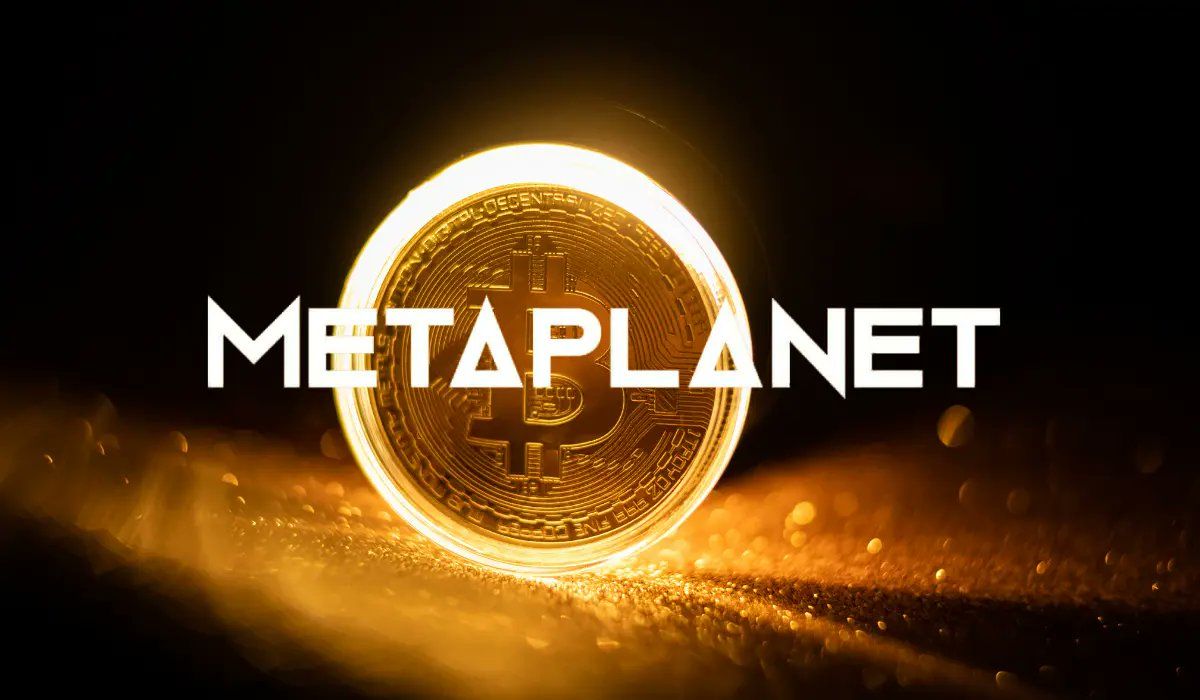
Tokyo-based investment firm Metaplanet has announced a groundbreaking plan to raise approximately $5.4 billion through the issuance of 555 million moving-strike warrants, aiming to significantly expand its Bitcoin holdings. This move represents the largest stock acquisition rights issuance in Japanese capital markets history and marks the first instance of such warrants being issued above market price.

The company’s ambitious strategy, dubbed the “555 Million Plan,” sets a target to acquire 210,000 Bitcoins by the end of 2027, equating to roughly 1% of the total Bitcoin supply. This initiative follows Metaplanet’s earlier “21 Million Plan,” under which it aimed to hold 21,000 Bitcoins by 2026. Having already surpassed interim goals with 8,888 Bitcoins, placing it tenth globally among corporate Bitcoin holders, Metaplanet is now intensifying its efforts.

The issuance of 555 million new shares through moving-strike warrants is designed to optimize capital raising with minimal dilution. If fully exercised, this issuance could generate an estimated ¥770 billion at an initial strike price of ¥1,388 per share. The funds raised will be primarily allocated to purchasing Bitcoin, with smaller portions earmarked for bond redemptions and income-generating strategies like selling put options.

Metaplanet’s CEO, Simon Gerovich, highlighted the significance of this move, stating that it represents Asia’s largest-ever equity raise dedicated to Bitcoin. He emphasized the company’s commitment to accelerating its Bitcoin strategy, aiming for 30,000 Bitcoins by the end of 2025, 100,000 by 2026, and reaching the 210,000 target by 2027.

The company’s approach leverages Japan’s deep capital markets, where demand for regulated Bitcoin exposure remains strong. Metaplanet’s stock, known for its liquidity, offers domestic investors an accessible, tax-advantaged vehicle to gain Bitcoin exposure—a notable advantage given Japan’s lack of spot Bitcoin ETFs.

This strategic move positions Metaplanet alongside other major corporate Bitcoin holders, drawing parallels to MicroStrategy’s pioneering Bitcoin-backed securities approach. The firm’s execution to date has been swift, with its previous capital raise of ¥102.8 billion fueling a 225.4% increase in Bitcoin holdings year-to-date. Now, Metaplanet aims to deliver an even more aggressive 600% Bitcoin yield by the end of 2025.

Abu Dhabi will serve as the host for the Games of the Future 2025, a pioneering global event blending physical and digital sports. Scheduled for December 18 to 23, the competition aims to redefine the boundaries of athletic contests by merging traditional sporting disciplines with cutting-edge technology. This event marks a significant step in the evolution of international sports, as organisers position Abu Dhabi at the forefront of the phygital sports movement.

The Games of the Future will bring together elite athletes and esports competitors from across the world, competing in hybrid formats designed to test skill, strategy, and adaptability. The term “phygital” refers to the integration of physical and digital elements within the same competitive environment. This concept challenges conventional sports formats, creating new experiences for participants and audiences alike.

Organisers highlight that the Games of the Future are intended to captivate younger, tech-savvy audiences, whose preferences are shifting towards immersive and interactive entertainment. The event will showcase competitions that combine real-world physical prowess with virtual reality, augmented reality, and advanced sensor technologies. These innovations allow athletes to perform in augmented settings where physical actions influence digital gameplay in real time.

Abu Dhabi’s selection as host city follows extensive consideration of its infrastructure, innovation-driven vision, and commitment to becoming a global hub for futuristic sports and entertainment. The emirate has invested heavily in smart city technologies, sporting facilities, and digital innovation hubs, creating a conducive environment for this landmark event. Local authorities are confident that the Games will bolster Abu Dhabi’s reputation as a leader in hosting high-profile international sporting and cultural events.

The event will be staged across multiple venues, including state-of-the-art arenas equipped with immersive technologies, interactive fan zones, and digital broadcasting platforms. These setups are designed to offer spectators an unparalleled experience, allowing them to engage with the games through interactive apps, live data feeds, and virtual participation elements.

Key components of the Games will include virtual cycling races, drone racing, mixed-reality martial arts, and AI-assisted team sports. Each competition will be carefully crafted to balance physical skill with digital interaction, emphasising creativity, teamwork, and technological proficiency. Organisers have underscored the importance of fairness and integrity in the competition, with robust systems in place to ensure transparency and prevent cheating in both physical and digital realms.

Prominent figures in the world of sports technology have expressed optimism about the Games’ potential to accelerate the integration of digital tools in mainstream athletics. Experts argue that these innovations could provide new avenues for athlete training, injury prevention, and fan engagement. Furthermore, the Games of the Future could act as a testing ground for technologies that might soon become standard in traditional sports worldwide.

The event also reflects broader trends in the sports industry, where the lines between physical sports, esports, and entertainment are increasingly blurred. Sporting bodies and commercial partners are exploring hybrid formats as a way to reach diverse demographics and unlock new revenue streams. By hosting the Games, Abu Dhabi aims to position itself as a pioneer in this transformative phase.

Economic analysts project that the Games will generate significant benefits for the emirate, including increased tourism, job creation, and investment in related sectors such as technology, hospitality, and media production. The event’s timing aligns with Abu Dhabi’s broader economic diversification goals, supporting the emirate’s transition from a primarily oil-dependent economy to a knowledge-based, innovation-driven hub.

As the competition approaches, several international teams and technology companies are confirming participation, signalling robust global interest. Collaborative efforts between sporting federations, tech firms, and event organisers have been instrumental in developing the formats and rules, ensuring they are competitive, engaging, and scalable for future iterations.

The Games of the Future 2025 are expected to attract a wide media presence, with live broadcasts planned across multiple platforms to reach audiences worldwide. This extensive coverage will highlight both the athletic feats and the technological marvels on display, offering insights into how sports could evolve in the coming decades.

Organisers have committed to sustainability principles, incorporating eco-friendly practices throughout the event’s planning and execution. This includes energy-efficient venues, waste reduction initiatives, and promotion of digital engagement to minimise the carbon footprint typically associated with large-scale sports events.

The Games represent a convergence of sport, technology, and culture, reflecting the aspirations of a generation that embraces digital innovation while celebrating physical excellence. Abu Dhabi’s role as host underscores the emirate’s ambition to shape the future of global sports, setting a benchmark for how cities can adapt to and lead in the rapidly changing landscape of athletic competition.


Inventec has partnered with Nvidia and Solomon to introduce a collaborative robotic system aimed at revolutionising server manufacturing. This initiative integrates Nvidia’s Isaac cuMotion acceleration libraries, Solomon’s AI-driven optical inspection software, and Inventec’s proprietary Manufacturing Execution System , resulting in a streamlined, intelligent production line. The collaborative robotic arm system, commonly referred to as a cobot, is designed to enhance automation in server assembly. By embedding Nvidia’s […]

Global cryptocurrency exchange BYDFi and hardware wallet manufacturer Ledger have initiated a worldwide campaign targeting digital creators and key opinion leaders within the Web3 community. The initiative centres around the distribution of a limited-edition BYDFi x Ledger Nano X hardware wallet, with only 500 units available globally.

Participants are encouraged to engage by posting on the social media platform X using the hashtag #BYDFixLedger, sharing their perspectives on the collaboration, and completing an application form via the official campaign page. Successful applicants will receive the exclusive hardware wallet along with additional benefits as part of the partnership programme.

The BYDFi x Ledger Nano X is a customised version of Ledger’s flagship cold wallet, featuring Bluetooth and USB-C connectivity, and support for over 15,000 cryptocurrencies and NFTs. It is designed with a mobile-first approach, compatible with iOS, Android, macOS, and Windows platforms. Security features include a CC EAL5+ certified secure element, ensuring private keys remain offline and protected from remote threats associated with custodial wallets or centralised platforms. Integration with Ledger Live allows for seamless asset tracking, staking, and transactions.

This collaboration underscores a shared vision between BYDFi and Ledger to promote secure, user-controlled asset management as a cornerstone of the Web3 movement. Michael, Co-founder of BYDFi, emphasised the importance of self-custody, stating, “True ownership starts with self-custody. Our collaboration with Ledger aims to equip users with secure, intuitive tools to manage their digital assets with confidence—anytime, anywhere.”

Ledger, established in 2015, has sold over 6 million devices without a single reported hack, solidifying its reputation in digital asset security. Its products, including the Nano series and Ledger Live app, enable users and enterprises to manage their cryptocurrencies, NFTs, and data securely in the Web3 era.

BYDFi, founded in 2020, serves over 1 million users across more than 190 countries and regions. Recognised by Forbes as one of the Best Crypto Exchanges & Apps for Beginners in 2025, BYDFi offers a comprehensive product suite, including spot trading, perpetual contracts, copy trading, automated bots, and on-chain tools, catering to both novice and professional traders.

The limited-edition BYDFi x Ledger Nano X made its debut at TOKEN2049 Dubai, coinciding with BYDFi’s fifth anniversary. Attendees at the event had the opportunity to receive the wallet through on-site interactive activities. The wallet retains the advanced security features of the original Ledger Nano X while incorporating custom BYDFi design elements, including visual branding and customised packaging.

In addition to the wallet launch, BYDFi showcased its on-chain trading solution, MoonX, at the event. As part of BYDFi’s “CEX + DEX” dual-engine strategy, MoonX combines the transparency of on-chain execution with the high-speed performance of centralised systems, delivering a seamless trading experience tailored to the demands of DeFi users.

Eleven people lost their lives and over 50 sustained injuries during a stampede outside Bengaluru’s M. Chinnaswamy Stadium on Wednesday, as a massive crowd gathered to celebrate Royal Challengers Bengaluru’s maiden Indian Premier League title. The tragedy unfolded when an overwhelming number of fans attempted to enter the stadium, leading to chaos and a deadly crush.

The event was intended to be a jubilant victory parade for RCB, who clinched their first IPL championship by defeating the Punjab Kings. However, the celebration turned catastrophic as more than 200,000 fans—double the anticipated number—converged on the stadium and surrounding areas. The stadium, with a seating capacity of approximately 35,000, was ill-equipped to handle such a surge, resulting in overcrowding and panic.

Eyewitnesses reported that the situation escalated when fans began pushing through narrow entry points, leading to a stampede. Emergency services faced significant challenges in reaching the injured due to the dense crowd. Victims were transported to nearby hospitals, including Bowring and Vydehi, where several were pronounced dead on arrival.

Karnataka Chief Minister Siddaramaiah expressed deep sorrow over the incident, stating that neither the state government nor the Karnataka State Cricket Association anticipated such a massive turnout. He emphasized that the event’s planning did not account for the overwhelming enthusiasm of the fans, which led to the unforeseen tragedy.

Deputy Chief Minister D.K. Shivakumar acknowledged the lack of adequate crowd control measures, admitting that the authorities struggled to manage the unexpected influx of people. He confirmed that the victory parade was halted to prevent further casualties.

The Board of Control for Cricket in India Secretary Devajit Saikia criticized the event’s organizers for insufficient safety protocols. He stressed the need for better planning and coordination in future celebrations to ensure public safety. The BCCI has announced plans to review and revise guidelines for large-scale public events following this incident.

Prime Minister Narendra Modi conveyed his condolences to the families of the victims, describing the incident as “heartrending.” He urged state authorities to provide all necessary assistance to those affected and to investigate the causes thoroughly to prevent similar occurrences.

RCB players, including star batsman Virat Kohli, expressed their devastation over the tragedy. Kohli, who addressed the crowd briefly before the event was cut short, stated that he was “at a loss for words” and extended his sympathies to the victims’ families.

The incident has sparked widespread criticism regarding crowd management at public events in India. Experts have pointed out that despite previous tragedies under similar circumstances, there remains a lack of effective crowd control measures during large gatherings. This stampede adds to a series of such incidents in the country, highlighting the urgent need for comprehensive safety protocols.

Local authorities have initiated an investigation into the incident, focusing on the planning and execution of the event. Preliminary findings suggest that last-minute changes to the parade route and inadequate communication contributed to the chaos. Officials are also examining the roles of various agencies involved in organizing the celebration.

M A Hossain By any military measure, Ukraine’s ‘Operation Spider Web’ was an astonishing success. In a meticulously planned operation, Ukrainian drones struck deep into Russian territory, obliterating at least 40 military aircraft—including nuclear-capable Tu-95 and Tu-22M3 bombers—in a single, devastating blow. The attack revealed not only meticulous Ukrainian planning over 18 months but also the glaring vulnerabilities of Russia’s so-called impenetrable airspace. It was a coup […]

VISHNU RAJA
RYO YAMADA
HITORI GOTOH
IKUYO KITA