News related to
green

Arabian Post Staff -Dubai Currency markets shifted sharply on Monday as investors sought safety in the US dollar amid intensifying tensions in the Middle East, triggering a broad sell-off in equities and risk-sensitive assets. The greenback strengthened against major peers, reflecting a flight to liquidity as geopolitical uncertainty deepened and hopes for de-escalation appeared increasingly fragile. Trading in Asia and Europe saw the dollar index climb, reversing […]

HO CHI MINH CITY, VIETNAM – Media OutReach Newswire – 23 March 2026 – On March 20, 2026, in Ho Chi Minh City, Vincom Retail hosted the event “The New Era – Partnering to Shape the Future”, welcoming more than 500 domestic and international partners. The large-scale forum served as a platform for stakeholders to exchange market perspectives, update on emerging trends, and explore collaboration opportunities as Vietnam’s retail sector enters a new growth cycle.

Vincom Retail unites hundreds of partners to pioneer the future of retail in Vietnam

The event brought together 500 key partners, including leading international retail brands such as UNIQLO, MUJI, Decathlon, Pandora, CGV, AEON Beta Cinema, SuperPark, KOHNAN, Central Retail, WinMart, Starbucks, Dookki, Guardian, and MEDICARE, alongside major domestic brands and chains including ACFC, Maison, Phoenix Group, Golden Gate, Aladdin Group, Takahiro, RuNam, Highlands Coffee, and The New Playground…

At the event, Vincom Retail’s leadership emphasized the rapid transformation of the retail industry, where shopping malls and commercial streets are evolving beyond traditional retail spaces to become lifestyle destinations. These destinations integrate immersive experiences, foster community connections, and lead modern consumption trends. This shift reflects changing consumer behavior, with a growing preference for experience, emotion, and interaction over mere purchasing and ownership.

Setting the direction for future growth, Vincom Retail unveiled its strategic vision toward 2030, focusing on developing world-class destinations. The company aims to position itself as a leading retail real estate developer and operator in Asia, setting benchmarks in trend leadership and customer experience, with a diverse and expansive asset portfolio and an extended international footprint supported by a global ecosystem. This unique platform enables pioneering brands and concepts to converge and co-create breakthrough experiences, many of which are being introduced in Vietnam for the first time, delivering fresh value to consumers while shaping the future of retail and establishing new regional standards.

In terms of product strategy, Vincom Retail is focusing on two core formats. Vincom Mega Mall is positioned as a “Mega Shoppertainment Destination”, a large-scale experiential hub that leads market trends. Meanwhile, Vincom Collection is developed as a “Retail-tainment Destination”, combining shopping and tourism, built around five key pillars: Play – Discover – Shop – Savor – Relax.

Vincom Retail is currently the largest retail real estate developer in Vietnam

A prime example is the “super destination” model integrating Retail – Tourism – Entertainment at Vinhomes Green Paradise Can Gio, featuring 15 next-generation retail complexes. Among them, Vincom Mega Mall Can Gio and Vincom Collection Cosmo Bay are the first projects to be unveiled, promising multi-layered experiences that harmonize with nature and prioritize sustainable operations.

Beyond strategic insights, the forum also featured real-world success stories and forward-looking perspectives from pioneering brands that have helped shape Vietnam’s evolving experiential retail landscape. Mr. Vu Ngoc Thuan, Founder of restaurant chains Longwang, Tianlong, Bo To Quan Moc, and GMaster, shared: “Partnering with platforms like Vincom provides a strong launchpad for brands to accelerate growth, expand further, and professionalize according to international standards.”

Mr. Shin Jae Hyuk, representative of Dookki, also highlighted growth strategies to capture market opportunities: “Together with our trusted partner Vincom, we will continue to create new milestones for Vietnam’s F&B market. Our goal is not only to sell tteokbokki, but to deliver the joyful culture of Korean cuisine to customers at an accessible price point.”

Vincom Retail plays a critical role as a developer, platform, and connector, bringing international brands to Vietnam while supporting Vietnamese brands in their journey to expand globally.

Additionally, SuperPark, a global indoor activity park brand, shared insights into the development of family-oriented active entertainment, one of the fastest-growing trends in next-generation shopping malls. These real-world examples highlight the strong opportunities for brands to collaborate with Vincom Retail to scale operations, develop innovative retail concepts, optimize performance, and enhance customer experience.

As the market enters a new phase of growth, the event not only facilitated strategic dialogue but also strengthened sustainable partnerships between Vincom Retail and its stakeholders. As a market pioneer, the company continues to support brands in scaling up, elevating business models, and capturing long-term growth opportunities. Notably, emerging super destinations such as Can Gio – envisioned as a future national tourism hub – are expected to serve as powerful growth drivers, contributing to the transformation of Vietnam’s retail landscape.

Vincom Retail is currently the largest retail real estate developer in Vietnam and ranks among the top three in Southeast Asia by scale. The company operates 90 shopping malls with a total gross leasable area of 1.9 million square meters, and manages 5,500 shophouses totaling 1.5 million square meters across 31 out of 34 provinces and cities nationwide, partnering with more than 1,000 brands.

Hashtag: #VincomRetail

The issuer is solely responsible for the content of this announcement.

SINGAPORE – Media OutReach Newswire – 23 March 2026 – Singapore’s economy continues to evolve amid rapid technological change and sustainability priorities, workforce capabilities are expected to shift significantly over the next few years. Workforce insights from Singapore agencies and global labour market research indicate that professionals will need to strengthen both emerging digital competencies and transferable professional skills to remain competitive.

SIM Academy (SIMA), the professional development arm of the Singapore Institute of Management, offers programmes that support several capability areas highlighted in Singapore’s workforce insights. According to SkillsFuture Singapore’s Skills Demand for the Future Economy report, emerging demand is being shaped by growth in the digital, green and care economies, alongside transferable capabilities such as business management and data-related skills. These trends reflect the increasing importance of capabilities such as data and artificial intelligence literacy, cyber resilience awareness, sustainability and ESG knowledge, project management and delivery, as well as risk management and strategic planning. SIMA’s professional development programmes are designed to help working professionals build competencies in these areas as organisations adapt to technological change and sustainability priorities.

Global labour market analysis supports this shift. The World Economic Forum Future of Jobs Report identifies AI and big data, networks and cybersecurity, and technological literacy among the fastest growing skills worldwide as organisations adopt digital technologies and automation.

In Singapore, workforce insights from SkillsFuture Singapore SSG and Workforce Singapore WSG highlight growing demand for skills aligned with the digital, green and care economies, alongside transferable competencies such as project management, risk assessment and digital tool proficiency.

Among the emerging capabilities, data and AI literacy is becoming increasingly important across industries as organisations adopt data driven decision making and artificial intelligence enabled tools. According to the World Economic Forum Future of Jobs Report, AI and big data are among the fastest growing skill areas globally as companies accelerate digital transformation. In Singapore, organisations including small and medium sized enterprises are also exploring practical ways to adopt AI in their operations. To support this need, SIM Academy offers programmes focused on digital innovation and emerging technologies. These include AI.dea: An AI Bridge Programme, developed in collaboration with Singtel, that helps SMEs develop actionable AI adoption strategies and prepare for scalable AI implementation.

Another skill gaining prominence is cybersecurity, which increasingly affects organisations of all sizes and sectors. In Singapore, the growing importance of cybersecurity skills is reflected in national workforce and digital economy priorities. SIM Academy supports capability building in this area through selected programmes for different audiences. These include Cyber Resilience programmes for corporate learners, as well as cybersecurity training offered under the SkillsFuture Career Transition Programme SCTP. Together, these programmes support workforce development in cybersecurity and organisational resilience in an increasingly digital operating environment.

Singapore’s sustainability agenda is also shaping workforce needs. With the government advancing initiatives under the Singapore Green Plan 2030, businesses are strengthening capabilities related to sustainability strategy and ESG practices. SIM Academy offers sustainability focused programmes such as Life Cycle Assessment for Sustainability, which equips professionals with knowledge in LCA frameworks, enhance sustainability decision-making and strategic sustainability and compliance.

Organisations are also prioritising risk management and strategic planning capabilities as they navigate evolving geopolitical, technological and economic uncertainties. SIM Academy’s leadership and management programmes help professionals develop strategic thinking, systems leadership and decision making capabilities relevant to today’s complex business environment.

SIMA offers more than 300 professional development courses across areas such as management and leadership, digital innovation and sustainability. These programmes are designed to support working professionals in upgrading their skills and staying competitive in a rapidly changing economy.

References:

  1. SIM Academy Professional Development – https://www.sim.edu.sg/professional-development/overview
  2. SIM Academy Course Listings – https://www.sim.edu.sg/professional-development/courses/course-listing
  3. Life Cycle Assessment for Sustainable Organisation – https://www.sim.edu.sg/professional-development/courses/course-listing/life-cycle-assessment-for-sustainable-organisations
  4. PMP Prep Course – https://www.sim.edu.sg/professional-development/courses/course-listing/project-management-professional-pmp-l4-sfw
  5. World Economic Forum Future of Jobs Report – https://www.weforum.org/publications/the-future-of-jobs-report-2025/
  6. SkillsFuture Singapore Skills Demand for the Future Economy Report – https://jobsandskills.skillsfuture.gov.sg/insights/sdfe
  7. Singapore Green Plan 2030 – https://www.greenplan.gov.sg/
  8. SkillsFuture Singapore Green Skills Committee Report – https://www.ssg.gov.sg/newsroom/green-skills-committee-report-identifies-green-skills-and-training-pathways-needed-for-a-low-carbon-economy-/
  9. Ministry of Education / SkillsFuture Singapore speech on skills demand – https://www.moe.gov.sg/news/speeches/20250122-opening-address-by-ms-gan-siow-huang-minister-of-state-ministry-of-education-for-the-launch-of-the-skills-demand-for-the-future-economy-report-2025-marina-bay-sands-expo-and-convention-centre
  10. MyCareersFuture CareersCompass insights on future skills – https://content.mycareersfuture.gov.sg/futureproof-career-top-demand-skills-2025/

Hashtag: #SIMAcademy #SIMA

The issuer is solely responsible for the content of this announcement.

About SIM Academy

SIM Academy provides leading-edge professional development and enterprise solutions. SIM Academy offers over 300 executive and business programmes that help almost 10,000 professionals annually on average hone their competencies to drive business value and achieve peak personal and enterprise performance.

Our programmes encompass a comprehensive range of lifelong learning opportunities designed to empower professionals with the knowledge, skills, and competencies necessary to become effective change-makers and leaders in today’s volatile and uncertain business landscape.

For more information on SIM Academy, visit

Greenlogue/AP Environmental, social and governance investing is undergoing a marked transformation as regulatory scrutiny, political pushback and shifting market dynamics compel investors to recalibrate strategies once seen as central to sustainable finance. Assets tied to ESG-labelled funds have shown uneven growth across regions, reflecting a broader reassessment of how sustainability metrics are defined and applied. While global flows into ESG funds slowed compared with earlier peaks, institutional […]

Savvy Games Group has agreed to acquire Moonton, the mobile gaming studio behind the widely played title Mobile Legends, from ByteDance in a deal valued at about $6 billion, marking a significant expansion of Saudi Arabia’s ambitions in the global gaming industry. The transaction underscores a strategic push by Savvy, a subsidiary of the Public Investment Fund, to deepen its presence in the fast-growing mobile gaming sector. […]

SoftBank Group is advancing plans for a large-scale artificial intelligence data centre in Ohio, aiming to anchor one of the most energy-intensive computing hubs in the United States with electricity generated predominantly from natural gas, a strategy that underscores the growing tension between AI expansion and climate goals. The Japanese conglomerate is exploring development on federally owned land, with early estimates indicating the facility could require energy […]

Cushman & Wakefield Interpretation Report Highlights Eight Impact Areas for Real Estate Market

HONG KONG SAR – Media OutReach Newswire – 20 March 2026 – Global real estate services firm Cushman & Wakefield has released its China’s Two Sessions 2026: Interpreting the Government Work Report publication. Against a backdrop of increasingly complex domestic and international conditions, the 2026 government work report outlines more flexible and adaptive targets for national economic development. These policy directions will have a profound influence on the real estate sector. The market’s transition from focusing on incremental expansion to revitalizing and optimizing existing assets — combined with the accelerating integration of artificial intelligence across industries —will reshape market structures, redefine asset values, and reconfigure spatial development patterns in far-reaching ways.

Macroeconomic Stability Strengthens the Foundation for Commercial Real Estate Stabilization

China’s core economic targets for 2026 are clearly defined, with GDP growth set between 4.5%–5%, balancing the dual objectives of stabilizing growth and adjusting structure. This forms a strong macro foundation for the stabilization and gradual recovery of the commercial real estate sector. Between 2024 and 2025, GDP growth remained steady at around 5.0%. For 2026, the fiscal deficit ratio is maintained at a relatively high 4.0%, with RMB4.4 trillion in local special‑purpose bonds. The quota for ultra‑long‑term special treasury bonds is further expanded to RMB1.3 trillion. Coordinated fiscal and monetary policies will continue to support leasing demand recovery and improved business sentiment in the commercial property market.

Accelerated Industry Transformation Sees Quality Enhancement of Existing Assets Become the Core Theme

The report emphasizes a three‑pronged approach of “city‑specific policies to control new supply, reduce inventory, and improve quality”, while encouraging diverse channels to revitalize existing housing stock and advancing the construction of “good homes.” This marks an accelerated shift from incremental expansion to quality enhancement of existing assets. In 2024, China’s real estate value‑added as a proportion of GDP was just 6.3%, far below the 12.56% average of developed economies. This reflects a structural imbalance characterized by heavy investment in development and insufficient focus on services and leasing. The ongoing transition will make asset management, property services, and leasing operations increasingly central to asset valuation.

Consumption‑Driven Momentum Creates a New Growth Window for Retail Properties

Consumption‑boosting policies are injecting new vitality into the retail property market. The government work report allocates RMB250 billion of ultra‑long‑term special treasury bonds to support product upgrades and replacement, complemented by RMB100 billion in coordinated fiscal‑financial funds — creating a RMB350 billion consumption stimulus package. In 2025, China’s total retail sales of consumer goods exceeded RMB50 trillion, with per‑capita GDP reaching USD13,953, signaling a critical inflection point where service‑oriented consumption accelerates. With services currently accounting for just 46.1% of consumption, there remains significant room for growth. Policies promoting “high‑quality service consumption” and “new consumption scenarios,” combined with the promotion of staggered school holidays in spring and autumn, will create opportunities for high‑quality shopping centers focused on experiential and social retail formats.

AI‑Powered Intelligent Economy Drives an Upgrade in Office Market Demand

The rapid evolution of the intelligent economy is reshaping office market demand. The work report calls for expansion of “AI+,” wider deployment of intelligent agents, and accelerated development of large‑scale computing clusters, indicating the transition of AI into commercialized and scaled applications. In 2025, China’s core digital economy industries accounted for more than 10.5% of GDP, with the target set at 12.5% during the 15th Five‑Year Plan. AI‑related companies are expected to become key new leasing drivers in 2026. This will also stimulate a fresh investment cycle for data centers and industrial parks, with core computing hub cities — in the Beijing‑Tianjin‑Hebei region, Yangtze River Delta, and the Guangdong‑Hong Kong‑Macao Greater Bay Area — set to benefit first.

Capital Market Reforms Expand, Enabling a Full “Investment–Financing–Management–Exit” Cycle for Commercial Real Estate

Capital market reforms continue to support expansion in commercial real estate investment. The work report calls for deepened reform of comprehensive investment and financing mechanisms, expanded exit channels for private equity and venture capital, and accelerated growth of the public REITs market. By 2025, China’s public REITs issuance exceeded RMB210 billion, making it the largest REITs market in Asia. In 2026, commercial public REITs enter their first year of development, with pilots extended to hotels and commercial offices. This establishes a “dual‑engine” landscape of “infrastructure + commercial real estate” and enables a more complete investment‑financing‑management‑exit cycle

Further Opening‑Up Boosts Cross‑Border Logistics and Foreign Investment Demand

China’s opening‑up objectives in 2026 feature two core characteristics: expanding services sector openness to attract foreign investment, and promoting standardized, high‑quality development of cross‑border e‑commerce. In 2025, China’s cross‑border e‑commerce imports and exports totaled RMB2.75 trillion, with growth outpacing overall trade for the fourth consecutive year. The sector’s demand for high‑specification warehouses — characterized by high density and rapid turnover —continues to rise. Cushman & Wakefield data shows that the warehouse market is experiencing volume growth alongside price adjustment, with notable regional differences. As cross‑border e‑commerce becomes more regulated, and cold‑chain logistics demand continues to expand, green‑certified, intelligent high‑spec warehouses are expected to gain a competitive advantage.

Advancement of New Urbanization Brings Opportunities for Urban Clusters and Urban Renewal

A notable highlight among 2026 urbanization policies is the first‑ever proposal to build “innovation‑driven industrial communities and business communities.” This concept breaks the traditional boundary between industrial parks and business districts, fostering integrated complexes that combine office, commercial, and residential functions. The report also supports the development of world‑class city clusters in the Beijing‑Tianjin‑Hebei region, the Yangtze River Delta, and the Greater Bay Area, while enhancing the dual‑city Chengdu‑Chongqing Economic Circle and accelerating growth in the middle‑Yangtze city cluster — further intensifying regional differentiation in the commercial property market. Urban renewal and revitalization of existing stock assets are core pillars of the current urbanization strategy. Policies promoting the reuse of existing land and idle buildings align closely with efforts to revitalize existing housing stock. For owners and operators of prime urban assets, regeneration projects offer strategic opportunities for repositioning and value enhancement.

Green Transformation Prompts Sustainability Certifications to Become a Key Competitive Advantage

The work report dedicates a standalone section to the green transition, announcing dual controls on total carbon emissions and intensity, as well as new policy tools such as zero‑carbon parks and a national low‑carbon transition fund. In 2025, China’s national carbon market saw 235 million tons of allowances traded, with transaction value reaching RMB14.63 billion, up approximately 24% year‑on‑year. Carbon costs have become an increasingly important factor in corporate leasing and location decisions. With 97.9% of newly built urban buildings in 2024 meeting green standards, green retrofits of existing buildings are gaining momentum. Commercial properties certified under LEED, WELL, and China’s Green Building Label standard enjoy notable advantages in rental premiums and tenant attraction.

Sabrina Wei, Chief Policy Analyst and Head of Research, North China, Cushman & Wakefield, said, “The 2026 government work report outlines a clear development vision for commercial real estate characterized by macroeconomic stability, targeted policies, and structural transformation. A GDP growth rate of 4.5%-5% will provide market stability, a RMB350 billion consumption stimulus will activate demand for retail properties, “AI+” will reshape the office market; capital market reforms and public REITs will enable a full “Investment–Financing–Management–Exit” cycle, urban renewal will unlock values of existing assets, and green certification will define new competitiveness for the industry. As the real estate industry transitions from a construction‑focused model to one centered on operations and services, institutions with strong capabilities in asset management and high‑quality operational service delivery will be best positioned to capture the emerging opportunities of this transformative new cycle.”

To access the full report please click here.
Hashtag: #CushmanWakefield

The issuer is solely responsible for the content of this announcement.

About Cushman & Wakefield

Cushman & Wakefield (NYSE: CWK) is a leading global commercial real estate services firm for occupiers and investors with approximately 53,000 employees in over 350 offices and nearly 60 countries. In Greater China, a network of 23 offices serves local markets across the region. In 2025, the firm reported revenue of $10.3 billion across its core services of Valuation, Consulting, Project & Development Services, Capital Markets, Project & Occupier Services, Industrial & Logistics, Retail, and others. Built around the belief that Better never settles, the firm receives numerous industry and business accolades for its award-winning culture. For additional information, visit or follow us on LinkedIn ().

Advertisements

Dubai’s property market is showing a level of consistency in 2026 that stands out given the broader geopolitical backdrop. Activity has remained elevated into the first quarter, following record transaction levels in recent years. Price growth has also been significant, with residential values rising by roughly 50–60% since the 2020 market trough. These trends point to sustained engagement rather than a short burst of activity. What sits […]

Arabian Post Staff -Dubai Dubai has activated a “Green Corridor” with ports in the Sultanate of Oman, aiming to streamline the movement of sea and air cargo while cutting transit times and reducing environmental impact across key Gulf trade routes. The initiative, announced by authorities overseeing logistics and customs operations in the emirate, is designed to enable faster clearance of goods through pre-approved procedures, digital documentation, and […]

Anchored in a “Single Brand, Multi-categories, Diversified Channels” Strategy
Technology and Premium Sports Resources Drive Our Competitive Edge

FINANCIAL HIGHLIGHTS

  • During the year, the Group recorded the following operating results:
    • Revenue rose by 3.2% to RMB29,598 million; gross profit margin declined by 0.4 percentage points to 49%
    • Net operating cash inflow was RMB4,852 million
    • Net profit attributable to equity holders was RMB2,936 million with net profit margin of 9.9%, and EBITDA margin was 20.8%
  • Working capital remained at a healthy level:
    • The percentage of gross average working capital to revenue was 7.7%
    • The cash conversion cycle was at 37 days, two days longer than last year
  • The Board has recommended the payment of final dividend of RMB23.36 cents per ordinary share for the year ended 31 December 2025, together with the interim dividend of RMB33.59 cents per ordinary share paid in September 2025, the total dividend for the year ended 31 December 2025 will amount to RMB56.95 cents per ordinary share or a total dividend payout ratio of 50%.

OPERATIONAL HIGHLIGHTS

  • The retail sell-through for the overall platform remained flat, including online and offline channels.
  • Offline new product sell-through accounted for 83% of overall offline sell-through, maintaining at healthy and reasonable level.
  • The overall channel inventory turnover was at 4 months, channel inventory level and ageing structure remained healthy.

HONG KONG SAR – Media OutReach Newswire – 19 March 2026 – Li Ning Company Limited (the “Company” or “Li Ning Company”; together with the subsidiaries, the “Group”; stock codes: 2331 (HKD counter) and 82331 (RMB counter)) today announced its audited annual results for the year ended 31 December 2025 (the “Year”).

Financial Results

In 2025, the Group continued to enhance the technological features of its products, optimising channel efficiency, and strengthening the brand’s professional positioning, delivering stable operating performance. During the year, the Group’s revenue amounted to RMB29,598 million, representing an increase of 3.2% compared with 2024 (2024: RMB28,676 million). Gross profit amounted to RMB14,489 million, up 2.4% from 2024 (2024: RMB14,156 million). The overall gross profit margin decreased by 0.4 percentage points to 49.0% (2024: 49.4%).

During the year, the net profit attributable to equity holders was RMB2,936 million (2024: RMB3,013 million). The margin of net profit attributable to equity holders was 9.9% (2024: 10.5%). Return on equity attributable to equity holders was 10.9% (2024: 11.9%). Basic earnings per share was RMB113.91 cents (2024: RMB116.98 cents). The Board has recommended the payment of a final dividend of RMB23.36 cents per ordinary share for the year ended 31 December 2025. Together with the interim dividend of RMB33.59 cents per ordinary share paid in September 2025, the total dividend for the year ended 31 December 2025 will amount to RMB56.95 cents per ordinary share or a total dividend payout ratio of 50% (2024: 50%).

In cash flow management, the Group’s net cash generated from operating activities during the year amounted to RMB4,852 million (2024: RMB5,268 million). As at 31 December 2025, cash and cash equivalents (including cash at banks and on hand, and fixed-term deposits with an original maturity of no more than three months) amounted to RMB16,717 million, an increase of RMB9,218 million compared with 31 December 2024. Adding back the amount recorded as fixed-term deposits held at banks, cash balance at 31 December 2025 amounted to RMB19,973 million, representing a net increase of RMB1,833 million compared with 31 December 2024. During the year, revenue increased year-on-year, while cash-based expenses including marketing costs and tax payments rose, coupled with the settlement time lag of e-commerce platforms, leading to a year-on-year decrease in net cash generated from operating activities. Meanwhile, the maturity and redemption of time deposits led to a significant increase in net cash generated from investing activities. The Group will continue to place extra emphasis on cash flow management to ensure the stable development of the Company in the long term.

Operational Summary

In 2025, the Group remained anchored in its “Single Brand, Multi-categories, Diversified Channels” strategy, advancing development through product upgrades, channel optimisation, and brand marketing.

The Group focused on six core categories—running, basketball, training, badminton, table tennis and sports casual—while actively pursuing opportunities in emerging fields and exploring new sports subcategories, such as outdoor, tennis and pickleball. During the year, the Group continued to upgrade its products through technological innovation and enhance the deployment of professional sports resources, guided by three key pillars: reinforcing a professional sports mindset, showcasing sports-fashion aesthetics, and honouring Chinese cultural heritage. In addition, it worked proactively to strengthen brand influence and increase brand recognition and visibility through diversified, and comprehensive marketing campaigns.

As the official partner of the Chinese Olympic Committee, the Group leveraged its deep expertise and strong professional sports credibility to blend sportsmanship with cutting-edge technology and Eastern aesthetics—all under the narrative theme “China’s Glory, Together with LI-NING.” During the year, it opened the world’s first LI-NING “Loong Store” and launched the “Glory Gold Label” product series, transforming exclusive, top-tier scarce sports resources into a driving force for brand reputation and market recognition, continuously strengthening consumers’ perception of LI-NING’s professional capabilities and product reliability.

In terms of channel development, the Group continued to advance a multi-dimensional channel network layout to expand market coverage while enhancing operational efficiency. In high-end markets, the Group deepened synergistic collaborations with top-tier commercial complexes and leading outlet malls, jointly promoting the planning and implementation of innovative stores. During the year, the Group successfully launched an independent outdoor store “COUNTERFLOW”, marking an important milestone for the brand’s official entry into the outdoor segment. The Group actively carried out cross-industry collaborations, partnering with top IPs embodying Chinese cultural heritage such as the Palace Museum, and launched marketing campaigns by collaborating with channel partners through diverse initiatives, effectively improving brand reach and conversion. In terms of efficiency enhancement, the Group continued to optimize the channel structure and improved rental structures and cooperation models, enhancing overall channel health and operational sustainability through a series of strategic optimization measures. As of 31 December 2025, the LI-NING brand (including LI-NING Core Brand and LI-NING YOUNG) operated a total of 7,609 conventional stores, flagship stores, China LI-NING stores, factory outlets, and multi-brand stores, representing a net increase of 24 POS compared with 31 December 2024.

In terms of retail operations, the Group built a highly profitable, efficient, and replicable single-store operating model. In high-level markets, targeted brand strategies were implemented across key regions, strengthening brand image and improving product operation efficiency through optimised channel structure, store product mix, and shopping experience. The Group established a distribution management model to improve operational efficiency and sustainable development capabilities of the distribution system. In addition, the Group strengthened the efficient coordination between retail outlets and the logistics system. Through refined planning systems, flexible supply chain construction and digital support, channel inventory turnover and full lifecycle product management were realised, thereby comprehensively improving operational quality and efficiency.

In terms of e-commerce operations, the Group made precise deployments that effectively enhanced consumer awareness and market share during major e-commerce campaigns such as Tmall Celebration Day and Tmall Super Product Day. During the year, core IP products such as “Zhui Feng”, “DLO”, “ULTRALIGHT” and “LI REN” delivered outstanding performance, successfully penetrating multiple consumer segments including Gen Z, professional sports and trendy fashion, ranking highly in both sales and reputation across segmented markets. By leveraging top athletes, celebrities, trending events and channel resources, the Group not only enhanced product exposure and achieved traffic acquisition and promotional sales conversion, helping inventory optimisation, but also supported offline business and drove overall revenue growth.

In terms of supply chain, the Group continuously optimised the supplier matrix, aligning high-quality supplier resources for high-end sports, outdoor, premium and sponsored product lines. Meanwhile, the Group aligned with its major product plan by adopting segmented production planning and data-driven management to achieve high-level coordination among product planning, supply chain, logistics, and retail outlets. To improve operational efficiency, the Group adopted multiple measures such as integration of fabric resources, optimization of process structures, large-scale procurement of materials and staggered production scheduling, further improving the cost structure, while enhancing production efficiency. In addition, the Group continued to integrate sustainable development into supply chain management and promoted green products, with the proportion of eco-friendly products exceeding annual targets during the year.

In terms of logistics, the Group launched a channel logistics project to connect the order system with logistics operations, improving product circulation efficiency and fulfilment timeliness. On the digital front, the Group introduced a warehouse coordination system and adopted SKU-level refined management. In terms of automation, automated equipment was introduced into various warehouses, enabling multi-scenario coverage and data visualization management. In December 2025, the East China and North China warehouses took the lead in adopting RFID full-process warehouse management, achieving full-process traceability of logistics data, greatly strengthening inventory management precision, and deployment across all warehouses is expected to be completed in the first quarter of 2026 to continuously drive cost reduction and efficiency improvement.

In terms of its kidswear business, LI-NING YOUNG continued to focus on professional sports and children’s developmental needs, advancing product optimization and exclusive IP creation. In terms of channel strategy, the Group continued to strengthen outlet channel development, improve single-store efficiency and optimize overall channel structure while accelerating its e-commerce deployment. LI-NING YOUNG maintained a coordinated development of wholesale and direct retail. Through refined management and strategic layout, both scale and quality were improved. In terms of marketing, LI-NING YOUNG centred its efforts around three core pillars “Event Cooperation + User Stories + IP Collaboration” to build professional recognition and accumulate its user foundation, successfully expanding its influence among youth and family demographics. As at 31 December 2025, the total number of LI-NING YOUNG POS was 1,518, representing a net increase of 50 POS since 31 December 2024.

Outlook

Entering 2026, the Group will seize the development opportunities arising from the continuous release of domestic demand potential. The Group will remain committed to its core value of “serving the public with sportsmanship,” meticulously refine its “LI-NING’s experience value,” and strive to become the preferred professional sports brand.

1. Technology-driven product upgrades: The Group will firmly implement the development strategy of “Single Brand, Multi-categories, Diversified Channels”, empowering product iterative upgrades with technology to build core competitiveness and market differentiation barriers. Relying on the technical accumulation and R&D of the LI-NING technology innovation platform, the Group will focus on deep cultivation of core categories and actively expand into emerging segments such as outdoor sports. The Group aims to respond to increasingly diversified and personalised consumer demands, achieving full-scenario coverage from professional competitive sports to daily wear. By promoting the ingenious integration of cutting-edge technology and fashion design, the Group will create a product system that combines excellent functionality, technological texture, and aesthetic value. Furthermore, the Group will continuously strengthen the efficiency of transforming scientific and technological achievements, promoting the rapid realization of frontier technologies into product competitiveness.

2. Olympic marketing empowering the brand: The Group will drive value creation through sports marketing, establish emotional connections with consumers, and facilitate the steady enhancement of brand value. By continuously deepening the cooperation with the Chinese Olympic Committee, the Group will seize the development window of the Olympic cycle and promote the brand to achieve a leap from resource cooperation to value co-creation. LI-NING will fully explore the diversified value of the cooperation with the Chinese Olympic Committee. Through systematic marketing layout and technological equipment support, it will convey the story of the mutual growth of LI-NING and Chinese sports, highlighting the technological strength and cultural confidence of the national brand.

3. Dual improvement in quality and efficiency of business operations: The Group will continue to focus on improving quality and efficiency across all aspects of its business. By deepening channel layout, strengthening product operations, and optimising supply chain management, the Group aims to build an efficient operational system, achieve simultaneous improvements in operational quality and efficiency, and lay a solid foundation for the high-quality growth of the enterprise. Offline channels will focus on improving efficiency in high-tier markets and penetrating emerging markets, while exploring new business models. Online channels will strengthen domain synergy and resource integration, promoting complementarity between online and offline channels. In terms of product operations, the Group will optimize the precision of full-chain planning and flexible supply capabilities, and accelerate inventory turnover. The supply chain will achieve coordinated optimization of cost, quality, and delivery time across the entire chain, thereby enhancing overall operational efficiency.

4. Consolidating the foundation to safeguard development: The Group will continuously strengthen three core support capabilities: talent, finance, and digital intelligence, to lay a solid bedrock for high-quality development. In terms of talent strategy, talent development will focus on selection, incentives, and efficiency. In terms of financial management, emphasis will be placed on precise resource allocation and risk control. In terms of digitalization, the Group will promote the deep integration of AI and big data with business operations, enhance operational efficiency and the scientific nature of decision-making, and provide systematic safeguards for the long-term development of the Group.

Mr. Li Ning, Executive Chairman and Joint CEO of the Group, concluded: “2026 marks the first year of the 15th Five-Year Plan. With the strategic goal of accelerating the development of a sports powerhouse, the nation will further unlock sports consumption potential while driving the transformation and upgrading of the sporting goods manufacturing industry. We expect this to release domestic demand potential and create both strong support and a vast stage for the sports industry to thrive.”

“We will remain rooted in the local market while looking ahead, seizing opportunities of the era with greater foresight and more efficient execution. We will continue to deepen the Group’s ‘Single Brand, Multi-categories, Diversified Channels’ strategy, optimising and upgrading our core category matrix while exploring emerging segments. Most importantly, we will keep strengthening the core advantages of our products—professional performance, technological capability, and sports experience—by empowering them with innovative technology and design aesthetics to reward consumer trust.”

Hashtag: #LiNing

The issuer is solely responsible for the content of this announcement.

About Li Ning Company Limited

Li Ning Company Limited is one of the leading sports brand companies in China, mainly operating professional and leisure footwear, apparel, equipment and accessories under the LI-NING brand. The Group has comprehensive research and development, design, manufacturing, marketing, distribution and retail management capabilities. It has established an extensive retail distribution network and supply chain management system in China. We are committed to be the most prominent, stylish, world-leading sports brand from China.

In addition to its core LI-NING brand, the Group also manufactures, develops, markets, distributes, sells various sports products which are self-owned by or licensed to the Group, including Double Happiness (table tennis), AIGLE (outdoor sports) and Kason (badminton), which are operated through joint venture/associate with third parties of the Group.

HCMC, VIETNAM – Media OutReach Newswire – 19 March 2026 – Southern Vietnam consistently stands out as one of the country’s most dynamic gateways for international travelers. Anchored by Ho Chi Minh City, Vietnam’s economic and financial nucleus, this region benefits from year-round tropical weather and a richly diverse marine ecosystem, positioning it as a natural tourism hub.

Can Gio: The Emerging Catalyst in Southern Vietnam’s Tourism Transformation

In 2025, Ho Chi Minh City recorded the highest visitor volume nationwide, welcoming over 53.5 million arrivals, including approximately 8.5 million international tourists. Yet, a persistent paradox remains. Despite its status as the country’s primary entry point, the city largely functions as a transit node rather than a destination where visitors choose to linger. Many travelers stay only briefly before continuing to established coastal destinations such as Vung Tau, Phu Quoc, or Phan Thiet.

Ho Chi Minh City has yet to fully evolve into a tourism ecosystem capable of sustaining extended stays. The limitation is not solely due to the absence of large-scale, destination-defining developments, but also stems from a more fundamental constraint, connectivity infrastructure. For years, the southern region’s interprovincial transport network has developed unevenly, resulting in prolonged travel times and overreliance on a limited number of arterial routes.

That landscape, however, is entering a period of inflection.

A new wave of infrastructure investment – arguably the most extensive in the region’s history – is being deployed, with Can Gio at its epicenter. The convergence of strategic transport corridors is not only reducing travel friction between economic and tourism centers, but also unlocking the long-overlooked potential of Can Gio, gradually reshaping the broader economic and tourism geography of southern Vietnam.

The city’s long-term vision positions Can Gio as a new growth pole, with projected capacity to attract approximately 40 million visitors annually. This ambition contributes to Vietnam’s national target of welcoming 30-35 million international tourists and 160-180 million domestic travelers by 2030.

A 40-Million-Visitor Hub and the Transformation of Southern Tourism

Historically, Can Gio has been recognized as the “green lung” of Ho Chi Minh City, home to a vast mangrove ecosystem and a UNESCO-recognized biosphere reserve spanning approximately 75,000 hectares. Under a new development vision, the district is gradually repositioning itself as “Saigon’s seaside”, a large-scale coastal tourism center located just beyond a metropolitan population of over 10 million.

A series of major infrastructure projects is now converging to redefine Can Gio’s accessibility. For the first time, the area will benefit from a multi-layered transport network, effectively dismantling the geographic isolation that has persisted for decades.

On the aviation axis, Can Gio will connect directly to Long Thanh International Airport, designed to handle up to 100 million passengers annually, via Rung Sac Road and the Ben Luc – Long Thanh Expressway.

On the urban rail axis, the Ben Thanh – Can Gio metro line, expected to commence operations in Q3 2028, will reduce travel time from the city center to the coast to just 13 minutes, shorter than a typical coffee break, effectively integrating Can Gio into the daily living, working, and leisure radius of both residents and visitors.

On the road network, the Can Gio Bridge, scheduled for completion in 2029, will replace the existing Binh Khanh ferry and establish seamless connectivity with regional expressways, embedding Can Gio into both domestic and international logistics networks.

Meanwhile, the Can Gio – Vung Tau sea-crossing route, targeted for completion in early 2029, will open a new coastal tourism corridor, enabling Can Gio to capture a share of the more than 18 million annual visitors currently traveling to Vung Tau.

Complementing this infrastructure backbone, the emergence of Vinhomes Green Paradise is widely viewed as a catalytic force, one capable of activating a new “southern economic and tourism super-map.”

Conceived as an ESG mega-urban development, the project is designed not only to deliver integrated hospitality, entertainment, and lifestyle offerings, but also to function as a central gateway and distribution hub for regional tourist flows.

A True ‘Must-play’ Destination

Commenting on the Vinhomes Green Paradise project in Can Gio, Mike Gorman, Senior Project Architect at RTJ II Golf Course Architects, remarked: “This is going to be completely unique to Vietnam. It will become something people from around the world travel to experience, a true ‘must-play’ destination.”

Its large-scale, experience-driven ecosystem includes: VinWonders Can Gio, envisioned as one of the region’s leading entertainment complexes; two international-standard 18-hole golf courses; a network of 5–6 star hotels and boutique properties totaling nearly 7,000 rooms; the 7-hectare Song Xanh Theater; a five-star Vinmec hospital in collaboration with Cleveland Clinic (USA); and Vin New Horizon, a senior living urban model. This diversified offering enables year-round operations, catering to a wide spectrum of visitor demographics and preferences.

Vinhomes Green Paradise has been conceptualized to align with evolving tourism trends, urban utility integration, and experiential demand, while leveraging Can Gio’s ecological assets to create distinctive, place-based experiences for both visitors and residents. Among hundreds of global participant, Vinhomes Green Paradise has been selected as the first official participant in the “7 Wonders of Future Cities” campaign organized by New7Wonders. Jean-Paul de la Fuente, Director of New7Wonders and President of the campaign, described the project as a compelling model for the concept of a future city, where progress is measured by quality of living across generations.

From an investment perspective, the formation of this “southern economic and tourism super-map” signals not only expanded headroom for the tourism sector, but also the influx of capital and the prospect of sustained real estate value appreciation.

For context, Singapore welcomed approximately 16.5 million international visitors in 2025, generating around SGD 29 billion (equivalent to USD 22.6 billion) in tourism revenue. Against this benchmark, Can Gio’s target of 40 million annual visitors serves as a foundation for long-term asset value growth, as the area evolves into a leading coastal economic and tourism urban center in Vietnam and the wider region.

Hashtag: #Vinhomes

The issuer is solely responsible for the content of this announcement.

Greenlogue/AP Escalating conflict involving Iran has triggered sharp volatility across global energy markets, prompting a stark warning from the United Nations’ climate leadership that the turmoil exposes structural dependence on fossil fuels and reinforces the urgency of transitioning to cleaner energy systems. Simon Stiell, executive secretary of the United Nations Framework Convention on Climate Change, described the disruption as a clear demonstration of how geopolitical shocks tied […]

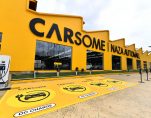
PETALING JAYA, MALAYSIA – Media OutReach Newswire – 17 March 2026 – CARSOME Group Inc (CARSOME or the Group), Southeast Asia’s largest integrated car e-commerce platform, today announced a strategic investment round of more than USD 30 million from a set of new and existing investors including the Hong Kong Investment Corporation Limited (HKIC), Gobi Partners, and Asia Partners. This fundraise underscores the investors’ confidence in CARSOME’s journey to profitability and long-term vision across the region, as demonstrated by the recent record FY25 results. These funds will further accelerate its profitable growth in the region for the coming years.

CARSOME Group Inc (CARSOME or the Group), Southeast Asia’s largest integrated car e-commerce platform, today announced a strategic investment round of more than USD 30 million from a set of new and existing investors including the Hong Kong Investment Corporation Limited (HKIC), Gobi Partners, and Asia Partners.

This investment and partnership reflect a shared ambition to strengthen connections between Southeast Asia and Greater China, leveraging Hong Kong’s role as a regional gateway for advanced automotive capabilities, technology development, and global talent. With the support from the HKIC, CARSOME will drive initiatives across areas such as supply chain sourcing and technology collaboration, accelerating the application of data and artificial intelligence (AI) in the automotive sector, which further empowers CARSOME for its regional expansion.

“CARSOME has spent the last several years focused on building a resilient, profitable business with strong fundamentals,” said Eric Cheng, CARSOME Group Co-founder and CEO. “This strategic collaboration and fundraise is a vote of confidence in our continued momentum and long-term vision. This partnership gives us crucial access to innovation capabilities, cross-border networks, and world-class talent that will support our work in AI, data, and next-generation mobility services across Southeast Asia.”

Clara Chan, Chief Executive Officer of the HKIC, said, “We are pleased to support CARSOME as part of our continued effort to harness technology to drive industry transformation, contributing to Hong Kong’s long-term economic development and resilience. With Hong Kong’s unique position as a gateway connecting global innovation and investment opportunities, CARSOME exemplifies the type of high-conviction, technology-driven enterprise that aligns with the HKIC’s mandate to foster scalable innovation across our strategic sectors. We look forward to supporting forward-thinking companies like CARSOME in creating tangible value for the future of Hong Kong.”

Chibo Tang, Managing Partner of Gobi Partners, said, “CARSOME is a leading example of how Southeast Asian startups are well-positioned to create close ties with partners in Greater China, leveraging each region’s unique strengths. We are pleased to be a returning investor in CARSOME, having supported them for almost a decade. Gobi was an early believer in CARSOME’s ability to scale across international borders, and we are happy to see their early potential come to fruition as they reimagine the way consumers across Asia purchase vehicles.”

Hashtag: #CARSOME


The issuer is solely responsible for the content of this announcement.

About CARSOME

CARSOME is Southeast Asia’s largest integrated car e-commerce platform. With operations across Malaysia, Indonesia, Thailand, and Singapore, CARSOME aims to digitize the region’s used car industry by reshaping and elevating the car transaction and ownership experience.

Together with subsidiary brands , , and , , and , CARSOME provides end-to-end solutions to consumers and used car dealers across the decision funnel, from car content consumption, car inspection, and ownership transfer to financing and other ancillary services, as well as an automotive training institution, promising to bring trust, transparency, and choice to our customers. For more information, please visit .

About Hong Kong Investment Corporation Limited (HKIC)

The HKIC was established in 2022 as the Patient Capital institution wholly owned by and representing the HKSAR Government. It adopts an “Investment +” approach, seeking reasonable financial return in the medium to long term and at the same time creating and supporting growth impetus with a view to contributing to Hong Kong’s economy and society.

The HKIC currently manages the “Hong Kong Growth Portfolio”, “Greater Bay Area Investment Fund”, “Strategic Tech Fund”, and “Co-Investment Fund”. At this stage, it is focusing on three key sectors, namely Hard and Core Technology, Biotech, and New Energy and Green Technology, as well as the relevant applications.

As of January 2026, the HKIC has invested in over 170 projects. Every Hong Kong dollar invested by the HKIC has attracted over 6 Hong Kong dollars from long-term capital for investment. Visit the website for more information: https://www.hkic.org.hk/

About Gobi Partners

Founded in 2002, Gobi Partners is a leading pan-Asian investment firm specialising in bespoke capital solutions for family offices, sovereign wealth funds, financial institutions and corporate investors. Headquartered in Hong Kong and Kuala Lumpur, Gobi manages US$1.7 billion across 20 funds, investing in early to growth-stage companies with the potential for generational and global impact.

The firm’s team of over 90 investment professionals operates from 17 locations, curating a diversified portfolio of more than 400 companies, with 75 exits achieved to date. Gobi is recognised for its long-term, values-aligned approach, building ecosystems at the intersection of technology, sustainability, and inclusion. From pioneering TaqwaTech for two billion Muslims, to advancing the circular economy, to promoting gender-diverse leadership, Gobi backs the trends that are reshaping societies.

Gobi’s edge lies in identifying structural and demographic shifts, forging partnerships with universities and institutions of higher education; bridging world-class research with private capital and bringing deep technology breakthroughs to commercialisation.

For more information, please visit:

About Asia Partners

Asia Partners is a growth equity firm focused on the next generation of high-growth technology and technology-enabled companies that will transform the Southeast Asia economy. Its mission is to empower founders to build a new generation of tech giants, through deploying capital that directly addresses the region’s ‘Series C/D Gap’, and expertise in operating skills, drawing upon its collective experience of growing eight multi-billion dollar companies, including three in Southeast Asia.

Visit the website for more information:

HONG KONG SAR – Media OutReach Newswire – 16 March 2026 – The Hong Kong University of Science and Technology (HKUST) today officially launched its 35th Anniversary celebrations with a vibrant ceremony, bringing together distinguished government officials, industry leaders, and members of the university community to reflect on an extraordinary journey of excellence.

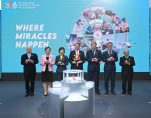
The Chief Secretary for Administration of the HKSAR Government Mr. CHAN Kwok-ki (middle), Deputy Director of LOCPG Mr. LUO Yonggang (third right), Secretary for Education of the HKSAR Government Dr. Christine CHOI Yuk-lin (third left) and members of the HKUST leadership team, including Pro-Chancellor Dr. John CHAN Cho-Chak (first right), Council Chairman Prof. Harry SHUM (second right), Court Chairman Dr. the Honorable Andrew LIAO Cheung-Sing (first left), and President Prof. Nancy IP (second left) inaugurate a series of commemorative initiatives for the HKUST 35th anniversary.

Themed “Where Miracles Happen,” the milestone event honors the pioneering spirit that has propelled generations of HKUST members to achieve remarkable feats. Officiating at the ceremony were Mr. CHAN Kwok-Ki, Chief Secretary for Administration of the HKSAR Government; Mr. LUO Yonggang, Deputy Director of the Liaison Office of the Central People’s Government in the HKSAR (LOCPG); and Dr. CHOI Yuk-Lin, Secretary for Education of the HKSAR Government. They were joined by HKUST Pro-Chancellor Dr. John CHAN Cho-Chak, Council Chairman Prof. Harry SHUM, Court Chairman Dr. the Honorable Andrew LIAO Cheung-Sing, and President Prof. Nancy IP to inaugurate a year of commemorative activities.

A Journey Forged with Vision and Purpose

In her welcome address, President Ip, who joined HKUST in 1993, offered a personal reflection on the University’s remarkable ascent. She witnessed its evolution into a world-class institution; a success built on academic excellence and a vibrant innovation ecosystem created from the ground up. She credited this profound transformation to the extraordinary foresight of the University’s Founding President, Prof. Chia-Wei Woo.

“From its very inception, HKUST was built on a bold and unprecedented vision: to become Hong Kong’s first research-intensive university,” President Ip shared. “Long before the Greater Bay Area concept existed, our founders, led by Prof. Woo, understood that Hong Kong’s future was inextricably linked with the region. This visionary courage saw them forge vital connections with the Chinese Mainland, laying the groundwork for what would become HKUST (Guangzhou) in 2022. Their courage, dedication, and tenacity built the unshakeable foundation on which we stand today.”

President Ip emphasized that the University’s success is measured not by rankings alone, but by its tangible impact on society. This founding DNA—to anticipate and meet societal needs with excellence—is now driving HKUST’s most ambitious chapter yet: the establishment of a new School of Medicine. “This is a transformative milestone, fulfilling a dream pursued for over three decades,” she stated. “We are deeply grateful to the HKSAR Government for its trust and partnership. Together, we will build a technologically advanced, humanistic medical school that ushers in a new era for healthcare in Hong Kong. Let us honor those who walked before us by carrying their courageous legacy into a new era of excellence.”

A Cornerstone of Hong Kong’s Global Leadership

Mr. Chan Kwok-Ki commended HKUST’s profound impact on Hong Kong’s development. “Over the past 35 years, HKUST has evolved from a bold new institution into a globally respected university, driven by visionary leadership, dedicated faculty, a continuing flow of talented students, and an enduring spirit of innovation. Its strong international rankings, vibrant start-up ecosystem, and diverse global student body demonstrate how research and education can deliver tangible societal impact,” he stated. “As Hong Kong advances its role as an international education hub, HKUST stands as a shining example of how universities can nurture global talent while supporting national development priorities. With strengths spanning artificial intelligence, science, and its planned School of Medicine, HKUST is exceptionally well-positioned to shape the future of innovation and talent development.”

Carrying a Pioneering Spirit into the Next Chapter

Prof. Harry Shum reflected on the University’s unique position. “Thirty-five years is a fascinating milestone. In human terms, it is the age of maturity, the point where youthful energy meets seasoned wisdom. And I see the same spirit alive in this institution. We still possess the curiosity and drive of our early years. But now we have the strength, the reputation, and the alumni network that only decades can build. The world is changing faster than ever before. If we are to serve the next generation as well as we have served the past, we must lead, we must innovate, and we must redefine what education can be. In this regard, HKUST is ready to open a new chapter.

“The HKSAR Government has appointed HKUST with the trust to build the third medical school in Hong Kong. We envision the University’s medical school that will bridge traditional medical curriculum with the latest technology and AI breakthroughs, will gradually revolutionize the entire medical spectrum—from diagnosis to treatment to recovery, prevention and personalized medicine. I am confident that this future-oriented medical school, which will admit its first cohort in 2028, will play an important role in educating and training a new generation of scientists and clinicians in the next 35 years and beyond.”

A Celebration of Innovation and Heritage

Reflecting the theme “Where Miracles Happen,” the ceremony showcased HKUST’s leadership in technology in a truly spectacular fashion. In a breathtaking fusion of tradition and innovation, the university’s Guangzhou campus team presented a robotic lion dance. This remarkable creation brought the classic folk art to life through advanced robotics, embodying the spirit of cultural heritage reimagined through cutting-edge engineering.

For the grand officiating ceremony, HKUST turned into an unexpected source of inspiration: humanity’s best friends. But there were no ordinary dogs. A team of robotic dogs—developed by Direct Drive Technology (an HKUST-nurtured startup), the Department of Civil and Environmental Engineering, and the Cheng Kar-Shun Robotics Institute—took center stage. Engineered to navigate complex, uneven terrain and perform dangerous industrial inspections, these four-legged helpers were given a far more meaningful mission for the day: carrying the ceremonial “Miracle Balls” to the officiating guests. As robotic dogs trotted majestically onto stage bearing their precious cargo, they symbolized the University’s commitment to channeling cutting-edge research into real-world applications—and its penchant for making miracles happen.

The ceremony reached its pinnacle with a dramatic display of innovation. In a symbolic gesture of bridging past and future, a drone—generously donated by distinguished alumnus Mr. WANG Tao, Founder of DJI—soared into the venue carrying the commemorative “35th Symbol Key.” As the drone gracefully descended to deliver the key to the officiating party on stage, it signaled the formal inauguration of the anniversary celebrations.

HKUST expressed its deep gratitude to Mr. Wang for his generous donation of two of the latest drone solutions to the university. These state-of-the-art drones will serve as an inspiration for faculty and students to explore and address new challenges in the rapidly evolving low-altitude economy.

The campus itself has been transformed with a “Circle of Time” visual theme, inspired by the iconic Sundial sculpture—a symbol of the University’s enduring legacy and its continuous measurement of progress in education, research, and knowledge transfer.

A Legacy of Excellence and National Trust

Since its founding in 1991, HKUST has risen to rank among the world’s top 50 universities. This commitment to excellence is underscored by the deep trust the nation has placed in the University. Following the reorganization of two existing State Key Laboratories, HKUST has secured approval from the Ministry of Science and Technology to establish a new one, further strengthening its role in advancing cutting-edge research critical to national development.

In a major national space endeavor, HKUST is developing a multi-functional robot for the historic Chang’E-8 lunar mission, designed to operate on the lunar surface and contribute to China’s advancing space exploration capabilities. The University is also leading the development of a high-precision, point-source greenhouse gas detection instrument. This groundbreaking project is set to make history as it will become HKSAR’s first payload to China’s Tiangong Space Station aboard the Tianzhou cargo spacecraft for research and application.

Celebratory Events

A full year of celebratory activities is planned, including co-hosting Asia Universities Summit with Times Higher Education, an AI Film Festival, and joint celebrations with HKUST (Guangzhou).

Global Thought Leadership

Following the symposium held earlier this year, where multiple Nobel laureates and world-leading scholars were invited to engage with HKUST faculty, students and alumni, the University will co-host the THE Asia Universities Summit 2026 with Times Higher Education (THE) this April. The event will draw university presidents and industry leaders from around the world to Hong Kong to explore Asia’s leadership role in driving global change. HKUST will also host the China Association of Higher Education’s flagship “World University Presidents Forum” for the first time in Hong Kong.

AI and Innovation Thematic Events

HKUST will organize a series of events focused on AI, technology governance and creative culture—including an AI Film Festival—to highlight the University’s leadership and societal impact in AI.

Building the HKUST Community

The University will host joint celebrations across its Clear Water Bay and Guangzhou campuses, including a year-long blood donation drive, a marathon, a “Mixed Reality x AI” art exhibition, and more, to foster closer interaction between faculty and students from the two campuses. HKUST will also organize a grand anniversary gala dinner to celebrate with faculty, students, alumni and community leaders, alongside a digital commemorative booklet that recounts the University’s 35 years of outstanding achievements with society.

Hashtag: #HKUST

The issuer is solely responsible for the content of this announcement.

About The Hong Kong University of Science and Technology

The Hong Kong University of Science and Technology (HKUST) () is a world-class university known for its innovative education, research excellence, and impactful knowledge transfer. With a holistic and interdisciplinary pedagogy approach, HKUST was ranked 6th in the QS Asia University Rankings 2026, 3rd in the Times Higher Education’s Young University Rankings 2024, and 19th globally and 1st in Hong Kong in the Times Higher Education’s Impact Rankings 2025. Thirteen HKUST subjects were ranked among the world’s top 50 in the QS World University Rankings by Subject 2025, with “Data Science and Artificial Intelligence” coming in 17th worldwide and first in Hong Kong. Our graduates are highly competitive, consistently ranking among the world’s top 30 most sought-after employees. In terms of research and entrepreneurship, over 80% of our work was rated “internationally excellent” or “world leading” in the Research Assessment Exercise 2020 of the Hong Kong’s University Grants Committee. As of January 2026, HKUST members have founded over 1,900 active start-ups, including 10 Unicorns and 21 exits (IPO or M&A).

Gulf Cooperation Council countries are reinforcing their role as a pivotal force in the global energy system, with new data showing that the region’s strategic mix of natural resources, advanced infrastructure and expanding energy investments continues to shape international markets. Figures compiled by the GCC Statistical Centre point to sustained energy output across the six-member bloc — Saudi Arabia, the United Arab Emirates, Kuwait, Qatar, Bahrain and […]

China’s industrial sector expanded at a faster pace during the opening months of 2026, offering a lift to the world’s second-largest economy as policymakers balance external uncertainties and fragile domestic demand.

Official data released by the National Bureau of Statistics showed value-added industrial output rose 6.3 per cent year on year during January and February combined. The figure marked an acceleration from the 5.2 per cent growth recorded in December and exceeded forecasts by economists who had anticipated a more modest rise of around five per cent.

Authorities combine the first two months of the year when reporting major economic indicators to smooth distortions created by the Lunar New Year holiday, which shifts between January and February and can disrupt production schedules and consumer spending patterns.

The latest figures indicate that industrial activity remains one of the more resilient pillars of China’s economic performance. Manufacturing, mining and utilities production all contributed to the increase, with higher-value sectors linked to technology and advanced equipment manufacturing continuing to expand.

Stronger factory output came alongside moderate improvement in other key indicators. Retail sales, a broad measure of consumption, climbed 2.8 per cent during the same period, signalling some recovery in household spending after a subdued end to the previous year. Fixed-asset investment, which tracks spending on infrastructure, property and equipment, rose 1.8 per cent after contracting during 2025.

Analysts view the combination of rising industrial production and steady investment as evidence that state-backed infrastructure projects and export-oriented manufacturing are helping stabilise growth, even as other sectors continue to face pressure.

Manufacturing linked to high-technology and green industries has been a central driver of output gains. Production of computers, communications equipment and advanced machinery has expanded more rapidly than traditional heavy industries, reflecting Beijing’s push to upgrade the country’s industrial base and strengthen technological self-reliance. Data on industrial structure show that more than thirty of the country’s forty-one major manufacturing categories recorded growth during the past year, underlining the breadth of activity across sectors.

Exports have also provided support. Overseas shipments from China surged at the start of the year, led by electronics, semiconductors and equipment associated with artificial intelligence infrastructure. Robust global demand for solar panels, electric vehicles and lithium batteries has further reinforced factory activity, with these sectors often described as part of China’s emerging “new three” export engines.

Despite the stronger industrial figures, economists caution that the broader economic outlook remains uneven. Domestic consumption has not fully regained momentum, and households continue to show caution in discretionary spending. Retail sales growth, although improving, still lags behind pre-pandemic levels, highlighting lingering uncertainty among consumers.

A prolonged downturn in the property sector remains one of the most significant drags on economic confidence. Investment in real estate development has declined sharply over the past several years, and housing sales have contracted as developers grapple with high debt levels and weak buyer demand. The downturn has had ripple effects across construction, steel, cement and household goods industries, sectors traditionally linked to housing activity.

Labour market conditions also present a mixed picture. Urban unemployment rates have edged higher, with the jobless rate reaching slightly above five per cent early in the year. Rising employment pressure, particularly among younger workers and graduates, has become a focus of policy discussions as authorities seek to sustain economic stability.

Manufacturing sentiment indicators underscore these challenges. Official purchasing managers’ surveys have slipped below the expansion threshold of 50, suggesting some factories are experiencing slower order growth and cautious business expectations. Analysts note that while export-oriented companies continue to benefit from global demand, firms dependent on domestic consumption face more subdued conditions.

Beijing has set a national economic growth target of around 4.5 to 5 per cent for 2026, the lowest range in decades and a signal that policymakers are preparing for a more moderate expansion phase as structural adjustments reshape the economy. The leadership has repeatedly emphasised the need to strengthen domestic demand while maintaining technological advancement and industrial upgrading.

Infrastructure spending remains a key policy lever. Local governments have accelerated projects in transportation networks, energy systems and digital infrastructure, helping sustain industrial demand for materials and equipment. Investment in strategic industries, including renewable energy and advanced manufacturing, continues to receive policy support.

Global developments also weigh on the outlook. Geopolitical tensions and fluctuations in energy prices could affect trade flows and production costs, while shifting trade policies among major economies present another layer of uncertainty for exporters.

  • 63 percent of industrial leaders in Malaysia have already invested in energy efficiency and a further 33 percent plan to within 12 months – yet results remain fragmented and uneven
  • Energy consumes 25 percent of operating costs in Malaysia, and 61 percent say rising costs threaten profitability – but barriers have shifted since 2022, from cost to data, skills and organizational silos
  • Digital readiness in Malaysia reaches 84 percent, and 85 percent agree total cost of ownership should guide investment in energy efficiency – however, only 42 percent consistently apply this approach

KUALA LUMPUR, MALAYSIA – Media OutReach Newswire – 16 March 2026 – Energy efficiency has become a board‑level margin and risk issue, but many industrial organizations in Malaysia are struggling to turn intent into sustained results, according to a new report from ABB.

Based on a survey of 2,700 senior decision‑makers across 15 countries and 15 industries, the study, developed in partnership with Sapio Research, finds that 63 percent of respondents in Malaysia have already invested in energy efficiency and a further 33 percent plan to within the next 12 months. Yet, progress is increasingly constrained by execution gaps.

Energy accounts for 25 percent of operating costs on average in Malaysia, and 61 percent of companies say rising energy costs continue to threaten profitability. For executives, the challenge has shifted from reacting to price spikes to managing persistent price volatility and structural exposure.

Compared to the global average, Malaysia shows an average energy cost burden (25% vs 25% globally), above-average profitability threat perception (61% vs 59% globally), and the highest level globally of digital readiness (84% vs 67% globally).

“Energy efficiency has become a foundation for business continuity, compliance, and long-term value creation. It’s a condition for market access,” explains S Kanavati, Vice President, Motion Services, ABB Malaysia Sdn Bhd. “Today, leaders care about optimizing energy use. What they struggle with is deployment, at scale, and over time.”

Execution, not intent, is now the differentiator

The study shows that digital readiness in Malaysia has reached 84 percent, with respondents already using or ready to deploy digital energy‑management tools. However, readiness alone does not guarantee results. Only 42 percent of Malaysia companies consistently apply total cost of ownership (TCO) when making investment decisions – despite 85 percent agreeing it should guide purchasing.

At the same time, responsibility for energy efficiency remains fragmented across executive management, operations, sustainability, maintenance and finance, with no single function clearly accountable.

“The barriers to energy efficiency have fundamentally changed,” adds Pearl Ong, Regional Service Manager, Asia, Motion Services, ABB Malaysia Sdn Bhd. ” Cost is no longer the main blocker for many organizations globally – it has fallen from 50 percent to 43 percent since 2022. What’s holding companies back now are organizational silos, skills gaps and a lack of usable data. That’s a critical inflection point. It tells us the challenge is helping businesses turn intent into repeatable execution.”

In Malaysia, the most significant barriers to energy efficiency are the costs (54%), the potential for downtime and disruption (44%), and a lack of specialist resource (36%).

Renewables alone are not enough

The research also points to a growing risk of ‘post‑renewables complacency’. Among organizations in Malaysia that have switched to renewable energy sources (43% of respondents), 37 percent report a reduced focus on energy efficiency.

While renewables lower the carbon intensity of energy, they do not reduce the volume consumed – meaning significant efficiency gains remain untapped, even for companies that have already secured green power. As a result, opportunities to strengthen resilience, control long‑term costs and reduce exposure to volatility are being left on the table.

When asked about their primary reasons for investing in energy efficiency, respondents in Malaysia said reducing energy costs (63%), complying with regulations (53%), and improving their resilience and competitiveness (49%).

The next phase of the industrial energy transition will be defined by delivery capability. While activity levels are high across businesses in Malaysia and globally, efforts remain shallow, lacking coordination and long‑term structure.

“To close the execution gap, ABB combines diagnostics with targeted modernization of motor‑driven systems, software‑based optimization tools, outcome‑based financing and lifecycle services,” concludes Pearl Ong. “End-to-end energy intelligence is another way we help industries outrun, leaner and cleaner – turning isolated initiatives into sustained performance gains.”

For the full report, visit this page.

Hashtag: #ABB

The issuer is solely responsible for the content of this announcement.

About ABB

ABB is a global technology leader in electrification and automation, enabling a more sustainable and resource-efficient future. By connecting its engineering and digitalization expertise, ABB helps industries run at high performance, while becoming more efficient, productive and sustainable so they outperform. At ABB, we call this ‘Engineered to Outrun’. The company has over 140 years of history and around 110,000 employees worldwide. ABB’s shares are listed on the SIX Swiss Exchange (ABBN) and Nasdaq Stockholm (ABB).

ABB Motion, a global leader in motors and drives, is at the core of accelerating a more productive and sustainable future. We innovate and push the boundaries of technology to contribute to energy efficient, decarbonizing and circular solutions for customers, industries and societies. With our digitally enabled drives, motors and services we support our customers and partners to achieve better performance, safety and reliability. To help the world’s industries outrun – leaner and cleaner, we deliver motor-driven solutions for a wide range of applications in all industrial segments. Building on over 140 years of domain expertise in electric powertrains, our more than 23,000 employees across 100 countries learn and improve every day.

Greenlogue/AP Thick clouds of smoke rising over fuel depots and refineries in Iran have triggered growing concern among scientists and public-health experts that the environmental impact of the ongoing US and Israeli military campaign could linger for decades. Fires sparked by strikes on energy infrastructure have released a complex mix of toxic pollutants into the atmosphere, raising fears of long-term contamination of air, soil and water across […]

Arabian Post Staff -Dubai Global aviation authorities have begun rolling out a new digital platform designed to eliminate paper documentation for hazardous air cargo shipments, a move aimed at improving safety and efficiency across the air freight industry. The International Air Transport Association has launched DG Digital, a technology integrated into its DG AutoCheck compliance platform that enables shippers, airlines and logistics companies to create and approve […]

Hosting New Energy Summit to Connect Global Experts Insights on New Energy Landscape

HONG KONG SAR – Media OutReach Newswire – 13 March 2026 – Centre of Advanced Power and Autonomous Systems (APAS), under the Hong Kong Productivity Council (HKPC),made its debut at The Battery Show Asia held from 10 to 12 March. During the exhibition, APAS set up a dedicated showcase area to present eight innovative battery technology solutions featuring high safety standards and intelligent capabilities for the first time. In parallel, APAS hosted the second edition of the New Energy Summit during the exhibition. The summit brought together five industry experts and scholars from Hong Kong, Singapore, Thailand, India and Switzerland to deliver speeches on various topics related to new energy and energy storage. Speakers shared the latest industry developments and application trends, fostering international technology exchange and collaboration.

During the exhibition, APAS hosted the second New Energy Summit, inviting industry experts and scholars from Hong Kong, Singapore, Thailand, India and Switzerland to speak and share the latest technological developments and application trends in the fields of new energy and advanced materials.

Mr Yonghai DU, Chief Innovation Officer of HKPC and General Manager of APAS, said, “In line with the strategic priorities set out in the outline of the 15th Five-Year Plan for emerging and future industries such as new energy, advanced energy storage and hydrogen energy, energy technologies are entering an unprecedented period of growth. The outline also emphasise the pursuit of smart, green, and integrated development of industry, injecting long-term momentum for the new energy development. For many years, HKPC has been committed to market-led technology R&D. APAS focuses on areas including new energy technologies, green transportation, smart mobility, intelligent systems and emerging applications, actively translating research outcomes into market-ready solutions to help industries enhance technological capabilities and industrial value.”

He added, “Through this international platform, we hope to strengthen our collaboration with enterprises and research institutions from around the world. Hong Kong can play a more proactive role as a connector between Chinese Mainland and the global market in the development of innovation, international standards and the practical application of new energy technologies, thereby enhancing the city’s global competitiveness in the new energy industry. Looking ahead, APAS will continue to focus on research and practical applications in new energy and intelligent systems, while advancing technological innovation and cross-regional collaboration to support both the nation and Hong Kong in fostering emerging industries and future industries.”

First Participation in The Battery Show Asia, Highlighting Battery Technology Achievements

The Battery Show Asia brings together more than 20,000 industry representatives from Chinese Mainland, Japan, Korea, Southeast Asia, India, Europe and the United States, including policymakers, technology innovators, engineers, manufacturers and industry experts. Covering battery manufacturing, energy storage solutions and new energy transportation industries, the exhibition serves as an international platform integrating technology showcase, industry exchange and business collaboration.

In its first participation in the exhibition, APAS showcased its research strengths in new energy technologies and emerging applications by presenting a range of innovative battery technology solutions. The showcase aims to contribute to the development of the battery industry while providing an important platform for Hong Kong to connect with global technologies and markets, facilitating cross-regional exchange and collaboration.

APAS set up a dedicated exhibition area to present several research outcomes developed in collaboration with industry partners, including:

  • Battery Cell Technologies:
    • High-performance Sodium-ion Battery: Using stable poly-anionic phosphate cathode, the battery enables rapid storage and release of sodium-ions while offering high safety and cost efficiency. It is suitable for applications such as low-speed electric vehicles, power batteries and large-scale energy storage. Looking ahead, APAS will collaborate with industry partners to establish large-scale production capabilities for high-performance sodium-ion battery, further optimising its performance and cost-effectiveness while exploring deployment in low-speed electric vehicles and utility-scale energy storage systems.
  • Battery Systems and Solutions:
    • Explosion-Proof High-Energy Battery Systems:This solution features proprietary safety technology that prevents thermal runaway, delivering reliable power in the most challenging environments, engineered for demanding marine and portable power applications. APAS will assist partners in optimising battery module design and thermal management systems to enhance product performance and align R&D processes with industry standards. This will support partners in establishing manufacturing facilities in Hong Kong and expanding into overseas markets.
    • Yacht Battery System: The system integrates advanced solid-state battery technology with an intelligent Battery Management System (BMS) to eliminate risks associated with traditional liquid electrolytes, including leakage, corrosion and thermal runaway. It is specifically designed to withstand the high-humidity, high-vibration and salt-spray conditions inherent to open-water yacht operations. APAS is currently supporting partners in obtaining international battery standard certifications to facilitate entry into the global market.

These solutions feature high safety standards, intelligent capabilities, and flexible applications. They support a wide range of sectors, including electric transportation and smart mobility, marine and industrial applications, specialised equipment, aerospace and high-end manufacturing, medical devices, consumer electronics, home assistive equipment and portable energy storage for travel.

Hosting New Energy Summit to Jointly Build a Sustainable Future

During the exhibition, APAS also hosted the second New Energy Summit, which brought together industry leaders and academic experts from Hong Kong, Singapore, Thailand, India and Switzerland. The summit focused on key topics related to new energy development and applications, providing a platform for speakers to share insights and engage in discussions with industry professionals in attendance.

The summit focused on two key themes — new energy and advanced materials — bringing together global experts to explore technological development and industrial applications. In the new energy sector, a representative from The Hong Kong and China Gas Company Limited introduced innovative hydrogen energy technologies and their potential applications in promoting clean energy development in Hong Kong. Representatives from energy technology companies and alliances in Switzerland, India and Thailand shared the latest trends and practical applications in energy storage technologies, as well as the integration of renewable energy with smart infrastructure. In the field of advanced materials, a scholar from the Department of Materials Science and Engineering at the National University of Singapore highlighted the critical role of nanotechnology in energy and sustainable development, offering insights into the future landscape of sustainable new energy.

Through this cross-regional and cross-industry platform, APAS aims to promote international technology exchange and collaboration, accelerate the application of new energy technologies and drive industry transformation, contributing to a more resilient and sustainable future energy ecosystem.

Advancing Technologies onto the Global Stage, Reinforcing Hong Kong’s Connectivity Advantages

HKPC actively participates in various international exhibitions and industry exchange activities to showcase innovative solutions co-developed with industry partners. Leveraging Hong Kong as a platform, HKPC supports enterprises in expanding into international markets and advancing cutting-edge technologies and standards worldwide.

Through international exhibitions and collaboration initiatives, HKPC further strengthens Hong Kong’s role as an important connector between Chinese Mainland and the world. In line with the Government’s 2026-27 Budget to attract large-scale international exhibitions to Hong Kong and promote the city’s exhibition brand globally, HKPC will continue to participate in international exhibitions and foster industry exchanges to drive innovation showcase and collaboration.

Hashtag: #APAS

The issuer is solely responsible for the content of this announcement.

About Centre of Advanced Power and Autonomous Systems (APAS)

Centre of Advanced Power and Autonomous Systems (APAS) (formerly Automotive Platforms and Application Systems R&D Centre) was established in 2006 and is fully integrated as a business division under HKPC on 1 April 2025. APAS continues to undertake market-led R&D programmes spanning green transportation, smart mobility, intelligent systems and emerging applications, as well as commercialises R&D results in collaboration with industry, universities and technology institutes to enhance the competitiveness of Hong Kong’s automotive and other transportation sectors in new energy and smart driving.

About Hong Kong Productivity Council

The Hong Kong Productivity Council (HKPC) is a statutory body established in 1967, dedicated to enhancing the productivity and competitiveness of Hong Kong enterprises through world-class applied R&D, innovative technology services, and integrated manufacturing solutions. As a market-oriented, international R&D organisation, HKPC leverages its deep expertise and extensive industry experience in key areas such as AI, advanced manufacturing, life and health technology, green technology and new energy to drive new industrialisation and support the growth of emerging and future industries.

HKPC focuses on addressing businesses challenges and industrial technology needs, promoting the full integration between technological and industrial innovation. Through technology transfer, product innovation, intellectual property protection and commercialisation of R&D outcomes, the Council fosters collaboration with the local business community as well as top global R&D institutions, delivering added value to industries and advancing the development of new productive forces. HKPC’s world-class R&D achievements have been widely recognised over the years, winning an array of local and overseas accolades, reinforcing Hong Kong’s role as an international innovation and technology centre and a smart city.

To help enterprises capitalise on Hong Kong’s strengths in international connectivity to expand into global markets, HKPC offers comprehensive overseas expansion services tailored to critical areas including product development, technology, manufacturing, and management, enabling businesses to successfully go global from Hong Kong.

HKPC is also committed to providing timely and practical support to SMEs and startups with timely and practical, assisting them in accessing Government funding programmes. Through its FutureSkills training initiatives, HKPC helps both industry and academia stay ahead in latest digital and STEM technologies, nurturing a future-ready talent pool for Hong Kong.

For more information, please visit HKPC’s website: .

Pressure on cooking gas supplies has pushed households and businesses across the country toward more polluting fuels, including kerosene, biomass and fuel oil, highlighting the vulnerability of energy supply chains during geopolitical upheaval.

Authorities have authorised the wider use of alternative fuels to ease the strain on liquefied petroleum gas and natural gas networks after disruptions to shipments from West Asia tightened availability and drove up prices. The shift marks a temporary reversal of a decade-long policy drive aimed at replacing traditional fuels such as coal, wood and kerosene with cleaner LPG and piped gas.

Officials say the measures are designed to shield households from the worst effects of the supply squeeze while allowing industries and commercial establishments to adapt by switching to alternative fuels. Hospitality businesses, restaurants and small manufacturers have been among the first to face curbs on LPG allocations as authorities prioritise residential supply. Environmental regulators have advised state pollution control boards to permit the temporary use of biomass, kerosene, refuse-derived fuel pellets and coal in certain sectors to maintain operations during the shortage.

The supply stress is linked to the conflict in West Asia, which has disrupted energy shipments through the Strait of Hormuz, a crucial corridor for crude oil, liquefied petroleum gas and liquefied natural gas moving from the Gulf to Asian markets. The country imports a large share of its LPG needs and has limited strategic reserves of the fuel, leaving the domestic market exposed to sudden supply shocks and price spikes when global trade routes are interrupted.

Government agencies have sought to reassure consumers that domestic cooking gas deliveries remain stable even as authorities adopt contingency measures. Emergency powers have been invoked to instruct refiners to maximise LPG production, diverting propane and butane toward household cooking fuel and away from petrochemical uses. Oil marketing companies have also tightened commercial sales and redirected supplies to residential consumers, a move affecting hotels, restaurants and other energy-intensive sectors.

As part of the response, officials have increased allocations of kerosene to states through the public distribution system to ensure access for households that depend on subsidised fuels. Additional supplies of the product are being released to meet growing demand in areas where LPG refills have become harder to secure.

Energy analysts say the sudden return to older fuels underscores the complexity of managing the transition to cleaner energy sources in a country with rapidly rising consumption. Over the past decade, policies promoting LPG connections for low-income households helped drive a significant decline in the use of biomass and kerosene for cooking, improving public health outcomes and reducing indoor air pollution. Programmes designed to expand LPG access reached tens of millions of homes and sharply increased the penetration of modern cooking fuels in rural regions.

Yet the current disruption reveals how heavily the system relies on global supply chains. Nearly two-thirds of the country’s LPG consumption is met through imports, with a substantial portion arriving from Gulf producers. When shipments are delayed or rerouted, domestic supply can tighten quickly, forcing policymakers to intervene to stabilise markets and protect vulnerable consumers.

Industry groups warn that sustained disruptions could place additional strain on manufacturing and services, particularly sectors that rely heavily on natural gas or LPG for process heat. Fertiliser plants, petrochemical complexes and small industrial units have already faced adjustments to gas allocations, and some facilities have reduced operations as fuel availability fluctuates.

Energy companies have responded by diversifying import sources in an effort to offset supply disruptions from the Gulf. Cargoes are being sourced from producers in North America, Europe and other regions as traders seek alternative routes and suppliers. This diversification strategy is intended to reduce dependence on any single supply corridor and cushion the domestic market from geopolitical shocks.

At the same time, officials are urging consumers and businesses to conserve fuel where possible and avoid panic buying. Authorities have intensified monitoring of fuel distribution channels to prevent hoarding and black-market sales, which can worsen shortages and inflate prices during periods of uncertainty.

Environmental experts note that the temporary return to dirtier fuels may carry consequences for air quality and emissions if prolonged. Burning kerosene, coal and biomass releases higher levels of particulate matter and greenhouse gases compared with LPG, potentially undermining progress made through clean cooking initiatives.

Policy planners therefore face a delicate balancing act: ensuring reliable energy supplies for households and industry while maintaining momentum toward cleaner fuels and reduced emissions. The current crisis has renewed debate among energy economists over the need for larger strategic reserves of LPG and natural gas, as well as expanded domestic production and storage capacity to cushion future shocks.

  • Strategic Investment of S$3-5 billion in Singapore to advance AI-ready data centre developments, supporting over 2 GW of AI-ready capacity globally, and driving technological innovation with international ecosystem partners.
  • First-mover advantage as one of Asia Pacific’s top three hyperscale data centre developers, with proven track record delivering large-scale campus developments in Malaysia, Thailand and India, supporting regional AI and cloud demand.
  • Pioneering sustainable energy solutions, including Singapore’s first floating hydrogen power generation model leveraging the nation’s strengths in maritime transport, port infrastructure and global energy supply chains and research into nuclear energy as a future clean power source for data centres.
  • Building an integrated innovation ecosystem in Singapore through partnerships with universities, research institutions and global technology companies, while supporting job creation and talent development initiatives for around 3,000 students and professionals.

SINGAPORE – Media OutReach Newswire – 12 March 2026 – Bridge Data Centres (BDC), a Singapore-headquartered digital infrastructure platform backed by Bain Capital, has announced ambitious plans to invest S$3-5 billion in Singapore to advance next-generation digital infrastructure and strengthen the country’s position as a leading AI and cloud hub in Asia Pacific.

BDC had announced its new strategic brand identity in early 2026 that reflects the Company’s position of being a leading hyperscale and AI-infrastructure builder with a growing network of mega-campus developments in Asia Pacific. With close to a decade of experience developing high quality data centres, BDC’s new brand identity reflects BDC’s reputation as platform built on disciplined execution, certainty of delivery, and the ability to scale with customers.

As AI and high-density workloads accelerate across Asia Pacific, customers are looking for partners who can offer world-class capabilities and local agility, provide bespoke solutions at scale, and deliver and operate with a proven track record.

With Singapore serving as its global headquarters, BDC is uniquely positioned to support hyperscale customers and global technology companies seeking high-performance, sustainable and scalable data centre platforms across Asia Pacific, while enabling global technology companies to establish and expand their presence in Singapore as they develop AI and digital capabilities in the region.

Over the past decade, BDC has established itself as one of Asia Pacific’s leading digital infrastructure developers and operators. The Company currently operates and develops hyperscale campuses across Malaysia, Thailand and India.

Building on strong relationships with global hyperscale customers and ecosystem partners, BDC is on track to expand its regional capacity to approximately 2 GW by 2030.

By deepening its investments in Singapore, BDC aims to support customers seeking world-class digital infrastructure expertise, strong technology partnerships and integrated energy solutions that enable the sustainable growth of AI workloads.

First-mover advantage

BDC is among the first data centre developers to foray into Malaysia, where the Company has several large-scale data centre campuses – both operational and under development.

BDC’s flagship MY06 campus is the Company’s first project in Johor, as well as the state’s first hyperscale data centre development. In addition, BDC is the first data centre developer in Southeast Asia to adopt a build-to-suit (BTS) model for hyperscale data centre construction. BDC was also among the first hyperscale operators in the region to deploy advanced liquid cooling technologies at scale, including cold plate liquid cooling, to support high-density and AI-driven workloads. BDC’s suite of sustainability initiatives at MY06 enabled the facility to achieve an annualised Power Usage Effectiveness (PUE) of below 1.2.

BDC is also the first in Southeast Asia to incorporate Prefabricated, Prefinished Volumetric Construction (PPVC) construction, an innovative method that assembles large building sections off site. This enabled BDC to complete MY06 within eight months, which is 40 per cent faster than traditional methods, while reducing on-site dust, waste and noise. This strategy is one of BDC’s key competitive advantages to support the growing needs of hyperscale customers in the region, including Singapore, who need to rapidly scale to meet increasing demand for more capacity to power AI-workloads.

BDC has built Malaysia’s first large-scale Water Treatment Plant (WTP) to treat effluent and convert it into high grade effluent water to cool its upcoming 400MW campus in Ulu Tiram, Johor. The WTP applies advanced Membrane Bioreactor (MBR) and Reverse Osmosis (RO) technologies to deliver superior water recovery and quality. Since commencing operations in 2025, the WTP has been significantly reducing reliance on potable water. It further strengthens the long-term resilience of BDC’s operations and supports Johor’s broader environmental agenda.

The WTP has also attracted interest from regional public agencies. In 2025, BDC hosted a technical visit by representatives from PUB, Singapore’s National Water Agency, who were presented with an overview of the plant’s design and its use of advanced membrane technologies for sustainable water reuse in data centre operations.

BDC’s MY-06 Campus (Building 1) has achieved Singapore’s BCA Green Mark Platinum Award granted under the BCA-IMDA Green Mark International for Data Centres 2024 (GMDC: 2024) framework. The BCA Green Mark Award recognises developers, building owners and individuals who have made outstanding achievements in environmental sustainability in the built environment. BDC is the first data centre operator to achieve this recognition for a facility based outside of Singapore. Beyond project certification, BDC has also signed a Memorandum of Understanding with BCA International (BCAI) to support the international adoption of Singapore’s Green Mark standards in global data centre developments. Through this partnership, BDC will promote Singapore’s sustainable building standards globally while reinforcing the country’s position as a leading AI and green digital infrastructure hub in the region.

These capabilities are aligned with Singapore’s Green Data Centre (DC) Roadmap, which emphasises energy efficiency, sustainable resource use and the integration of green energy to support the growth of digital infrastructure. BDC’s experience in delivering high-efficiency campuses positions it well to contribute to these objectives through practical, deployable solutions.

Pioneering energy solutions

As AI workloads drive the rapid expansion of digital infrastructure, energy resilience, data security and sustainability are becoming increasingly important. BDC is advancing a range of initiatives to explore alternative energy pathways and strengthen long-term power strategies.

A key collaboration is with Concord New Energy (CNE), where the partners are jointly developing Singapore’s first floating hydrogen power generation solution tailored for next-generation AI digital infrastructure, marking a significant milestone in advancing low-carbon energy pathways for the data centre sector.

BDC and CNE will also collaborate with Nanyang Technological University (NTU) to support the development of Singapore’s hydrogen ecosystem, accelerating research, engineering and the deployment of scalable clean energy technologies for digital infrastructure applications.

In addition, BDC is working with Singapore’s Agency for Science, Technology and Research Institute of High Performance Computing (A*STAR IHPC) and HY to evaluate the potential of nuclear energy as a long-term clean power source for data centres.

BDC’s alliance with A*STAR IHPC and HY will leverage advanced modelling and engineering expertise to explore innovative low-carbon energy pathways that will support Singapore’s sustainable digital growth while reinforcing the nation’s position as a trusted global technology hub.

BDC has also established partnerships with global leaders in energy and energy storage technologies, including CATL, EcoCeres, SK Innovation. Through these collaborations, the partners will jointly explore the establishment of innovation and research platforms to advance the development and pilot deployment of clean energy solutions such as hydrogen and biomass energy, as well as next-generation energy storage technologies designed for tropical climates. These initiatives aim to enhance thermal management, improve safety performance and increase the power density of data centre energy storage systems.

These collaborations and pilot initiatives will also contribute to talent development and workforce capability building in Singapore’s digital infrastructure and energy sectors. Through joint research programmes, technology pilots and knowledge exchange with universities, research institutions and industry partners, BDC aims to support the development of specialised expertise in areas such as advanced energy systems, sustainable data centre design, and next-generation cooling and energy storage technologies.

The initiatives are also expected to create high-value job opportunities in Singapore, spanning engineering, energy systems research, digital infrastructure operations and advanced technology development. By nurturing local talent and strengthening cross-disciplinary capabilities, these efforts will help build a robust talent pipeline to support Singapore’s growing AI and digital infrastructure ecosystem.

These partnerships represent a strategic step in BDC’s long-term roadmap to diversify power sourcing pathways, enhance energy security, and future-proof its Singapore data centre portfolio amid evolving grid constraints and decarbonisation dynamics. They also reinforce Singapore’s position as a regional hub for AI-ready digital infrastructure, while supporting the nation’s broader ambitions in sustainable energy innovation and green economic growth. Furthermore, these advancements accelerate Singapore’s ambition to achieve its net zero emissions goal by 2050.

Advancing technology and ecosystem growth

BDC is also pushing the envelope in innovative and sustainable cooling solutions through collaborations with ecosystem technology partners such as Vertiv, Terahop and Teracule, which are subsidiaries of Zhongji Innolight, as well as Delta Electronics and Supermicro.

Many of these partners are established leaders in data centre cooling, power systems and high-performance computing infrastructure, and are active participants in the broader AI infrastructure ecosystem, working closely with leading chipmakers to support next-generation compute environments.

Through its collaboration with Teracule and Terahop, the subsidiaries of Zhongji Innolight, BDC is exploring opportunities to jointly develop next-generation liquid cooling modules and high-performance optical connectivity solutions tailored for AI data centre environments. By combining Innolight’s expertise in optical modules and high-speed interconnect technologies with BDC’s experience in hyperscale data centre design and operations, the partners aim to advance integrated solutions that enhance thermal efficiency, data transmission performance and system reliability for high-density AI workloads.

The collaboration will also explore the establishment of joint research and development initiatives in Singapore, bringing together industry, academia and research institutions to support innovation in AI infrastructure technologies. Through this industry–academia-research collaboration model, the partners aim to accelerate the development and commercialisation of advanced cooling and connectivity technologies while contributing to Singapore’s broader push to strengthen research, talent development and innovation within the digital infrastructure ecosystem.

Together, these alliances focus on the development of advanced liquid cooling architectures, high-density GPU cooling solutions, and energy-optimised HVAC systems designed to support increasingly compute-intensive workloads. These technologies are critical in enabling the efficient operation of AI infrastructure, particularly as rack densities and thermal loads continue to rise in next-generation data centre environments.

Driving regional connectivity

As a Singapore-headquartered digital infrastructure platform, BDC continues to strengthen Singapore’s position as a regional hub for digital infrastructure and AI-driven innovation. With its highly developed connectivity ecosystem, robust regulatory environment and strong international network links, Singapore plays a central role in enabling the growth of the digital economy across Asia Pacific.

In this context, Singapore serves as one of the primary regional hubs, supporting high-value and latency-sensitive digital services such as edge computing deployments, international data traffic management and regional digital service platforms.

To support the burgeoning demand for AI and cloud computing across the region, complementary infrastructure resources across Asia Pacific can help provide additional capacity for compute-intensive workloads, including AI inference, machine learning and large-scale data processing. This cross-border model enables Singapore to remain the connectivity and innovation anchor of the ASEAN digital ecosystem, while regional infrastructure supports the scaling of digital capacity.

BDC’s collaborations with ecosystem partners, including major telecommunications companies and global technology firms, also help expand connectivity networks beyond Asia Pacific, further reinforcing Singapore’s role as a key regional interconnection hub.

One such ecosystem partner is Zenlayer, a leading global edge cloud and connectivity provider with a well-established customer base across Asia Pacific, North America and Europe. Through this partnership, BDC continues to strengthen its regional and international network connectivity anchored in Singapore.

This expanded network reach supports low-latency cross-border digital infrastructure integration, enabling hyperscalers to scale efficiently across markets while leveraging Singapore as one of the core regional gateways for digital services.

Catalysing Singapore’s AI-driven digital growth

Looking ahead, BDC will continue to leverage its operating model as a glocal platform, combining regional scale with deep local execution capabilities to expand across Asia Pacific. The Company’s strategy focuses on connecting key economic corridors, developing high-density, utility-integrated campuses, and working with ecosystem partners to align digital infrastructure growth with evolving energy pathways.

Anchored in Singapore as its strategic regional hub, BDC’s investments and partnerships contribute to the development of a robust digital infrastructure ecosystem that supports AI-driven workloads and cross-border connectivity.

BDC is also adopting an industry–academia–research collaboration mode, bringing together industry partners, universities and research institutes to accelerate innovation in AI infrastructure, advanced cooling technologies and sustainable energy systems. This integrated approach supports the development of new technologies while nurturing local talent and strengthening Singapore’s innovation ecosystem.

BDC’s initiatives in hydrogen, low-carbon power solutions and energy storage further contribute to the growth of Singapore’s green economy, catalysing investment in sustainable energy infrastructure and support the transition towards lower-carbon digital operations.

BDC’s efforts support the creation of high-value jobs and the development of specialised technical expertise in Singapore, spanning engineering, digital infrastructure and advanced energy systems. In addition, BDC will work with universities, research institutes and industry partners to support talent development initiatives, including internships, training programmes and collaborative research opportunities, contributing to the development of a strong local talent pipeline for Singapore’s AI and digital infrastructure ecosystem.

Collectively, these contributions reinforce Singapore’s position as a leading AI and digital infrastructure hub in Asia Pacific, underpinned by resilient, efficient and sustainable infrastructure.
Hashtag: #BridgeDataCentres #Singapore

The issuer is solely responsible for the content of this announcement.

Bridge Data Centres

Bridge Data Centres (BDC) is a Singapore-headquartered hyperscale data centre provider delivering high-performance, next-ready infrastructure across Asia Pacific. Backed by Bain Capital, BDC operates in Malaysia, Thailand, India, and other high-growth markets, with the capability to deliver up to 3 gigawatts (GW) of capacity globally by 2030 through partnerships with sister platforms in Europe and the United States.


Achieving the highest rating for LEED, WELL, and LOTUS; Bringing into society architecture that integrates environmental performance and human wellbeing in response to Vietnam’s growing air quality consciousness

HCMC, VIETNAM – Media OutReach Newswire – 12 March 2026 – Nikken Sekkei Ltd announces that Daikin Air Tower, Daikin’s new head office building in Ho Chi Minh City, Vietnam conceptualized and designed by Nikken Sekkei, achieved the highest Platinum rating for LEED, the global environmental certification, and WELL, the global health certification, as well as LOTUS, Vietnam’s national environmental certification. This is the world’s first building to attain Platinum across all three certification systems.

Daikin Air Tower, Daikin’s new head office building in Vietnam (Photo provided by Shimizu Corporation)

As Ho Chi Minh City undergoes rapid economic growth, awareness is rising around air quality challenges driven by particulate matter (PM) including PM2.5 generated by increasing traffic and construction projects. In such a situation, protecting the health of people working in urban areas and delivering a safe, comfortable indoor environment has become one of the most critical themes in architectural design in Vietnam.

To address these challenges, this project has achieved the goal of “responding to Vietnam’s air quality with Daikin’s technology.” Adopting Daikin’s advanced air conditioning technology throughout the building, the project achieves both enhanced indoor quality and significant energy savings, realized through purposeful architectural approaches such as heat-insulating glass facades and reuse of rainwater, as well as naturally lit workspaces and clean indoor air systems. The building also incorporates a real-time monitoring system for tracking both energy consumption and indoor environmental quality. By pursuing a sustainable and comfortable office environment through both hardware and software solutions, the project achieved the highest Platinum rating across three certifications: LEED (v4 BD+C – Building Design and Construction), an international environmental certification for buildings and cities; WELL (v2 pilot), an international certification focused on human health and wellbeing; and LOTUS (New Construction v3), an environmental certification by the Vietnam Green Building Council.

For details, please visit:
https://www.nikken.jp/en/news/press_release/2026_03_12.html

Hashtag: #NikkenSekkei

The issuer is solely responsible for the content of this announcement.

About Nikken Sekkei

Nikken Sekkei is a professional service firm engaged in architectural and civil engineering design and supervision, urban design, as well as related research, planning, and consulting services.

URL:

Arabian Post Staff -Dubai Apple is preparing an updated generation of iMac desktops expected to arrive later in 2026, with industry analysts pointing to new colour options and performance upgrades as the company continues to expand its Mac product strategy amid rising competition in personal computing. The anticipated refresh would build on the redesign introduced with Apple’s 24-inch iMac line powered by its custom silicon processors. Supply-chain […]

VISHNU RAJA
RYO YAMADA
HITORI GOTOH
IKUYO KITA