Dollar trading opened the new year on firmer ground on Friday, extending a modest rebound after a bruising twelve months that marked its weakest annual performance in eight years, as investors reassessed the outlook for United States interest rates and global growth.
The greenback edged higher against a basket of major peers in early European dealings, with the yen drifting back towards levels last seen in the spring and the euro slipping slightly after gains built up over the previous year. Market participants described the move as cautious rather than decisive, reflecting thin liquidity and lingering uncertainty over policy direction in Washington.
Currency strategists said the dollar’s fragile recovery followed heavy selling through much of last year, when expectations of rate cuts by the Federal Reserve and easing inflation undercut the yield advantage that had supported the currency in earlier cycles. At the same time, improving growth prospects outside the United States encouraged investors to rotate towards higher-yielding or undervalued alternatives.
Against the yen, the dollar climbed back towards the upper end of its trading range, hovering near a ten-month high. The Japanese currency has remained under pressure amid a persistent gap between domestic borrowing costs and those in the United States, even as Tokyo has signalled a gradual move away from ultra-loose policy. Traders noted that the yen’s slide was less abrupt than in past episodes, reflecting continued sensitivity to the risk of official intervention.
The euro eased after a strong performance last year, when slowing inflation and steady growth in parts of the euro zone boosted confidence in the region’s economic resilience. Analysts cautioned that the single currency’s trajectory would depend heavily on whether European policymakers deliver further easing or pause to assess wage pressures and fiscal spending plans.
Sterling traded in a narrow band, supported by signs of stabilising inflation but weighed by questions over the durability of domestic growth. Emerging market currencies showed mixed moves, with higher-yielding units holding up better as investors searched for carry opportunities, while those linked to commodities reacted to softer prices in energy and metals.
Market focus remains fixed on forthcoming United States data releases, including employment and inflation indicators that could shape expectations for policy adjustments later in the year. While inflation has moderated from its peak, officials have stressed that decisions will be driven by incoming data rather than preset timelines, a stance that has kept rate forecasts in flux.
Some investors argue that the dollar’s decline last year went too far, pointing to the size and liquidity of United States markets and the economy’s capacity to absorb tighter financial conditions. Others counter that structural forces, including a narrowing growth gap with other advanced economies and rising fiscal deficits, could cap any sustained rebound.
Central banks outside the United States are also recalibrating. In Japan, policymakers are weighing how quickly to normalise after years of stimulus without destabilising markets. In Europe, debates continue over balancing support for growth with the need to anchor inflation expectations. These cross-currents have injected volatility into foreign exchange markets, even as overall trading ranges remain narrower than during periods of crisis.
Commodity prices have added another layer of complexity. Oil has softened amid ample supply, trimming support for currencies of major exporters, while gold’s pullback has reduced its appeal as a hedge against currency weakness. Equity markets have started the year on a cautious note, reinforcing demand for safe and liquid assets.
Largest-ever Hong Kong Tech Pavilion features 3 Innovation Award-winning game-changers showcasing immense potential to scale
LAS VEGAS, US – Media OutReach Newswire – 2 January 2026 – Hong Kong Science and Technology Parks Corporation (HKSTP) and Hong Kong Trade Development Council (HKTDC) will join hands in spearheading the largest-ever Hong Kong Tech Pavilion to the annual Consumer Electronics Show (CES) in Las Vegas from January 6-9 (Tue-Fri). The showcase features 61 tech companies in a dynamic mix of early-stage and mature companies in AI, robotics, healthtech, and sustainability, to signify Hong Kong’s fast-rising technology advancements and the ability to empower innovators in and out of the city to scale imagination to global impact.
Taking centre stage this year, Hong Kong Tech Pavilion stars with several CES Innovation Award winning solutions, as well as world-firsts, in a display of technology strength across the Eureka Park and Global Pavilion that includes companies less than five years old and more established ventures. Highlights include:
Widemount Dynamics Tech: named Best of Innovation for Product in Support of Human Security for All, their Smart Firefighting Robot is designed to detect fires, navigate smoke-filled environments, provide real-time mapping, and determine the best extinguishing agent to minimize costs and risks for losses of life and asset.
PointFit: honored under the Digital Health category, the PF-Sweat Patch is an ultra-thin wearable built with patented biomarkers tracking technology, it offers a non-invasive alternative with continuous monitoring of vitals and performance for athletes and wellbeing enthusiasts.
Eieling Technology: honored under the Digital Health category, FattaLab®is the world’s first intelligence-driven compact fatty liver diagnostic device, delivering assessment results with medical-grade accuracy in just 30 seconds. The high level of convenience promotes early treatment to those who suffer from the disease, enabling immediate preventive care, and potentially boosts longevity.
Happenings such as announcement, product launches and briefings, and conversations to business-match at the Pavilions are lining up. That includes an introduction of GumAI, a smart oral healthcare solution developed by Dentomi, sharing more on the “Dentist coming in handy” approach; a demonstration of how DRESIO puts forth its “AI Physiotherapy for Everyone” solution; the launch of “wuBiee & wuBiee wrap” that moftBODY integrates neuroscience into smart textile onto daily shapewear, and more awaits at the Pavilions. Click here for the full line-up at Hong Kong Tech Pavilion, and schedule your visit now.
In addition, a Hong Kong Tech Networking Reception will be held on Day 2, welcoming all interested parties to engage in conversations of potential partnerships, and explore on business opportunities with Hong Kong tech companies. Registration is now open with details of the Reception as follows:
Date: 7 January 2026
Time: 5:30 – 7:30 pm
Venue: Mercato Della Pescheria, The Venetian
Appendix: List of 61 tech companies at Hong Kong Tech Pavilion, including 47 within the HKSTP ecosystem (in alphabetical order)
No.
Company Name
Booth Location
1
0x Limited
Eureka Park
2
AIeveR Robotics Limited
Global Pavilion
3
Airoma AI Limited
Eureka Park
4
AniMed Technology Limited
Eureka Park
5
AP Infosense Limited
Global Pavilion
6
Aporion Technology Limited
Eureka Park
7
BuyHive Limited
Eureka Park
8
Cartesius Robotics Limited
Global Pavilion
9
Cresento Limited
Eureka Park
10
Cyanse Smart Energy Tech Limited
Global Pavilion
11
Dealer Send Logistics Limited
Global Pavilion
12
Decennium Platforms Limited
Eureka Park
13
Dentomi Limited
Eureka Park
14
DRESIO Limited
Global Pavilion
15
Eieling Technology Limited
Global Pavilion
16
Entoptica Limited
Eureka Park
17
Ezygreenpak Limited
Global Pavilion
18
Feelings Group Limited
Eureka Park
19
Firefilm Group Limited
Global Pavilion
20
FreightAmigo Services Limited
Global Pavilion
21
Gembody Limited
Eureka Park
22
Glassdio Scientific Company Limited
Eureka Park
23
GoGoChart Technology Limited
Global Pavilion
24
Green Vigor Limited
Eureka Park
25
Greenbulb Trading Limited
Global Pavilion
26
Hay-koze Limited
Eureka Park
27
Haylo Tech Limited
Eureka Park
28
HKSTP x ARROW HARDWARE LAB
Global Pavilion
29
Hong Kong Aozhen Technology Co., Limited
Global Pavilion
30
iCombo Tech Company Limited
Eureka Park
31
ImageVector MedTech Limited
Eureka Park
32
Immune Materials Limited
Eureka Park
33
Innobound Limited
Eureka Park
34
Loongrise Avionics (HK) Co., Limited
Global Pavilion
35
Mangdang Technology Co., Limited
Eureka Park
36
MedVision Limited
Eureka Park
37
Meridian Innovation Limited
Global Pavilion
38
MintMind Limited
Global Pavilion
39
Mirror Caring Limited
Eureka Park
40
MMSTAR Technologies Limited
Eureka Park
41
moftBODY Limited
Eureka Park
42
Multiply Studio & Technologies Limited
Eureka Park
43
Novautek Autonomous Driving Limited
Global Pavilion
44
Nuvatech Limited
Eureka Park
45
On-Skin Wearable Technology Limited
Eureka Park
46
Plasticvore Chain Limited
Eureka Park
47
Point Fit Technology Limited
Eureka Park
48
ReSaTech Limited
Global Pavilion
49
Robocore Technology Limited
Global Pavilion
50
Shannon & Turing Technology Limited
Eureka Park
51
Solos Technology Limited
Global Pavilion
52
TG0 Limited
Global Pavilion
53
The Hong Kong Polytechnic University
Global Pavilion
54
UbiquiTech Innovations Limited
Eureka Park
55
Vcare Vision Technology Limited
Global Pavilion
56
Vista Innotech Limited
Global Pavilion
57
Webuild Tech Limited
Eureka Park
58
WeWealth Electronic Innotech Limited
Global Pavilion
59
Widemount Dynamics Tech Limited
Eureka Park
60
Xeroptix Technology Limited
Eureka Park
61
XOXO Beverages Limited
Global Pavilion
Remarks:
The Hong Kong Tech Pavilion is located across Eureka Park (booth #63200, Hall G) and Global Pavilion (booth #50732, Hall A-D) at The Venetian Expo.
Hashtag: #HKSTP
The issuer is solely responsible for the content of this announcement.
HKSTP
More information about HKSTP is available at www.hkstp.org.
By Prabhat Patnaik The BJP-led government has just got parliament to pass a legislation permitting up to 100 percent foreign equity-ownership in India’s insurance sector. This, the Prime Minister has announced, marks the beginning of a major “reform” in India’s financial sector, towards presumably much greater private, including foreign, ownership of financial institutions. This would […]
SINGAPORE – Media OutReach Newswire – 31 December 2025 – Asian Agri reaffirmed its commitment to sustainable palm oil development by recognising its scheme smallholders in Riau and Jambi through the 2024 Certified Palm Oil Premium Sharing Programme. The appreciation event, held at Hotel Santika, Bukittinggi, West Sumatra, highlighted the consistent efforts of smallholders in applying sustainable plantation practices aligned with international certification standards.
The programme generated approximately Rp5.5 billion in premium sharing, which will be distributed to 76 Village Unit Cooperatives (KUDs), benefitting more than 30,000 smallholders. The initiative underscores Asian Agri’s long-term commitment to improving smallholder welfare while advancing environmentally responsible palm oil management.
Head of Partnership at Asian Agri, Rudy Rismanto, said RSPO certification plays a critical role in expanding market access for smallholder-produced palm oil.
“Through RSPO certification, palm oil produced by our partner smallholders can be accepted in global markets, including Europe, which requires sustainably produced products,” Rudy said. “The premiums received are reinvested to improve productivity, upgrade infrastructure, strengthen KUD facilities and support alternative sources of income. In this way, sustainability delivers tangible economic benefits for smallholders.”
Rudy emphasised that Asian Agri’s sustainability approach goes beyond environmental stewardship to include social and economic impact.
“Through strong collaboration with smallholders, we ensure that sustainable practices also translate into improved livelihoods. This reflects Asian Agri’s philosophy of creating benefits for society, the environment, customers, and ultimately the company itself—so that sustainability and prosperity grow together.”
Representing partner cooperatives, Subiyono, Head of Karya Bersama KUD, said the premium sharing scheme has delivered clear and measurable benefits.
“The premium has provided meaningful support to both smallholders and the cooperative,” he explained. “In 2026, we plan to allocate these funds to improve and maintain roads that serve as the main access routes for transporting Fresh Fruit Bunches to palm oil mills. Better infrastructure will help ensure smoother operations for smallholders.”
Karya Bersama KUD is currently participating in a replanting partnership with Asian Agri. The replanted oil palm area, now 49 months old, has achieved an average productivity of 2 tons per hectare per month.
Similarly, Waluyo, Head of Makmur Rezeki KUD, highlighted how the premium strengthens institutional capacity while supporting sustainable practices.
“The funds are allocated to strategic priorities, including improvements to fertiliser and herbicide warehouses, road upgrades, provision of personal protective equipment (PPE) for smallholders, and the installation of owl nesting boxes as part of natural pest control,” he said. “These initiatives enable more environmentally friendly and efficient plantation management.”
According to Waluyo, the programme also reinforces smallholders’ commitment to sustainability.
“This support not only improves cooperative facilities and operations but also strengthens members’ dedication to sustainable practices. We hope Makmur Rezeki KUD can continue to grow together with Asian Agri, so the benefits can be felt more widely by our members and surrounding communities.”
Through the Certified Palm Oil Premium Sharing Programme, Asian Agri, a member of the RGE group of companies founded by Sukanto Tanoto, continues to invest in the long-term resilience of smallholders and cooperatives, ensuring that sustainable palm oil development delivers enduring social, economic, and environmental benefits for generations to come. Hashtag: #RGE #AsianAgri #CSR #palmoil #Indonesia #smallholders #sustainability #RSPO #certification #KUD
The issuer is solely responsible for the content of this announcement.
About Asian Agri
Founded in 1979, Asian Agri is one of Indonesia’s foremost companies in crude palm oil production, managing over 100,000 hectares of oil palm plantations and employing over 20,000 people.
As a pioneer of the Indonesian Government’s Smallholder Transmigration Core Plantation Programme (PIR-Trans), Asian Agri has partnered with 30,000 scheme smallholders in Riau and Jambi, who collectively manage 60,000 hectares of oil palm plantations. The company also fosters partnerships with independent smallholders to enhance their welfare and drive socio-economic growth.
Committed to sustainable practices, Asian Agri upholds a zero-burning policy and implements plantation best management practices to help smallholders boost productivity, increase crop yields, and improve supply chain traceability while supporting their journey towards certification. Asian Agri’s mills leveraged advanced technology and self-generated green energy to minimize greenhouse gas emissions.
Asian Agri’s plantations, as along with their scheme smallholder plantations, are full Roundtable on Sustainable Palm Oil (RSPO) and International Sustainability & Carbon Certification (ISCC) certified, underscoring the company’s commitment to responsible and sustainable palm oil production.
Please visit Asian Agri’s website for more information.
BANGKOK, THAILAND – Media OutReach Newswire – 30 December 2025 – An event themed “AI Empowers New-Gen Intelligent Substations” was successfully held in Bangkok where Huawei and Thailand’s Provincial Electricity Authority (PEA) jointly unveiled an innovative next-gen intelligent substation solution, marking a new milestone in the digital and intelligent transformation of Thailand’s power infrastructure.
William Zhang, President of Enterprise Business at Huawei Thailand, stated, “The new power system faces trends such as green energy integration and interactive power consumption. Digitalization and intelligence are key to addressing these challenges. As critical nodes in the grid, substations must be upgraded to enhance overall reliability. The solution we launched with PEA uses optical-visual linkage and AI-based predictive maintenance to enable intelligent inspections and efficient O&M, ensuring substations run safely, reliably, and efficiently.”
Pantong Thinsatit, Assistant Governor for Grid Network Operations at PEA, added, “Digital transformation is essential for high-quality development in the power industry. PEA is accelerating substation intelligence by harnessing innovation to reshape energy services. We’ve deployed intelligent unattended systems in 467 substations, using cutting-edge technology to ensure safe operations. Moving forward, we will push for full automation, eliminate data silos, and integrate smart poles, license plate recognition, battery monitoring, and emergency buttons for rapid, precise responses. This will make intelligent substations central to the energy ecosystem and provide a replicable model for industry-wide digital transformation.”
Traditional substations often struggle with three major issues: limited security monitoring, inefficient and error-prone manual inspections, and outdated cabling that causes high latency and poor stability, restricting multi-service processing and intelligent scheduling. Huawei’s solution tackles these challenges with three core capabilities:
Perimeter Protection—All-Weather Digital Security
Using fiber optic sensing and AI algorithms, the system automatically detects intrusions, links with video surveillance devices, and allows remote verification—shifting from reactive to proactive security with round-the-clock monitoring.
Intelligent Inspection—Innovative Maintenance
Multi-scenario AI inspection algorithms, computer vision models, and cloud-edge collaboration support automatic meter reading and transformer oil leakage warnings, enabling real-time remote management and minute-level fault responses.
Full Connectivity—Comprehensive Sensing Network
Intra-station passive optical networks (PONs) significantly reduce deployment time and costs, forming the power grid’s “nervous system” to deliver reliable, high-speed connectivity for intelligent O&M.
This joint achievement underscores Huawei and PEA’s progress in technological innovation and ecosystem cooperation. Looking ahead, Huawei will continue to work closely with Thai power companies and partners to accelerate the digital and intelligent transformation of the power sector. Hashtag: #Huawei
The issuer is solely responsible for the content of this announcement.
HO CHI MINH CITY, VIETNAM – Media OutReach Newswire – 30 December 2025 – According to leading experts, when ESG++ urban developments account for less than 1% of global supply, every project that meets the standard becomes a true collectible asset. Vinhomes Green Paradise in Can Gio, Vietnam is emerging one step ahead in a period of strong market consolidation, opening a 25-30% appreciation range for investors who want to ride the green transformation wave.
A “One-of-a-Kind” Branded Asset on the Global Map
Speaking at the seminar “Advancing to the Sea with ESG++ Mega-Cities: A Strategy for Sustainable Investment,” Dr. Le Xuan Sang, Deputy Director of the Vietnam Institute of Economics and World Economy, emphasized that for investors, a “branded real estate asset” must meet four criteria: An unmatched location, elevated development standards, limited supply, and a compelling story recognized by global markets. “Vinhomes Green Paradise meets all four,” Sang shared.
He highlighted the integrated ecosystem of the Vinhomes Green Paradise urban development, where affluent residents can enjoy a full spectrum of experiences within one cohesive environment, from work, leisure, wellness, and recreation to business trips and retirement living. When every component reaches a premium standard, the project’s merits speak for themselves.
In Southeast Asia, he noted, it is exceptionally difficult to find a coastal megacity of comparable scale that not only aligns with ESG++ benchmarks but is also connected to high-speed infrastructure and backed by a powerhouse metropolis like Ho Chi Minh City.
“It is entirely justified to call this a rare, hard-to-find branded real estate asset,” he said.
Supporting this viewpoint, Associate Professor Dr. Architect Hoang Manh Nguyen, Chairman of the Institute for Green Urban Science & Technology, highlighted Can Gio’s unparalleled ecological advantage, “backed by forest, facing the sea”, a combination almost impossible to replicate globally and one that carries immense economic value.
He further underscored the “expensive” and “highly complex” nature of ESG++ coastal reclamation cities. Vinhomes Green Paradise being recognized by New7Wonders as the first official participant for the “7 Wonders of Future Cities” title is, in his view, strong evidence that it represents a new global benchmark in urban innovation.
“This places Vinhomes Green Paradise among the world’s truly ‘singular’ real estate assets, naturally becoming a prime target for elite residents and discerning investors,” he stated.
From a legal and institutional perspective, Associate Professor Dr. Nguyen Quang Tuyen, Vice Chairman of the University Council and Head of the Faculty of Economic Law at Hanoi Law University, noted that the distinction of “branded real estate” lies in clear legal frameworks, stable planning, and professional operations, attributes that can withstand the test of time and policy shifts. These are precisely the strengths of Vinhomes Green Paradise, further reinforced by the credibility of the Vingroup brand.
ESG++ Assets: A Long-Term “Safe Harbor” with 25–30% Appreciation Potential
Discussing the issue in greater depth, Associate Professor Dr. Hoang Manh Nguyen asserted that urban livability is the key determinant of real estate value. Locations with cleaner air, lower noise levels, better mobility, richer landscapes, and more refined amenities will always command higher prices and more sustainable appreciation. ESG++ urban models elevate quality of life to a new tier, not only “green” in terms of vegetation and water bodies but green in energy, operations, and lifestyle.
“With these advantages, Vinhomes Green Paradise is not only a pioneer in the development of green coastal cities but also has tremendous potential to preserve and grow value over time,” he noted.
Vinhomes Green Paradise has been described as a “precious gem”, a unique asset on the global real estate map.
Aligning with this view, Dr. Le Xuan Sang added that globally, capital is shifting clearly toward asset classes that deliver growth, sustainability, and climate resilience. Beyond ESG++, the added layers of regeneration and climate adaptation make qualifying assets exceedingly rare.
The demand for ESG++ coastal cities will grow strongly, while supply will remain extremely limited, representing less than 1% of global inventory over the next 10-20 years. This scarcity ensures enduring value and makes speculative fears, such as panic buying or price collapse, highly unlikely.
“When supply is extraordinarily low while demand from the global middle and upper class continues to surge, ESG assets naturally become a ‘blue-chip’ category, scarce, highly valued, and exceptionally defensive across economic cycles,” he explained.
“Today, this elite and exceptionally scarce asset may appear expensive relative to average incomes. But securing a property like the one in Can Gio will be an extraordinary challenge in five to ten years, as the economy expands and incomes rise,” Nguyen Quang Tuyen said.
He added that in OECD countries, urban areas meeting ESG standards are often the focus of state investment in core infrastructure, public services, and high-quality social amenities, creating a robust value foundation. Once this foundation stabilizes, real estate values in these areas tend to rise steadily, often outpacing comparable non-ESG locations.
Multiple international reports show that ESG cities typically achieve 25-30% appreciation, sometimes at a rate 1.5-2 times faster than neighboring districts. Consequently, securing a position in Vinhomes Green Paradise at this stage offers investors a primary-market advantage, akin to sourcing raw value directly from the origin before it reaches the broader retail market. Hashtag: #Vinhomes
KINSHASA, CONGO – Media OutReach Newswire – 29 December 2025 –Vingroup today announced the signing of a trilateral Memorandum of Understanding (MoU) with Kinshasa (Democratic Republic of Congo) and Exposure SARL, establishing a comprehensive cooperation framework to support the development of a sustainable, modern, and accessible urban transportation system in Kinshasa.The agreement represents an important step forward in advancing urban infrastructure modernization and accelerating the green transition in the capital of the Democratic Republic of Congo.
From left to right: Mr. Fely Lukwaka Samuna, Director of Exposure Sarl; Ms. Nguyen Hoang Phuong, CEO of Vingroup Africa; Mr. Fiston Lukwebo Musengo, Provincial Minister for Public–Private Partnerships, Trade and Industry; and Mr. Jésus-Noël Sheke Wa Domene, Provincial Minister for Planning, Budget, Transport and Urban Mobility, at the signing ceremony.
Under the MoU, Vingroup, Exposure, and the City of Kinshasa, through its relevant authorities, will collaborate to study and promote the procurement and deployment of VinFast’s fully electric vehicles, including electric buses, electric cars, and electric scooters, to meet the transportation needs of the city and its residents. In parallel, the parties will jointly develop a comprehensive electric mobility ecosystem encompassing charging infrastructure and after-sales services.
To support the transition to electric mobility, the cooperation will focus on modernizing and greening Kinshasa’s transportation system across public transport services, mobility solutions for government officials and civil servants, and transportation options for the general public.
Vingroup, through its subsidiary VinFast, will provide detailed commercial and technical proposals for vehicle fleets, including buses, cars, and scooters. Exposure will be responsible for developing a detailed preliminary business plan for vehicle procurement and infrastructure development, as well as initiating the necessary local administrative and legal procedures for importation, distribution, and operations. Meanwhile, the City of Kinshasa will review and propose appropriate incentive mechanisms, covering tax policies, regulatory frameworks, and access to infrastructure, to encourage the development and adoption of green mobility. A designated focal authority will also be appointed to manage and oversee the electric bus fleet.
During the initial phase, expected to run from now through the end of Q1 2026, the parties have agreed on a roadmap to conclude formal contracts to operationalize the above objectives. Under this roadmap, VinFast is expected to supply approximately 500 electric buses and 1,000 electric cars for public fleet operations in Kinshasa. Over the same period, VinFast and Exposure plan to implement supply and distribution agreements to introduce between 10,000 and 20,000 electric cars and between 50,000 and 100,000 VinFast electric scooters to the local market.
In pursuit of a comprehensive green ecosystem, the parties will cooperate in developing an extensive charging station network and an authorized service workshop system, ensuring stable operations and convenience for electric vehicle users.
Specifically, Vingroup reaffirmed its commitment to sustainable development and positive local impact through knowledge transfer and human resource development. These initiatives include training programs for drivers, technicians, and on-site operations personnel, as well as technical design support for electrified transportation infrastructure. Exposure will undertake technical and economic assessments of the charging network and vehicle maintenance and repair facilities. For its part, the City of Kinshasa has committed to supporting land allocation, identifying locations for charging stations, and ensuring reliable power supply solutions, thereby establishing a solid infrastructure foundation for Vingroup’s green mobility ecosystem in the city.
Mr. Jésus-Noël SHEKE WA DOMENE, Provincial Minister of Planning, Budget, Public Service, Employment, Tourism, Transport and Urban Mobility, representative of the City of Kinshasa stated: “The City of Kinshasa highly values ourcooperation with Vingroup in advancing green and smart mobility solutions. This is a strategic step aligned with the city’s sustainable urban development vision, aiming to reduce environmental impacts, improve transportation infrastructure, and deliver long-term benefits to our citizens. We believe this partnership will help transform Kinshasa into a dynamic, modern, and livable city in the region.”
Mrs. Phuong NGUYEN, General Director of Vingroup Africa shared: “Vingroup is honored to partner with the City of Kinshasa on the journey toward building a modern, civilized, and sustainable living environment. The deployment of green and smart mobility solutions will not only gradually transform Kinshasa’s urban transportation landscape, but also create long-term, tangible value by improving quality of life for residents and supporting the city in achieving its future sustainable development goals.”
Previously, the Government of Kinshasa and Vingroup also signed a Memorandum of Understanding to explore large-scale urban development projects in the Democratic Republic of Congo. Under the MoU, the two parties will jointly study and develop a large riverside urban project covering approximately 6,300 hectares, strategically located within the capital’s urban expansion plan.
The mega urban development is expected to include residential areas, villas, hospitals, schools, shopping centers, hotels, entertainment complexes, and future government and ministerial offices, positioning it as a new tourism destination and a landmark of Kinshasa’s development. The city is expected to allocate land for the project in accordance with the agreed cooperation framework.
These strategic agreements underscore Vingroup’s international vision and growing global presence, reaffirm its pioneering role in green mobility, and further deepen economic cooperation between Vietnam and the Democratic Republic of Congo, as both countries pursue green growth and sustainable development.
Vingroup is Vietnam’s largest private conglomerate, operating across six core sectors: Industrials & Technology, Real Estate & Services, Infrastructure, Green Energy, Culture and Social Enterprises, guided by the vision of “To Create a Better Life for People”.
With a strong track record, scale, and proven capabilities, Vingroup continues to expand its international footprint. The Group was recognized by TIME magazine (USA) in the “TIME World’s Best Companies 2025” list, ranking among the world’s top 1,000 companies for outstanding contributions to sustainable development, innovation, and global impact.Hashtag: #Vingroup
The issuer is solely responsible for the content of this announcement.
Dubai’s metro and tram network will operate around the clock over the New Year period as authorities move to manage heavy holiday demand and ensure safe, continuous mobility across the city during one of its busiest travel windows. Services on the Red and Green Metro lines will begin at 5.00 a. m. on December 31 and continue without interruption until 11.59 p. m. on Thursday, January 1, […]
Arabian Post Staff -Dubai Gold, silver and platinum prices pushed to record levels at the close of the year, extending a powerful rally driven by geopolitical strains, a softer US dollar and thin trading conditions that magnified price swings across commodities markets. Spot gold climbed as much as 1.6% on Friday to trade above $4,540 an ounce, a level unseen before, while spot silver for immediate delivery […]
After decades of quiet, Can Gio is awakening on Vietnam’s southern coast, as fresh investment and grand designs breathe new life into the once-remote district of Saigon.
HO CHI MINH CITY, VIETNAM – Media OutReach Newswire – 27 December 2024 – Six months after the groundbreaking of a 2,870-hectare coastal urban project backed by Vingroup, Vietnam’s largest private conglomerate, Can Gio, once seen as a forgotten corner of Ho Chi Minh City, is now emerging as a new growth engine for Vietnam’s southern metropolis.
Vinhomes Green Paradise: A Hidden Gem Poised to Shine in Vietnam’s Real Estate Market.
Breaking Isolation
For years, Can Gio was often left out of the city’s rapid development. Surrounded by dense forests and accessible mainly by ferry, it remained a world apart. Now, that is beginning to change.
Six months ago, the large-scale land reclamation project officially started construction. Locals call it a “game changer” that awakened a land long left behind. Along the coast that once lay quiet, a vast construction site has emerged, with heavy machinery working day and night. “I was very surprised by the speed,” said Prof. Pham Van Song, president of the Mien Dong University of Technology, noting that hundreds of hectares have already been filled and stabilized within months.
The project, developed by Vingroup through its real estate arm Vinhomes, represents one of the group’s most ambitious coastal developments, part of a long-term vision to extend Ho Chi Minh City’s urban footprint toward the sea. With billions of U.S. dollars in investment, it combines housing, tourism, and modern infrastructure within a single master plan that anchors Can Gio’s transformation.
Complementing this project, a series of major infrastructure works are also reshaping the district. By the end of 2025, the Phu My Hung–Can Gio high-speed railway, designed to reach 350 kilometers per hour, is expected to begin construction, linking the area to the city’s southern urban core. In 2026, the long-awaited Can Gio Bridge will break ground, cutting the journey to the city center to around 45 to 60 minutes.
At the same time, the Rung Sac interchange, with an investment of 3,000 billion VND (about 120 million U.S. dollars), will connect Can Gio directly with the Ben Luc–Long Thanh Expressway. Expected to be completed in 2028, it will link Can Gio with both the Southwest and Southeast regions, including Long Thanh International Airport.
In addition, a sea-crossing expressway between Can Gio and Vung Tau, 50 meters wide and proposed by Vingroup, would stretch across the sea for more than 10 kilometers. The plan envisions a wide eight-lane road that could reduce travel between Can Gio and Vung Tau to under 15 minutes, creating a strategic connection between the two coastal economies.
These efforts fit within a broader regional plan that combines road, rail, water, and sea transport. Another key project is the Can Gio International Transshipment Port, covering 571 hectares with an investment of 50,000 billion VND. The port is designed to become a new symbol of Vietnam’s maritime economy, with its first phase scheduled to begin operations in 2027 and full completion before 2045.
“A Single Project Ignites the South”
According to Prof. Pham Van Song, the rise of Can Gio is a natural development, especially with the involvement of Vingroup through its Vinhomes Green Paradise project. He believes that Can Gio is moving from an ecological area on the fringe of development to a new center of growth. “All modes of transportation will be available in Can Gio,” he said. “The district’s GRDP will grow rapidly in line with ongoing construction and investment. Both the number of residents and visitors will surge. Local people will be the first to directly benefit from these projects, and their lives will become increasingly prosperous.”
The changes are already drawing attention from investors. Dinh Minh Tuan, southern regional director of Batdongsan.com.vn, said the number of searches related to Can Gio has tripled since the beginning of the year. After the Vinhomes Green Paradise project broke ground, property interest in the district doubled again. “Just one single project has heated up the entire southern market,” he said.
Experts say this follows a familiar pattern. In the 1990s, Nguyen Van Linh Boulevard helped turn southern Ho Chi Minh City into a thriving area and drew nearly two million residents. In the 2010s, the completion of the Thu Thiem Tunnel and Bridge attracted more than one million people to the city’s east. “Investors who followed the infrastructure development wave then saw huge gains,” Tuan noted. “Can Gio now stands at a similar starting point, but with a stronger push.”
With a population of about 80,000, Can Gio has long faced a single challenge: lack of connectivity. But, “with the series of large-scale investments now under way, Can Gio is expected to grow faster than many of the city’s earlier new urban areas,” said Tuan. Hashtag: #Vinhomes
Storm scientists warn that the world’s oceans are now fuelling hurricanes and typhoons of a strength that strains the limits of existing classification systems, as deep layers of unusually warm water enable cyclones to intensify far beyond historical norms. Measurements from satellites, autonomous floats and research vessels show that pockets of heat extending hundreds of metres below the ocean surface are becoming more widespread. These subsurface hot […]
By Dr Arun Mitra The new nuclear bill, titled Sustainable Harnessing and Advancement of Nuclear Energy for Transforming India (SHANTI), passed by Parliament, has received the assent of the President of India, Droupadi Murmu. With this, it has become an Act governing various aspects of nuclear energy in the country. There is a strong push […]
HANOI, VIETNAM – Media OutReach Newswire – 25 December 2025 – Vingroup announced the signing of a Memorandum of Understanding (MOU) with the Ministry of Investment, Industry and Trade of the Republic of Uzbekistan to promote cooperation and implement multi-sector projects in Uzbekistan. The agreement marks the beginning of a long-term cooperation plan between the two sides across multiple key sectors, while opening large-scale investment opportunities for the Vietnamese corporation in Central Asia, contributing to the strengthening of economic and investment ties between Vietnam and Uzbekistan.
Mr. Kasimov Ilzat Ablaxatovich, Deputy Minister of Investment, Industry and Trade of the Republic of Uzbekistan (left), and Mr. Nguyen Viet Quang, Vice Chairman and CEO of Vingroup (right), at the signing ceremony of the Memorandum of Understanding (MOU).
Under the MOU, the two parties agreed to jointly study and develop strategic cooperation opportunities in areas such as urban development, sustainable transportation, tourism and leisure infrastructure, as well as other investment projects aligned with Uzbekistan’s development orientation, affirming the scale and capabilities of Vietnamese enterprises on the global economic map.
Specifically, in the area of urban development, Uzbekistan is ready to allocate approximately 1,000 hectares of land in a prime location of the capital Tashkent for Vingroup to study, propose, and invest in the development of a large-scale, integrated urban complex. The project would include residential areas, living infrastructure, commercial and cultural facilities, and public infrastructure facilities. The development is envisioned to form a “Vietnam Town”, creating a modern and sustainable urban landmark while enhancing cultural exchange and economic cooperation between the two countries.
In the field of sustainable transportation, Vingroup has proposed studying the deployment of electric taxi and urban mobility services using VinFast electric vehicles in Uzbekistan, together with a charging infrastructure system and support services. The project is expected to contribute to the green transition, reduce emissions, and improve the quality of urban transportation services in major Uzbek cities.
In tourism and leisure infrastructure, the two sides will explore the potential development of integrated tourism and recreational center, including entertainment facilities, hotels, golf courses and related tourism infrastructure, aiming to unlock tourism potential and enhance Uzbekistan’s attractiveness to international visitors.
In addition, this strategic cooperation also establishes a framework for the two parties to identify, assess, and select other potential investment projects that align with the development strategies and long-term priorities of each side.
On the Uzbek government’s side, the Ministry of Investment, Industry and Trade committed to supporting Vingroup by providing information on the investment environment, legal framework, and incentive policies, as well as coordinating with relevant authorities and local governments in project preparation, including land allocation, licensing, and access to investment support mechanisms in accordance with legislation.
On Vingroup’s side, the Group will propose conceptual proposals, technical expertise and investment plans, participate in feasibility studies and project structuring, and mobilize member companies within the Vingroup ecosystem to implement suitable projects in Uzbekistan.
Mr. Kasimov Ilzat Ablaxatovich, Deputy Minister of Investment, Industry and Trade of Uzbekistan, stated: “We welcome Vingroup’s interest and commitment to cooperation in Uzbekistan. With its experience in urban development, sustainable transportation, and infrastructure projects, Vingroup is considered a strategic partner to jointly explore and implement investment initiatives aligned with Uzbekistan’s socio-economic development priorities in the coming period.”
Mr. Nguyen Viet Quang, Vice Chairman and CEO of Vingroup, shared: “Uzbekistan is a market with strong potential, supported by a clear development direction and an improving investment environment. Through this Memorandum of Understanding, Vingroup aims to gradually explore suitable cooperation opportunities and work alongside the Government of Uzbekistan in developing urban areas, sustainable transportation, and sectors that bring positive contributions to local communities.”
Uzbekistan holds a strategic position in Central Asia, with a growing economy and strong potential in urban development, infrastructure, tourism, and services. The Government of Uzbekistan is actively promoting reforms and attracting foreign investment to drive sustainable economic growth and international integration.
Vingroup is Vietnam’s leading private multi-sector corporation, operating across six core pillars: Industrials & Technology, Real Estate & Services, Infrastructure, Green Energy, Culture, and Social Enterprises, with the vision “To create a better life for people”. With its proven reputation, scale and capabilities, Vingroup is steadily expanding globally, contributing to elevate the global standing of Vietnamese enterprises.
Hashtag: #Vingroup
The issuer is solely responsible for the content of this announcement.
CAN GIO, VIETNAM – Media OutReach Newswire – 25 December 2025 – In 2024, when Hines released its seminal report Why Asia Now, the message was simple yet profound: The world’s most compelling growth story was shifting eastward. At that time, global markets were turbulent but still predictable.
Vinhomes Green Paradise: A Hidden Gem Poised to Shine in Vietnam’s Real Estate Market.
A year later, the landscape has morphed into something far more complex, rippling with tariff shocks, persistent inflation, rising bond yields, and growth downgrades across traditional economic powerhouses. The world feels as if it is moving through a narrow channel, buffeted by waves from every direction. And yet, amid all the noise, Asia has not only held its ground but stepped forward with a clarity and confidence that few regions can match.
Why Asia Now: A New Era of Resilience, Growth, and Opportunity
The forces shaping Asia’s rise have been gathering momentum for decades. What we are witnessing now is their convergence. Asia is not simply adapting to global volatility, it is redefining the foundations of resilience and growth. Its economies are becoming wealthier, stronger, and more self-reliant, and its real estate markets are revealing layers of opportunity that long-term investors have waited years to see.
The near-term picture, though challenged, underscores this resilience. Tariffs have uneven effects, and countries with strong domestic engines such as Australia are absorbing shocks with surprising ease.
But it is the longer horizon that illuminates Asia’s true arc. The region’s working-age population and middle class have expanded at a breathtaking pace, setting the stage for decades of consumption-led dynamism. Education levels are rising, service sectors are flourishing, and manufacturing capabilities are climbing the value chain.
Meanwhile, intra-Asia trade has quietly become the backbone of global commerce, with Asia-to-Asia routes now forming the largest share of world trade. As the region turns inward, not in isolation, but in self-reinforcing collaboration, Asia ex-China is projected to contribute more to global growth than the United States and Europe combined.
Real estate, often seen as a mirror for economic sentiment, is telling a similar story. Transaction volumes across Asia have been less volatile than those in Western markets, and pricing has remained more stable, offering a predictable return profile. Supply constraints, elevated construction costs, and a decade-low pricing position relative to long-term trends are creating what can only be described as an extraordinary entry window.
Why Capital is Flowing into Vietnam
If Asia’s trajectory could be captured in a single idea, it would be the beginning of a Value Uprising, a structural rise in long-term asset worth, powered by demographics, policy, and economic integration, rather than speculation.
From this continental narrative emerges Vietnam, a nation whose ascent is increasingly impossible to ignore. Over the past decade, Vietnam has transformed from a rising star into a gravitational force for global investors. Supply chain diversification has accelerated its role as a manufacturing and logistics nexus. Even with global tariffs shifting, Vietnam’s logistics sector continues to expand in sophistication, efficiency, and international relevance. Its demographic profile, marked by a median age years younger than China, offers a demographic dividend that many Asian economies have already spent. And as Southeast Asia’s digital backbone grows, Vietnam is stepping into the spotlight as one of the region’s next major data-center markets, a signifier of future industrial depth.
Ho Chi Minh City, in particular, has entered a new chapter. Its standing among Asia-Pacific cities for investment and development has climbed steadily, reflecting not only macroeconomic resilience but the confidence of global capital. It has become a symbolic frontier, an emerging metropolis where the contours of modern Asia are being redrawn.
At the heart of Vietnam’s momentum lies another extraordinary phenomenon: The consistent and rising flow of remittances. Vietnam ranks among the world’s top recipients, and Ho Chi Minh City alone welcomed over USD 9.46 billion in 2023, USD 9.6 billion in 2024, and more than USD 5.3 billion in the second quarter of 2025.
A remarkable portion of these funds, around one-fifth, finds its way into real estate. But this is not passive investment. It is a gesture of return, of building a future homeland, of preparing for business, family, and retirement. It is long-term capital with long-term intent.
Vinhomes Green Paradise: A Hidden Gem Poised to Shine in Vietnam’s Real Estate Market
Regulatory reform is reinforcing this trust. The revised Land Law and Real Estate Business Law offer stronger protections and broader rights for Vietnamese citizens, including those living abroad. In a period where global currencies fluctuate and deposit rates decline, investors are increasingly confronting a hard truth: Holding cash is, in many cases, a slow erosion of value. As economist Can Van Luc notes, the VND has lost 3.4 percent of its value in two years, even as the USD depreciated. Real estate, therefore, is not merely an alternative, it has become one of the few asset classes capable of preserving and multiplying value in real terms.
Against this backdrop, regions entering new cycles of infrastructure development are drawing accelerated capital inflows. And among them, one name rises above all others: Can Gio.
For decades, Can Gio stood quietly at the edge of Ho Chi Minh City, an ecological jewel, admired but distant. Today, it has become the most powerful symbol of Vietnam’s coastal urban future. Massive infrastructure investment is reshaping its accessibility, and yet its real estate prices remain a fraction of central districts. Compared to Phu My Hung, Can Gio’s price base is nearly half; compared to Districts 1 and 3, just one-fifth. The gap is not a discount, it is untapped potential waiting to be realized.
The emergence of Vinhomes Green Paradise has pushed this transformation into global consciousness. As the first official participant in the New7Wonders “7 Wonders of Future Cities” campaign, the project is channeling the same catalytic energy once witnessed in iconic developments. Internationally, such recognitions do not merely elevate prestige, they accelerate valuation cycles, attract global capital, and redefine a city’s future skyline.
With its one-of-a-kind geographic formation and proximity to Can Gio’s million-year-old biosphere reserve, Vinhomes Green Paradise stands as a once-in-a-century asset. It embodies scarcity in its purest form, an asset class that cannot be replicated, reshaped, or reborn elsewhere.
And that is where the narrative converges. Asia’s rise, Vietnam’s momentum, Ho Chi Minh City’s evolution, and Can Gio’s emergence are not isolated stories. Together, they form a new investment epoch characterized by structural uplift, demographic acceleration, and a rapidly expanding middle class. It is the era of the Value Uprising, a phase in which the forces of economics, policy, population, and global capital align to propel real estate into a new price horizon.
In moments like this, markets rarely wait. History shows that investors who move early define the benchmark for everyone who follows. The question is no longer whether Asia will rise, or whether Vietnam will lead, or whether Can Gio will transform. The question, now, is whether investors will seize a moment that may not return for another generation.
Positioning Vietnam as Production-Export Hub to Global Markets, with SCGD Leading Decorative Surface Materials and Ceramic Tiles Market Ready to Drive Cement Business Expansion of Low-Carbon Products to Global Markets
HCMC, VIETNAM – Media OutReach Newswire – 25 December 2025 – SCG continues its Regional Optimization strategy, positioning Vietnam as a Strategic Hub in the ASEAN region for manufacturing and exports to global markets. SCG Decor (SCGD) supports PRIME GROUP in expanding production capacity for high-quality tiles to meet growing demand. The cement and building materials business in Vietnam is accelerating development of low-carbon cement for both domestic sales and global exports under the Green Building policy to create sustainable growth while enhancing quality of life.
Mr. Kulachet Dharachandra, Country Director – Vietnam, SCG, stated: “Vietnam is a strategically important country for SCG, with total investments exceeding 7 billion US dollars across 28 companies, representing 28% of SCG’s total assets. This covers chemicals, cement, building materials, packaging, and logistics businesses to serve both domestic and export market demands, enhancing competitive capabilities and building comprehensive production and supply chain potential.
Under the Regional Optimization strategy, SCG combines the strengths of Thailand and Vietnam in digital technology, artificial intelligence and automation, safety standards, and plant management, as well as social, environmental, and governance practices following ESG principles. Vietnam is a high-growth potential market due to its economy, government infrastructure policies, and increasing Green Building trends. It also has consumers with purchasing power for high-quality products and a large consumer base of over 100 million people, plus export potential with efficient production costs, which strengthens sustainable business growth and elevates quality of life in the region.”
SCGD supports PRIME GROUP, Vietnam’s Number One Market Leader of Decor Surface
PRIME GROUP, the flagship business in which SCG acquired shares in 2012, is the market leader of decorative surface materials in Vietnam and will be a key force strengthening SCGD toward its goal of becoming ASEAN leader.
Mr. Numpol Malichai, The Chief Executive Officer and President of SCG Decor Public Company Limited, stated: “Vietnam’s economy is growing, the middle class is expanding, and the real estate market is recovering in mid-range to premium residential projects that favor Glazed Porcelain (GP) tiles, leading to continuously increasing demand for these products.
PRIME has sales revenue of approximately 5,500 million baht with total production capacity of around 80 million square meters. The company plans to invest in expanding GP tile production capacity from 19 million square meters in 2025 to 25.6 million square meters in 2026, targeting expansion to 45 million square meters by 2030 to align with increasing demand. PRIME can also manage and control production costs of GP tiles to be able to competitive with the products from world-class competitors. This cost advantage supports PRIME to become the strategic production and export base of SCGD, strengthening the Regional Optimization strategy for sustainable growth.
In response to market change and maintain competitive level, PRIME invested in Biomass Gasifier systems at the Pho Yen plant to replace fossil fuel with biomass, thereby reducing energy costs and greenhouse gases, supporting Vietnam to become the strategic export hub to ASEAN and other countries. Furthermore, PRIME’s products meet customers’ needs of all market segments with product offering that covers innovative design and health and safety functions that are well-recognized throughout the Asian region. This supports business growth along with environmental care enhancement. Additionally, SCGD grows bathroom business and strengthens COTTO brand in the ASEAN market with over 44 distributors appointed in Vietnam, as well as growing Complementary products such as adhesive and grout, and others.”
SCG Low-Carbon Cement Supports Vietnam’s Infrastructure and Green Cities, Advancing Its Role as a Global Export Hub
SCG Cement and Building Materials has operated in Vietnam for more than 20 years, with 11 companies across the cement, roofing, and building materials businesses. With production bases located in the central and southern regions, the company supports domestic market growth while also serving as a strategic manufacturing hub for exports to global markets.
Mr. Wichet Chuchaeu, Country Director – Vietnam, SCG Cement and Building Materials Business, stated: “Vietnam’s economy continued to expand in 2025, driven by growth in the industrial and construction sectors. Accelerated government infrastructure investment has supported a steady recovery in demand for building materials and cement—especially low-carbon cement, whose growth aligns with national policies such as the 2050 Net Zero Emission commitment and the Green City policy, which targets that by 2050 at least 50% of new urban areas and 10% of all cities nationwide must meet government-defined green city criteria.”
The cement business has an annual production capacity of 3 million tons of clinker and 4 million tons of cement. Vietnam is the best-managed production-cost base among SCG’s regional cement operations, positioning the country not only as a strong domestic supply base but also as a key hub for exports. SCG currently exports both low-carbon cement and clinker to America, Europe, Africa, Oceania, and Asia.
SCG Cement continues to enhance environmental performance through the use of alternative and recycled materials, reduced coal consumption via alternative fuels such as biomass and refuse-derived fuel (RDF), and the implementation of Waste Heat Recovery (WHR) systems that significantly reduce natural resources, lower energy consumption and reduce CO2 emission.
These initiatives have earned SCG recognition through international environmental standards, including Singapore Green Building Product certification and International Environmental Product Declaration (EPD) System certification—affirming sustainability from production through to finished products.
“Our investment strategy and production cost optimization under the Regional Optimization concept have strengthened SCG’s competitiveness. Vietnam is now positioned as a central hub for manufacturing and exporting quality products to global markets. This supports growing demand for high-quality surface materials and environmentally friendly building materials, contributing to green city development and sustainably enhancing the quality of life for people in Vietnam and the region.”, Mr. Kulachet concluded.
Hashtag: #SCGCement
The issuer is solely responsible for the content of this announcement.
Stricter municipal requirements for private schools and learning facilities across Saudi Arabia have been issued by the Ministry of Municipalities and Housing, widening oversight of environmental quality, safety standards and urban planning as the kingdom continues to reshape its education landscape.
The updated framework applies to nurseries, kindergartens, schools and large educational complexes, covering private educational buildings established on land zoned for education as well as facilities built on government land leased to the private sector. It also extends to education facilities developed on plots allocated for commercial use, bringing a broader range of premises under a single municipal rulebook.
These revised rules aim to raise school standards, officials familiar with the changes say, by aligning environmental and safety benchmarks with national urban development goals. Municipal authorities will now assess new and existing private education facilities against clearer criteria for site suitability, building design, infrastructure access and community impact, with the stated objective of improving learning environments while reducing planning conflicts in fast-growing urban areas.
Environmental quality features prominently in the requirements. Schools and learning centres must meet stricter controls on waste management, ventilation, natural lighting and noise mitigation, particularly in densely populated districts. Municipal inspectors are expected to pay closer attention to how campuses manage traffic flow during peak hours and how outdoor spaces are designed to minimise heat exposure, reflecting broader sustainability priorities embedded in local planning codes.
Safety standards have also been expanded, with new specifications for emergency exits, fire prevention systems, accessibility for students with disabilities and safe pedestrian access. Facilities operating on leased government land will be subject to the same technical checks as those on privately owned plots, removing earlier ambiguities over compliance responsibilities between landlords and operators.
Urban planning considerations mark a significant shift in how private education projects are approved. The requirements link school licensing more tightly to neighbourhood zoning plans, population density and existing public services. Education facilities built on commercially zoned land must now demonstrate compatibility with surrounding uses, including retail and office developments, and show how student movement will be separated from heavy traffic and delivery routes.
Education sector specialists note that the changes reflect a growing emphasis on coordinated urban growth rather than piecemeal approvals. Private schooling has expanded rapidly over the past decade, particularly in major cities such as Riyadh and Jeddah, driven by demographic growth and rising demand for international curricula. Municipal authorities have faced mounting pressure to ensure that this expansion does not strain infrastructure or compromise safety.
Operators are being given clearer guidance on minimum plot sizes, building heights and setbacks, as well as requirements for green spaces and recreational areas. While the rules do not prescribe specific architectural styles, they emphasise functional design and durability, encouraging materials and layouts that support long-term use and lower maintenance costs.
For existing schools, the requirements introduce a phased compliance approach. Facilities already in operation will be required to align with the new standards within defined timeframes, with municipalities expected to prioritise critical safety and environmental upgrades. Education providers that fail to meet key benchmarks could face restrictions on licence renewals or limits on student capacity until deficiencies are addressed.
Private education investors and school operators are assessing the commercial implications. Some developers see higher upfront costs, particularly for projects planned on commercial land where redesigns may be needed to meet zoning compatibility rules. Others argue that clearer standards reduce regulatory uncertainty and improve asset quality over time, making compliant schools more attractive to parents and financiers.
The rules also intersect with broader national reforms aimed at improving quality of life and diversifying the economy under long-term development strategies. By tightening oversight of private education facilities, authorities are signalling that growth in the sector must be matched by higher standards of safety, sustainability and urban integration.
Municipal officials say enforcement will rely on closer coordination with education regulators to avoid duplication and ensure consistent interpretation of requirements. Digital permitting systems are expected to play a larger role in tracking compliance and scheduling inspections, although detailed implementation guidance is still being rolled out at the local level.
BANGKOK, THAILAND – Media OutReach Newswire – 23 December 2025 – Dhanarak Asset Development Co., Ltd. (DAD), the state-owned enterprise responsible for managing Thailand’s Government Complex, has announced the successful transformation of the site into a pioneering green and walkable urban prototype, positioning it as a model for sustainable government-led city development.
City of Green Lifestyles by Dr. Nalikatibhag Sangsnit
Under the leadership of Dr. Nalikatibhag Sangsnit, President of DAD, the multi-year redevelopment program reimagines state-owned land, one that treats public land not as a bureaucratic perimeter, but as shared civic infrastructure that prioritizes people, health, and nature.
Dr. Nalikatibhag Sangsnit, DAD’s President
“For decades, government districts in Thailand were designed to manage paperwork, not people,” Nalikatibhag said. “We wanted to reverse that logic. A city, especially a city owned by the state, must first work for human life: how people walk, how they rest, how they breathe, and how they coexist with nature in their daily routines.”
Before-and-after comparison of Government Complex Bangkok after its green redevelopment
From Bureaucratic Grey to Green Living
The centrepiece of the initiative is the newly opened 5.1-rai landscaped connector between Buildings B and C, a site that once functioned primarily as a traffic corridor and noise buffer. The area has been transformed into a pedestrian-friendly green passage linking offices, transit access points and communal spaces within the Government Complex.
Designed as urban infrastructure, a climate buffer reduces heat, improves water absorption and supports daily movement across the site. It also opens previously restricted government land to wider public use, blurring the boundary between administrative space and the city around it.
The project aligns with Thailand’s broader sustainability frameworks, including environmental, social and governance (ESG) principles and the government’s bio-circular-green (BCG) economic model. Design features focus on expanding tree canopy, increasing permeable surfaces and creating flexible areas that can support exercise, informal gatherings and community activity.
A Scalable Blueprint for State-Led Urban Transformation
Over the past six years, DAD has increased green spaces within the Government Complex by more than 47 rai, and when combined with adjacent landscaped zones, the total reaches over 138 rai, creating one of northern Bangkok’s largest continuous public green areas.
Nalikatibhag describes the City of Green Lifestyles concept not as a one-off redevelopment, but as a template for future public-sector land use, particularly in rapidly urbanising Asian cities where governments remain among the largest landowners.
“This is about proving that sustainability is not an added cost or a branding exercise,” he said. “When green infrastructure is designed as part of the system, when it improves health, reduces stress, lowers energy demand and invites public use, it becomes economically rational and socially inevitable. The role of the state is not only to regulate cities, but to set an example of how cities should be lived in.”
Global Recognition for Innovation
DAD’s sustainability efforts have earned international acclaim. In 2025, the company became the only public-sector organisation to win the Asia-level International Innovation Awards for two consecutive years, recognising its Government Complex Smart City initiative and the GCC Super Application, a digital platform integrating transport, navigation, and public services within the complex.
The awards, selected from more than 160 entries across 30 countries, underscore Thailand’s growing leadership in sustainable and technology-driven public sector transformation.
Redefining the Role of the State in City-Making
Unlike large-scale urban megaprojects, the Government Complex Bangkok initiative relies on system-based, incremental transformation, repurposing existing assets instead of acquiring new land. Urban policy analysts note that this approach provides a scalable blueprint for other governments managing extensive real estate portfolios.
“A government city should not feel separate from everyday life,” Dr. Nalikatibhag said. “If public space eases the intensity of daily life, improves health and restores a sense of balance between people and nature, then governance itself becomes more humane.”
The issuer is solely responsible for the content of this announcement.
Dhanarak Asset Development Co., Ltd.
Dhanarak Asset Development Co., Ltd. is a state-owned enterprise under Thailand’s Ministry of Finance, responsible for managing and developing the Government Complex and related assets. DAD is committed to advancing sustainable, human-centered urban development and creating models for environmentally and socially responsible government infrastructure.
Taraf, the real estate arm of Yas Holding, has entered a strategic development partnership with Masdar City to deliver Fay Hills, a 153-acre residential masterplan positioned at the centre of Abu Dhabi’s flagship sustainable urban district. The project reflects a broader shift in the capital’s property market towards low-carbon living, wellness-focused design and long-term community planning. Located within Masdar City, Fay Hills is planned as four interconnected […]
United Arab Emirates policy makers are accelerating the shift towards a technology-driven economic model, placing innovation, advanced industries and the knowledge economy at the centre of long-term growth as the country seeks to reduce reliance on hydrocarbons and strengthen competitiveness across global markets. Federal strategies over the past decade have converged around building a diversified economy anchored in artificial intelligence, financial technology, clean energy and advanced manufacturing. […]
A dramatic concept video portraying a proposed “Dubai Air Hotel” by Emirates has ignited global attention, depicting a full-scale Airbus A380 mounted atop a 580-metre, 125-storey tower in Dubai. The vision, priced at an estimated $3 billion, imagines an aviation-themed landmark that would combine ultra-luxury hospitality with a striking architectural statement, reinforcing the city’s reputation for headline-grabbing development. The footage shows the double-deck superjumbo positioned like a […]
SINGAPORE – Media OutReach Newswire – 21 December 2025 – Singapore’s job market is undergoing rapid transformation, driven by digitalisation, sustainability imperatives, and demographic shifts. The challenge for graduates and professionals lies in maintaining relevance within industries that are shaping tomorrow’s economy. The Singapore Institute of Management (SIM) plays a pivotal role in this development, equipping learners with critical skills and internationally recognised certifications sought by employers.
Growth Sectors Driving Singapore’s Economy
According to the Ministry of Manpower’s Labour Market Report (Q2 2025), resident employment continues to expand in Health & Social Services, while demand for roles in Information & Communications Technology (ICT) and sustainability-related fields remains robust despite global uncertainties. Job vacancies reached 76,900 in June 2025, surpassing the number of jobseekers, with a ratio of 1.35 vacancies per unemployed person—underscoring sustained demand for skilled talent.
Singapore’s Smart Nation and Green Plan strategies highlight key growth sectors including the digital economy (AI, data analytics, cybersecurity, cloud computing), finance and fintech (green finance, blockchain, digital banking), healthcare and life sciences (driven by aging demographics and biomedical innovation), and sustainability (ESG consulting and renewable energy)
SIM’s Industry-Aligned Programmes
SIM addresses the needs of Singapore’s fastest-growing sectors through two key business units: SIM Global Education (SIM GE) and SIM Academy (SIMA).
SIM GE collaborates with leading universities to deliver degree programmes in high-demand areas, such as:
Bachelor of Science (Honours) in Data Science and Business Analytics (University of London) – preparing graduates for careers in data analytics and machine learning
Bachelor in Computer Science (Big Data and Artificial Intelligence) (University of Wollongong) – developing expertise in cybersecurity and generative AI
Bachelor of Business, Majors in Economics, Finance etc (RMIT University) – enabling roles in finance
SIM Academy complements these academic pathways with professional development courses for upskilling and reskilling, including the Starting and Managing Corporate Sustainability, designed to empower professionals to lead ESG initiatives aligned with Singapore’s Green Plan 2030. These offerings combine academic rigor with practical certifications, internships, and industry-aligned projects, ensuring competitiveness in Singapore’s evolving job market.
Alumni Success Pathways
Graduates from SIM’s cybersecurity-related programmes come from a wide range of educational and professional backgrounds, reflecting the diversity of talent entering Singapore’s growing digital sector. Many begin their learning journeys with different motivations, whether to upskill for emerging roles, pivot from adjacent fields or pursue deeper specialisation in cybersecurity.
Some learners are inspired to pursue formal training after encountering real world risks, such as online fraud or data breaches. Others choose to build on existing technical foundations to take on more specialised responsibilities in national and enterprise cybersecurity functions. Through industry-aligned curricula, practical exposure and professional networks, SIM enables these learners to strengthen their competencies in areas such as threat intelligence, AI-enabled defence and cloud security.
These varied pathways highlight how SIM programmes support both early-career and mid-career professionals in progressing to roles within high-demand sectors, as well as further studies at reputable institutions. The outcomes reflect the value of accessible, skills focused education in developing the cybersecurity workforce needed to support Singapore’s transformation into a resilient and digitally driven economy.
Looking Ahead
Singapore’s economic future depends on a workforce that is agile, skilled, and prepared for change. SIM remains a catalyst in this transformation, offering programmes and professional courses aligned with national growth sectors and global trends. By combining academic excellence with practical industry exposure and showcasing alumni who have successfully transitioned into high-demand fields, SIM demonstrates how education drives employability and innovation.
The issuer is solely responsible for the content of this announcement.
About the Singapore Institute of Management
The Singapore Institute of Management (SIM) is an International Institute of Higher Learning (IIHL) that empowers, uplifts and strengthens employability, at all seasons of life and starting points. Seeded by the Singapore Economic Development Board in 1964, SIM nurtures leaders with industry focused skills, knowledge and values to create impact in Singapore and Asia through globally recognised education and learning pathways.
SIM harnesses new knowledge, skills, and technology to provide skills-based learning experiences that enable students, professionals, and enterprises to Learn for Life and Thrive for Life. Through SIM Global Education (SIM GE) and SIM Academy, SIM supports diverse learning needs—offering higher education pathways and tailored learning journeys for working professionals and enterprises to adapt and grow in an ever-changing world.
With a steadfast commitment to transforming lives, SIM continues to be a catalyst for change across communities, inspiring learners to contribute meaningfully to society, and fostering progress in society.
For more information on the Singapore Institute of Management, visit sim.edu.sg.
UAE businesses used the Ambiente exhibition in Germany to project the country’s ambition to become a central hub in the global consumer goods trade, as officials and exporters sought to convert visibility into long-term commercial partnerships across Europe, Asia and the Middle East.
The country’s pavilion at the Ambiente fair in Frankfurt brought together manufacturers, designers and trading firms spanning homeware, lifestyle products, gifting and sustainable consumer goods. Organisers said the collective presence was designed to showcase both scale and diversity, with an emphasis on export readiness and cross-border collaboration rather than one-off transactions. The participation formed part of a wider strategy to deepen the UAE’s role in global supply chains at a time when buyers are reassessing sourcing models and regional diversification.
Ambiente is regarded as one of the world’s largest platforms for consumer goods, drawing tens of thousands of buyers, retailers and distributors each year. For UAE exhibitors, the event offered access to European retail networks and international wholesalers seeking alternatives to traditional manufacturing centres. Trade officials accompanying the delegation said meetings during the fair focused on long-term contracts, private-label manufacturing and co-branding arrangements, reflecting a shift towards higher-value engagement.
UAE Ministry of Economy representatives described the fair as a strategic opportunity to align the country’s manufacturing and re-export capabilities with evolving global demand. Officials highlighted the UAE’s logistics infrastructure, trade finance ecosystem and network of comprehensive economic partnership agreements as key advantages in attracting buyers looking for reliability and speed to market. The country has expanded its non-oil exports steadily, with consumer goods playing a growing role alongside metals, plastics and food products.
Exhibitors at the pavilion reported interest from buyers in sustainable materials, contemporary design and flexible production runs. Several companies said European retailers were exploring joint development of products that could be produced in the UAE and distributed across the Gulf, Africa and South Asia. This approach reflects a broader trend among global brands to shorten supply chains while retaining access to multiple consumer markets from a single base.
Frankfurt has become an important meeting point for this recalibration, as trade fairs increasingly serve as venues for strategic sourcing discussions rather than simple product showcases. Industry analysts note that manufacturers from emerging hubs are gaining attention as buyers weigh cost pressures, geopolitical risk and sustainability commitments. The UAE’s pitch at Ambiente centred on stability, regulatory clarity and the ability to integrate manufacturing, warehousing and distribution within a single jurisdiction.
Design-led firms from the UAE also used the exhibition to challenge perceptions that the country’s consumer goods sector is limited to trading and re-export. Several brands showcased original collections developed in collaboration with regional designers, blending Middle Eastern aesthetics with international trends. This creative emphasis was aimed at differentiating UAE products in a crowded marketplace and appealing to premium and mid-market retailers.
Sustainability featured prominently in discussions at the pavilion. Companies highlighted the use of recycled materials, energy-efficient production processes and compliance with European environmental standards. Officials said this focus was essential for competitiveness, as regulatory and consumer scrutiny in Europe continues to intensify. The UAE has invested in sustainability frameworks and industrial policies intended to support greener manufacturing, which exhibitors said helped build confidence among buyers.
The fair also underscored the role of small and medium-sized enterprises in the UAE’s export strategy. Many participating firms were SMEs seeking first-time entry into European markets. Trade support bodies facilitated introductions and provided guidance on certification, packaging requirements and logistics, reflecting an effort to reduce barriers for smaller exporters. Business owners said the ability to present as part of a national pavilion enhanced credibility and opened doors that would be difficult to access independently.
Greenlogue/AP A major commitment by Alterra to a renewables platform run by Copenhagen Infrastructure Partners is set to channel long-term capital into clean power, storage and transmission projects across multiple markets, strengthening the scale and pace of energy transition investment worldwide. Alterra, the UAE’s climate investment vehicle with a stated target of deploying $30 billion by the end of the decade, confirmed it is investing in a […]
Arabian Post Staff -Dubai Abu Dhabi National Oil Company has finalised a $2 billion green financing facility backed by the Korea Trade Insurance Corporation, strengthening its funding base for lower-carbon projects as it seeks to align hydrocarbon operations with long-term energy transition goals. The facility, structured under ADNOC’s Sustainable Finance Framework, is earmarked for eligible investments across the company’s upstream, downstream and chemicals businesses, including emissions-reduction technologies, […]



 www.hkstp.org


 By Prabhat Patnaik The BJP-led government has just got parliament to pass a legislation permitting up to 100 percent foreign equity-ownership in India’s insurance sector. This, the Prime Minister has announced, marks the beginning of a major “reform” in India’s financial sector, towards presumably much greater private, including foreign, ownership of financial institutions. This would […]

 https://www.linkedin.com/company/asian-agri











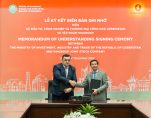





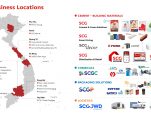


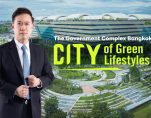


 https://www.facebook.com/DhanarakAssetDevelopment/