South Africa’s vast grasslands have become the testing ground for what is being described as a global first in community-led carbon markets, as farmers and pastoral groups begin to earn tradable carbon credits through regenerative land management verified under a new international standard. The initiative centres on Verra’s recently approved methodology for Improved Agricultural Land Management, which allows greenhouse gas reductions and soil carbon gains from grazing […]
Arabian Post Staff -Dubai Casagrand has begun construction of Casagrand Hermina at Dubai Islands, signalling the Chennai-headquartered developer’s formal entry into the emirate’s premium waterfront housing market and marking a strategic expansion beyond South Asia. The ground-breaking ceremony, held at the project site, brings Casagrand’s development playbook to one of Dubai’s most closely watched island clusters, where large-scale regeneration plans are reshaping the northern coastline. Casagrand Hermina […]
Advancing R&D, talent development and the region’s energy transition
SINGAPORE – Media OutReach Newswire – 26 January 2026 – ST Telemedia Global Data Centres (STT GDC), one of the world’s fastest growing data centre colocation providers headquartered in Singapore, today announced two significant initiatives that strengthen Singapore’s position in the global digital and energy transition: the launch of the FutureGrid Accelerator, Southeast Asia’s first live High Voltage Direct Current (HVDC)-powered AI infrastructure testbed; and a suite of strategic Memoranda of Understanding (MOUs) with four Institutes of Higher Learning (IHLs) to advance skills development and expand internship and early career pathways for Singaporeans entering the workforce. These initiatives align with national efforts to support talent graduating into a challenging job market, while building the specialised capabilities required for next generation power and digital infrastructure.
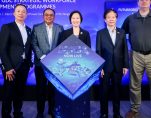
Celebrating the official launch of the FutureGrid Accelerator; a new benchmark for HVDC-powered AI infrastructure in the region.
[Pictured from left to right] Lim Kian Tiong, Chief Financial Officer, LITEON; Bruno Lopez, President & Group Chief Executive Officer, ST Telemedia Global Data Centres; Minister Gan Siow Huang, Minister of State, Ministry of Foreign Affairs & Ministry of Trade and Industry; Professor Lam Khin Yong, Vice President (Industry), Nanyang Technology University Singapore; Brian Dow, Chief Executive Officer, Amperesand.
Officiated by Ms Gan Siow Huang, Minister of State for Foreign Affairs and Trade & Industry, the announcement underscores a national push to build capabilities not only for AI-ready data centres, but also for the wider energy ecosystem, as Singapore and the region pursue net-zero ambitions.
FutureGrid Accelerator: HVDC innovation for AI and the wider energy transition Located at the Nanyang Technological University, Singapore (NTU Singapore) Electrification and Power Grids Centre (EPGC) on Jurong Island, the FutureGrid Accelerator is a pioneering initiative jointly developed by STT GDC and LITEON, supported by the Energy Research Institute @ NTU (ERI@N) and NTU deep-tech spinoff Amperesand. It is the region’s first live testbed demonstrating HVDC integration with real AI workloads, addressing the high-density and high-resiliency requirements of next-generation AI computing.
While central to the future of AI data centre architecture, HVDC represents a broader opportunity: it is a foundational technology that supports more efficient, resilient and integrated power systems. This is critical for Singapore’s long-term energy strategy, its transition to low-carbon energy grids and the region’s increasing need for sustainable power delivery.
Why HVDC Matters: A scalable platform beyond the data centre As AI and high-performance computing workloads scale, traditional alternating current (AC) power systems face inherent limitations. HVDC overcomes these constraints and delivers several transformative benefits:
Up to 30% overall energy savings compared to conventional AC systems
A reduction of up to 400 tonnes of CO2 equivalent (CO2e) per megawatt per year
45% lower copper consumption and a 30–40% smaller power-infrastructure footprint
The ability to support ultra-high-density racks exceeding 1,000kW, with higher reliability and lower cost
Native compatibility with renewable power sources able to feed directly to the direct-current system, avoiding inefficient power conversions
“The FutureGrid Accelerator is a strategic investment in Singapore’s long-term digital leadership,” said Bruno Lopez, President and Group Chief Executive Officer, ST Telemedia Global Data Centres. “By bringing together global industry leaders like LITEON with local deep-tech talent such as Amperesand, we are building infrastructure that is ready for future AI workloads while pioneering sustainable practices and setting new benchmarks for energy efficiency and carbon-conscious innovation. This initiative reflects our commitment to future-ready technologies and reinforces Singapore’s position as a global Centre of Excellence for advanced sustainable digital infrastructure. It is a bold step forward in shaping the future of data centres and accelerating energy transition across the region.”
Ms Gan Siow Huang, Minister of State for Foreign Affairs & Trade and Industry, said: “The FutureGrid Accelerator demonstrates how industry and academia can work together to drive innovation and strengthen Singapore’s global leadership in cutting-edge technologies. I also welcome STT GDC’s partnerships with ITE and SP, which will add to the suite of training options for the rapidly growing areas of AI and energy-efficient systems.”
The FutureGrid Accelerator will validate HVDC system performance at power loads of at least 325kW, incorporating the latest AI servers. The environment incorporates LITEON’s data centre reference architecture with Amperesand’s Solid State Transformer (SST) technology—an enabling innovation for next-generation HVDC deployment. STT GDC plans to deploy this technology in future data centres in Singapore and progressively scale adoption across its global operations.
“LITEON is committed to advancing the frontier of power management efficiency, and our collaboration with STT GDC and Amperesand is key to establishing the next standard for sustainable AI infrastructure in Asia,” said Jason Tsao, Head of Direct Current Microgrid at LITEON. “By deploying an end-to-end data centre reference architecture and integrated power management system in a live environment with STT GDC and partners, we are validating a high-density, energy-saving solution ready to meet the extreme demands of global technology leaders.”
“The FutureGrid Accelerator underscores NTU’s role as a strategic partner in shaping the future of sustainable AI infrastructure”, said Prof Lam Khin Yong, NTU’s Vice President (Industry). “By integrating cutting-edge HVDC technologies with our research capabilities and the entrepreneurial drive of NTU spin-offs like Amperesand, we are advancing impactful solutions that can significantly enhance energy efficiency and grid resilience. This collaboration showcases how universities can drive transformative innovations at the intersection of energy, digitalisation and sustainability.”
“Amperesand is obsessed with revolutionising Medium Voltage to critical load power delivery for next-generation AI data centres, defence, and other essential electrified assets. We focus on first principles to achieve market leading power density, efficiency, and reliability,” said Brian Dow, CEO and Co-Founder of Amperesand. “In this era of AI data centre and other critical power systems becoming economic and national security interests for many countries, Amperesand’s MV SST Platform enables in-country cyber-secure controls and data, regionally available supply chains, and low CAPEX intensity local manufacturing. Our solution is an intelligent, universal Medium Voltage power source that works on-and-off grid to improve critical infrastructure resilience as new large electrical loads come online.”
Developing Energy-Ready Skills: Partnerships with ITE, SP, NTU and NUS STT GDC signed MOUs with the Institute of Technical Education (ITE), Singapore Polytechnic (SP), NTU Singapore and National University of Singapore (NUS). These partnerships will benefit more than 8,000 Singaporeans over five years through industry-aligned training in AI infrastructure and sustainable energy systems. This ensures the scaling of HVDC—and the broader energy transition—is matched by the transformation and availability of skills, jobs and talent development pathways.
Mr Lopez added, “Talent is the decisive enabler as we advance AI and sustainability infrastructure. These partnerships build a skilled workforce needed to strengthen Singapore as a global hub for advanced digital and energy systems.”
Key initiatives and impact:
Building a talent pipeline: STT GDC will provide internship placements across ITE, SP, NTU and NUS over the next five years, with support from Enterprise Singapore. The programme offers immersive, hands-on experience in data centre operations and corporate functions such as IT, sustainability, finance and marketing, supported by mentoring from industry professionals. In addition, STT GDC will offer 100 sponsorships for Data Centre Foundation Certificate (DCFC®) offered by EPI, a global certification body for data centre facilities, data centre operations and industry professionals, accelerating entry into the sector.
Developing industry-ready talent with ITE: The collaboration with ITE will benefit approximately 800 students annually — totalling 2,400 students over three years — from ITE’s engineering and information and communications technology (ICT)-related Higher Nitec and Work-Study Diploma courses. Key initiatives include co-developing industry-relevant curricula for full-time and Continuing Education & Training (CET) courses in data centre operations and sustainability; deploying a data centre virtual reality system at the ITE Extended Reality Centre for immersive training; supporting lecturer attachments and student internships; and enabling students to pursue the sponsored DCFC® course.
Sustainability leadership with SP: The partnership with SP develops expertise in environmental sustainability and green data centre solutions. Initiatives include joint exploration of green technologies and practices; industry seminars and events to promote sustainable solutions; and targeted programmes for training, mentorship, applied projects and internships.
Innovation and research leadership with NTU: The partnership with NTU combines cutting-edge joint R&D of solutions for AI data centres powered by direct current sources; training, curriculum and talent development for the AI data centre sector; industry and career talks; and internship opportunities across STT GDC’s group of companies.
Graduate pathways with NUS: STT GDC’s collaboration with NUS supports accessible entry points for graduates through internships, training opportunities and ongoing career and industry engagement to raise awareness of digital infrastructure pathways.
The issuer is solely responsible for the content of this announcement.
About ST Telemedia Global Data Centres
ST Telemedia Global Data Centres (STT GDC) is one of the fastest-growing data centre providers with a global platform serving as a cornerstone of the digital ecosystem that helps the world to connect. Powering a sustainable digital future, STT GDC operates across Singapore, the UK, Germany, Italy, India, Thailand, South Korea, Indonesia, Japan, the Philippines, Malaysia and Vietnam, providing businesses an exceptional foundation that is built for their growth anywhere. For more information, visit https://www.sttelemediagdc.com/
Appendix: Partner Quotes
Mr Peter Lam, Chief Executive Officer, Institute of Technical Education (ITE): “At ITE, our focus is on equipping our students with future-ready skills for Singapore’s evolving economy. Through the partnership with STT GDC, our students gain valuable real-world training and exposure to advanced tools in data centre operations. This strengthens our efforts to prepare career-ready students and develop talent for Singapore’s growing digital infrastructure sector.”
Mr Soh Wai Wah, Principal and CEO of SP: “Singapore Polytechnic is committed to developing a future-ready workforce that can support Singapore’s growing demand for sustainable and resilient data centre operations. This partnership with STT GDC brings together our strengths in training, applied learning and industry collaboration to nurture talent in environmental sustainability and green solutions for data centres. Through co-developed programmes, mentorship, student projects and internships, we will build deeper capabilities and broaden pathways for learners to contribute to this important sector. SP looks forward to advancing this effort with STT GDC to support Singapore’s long-term industry and sustainability goals.”
Professor Lam Khin Yong, Vice President (Industry), Nanyang Technological University: “STT GDC is a partner that shares our commitment to advancing impactful research and developing future-ready talent. Leveraging NTU’s strengths in artificial intelligence, energy-efficient systems and translational innovation, this partnership will accelerate the co-development of next-generation AI data centre technologies while providing our students and researchers with valuable real-world experience. Together, we are helping to build a robust pipeline of skilled professionals who will support Singapore’s ambitions in sustainable and AI-driven digital infrastructure.”
Ms Joan Tay, Senior Director, NUS Centre for Future-ready Graduates: “NUS’ partnership with STT GDC is timely, as demand grows for skilled professionals to manage complex, high-density AI infrastructure. Through internships, training, industry engagement and access to recognised certification, we bridge education and industry to equip students with the skills and experience needed to thrive in today’s fast-evolving digital infrastructure space.”
Matein Khalid Zohran Mamdani’s election as Mayor of New York City is the worst nightmare for the Big Apple’s commercial landlords, the reason why the shares of SL Green and Vornado have been sandbagged on the NYSE. The last thing a soft Manhattan office market with a plunge in inbound foreign tourism and spike in the 10-year US Treasury yield needed was a 35 year old self […]
Abu Dhabi National Oil Company has become the first Emirati brand to secure a spot among the world’s 100 most valuable brands, highlighting its expanding global footprint and brand strength. The Brand Finance annual league table shows ADNOC’s brand value climbed 11 per cent year-on-year to US$21.13 billion for 2026, marking growth of more than 350 per cent since 2017 and placing it ahead of a number […]
Matein Khalid Marriott (MAR) is the world’s preeminent hospitality business with 1.7 million hotel rooms located in 9800 properties in 140 countries. Sadly, its shares were a Cinderella last year, underperforming the S&P 500 index with only a 14% return due to the decline in inbound foreign travel to the US triggered by Trump’s tariff threats, immigration crackdown and restrictive visa rules. Hopefully, Marriott will prove a […]
Greenlogue/AP The UAE Research Program for Rain Enhancement Science has named the recipients of its sixth cycle of grants, committing up to US$1.5 million to each selected project over three years as the country sharpens its focus on applied climate research and water security. The awards, announced by the UAE Research Program for Rain Enhancement Science, come with a ceiling of US$550,000 per year for each project […]
South Africa’s currency advanced to its strongest level in roughly three years as a softer US dollar, firm commodity prices and cautious optimism about domestic reforms combined to lift investor appetite for emerging-market assets. The rand strengthened through the week against the greenback and traded at levels last seen before the global tightening cycle gathered pace, reflecting both external tailwinds and renewed focus on policy signals from […]
UAE and India have elevated their strategic partnership with a sweeping set of agreements signed during the visit of Sheikh Mohamed bin Zayed Al Nahyan, signalling a calibrated push to broaden cooperation across defence, energy, space, trade, investment and food safety. The pacts, endorsed alongside Narendra Modi, reflect a shared intent to anchor bilateral ties in long-term economic and security interests while navigating a volatile global environment.
The visit culminated in the exchange of multiple memoranda of understanding that collectively aim to translate political goodwill into operational outcomes. Officials from both sides framed the agreements as an expansion of the Comprehensive Strategic Partnership, emphasising implementation timelines and institutional coordination rather than aspirational language. At the centre of the package is a defence cooperation framework that strengthens military-to-military engagement, joint exercises, training exchanges and defence industrial collaboration, an area that has gathered momentum as both countries diversify security partnerships.
Energy cooperation featured prominently, with accords spanning hydrocarbons, clean energy and grid resilience. State-linked firms and private players outlined pathways to scale joint investments in upstream oil and gas while accelerating collaboration in renewables, green hydrogen and energy storage. The emphasis on clean energy dovetails with the UAE’s net-zero ambitions and India’s drive to expand non-fossil capacity, positioning both as partners in technology transfer and project financing across third markets.
Space cooperation agreements mark another pillar of the evolving relationship. Space agencies from Abu Dhabi and New Delhi committed to deeper collaboration in satellite development, earth observation, data sharing and human spaceflight training. The arrangements are designed to support applications ranging from climate monitoring and disaster management to urban planning and agriculture, underscoring the commercial and societal dividends of space-based assets.
Trade and investment pacts seek to build on the momentum generated by the Comprehensive Economic Partnership Agreement, which has reshaped tariff structures and supply chains between the two economies. New understandings focus on easing customs procedures, aligning standards and expanding market access for small and medium-sized enterprises. Investment promotion agencies agreed to coordinate sectoral roadmaps in manufacturing, logistics, digital services and infrastructure, with sovereign investors and development funds expected to play a catalytic role.
Food safety and agricultural cooperation agreements address a strategic priority for both governments. Protocols on standards, certification and inspection aim to streamline the movement of agri-food products while safeguarding consumer interests. Joint research initiatives are set to target crop resilience, post-harvest technologies and cold-chain logistics, reflecting lessons from climate stress and supply disruptions that have sharpened the focus on food security.
Diplomatic engagements during the visit also underscored people-to-people ties, education and skills. Universities and research institutions announced partnerships in advanced materials, artificial intelligence and health sciences, while vocational training programmes were aligned to labour market needs in construction, healthcare and digital services. These measures are intended to deepen the talent pipeline that underpins commercial ties.
Officials were careful to situate the agreements within a broader regional and global context. With shipping lanes under strain and commodity markets exposed to geopolitical shocks, both sides highlighted coordination on maritime security and supply chain resilience. The defence and logistics components of the package are expected to reinforce cooperation in the Indian Ocean region, where the UAE’s ports and India’s maritime capabilities intersect.
Economists note that the breadth of the accords reduces concentration risk by spreading cooperation across multiple sectors, while governance mechanisms embedded in the agreements could improve execution. Joint working groups, periodic reviews and dispute-resolution channels were outlined to ensure progress is measurable. Business leaders welcomed the clarity on standards and compliance, arguing that predictability lowers the cost of capital and accelerates project timelines.
Critics caution that delivery will depend on regulatory alignment and the pace of domestic approvals, particularly in capital-intensive sectors such as energy and defence manufacturing. Past initiatives have sometimes faced delays linked to procurement processes and technology transfer rules. Both governments acknowledged these constraints and signalled intent to address bottlenecks through empowered committees.
Africa’s fashion sector gathered fresh momentum in Nairobi as Core Fashion Kenya, working with the United Nations Economic Commission for Africa, convened designers, manufacturers, policymakers and investors during the Hub of Africa Fashion Week to map pathways for scaling an industry valued at about $31 billion. The discussions centred on moving beyond fragmented national markets to build continent-wide supply chains, strengthen manufacturing depth and unlock export growth […]
HONG KONG SAR – Media OutReach Newswire – 21 January 2026 – Paul Chan, Financial Secretary of the Hong Kong Special Administrative Region (HKSAR), has joined about 3,000 world leaders attending the 56th Annual Meeting of the World Economic Forum (WEF) in Davos, Switzerland (January 19-23). During the WEF Annual Meeting 2026, themed “A Spirit of Dialogue”, Mr Chan attends, speaks and joins discussions at several keynote meetings, luncheons and dinners. He also meets with political, business and financial leaders to brief them on the latest situation in Hong Kong as well as the city’s new opportunities.
Mr Chan attended a breakfast reception hosted by virtual asset enterprise Animoca Brands, headquartered in Hong Kong, yesterday (January 20). Speaking at the meeting, Mr Chan said that Hong Kong adopts a proactive yet prudent approach to the development of digital assets guided by the principle of “same activity, same risk, same regulation” to promote responsible and sustainable market development. Since 2023, Hong Kong has issued licences to 11 virtual asset trading platforms, and a licensing regime for stablecoins is expected to be launched later this year. The Financial Secretary also noted the HKSAR Government’s leadership role in promoting tokenisation, including the issuance of three batches of tokenised green bonds amounting to around US$2.1 billion.
Mr Chan also engaged with a number of officials from different economies and regional organisations attending the WEF Annual Meeting, including Deputy Prime Minister and the Minister of Finance of Thailand, Mr Ekniti Nitithanprapas; the Secretary-General of the Cooperation Council for the Arab States of the Gulf, Mr Jasem Mohamed Albudaiwi; the Minister of Investment and Foreign Trade of Egypt, Mr Hassan El Khatib; and the State Secretary for International Finance at the Federal Department of Finance of Switzerland, Ms Daniela Stoffel. They exchanged views on the global political and economic landscape and issues of mutual concern, and explored opportunities to strengthen collaboration in areas such as trade, finance, industry development and digital transformation.
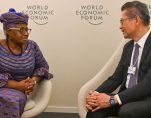
During a meeting with the Director-General of the World Trade Organization (WTO), Dr Ngozi Okonjo-Iweala, Mr Chan reiterated that Hong Kong, China firmly supports free trade and multilateralism, and expressed support for the WTO’s efforts to pursue reforms in response to current global challenges, with a view to enhancing its agility in addressing emerging issues in international trade.
HKSAR’s Financial Secretary Paul Chan (right) meets with the Director-General of the World Trade Organization, Dr Ngozi Okonjo-Iweala, in Davos, Switzerland
On arriving Davos (January 19), Mr Chan began his visit programme by meeting with the Minister of Economy of the Sultanate of Oman, H.E. Dr Said Mohammed Al-Saqri. During the meeting, the two sides discussed ways to deepen mutually beneficial cooperation in areas such as finance, trade, green transformation and industrial development.
Mr Chan said that Hong Kong’s advantages as a “super connector” could support Oman’s transitioning from an oil-driven growth model towards a more diversified economic structure. He said that Hong Kong could facilitate Chinese Mainland and Hong Kong enterprises to invest in Oman to support its infrastructure and industrial development. At the same time, Hong Kong’s status as an international financial centre in Asia could provide Omani enterprises with an ideal platform for fundraising and financing, as well as offshore Renminbi investment and risk management products.
Mr Chan will continue his programme in Davos, including participating at the 2026 Davos-Caixin CEO Luncheon and the “How to Finance Decarbonization?” session of the WEF Annual Meeting, before returning to Hong Kong on January 24 morning.
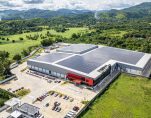
MANILA, PHILIPPINES – Media OutReach Newswire – 21 January 2026 – The Jollibee Group has formally inaugurated its newest – and its largest commissary in Visayas and Mindanao province – in Danao City, on January 8, 2026, a state-of-the-art facility designed to power the company’s expanding manufacturing and logistics footprint across the rapidly growing VisMin region and the wider Philippines.
Jollibee Group officially inaugurates its largest, state-of-the-art commissary in Cebu, Philippines, strengthening its Visayas and Mindanao operations, supporting multiple brands, creating jobs, and advancing sustainable growth across the country.
The inauguration was attended by national and local government leaders, including Cristina Roque, Secretary of the Department of Trade and Industry; Pamela Baricuatro, Governor of Cebu Province; Ace Durano, Cebu Provincial Administrator; Nito Durano, Mayor of Danao City; and Carmen Durano, Vice Mayor of Danao City.
Milestone Facility for a High-Growth Region
The Danao facility is the fourth—and largest—Jollibee Group commissary in Cebu and its first multi-brand, state-of-the-art commissary in the Philippines. It comes at a time of accelerating economic momentum in VisMin, driven by a strong tourism rebound, the rise of BPO hubs, expanding agribusiness exports, and growing manufacturing clusters—factors that continue to drive employment, consumer spending, and demand across the region.
Outfitted with advanced automation and integrated systems, the commissary is designed to support increasing demand across multiple Jollibee Group brands while generating efficiencies by consolidating equipment and production capabilities. This allows the Group to scale responsibly while upholding its standards for food quality, consistency, and operational excellence.
Supporting Brand Expansion and Same-Store Growth
The Danao Commissary supplies key ingredients and products for the Group’s major brands, including Jollibee, Chowking, Mang Inasal, Greenwich, Red Ribbon, and Burger King. These brands continue to expand their store networks in VisMin while sustaining same-store sales growth.
The facility strengthens the Group’s supply chain by supporting distribution centers serving Cebu, Iloilo, Bacolod, Zamboanga, Cagayan de Oro, and Davao, as well as select areas in Luzon—ensuring reliability and scalability as the company accelerates its nationwide expansion.
Economic Impact
Speaking during the program, Department of Trade and Industry (DTI) Secretary Cristina Roque highlighted the broader economic impact of the investment.
“Every new commissary that the Jollibee Group opens represents more jobs, more security, and more growth for our local industries,” Roque said. “As we open more commissaries, we are also encouraging more investments in our country while strengthening our supply chain.”
Speaking at the inauguration, Joseph Tanbuntiong, Chief Executive Officer of Jollibee Group Philippines and Global Head of Jollibee Brand, underscored the strategic importance of the new facility to both the company’s domestic and global growth.
“The opening of the Danao Commissary is both a reflection of our journey and a new beginning,” Tanbuntiong said. “Accelerating our growth by building on the strong momentum in Visayas and Mindanao is critical to our Philippine business.”
The investment also highlights the Jollibee Group’s confidence in Cebu as a strategic hub for manufacturing and logistics.
“This commissary underscores our confidence in Cebu—its people, its capability, and its role in our growth today and in the long term,” he added.
Community Impact and Sustainability
Beyond strengthening operational capacity, the Danao Commissary is expected to deliver shared value for local communities, generating close to 500 jobs, with over 60% of the workforce coming from Danao City. At full capacity, the commissary will create 800 jobs.
Sustainability features were integrated into the facility’s design and operations in line with the Jollibee Group’s Joy for Tomorrow agenda. From Day 1 of commercial operation, the Danao Commissary operates on 99% renewable electricity from geothermal sources. It is also equipped with roof-mounted solar panels, rainwater-harvesting systems, energy-efficient equipment, and wastewater treatment systems—supporting responsible, future-ready growth.
Tanbuntiong said the inauguration marks the beginning of a shared journey among stakeholders involved in the project.
“The success of the Danao Commissary is a shared success—for Danao, for Cebu, and for the nation. Together, we are building a stronger, more inclusive, and more sustainable future.”
Hashtag: #Jollibee
The issuer is solely responsible for the content of this announcement.
About Jollibee Group
Jollibee Foods Corporation (PSE: JFC) (the “Company”) is one of the world’s fastest-growing restaurant companies, driven by its purpose of spreading joy through superior taste. It manages and operates a portfolio that includes 19 brands (the “Jollibee Group”) with over 10,000 stores and cafés across 33 countries.
The Jollibee Group’s portfolio includes nine (9) wholly-owned brands (Jollibee, Chowking, Greenwich, Red Ribbon, Mang Inasal, Yonghe King, Hong Zhuang Yuan, Smashburger and Tim Ho Wan), five (5) franchised brands (Burger King, Panda Express, Yoshinoya, Common Man Coffee Roasters, and Tiong Bahru Bakery in the Philippines), and ownership stakes in other key brands like The Coffee Bean and Tea Leaf (80%), Compose Coffee (70%), SuperFoods Group that operates Highlands Coffee (60%), and bubble tea brand Milksha (51%). The Company also has membership interests in Tortazo, LLC, along with Chef Rick Bayless, for Tortazo in the U.S. and in Botrista, a leader in beverage technology.
The Jollibee Group’s global sustainability agenda, Joy for Tomorrow, underscores its commitment to sustainable business practices across food safety, employee welfare, community support, good governance, and environmental responsibility, among others. These focus areas are aligned with the United Nations Sustainable Development Goals (UN SDGs).
The Company has been recognized as the Philippines’ Most Admired Company by the Asian Wall Street Journal, named one of Asia’s Fab 50 Companies, and listed among Forbes’ World’s Best Employers and Top Female-Friendly Companies. The Company is also a four-time Gallup Exceptional Workplace Award recipient and featured in TIME’s World’s Best Companies and Fortune’s Southeast Asia 500 List.
Dubai authorities have unveiled a detailed model of the Emaar Properties Station on the future Blue Line of the Dubai Metro, setting out plans for what is expected to become the world’s tallest metro station when it opens in 2029. Rising 74 metres above ground, the structure is designed to serve as both a transport hub and a prominent architectural landmark along the expanding rail network. The […]
Arabian Post Staff -Dubai Meraki Developers has launched Nirvana Residence 1, a 22-storey residential tower positioned in Me’aisem within Dubai Production City, marking the company’s latest entry into a competitive mid-market segment that blends lifestyle design with wellness-led planning. The project is being pitched as a calm, community-oriented development in an area that has emerged as a residential alternative for professionals working across Dubai’s southern business corridors. […]
The sharp fall in the dollar and the sudden sell-off in US equity futures this week are early signals of a deeper problem with President Donald Trump’s escalating confrontation over Greenland. What’s being framed by the White House as a strategic gambit risks becoming an economic and financial self-own, with consequences that undermine the very US interests the policy claims to defend. Markets react first not to […]
By Nitya Chakraborty 2025 was the year of the maverick U.S. President Donald Trump. The developments during the year beginning January 20 evolved around Trump. He was the key decision-maker, irrespective of what other countries leaders felt. He cared little for the United Nations, WTO, WHO and all other multilateral bodies. He openly said ‘I […]
HAIKOU, CHINA – Media OutReach Newswire – 20 January 2026 – One month into the island-wide special customs operations, the Hainan Free Trade Port (FTP) in south China has maintained smooth and orderly functioning, with initial achievements in logistics efficiency, passenger convenience, and economic aggregation, highlighting the country’s commitment to high-level opening up.
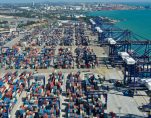
Yangpu Port, the largest cargo port in the Hainan FTP.
Hainan Heren Pearl Co., Ltd., which mainly imports pearls from overseas, has emerged as a direct beneficiary of Hainan FTP policies.
Under the value-added processing policy, the company can sell its high-value products to the mainland duty-free, cutting its overall tax burden from about 52 percent to roughly 26 percent and redirecting the savings into research and development, said Zhang Shizhong, the company’s chairman.
“The FTP holds great promise, with more policy dividends set to be released in the future,” Zhang said.
One notable special customs policy is offering “freer access at the first line,” referring to freer trade between Hainan and areas outside China’s customs borders, and “regulated access at the second line,” which involves applying standard customs controls for goods moving from Hainan to the mainland.
According to Haikou Customs, from Dec. 18, 2025 to the early hours of Jan. 18, 2026, the value of “first line” imported zero-tariff goods was 753 million yuan (about 107 million U.S. dollars); the value of processed and value-added goods sold domestically through the “second line” was about 85.9 million yuan.
In Wanning City, production lines at Chia Tai (Hainan) Xinglong Coffee Industry Development Co., Ltd. are running at full capacity. The company imports green coffee beans from Colombia and processes them in Hainan before shipping the finished products to the mainland, enjoying an 8 percent tariff reduction under the FTP policies.
“After the launch of island-wide special customs operations, Hainan will gradually become a value-added processing center and trade hub with global resource allocation capabilities,” said Ye Jian, the company’s general manager. “Enterprises will not only pass through Hainan, but also be able to put down roots here and create higher value.”
Duty-free shopping booms in Hainan FTP.
Drawn by the policy incentives, a growing number of companies are choosing to do business in Hainan. The General Administration of Customs said a total of 5,132 new foreign trade enterprises completed registration in Hainan over the past month, an increase in a month roughly equivalent to the total registrations in an entire quarter of 2024.
The total number of registered foreign trade market entities in Hainan has surpassed 100,000, according to official data.
As the policy came into force, major ports across Hainan saw a surge in activity.
Days after Hainan began island-wide special customs operations, a flight from Prague carrying 115 European passengers touched down in the tourist city of Sanya, marking a breakthrough in the high-level opening up of the aviation sector at the Hainan FTP.
The arrival marked the launch of China’s first official passenger route operated under the Seventh Freedom of the Air, which allows foreign carriers to operate flights between two foreign countries without having to land in their home country.
The route is operated by Kazakhstan’s Scat Airlines, with one round-trip scheduled each week.
At Yangpu Port, the largest cargo port in the Hainan FTP, mega-ships berthing in quick succession, gantry cranes operating around the clock, and container trucks moving in tightly coordinated flows have become a routine sight.
“Yangpu will shoulder the role of the main logistics gateway of the Hainan FTP,” said Yang Xiaobin, deputy head of the Transportation, Port and Waterway Bureau of Yangpu Economic Development Zone. “The port aims to build a smart and green international shipping hub and logistics center.”
Container throughput at Yangpu reached 3.31 million twenty-foot equivalent units (TEUs) in 2025, up more than 65 percent from a year earlier.
“It is particularly noteworthy that the Hainan FTP launched island-wide special customs operations at a time of intensifying deglobalization and rising global uncertainty,” said Cui Weijie, deputy director of the Chinese Academy of International Trade and Economic Cooperation, a think tank with the Ministry of Commerce.
“It not only demonstrates China’s unwavering commitment to high-standard opening up, but also injects greater certainty and positive momentum into the global economy and international trade cooperation,” Cui said.
HONG KONG SAR – Media OutReach Newswire – 20 January 2026 – Shell Hong Kong Limited (Shell) and the Transport Office of The Chinese University of Hong Kong (CUHK) held the “CUHK x Shell Electric School Bus Charging Station Opening Ceremony” on 15 January 2026, marking a significant milestone in advancing sustainable campus transportation. With the dedicated support from Shell, CUHK has launched its first Shell Recharge electric school bus charging station on campus, equipped with two fast chargers delivering up to 120 kW of power to provide efficient charging support for the university’s phased introduction of new energy school buses. Together with this initiative, the Hong Kong Productivity Council (HKPC) has provided CUHK with the first hybrid school bus on a Hong Kong university campus, making the first adoption of a hybrid school bus as a low-carbon transportation solution in local university campuses.
Shell and CUHK held the “CUHK x Shell Electric School Bus Charging Station Opening Ceremony” (From left to right: Mr. Kenneth Chung, Network Development & E-Mobility Manager of Shell Hong Kong Limited,Mr. Donald Lee, Transport Manager, The Chinese University of Hong Kong, Mr. Simon Lee, Director of Security and Transport, The Chinese University of Hong Kong, Mr. Dick Chan, General Manager of Shell Commercial Fuels- Hong Kong and Macau, Mr Yonghai Du, Chief Innovation Officer, Hong Kong Productivity Council and General Manager, Centre of Advanced Power and Autonomous Systems (APAS), Mr Ralph Xu, Head of Green Transportation, Centre of Advanced Power and Autonomous Systems (APAS))
First Shell Recharge Electric School Bus Charging Station installed in CUHK
As one of the leading global energy companies, Shell continues to focus on its strategy to deliver more value with less emissions while working to become a net-zero emissions business by 2050, contributing to global decarbonisation. This year, Shell installed CUHK’s first Shell Recharge electric school bus charging station, featuring two fast chargers with a power output of 120 kW, ensuring rapid and efficient energy replenishment for CUHK’s electric school buses. At the same time, Shell consistently upholds high safety standards, with stringent controls in the design, installation, and operation of the charging station to ensure a safe and reliable electric vehicle charging experience.
Since 2018, Shell has supported CUHK’s sustainability initiatives by supplying Shell FuelSave Diesel B5 for the university’s fleet, helping reduce emissions and enhancing operational efficiency. The collaboration has expanded with the introduction of fast-charging facilities further modernises CUHK’s transportation system and accelerates the adoption of innovative low-carbon technologies. Looking ahead, Shell will continue to work with CUHK to lead the development of advanced mobility solutions and demonstrate leadership in campus sustainability.
Mr. Yew Chong Tan, General Manager of Shell Commercial Fuels East, commented, “At Shell, we are committed to working with customers and partners to provide holistic energy solutions that power progress together. The installation of this electric school bus charging station at The Chinese University of Hong Kong exemplifies our dedication to such collaboration as we navigate the energy transition.”
First Shell Recharge Electric School Bus Charging Station installed in CUHK (From left to right: Mr. Donald Lee, Transport Manager, The Chinese University of Hong Kong, Mr. Simon Lee, Director of Security and Transport, The Chinese University of Hong Kong, Mr Yew Chong Tan, General Manager of Shell Commercial Fuels East, Mr. Dick Chan, General Manager of Shell Commercial Fuels- Hong Kong and Macau)
First Hybrid School Bus to Begin Operates at CUHK
The Hong Kong Productivity Council (HKPC) has provided CUHK with the first hybrid school bus ever deployed on a Hong Kong campus, which helps reduce diesel consumption and lower exhaust emissions compared to regular diesel coaches. When utilizing fast charging directly, it can reach an 80% battery charge in as little as 25 minutes.
Mr. Yonghai Du, Chief Innovation Officer of HKPC and General Manager, Centre of Advanced Power and Autonomous Systems (APAS), added, “This 12-meter plug-in hybrid bus is the first green transport project designed, developed, and assembled in Hong Kong by APAS, funded by the Innovation and Technology Fund and supported by our industry partners. This collaboration exemplifies the shared commitment of academia and industry to social responsibility. HKPC will continue to pioneer diverse innovative solutions, foster collaboration among ‘Government, industry, academia, research, investment, and applications’, expand the application demonstration of new technologies, products, and scenarios, and drive the transition towards green transportation.”
CUHK Advances Low-Carbon Transportation
These two major initiatives not only highlight CUHK’s dedication to sustainable development but also set a new standard for environmentally conscious transformation in transportation across Hong Kong.
Mr. Simon Lee, Director of Security and Transport at The Chinese University of Hong Kong, stated, “CUHK is committed to promoting sustainable development and embedding environmental protection principles within daily campus operations. By installing the EV charging station and introducing the hybrid campus bus, we aim to offer convenient transportation for staff and students while reducing carbon emissions and achieving low-carbon mobility. I would like to express my heartfelt gratitude to Shell for its strong support of the charging station project and to the Hong Kong Productivity Council for its professional assistance in introducing the hybrid campus bus, enabling us to jointly drive campus transportation toward a new green milestone.”
France has moved to convene a meeting of Group of Seven finance ministers this week as tensions escalate with the United States over proposed tariffs linked to a high-profile dispute about Greenland. Paris is spearheading coordinated Western efforts to address what it and other European capitals describe as coercive trade threats from Washington, and to explore collective avenues for diplomatic and economic response amidst deepening strain in […]
UAE President Sheikh Mohamed bin Zayed Al Nahyan arrived in New Delhi on a working visit, marking another step in the steady expansion of political, economic and strategic ties between Abu Dhabi and New Delhi. He was received at the Palam Air Base by Prime Minister of India Narendra Modi, accompanied by senior members of the Union Cabinet and officials from the external affairs establishment, underscoring the importance both sides attach to the engagement.
The visit places renewed focus on deepening UAE–India partnership at a time when bilateral cooperation spans trade, energy security, technology, defence and people-to-people exchanges. Officials said discussions during the visit would review progress under existing agreements while identifying new areas for collaboration aligned with long-term economic and geopolitical priorities.
The UAE and India have built a close relationship over the past decade, anchored by high-level political engagement and sustained institutional cooperation. The elevation of ties to a Comprehensive Strategic Partnership has provided a framework for collaboration across sectors, with regular leader-level interactions helping to maintain momentum. Sheikh Mohamed and Prime Minister Modi have met frequently on the margins of multilateral forums and through bilateral visits, creating a rapport that has translated into concrete outcomes.
Trade and investment remain central to the agenda. Bilateral non-oil trade has expanded significantly following the implementation of the Comprehensive Economic Partnership Agreement, which reduced tariffs, simplified customs procedures and opened services markets. Officials on both sides view the agreement as a catalyst for further growth, particularly in manufacturing, logistics, food security and digital services. The UAE has also emerged as a major investor, with sovereign and private capital flowing into infrastructure, renewable energy, ports and technology ventures.
Energy cooperation continues to be a pillar of the relationship. The UAE is a key supplier of crude oil and liquefied natural gas, while joint investments in strategic petroleum reserves and downstream assets have added depth to the partnership. As both countries pursue energy transition goals, collaboration has widened to include renewables, green hydrogen and climate technology, reflecting shared commitments to sustainability and diversification.
Defence and security cooperation has gained prominence amid evolving regional and global challenges. Regular joint exercises, intelligence exchanges and defence industrial cooperation have strengthened interoperability and trust. Counter-terrorism, maritime security and cyber resilience are areas where officials see scope for closer coordination, particularly given the shared interest in stable sea lanes and secure digital infrastructure.
Technology and innovation feature prominently in the discussions. The UAE’s push to position itself as a hub for advanced technologies aligns with New Delhi’s focus on digital public infrastructure, fintech and start-up ecosystems. Partnerships between research institutions, technology firms and start-ups have expanded, supported by policy initiatives and investment platforms designed to facilitate cross-border collaboration.
The large expatriate community also shapes the relationship. Millions of people from India live and work in the UAE, contributing to its economy and cultural diversity, while remittances and professional exchanges strengthen social and economic links. During past engagements, leaders have highlighted the role of this community as a bridge between the two nations, with initiatives aimed at skills development, worker welfare and cultural exchange.
On the multilateral front, both countries coordinate positions on regional stability, economic governance and climate action. Cooperation within forums such as the G20, where the UAE has participated as a guest under New Delhi’s presidency, has reinforced alignment on development priorities, debt relief for vulnerable economies and sustainable growth.
Officials familiar with the visit said meetings would assess progress on commitments made during earlier engagements and set timelines for new initiatives. Agreements and memoranda of understanding under consideration span sectors including education, healthcare, space cooperation and financial services, reflecting the breadth of the partnership.
By Nitya Chakraborty The annual summit of World Economic Forum began in the Alpine hills of Davos in Switzerland on January 19 with the European leaders and the businessmen rattled over the confrontationist approach taken by the U.S. President Donald Trump on Greenland annexation. After imposing 10 per cent tariff on the EU countries taking […]
HONG KONG SAR – Media OutReach Newswire – 19 January 2026 – Storefriendly Self Storage Group held an award presentation ceremony at Storefriendly Tower (Peninsula West) in Lai Chi Kok and was honoured with an Excellent grade in the Management aspect of BEAM Plus EB V2.1 Selective Scheme by Portfolio Assessment Mechanism. The award was presented by Dr CHEUNG Tin-cheung, SBS (Chairman of Hong Kong Green Building Council Limited), recognising the Group’s sustained commitment and performance in advancing sustainable building operations management—through robust governance, structured systems, and consistent execution.
A Milestone in Sustainable Operations & Facility Management
Storefriendly stated: “Achieving this Excellent rating reinforces our commitment to ESG goals. By optimizing our operations management, we ensure that our self-storage facilities are not only efficient but also environmentally responsible, providing our customers with a superior and greener storage experience.”
Selective Scheme Focuses on Building Performance Across Key Assessment Areas
BEAM Plus EB reviews a building’s sustainability performance through multiple assessment areas, including Site, Management, Materials & Waste, Energy Use, Water, Indoor Environmental Quality, and Innovation. Within these, the Management aspect places strong emphasis on responsible management practices and measures that promote the sustainable operation of building spaces. Achieving an Excellent rating in this aspect further validates Storefriendly’s ongoing investment and results in day-to-day operations management and its broader sustainability strategy.
Integrating Smart Technology with Green Logistics
Storefriendly continues to invest in cutting-edge technology—including AI-powered customer service systems and Safety Box. By combining smart access controls with energy-efficient facility management, the Group enhances both security and operational performance. This HKGBC recognition serves as a roadmap for the Group’s future, as it strives to modernize the mini storage industry with forward-thinking, sustainable solutions for both personal and business clients.
The following five Storefriendly Tower properties have been certified by HKGBC and included in the Existing Buildings portfolio assessment: 1. Storefriendly Tower (Peninsula East): 82 Hung To Road, Kwun Tong 2. Storefriendly Tower (Metropolis East): 13 Yip Cheong Street, Fanling, New Territories 3. Storefriendly Tower (Island East): 8 A Kung Ngam Village Road, Shau Kei Wan 4. Storefriendly Tower (Peninsula West): 850-870 Lai Chi Kok Road, Cheung Sha Wan 5. Storefriendly Tower (Metropolis West): 22-28 Tai Chung Road, Tsuen Wan
Hashtag: #Storefriendly
The issuer is solely responsible for the content of this announcement.
About Storefriendly Self Storage Group
Founded in 2002, Storefriendly Self Storage Group is one of Asia’s leading self-storage brands, with operations across Hong Kong, Macau, Singapore, and Taiwan. The Group operates over 90 branches and more than 40,000 storage units. Over half of its branches are self-owned properties, conveniently located and equipped with 24-hour smart access and comprehensive security systems, providing safe and flexible storage solutions for both individual and business customers. The Group continues to invest in technology—including AI-powered customer service, wine storage, and smart safety boxes—to elevate service quality through innovation and deliver an enhanced storage experience.
Arabian Post Staff -Dubai Dubai Municipality has invited bids from prequalified developers and consortiums for a key phase of the Dubai Strategic Sewerage Tunnels programme, signalling momentum on one of the emirate’s largest long-term infrastructure undertakings aimed at overhauling wastewater collection and transfer. The authority said requests for proposal have been issued for the Phase II Links Package of the project, which is designed to connect outlying […]
Greenlogue/AP Abu Dhabi’s flagship Al Dhafra Solar Photovoltaic Independent Power Plant has secured long-term refinancing through a major green bond issuance worth US$870.75 million, underscoring the emirate’s ambition to anchor clean energy financing in global capital markets. The transaction was announced during Abu Dhabi Sustainability Week 2026 by a consortium led by Abu Dhabi National Energy Company PJSC, working alongside Emirates Water and Electricity Company, Abu Dhabi […]



 https://www.sttelemediagdc.com/



 https://www.linkedin.com/company/brand-hong-kong/
 https://x.com/Brand_HK/
 https://www.facebook.com/brandhk.isd
 https://www.instagram.com/brandhongkong